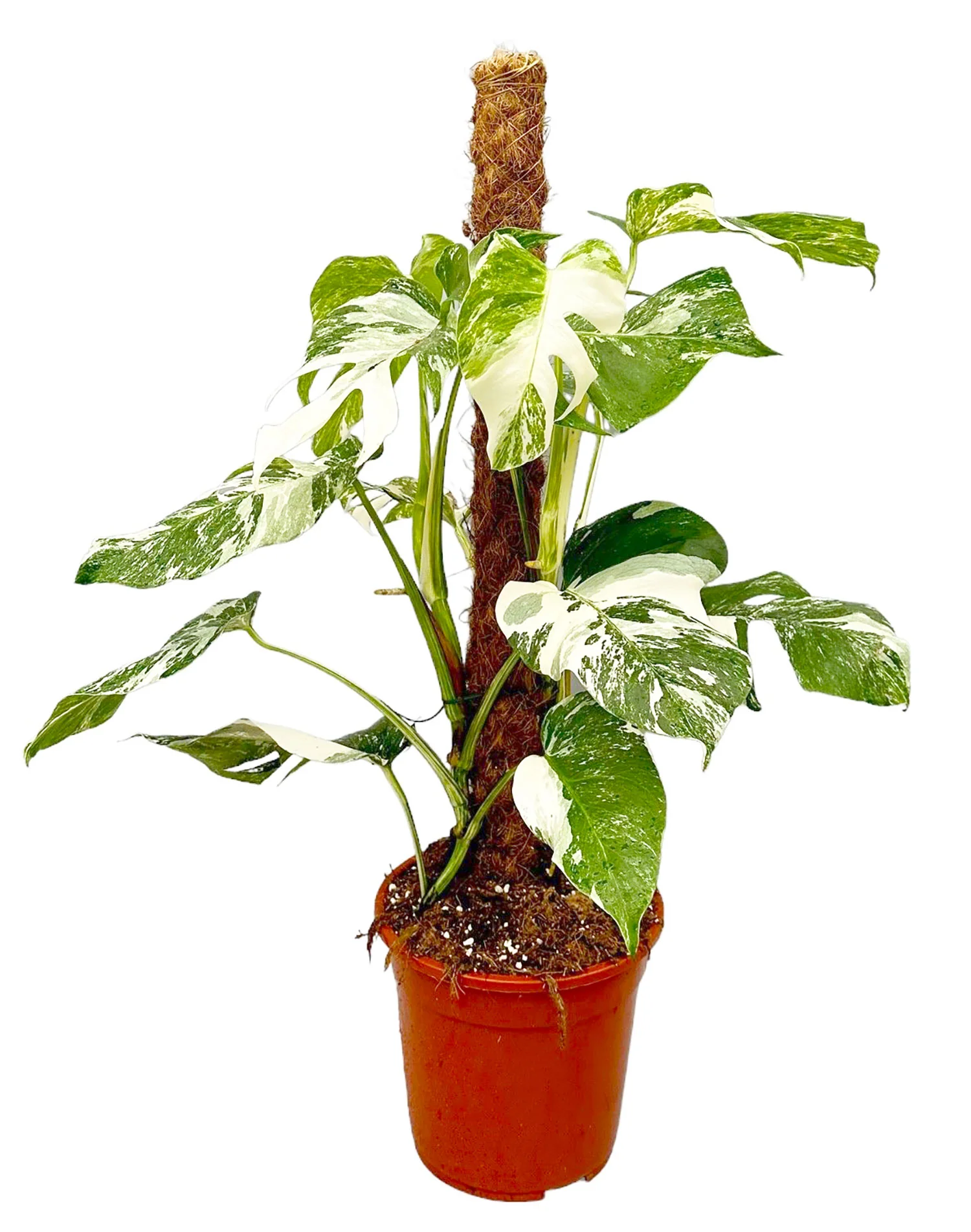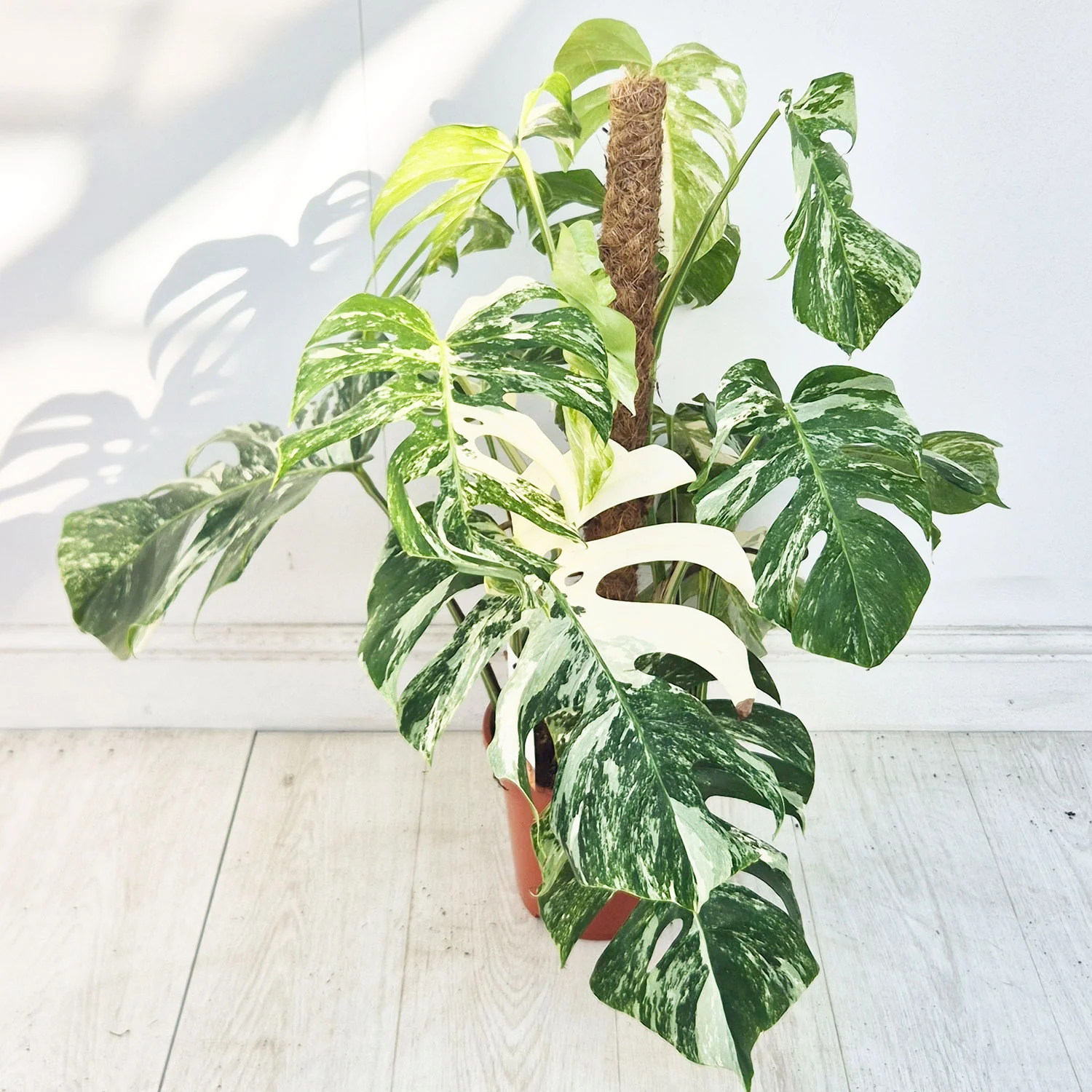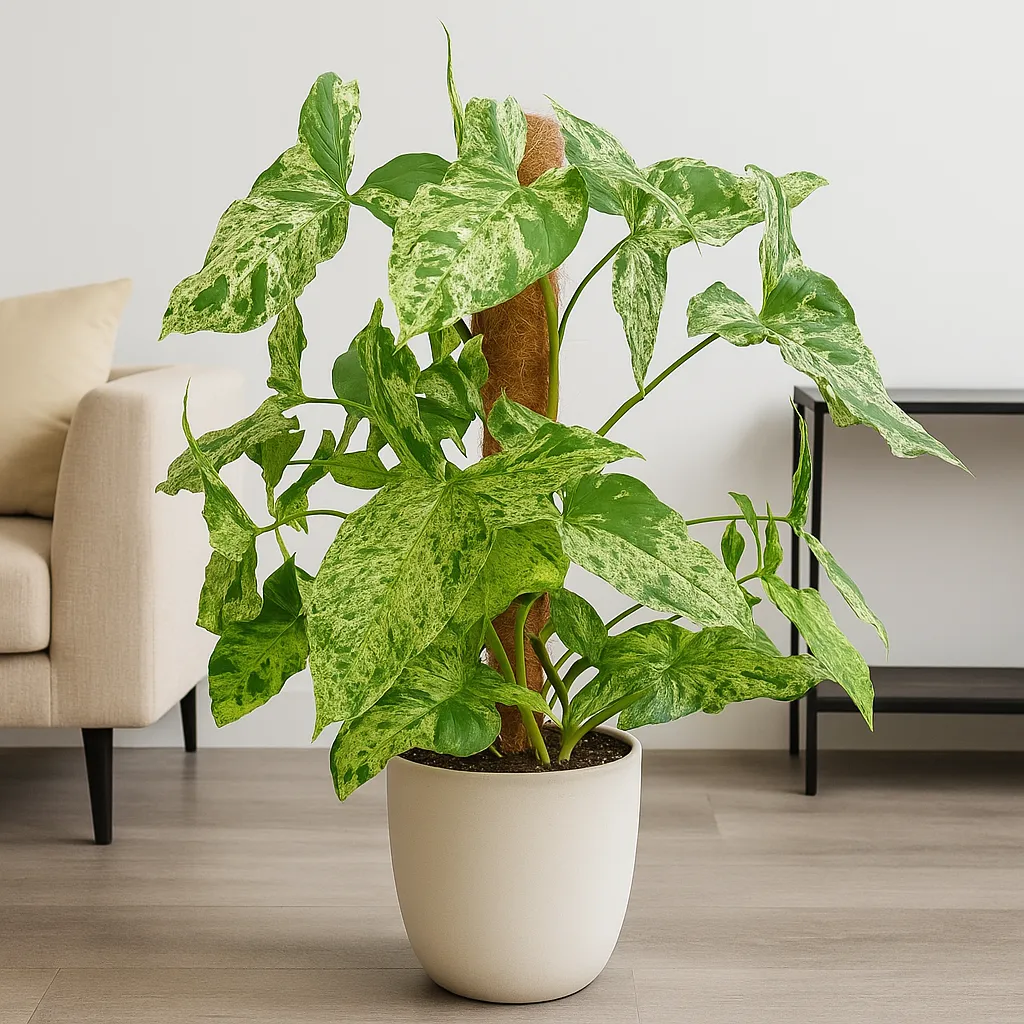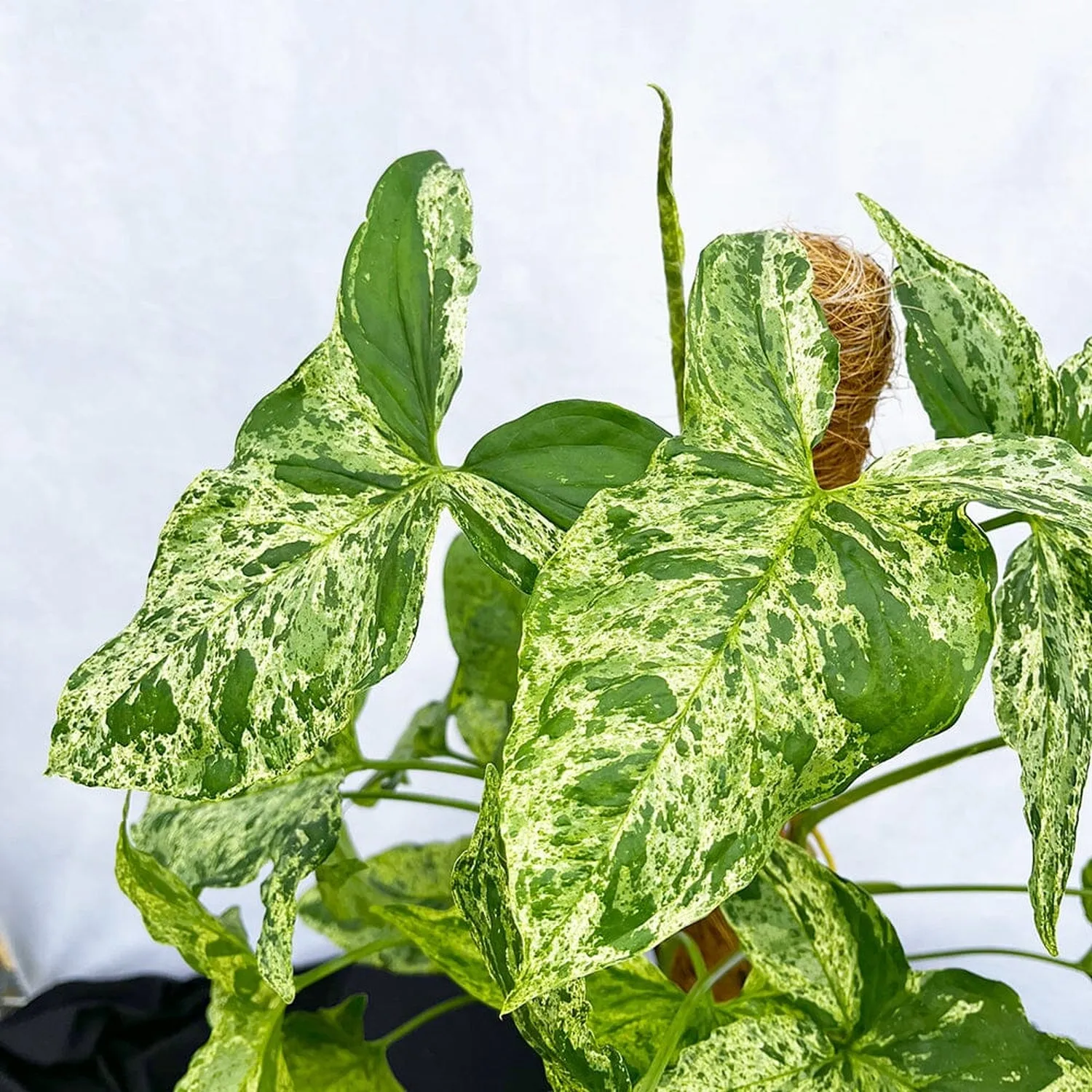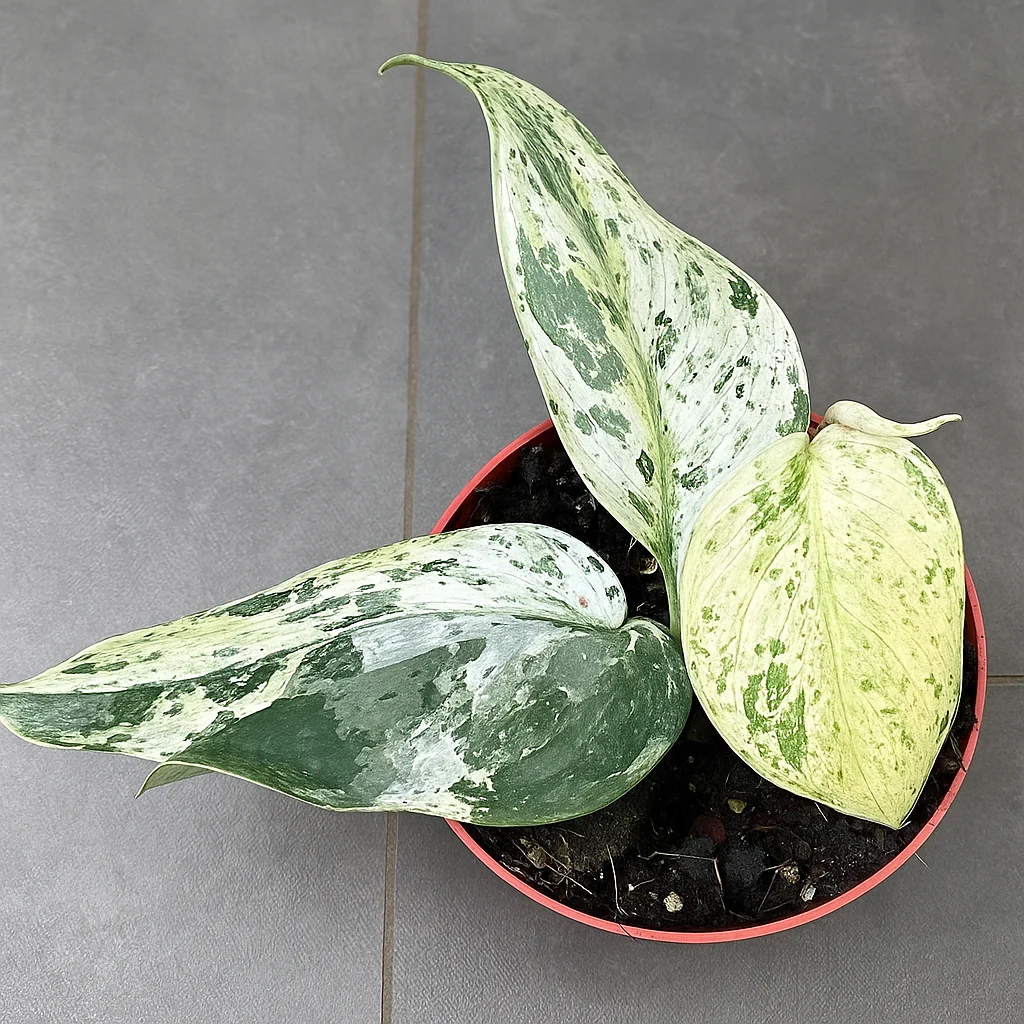
Marble Scindapsus Jade Satin 10.5cm Pot House Plant
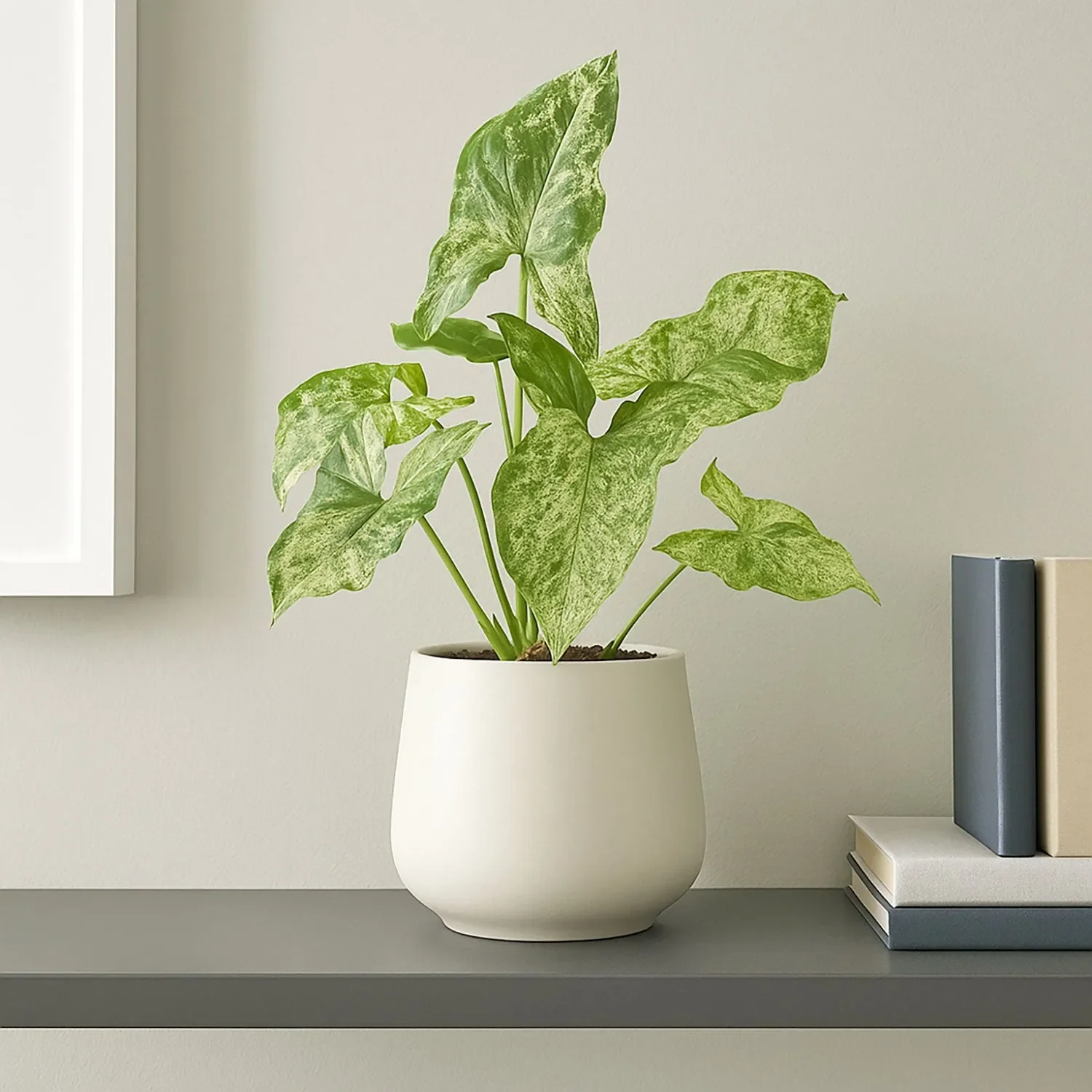
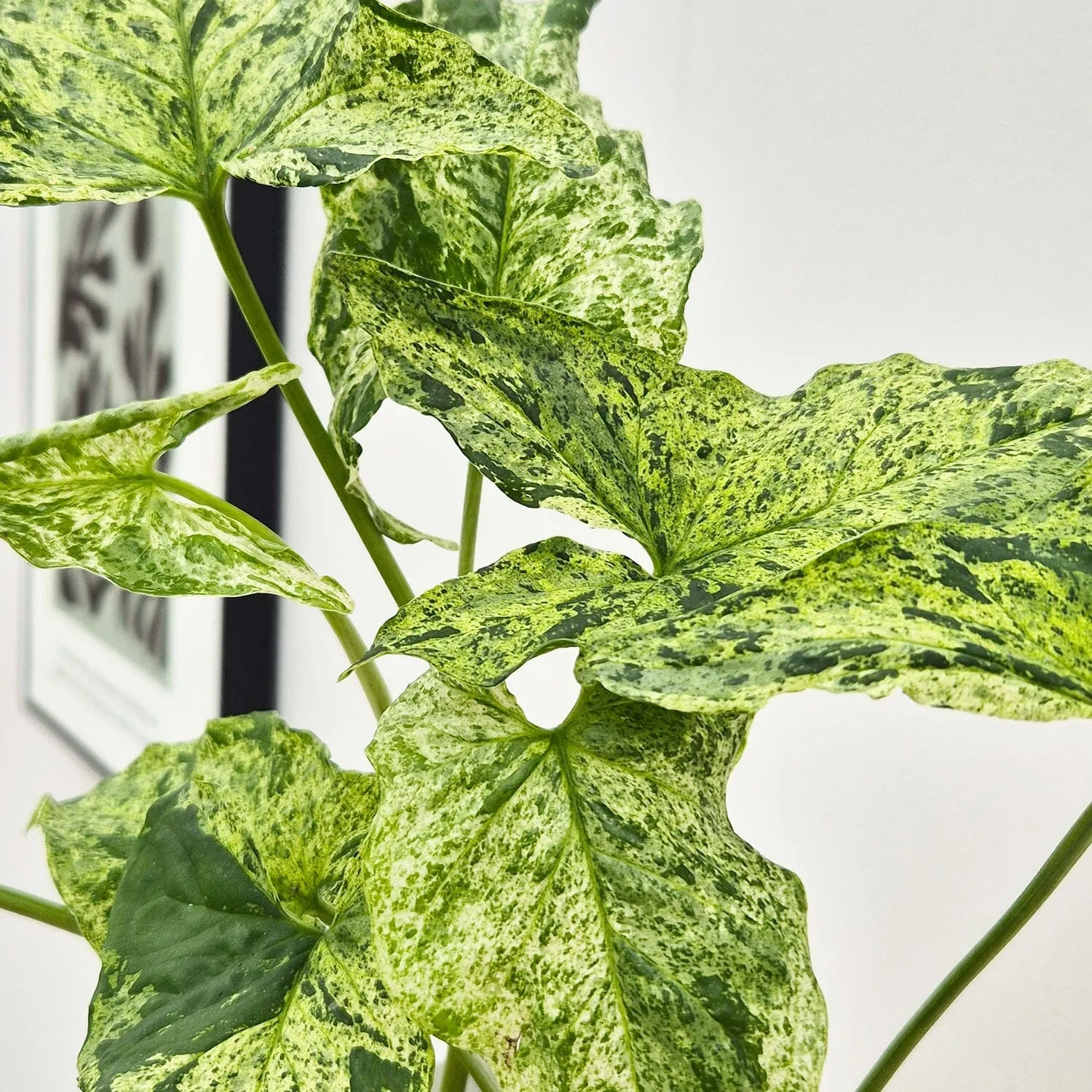
Scindapsus pictus ‘Jade Satin Marble’, commonly known as the Marble Jade Satin Pothos, is a rare and luxurious tropical vine admired for its thick, satin-textured leaves and subtle marbled variegation. A member of the Araceae family and native to the rainforests of Southeast Asia, this cultivar combines the velvety richness of Scindapsus pictus ‘Jade Satin’ with the delicate, painterly variegation seen in Scindapsus pictus ‘Marble’.
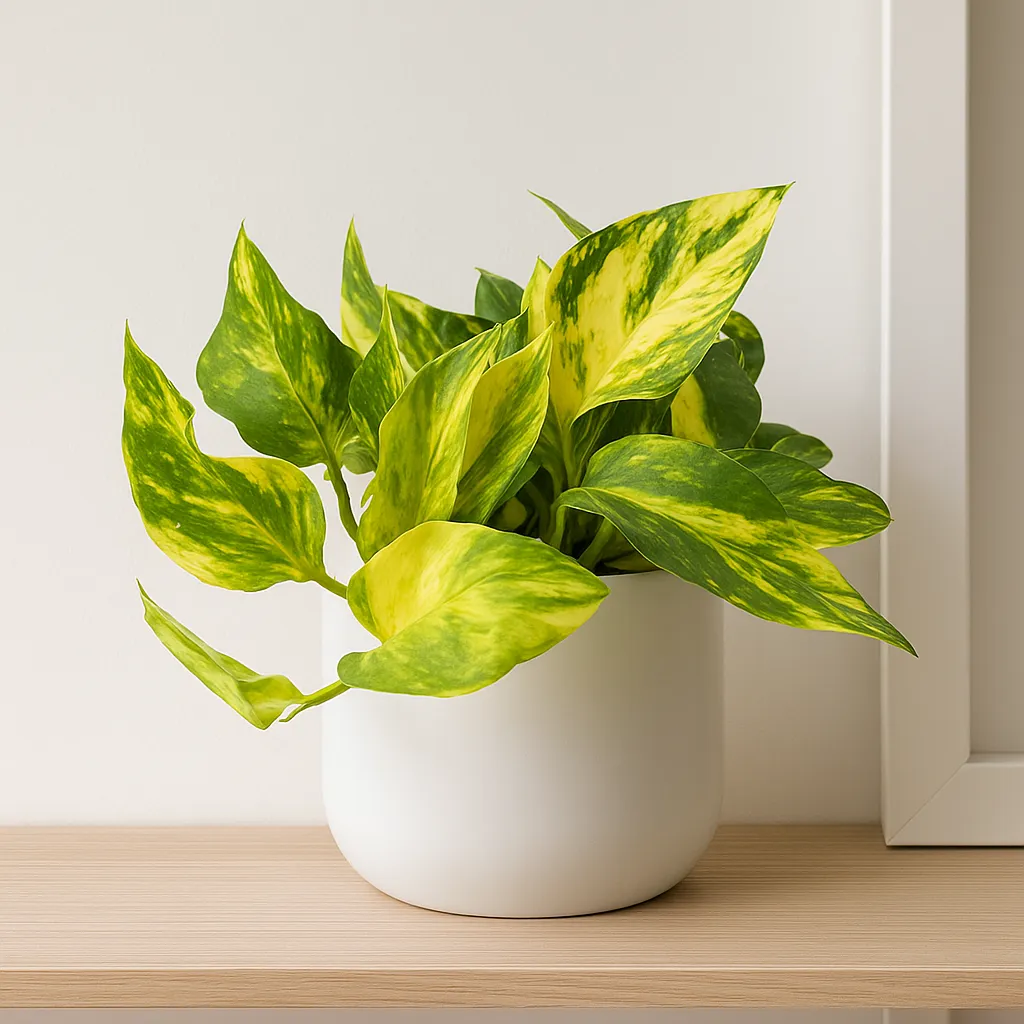
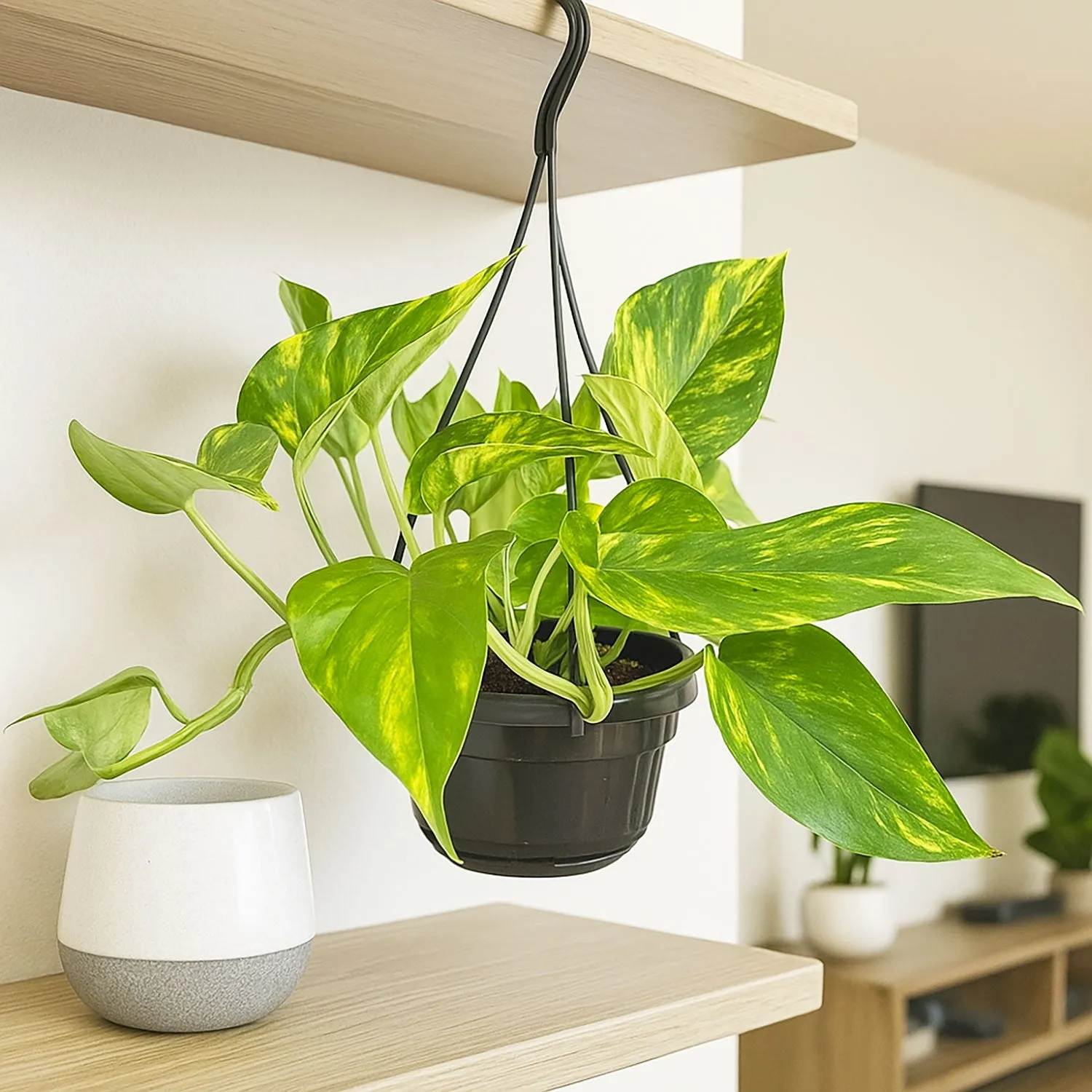
The broad, heart-shaped leaves are a deep jade green with soft marbling in silvery or light green tones that shimmer under light. Their smooth, satin finish gives the foliage a refined, almost velvety appearance. Compact and elegant, Scindapsus ‘Jade Satin Marble’ makes a sophisticated choice for trailing from shelves, cascading from hanging baskets, or climbing a moss pole to showcase its full potential.
Rare, tactile, and full of quiet elegance, this plant is a must-have for Scindapsus collectors and anyone drawn to rich green foliage with a hint of shimmer.
Scindapsus pictus ‘Jade Satin Marble’ – Care Guide
Light
Thrives in bright, indirect light, which helps maintain its soft marbling and healthy growth. It can tolerate moderate light but avoid direct sunlight, which may burn the leaves, and very low light, which can cause slow growth and darker, less marbled leaves.
Watering
Water when the top 2–3 cm of soil feels dry. Keep the soil evenly moist but not soggy, allowing excess water to drain freely. Scindapsus prefer to dry out slightly between waterings, especially in cooler months. Overwatering is the most common cause of yellowing leaves or root rot.
Temperature and Humidity
Temperature: Prefers warmth between 18–28 °C. Avoid cold drafts and temperatures below 15 °C.
Humidity: Moderate to high humidity (50–80%) keeps the leaves glossy and free from browning. Mist occasionally or use a humidifier to maintain healthy conditions, especially in dry indoor environments.
Soil and Potting
Use a well-draining, airy aroid mix — compost blended with perlite, coco coir, and orchid bark is ideal. This allows the roots to breathe while holding gentle moisture. Repot every 1–2 years in spring to refresh nutrients and encourage steady growth.
Feeding
Feed every 4–6 weeks in spring and summer with a diluted, balanced fertiliser. Over-fertilising can damage roots and dull the leaf sheen. Suspend feeding in autumn and winter when growth naturally slows.
Pruning and Maintenance
Prune long vines to encourage bushier growth and maintain shape. Propagate cuttings easily in water or soil to create fuller pots. Wipe leaves regularly with a soft, damp cloth to remove dust and accentuate their satin finish. Rotate occasionally for even light exposure.
Growth and Maturity
A slow to moderate grower, Scindapsus ‘Jade Satin Marble’ typically reaches 60–100 cm in length indoors. It can trail or climb, depending on support, and remains compact enough for small to medium spaces. Its dense foliage and lush texture make it ideal for adding greenery without overwhelming the space.
Common Issues
-
Yellow leaves: Overwatering or poor drainage.
-
Brown edges: Low humidity or inconsistent watering.
-
Pale leaves: Too much direct sun or nutrient deficiency.
-
Pests: Occasionally affected by spider mites or mealybugs — treat with neem oil or insecticidal soap.
Background and Benefits
Native to the tropical forests of Southeast Asia, Scindapsus pictus grows as an epiphyte, clinging to tree trunks and absorbing moisture from the air. The ‘Jade Satin Marble’ cultivar enhances the natural beauty of this genus, offering a darker, richer base tone with subtle marbling for a refined, modern look.
In addition to its aesthetic appeal, Scindapsus species are excellent air-purifying plants, filtering toxins and improving indoor air quality. Symbolically, they represent perseverance and calm — qualities reflected in their lush, enduring growth and soothing, deep-green tones.
Quick Care Summary
-
Light: Bright, indirect light; tolerates moderate light
-
Water: Allow top few cm of soil to dry between waterings
-
Temperature: 18–28 °C; avoid below 15 °C
-
Humidity: Moderate to high (50–80%)
-
Soil: Airy, well-draining mix – compost, perlite, bark, coco coir
-
Feed: Every 4–6 weeks in spring/summer
-
Growth: 60–100 cm trailing or climbing vine; jade-green leaves with soft silvery marbling
⚠️ Toxicity note: Mildly toxic to pets and humans if ingested; may cause mouth and skin irritation.
Styling Tip
Showcase Scindapsus ‘Jade Satin Marble’ in a hanging planter, on a high shelf, or trained up a moss pole to highlight its lush trailing vines. Its velvety, dark green foliage looks stunning against light or textured backgrounds, making it ideal for modern and minimalist interiors. Pair with brighter tropicals like Philodendron ‘White Princess’ or Pothos ‘N’Joy’ for contrast, or combine with darker plants such as Zamioculcas ‘Raven’ for a bold, moody aesthetic. Perfect for collectors, this elegant Scindapsus adds depth, texture, and a touch of luxury to any indoor space.
Original: $39.58
-70%$39.58
$11.87Product Information
Product Information
Shipping & Returns
Shipping & Returns
Description
Scindapsus pictus ‘Jade Satin Marble’, commonly known as the Marble Jade Satin Pothos, is a rare and luxurious tropical vine admired for its thick, satin-textured leaves and subtle marbled variegation. A member of the Araceae family and native to the rainforests of Southeast Asia, this cultivar combines the velvety richness of Scindapsus pictus ‘Jade Satin’ with the delicate, painterly variegation seen in Scindapsus pictus ‘Marble’.
The broad, heart-shaped leaves are a deep jade green with soft marbling in silvery or light green tones that shimmer under light. Their smooth, satin finish gives the foliage a refined, almost velvety appearance. Compact and elegant, Scindapsus ‘Jade Satin Marble’ makes a sophisticated choice for trailing from shelves, cascading from hanging baskets, or climbing a moss pole to showcase its full potential.
Rare, tactile, and full of quiet elegance, this plant is a must-have for Scindapsus collectors and anyone drawn to rich green foliage with a hint of shimmer.
Scindapsus pictus ‘Jade Satin Marble’ – Care Guide
Light
Thrives in bright, indirect light, which helps maintain its soft marbling and healthy growth. It can tolerate moderate light but avoid direct sunlight, which may burn the leaves, and very low light, which can cause slow growth and darker, less marbled leaves.
Watering
Water when the top 2–3 cm of soil feels dry. Keep the soil evenly moist but not soggy, allowing excess water to drain freely. Scindapsus prefer to dry out slightly between waterings, especially in cooler months. Overwatering is the most common cause of yellowing leaves or root rot.
Temperature and Humidity
Temperature: Prefers warmth between 18–28 °C. Avoid cold drafts and temperatures below 15 °C.
Humidity: Moderate to high humidity (50–80%) keeps the leaves glossy and free from browning. Mist occasionally or use a humidifier to maintain healthy conditions, especially in dry indoor environments.
Soil and Potting
Use a well-draining, airy aroid mix — compost blended with perlite, coco coir, and orchid bark is ideal. This allows the roots to breathe while holding gentle moisture. Repot every 1–2 years in spring to refresh nutrients and encourage steady growth.
Feeding
Feed every 4–6 weeks in spring and summer with a diluted, balanced fertiliser. Over-fertilising can damage roots and dull the leaf sheen. Suspend feeding in autumn and winter when growth naturally slows.
Pruning and Maintenance
Prune long vines to encourage bushier growth and maintain shape. Propagate cuttings easily in water or soil to create fuller pots. Wipe leaves regularly with a soft, damp cloth to remove dust and accentuate their satin finish. Rotate occasionally for even light exposure.
Growth and Maturity
A slow to moderate grower, Scindapsus ‘Jade Satin Marble’ typically reaches 60–100 cm in length indoors. It can trail or climb, depending on support, and remains compact enough for small to medium spaces. Its dense foliage and lush texture make it ideal for adding greenery without overwhelming the space.
Common Issues
-
Yellow leaves: Overwatering or poor drainage.
-
Brown edges: Low humidity or inconsistent watering.
-
Pale leaves: Too much direct sun or nutrient deficiency.
-
Pests: Occasionally affected by spider mites or mealybugs — treat with neem oil or insecticidal soap.
Background and Benefits
Native to the tropical forests of Southeast Asia, Scindapsus pictus grows as an epiphyte, clinging to tree trunks and absorbing moisture from the air. The ‘Jade Satin Marble’ cultivar enhances the natural beauty of this genus, offering a darker, richer base tone with subtle marbling for a refined, modern look.
In addition to its aesthetic appeal, Scindapsus species are excellent air-purifying plants, filtering toxins and improving indoor air quality. Symbolically, they represent perseverance and calm — qualities reflected in their lush, enduring growth and soothing, deep-green tones.
Quick Care Summary
-
Light: Bright, indirect light; tolerates moderate light
-
Water: Allow top few cm of soil to dry between waterings
-
Temperature: 18–28 °C; avoid below 15 °C
-
Humidity: Moderate to high (50–80%)
-
Soil: Airy, well-draining mix – compost, perlite, bark, coco coir
-
Feed: Every 4–6 weeks in spring/summer
-
Growth: 60–100 cm trailing or climbing vine; jade-green leaves with soft silvery marbling
⚠️ Toxicity note: Mildly toxic to pets and humans if ingested; may cause mouth and skin irritation.
Styling Tip
Showcase Scindapsus ‘Jade Satin Marble’ in a hanging planter, on a high shelf, or trained up a moss pole to highlight its lush trailing vines. Its velvety, dark green foliage looks stunning against light or textured backgrounds, making it ideal for modern and minimalist interiors. Pair with brighter tropicals like Philodendron ‘White Princess’ or Pothos ‘N’Joy’ for contrast, or combine with darker plants such as Zamioculcas ‘Raven’ for a bold, moody aesthetic. Perfect for collectors, this elegant Scindapsus adds depth, texture, and a touch of luxury to any indoor space.