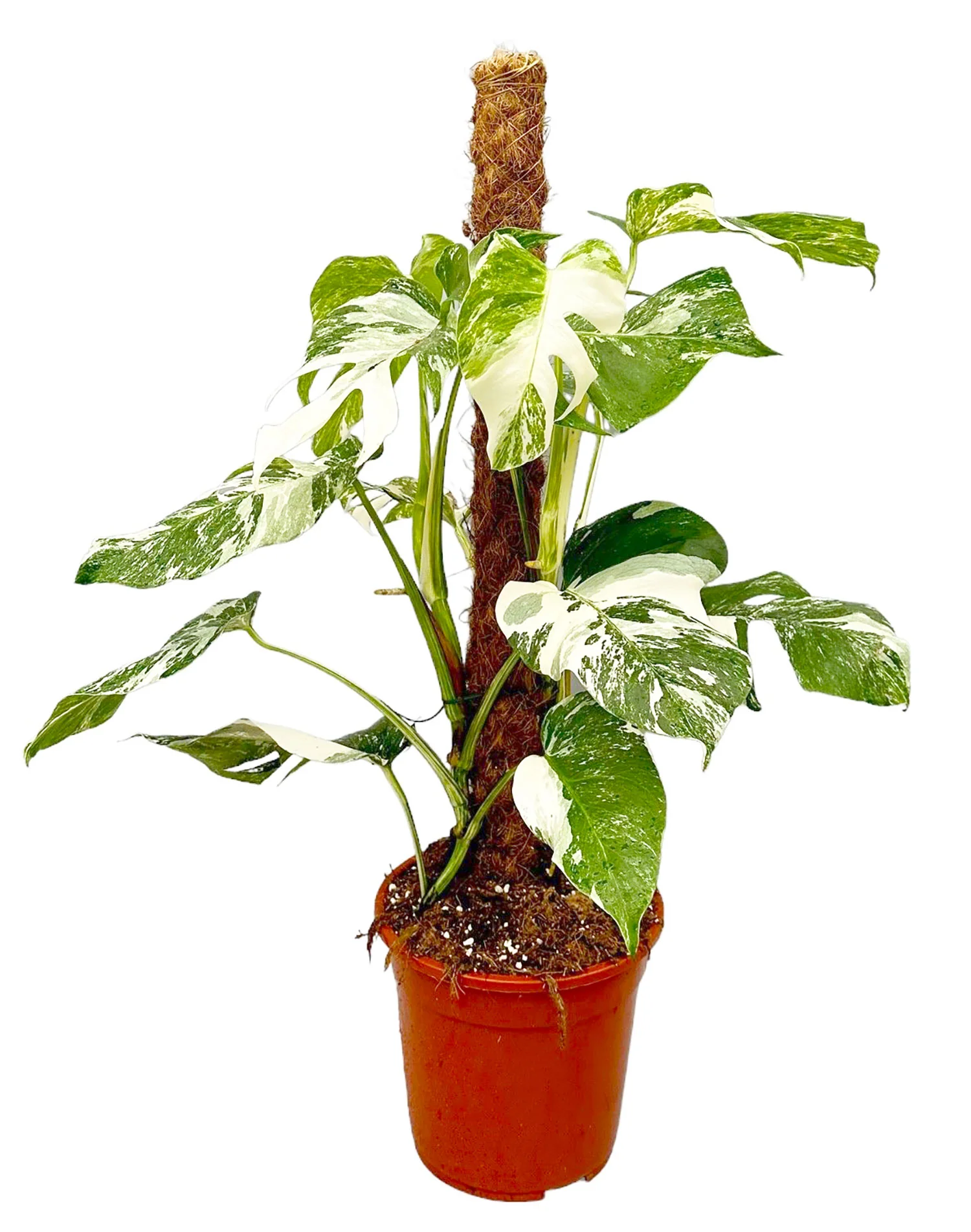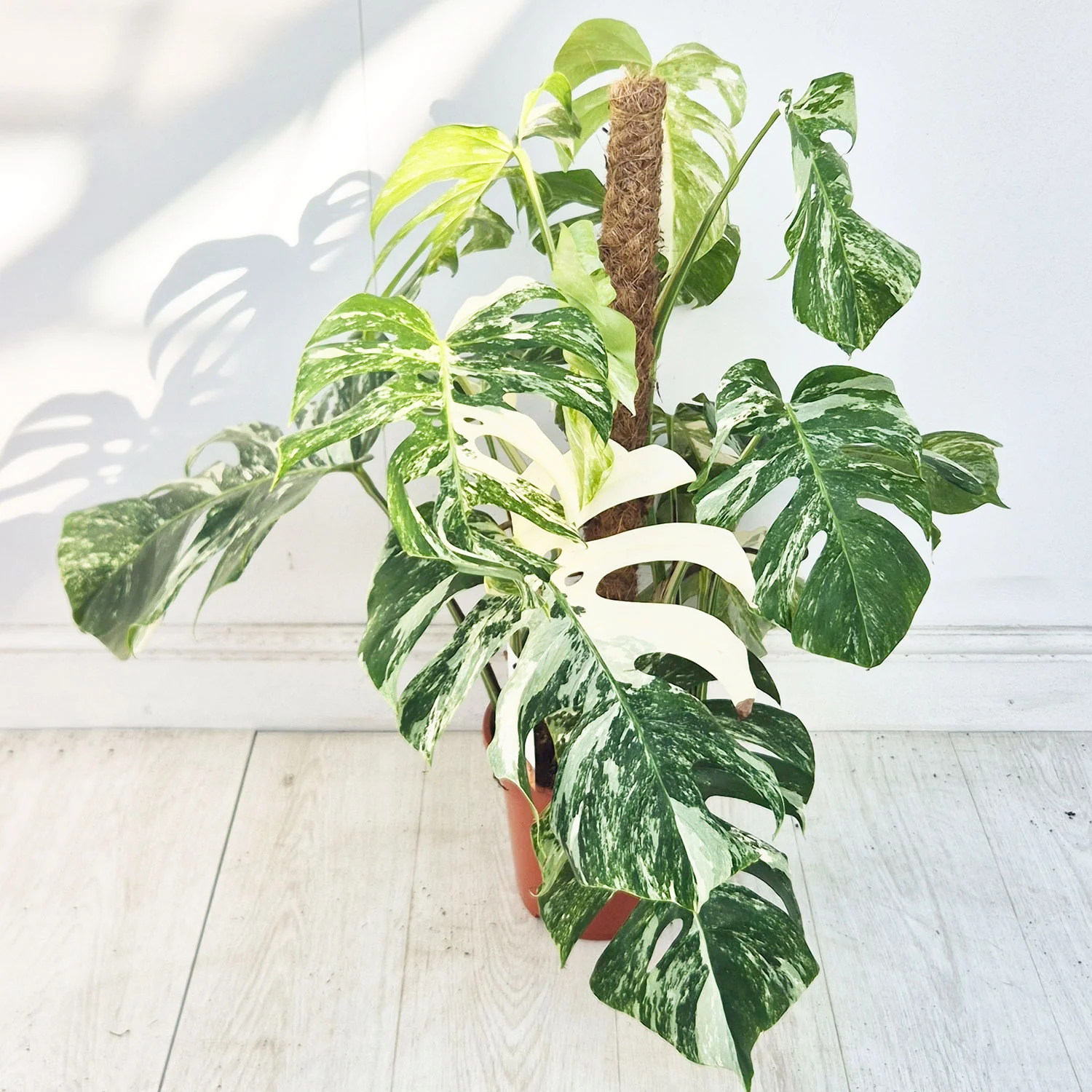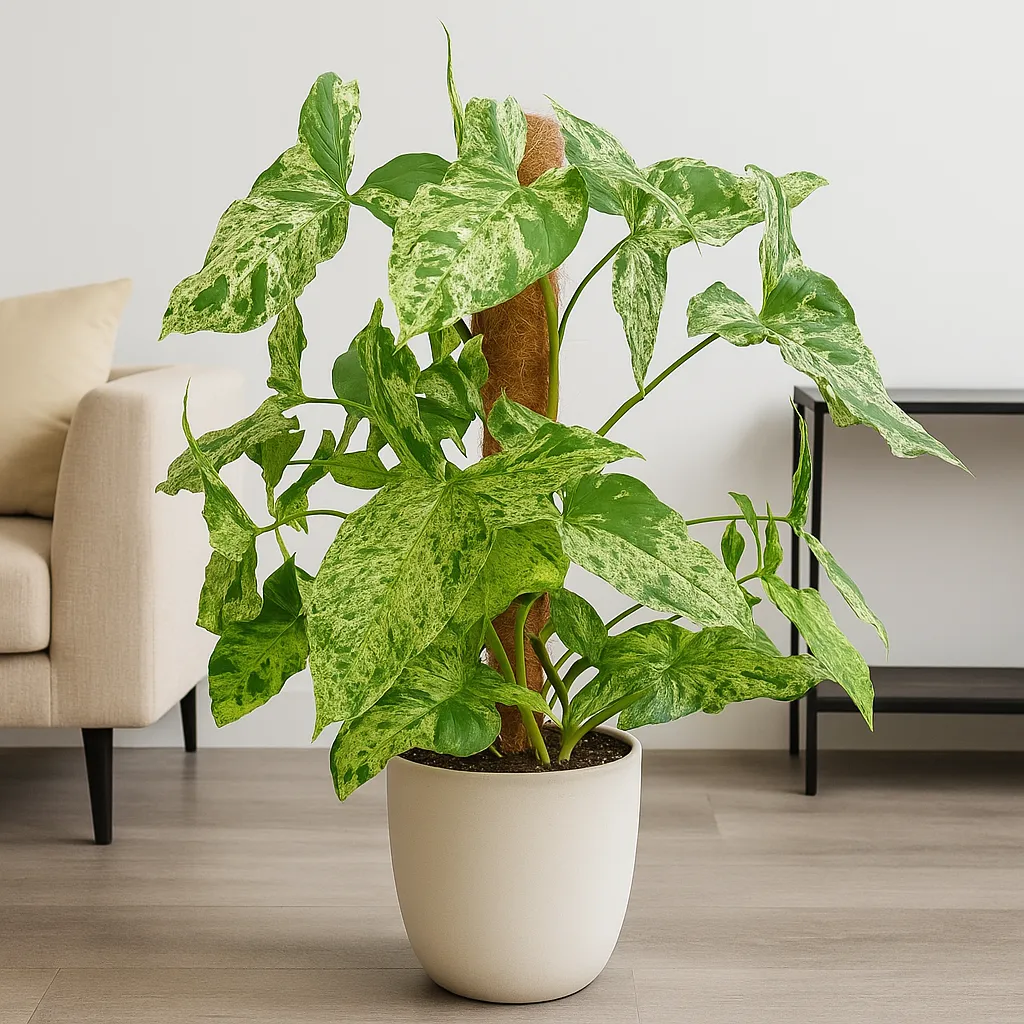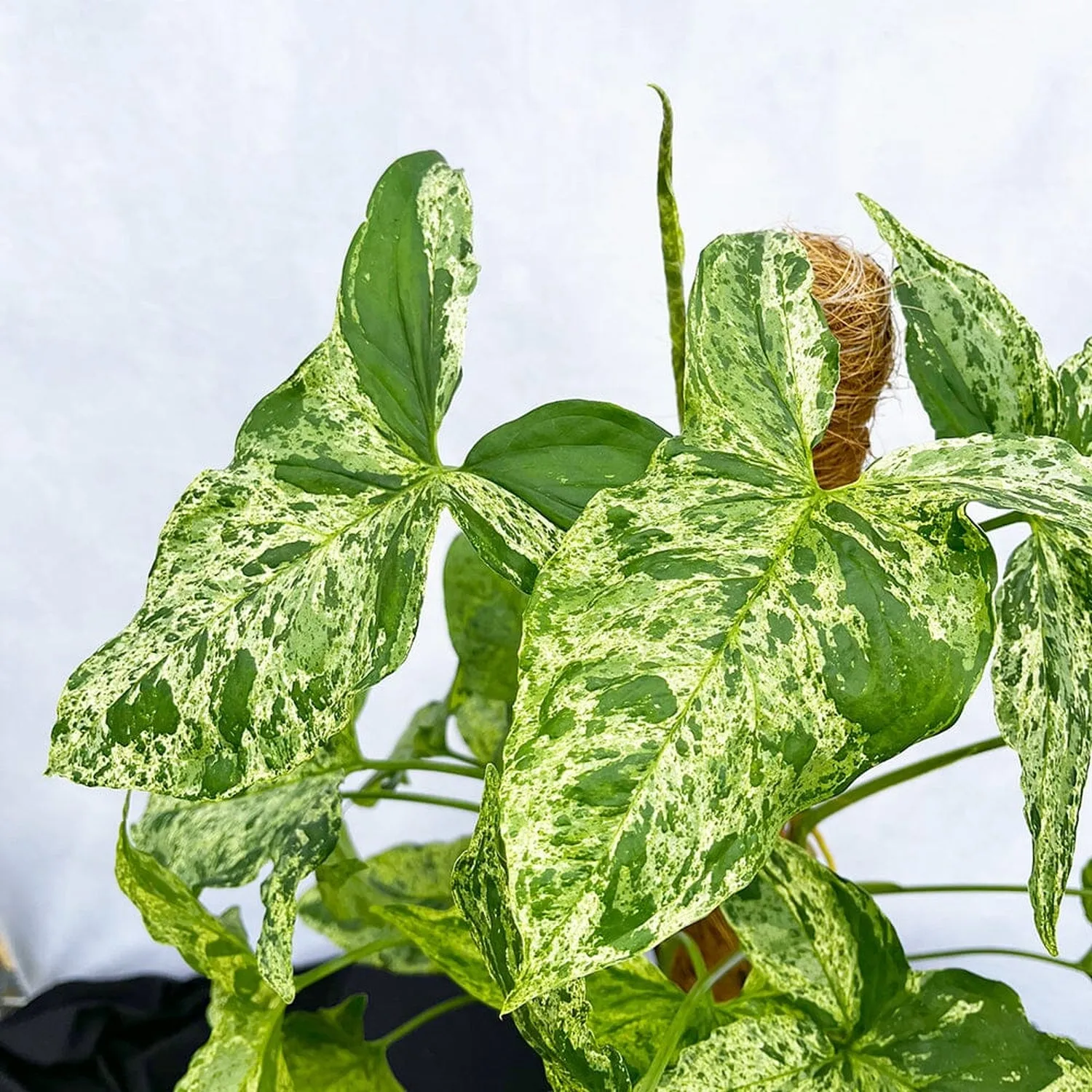
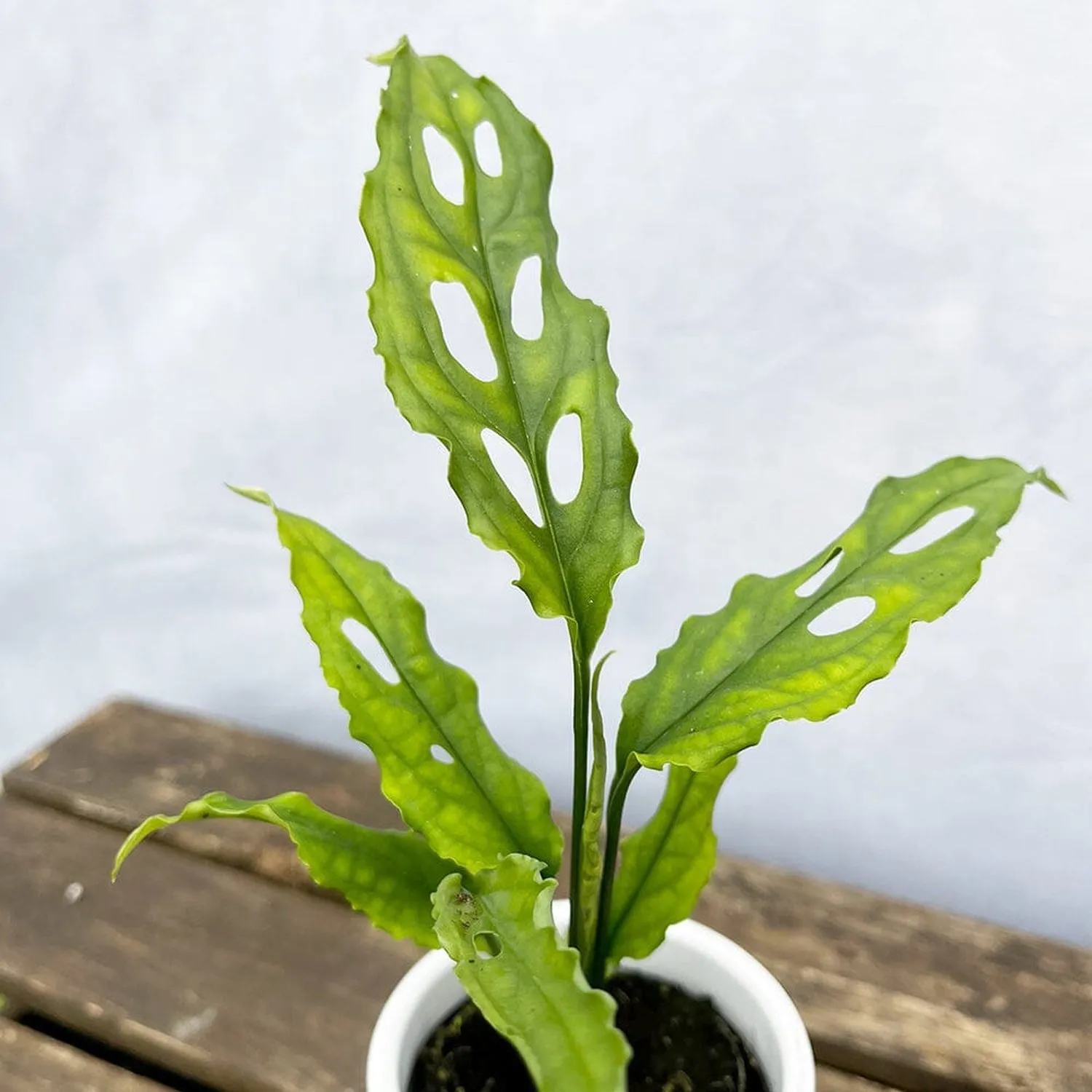
Monstera Obliqua House Plant 6cm Pot
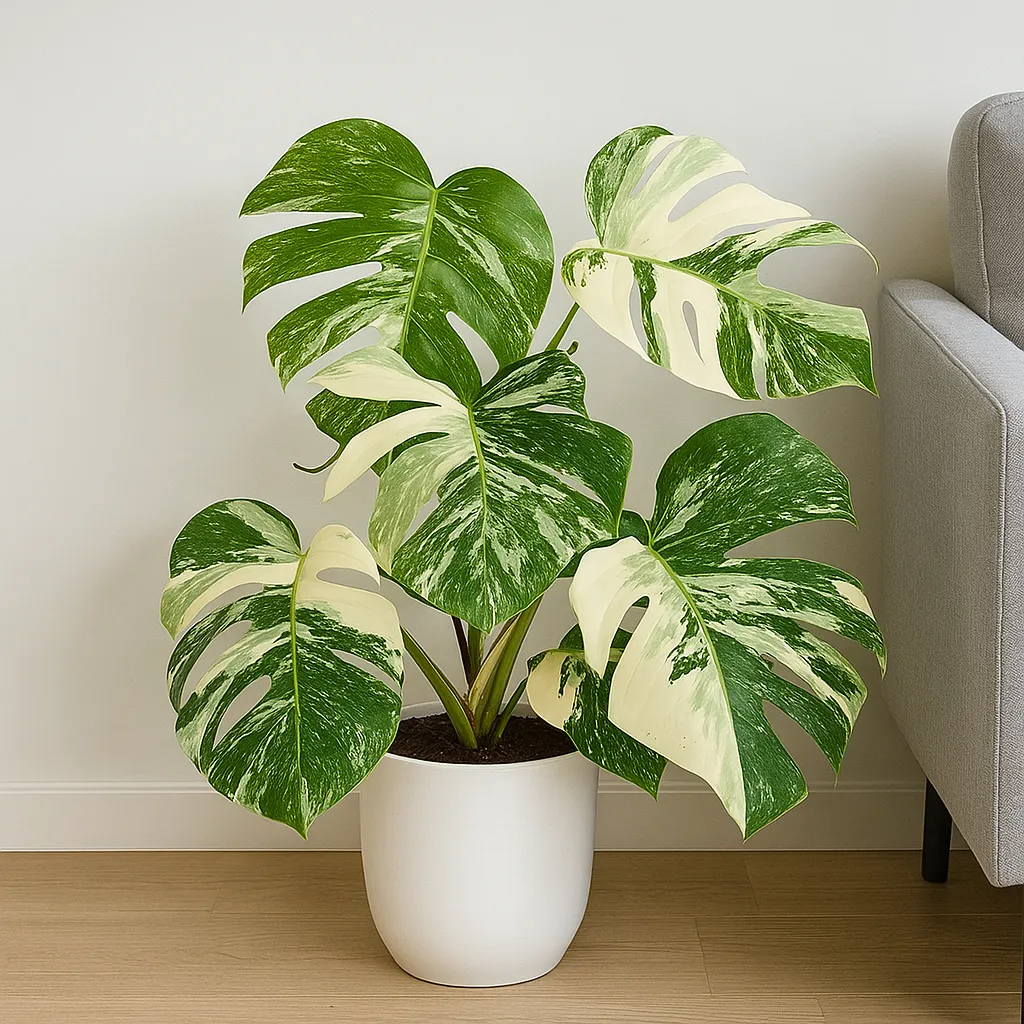
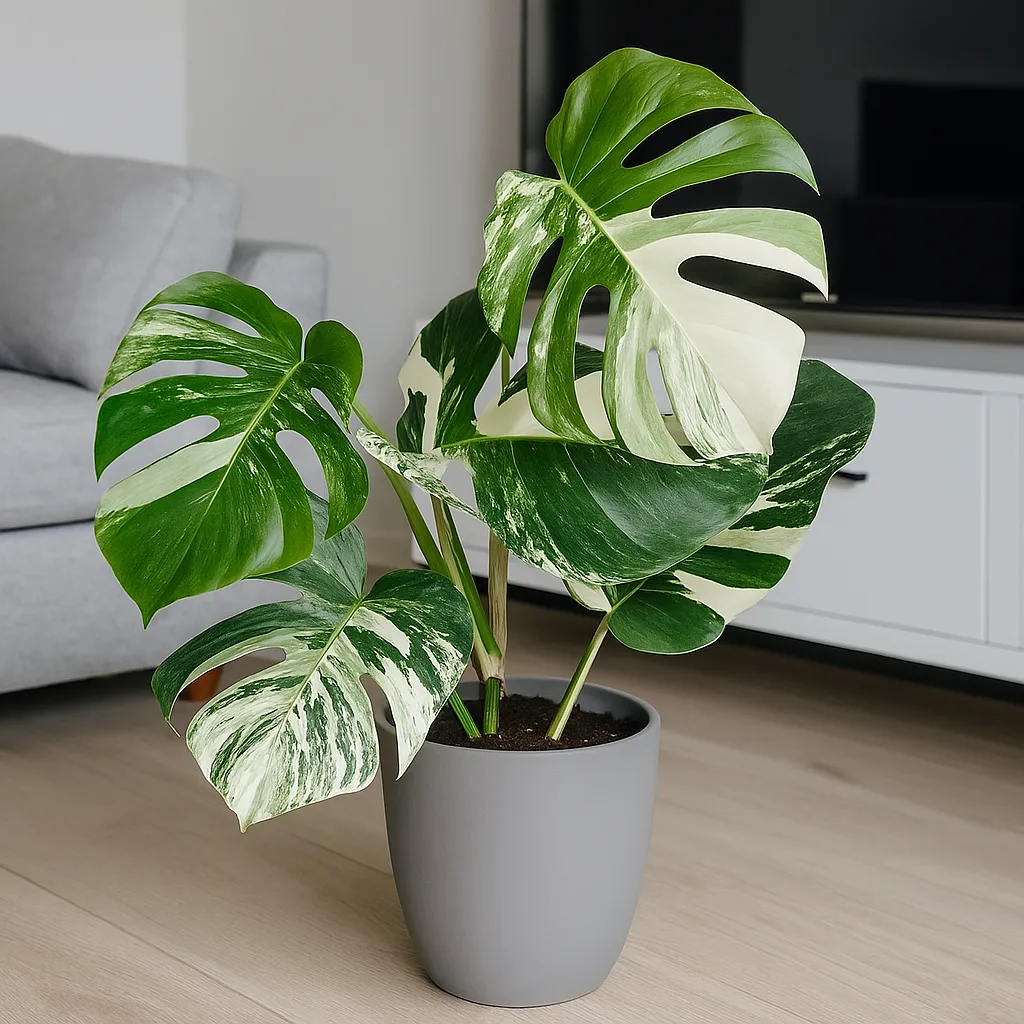
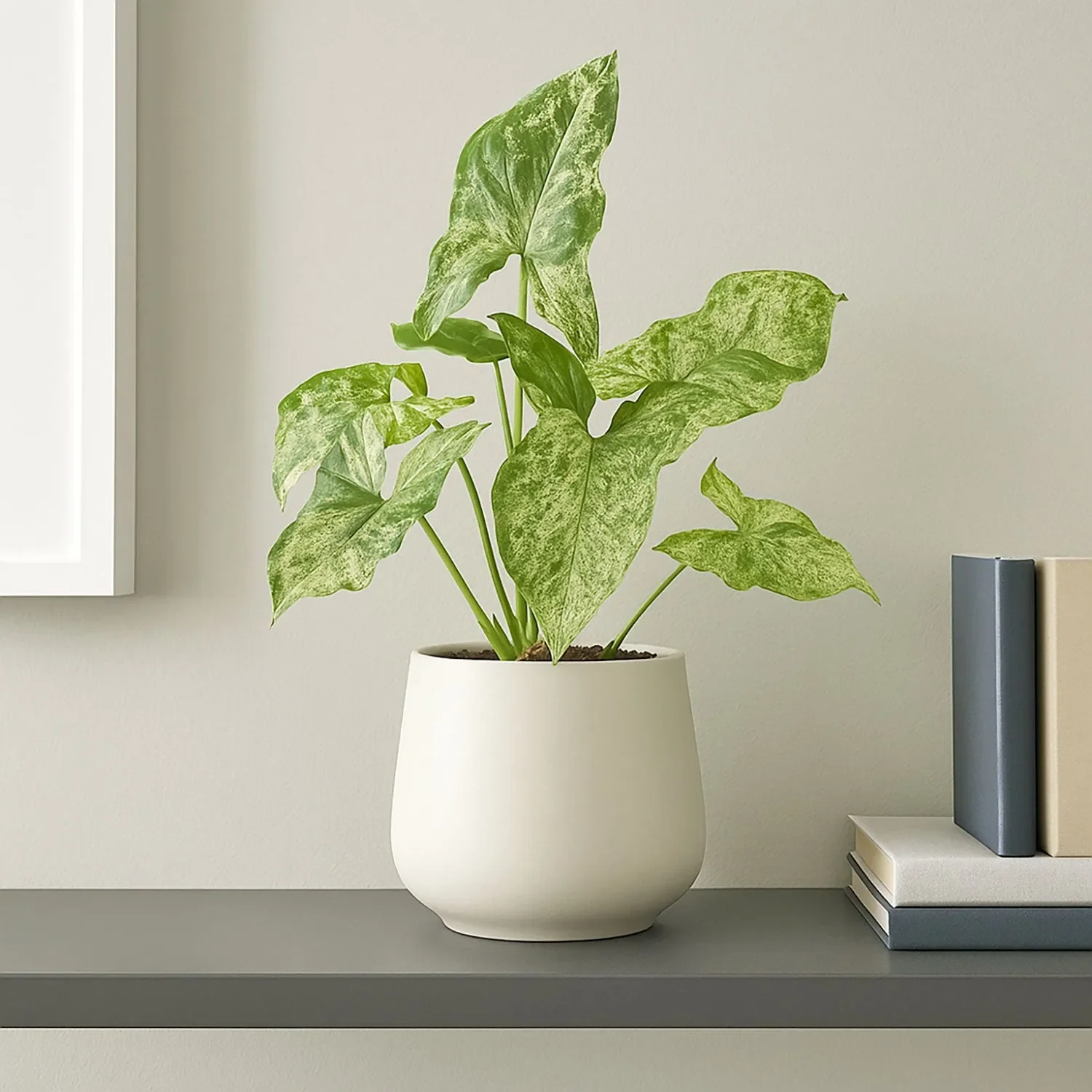
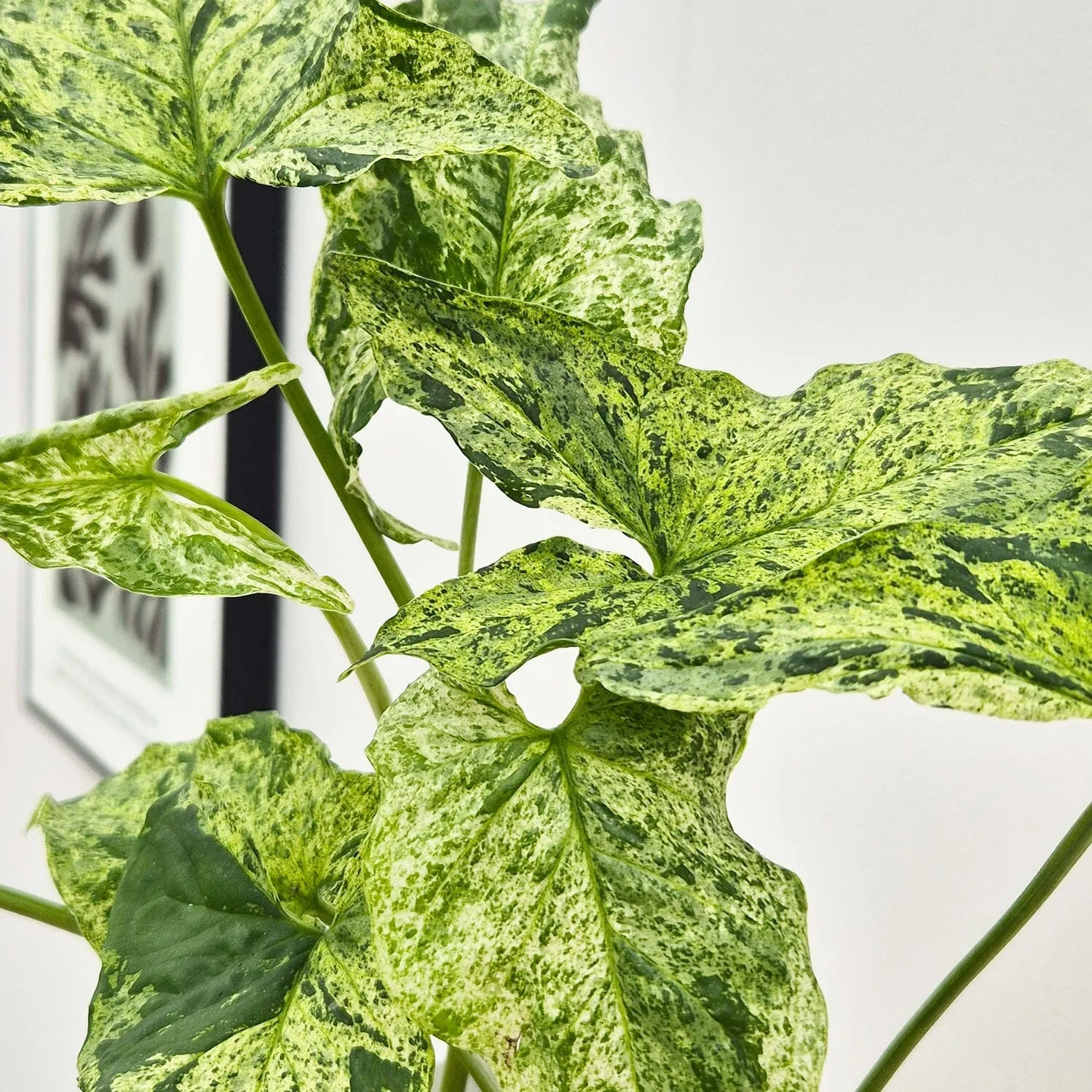
Monstera obliqua is one of the most rare and extraordinary members of the Monstera genus, belonging to the Araceae family and native to the tropical rainforests of Central and South America. Known for its paper-thin leaves and extreme fenestration, it’s often considered the “holy grail” of Monstera species, treasured by collectors around the world for its delicate beauty and rarity.
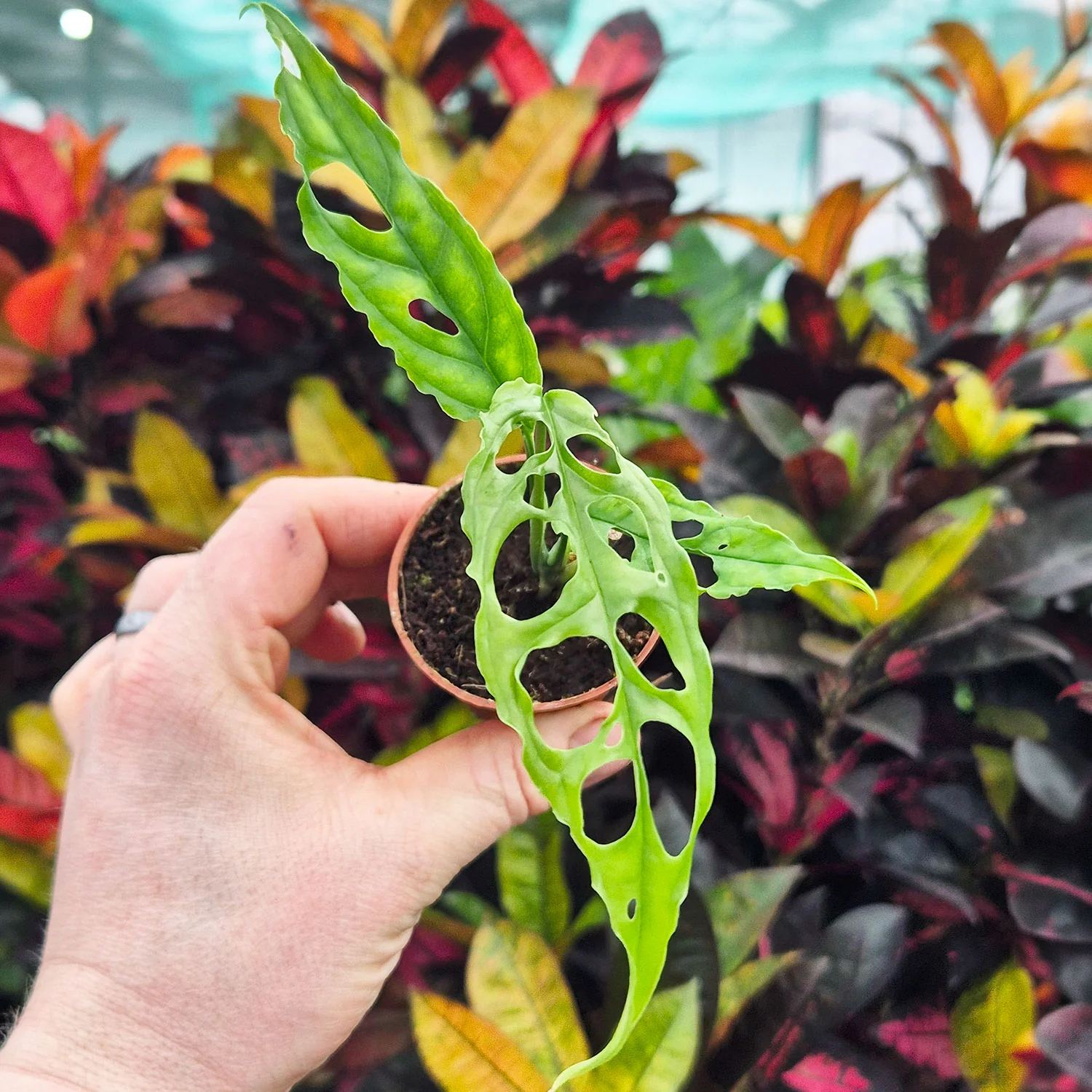
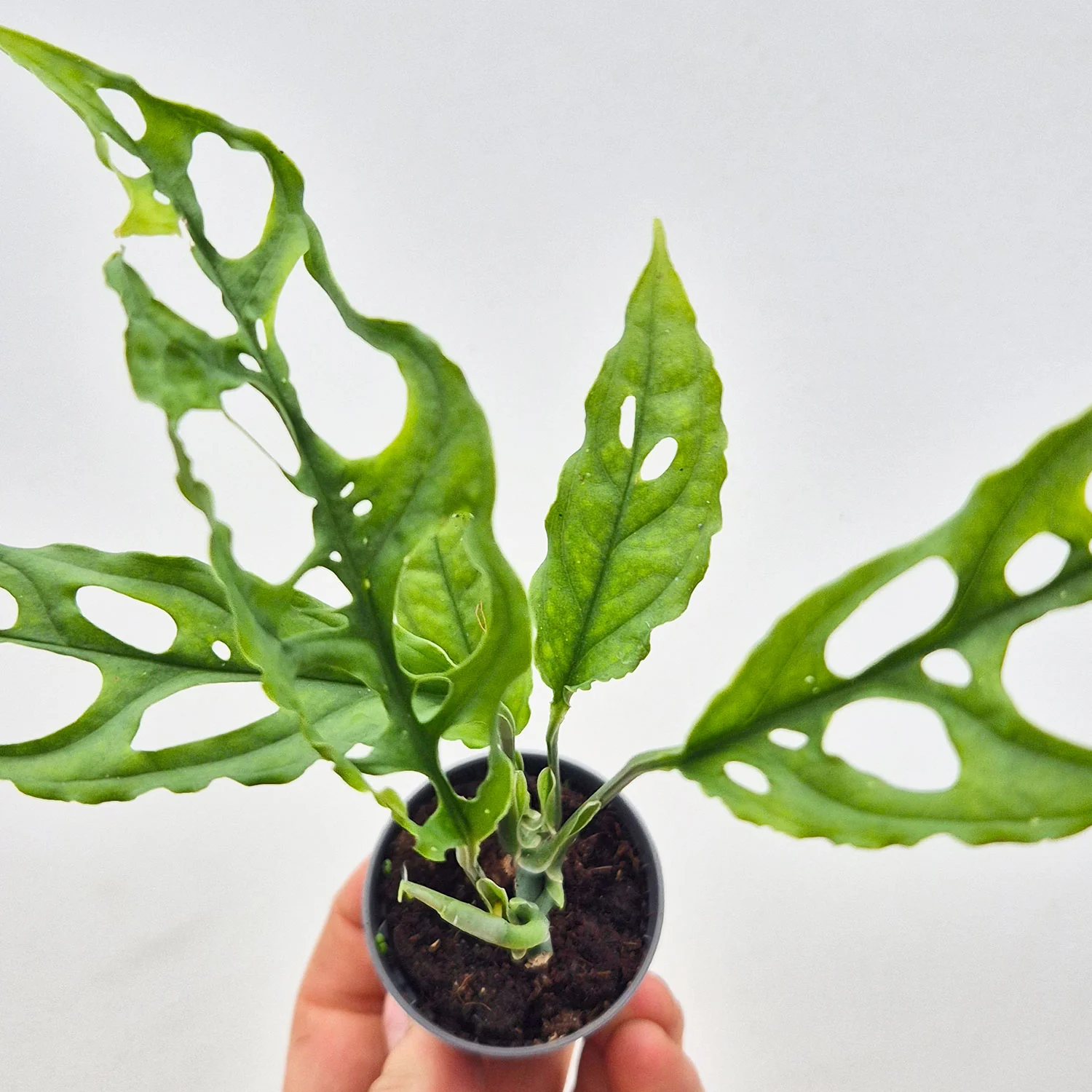
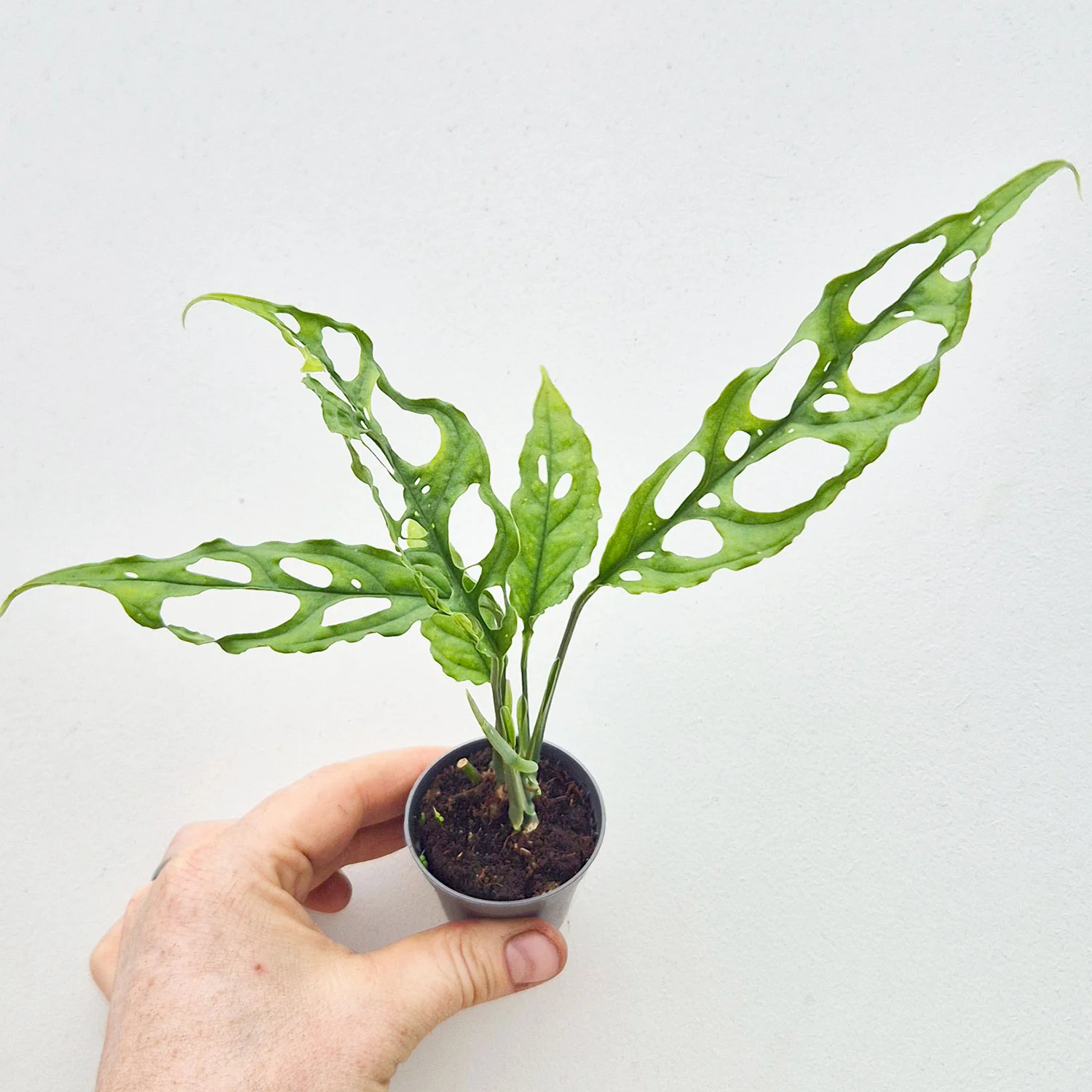
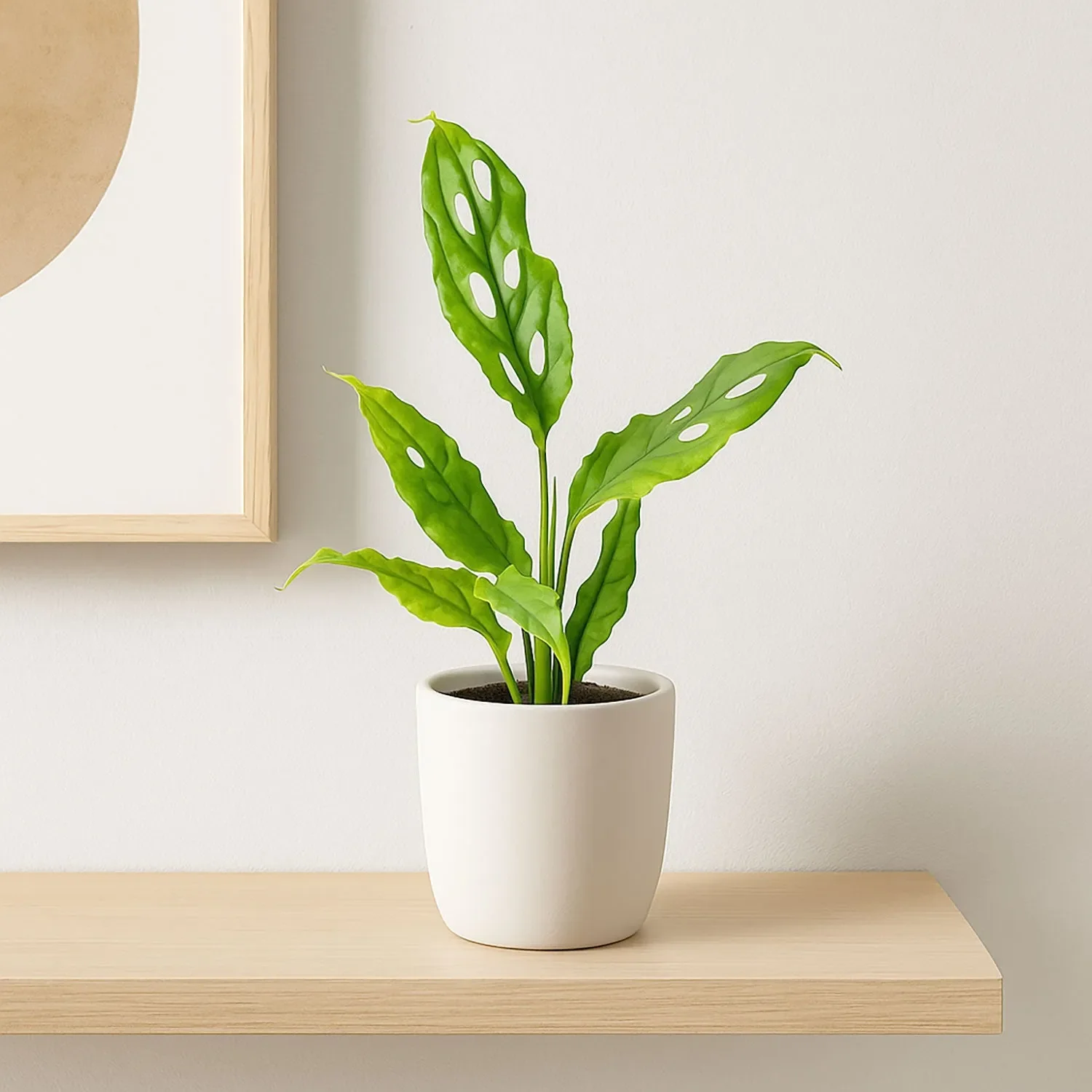
This species is most famous for its leaves — thin, almost translucent, and heavily perforated, with some forms having more open space than actual leaf tissue. Each leaf appears to be a lace-like network of green veins, creating an ethereal and otherworldly look. The plant grows as a small epiphyte in nature, climbing along tree trunks and absorbing humidity from the rainforest air.
Graceful and truly unique, Monstera obliqua requires expert care and a humid, stable environment. For rare plant enthusiasts, it is one of the most captivating species ever discovered, admired for both its fragility and its exquisite fenestrated form.
Monstera obliqua – Care Guide
Light
Prefers bright, indirect light. Too little light slows growth, while harsh direct sunlight can burn its delicate foliage. Ideal conditions mimic the dappled shade of the rainforest canopy.
Watering
Keep the soil consistently moist but never waterlogged. Water when the top 2–3 cm feels slightly dry, ensuring the pot drains well. This species dislikes drought — drying out even once can damage its thin leaves. Reduce watering slightly in winter but do not allow the substrate to fully dry out.
Temperature and Humidity
-
Temperature: Prefers warmth, ideally 22–28°C. Avoid cold draughts and temperatures below 18°C.
-
Humidity: Requires very high humidity (80–95%) to thrive. Use a humidifier or grow inside a greenhouse cabinet or terrarium for best results.
Soil and Potting
Use a loose, airy, and fast-draining aroid mix – a blend of peat-free compost, perlite, orchid bark, and sphagnum moss is ideal. A small amount of charcoal can help absorb excess moisture and prevent root rot. This plant appreciates being slightly root-bound, so avoid oversizing the pot.
Feeding
Feed every 4–6 weeks in spring and summer with a diluted, balanced fertiliser to encourage steady growth. Avoid over-fertilising — this species grows slowly and prefers mild nutrition.
Pruning and Maintenance
Remove any damaged or yellowing leaves at the base. Because of its thin foliage, handle gently when cleaning or repotting to avoid tearing. Train the plant on a moss pole or sphagnum board to encourage healthy, vertical growth.
Growth and Maturity
A slow-growing climber, typically reaching 30–50 cm indoors. Its leaves remain small and delicate even when mature, often varying greatly in shape and perforation depending on environmental conditions and origin.
Common Issues
-
Crispy leaf edges: Low humidity or underwatering.
-
Yellowing leaves: Overwatering or poor drainage.
-
Slow growth: Low light or cool temperatures.
-
Pests: Occasionally spider mites or thrips — maintain high humidity to deter infestations.
Background and Benefits
Discovered in the 19th century, Monstera obliqua has fascinated botanists for decades. It is often confused with the more common Monstera adansonii, which has thicker leaves and fewer perforations. True obliqua is a highly variable species with different forms across its range — the Peru form being the most famous for its dramatic, lace-like leaves.
For collectors, Monstera obliqua is not just a plant but a botanical masterpiece — delicate, demanding, and extraordinarily beautiful.
✅ Quick Care Summary
-
Light: Bright, indirect; avoid direct sun
-
Water: Keep consistently moist but not soggy
-
Temperature: 22–28°C; avoid below 18°C
-
Humidity: Extremely high (80–95%)
-
Soil: Airy, free-draining mix with sphagnum moss
-
Feed: Every 4–6 weeks in spring/summer
-
Growth: Slow-growing climber, 30–50 cm; thin, fenestrated leaves with a lace-like appearance
Original: $7.91
-70%$7.91
$2.37Product Information
Product Information
Shipping & Returns
Shipping & Returns
Description
Monstera obliqua is one of the most rare and extraordinary members of the Monstera genus, belonging to the Araceae family and native to the tropical rainforests of Central and South America. Known for its paper-thin leaves and extreme fenestration, it’s often considered the “holy grail” of Monstera species, treasured by collectors around the world for its delicate beauty and rarity.
This species is most famous for its leaves — thin, almost translucent, and heavily perforated, with some forms having more open space than actual leaf tissue. Each leaf appears to be a lace-like network of green veins, creating an ethereal and otherworldly look. The plant grows as a small epiphyte in nature, climbing along tree trunks and absorbing humidity from the rainforest air.
Graceful and truly unique, Monstera obliqua requires expert care and a humid, stable environment. For rare plant enthusiasts, it is one of the most captivating species ever discovered, admired for both its fragility and its exquisite fenestrated form.
Monstera obliqua – Care Guide
Light
Prefers bright, indirect light. Too little light slows growth, while harsh direct sunlight can burn its delicate foliage. Ideal conditions mimic the dappled shade of the rainforest canopy.
Watering
Keep the soil consistently moist but never waterlogged. Water when the top 2–3 cm feels slightly dry, ensuring the pot drains well. This species dislikes drought — drying out even once can damage its thin leaves. Reduce watering slightly in winter but do not allow the substrate to fully dry out.
Temperature and Humidity
-
Temperature: Prefers warmth, ideally 22–28°C. Avoid cold draughts and temperatures below 18°C.
-
Humidity: Requires very high humidity (80–95%) to thrive. Use a humidifier or grow inside a greenhouse cabinet or terrarium for best results.
Soil and Potting
Use a loose, airy, and fast-draining aroid mix – a blend of peat-free compost, perlite, orchid bark, and sphagnum moss is ideal. A small amount of charcoal can help absorb excess moisture and prevent root rot. This plant appreciates being slightly root-bound, so avoid oversizing the pot.
Feeding
Feed every 4–6 weeks in spring and summer with a diluted, balanced fertiliser to encourage steady growth. Avoid over-fertilising — this species grows slowly and prefers mild nutrition.
Pruning and Maintenance
Remove any damaged or yellowing leaves at the base. Because of its thin foliage, handle gently when cleaning or repotting to avoid tearing. Train the plant on a moss pole or sphagnum board to encourage healthy, vertical growth.
Growth and Maturity
A slow-growing climber, typically reaching 30–50 cm indoors. Its leaves remain small and delicate even when mature, often varying greatly in shape and perforation depending on environmental conditions and origin.
Common Issues
-
Crispy leaf edges: Low humidity or underwatering.
-
Yellowing leaves: Overwatering or poor drainage.
-
Slow growth: Low light or cool temperatures.
-
Pests: Occasionally spider mites or thrips — maintain high humidity to deter infestations.
Background and Benefits
Discovered in the 19th century, Monstera obliqua has fascinated botanists for decades. It is often confused with the more common Monstera adansonii, which has thicker leaves and fewer perforations. True obliqua is a highly variable species with different forms across its range — the Peru form being the most famous for its dramatic, lace-like leaves.
For collectors, Monstera obliqua is not just a plant but a botanical masterpiece — delicate, demanding, and extraordinarily beautiful.
✅ Quick Care Summary
-
Light: Bright, indirect; avoid direct sun
-
Water: Keep consistently moist but not soggy
-
Temperature: 22–28°C; avoid below 18°C
-
Humidity: Extremely high (80–95%)
-
Soil: Airy, free-draining mix with sphagnum moss
-
Feed: Every 4–6 weeks in spring/summer
-
Growth: Slow-growing climber, 30–50 cm; thin, fenestrated leaves with a lace-like appearance