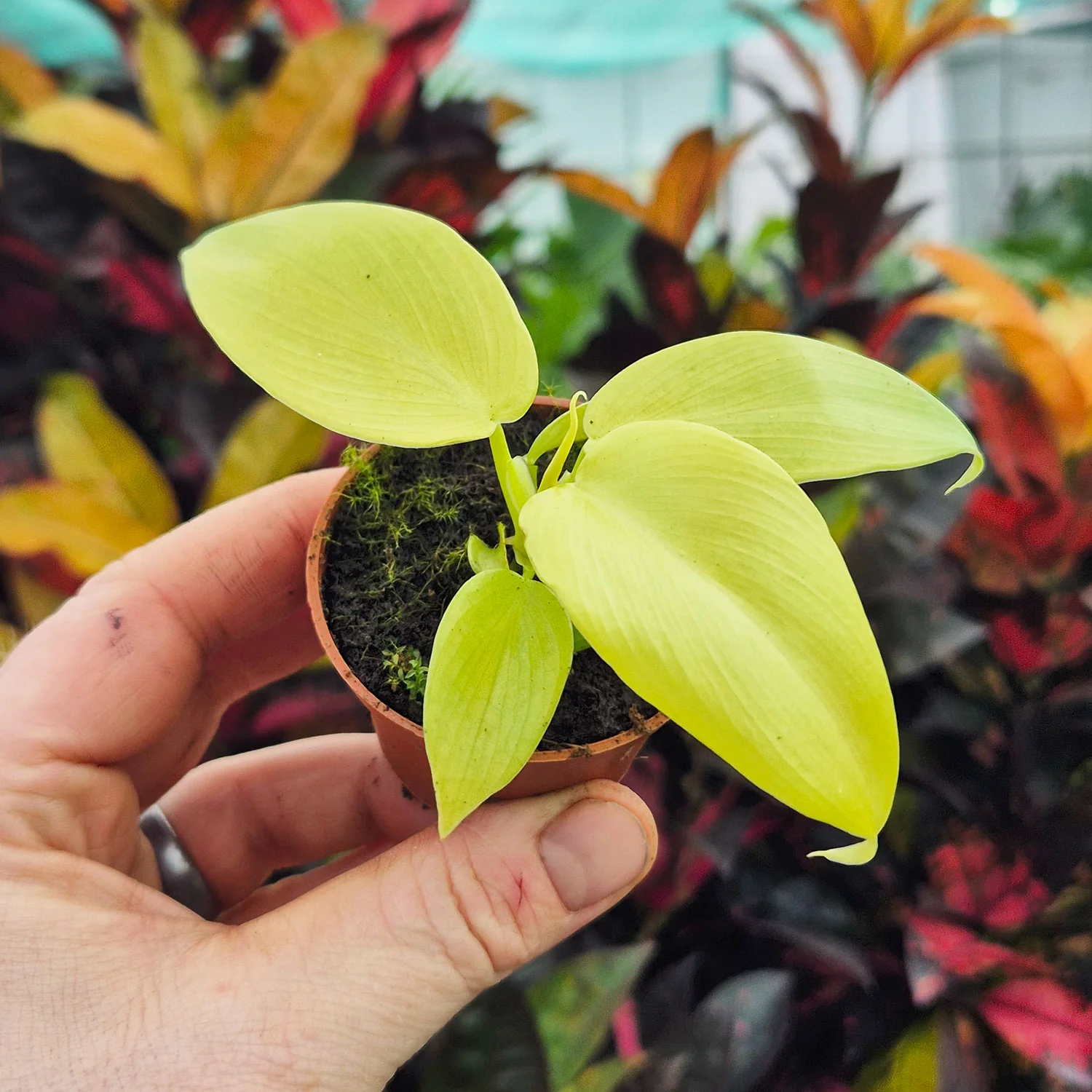
Philodendron Golden Violin House Plant 6cm Pot
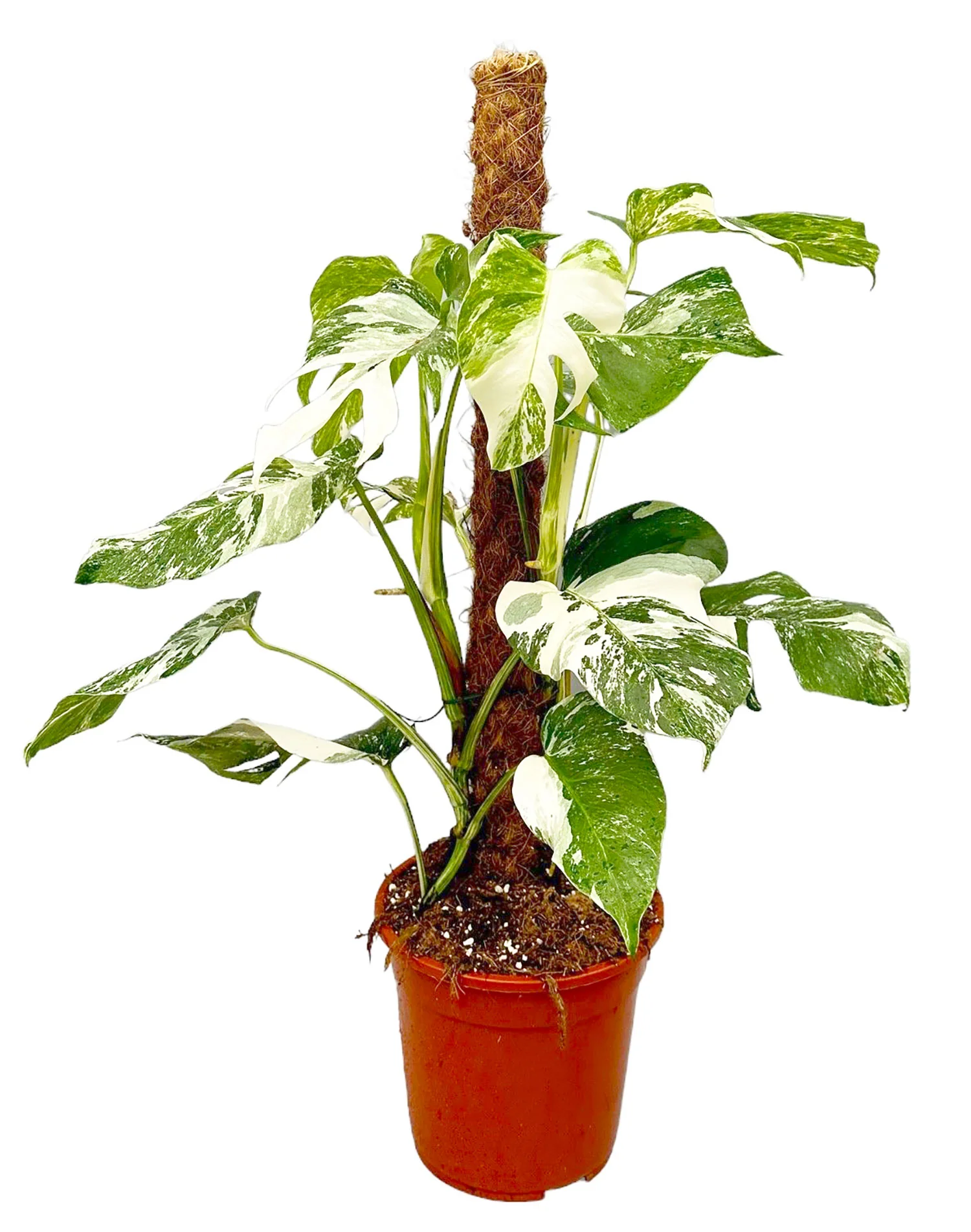
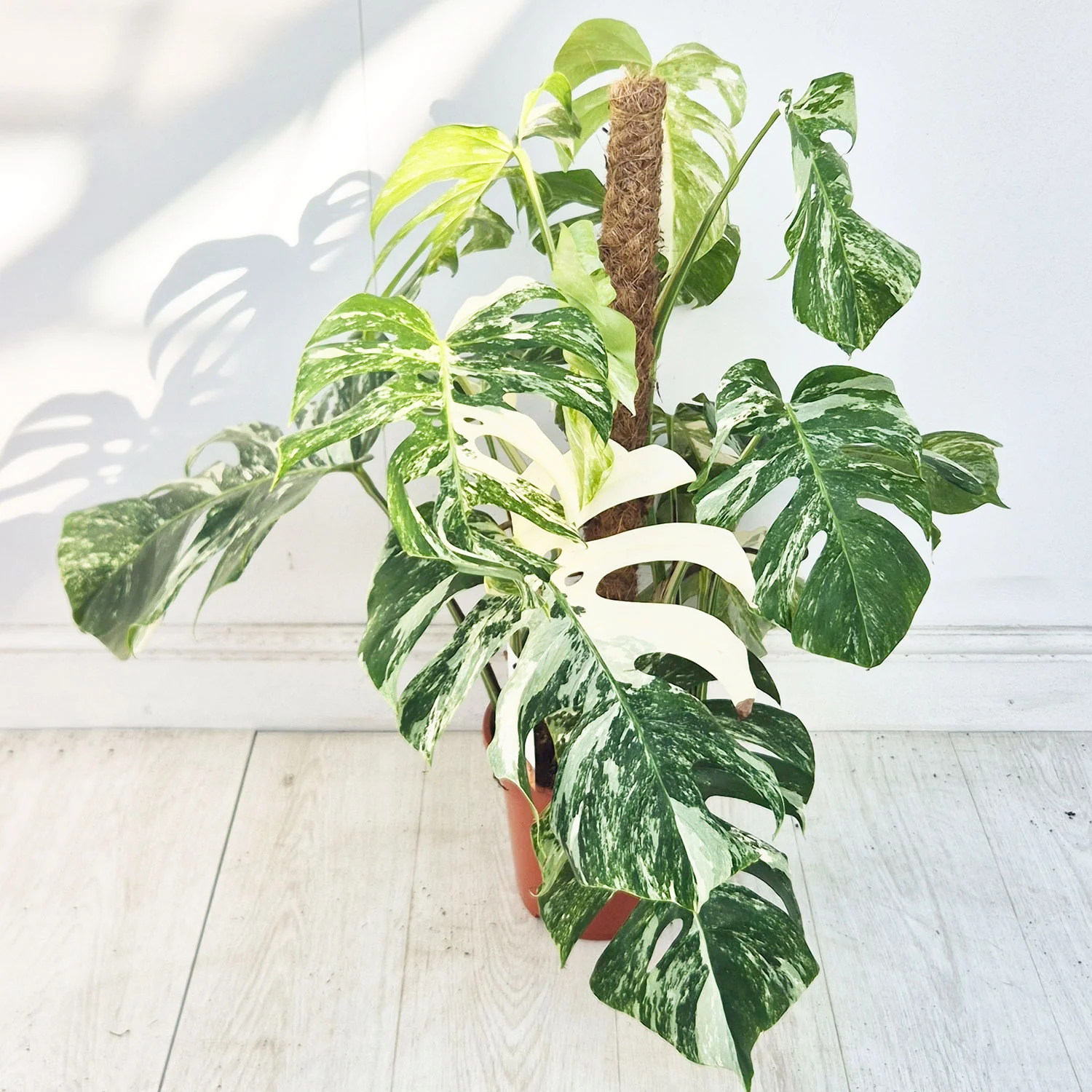
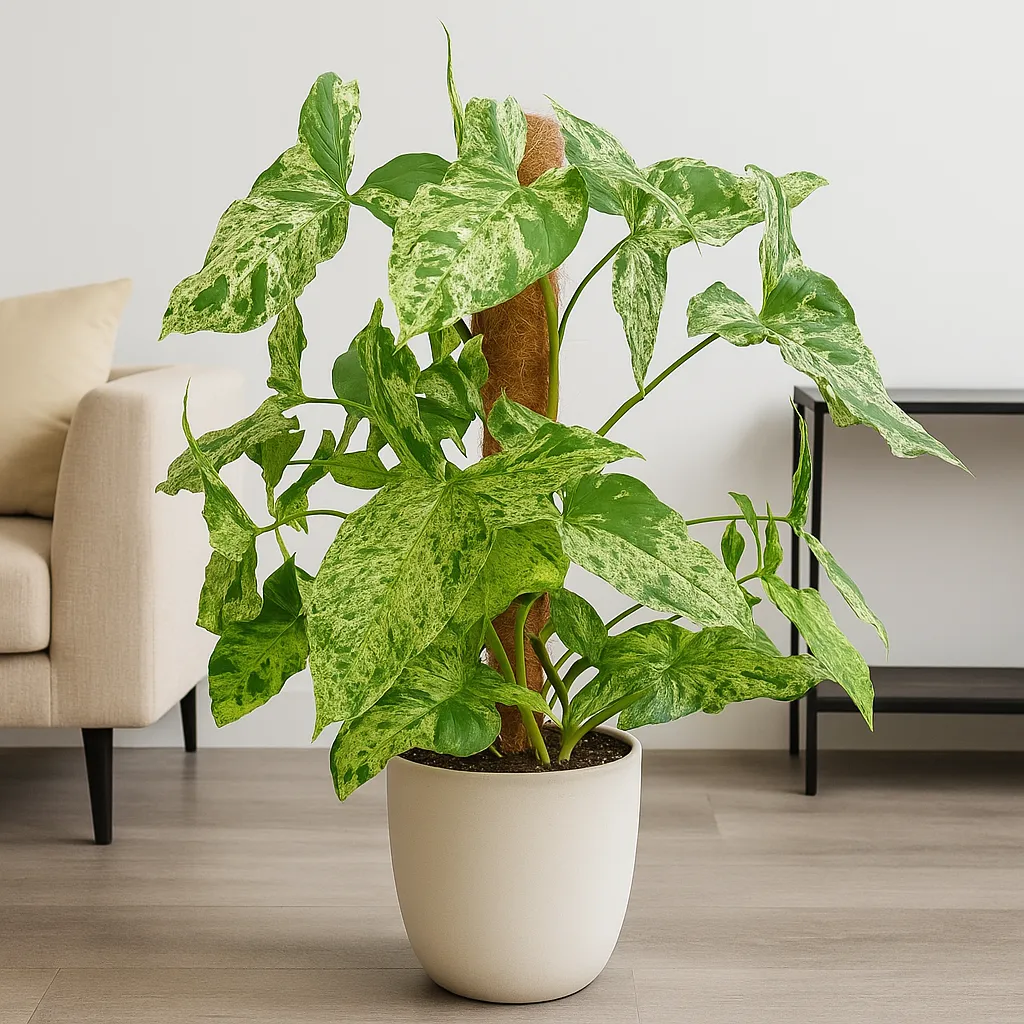
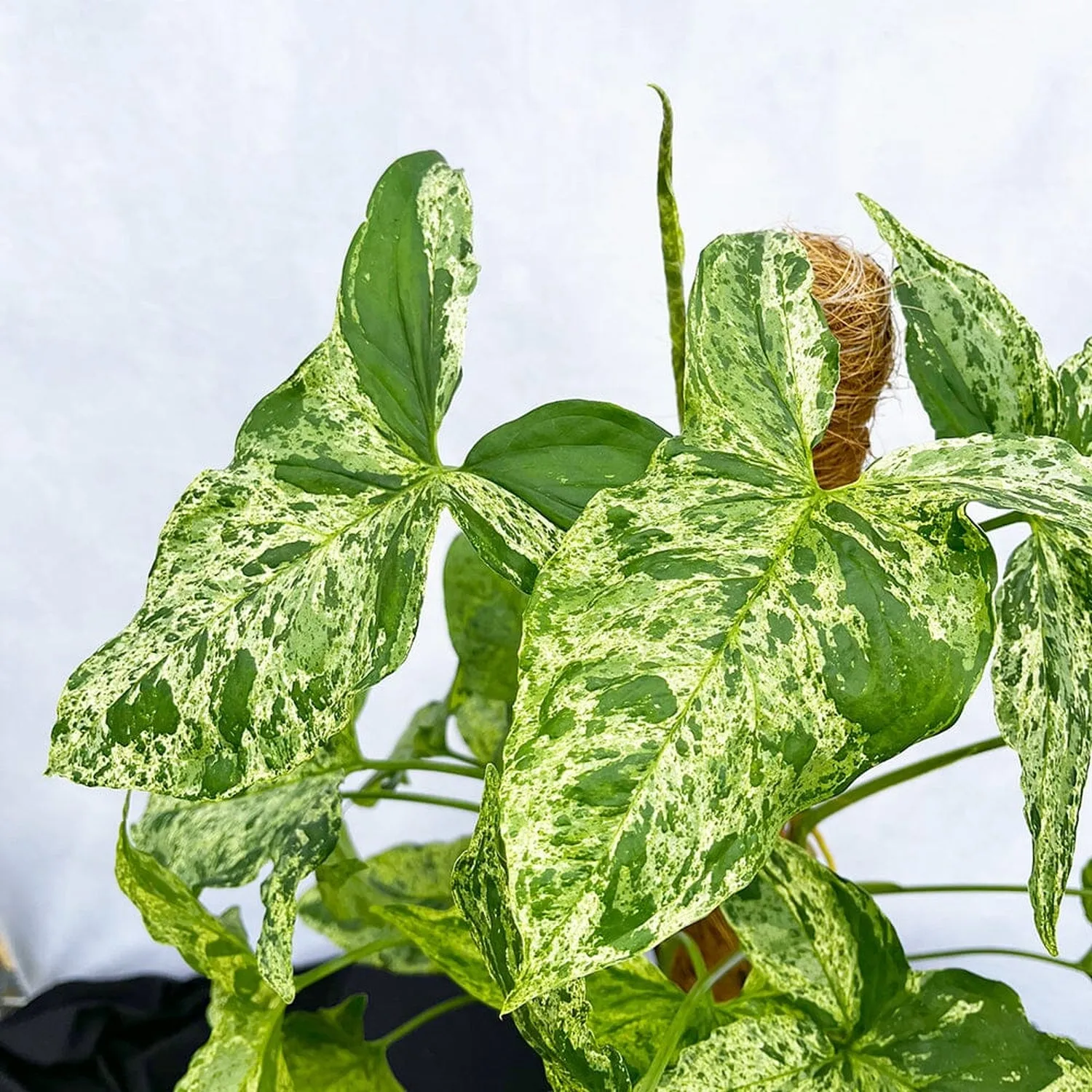
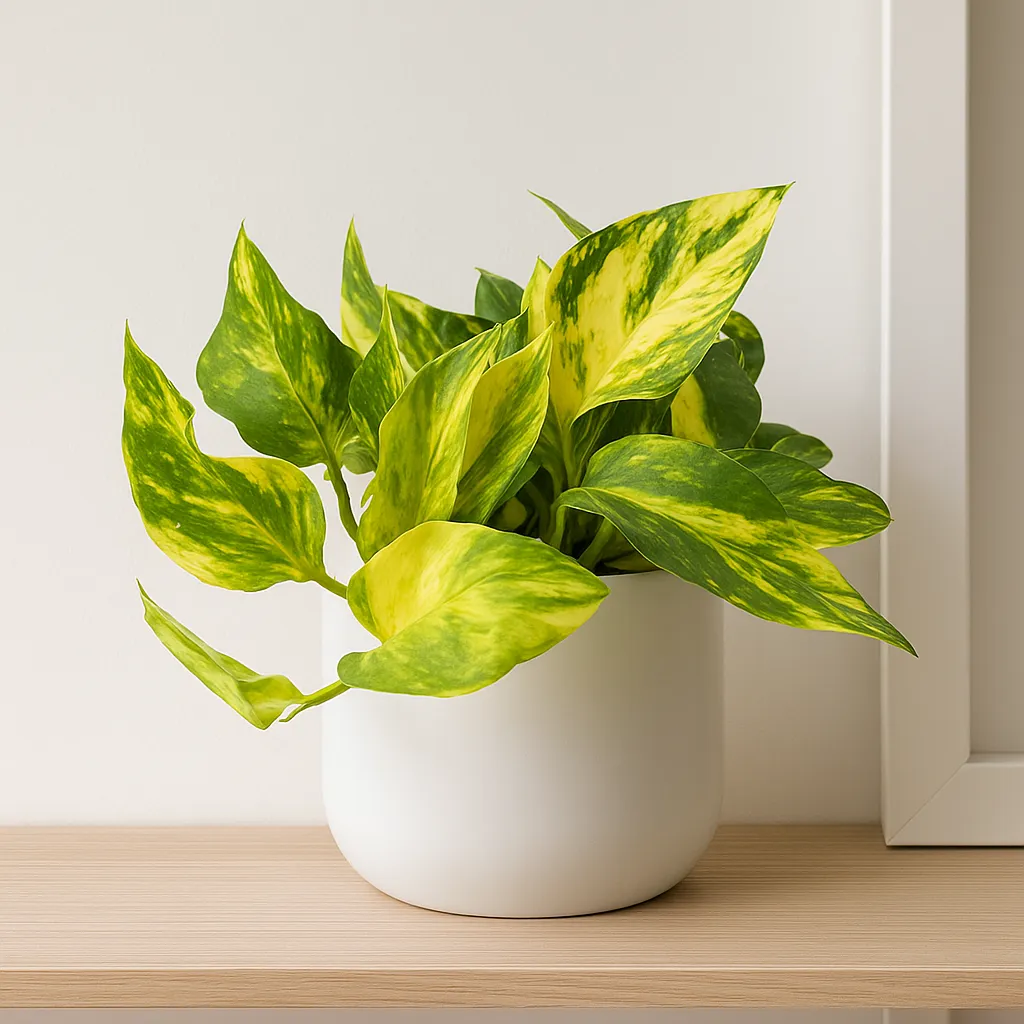
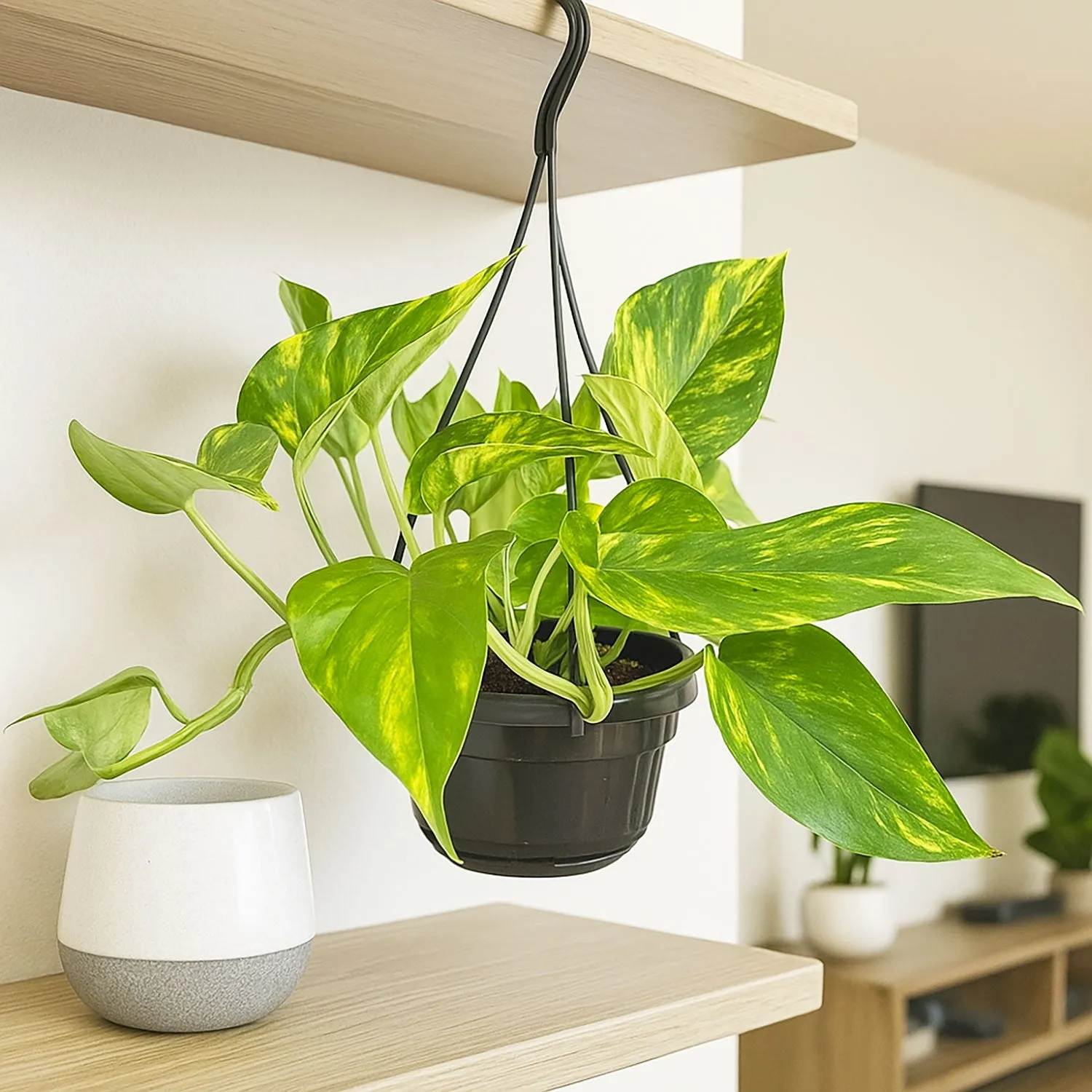
Philodendron ‘Golden Violin’ is a striking, golden-toned climbing philodendron known for its distinctive violin-shaped leaves and vibrant chartreuse colouring.
Believed to be a cultivar related to Philodendron bipennifolium, it features elongated, lobed foliage that resembles the silhouette of a violin or horse head. New growth emerges bright golden-lime before maturing into a slightly deeper yellow-green.
With support, it produces larger, more dramatic leaves, making it a bold architectural addition to any indoor plant collection.
Key Features
-
🌿 Unique violin-shaped leaves
-
🌿 Golden to lime-green foliage
-
🌿 Climbing growth habit
-
🌿 Fast-growing in bright conditions
-
🌿 Tropical, sculptural appearance
Care Guide
Light
Bright, indirect light is essential.
-
East or west-facing windows are ideal
-
Can tolerate gentle morning sun
-
Avoid harsh midday sun
-
Low light may cause slower growth and smaller leaves
Brighter light enhances its golden tones.
Watering
Allow the top 3–5cm of soil to dry before watering.
-
Spring/Summer: Every 7–10 days
-
Autumn/Winter: Reduce frequency
Always:
-
Use a pot with drainage holes
-
Avoid letting the plant sit in water
Like most philodendrons, it prefers lightly moist but not soggy soil.
Humidity
Prefers moderate to high humidity.
-
Ideal range: 50–70%
-
Tolerates average UK home conditions
-
Benefits from a humidifier in winter
Higher humidity encourages larger leaves and healthier aerial roots.
Temperature
-
Ideal: 18–28°C
-
Avoid temperatures below 15°C
-
Protect from cold draughts
Consistent warmth supports steady growth.
Soil & Potting Mix
Use a chunky, well-draining aroid mix:
-
Peat-free houseplant compost
-
Orchid bark
-
Perlite
-
Horticultural charcoal (optional)
Good aeration prevents root rot and supports climbing growth.
Feeding
Feed during active growth (March–September):
-
Balanced liquid fertiliser every 2–4 weeks
-
Reduce or stop feeding in winter
Avoid overfeeding to prevent salt build-up.
Growth Habit
-
Climbing and vining
-
Produces aerial roots
-
Leaves become larger with support
Providing a moss pole encourages more mature, dramatic foliage.
Propagation
Easy to propagate via stem cuttings:
-
Cut below a node
-
Root in water, moss or soil
-
Keep warm and bright
Roots typically develop within 2–3 weeks.
Common Problems
Yellow leaves
-
Overwatering
Leggy growth
-
Insufficient light
Brown edges
-
Low humidity
Small leaves
-
Lack of support or low light
Styling Ideas
-
Train up a moss pole for height
-
Pair with darker foliage for contrast
-
Ideal for bright living rooms or offices
-
Looks striking in neutral or terracotta pots
Its golden tones make it a perfect contrast plant within a green-heavy collection.
Toxicity
Like other philodendrons, it is toxic if ingested by pets or humans. Keep out of reach of cats and dogs.
Product Information
Product Information
Shipping & Returns
Shipping & Returns
Description
Philodendron ‘Golden Violin’ is a striking, golden-toned climbing philodendron known for its distinctive violin-shaped leaves and vibrant chartreuse colouring.
Believed to be a cultivar related to Philodendron bipennifolium, it features elongated, lobed foliage that resembles the silhouette of a violin or horse head. New growth emerges bright golden-lime before maturing into a slightly deeper yellow-green.
With support, it produces larger, more dramatic leaves, making it a bold architectural addition to any indoor plant collection.
Key Features
-
🌿 Unique violin-shaped leaves
-
🌿 Golden to lime-green foliage
-
🌿 Climbing growth habit
-
🌿 Fast-growing in bright conditions
-
🌿 Tropical, sculptural appearance
Care Guide
Light
Bright, indirect light is essential.
-
East or west-facing windows are ideal
-
Can tolerate gentle morning sun
-
Avoid harsh midday sun
-
Low light may cause slower growth and smaller leaves
Brighter light enhances its golden tones.
Watering
Allow the top 3–5cm of soil to dry before watering.
-
Spring/Summer: Every 7–10 days
-
Autumn/Winter: Reduce frequency
Always:
-
Use a pot with drainage holes
-
Avoid letting the plant sit in water
Like most philodendrons, it prefers lightly moist but not soggy soil.
Humidity
Prefers moderate to high humidity.
-
Ideal range: 50–70%
-
Tolerates average UK home conditions
-
Benefits from a humidifier in winter
Higher humidity encourages larger leaves and healthier aerial roots.
Temperature
-
Ideal: 18–28°C
-
Avoid temperatures below 15°C
-
Protect from cold draughts
Consistent warmth supports steady growth.
Soil & Potting Mix
Use a chunky, well-draining aroid mix:
-
Peat-free houseplant compost
-
Orchid bark
-
Perlite
-
Horticultural charcoal (optional)
Good aeration prevents root rot and supports climbing growth.
Feeding
Feed during active growth (March–September):
-
Balanced liquid fertiliser every 2–4 weeks
-
Reduce or stop feeding in winter
Avoid overfeeding to prevent salt build-up.
Growth Habit
-
Climbing and vining
-
Produces aerial roots
-
Leaves become larger with support
Providing a moss pole encourages more mature, dramatic foliage.
Propagation
Easy to propagate via stem cuttings:
-
Cut below a node
-
Root in water, moss or soil
-
Keep warm and bright
Roots typically develop within 2–3 weeks.
Common Problems
Yellow leaves
-
Overwatering
Leggy growth
-
Insufficient light
Brown edges
-
Low humidity
Small leaves
-
Lack of support or low light
Styling Ideas
-
Train up a moss pole for height
-
Pair with darker foliage for contrast
-
Ideal for bright living rooms or offices
-
Looks striking in neutral or terracotta pots
Its golden tones make it a perfect contrast plant within a green-heavy collection.
Toxicity
Like other philodendrons, it is toxic if ingested by pets or humans. Keep out of reach of cats and dogs.