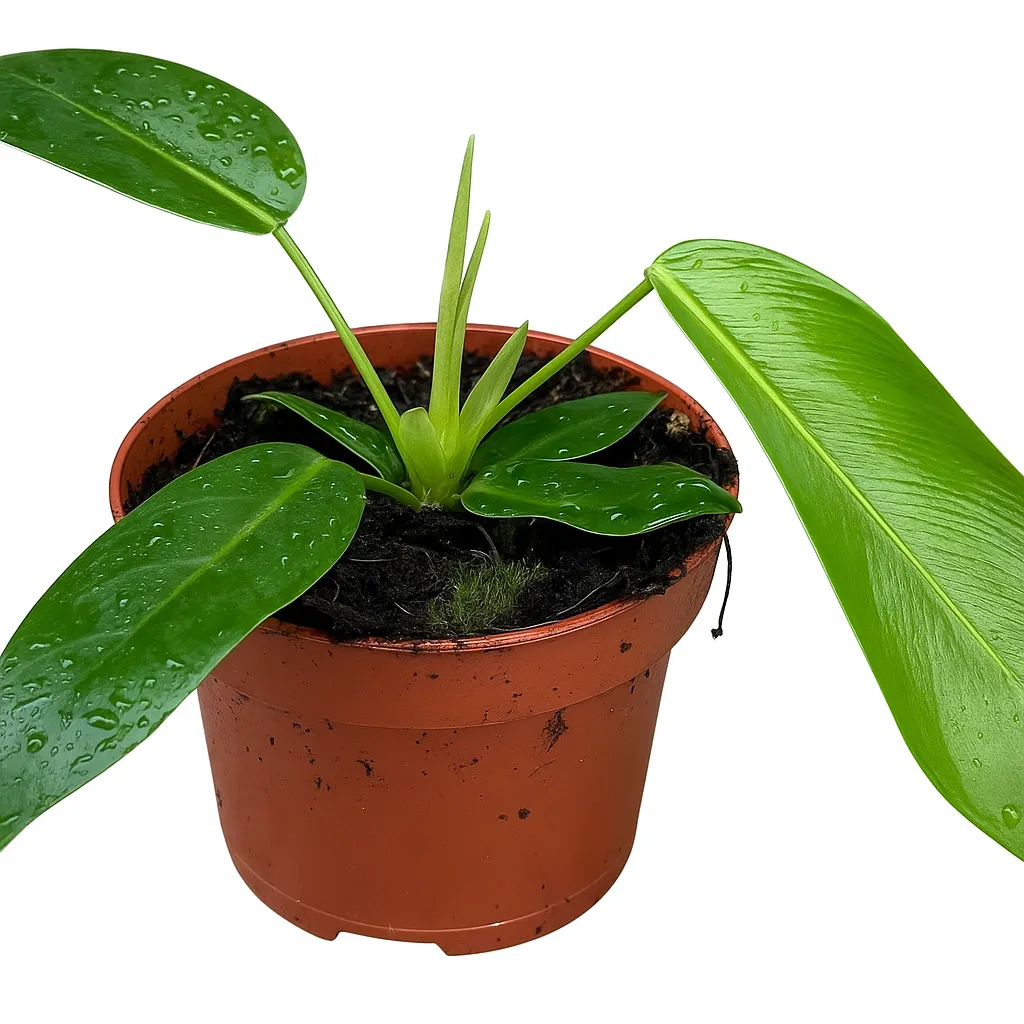
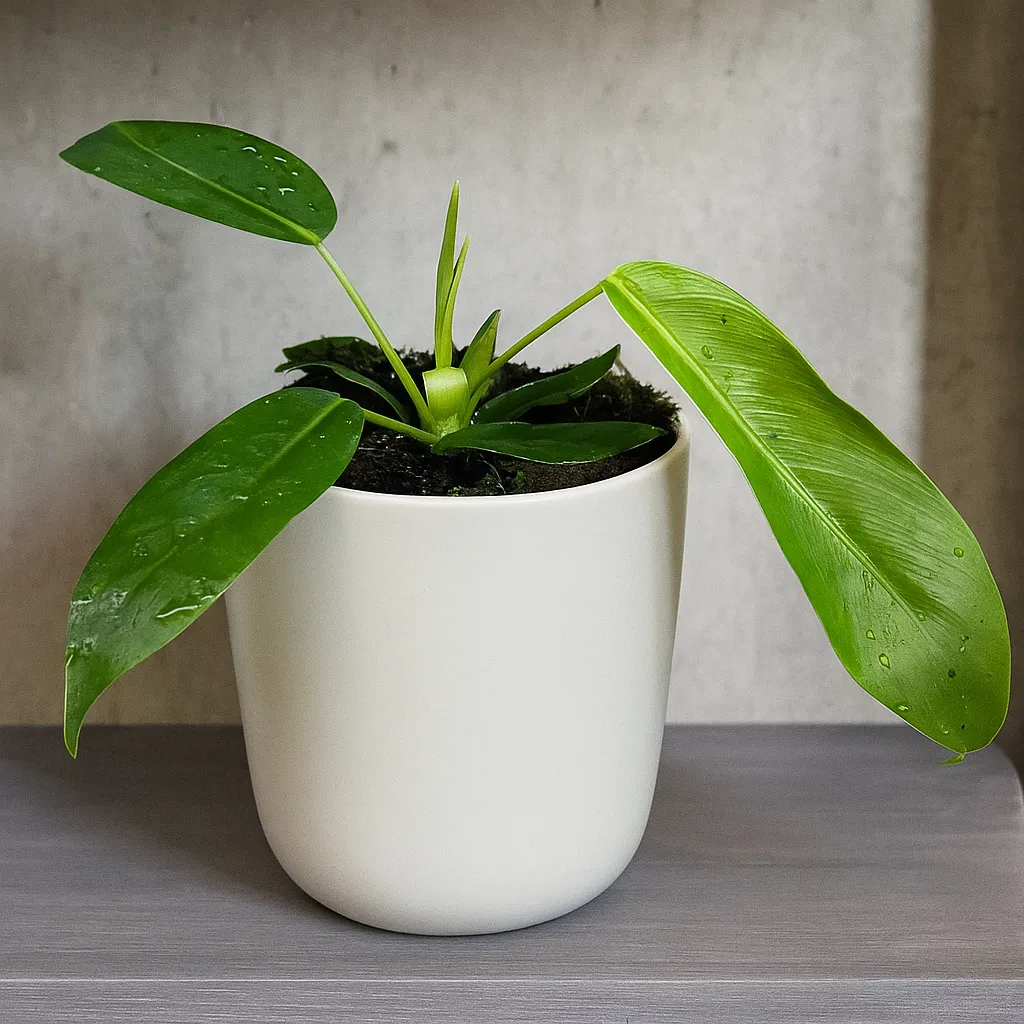
Philodendron Patriciae House Plant 10,5 cm Pot
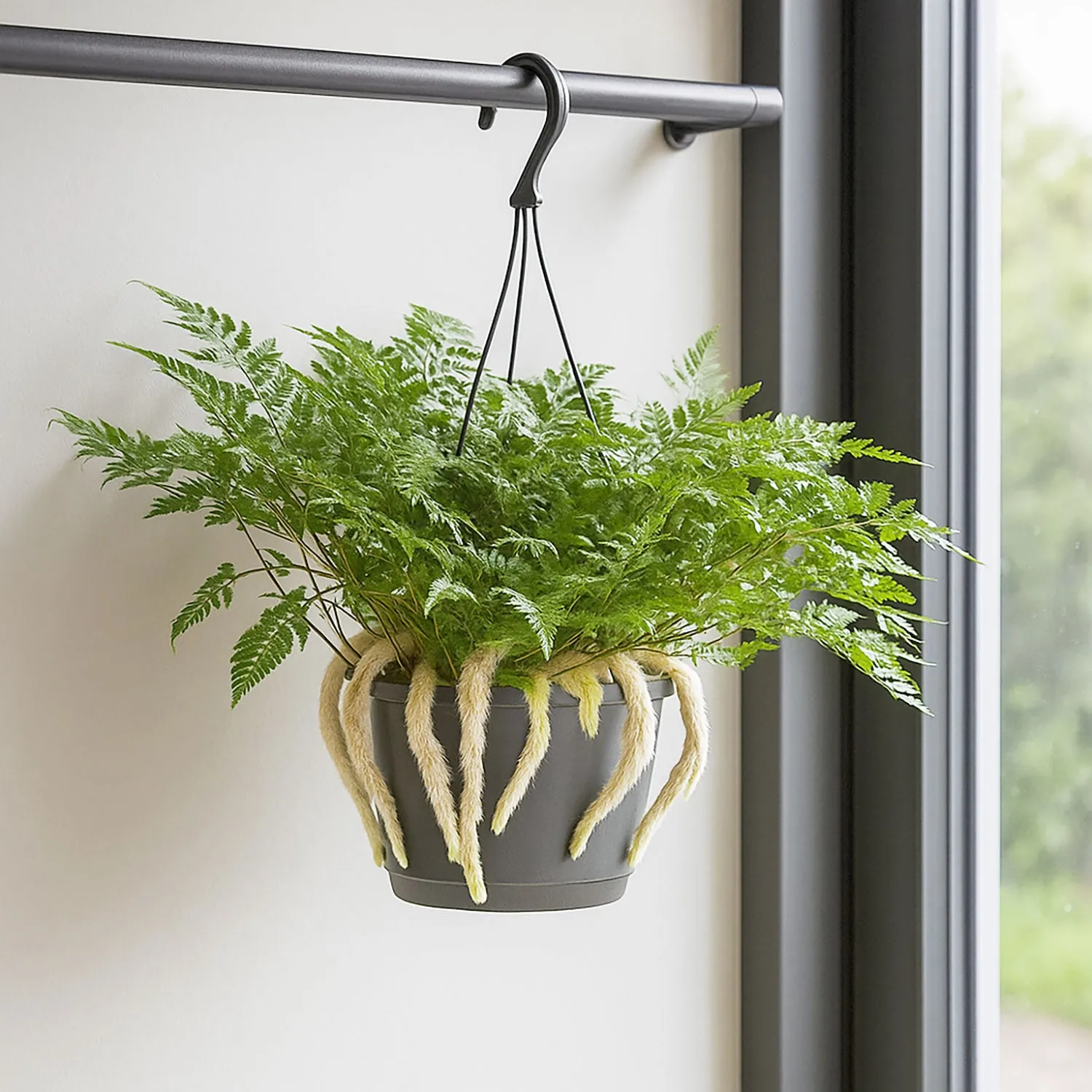
Philodendron patriciae is one of the most spectacular and collectable climbing philodendrons, belonging to the Araceae family. Native to the rainforests of Chocó, Colombia, this rare species is celebrated for its extraordinarily long, pendant leaves, making it a “grail plant” among serious aroid enthusiasts.
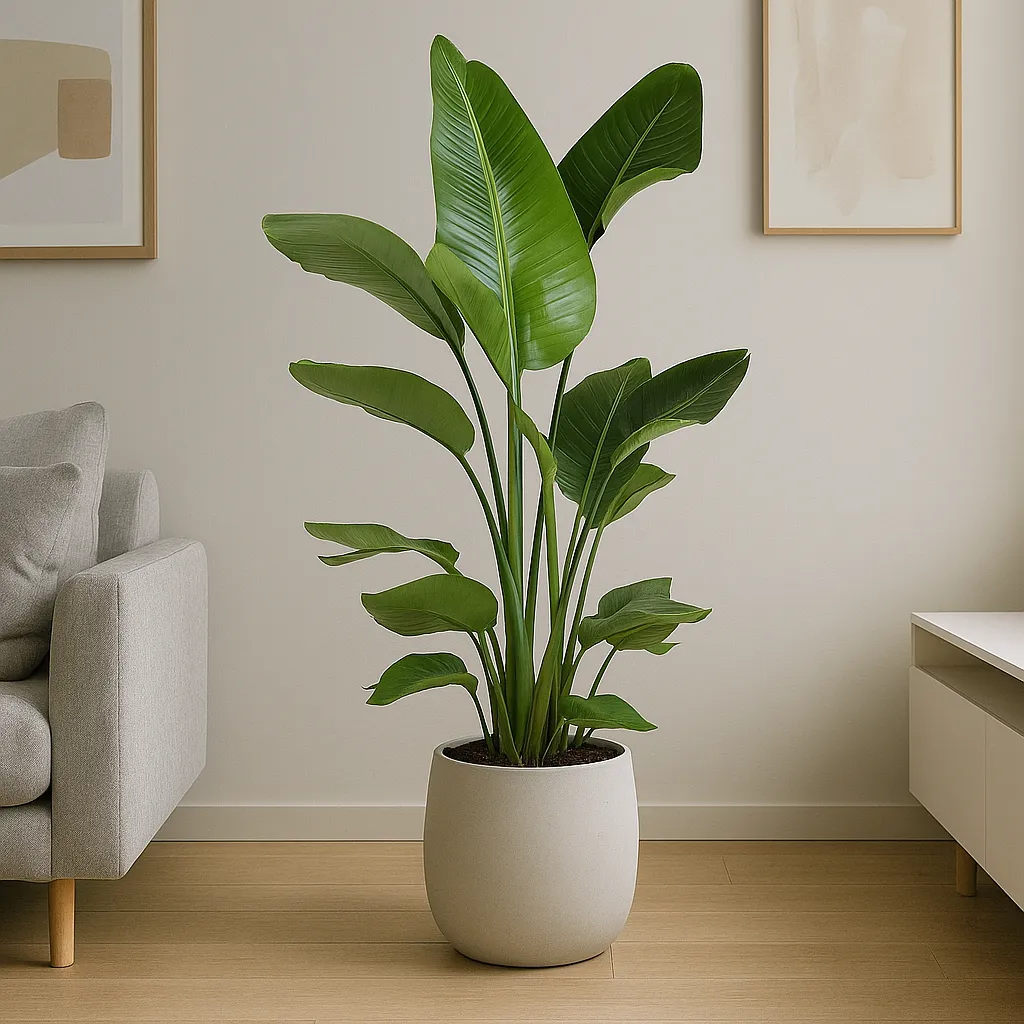
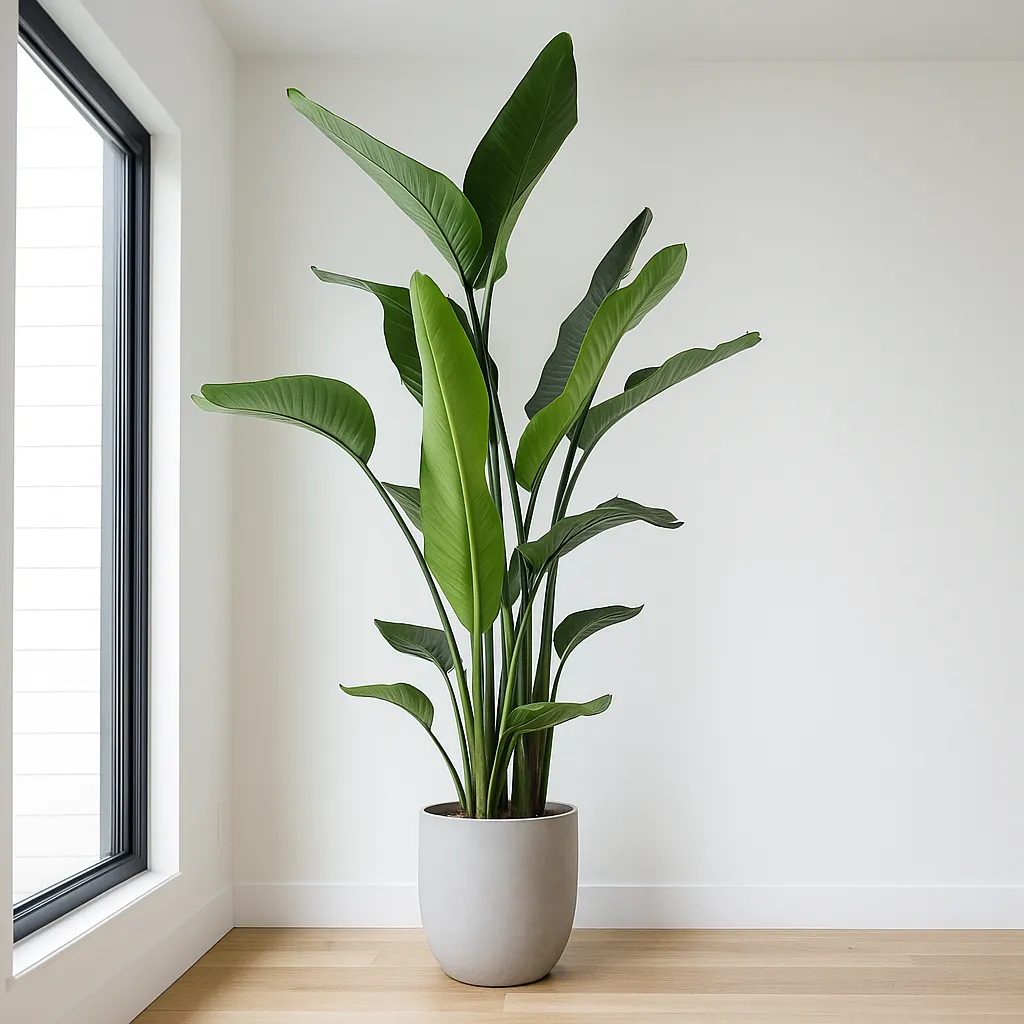
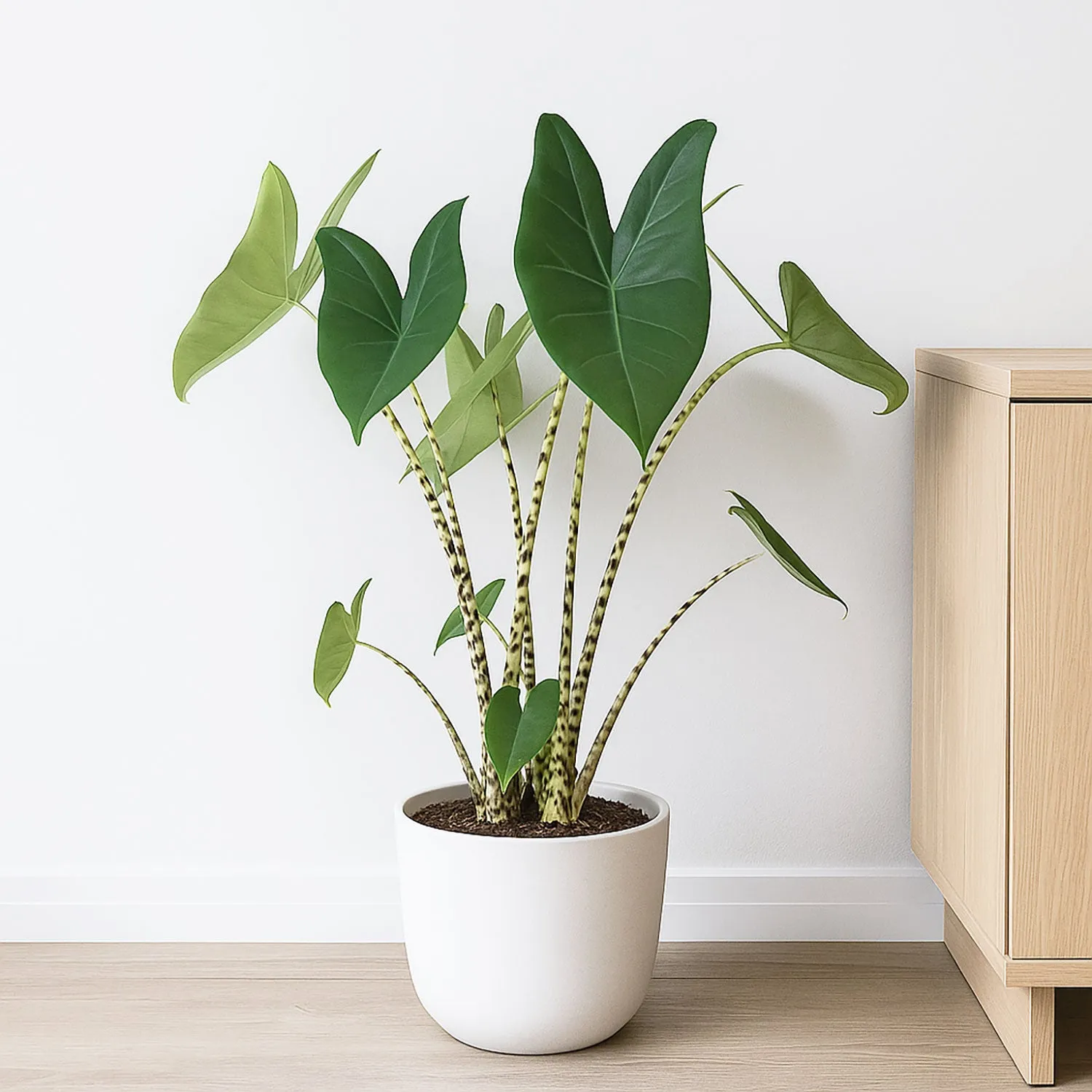
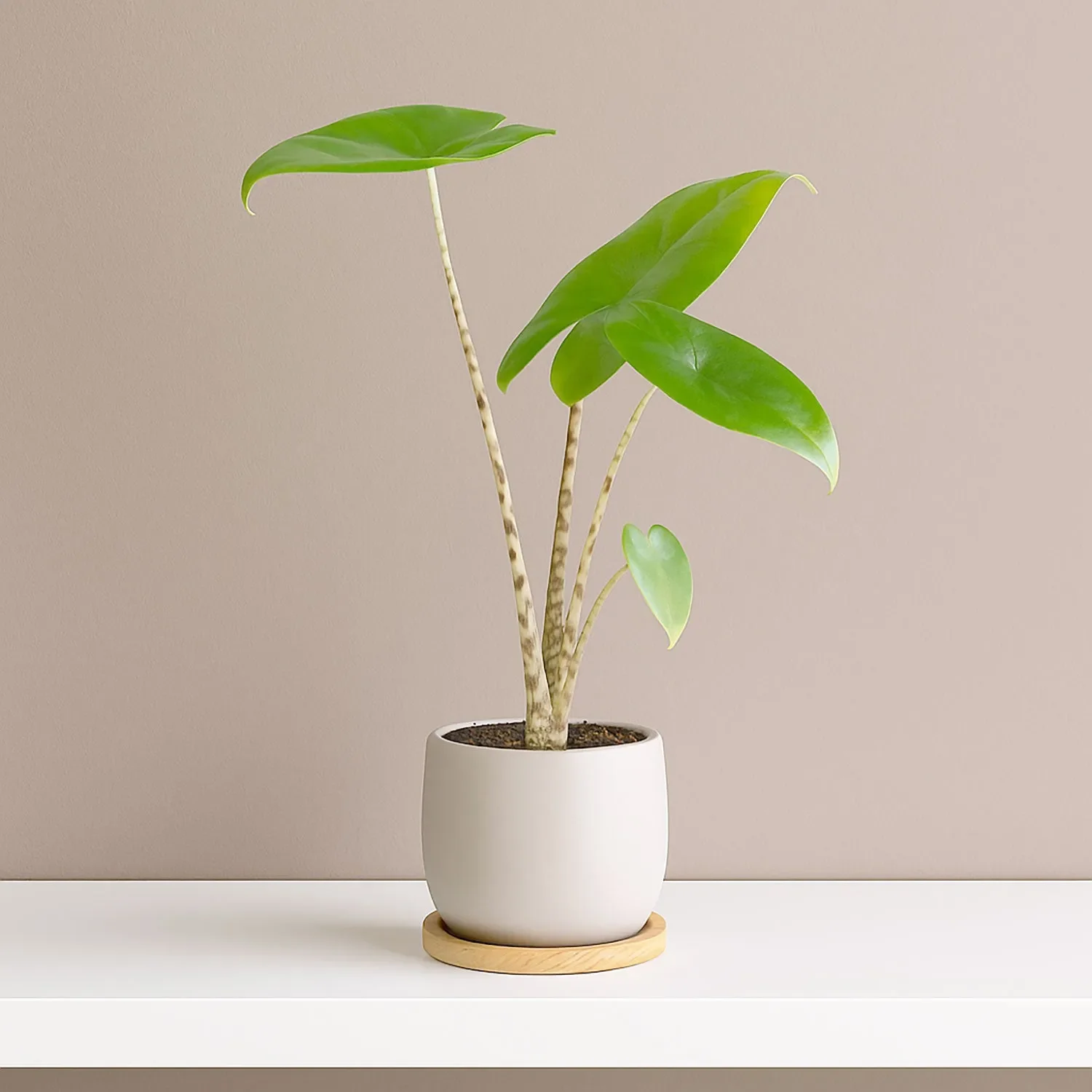
The foliage is the main attraction – each leaf is lanceolate, leathery, and elegantly pendant, often reaching 90–120 cm in length indoors, and even longer in its natural habitat. The leaves are deep green with a slightly glossy finish and pronounced venation, creating a strikingly textured look. The elongated, drooping growth habit gives the plant a graceful, cascading presence, unlike any other philodendron.
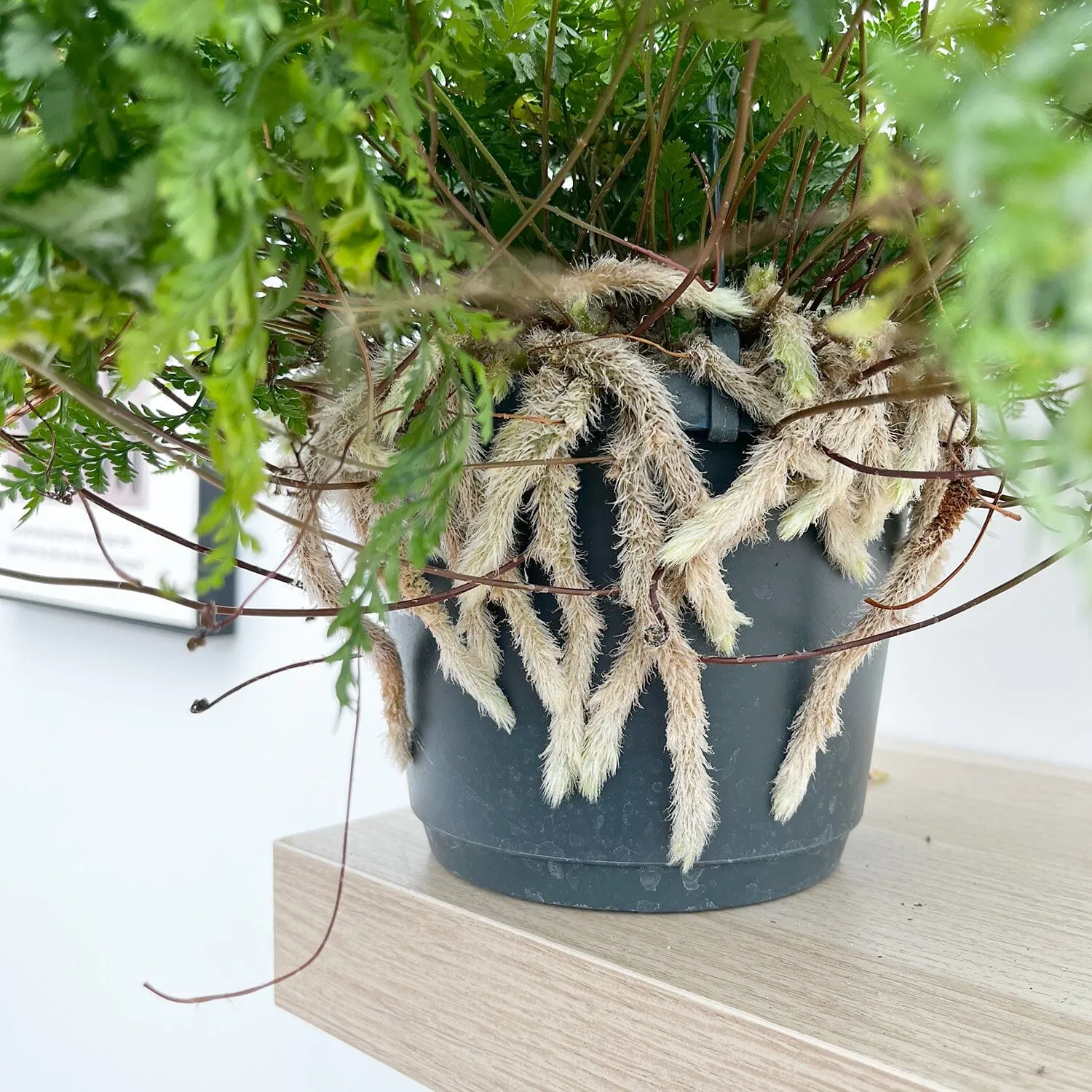
As a climbing species, Philodendron patriciae produces aerial roots and thrives when grown with vertical support such as a moss pole or climbing board, though many collectors allow the leaves to hang freely, highlighting their dramatic length.
Philodendron patriciae – Care Guide
Light
Requires bright, indirect light. Too little light slows growth and reduces leaf size, while harsh direct sun may scorch its delicate foliage.
Watering
Water when the top 3–4 cm of soil feels dry. Keep evenly moist during the growing season but ensure excellent drainage, as the plant is sensitive to overwatering and root rot. Reduce watering slightly in winter.
Temperature and Humidity
-
Temperature: Thrives in warmth, ideally 20–28°C. Avoid temperatures below 15°C.
-
Humidity: Prefers very high humidity (70–90%). Essential for developing large, healthy leaves and preventing crisping along the edges.
Soil and Potting
Use a chunky, free-draining aroid mix: peat-free compost combined with orchid bark, perlite, and sphagnum moss. A tall pot with a moss pole is recommended to encourage upright climbing and maximum leaf size.
Feeding
Apply a balanced liquid fertiliser every 2–3 weeks during spring and summer. Stop feeding in winter.
Pruning and Maintenance
Prune lightly to manage size and encourage branching if desired. Remove yellowing or damaged leaves at the base. Wipe long leaves occasionally with a damp cloth to keep them dust-free.
Growth and Maturity
A moderate to fast grower under the right conditions. Mature leaves indoors can exceed 1 metre in length, giving the plant a spectacular pendant form.
Common Issues
-
Small leaves: Insufficient light or lack of climbing support.
-
Yellowing leaves: Overwatering or poor drainage.
-
Brown tips: Low humidity.
-
Pests: Occasionally thrips, spider mites, or mealybugs.
Background and Benefits
Named in honour of Patricia Harding, a supporter of botanical research, Philodendron patriciae has become one of the most sought-after species in the genus. Its breathtaking foliage length and graceful habit make it a centrepiece in any serious aroid collection.
✅ Quick Care Summary
-
Light: Bright, indirect; avoid strong direct sun
-
Water: Keep lightly moist; reduce in winter
-
Temperature: 20–28°C; avoid below 15°C
-
Humidity: Very high (70–90%)
-
Soil: Chunky, well-draining aroid mix
-
Feed: Every 2–3 weeks in spring/summer
-
Growth: Climbing philodendron; pendant leaves up to 1 m+ indoors
Original: $36.94
-70%$36.94
$11.08Product Information
Product Information
Shipping & Returns
Shipping & Returns
Description
Philodendron patriciae is one of the most spectacular and collectable climbing philodendrons, belonging to the Araceae family. Native to the rainforests of Chocó, Colombia, this rare species is celebrated for its extraordinarily long, pendant leaves, making it a “grail plant” among serious aroid enthusiasts.
The foliage is the main attraction – each leaf is lanceolate, leathery, and elegantly pendant, often reaching 90–120 cm in length indoors, and even longer in its natural habitat. The leaves are deep green with a slightly glossy finish and pronounced venation, creating a strikingly textured look. The elongated, drooping growth habit gives the plant a graceful, cascading presence, unlike any other philodendron.
As a climbing species, Philodendron patriciae produces aerial roots and thrives when grown with vertical support such as a moss pole or climbing board, though many collectors allow the leaves to hang freely, highlighting their dramatic length.
Philodendron patriciae – Care Guide
Light
Requires bright, indirect light. Too little light slows growth and reduces leaf size, while harsh direct sun may scorch its delicate foliage.
Watering
Water when the top 3–4 cm of soil feels dry. Keep evenly moist during the growing season but ensure excellent drainage, as the plant is sensitive to overwatering and root rot. Reduce watering slightly in winter.
Temperature and Humidity
-
Temperature: Thrives in warmth, ideally 20–28°C. Avoid temperatures below 15°C.
-
Humidity: Prefers very high humidity (70–90%). Essential for developing large, healthy leaves and preventing crisping along the edges.
Soil and Potting
Use a chunky, free-draining aroid mix: peat-free compost combined with orchid bark, perlite, and sphagnum moss. A tall pot with a moss pole is recommended to encourage upright climbing and maximum leaf size.
Feeding
Apply a balanced liquid fertiliser every 2–3 weeks during spring and summer. Stop feeding in winter.
Pruning and Maintenance
Prune lightly to manage size and encourage branching if desired. Remove yellowing or damaged leaves at the base. Wipe long leaves occasionally with a damp cloth to keep them dust-free.
Growth and Maturity
A moderate to fast grower under the right conditions. Mature leaves indoors can exceed 1 metre in length, giving the plant a spectacular pendant form.
Common Issues
-
Small leaves: Insufficient light or lack of climbing support.
-
Yellowing leaves: Overwatering or poor drainage.
-
Brown tips: Low humidity.
-
Pests: Occasionally thrips, spider mites, or mealybugs.
Background and Benefits
Named in honour of Patricia Harding, a supporter of botanical research, Philodendron patriciae has become one of the most sought-after species in the genus. Its breathtaking foliage length and graceful habit make it a centrepiece in any serious aroid collection.
✅ Quick Care Summary
-
Light: Bright, indirect; avoid strong direct sun
-
Water: Keep lightly moist; reduce in winter
-
Temperature: 20–28°C; avoid below 15°C
-
Humidity: Very high (70–90%)
-
Soil: Chunky, well-draining aroid mix
-
Feed: Every 2–3 weeks in spring/summer
-
Growth: Climbing philodendron; pendant leaves up to 1 m+ indoors