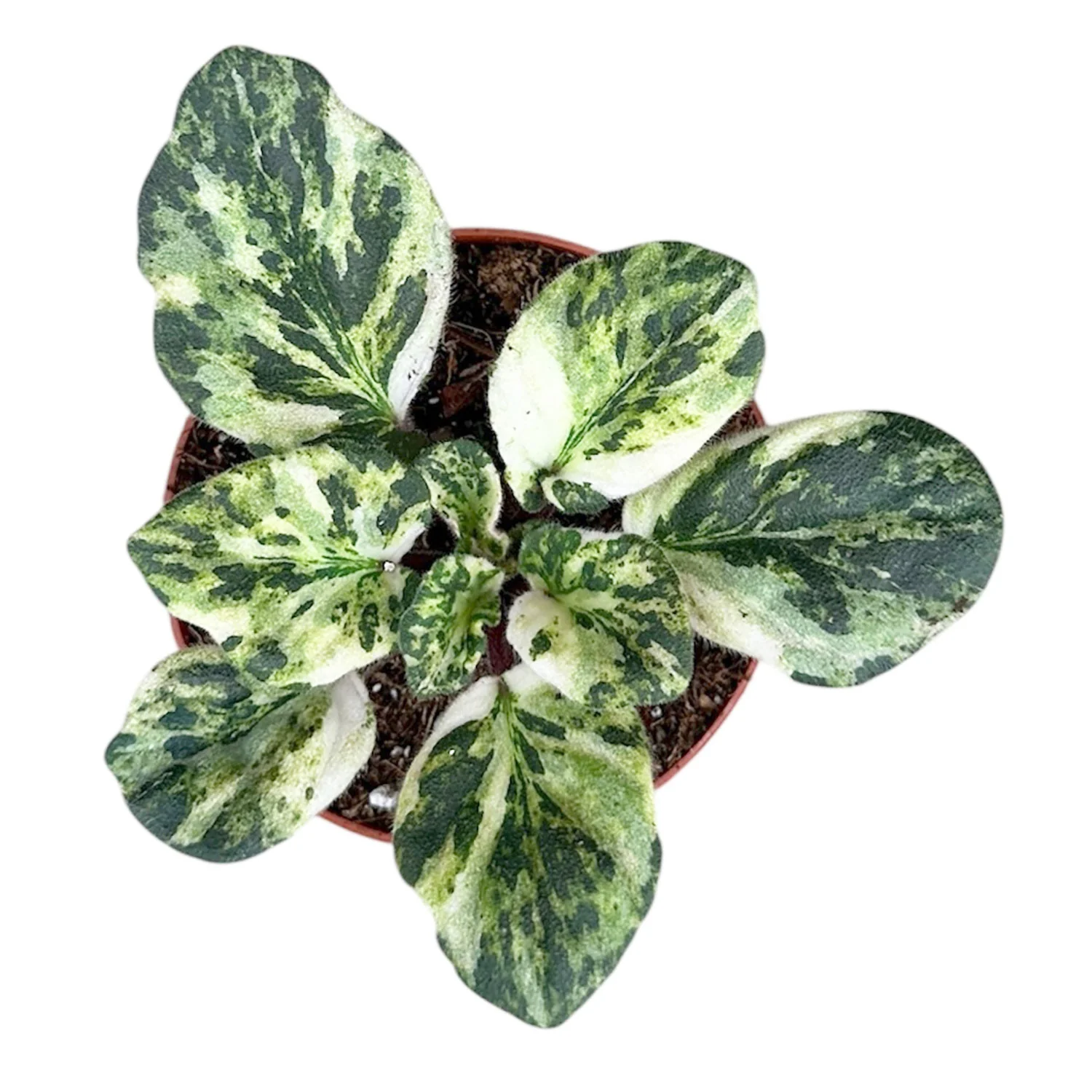
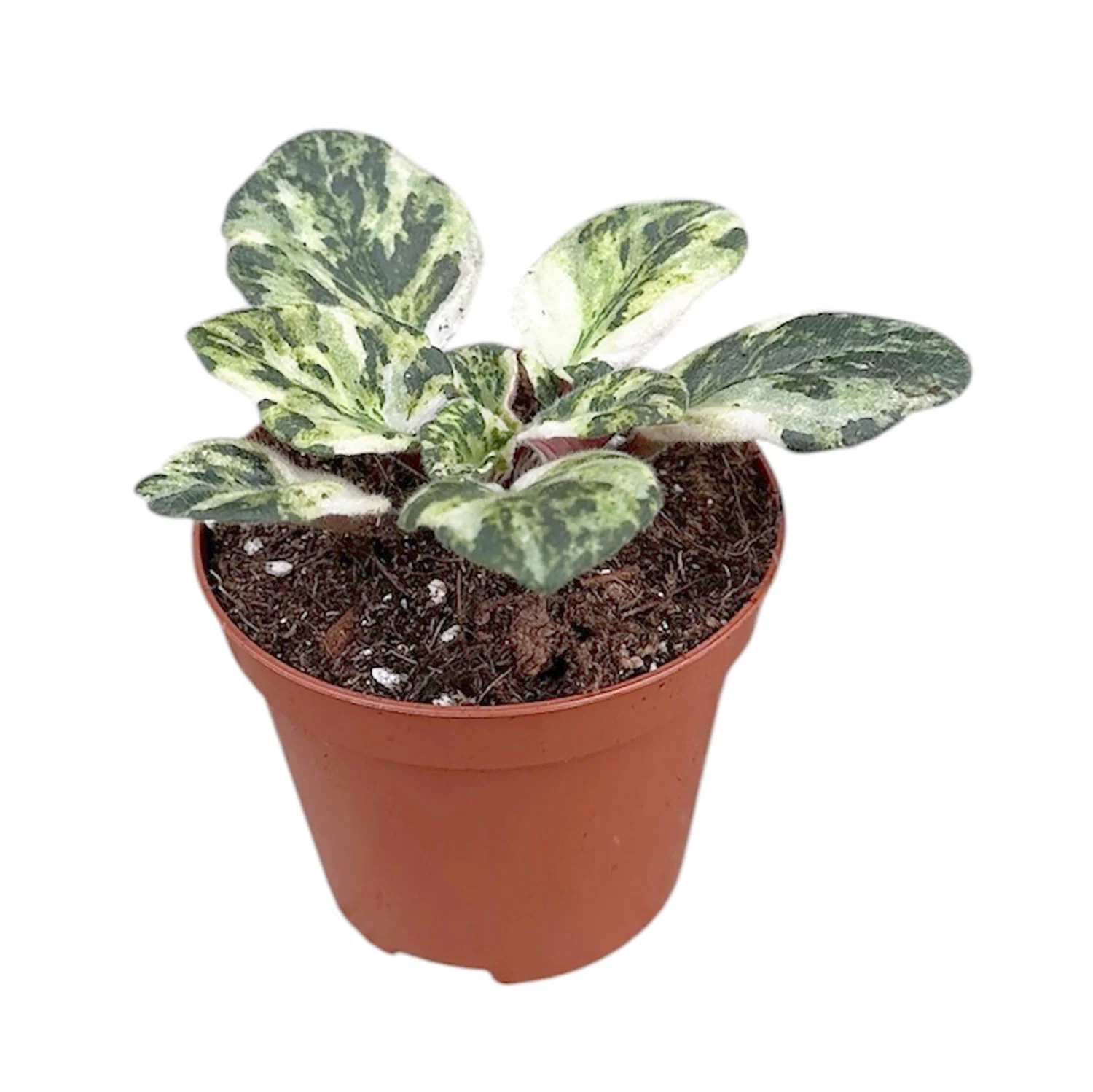
Saintpaulia Marble 8cm Pot House Plant
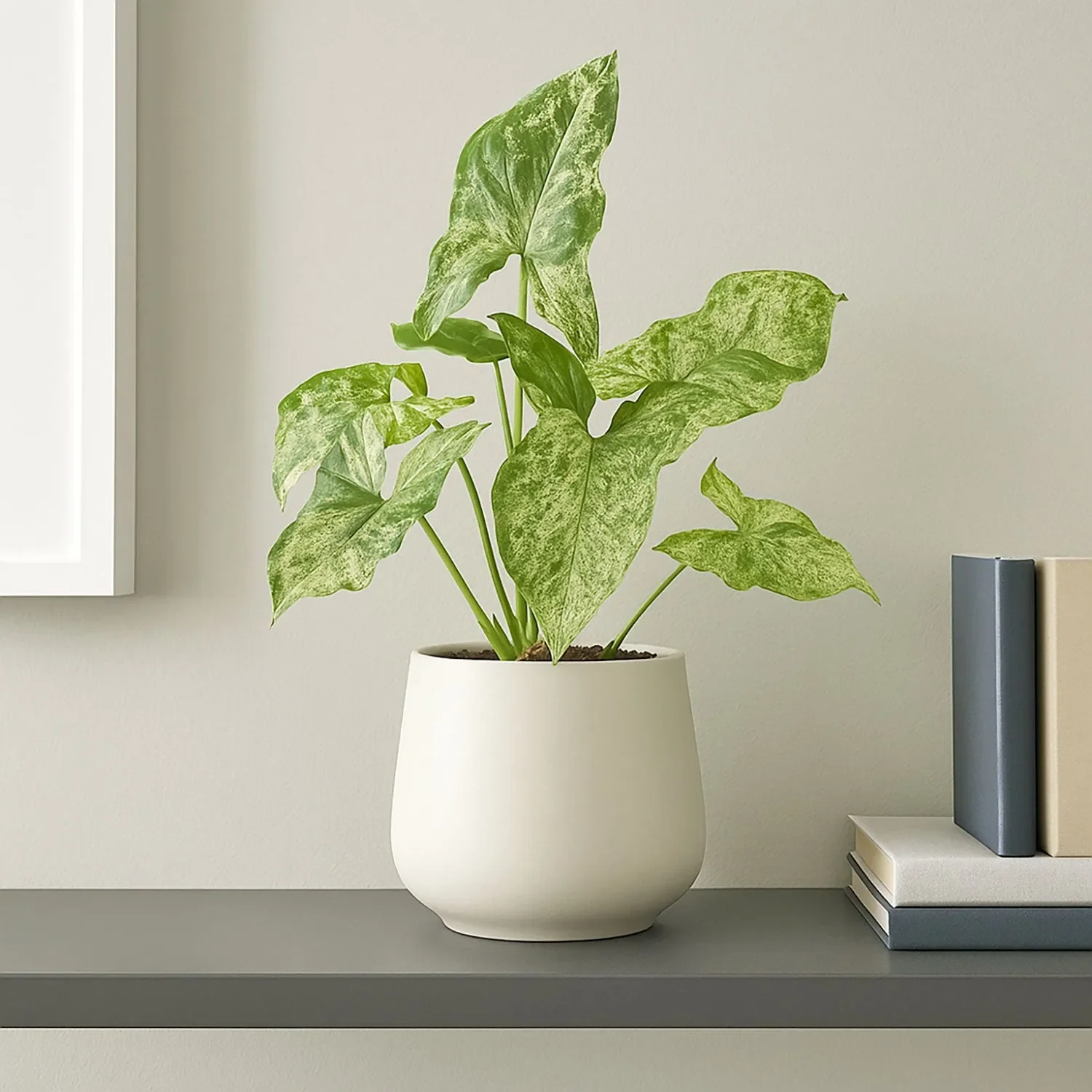
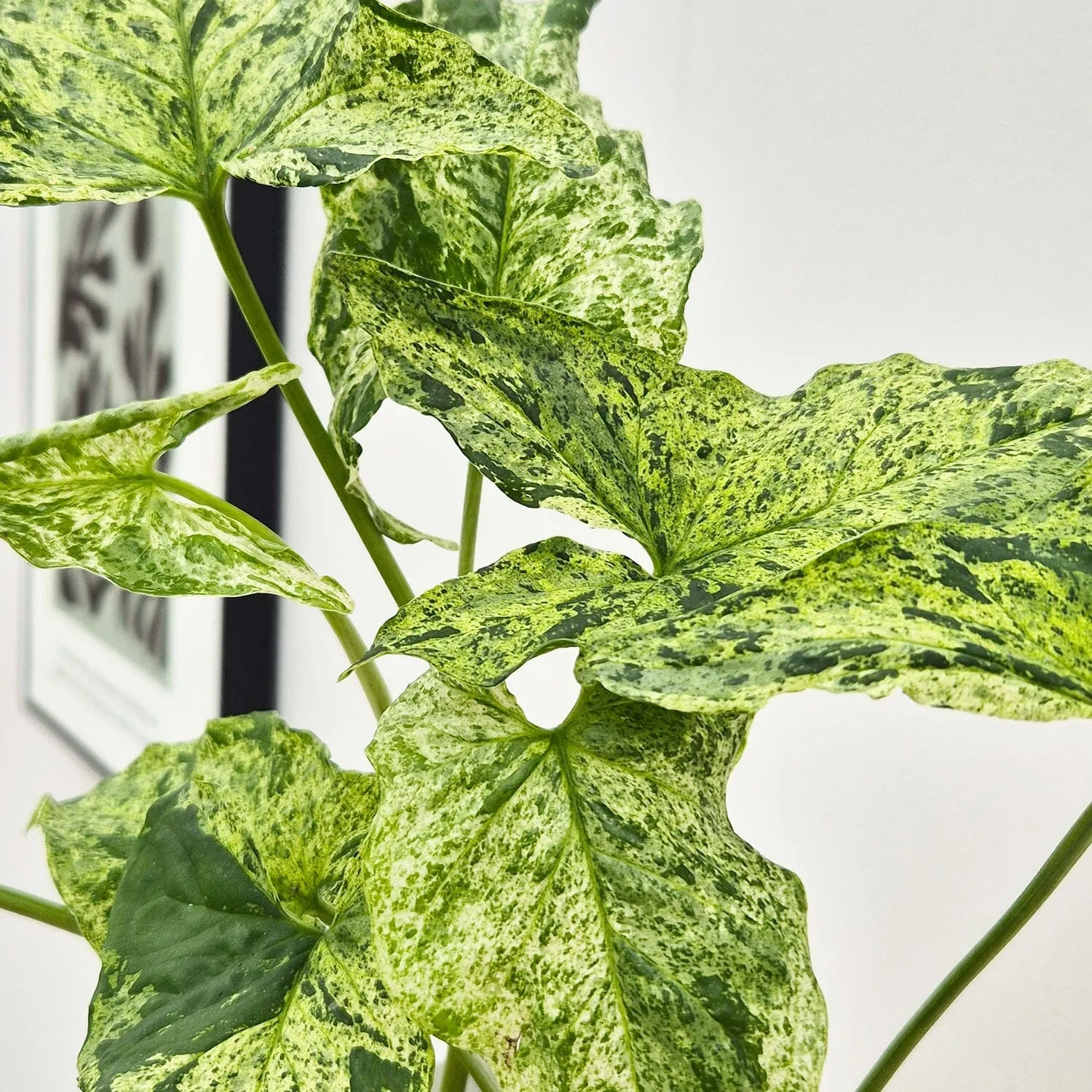
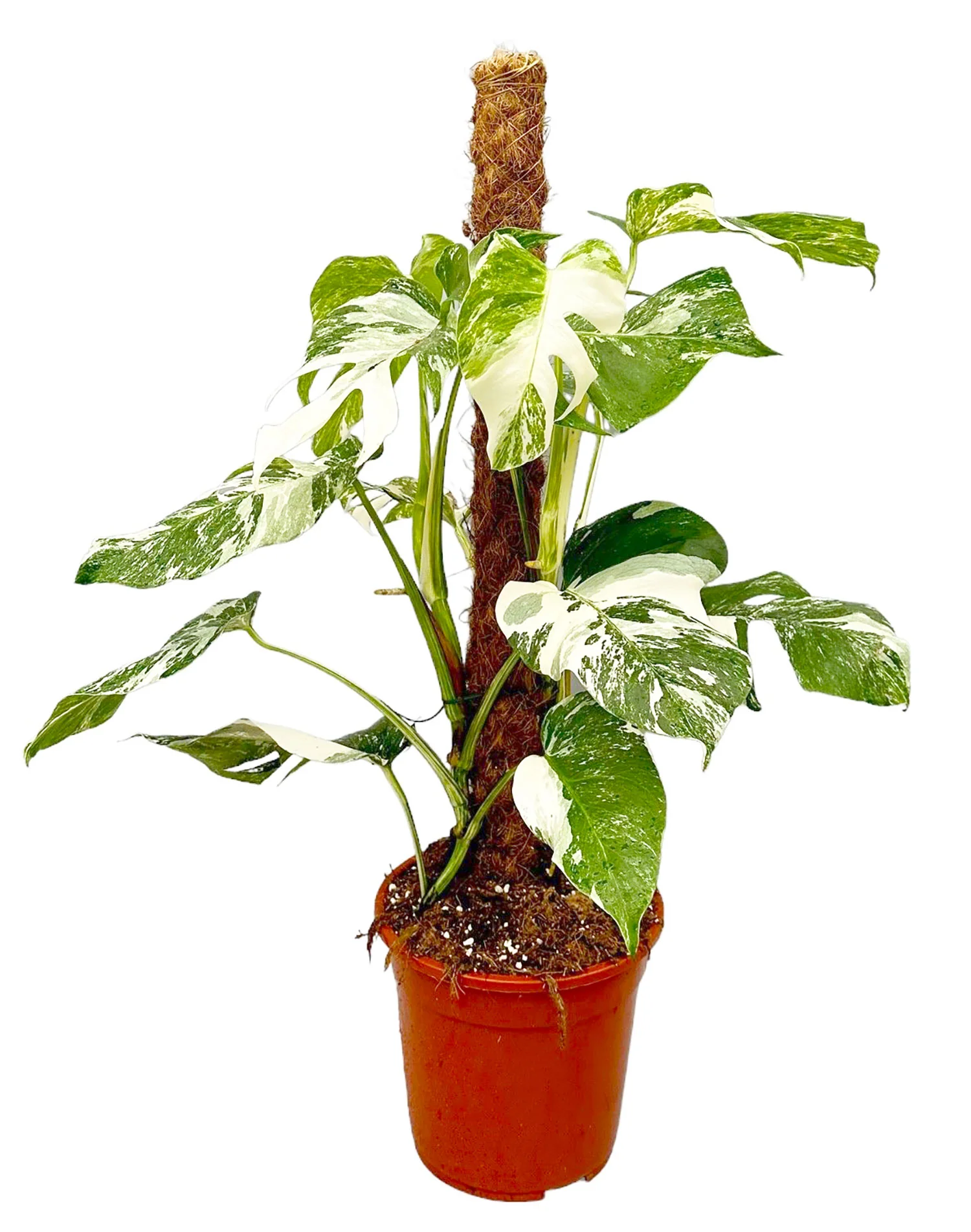
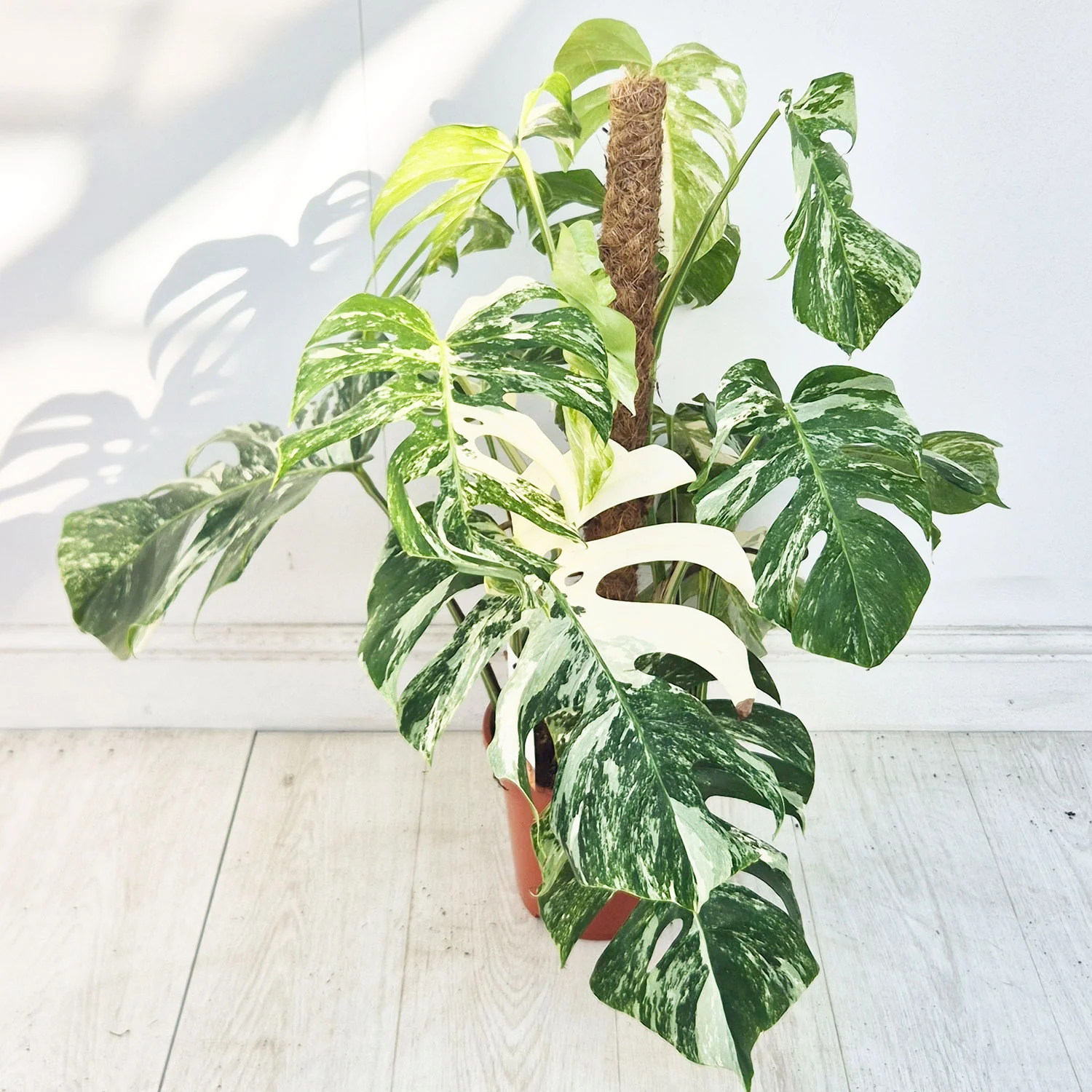
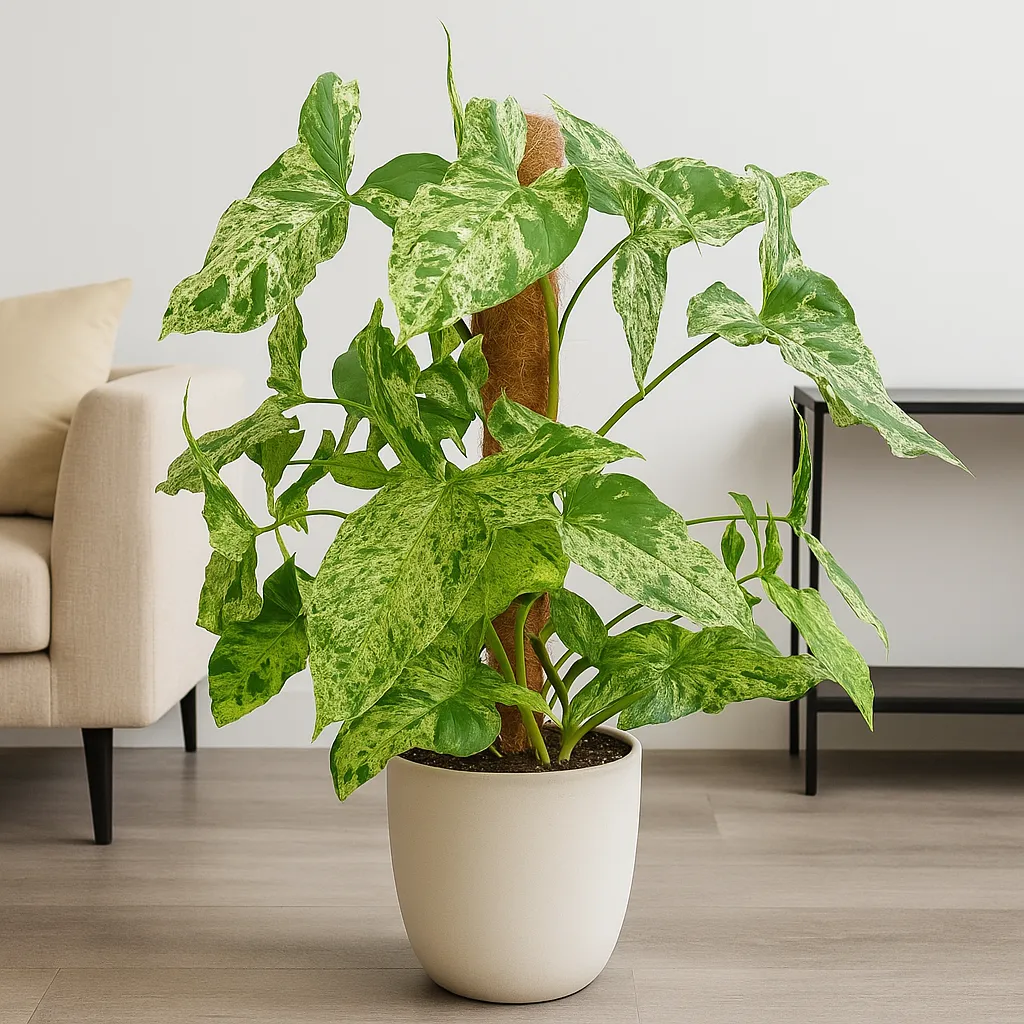
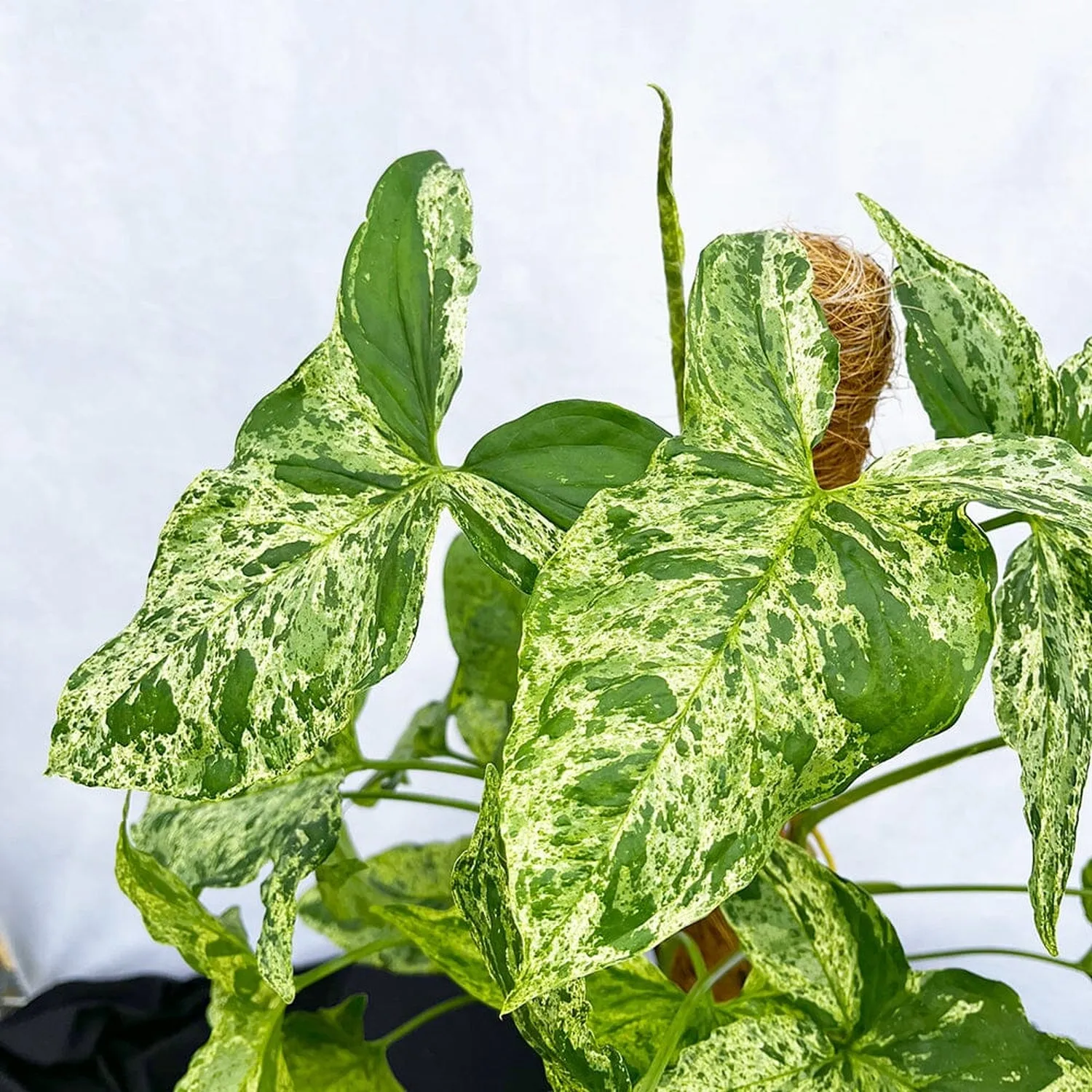
Saintpaulia ‘Marble’, also known as the Marbled African Violet, is a beautifully variegated and compact flowering plant prized for its patterned foliage and charming, colourful blooms. A member of the Gesneriaceae family and native to the forest floors of East Africa, this cultivar stands out with its striking marble-variegated leaves — a blend of creamy white, soft green, and deeper emerald swirls.
The foliage forms a neat rosette of velvety, rounded leaves, each uniquely marbled, giving the plant an almost hand-painted appearance. When in bloom, Saintpaulia ‘Marble’ produces clusters of delicate violet, lavender, pink, or white flowers (depending on the clone), which rise just above the patterned foliage, creating a perfect contrast of texture and colour.
Elegant, compact, and endlessly delightful, ‘Marble’ is a must-have for African violet enthusiasts and anyone seeking a decorative, easy-care houseplant with year-round charm.
Saintpaulia ‘Marble’ – Care Guide
Light
Thrives in bright, indirect light. Too much direct sun can scorch the velvety leaves, while too little light will reduce flowering and soften variegation. East- or north-facing windows are ideal. Grow lights also work beautifully for African violets.
Watering
Keep the soil evenly moist but never soggy. Water when the top layer of soil feels just dry, using room-temperature water. Bottom watering is recommended to avoid splashing the leaves, which can cause spotting. Never leave the pot sitting in water.
Temperature and Humidity
Temperature: Prefers 18–26 °C. Avoid cold drafts and sudden drops in temperature.
Humidity: Moderate humidity (40–60%) is ideal. It tolerates normal household conditions but benefits from being grouped with other plants. Avoid misting directly onto leaves.
Soil and Potting
Use a light, airy African violet soil mix — peat-based with added perlite or vermiculite for drainage. Repot every 6–12 months into a slightly snug pot, as African violets bloom better when root-bound.
Feeding
Feed lightly every 2–4 weeks during spring and summer with a balanced fertiliser formulated for African violets. Reduce feeding slightly in winter. Avoid over-fertilising, which can reduce variegation.
Pruning and Maintenance
Remove faded flowers and old leaves to encourage healthy new growth. Clean the velvety leaves gently with a soft brush to remove dust. Rotate regularly for balanced, symmetrical growth.
Growth and Maturity
A compact grower, Saintpaulia ‘Marble’ typically reaches 15–20 cm in width and produces regular cycles of blooms throughout the year under the right light. As it matures, variegation intensifies, making the foliage as stunning as the flowers.
Common Issues
-
Leaf spots: Water splashed onto leaves.
-
Wilting or yellowing: Overwatering.
-
No blooms: Insufficient light or overly large pot.
-
Pests: Occasionally thrips or cyclamen mites — treat promptly with gentle insecticidal soap.
Background and Benefits
African violets became globally popular due to their compact size, continuous flowering, and endless cultivars. The ‘Marble’ form is cherished for its decorative foliage, making it equally beautiful even when not in bloom.
Symbolically, Saintpaulias represent healing, protection, and quiet joy — a fitting companion for desks, bedside tables, and windowsills.
Quick Care Summary
-
Light: Bright, indirect light; avoid direct sun
-
Water: Lightly moist; bottom-water for best results
-
Temperature: 18–26 °C; avoid drafts
-
Humidity: Moderate (40–60%)
-
Soil: Airy African violet mix
-
Feed: Every 2–4 weeks in growing season
-
Growth: 15–20 cm; marbled leaves with colourful, delicate blooms
⚠️ Toxicity note: Non-toxic to humans and pets.
Styling Tip
Display Saintpaulia ‘Marble’ in a decorative ceramic pot where its velvety marbled leaves can be admired up close. Perfect for compact spaces, shelves, and windowsills, it pairs beautifully with other soft-textured plants like Peperomia caperata, Pilea glauca, or Begonia ‘Snow Cap’. The variegation looks especially striking against pastel or matte white planters, adding a touch of elegance to any interior.
Original: $72.58
-70%$72.58
$21.77Product Information
Product Information
Shipping & Returns
Shipping & Returns
Description
Saintpaulia ‘Marble’, also known as the Marbled African Violet, is a beautifully variegated and compact flowering plant prized for its patterned foliage and charming, colourful blooms. A member of the Gesneriaceae family and native to the forest floors of East Africa, this cultivar stands out with its striking marble-variegated leaves — a blend of creamy white, soft green, and deeper emerald swirls.
The foliage forms a neat rosette of velvety, rounded leaves, each uniquely marbled, giving the plant an almost hand-painted appearance. When in bloom, Saintpaulia ‘Marble’ produces clusters of delicate violet, lavender, pink, or white flowers (depending on the clone), which rise just above the patterned foliage, creating a perfect contrast of texture and colour.
Elegant, compact, and endlessly delightful, ‘Marble’ is a must-have for African violet enthusiasts and anyone seeking a decorative, easy-care houseplant with year-round charm.
Saintpaulia ‘Marble’ – Care Guide
Light
Thrives in bright, indirect light. Too much direct sun can scorch the velvety leaves, while too little light will reduce flowering and soften variegation. East- or north-facing windows are ideal. Grow lights also work beautifully for African violets.
Watering
Keep the soil evenly moist but never soggy. Water when the top layer of soil feels just dry, using room-temperature water. Bottom watering is recommended to avoid splashing the leaves, which can cause spotting. Never leave the pot sitting in water.
Temperature and Humidity
Temperature: Prefers 18–26 °C. Avoid cold drafts and sudden drops in temperature.
Humidity: Moderate humidity (40–60%) is ideal. It tolerates normal household conditions but benefits from being grouped with other plants. Avoid misting directly onto leaves.
Soil and Potting
Use a light, airy African violet soil mix — peat-based with added perlite or vermiculite for drainage. Repot every 6–12 months into a slightly snug pot, as African violets bloom better when root-bound.
Feeding
Feed lightly every 2–4 weeks during spring and summer with a balanced fertiliser formulated for African violets. Reduce feeding slightly in winter. Avoid over-fertilising, which can reduce variegation.
Pruning and Maintenance
Remove faded flowers and old leaves to encourage healthy new growth. Clean the velvety leaves gently with a soft brush to remove dust. Rotate regularly for balanced, symmetrical growth.
Growth and Maturity
A compact grower, Saintpaulia ‘Marble’ typically reaches 15–20 cm in width and produces regular cycles of blooms throughout the year under the right light. As it matures, variegation intensifies, making the foliage as stunning as the flowers.
Common Issues
-
Leaf spots: Water splashed onto leaves.
-
Wilting or yellowing: Overwatering.
-
No blooms: Insufficient light or overly large pot.
-
Pests: Occasionally thrips or cyclamen mites — treat promptly with gentle insecticidal soap.
Background and Benefits
African violets became globally popular due to their compact size, continuous flowering, and endless cultivars. The ‘Marble’ form is cherished for its decorative foliage, making it equally beautiful even when not in bloom.
Symbolically, Saintpaulias represent healing, protection, and quiet joy — a fitting companion for desks, bedside tables, and windowsills.
Quick Care Summary
-
Light: Bright, indirect light; avoid direct sun
-
Water: Lightly moist; bottom-water for best results
-
Temperature: 18–26 °C; avoid drafts
-
Humidity: Moderate (40–60%)
-
Soil: Airy African violet mix
-
Feed: Every 2–4 weeks in growing season
-
Growth: 15–20 cm; marbled leaves with colourful, delicate blooms
⚠️ Toxicity note: Non-toxic to humans and pets.
Styling Tip
Display Saintpaulia ‘Marble’ in a decorative ceramic pot where its velvety marbled leaves can be admired up close. Perfect for compact spaces, shelves, and windowsills, it pairs beautifully with other soft-textured plants like Peperomia caperata, Pilea glauca, or Begonia ‘Snow Cap’. The variegation looks especially striking against pastel or matte white planters, adding a touch of elegance to any interior.