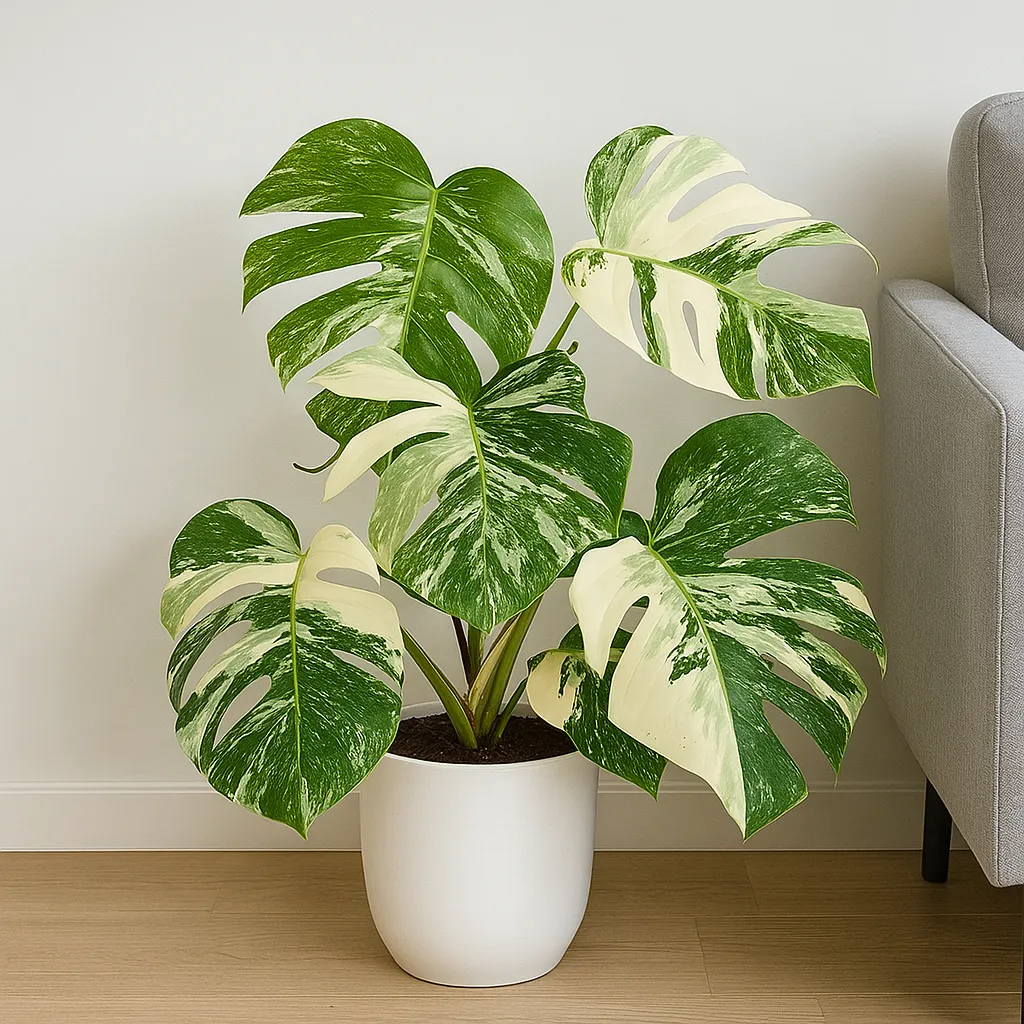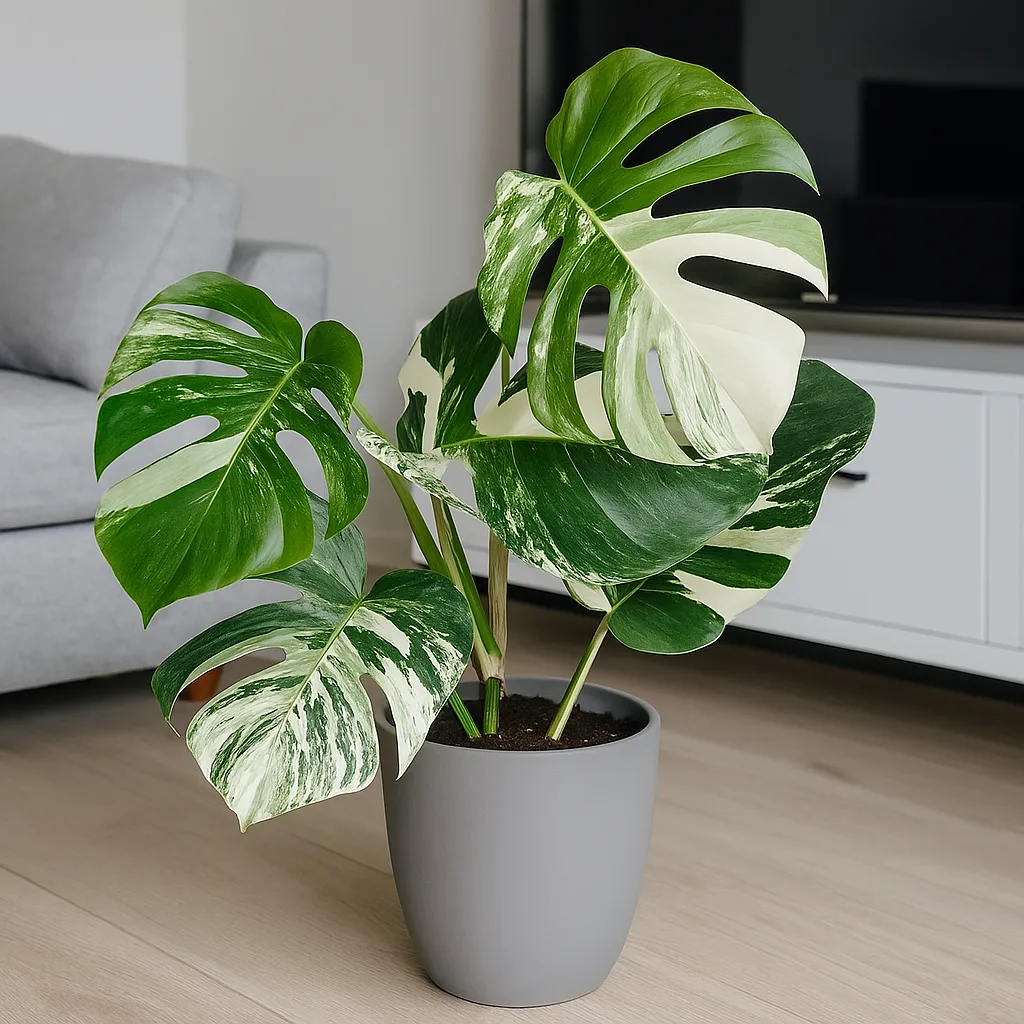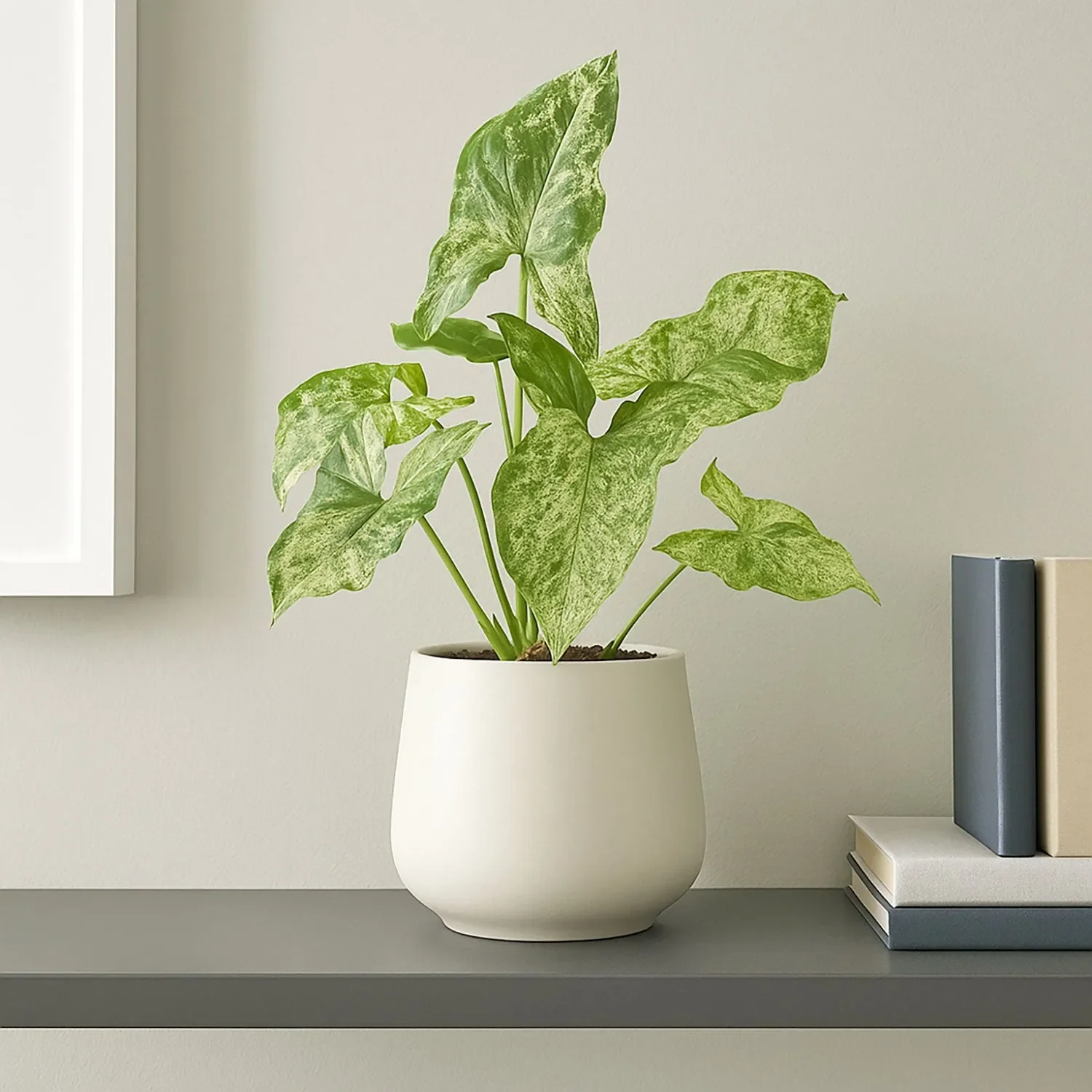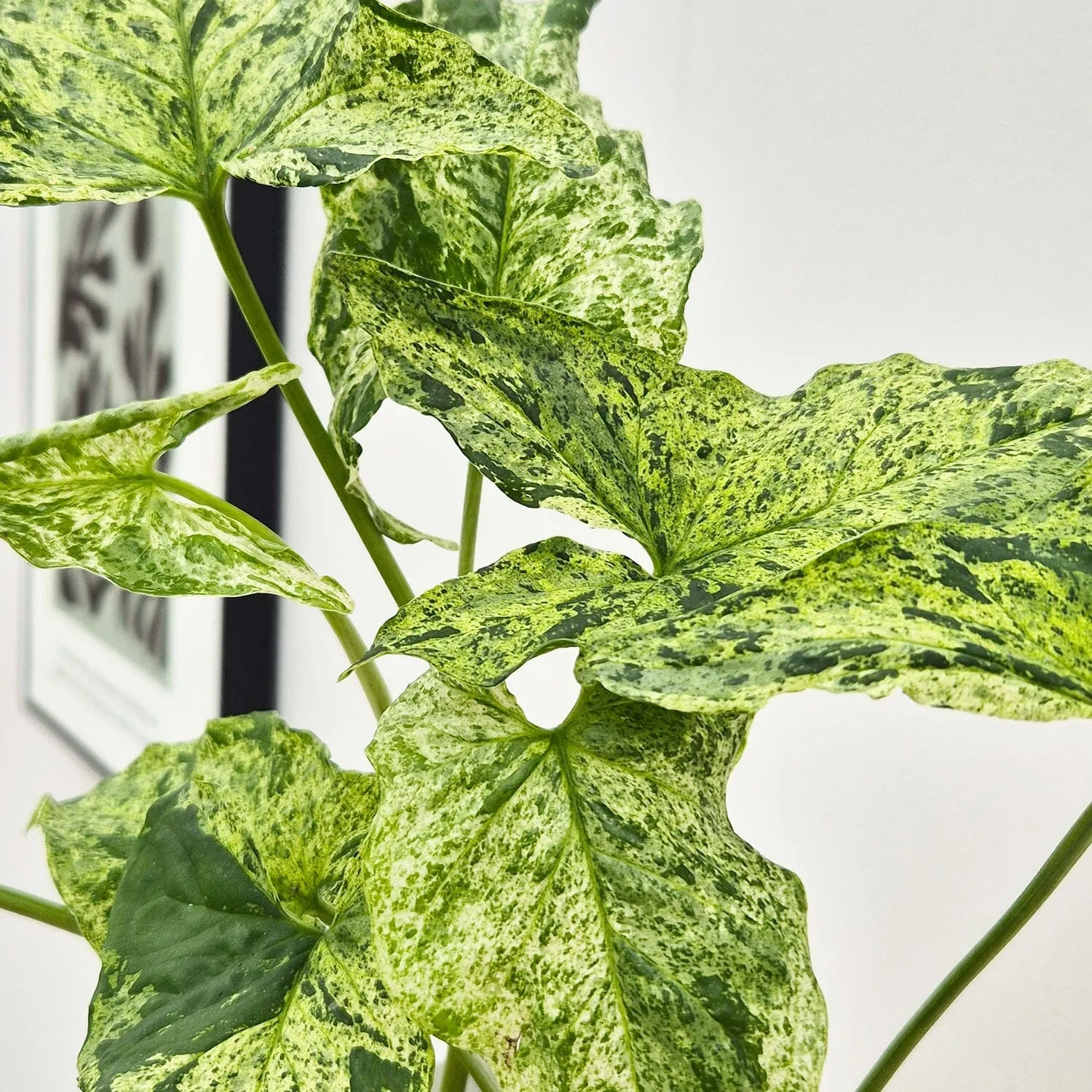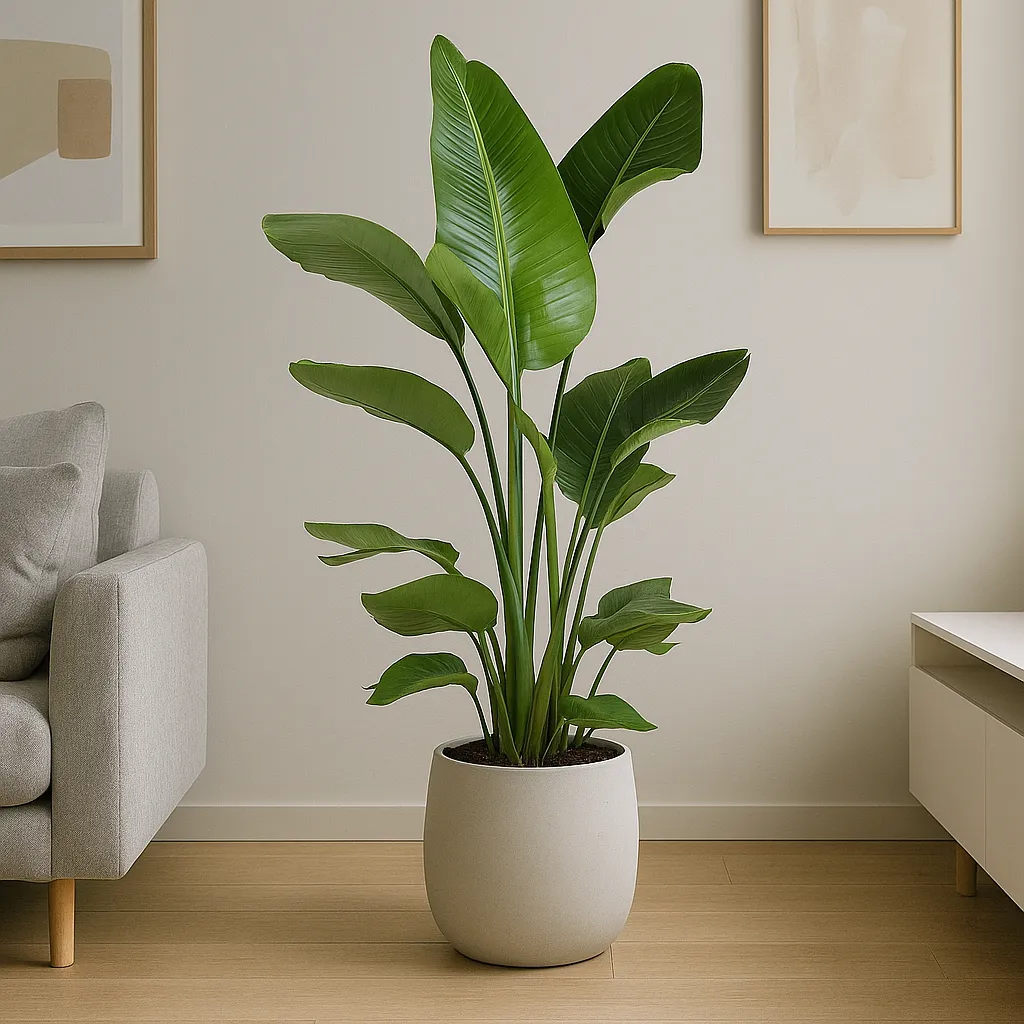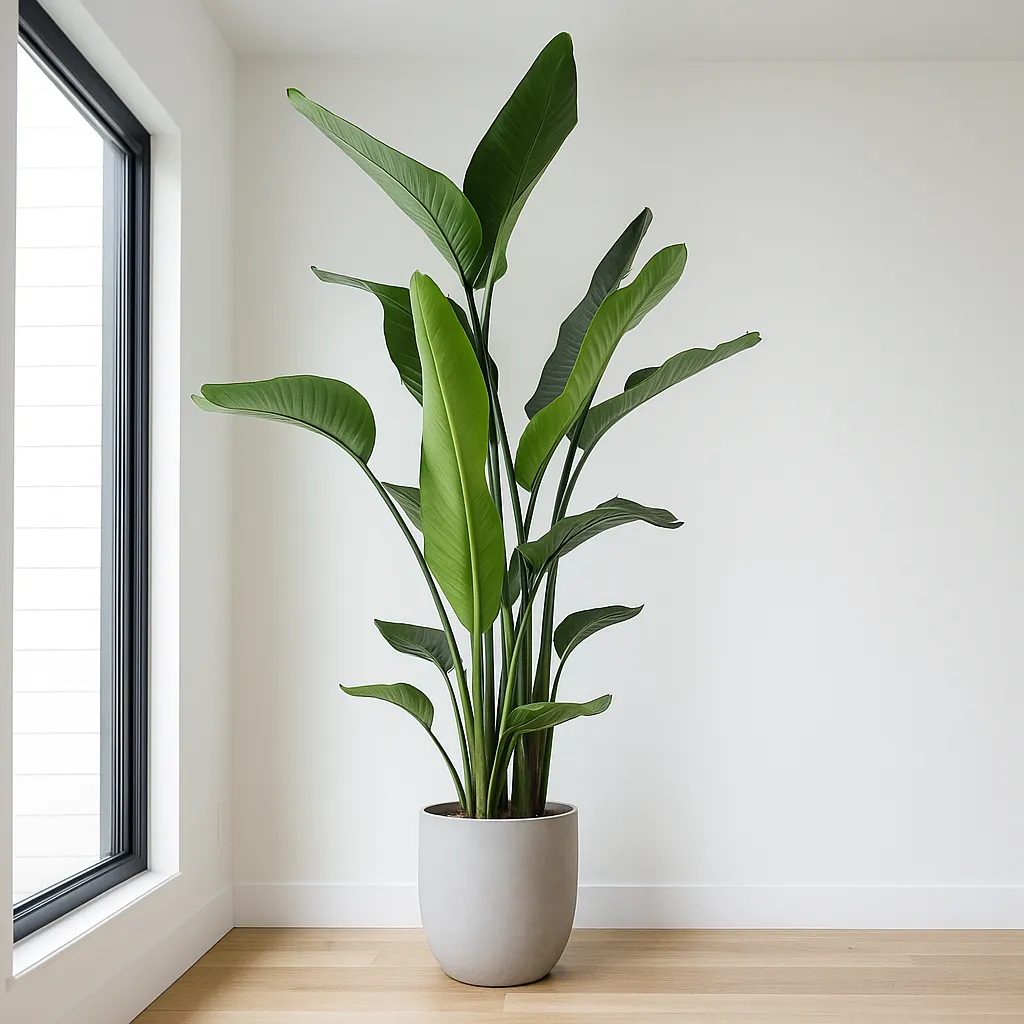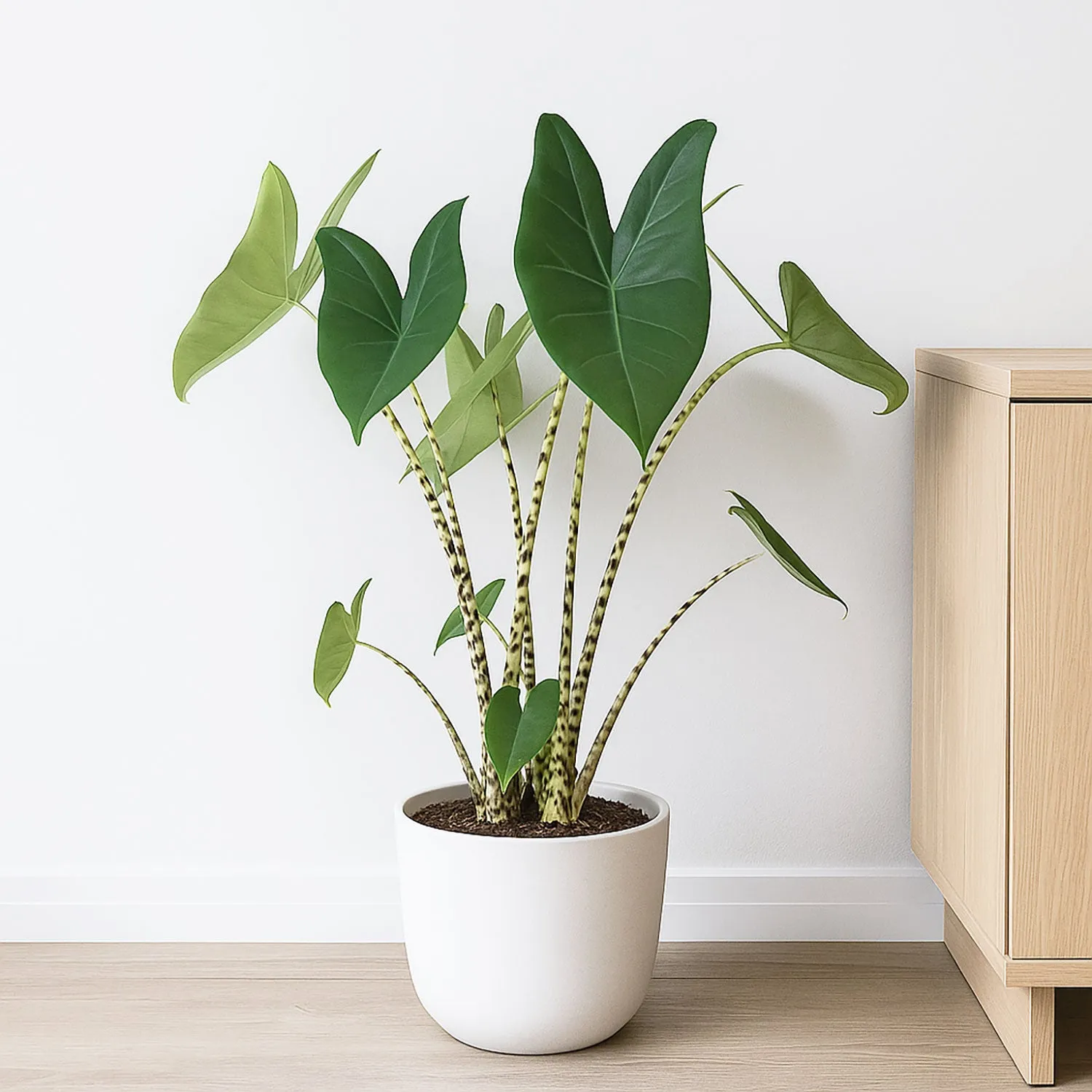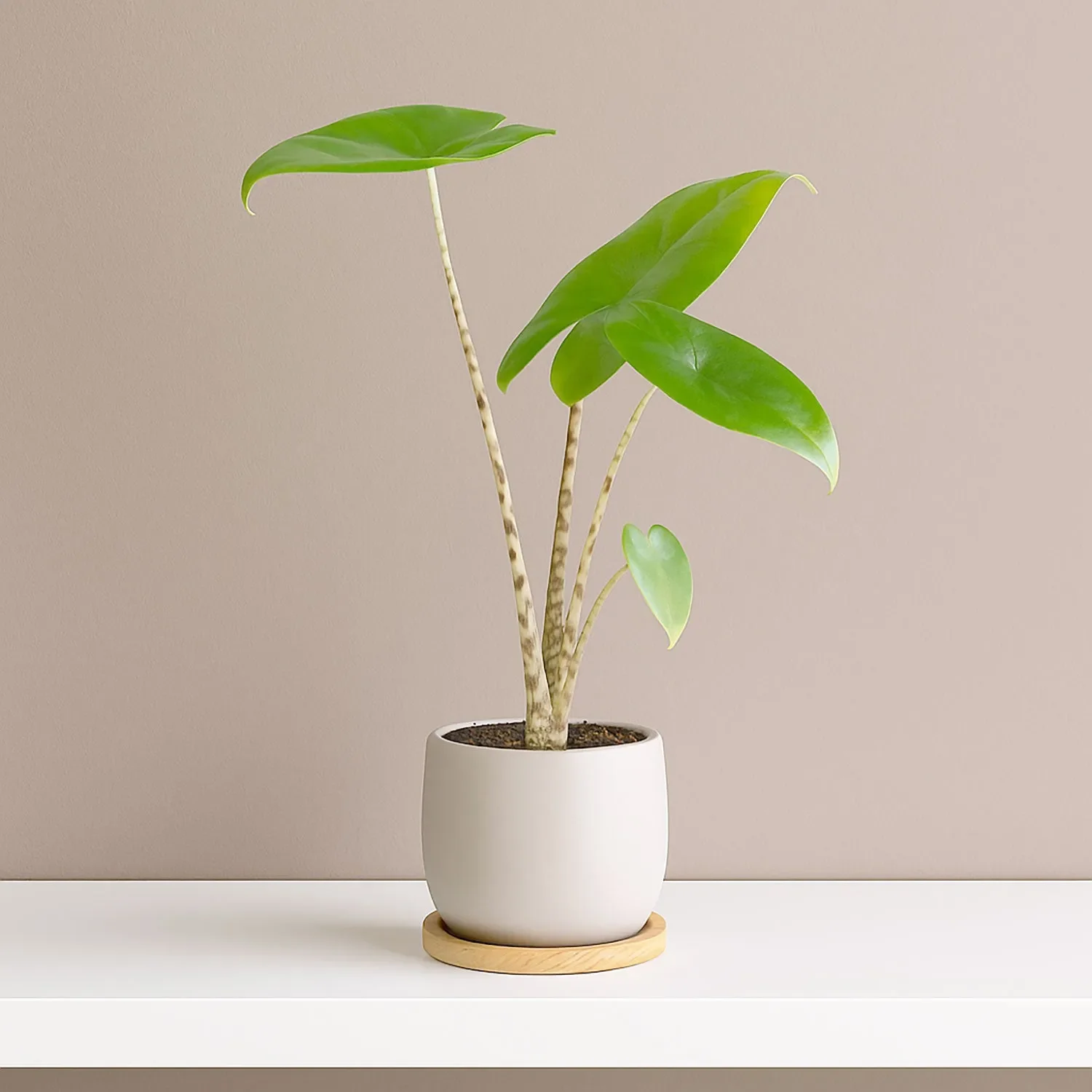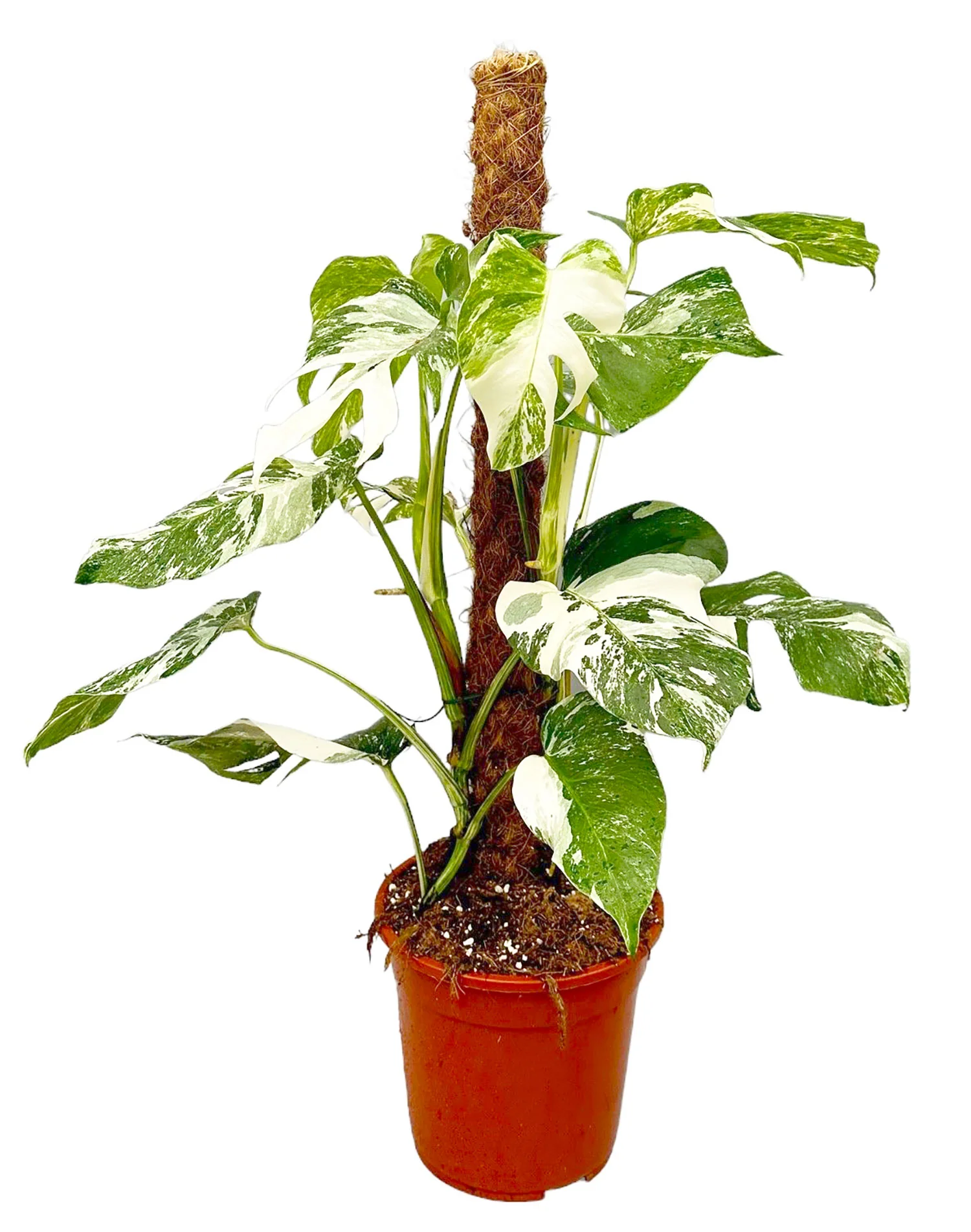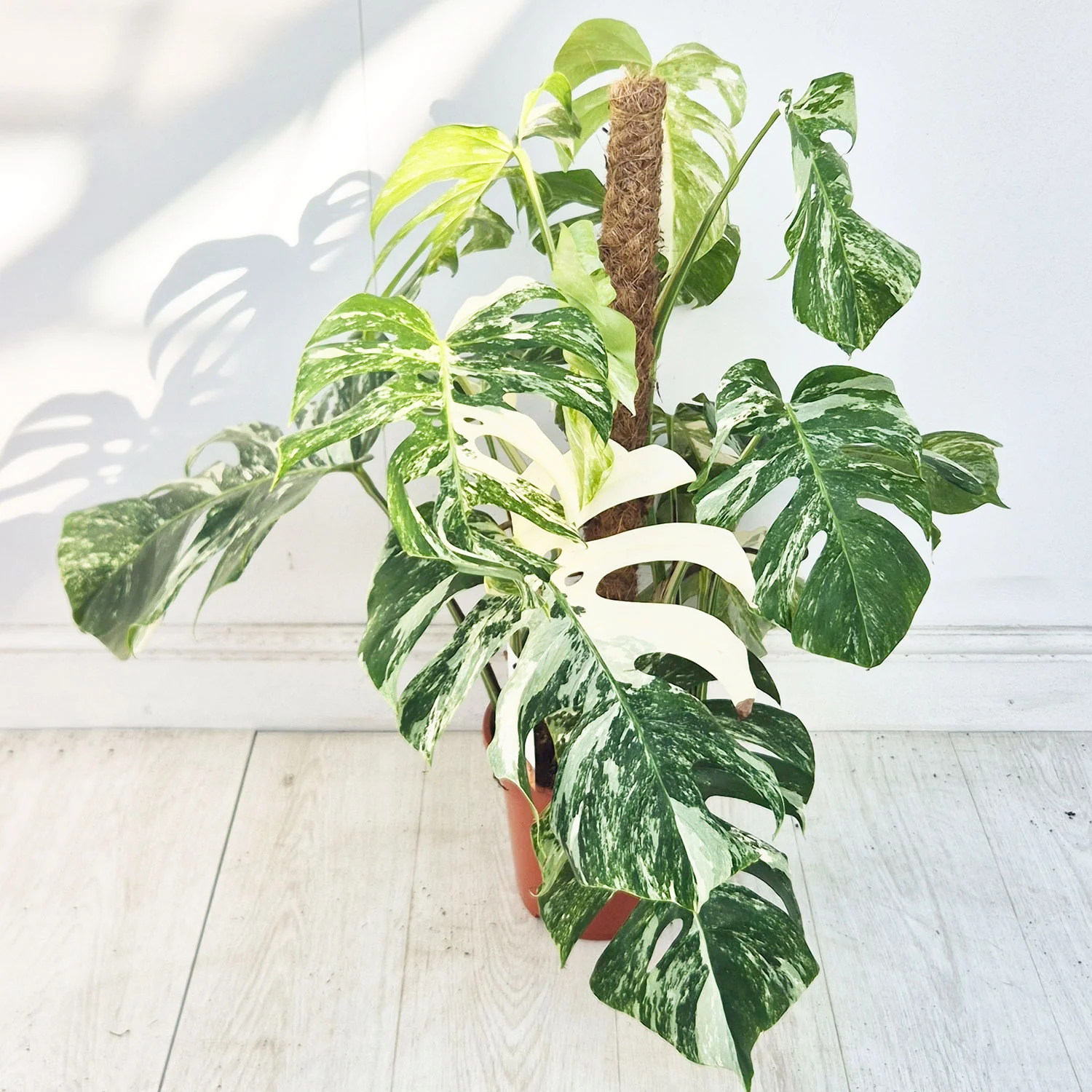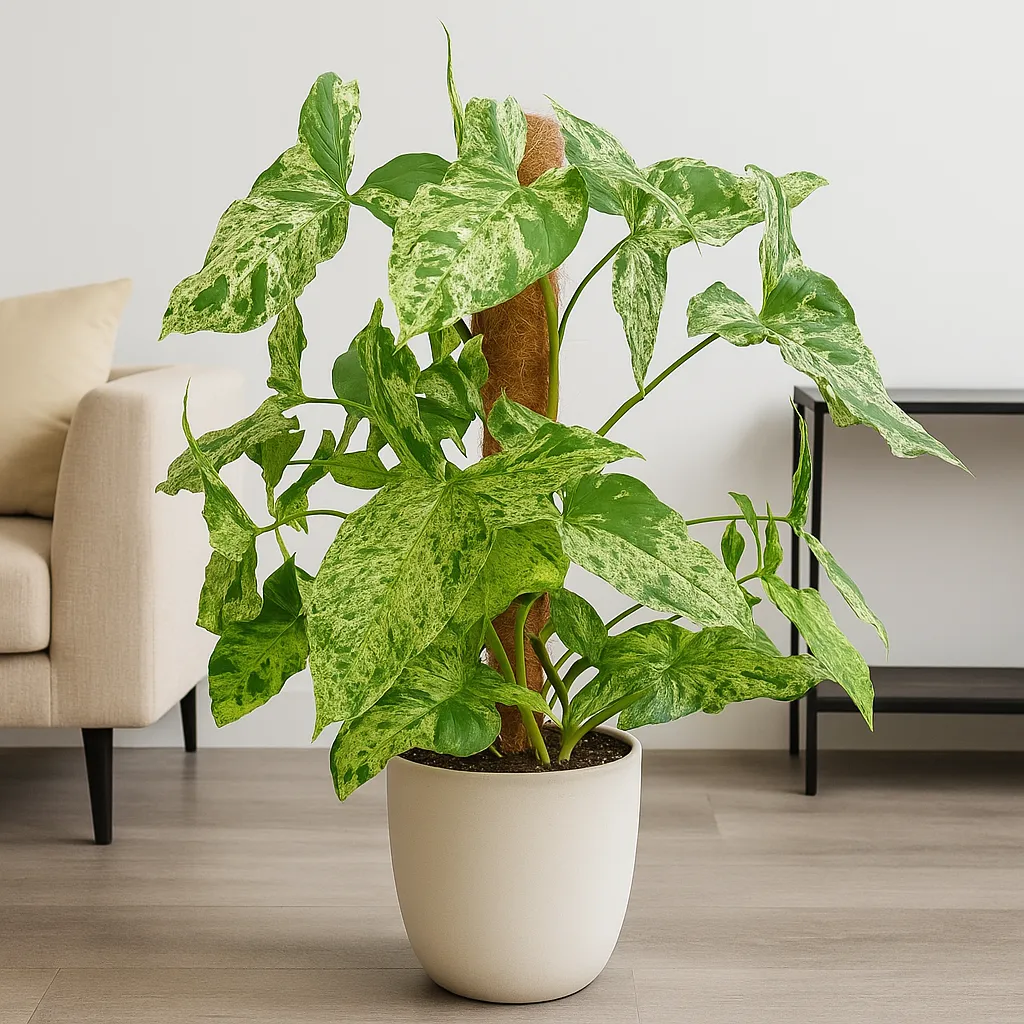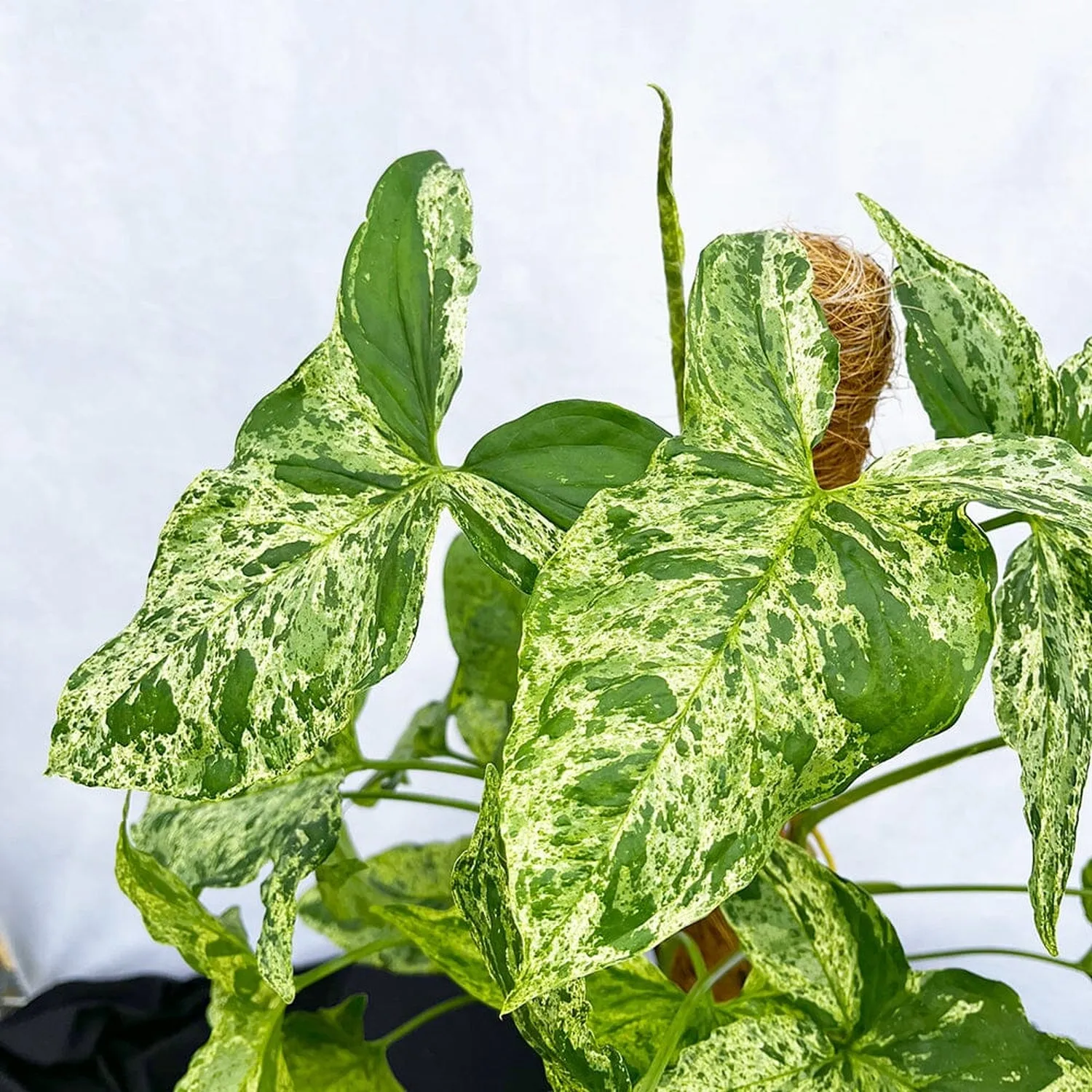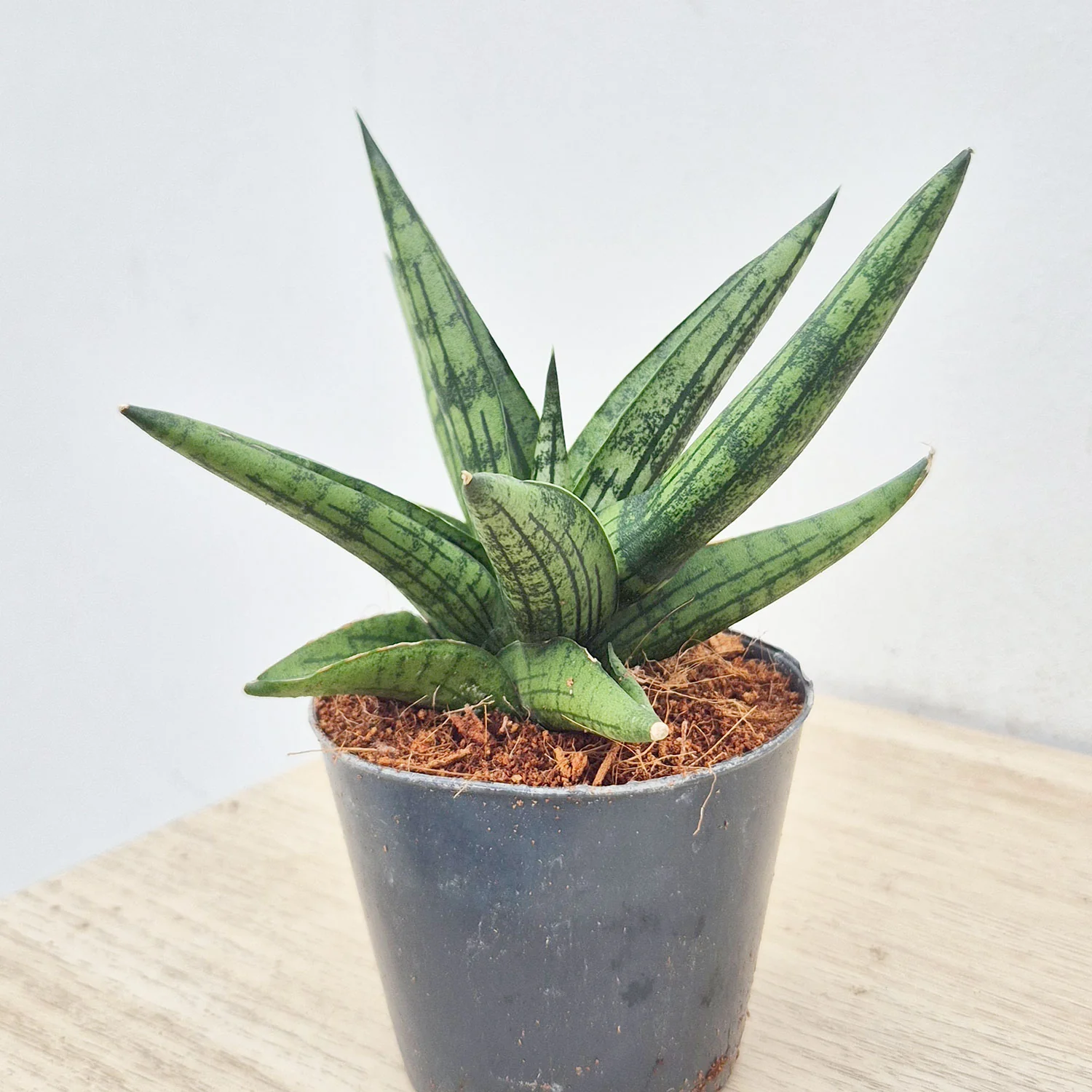
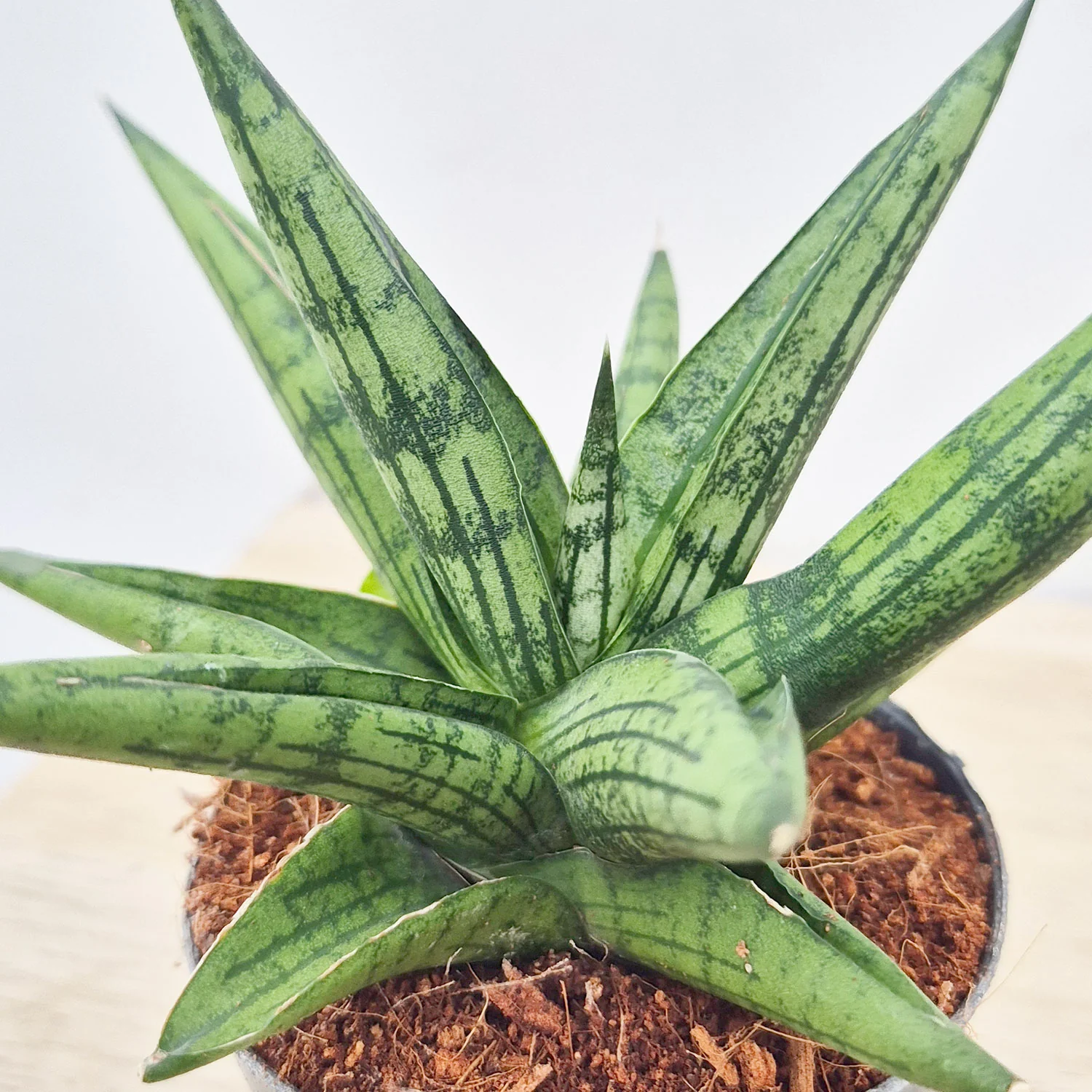
10 - 15cm Sansevieria Cylindrica 7cm Pot House Plant
Sansevieria, commonly known as the Snake Plant or Mother-in-Law’s Tongue, is one of the most recognisable and resilient groups of tropical succulents in the world. A member of the Asparagaceae family and native to the dry, rocky regions of Africa and Asia, this genus is adored for its upright, architectural leaves, effortless care requirements, and striking variety of colours and patterns.
The thick, sword-shaped leaves of Sansevieria grow in elegant vertical rosettes, with markings that range from solid deep green to bold bands of silver, yellow, and cream. Some varieties feature soft variegation and wavy leaf margins, while others grow in rigid, sculptural columns or compact spirals. Each leaf stores water, allowing the plant to thrive in low-maintenance conditions and tolerate weeks between waterings.
Refined, timeless, and nearly indestructible, the Sansevieria genus blends modern minimalism with tropical texture — the ultimate statement plant for both homes and workplaces.
Sansevieria – Care Guide
Light
Thrives in bright, indirect light, but one of its greatest strengths is adaptability. It tolerates low-light conditions as well as bright light, though its colour and growth are most vibrant under moderate to bright light levels. Avoid harsh, prolonged direct sunlight, which may scorch the leaves.
Watering
Water sparingly. Allow the soil to dry out completely between waterings, then water deeply and let excess drain away. During winter, reduce watering to once every 4–6 weeks. Overwatering is the most common cause of problems and can lead to root rot.
Temperature and Humidity
Temperature: Prefers warmth between 18–30 °C; avoid temperatures below 10 °C.
Humidity: Low to average indoor humidity is ideal. Snake Plants thrive in dry air and require no misting.
Soil and Potting
Use a well-draining cactus or succulent mix, or a blend of compost, perlite, and coarse sand. Sansevierias dislike heavy, moisture-retentive soils. Repot every 2–3 years in spring or when roots begin to crowd the pot. Choose a sturdy container — their root systems are strong and can crack thin pots over time.
Feeding
Feed lightly every 6–8 weeks in spring and summer with a diluted cactus or succulent fertiliser. Over-fertilising can lead to leaf discolouration. Avoid feeding during winter dormancy.
Pruning and Maintenance
Remove any damaged or older leaves at the base to maintain a clean, upright appearance. Wipe the leaves occasionally with a soft, damp cloth to remove dust and accentuate their natural sheen. Rotate occasionally for even light exposure.
Growth and Maturity
Depending on the species or variety, Sansevieria can range from compact rosettes only 20 cm tall to tall, architectural specimens exceeding 1.2 metres. Growth is typically slow but steady under ideal conditions. Mature plants may produce slender flower spikes bearing small, fragrant white blooms — a rare but rewarding sight.
Common Issues
-
Soft or mushy leaves: Overwatering or poor drainage.
-
Wrinkled leaves: Extended drought (time to water).
-
Pale or faded leaves: Too much direct sunlight or nutrient deficiency.
-
Pests: Occasionally affected by mealybugs or scale — treat with neem oil or insecticidal soap.
Background and Benefits
Native to the arid regions of Africa and Asia, Sansevieria has evolved to withstand extreme heat, poor soils, and drought conditions. These hardy plants have been cultivated for centuries for their fibre and medicinal qualities and are now among the most popular indoor plants globally for their sculptural form and unmatched resilience.
In addition to their aesthetic appeal, Sansevierias are famous for their air-purifying qualities. NASA studies have shown that they can help remove airborne toxins such as formaldehyde, xylene, and benzene, improving indoor air quality. Symbolically, they represent endurance, protection, and good fortune — making them a popular housewarming gift and design staple.
Quick Care Summary
-
Light: Bright, indirect light; tolerates low light
-
Water: Let soil dry out completely before watering
-
Temperature: 18–30 °C; avoid below 10 °C
-
Humidity: Low to average; thrives in dry air
-
Soil: Free-draining cactus/succulent mix – compost, perlite, sand
-
Feed: Every 6–8 weeks in spring/summer
-
Growth: Slow to moderate; upright or rosette growth with striking patterned foliage
⚠️ Toxicity note: Mildly toxic if ingested; keep away from pets and children.
Styling Tip
Display Sansevieria as a sculptural accent in minimalist, modern, or tropical interiors. Its strong vertical form pairs beautifully with soft furnishings and clean architectural lines. Use as a standalone statement in a tall planter, or group multiple varieties — such as Sansevieria trifasciata ‘Laurentii’, Sansevieria cylindrica, and Sansevieria ‘Moonshine’ — for a textured, high-contrast arrangement. Ideal for homes, offices, or commercial spaces, Snake Plants add structure, resilience, and timeless elegance with minimal effort.
Product Information
Product Information
Shipping & Returns
Shipping & Returns
Description
Sansevieria, commonly known as the Snake Plant or Mother-in-Law’s Tongue, is one of the most recognisable and resilient groups of tropical succulents in the world. A member of the Asparagaceae family and native to the dry, rocky regions of Africa and Asia, this genus is adored for its upright, architectural leaves, effortless care requirements, and striking variety of colours and patterns.
The thick, sword-shaped leaves of Sansevieria grow in elegant vertical rosettes, with markings that range from solid deep green to bold bands of silver, yellow, and cream. Some varieties feature soft variegation and wavy leaf margins, while others grow in rigid, sculptural columns or compact spirals. Each leaf stores water, allowing the plant to thrive in low-maintenance conditions and tolerate weeks between waterings.
Refined, timeless, and nearly indestructible, the Sansevieria genus blends modern minimalism with tropical texture — the ultimate statement plant for both homes and workplaces.
Sansevieria – Care Guide
Light
Thrives in bright, indirect light, but one of its greatest strengths is adaptability. It tolerates low-light conditions as well as bright light, though its colour and growth are most vibrant under moderate to bright light levels. Avoid harsh, prolonged direct sunlight, which may scorch the leaves.
Watering
Water sparingly. Allow the soil to dry out completely between waterings, then water deeply and let excess drain away. During winter, reduce watering to once every 4–6 weeks. Overwatering is the most common cause of problems and can lead to root rot.
Temperature and Humidity
Temperature: Prefers warmth between 18–30 °C; avoid temperatures below 10 °C.
Humidity: Low to average indoor humidity is ideal. Snake Plants thrive in dry air and require no misting.
Soil and Potting
Use a well-draining cactus or succulent mix, or a blend of compost, perlite, and coarse sand. Sansevierias dislike heavy, moisture-retentive soils. Repot every 2–3 years in spring or when roots begin to crowd the pot. Choose a sturdy container — their root systems are strong and can crack thin pots over time.
Feeding
Feed lightly every 6–8 weeks in spring and summer with a diluted cactus or succulent fertiliser. Over-fertilising can lead to leaf discolouration. Avoid feeding during winter dormancy.
Pruning and Maintenance
Remove any damaged or older leaves at the base to maintain a clean, upright appearance. Wipe the leaves occasionally with a soft, damp cloth to remove dust and accentuate their natural sheen. Rotate occasionally for even light exposure.
Growth and Maturity
Depending on the species or variety, Sansevieria can range from compact rosettes only 20 cm tall to tall, architectural specimens exceeding 1.2 metres. Growth is typically slow but steady under ideal conditions. Mature plants may produce slender flower spikes bearing small, fragrant white blooms — a rare but rewarding sight.
Common Issues
-
Soft or mushy leaves: Overwatering or poor drainage.
-
Wrinkled leaves: Extended drought (time to water).
-
Pale or faded leaves: Too much direct sunlight or nutrient deficiency.
-
Pests: Occasionally affected by mealybugs or scale — treat with neem oil or insecticidal soap.
Background and Benefits
Native to the arid regions of Africa and Asia, Sansevieria has evolved to withstand extreme heat, poor soils, and drought conditions. These hardy plants have been cultivated for centuries for their fibre and medicinal qualities and are now among the most popular indoor plants globally for their sculptural form and unmatched resilience.
In addition to their aesthetic appeal, Sansevierias are famous for their air-purifying qualities. NASA studies have shown that they can help remove airborne toxins such as formaldehyde, xylene, and benzene, improving indoor air quality. Symbolically, they represent endurance, protection, and good fortune — making them a popular housewarming gift and design staple.
Quick Care Summary
-
Light: Bright, indirect light; tolerates low light
-
Water: Let soil dry out completely before watering
-
Temperature: 18–30 °C; avoid below 10 °C
-
Humidity: Low to average; thrives in dry air
-
Soil: Free-draining cactus/succulent mix – compost, perlite, sand
-
Feed: Every 6–8 weeks in spring/summer
-
Growth: Slow to moderate; upright or rosette growth with striking patterned foliage
⚠️ Toxicity note: Mildly toxic if ingested; keep away from pets and children.
Styling Tip
Display Sansevieria as a sculptural accent in minimalist, modern, or tropical interiors. Its strong vertical form pairs beautifully with soft furnishings and clean architectural lines. Use as a standalone statement in a tall planter, or group multiple varieties — such as Sansevieria trifasciata ‘Laurentii’, Sansevieria cylindrica, and Sansevieria ‘Moonshine’ — for a textured, high-contrast arrangement. Ideal for homes, offices, or commercial spaces, Snake Plants add structure, resilience, and timeless elegance with minimal effort.