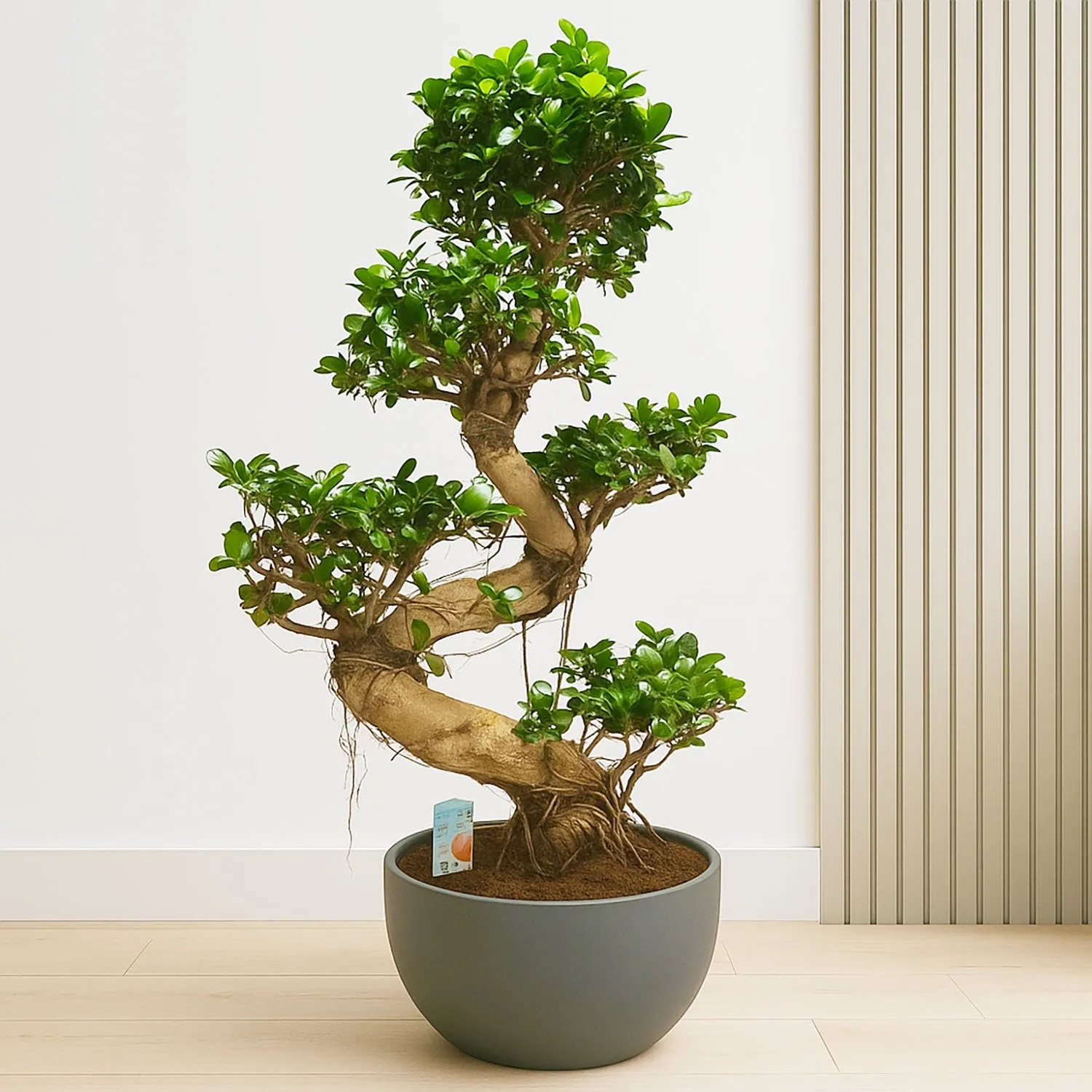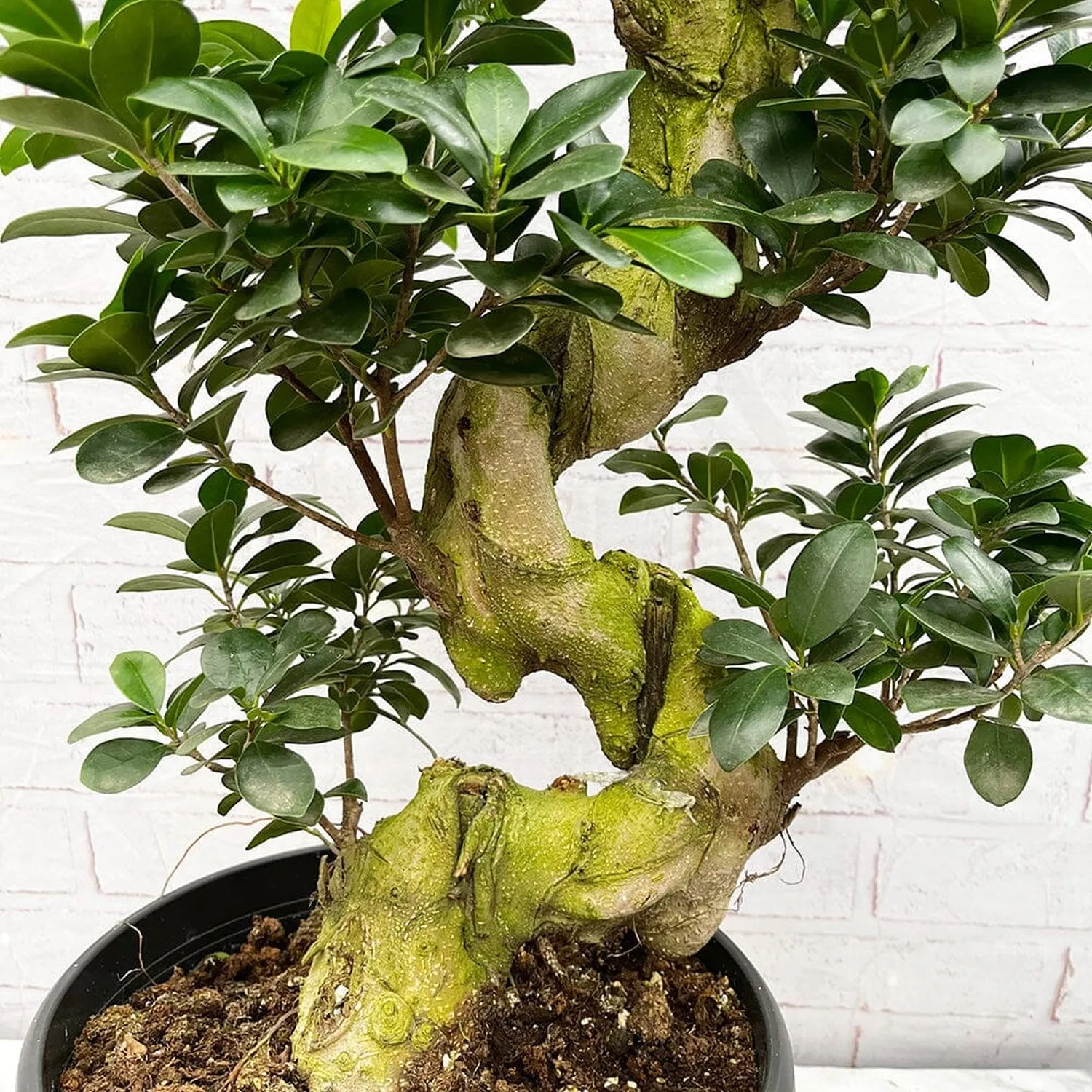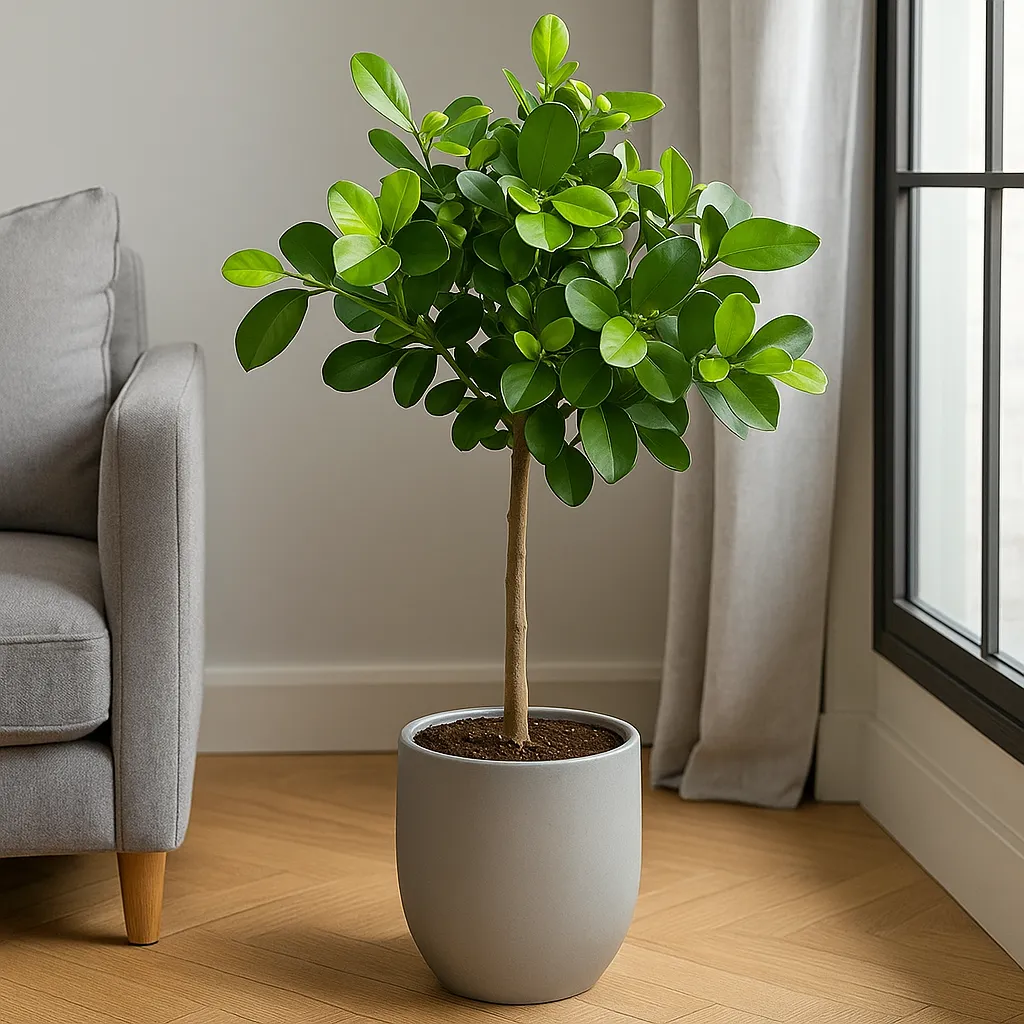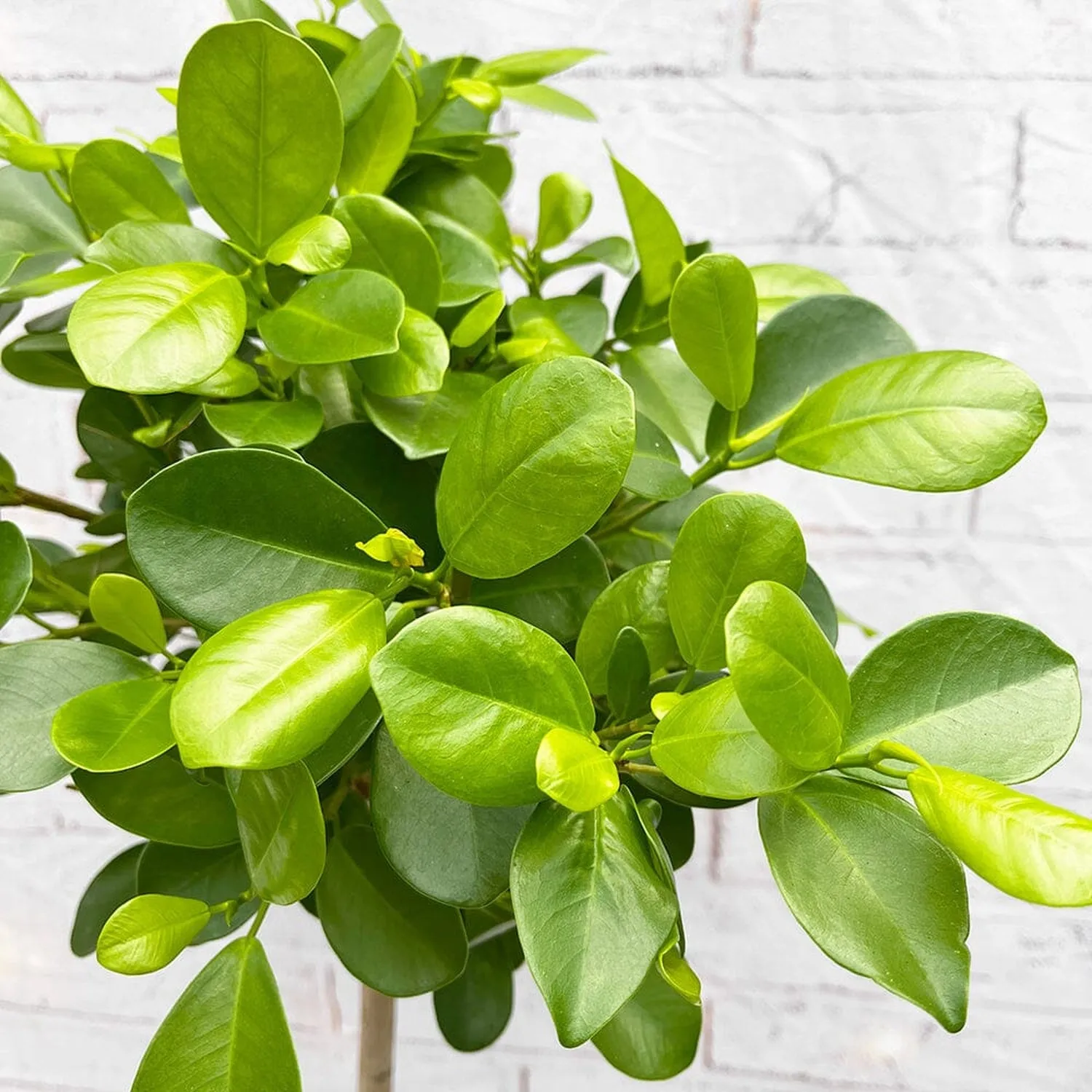
100 - 120cm Ficus Binnendijkii Amstel King Rubber Plant 21cm Pot House Plant
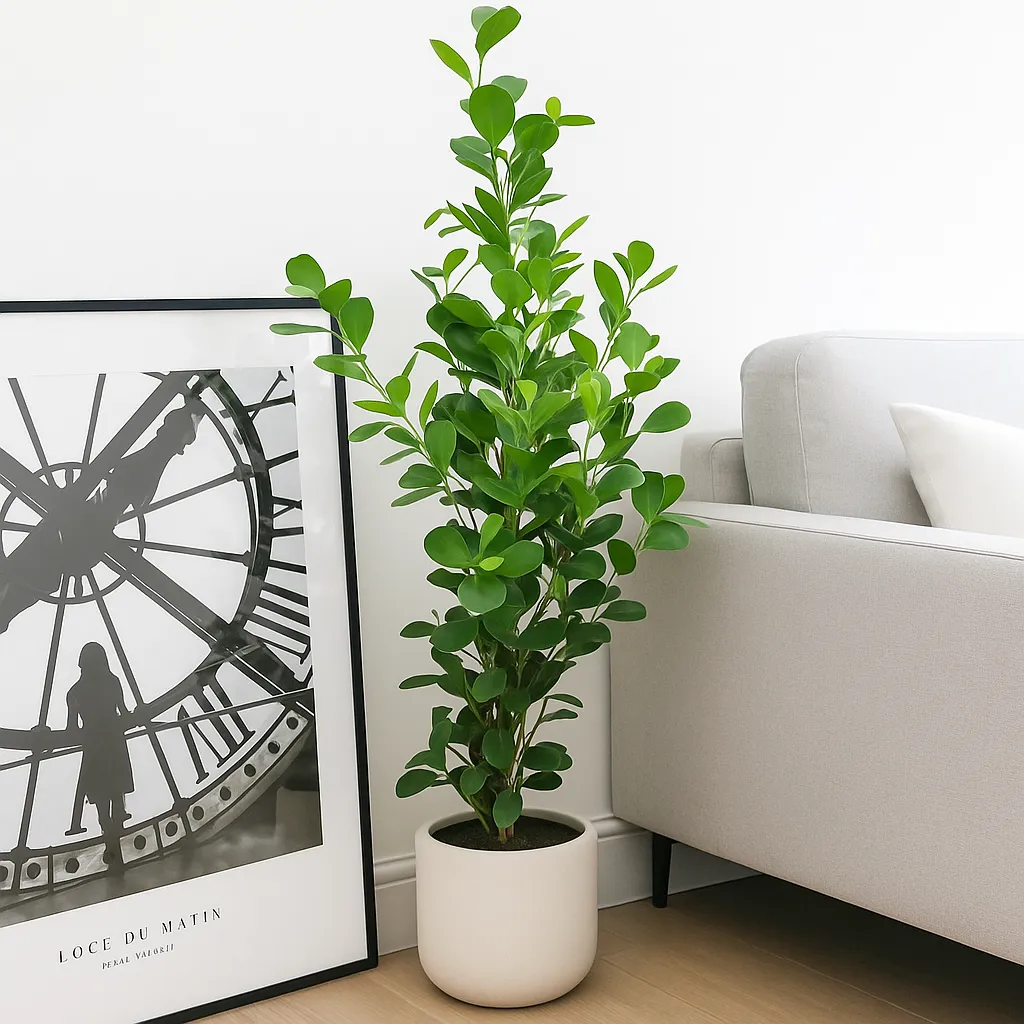
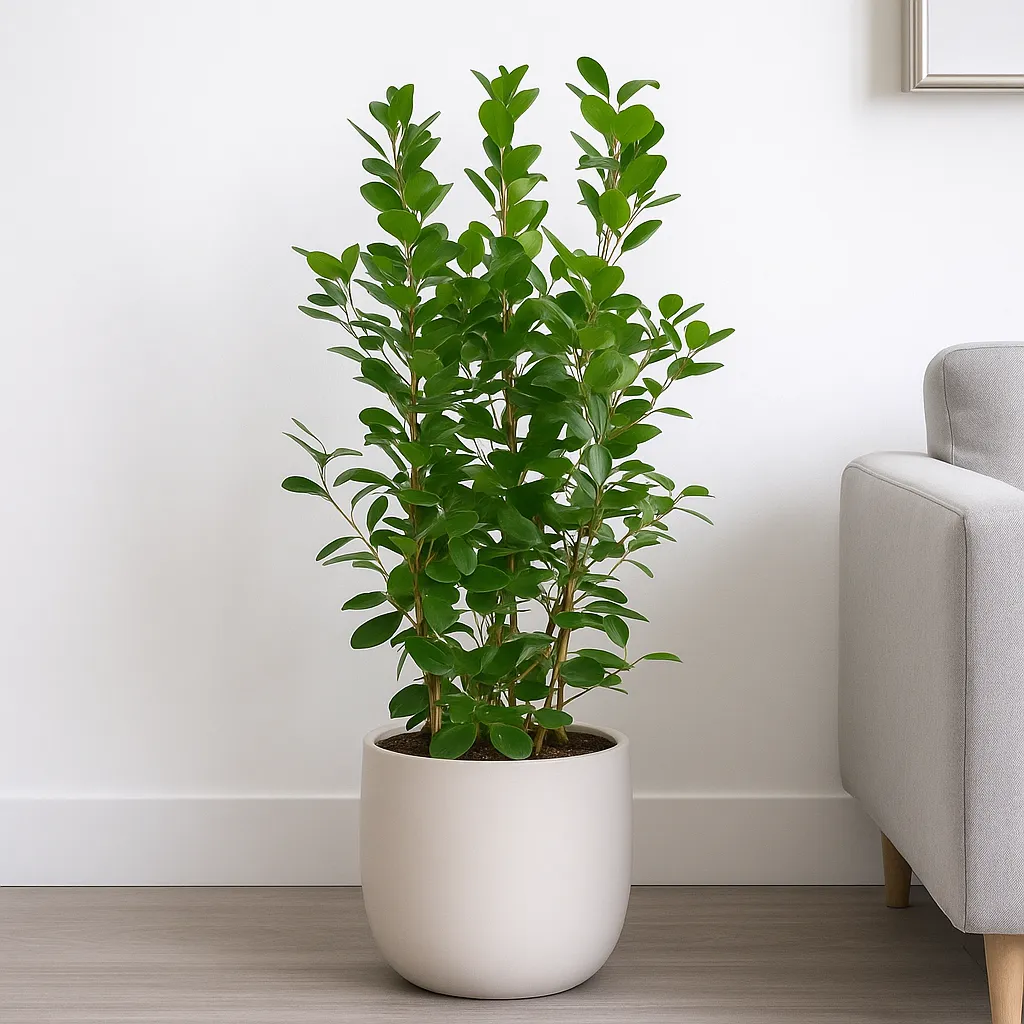
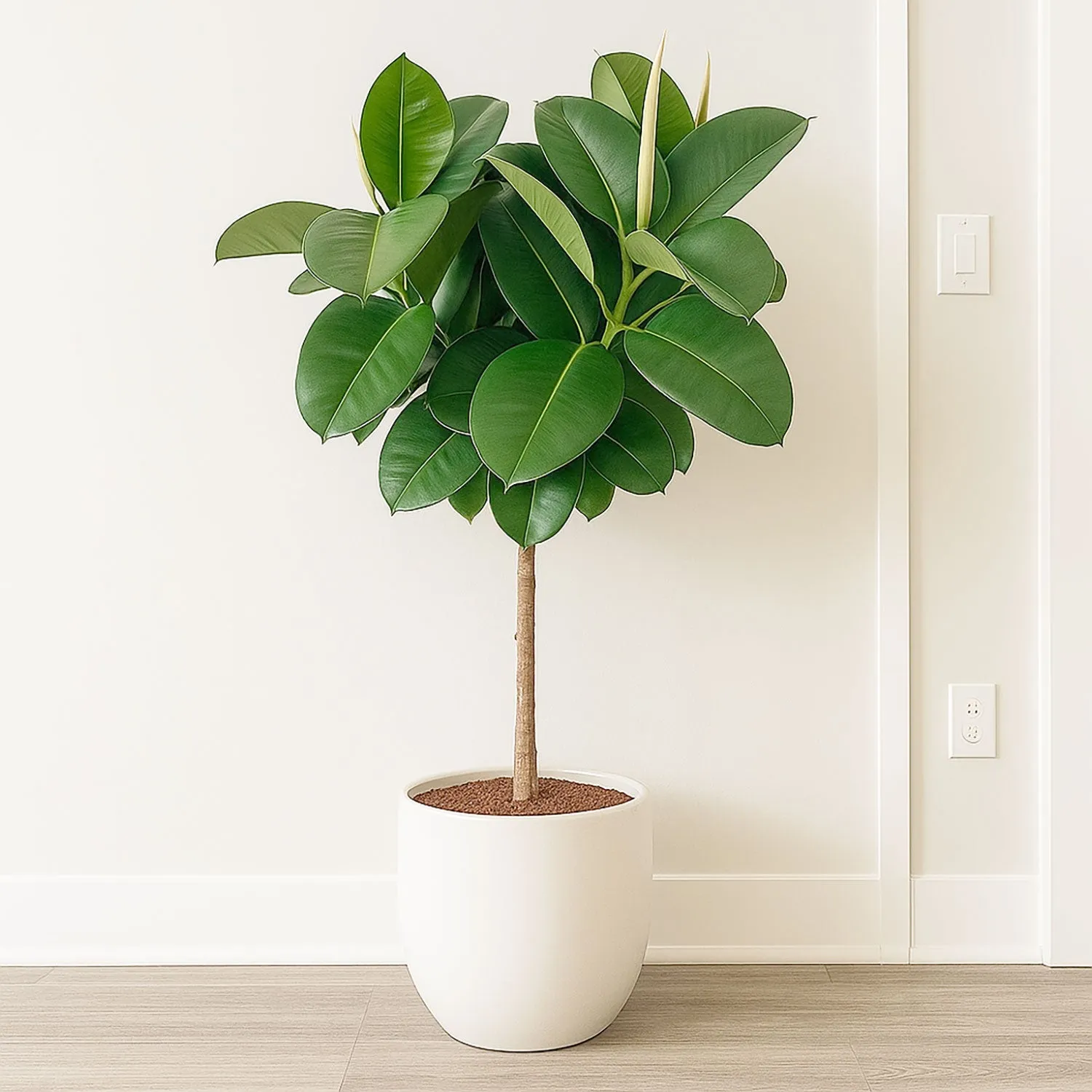
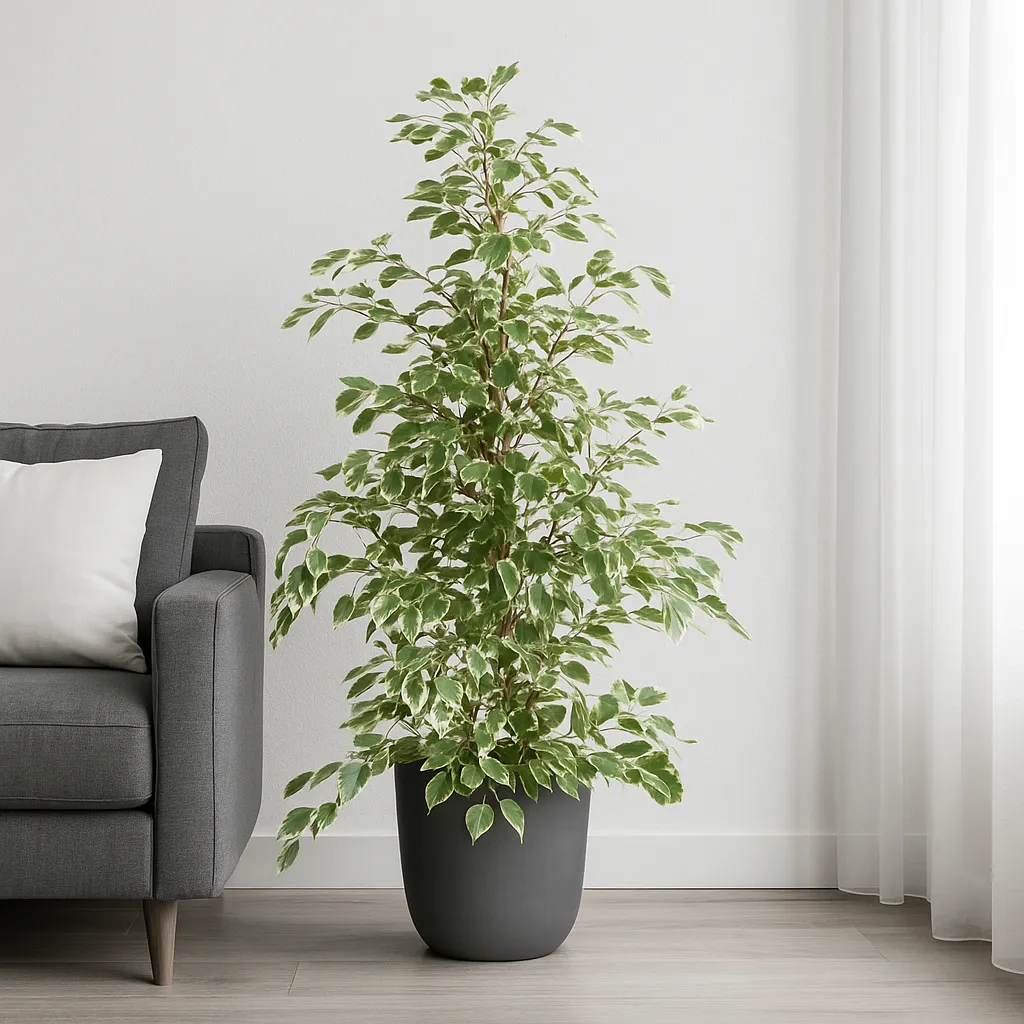
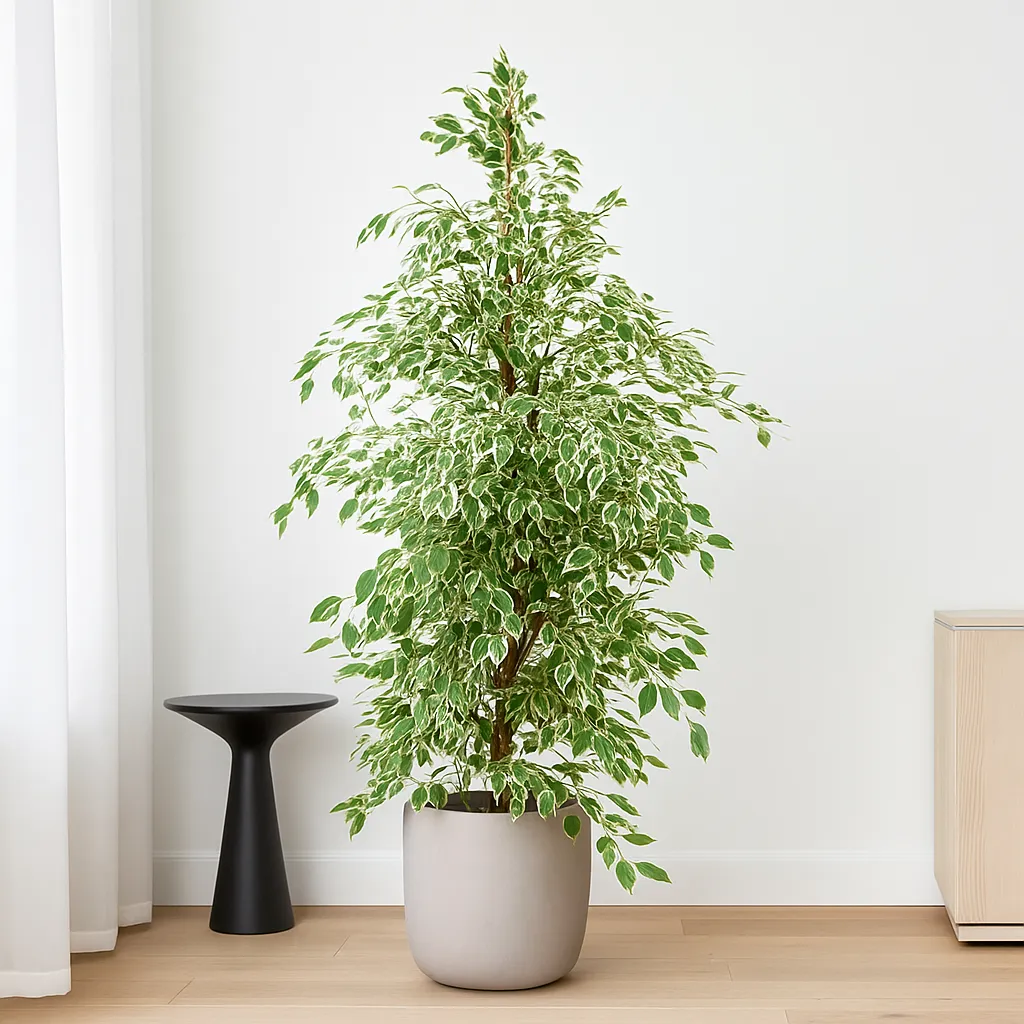
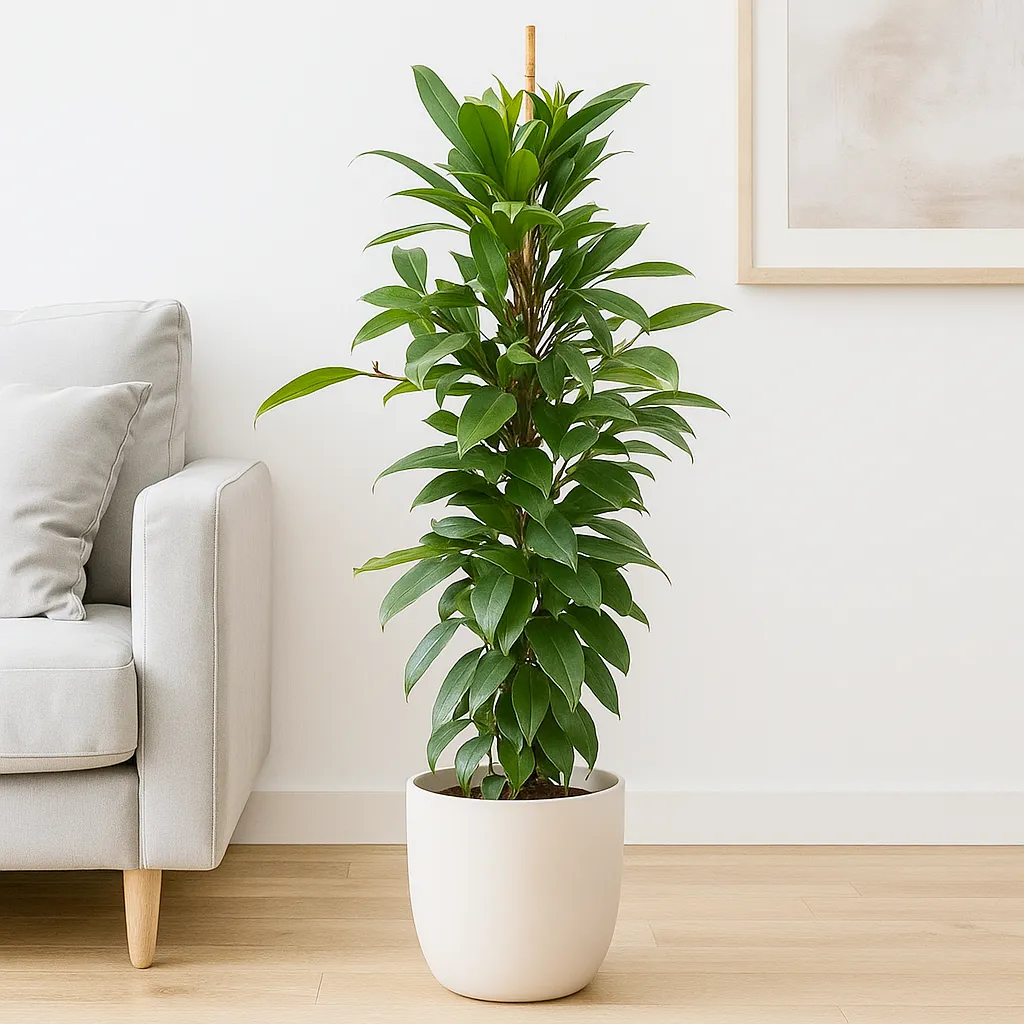
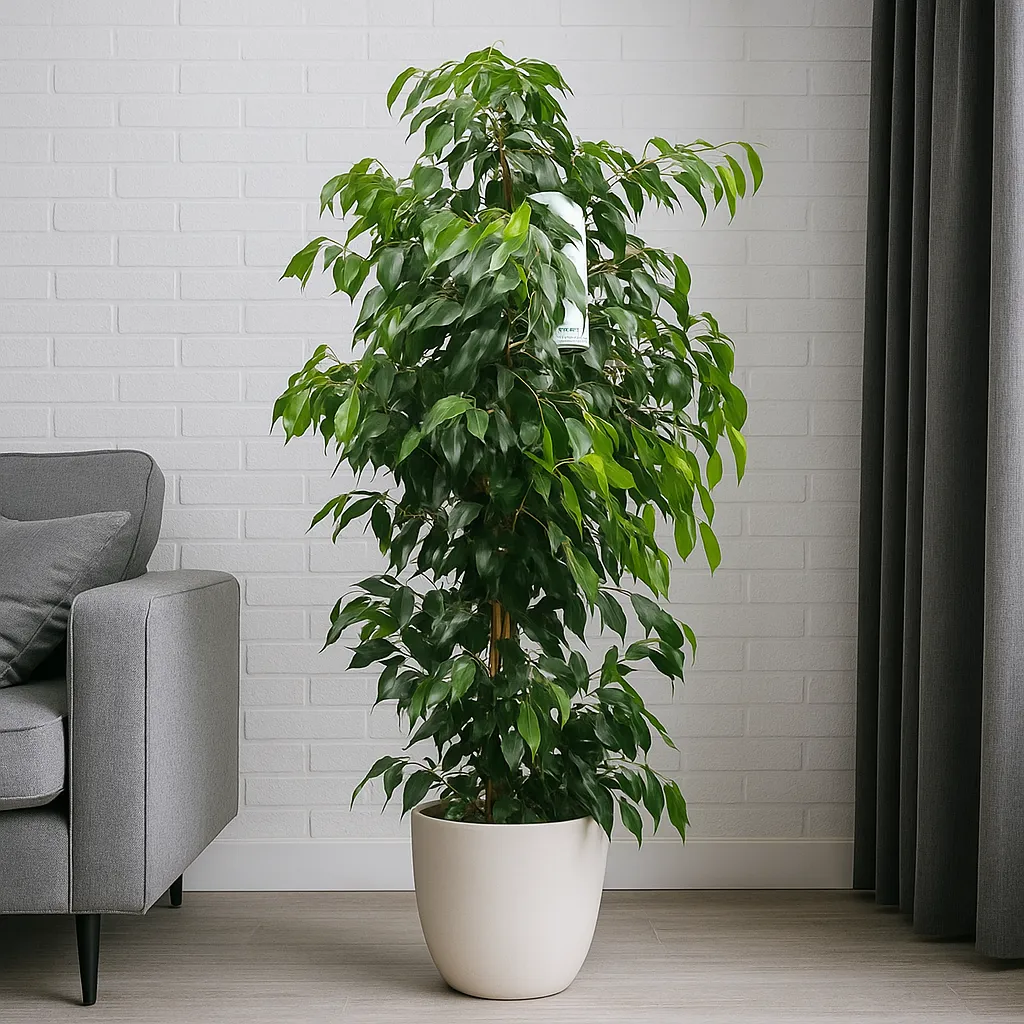
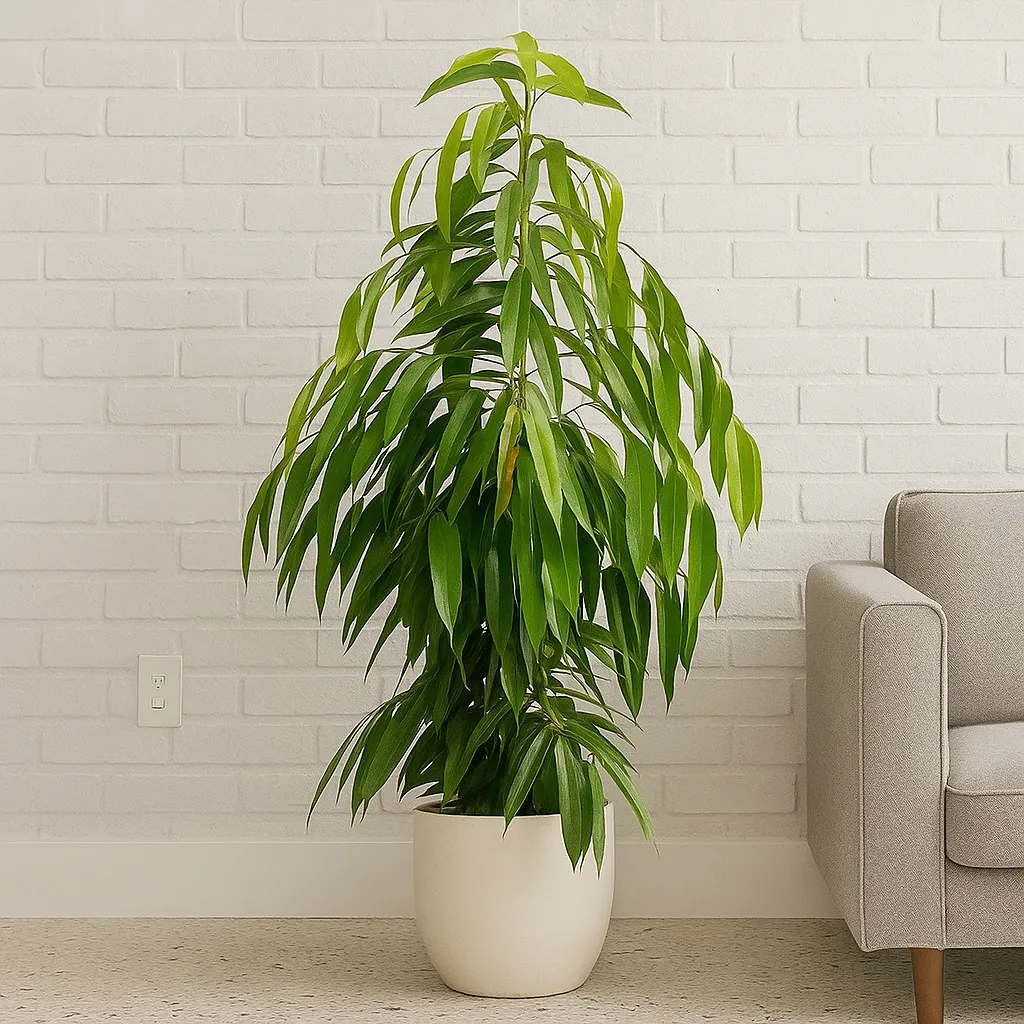
Ficus binnendijkii ‘Amstel King’, commonly known as the Amstel King Fig or Narrow Leaf Fig, is an elegant tropical houseplant celebrated for its slender, glossy foliage and graceful, arching form. Native to Southeast Asia and part of the Moraceae family, this refined Ficus variety combines modern style with the lush greenery of the tropics, making it a popular choice for homes, offices, and conservatories.
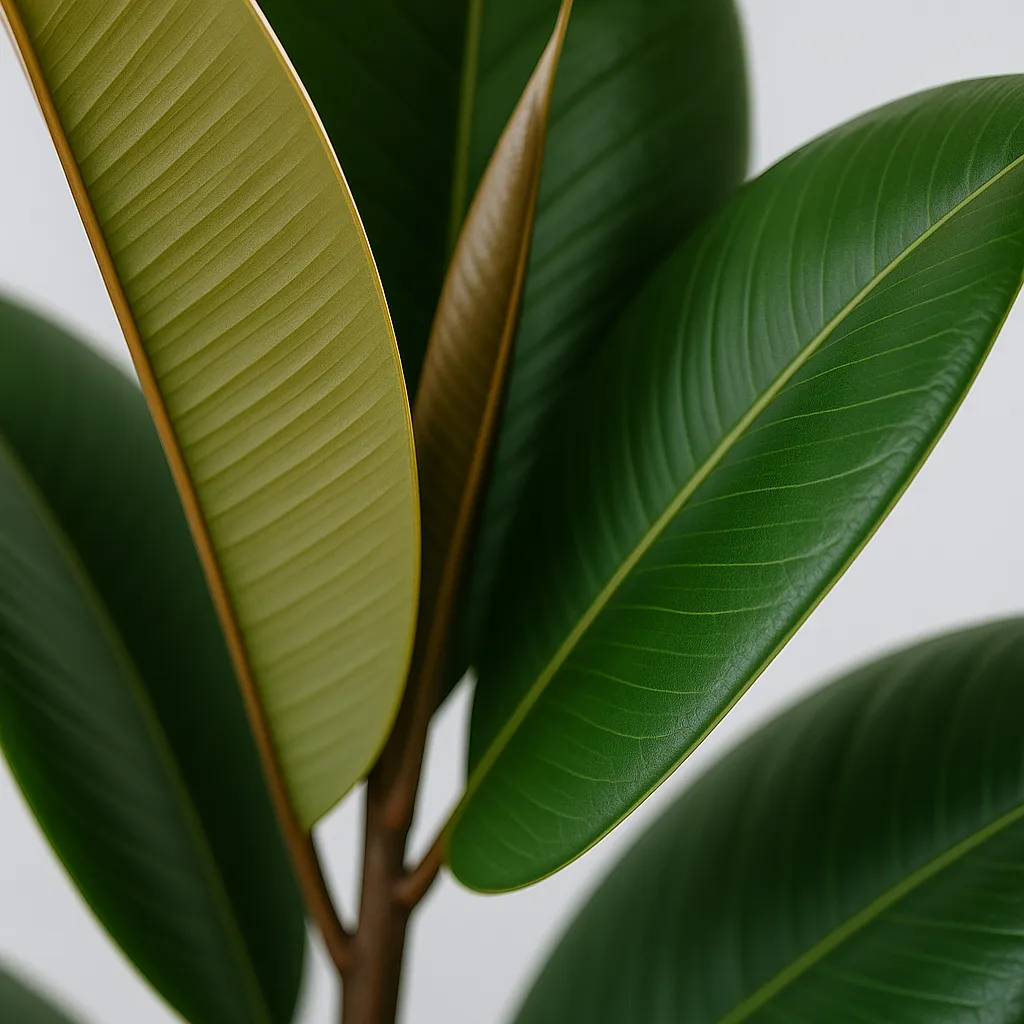
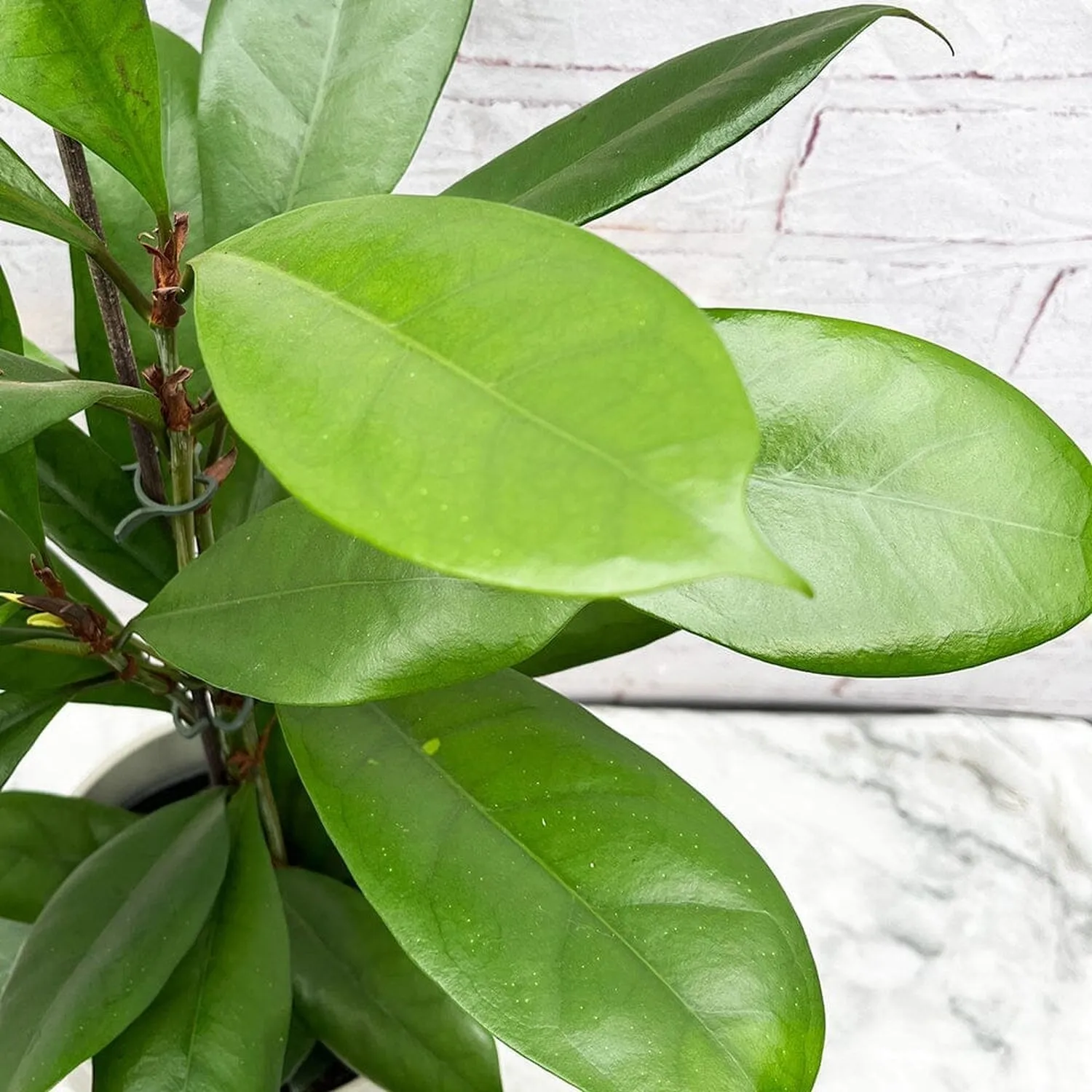
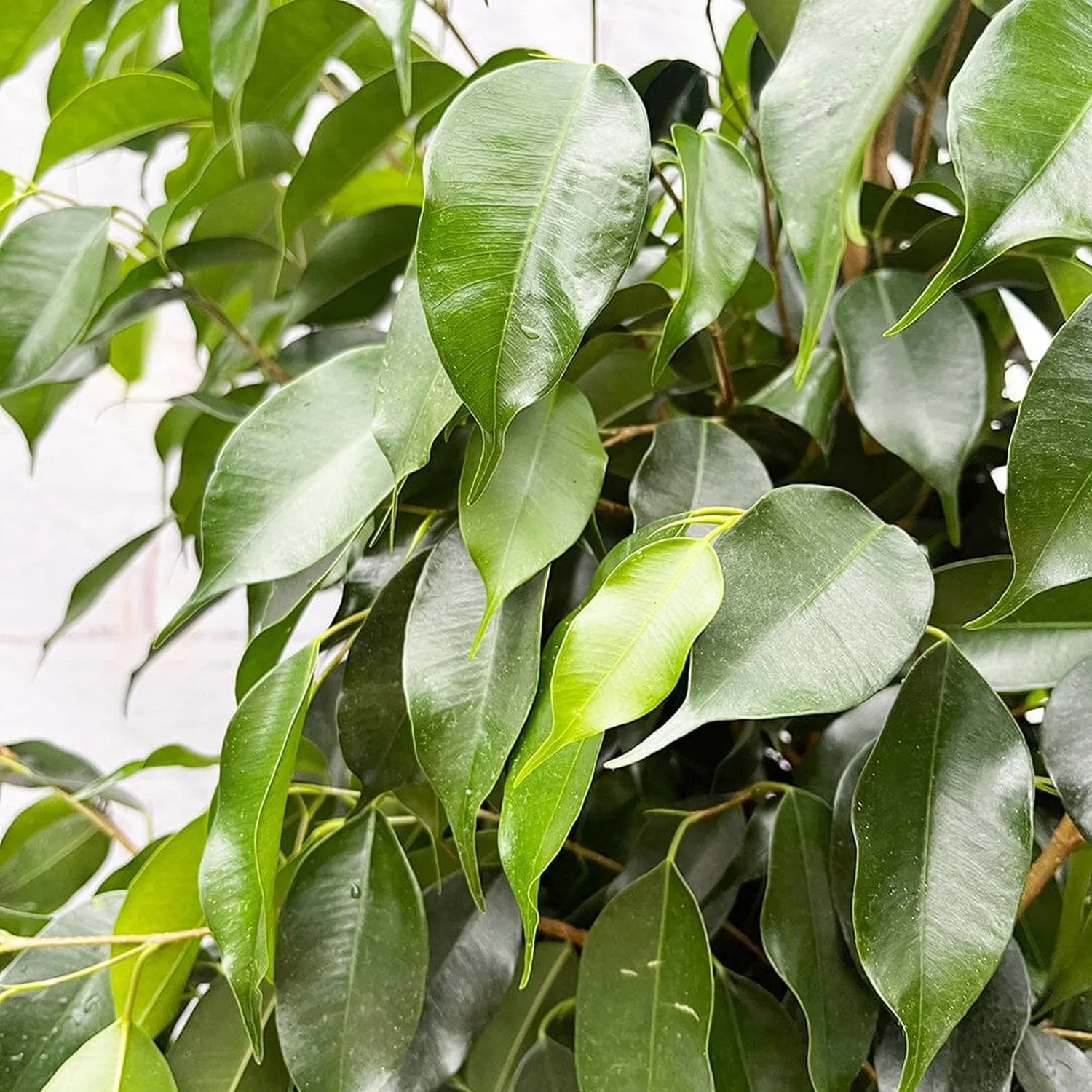
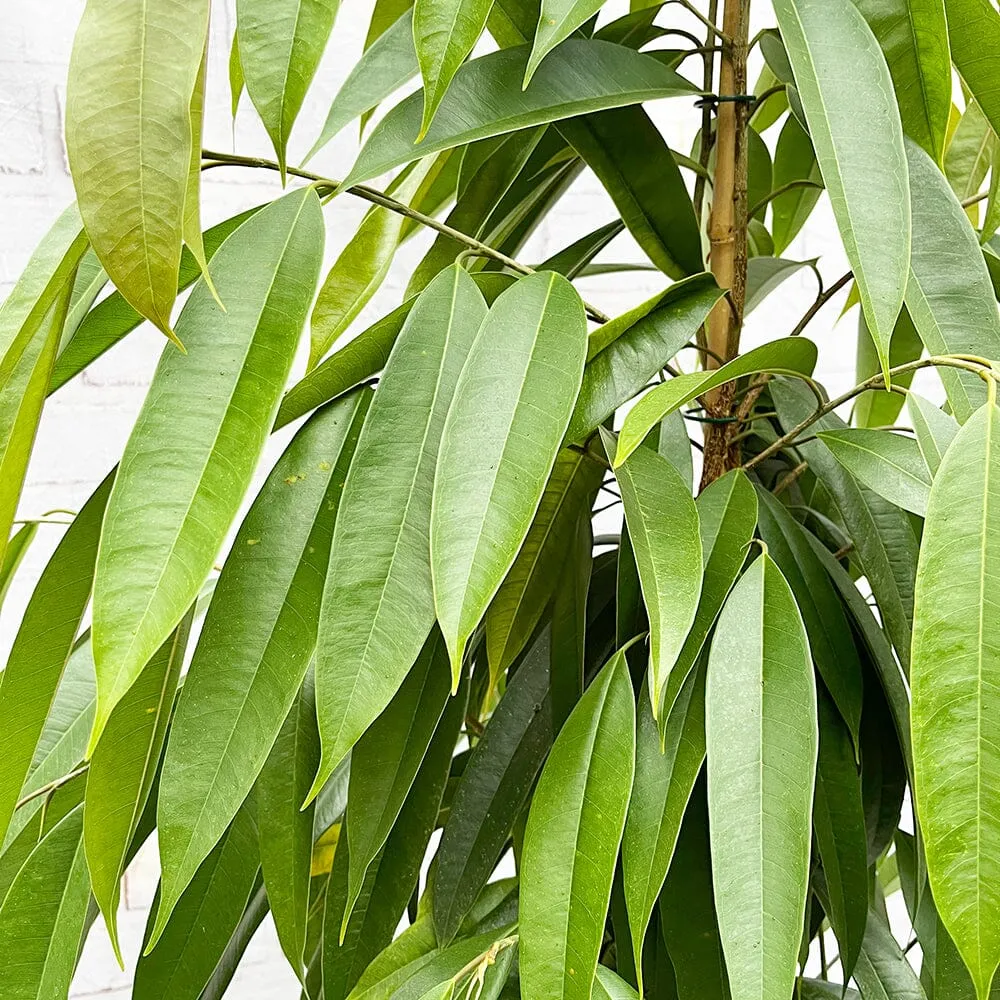
Unlike the broad-leaved Ficus elastica, ‘Amstel King’ features long, narrow, willow-like leaves with a glossy, deep green surface and lighter undersides. New leaves emerge with a soft bronze tint before maturing to vibrant green, creating beautiful tonal contrast. Its naturally upright, tree-like habit makes it an excellent feature plant, adding structure and calm to interiors without overwhelming the space.
Compact, easy to care for, and superbly architectural, Ficus ‘Amstel King’ brings tropical sophistication and air-purifying benefits to any environment.
Ficus binnendijkii ‘Amstel King’ – Care Guide
Light
Thrives in bright, indirect light, which helps maintain its glossy foliage and even growth. It will tolerate medium light but should be protected from harsh direct sunlight, which can scorch the leaves. Avoid very low-light areas, which may cause sparse growth.
Watering
Water when the top 3–5 cm of soil feels dry. Keep the soil lightly moist during spring and summer, but never waterlogged. Allow excess water to drain freely and reduce watering slightly in winter. Overwatering is the most common cause of leaf drop.
Temperature and Humidity
-
Temperature: Prefers warmth, 18–26°C. Avoid cold draughts and temperatures below 12°C.
-
Humidity: Adapts well to average household humidity but appreciates occasional misting to keep leaves glossy and prevent brown edges.
Soil and Potting
Use a rich, free-draining, peat-free compost. Mixing in perlite or bark improves drainage and aeration. Repot every 2–3 years in spring to refresh the soil and support ongoing growth.
Feeding
Feed every 4–6 weeks during spring and summer with a balanced liquid fertiliser to encourage healthy foliage. Pause feeding during the cooler months.
Pruning and Maintenance
Prune in spring or summer to shape the plant and control height. Trim back any crossing or leggy stems to maintain a full, balanced canopy. Wipe the leaves regularly with a damp cloth to remove dust and enhance their glossy finish. Rotate occasionally to ensure even growth.
Growth and Maturity
A moderate to fast-growing indoor tree, capable of reaching 1.5–2.5 metres tall indoors when well cared for. Its narrow leaves and upright form make it perfect for tighter spaces or minimalist interiors where height is desired without bulk.
Common Issues
-
Leaf drop: Often caused by sudden changes in environment, overwatering, or draughts. Usually temporary once the plant adjusts.
-
Yellowing leaves: Overwatering or poor drainage.
-
Brown tips: Low humidity or inconsistent watering.
-
Pests: Occasionally scale insects, mealybugs, or spider mites.
Background and Benefits
Native to tropical Asia, Ficus binnendijkii grows as a tall evergreen tree in its natural habitat. The ‘Amstel King’ cultivar is a refined indoor variety developed for its durability, attractive foliage, and adaptable growth.
It’s an excellent air-purifying plant, filtering toxins such as formaldehyde and benzene from indoor air while adding a sense of tranquillity and natural balance to your space.
✅ Quick Care Summary
-
Light: Bright, indirect; tolerates medium light
-
Water: Lightly moist; allow topsoil to dry slightly
-
Temperature: 18–26°C; protect below 12°C
-
Humidity: Average; mist occasionally
-
Soil: Rich, well-draining compost
-
Feed: Every 4–6 weeks in spring/summer
-
Growth: Upright indoor tree, 1.5–2.5 m; slender, glossy green leaves with an elegant arching form
⚠️ Toxicity Note: Like all Ficus species, ‘Amstel King’ exudes a milky latex sap that can irritate the skin and is toxic if ingested. Keep out of reach of pets and children.
🌿 Styling Tip:
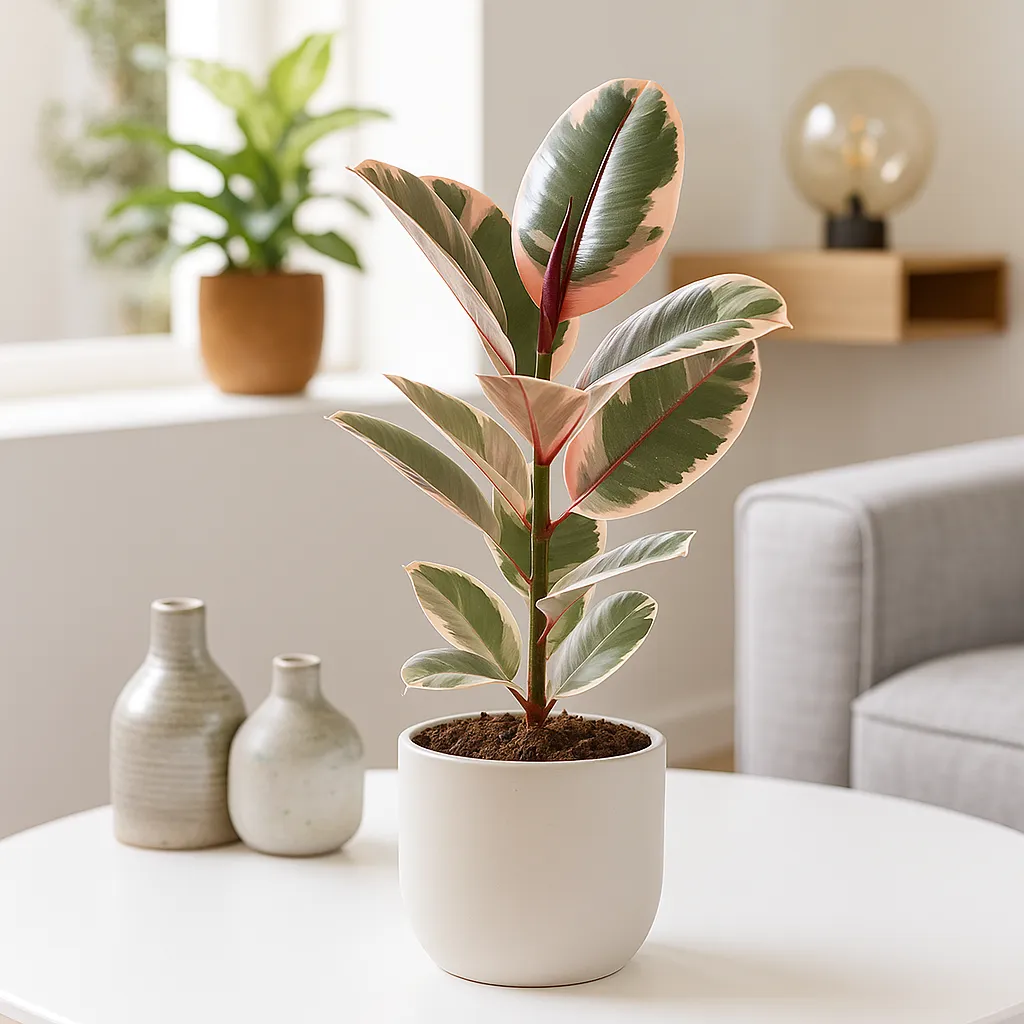
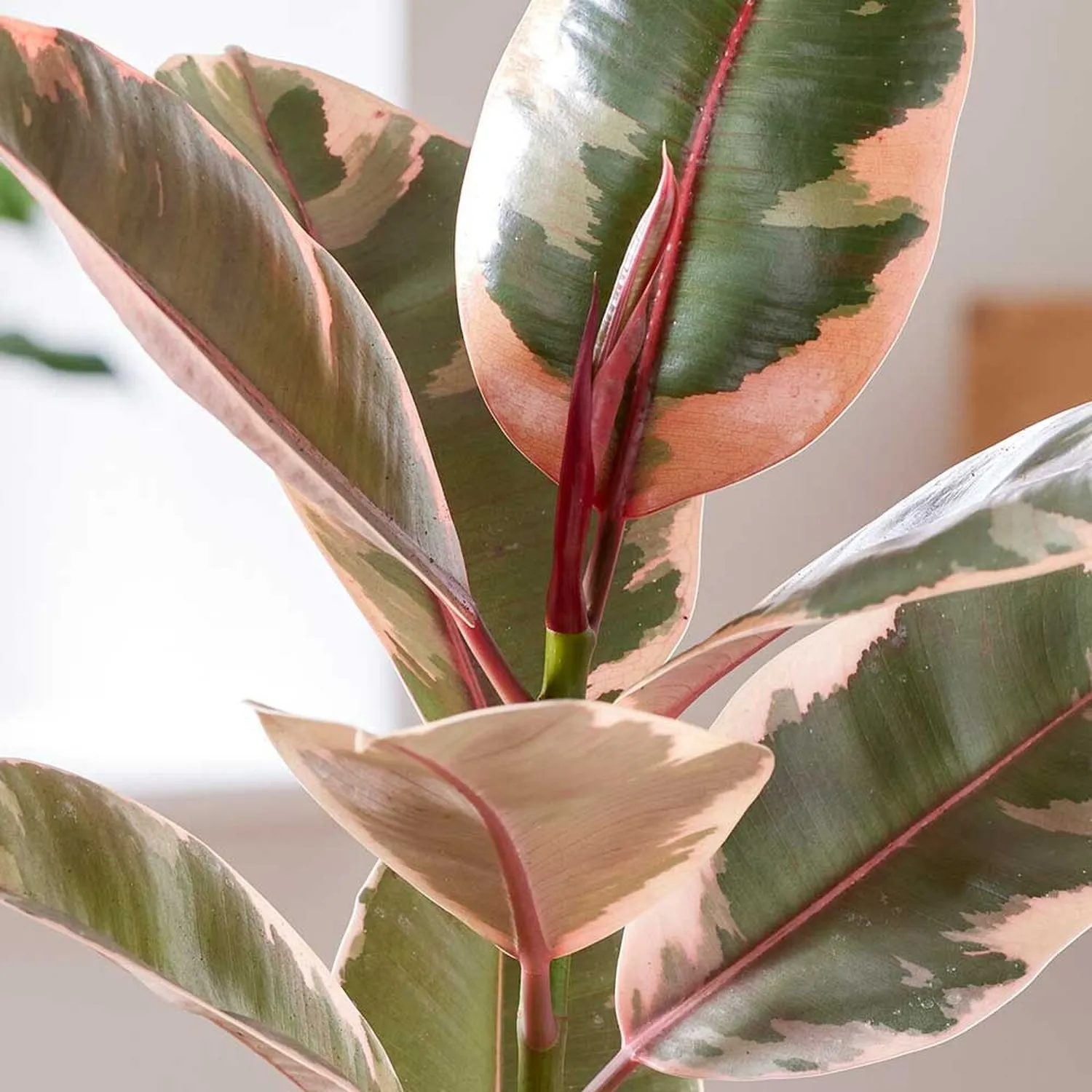
Use Ficus ‘Amstel King’ as a statement plant in corners or alongside large windows where its tall, elegant form can shine. Pair it with broad-leaved plants such as Ficus elastica ‘Tineke’ or Philodendron ‘Congo Green’ for layered tropical contrast.
Original: $32.98
-70%$32.98
$9.89Product Information
Product Information
Shipping & Returns
Shipping & Returns
Description
Ficus binnendijkii ‘Amstel King’, commonly known as the Amstel King Fig or Narrow Leaf Fig, is an elegant tropical houseplant celebrated for its slender, glossy foliage and graceful, arching form. Native to Southeast Asia and part of the Moraceae family, this refined Ficus variety combines modern style with the lush greenery of the tropics, making it a popular choice for homes, offices, and conservatories.
Unlike the broad-leaved Ficus elastica, ‘Amstel King’ features long, narrow, willow-like leaves with a glossy, deep green surface and lighter undersides. New leaves emerge with a soft bronze tint before maturing to vibrant green, creating beautiful tonal contrast. Its naturally upright, tree-like habit makes it an excellent feature plant, adding structure and calm to interiors without overwhelming the space.
Compact, easy to care for, and superbly architectural, Ficus ‘Amstel King’ brings tropical sophistication and air-purifying benefits to any environment.
Ficus binnendijkii ‘Amstel King’ – Care Guide
Light
Thrives in bright, indirect light, which helps maintain its glossy foliage and even growth. It will tolerate medium light but should be protected from harsh direct sunlight, which can scorch the leaves. Avoid very low-light areas, which may cause sparse growth.
Watering
Water when the top 3–5 cm of soil feels dry. Keep the soil lightly moist during spring and summer, but never waterlogged. Allow excess water to drain freely and reduce watering slightly in winter. Overwatering is the most common cause of leaf drop.
Temperature and Humidity
-
Temperature: Prefers warmth, 18–26°C. Avoid cold draughts and temperatures below 12°C.
-
Humidity: Adapts well to average household humidity but appreciates occasional misting to keep leaves glossy and prevent brown edges.
Soil and Potting
Use a rich, free-draining, peat-free compost. Mixing in perlite or bark improves drainage and aeration. Repot every 2–3 years in spring to refresh the soil and support ongoing growth.
Feeding
Feed every 4–6 weeks during spring and summer with a balanced liquid fertiliser to encourage healthy foliage. Pause feeding during the cooler months.
Pruning and Maintenance
Prune in spring or summer to shape the plant and control height. Trim back any crossing or leggy stems to maintain a full, balanced canopy. Wipe the leaves regularly with a damp cloth to remove dust and enhance their glossy finish. Rotate occasionally to ensure even growth.
Growth and Maturity
A moderate to fast-growing indoor tree, capable of reaching 1.5–2.5 metres tall indoors when well cared for. Its narrow leaves and upright form make it perfect for tighter spaces or minimalist interiors where height is desired without bulk.
Common Issues
-
Leaf drop: Often caused by sudden changes in environment, overwatering, or draughts. Usually temporary once the plant adjusts.
-
Yellowing leaves: Overwatering or poor drainage.
-
Brown tips: Low humidity or inconsistent watering.
-
Pests: Occasionally scale insects, mealybugs, or spider mites.
Background and Benefits
Native to tropical Asia, Ficus binnendijkii grows as a tall evergreen tree in its natural habitat. The ‘Amstel King’ cultivar is a refined indoor variety developed for its durability, attractive foliage, and adaptable growth.
It’s an excellent air-purifying plant, filtering toxins such as formaldehyde and benzene from indoor air while adding a sense of tranquillity and natural balance to your space.
✅ Quick Care Summary
-
Light: Bright, indirect; tolerates medium light
-
Water: Lightly moist; allow topsoil to dry slightly
-
Temperature: 18–26°C; protect below 12°C
-
Humidity: Average; mist occasionally
-
Soil: Rich, well-draining compost
-
Feed: Every 4–6 weeks in spring/summer
-
Growth: Upright indoor tree, 1.5–2.5 m; slender, glossy green leaves with an elegant arching form
⚠️ Toxicity Note: Like all Ficus species, ‘Amstel King’ exudes a milky latex sap that can irritate the skin and is toxic if ingested. Keep out of reach of pets and children.
🌿 Styling Tip:
Use Ficus ‘Amstel King’ as a statement plant in corners or alongside large windows where its tall, elegant form can shine. Pair it with broad-leaved plants such as Ficus elastica ‘Tineke’ or Philodendron ‘Congo Green’ for layered tropical contrast.