Ficus Microcarpa Moclame Tree Rubber Plant House Plant
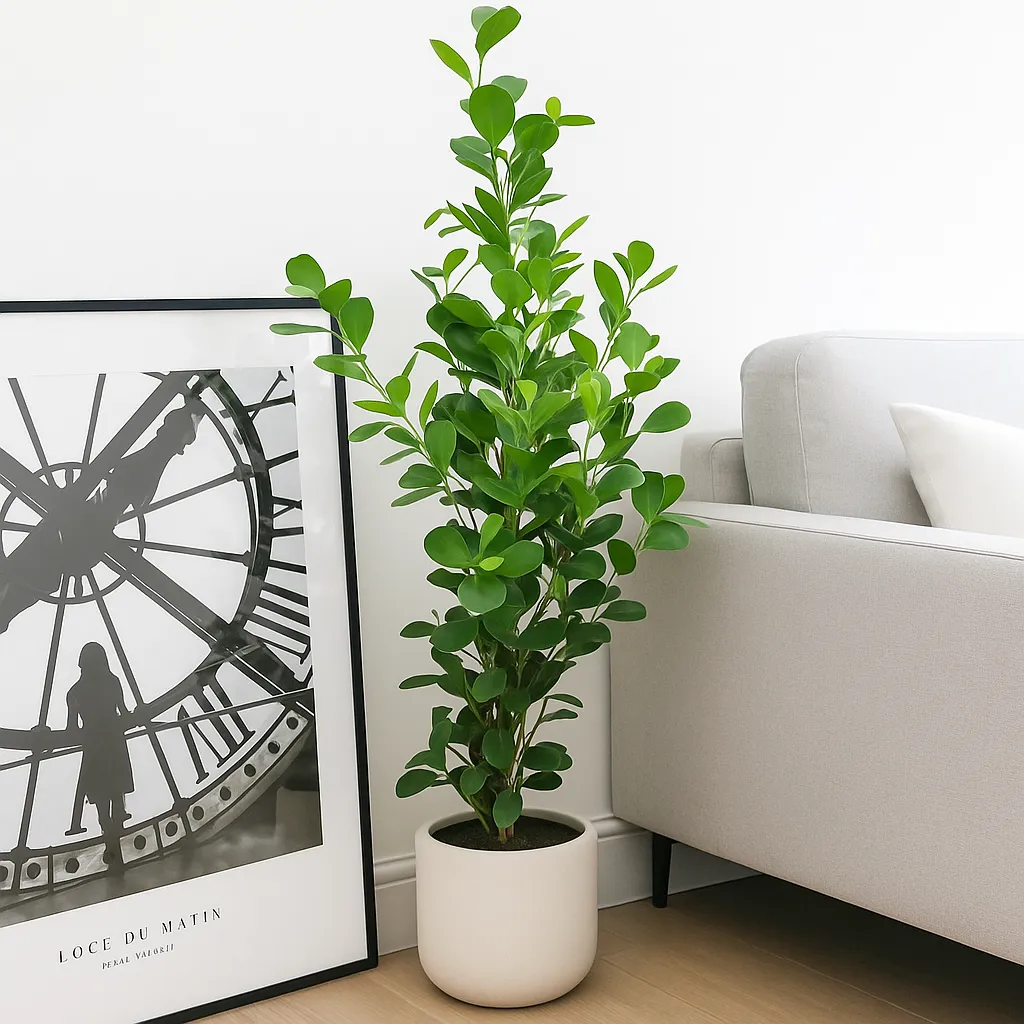
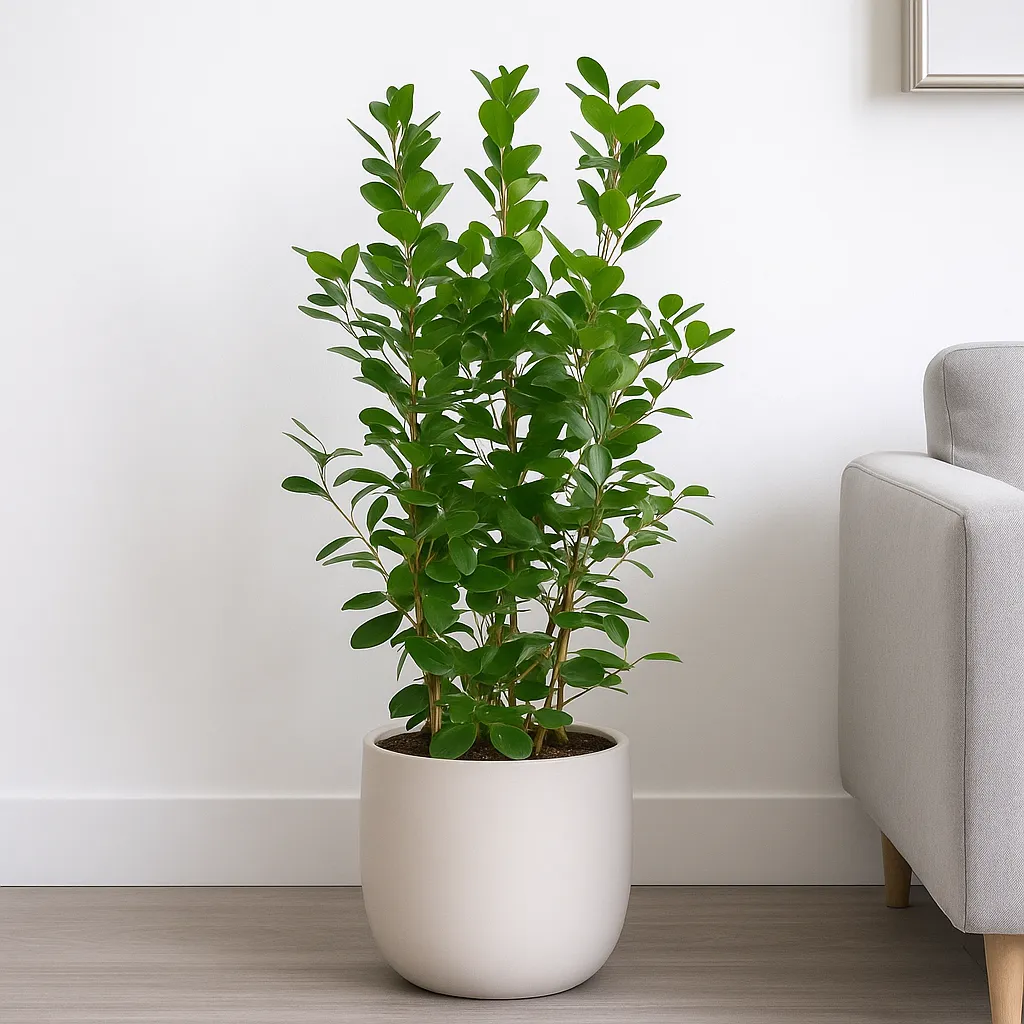
Ficus microcarpa ‘Moclame’, also known as the Indian Laurel Fig or Ficus ‘Moclame’, is a sophisticated, glossy-leaved tropical species admired for its compact growth, rounded canopy, and polished, deep-green foliage. A member of the Moraceae family, this variety originates from Southeast Asia and is a close relative of Ficus retusa and Ficus benjamina, but distinguished by its sturdier form and thicker, oval leaves.
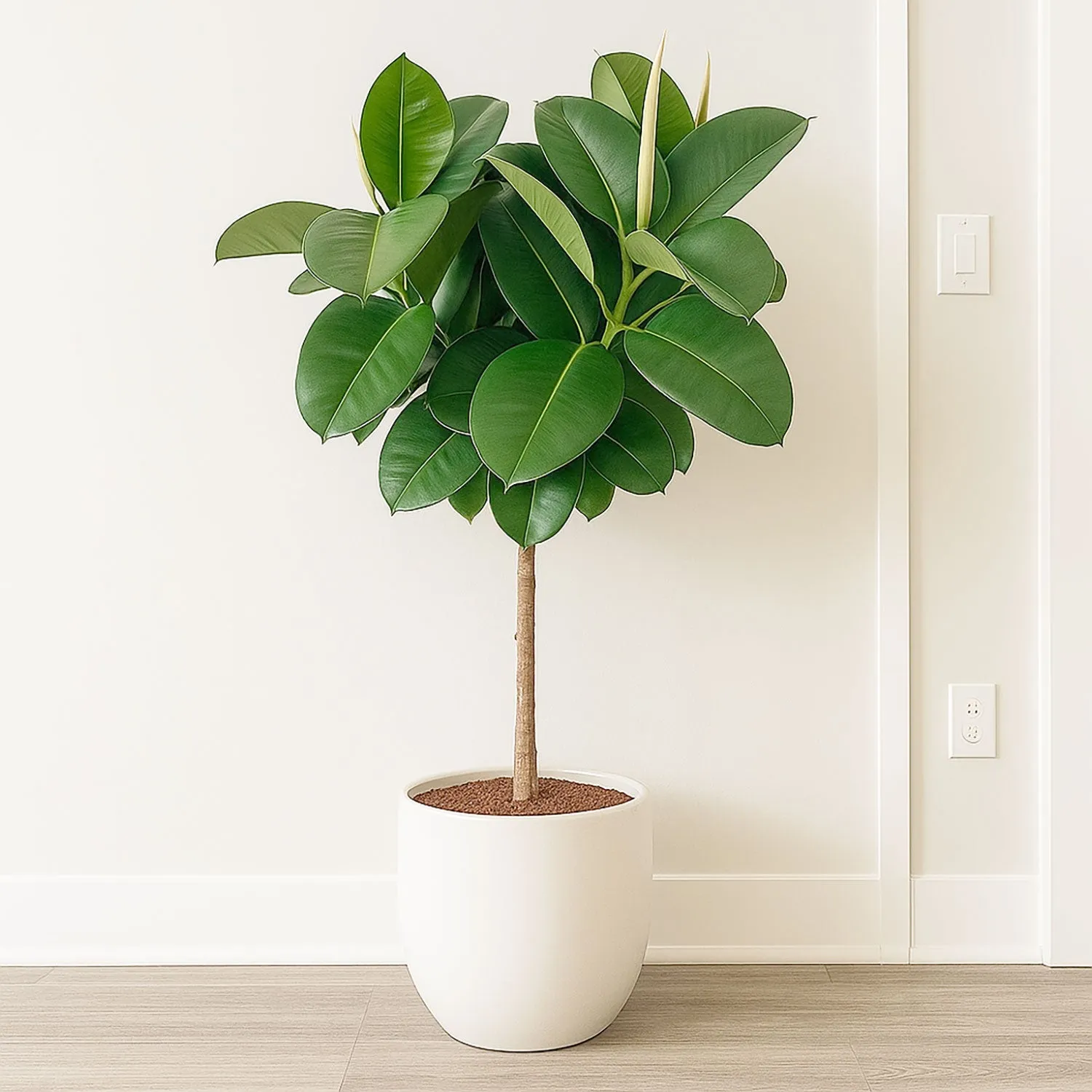
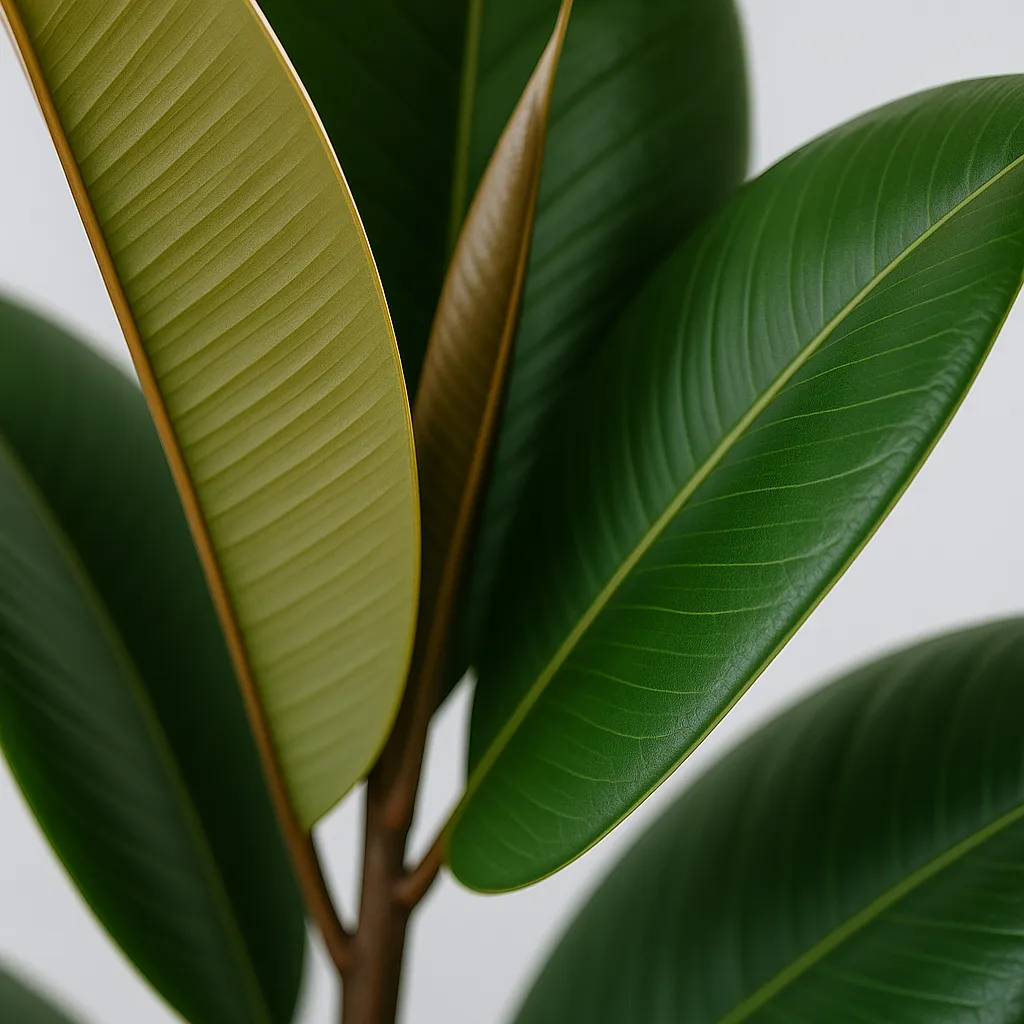
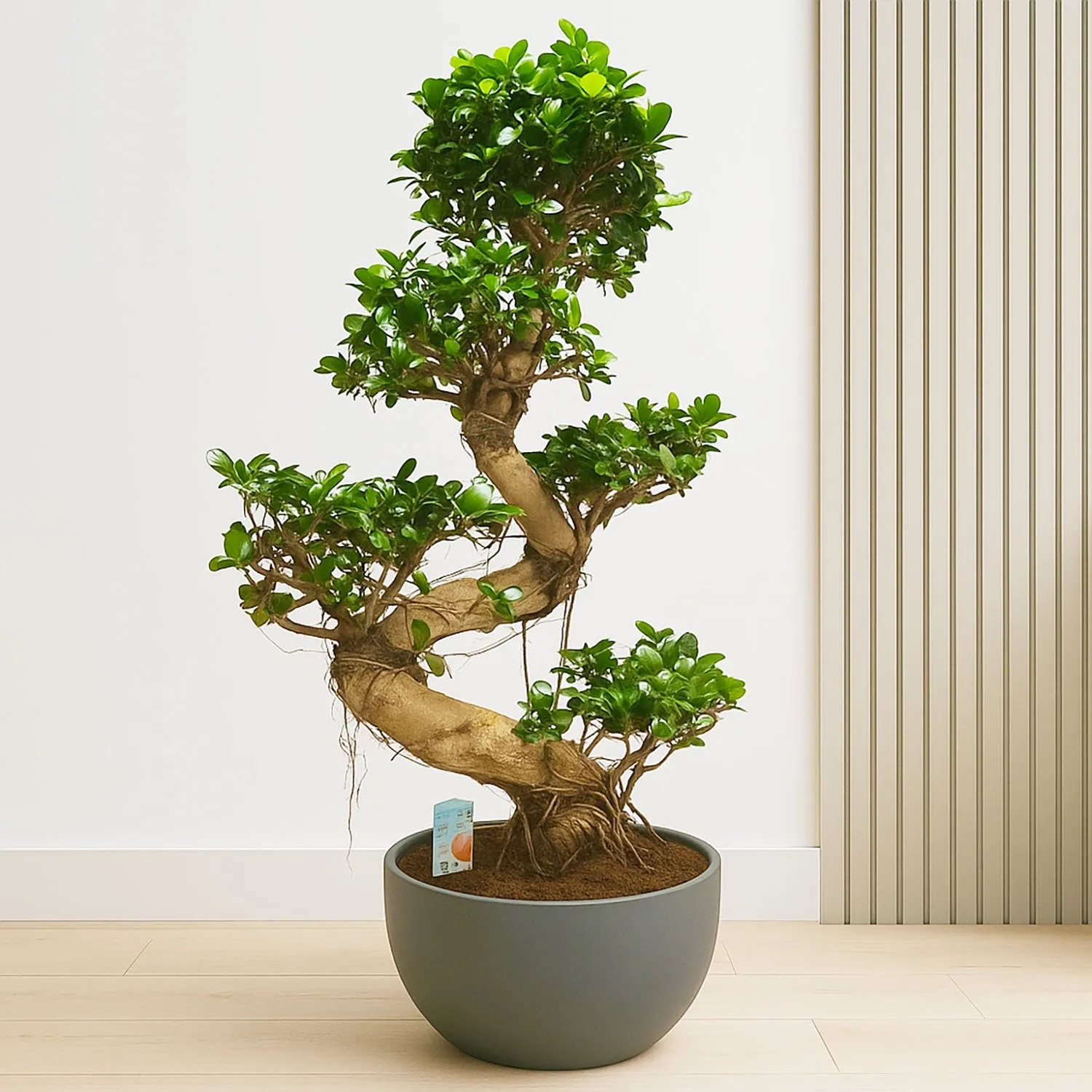
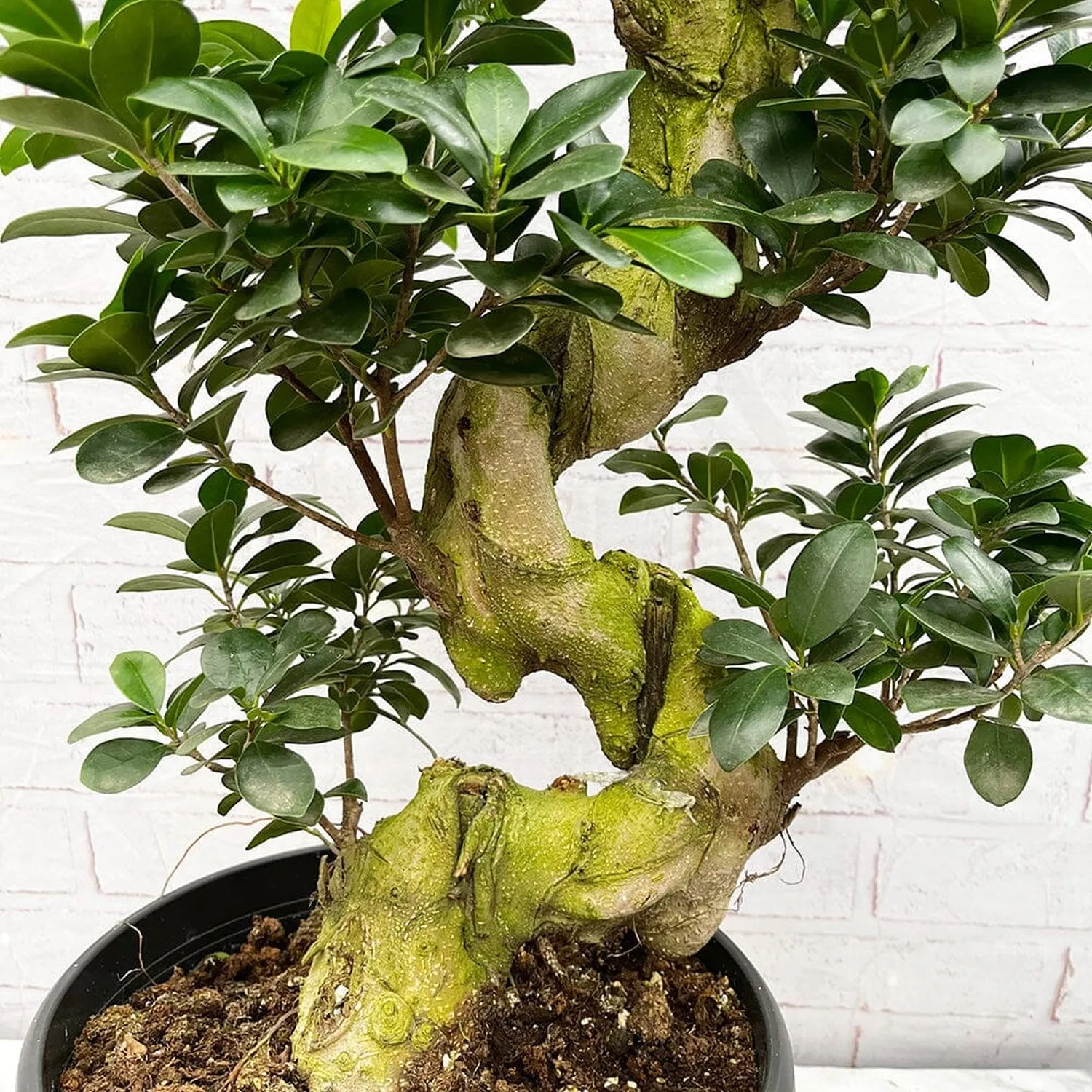
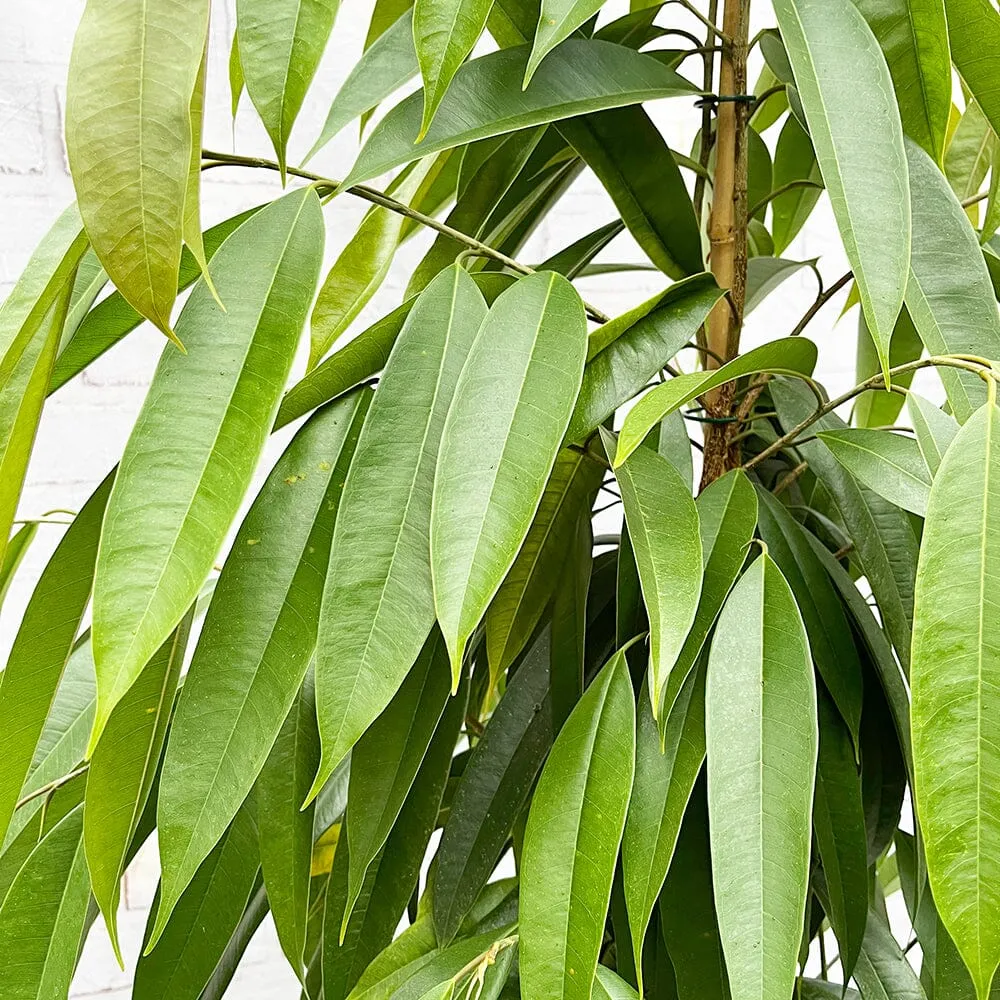
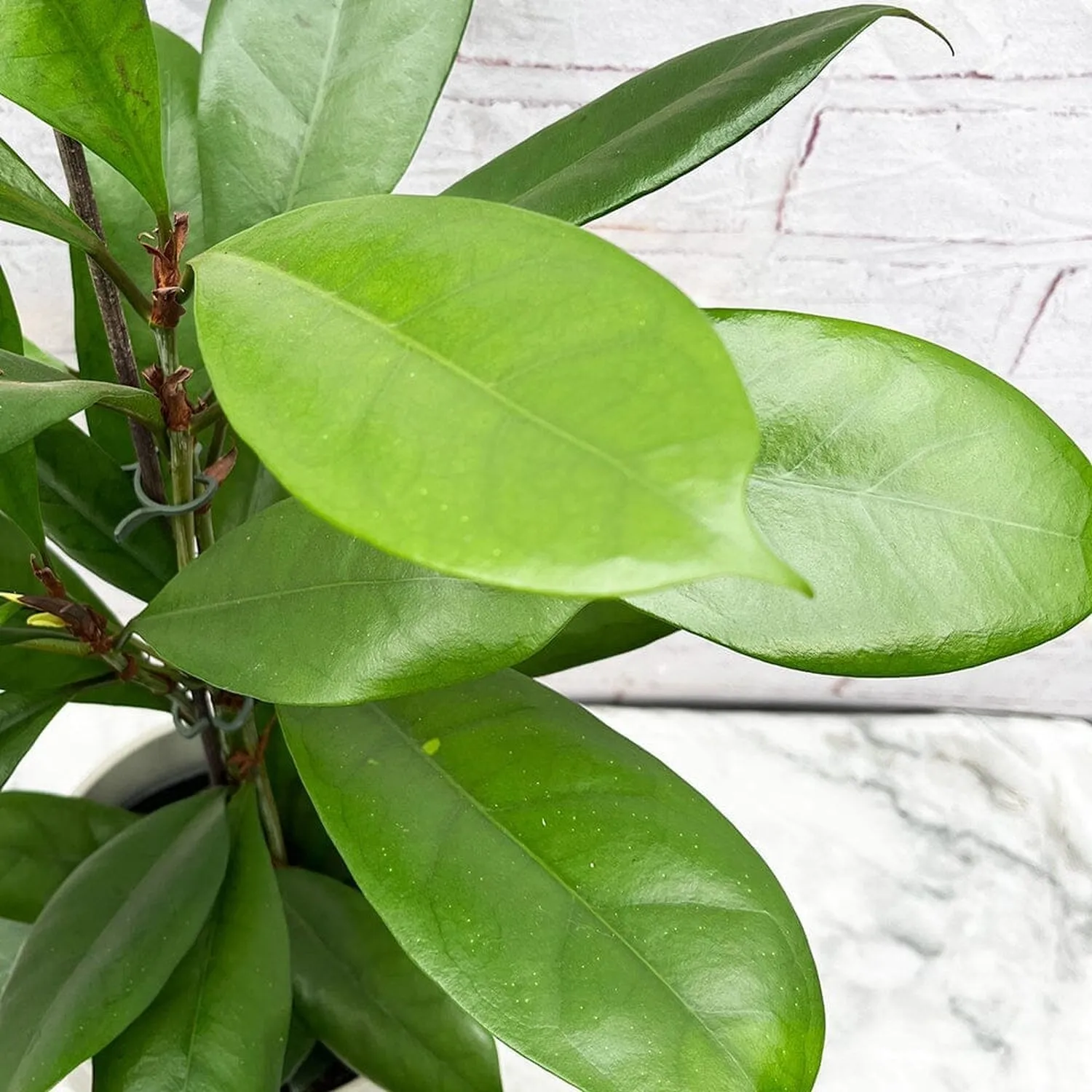
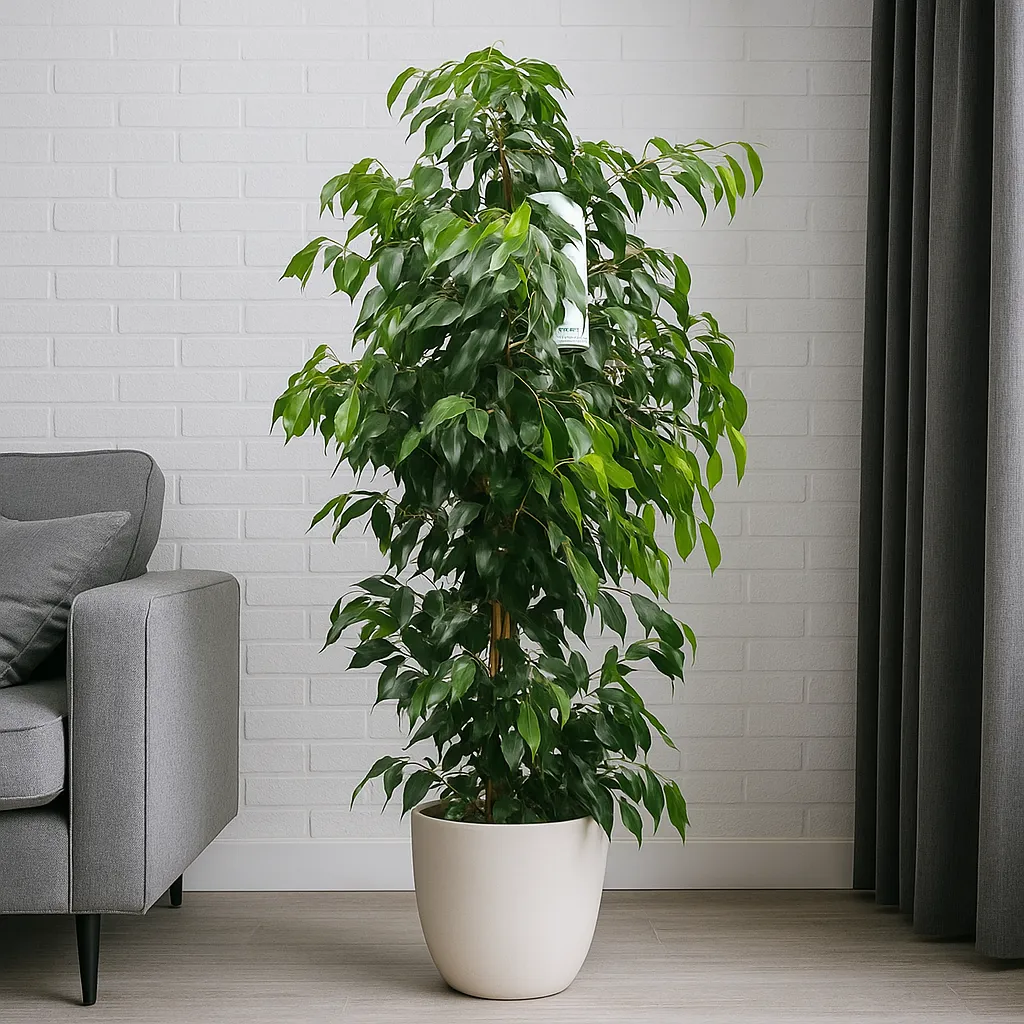
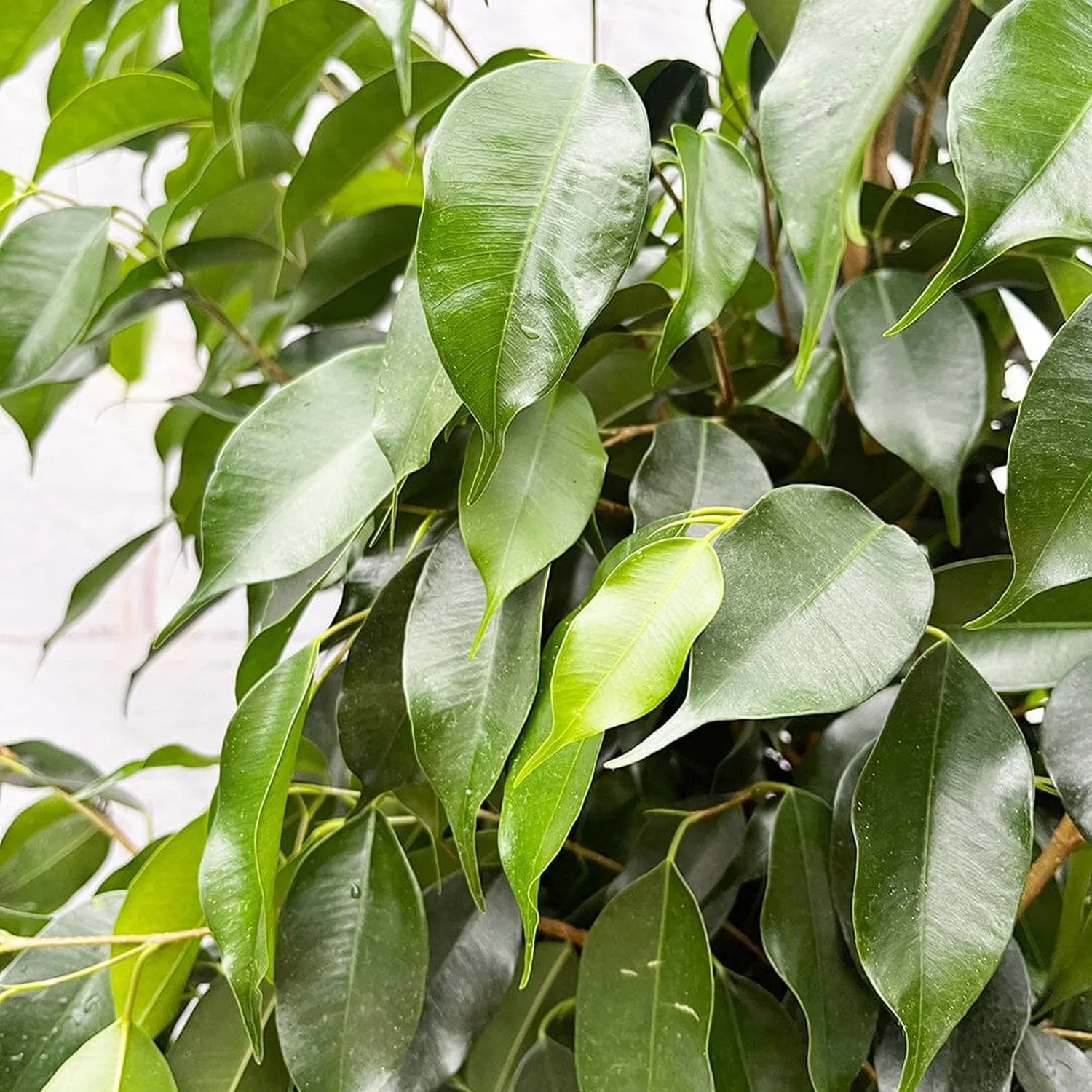
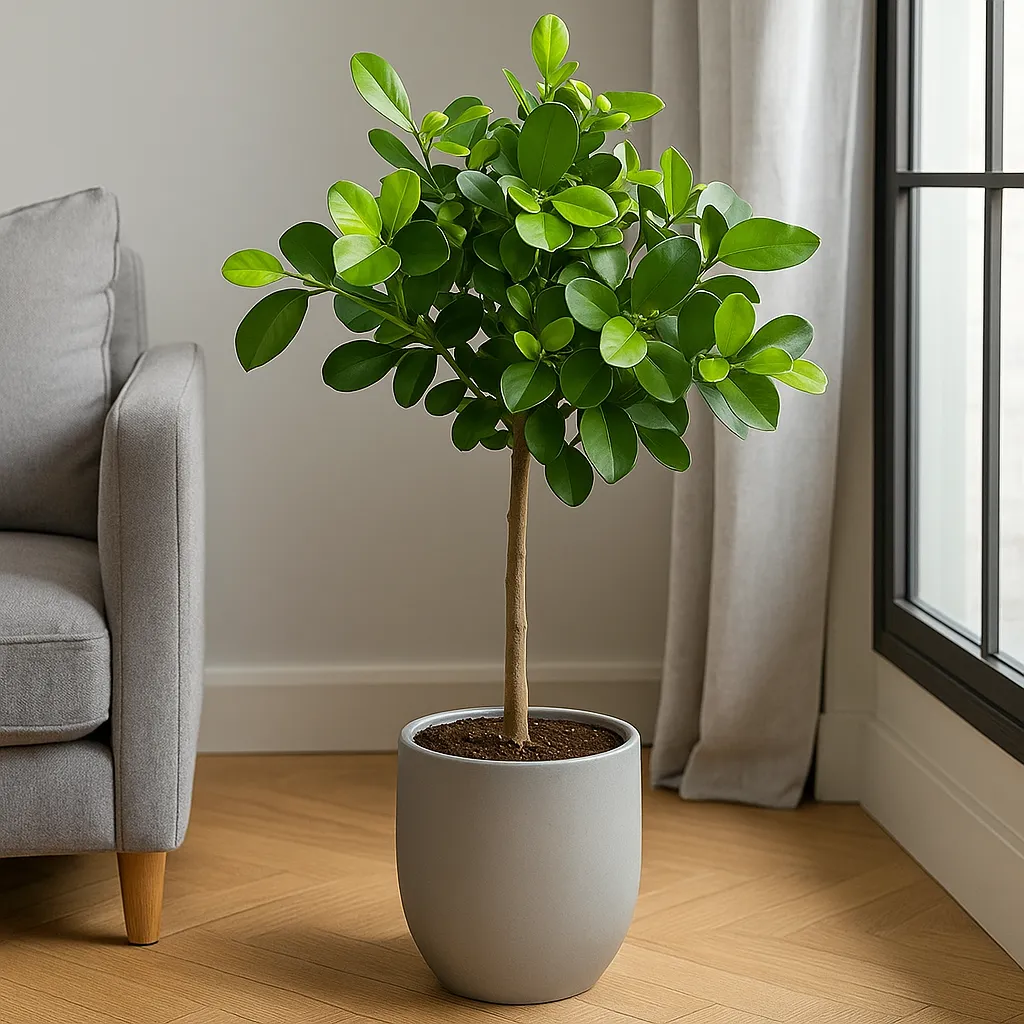
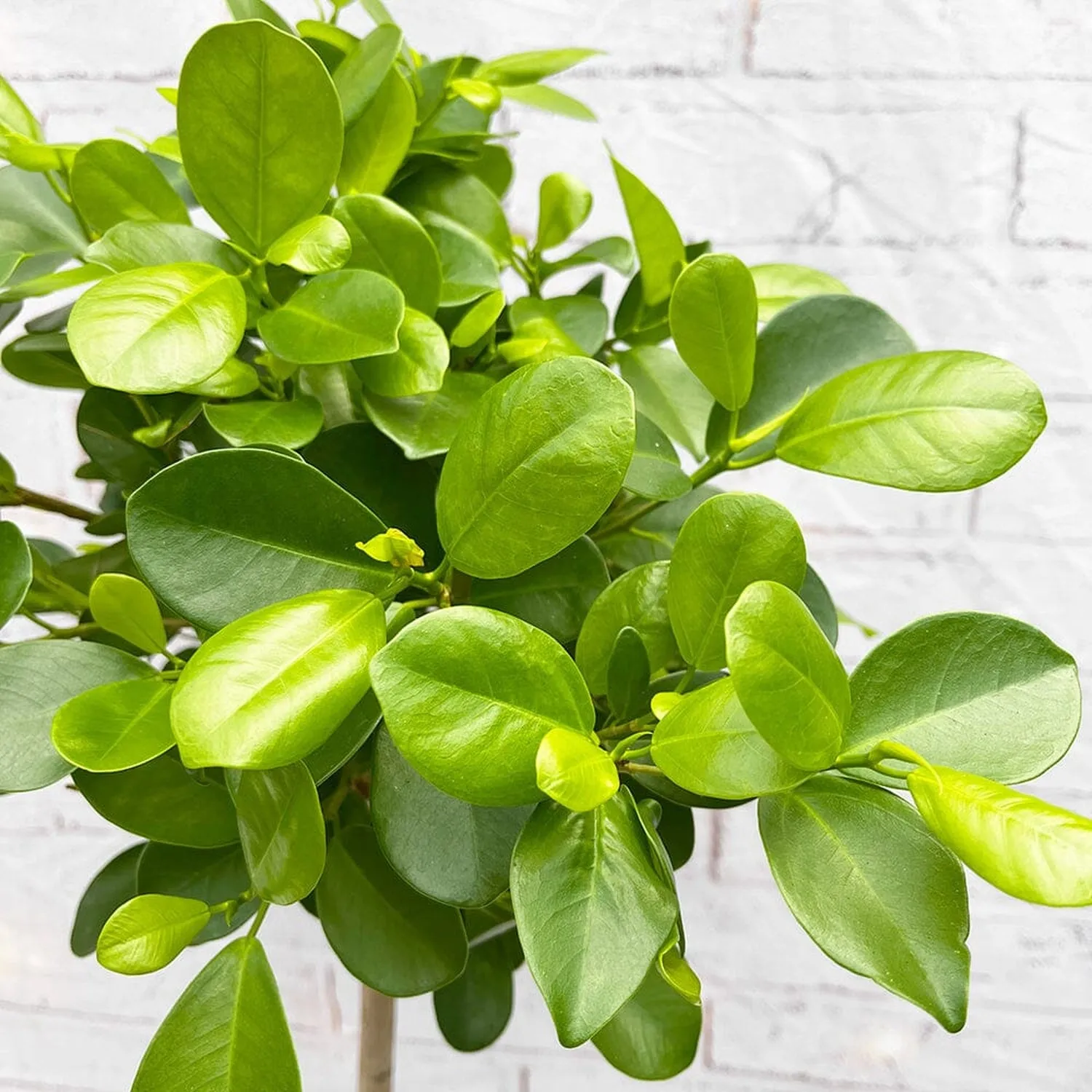
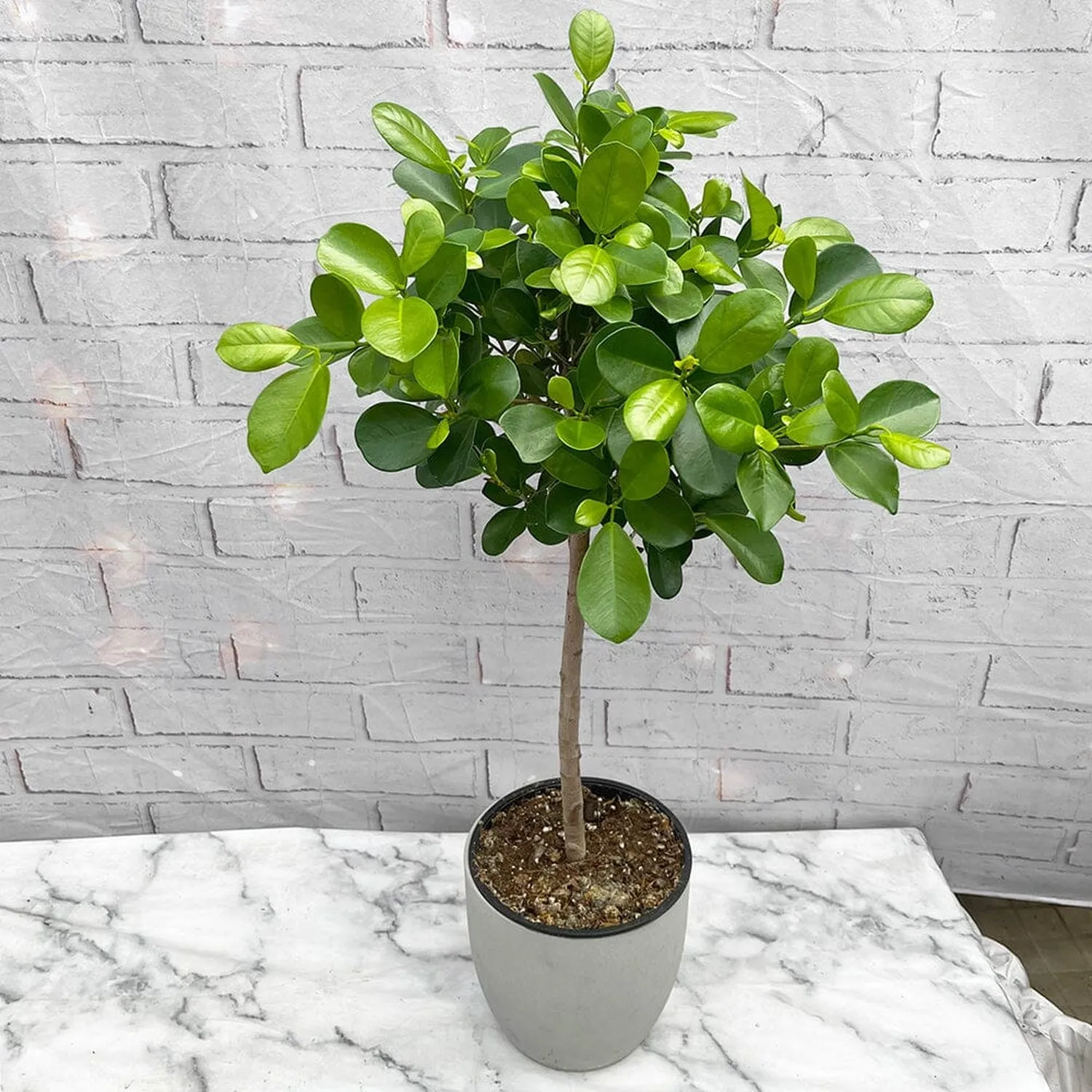
The plant features smooth, glossy leaves that are rich emerald-green and perfectly symmetrical, creating a dense, lush appearance. Its naturally rounded crown gives it an architectural quality — elegant enough for interior design yet hardy enough for everyday spaces. Over time, Ficus ‘Moclame’ develops a strong woody trunk, making it an excellent choice for bonsai enthusiasts or as a statement indoor tree.
Refined, low-maintenance, and endlessly versatile, Ficus microcarpa ‘Moclame’ embodies both modern minimalism and tropical luxury — perfect for collectors and interior stylists alike.
Ficus microcarpa ‘Moclame’ – Care Guide
Light
Thrives in bright, indirect light. It can tolerate moderate light but performs best with several hours of filtered sunlight each day. Avoid harsh direct midday sun, which can scorch the foliage, and low-light conditions, which may cause leaf drop or slower growth.
Watering
Water when the top 3–5 cm of soil feels dry. Keep the soil consistently moist but never soggy, as Ficus roots are sensitive to waterlogging. In winter, allow the soil to dry slightly more between waterings. Always ensure good drainage to prevent root rot.
Temperature and Humidity
-
Temperature: Prefers 18–28 °C; avoid temperatures below 15 °C or exposure to cold draughts.
-
Humidity: Tolerates average indoor humidity (40–60%) but benefits from occasional misting, especially in centrally heated environments.
Soil and Potting
Use a well-draining, fertile potting mix such as a blend of compost, perlite, and pine bark. A slightly loamy mix retains enough moisture without becoming compacted. Repot every 2–3 years in spring, increasing pot size gradually to accommodate root growth.
Feeding
Feed every 4–6 weeks during the growing season with a balanced liquid fertiliser or one formulated for indoor foliage plants. Reduce feeding during the winter months when growth naturally slows.
Pruning and Maintenance
Prune lightly to maintain shape and encourage branching. Trim any leggy or crossing stems to preserve the plant’s compact canopy. Wipe leaves regularly with a soft, damp cloth to remove dust and enhance their glossy appearance. Rotate the pot every few weeks for even light exposure.
Growth and Maturity
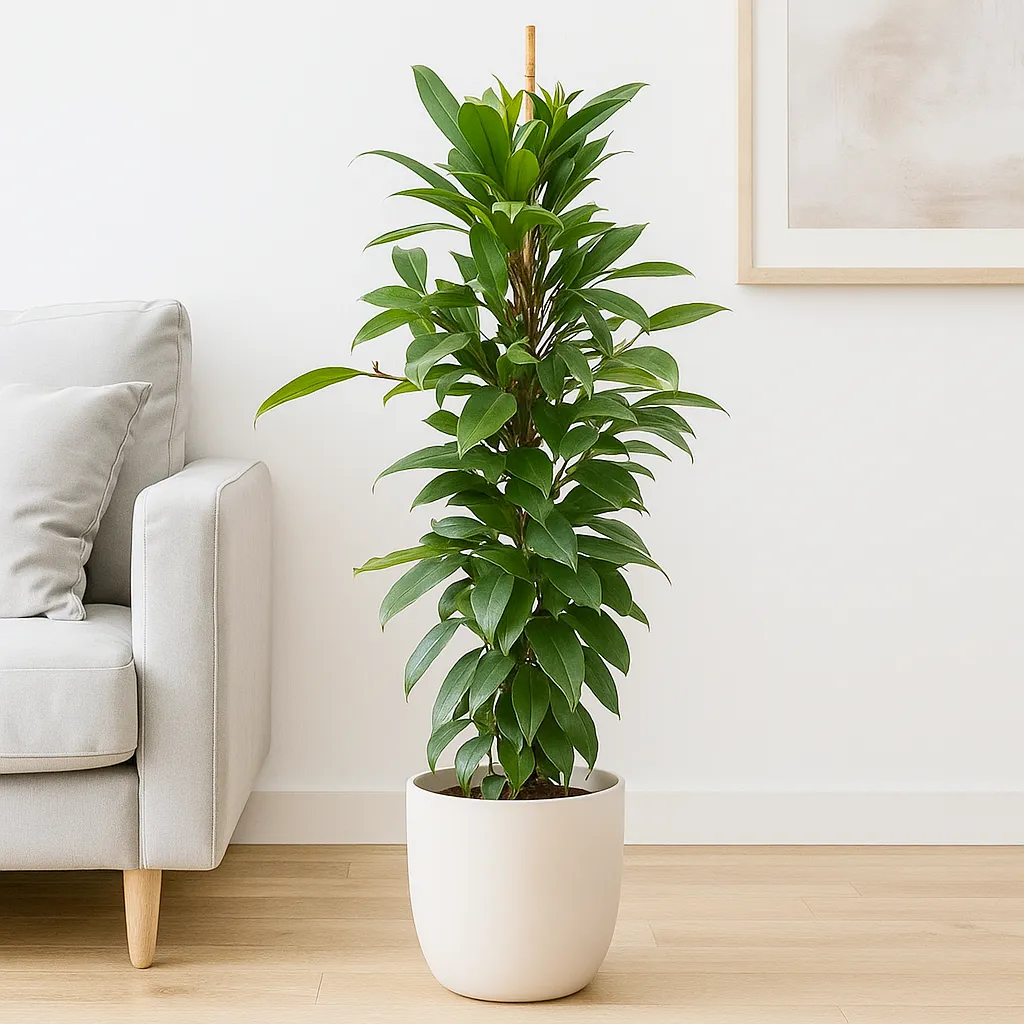
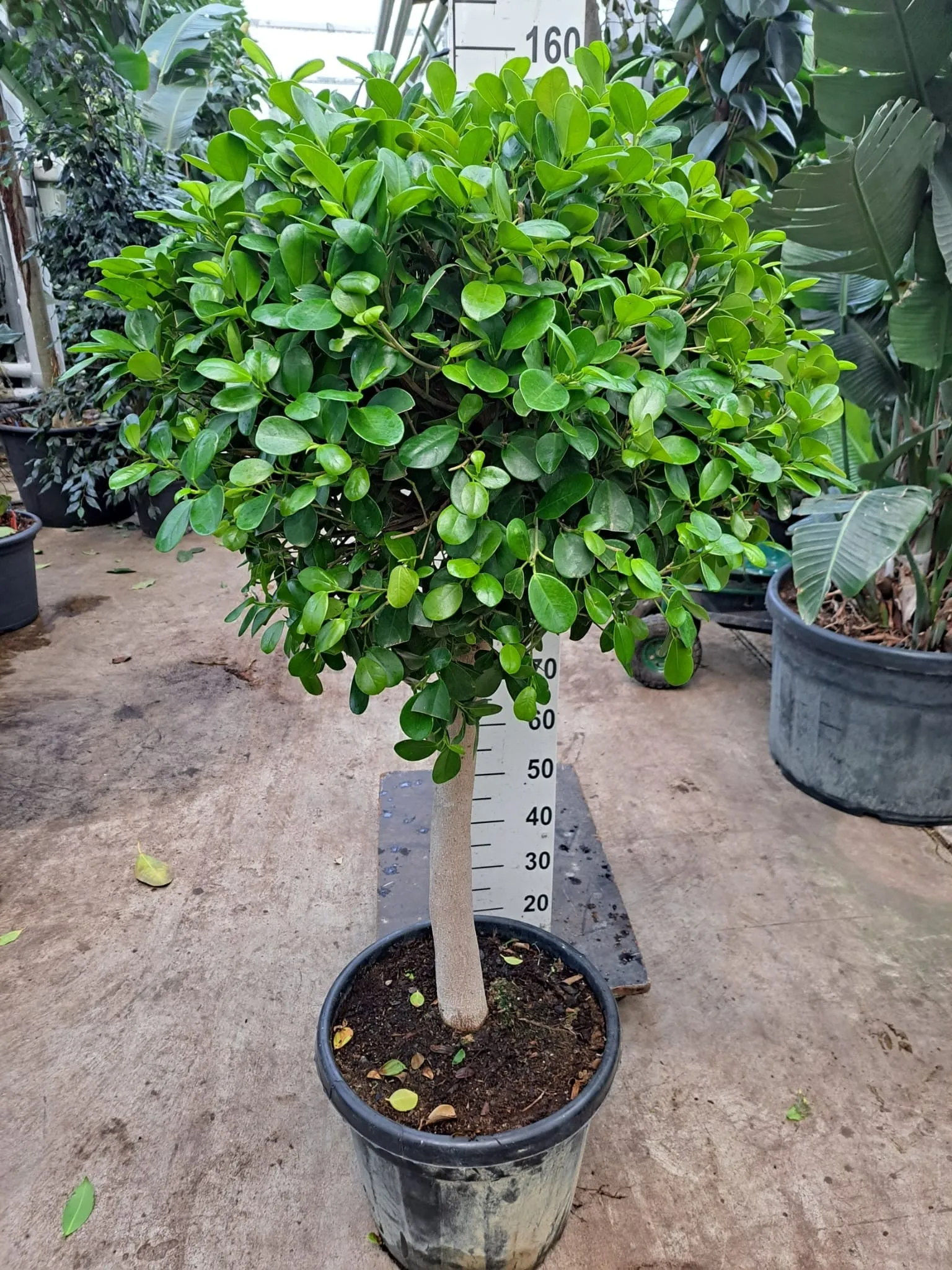
A moderate to fast grower, Ficus microcarpa ‘Moclame’ can reach 1.5–2 metres indoors with proper care, forming a rounded, bushy silhouette. It can be trained as a small indoor tree, multi-stem specimen, or compact bonsai, making it one of the most adaptable Ficus varieties available.
Common Issues
-
Yellowing leaves: Overwatering or sudden changes in environment.
-
Leaf drop: Cold drafts, relocation, or inconsistent watering.
-
Curling leaves: Underwatering or low humidity.
-
Pests: Occasionally scale, thrips, or spider mites; treat promptly with neem oil or insecticidal soap.
Background and Benefits
Native to the tropical and subtropical regions of Southeast Asia, Ficus microcarpa is a versatile species often grown as both an ornamental indoor plant and a landscape tree. The ‘Moclame’ cultivar was selected for its dense, rounded foliage and smooth, shiny leaves, offering a more structured, tidy alternative to the weeping Ficus benjamina.
Beyond its aesthetic value, Ficus ‘Moclame’ is also a natural air purifier, helping remove common indoor pollutants such as formaldehyde and benzene. Its robust yet refined nature makes it a favourite among interior designers and plant collectors seeking a lush, low-maintenance centrepiece.
Quick Care Summary
Light: Bright, indirect light; tolerates moderate light
Water: Allow top 3–5 cm of soil to dry before watering
Temperature: 18–28 °C; avoid below 15 °C
Humidity: Moderate (40–60%)
Soil: Well-draining mix – compost, perlite, pine bark
Feed: Every 4–6 weeks in spring/summer
Growth: Upright, bushy habit, 1.5–2 m; glossy oval green leaves and rounded crown
⚠️ Toxicity note: Contains sap that can irritate skin and is toxic if ingested. Keep away from pets and children.
Styling Tip
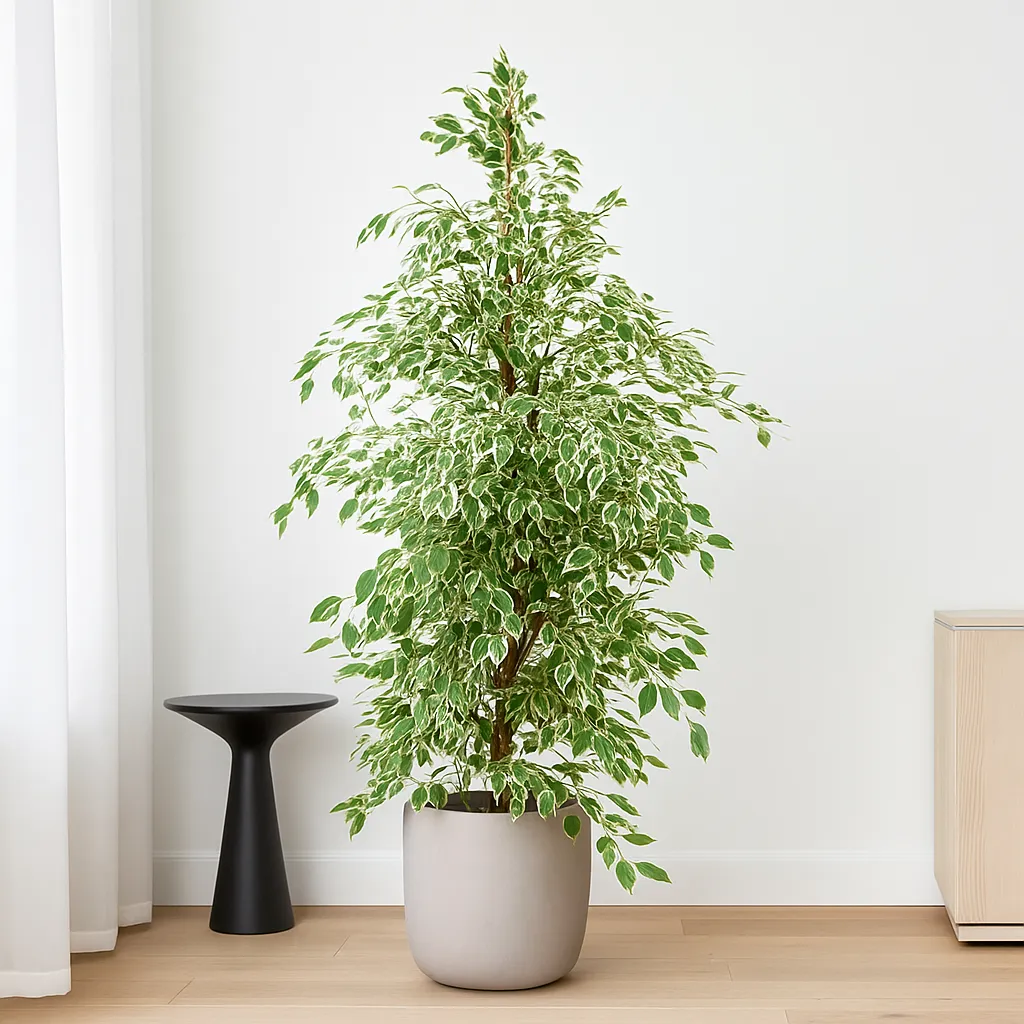
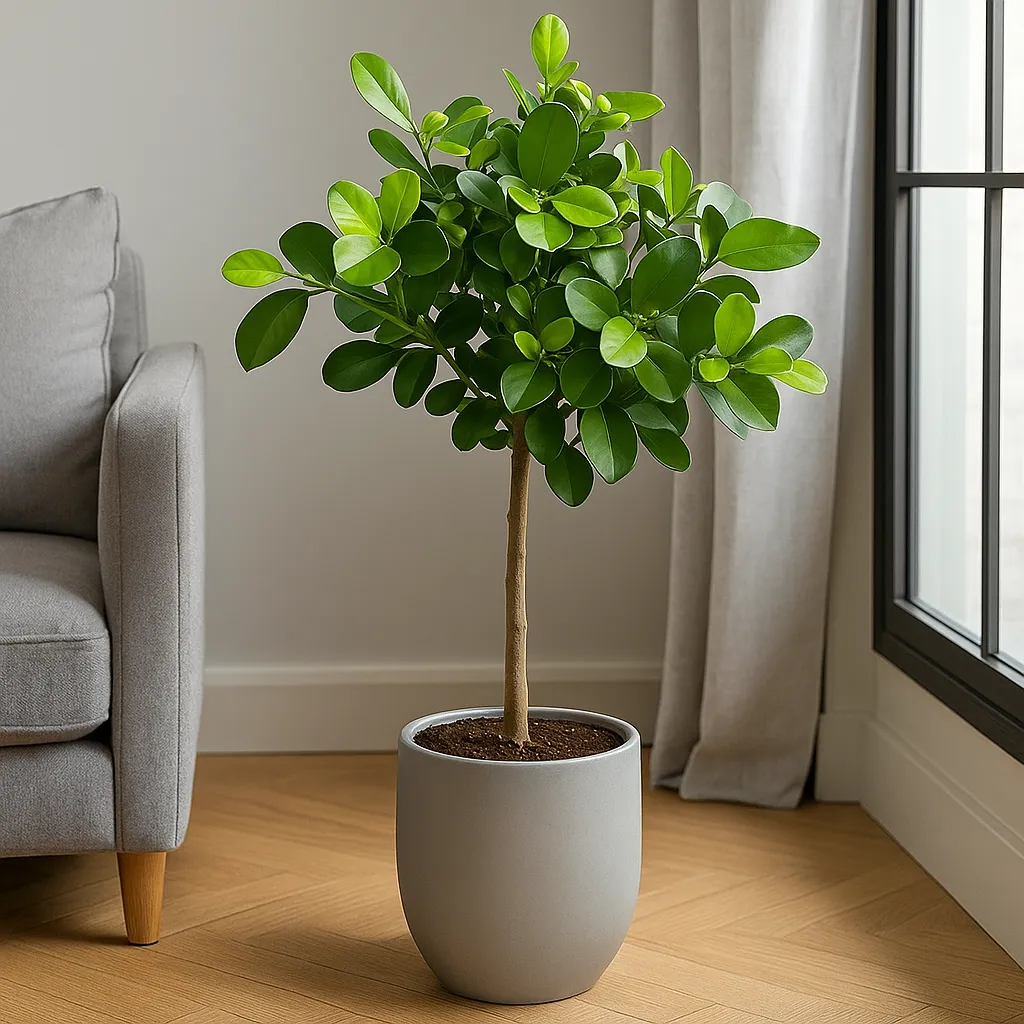
Display Ficus microcarpa ‘Moclame’ in a ceramic or concrete planter to complement its modern, sculptural form. Its compact canopy makes it ideal for use as a living focal point in bright interiors, such as offices, living rooms, or conservatories. For a layered tropical look, pair it with plants of contrasting texture — like Alocasia ‘Platinum’ or Philodendron ‘Florida Green’. As it matures, it brings height, elegance, and a sense of organic calm to any space.
Original: $39.58
-70%$39.58
$11.87Product Information
Product Information
Shipping & Returns
Shipping & Returns
Description
Ficus microcarpa ‘Moclame’, also known as the Indian Laurel Fig or Ficus ‘Moclame’, is a sophisticated, glossy-leaved tropical species admired for its compact growth, rounded canopy, and polished, deep-green foliage. A member of the Moraceae family, this variety originates from Southeast Asia and is a close relative of Ficus retusa and Ficus benjamina, but distinguished by its sturdier form and thicker, oval leaves.
The plant features smooth, glossy leaves that are rich emerald-green and perfectly symmetrical, creating a dense, lush appearance. Its naturally rounded crown gives it an architectural quality — elegant enough for interior design yet hardy enough for everyday spaces. Over time, Ficus ‘Moclame’ develops a strong woody trunk, making it an excellent choice for bonsai enthusiasts or as a statement indoor tree.
Refined, low-maintenance, and endlessly versatile, Ficus microcarpa ‘Moclame’ embodies both modern minimalism and tropical luxury — perfect for collectors and interior stylists alike.
Ficus microcarpa ‘Moclame’ – Care Guide
Light
Thrives in bright, indirect light. It can tolerate moderate light but performs best with several hours of filtered sunlight each day. Avoid harsh direct midday sun, which can scorch the foliage, and low-light conditions, which may cause leaf drop or slower growth.
Watering
Water when the top 3–5 cm of soil feels dry. Keep the soil consistently moist but never soggy, as Ficus roots are sensitive to waterlogging. In winter, allow the soil to dry slightly more between waterings. Always ensure good drainage to prevent root rot.
Temperature and Humidity
-
Temperature: Prefers 18–28 °C; avoid temperatures below 15 °C or exposure to cold draughts.
-
Humidity: Tolerates average indoor humidity (40–60%) but benefits from occasional misting, especially in centrally heated environments.
Soil and Potting
Use a well-draining, fertile potting mix such as a blend of compost, perlite, and pine bark. A slightly loamy mix retains enough moisture without becoming compacted. Repot every 2–3 years in spring, increasing pot size gradually to accommodate root growth.
Feeding
Feed every 4–6 weeks during the growing season with a balanced liquid fertiliser or one formulated for indoor foliage plants. Reduce feeding during the winter months when growth naturally slows.
Pruning and Maintenance
Prune lightly to maintain shape and encourage branching. Trim any leggy or crossing stems to preserve the plant’s compact canopy. Wipe leaves regularly with a soft, damp cloth to remove dust and enhance their glossy appearance. Rotate the pot every few weeks for even light exposure.
Growth and Maturity
A moderate to fast grower, Ficus microcarpa ‘Moclame’ can reach 1.5–2 metres indoors with proper care, forming a rounded, bushy silhouette. It can be trained as a small indoor tree, multi-stem specimen, or compact bonsai, making it one of the most adaptable Ficus varieties available.
Common Issues
-
Yellowing leaves: Overwatering or sudden changes in environment.
-
Leaf drop: Cold drafts, relocation, or inconsistent watering.
-
Curling leaves: Underwatering or low humidity.
-
Pests: Occasionally scale, thrips, or spider mites; treat promptly with neem oil or insecticidal soap.
Background and Benefits
Native to the tropical and subtropical regions of Southeast Asia, Ficus microcarpa is a versatile species often grown as both an ornamental indoor plant and a landscape tree. The ‘Moclame’ cultivar was selected for its dense, rounded foliage and smooth, shiny leaves, offering a more structured, tidy alternative to the weeping Ficus benjamina.
Beyond its aesthetic value, Ficus ‘Moclame’ is also a natural air purifier, helping remove common indoor pollutants such as formaldehyde and benzene. Its robust yet refined nature makes it a favourite among interior designers and plant collectors seeking a lush, low-maintenance centrepiece.
Quick Care Summary
Light: Bright, indirect light; tolerates moderate light
Water: Allow top 3–5 cm of soil to dry before watering
Temperature: 18–28 °C; avoid below 15 °C
Humidity: Moderate (40–60%)
Soil: Well-draining mix – compost, perlite, pine bark
Feed: Every 4–6 weeks in spring/summer
Growth: Upright, bushy habit, 1.5–2 m; glossy oval green leaves and rounded crown
⚠️ Toxicity note: Contains sap that can irritate skin and is toxic if ingested. Keep away from pets and children.
Styling Tip
Display Ficus microcarpa ‘Moclame’ in a ceramic or concrete planter to complement its modern, sculptural form. Its compact canopy makes it ideal for use as a living focal point in bright interiors, such as offices, living rooms, or conservatories. For a layered tropical look, pair it with plants of contrasting texture — like Alocasia ‘Platinum’ or Philodendron ‘Florida Green’. As it matures, it brings height, elegance, and a sense of organic calm to any space.