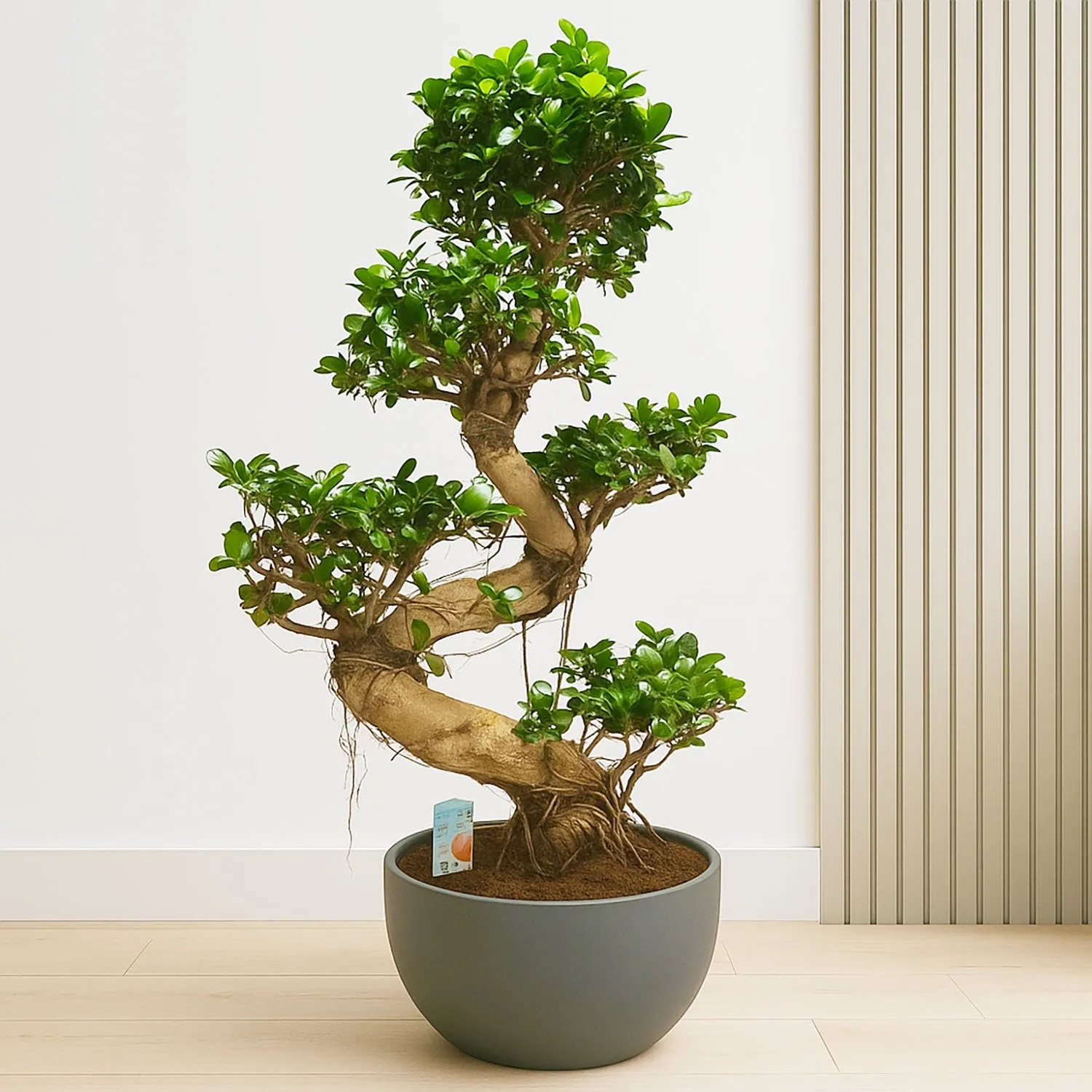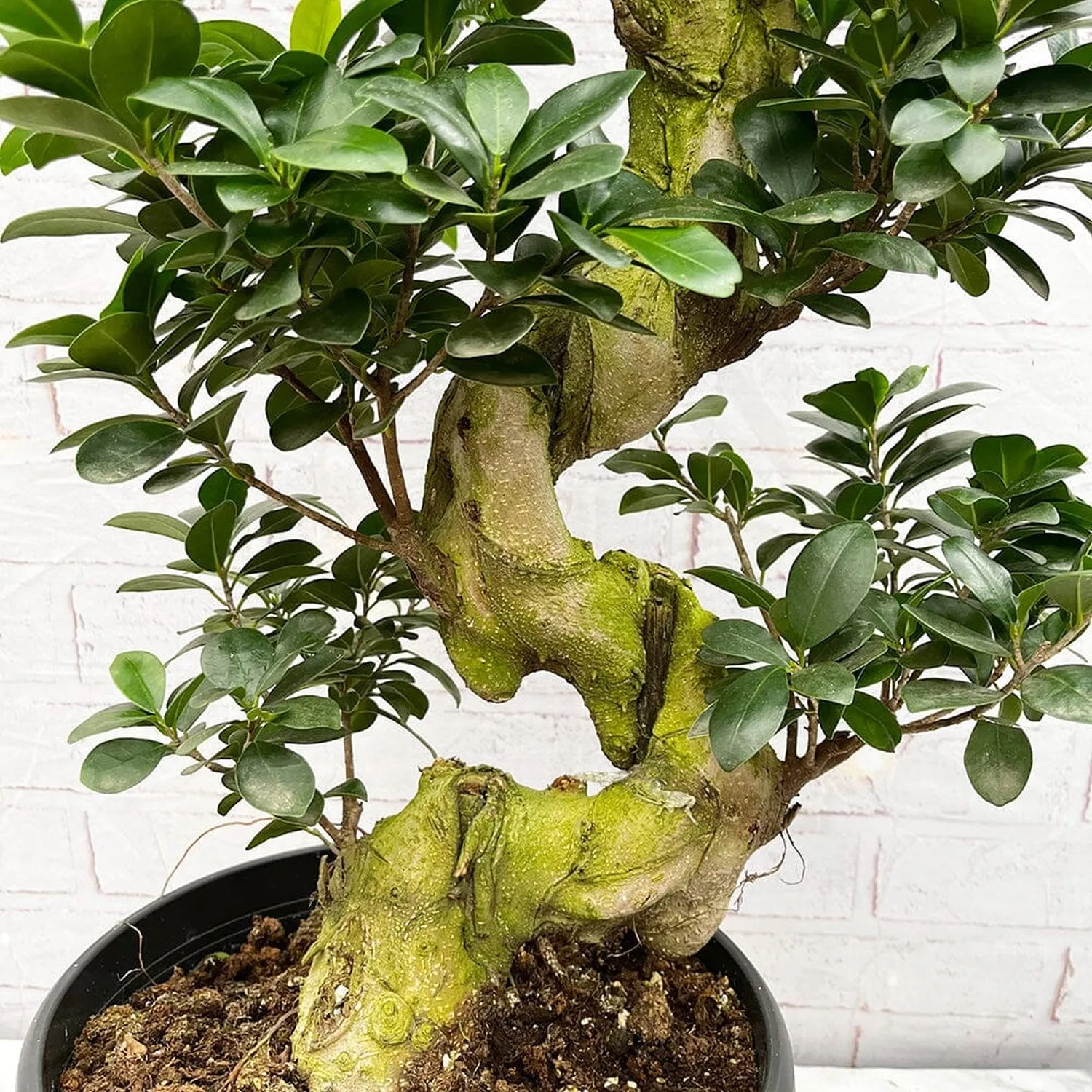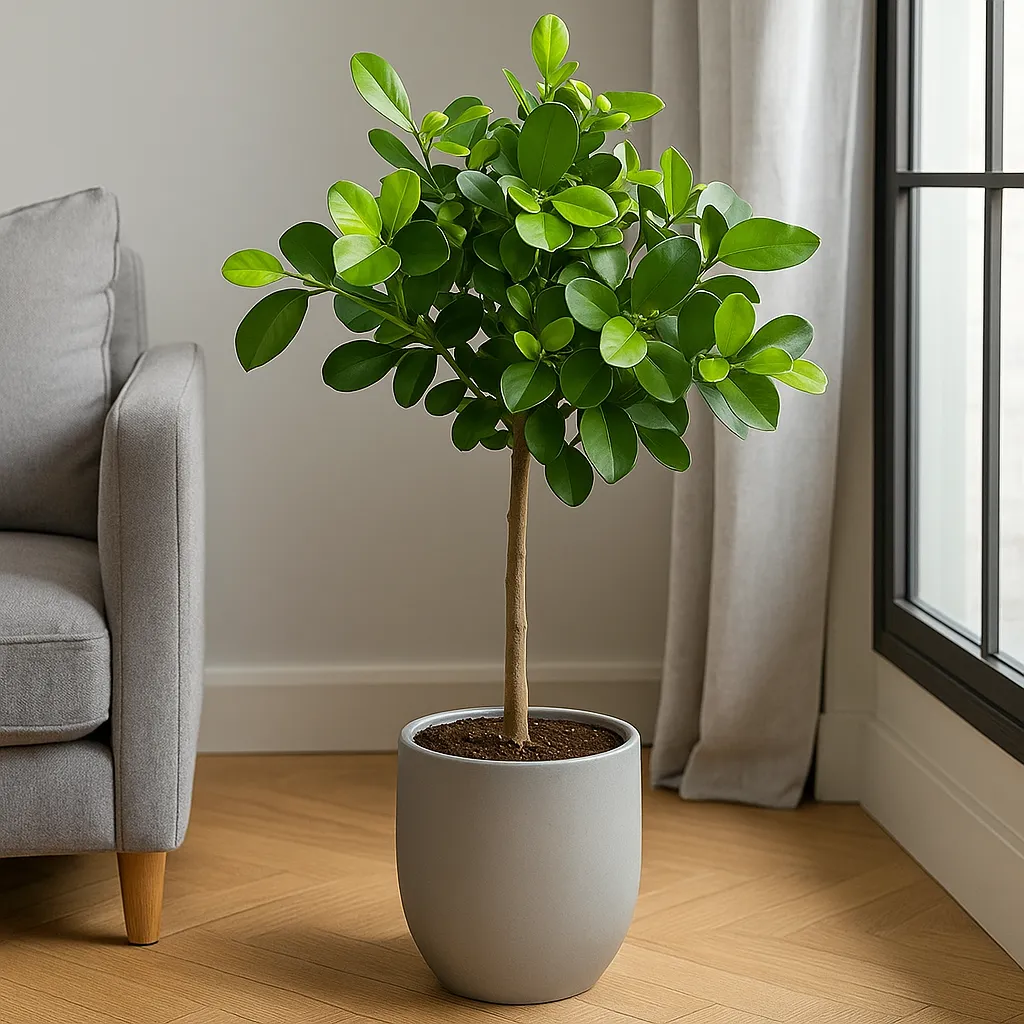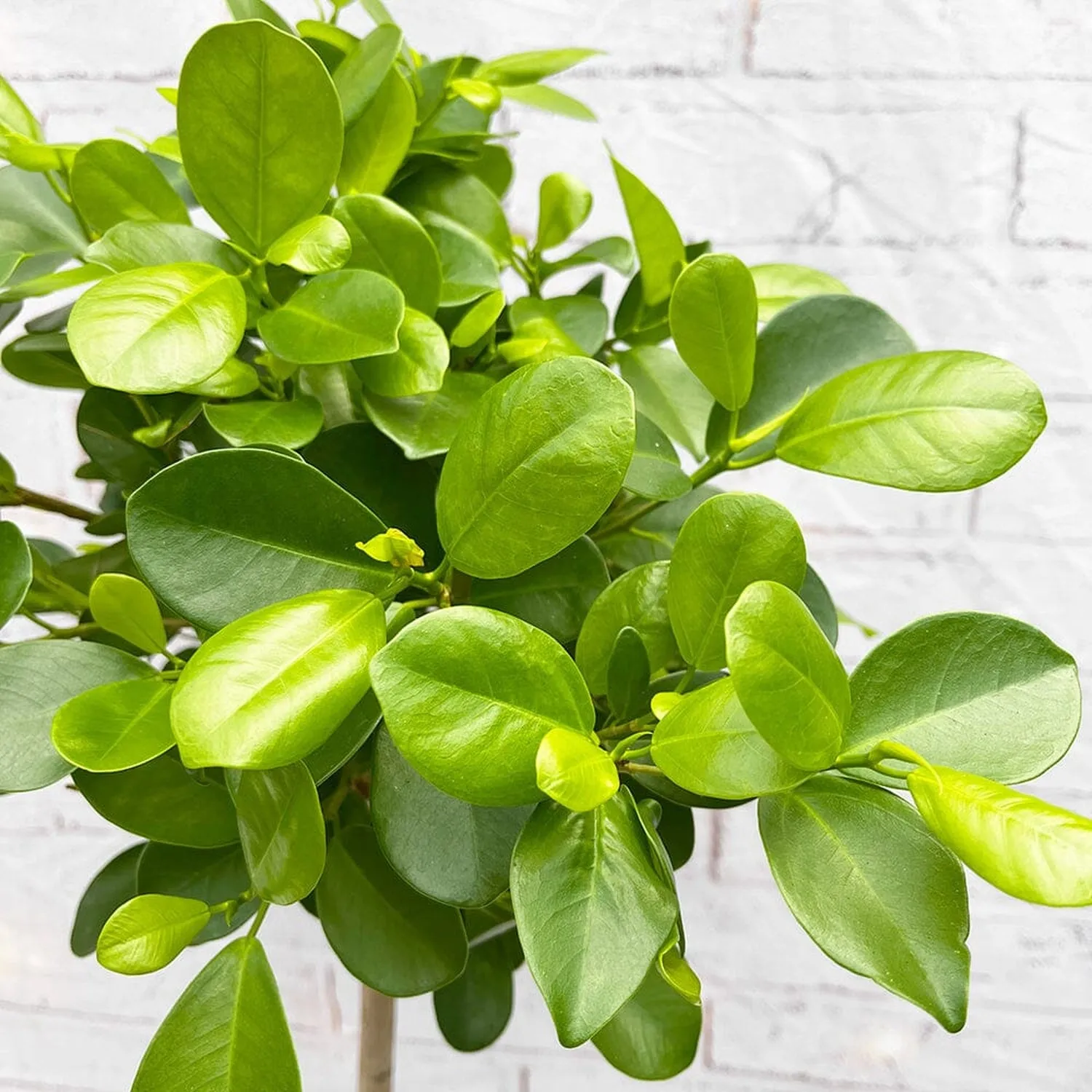
Ficus Twilight Rubber Plant House Plant
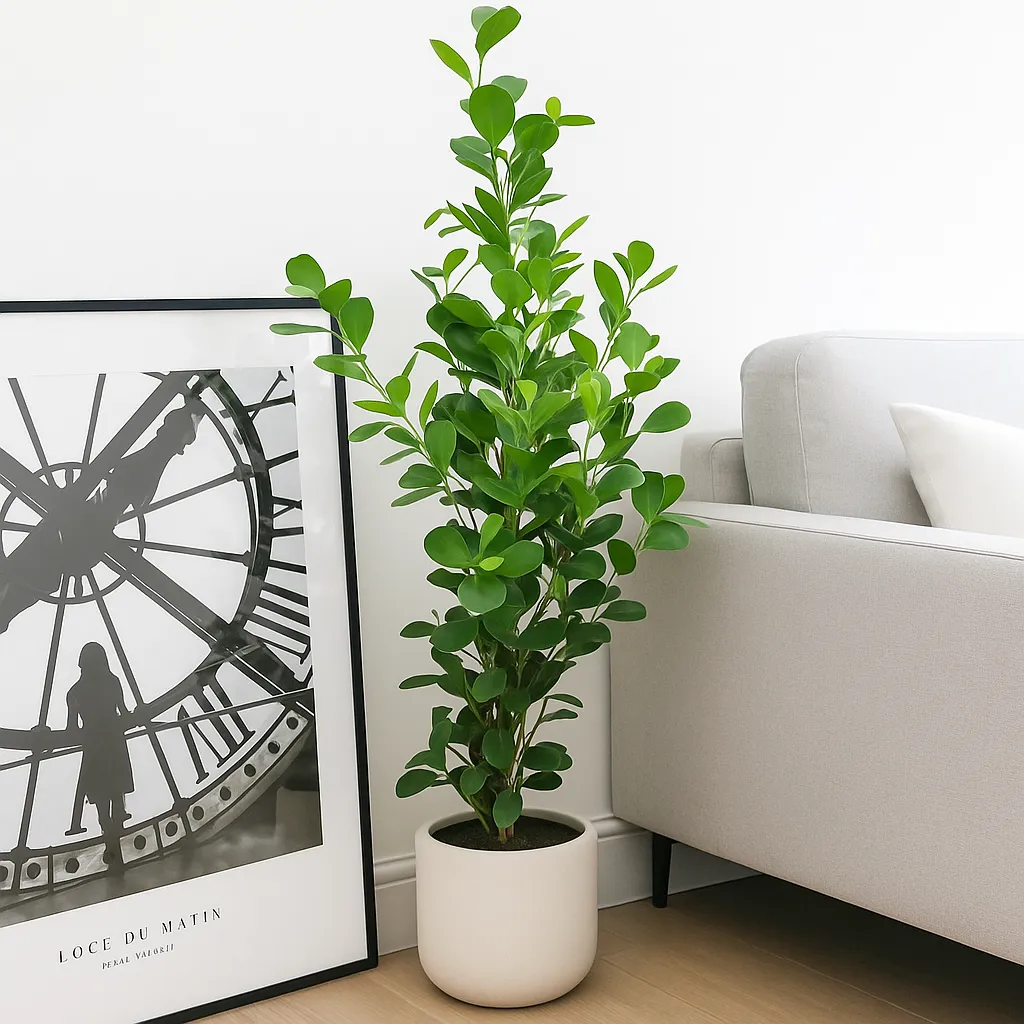
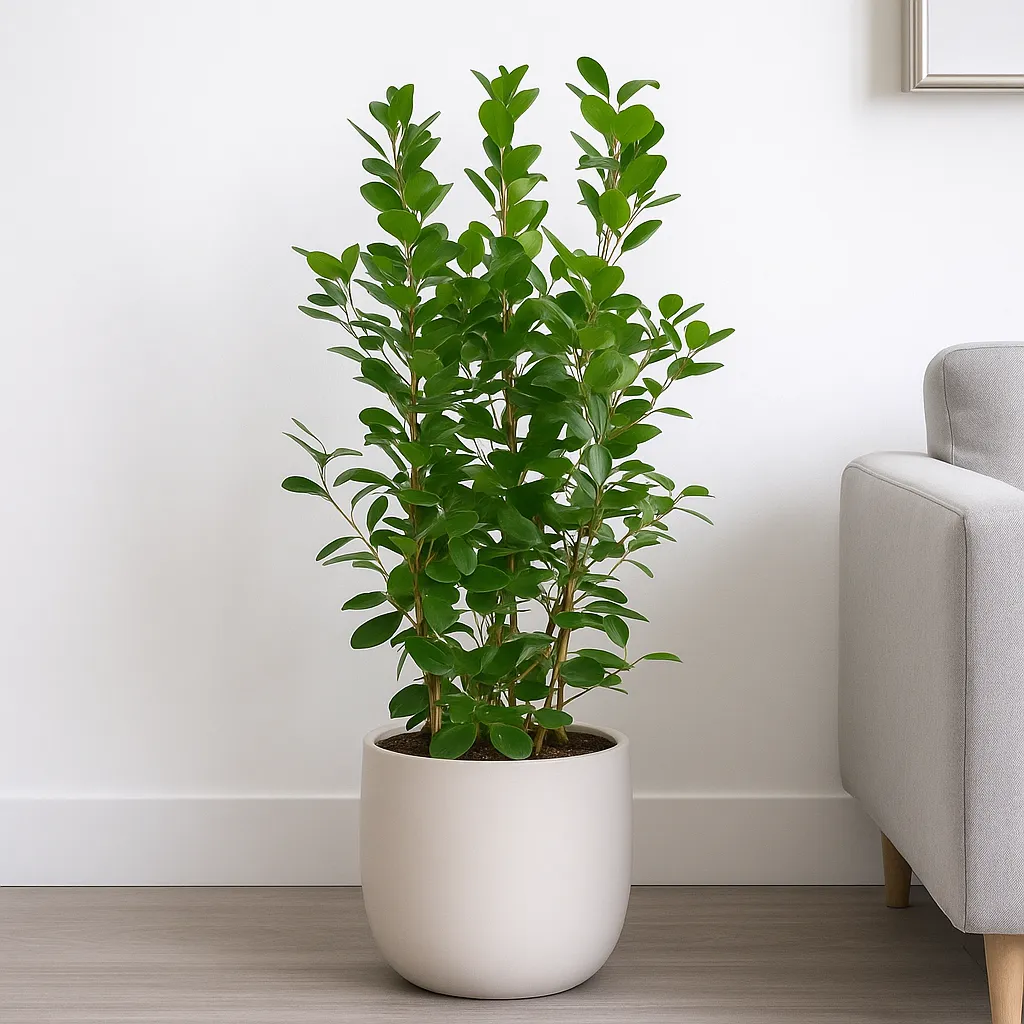
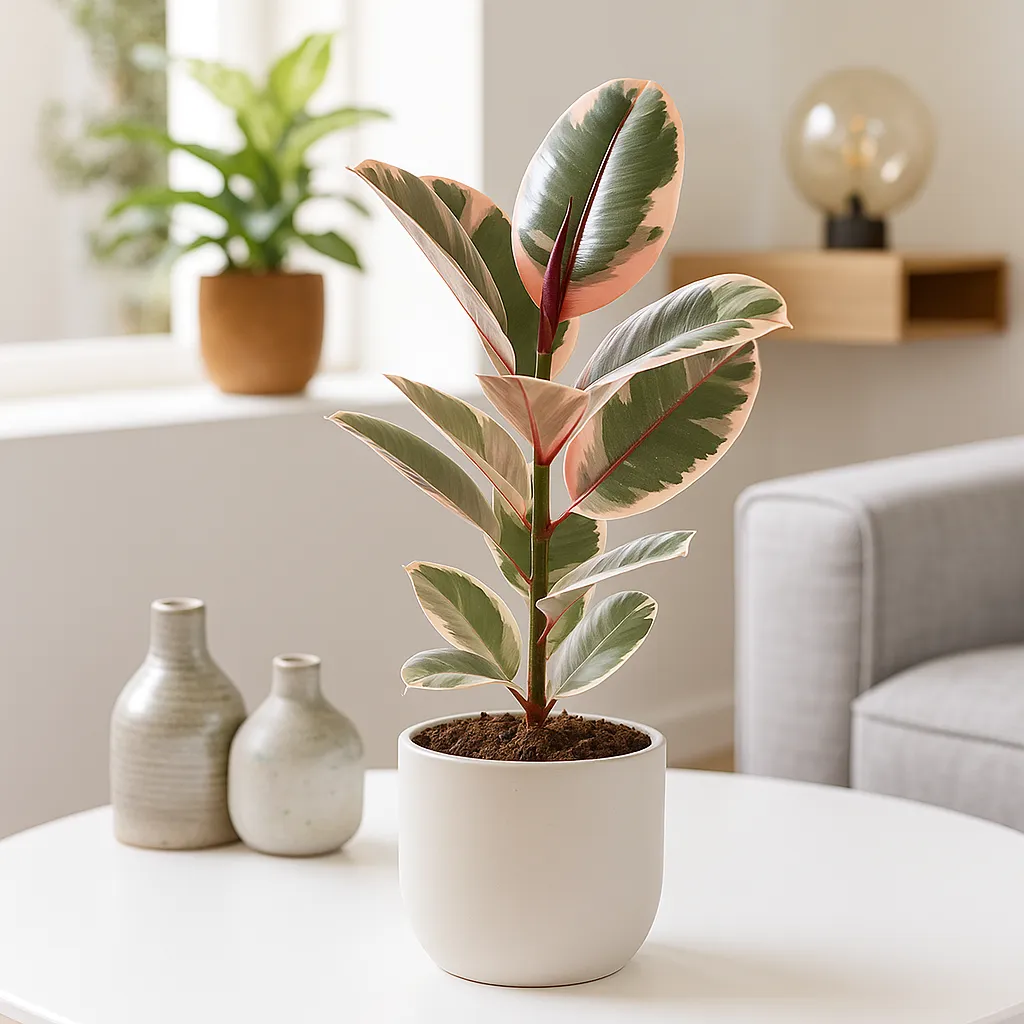
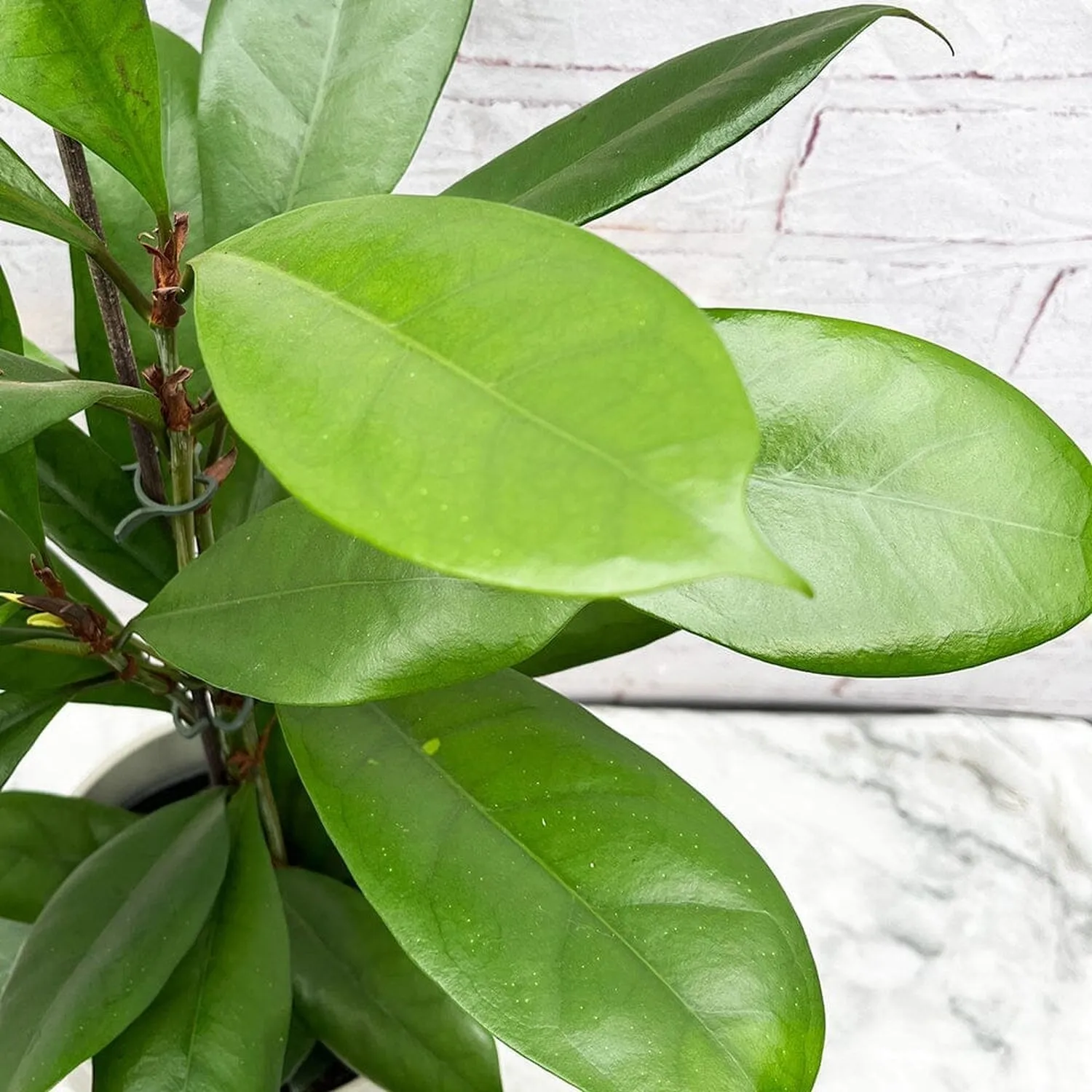
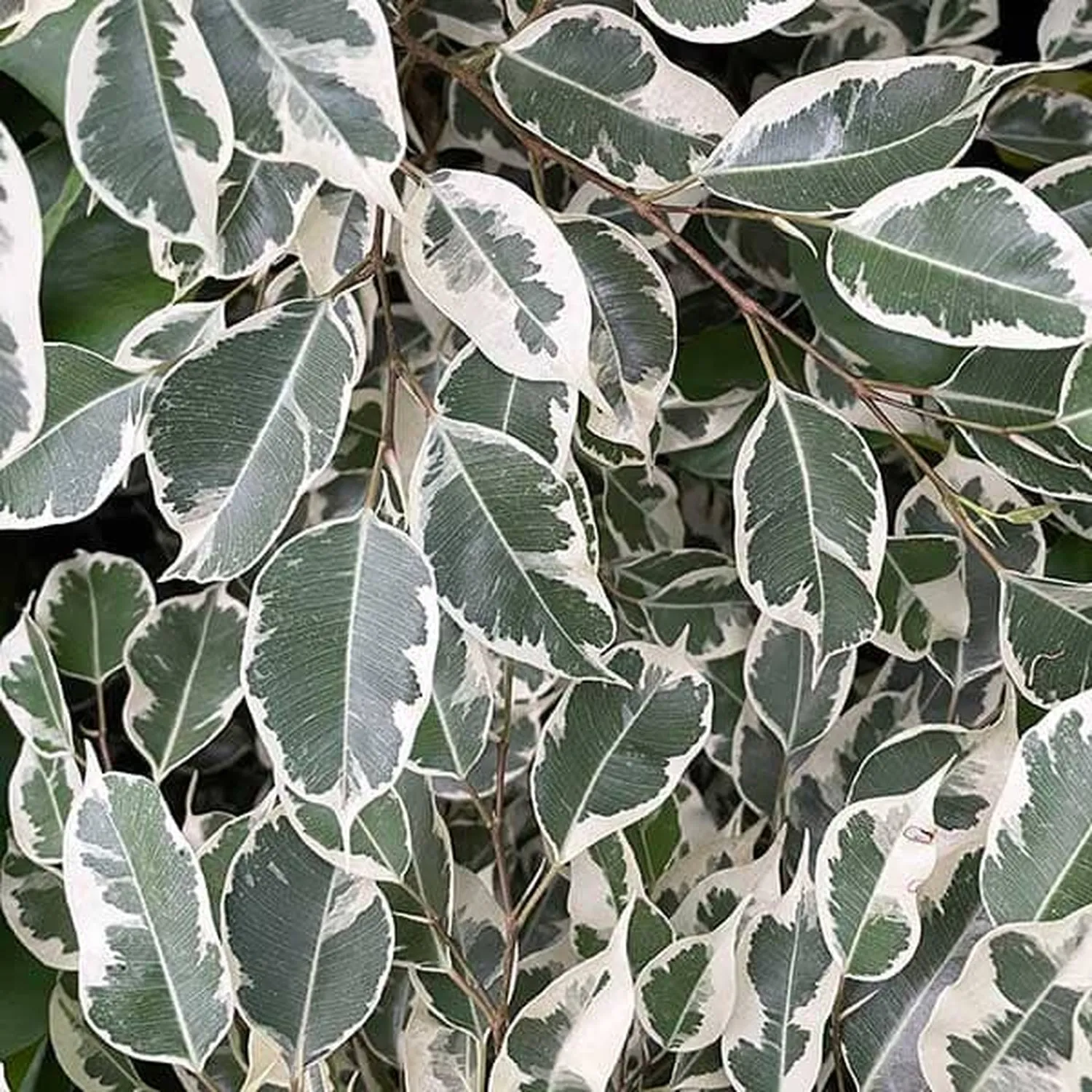
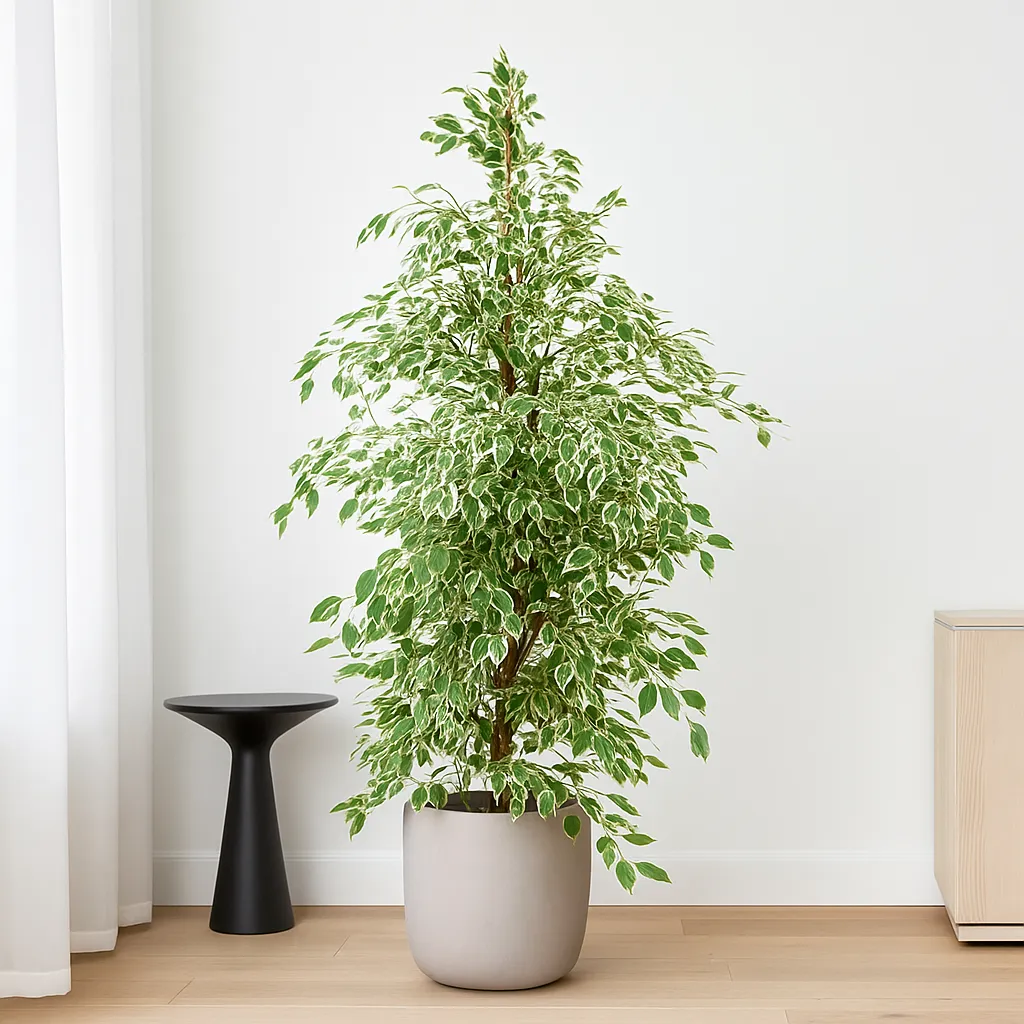
Ficus benjamina ‘Twilight’, commonly known as the Variegated Weeping Fig, is a beautifully elegant tropical tree admired for its lush, cascading canopy and creamy-white variegated leaves. A cultivar of the classic Ficus benjamina, it brings a lighter, more refined aesthetic to interior spaces — perfect for brightening rooms with its luminous, two-toned foliage.
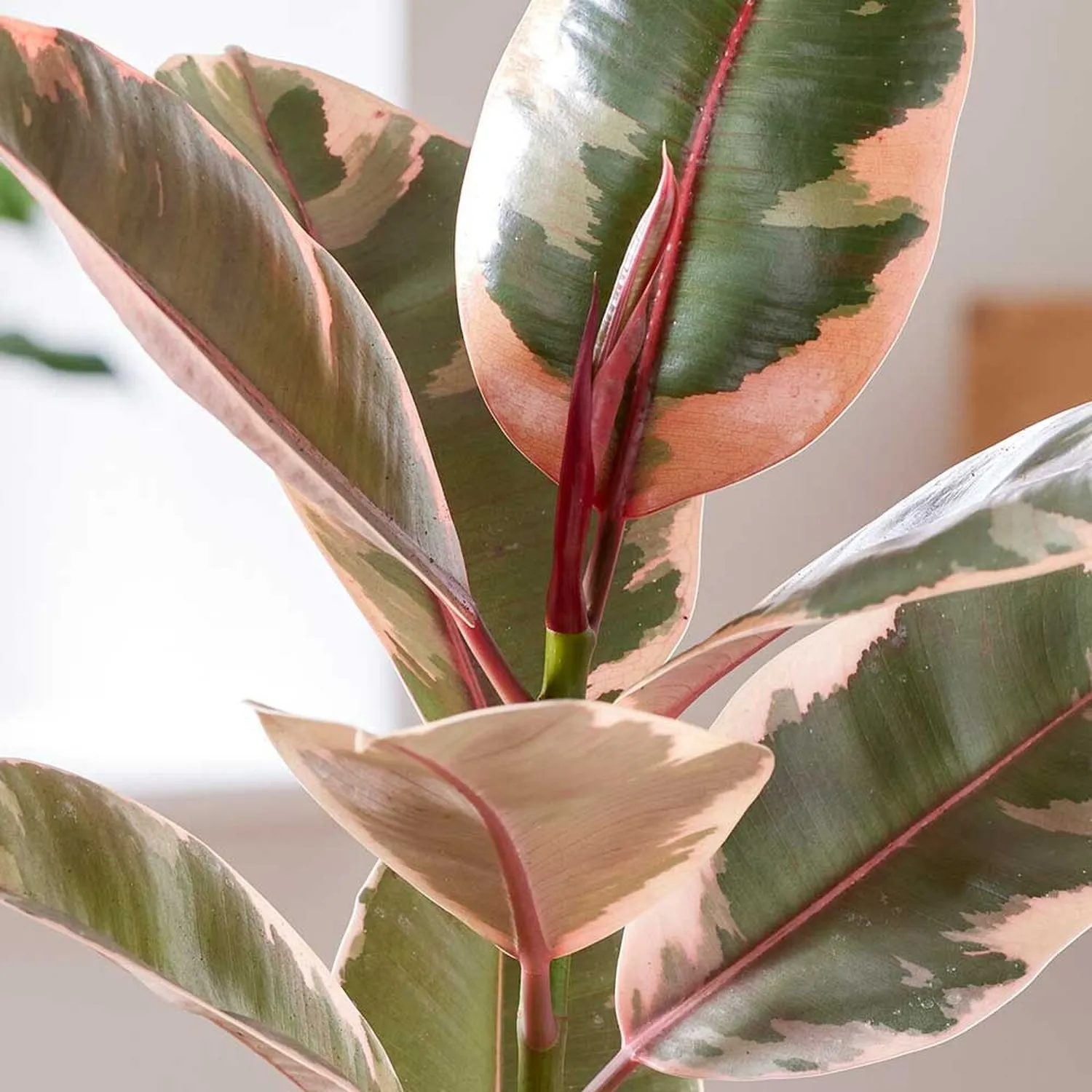
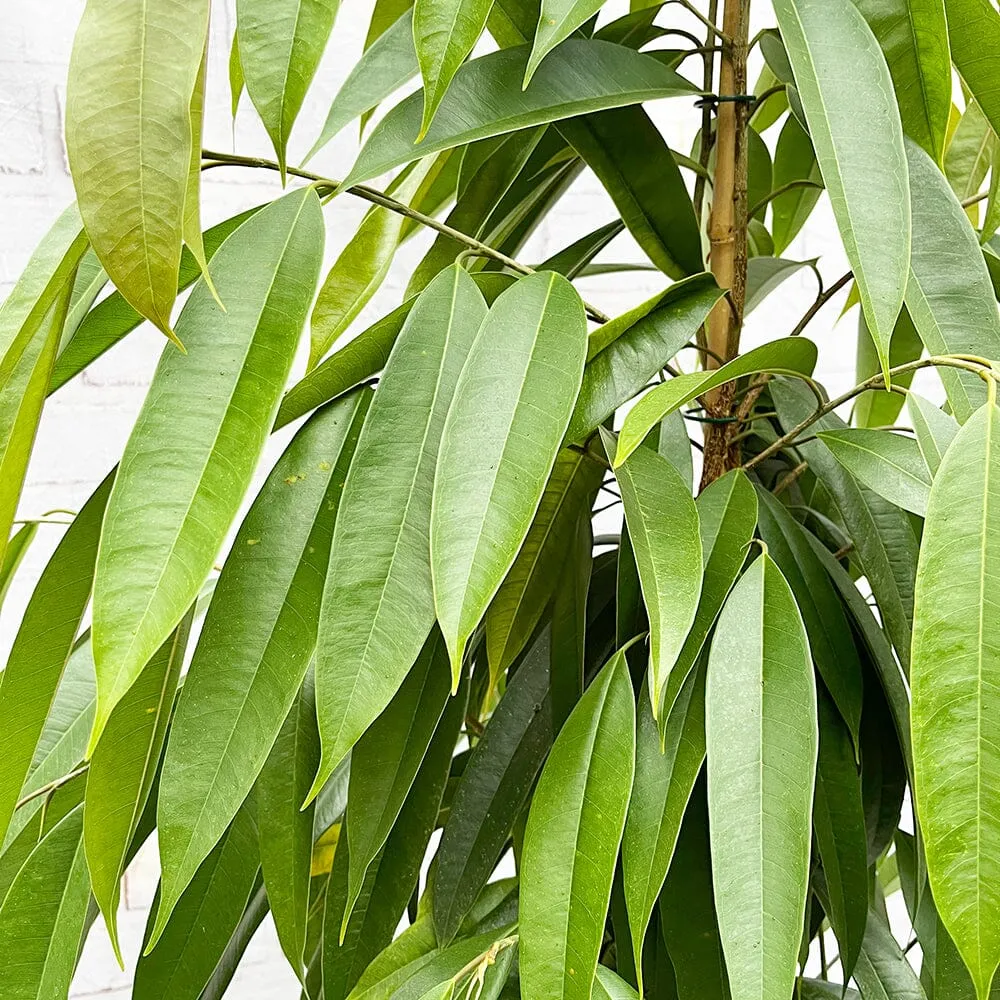
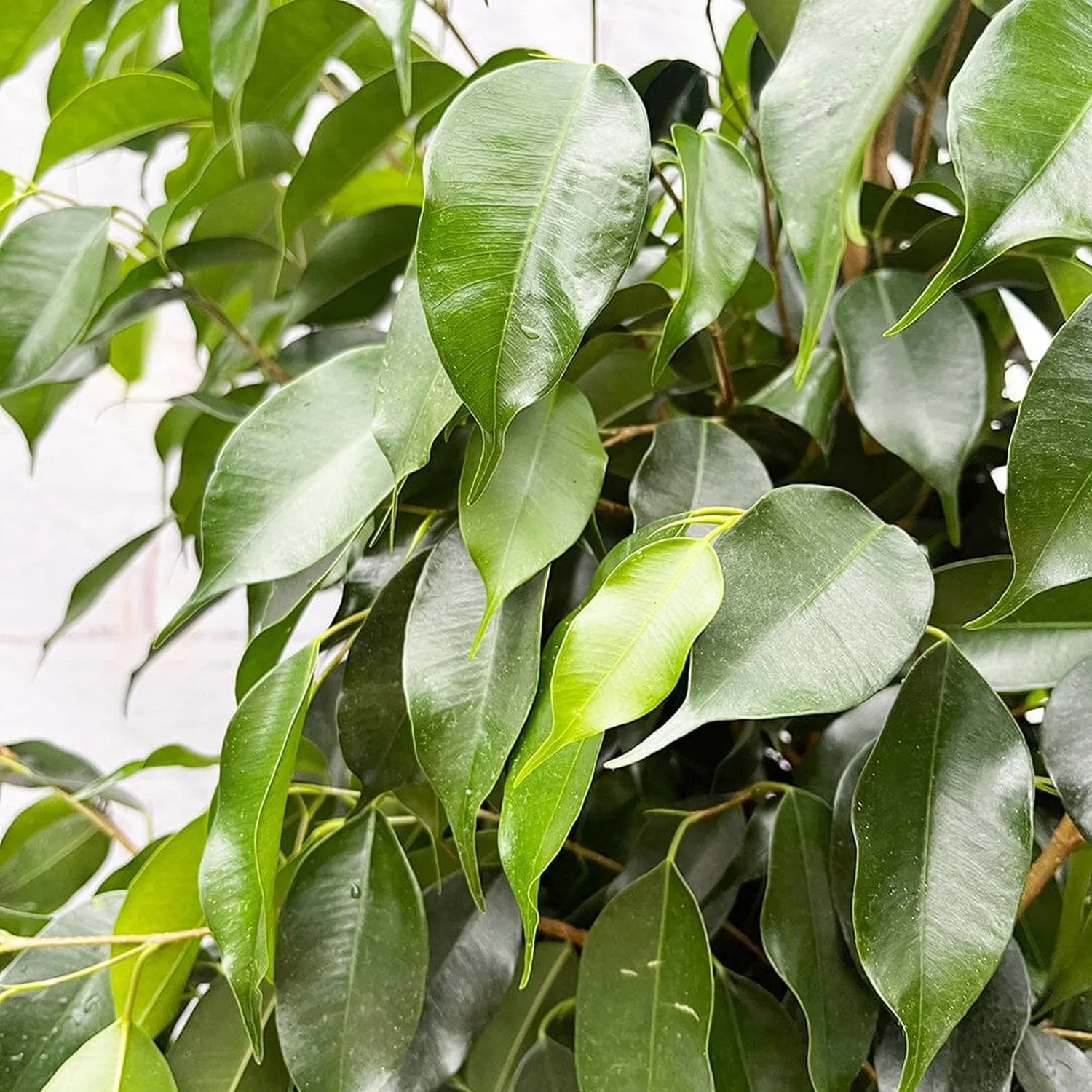
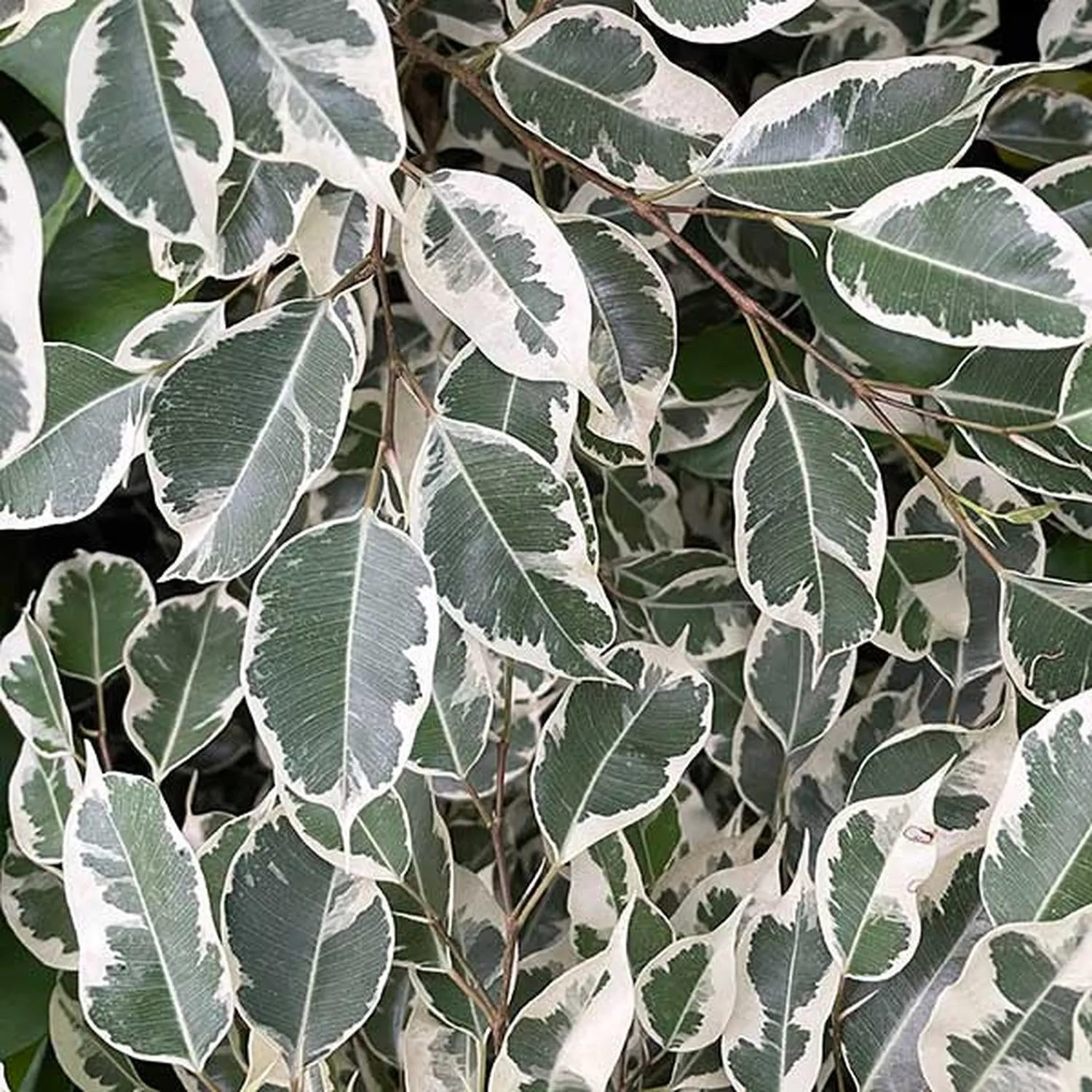
Each small, pointed leaf features a glossy green centre framed by soft cream or pale yellow margins, giving the plant a gentle, dappled appearance. Its slender branches form a graceful, arching shape that evokes natural movement and tranquillity. Compact, long-lived, and full of texture, Ficus ‘Twilight’ makes an ideal feature plant for homes, conservatories, or offices seeking tropical elegance with minimal fuss.
With its serene, variegated foliage and tree-like form, Ficus ‘Twilight’ is both classic and contemporary — a refined indoor tree that effortlessly complements any interior style.
Ficus benjamina ‘Twilight’ – Care Guide
Light
Thrives in bright, indirect light to maintain its vivid variegation. A few hours of gentle morning or late afternoon sun are beneficial, but avoid harsh midday sunlight, which can scorch the leaves. Too little light may lead to dull colouring or leaf drop. East- or west-facing windows are ideal.
Watering
Water when the top 3–5 cm of soil feels dry. Keep the soil lightly moist during the growing season (spring and summer), but ensure the pot drains well — Ficus ‘Twilight’ dislikes soggy conditions. In winter, allow the soil to dry slightly more between waterings.
Temperature and Humidity
Temperature: Prefers warmth between 18–28 °C. Protect from cold drafts and avoid temperatures below 15 °C.
Humidity: Average indoor humidity (40–60%) is sufficient, though slightly higher humidity promotes healthier, glossier foliage. Mist occasionally or place near other tropical plants if the air is dry.
Soil and Potting
Use a rich, free-draining potting mix — compost blended with perlite and a little sand or bark for aeration. Repot every 2–3 years in spring or when the plant becomes root-bound, choosing a heavy, stable pot to support its height.
Feeding
Feed every 4–6 weeks in spring and summer with a balanced liquid fertiliser diluted to half strength. Stop feeding during autumn and winter when growth naturally slows.
Pruning and Maintenance
Prune lightly in spring or summer to shape the canopy and remove any dead, leggy, or crossing branches. Regular pruning helps maintain a compact, symmetrical form. Wipe the leaves occasionally with a soft, damp cloth to remove dust and restore their natural shine. Rotate periodically for even growth.
Growth and Maturity
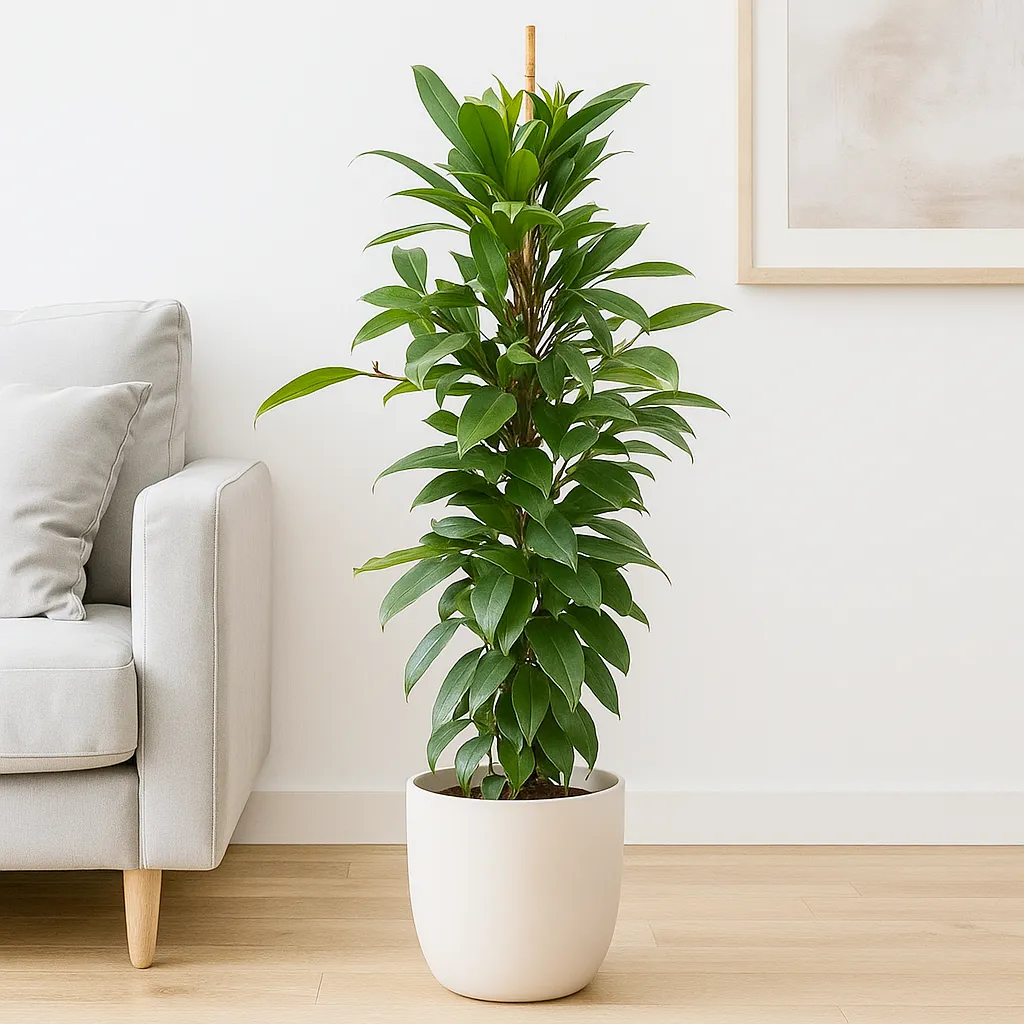
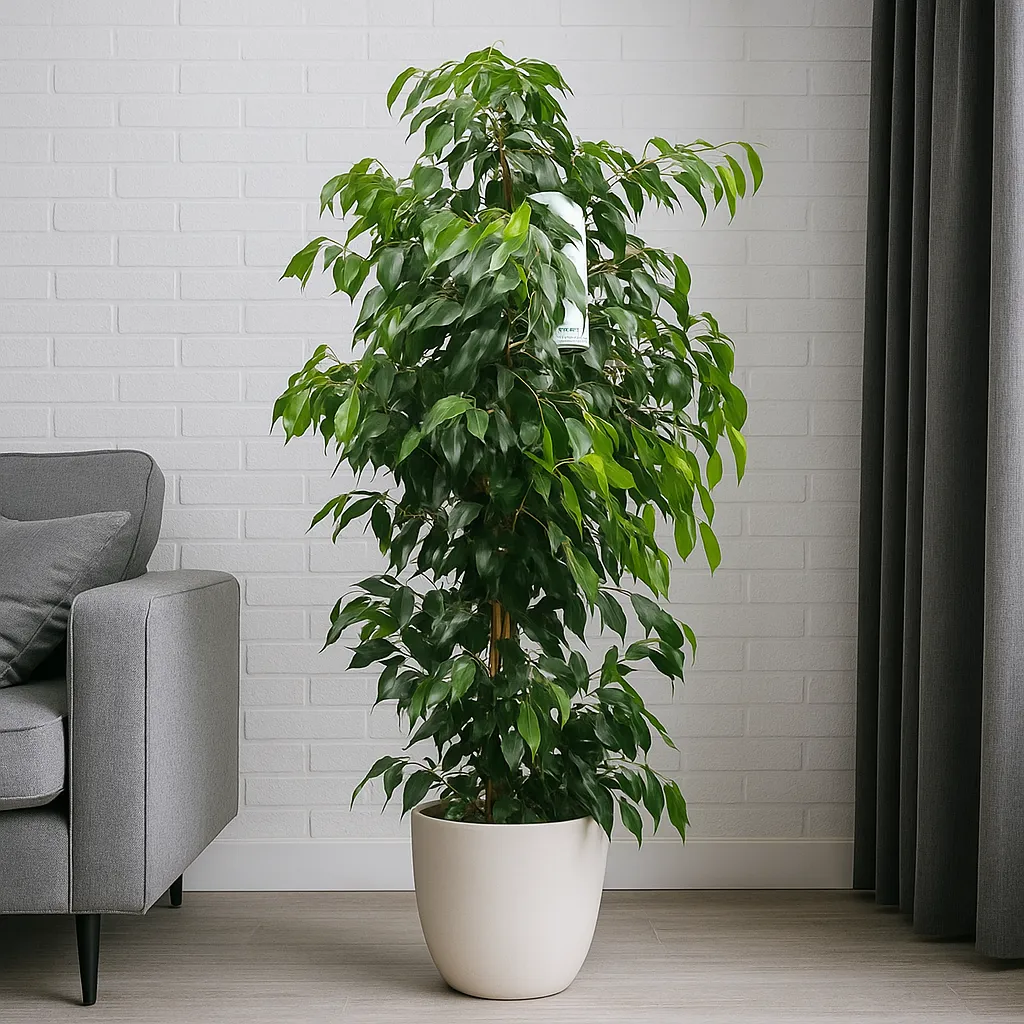
A moderate grower indoors, Ficus ‘Twilight’ typically reaches 1.5–2 metres in height, forming an elegant, tree-like silhouette with time. With proper care, it can live for many years, gradually maturing into a refined and calming presence in your home.
Common Issues
-
Leaf drop: Often caused by sudden light or temperature changes, overwatering, or relocation.
-
Yellow leaves: Overwatering or poor drainage.
-
Brown edges: Low humidity or under-watering.
-
Pests: Occasionally affected by scale or spider mites; treat with neem oil or insecticidal soap.
Background and Benefits
Ficus benjamina ‘Twilight’ is a cultivated variety of the Weeping Fig, native to the tropical forests of Southeast Asia and northern Australia. The cultivar was selected for its luminous variegation and compact, manageable growth habit — making it an ideal indoor ornamental tree.
Like other Ficus species, it’s an effective natural air purifier, filtering airborne toxins such as formaldehyde and benzene. Symbolically, Ficus plants represent harmony, endurance, and growth — qualities that make ‘Twilight’ a wonderful choice for both homes and workplaces.
Quick Care Summary
-
Light: Bright, indirect light; avoid harsh direct sun
-
Water: Keep soil lightly moist; allow top 3–5 cm to dry
-
Temperature: 18–28 °C; avoid below 15 °C
-
Humidity: Moderate (40–60%)
-
Soil: Well-draining mix – compost, perlite, bark or sand
-
Feed: Every 4–6 weeks in spring/summer
-
Growth: 1.5–2 m tall indoors; creamy-white and green variegated leaves
⚠️ Toxicity note: Mildly toxic to pets and humans if ingested; sap may cause mild skin irritation.
Styling Tip
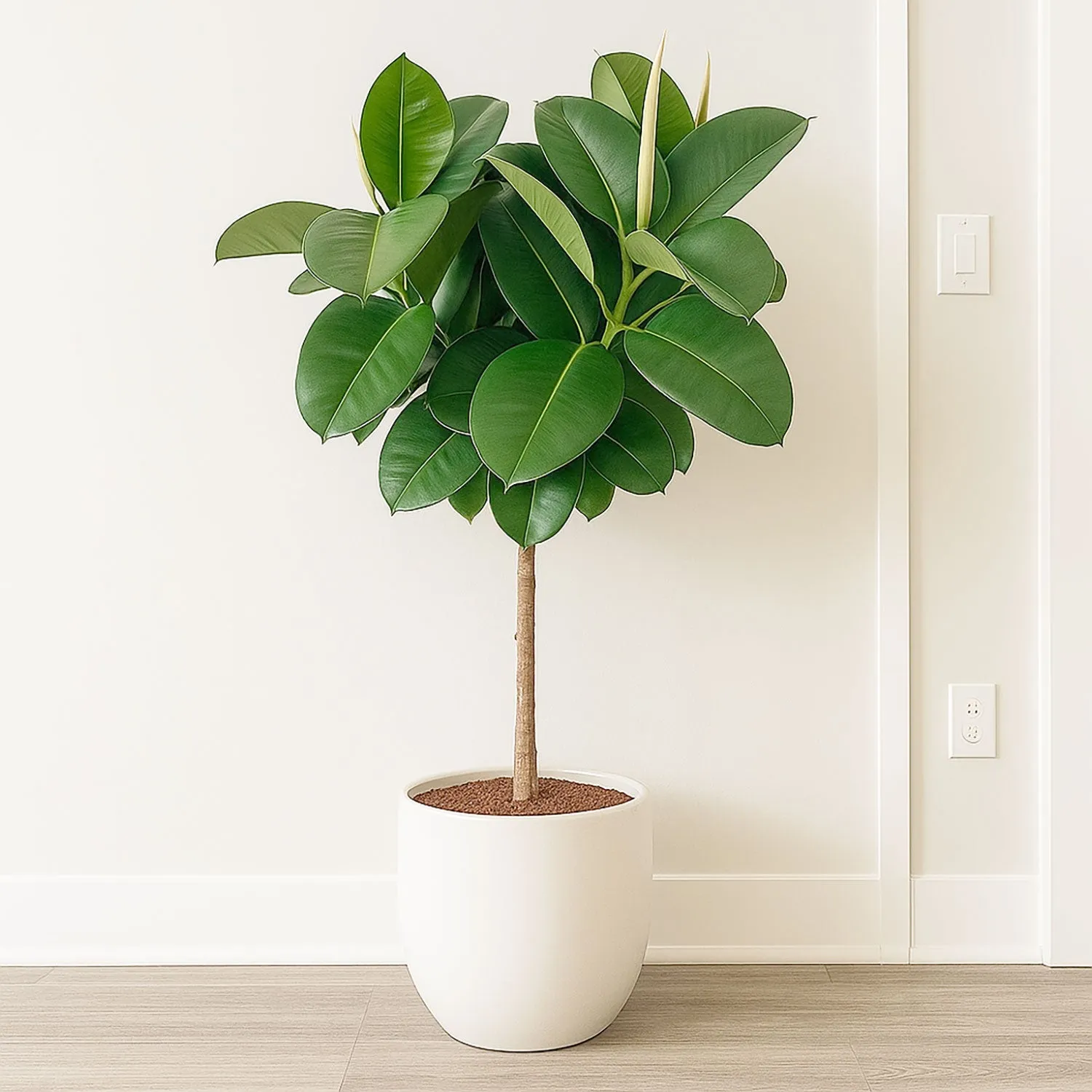
Showcase Ficus ‘Twilight’ as a floor-standing statement plant in a bright, open room where its variegation can catch natural light. It looks stunning in minimalist, Scandinavian, or tropical interiors, paired with neutral or black planters that accentuate its creamy foliage. Combine with darker-leaved species such as Ficus elastica ‘Abidjan’ or Philodendron ‘Imperial Red’ for contrast. Whether placed in an office corner or living room, Ficus ‘Twilight’ adds height, structure, and calm sophistication to any space.
Product Information
Product Information
Shipping & Returns
Shipping & Returns
Description
Ficus benjamina ‘Twilight’, commonly known as the Variegated Weeping Fig, is a beautifully elegant tropical tree admired for its lush, cascading canopy and creamy-white variegated leaves. A cultivar of the classic Ficus benjamina, it brings a lighter, more refined aesthetic to interior spaces — perfect for brightening rooms with its luminous, two-toned foliage.
Each small, pointed leaf features a glossy green centre framed by soft cream or pale yellow margins, giving the plant a gentle, dappled appearance. Its slender branches form a graceful, arching shape that evokes natural movement and tranquillity. Compact, long-lived, and full of texture, Ficus ‘Twilight’ makes an ideal feature plant for homes, conservatories, or offices seeking tropical elegance with minimal fuss.
With its serene, variegated foliage and tree-like form, Ficus ‘Twilight’ is both classic and contemporary — a refined indoor tree that effortlessly complements any interior style.
Ficus benjamina ‘Twilight’ – Care Guide
Light
Thrives in bright, indirect light to maintain its vivid variegation. A few hours of gentle morning or late afternoon sun are beneficial, but avoid harsh midday sunlight, which can scorch the leaves. Too little light may lead to dull colouring or leaf drop. East- or west-facing windows are ideal.
Watering
Water when the top 3–5 cm of soil feels dry. Keep the soil lightly moist during the growing season (spring and summer), but ensure the pot drains well — Ficus ‘Twilight’ dislikes soggy conditions. In winter, allow the soil to dry slightly more between waterings.
Temperature and Humidity
Temperature: Prefers warmth between 18–28 °C. Protect from cold drafts and avoid temperatures below 15 °C.
Humidity: Average indoor humidity (40–60%) is sufficient, though slightly higher humidity promotes healthier, glossier foliage. Mist occasionally or place near other tropical plants if the air is dry.
Soil and Potting
Use a rich, free-draining potting mix — compost blended with perlite and a little sand or bark for aeration. Repot every 2–3 years in spring or when the plant becomes root-bound, choosing a heavy, stable pot to support its height.
Feeding
Feed every 4–6 weeks in spring and summer with a balanced liquid fertiliser diluted to half strength. Stop feeding during autumn and winter when growth naturally slows.
Pruning and Maintenance
Prune lightly in spring or summer to shape the canopy and remove any dead, leggy, or crossing branches. Regular pruning helps maintain a compact, symmetrical form. Wipe the leaves occasionally with a soft, damp cloth to remove dust and restore their natural shine. Rotate periodically for even growth.
Growth and Maturity
A moderate grower indoors, Ficus ‘Twilight’ typically reaches 1.5–2 metres in height, forming an elegant, tree-like silhouette with time. With proper care, it can live for many years, gradually maturing into a refined and calming presence in your home.
Common Issues
-
Leaf drop: Often caused by sudden light or temperature changes, overwatering, or relocation.
-
Yellow leaves: Overwatering or poor drainage.
-
Brown edges: Low humidity or under-watering.
-
Pests: Occasionally affected by scale or spider mites; treat with neem oil or insecticidal soap.
Background and Benefits
Ficus benjamina ‘Twilight’ is a cultivated variety of the Weeping Fig, native to the tropical forests of Southeast Asia and northern Australia. The cultivar was selected for its luminous variegation and compact, manageable growth habit — making it an ideal indoor ornamental tree.
Like other Ficus species, it’s an effective natural air purifier, filtering airborne toxins such as formaldehyde and benzene. Symbolically, Ficus plants represent harmony, endurance, and growth — qualities that make ‘Twilight’ a wonderful choice for both homes and workplaces.
Quick Care Summary
-
Light: Bright, indirect light; avoid harsh direct sun
-
Water: Keep soil lightly moist; allow top 3–5 cm to dry
-
Temperature: 18–28 °C; avoid below 15 °C
-
Humidity: Moderate (40–60%)
-
Soil: Well-draining mix – compost, perlite, bark or sand
-
Feed: Every 4–6 weeks in spring/summer
-
Growth: 1.5–2 m tall indoors; creamy-white and green variegated leaves
⚠️ Toxicity note: Mildly toxic to pets and humans if ingested; sap may cause mild skin irritation.
Styling Tip
Showcase Ficus ‘Twilight’ as a floor-standing statement plant in a bright, open room where its variegation can catch natural light. It looks stunning in minimalist, Scandinavian, or tropical interiors, paired with neutral or black planters that accentuate its creamy foliage. Combine with darker-leaved species such as Ficus elastica ‘Abidjan’ or Philodendron ‘Imperial Red’ for contrast. Whether placed in an office corner or living room, Ficus ‘Twilight’ adds height, structure, and calm sophistication to any space.