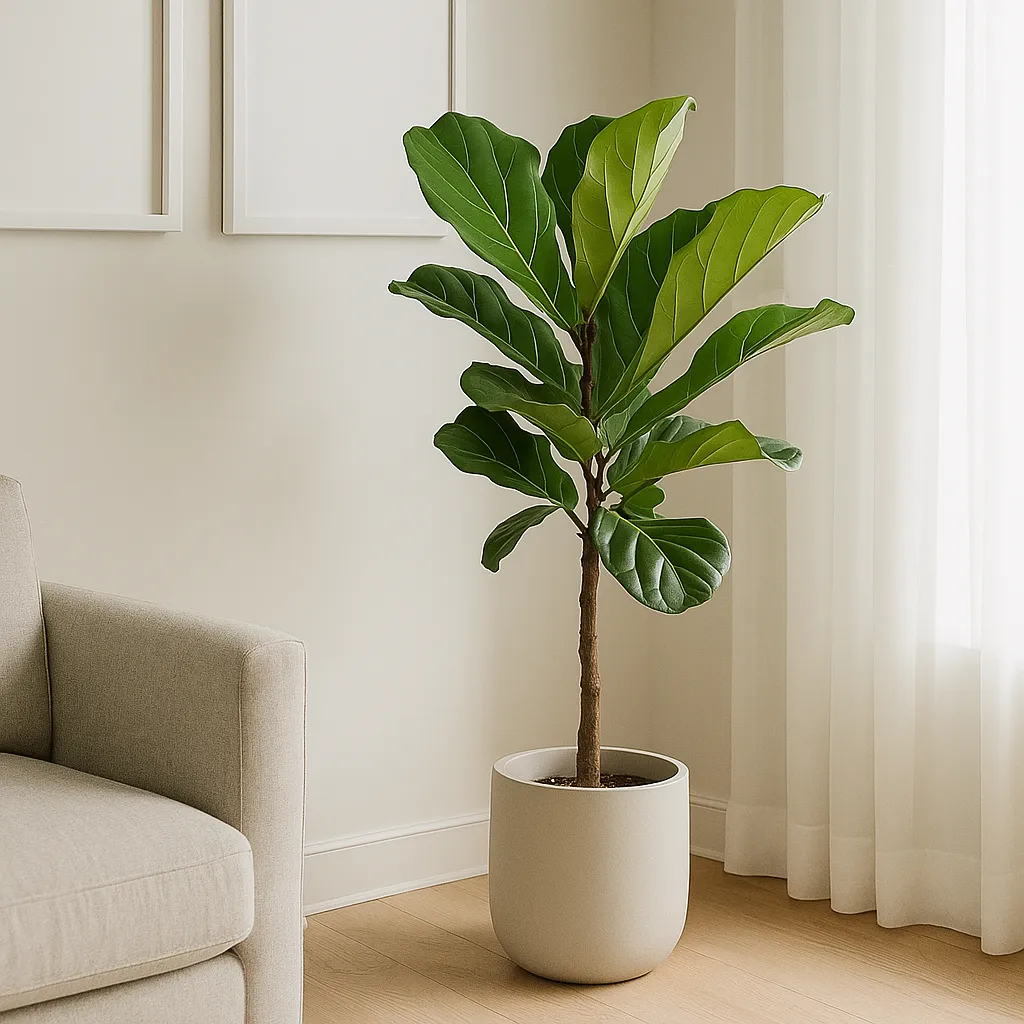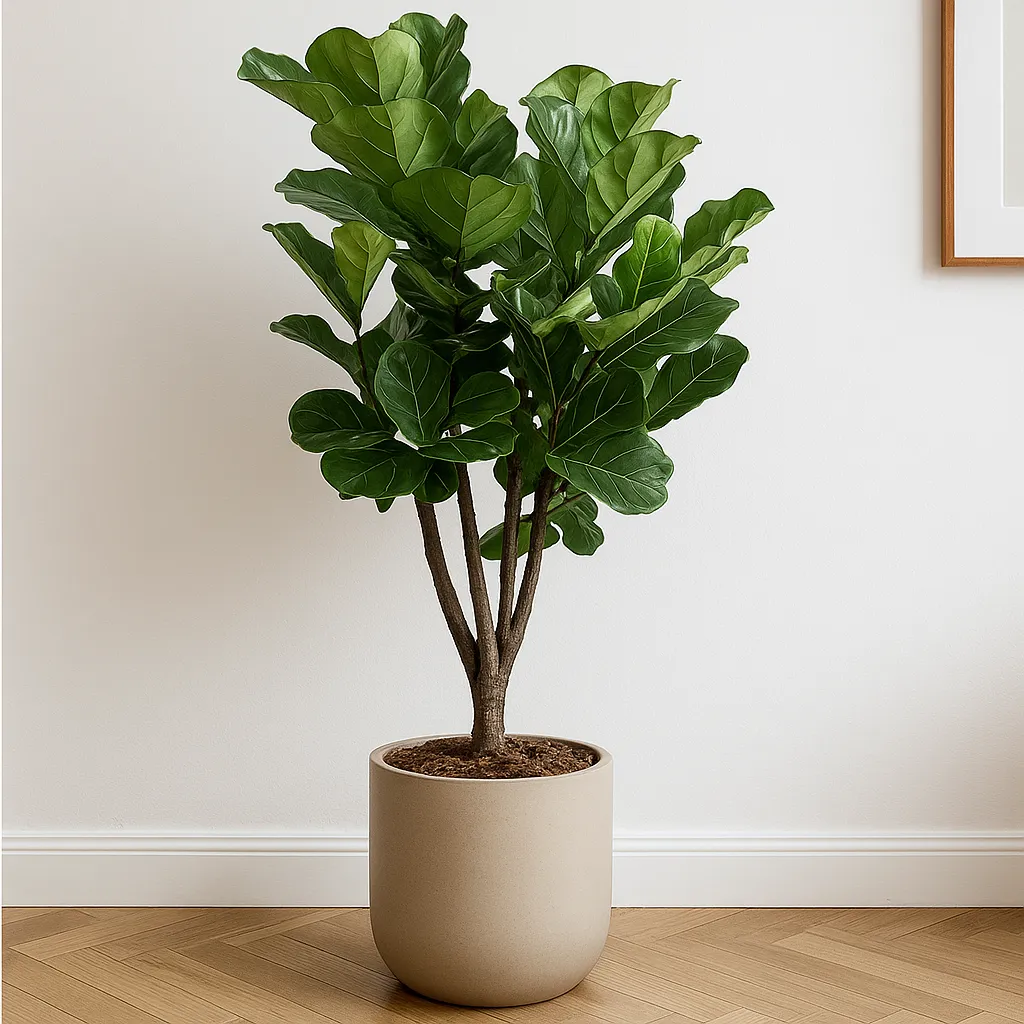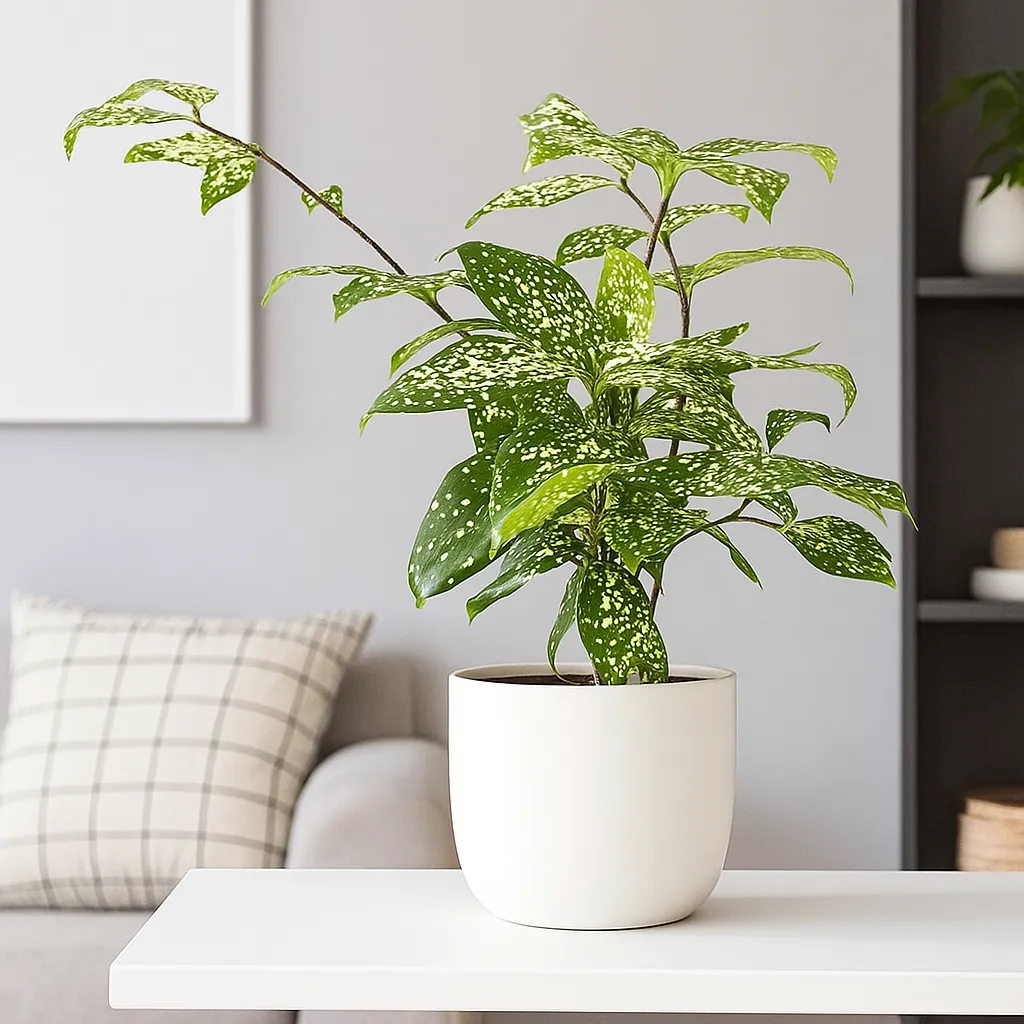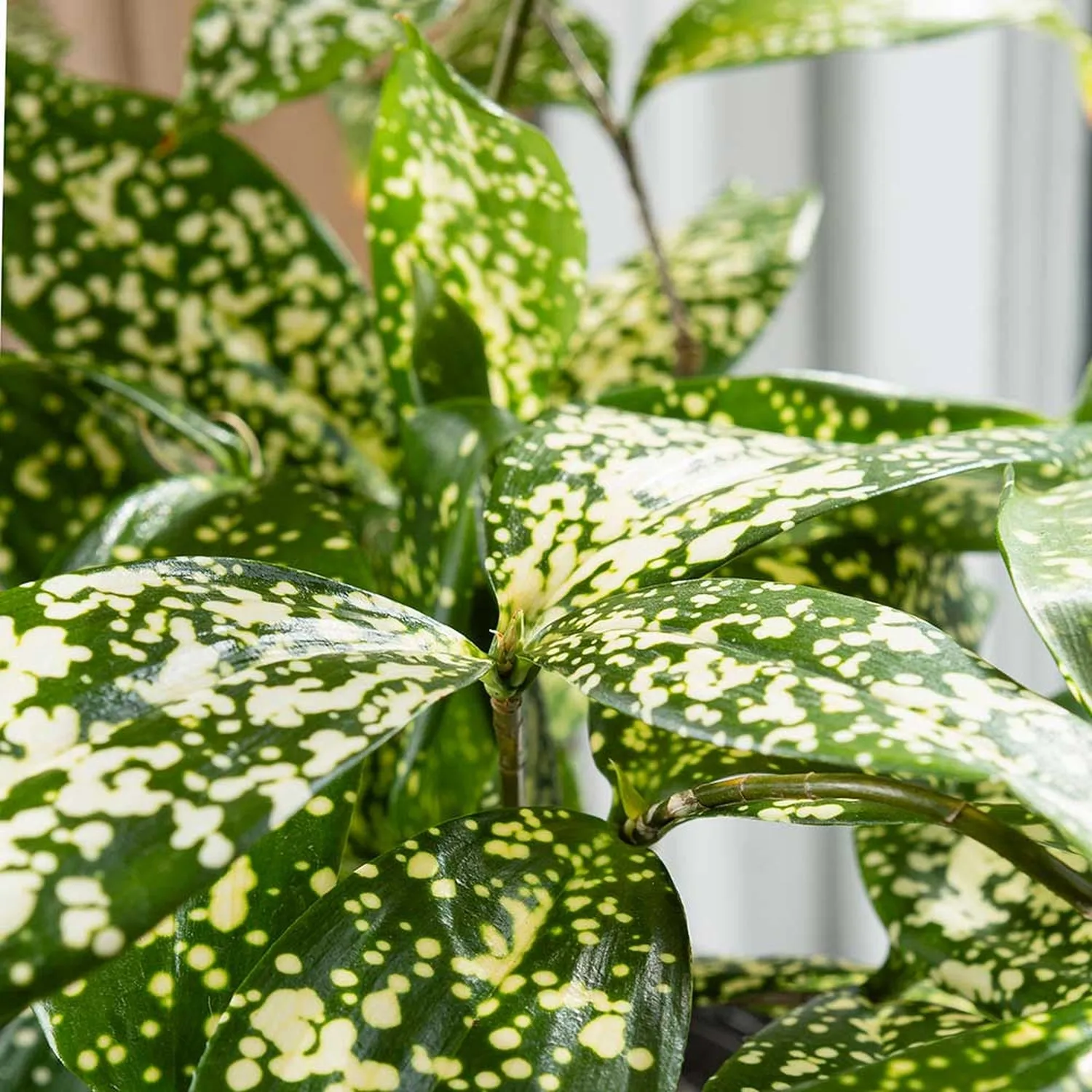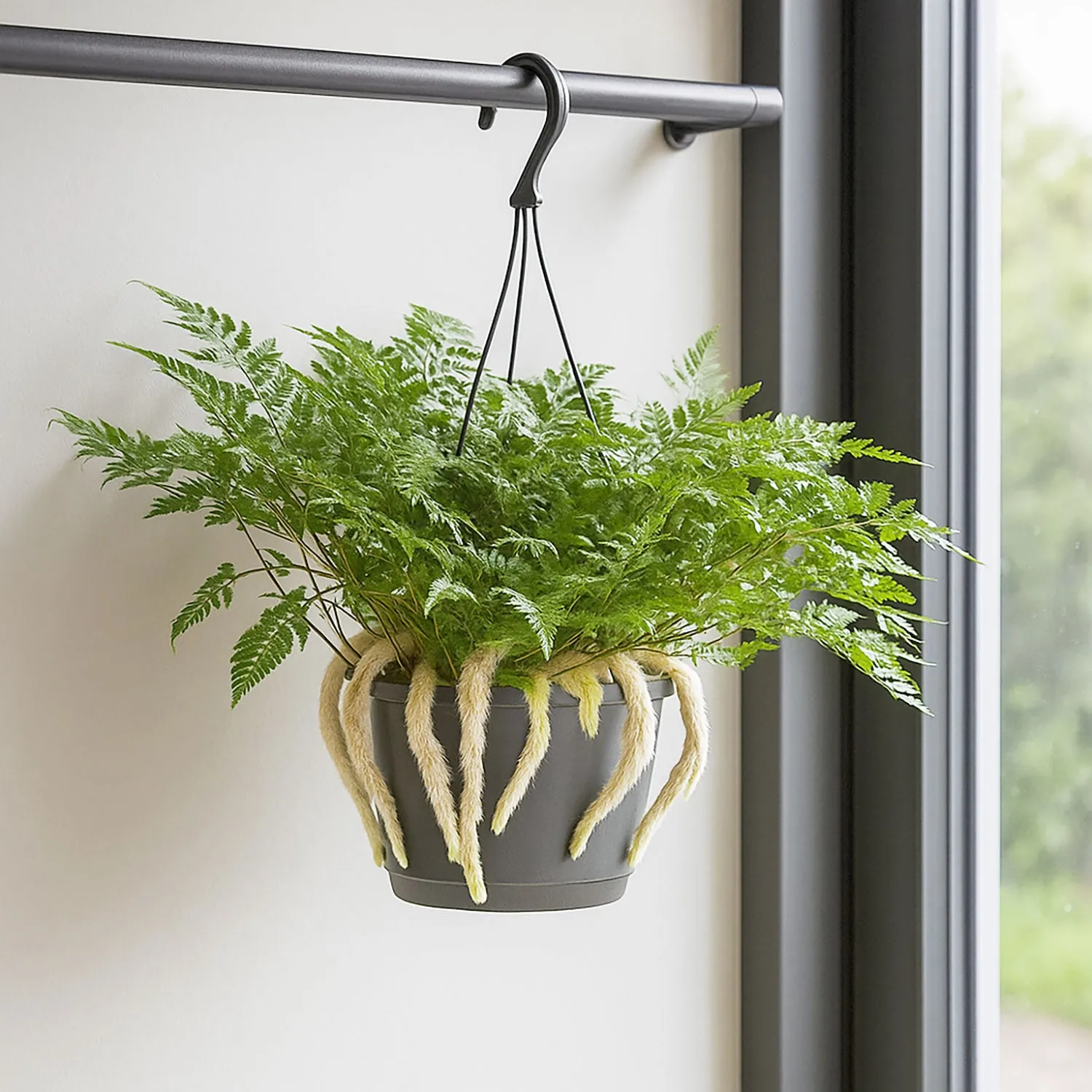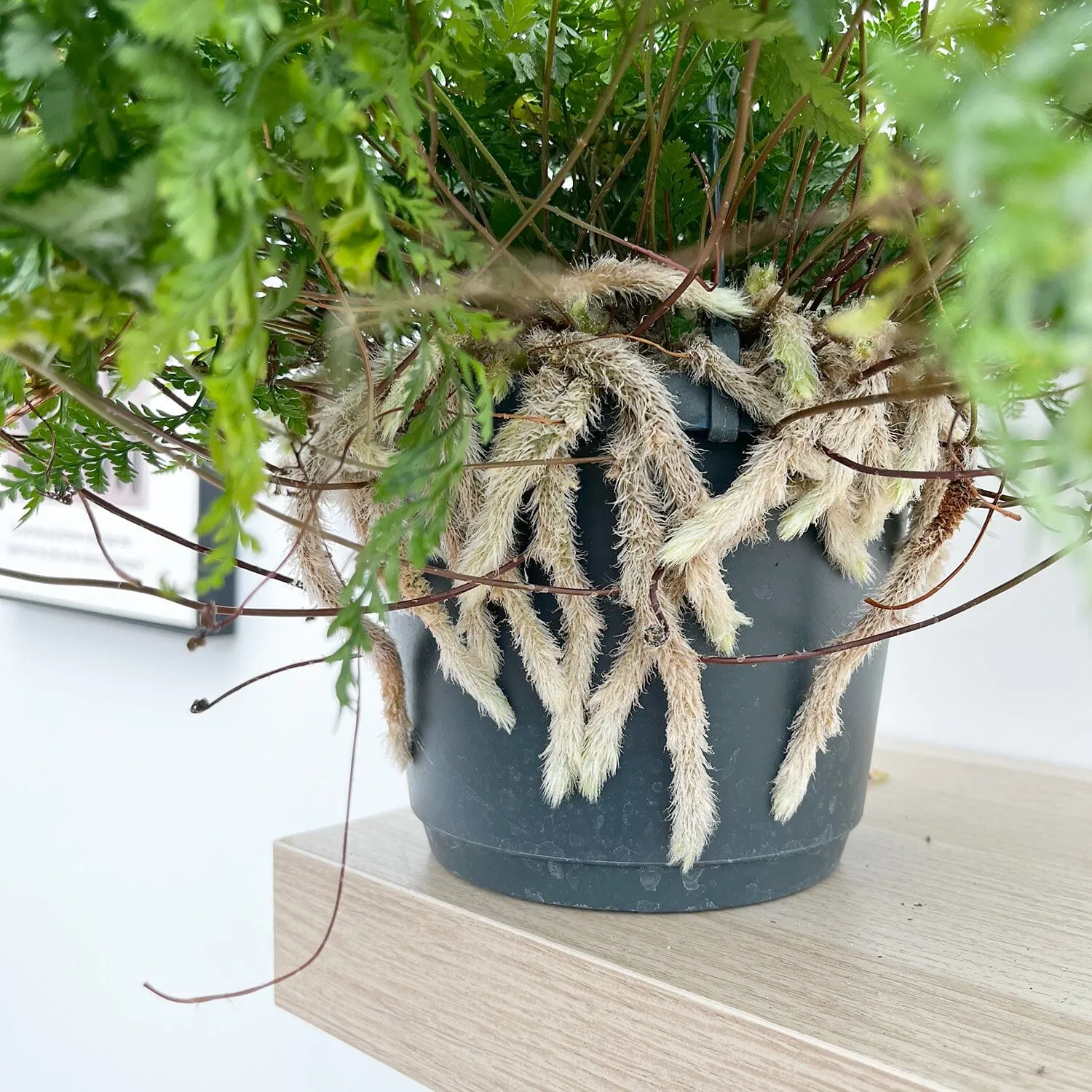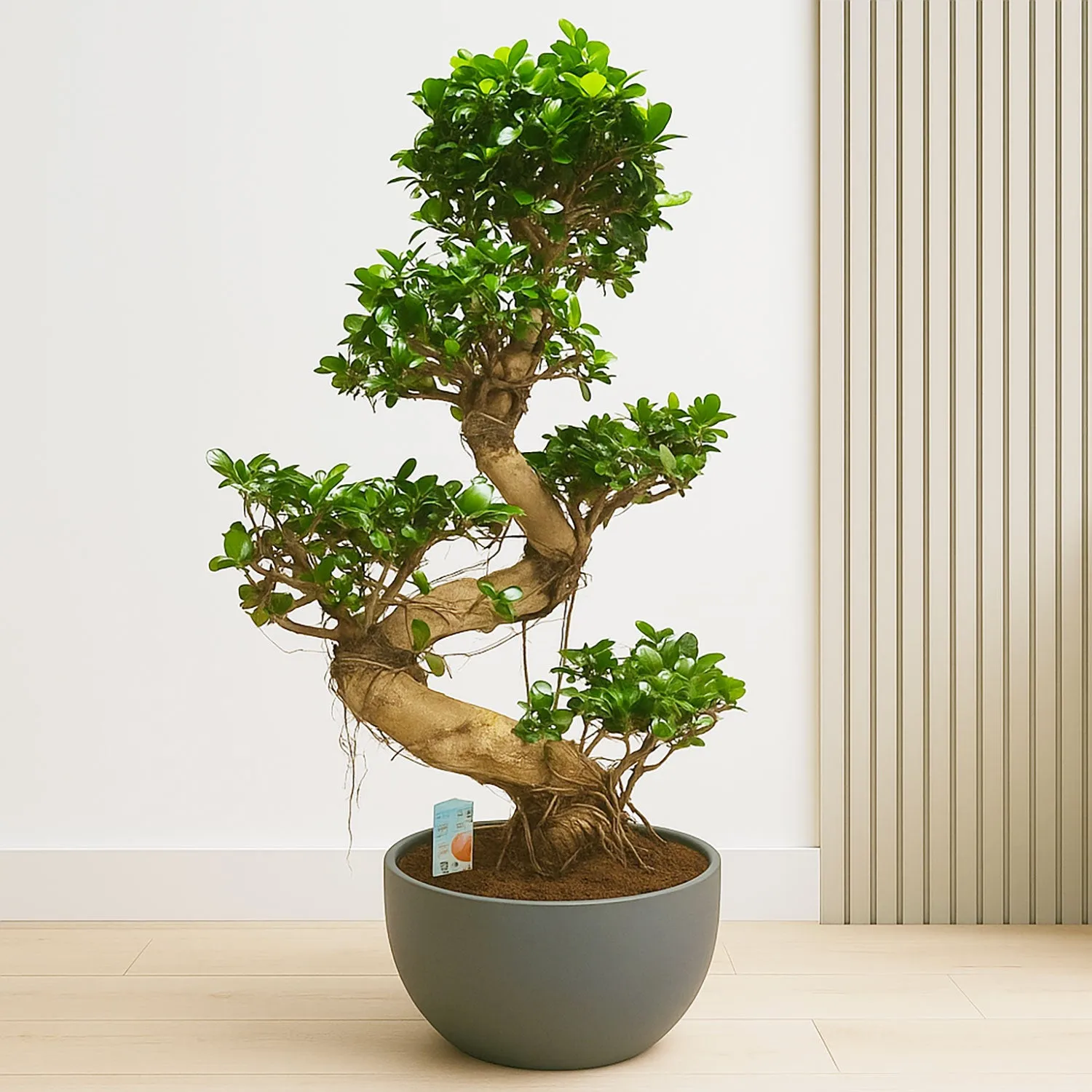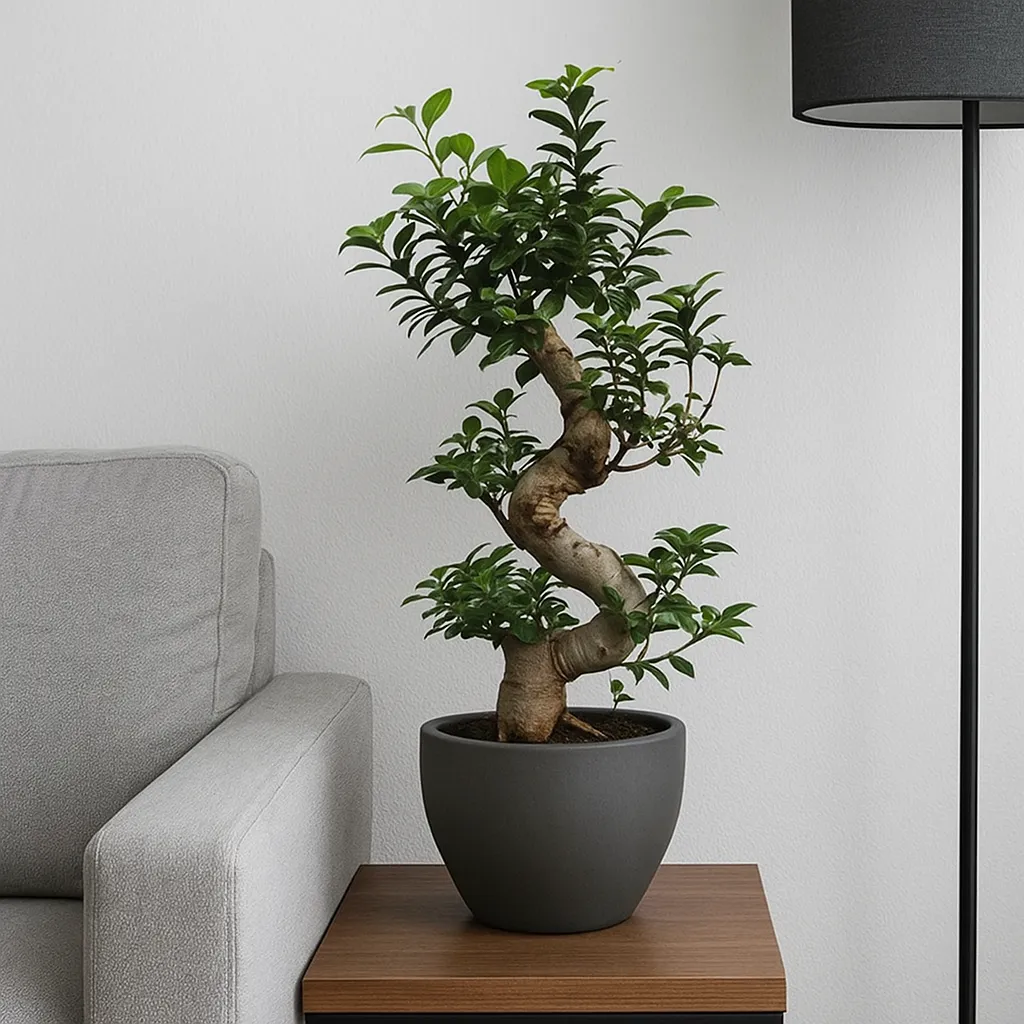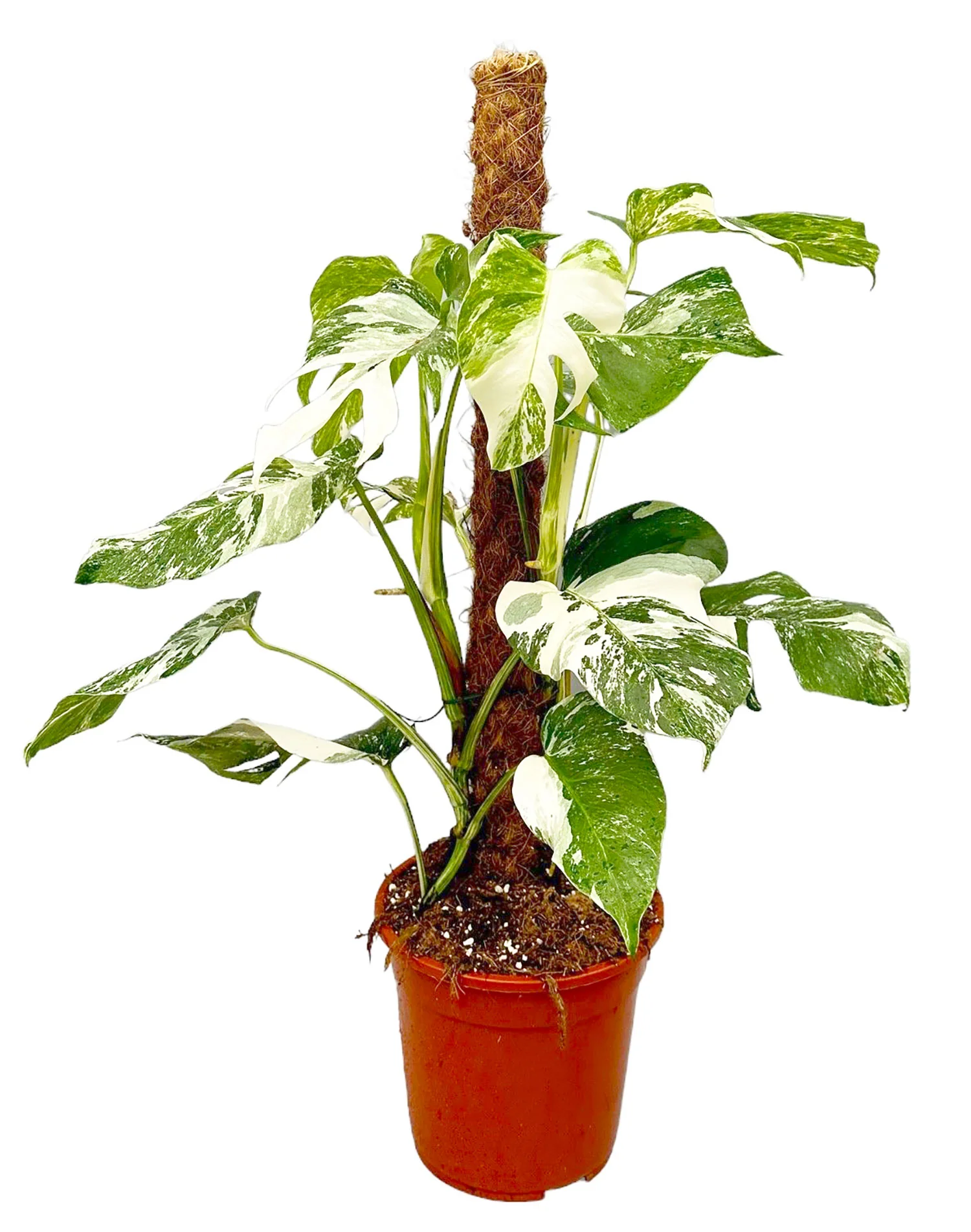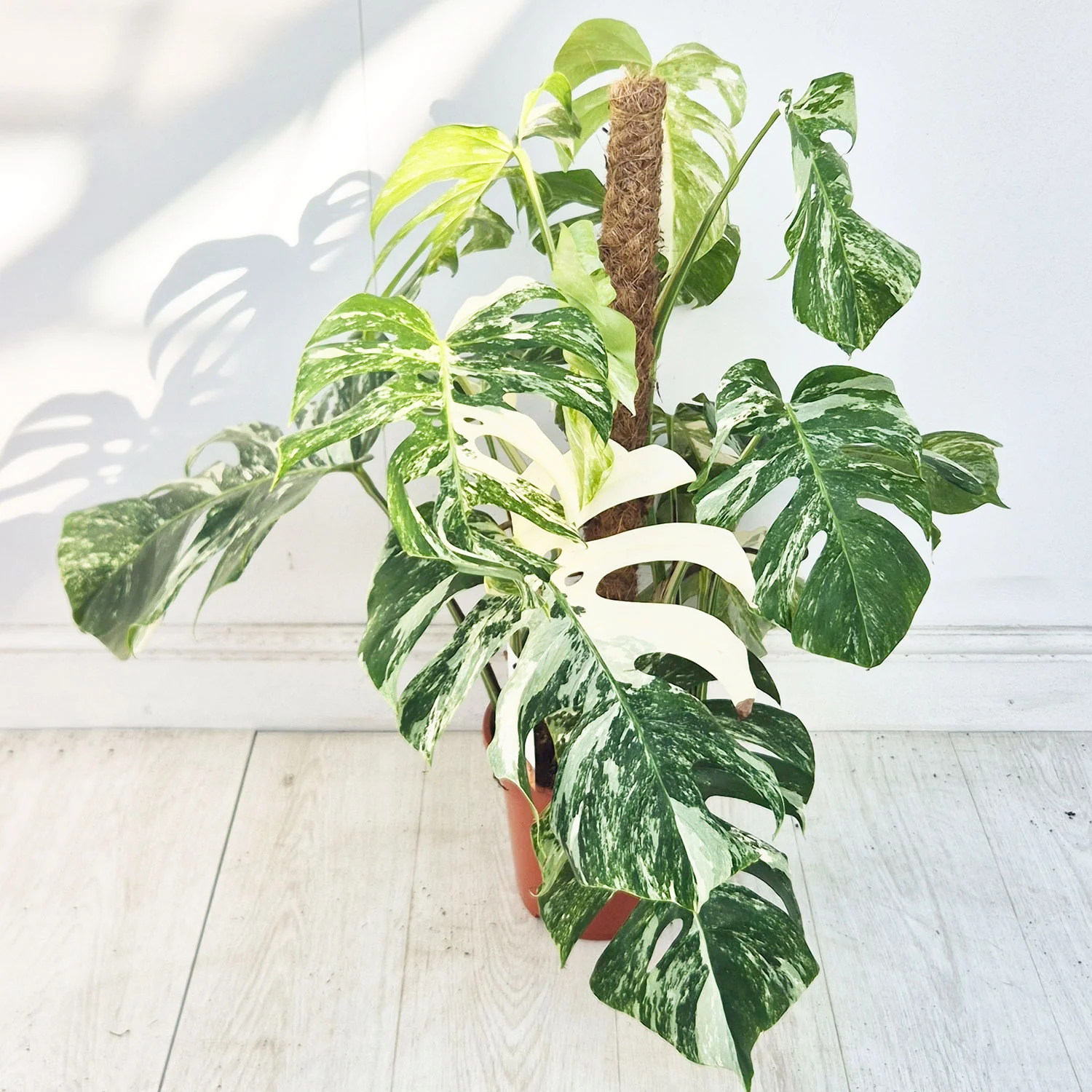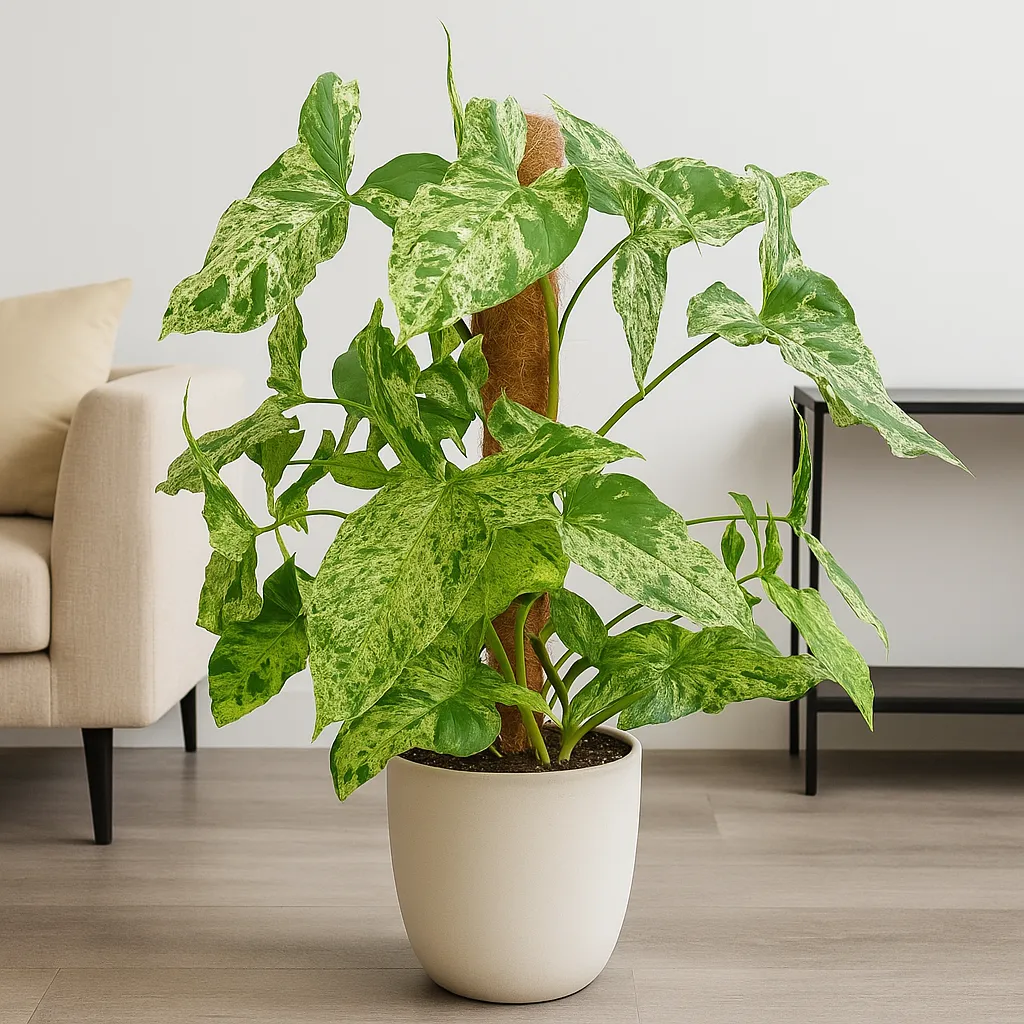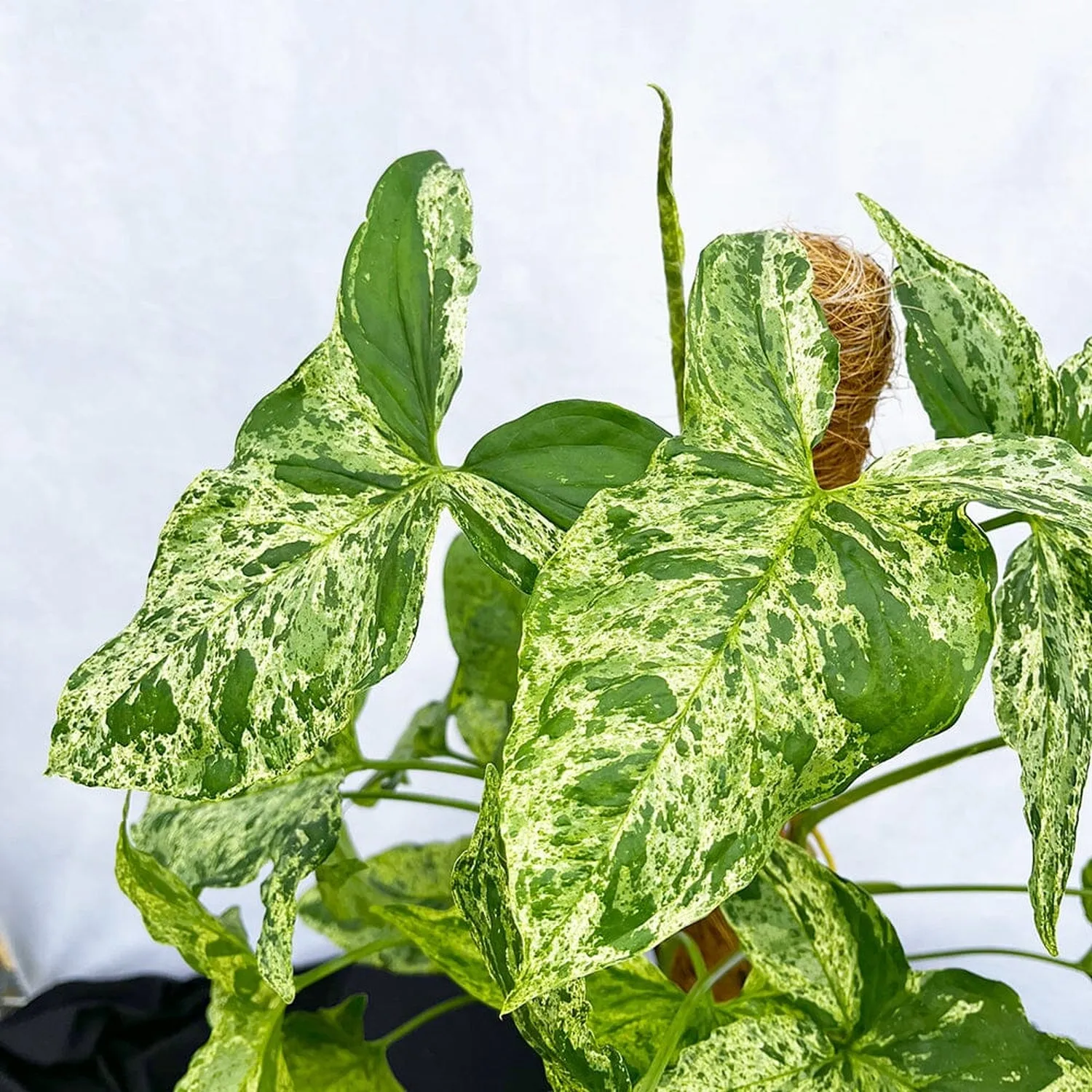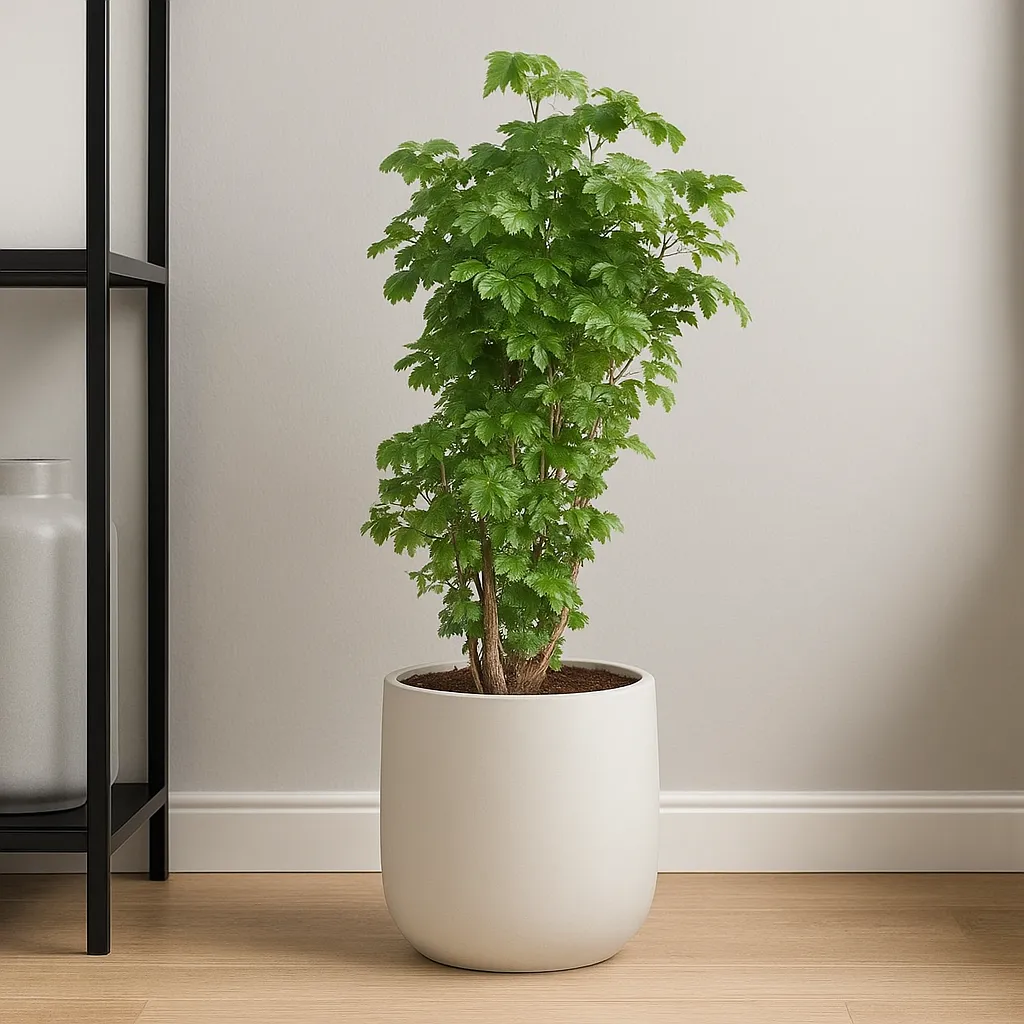
100 - 120cm Polyscias Roble Plant 24cm Pot House Plant
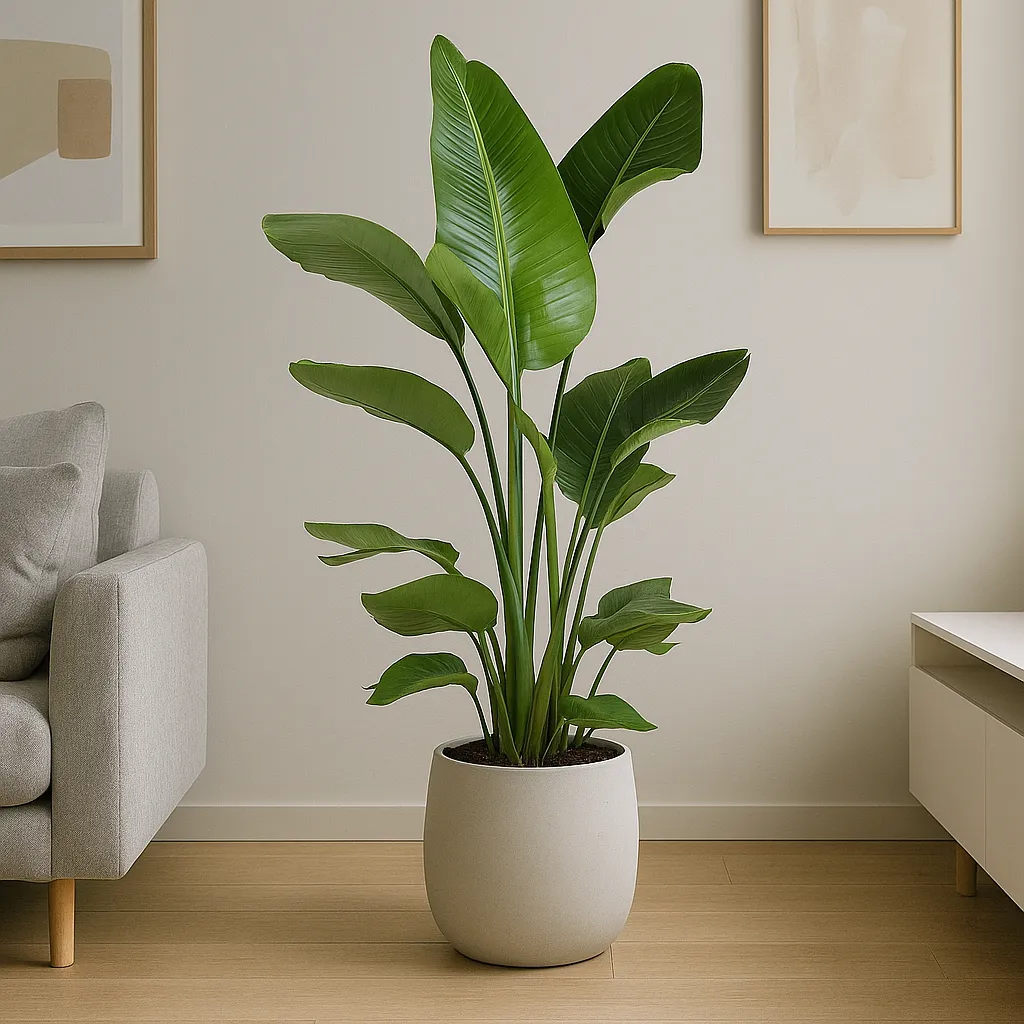
Polyscias roble is a striking tropical foliage plant from the Araliaceae family, native to Southeast Asia and the Pacific Islands. The genus Polyscias is known for its elegant, upright shrubs with finely divided leaves, often cultivated as statement indoor plants. The ‘Roble’ variety is prized for its lush greenery, bushy growth, and strong architectural presence.
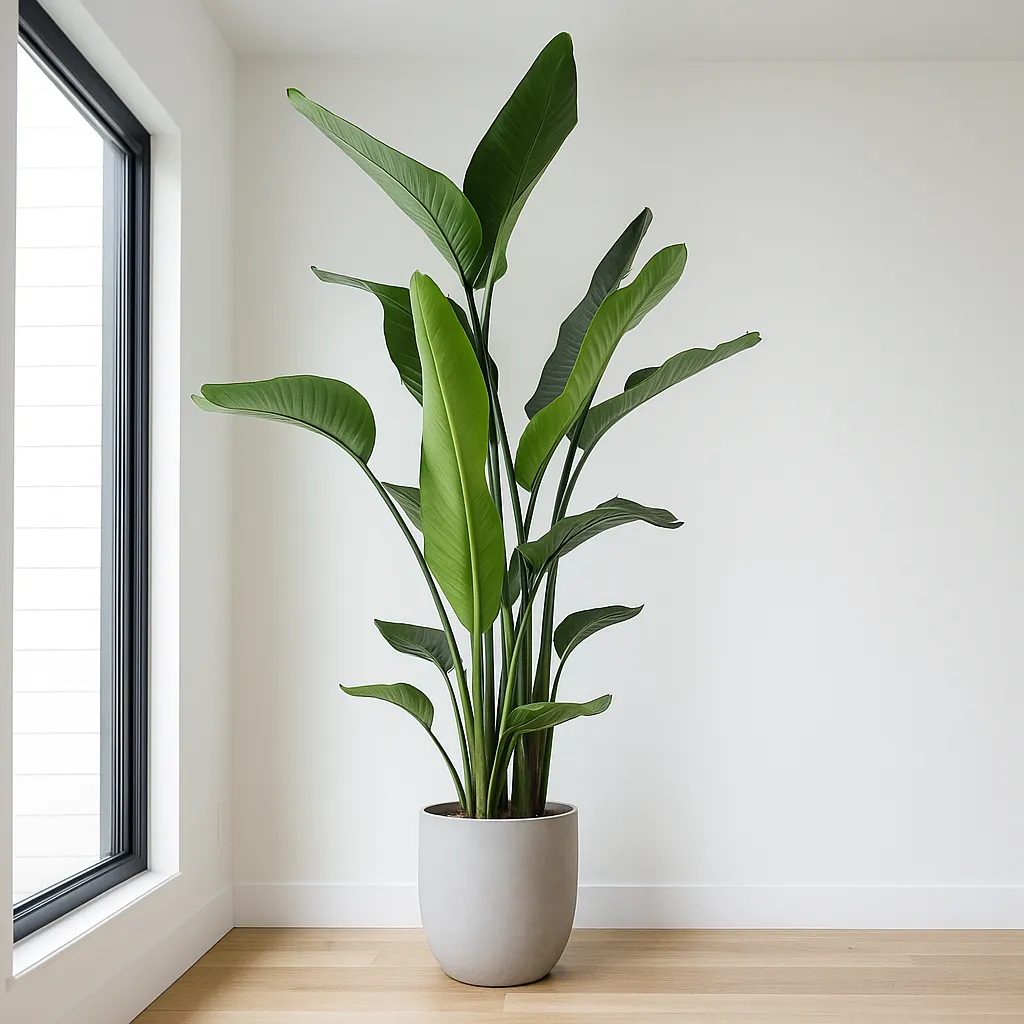
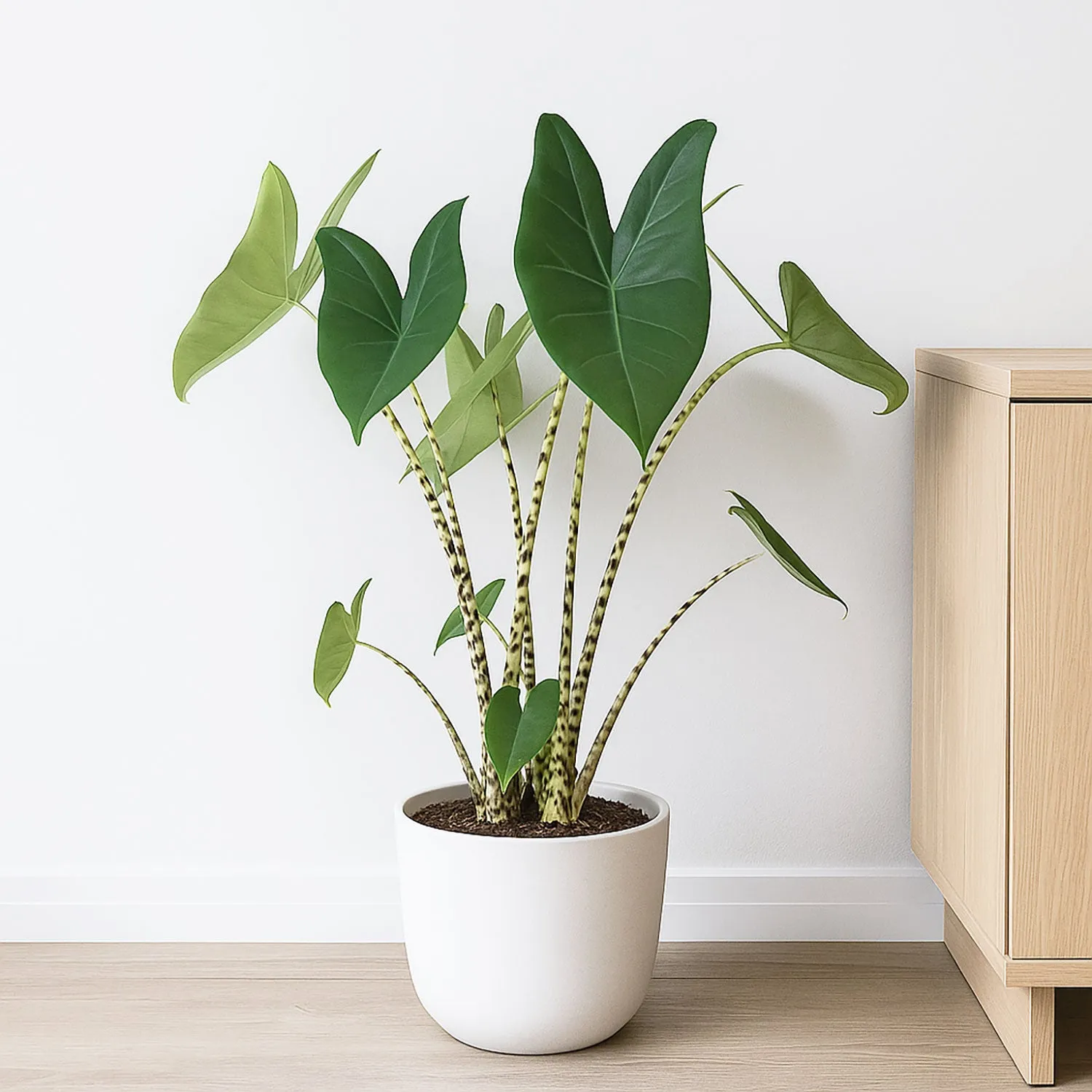
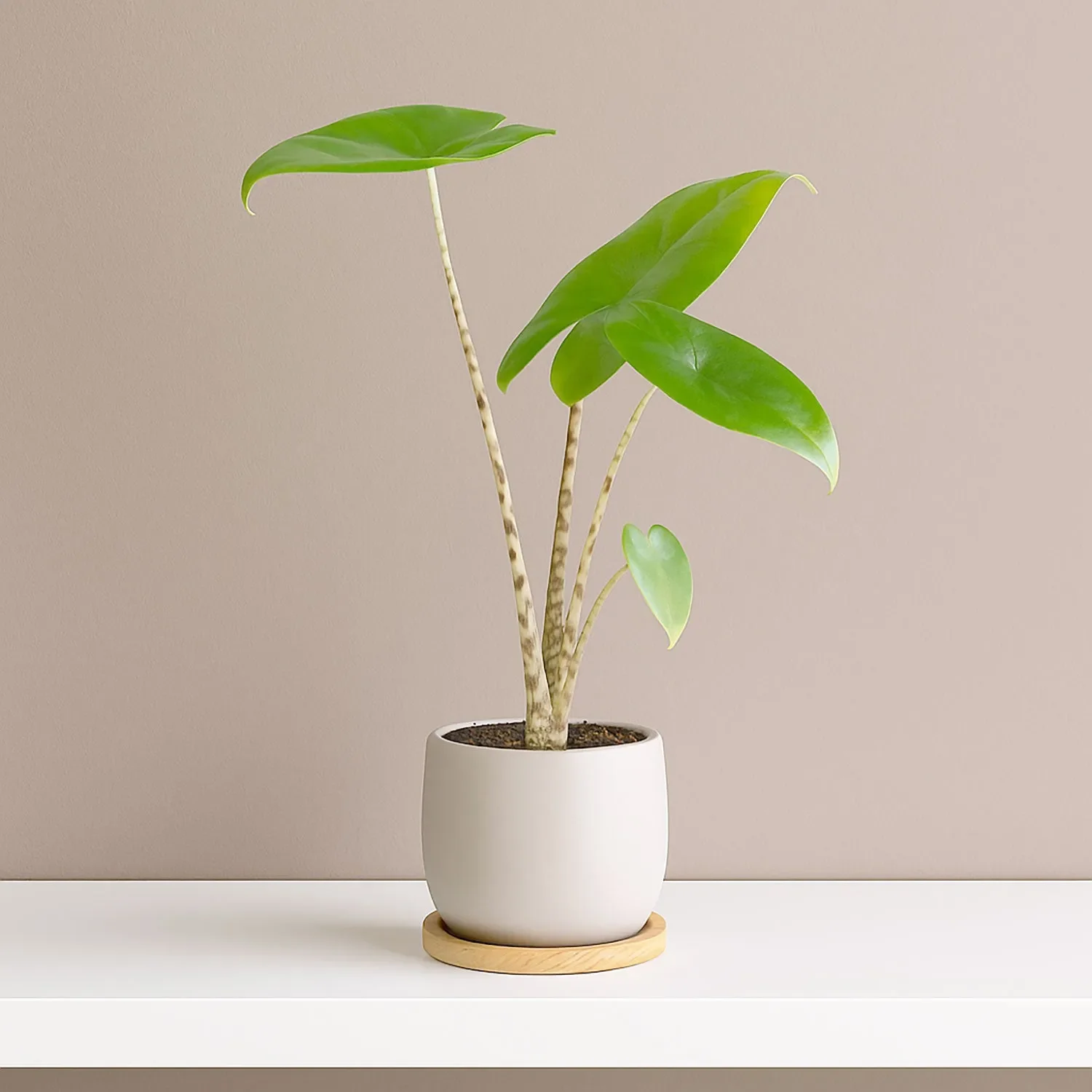
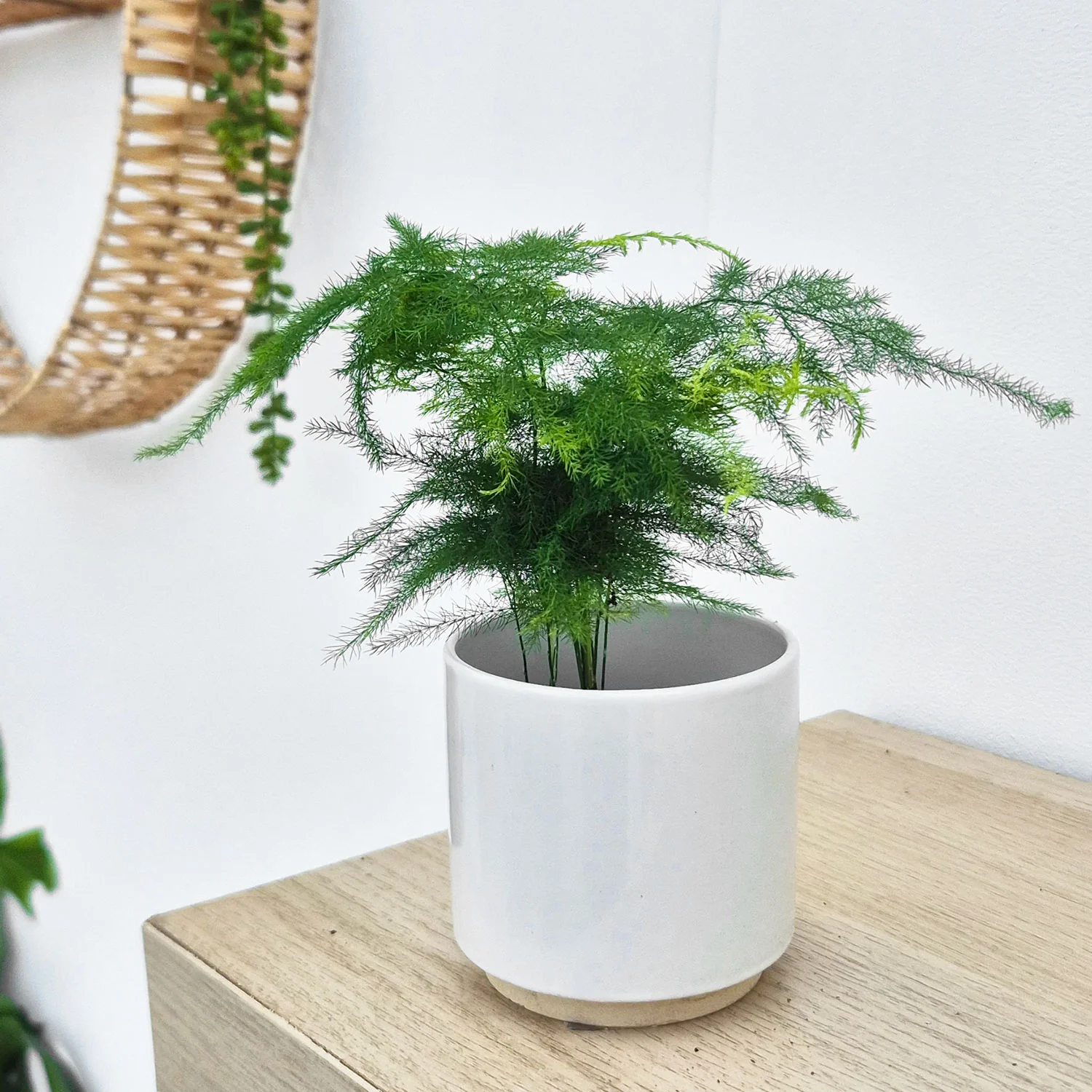
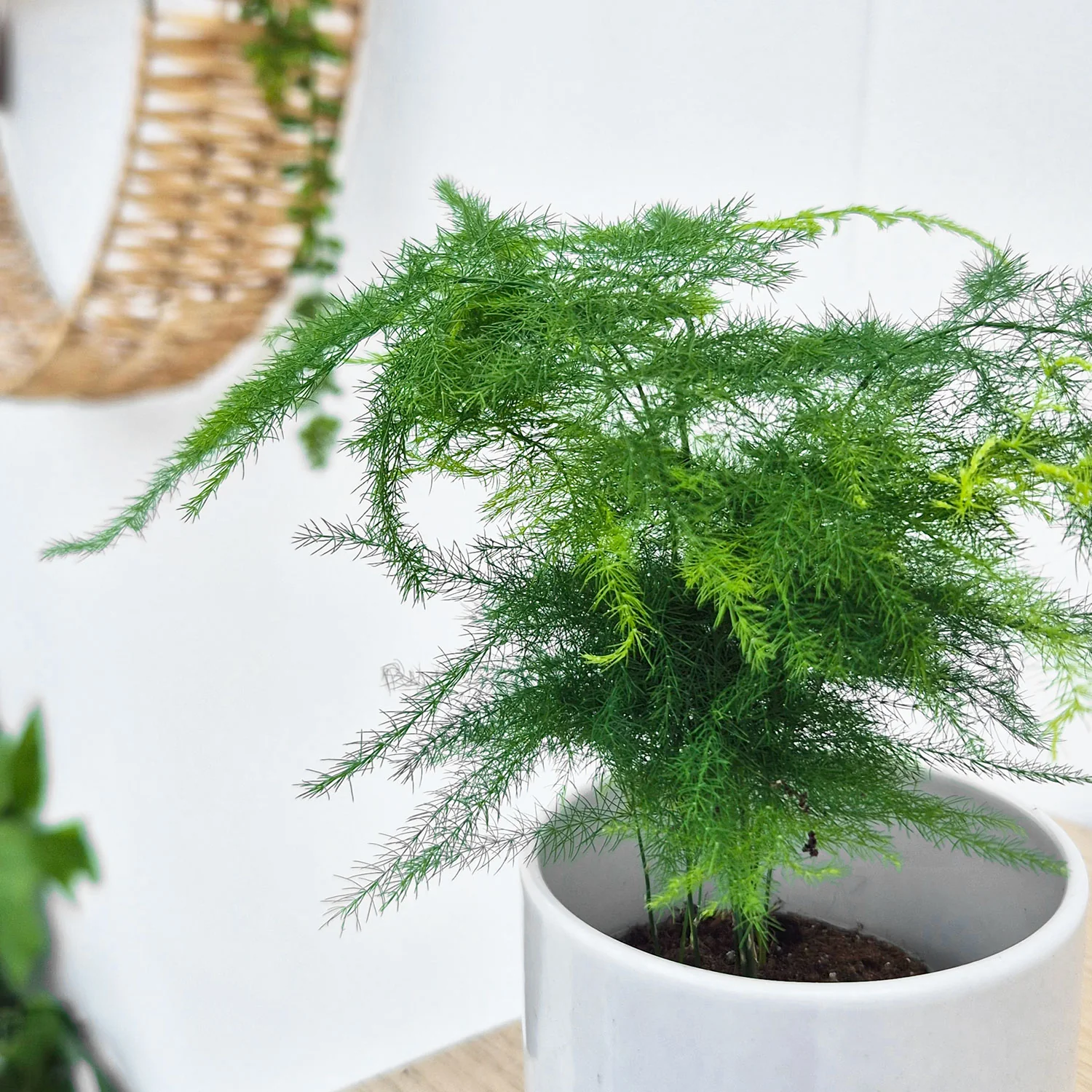
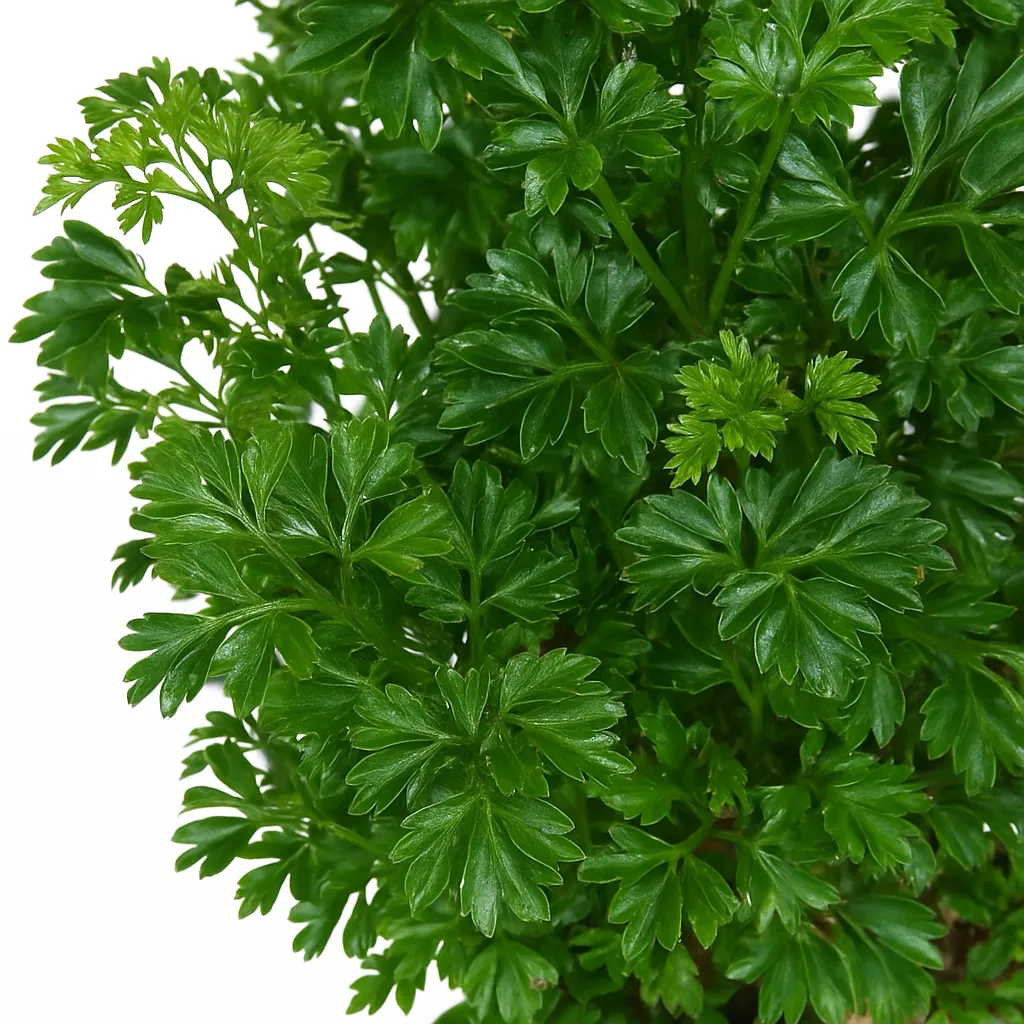
The foliage is made up of compound leaves with multiple small, glossy, rounded leaflets in deep green. This creates a dense, feathery canopy of leaves that gives the plant a soft, textured look while retaining an upright, columnar growth habit. Unlike many other tropical houseplants, Polyscias roble maintains a neat and vertical form, making it ideal for hallways, offices, or smaller living areas where floor space is limited but a tall, leafy display is desired.
Indoors, Polyscias roble usually grows to around 1.2–1.5 m tall, but with proper care and space it may reach over 2 m. It is popular for its ability to bring a natural, calming atmosphere into interiors with its elegant tree-like form.
Polyscias roble – Care Guide
Light
Prefers bright, indirect light. It will tolerate medium light, but growth may be slower and foliage less dense. Avoid direct sunlight, which may scorch the delicate leaflets.
Watering
Keep the soil lightly moist but never soggy. Water when the top 3–5 cm of soil feels dry, and always allow excess water to drain away. Overwatering can cause root rot, while underwatering may lead to leaf drop.
Temperature and Humidity
-
Temperature: Thrives in 18–26°C. Protect from draughts and avoid temperatures below 15°C.
-
Humidity: Prefers moderate to high humidity. In dry homes, mist occasionally or place near a humidifier.
Soil and Potting
Use a free-draining, peat-free houseplant compost enriched with perlite. Repot every 2–3 years in spring to refresh the soil and maintain healthy root growth.
Feeding
Apply a balanced liquid fertiliser every 4–6 weeks during the growing season (spring and summer). Stop feeding in autumn and winter when growth slows.
Pruning and Maintenance
Prune lightly to maintain shape and encourage bushiness. Remove any yellowing or damaged leaves promptly.
Growth and Maturity
A steady grower, usually reaching 1.2–1.5 m indoors. With consistent care and occasional pruning, it develops into a dense, upright indoor tree.
Common Issues
-
Leaf drop: Usually caused by low humidity, underwatering, or sudden environmental changes.
-
Yellowing leaves: Often a sign of overwatering.
-
Pests: May occasionally attract scale insects or mealybugs; inspect regularly.
Background and Benefits
The name Polyscias means “many-shaded” in Greek, a reference to its dense foliage. The Roble variety is particularly valued for its ornamental, tree-like form in compact indoor spaces. With its elegant silhouette and air-purifying qualities, it is an excellent choice for those wanting an alternative to the more common ficus or dracaena houseplants.
✅ Quick Care Summary
-
Light: Bright, indirect; tolerates medium
-
Water: Lightly moist; let topsoil dry slightly
-
Temperature: 18–26°C; avoid below 15°C
-
Humidity: Average to high; mist in dry homes
-
Soil: Free-draining compost with perlite
-
Feed: Monthly in spring/summer
-
Growth: Upright indoor tree, 1.2–1.5 m; dense compound leaves with glossy green leaflets
Original: $79.17
-70%$79.17
$23.75Product Information
Product Information
Shipping & Returns
Shipping & Returns
Description
Polyscias roble is a striking tropical foliage plant from the Araliaceae family, native to Southeast Asia and the Pacific Islands. The genus Polyscias is known for its elegant, upright shrubs with finely divided leaves, often cultivated as statement indoor plants. The ‘Roble’ variety is prized for its lush greenery, bushy growth, and strong architectural presence.
The foliage is made up of compound leaves with multiple small, glossy, rounded leaflets in deep green. This creates a dense, feathery canopy of leaves that gives the plant a soft, textured look while retaining an upright, columnar growth habit. Unlike many other tropical houseplants, Polyscias roble maintains a neat and vertical form, making it ideal for hallways, offices, or smaller living areas where floor space is limited but a tall, leafy display is desired.
Indoors, Polyscias roble usually grows to around 1.2–1.5 m tall, but with proper care and space it may reach over 2 m. It is popular for its ability to bring a natural, calming atmosphere into interiors with its elegant tree-like form.
Polyscias roble – Care Guide
Light
Prefers bright, indirect light. It will tolerate medium light, but growth may be slower and foliage less dense. Avoid direct sunlight, which may scorch the delicate leaflets.
Watering
Keep the soil lightly moist but never soggy. Water when the top 3–5 cm of soil feels dry, and always allow excess water to drain away. Overwatering can cause root rot, while underwatering may lead to leaf drop.
Temperature and Humidity
-
Temperature: Thrives in 18–26°C. Protect from draughts and avoid temperatures below 15°C.
-
Humidity: Prefers moderate to high humidity. In dry homes, mist occasionally or place near a humidifier.
Soil and Potting
Use a free-draining, peat-free houseplant compost enriched with perlite. Repot every 2–3 years in spring to refresh the soil and maintain healthy root growth.
Feeding
Apply a balanced liquid fertiliser every 4–6 weeks during the growing season (spring and summer). Stop feeding in autumn and winter when growth slows.
Pruning and Maintenance
Prune lightly to maintain shape and encourage bushiness. Remove any yellowing or damaged leaves promptly.
Growth and Maturity
A steady grower, usually reaching 1.2–1.5 m indoors. With consistent care and occasional pruning, it develops into a dense, upright indoor tree.
Common Issues
-
Leaf drop: Usually caused by low humidity, underwatering, or sudden environmental changes.
-
Yellowing leaves: Often a sign of overwatering.
-
Pests: May occasionally attract scale insects or mealybugs; inspect regularly.
Background and Benefits
The name Polyscias means “many-shaded” in Greek, a reference to its dense foliage. The Roble variety is particularly valued for its ornamental, tree-like form in compact indoor spaces. With its elegant silhouette and air-purifying qualities, it is an excellent choice for those wanting an alternative to the more common ficus or dracaena houseplants.
✅ Quick Care Summary
-
Light: Bright, indirect; tolerates medium
-
Water: Lightly moist; let topsoil dry slightly
-
Temperature: 18–26°C; avoid below 15°C
-
Humidity: Average to high; mist in dry homes
-
Soil: Free-draining compost with perlite
-
Feed: Monthly in spring/summer
-
Growth: Upright indoor tree, 1.2–1.5 m; dense compound leaves with glossy green leaflets