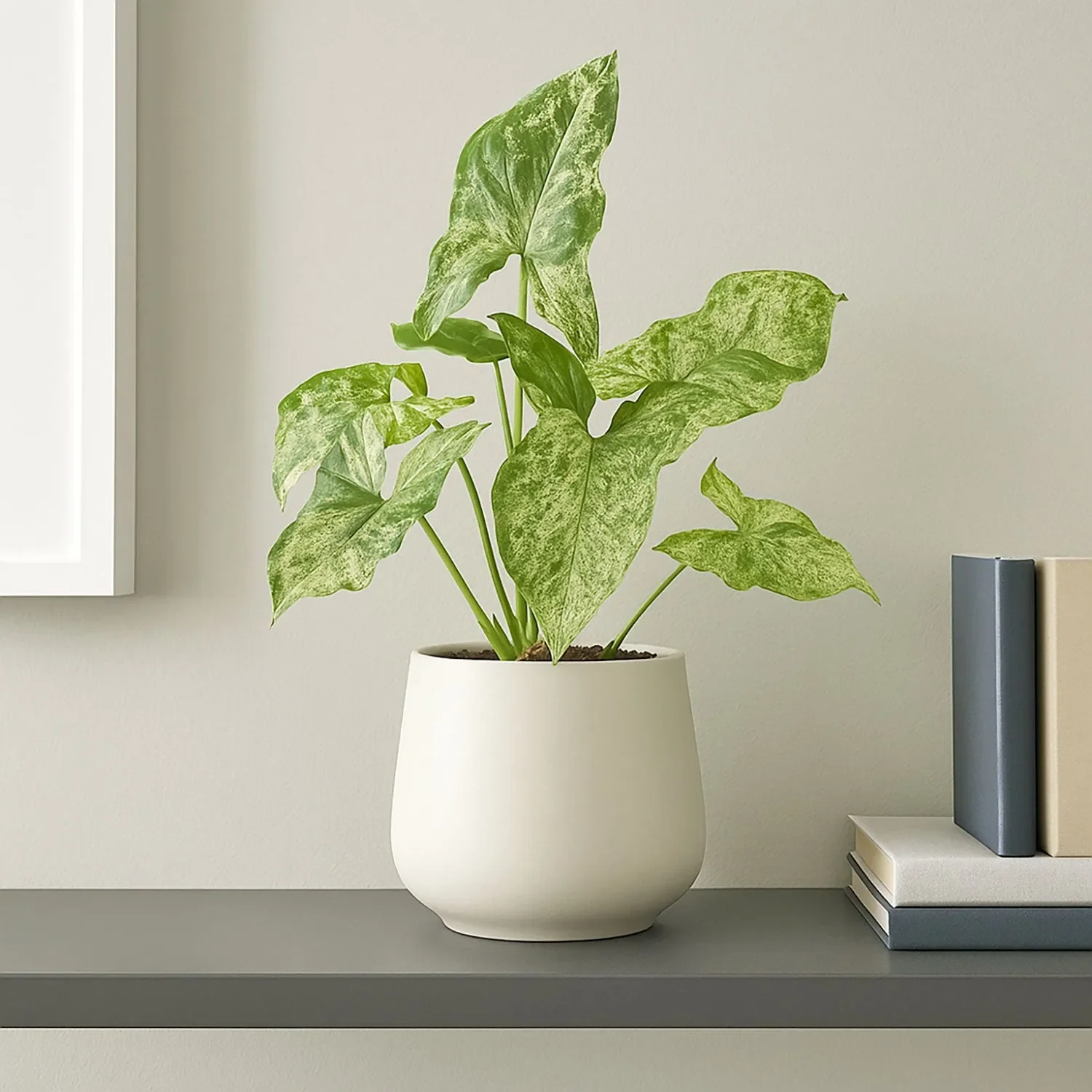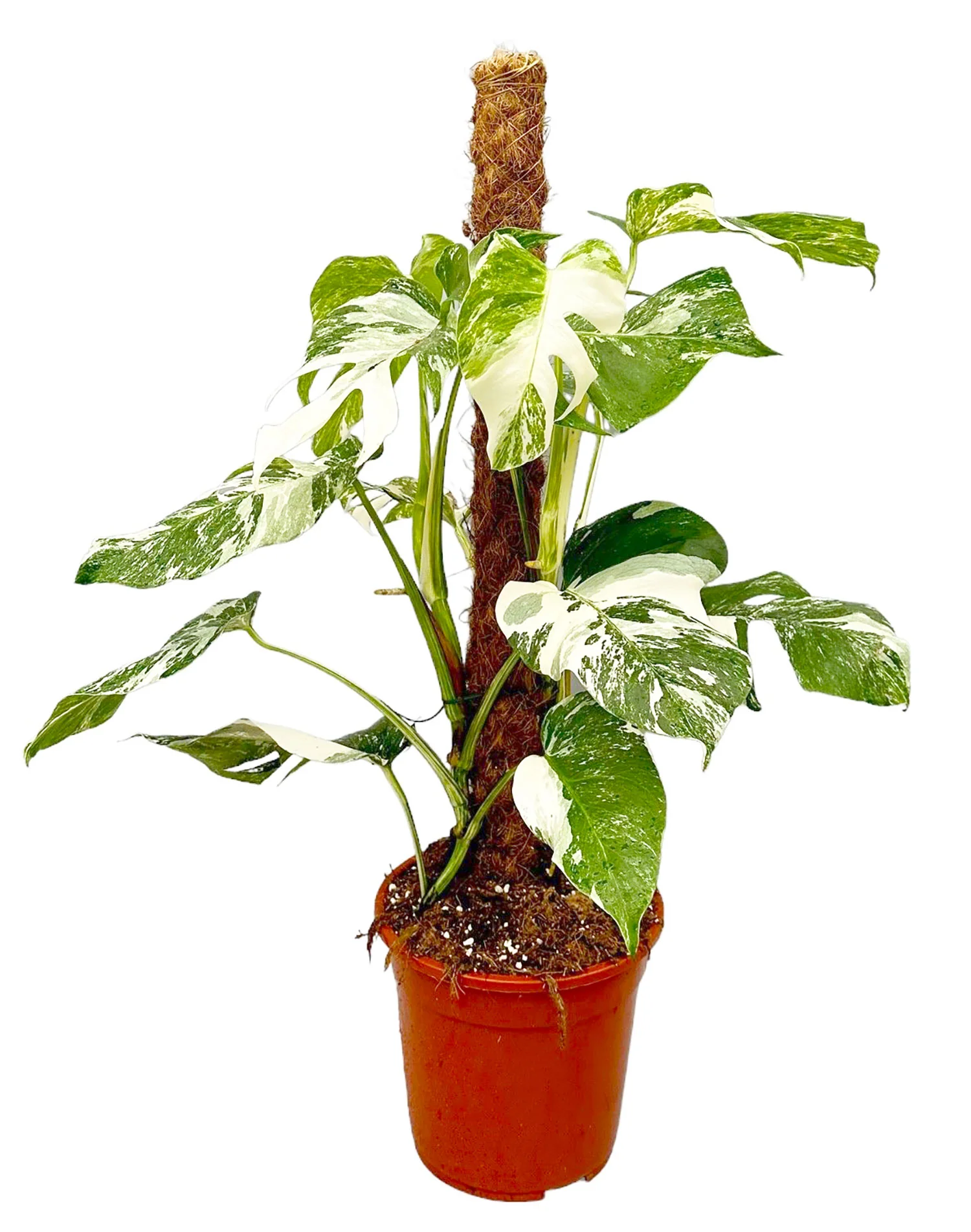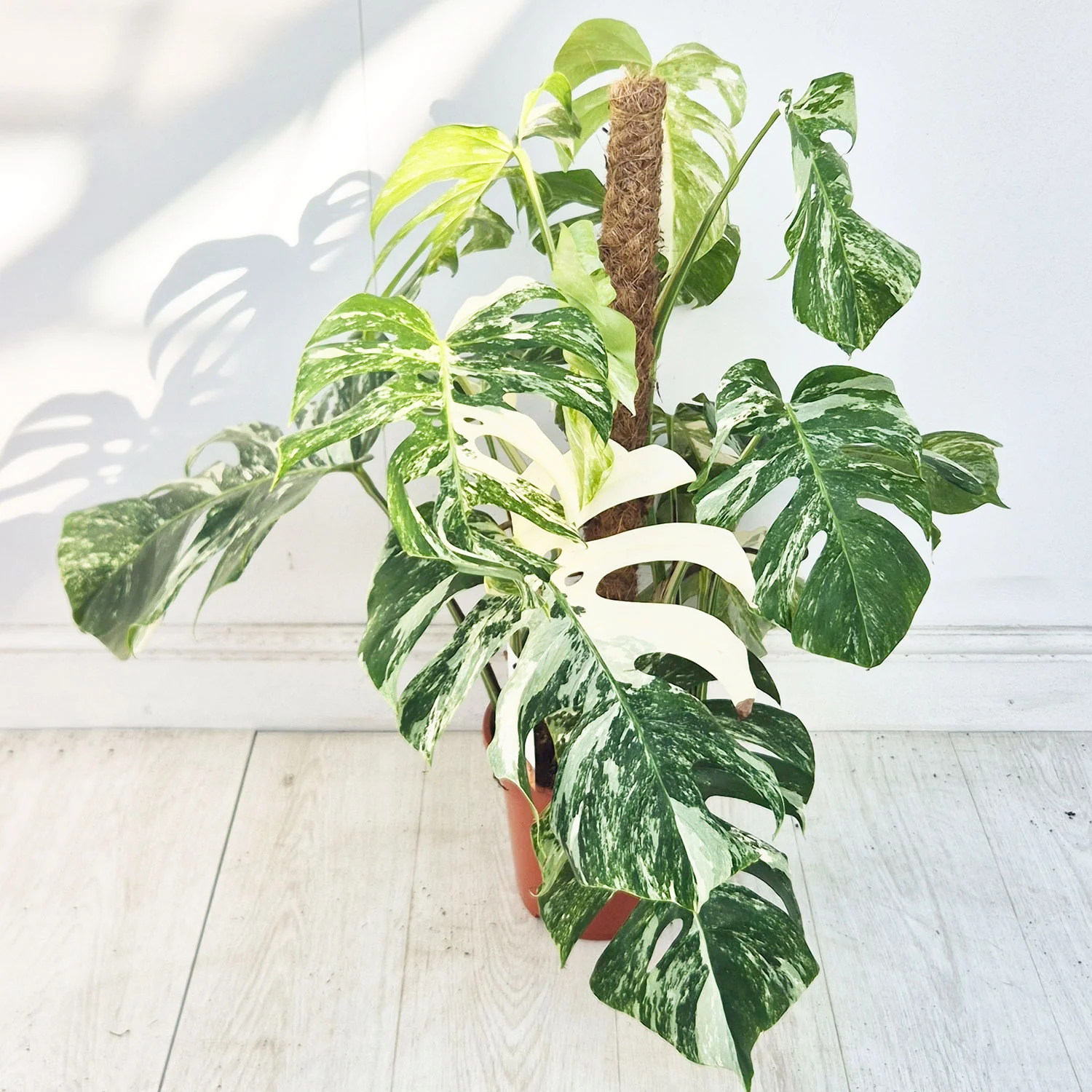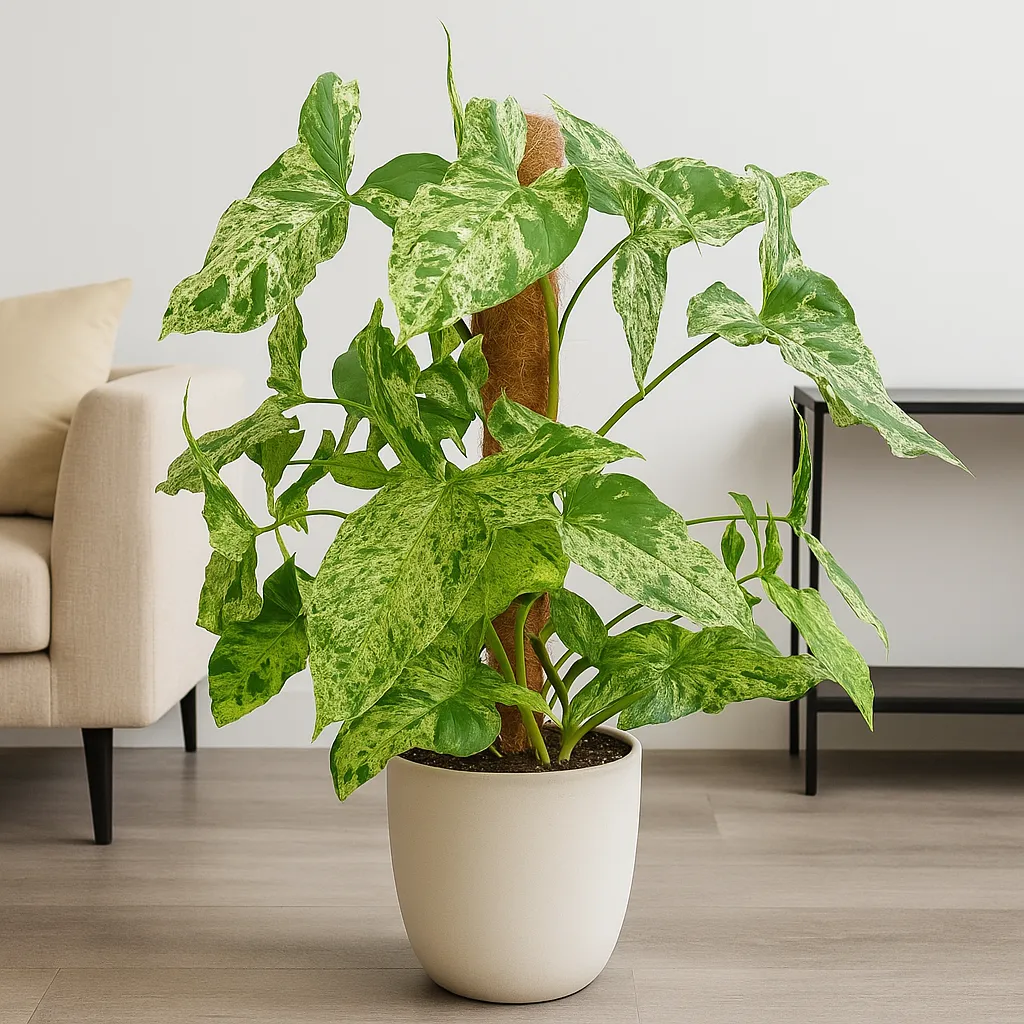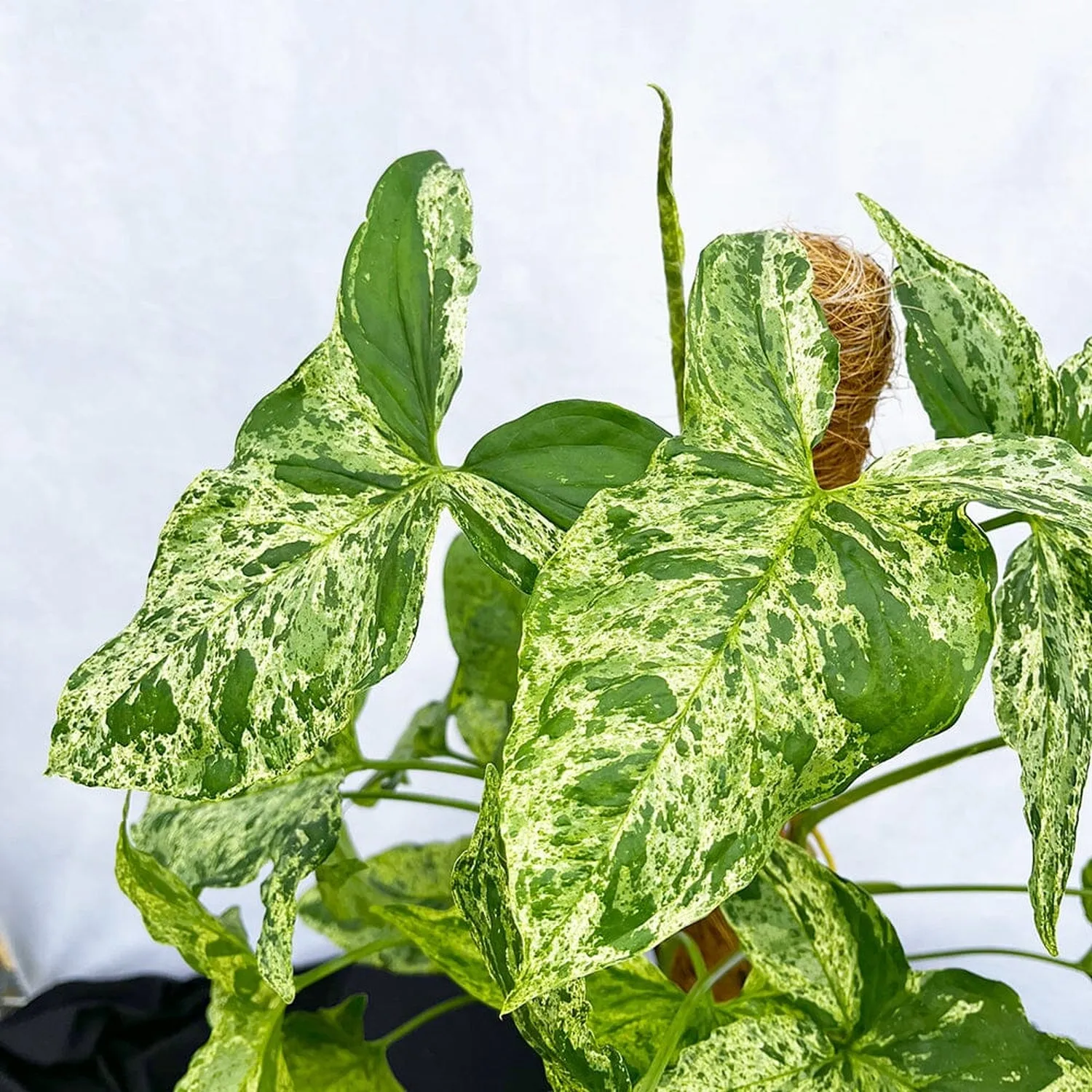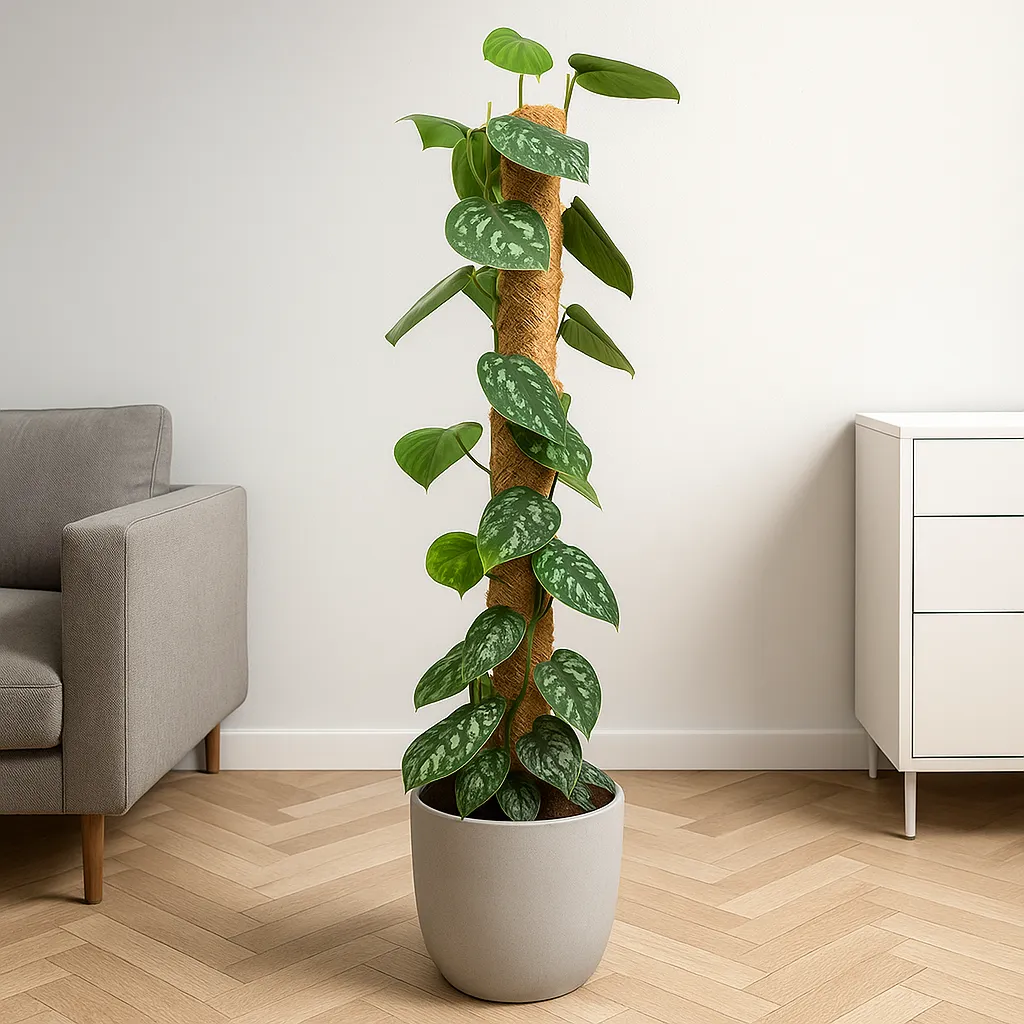
110 -130cm Epipremnum Pictus on Mosspole 24cm Pot House Plant
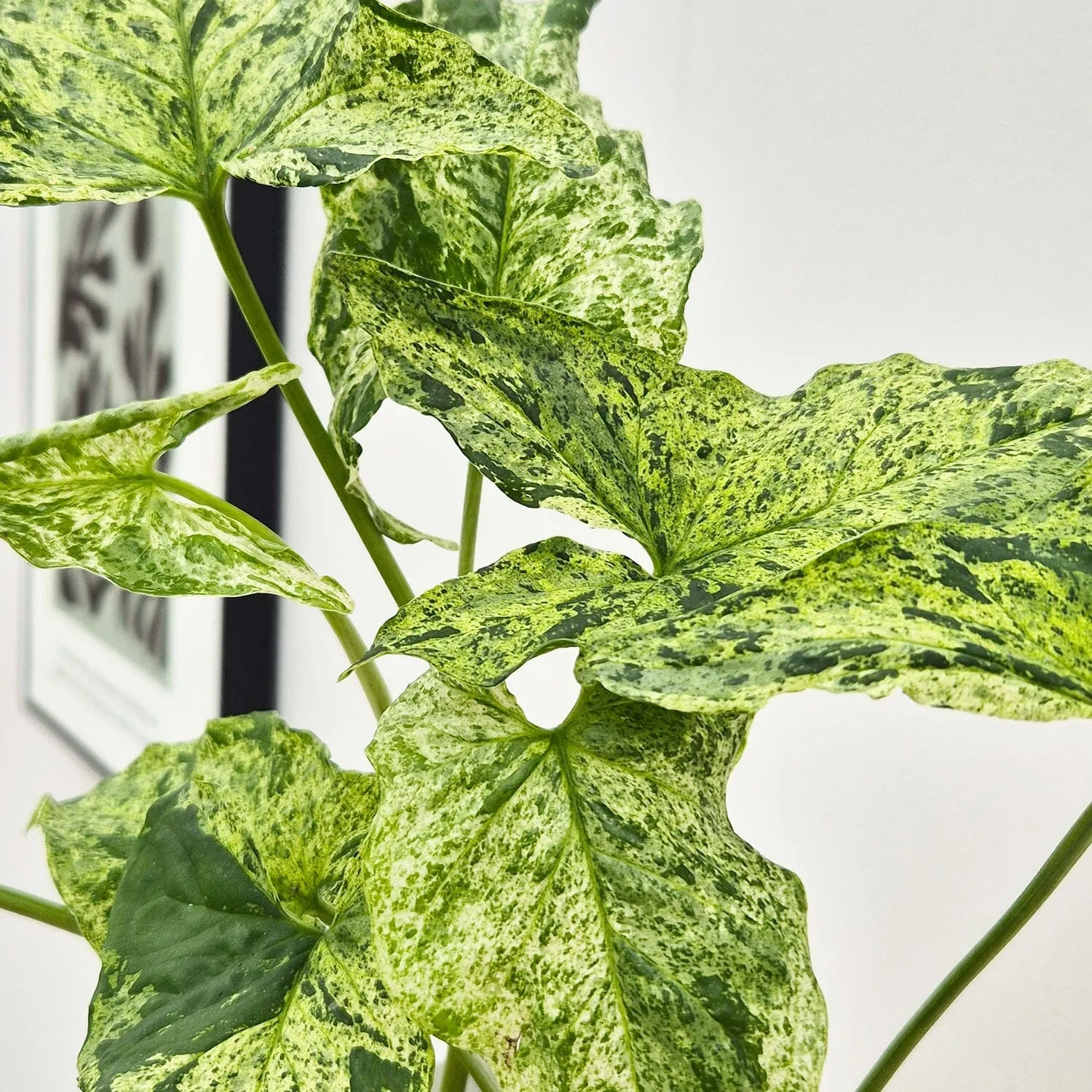
Epipremnum pictus is a popular and highly ornamental tropical vine in the Araceae family, native to Southeast Asia. Commonly known as Satin Pothos, Silver Vine, or Silver Pothos, it is admired for its velvety green leaves patterned with shimmering silvery markings.
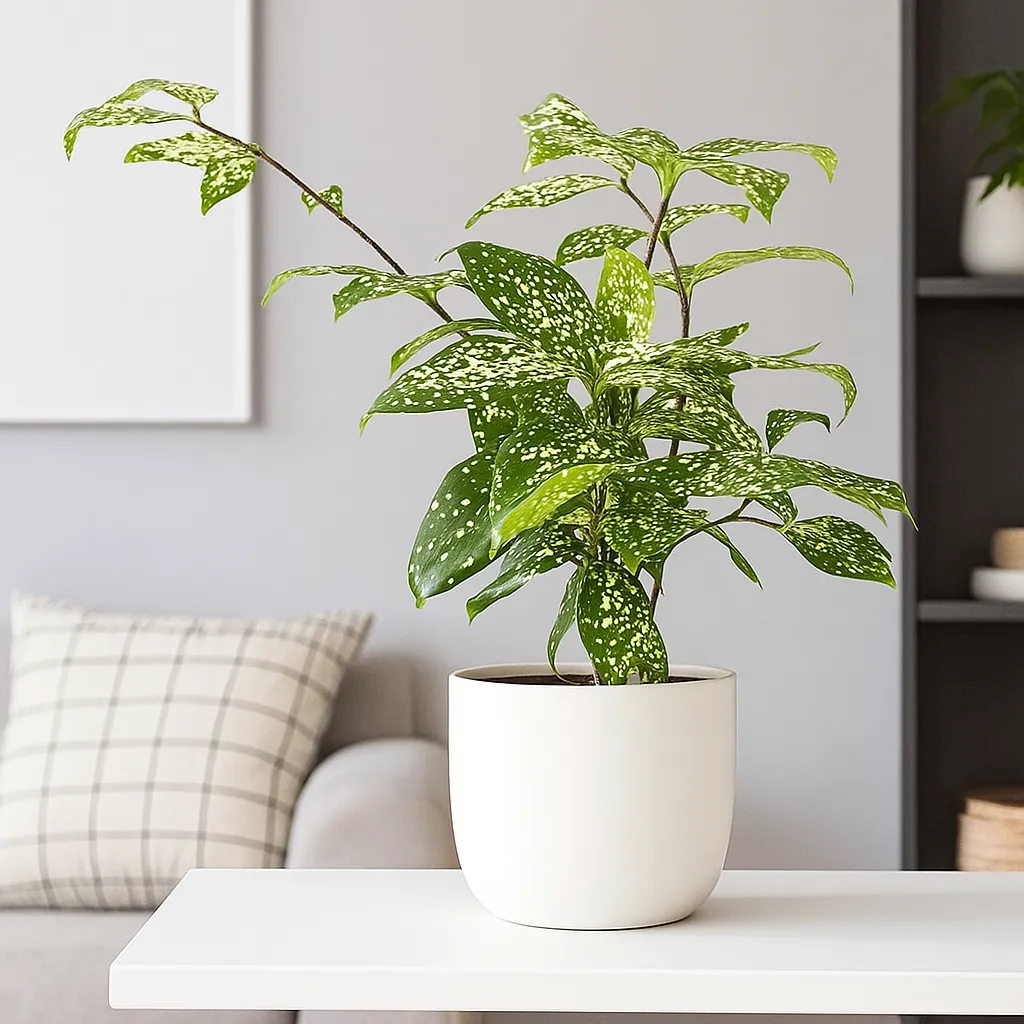
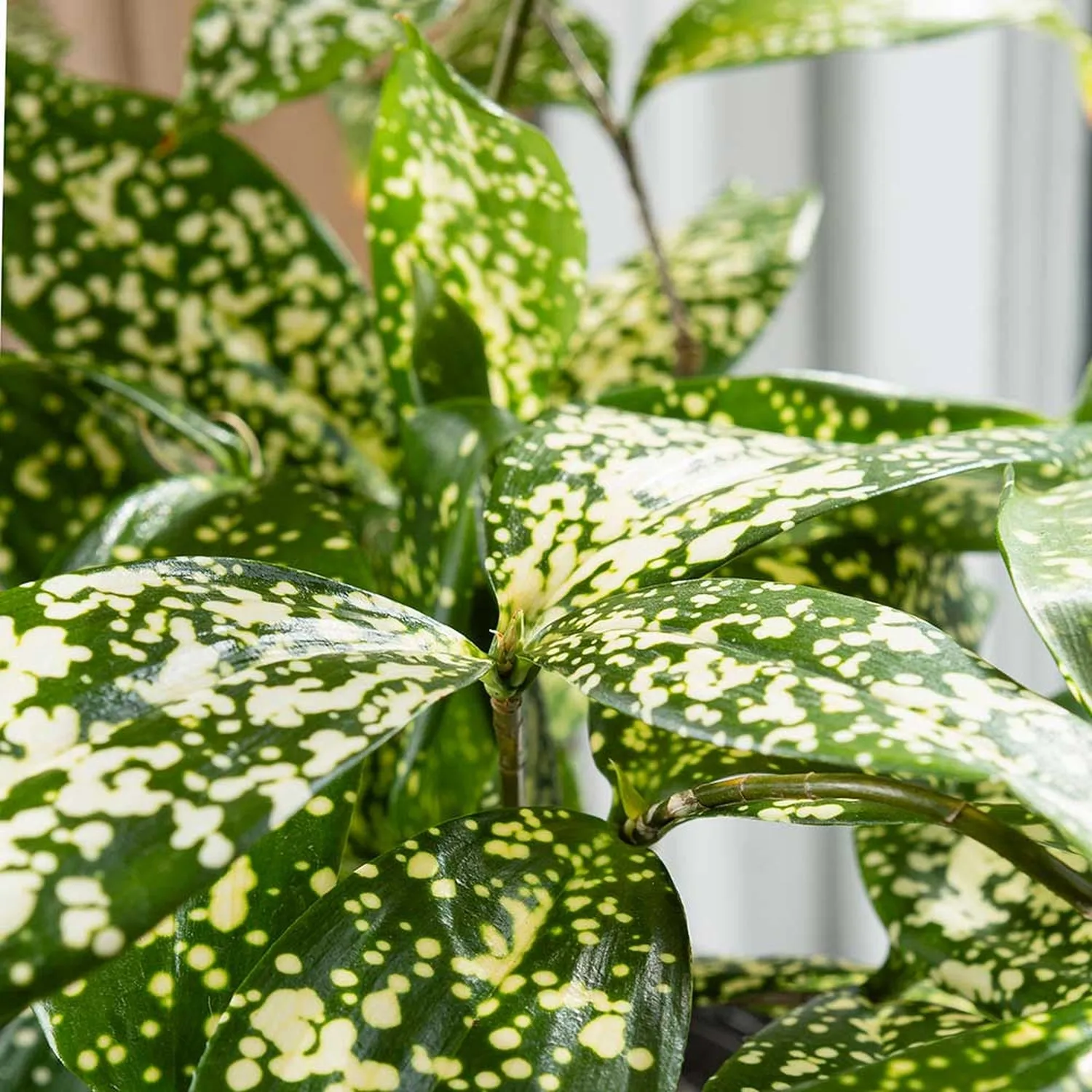
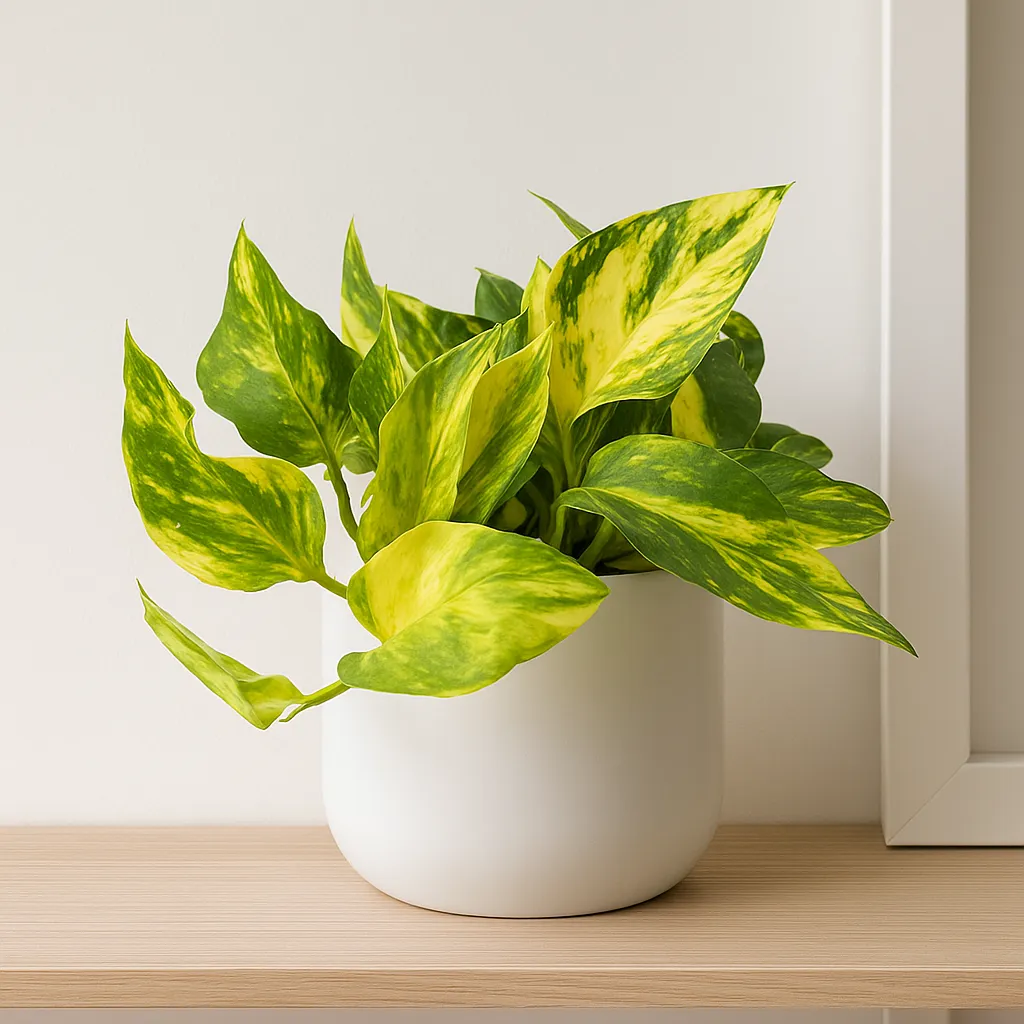
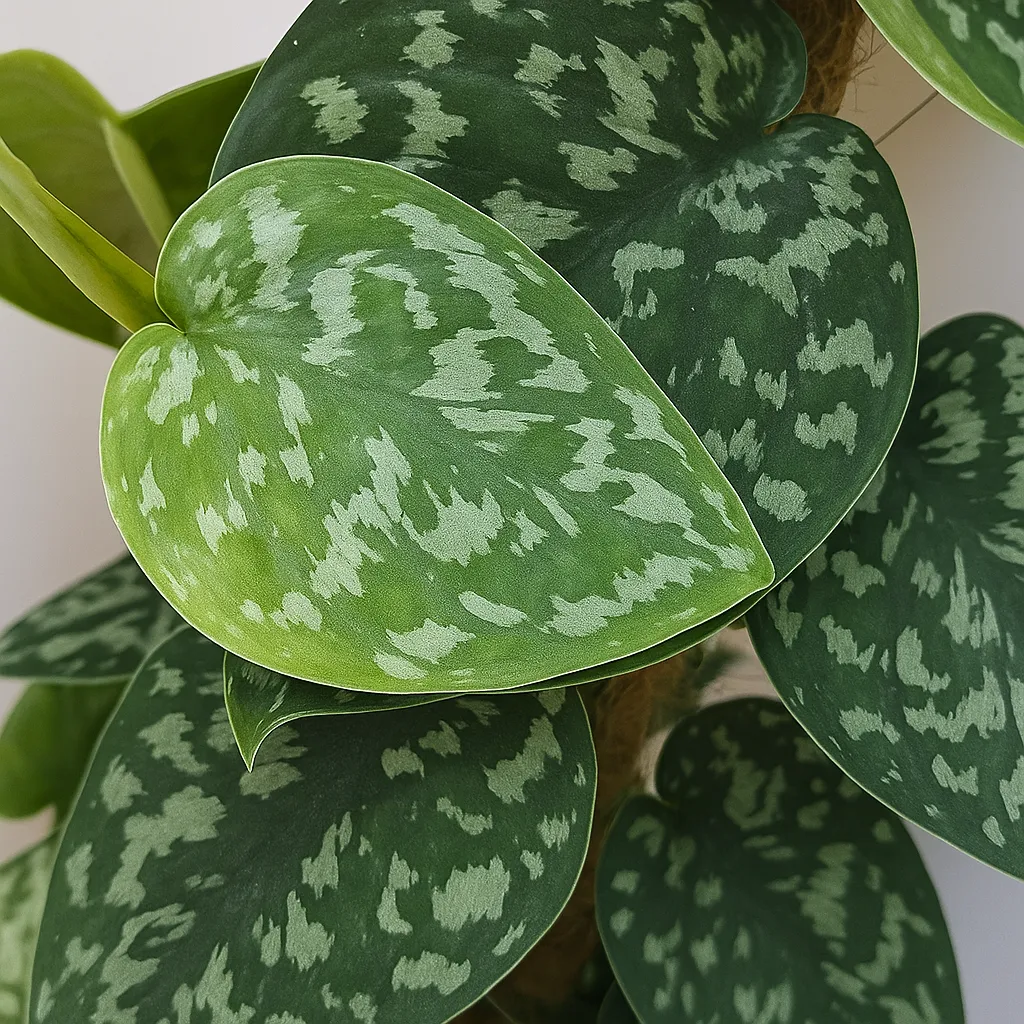
The foliage is heart-shaped and slightly velvety to the touch. Depending on the variety (such as ‘Argyraeus’, ‘Exotica’, or ‘Silver Splash’), the leaves may display delicate silver speckles or bold splashes that cover much of the surface. These markings give the plant a luminous, painterly look th3at is highly decorative even without flowers.
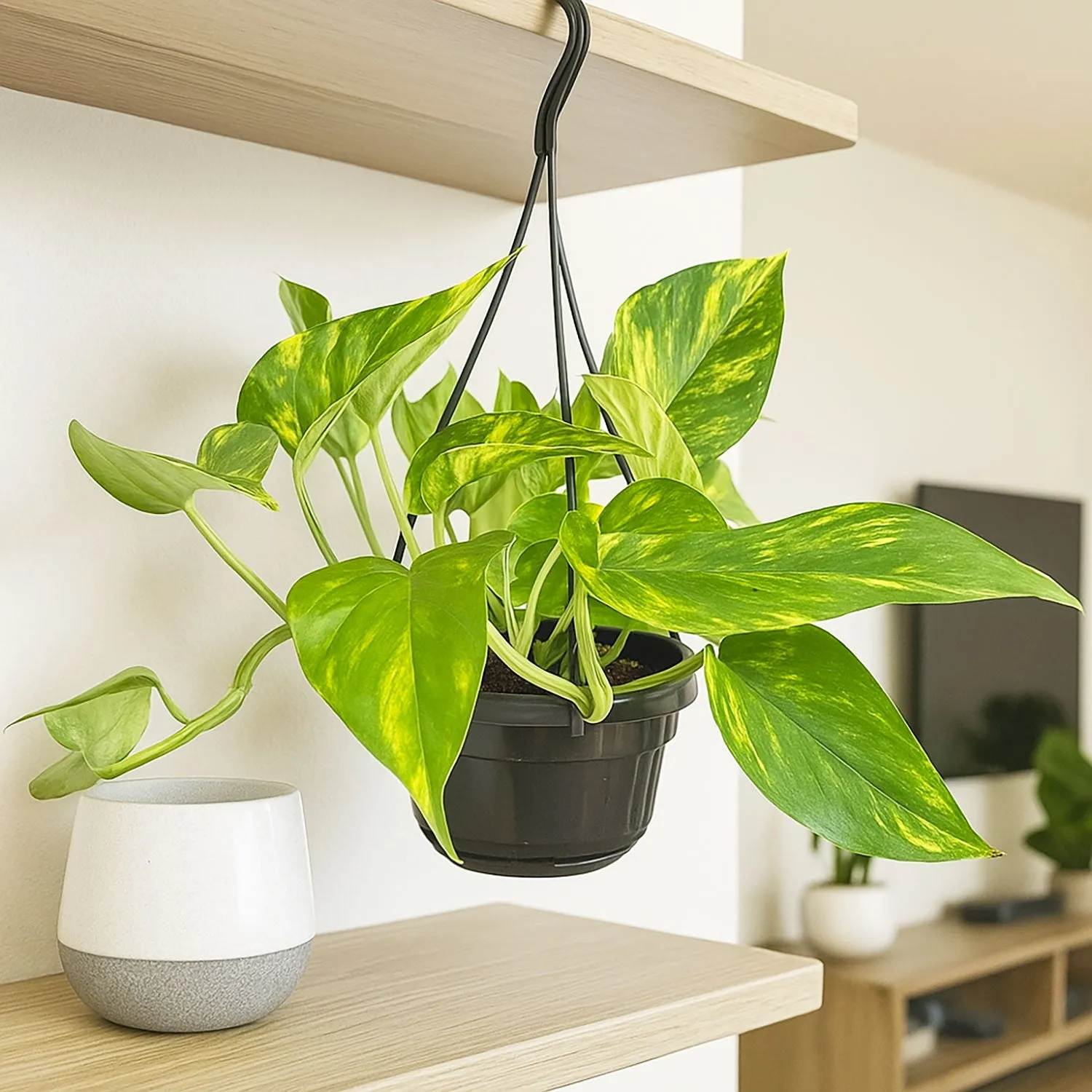
With its trailing or climbing growth habit, Epipremnum pictus can be displayed in hanging baskets, allowed to cascade from shelves, or trained up moss poles and trellises. When given vertical support, the leaves grow larger and more striking.
Epipremnum pictus – Care Guide
Light
Thrives in bright, indirect light. Tolerates medium light but may lose variegation in dim conditions. Avoid harsh direct sunlight, which can scorch its leaves.
Watering
Water when the top 2–3 cm of soil feels dry. Keep the soil lightly moist during the growing season but never waterlogged. Reduce watering in winter.
Temperature and Humidity
-
Temperature: Prefers warmth, ideally 18–28°C. Protect from draughts and avoid cold below 15°C.
-
Humidity: Enjoys moderate to high humidity (50–70%). Will tolerate normal household levels but thrives with added moisture.
Soil and Potting
Use a chunky, free-draining aroid mix – peat-free compost combined with orchid bark, perlite, and coco coir. Repot every 1–2 years in spring to refresh the medium.
Feeding
Feed monthly in spring and summer with a balanced liquid fertiliser. No feeding is necessary in winter.
Pruning and Maintenance
Prune vines to control shape and encourage bushier growth. Cuttings root easily in water, moss, or soil, making it an excellent plant for propagation.
Growth and Maturity
A moderate to fast grower, capable of trailing or climbing up to 2–3 metres indoors. Leaves remain small and delicate when trailing but enlarge dramatically if allowed to climb.
Common Issues
-
Yellowing leaves: Overwatering or poor drainage.
-
Leggy growth: Insufficient light.
-
Loss of variegation: Low light levels.
-
Pests: Occasionally spider mites, thrips, or mealybugs.
Background and Benefits
Epipremnum pictus is part of the same genus as the Golden Pothos (Epipremnum aureum) but is distinguished by its velvety texture and silvery variegation. It is considered one of the most elegant and forgiving houseplants, making it suitable for beginners while still being a collector’s favourite.
✅ Quick Care Summary
-
Light: Bright, indirect; tolerates medium
-
Water: Lightly moist; allow topsoil to dry slightly
-
Temperature: 18–28°C; avoid below 15°C
-
Humidity: Moderate to high
-
Soil: Chunky, free-draining aroid mix
-
Feed: Monthly in spring/summer
-
Growth: Trailing/climbing vine; heart-shaped green leaves with shimmering silver markings
Original: $65.98
-70%$65.98
$19.79Product Information
Product Information
Shipping & Returns
Shipping & Returns
Description
Epipremnum pictus is a popular and highly ornamental tropical vine in the Araceae family, native to Southeast Asia. Commonly known as Satin Pothos, Silver Vine, or Silver Pothos, it is admired for its velvety green leaves patterned with shimmering silvery markings.
The foliage is heart-shaped and slightly velvety to the touch. Depending on the variety (such as ‘Argyraeus’, ‘Exotica’, or ‘Silver Splash’), the leaves may display delicate silver speckles or bold splashes that cover much of the surface. These markings give the plant a luminous, painterly look th3at is highly decorative even without flowers.
With its trailing or climbing growth habit, Epipremnum pictus can be displayed in hanging baskets, allowed to cascade from shelves, or trained up moss poles and trellises. When given vertical support, the leaves grow larger and more striking.
Epipremnum pictus – Care Guide
Light
Thrives in bright, indirect light. Tolerates medium light but may lose variegation in dim conditions. Avoid harsh direct sunlight, which can scorch its leaves.
Watering
Water when the top 2–3 cm of soil feels dry. Keep the soil lightly moist during the growing season but never waterlogged. Reduce watering in winter.
Temperature and Humidity
-
Temperature: Prefers warmth, ideally 18–28°C. Protect from draughts and avoid cold below 15°C.
-
Humidity: Enjoys moderate to high humidity (50–70%). Will tolerate normal household levels but thrives with added moisture.
Soil and Potting
Use a chunky, free-draining aroid mix – peat-free compost combined with orchid bark, perlite, and coco coir. Repot every 1–2 years in spring to refresh the medium.
Feeding
Feed monthly in spring and summer with a balanced liquid fertiliser. No feeding is necessary in winter.
Pruning and Maintenance
Prune vines to control shape and encourage bushier growth. Cuttings root easily in water, moss, or soil, making it an excellent plant for propagation.
Growth and Maturity
A moderate to fast grower, capable of trailing or climbing up to 2–3 metres indoors. Leaves remain small and delicate when trailing but enlarge dramatically if allowed to climb.
Common Issues
-
Yellowing leaves: Overwatering or poor drainage.
-
Leggy growth: Insufficient light.
-
Loss of variegation: Low light levels.
-
Pests: Occasionally spider mites, thrips, or mealybugs.
Background and Benefits
Epipremnum pictus is part of the same genus as the Golden Pothos (Epipremnum aureum) but is distinguished by its velvety texture and silvery variegation. It is considered one of the most elegant and forgiving houseplants, making it suitable for beginners while still being a collector’s favourite.
✅ Quick Care Summary
-
Light: Bright, indirect; tolerates medium
-
Water: Lightly moist; allow topsoil to dry slightly
-
Temperature: 18–28°C; avoid below 15°C
-
Humidity: Moderate to high
-
Soil: Chunky, free-draining aroid mix
-
Feed: Monthly in spring/summer
-
Growth: Trailing/climbing vine; heart-shaped green leaves with shimmering silver markings