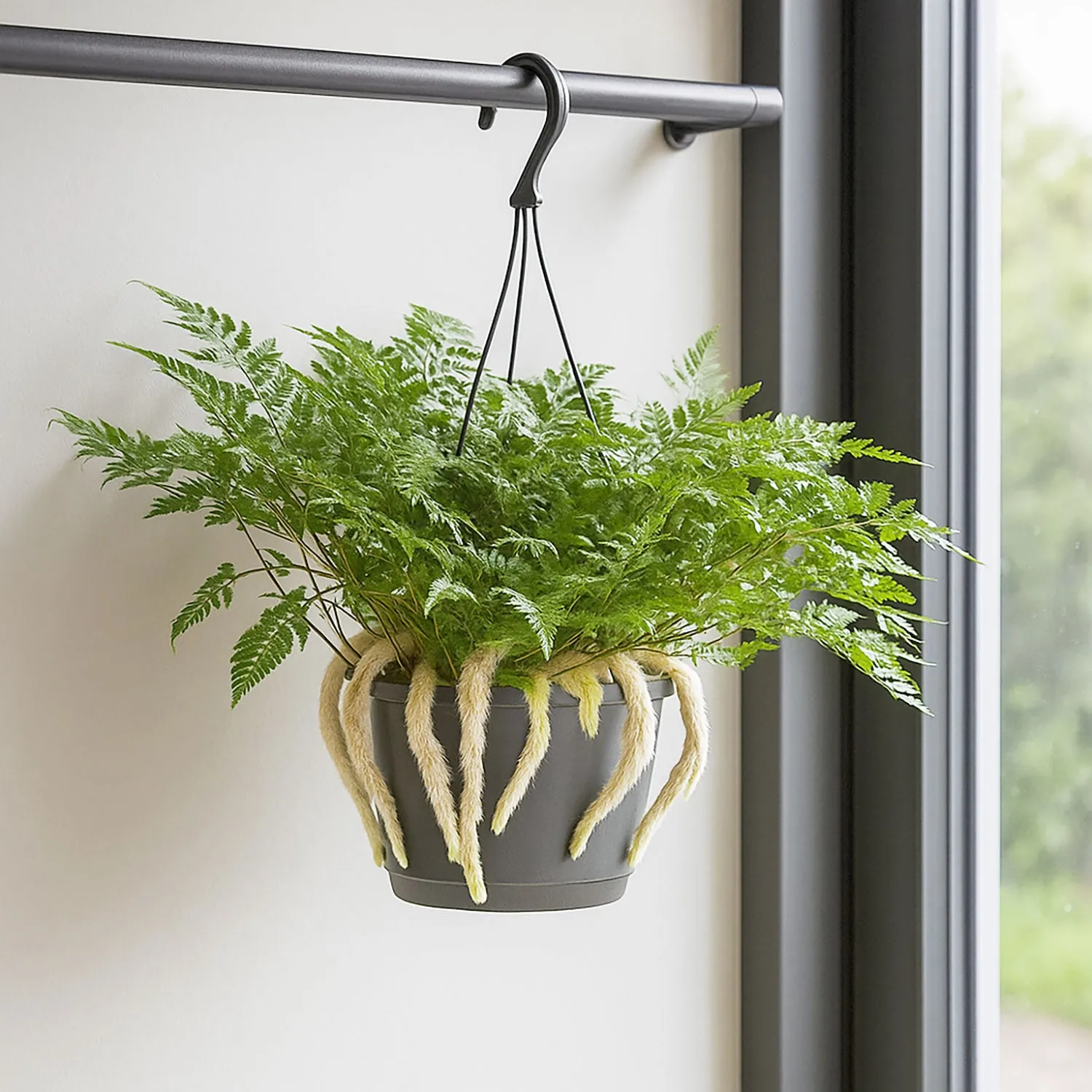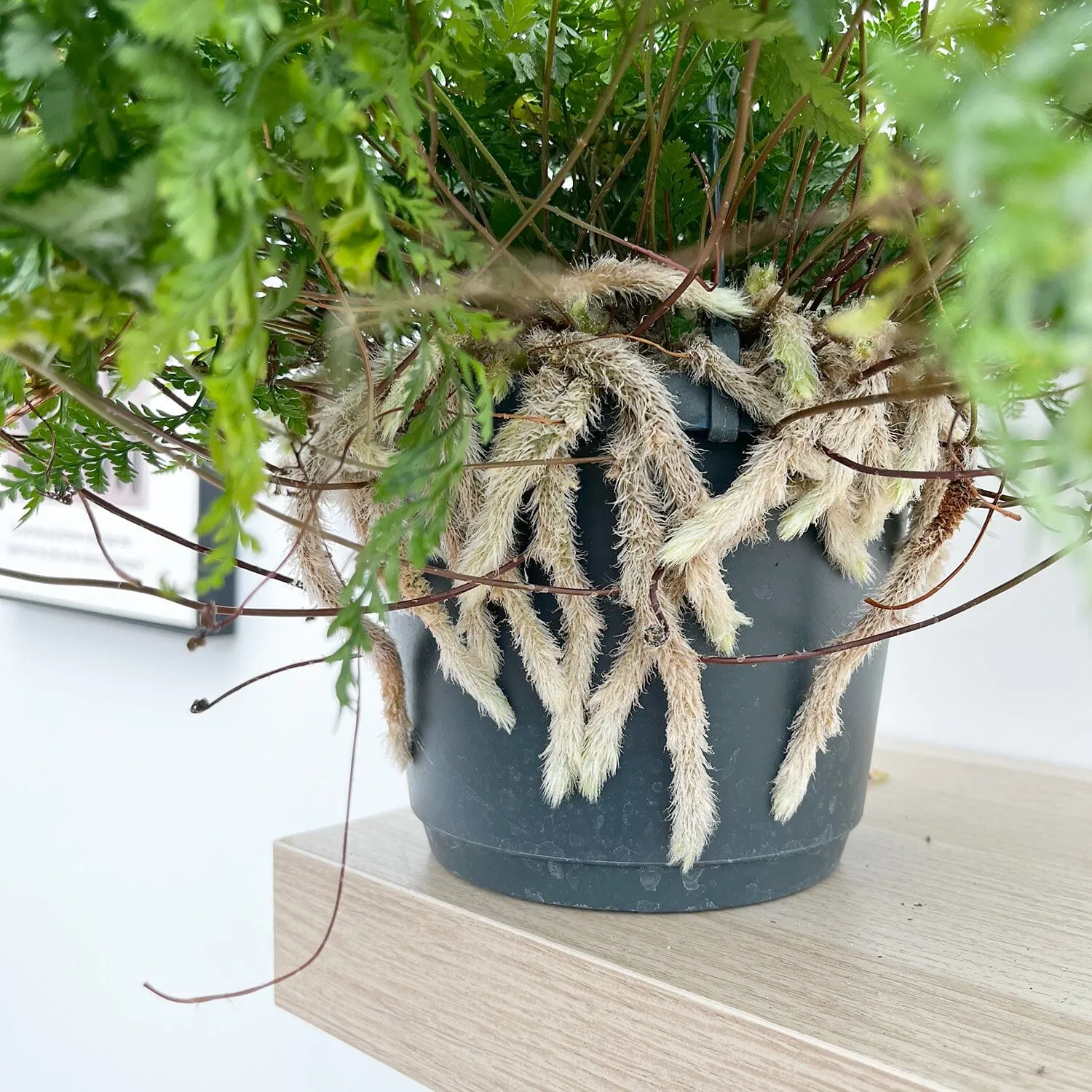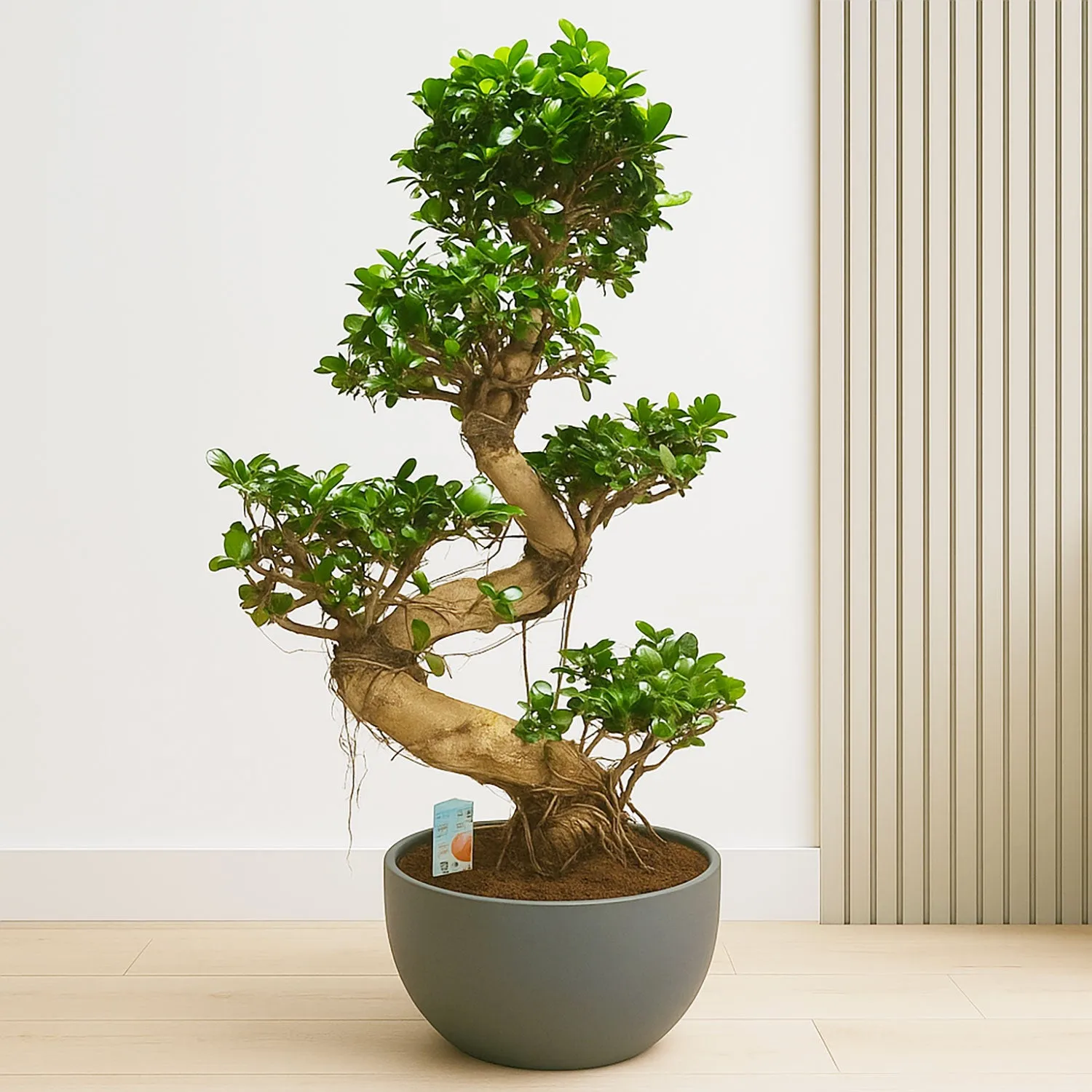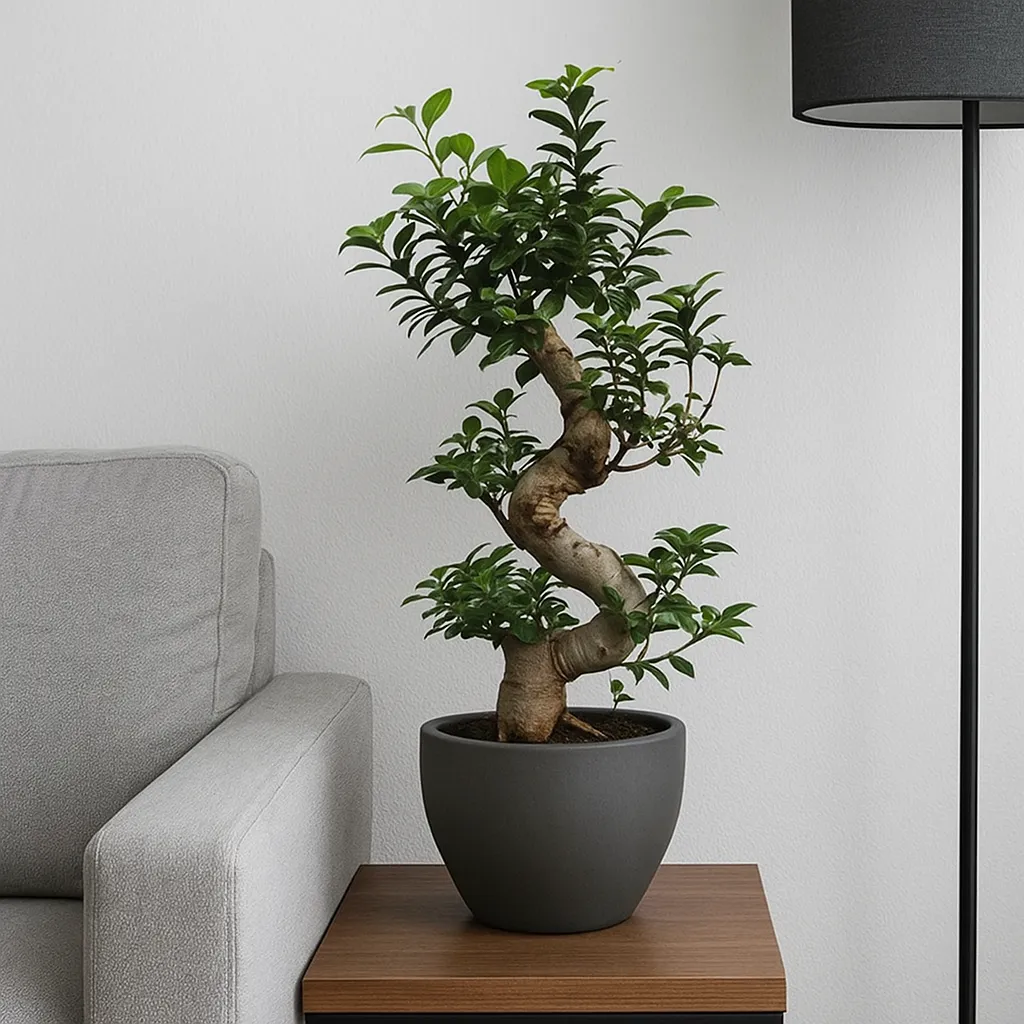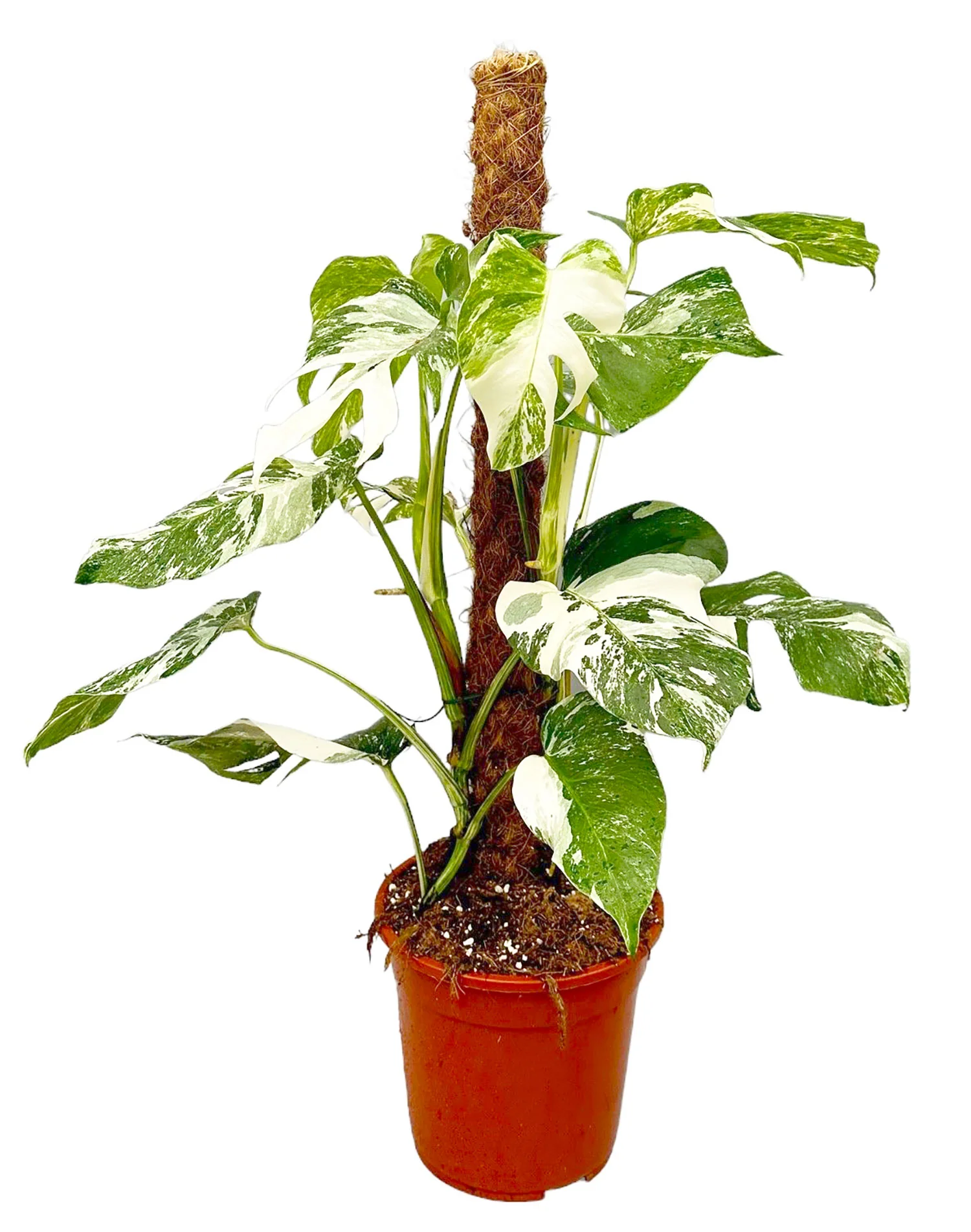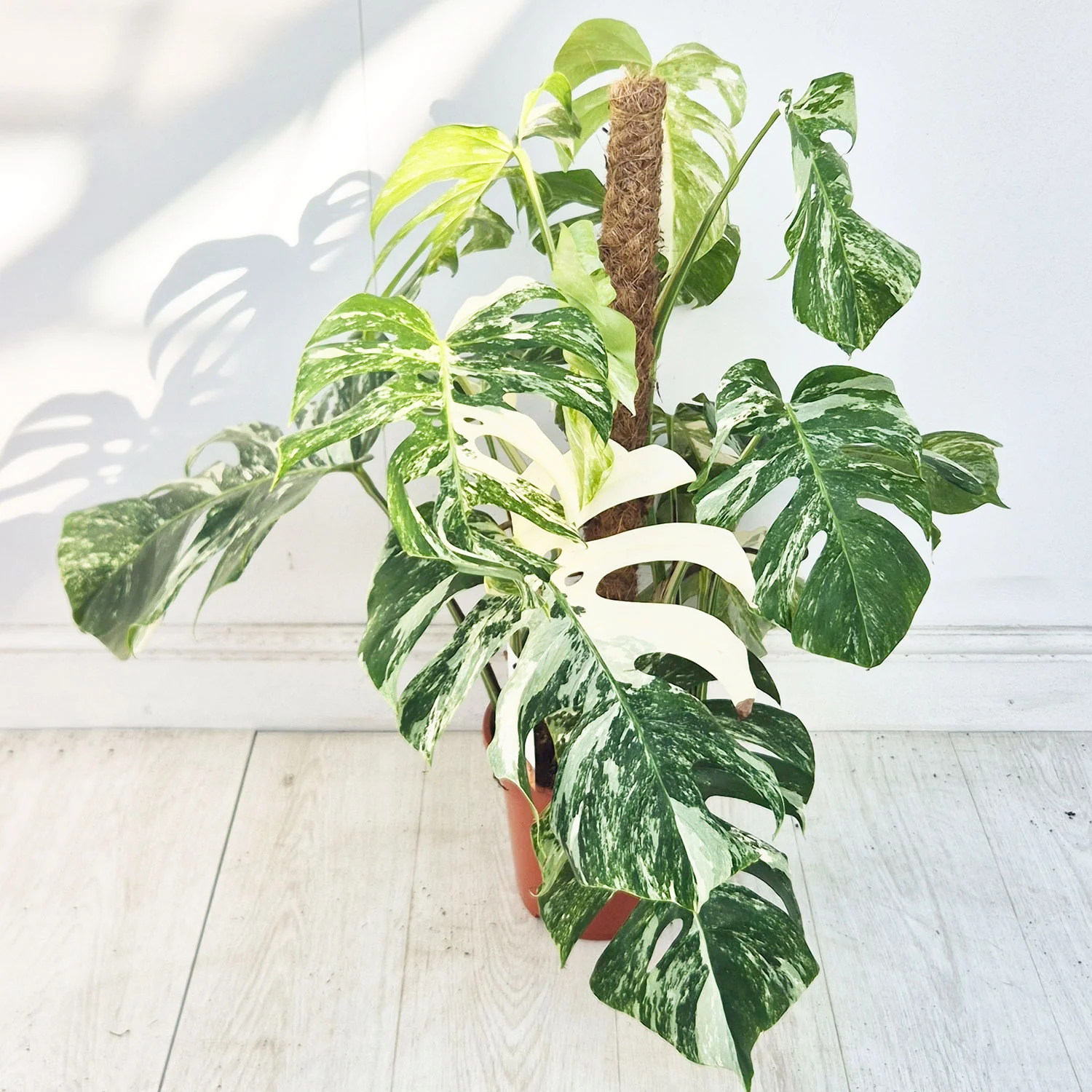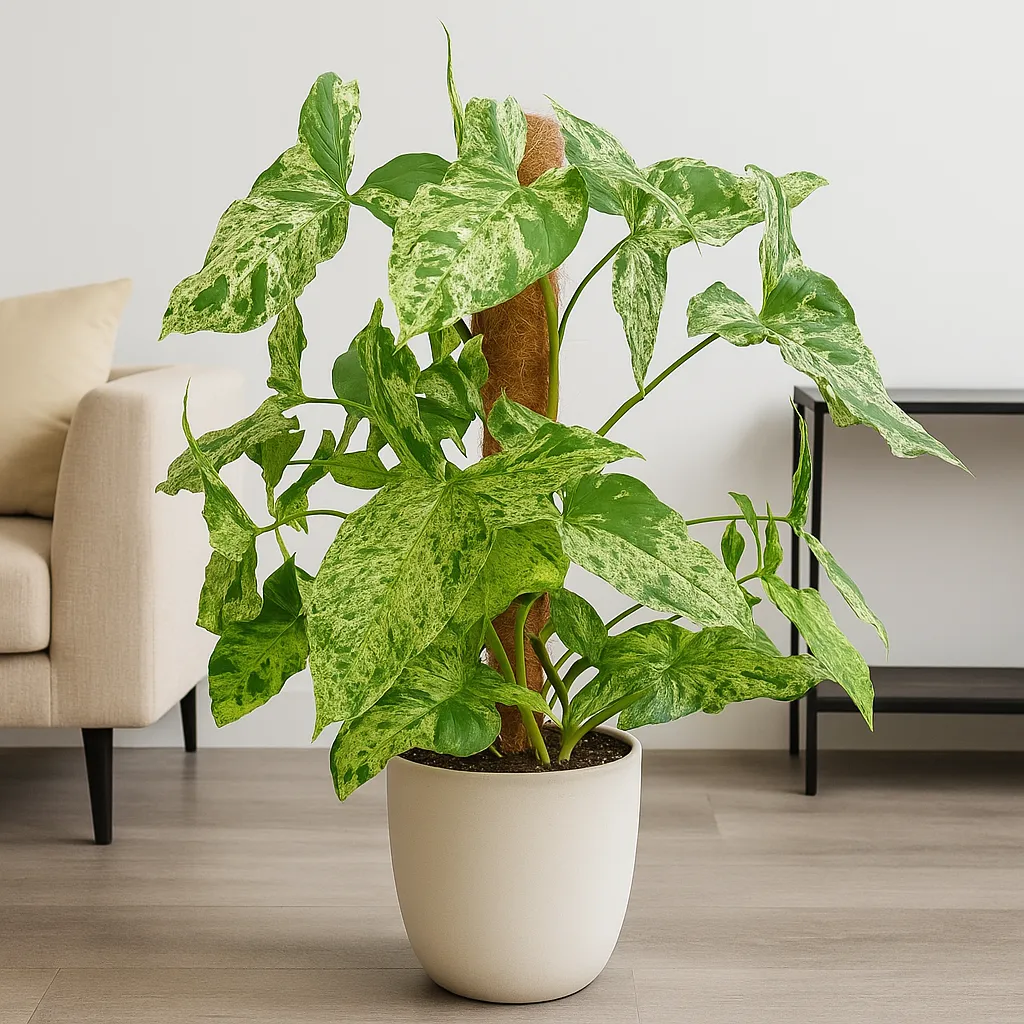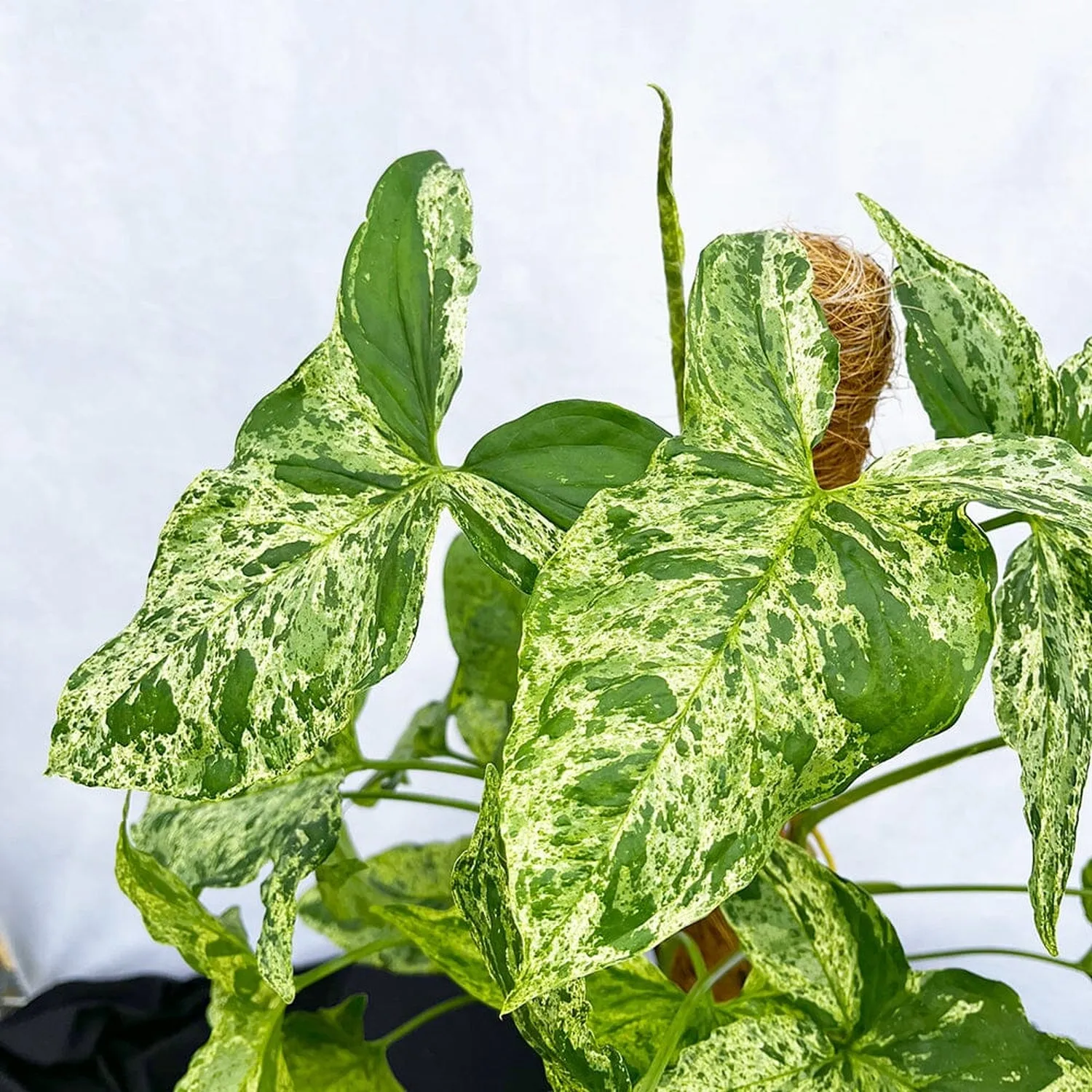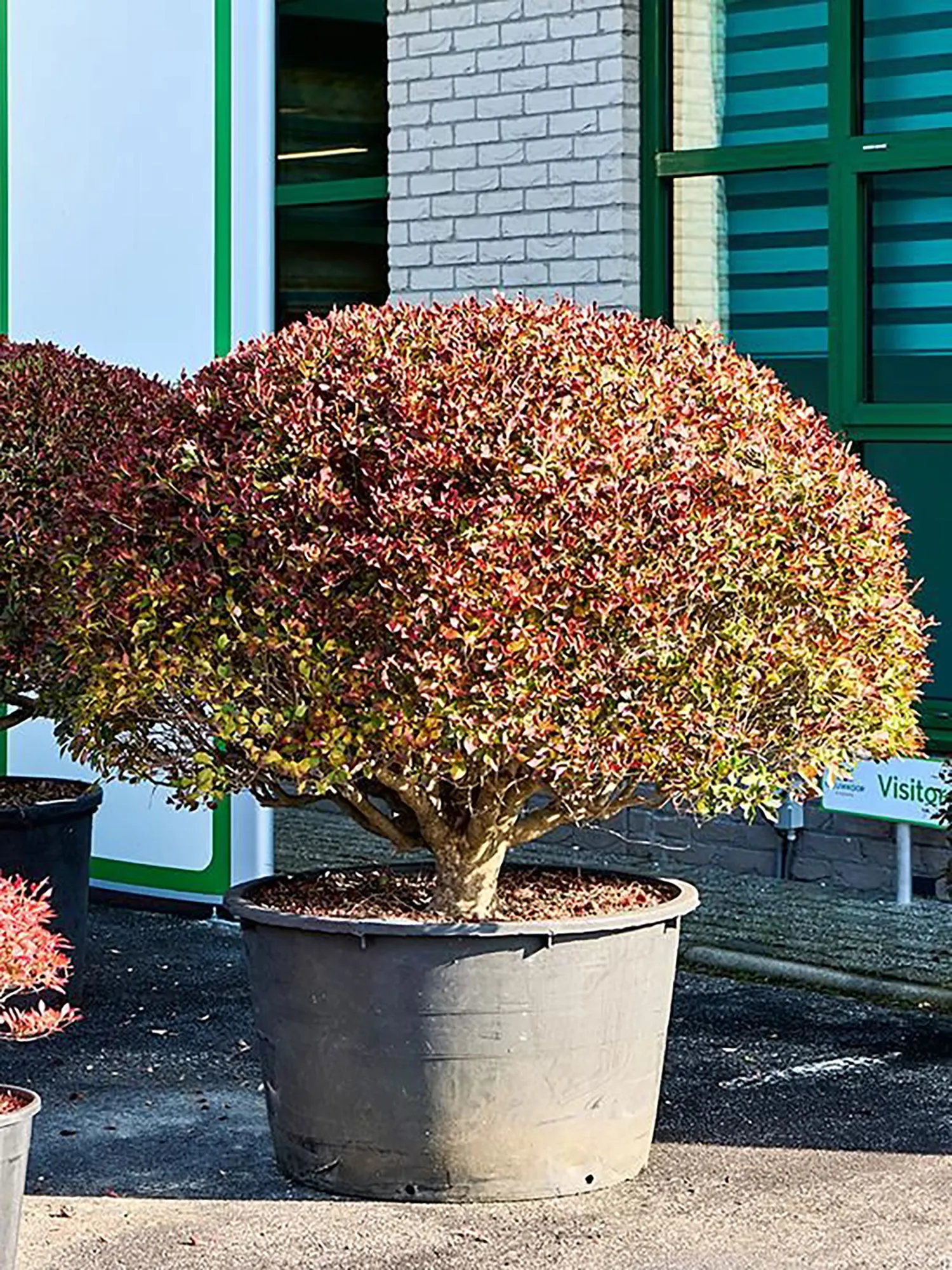
140 - 160cm Enkianthus Perulatus XXL 88cm Pot House Plant
🍁 Enkianthus perulatus
Enkianthus perulatus, commonly known as White Enkianthus, is a deciduous, compact ornamental shrub native to Japan. It is prized for its neat, upright form, elegant spring flowers, and exceptional autumn colour, making it a standout choice for year-round interest in borders, woodland gardens, or as a feature plant in smaller spaces.
In late spring, Enkianthus perulatus produces clusters of bell-shaped, creamy white flowers, often tinged with green or pink, which dangle delicately from the branches in a manner similar to pieris or lily-of-the-valley. These are followed by a lush canopy of ovate, fresh green leaves, which turn brilliant shades of scarlet, crimson, and orange in autumn before falling.
With its slow-growing, rounded habit, refined texture, and seasonal colour transitions, this low-maintenance shrub is ideal for acidic soils and adds subtle elegance to Japanese-style plantings, woodland edges, or container displays in sheltered positions.
🛠️ Enkianthus perulatus – Comprehensive Care Guide
🌞 Light Requirements
-
Grows best in full sun to partial shade.
-
Full sun encourages the best autumn colour.
-
Tolerates light dappled shade, especially in warmer regions or south-facing gardens.
🌱 Soil
-
Requires acidic, moist but well-drained soil.
-
Best planted in ericaceous compost if your garden has alkaline or neutral soil.
-
Suitable for containers using ericaceous potting mix.
-
Mulch annually with leaf mould or pine bark to maintain acidity and moisture.
💧 Watering
-
Water regularly during the first year to establish strong roots.
-
Once established, water during prolonged dry spells – especially in summer.
-
Keep soil consistently moist, but avoid waterlogging.
🌫️ Humidity
-
Naturally suited to UK outdoor humidity.
-
No additional misting is required.
🌡️ Temperature & Hardiness
-
Fully hardy in all UK regions (RHS H5).
-
Tolerates winter temperatures well, even below -15°C.
-
Young growth may benefit from shelter from late spring frosts.
🍽️ Feeding
-
Apply a slow-release fertiliser for acid-loving plants in early spring.
-
Alternatively, feed with liquid ericaceous fertiliser every 4–6 weeks during the growing season.
✂️ Pruning & Maintenance
-
Requires minimal pruning – simply remove dead, damaged, or crossing stems in late winter or early spring.
-
Can be lightly shaped to maintain a compact form if needed.
-
Avoid hard pruning, as it may reduce flowering the following year.
🪴 Repotting (if container-grown)
-
Repot every 2–3 years into fresh ericaceous compost.
-
Choose a large container with good drainage.
-
Top-dress annually in spring to refresh nutrients.
🐛 Pests & Problems
-
Generally pest- and disease-free.
-
Occasionally susceptible to:
-
Leaf spot in very damp conditions,
-
Aphids on young growth – usually not serious.
-
☠️ Toxicity
-
Not known to be toxic to humans or pets.
-
Safe for family gardens and wildlife-friendly spaces.
🍂 Seasonal Interest
-
Spring: Clusters of white, bell-shaped flowers.
-
Summer: Compact green foliage and tidy form.
-
Autumn: Brilliant red, orange, and crimson foliage display.
🌟 Top Tips for Success
-
For the best foliage colour, grow in full sun in acidic soil.
-
A great companion for rhododendrons, azaleas, pieris, and ferns.
-
Perfect for smaller gardens, shrub borders, or Japanese-style landscaping.
Original: $8,578.67
-70%$8,578.67
$2,573.60Product Information
Product Information
Shipping & Returns
Shipping & Returns
Description
🍁 Enkianthus perulatus
Enkianthus perulatus, commonly known as White Enkianthus, is a deciduous, compact ornamental shrub native to Japan. It is prized for its neat, upright form, elegant spring flowers, and exceptional autumn colour, making it a standout choice for year-round interest in borders, woodland gardens, or as a feature plant in smaller spaces.
In late spring, Enkianthus perulatus produces clusters of bell-shaped, creamy white flowers, often tinged with green or pink, which dangle delicately from the branches in a manner similar to pieris or lily-of-the-valley. These are followed by a lush canopy of ovate, fresh green leaves, which turn brilliant shades of scarlet, crimson, and orange in autumn before falling.
With its slow-growing, rounded habit, refined texture, and seasonal colour transitions, this low-maintenance shrub is ideal for acidic soils and adds subtle elegance to Japanese-style plantings, woodland edges, or container displays in sheltered positions.
🛠️ Enkianthus perulatus – Comprehensive Care Guide
🌞 Light Requirements
-
Grows best in full sun to partial shade.
-
Full sun encourages the best autumn colour.
-
Tolerates light dappled shade, especially in warmer regions or south-facing gardens.
🌱 Soil
-
Requires acidic, moist but well-drained soil.
-
Best planted in ericaceous compost if your garden has alkaline or neutral soil.
-
Suitable for containers using ericaceous potting mix.
-
Mulch annually with leaf mould or pine bark to maintain acidity and moisture.
💧 Watering
-
Water regularly during the first year to establish strong roots.
-
Once established, water during prolonged dry spells – especially in summer.
-
Keep soil consistently moist, but avoid waterlogging.
🌫️ Humidity
-
Naturally suited to UK outdoor humidity.
-
No additional misting is required.
🌡️ Temperature & Hardiness
-
Fully hardy in all UK regions (RHS H5).
-
Tolerates winter temperatures well, even below -15°C.
-
Young growth may benefit from shelter from late spring frosts.
🍽️ Feeding
-
Apply a slow-release fertiliser for acid-loving plants in early spring.
-
Alternatively, feed with liquid ericaceous fertiliser every 4–6 weeks during the growing season.
✂️ Pruning & Maintenance
-
Requires minimal pruning – simply remove dead, damaged, or crossing stems in late winter or early spring.
-
Can be lightly shaped to maintain a compact form if needed.
-
Avoid hard pruning, as it may reduce flowering the following year.
🪴 Repotting (if container-grown)
-
Repot every 2–3 years into fresh ericaceous compost.
-
Choose a large container with good drainage.
-
Top-dress annually in spring to refresh nutrients.
🐛 Pests & Problems
-
Generally pest- and disease-free.
-
Occasionally susceptible to:
-
Leaf spot in very damp conditions,
-
Aphids on young growth – usually not serious.
-
☠️ Toxicity
-
Not known to be toxic to humans or pets.
-
Safe for family gardens and wildlife-friendly spaces.
🍂 Seasonal Interest
-
Spring: Clusters of white, bell-shaped flowers.
-
Summer: Compact green foliage and tidy form.
-
Autumn: Brilliant red, orange, and crimson foliage display.
🌟 Top Tips for Success
-
For the best foliage colour, grow in full sun in acidic soil.
-
A great companion for rhododendrons, azaleas, pieris, and ferns.
-
Perfect for smaller gardens, shrub borders, or Japanese-style landscaping.