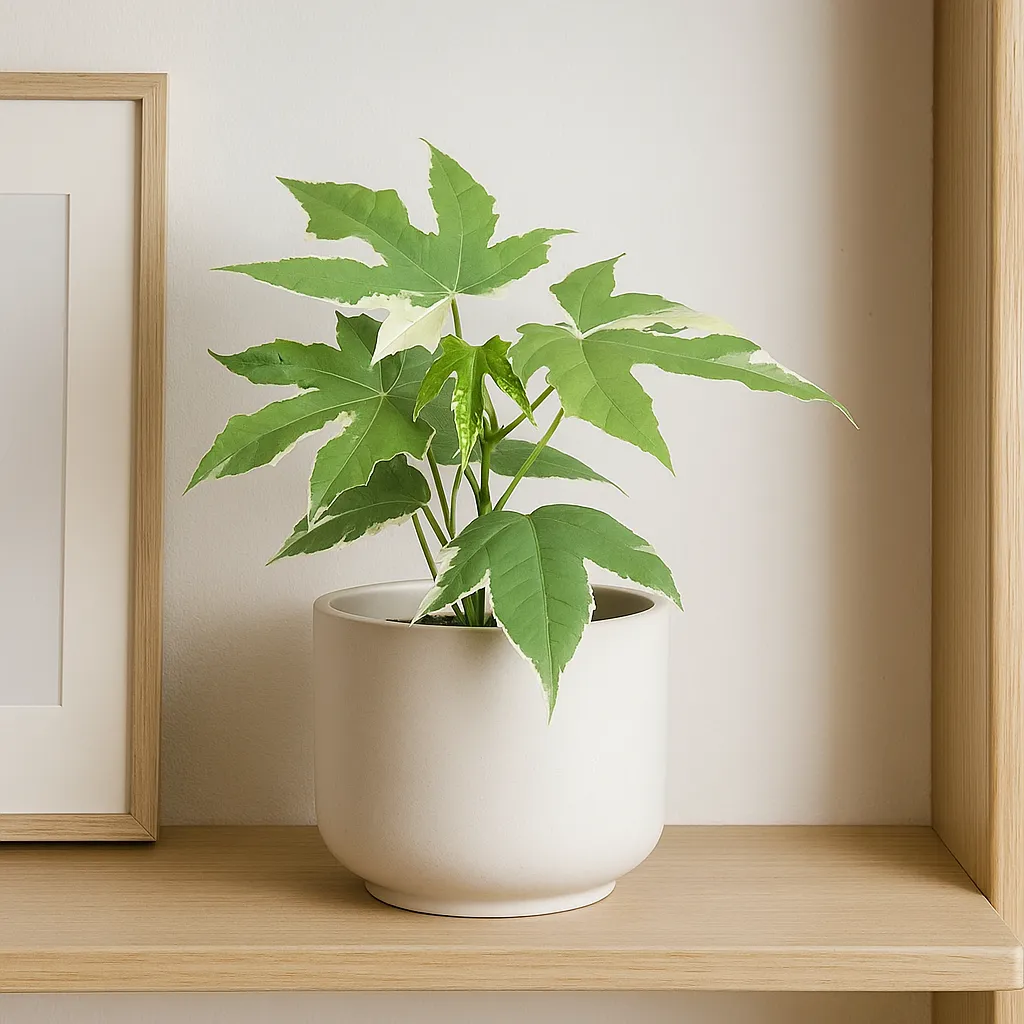


Cnidoscolus Aconitifolius Variegata 17cm Pot House Plant
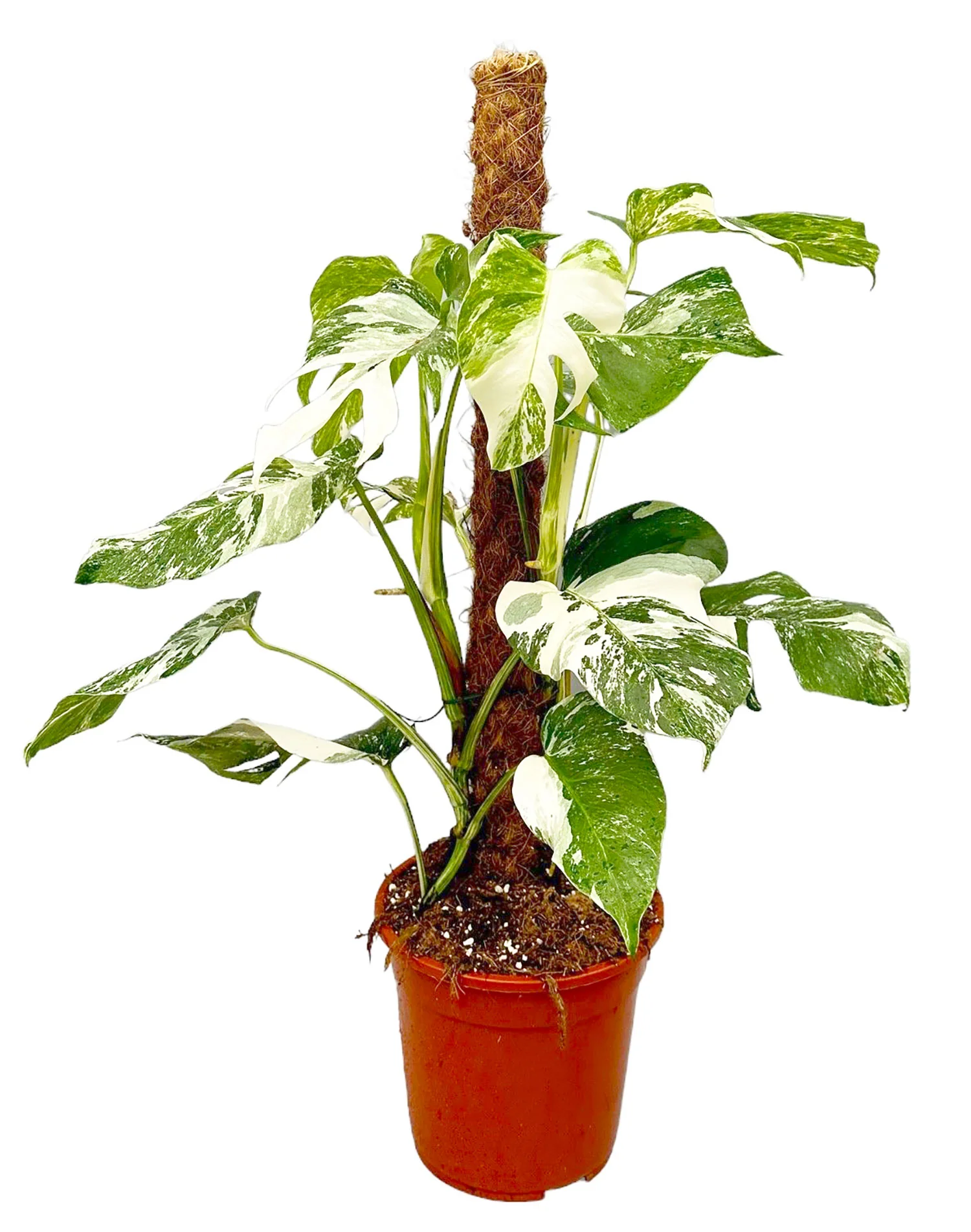
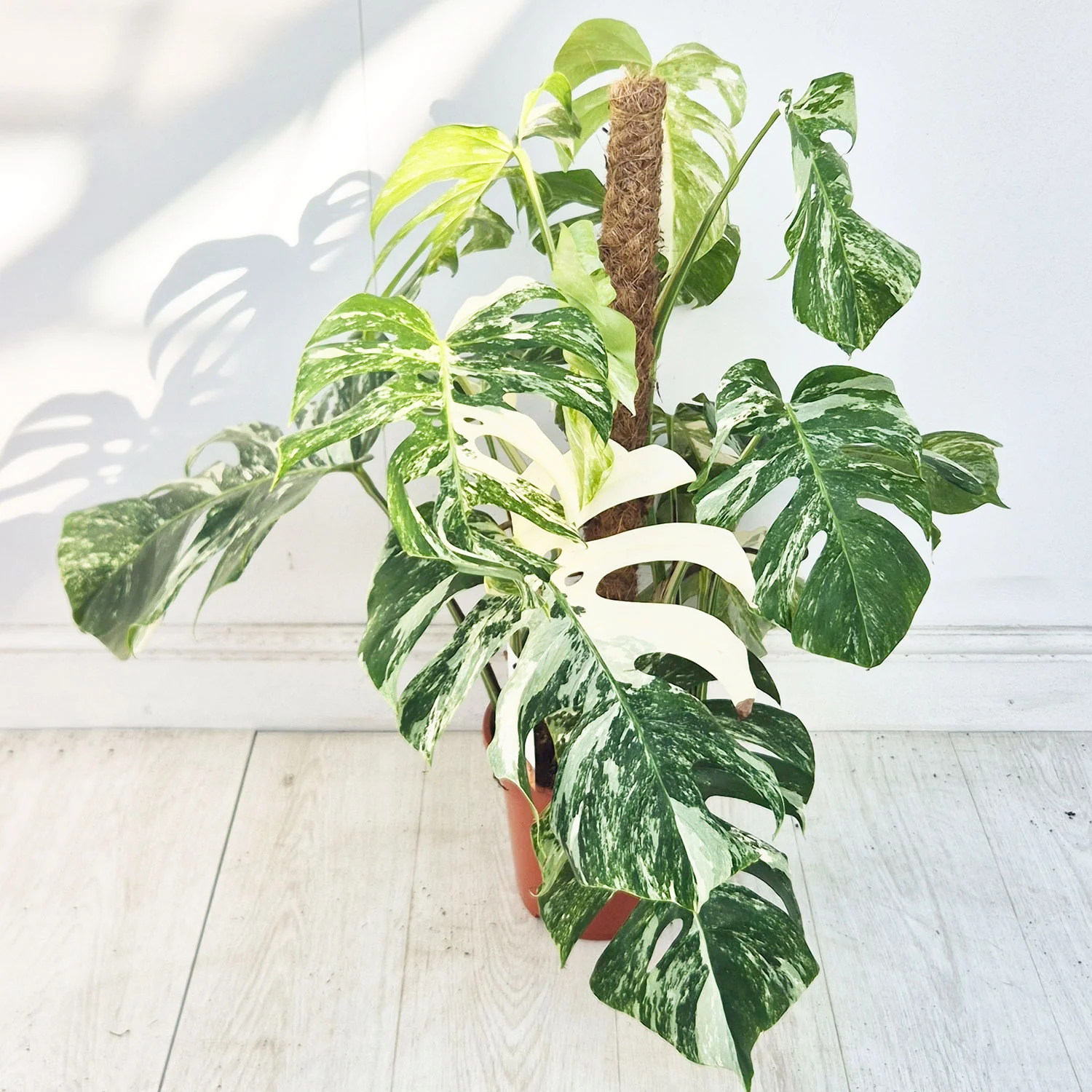
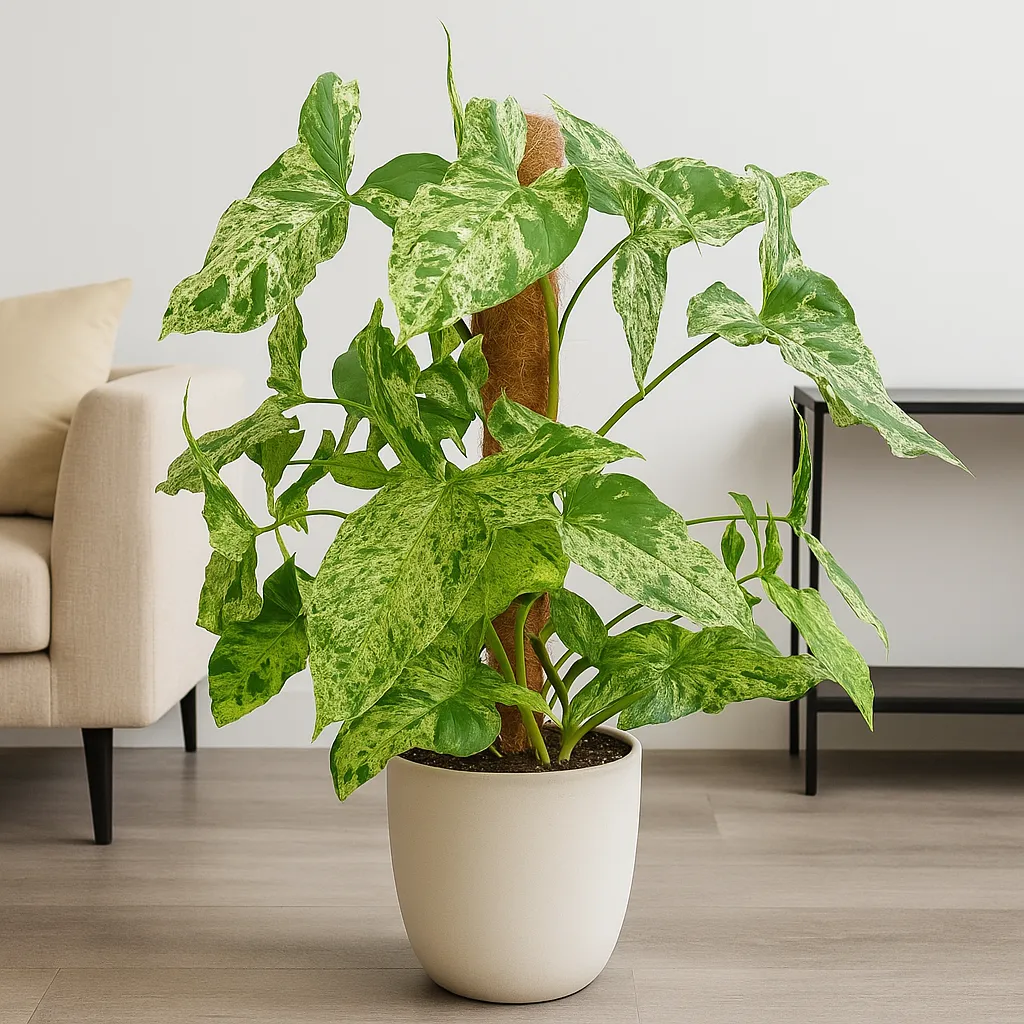
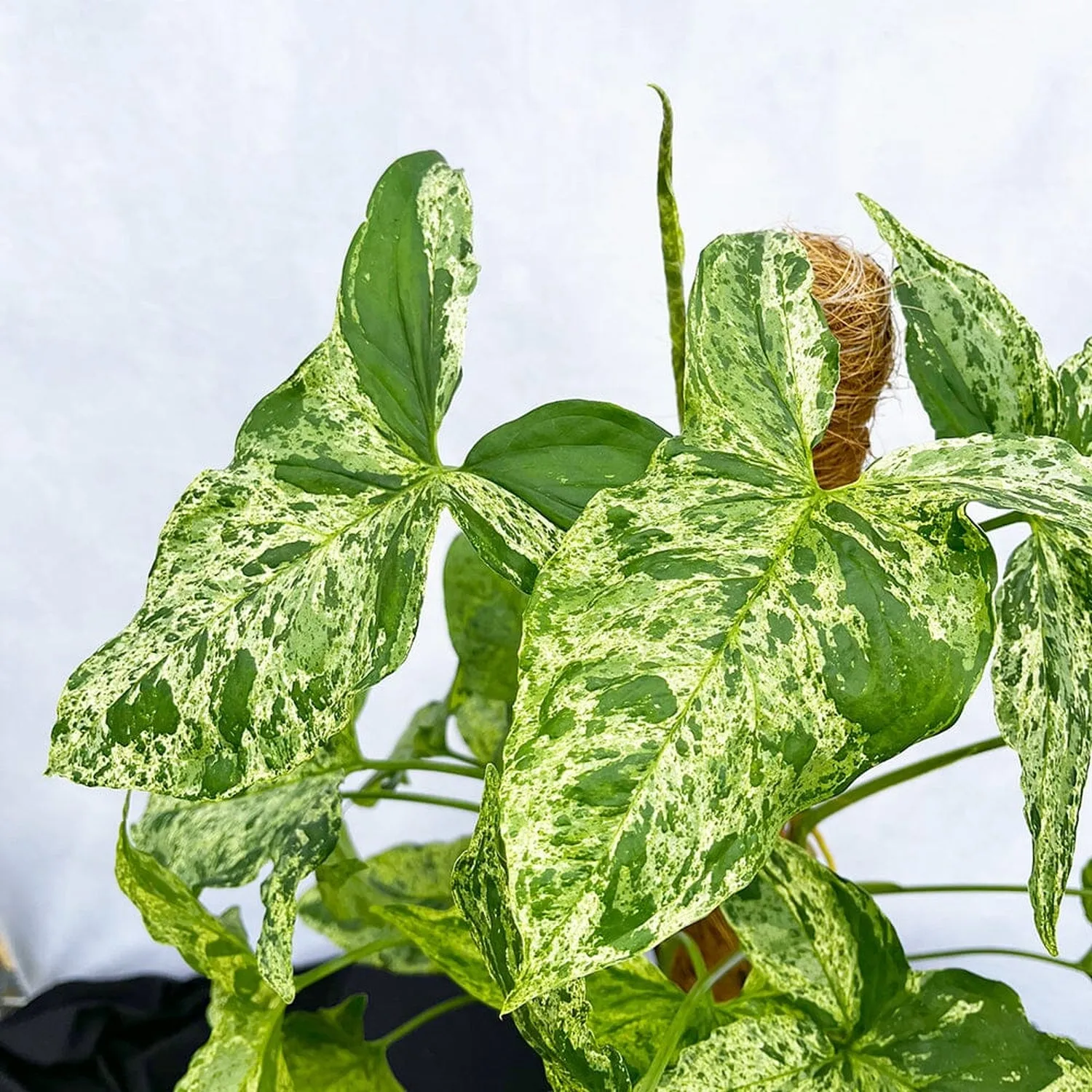
Cnidoscolus aconitifolius ‘Variegata’, commonly known as Variegated Chaya or the Variegated Tree Spinach, is a rare ornamental and edible plant from the Euphorbiaceae family. Native to Mexico and Central America, the species Cnidoscolus aconitifolius has long been cultivated for its highly nutritious leaves, which are rich in protein, vitamins, and minerals. The variegated form is particularly striking and collectable.
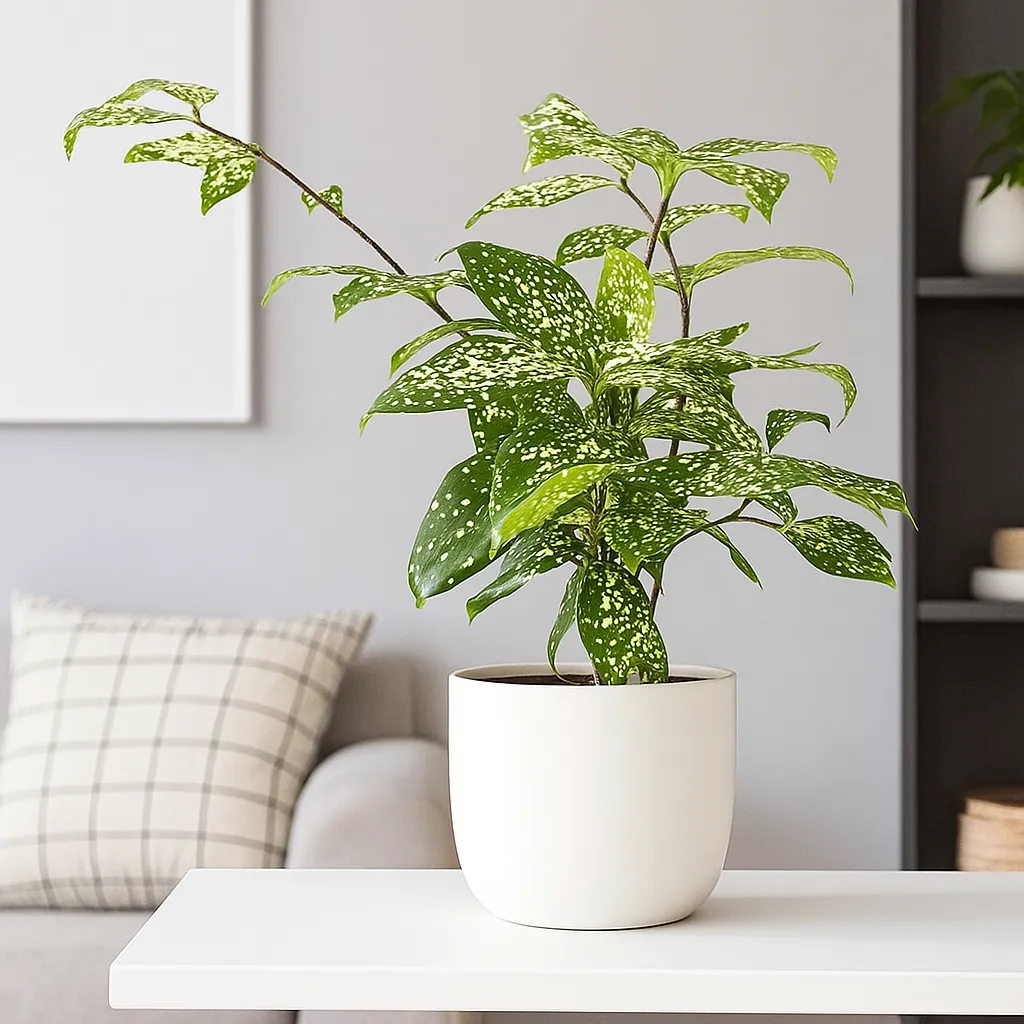
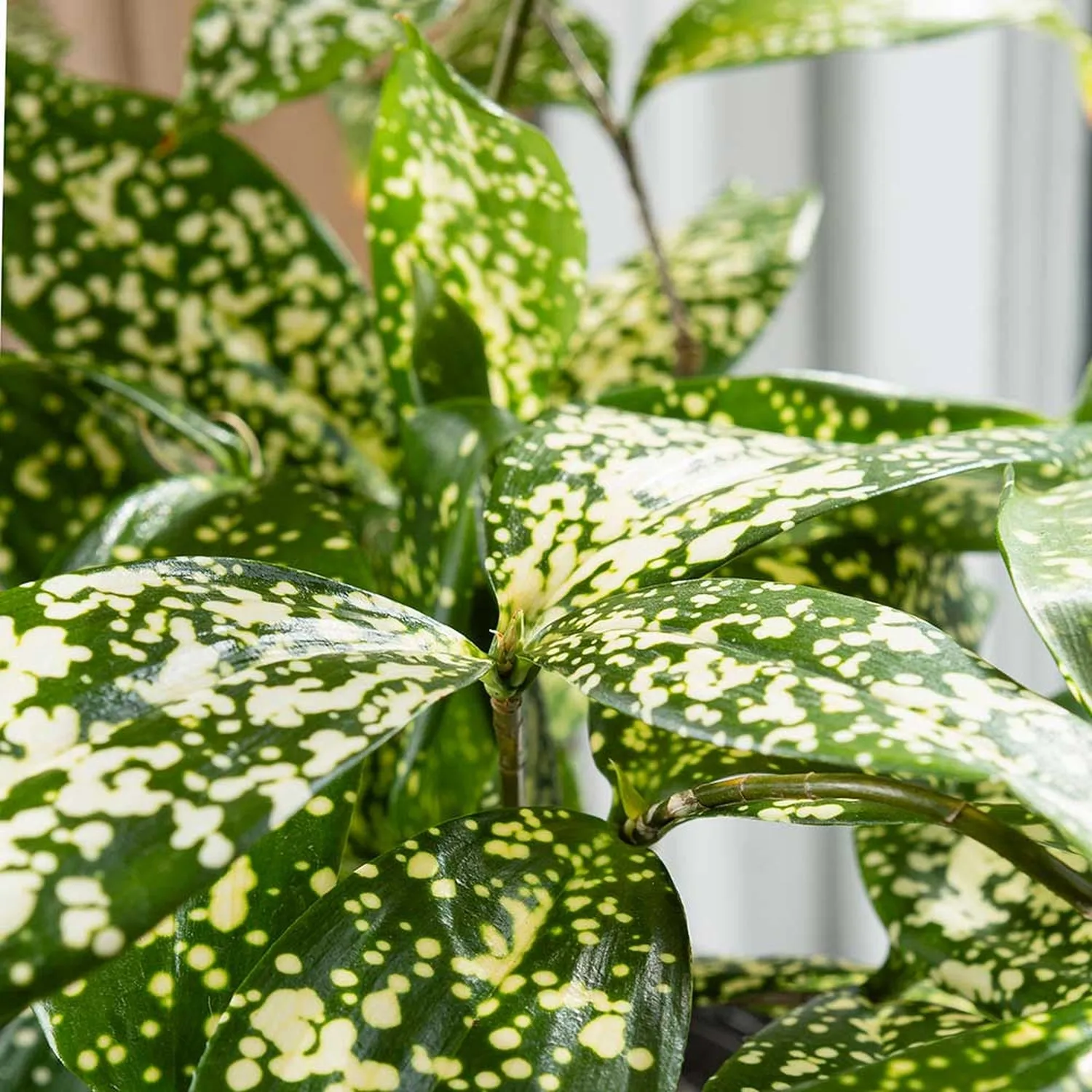
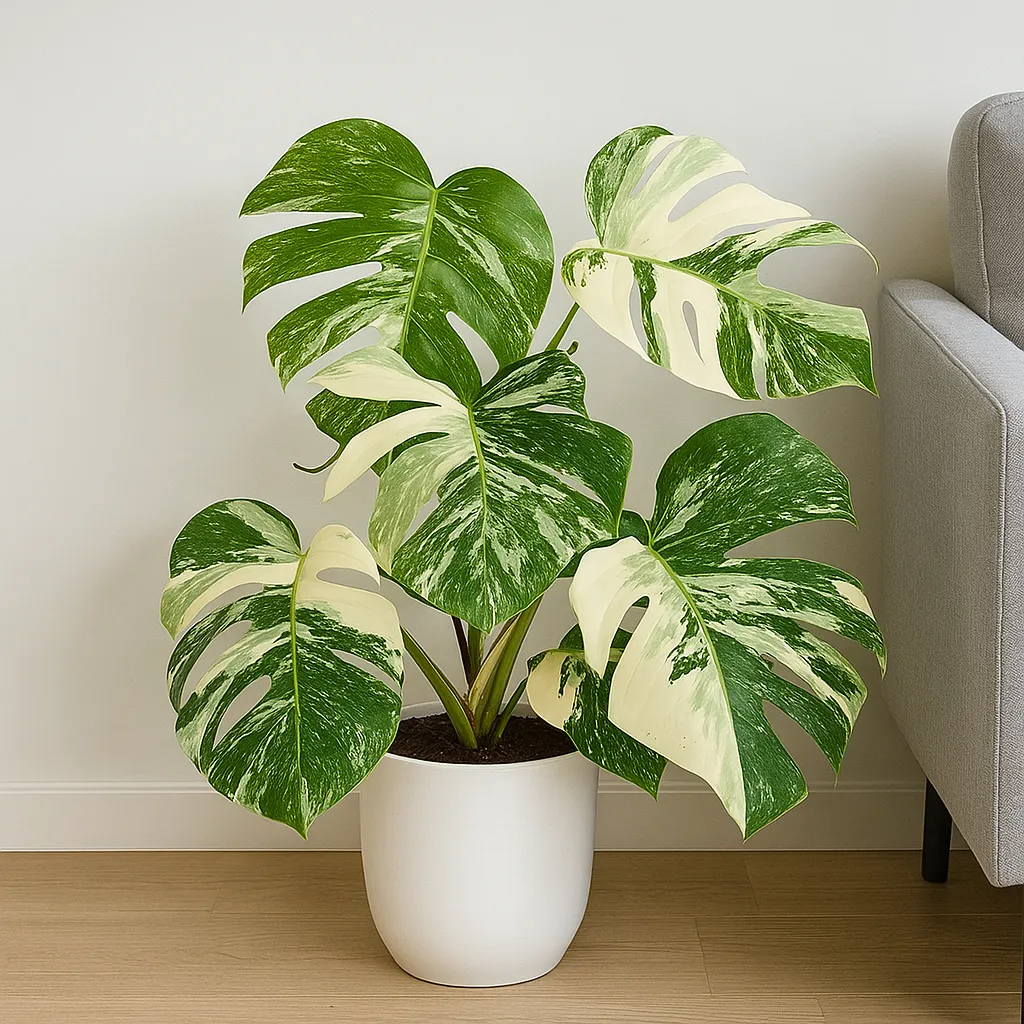
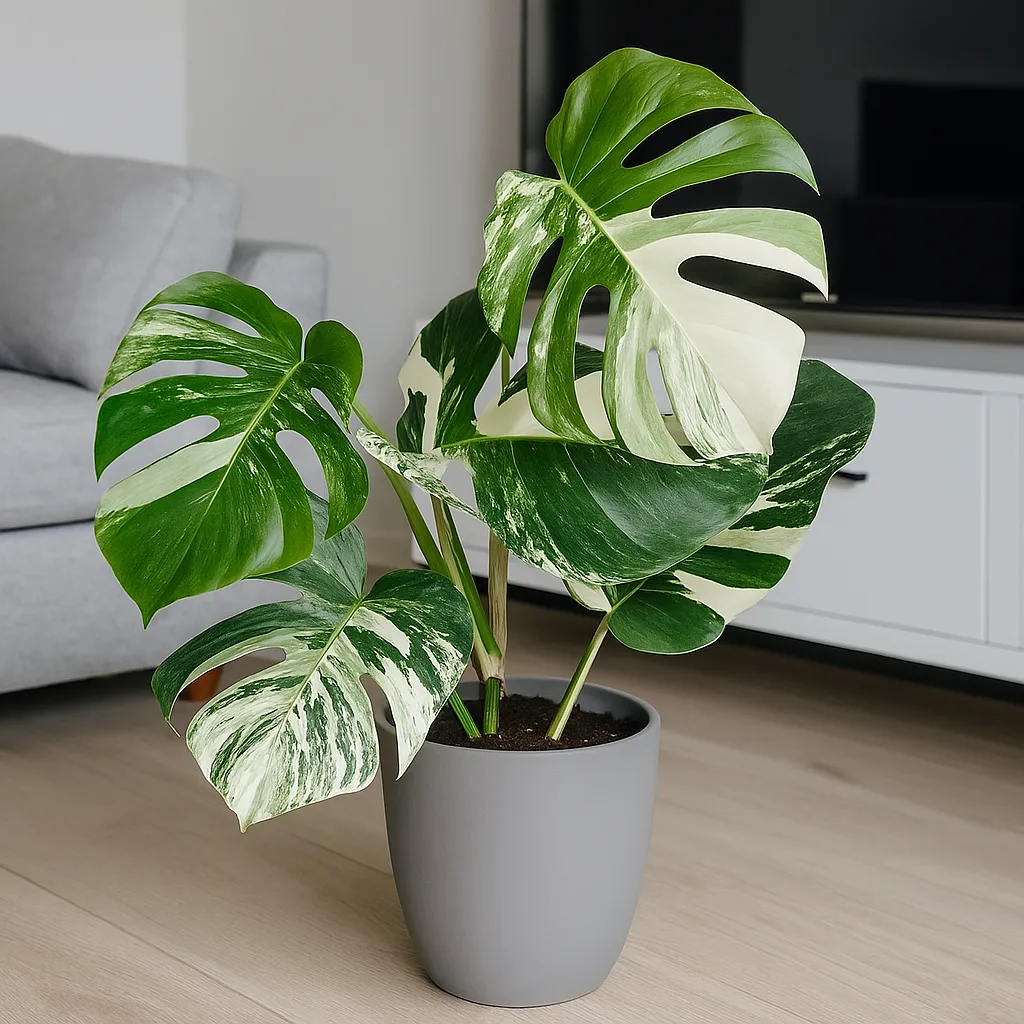
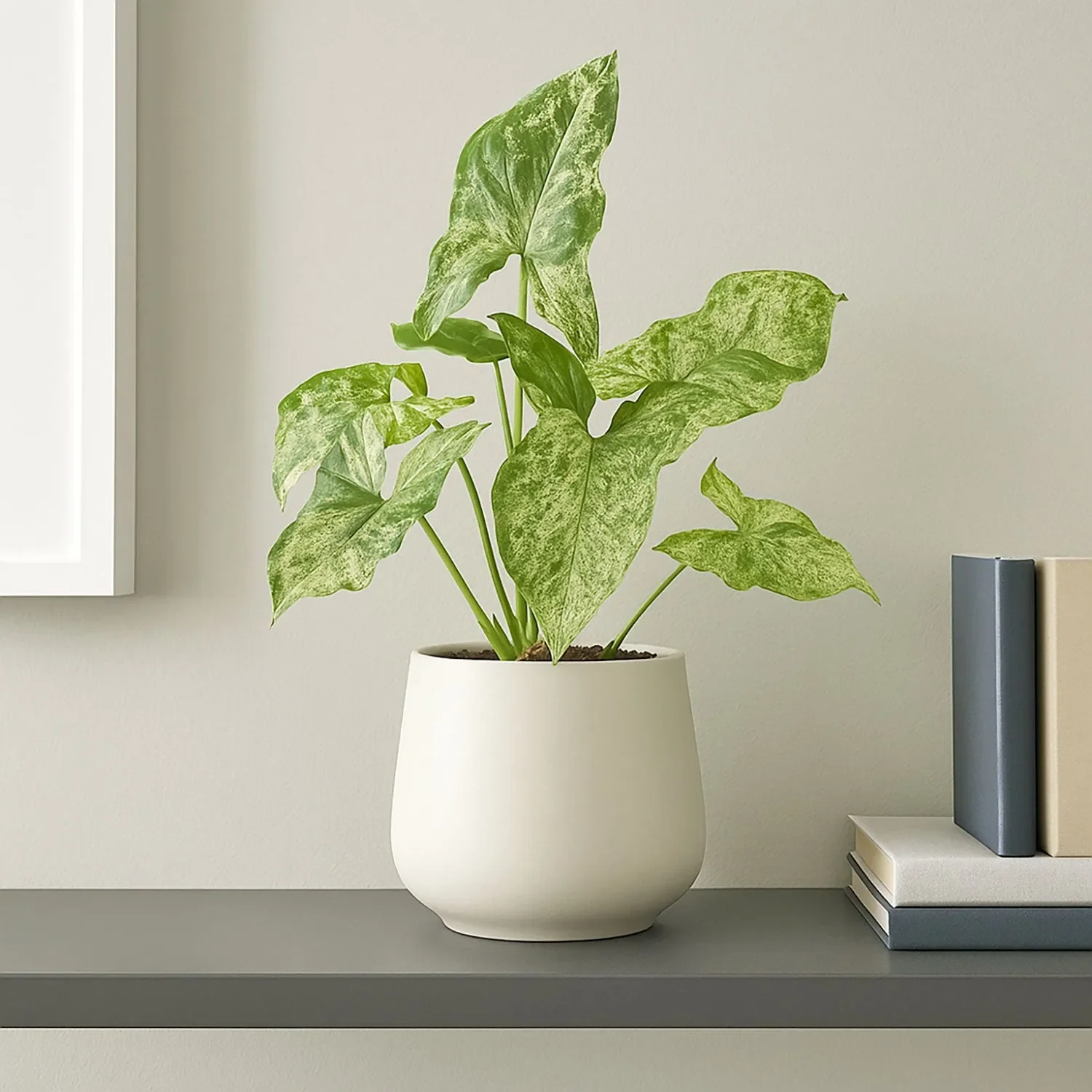
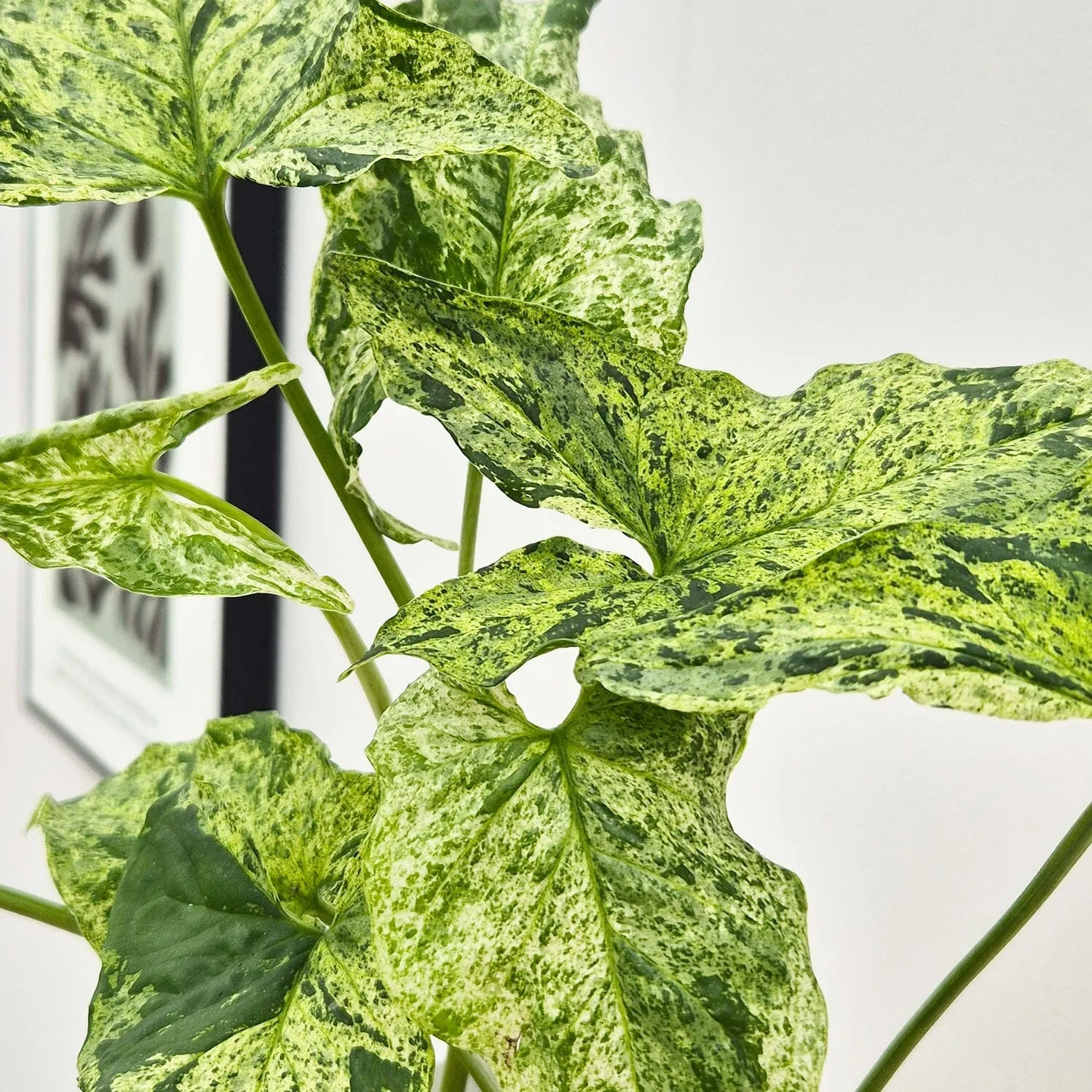
The plant is a perennial shrub that can reach 2–3 metres outdoors in tropical climates, though it remains much smaller when container-grown indoors or in greenhouses. Its large, palmate leaves resemble those of a papaya or castor bean plant, but in the ‘Variegata’ cultivar they are splashed with creamy-white and pale green variegation. This contrast makes it not only a valuable edible but also a highly decorative foliage plant.
Chaya is sometimes compared to spinach for its culinary uses, though the leaves must always be cooked before eating to neutralise toxic compounds. As an ornamental, the variegated form is prized by rare plant collectors for its bold tropical look.
Cnidoscolus aconitifolius ‘Variegata’ – Care Guide
Light
Thrives in full sun to bright, indirect light. Outdoors in tropical regions, it grows best in sunny spots, while indoors it should be placed in the brightest location possible.
Watering
Moderately drought tolerant once established. Water regularly during active growth, allowing the topsoil to dry slightly between waterings. Avoid prolonged soggy conditions, which may cause root rot.
Temperature and Humidity
-
Temperature: Prefers warm climates, 20–32°C. Cannot tolerate frost and must be protected below 12–15°C.
-
Humidity: Tolerates a range of humidity levels but thrives in moderate to high humidity, typical of tropical regions.
Soil and Potting
Requires a well-draining soil mix. A sandy loam or cactus-style mix enriched with organic matter works well. In containers, ensure large pots with drainage holes to accommodate its vigorous root system.
Feeding
Apply a balanced fertiliser every 4–6 weeks during the growing season (spring and summer). Reduce or stop feeding in cooler months if growth slows.
Pruning and Maintenance
Prune regularly to control size and encourage branching, especially in pots. Cutting back also stimulates fresh young leaves. Remove any fully green (non-variegated) shoots to maintain the variegated form.
Growth and Maturity
A fast-growing shrub in warm climates, reaching 2–3 m outdoors but staying more compact in pots. Can be shaped into a small tree or maintained as a bushy specimen with regular pruning.
Common Issues
-
Leaf yellowing: Often due to overwatering or poor drainage.
-
Loss of variegation: Caused by insufficient light.
-
Pests: Rare, but may occasionally attract whiteflies or spider mites in dry indoor air.
Background and Benefits
Chaya has been grown in Mexico for centuries as a highly nutritious leafy vegetable. The variegated form, ‘Variegata’, is less commonly used in cooking but highly sought after as an ornamental. Its striking cream-splashed leaves make it a unique addition to rare tropical collections, while still carrying the cultural and nutritional heritage of the species.
✅ Quick Care Summary
-
Light: Full sun to bright, indirect
-
Water: Moderate; allow soil to dry slightly between waterings
-
Temperature: 20–32°C; protect below 12°C
-
Humidity: Moderate to high
-
Soil: Well-draining sandy/organic mix
-
Feed: Every 4–6 weeks in spring/summer
-
Growth: Fast-growing shrub/tree; large cream-variegated palmate leaves
Original: $52.78
-70%$52.78
$15.83Product Information
Product Information
Shipping & Returns
Shipping & Returns
Description
Cnidoscolus aconitifolius ‘Variegata’, commonly known as Variegated Chaya or the Variegated Tree Spinach, is a rare ornamental and edible plant from the Euphorbiaceae family. Native to Mexico and Central America, the species Cnidoscolus aconitifolius has long been cultivated for its highly nutritious leaves, which are rich in protein, vitamins, and minerals. The variegated form is particularly striking and collectable.
The plant is a perennial shrub that can reach 2–3 metres outdoors in tropical climates, though it remains much smaller when container-grown indoors or in greenhouses. Its large, palmate leaves resemble those of a papaya or castor bean plant, but in the ‘Variegata’ cultivar they are splashed with creamy-white and pale green variegation. This contrast makes it not only a valuable edible but also a highly decorative foliage plant.
Chaya is sometimes compared to spinach for its culinary uses, though the leaves must always be cooked before eating to neutralise toxic compounds. As an ornamental, the variegated form is prized by rare plant collectors for its bold tropical look.
Cnidoscolus aconitifolius ‘Variegata’ – Care Guide
Light
Thrives in full sun to bright, indirect light. Outdoors in tropical regions, it grows best in sunny spots, while indoors it should be placed in the brightest location possible.
Watering
Moderately drought tolerant once established. Water regularly during active growth, allowing the topsoil to dry slightly between waterings. Avoid prolonged soggy conditions, which may cause root rot.
Temperature and Humidity
-
Temperature: Prefers warm climates, 20–32°C. Cannot tolerate frost and must be protected below 12–15°C.
-
Humidity: Tolerates a range of humidity levels but thrives in moderate to high humidity, typical of tropical regions.
Soil and Potting
Requires a well-draining soil mix. A sandy loam or cactus-style mix enriched with organic matter works well. In containers, ensure large pots with drainage holes to accommodate its vigorous root system.
Feeding
Apply a balanced fertiliser every 4–6 weeks during the growing season (spring and summer). Reduce or stop feeding in cooler months if growth slows.
Pruning and Maintenance
Prune regularly to control size and encourage branching, especially in pots. Cutting back also stimulates fresh young leaves. Remove any fully green (non-variegated) shoots to maintain the variegated form.
Growth and Maturity
A fast-growing shrub in warm climates, reaching 2–3 m outdoors but staying more compact in pots. Can be shaped into a small tree or maintained as a bushy specimen with regular pruning.
Common Issues
-
Leaf yellowing: Often due to overwatering or poor drainage.
-
Loss of variegation: Caused by insufficient light.
-
Pests: Rare, but may occasionally attract whiteflies or spider mites in dry indoor air.
Background and Benefits
Chaya has been grown in Mexico for centuries as a highly nutritious leafy vegetable. The variegated form, ‘Variegata’, is less commonly used in cooking but highly sought after as an ornamental. Its striking cream-splashed leaves make it a unique addition to rare tropical collections, while still carrying the cultural and nutritional heritage of the species.
✅ Quick Care Summary
-
Light: Full sun to bright, indirect
-
Water: Moderate; allow soil to dry slightly between waterings
-
Temperature: 20–32°C; protect below 12°C
-
Humidity: Moderate to high
-
Soil: Well-draining sandy/organic mix
-
Feed: Every 4–6 weeks in spring/summer
-
Growth: Fast-growing shrub/tree; large cream-variegated palmate leaves