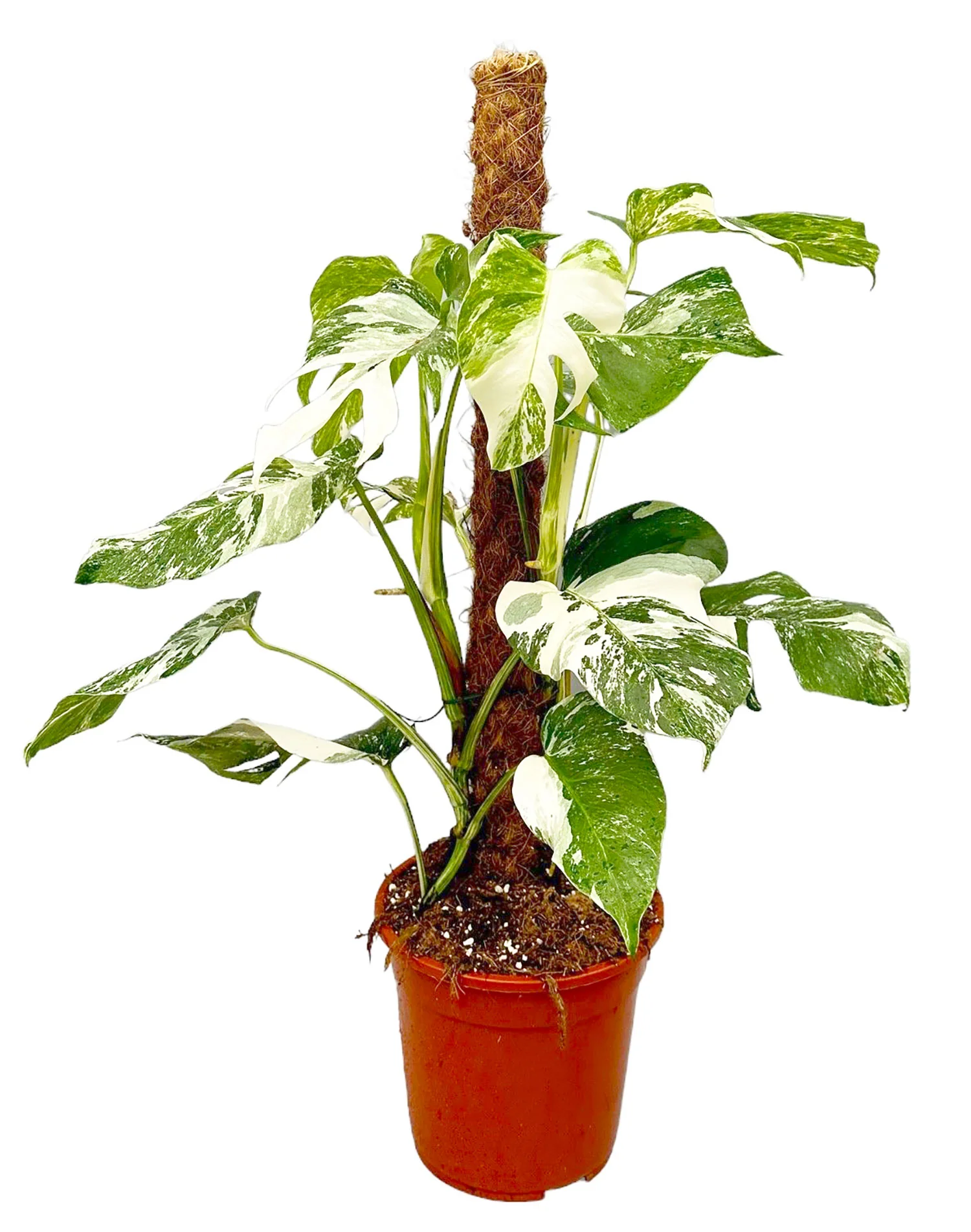
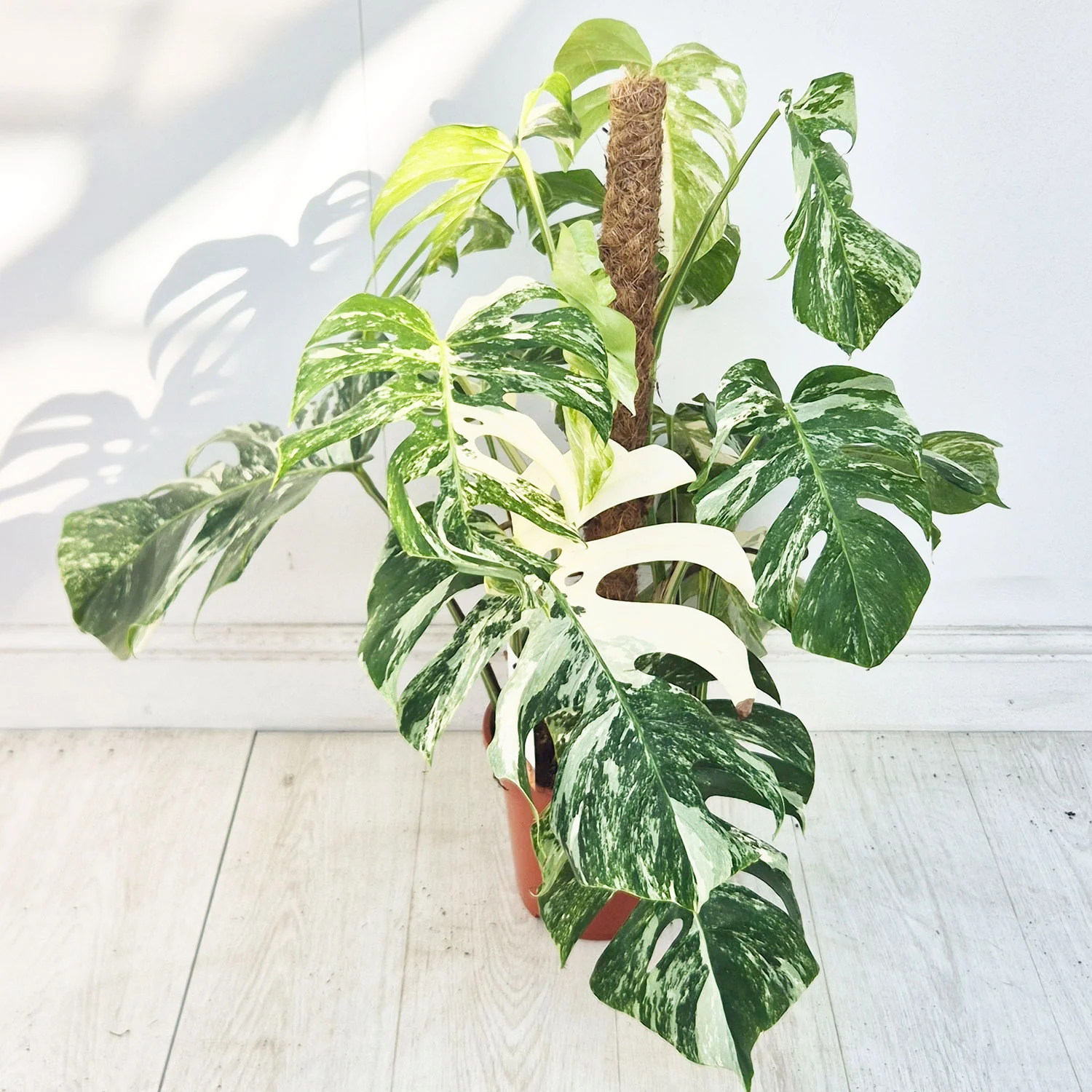
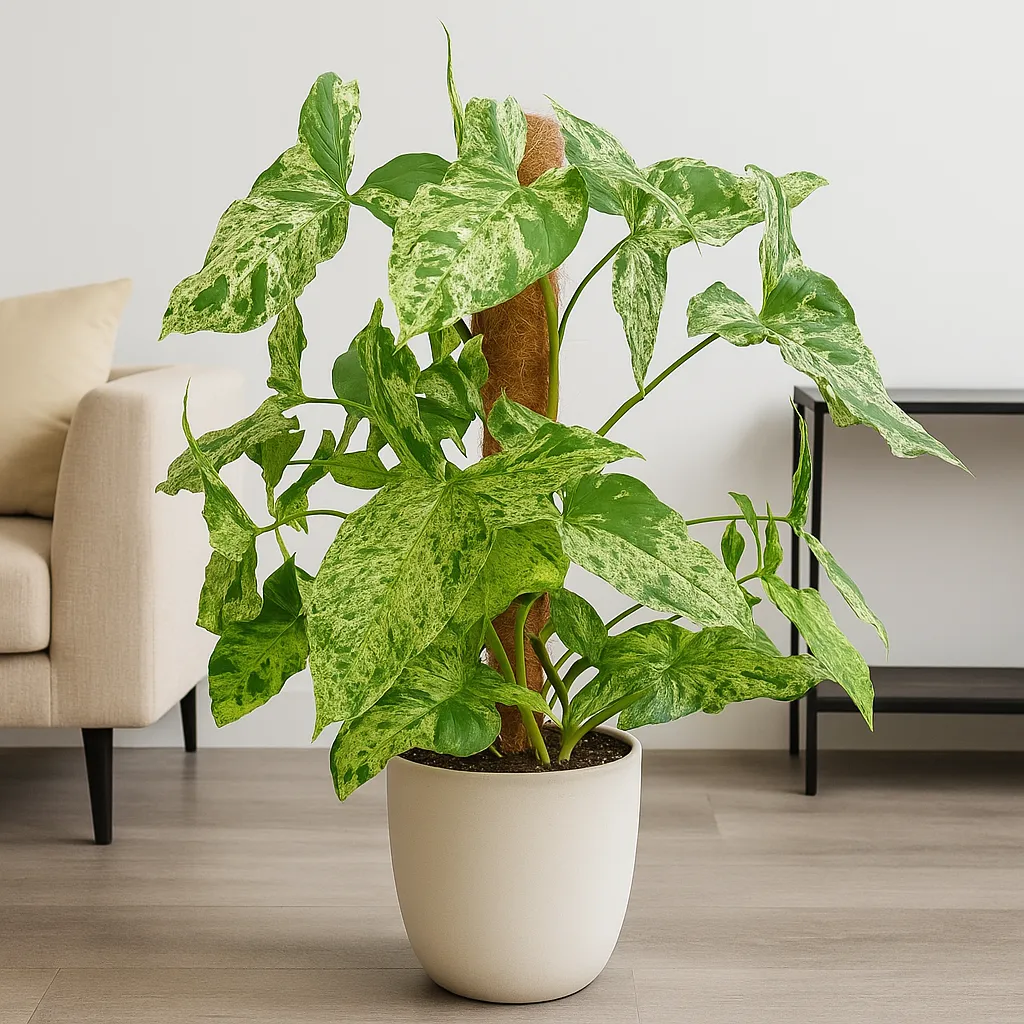
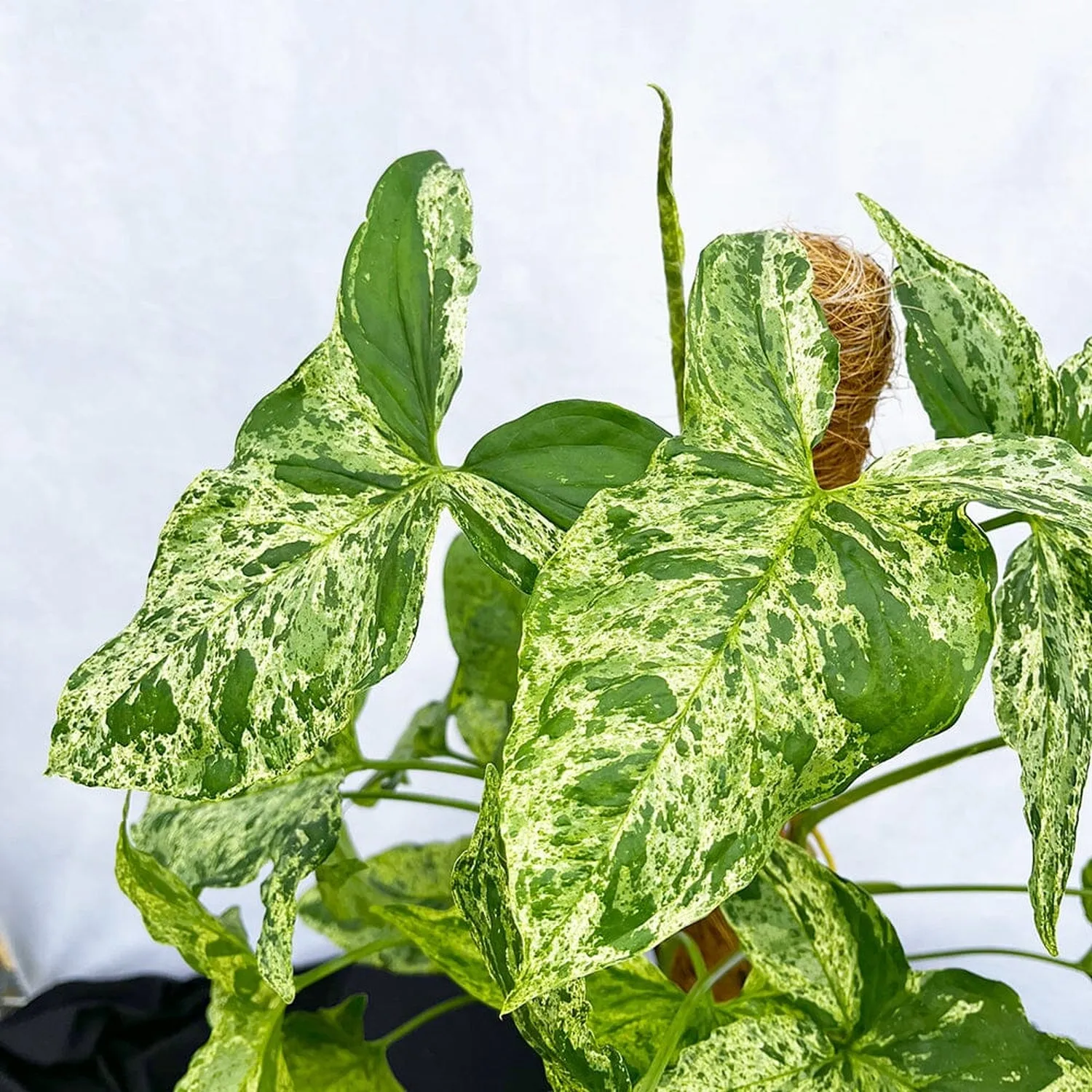
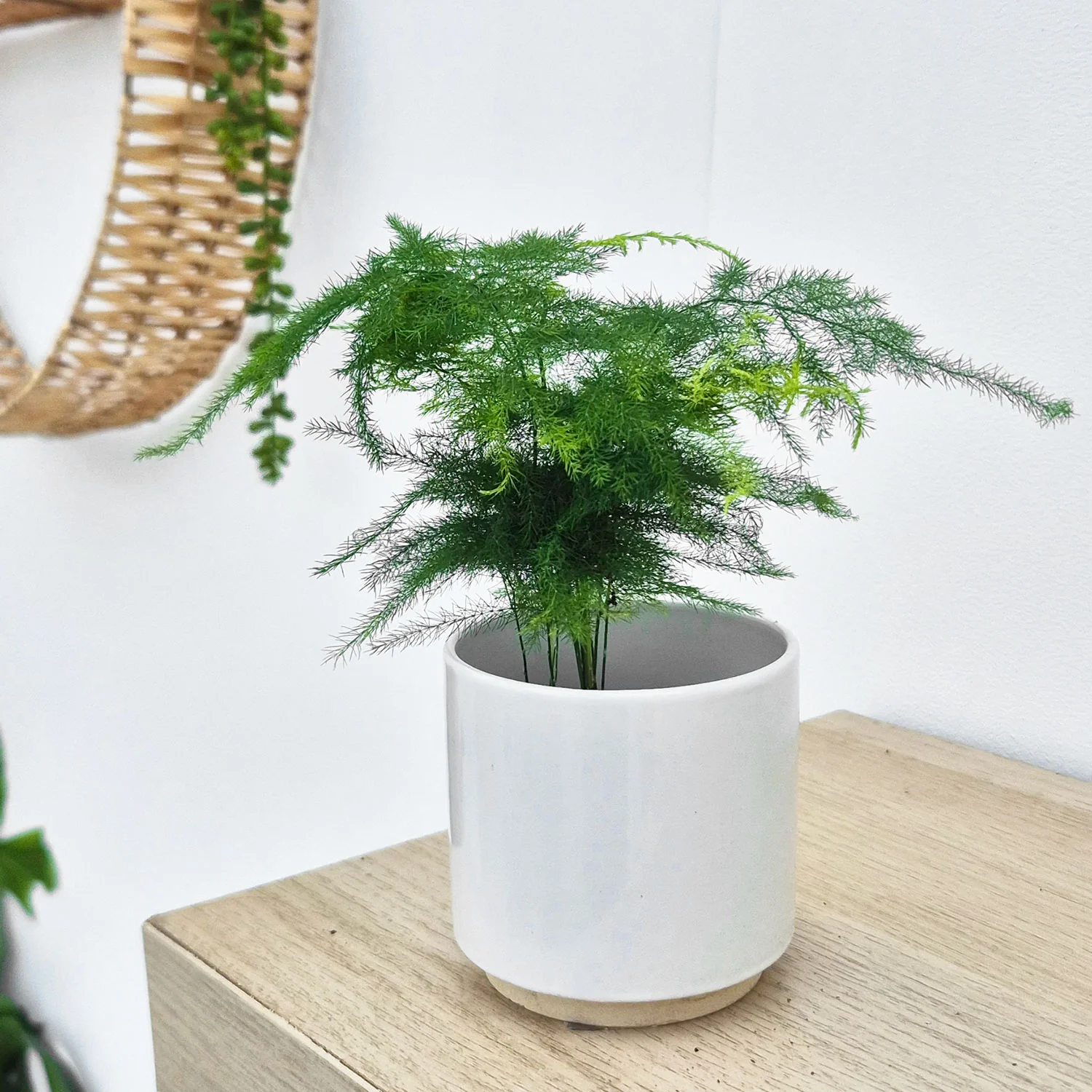
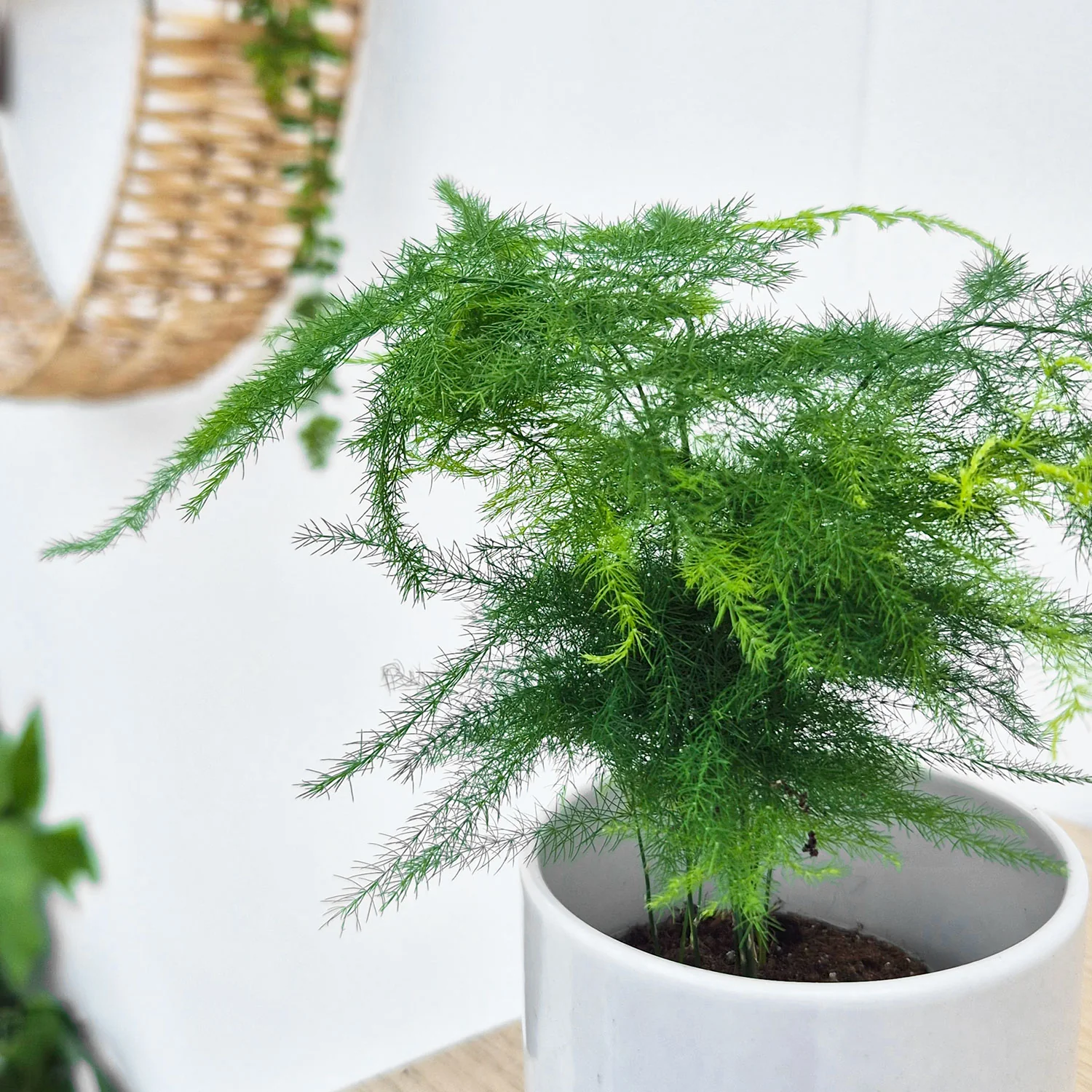
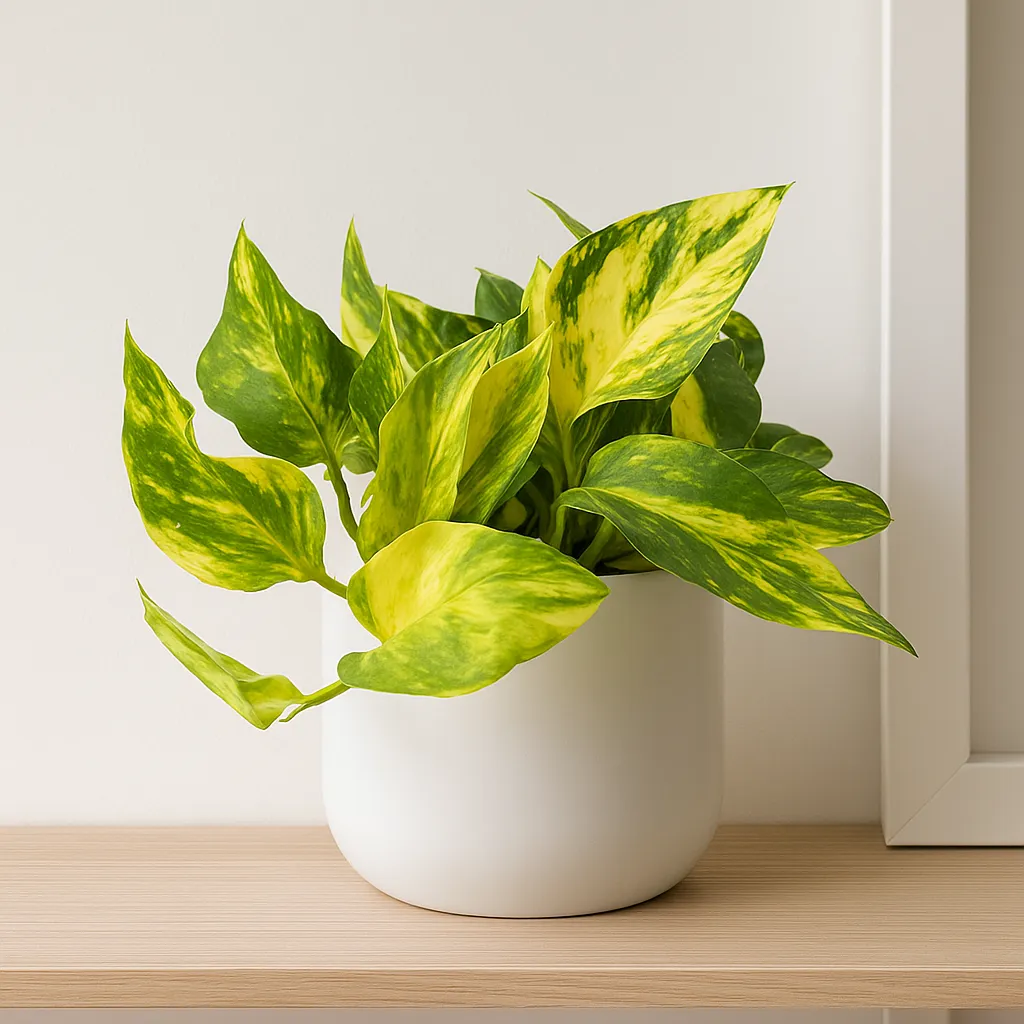
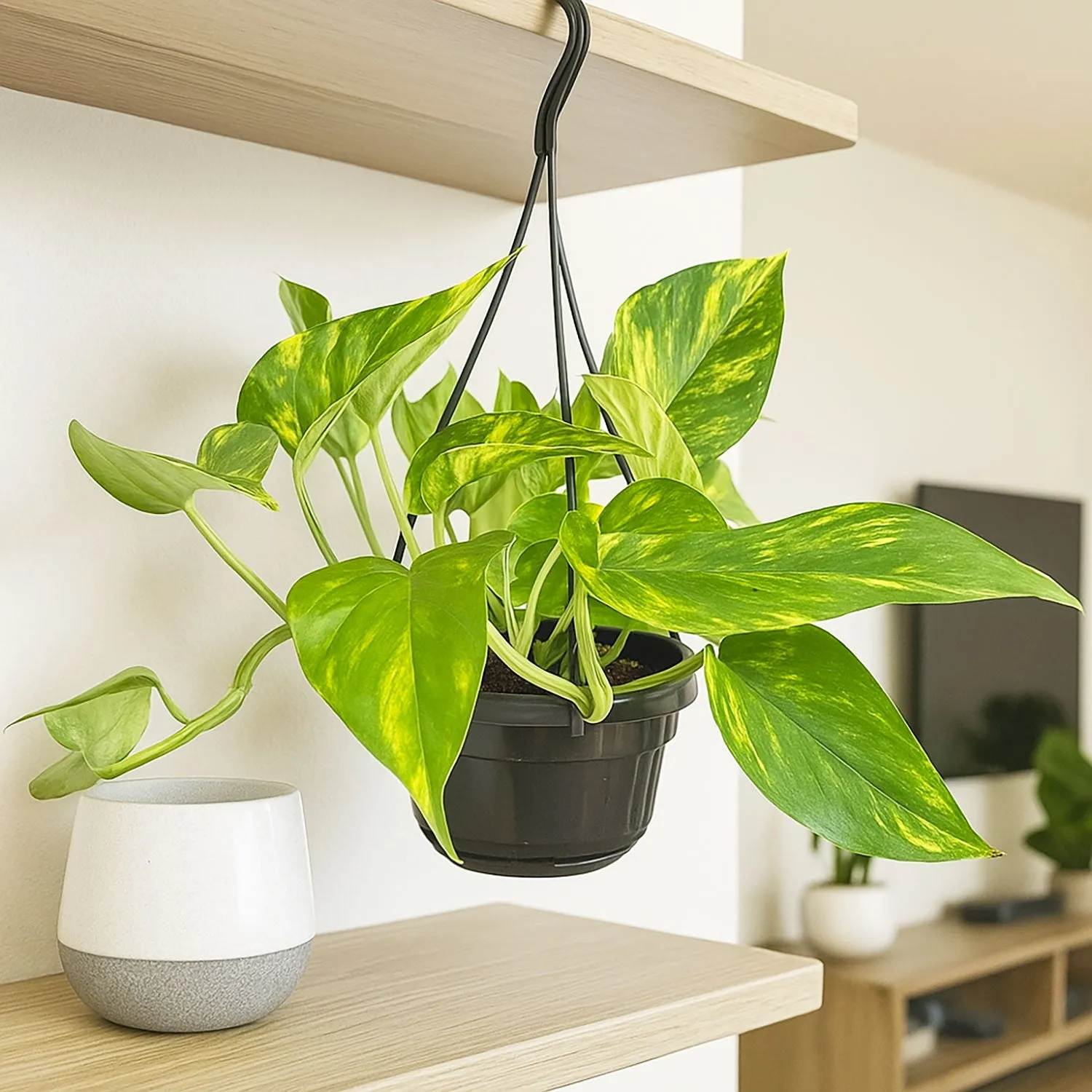
15 - 20cm Crassula Swaziensis Variegata House Plant 12cm Pot
Crassula swaziensis ‘Variegata’ is a compact and rare succulent from the Crassulaceae family, native to Eswatini (formerly Swaziland) and South Africa. Like many Crassula species, it is adored for its compact growth, water-storing leaves, and attractive variegation that makes it a standout in any succulent collection.
The plant forms neat rosettes of thick, fleshy leaves in shades of green, cream, and soft pink. The variegation appears as marbled or striped patterns, with the creamy margins often blushing pink or rose-red when exposed to bright sunlight. The leaves are slightly pointed and covered in a fine, velvety texture that gives them a matte finish.
Over time, Crassula swaziensis ‘Variegata’ produces offsets, forming small clumps. In spring or early summer, it may produce clusters of star-shaped white or pale pink flowers that rise on slender stems above the foliage.
Elegant and resilient, this variegated Crassula is perfect for sunny windowsills, small containers, or rock garden displays.
Crassula swaziensis ‘Variegata’ – Care Guide
Light
Thrives in bright light to full sun. Indoors, place near a sunny south- or west-facing window. Bright light enhances the pink tones and keeps the rosettes compact.
Watering
Water sparingly, allowing the soil to dry completely between waterings. During the growing season (spring to early autumn), water every 2–3 weeks depending on temperature. In winter, reduce watering to once a month or less. Overwatering is the most common cause of problems.
Temperature and Humidity
-
Temperature: Prefers warm conditions, 18–28°C. Protect from frost; minimum 10°C.
-
Humidity: Prefers dry air; no additional humidity is needed.
Soil and Potting
Use a gritty, free-draining succulent or cactus compost. Add extra sand, perlite, or pumice for maximum drainage. Repot every 2–3 years in spring, refreshing the soil to maintain aeration.
Feeding
Feed once a month during spring and summer with a diluted cactus fertiliser. Do not fertilise during the dormant winter months.
Pruning and Maintenance
Remove old or dried leaves from the base of the rosettes to maintain a tidy appearance. Offsets can be removed and replanted to propagate new plants.
Growth and Maturity
A slow-growing, low-maintenance succulent that typically reaches 10–15 cm in height and width. Over time, it forms small clumps of rosettes.
Common Issues
-
Soft, mushy leaves: Overwatering or poor drainage.
-
Stretched growth: Insufficient light.
-
Leaf tip burn: Sudden intense sun exposure after being kept in shade.
-
Pests: Occasionally mealybugs or scale insects.
Background and Benefits
Native to rocky hillsides and dry slopes in Eswatini, Crassula swaziensis has evolved to withstand drought and strong sun. The ‘Variegata’ form adds a decorative twist with its cream and pink variegation, making it a favourite among succulent enthusiasts. Its compact, symmetrical rosettes and soft colouring make it perfect for collectors, small planters, or mixed succulent arrangements.
✅ Quick Care Summary
-
Light: Bright light to full sun
-
Water: Sparingly; let soil dry completely
-
Temperature: 18–28°C; protect below 10°C
-
Humidity: Dry air tolerant
-
Soil: Gritty, free-draining succulent mix
-
Feed: Monthly in spring/summer
-
Growth: Compact rosette, 10–15 cm; green, cream, and pink variegated leaves; star-shaped flowers in summer
Original: $17.14
-70%$17.14
$5.14Product Information
Product Information
Shipping & Returns
Shipping & Returns
Description
Crassula swaziensis ‘Variegata’ is a compact and rare succulent from the Crassulaceae family, native to Eswatini (formerly Swaziland) and South Africa. Like many Crassula species, it is adored for its compact growth, water-storing leaves, and attractive variegation that makes it a standout in any succulent collection.
The plant forms neat rosettes of thick, fleshy leaves in shades of green, cream, and soft pink. The variegation appears as marbled or striped patterns, with the creamy margins often blushing pink or rose-red when exposed to bright sunlight. The leaves are slightly pointed and covered in a fine, velvety texture that gives them a matte finish.
Over time, Crassula swaziensis ‘Variegata’ produces offsets, forming small clumps. In spring or early summer, it may produce clusters of star-shaped white or pale pink flowers that rise on slender stems above the foliage.
Elegant and resilient, this variegated Crassula is perfect for sunny windowsills, small containers, or rock garden displays.
Crassula swaziensis ‘Variegata’ – Care Guide
Light
Thrives in bright light to full sun. Indoors, place near a sunny south- or west-facing window. Bright light enhances the pink tones and keeps the rosettes compact.
Watering
Water sparingly, allowing the soil to dry completely between waterings. During the growing season (spring to early autumn), water every 2–3 weeks depending on temperature. In winter, reduce watering to once a month or less. Overwatering is the most common cause of problems.
Temperature and Humidity
-
Temperature: Prefers warm conditions, 18–28°C. Protect from frost; minimum 10°C.
-
Humidity: Prefers dry air; no additional humidity is needed.
Soil and Potting
Use a gritty, free-draining succulent or cactus compost. Add extra sand, perlite, or pumice for maximum drainage. Repot every 2–3 years in spring, refreshing the soil to maintain aeration.
Feeding
Feed once a month during spring and summer with a diluted cactus fertiliser. Do not fertilise during the dormant winter months.
Pruning and Maintenance
Remove old or dried leaves from the base of the rosettes to maintain a tidy appearance. Offsets can be removed and replanted to propagate new plants.
Growth and Maturity
A slow-growing, low-maintenance succulent that typically reaches 10–15 cm in height and width. Over time, it forms small clumps of rosettes.
Common Issues
-
Soft, mushy leaves: Overwatering or poor drainage.
-
Stretched growth: Insufficient light.
-
Leaf tip burn: Sudden intense sun exposure after being kept in shade.
-
Pests: Occasionally mealybugs or scale insects.
Background and Benefits
Native to rocky hillsides and dry slopes in Eswatini, Crassula swaziensis has evolved to withstand drought and strong sun. The ‘Variegata’ form adds a decorative twist with its cream and pink variegation, making it a favourite among succulent enthusiasts. Its compact, symmetrical rosettes and soft colouring make it perfect for collectors, small planters, or mixed succulent arrangements.
✅ Quick Care Summary
-
Light: Bright light to full sun
-
Water: Sparingly; let soil dry completely
-
Temperature: 18–28°C; protect below 10°C
-
Humidity: Dry air tolerant
-
Soil: Gritty, free-draining succulent mix
-
Feed: Monthly in spring/summer
-
Growth: Compact rosette, 10–15 cm; green, cream, and pink variegated leaves; star-shaped flowers in summer