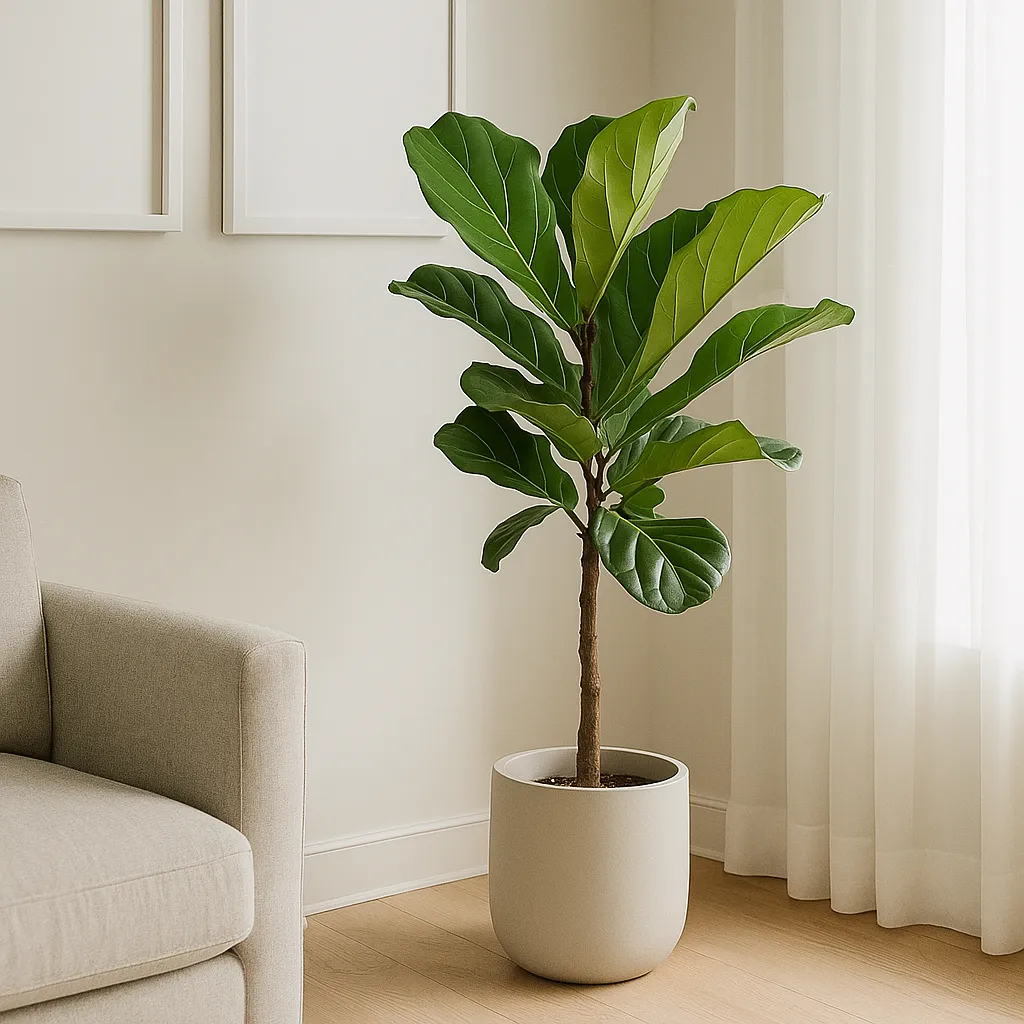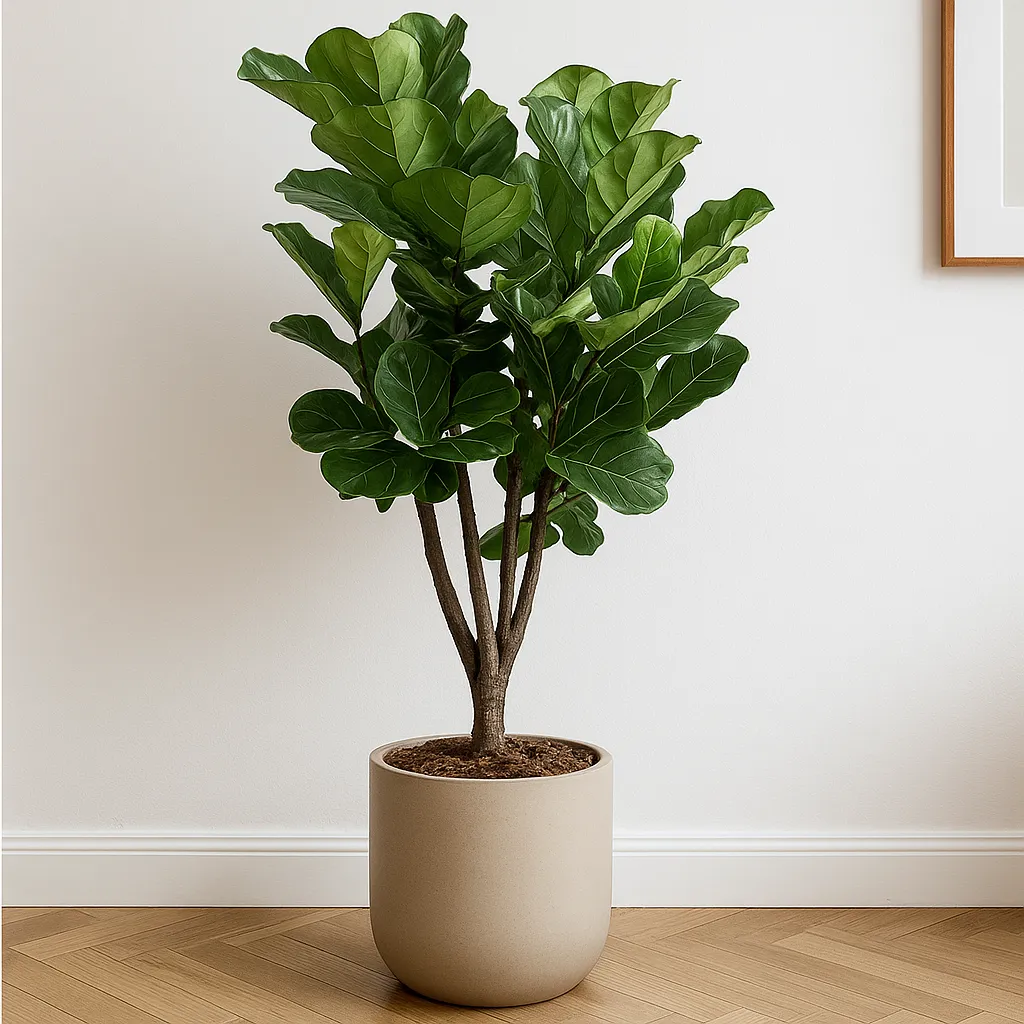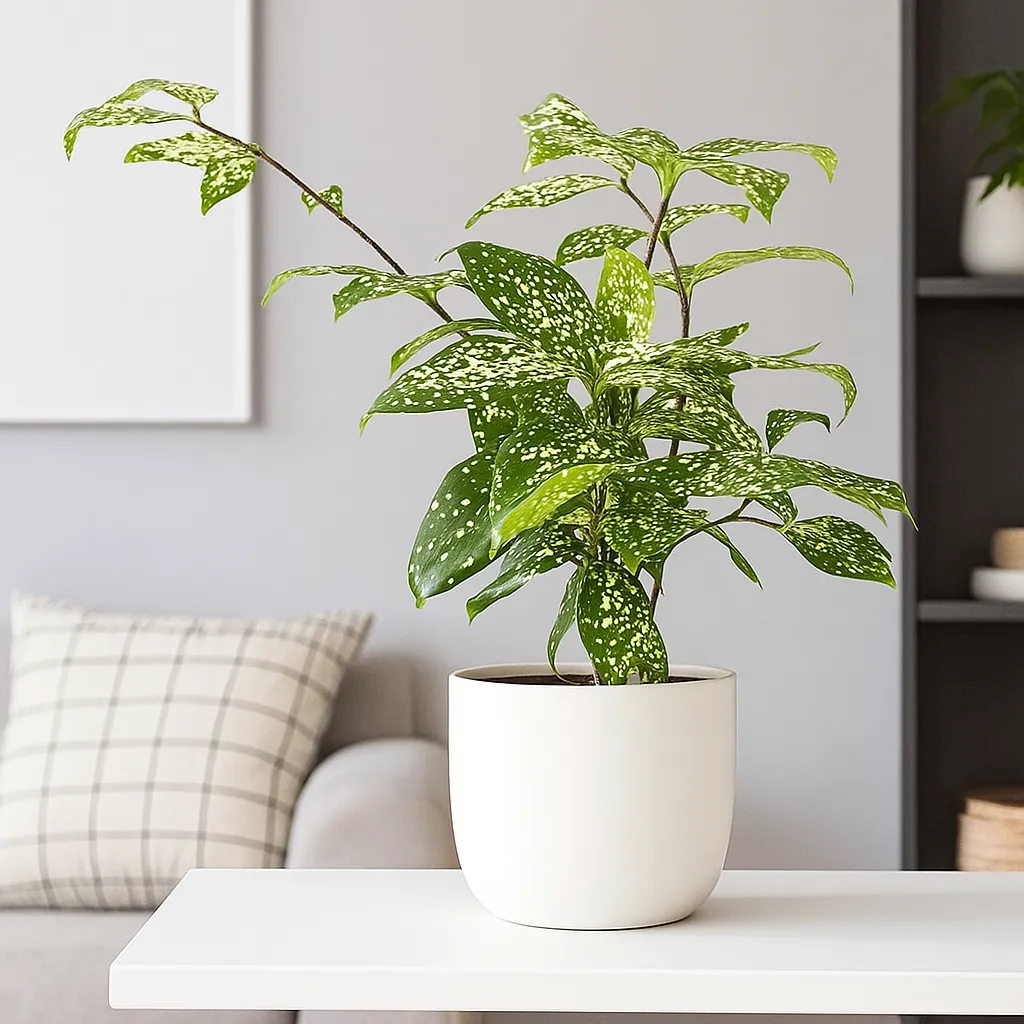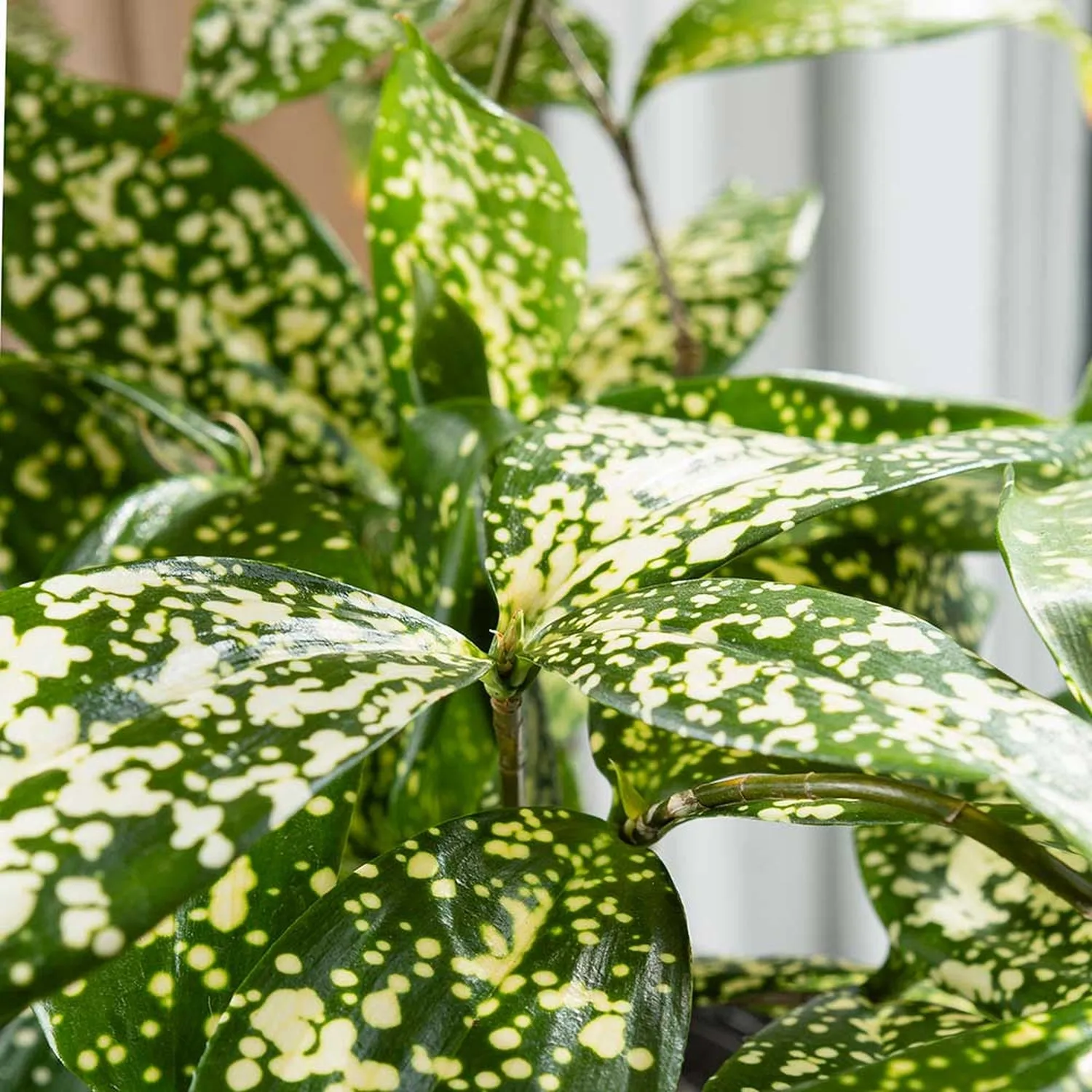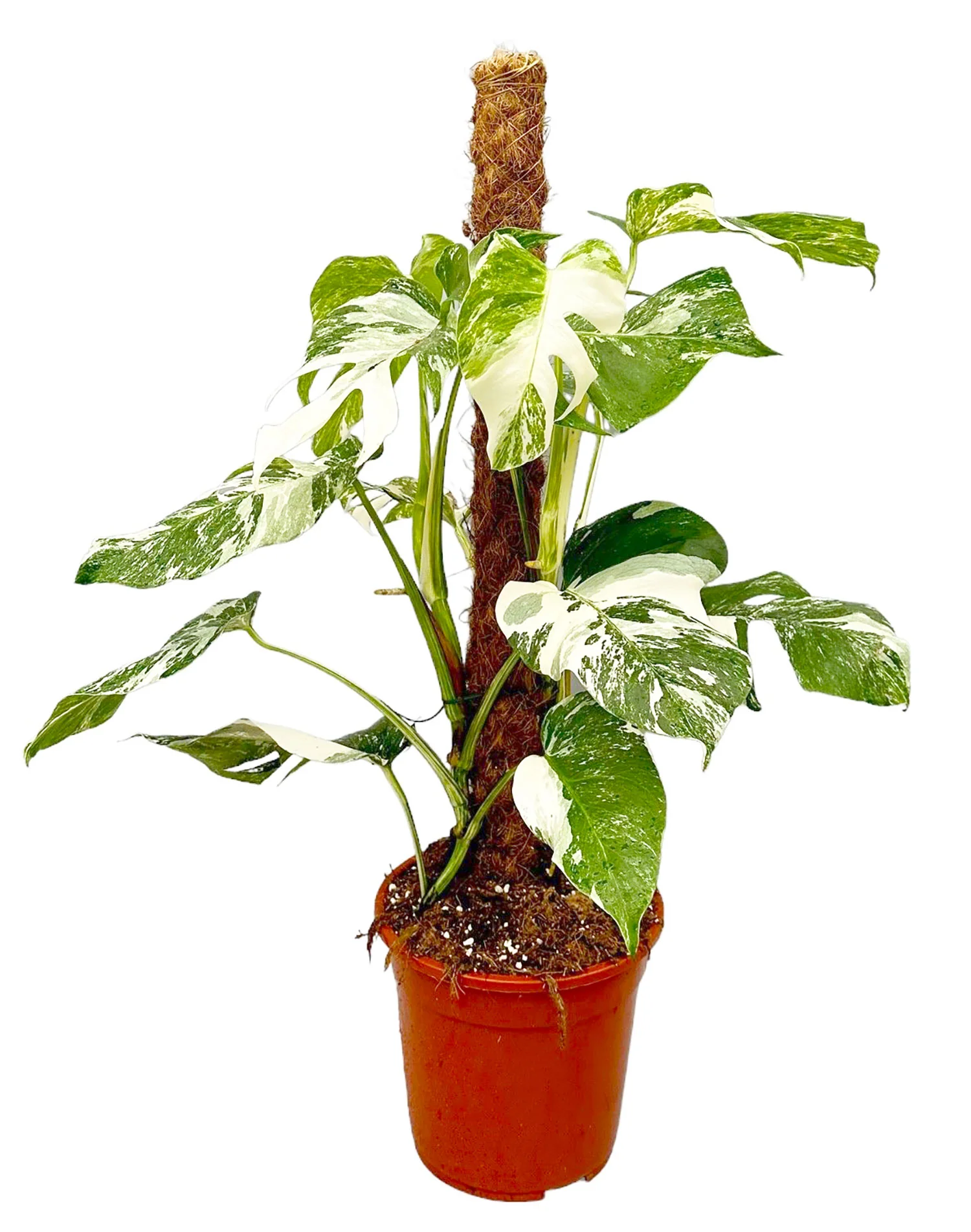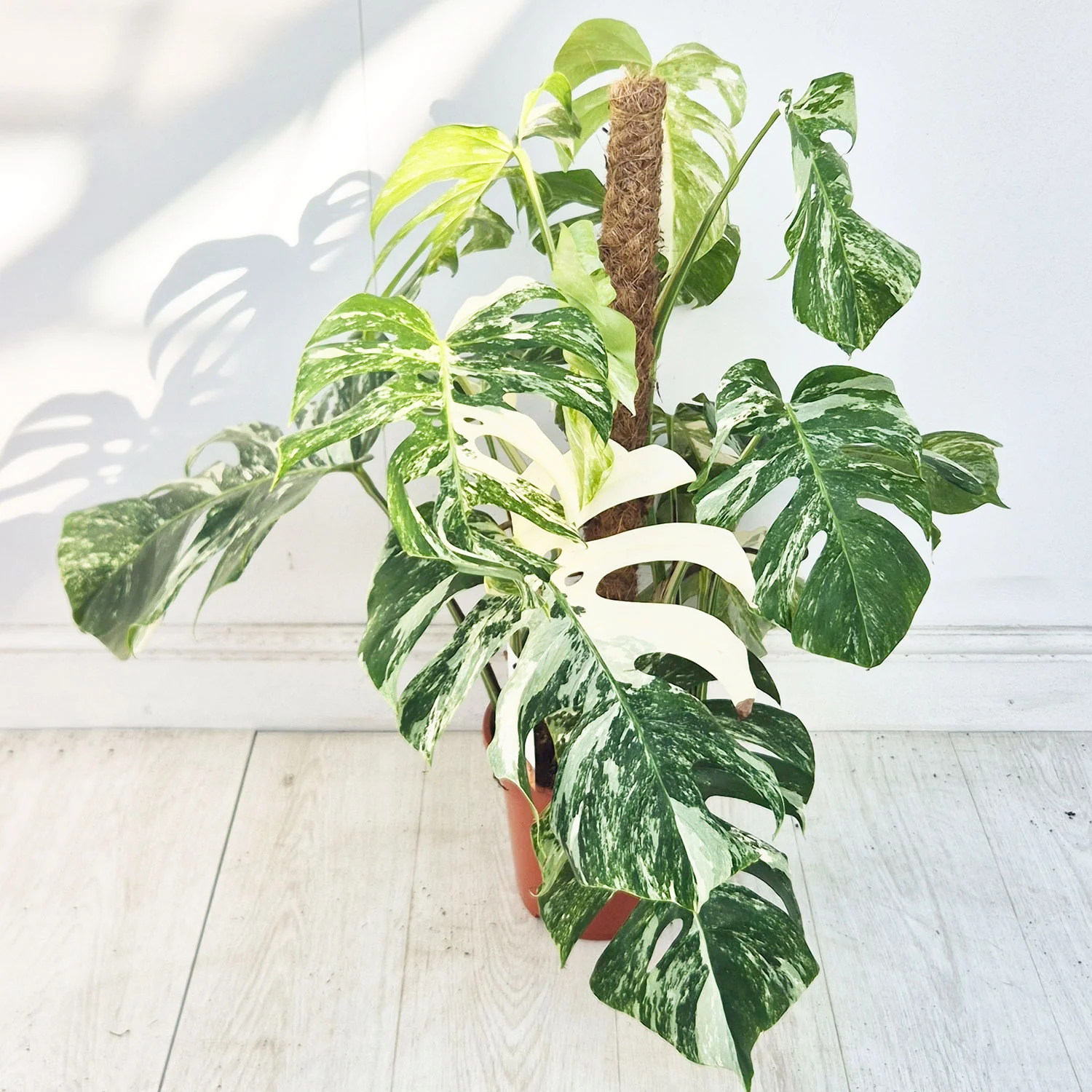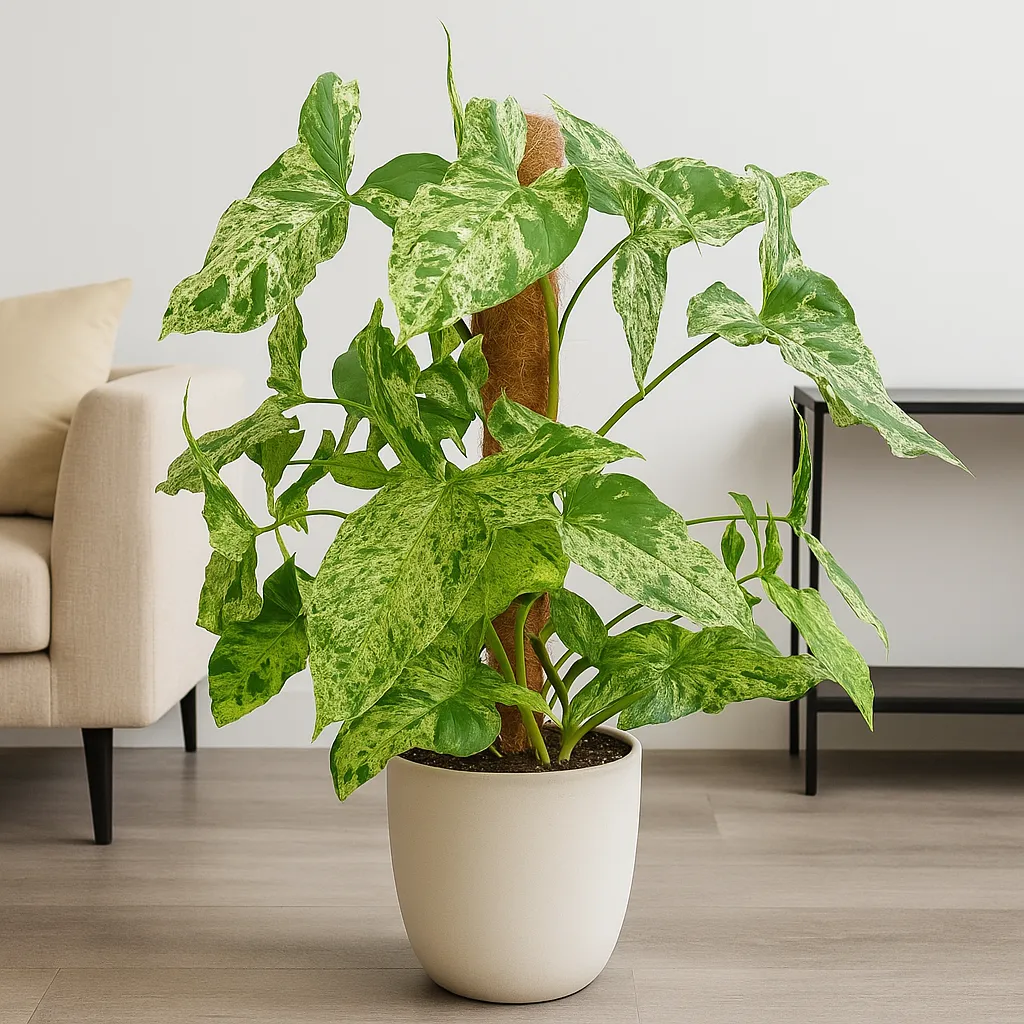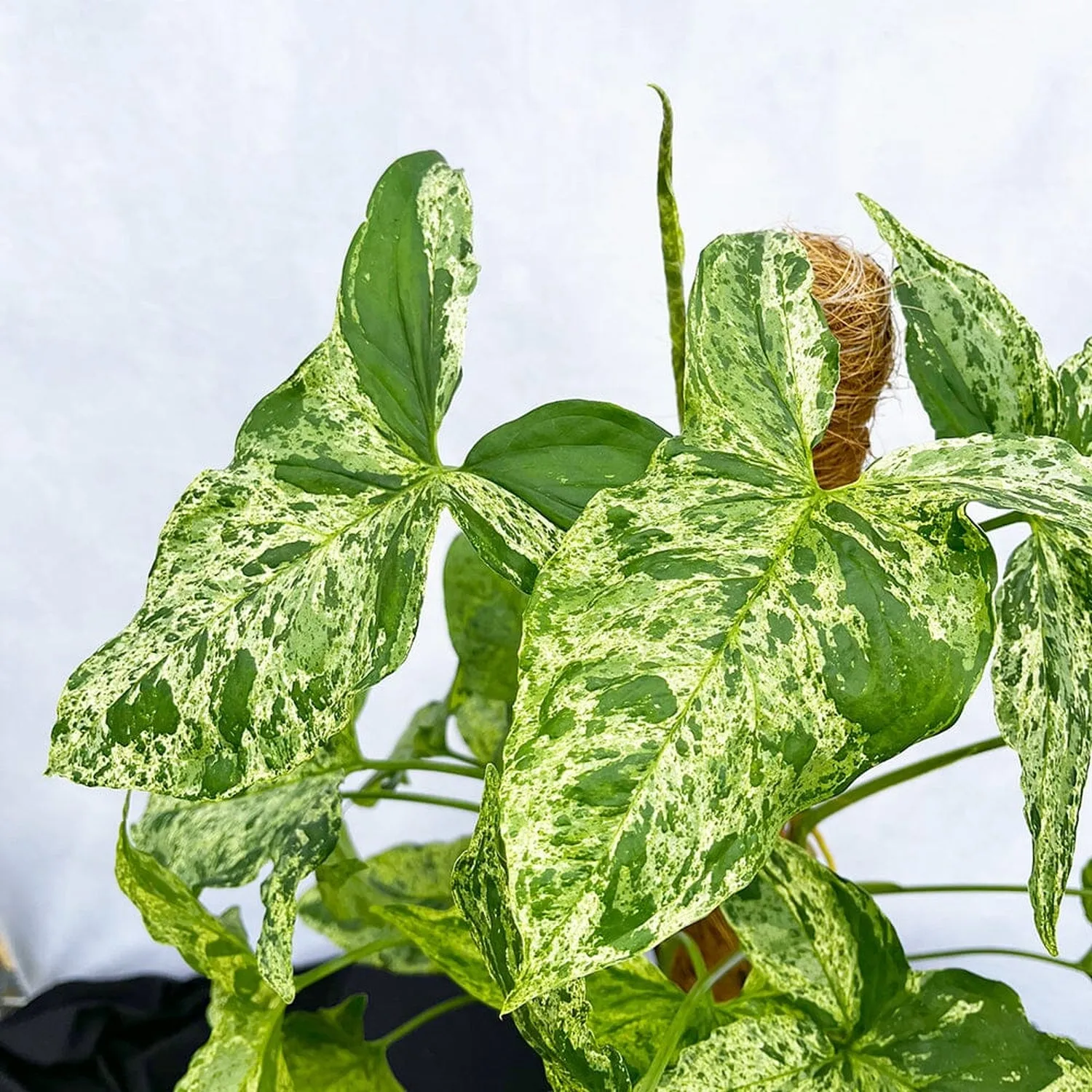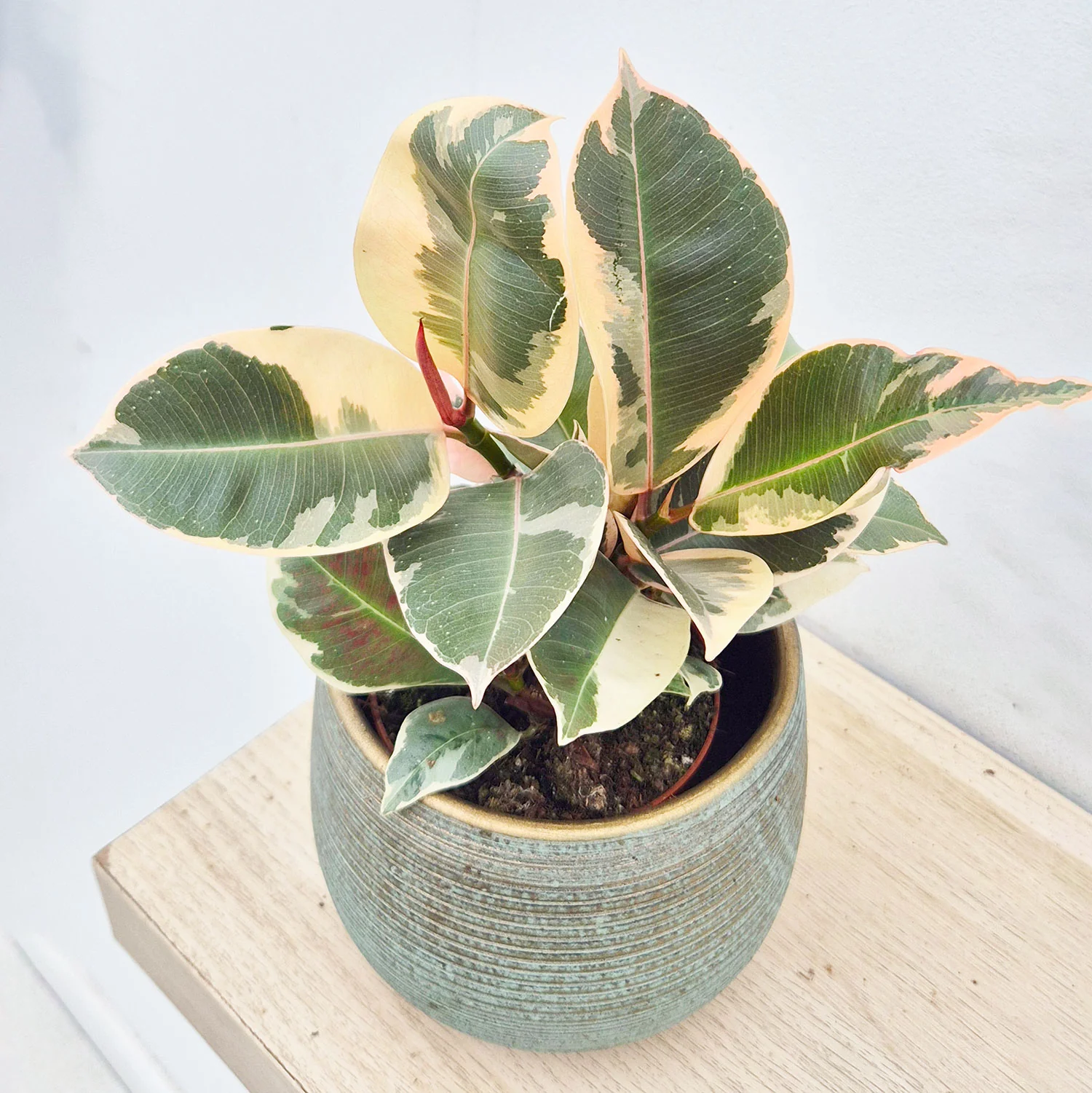
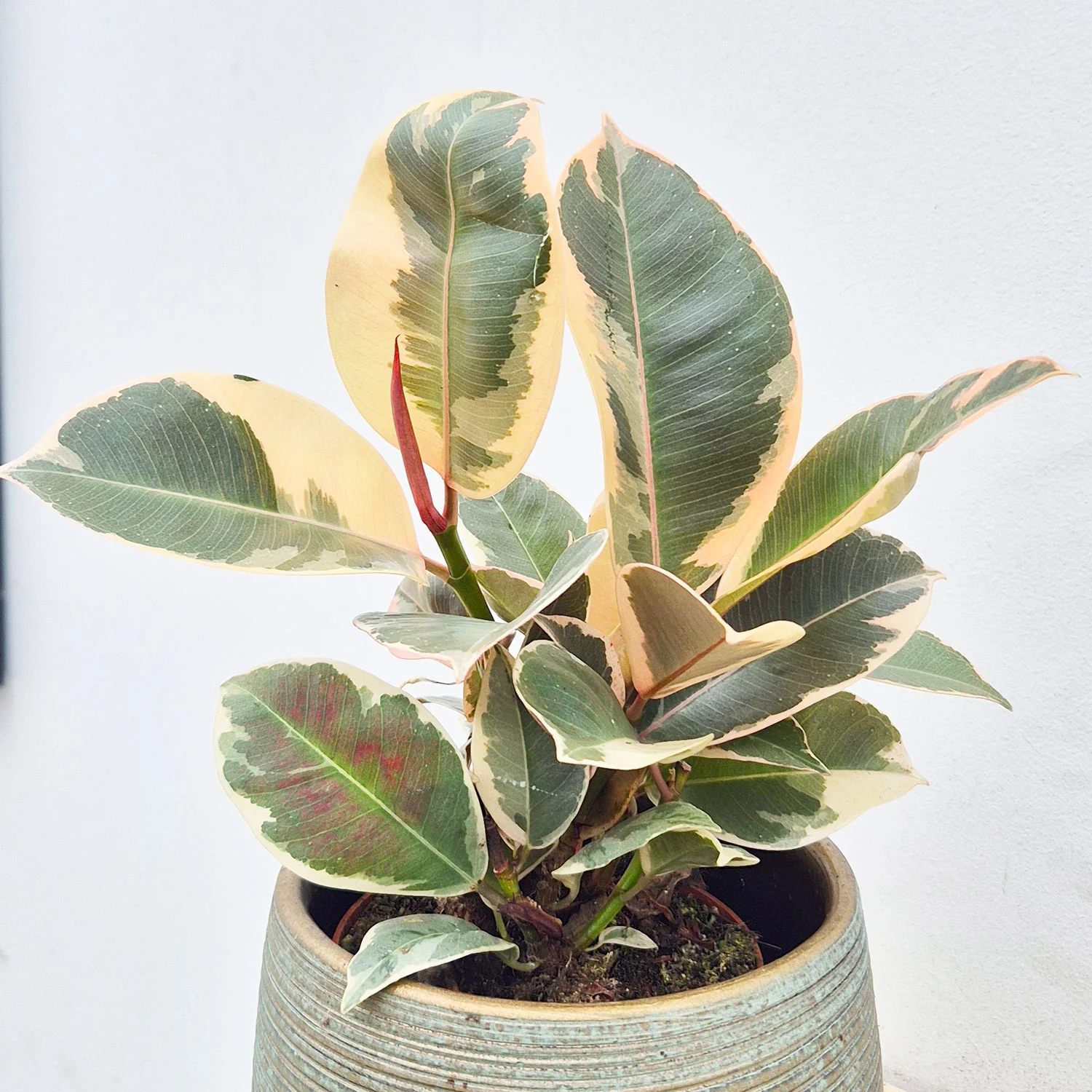
15 - 20cm Ficus Tineke Bush Form House Plant 10cm Pot
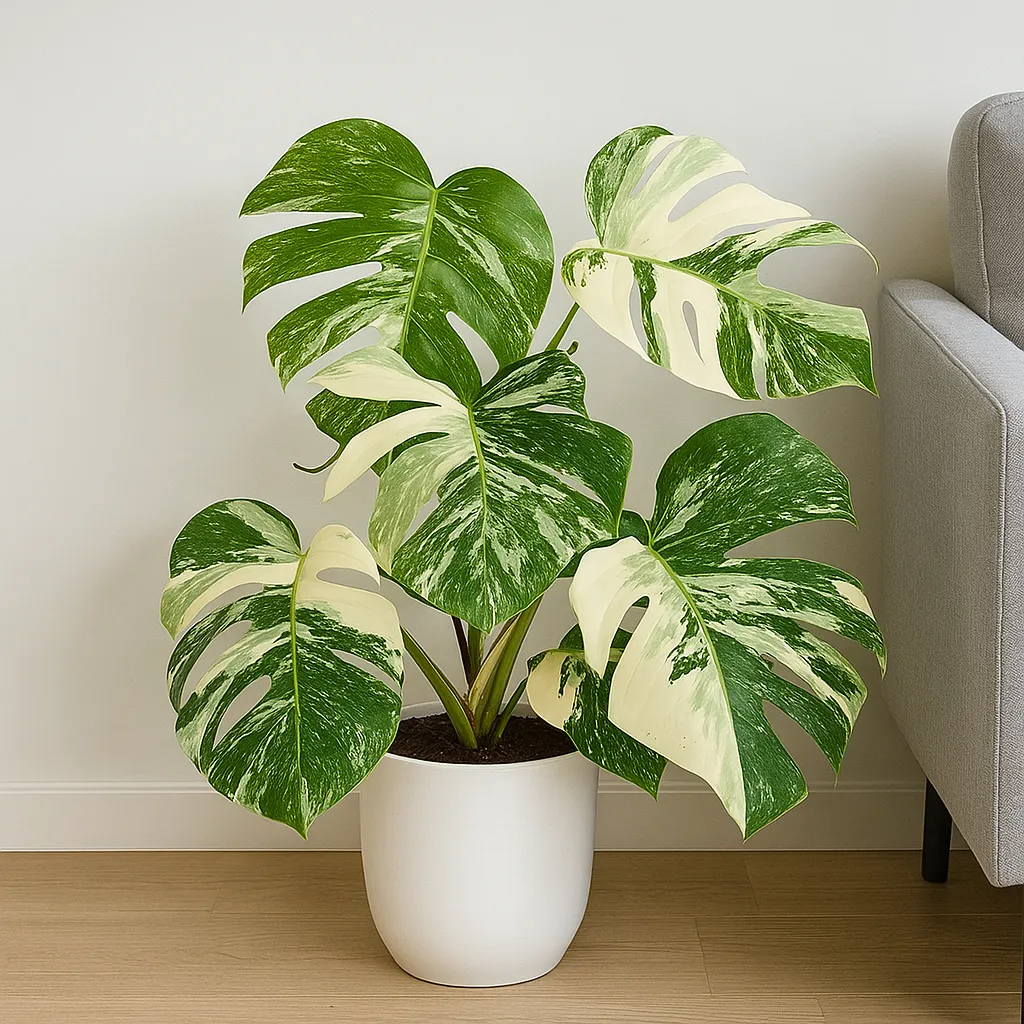
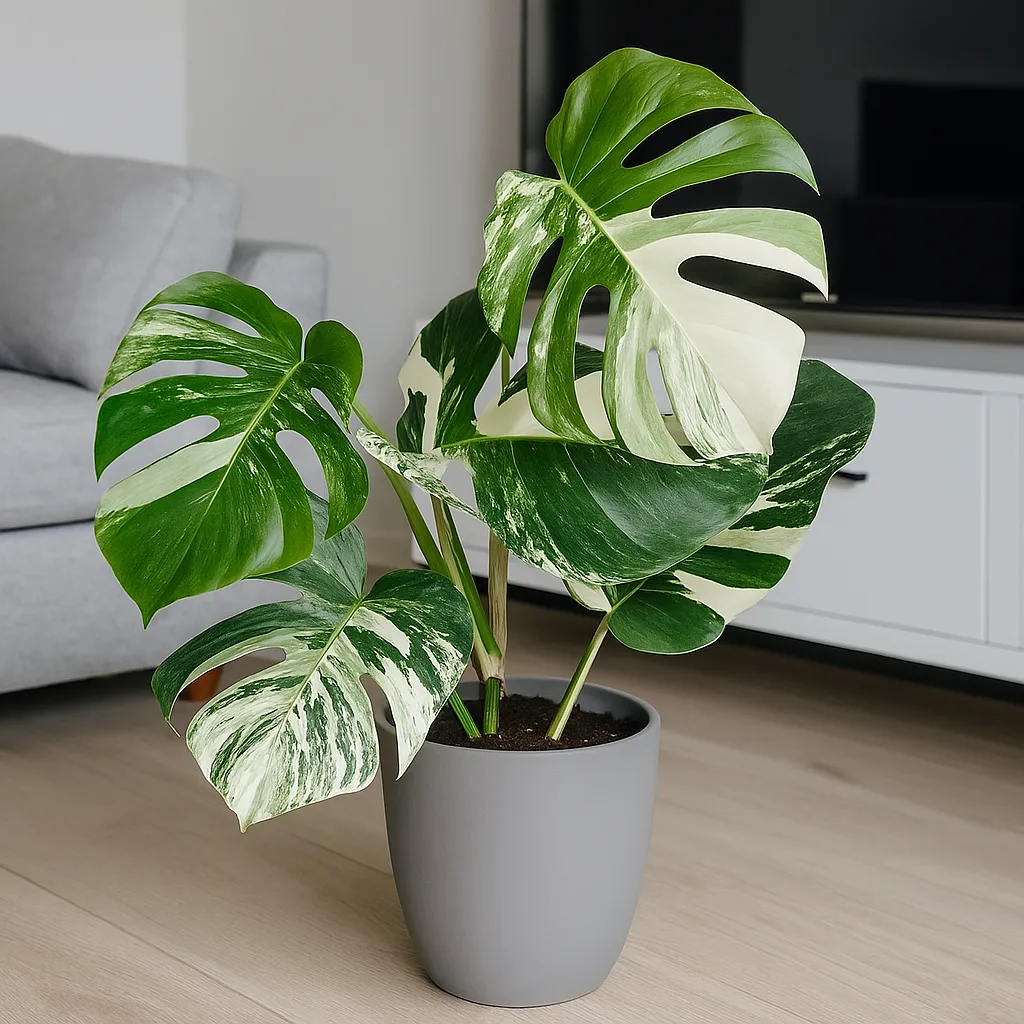
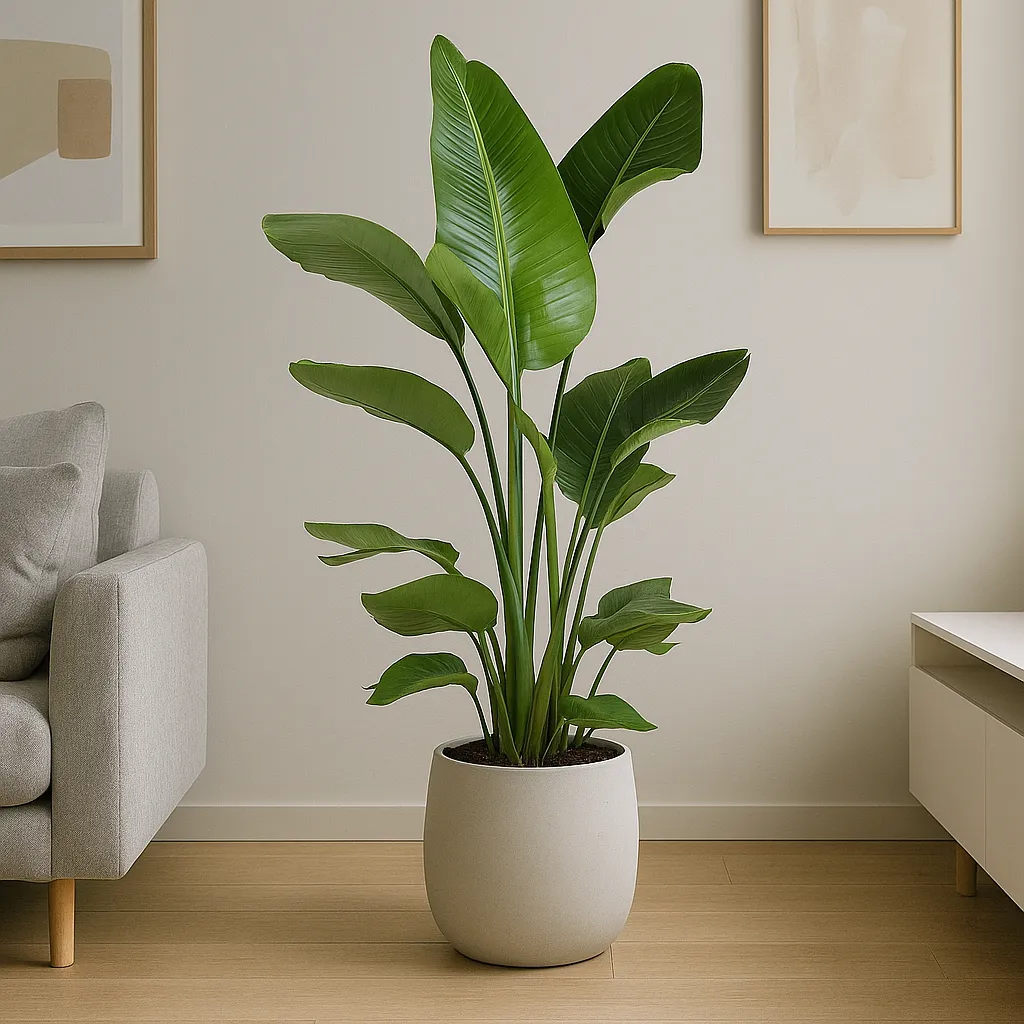
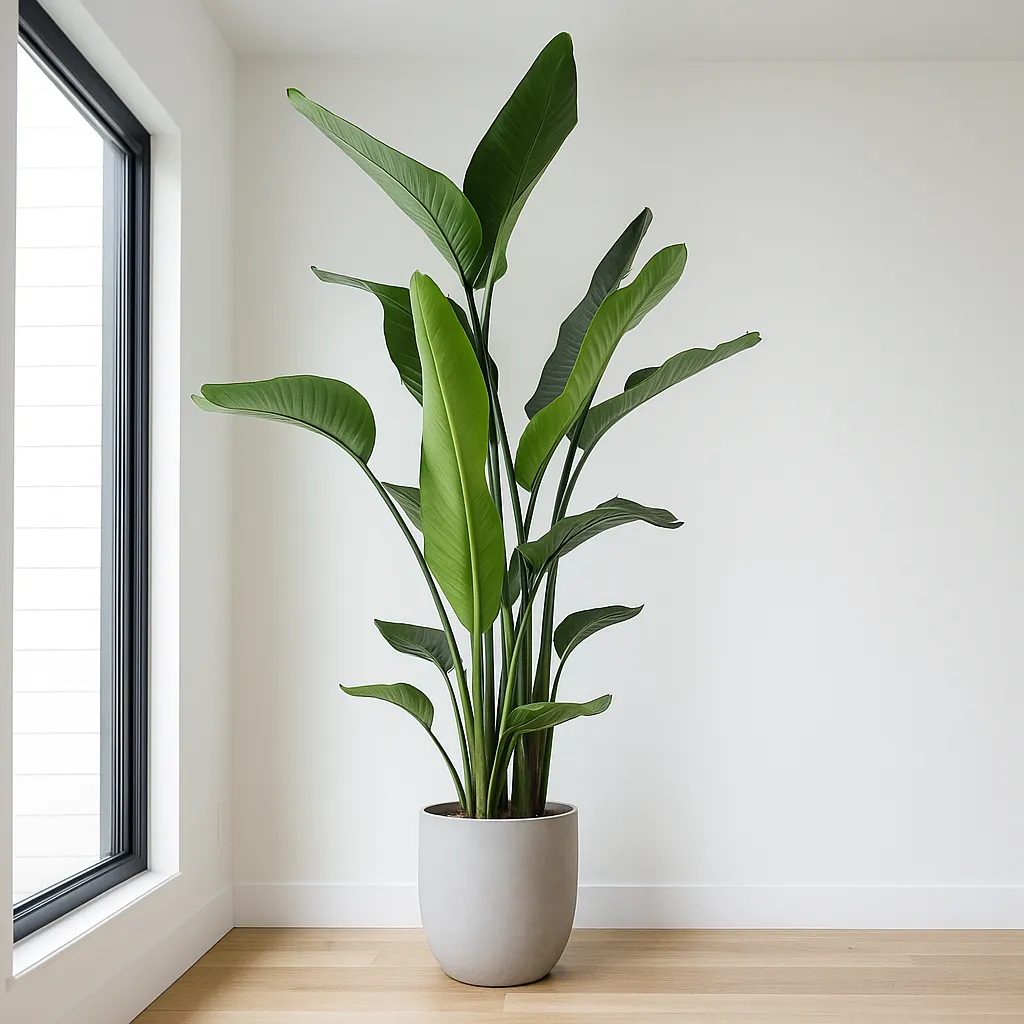
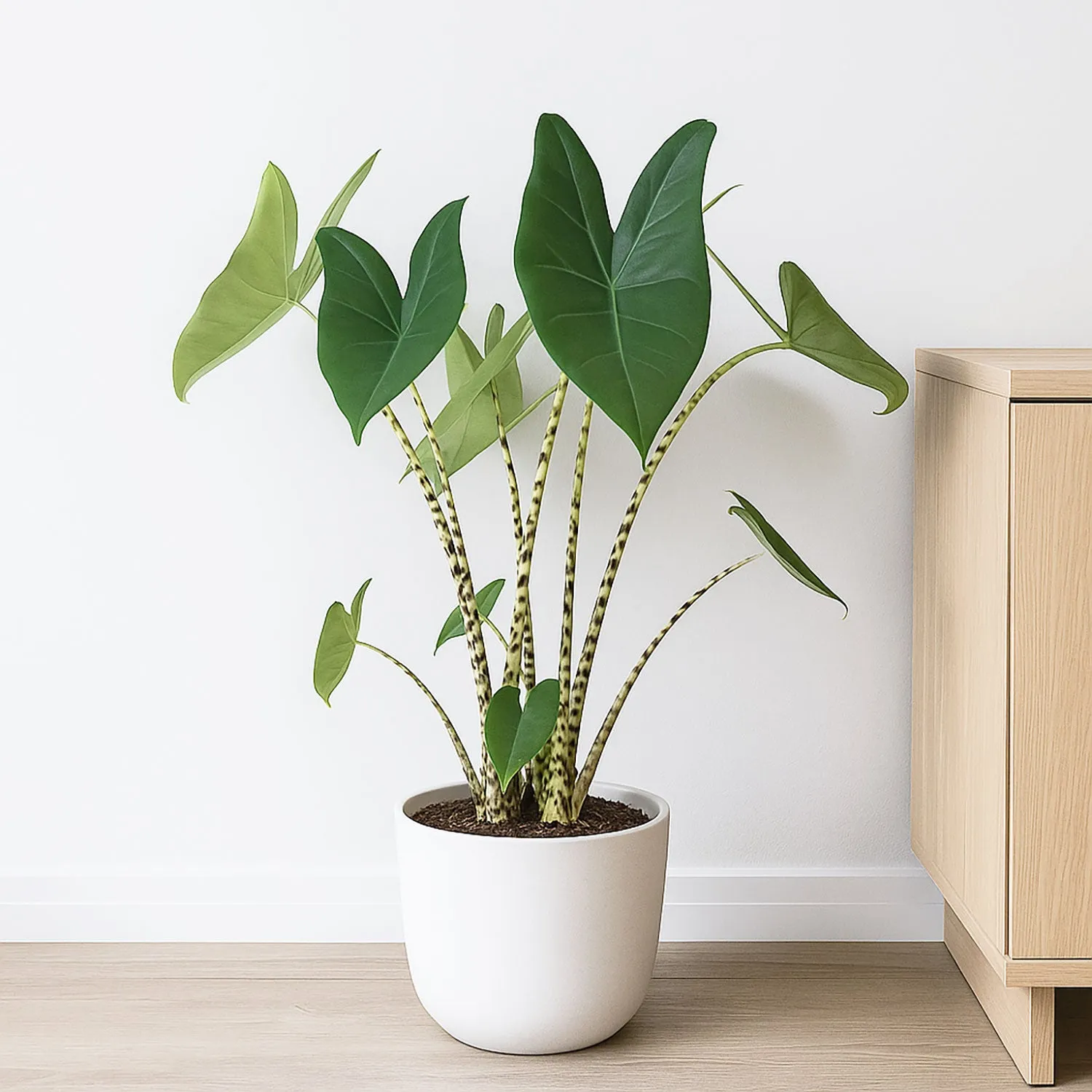
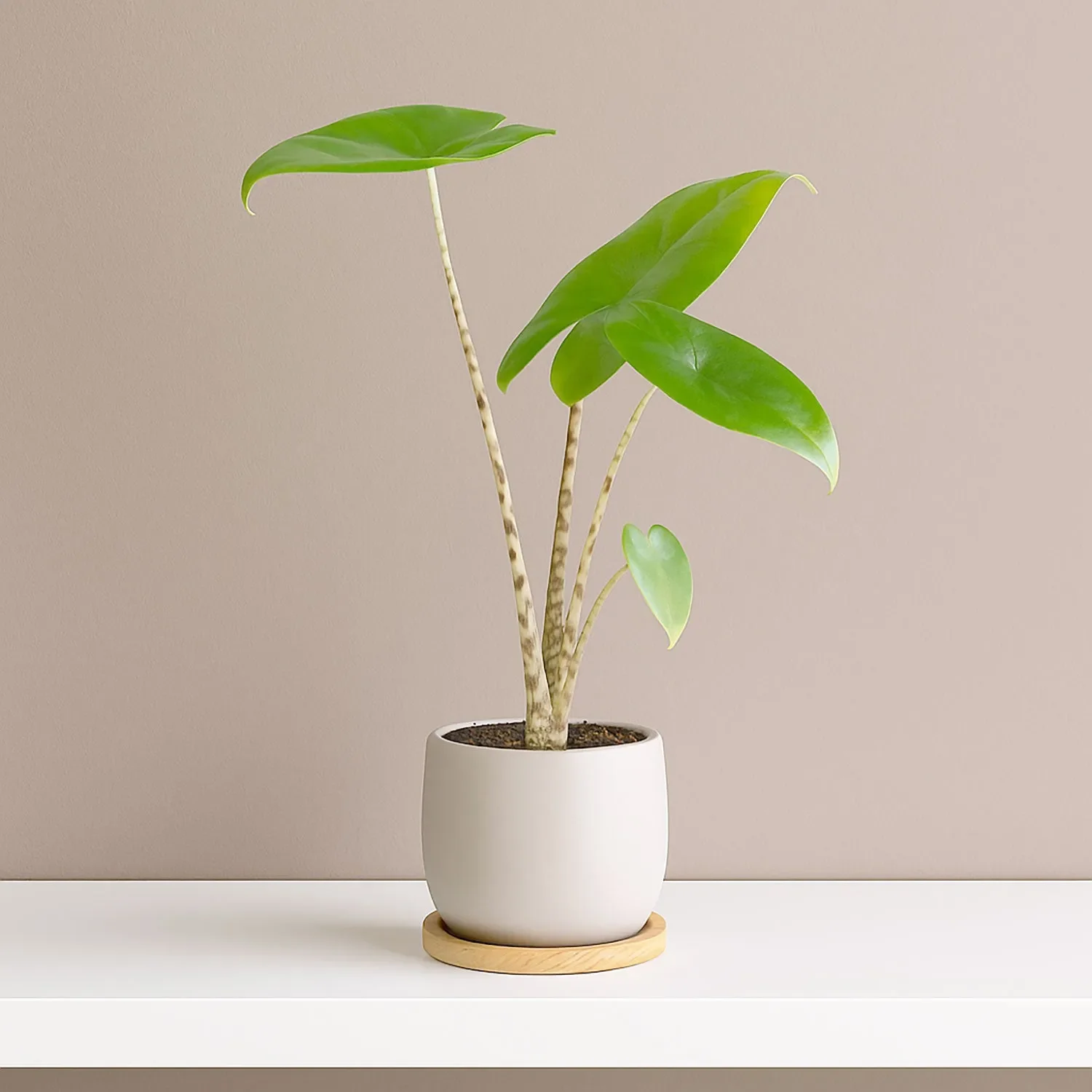
Ficus elastica ‘Tineke’, commonly known as the Variegated Rubber Plant, is a striking tropical evergreen cherished for its broad, glossy leaves marbled in cream, green, and soft pink tones. A member of the Moraceae family and native to the tropical forests of India and Southeast Asia, this cultivated variety brings bold colour and effortless sophistication to modern interiors.
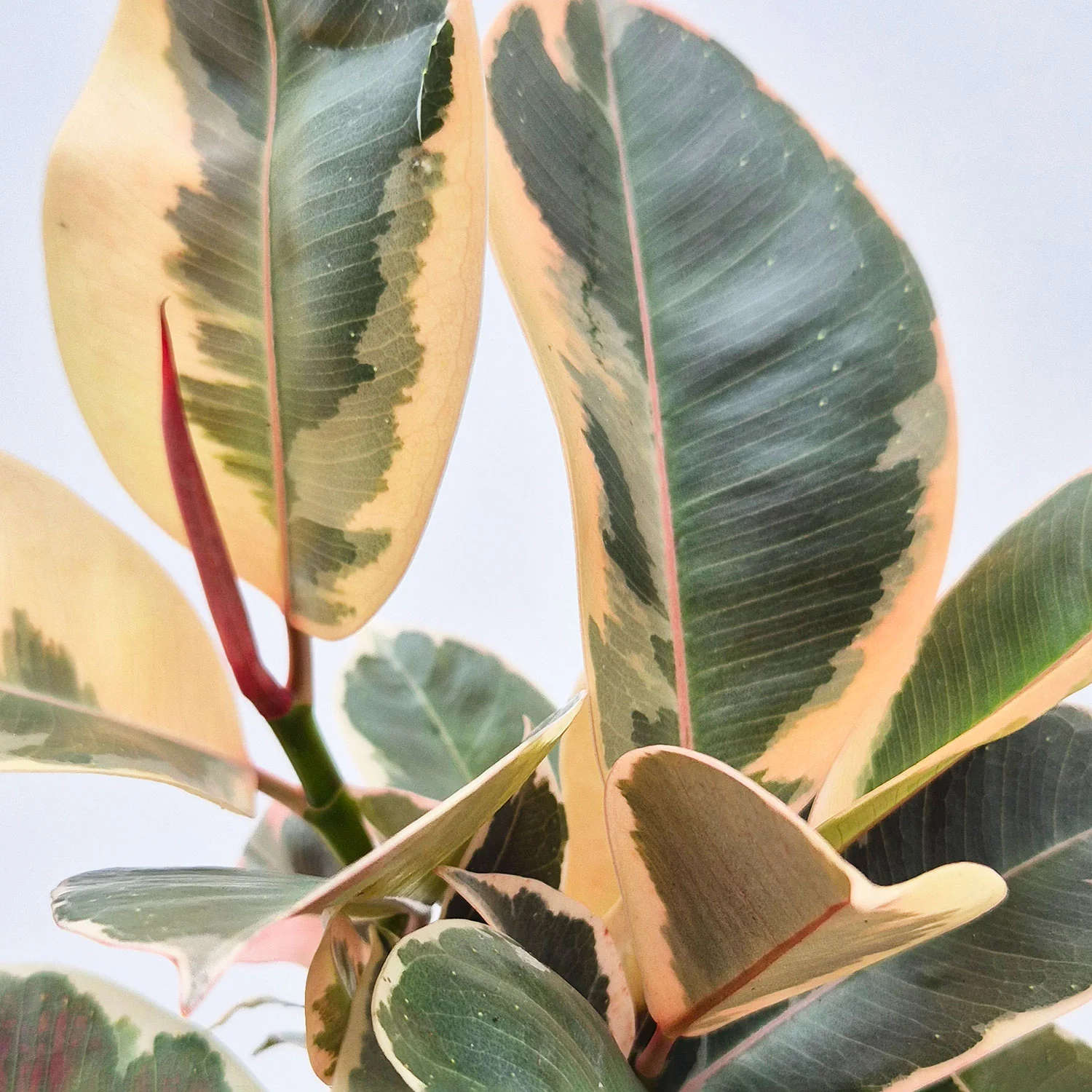
In its bush form, Ficus ‘Tineke’ is grown with multiple stems, creating a lush, full-bodied appearance with dense, layered foliage. Each leaf is large, leathery, and beautifully variegated — a mix of jade green, pale cream, and delicate blush tones, often with pink-tinged new growth. The plant’s upright yet compact shape makes it perfect as a feature plant in living spaces, hallways, or offices where it can enjoy bright light and space to shine.
Refined, hardy, and full of character, the bush-form Ficus elastica ‘Tineke’ offers tropical drama and contemporary elegance — a perfect statement plant for homes and interior design spaces alike.
Ficus elastica ‘Tineke’ – Bush Form – Care Guide
Light
Thrives in bright, indirect light, which helps maintain its vibrant variegation. It can tolerate moderate light but may lose its pink and cream tones in lower-light environments. Avoid harsh direct sunlight, which can scorch the pale leaf sections.
Watering
Allow the top 3–5 cm of soil to dry between waterings. Water thoroughly, ensuring excess drains freely — Ficus ‘Tineke’ dislikes sitting in water. In winter, reduce watering frequency to prevent soggy soil. It’s better to slightly underwater than overwater this species.
Temperature and Humidity
Temperature: Prefers warmth between 18–28 °C. Avoid temperatures below 15 °C and protect from cold drafts.
Humidity: Average household humidity (40–60%) is suitable. It adapts well to drier indoor air but benefits from occasional misting or placement near other plants to keep foliage glossy and healthy.
Soil and Potting
Use a rich, well-draining mix — compost blended with perlite and a small amount of bark or coco coir provides the ideal balance of aeration and moisture retention. Repot every 2–3 years in spring to refresh nutrients and give roots more space.
Feeding
Feed every 4–6 weeks during spring and summer with a diluted, balanced liquid fertiliser. Over-fertilising can damage roots or dull variegation, so apply lightly. Suspend feeding in autumn and winter when growth slows.
Pruning and Maintenance
Prune lightly in spring or summer to shape the plant and maintain its bushy form. Removing the top growth encourages branching and a denser canopy. Wipe leaves regularly with a soft, damp cloth to remove dust and reveal their natural shine. Rotate occasionally for even light exposure.
Growth and Maturity
A moderately fast grower, Ficus elastica ‘Tineke’ in bush form typically reaches 1–1.5 metres indoors. With its multiple stems and lush foliage, it creates an instant focal point that continues to become fuller with age. Outdoors in warm climates, it can grow much taller, but as a houseplant, it remains an elegant, manageable size.
Common Issues
-
Yellowing leaves: Overwatering or sudden changes in environment.
-
Brown edges: Low humidity or inconsistent watering.
-
Leaf drop: Caused by cold drafts or moving the plant frequently.
-
Pests: Occasionally affected by scale or spider mites — treat with neem oil or insecticidal soap.
Background and Benefits
Ficus elastica is a species long celebrated for its resilience and sculptural beauty. The ‘Tineke’ cultivar was developed for its unique variegation, offering a softer, pastel take on the classic Rubber Plant. In bush form, multiple stems are cultivated from the base to create a fuller, more compact growth habit ideal for interior styling.
Symbolically, the Rubber Plant represents abundance, growth, and prosperity — fitting for a plant that thrives with stability and care. It’s also a powerful natural air purifier, helping to remove toxins like formaldehyde and benzene from indoor air.
Quick Care Summary
-
Light: Bright, indirect light; avoid direct midday sun
-
Water: Allow top few cm of soil to dry before watering
-
Temperature: 18–28 °C; avoid below 15 °C
-
Humidity: Average to moderate (40–60%)
-
Soil: Rich, well-draining mix – compost, perlite, coco coir, bark
-
Feed: Every 4–6 weeks in spring/summer
-
Growth: 1–1.5 m; bushy, multi-stemmed form with variegated green, cream, and pink leaves
⚠️ Toxicity note: Mildly toxic to pets and humans if ingested; sap may cause mild skin irritation.
Styling Tip
Place Ficus elastica ‘Tineke’ in a bright, open space where its creamy, variegated leaves can catch natural light — a living artwork for modern interiors. Its pastel tones pair beautifully with soft furnishings, neutral décor, and natural textures like wood and rattan. Use it as a floor-standing statement plant or cluster with smaller tropicals like Philodendron ‘Moonlight’ and Homalomena ‘Cream Frost’ for a layered, elegant display. Perfect for home or office environments, the bush-form Tineke adds structure, colour, and tranquillity to any room.
Original: $19.78
-70%$19.78
$5.93Product Information
Product Information
Shipping & Returns
Shipping & Returns
Description
Ficus elastica ‘Tineke’, commonly known as the Variegated Rubber Plant, is a striking tropical evergreen cherished for its broad, glossy leaves marbled in cream, green, and soft pink tones. A member of the Moraceae family and native to the tropical forests of India and Southeast Asia, this cultivated variety brings bold colour and effortless sophistication to modern interiors.
In its bush form, Ficus ‘Tineke’ is grown with multiple stems, creating a lush, full-bodied appearance with dense, layered foliage. Each leaf is large, leathery, and beautifully variegated — a mix of jade green, pale cream, and delicate blush tones, often with pink-tinged new growth. The plant’s upright yet compact shape makes it perfect as a feature plant in living spaces, hallways, or offices where it can enjoy bright light and space to shine.
Refined, hardy, and full of character, the bush-form Ficus elastica ‘Tineke’ offers tropical drama and contemporary elegance — a perfect statement plant for homes and interior design spaces alike.
Ficus elastica ‘Tineke’ – Bush Form – Care Guide
Light
Thrives in bright, indirect light, which helps maintain its vibrant variegation. It can tolerate moderate light but may lose its pink and cream tones in lower-light environments. Avoid harsh direct sunlight, which can scorch the pale leaf sections.
Watering
Allow the top 3–5 cm of soil to dry between waterings. Water thoroughly, ensuring excess drains freely — Ficus ‘Tineke’ dislikes sitting in water. In winter, reduce watering frequency to prevent soggy soil. It’s better to slightly underwater than overwater this species.
Temperature and Humidity
Temperature: Prefers warmth between 18–28 °C. Avoid temperatures below 15 °C and protect from cold drafts.
Humidity: Average household humidity (40–60%) is suitable. It adapts well to drier indoor air but benefits from occasional misting or placement near other plants to keep foliage glossy and healthy.
Soil and Potting
Use a rich, well-draining mix — compost blended with perlite and a small amount of bark or coco coir provides the ideal balance of aeration and moisture retention. Repot every 2–3 years in spring to refresh nutrients and give roots more space.
Feeding
Feed every 4–6 weeks during spring and summer with a diluted, balanced liquid fertiliser. Over-fertilising can damage roots or dull variegation, so apply lightly. Suspend feeding in autumn and winter when growth slows.
Pruning and Maintenance
Prune lightly in spring or summer to shape the plant and maintain its bushy form. Removing the top growth encourages branching and a denser canopy. Wipe leaves regularly with a soft, damp cloth to remove dust and reveal their natural shine. Rotate occasionally for even light exposure.
Growth and Maturity
A moderately fast grower, Ficus elastica ‘Tineke’ in bush form typically reaches 1–1.5 metres indoors. With its multiple stems and lush foliage, it creates an instant focal point that continues to become fuller with age. Outdoors in warm climates, it can grow much taller, but as a houseplant, it remains an elegant, manageable size.
Common Issues
-
Yellowing leaves: Overwatering or sudden changes in environment.
-
Brown edges: Low humidity or inconsistent watering.
-
Leaf drop: Caused by cold drafts or moving the plant frequently.
-
Pests: Occasionally affected by scale or spider mites — treat with neem oil or insecticidal soap.
Background and Benefits
Ficus elastica is a species long celebrated for its resilience and sculptural beauty. The ‘Tineke’ cultivar was developed for its unique variegation, offering a softer, pastel take on the classic Rubber Plant. In bush form, multiple stems are cultivated from the base to create a fuller, more compact growth habit ideal for interior styling.
Symbolically, the Rubber Plant represents abundance, growth, and prosperity — fitting for a plant that thrives with stability and care. It’s also a powerful natural air purifier, helping to remove toxins like formaldehyde and benzene from indoor air.
Quick Care Summary
-
Light: Bright, indirect light; avoid direct midday sun
-
Water: Allow top few cm of soil to dry before watering
-
Temperature: 18–28 °C; avoid below 15 °C
-
Humidity: Average to moderate (40–60%)
-
Soil: Rich, well-draining mix – compost, perlite, coco coir, bark
-
Feed: Every 4–6 weeks in spring/summer
-
Growth: 1–1.5 m; bushy, multi-stemmed form with variegated green, cream, and pink leaves
⚠️ Toxicity note: Mildly toxic to pets and humans if ingested; sap may cause mild skin irritation.
Styling Tip
Place Ficus elastica ‘Tineke’ in a bright, open space where its creamy, variegated leaves can catch natural light — a living artwork for modern interiors. Its pastel tones pair beautifully with soft furnishings, neutral décor, and natural textures like wood and rattan. Use it as a floor-standing statement plant or cluster with smaller tropicals like Philodendron ‘Moonlight’ and Homalomena ‘Cream Frost’ for a layered, elegant display. Perfect for home or office environments, the bush-form Tineke adds structure, colour, and tranquillity to any room.