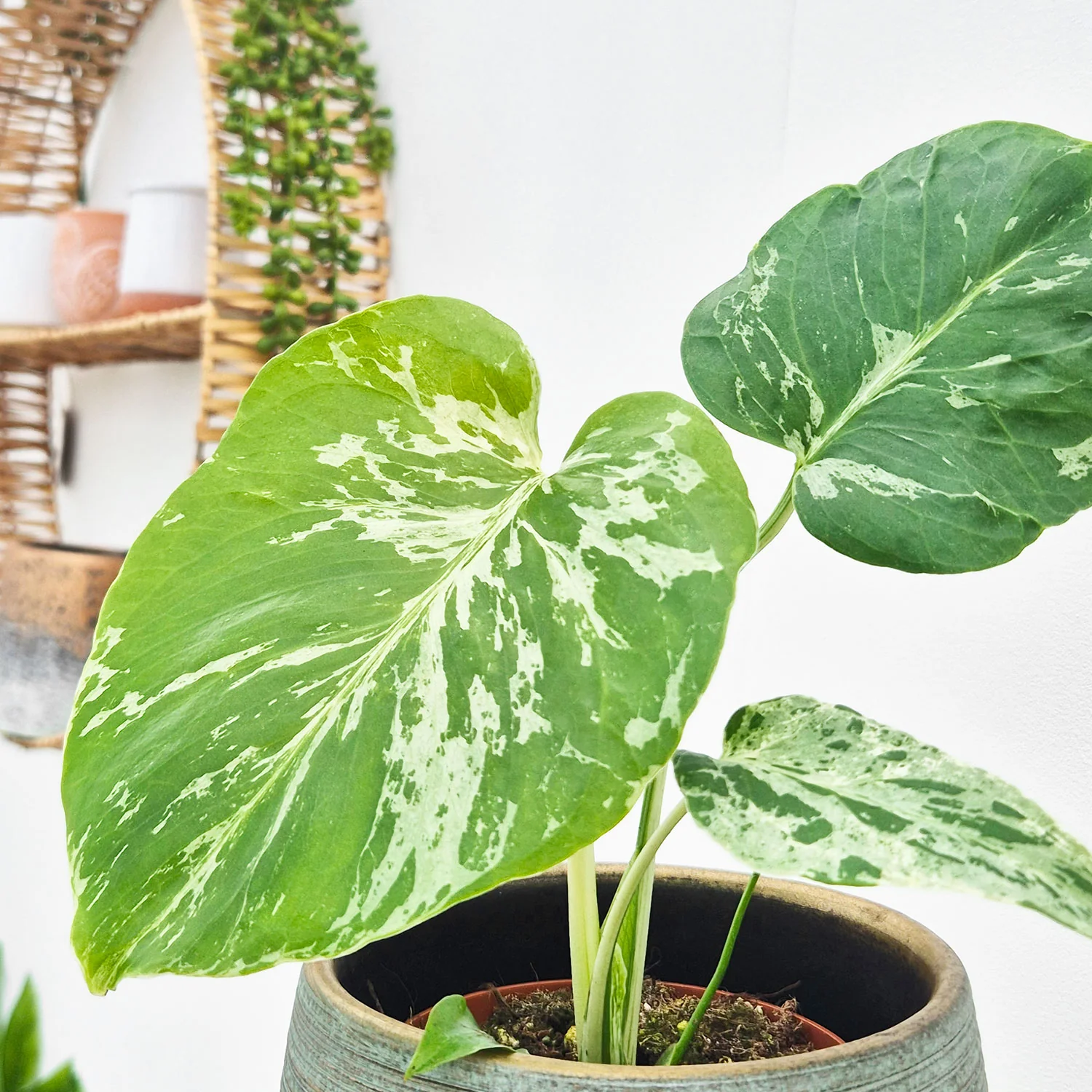
Monstera Bulbasaur 10.5cm Pot House Plant
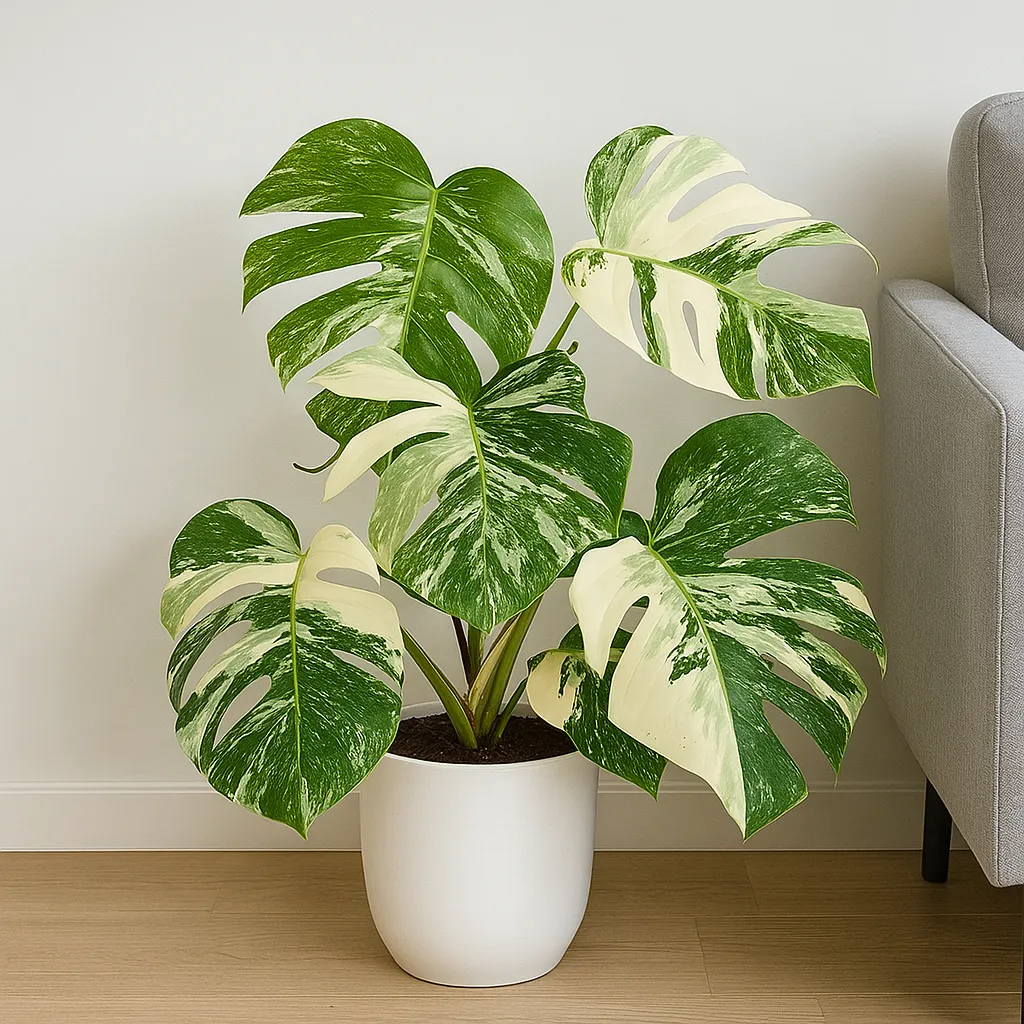
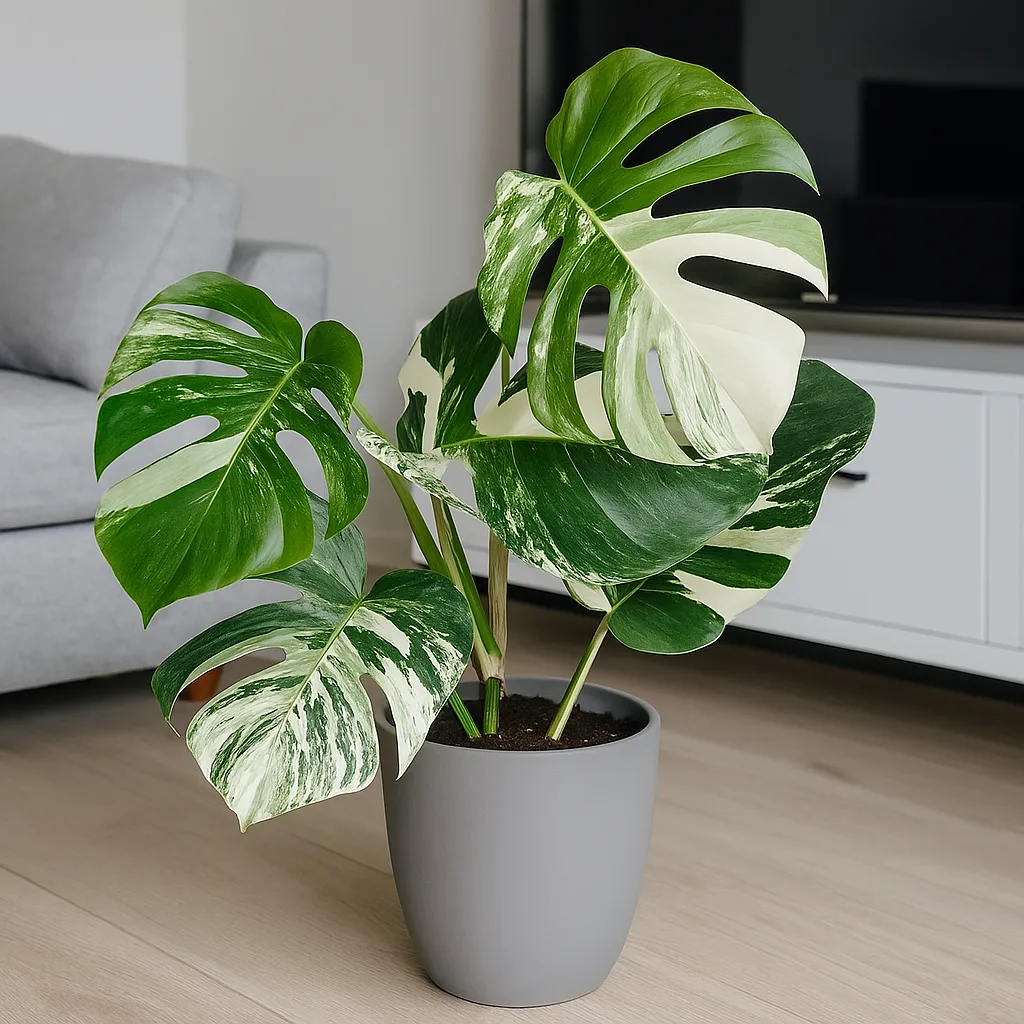
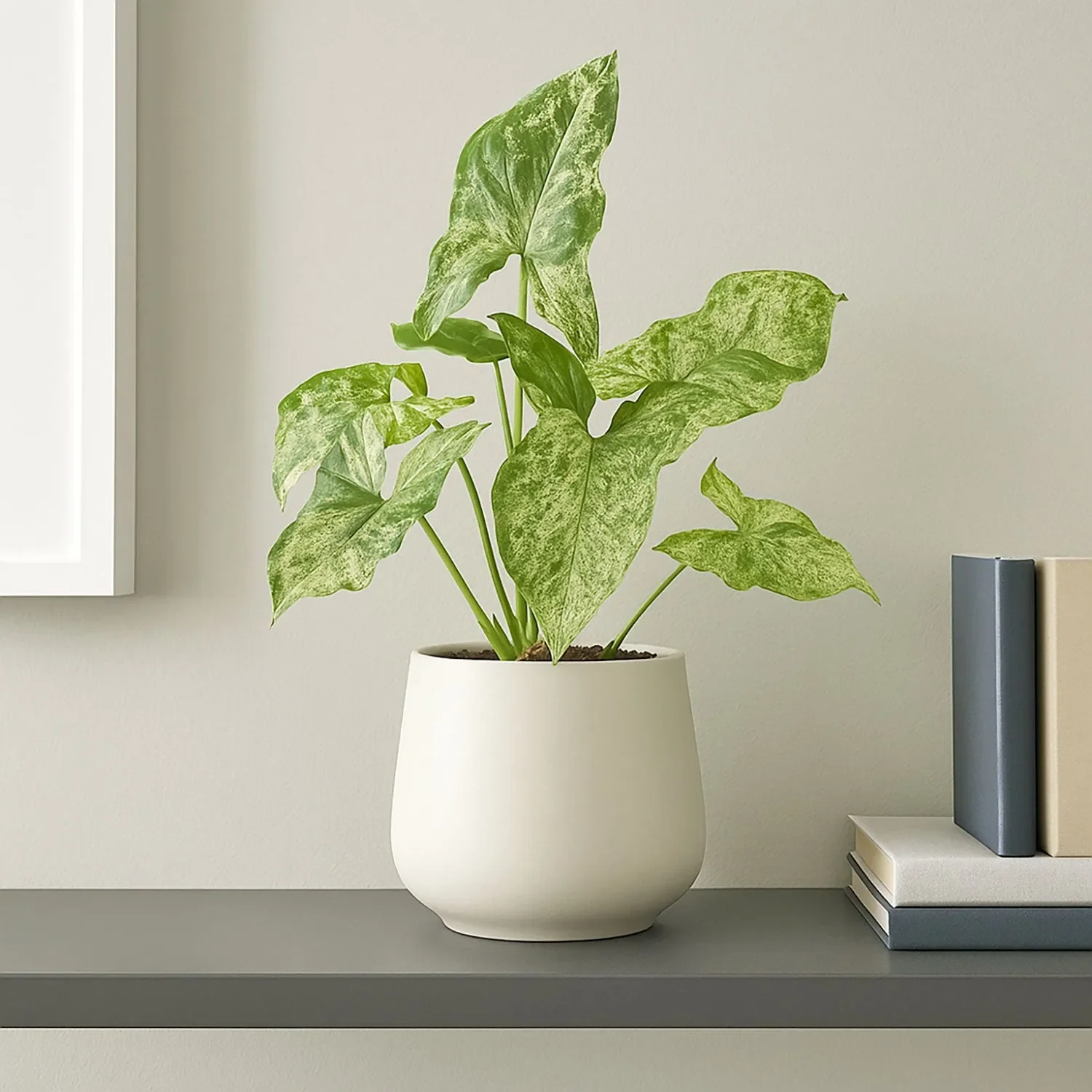
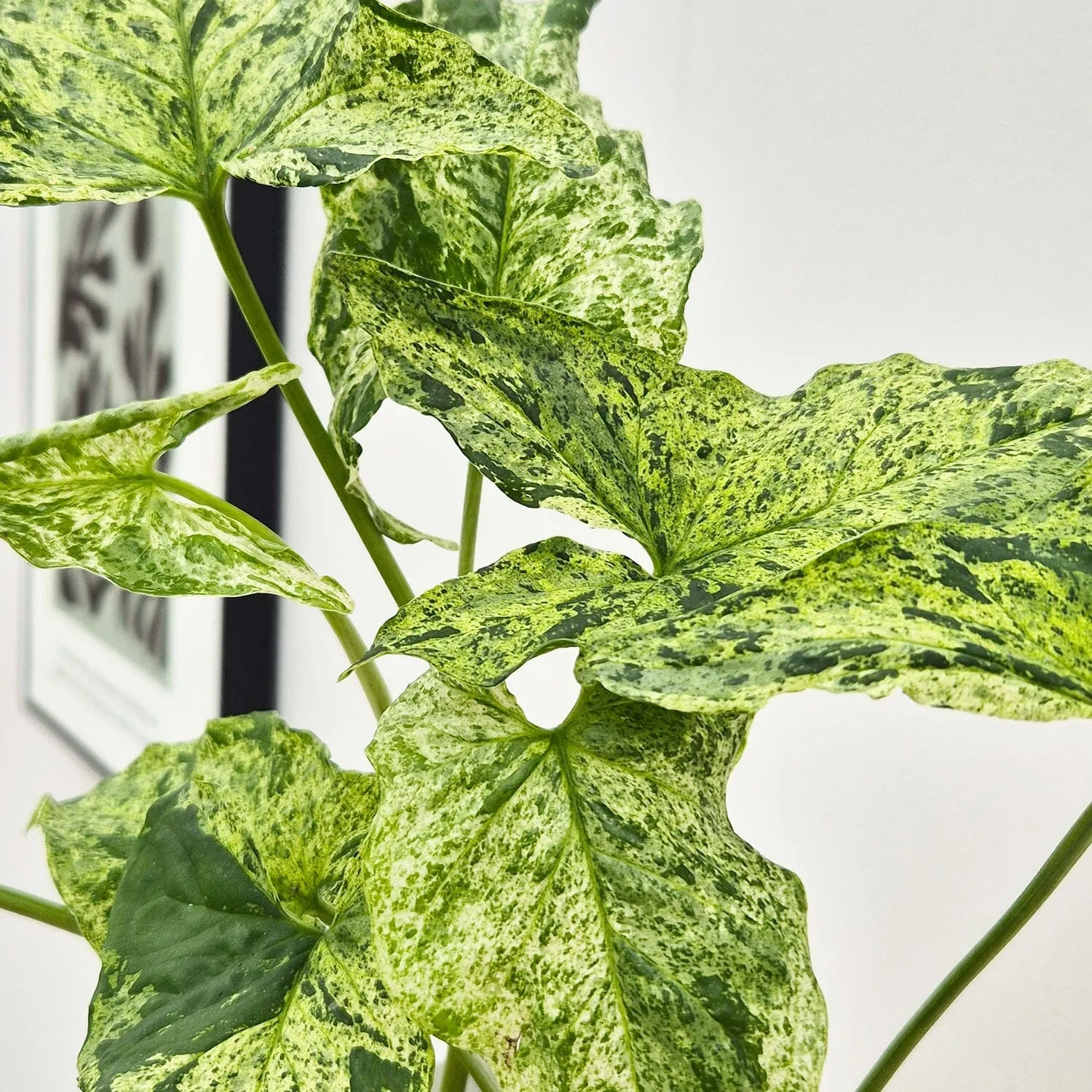
Monstera ‘Bulbasaur’ is a rare, collector-named Monstera cultivar grown for its thick, heavily textured foliage and compact yet powerful growth habit. The name comes from its chunky, almost prehistoric look, with leaves and stems that feel substantial and sculptural. It is not a formally described species, but rather a cultivar or selected form circulating in cultivation, prized for its unusual structure and strong presence.
This plant sits somewhere between classic Monsteras and more collector-focused forms, rewarding good care with bold, characterful foliage.
Plant Description
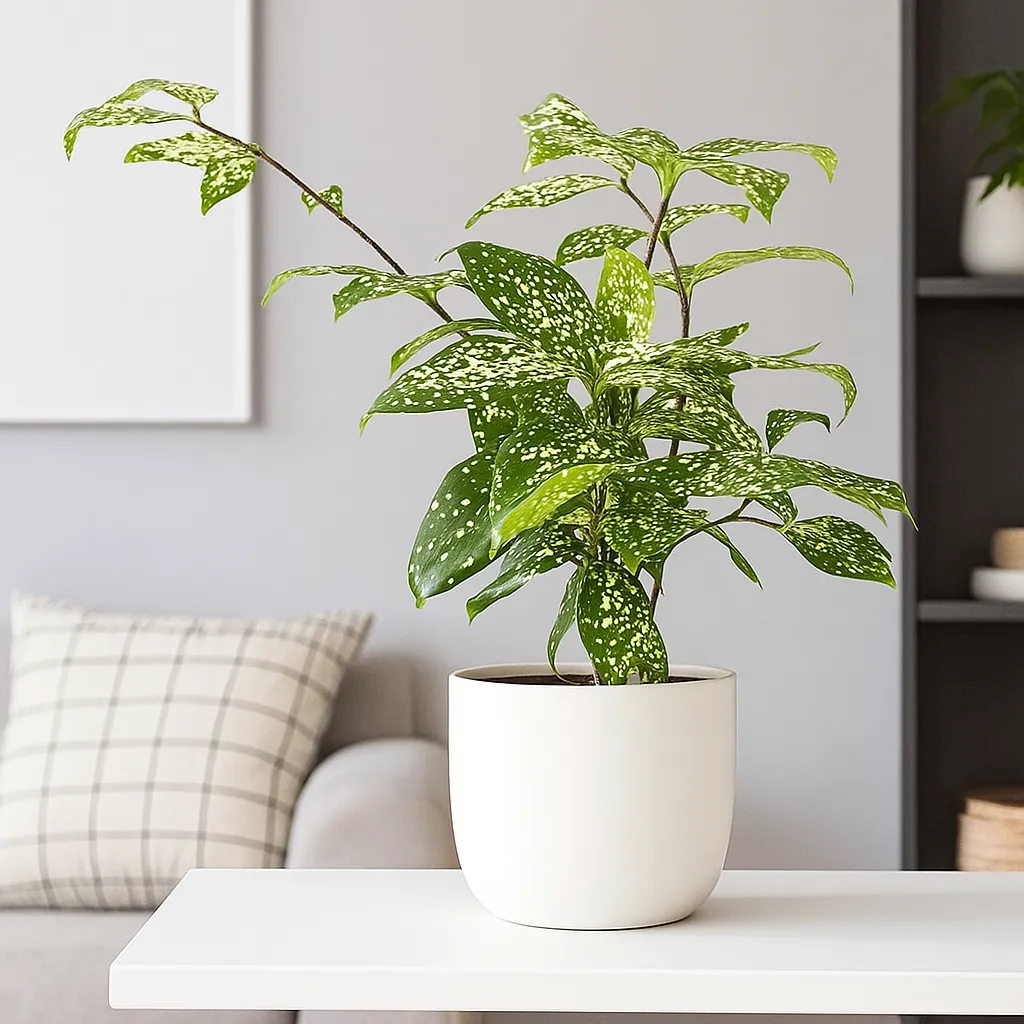
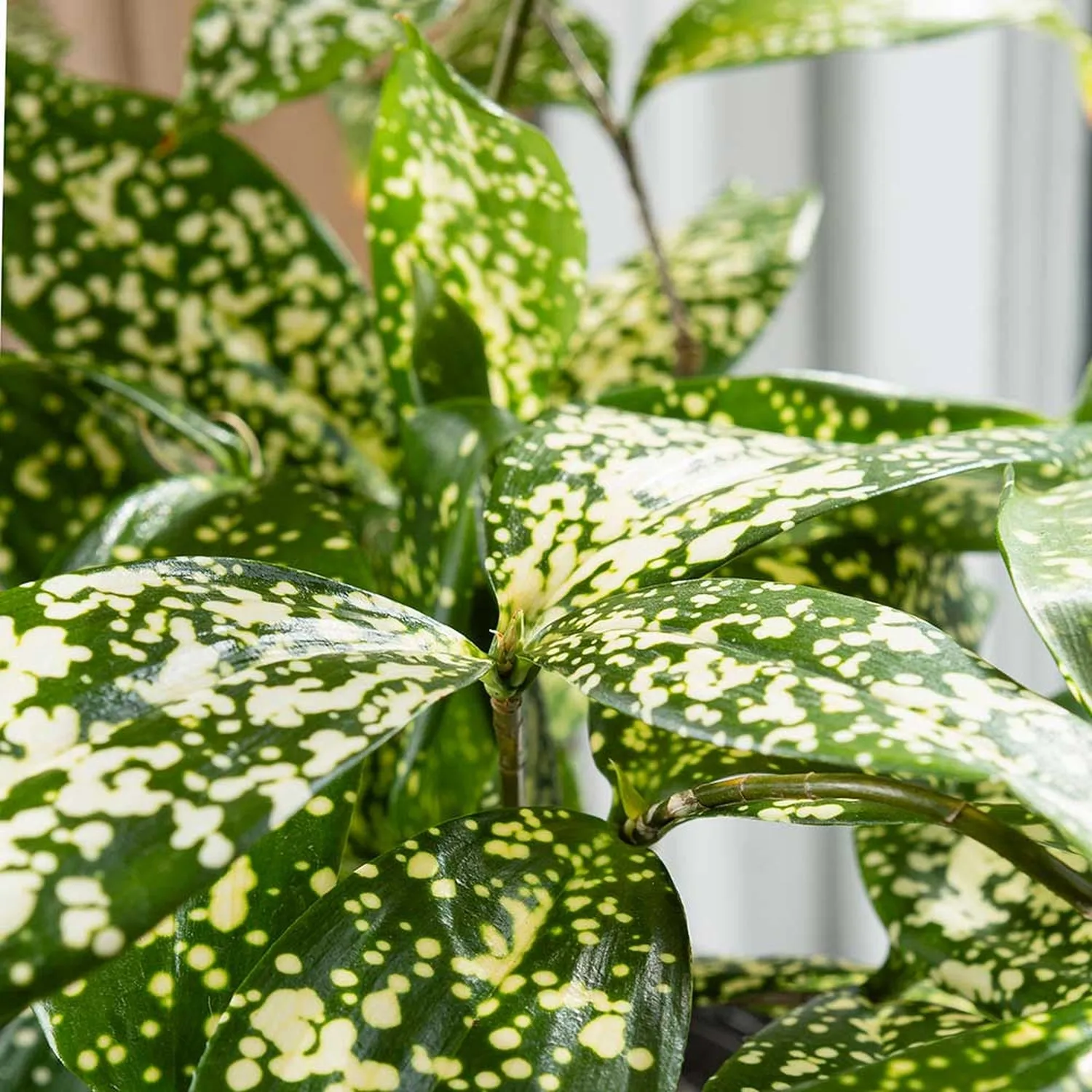
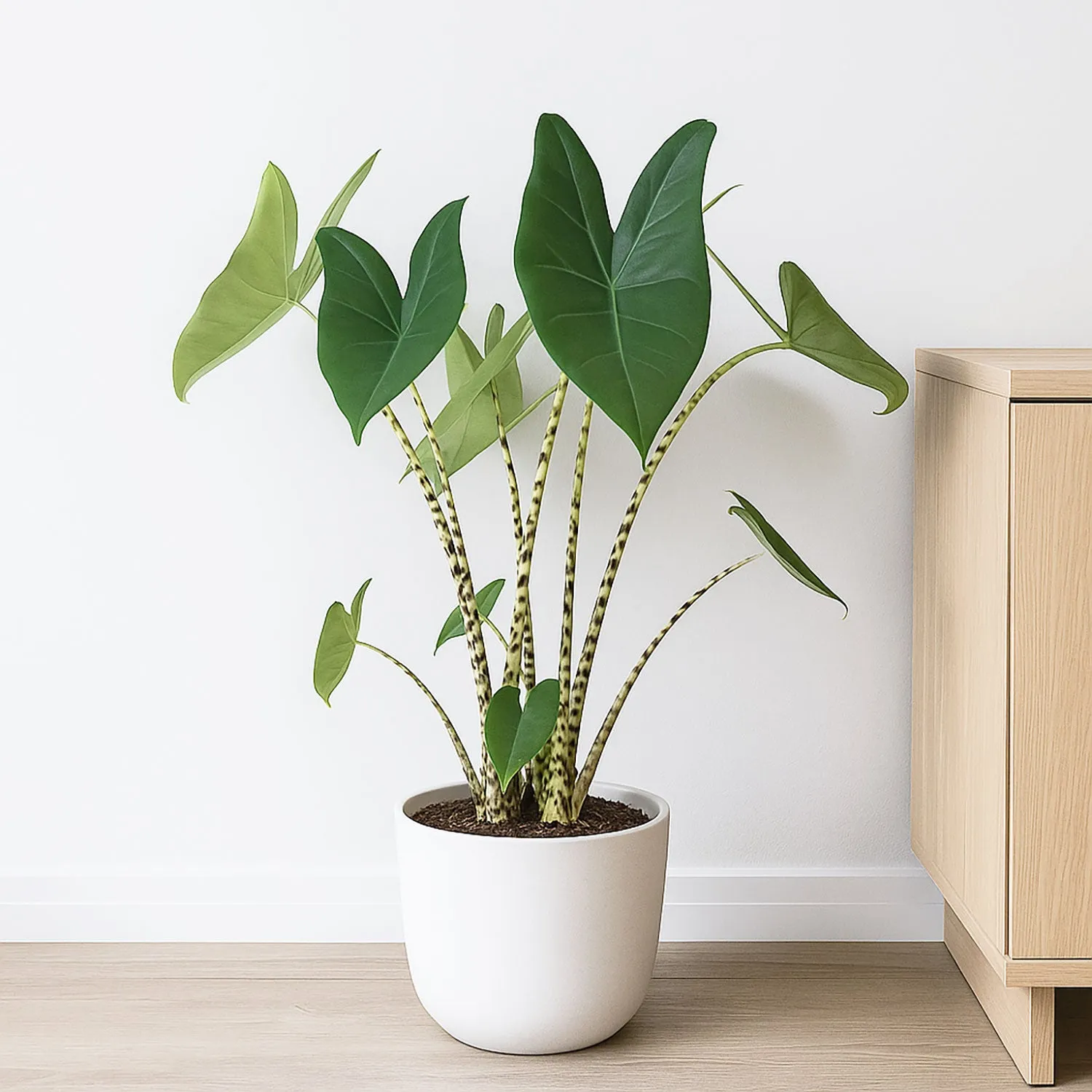
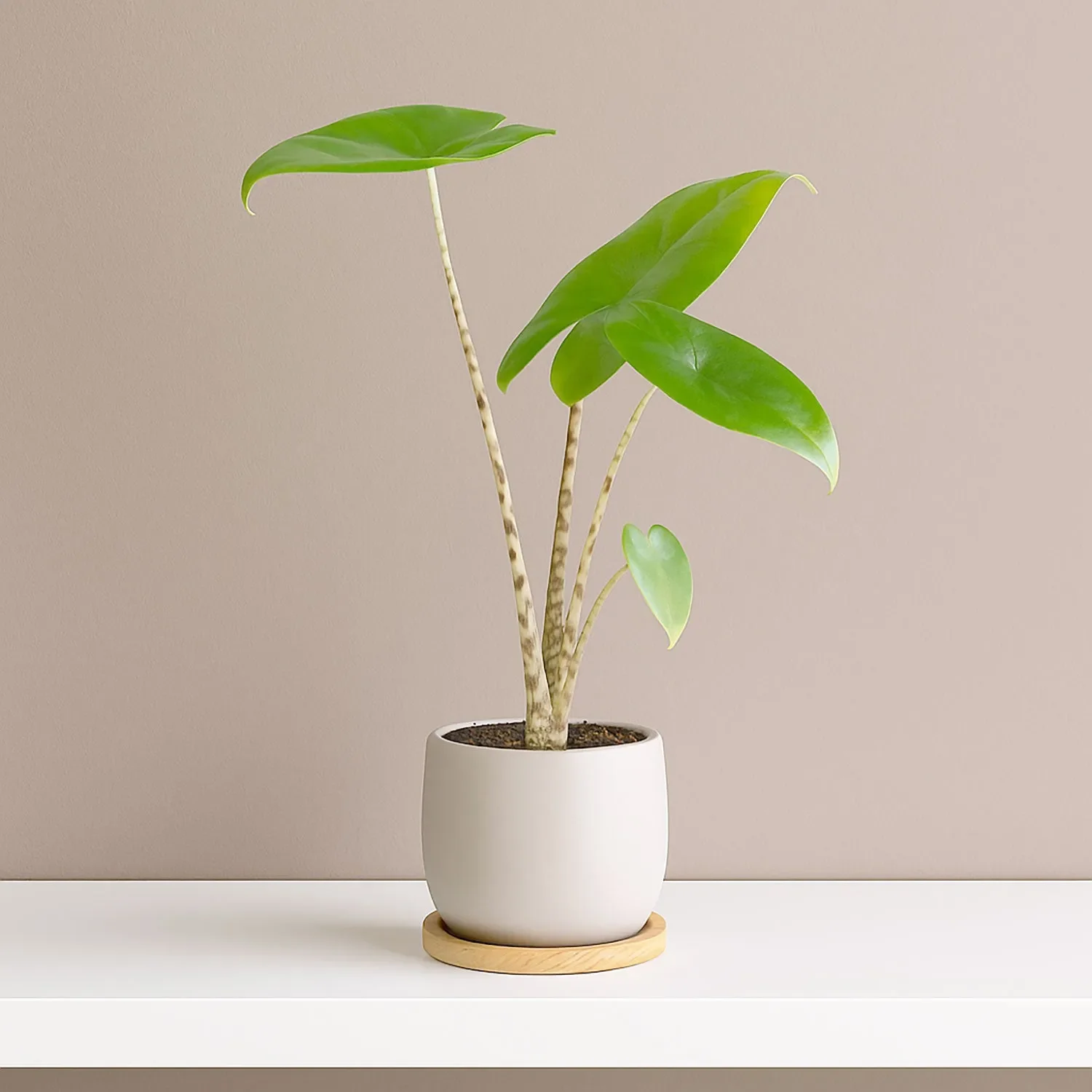
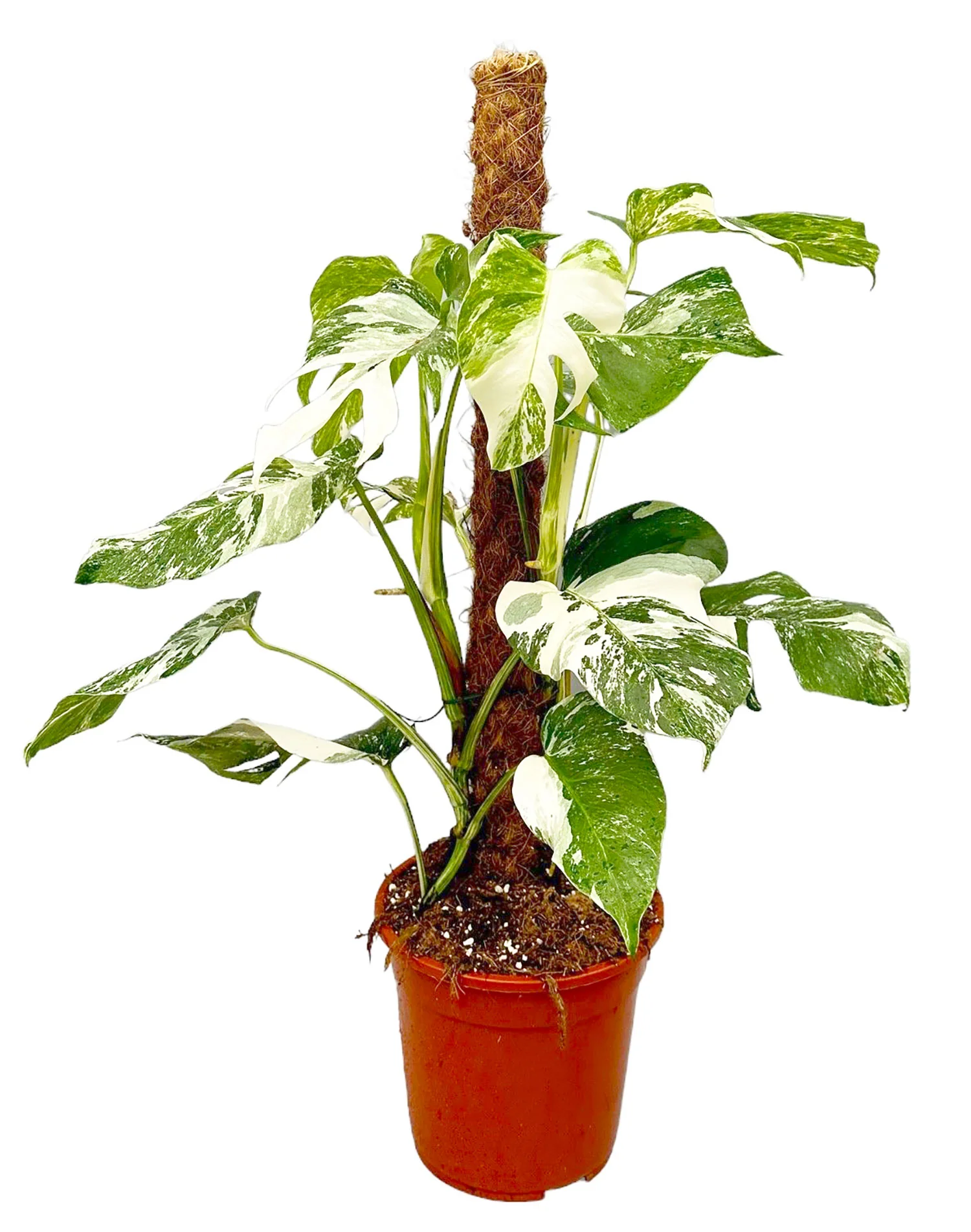
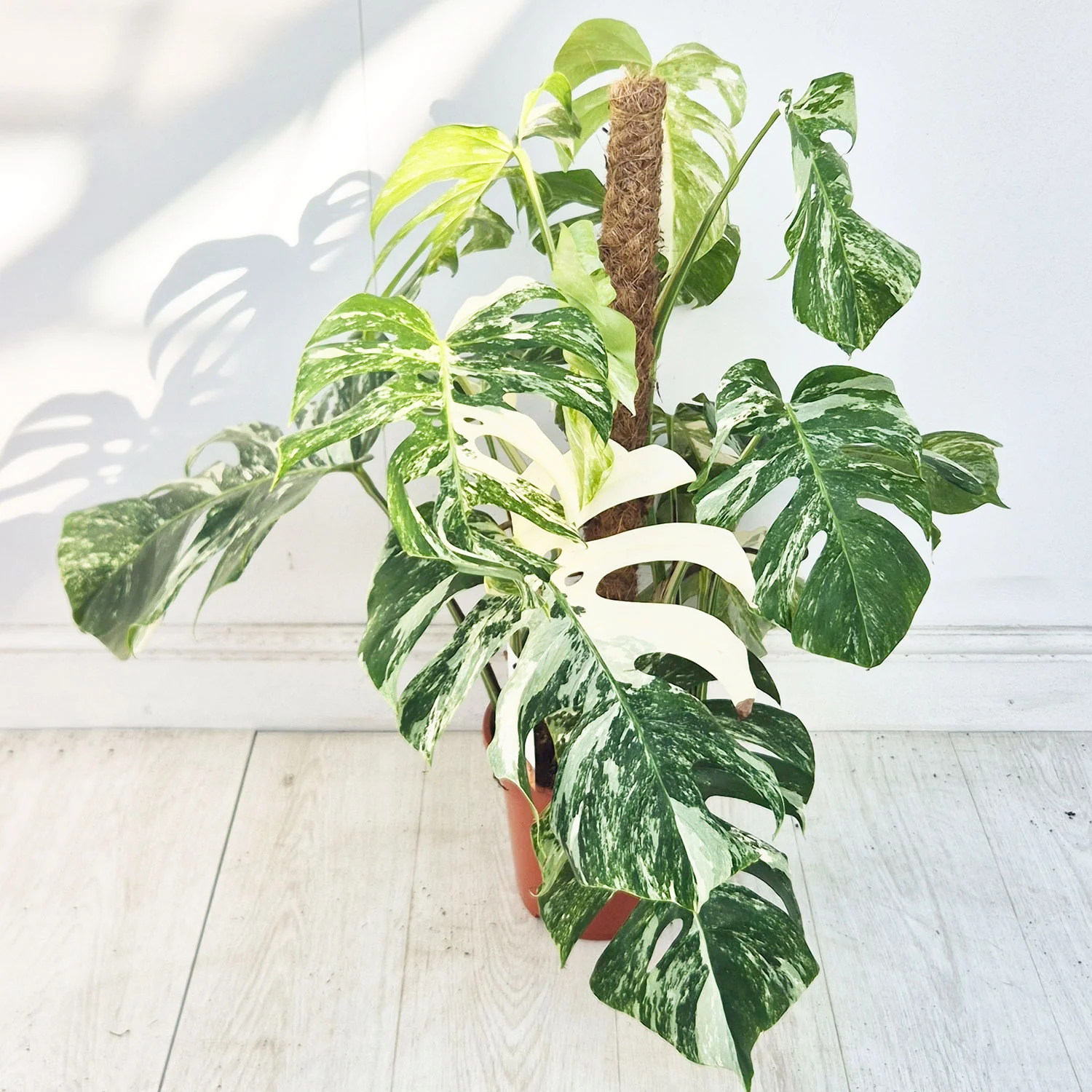
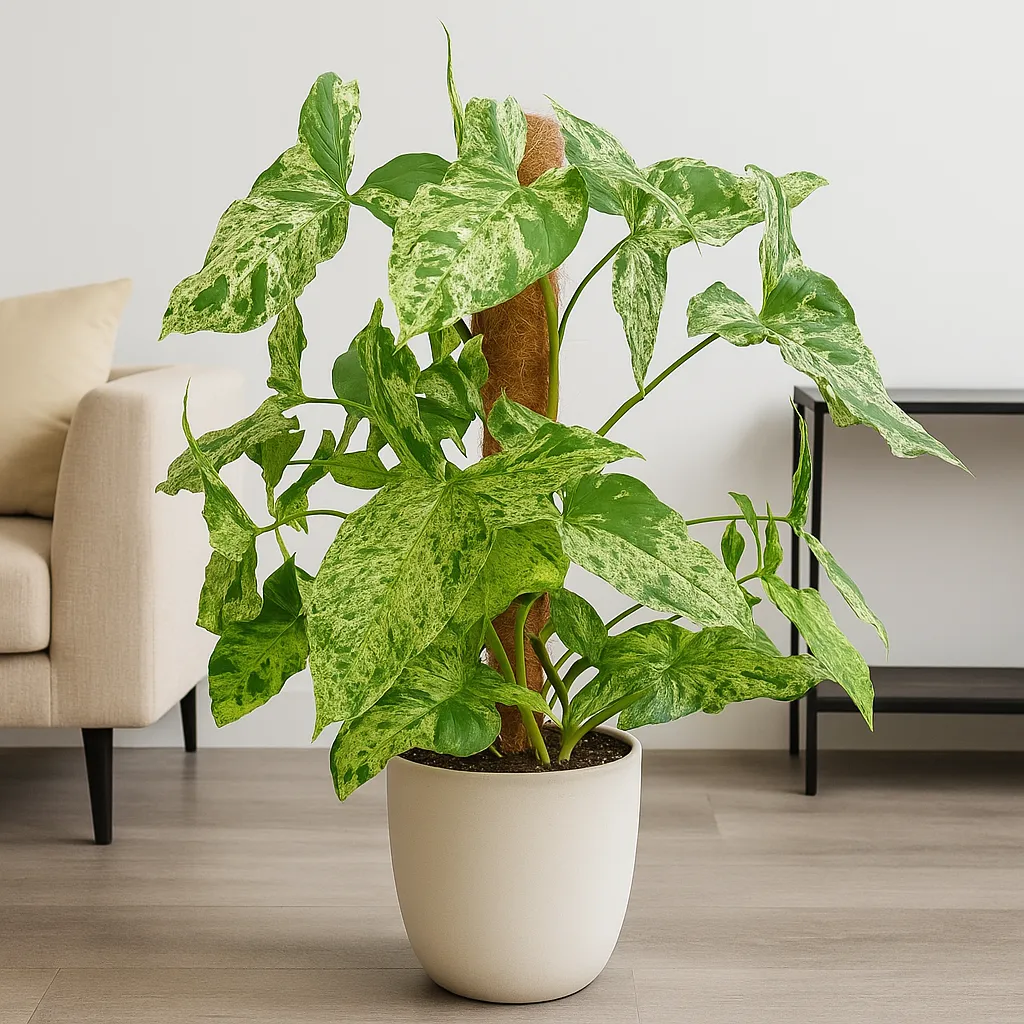
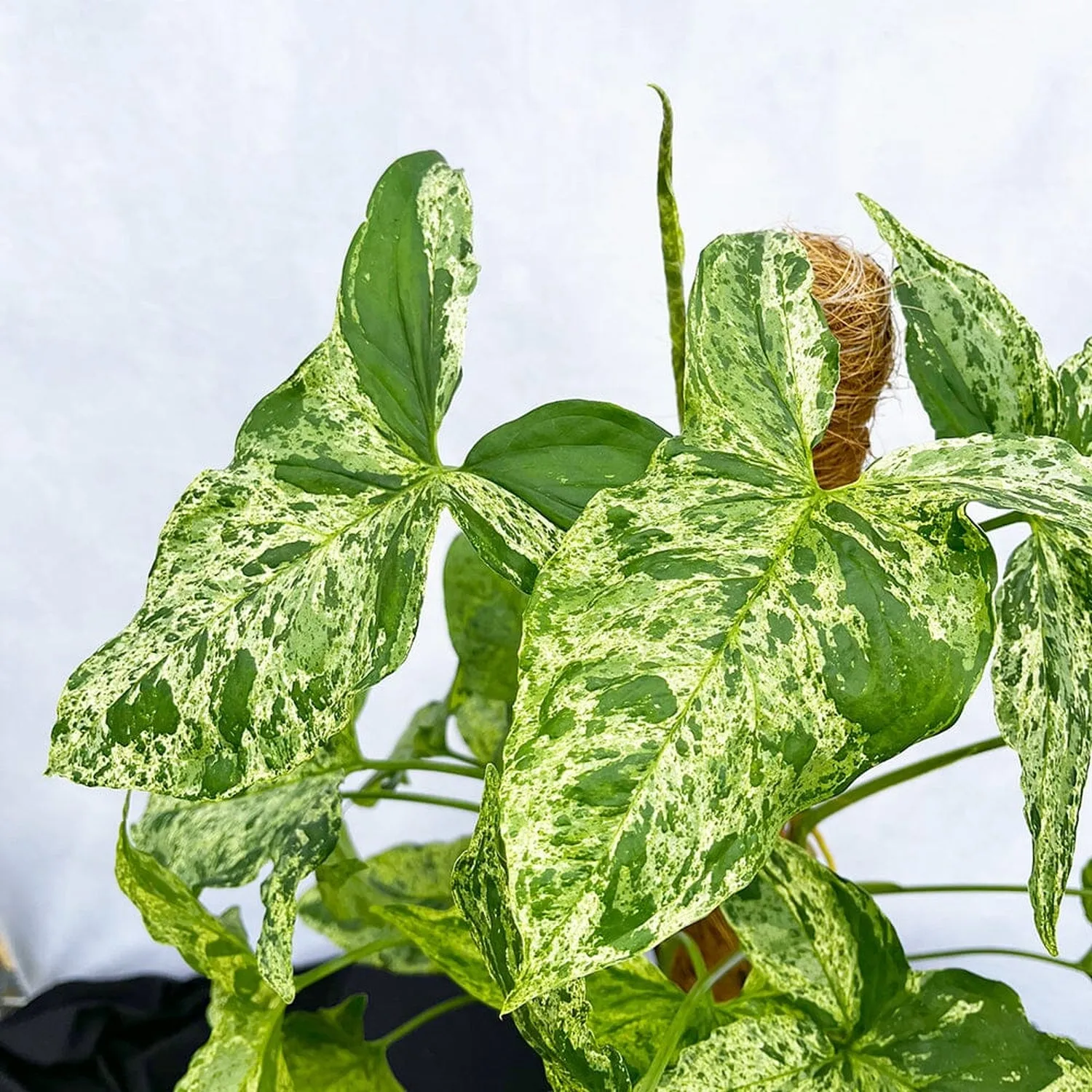
Monstera ‘Bulbasaur’ produces broad, thick leaves with a firm, leathery texture. Juvenile foliage is often more rounded and compact, while mature leaves elongate and may begin to show subtle fenestrations or splits as the plant climbs and matures. The leaf surface is usually mid to deep green with a slightly matte finish, emphasising the plant’s rugged appearance.
Stems are noticeably thick and sturdy, giving the plant a squat, muscular look compared to more delicate Monsteras. Aerial roots are strong and active, and the plant naturally wants to climb rather than trail. With support, leaf size and definition improve significantly.
Flowering indoors is rare and not a focus; this plant is grown almost entirely for foliage.
Light Requirements
Bright, indirect light is essential for healthy growth and leaf development. A position near an east-facing window or a bright spot set back from a south- or west-facing window is ideal.
Direct sunlight should be avoided, especially during midday, as it can scorch leaves. In low light, growth slows, internodes stretch, and leaves remain smaller with little to no fenestration.
Watering
Monstera ‘Bulbasaur’ prefers even moisture with excellent drainage. Allow the top few centimetres of the growing medium to dry out between waterings, then water thoroughly and allow excess moisture to drain away.
During spring and summer, watering will be more regular as the plant actively grows. In autumn and winter, reduce watering and allow the compost to dry slightly more between waterings. Prolonged waterlogging can lead to root rot, while extended dryness may cause drooping or slowed growth.
Temperature & Humidity
This Monstera thrives in warm, stable temperatures, ideally between 18–28°C. It should be protected from cold draughts, sudden temperature drops and unheated rooms. Temperatures below 15°C can stress the plant and slow growth.
Moderate to high humidity supports larger leaves, healthier growth and better overall structure. While it adapts to average household humidity, it performs best when humidity remains above 50–60%. Good airflow is important, particularly in higher humidity environments.
Soil & Potting
A well-draining, chunky aroid mix is essential. The roots need oxygen as well as consistent moisture. A mix of peat-free compost or coco coir, perlite or pumice, and orchid bark works very well.
Choose a pot with good drainage and enough stability to support the plant’s thick stems. Repot only when the plant becomes root-bound, ideally during the growing season. Providing a moss pole, coir pole or wooden plank early will encourage upright growth and more mature foliage.
Feeding
Feed lightly but regularly during the growing season. From spring through late summer, apply a balanced houseplant fertiliser every four to six weeks at half strength. Overfeeding can result in overly soft growth and reduced leaf quality.
Do not feed during autumn and winter when growth slows.
Pruning & Training
Pruning is usually minimal and mainly used to remove damaged leaves or control size. Cut just above a node during the growing season if shaping is required.
Training the plant onto a sturdy support is strongly recommended. Securing aerial roots into the support helps the plant climb and encourages thicker stems and larger leaves.
Common Issues & Sensitivities
Small leaves or lack of fenestration usually indicate insufficient light or lack of climbing support. Yellowing leaves often point to overwatering, while drooping leaves may indicate underwatering.
Pests such as spider mites or thrips can occasionally occur, especially in dry conditions, so regular inspection is advised.
Propagation
Propagation is done via stem cuttings with at least one node and aerial root. Cuttings can be rooted in water, sphagnum moss or a well-draining propagation mix. Warmth, humidity and bright indirect light encourage rooting within a few weeks.
Overall Care Summary
Monstera ‘Bulbasaur’ is a bold, collector-style Monstera that rewards bright indirect light, climbing support and consistent care. It is not particularly difficult, but it does need space and structure to reach its full potential. When grown well, it becomes a powerful, sculptural houseplant with real presence and character.
Original: $98.97
-70%$98.97
$29.69Product Information
Product Information
Shipping & Returns
Shipping & Returns
Description
Monstera ‘Bulbasaur’ is a rare, collector-named Monstera cultivar grown for its thick, heavily textured foliage and compact yet powerful growth habit. The name comes from its chunky, almost prehistoric look, with leaves and stems that feel substantial and sculptural. It is not a formally described species, but rather a cultivar or selected form circulating in cultivation, prized for its unusual structure and strong presence.
This plant sits somewhere between classic Monsteras and more collector-focused forms, rewarding good care with bold, characterful foliage.
Plant Description
Monstera ‘Bulbasaur’ produces broad, thick leaves with a firm, leathery texture. Juvenile foliage is often more rounded and compact, while mature leaves elongate and may begin to show subtle fenestrations or splits as the plant climbs and matures. The leaf surface is usually mid to deep green with a slightly matte finish, emphasising the plant’s rugged appearance.
Stems are noticeably thick and sturdy, giving the plant a squat, muscular look compared to more delicate Monsteras. Aerial roots are strong and active, and the plant naturally wants to climb rather than trail. With support, leaf size and definition improve significantly.
Flowering indoors is rare and not a focus; this plant is grown almost entirely for foliage.
Light Requirements
Bright, indirect light is essential for healthy growth and leaf development. A position near an east-facing window or a bright spot set back from a south- or west-facing window is ideal.
Direct sunlight should be avoided, especially during midday, as it can scorch leaves. In low light, growth slows, internodes stretch, and leaves remain smaller with little to no fenestration.
Watering
Monstera ‘Bulbasaur’ prefers even moisture with excellent drainage. Allow the top few centimetres of the growing medium to dry out between waterings, then water thoroughly and allow excess moisture to drain away.
During spring and summer, watering will be more regular as the plant actively grows. In autumn and winter, reduce watering and allow the compost to dry slightly more between waterings. Prolonged waterlogging can lead to root rot, while extended dryness may cause drooping or slowed growth.
Temperature & Humidity
This Monstera thrives in warm, stable temperatures, ideally between 18–28°C. It should be protected from cold draughts, sudden temperature drops and unheated rooms. Temperatures below 15°C can stress the plant and slow growth.
Moderate to high humidity supports larger leaves, healthier growth and better overall structure. While it adapts to average household humidity, it performs best when humidity remains above 50–60%. Good airflow is important, particularly in higher humidity environments.
Soil & Potting
A well-draining, chunky aroid mix is essential. The roots need oxygen as well as consistent moisture. A mix of peat-free compost or coco coir, perlite or pumice, and orchid bark works very well.
Choose a pot with good drainage and enough stability to support the plant’s thick stems. Repot only when the plant becomes root-bound, ideally during the growing season. Providing a moss pole, coir pole or wooden plank early will encourage upright growth and more mature foliage.
Feeding
Feed lightly but regularly during the growing season. From spring through late summer, apply a balanced houseplant fertiliser every four to six weeks at half strength. Overfeeding can result in overly soft growth and reduced leaf quality.
Do not feed during autumn and winter when growth slows.
Pruning & Training
Pruning is usually minimal and mainly used to remove damaged leaves or control size. Cut just above a node during the growing season if shaping is required.
Training the plant onto a sturdy support is strongly recommended. Securing aerial roots into the support helps the plant climb and encourages thicker stems and larger leaves.
Common Issues & Sensitivities
Small leaves or lack of fenestration usually indicate insufficient light or lack of climbing support. Yellowing leaves often point to overwatering, while drooping leaves may indicate underwatering.
Pests such as spider mites or thrips can occasionally occur, especially in dry conditions, so regular inspection is advised.
Propagation
Propagation is done via stem cuttings with at least one node and aerial root. Cuttings can be rooted in water, sphagnum moss or a well-draining propagation mix. Warmth, humidity and bright indirect light encourage rooting within a few weeks.
Overall Care Summary
Monstera ‘Bulbasaur’ is a bold, collector-style Monstera that rewards bright indirect light, climbing support and consistent care. It is not particularly difficult, but it does need space and structure to reach its full potential. When grown well, it becomes a powerful, sculptural houseplant with real presence and character.