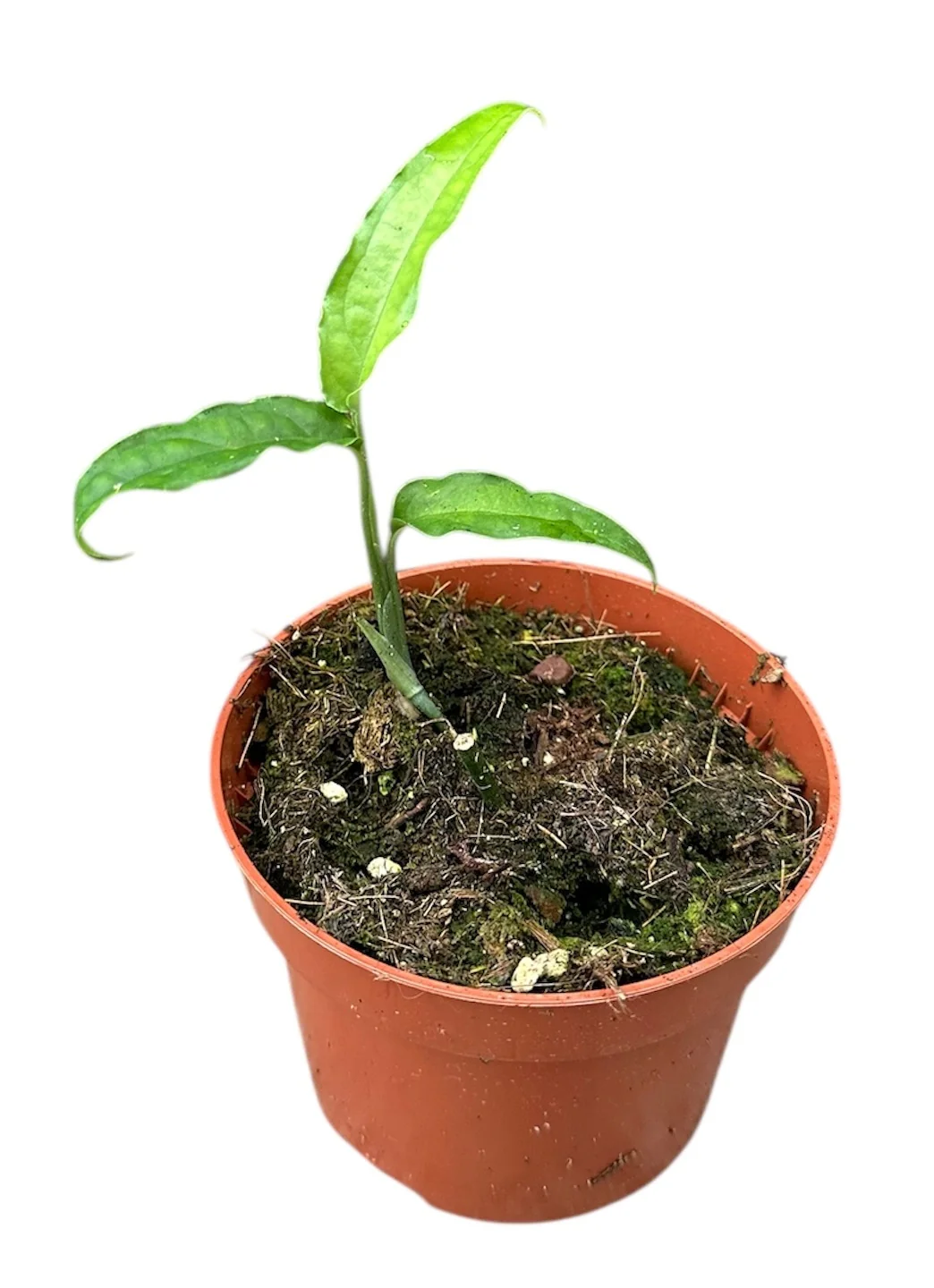
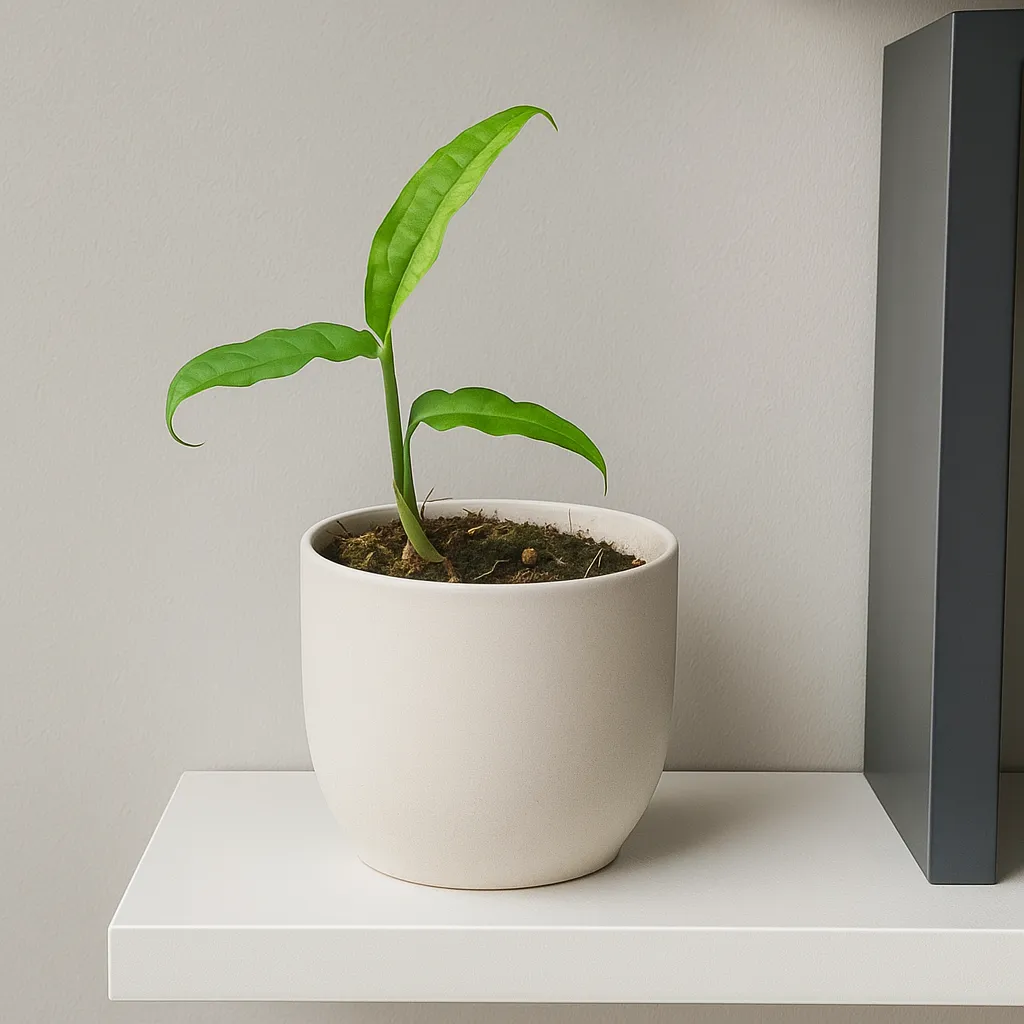
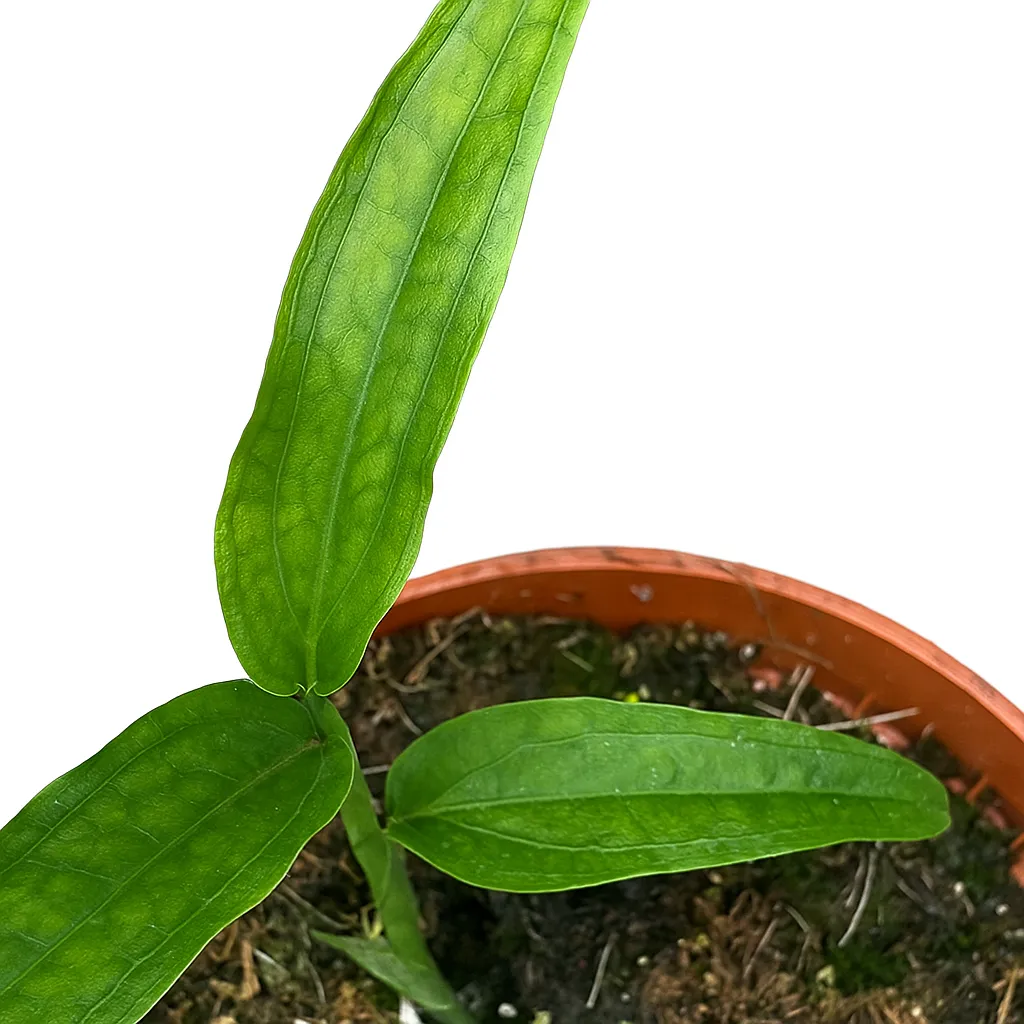
Monstera Obliqua Yasuni 10.5cm Pot House Plant
Monstera obliqua ‘Yasuni’ is an exceptionally rare and highly collectable species in the Araceae family, originating from the Yasuni National Park region in the Ecuadorian Amazon. The obliqua group is often confused with Monstera adansonii, but true obliqua species are far rarer, slower-growing, and display much thinner, more delicate foliage.
The ‘Yasuni’ form is particularly prized for its fenestrations. Its papery-thin leaves are extensively perforated, with dramatic holes covering much of the leaf blade, giving it a lace-like or skeletal appearance. Each leaf is unique, with some retaining more green surface while others are almost entirely fenestrated. This delicate, airy form makes it one of the most recognisable and extraordinary Monsteras in cultivation.
Due to its fragile leaves and slower growth habit, Monstera obliqua ‘Yasuni’ is considered a plant for advanced collectors. When given the right support, such as a moss pole, it will climb and produce increasingly larger and more perforated foliage.
Monstera obliqua ‘Yasuni’ – Care Guide
Light
Requires bright, indirect light to maintain growth and fenestration. Too little light will slow development further, while harsh direct sunlight can scorch its paper-thin leaves.
Watering
Keep the soil evenly moist but never waterlogged. Water when the top 2–3 cm of soil feels dry. The species is sensitive to both underwatering and overwatering. Use distilled or rainwater where possible.
Temperature and Humidity
-
Temperature: Thrives in 20–28°C. Protect from draughts and avoid exposure below 18°C.
-
Humidity: Extremely high humidity (80%+) is essential. Best grown in greenhouse conditions, terrariums, or under humidity domes.
Soil and Potting
Use a very airy, free-draining mix: peat-free compost blended with orchid bark, perlite, and sphagnum moss is ideal. Plant in a small pot to prevent excess moisture retention.
Feeding
Apply a diluted, balanced fertiliser every 4–6 weeks during the growing season. Do not overfeed, as growth is naturally slow.
Pruning and Maintenance
Minimal pruning is needed. Remove only damaged leaves. Support with a moss pole or climbing board to encourage upright growth and larger leaves.
Growth and Maturity
A notoriously slow grower. Juvenile leaves are smaller and less perforated, while mature foliage develops extreme fenestrations. Indoor vines typically grow slowly, requiring patience and careful care.
Common Issues
-
Crispy edges: Low humidity.
-
Yellowing leaves: Overwatering or poor drainage.
-
Failure to thrive: Often linked to insufficient humidity or inadequate light.
-
Pests: Susceptible to thrips, spider mites, and mealybugs due to delicate foliage.
Background and Benefits
The Monstera obliqua group is legendary among collectors, often described as the “holy grail” of Monsteras. The ‘Yasuni’ form, named after Ecuador’s Yasuni National Park, is among the rarest and most sought-after. Its lace-like foliage makes it one of the most spectacular tropical aroids in existence, though it requires expert care to thrive.
✅ Quick Care Summary
-
Light: Bright, indirect; avoid harsh sun
-
Water: Evenly moist; sensitive to drought and waterlogging
-
Temperature: 20–28°C; avoid below 18°C
-
Humidity: Extremely high (80%+)
-
Soil: Airy, free-draining mix with moss/bark
-
Feed: Monthly, lightly in growing season
-
Growth: Slow-growing climber; extremely fenestrated, papery leaves
Original: $36.94
-70%$36.94
$11.08Product Information
Product Information
Shipping & Returns
Shipping & Returns
Description
Monstera obliqua ‘Yasuni’ is an exceptionally rare and highly collectable species in the Araceae family, originating from the Yasuni National Park region in the Ecuadorian Amazon. The obliqua group is often confused with Monstera adansonii, but true obliqua species are far rarer, slower-growing, and display much thinner, more delicate foliage.
The ‘Yasuni’ form is particularly prized for its fenestrations. Its papery-thin leaves are extensively perforated, with dramatic holes covering much of the leaf blade, giving it a lace-like or skeletal appearance. Each leaf is unique, with some retaining more green surface while others are almost entirely fenestrated. This delicate, airy form makes it one of the most recognisable and extraordinary Monsteras in cultivation.
Due to its fragile leaves and slower growth habit, Monstera obliqua ‘Yasuni’ is considered a plant for advanced collectors. When given the right support, such as a moss pole, it will climb and produce increasingly larger and more perforated foliage.
Monstera obliqua ‘Yasuni’ – Care Guide
Light
Requires bright, indirect light to maintain growth and fenestration. Too little light will slow development further, while harsh direct sunlight can scorch its paper-thin leaves.
Watering
Keep the soil evenly moist but never waterlogged. Water when the top 2–3 cm of soil feels dry. The species is sensitive to both underwatering and overwatering. Use distilled or rainwater where possible.
Temperature and Humidity
-
Temperature: Thrives in 20–28°C. Protect from draughts and avoid exposure below 18°C.
-
Humidity: Extremely high humidity (80%+) is essential. Best grown in greenhouse conditions, terrariums, or under humidity domes.
Soil and Potting
Use a very airy, free-draining mix: peat-free compost blended with orchid bark, perlite, and sphagnum moss is ideal. Plant in a small pot to prevent excess moisture retention.
Feeding
Apply a diluted, balanced fertiliser every 4–6 weeks during the growing season. Do not overfeed, as growth is naturally slow.
Pruning and Maintenance
Minimal pruning is needed. Remove only damaged leaves. Support with a moss pole or climbing board to encourage upright growth and larger leaves.
Growth and Maturity
A notoriously slow grower. Juvenile leaves are smaller and less perforated, while mature foliage develops extreme fenestrations. Indoor vines typically grow slowly, requiring patience and careful care.
Common Issues
-
Crispy edges: Low humidity.
-
Yellowing leaves: Overwatering or poor drainage.
-
Failure to thrive: Often linked to insufficient humidity or inadequate light.
-
Pests: Susceptible to thrips, spider mites, and mealybugs due to delicate foliage.
Background and Benefits
The Monstera obliqua group is legendary among collectors, often described as the “holy grail” of Monsteras. The ‘Yasuni’ form, named after Ecuador’s Yasuni National Park, is among the rarest and most sought-after. Its lace-like foliage makes it one of the most spectacular tropical aroids in existence, though it requires expert care to thrive.
✅ Quick Care Summary
-
Light: Bright, indirect; avoid harsh sun
-
Water: Evenly moist; sensitive to drought and waterlogging
-
Temperature: 20–28°C; avoid below 18°C
-
Humidity: Extremely high (80%+)
-
Soil: Airy, free-draining mix with moss/bark
-
Feed: Monthly, lightly in growing season
-
Growth: Slow-growing climber; extremely fenestrated, papery leaves