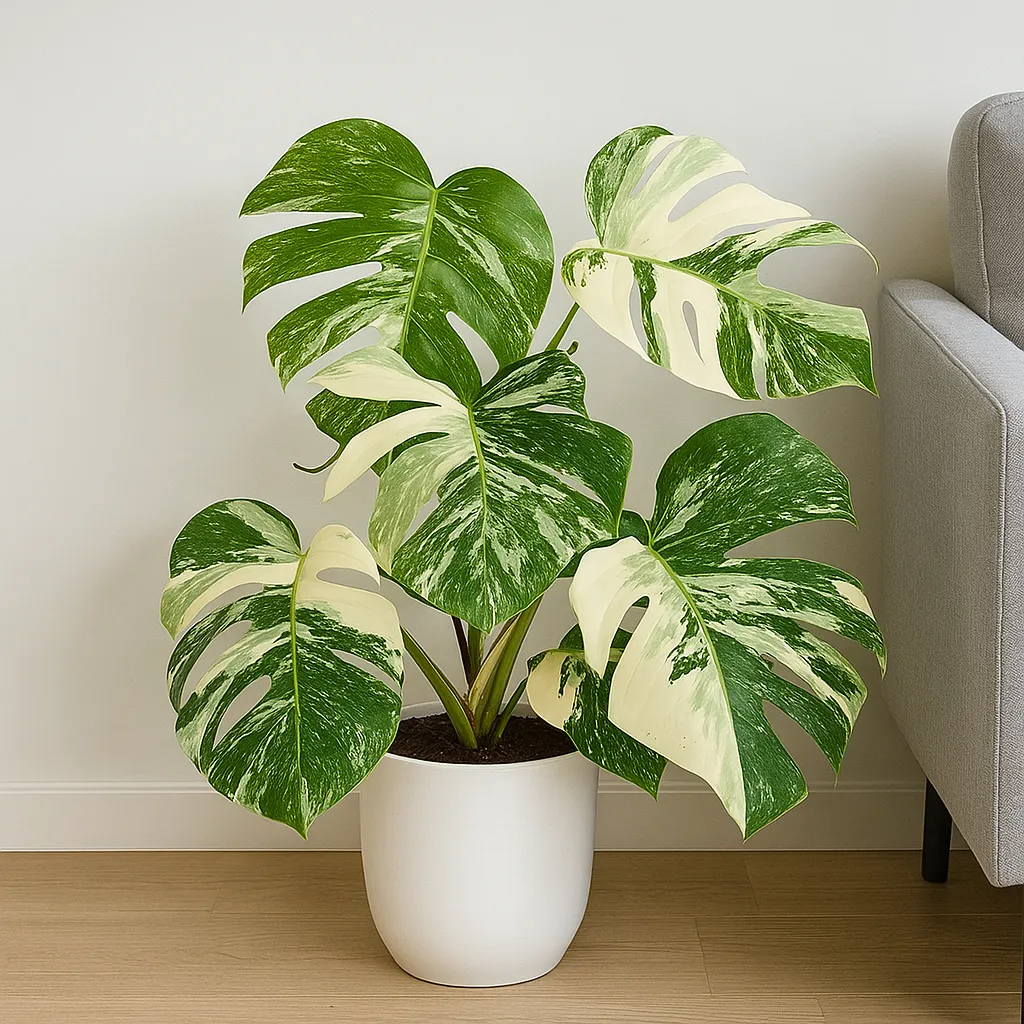
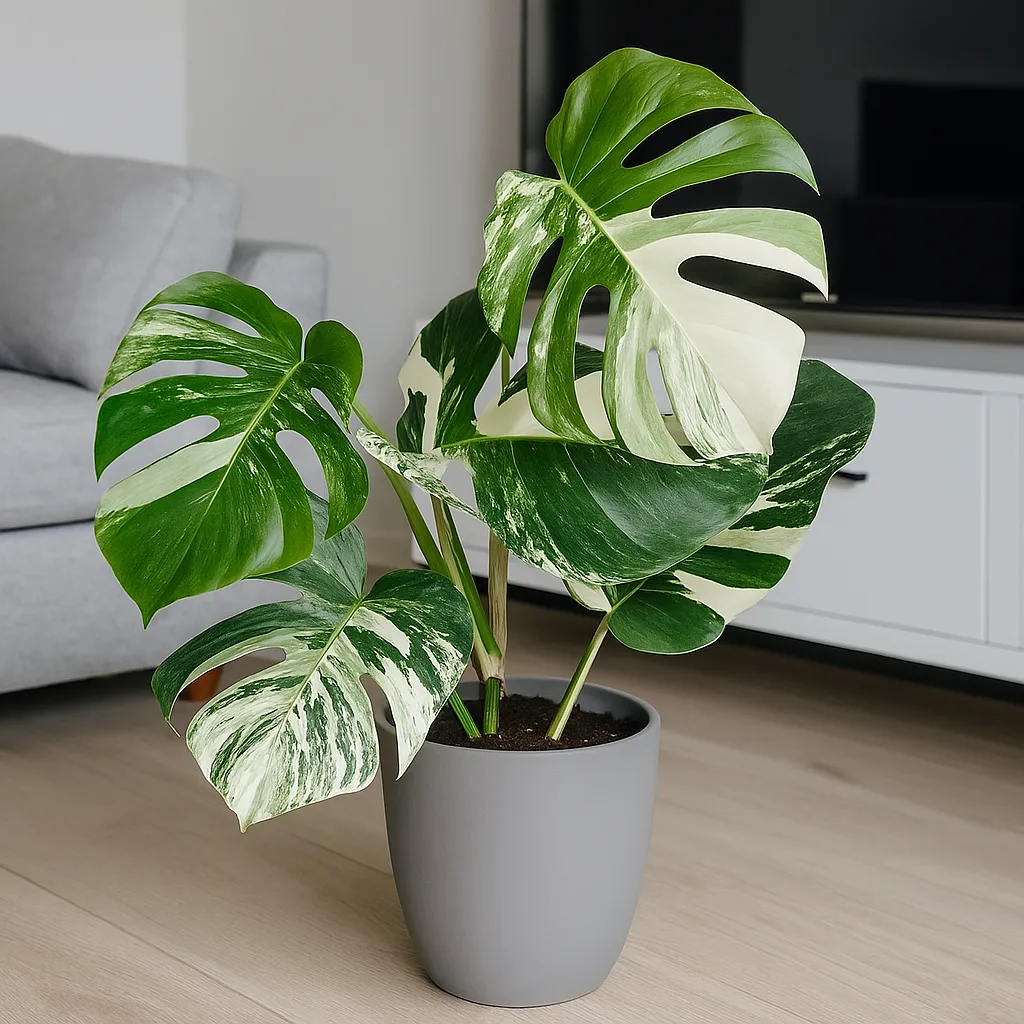
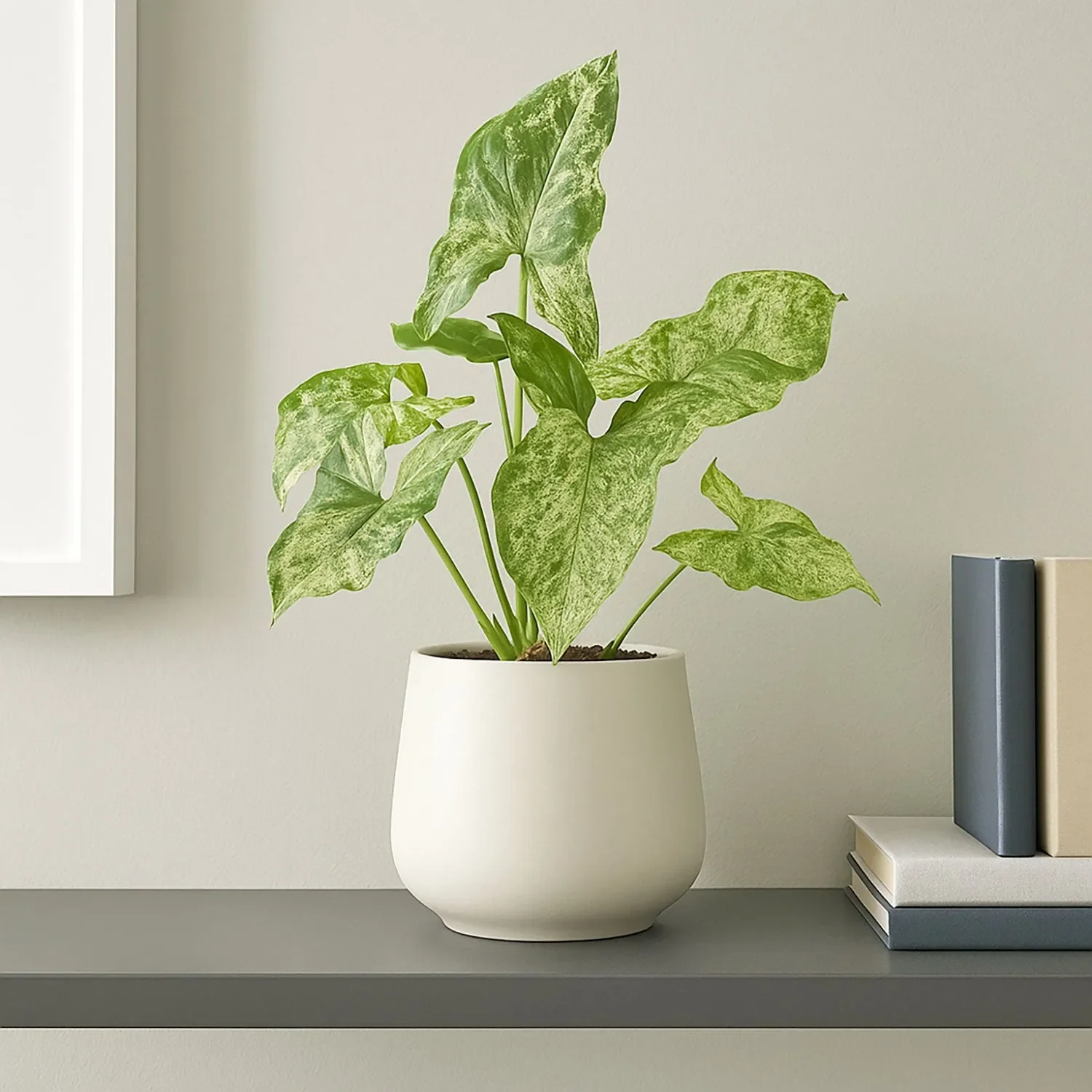
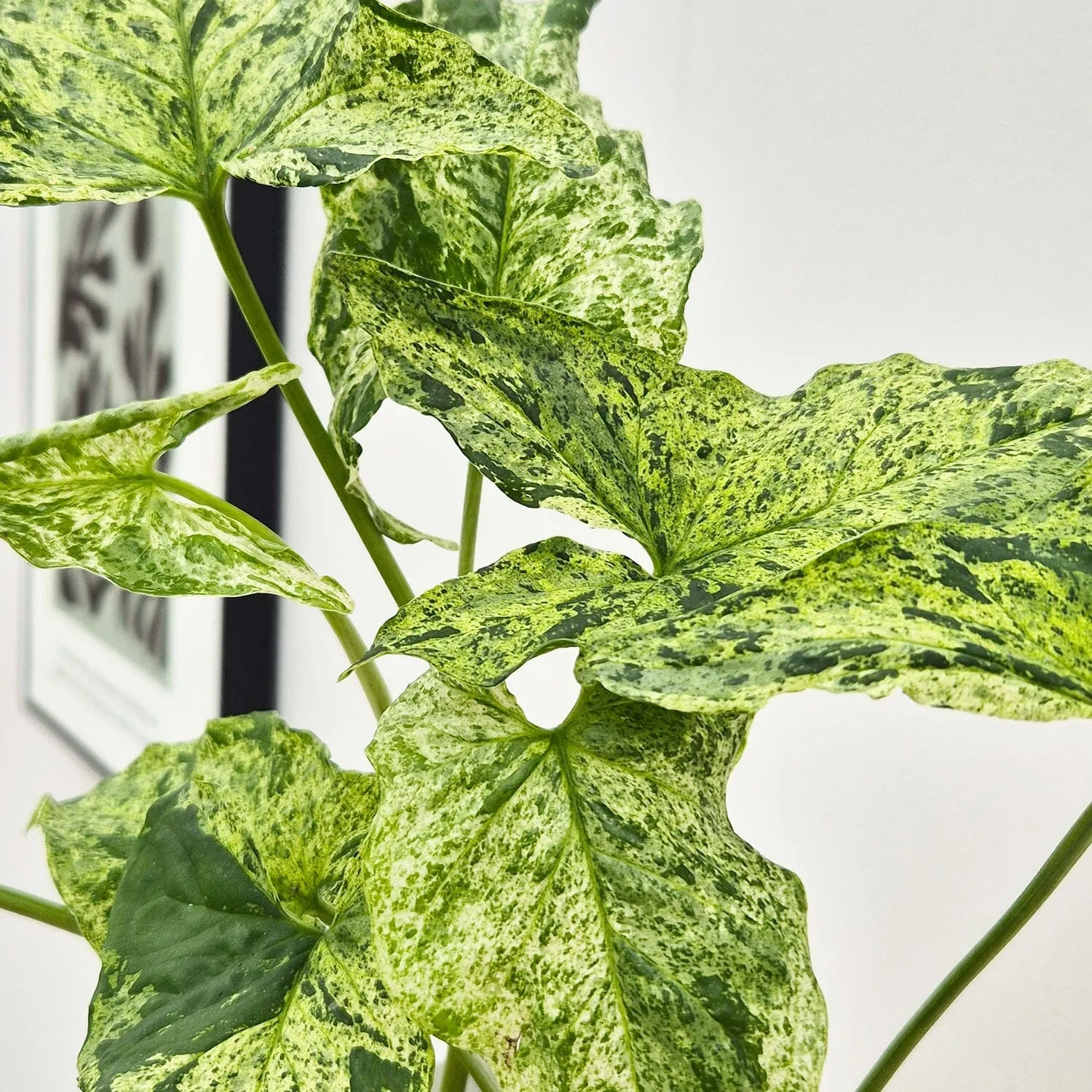
15 - 20cm Peperomia Caperata Buenos Aires House Plant in 12cm Pot
Peperomia caperata ‘Buenos Aires’ is a stunning compact houseplant prized for its shimmering, textured foliage and warm, rosy tones. A member of the Piperaceae family and native to the tropical rainforests of Brazil, this cultivar combines the deeply corrugated leaves of the Peperomia caperata species with a unique pink-blushed colouration that sets it apart from other varieties.
The heart-shaped leaves are heavily rippled and display a sophisticated blend of silvery green and warm pink to copper undertones, with deep maroon stems adding contrast. The surface of the leaves catches and reflects light beautifully, giving them a soft metallic glow. Compact and elegant, Peperomia caperata ‘Buenos Aires’ forms a tidy rosette, making it an ideal choice for desks, shelves, or smaller decorative spaces.
Delicate yet resilient, this variety brings a touch of refined colour and texture to indoor collections — the perfect balance of subtlety and tropical charm.
Peperomia caperata ‘Buenos Aires’ – Care Guide
Light
Thrives in bright, indirect light, which enhances its pink and silvery tones. It can tolerate medium light but avoid harsh direct sunlight, which can scorch the delicate leaves. A north- or east-facing window is ideal for maintaining healthy colouration.
Watering
Allow the top 3–4 cm of soil to dry between waterings. Peperomias have semi-succulent leaves that store moisture, so it’s better to underwater than overwater. Water thoroughly, then allow excess water to drain away completely. Reduce watering in winter when growth slows.
Temperature and Humidity
Temperature: Prefers warmth between 18–26 °C; avoid cold drafts and temperatures below 12 °C.
Humidity: Average household humidity (40–60%) is sufficient, but moderate humidity will enhance leaf texture and colour. Avoid misting directly onto leaves to prevent spotting; instead, place near other plants or on a pebble tray.
Soil and Potting
Use a light, well-draining mix, such as a blend of compost, perlite, and coco coir. Peperomias prefer slightly snug pots, as their roots are fine and shallow. Repot only every 2–3 years, refreshing the soil rather than increasing pot size.
Feeding
Feed every 6–8 weeks during spring and summer with a diluted, balanced liquid fertiliser. Avoid over-fertilising, which can damage roots. Do not feed in autumn and winter when the plant’s growth naturally slows.
Pruning and Maintenance
Remove any faded or damaged leaves near the base to maintain shape and encourage new growth. Pinch back stems occasionally to keep the plant full and compact. Wipe leaves gently with a damp cloth to remove dust and showcase their rippled texture.
Growth and Maturity
A slow to moderate grower, Peperomia caperata ‘Buenos Aires’ typically reaches 20–30 cm in height and spread. Its rosette form and richly coloured foliage make it a perfect small accent plant or terrarium specimen.
Common Issues
-
Yellowing leaves: Overwatering or poor drainage.
-
Drooping foliage: Underwatering or cold air exposure.
-
Faded colour: Insufficient light.
-
Pests: Occasionally affected by mealybugs or fungus gnats — treat promptly with neem oil or insecticidal soap.
Background and Benefits
Peperomia caperata originates from Brazil’s tropical understories, where it grows in shaded, humid environments. The ‘Buenos Aires’ cultivar was developed for its refined metallic sheen and soft blush hues, offering a more decorative twist on the classic variety.
Peperomias are known for their resilience and adaptability, thriving in lower-light interiors and requiring little maintenance. They also help purify indoor air, making them both beautiful and functional. Symbolically, Peperomias represent harmony, positive energy, and friendship — fitting for a plant that radiates calm and warmth.
Quick Care Summary
-
Light: Bright, indirect light; tolerates medium light
-
Water: Allow top few cm of soil to dry between waterings
-
Temperature: 18–26 °C; avoid below 12 °C
-
Humidity: Average to moderate (40–60%)
-
Soil: Light, well-draining mix – compost, perlite, coco coir
-
Feed: Every 6–8 weeks in spring/summer
-
Growth: 20–30 cm; compact rosette with silvery green and pinkish leaves
⚠️ Toxicity note: Non-toxic to humans and pets.
Styling Tip
Display Peperomia caperata ‘Buenos Aires’ in a neutral or blush-toned pot to accentuate its warm leaf tones. Perfect for desks, shelves, or bedside tables, it pairs beautifully with darker foliage such as Philodendron ‘Micans’ or Ficus ‘Abidjan’ for a sophisticated contrast. For a soft, cohesive display, group with other compact tropicals like Homalomena ‘Cream Frost’ or Calathea orbifolia. This elegant Peperomia adds a gentle pop of colour and texture to any interior — small in stature but rich in style.
Original: $19.78
-70%$19.78
$5.93Product Information
Product Information
Shipping & Returns
Shipping & Returns
Description
Peperomia caperata ‘Buenos Aires’ is a stunning compact houseplant prized for its shimmering, textured foliage and warm, rosy tones. A member of the Piperaceae family and native to the tropical rainforests of Brazil, this cultivar combines the deeply corrugated leaves of the Peperomia caperata species with a unique pink-blushed colouration that sets it apart from other varieties.
The heart-shaped leaves are heavily rippled and display a sophisticated blend of silvery green and warm pink to copper undertones, with deep maroon stems adding contrast. The surface of the leaves catches and reflects light beautifully, giving them a soft metallic glow. Compact and elegant, Peperomia caperata ‘Buenos Aires’ forms a tidy rosette, making it an ideal choice for desks, shelves, or smaller decorative spaces.
Delicate yet resilient, this variety brings a touch of refined colour and texture to indoor collections — the perfect balance of subtlety and tropical charm.
Peperomia caperata ‘Buenos Aires’ – Care Guide
Light
Thrives in bright, indirect light, which enhances its pink and silvery tones. It can tolerate medium light but avoid harsh direct sunlight, which can scorch the delicate leaves. A north- or east-facing window is ideal for maintaining healthy colouration.
Watering
Allow the top 3–4 cm of soil to dry between waterings. Peperomias have semi-succulent leaves that store moisture, so it’s better to underwater than overwater. Water thoroughly, then allow excess water to drain away completely. Reduce watering in winter when growth slows.
Temperature and Humidity
Temperature: Prefers warmth between 18–26 °C; avoid cold drafts and temperatures below 12 °C.
Humidity: Average household humidity (40–60%) is sufficient, but moderate humidity will enhance leaf texture and colour. Avoid misting directly onto leaves to prevent spotting; instead, place near other plants or on a pebble tray.
Soil and Potting
Use a light, well-draining mix, such as a blend of compost, perlite, and coco coir. Peperomias prefer slightly snug pots, as their roots are fine and shallow. Repot only every 2–3 years, refreshing the soil rather than increasing pot size.
Feeding
Feed every 6–8 weeks during spring and summer with a diluted, balanced liquid fertiliser. Avoid over-fertilising, which can damage roots. Do not feed in autumn and winter when the plant’s growth naturally slows.
Pruning and Maintenance
Remove any faded or damaged leaves near the base to maintain shape and encourage new growth. Pinch back stems occasionally to keep the plant full and compact. Wipe leaves gently with a damp cloth to remove dust and showcase their rippled texture.
Growth and Maturity
A slow to moderate grower, Peperomia caperata ‘Buenos Aires’ typically reaches 20–30 cm in height and spread. Its rosette form and richly coloured foliage make it a perfect small accent plant or terrarium specimen.
Common Issues
-
Yellowing leaves: Overwatering or poor drainage.
-
Drooping foliage: Underwatering or cold air exposure.
-
Faded colour: Insufficient light.
-
Pests: Occasionally affected by mealybugs or fungus gnats — treat promptly with neem oil or insecticidal soap.
Background and Benefits
Peperomia caperata originates from Brazil’s tropical understories, where it grows in shaded, humid environments. The ‘Buenos Aires’ cultivar was developed for its refined metallic sheen and soft blush hues, offering a more decorative twist on the classic variety.
Peperomias are known for their resilience and adaptability, thriving in lower-light interiors and requiring little maintenance. They also help purify indoor air, making them both beautiful and functional. Symbolically, Peperomias represent harmony, positive energy, and friendship — fitting for a plant that radiates calm and warmth.
Quick Care Summary
-
Light: Bright, indirect light; tolerates medium light
-
Water: Allow top few cm of soil to dry between waterings
-
Temperature: 18–26 °C; avoid below 12 °C
-
Humidity: Average to moderate (40–60%)
-
Soil: Light, well-draining mix – compost, perlite, coco coir
-
Feed: Every 6–8 weeks in spring/summer
-
Growth: 20–30 cm; compact rosette with silvery green and pinkish leaves
⚠️ Toxicity note: Non-toxic to humans and pets.
Styling Tip
Display Peperomia caperata ‘Buenos Aires’ in a neutral or blush-toned pot to accentuate its warm leaf tones. Perfect for desks, shelves, or bedside tables, it pairs beautifully with darker foliage such as Philodendron ‘Micans’ or Ficus ‘Abidjan’ for a sophisticated contrast. For a soft, cohesive display, group with other compact tropicals like Homalomena ‘Cream Frost’ or Calathea orbifolia. This elegant Peperomia adds a gentle pop of colour and texture to any interior — small in stature but rich in style.