15 - 20cm Peperomia Prostrata Radiator House Plant 11cm Pot
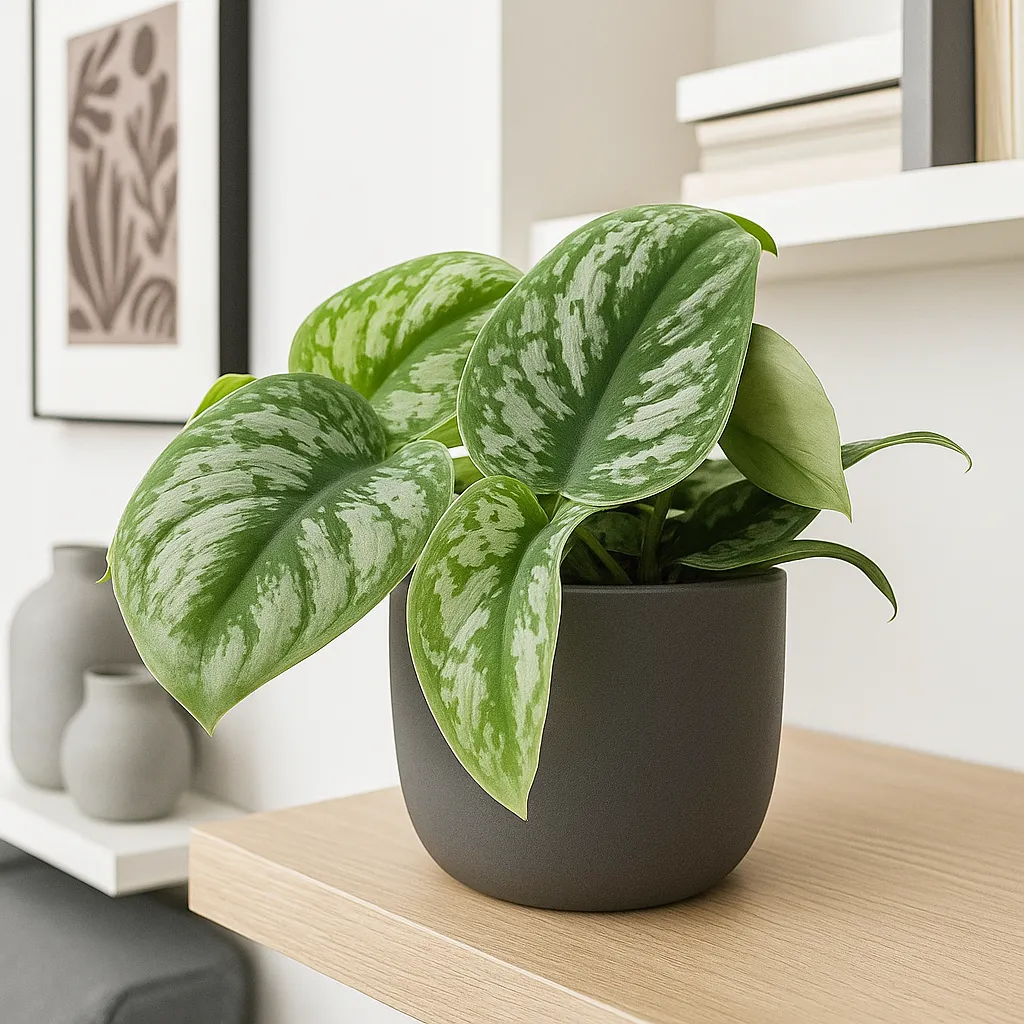
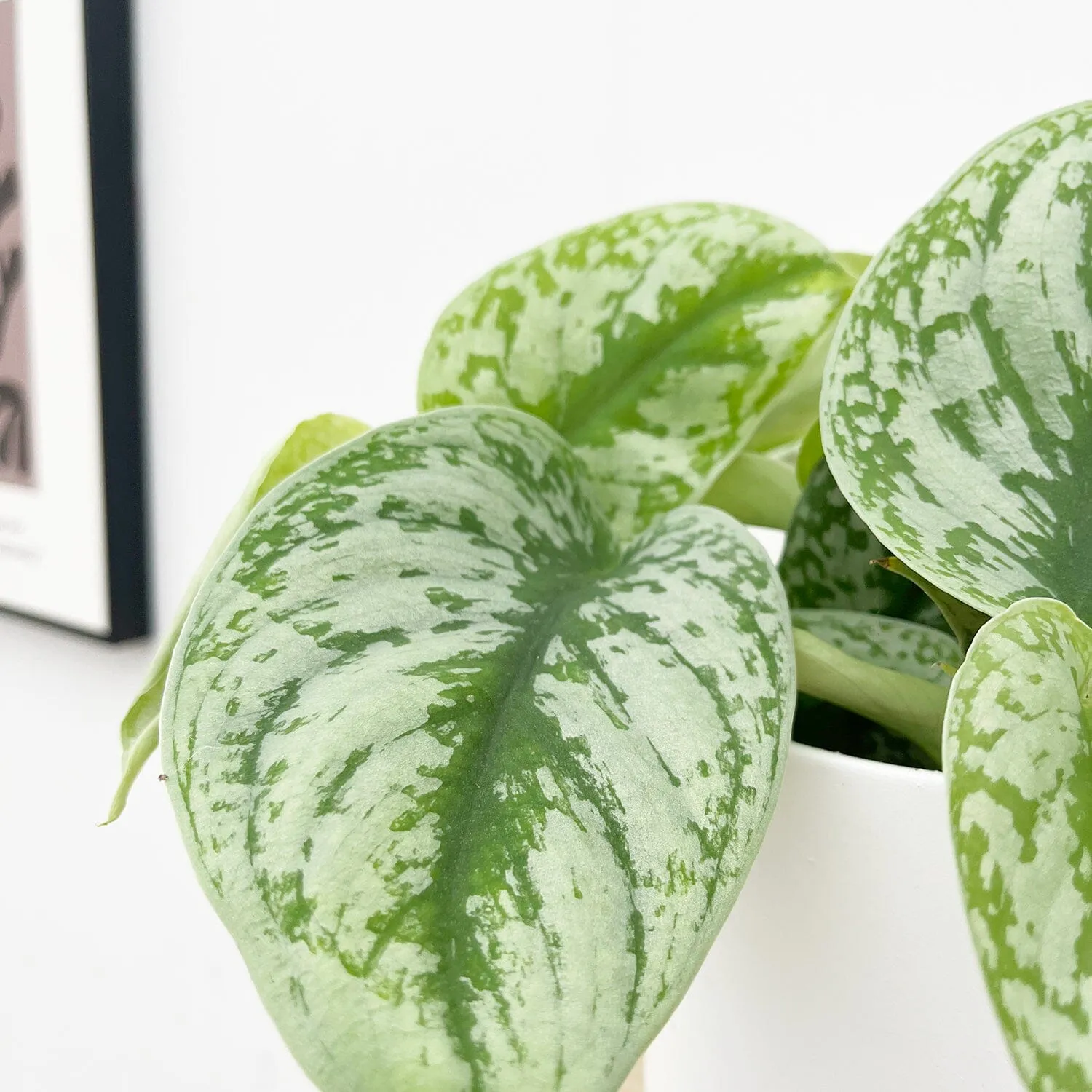
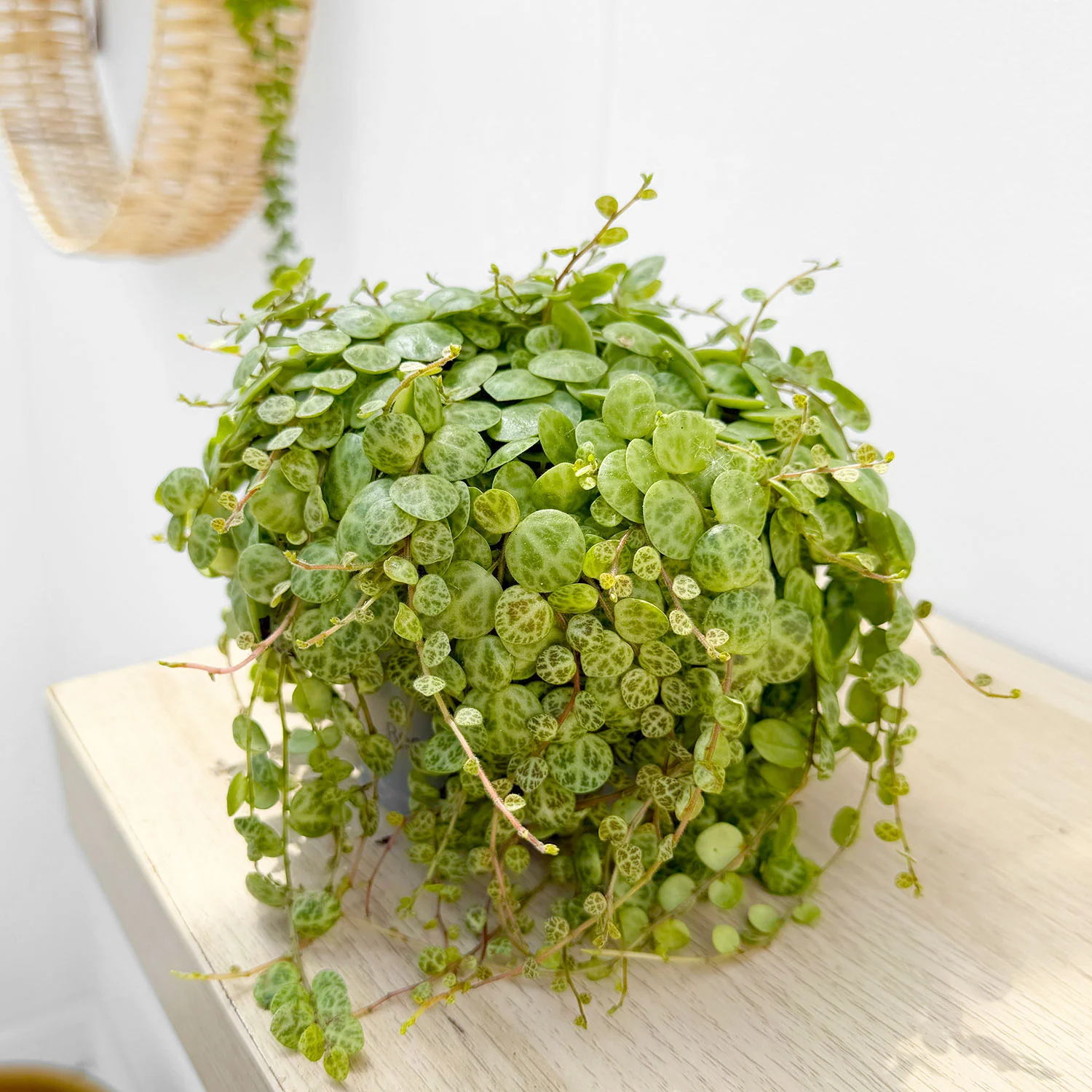
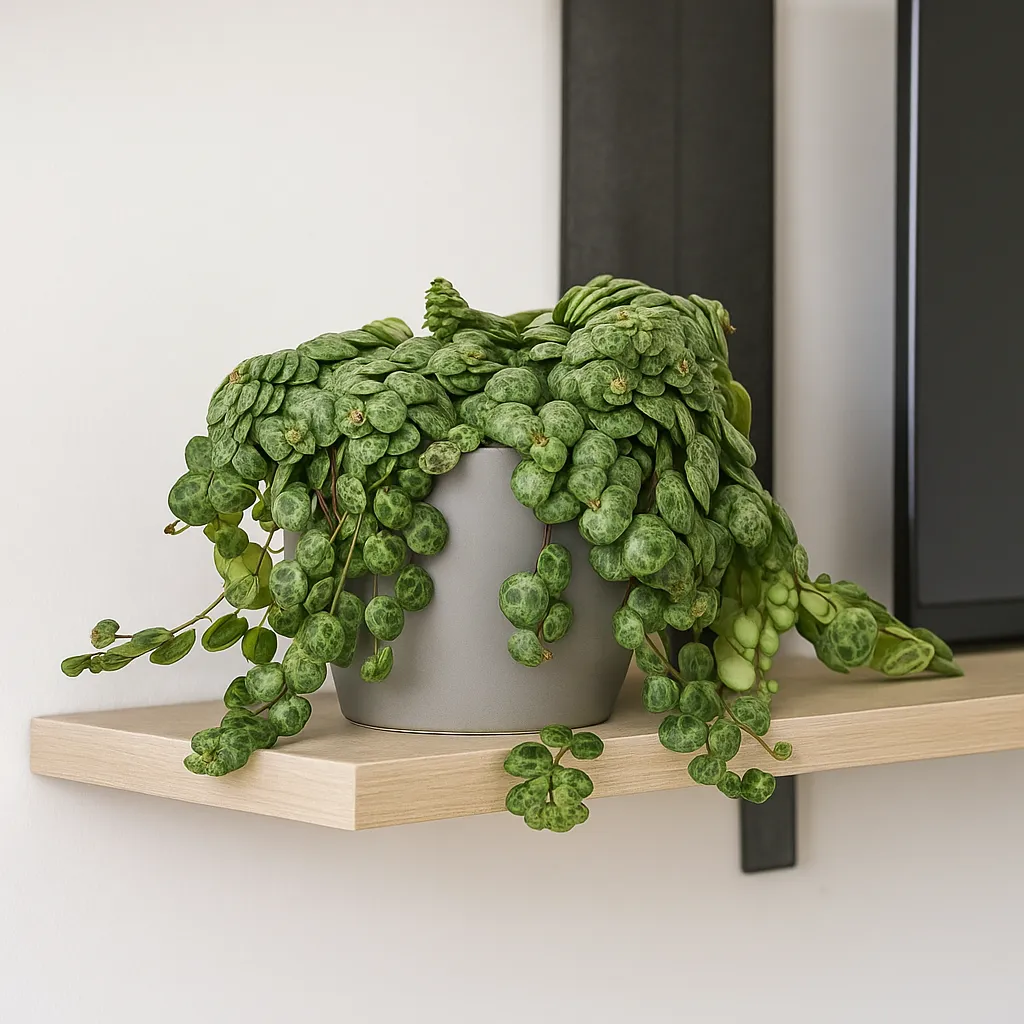
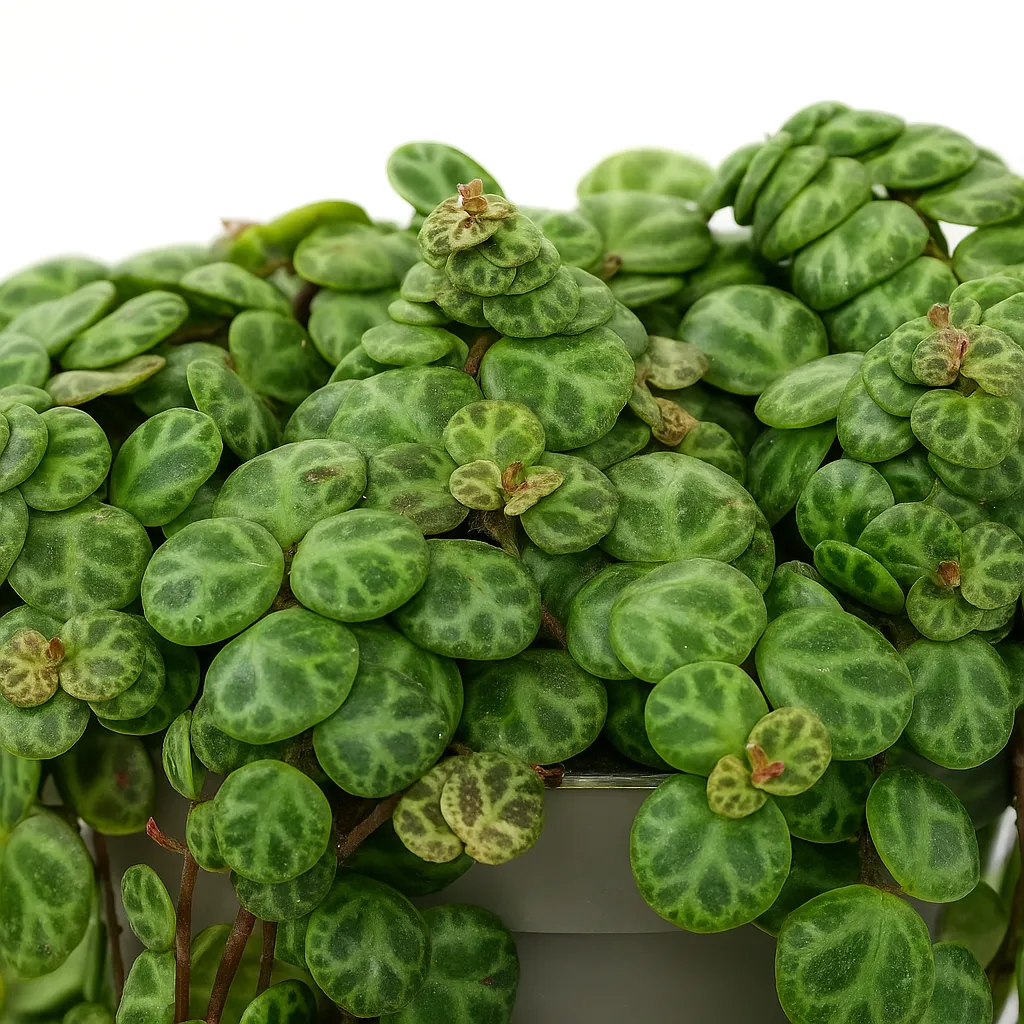
Peperomia prostrata, commonly known as the String of Turtles, is a captivating trailing houseplant cherished for its tiny, turtle shell-patterned leaves and delicate cascading vines. A member of the Piperaceae family and native to the tropical rainforests of Brazil, this species is one of the most beloved miniature plants among collectors for its intricate markings and compact, trailing form.
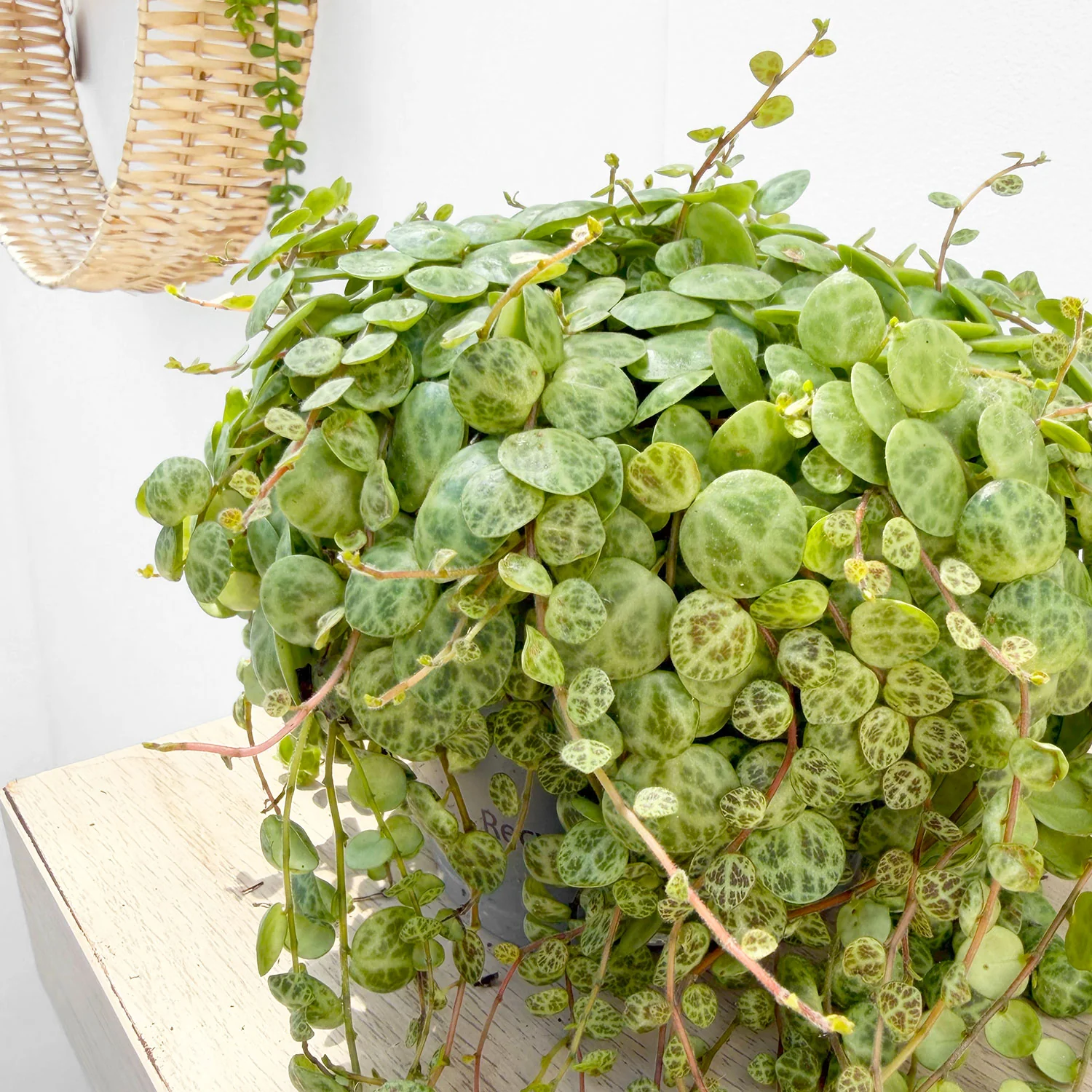
The small, round leaves are a deep green mottled with silver veining, closely resembling the shells of tiny turtles — hence its common name. The vines are fine and flexible, forming a soft, cascading mat that drapes beautifully from shelves, terrariums, or hanging planters. When grown in optimal conditions, Peperomia prostrata also produces slender flower spikes with small, cream-coloured blooms that add a subtle accent to its foliage.
Charming, dainty, and endlessly detailed, Peperomia prostrata is a perfect plant for collectors who value texture, pattern, and understated tropical beauty.
Peperomia prostrata – Care Guide
Light
Thrives in bright, indirect light. Ample light keeps the leaf markings vivid and prevents leggy growth. Too much direct sun can scorch the leaves, while low light may cause fading and slower growth. Ideal conditions mimic the dappled light of a rainforest understory.
Watering
Allow the top 3–4 cm of soil to dry out between waterings. Peperomia prostrata stores moisture in its semi-succulent leaves and does not tolerate overwatering. Water thoroughly and let excess drain away. In winter, reduce watering frequency but do not allow the plant to dry out completely.
Temperature and Humidity
-
Temperature: Prefers warmth between 18–26 °C; avoid temperatures below 15 °C.
-
Humidity: Enjoys moderate to high humidity (50–70%). It thrives in terrariums, greenhouses, or near humidifiers. Low humidity may cause leaf curl or crisping at the edges.
Soil and Potting
Use a well-draining, light mix — a blend of cactus soil, perlite, and fine orchid bark or coco coir works beautifully. This provides excellent aeration while retaining gentle moisture. Repot only when necessary, as Peperomia prostrata prefers to be slightly root-bound.
Feeding
Feed every 6–8 weeks during the growing season with a diluted, balanced fertiliser suitable for foliage plants. Over-fertilising can cause root burn or weaken the fine stems. Avoid feeding in autumn and winter when growth slows.
Pruning and Maintenance
Trim back leggy or tangled vines to encourage fuller growth and maintain a neat appearance. The cuttings root easily in water or moist soil, making propagation simple. Wipe leaves gently with a damp cloth or soft brush to remove dust.
Growth and Maturity
A slow to moderate grower, Peperomia prostrata typically trails 30–60 cm in length when mature. Its tiny, patterned leaves remain compact and decorative throughout its life cycle. Under ideal conditions, the plant forms a dense mat of vines that cascade elegantly over pot edges or across terrarium surfaces.
Common Issues
-
Yellowing leaves: Overwatering or poor drainage.
-
Faded markings: Insufficient light.
-
Crisping or leaf drop: Low humidity or underwatering.
-
Pests: Occasionally mealybugs or fungus gnats; treat promptly with neem oil or insecticidal soap.
Background and Benefits
Native to the moist, shaded forests of Brazil, Peperomia prostrata grows as an epiphyte along tree trunks and forest floors, drawing moisture from the humid air and decaying organic matter. Its compact size and intricate leaf markings have made it a favourite among terrarium enthusiasts and plant collectors seeking small-scale detail and tropical texture.
Like all Peperomias, it is low-maintenance and non-toxic, making it ideal for homes with pets or children. Its compact habit also makes it perfect for small spaces, adding a touch of the rainforest to desks, bookshelves, or glass displays.
Quick Care Summary
Light: Bright, indirect light; avoid harsh direct sun
Water: Let top 3–4 cm of soil dry between watering
Temperature: 18–26 °C; avoid below 15 °C
Humidity: Moderate to high (50–70%)
Soil: Airy, free-draining mix – cactus soil, perlite, bark or coir
Feed: Every 6–8 weeks in spring/summer
Growth: Trailing habit, 30–60 cm; tiny round green leaves with silver “turtle shell” veining
⚠️ Toxicity note: Non-toxic to humans and pets, making it a safe choice for households with animals.
Styling Tip
Display Peperomia prostrata in a small hanging pot, terrarium, or on a high shelf, allowing its delicate vines to cascade gracefully. Its intricate foliage pairs beautifully with other miniature species such as Fittonia ‘White Tiger’ or Labisia sp. ‘Turtle Back’ for a lush, micro-jungle aesthetic. In a terrarium, it creates a beautiful trailing groundcover that thrives in humidity and adds natural rhythm and movement to the display.
Original: $19.78
-70%$19.78
$5.93Product Information
Product Information
Shipping & Returns
Shipping & Returns
Description
Peperomia prostrata, commonly known as the String of Turtles, is a captivating trailing houseplant cherished for its tiny, turtle shell-patterned leaves and delicate cascading vines. A member of the Piperaceae family and native to the tropical rainforests of Brazil, this species is one of the most beloved miniature plants among collectors for its intricate markings and compact, trailing form.
The small, round leaves are a deep green mottled with silver veining, closely resembling the shells of tiny turtles — hence its common name. The vines are fine and flexible, forming a soft, cascading mat that drapes beautifully from shelves, terrariums, or hanging planters. When grown in optimal conditions, Peperomia prostrata also produces slender flower spikes with small, cream-coloured blooms that add a subtle accent to its foliage.
Charming, dainty, and endlessly detailed, Peperomia prostrata is a perfect plant for collectors who value texture, pattern, and understated tropical beauty.
Peperomia prostrata – Care Guide
Light
Thrives in bright, indirect light. Ample light keeps the leaf markings vivid and prevents leggy growth. Too much direct sun can scorch the leaves, while low light may cause fading and slower growth. Ideal conditions mimic the dappled light of a rainforest understory.
Watering
Allow the top 3–4 cm of soil to dry out between waterings. Peperomia prostrata stores moisture in its semi-succulent leaves and does not tolerate overwatering. Water thoroughly and let excess drain away. In winter, reduce watering frequency but do not allow the plant to dry out completely.
Temperature and Humidity
-
Temperature: Prefers warmth between 18–26 °C; avoid temperatures below 15 °C.
-
Humidity: Enjoys moderate to high humidity (50–70%). It thrives in terrariums, greenhouses, or near humidifiers. Low humidity may cause leaf curl or crisping at the edges.
Soil and Potting
Use a well-draining, light mix — a blend of cactus soil, perlite, and fine orchid bark or coco coir works beautifully. This provides excellent aeration while retaining gentle moisture. Repot only when necessary, as Peperomia prostrata prefers to be slightly root-bound.
Feeding
Feed every 6–8 weeks during the growing season with a diluted, balanced fertiliser suitable for foliage plants. Over-fertilising can cause root burn or weaken the fine stems. Avoid feeding in autumn and winter when growth slows.
Pruning and Maintenance
Trim back leggy or tangled vines to encourage fuller growth and maintain a neat appearance. The cuttings root easily in water or moist soil, making propagation simple. Wipe leaves gently with a damp cloth or soft brush to remove dust.
Growth and Maturity
A slow to moderate grower, Peperomia prostrata typically trails 30–60 cm in length when mature. Its tiny, patterned leaves remain compact and decorative throughout its life cycle. Under ideal conditions, the plant forms a dense mat of vines that cascade elegantly over pot edges or across terrarium surfaces.
Common Issues
-
Yellowing leaves: Overwatering or poor drainage.
-
Faded markings: Insufficient light.
-
Crisping or leaf drop: Low humidity or underwatering.
-
Pests: Occasionally mealybugs or fungus gnats; treat promptly with neem oil or insecticidal soap.
Background and Benefits
Native to the moist, shaded forests of Brazil, Peperomia prostrata grows as an epiphyte along tree trunks and forest floors, drawing moisture from the humid air and decaying organic matter. Its compact size and intricate leaf markings have made it a favourite among terrarium enthusiasts and plant collectors seeking small-scale detail and tropical texture.
Like all Peperomias, it is low-maintenance and non-toxic, making it ideal for homes with pets or children. Its compact habit also makes it perfect for small spaces, adding a touch of the rainforest to desks, bookshelves, or glass displays.
Quick Care Summary
Light: Bright, indirect light; avoid harsh direct sun
Water: Let top 3–4 cm of soil dry between watering
Temperature: 18–26 °C; avoid below 15 °C
Humidity: Moderate to high (50–70%)
Soil: Airy, free-draining mix – cactus soil, perlite, bark or coir
Feed: Every 6–8 weeks in spring/summer
Growth: Trailing habit, 30–60 cm; tiny round green leaves with silver “turtle shell” veining
⚠️ Toxicity note: Non-toxic to humans and pets, making it a safe choice for households with animals.
Styling Tip
Display Peperomia prostrata in a small hanging pot, terrarium, or on a high shelf, allowing its delicate vines to cascade gracefully. Its intricate foliage pairs beautifully with other miniature species such as Fittonia ‘White Tiger’ or Labisia sp. ‘Turtle Back’ for a lush, micro-jungle aesthetic. In a terrarium, it creates a beautiful trailing groundcover that thrives in humidity and adds natural rhythm and movement to the display.