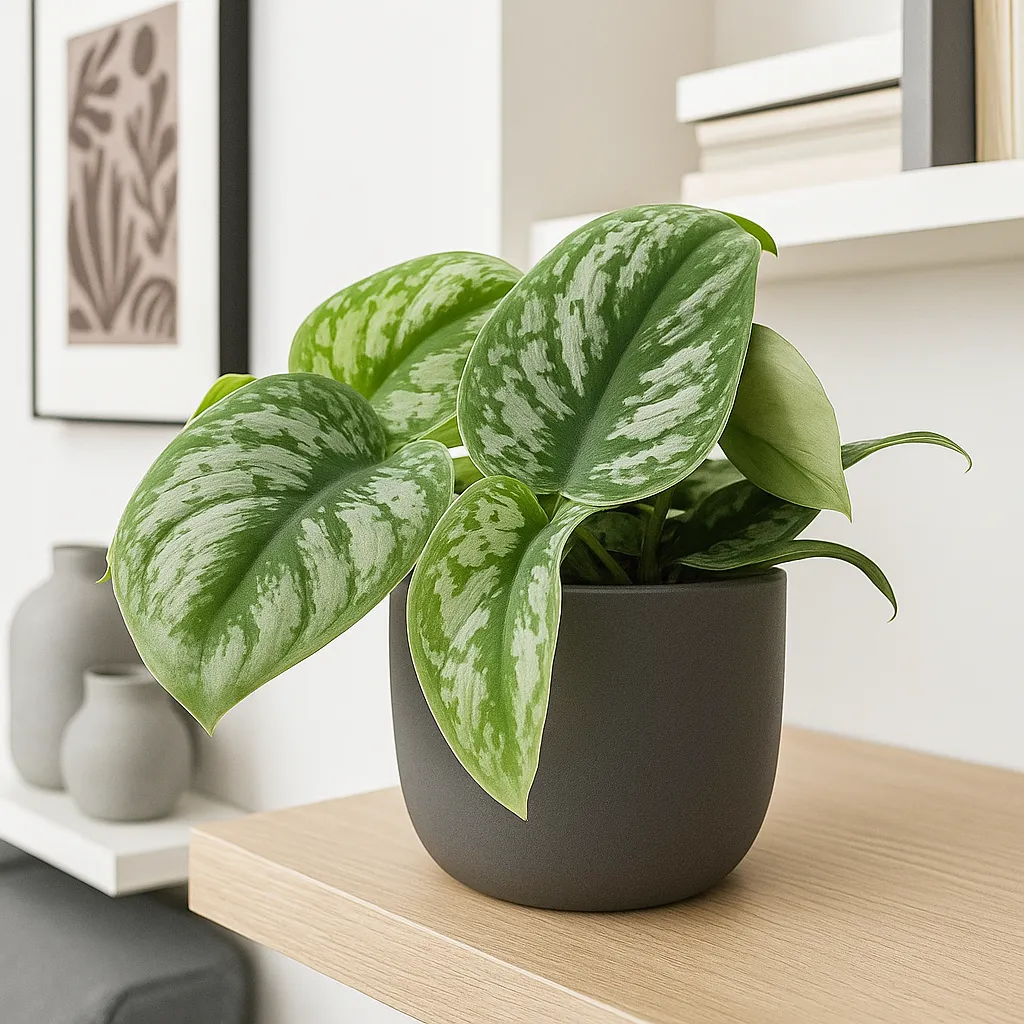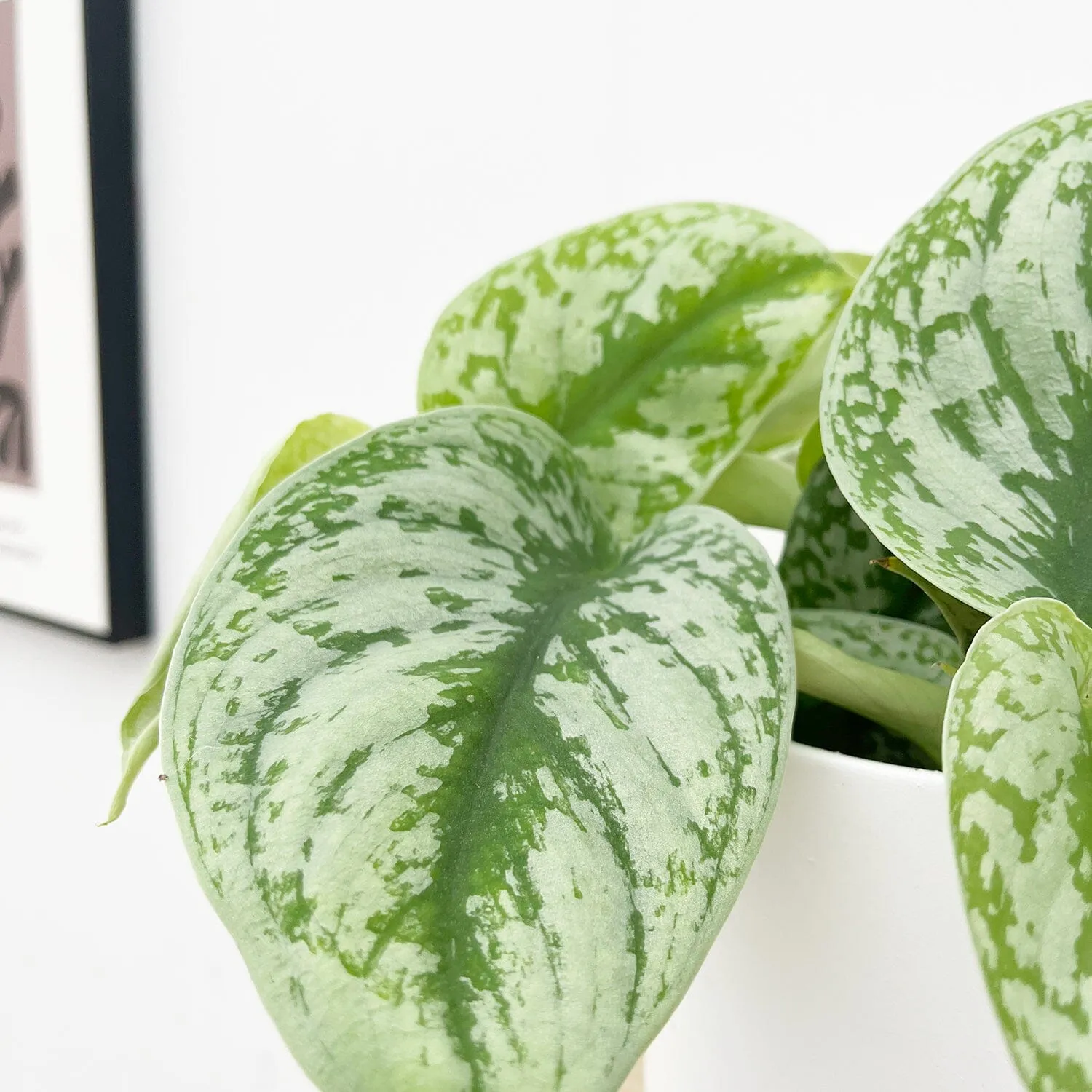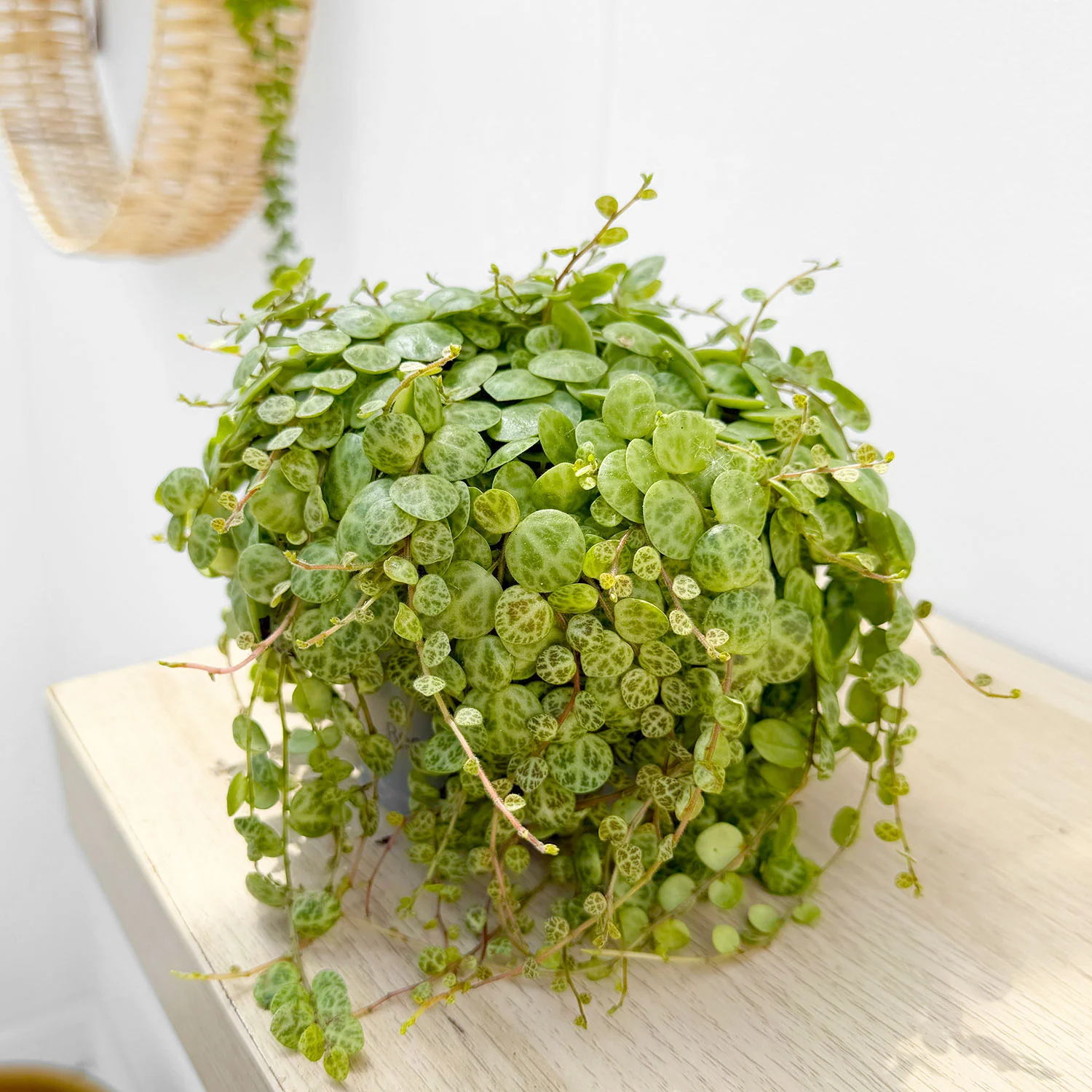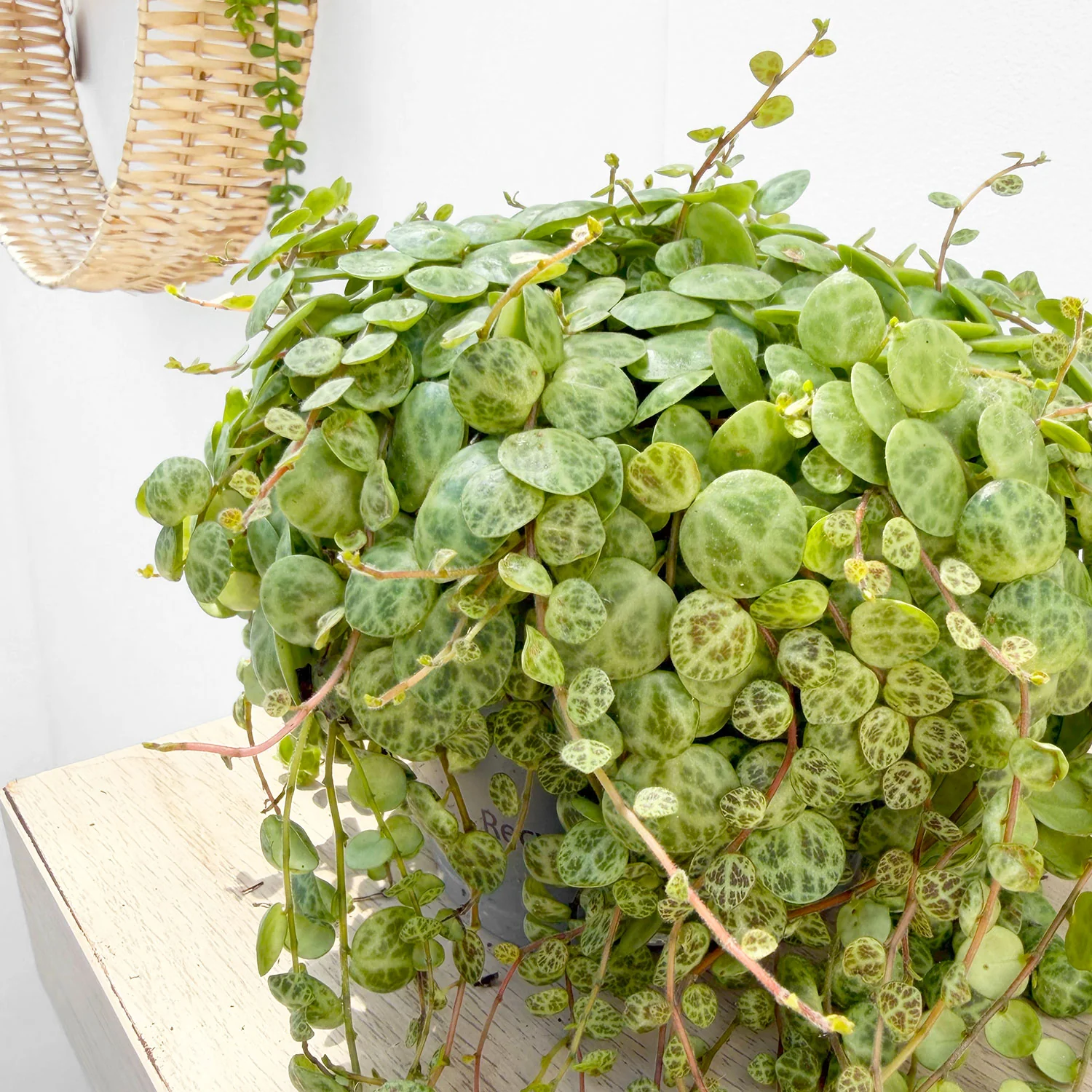
20 - 30cm Chlorophytum Comosum 12cm Pot House Plant
Chlorophytum comosum, commonly known as the Spider Plant or Ribbon Plant, is one of the most enduring and easy-to-grow houseplants in the world. Native to South Africa and belonging to the Asparagaceae family, it is prized for its elegant, arching leaves and its ability to thrive in a wide range of indoor environments.
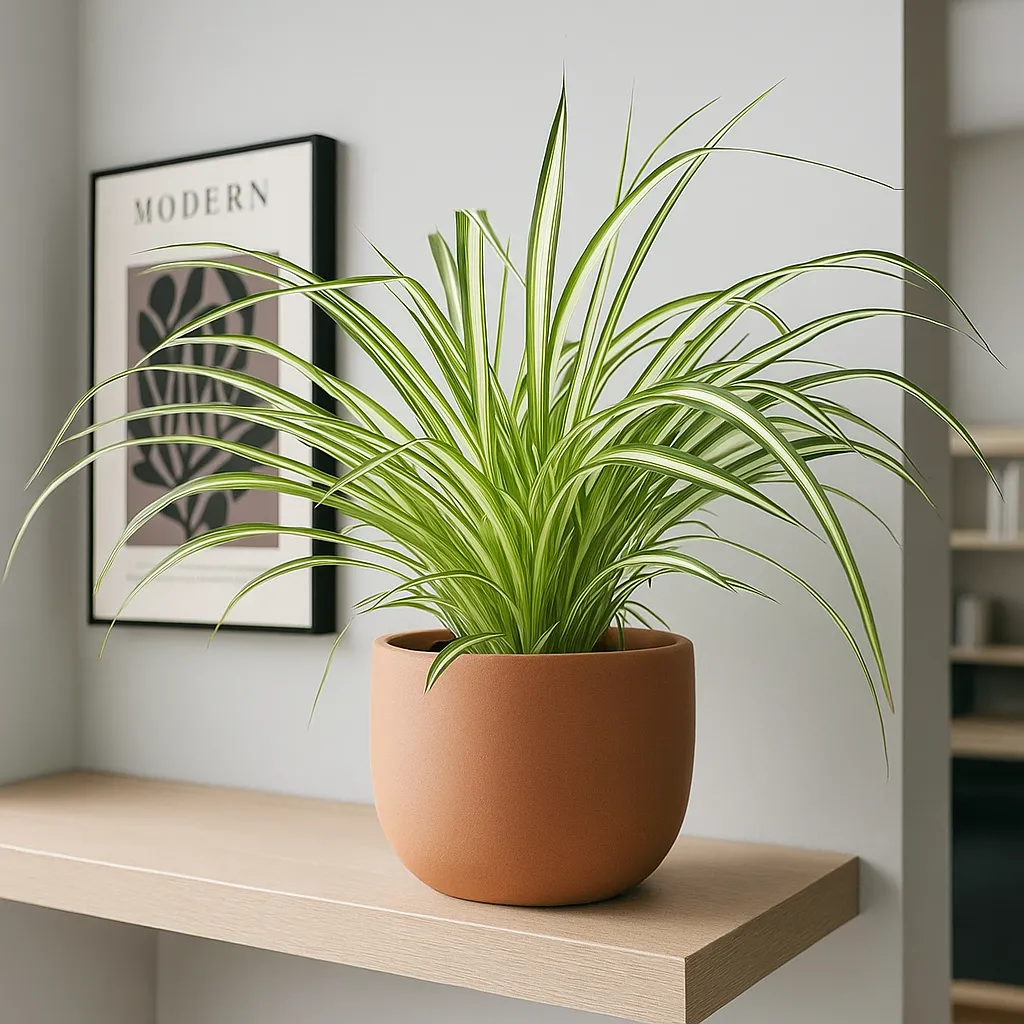
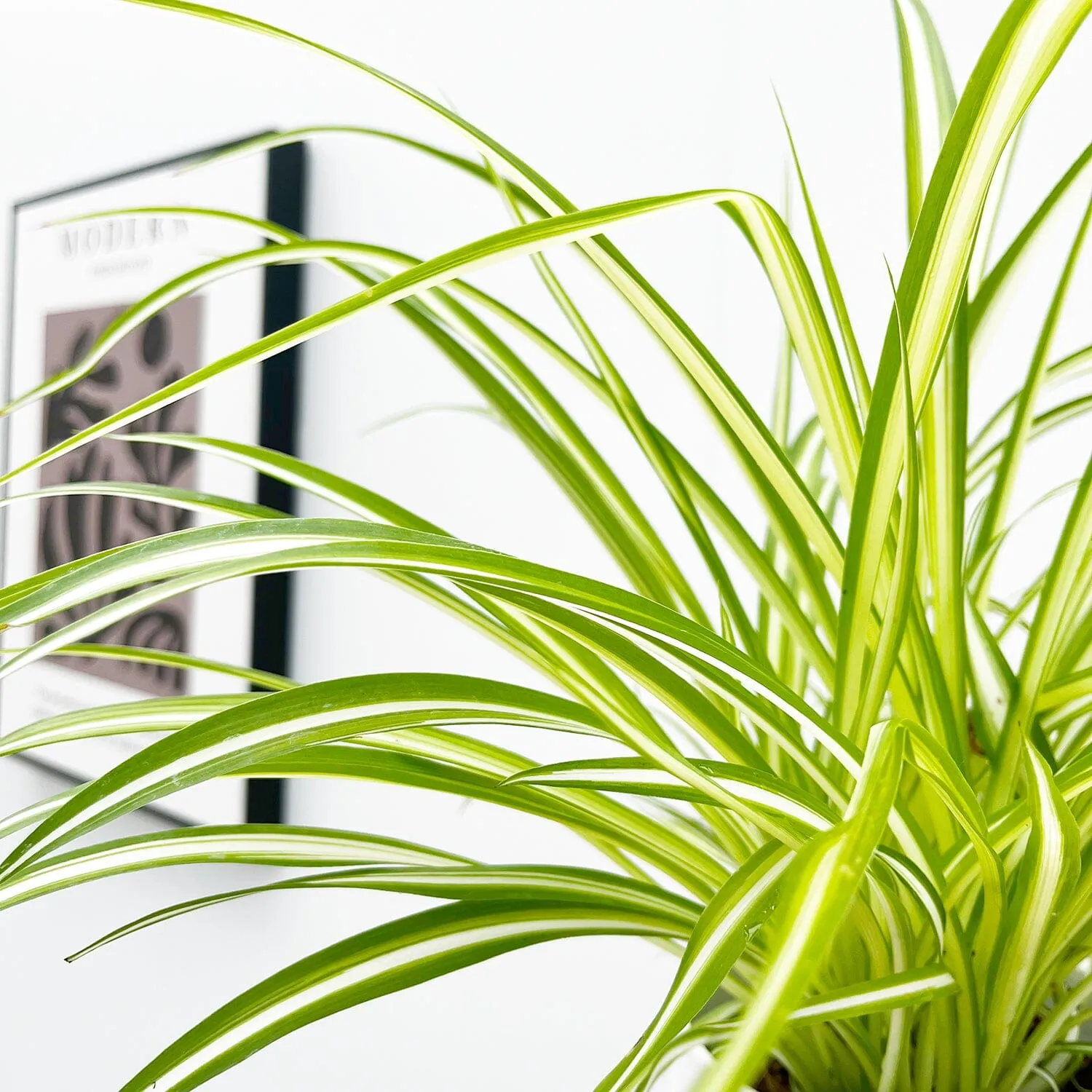
The plant forms a rosette of slender, gracefully arching leaves that are bright green (in the plain form) or striped with white or yellow in variegated cultivars. Mature plants produce long, trailing stems that carry small white flowers and baby plantlets — often referred to as “spiderettes.” These offshoots can be left to trail for a cascading effect or easily propagated to create new plants.
Chlorophytum comosum is not only beautiful but also one of the most forgiving houseplants, perfect for beginners and experienced plant lovers alike. Its air-purifying properties and fast growth make it a must-have for homes, offices, and classrooms.
Chlorophytum comosum – Care Guide
Light
Thrives in bright, indirect light but adapts well to lower light conditions. Avoid harsh, direct sunlight, which may scorch the leaf tips. Ideal for north- or east-facing windowsills.
Watering
Keep the soil lightly moist during the growing season. Water when the top 2–3 cm of soil feels dry, and allow excess water to drain away. Reduce watering slightly in winter. Spider Plants dislike sitting in soggy soil but also do not tolerate prolonged dryness.
Temperature and Humidity
-
Temperature: Prefers 18–26°C. Protect from cold draughts and temperatures below 10°C.
-
Humidity: Adapts well to average indoor humidity but appreciates occasional misting in very dry conditions.
Soil and Potting
Use a free-draining, peat-free houseplant compost. Repot every 1–2 years in spring to refresh the soil and provide room for root growth, as Spider Plants are fast growers and can become pot-bound.
Feeding
Feed every 4–6 weeks in spring and summer with a diluted, balanced liquid fertiliser. No feeding is needed in winter.
Pruning and Maintenance
Remove brown or damaged leaf tips with clean scissors to maintain a neat appearance. Trim long flower stems if you wish to limit plantlet production, or leave them to cascade for a fuller display.
Growth and Maturity
A fast-growing perennial that can reach 30–45 cm tall with trailing stems extending up to 60 cm or more. Mature plants regularly produce offsets that can be easily propagated.
Common Issues
-
Brown leaf tips: Often caused by tap water (fluoride/salts), low humidity, or over-fertilisation. Use rainwater or filtered water if possible.
-
Yellowing leaves: Overwatering or poor drainage.
-
Few or no plantlets: Insufficient light.
-
Pests: Occasionally aphids, mealybugs, or spider mites.
Background and Benefits
Spider Plants have been grown indoors since the 19th century and remain one of the most popular houseplants due to their adaptability and charming appearance. They are also one of NASA’s top-rated air-purifying plants, known to remove pollutants such as formaldehyde and xylene from the air. Easy to propagate and incredibly forgiving, Chlorophytum comosum is a perfect choice for any home or workspace.
✅ Quick Care Summary
-
Light: Bright, indirect; tolerates low light
-
Water: Lightly moist; allow topsoil to dry slightly
-
Temperature: 18–26°C; avoid below 10°C
-
Humidity: Average indoor; mist occasionally
-
Soil: Free-draining, peat-free compost
-
Feed: Every 4–6 weeks in spring/summer
-
Growth: Compact, 30–45 cm tall; arching green leaves and cascading stems with baby plantlets
Original: $11.86
-70%$11.86
$3.56Product Information
Product Information
Shipping & Returns
Shipping & Returns
Description
Chlorophytum comosum, commonly known as the Spider Plant or Ribbon Plant, is one of the most enduring and easy-to-grow houseplants in the world. Native to South Africa and belonging to the Asparagaceae family, it is prized for its elegant, arching leaves and its ability to thrive in a wide range of indoor environments.
The plant forms a rosette of slender, gracefully arching leaves that are bright green (in the plain form) or striped with white or yellow in variegated cultivars. Mature plants produce long, trailing stems that carry small white flowers and baby plantlets — often referred to as “spiderettes.” These offshoots can be left to trail for a cascading effect or easily propagated to create new plants.
Chlorophytum comosum is not only beautiful but also one of the most forgiving houseplants, perfect for beginners and experienced plant lovers alike. Its air-purifying properties and fast growth make it a must-have for homes, offices, and classrooms.
Chlorophytum comosum – Care Guide
Light
Thrives in bright, indirect light but adapts well to lower light conditions. Avoid harsh, direct sunlight, which may scorch the leaf tips. Ideal for north- or east-facing windowsills.
Watering
Keep the soil lightly moist during the growing season. Water when the top 2–3 cm of soil feels dry, and allow excess water to drain away. Reduce watering slightly in winter. Spider Plants dislike sitting in soggy soil but also do not tolerate prolonged dryness.
Temperature and Humidity
-
Temperature: Prefers 18–26°C. Protect from cold draughts and temperatures below 10°C.
-
Humidity: Adapts well to average indoor humidity but appreciates occasional misting in very dry conditions.
Soil and Potting
Use a free-draining, peat-free houseplant compost. Repot every 1–2 years in spring to refresh the soil and provide room for root growth, as Spider Plants are fast growers and can become pot-bound.
Feeding
Feed every 4–6 weeks in spring and summer with a diluted, balanced liquid fertiliser. No feeding is needed in winter.
Pruning and Maintenance
Remove brown or damaged leaf tips with clean scissors to maintain a neat appearance. Trim long flower stems if you wish to limit plantlet production, or leave them to cascade for a fuller display.
Growth and Maturity
A fast-growing perennial that can reach 30–45 cm tall with trailing stems extending up to 60 cm or more. Mature plants regularly produce offsets that can be easily propagated.
Common Issues
-
Brown leaf tips: Often caused by tap water (fluoride/salts), low humidity, or over-fertilisation. Use rainwater or filtered water if possible.
-
Yellowing leaves: Overwatering or poor drainage.
-
Few or no plantlets: Insufficient light.
-
Pests: Occasionally aphids, mealybugs, or spider mites.
Background and Benefits
Spider Plants have been grown indoors since the 19th century and remain one of the most popular houseplants due to their adaptability and charming appearance. They are also one of NASA’s top-rated air-purifying plants, known to remove pollutants such as formaldehyde and xylene from the air. Easy to propagate and incredibly forgiving, Chlorophytum comosum is a perfect choice for any home or workspace.
✅ Quick Care Summary
-
Light: Bright, indirect; tolerates low light
-
Water: Lightly moist; allow topsoil to dry slightly
-
Temperature: 18–26°C; avoid below 10°C
-
Humidity: Average indoor; mist occasionally
-
Soil: Free-draining, peat-free compost
-
Feed: Every 4–6 weeks in spring/summer
-
Growth: Compact, 30–45 cm tall; arching green leaves and cascading stems with baby plantlets