75 - 100cm Philodendron Xanadu 27cm Pot House Plant
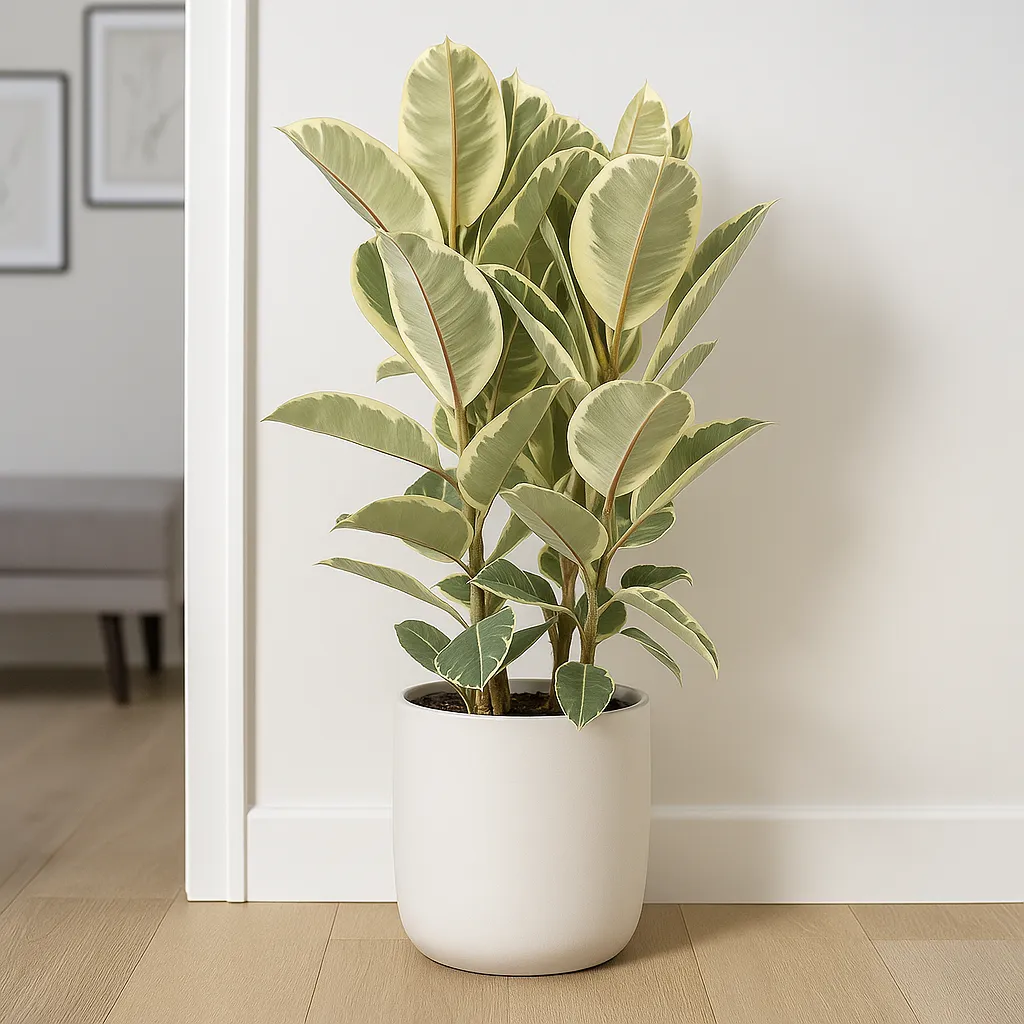
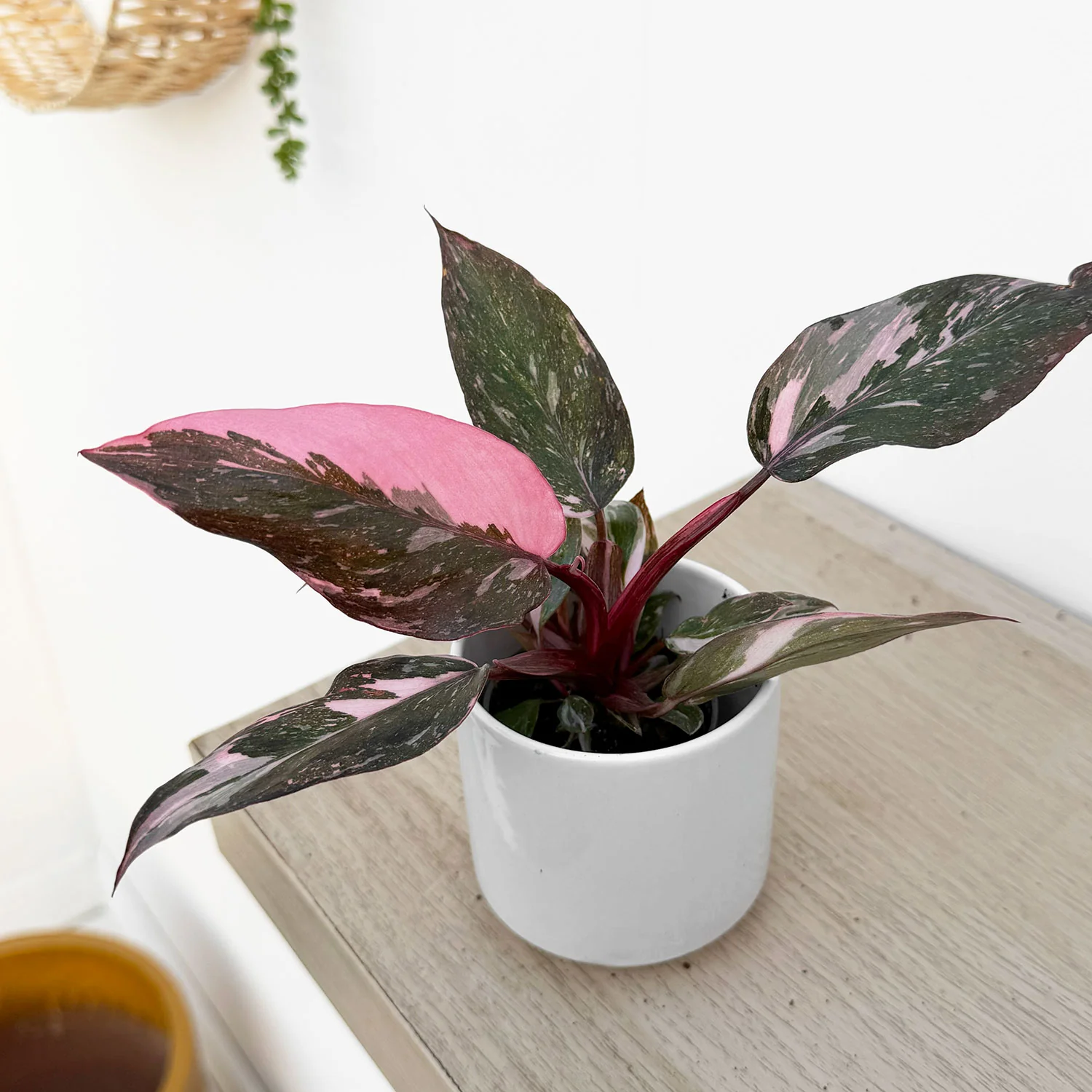
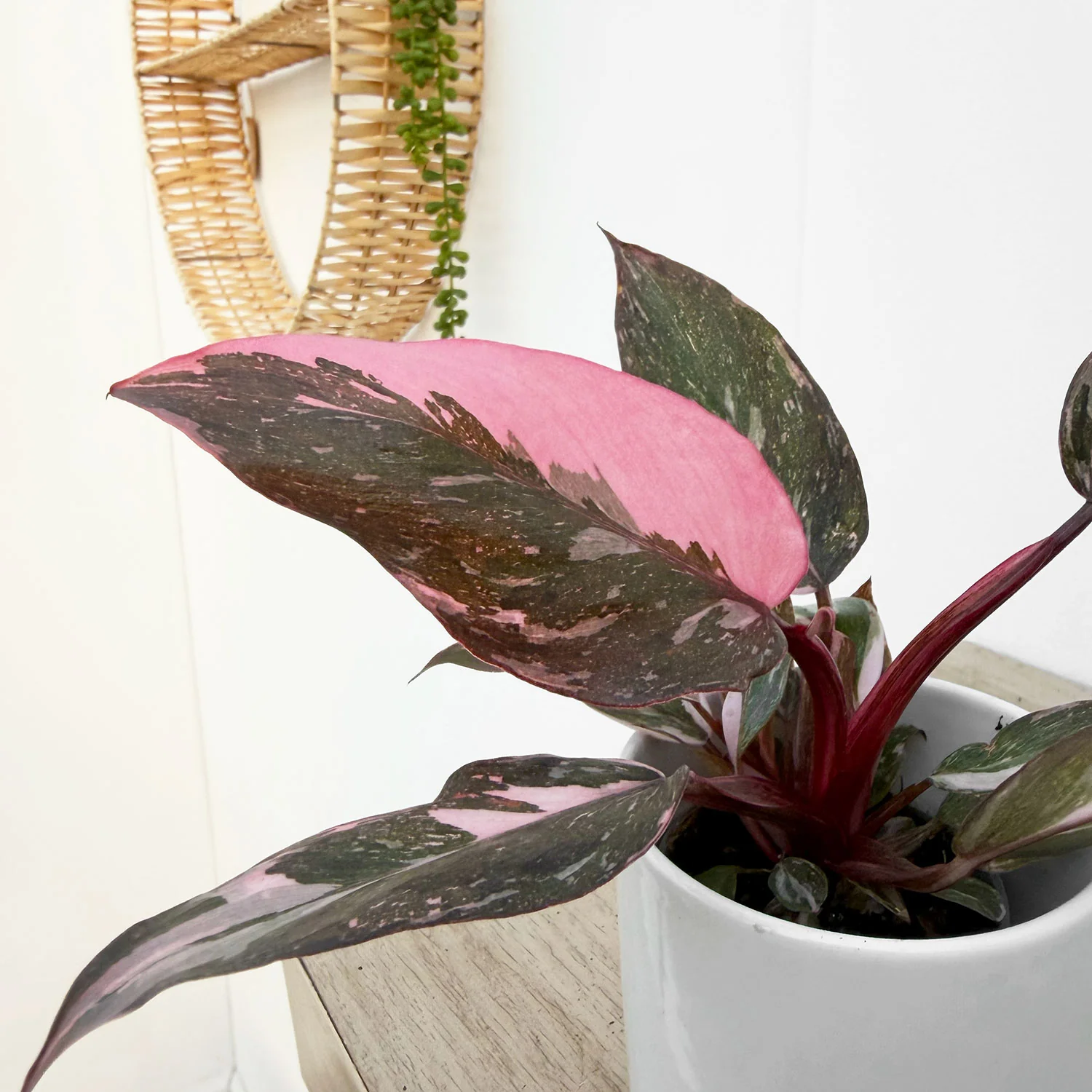
Philodendron ‘Xanadu’ is a lush, self-heading tropical plant celebrated for its deeply lobed leaves, dense clumping growth, and structured elegance. A member of the Araceae family and native to Brazil, this compact Philodendron was bred to deliver maximum tropical presence in a smaller, easy-to-manage form — ideal for both home and commercial interiors.
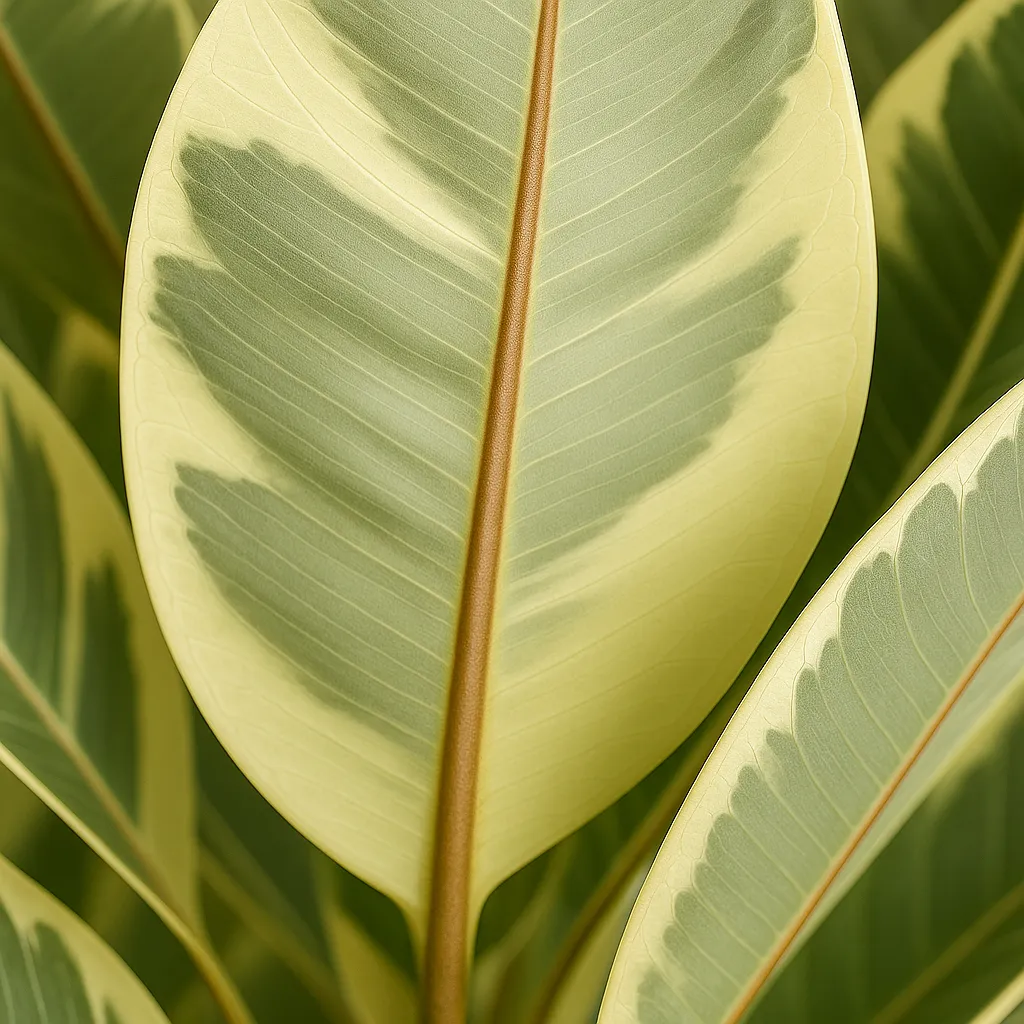
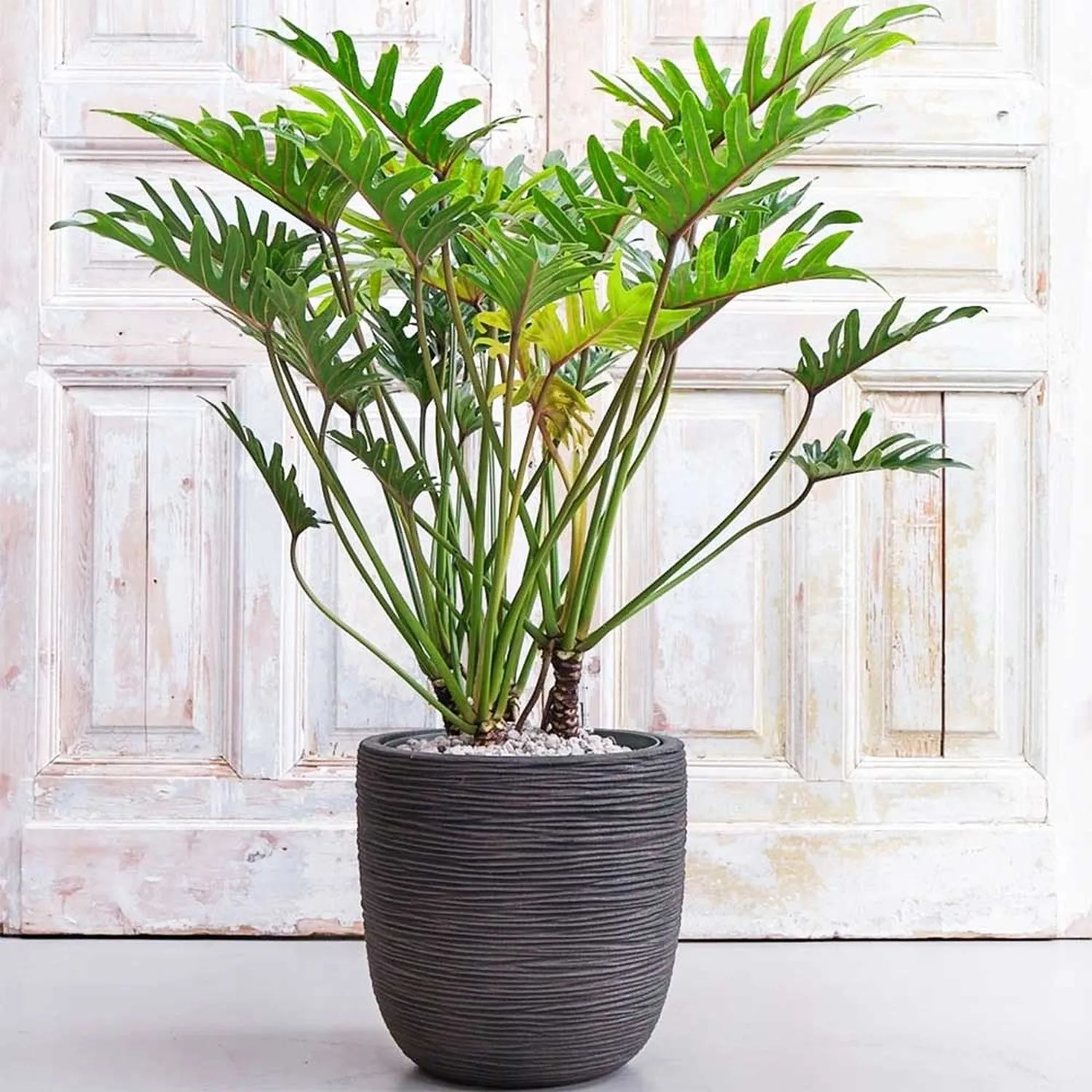
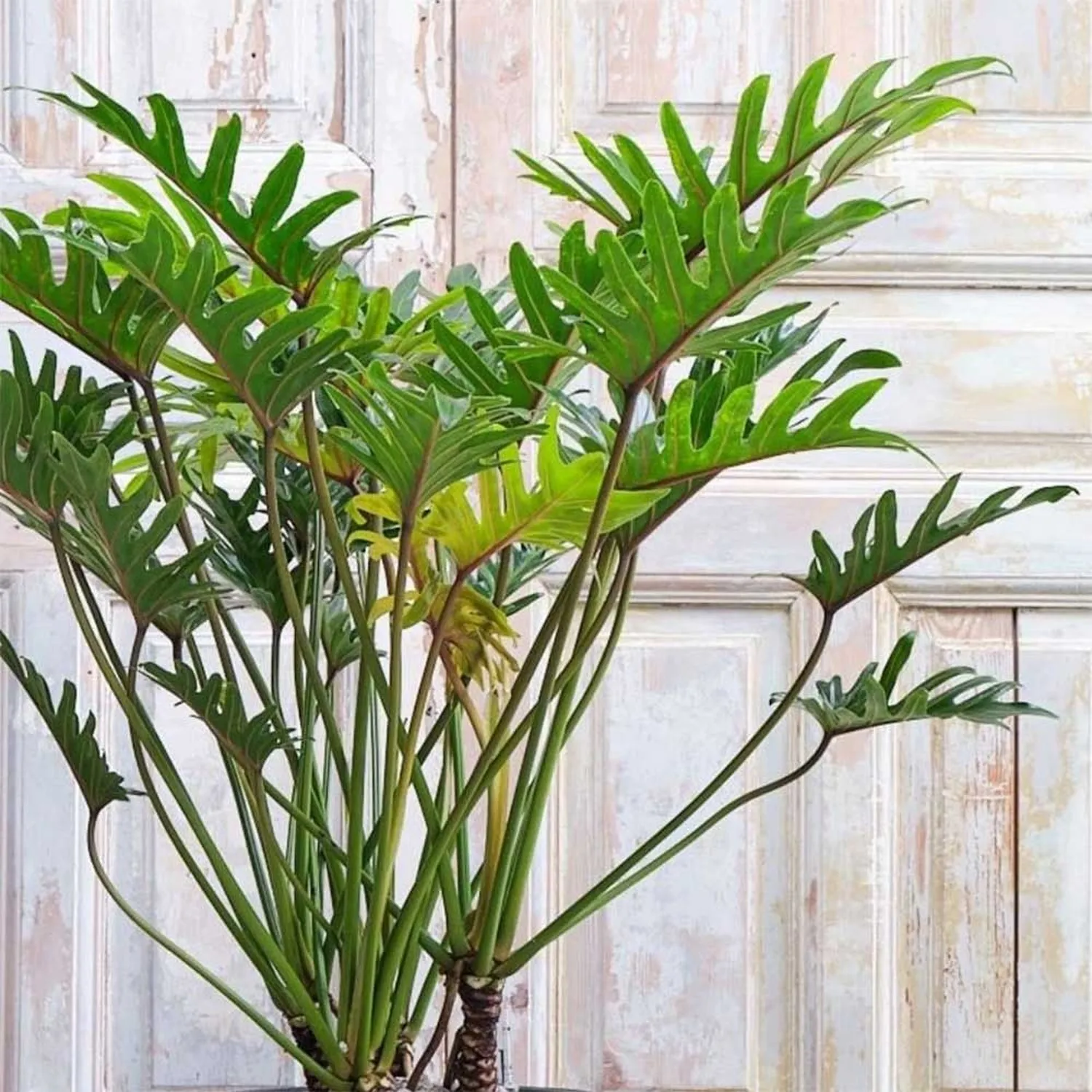
The broad, glossy leaves are deep green and dramatically dissected, creating a sculptural, almost feather-like appearance. Each leaf can reach up to 30–40 cm in length, supported by sturdy stems that radiate outward in a symmetrical rosette. As it matures, Philodendron ‘Xanadu’ develops into a dense mound of lush foliage, evoking a rainforest canopy in miniature.
Luxurious yet low-maintenance, Philodendron ‘Xanadu’ embodies the essence of modern tropical design — bold, architectural, and effortlessly graceful.
Philodendron ‘Xanadu’ – Care Guide
Light
Thrives in bright, indirect light but adapts well to medium light conditions. Ample brightness encourages larger leaves and a more compact, symmetrical growth habit. Avoid harsh direct sun, which can cause leaf burn, and very low light, which may lead to leggy growth.
Watering
Keep the soil evenly moist but never waterlogged. Water when the top 3–4 cm of soil feels dry to the touch. Consistent moisture supports healthy growth, but always ensure proper drainage to prevent root rot. During winter, reduce watering slightly as the plant’s growth slows.
Temperature and Humidity
-
Temperature: Prefers warmth between 20–30 °C; avoid cold draughts or temperatures below 16 °C.
-
Humidity: Tolerates average household humidity (40–60%) but thrives in higher levels (60–80%). Occasional misting or a humidifier will help maintain lush, glossy leaves.
Soil and Potting
Use a rich, well-draining aroid mix, such as compost combined with orchid bark, perlite, and coco coir. This ensures good airflow while retaining gentle moisture. Repot every 1–2 years in spring to refresh the soil and allow space for growth — ‘Xanadu’ expands outward rather than upward, so select a wider pot rather than a deeper one.
Feeding
Feed every 4–6 weeks during spring and summer with a diluted, balanced fertiliser formulated for foliage plants. Over-fertilising can cause salt build-up or leaf tip burn. Suspend feeding in autumn and winter when growth slows.
Pruning and Maintenance
Prune to remove yellow or aged leaves and maintain a tidy appearance. Wipe the foliage regularly with a damp cloth to remove dust and showcase its glossy texture. Rotate the plant occasionally for even growth and symmetrical form.
Growth and Maturity
A moderate to fast grower, Philodendron ‘Xanadu’ typically reaches 60–90 cm in height and up to 1 m in width indoors. Mature plants form a full, rounded shape with deeply lobed leaves that give it an unmistakably tropical appearance. Unlike climbing Philodendrons, ‘Xanadu’ remains self-supporting and compact, making it ideal for floor or tabletop displays.
Common Issues
-
Yellow leaves: Overwatering or poor drainage.
-
Brown edges: Low humidity or inconsistent watering.
-
Leggy growth: Insufficient light.
-
Pests: Occasionally mealybugs or thrips; treat promptly with neem oil or insecticidal soap.
Background and Benefits
Originally discovered in Brazil, Philodendron ‘Xanadu’ was introduced as a cultivar bred for dense, symmetrical growth and dramatic leaf structure. It belongs to the same lineage as Philodendron bipinnatifidum (commonly known as the Selloum), sharing its deeply divided foliage but offering a smaller, more manageable growth habit.
In addition to its ornamental value, ‘Xanadu’ is also an excellent air-purifying plant, filtering toxins like formaldehyde and xylene from indoor environments. Its compact yet lush form brings an instant touch of tropical abundance to both homes and professional spaces, symbolising vitality and balance.
Quick Care Summary
Light: Bright, indirect light; tolerates moderate light
Water: Keep soil evenly moist; allow top 3–4 cm to dry between watering
Temperature: 20–30 °C; avoid below 16 °C
Humidity: Moderate to high (40–80%)
Soil: Rich, airy aroid mix – compost, bark, perlite, coco coir
Feed: Every 4–6 weeks in spring/summer
Growth: Compact, self-heading habit, 60–90 cm tall, 1 m wide; deep green, glossy, deeply lobed leaves
⚠️ Toxicity note: Contains calcium oxalate crystals and is toxic if ingested. Keep away from pets and children.
Styling Tip
Display Philodendron ‘Xanadu’ in a wide ceramic or concrete planter to complement its bushy, symmetrical growth. It pairs beautifully with variegated or light-toned tropicals such as Aglaonema ‘White Joy’ or Epipremnum ‘Neon’ for contrast. Perfect for bright living rooms, conservatories, or office spaces, its sculptural form creates an instant focal point and adds a refined sense of tropical serenity to any interior.
Original: $171.56
-70%$171.56
$51.47Product Information
Product Information
Shipping & Returns
Shipping & Returns
Description
Philodendron ‘Xanadu’ is a lush, self-heading tropical plant celebrated for its deeply lobed leaves, dense clumping growth, and structured elegance. A member of the Araceae family and native to Brazil, this compact Philodendron was bred to deliver maximum tropical presence in a smaller, easy-to-manage form — ideal for both home and commercial interiors.
The broad, glossy leaves are deep green and dramatically dissected, creating a sculptural, almost feather-like appearance. Each leaf can reach up to 30–40 cm in length, supported by sturdy stems that radiate outward in a symmetrical rosette. As it matures, Philodendron ‘Xanadu’ develops into a dense mound of lush foliage, evoking a rainforest canopy in miniature.
Luxurious yet low-maintenance, Philodendron ‘Xanadu’ embodies the essence of modern tropical design — bold, architectural, and effortlessly graceful.
Philodendron ‘Xanadu’ – Care Guide
Light
Thrives in bright, indirect light but adapts well to medium light conditions. Ample brightness encourages larger leaves and a more compact, symmetrical growth habit. Avoid harsh direct sun, which can cause leaf burn, and very low light, which may lead to leggy growth.
Watering
Keep the soil evenly moist but never waterlogged. Water when the top 3–4 cm of soil feels dry to the touch. Consistent moisture supports healthy growth, but always ensure proper drainage to prevent root rot. During winter, reduce watering slightly as the plant’s growth slows.
Temperature and Humidity
-
Temperature: Prefers warmth between 20–30 °C; avoid cold draughts or temperatures below 16 °C.
-
Humidity: Tolerates average household humidity (40–60%) but thrives in higher levels (60–80%). Occasional misting or a humidifier will help maintain lush, glossy leaves.
Soil and Potting
Use a rich, well-draining aroid mix, such as compost combined with orchid bark, perlite, and coco coir. This ensures good airflow while retaining gentle moisture. Repot every 1–2 years in spring to refresh the soil and allow space for growth — ‘Xanadu’ expands outward rather than upward, so select a wider pot rather than a deeper one.
Feeding
Feed every 4–6 weeks during spring and summer with a diluted, balanced fertiliser formulated for foliage plants. Over-fertilising can cause salt build-up or leaf tip burn. Suspend feeding in autumn and winter when growth slows.
Pruning and Maintenance
Prune to remove yellow or aged leaves and maintain a tidy appearance. Wipe the foliage regularly with a damp cloth to remove dust and showcase its glossy texture. Rotate the plant occasionally for even growth and symmetrical form.
Growth and Maturity
A moderate to fast grower, Philodendron ‘Xanadu’ typically reaches 60–90 cm in height and up to 1 m in width indoors. Mature plants form a full, rounded shape with deeply lobed leaves that give it an unmistakably tropical appearance. Unlike climbing Philodendrons, ‘Xanadu’ remains self-supporting and compact, making it ideal for floor or tabletop displays.
Common Issues
-
Yellow leaves: Overwatering or poor drainage.
-
Brown edges: Low humidity or inconsistent watering.
-
Leggy growth: Insufficient light.
-
Pests: Occasionally mealybugs or thrips; treat promptly with neem oil or insecticidal soap.
Background and Benefits
Originally discovered in Brazil, Philodendron ‘Xanadu’ was introduced as a cultivar bred for dense, symmetrical growth and dramatic leaf structure. It belongs to the same lineage as Philodendron bipinnatifidum (commonly known as the Selloum), sharing its deeply divided foliage but offering a smaller, more manageable growth habit.
In addition to its ornamental value, ‘Xanadu’ is also an excellent air-purifying plant, filtering toxins like formaldehyde and xylene from indoor environments. Its compact yet lush form brings an instant touch of tropical abundance to both homes and professional spaces, symbolising vitality and balance.
Quick Care Summary
Light: Bright, indirect light; tolerates moderate light
Water: Keep soil evenly moist; allow top 3–4 cm to dry between watering
Temperature: 20–30 °C; avoid below 16 °C
Humidity: Moderate to high (40–80%)
Soil: Rich, airy aroid mix – compost, bark, perlite, coco coir
Feed: Every 4–6 weeks in spring/summer
Growth: Compact, self-heading habit, 60–90 cm tall, 1 m wide; deep green, glossy, deeply lobed leaves
⚠️ Toxicity note: Contains calcium oxalate crystals and is toxic if ingested. Keep away from pets and children.
Styling Tip
Display Philodendron ‘Xanadu’ in a wide ceramic or concrete planter to complement its bushy, symmetrical growth. It pairs beautifully with variegated or light-toned tropicals such as Aglaonema ‘White Joy’ or Epipremnum ‘Neon’ for contrast. Perfect for bright living rooms, conservatories, or office spaces, its sculptural form creates an instant focal point and adds a refined sense of tropical serenity to any interior.