Rhaphidophora Foraminifera Marble 10.5cm Pot House Plant
Rhaphidophora foraminifera ‘Marble’ is a rare and highly collectable variegated form of the tropical climbing aroid Rhaphidophora foraminifera. Native to Southeast Asia, this species belongs to the Araceae family and is admired for its elongated, fenestrated foliage. The ‘Marble’ cultivar takes this appeal even further with beautifully marbled variegation.
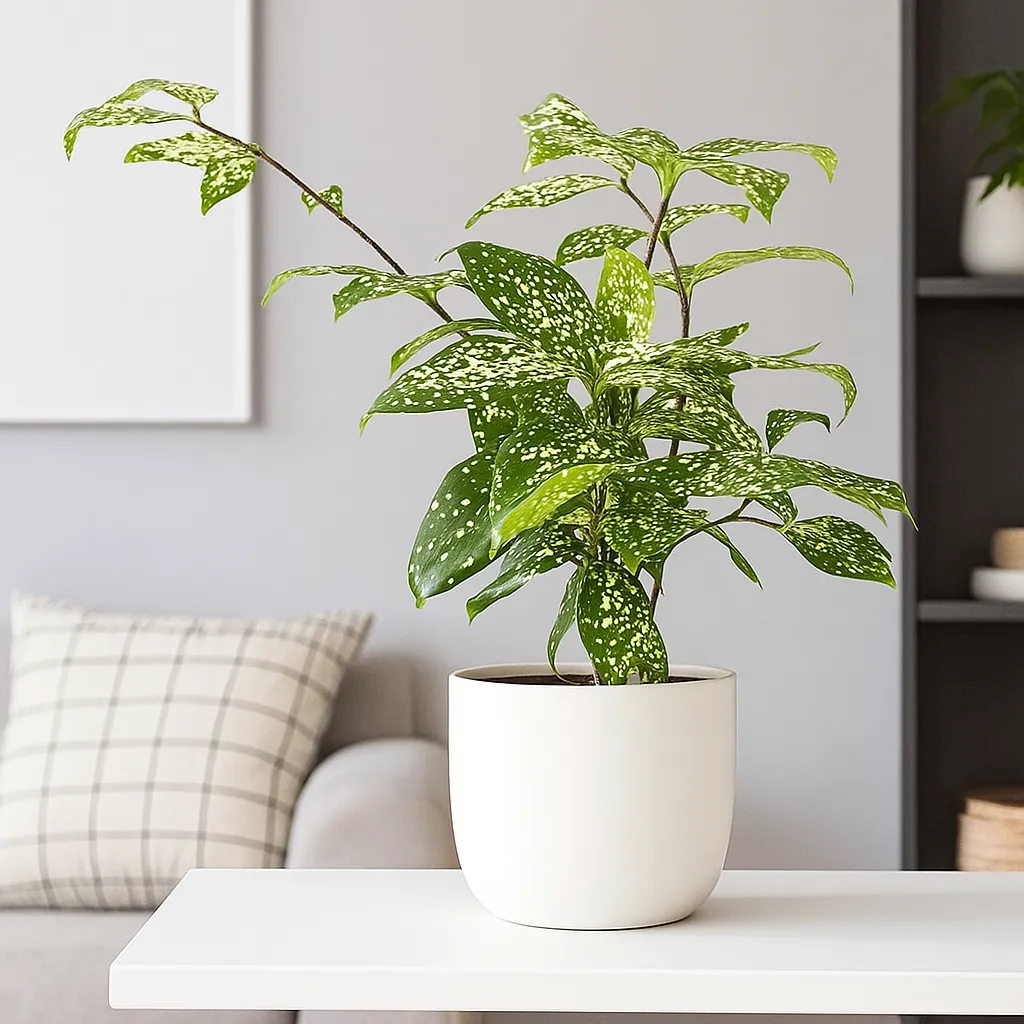
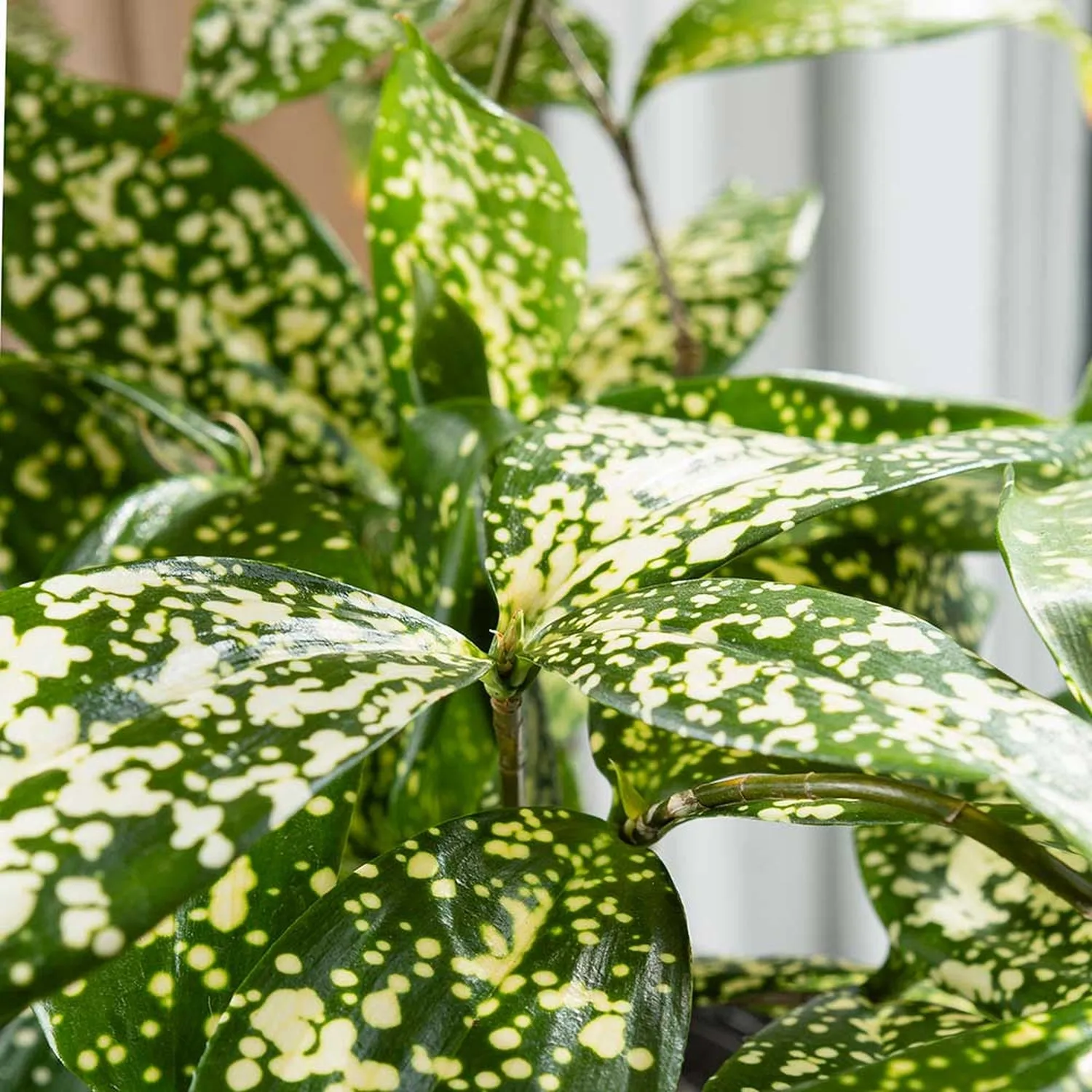
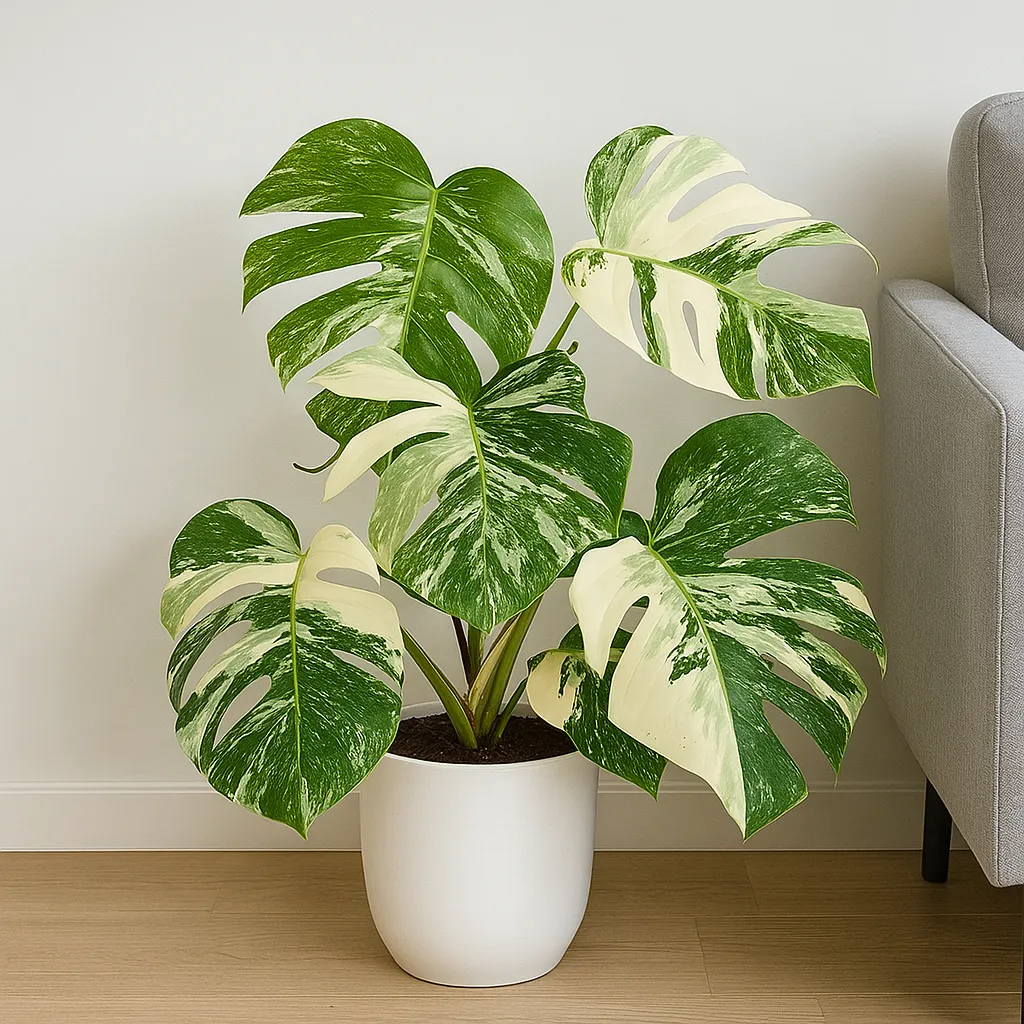
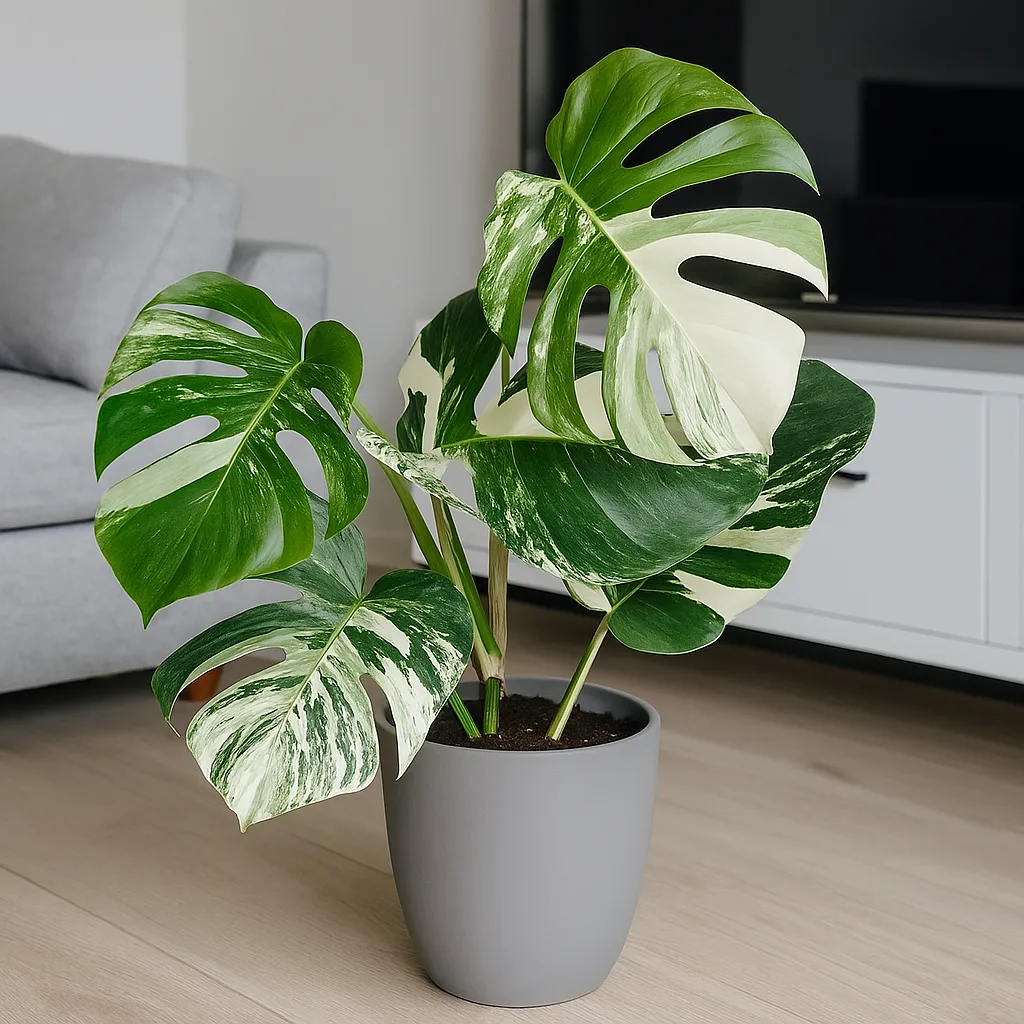
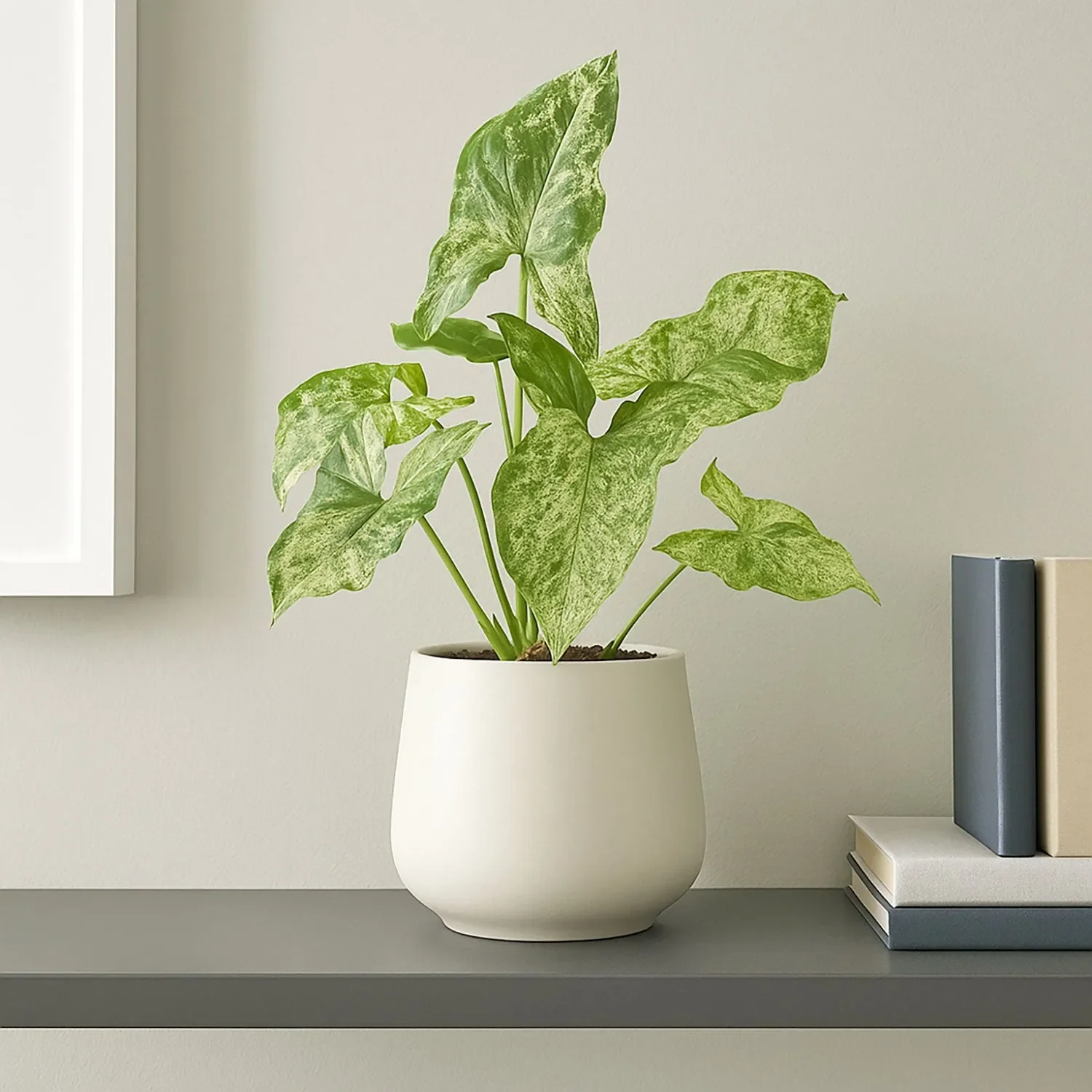
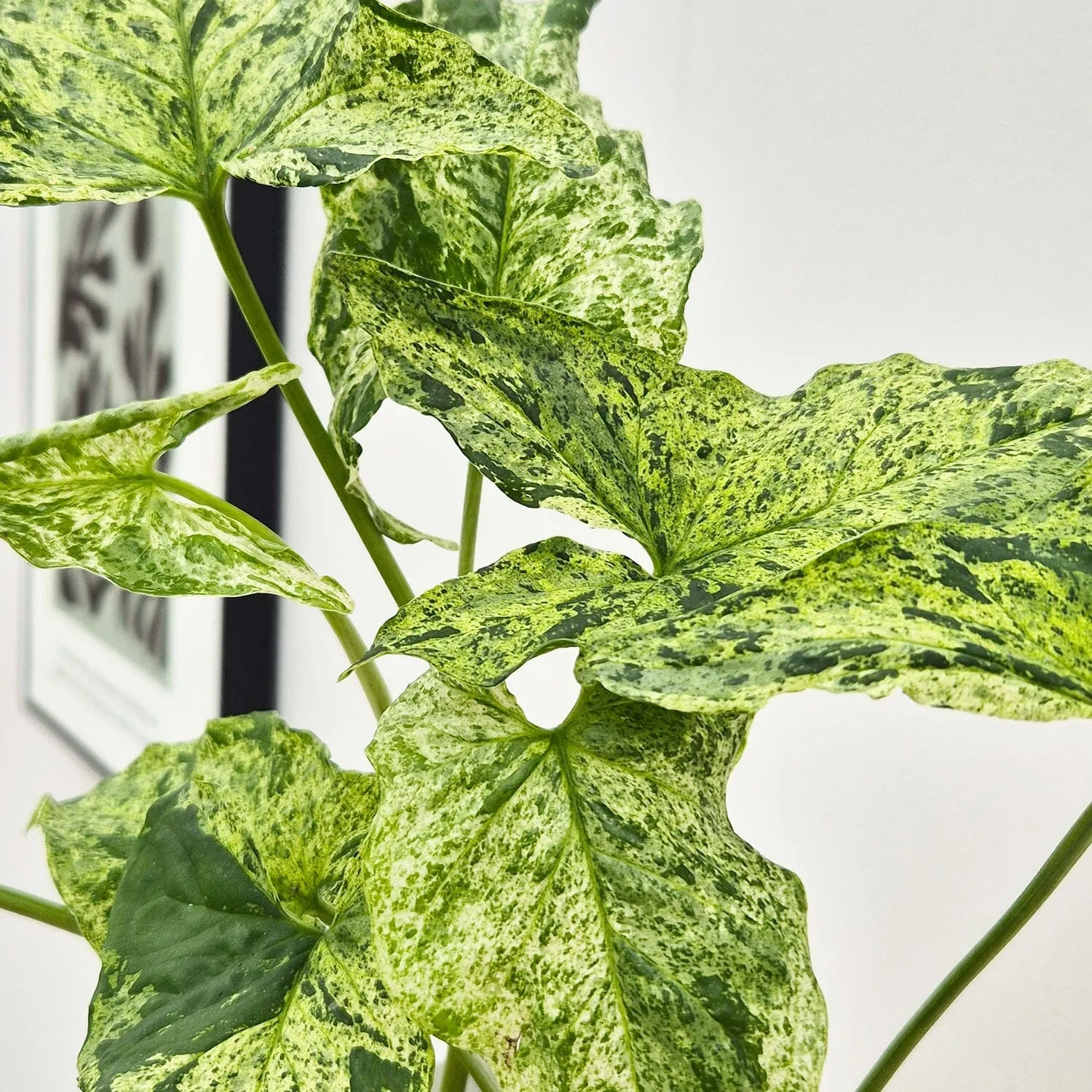
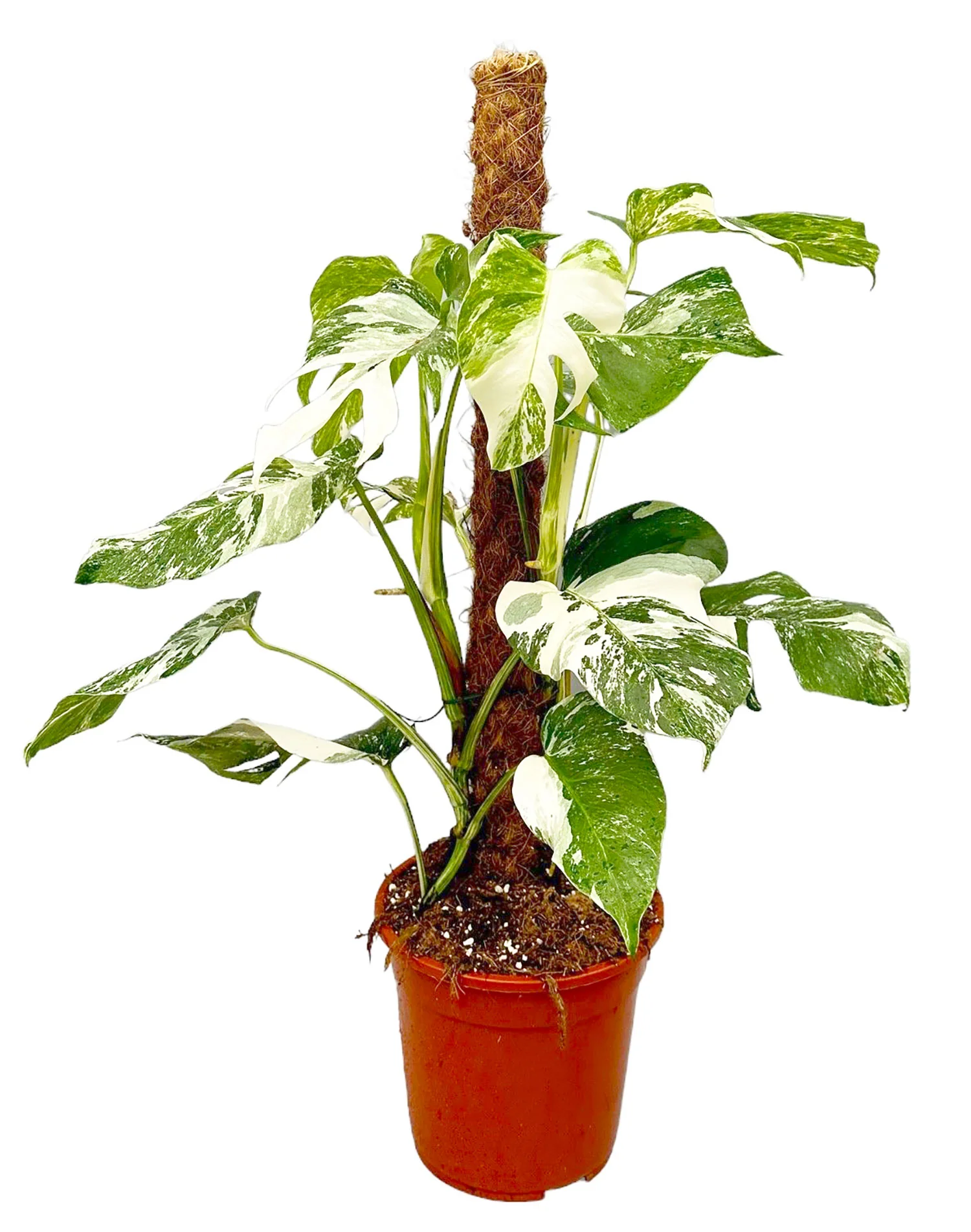
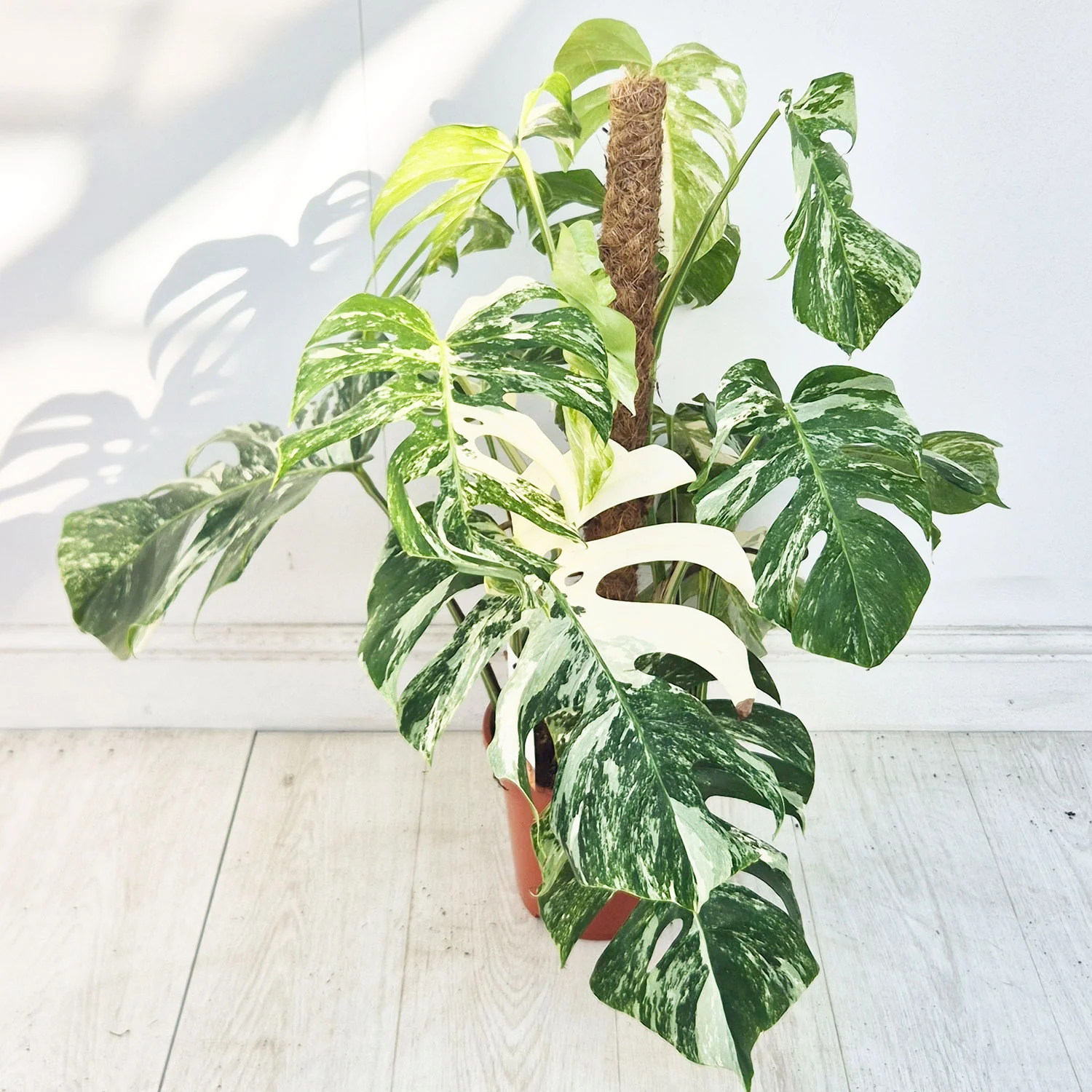
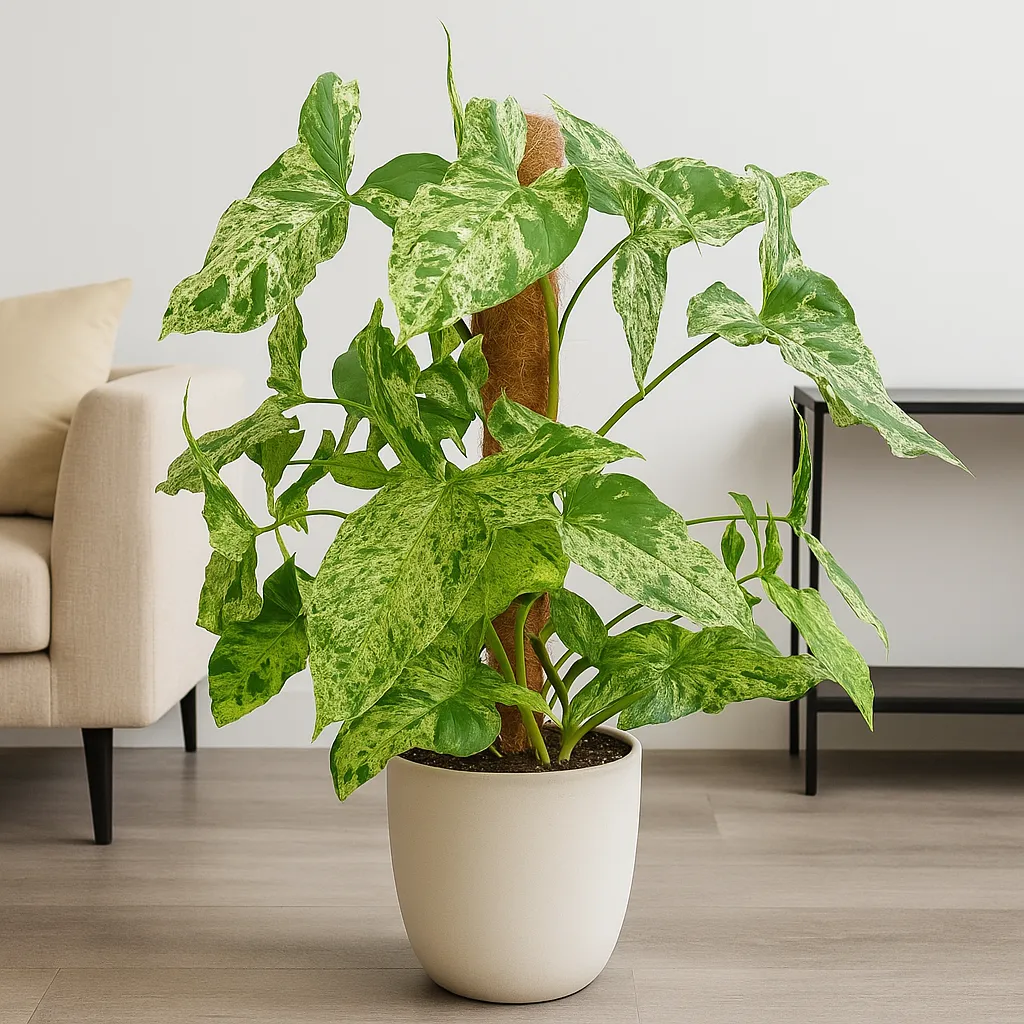
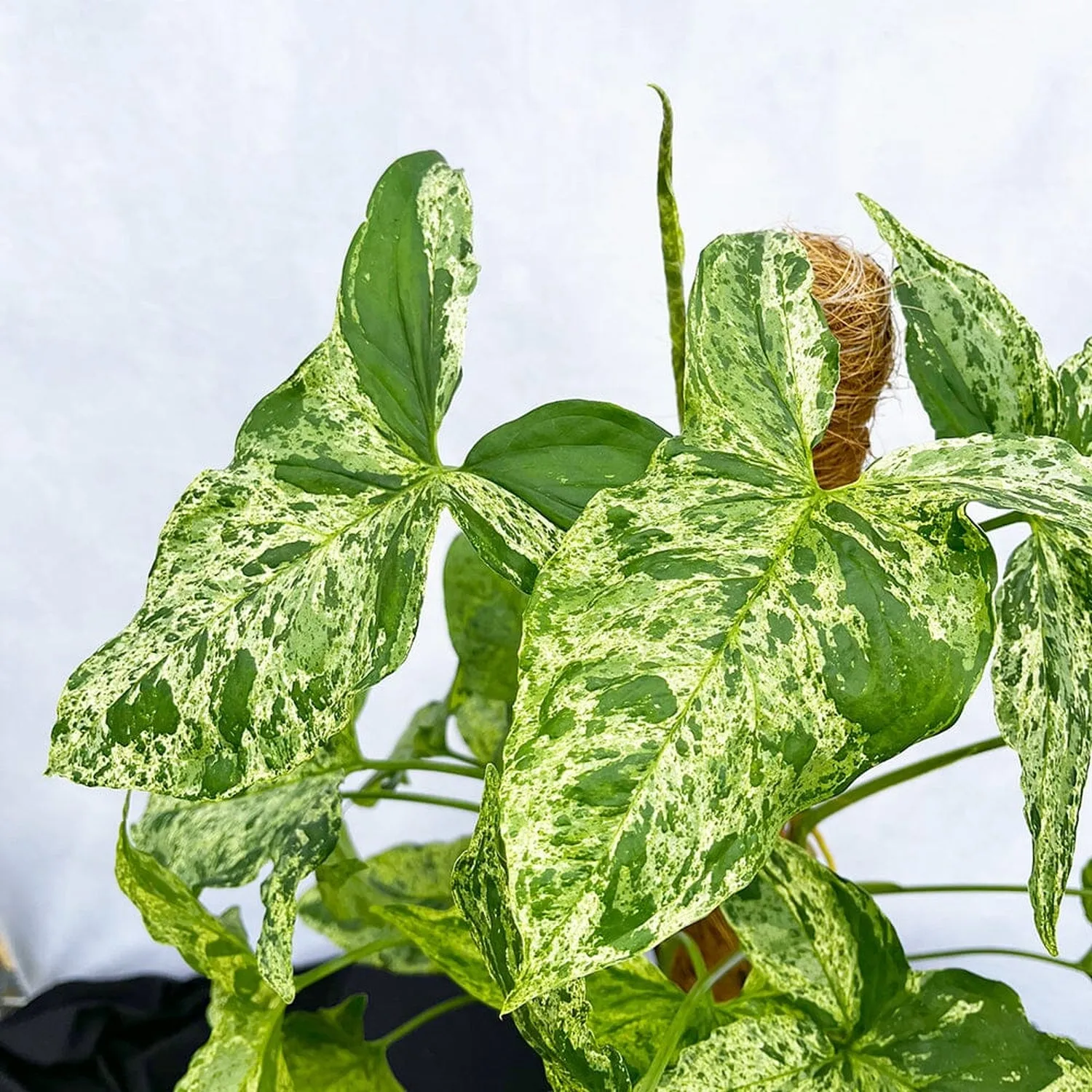
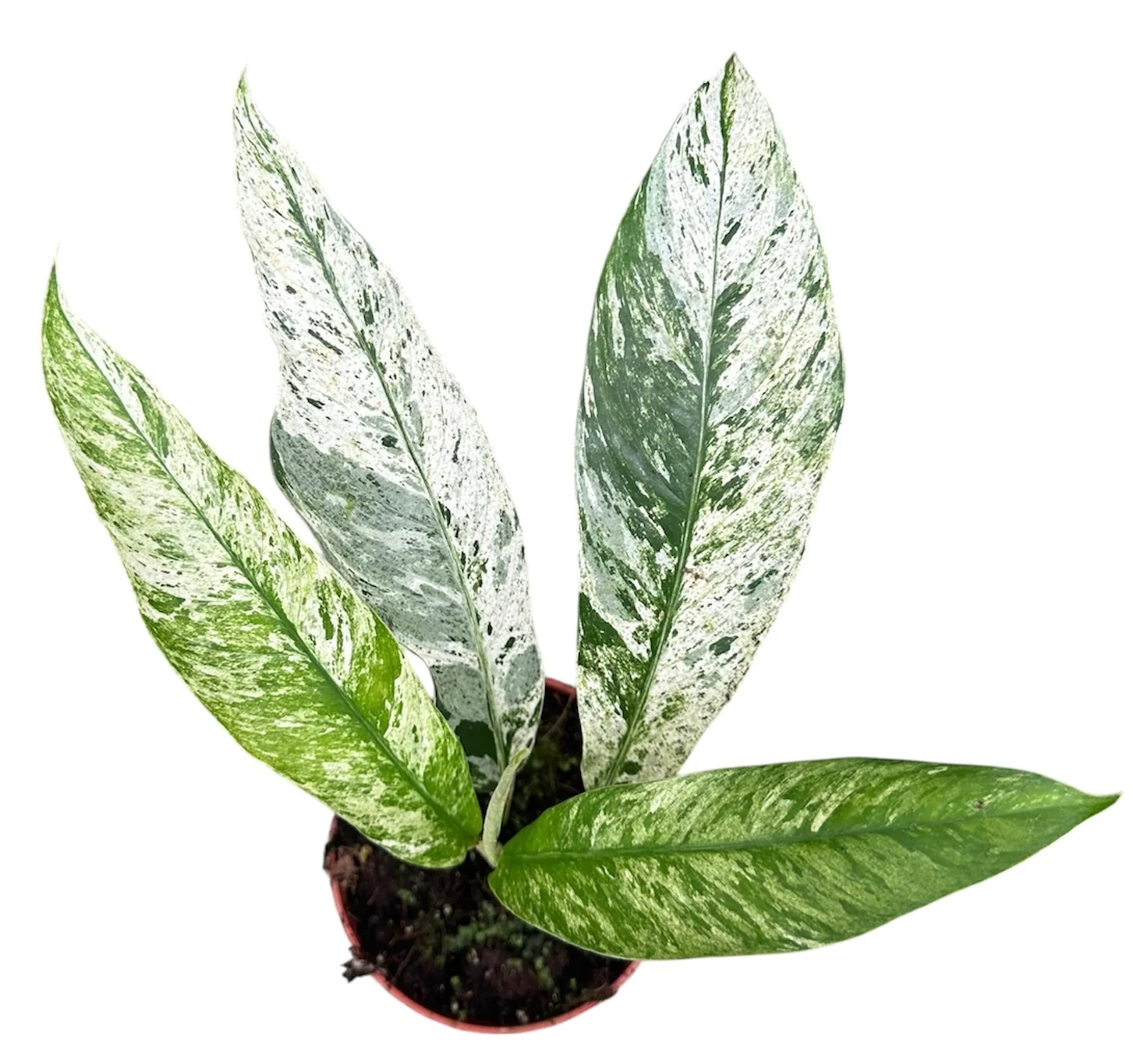
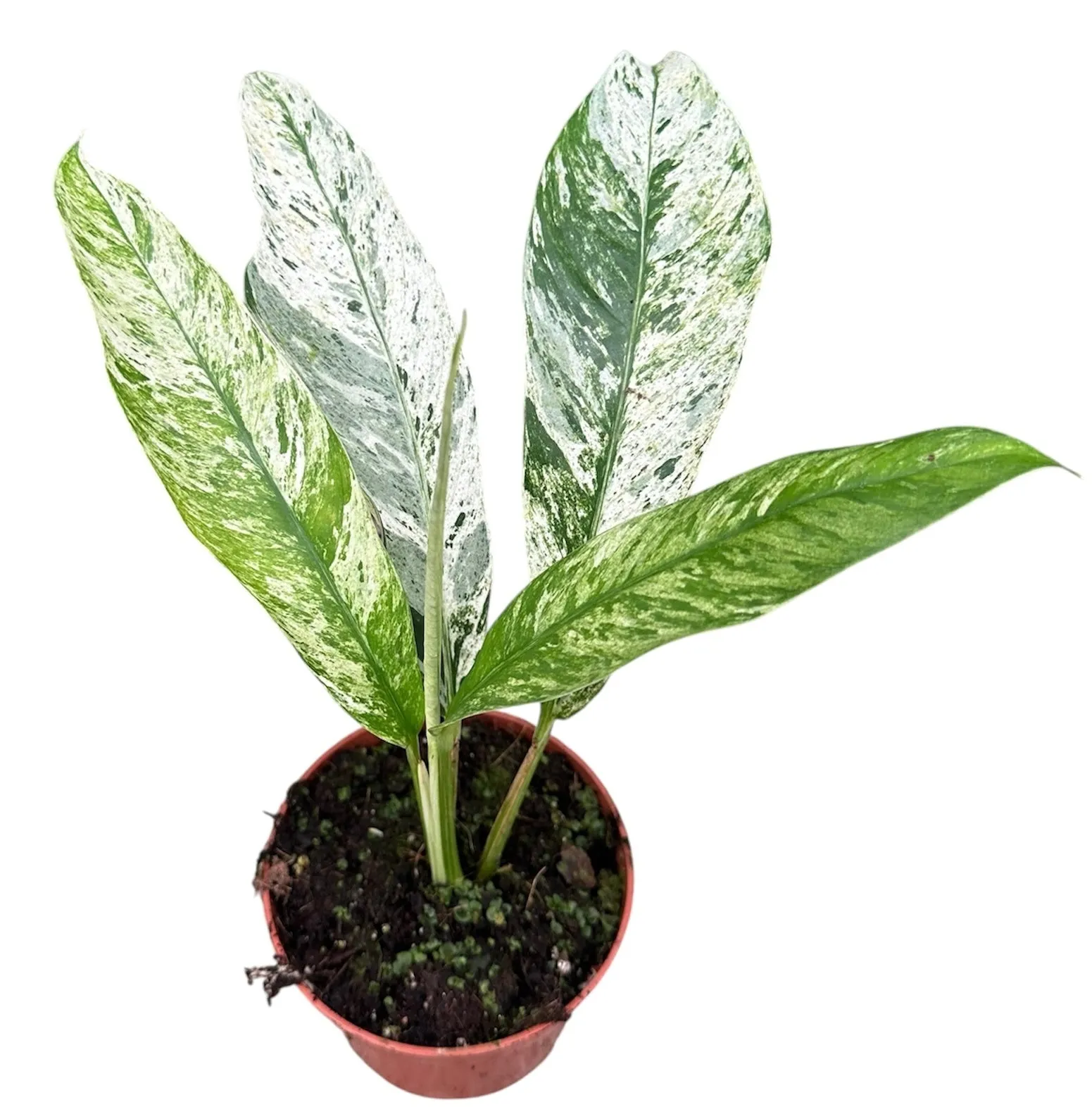
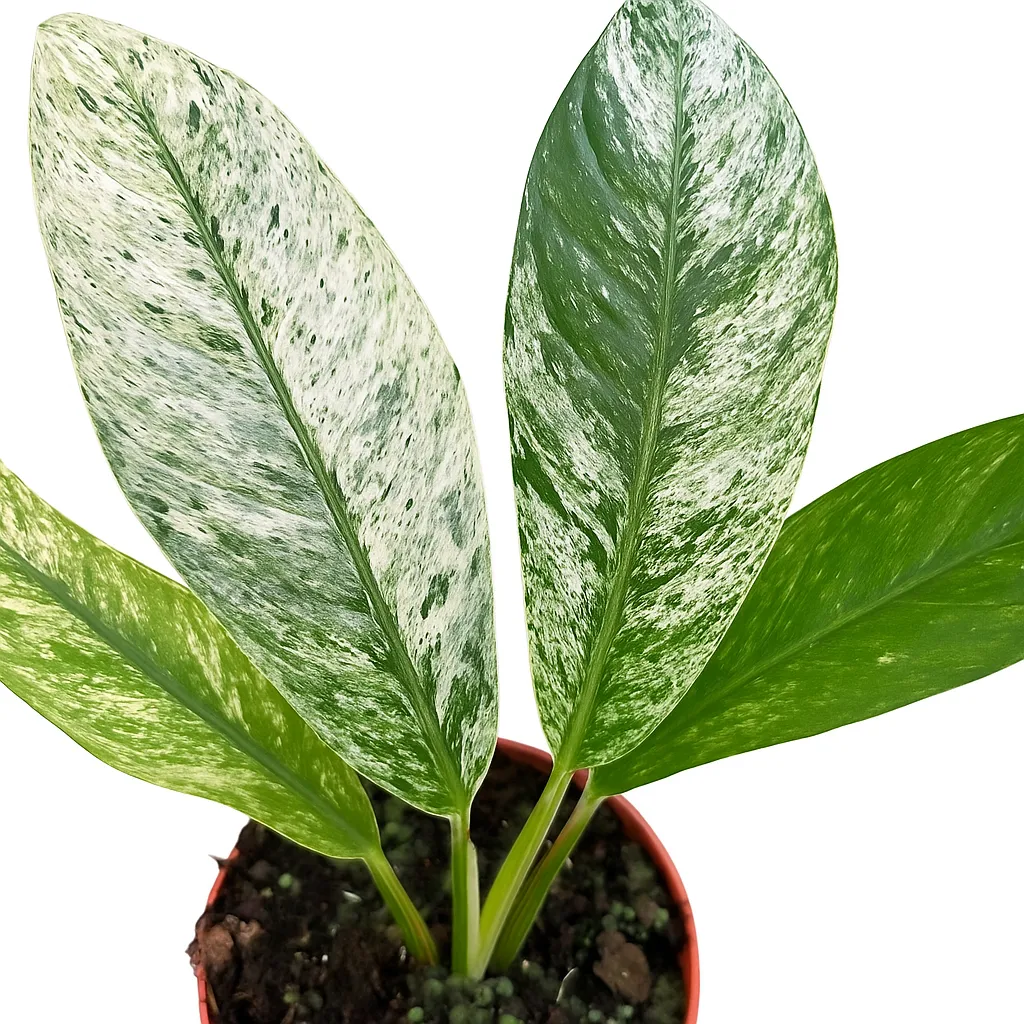
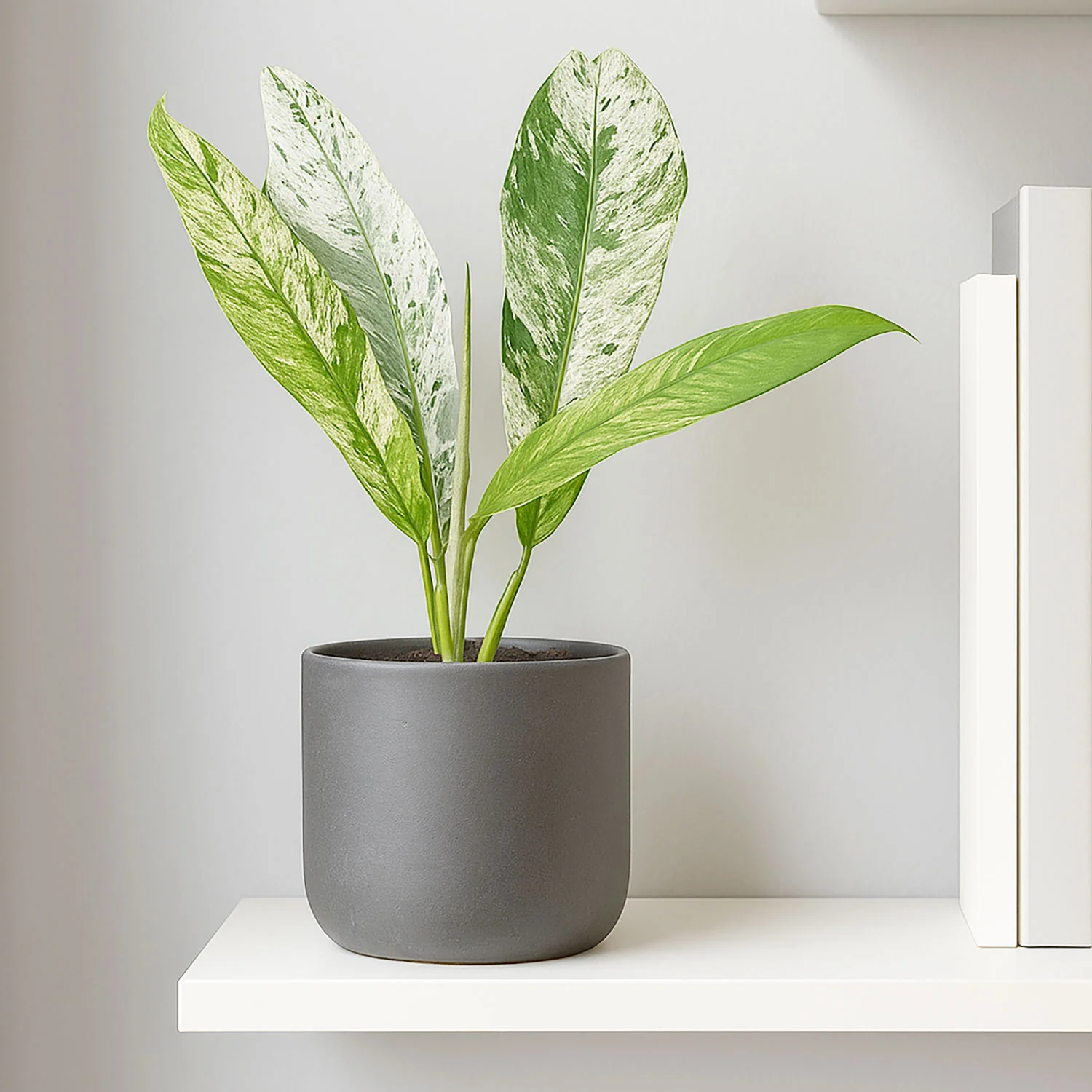
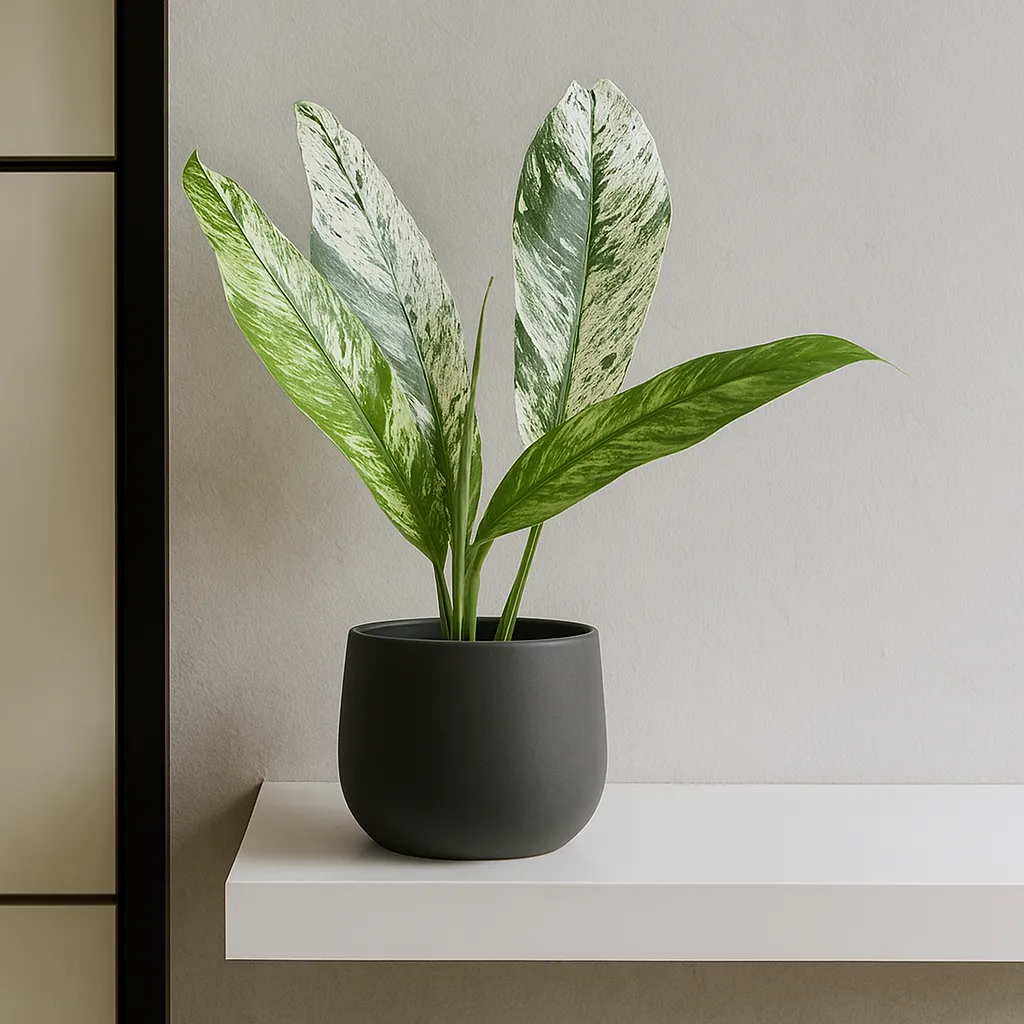
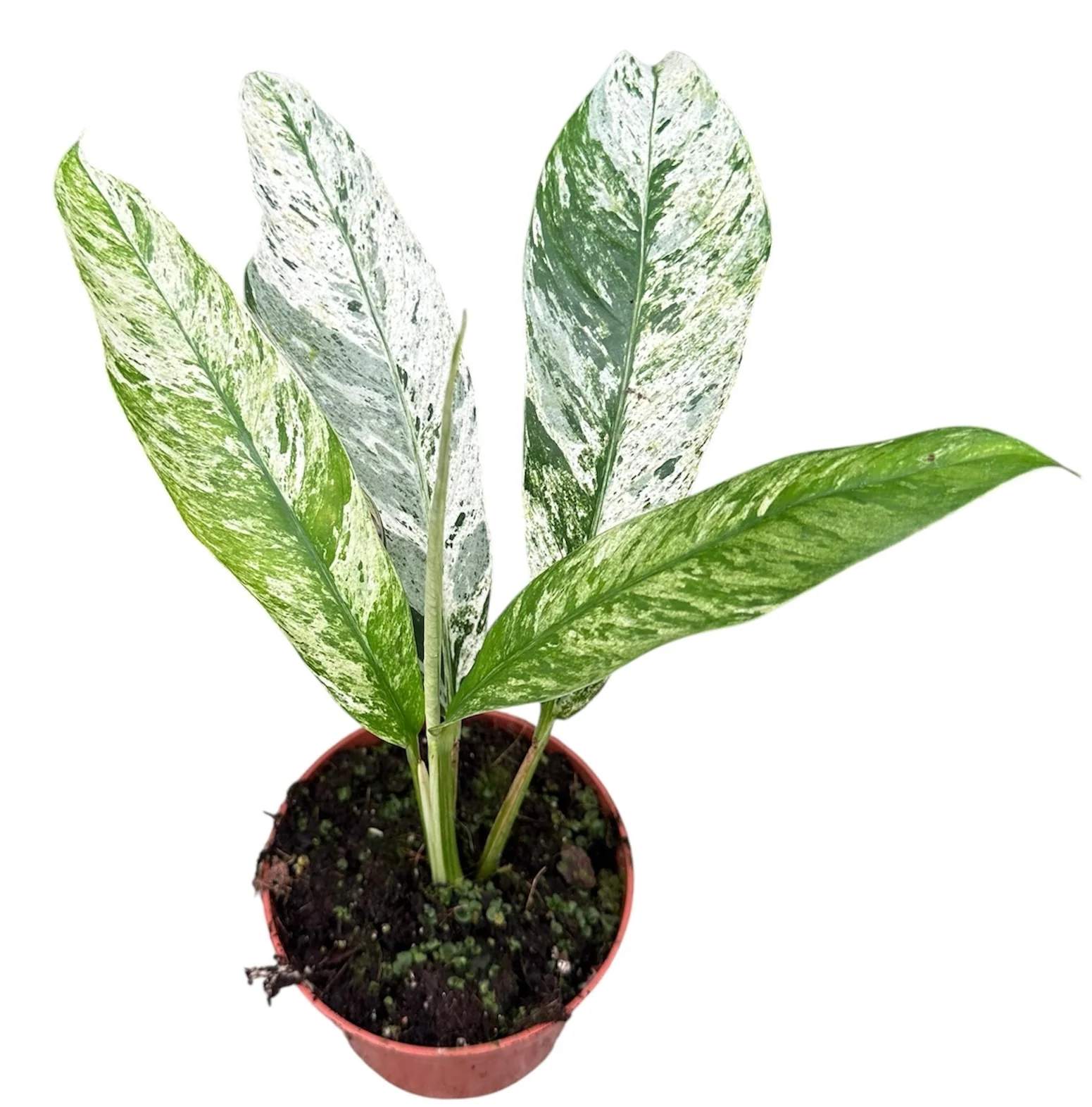
The leaves are narrow, lance-shaped, and leathery, developing dramatic fenestrations (natural perforations) as the plant matures. In the ‘Marble’ variety, the deep green background is irregularly splashed, streaked, and marbled with creamy white, mint, or pale green variegation. Each leaf is unique, with some showing bold sectoral variegation while others feature delicate marbling throughout.
As a natural climber, Rhaphidophora foraminifera ‘Marble’ thrives when provided with vertical support such as a moss pole, totem, or climbing board. Under these conditions, the leaves grow larger and fenestrations become more pronounced. Its combination of rare marbled variegation and fenestrated foliage makes it an exceptional collector’s specimen.
Rhaphidophora foraminifera ‘Marble’ – Care Guide
Light
Requires bright, indirect light to maintain its marbled variegation. In lower light, variegation may fade, while too much direct sun can scorch the pale sections.
Watering
Water when the top 3–4 cm of soil feels dry. Keep the soil evenly moist during the growing season, but allow good drainage to prevent root rot. Reduce watering in autumn and winter.
Temperature and Humidity
-
Temperature: Thrives in 18–28°C. Protect from draughts and avoid temperatures below 15°C.
-
Humidity: Prefers high humidity (60%+). Mist regularly, use pebble trays, or place near a humidifier to encourage lush growth and prevent crisping on variegated areas.
Soil and Potting
Use a chunky, free-draining aroid mix – peat-free compost combined with orchid bark, perlite, and coco coir. Repot every 1–2 years in spring to refresh the mix and allow roots to spread.
Feeding
Apply a balanced liquid fertiliser every 2–3 weeks during spring and summer. Reduce feeding in autumn and stop in winter.
Pruning and Training
Prune vines lightly to control size and encourage bushier growth. Train vertically on a moss pole or trellis to develop larger, fenestrated leaves. Stem cuttings propagate well in water, sphagnum moss, or soil.
Growth and Maturity
A moderately fast-growing climbing aroid. Juvenile leaves are narrow and unfenestrated, but with climbing support and maturity, they develop dramatic perforations and striking marbled variegation.
Common Issues
-
Loss of variegation: Insufficient light.
-
Yellowing leaves: Overwatering or poor drainage.
-
Brown edges: Low humidity or excessive direct light.
-
Pests: Occasionally thrips, spider mites, or mealybugs.
Background and Benefits
Rhaphidophora foraminifera is a less commonly cultivated relative of Rhaphidophora tetrasperma. The ‘Marble’ variegated form is particularly rare, making it highly prized by collectors of unusual aroids. Its blend of fenestrated leaves and creamy marbling gives it a sophisticated, artistic appearance, ideal for tropical-themed interiors.
✅ Quick Care Summary
-
Light: Bright, indirect; avoid harsh direct sun
-
Water: Lightly moist; let topsoil dry slightly
-
Temperature: 18–28°C; avoid below 15°C
-
Humidity: High (60%+)
-
Soil: Chunky, well-draining aroid mix
-
Feed: Every 2–3 weeks in spring/summer
-
Growth: Climbing vine; elongated fenestrated leaves with cream-marbled variegation
Original: $46.18
-70%$46.18
$13.85Product Information
Product Information
Shipping & Returns
Shipping & Returns
Description
Rhaphidophora foraminifera ‘Marble’ is a rare and highly collectable variegated form of the tropical climbing aroid Rhaphidophora foraminifera. Native to Southeast Asia, this species belongs to the Araceae family and is admired for its elongated, fenestrated foliage. The ‘Marble’ cultivar takes this appeal even further with beautifully marbled variegation.
The leaves are narrow, lance-shaped, and leathery, developing dramatic fenestrations (natural perforations) as the plant matures. In the ‘Marble’ variety, the deep green background is irregularly splashed, streaked, and marbled with creamy white, mint, or pale green variegation. Each leaf is unique, with some showing bold sectoral variegation while others feature delicate marbling throughout.
As a natural climber, Rhaphidophora foraminifera ‘Marble’ thrives when provided with vertical support such as a moss pole, totem, or climbing board. Under these conditions, the leaves grow larger and fenestrations become more pronounced. Its combination of rare marbled variegation and fenestrated foliage makes it an exceptional collector’s specimen.
Rhaphidophora foraminifera ‘Marble’ – Care Guide
Light
Requires bright, indirect light to maintain its marbled variegation. In lower light, variegation may fade, while too much direct sun can scorch the pale sections.
Watering
Water when the top 3–4 cm of soil feels dry. Keep the soil evenly moist during the growing season, but allow good drainage to prevent root rot. Reduce watering in autumn and winter.
Temperature and Humidity
-
Temperature: Thrives in 18–28°C. Protect from draughts and avoid temperatures below 15°C.
-
Humidity: Prefers high humidity (60%+). Mist regularly, use pebble trays, or place near a humidifier to encourage lush growth and prevent crisping on variegated areas.
Soil and Potting
Use a chunky, free-draining aroid mix – peat-free compost combined with orchid bark, perlite, and coco coir. Repot every 1–2 years in spring to refresh the mix and allow roots to spread.
Feeding
Apply a balanced liquid fertiliser every 2–3 weeks during spring and summer. Reduce feeding in autumn and stop in winter.
Pruning and Training
Prune vines lightly to control size and encourage bushier growth. Train vertically on a moss pole or trellis to develop larger, fenestrated leaves. Stem cuttings propagate well in water, sphagnum moss, or soil.
Growth and Maturity
A moderately fast-growing climbing aroid. Juvenile leaves are narrow and unfenestrated, but with climbing support and maturity, they develop dramatic perforations and striking marbled variegation.
Common Issues
-
Loss of variegation: Insufficient light.
-
Yellowing leaves: Overwatering or poor drainage.
-
Brown edges: Low humidity or excessive direct light.
-
Pests: Occasionally thrips, spider mites, or mealybugs.
Background and Benefits
Rhaphidophora foraminifera is a less commonly cultivated relative of Rhaphidophora tetrasperma. The ‘Marble’ variegated form is particularly rare, making it highly prized by collectors of unusual aroids. Its blend of fenestrated leaves and creamy marbling gives it a sophisticated, artistic appearance, ideal for tropical-themed interiors.
✅ Quick Care Summary
-
Light: Bright, indirect; avoid harsh direct sun
-
Water: Lightly moist; let topsoil dry slightly
-
Temperature: 18–28°C; avoid below 15°C
-
Humidity: High (60%+)
-
Soil: Chunky, well-draining aroid mix
-
Feed: Every 2–3 weeks in spring/summer
-
Growth: Climbing vine; elongated fenestrated leaves with cream-marbled variegation