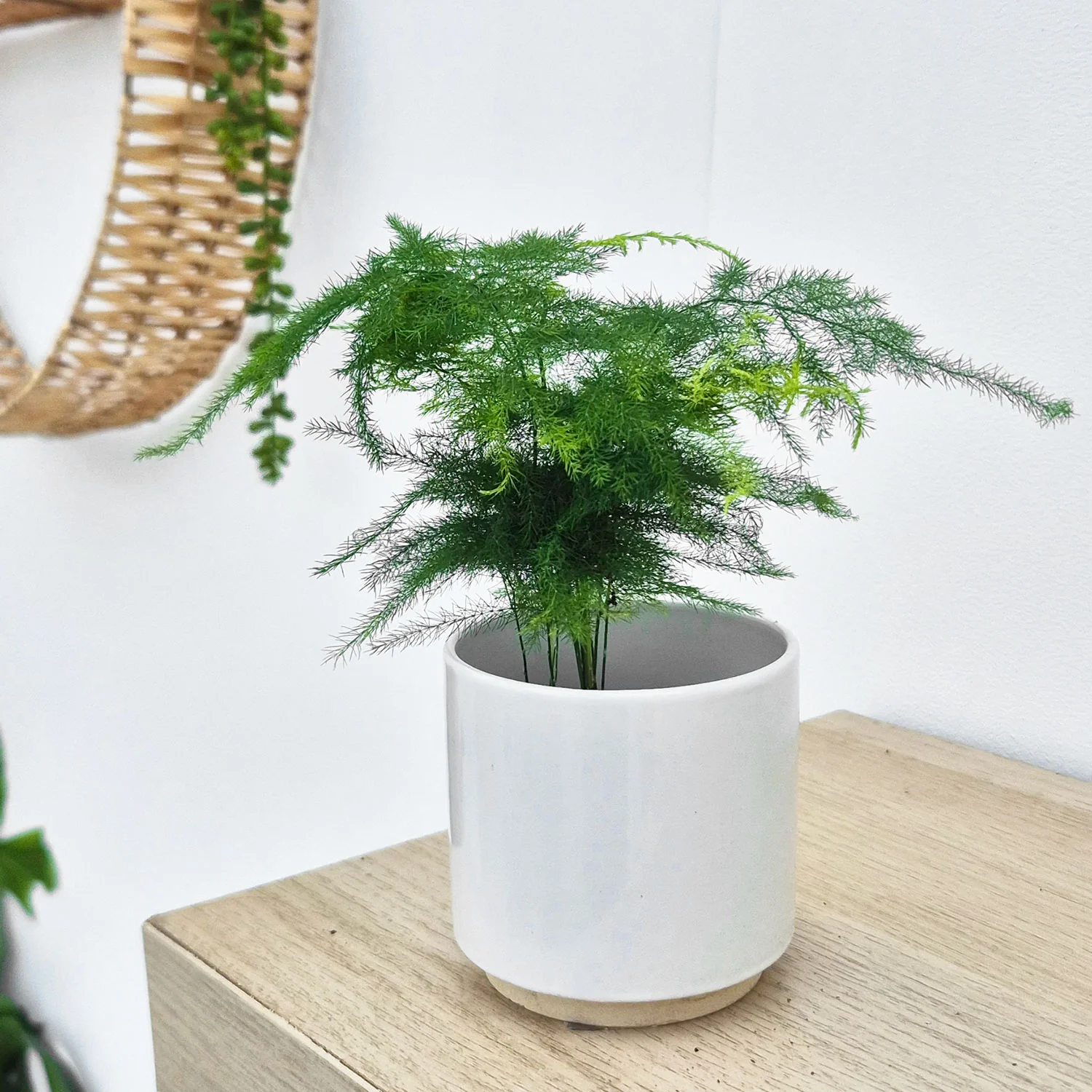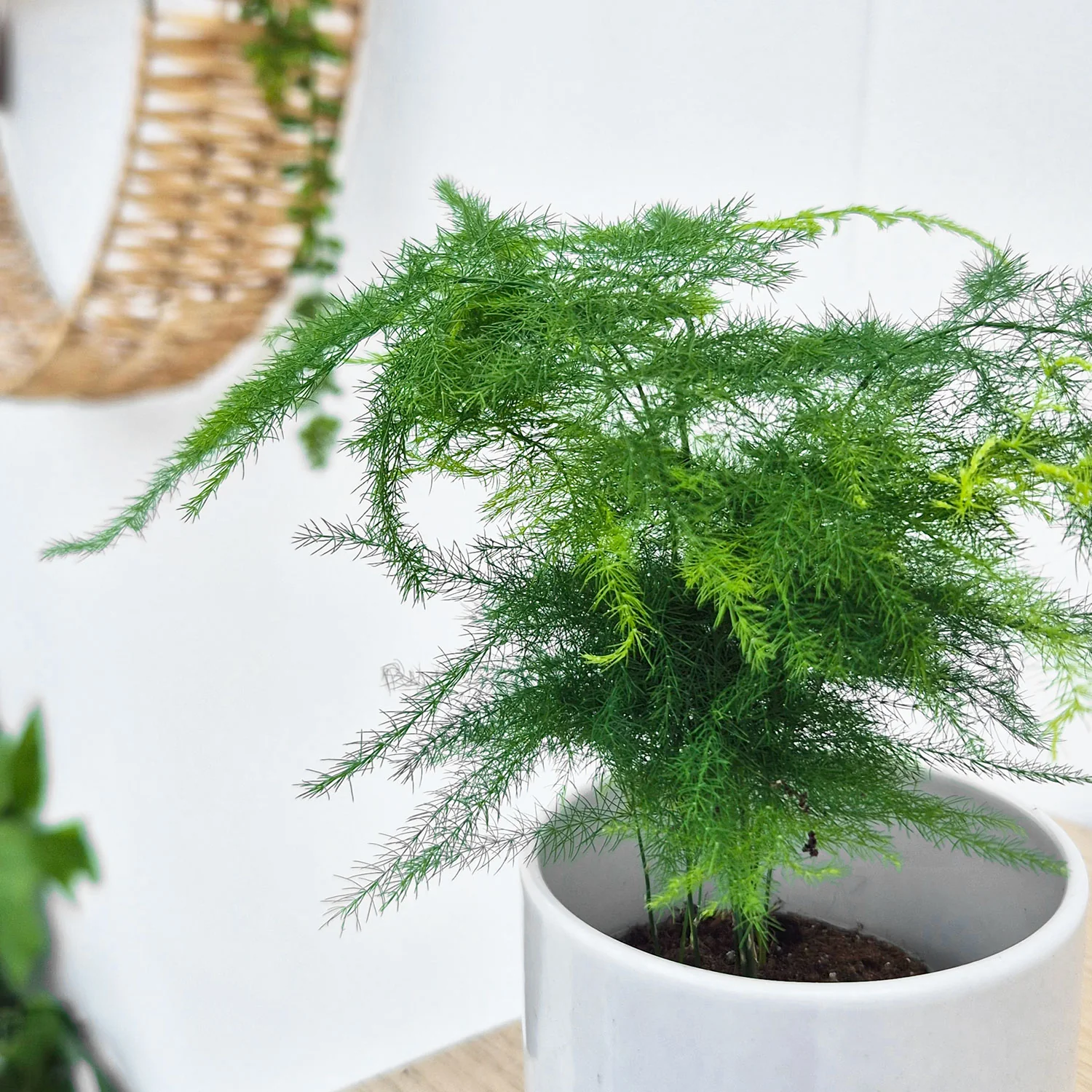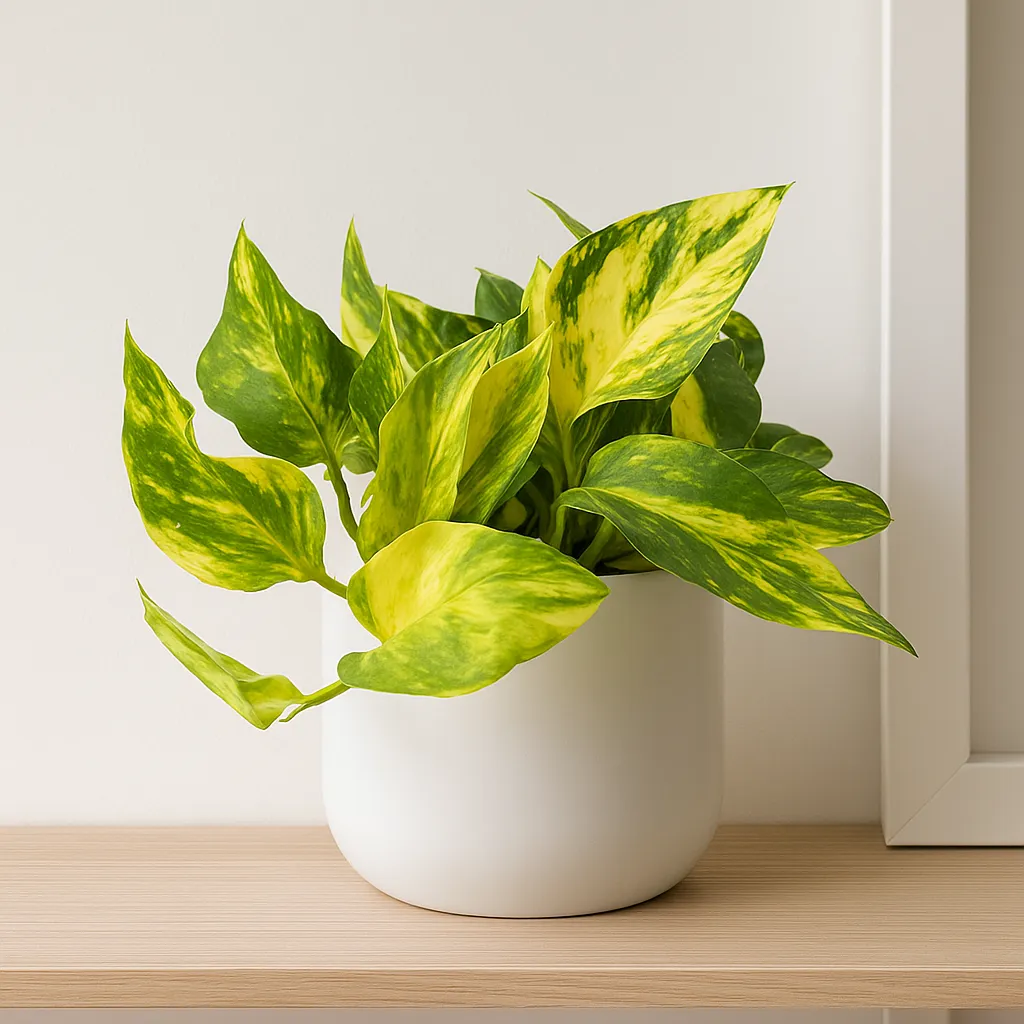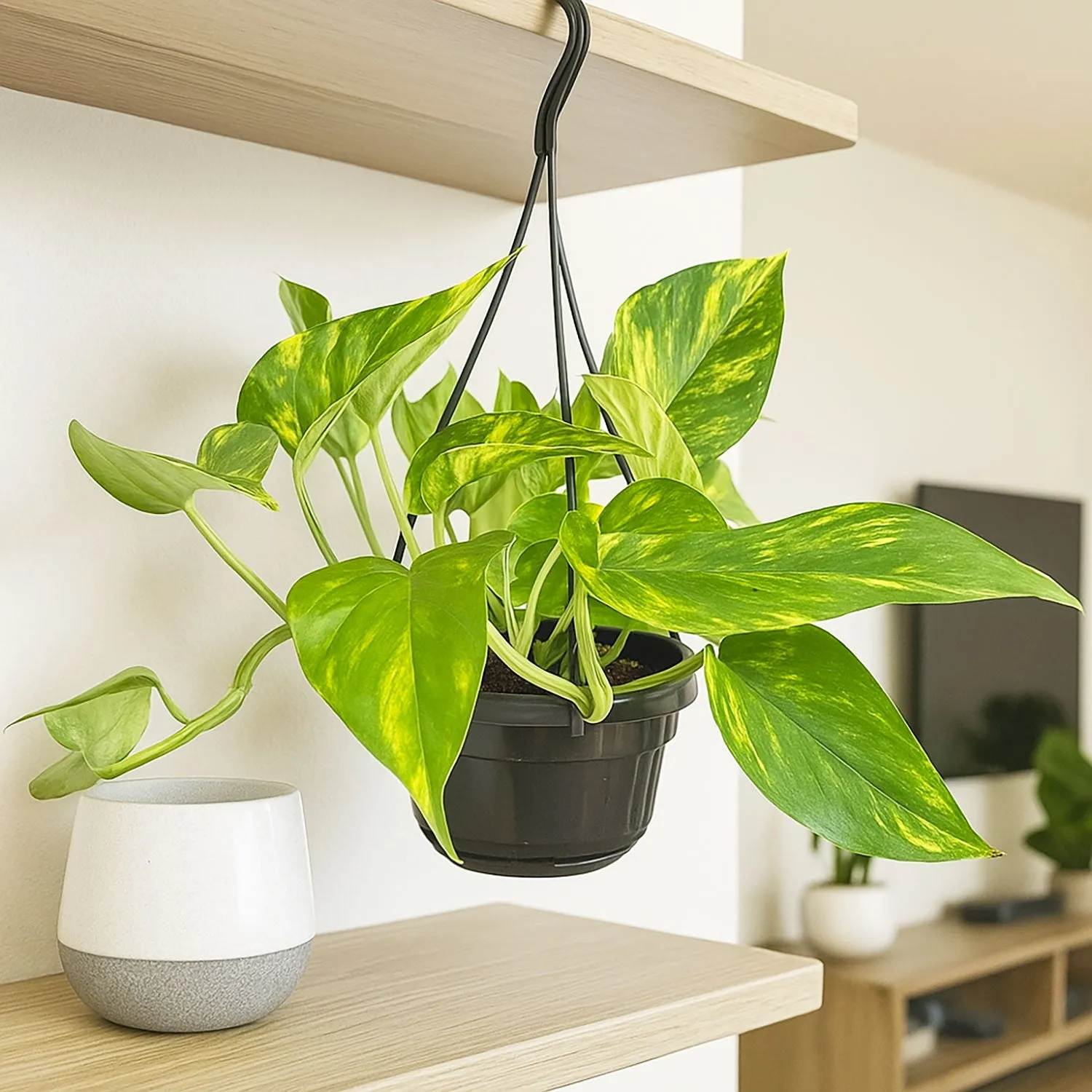
15 - 20cm Sansevieria Hahnii House Plant in 12cm Pot
Sansevieria ‘Hahnii’ – Plant Description
Sansevieria ‘Hahnii’, commonly known as the Bird’s Nest Snake Plant, is a compact cultivar of the classic Sansevieria trifasciata. Native to West Africa and belonging to the Asparagaceae family, this variety is treasured for its small size, neat rosette growth habit, and striking foliage.
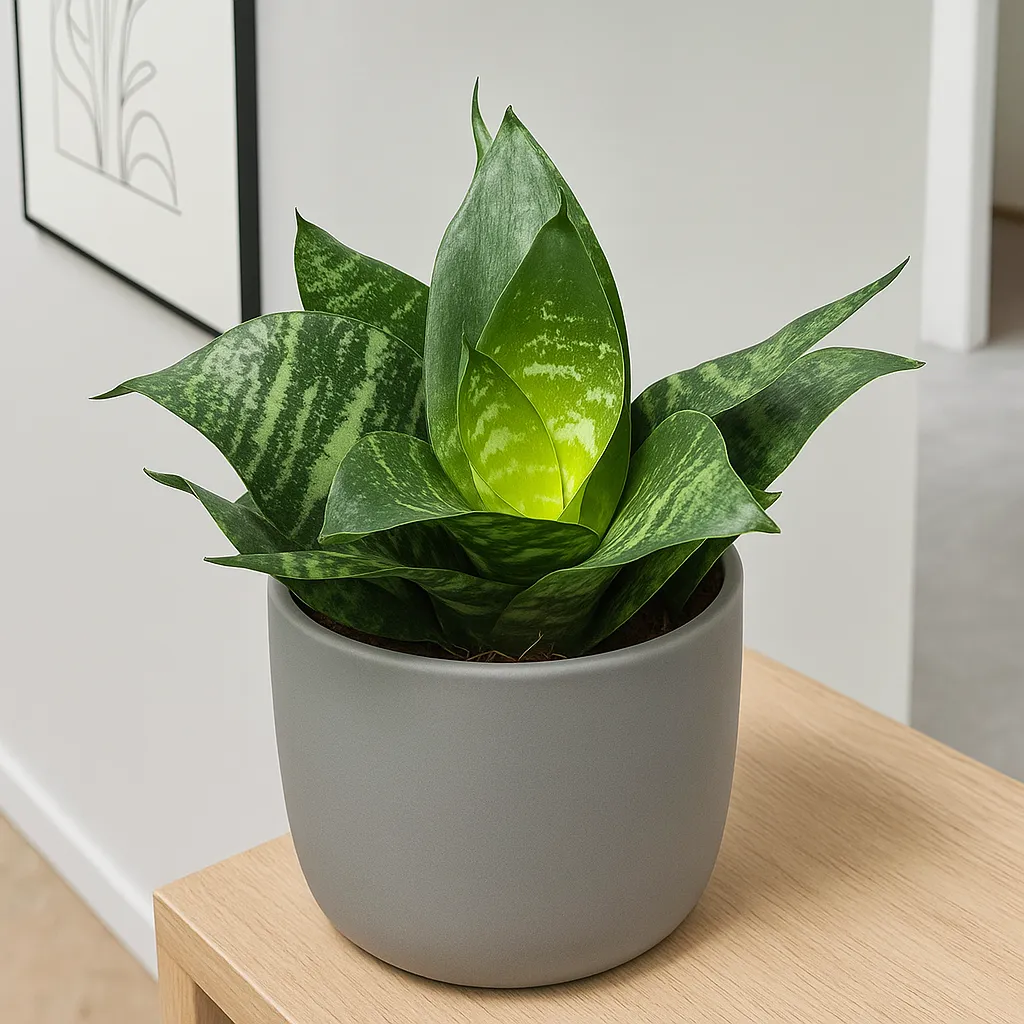
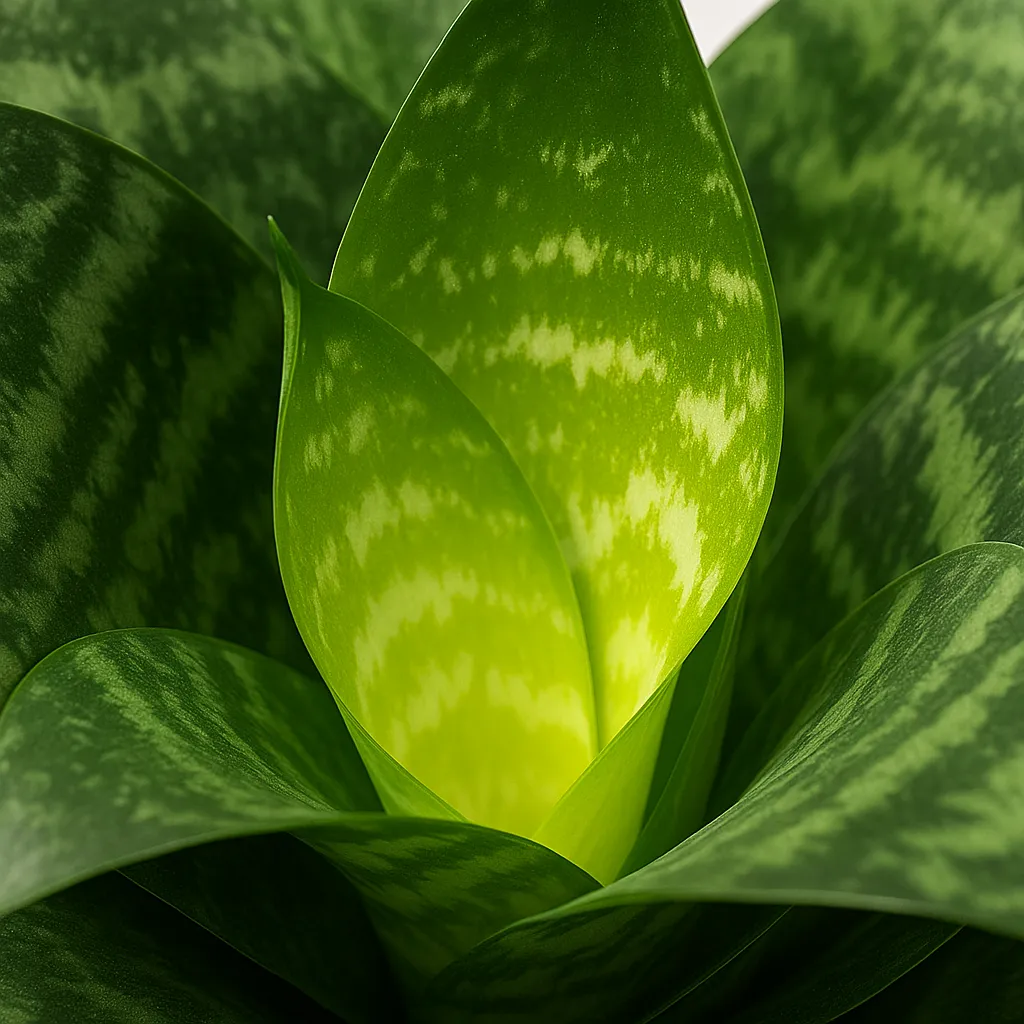
Unlike taller snake plant varieties such as ‘Laurentii’ or ‘Zeylanica’, ‘Hahnii’ remains compact, usually growing only 15–20 cm tall. Its short, sword-shaped leaves form dense, low rosettes resembling a bird’s nest. The foliage is glossy dark green with lighter horizontal striping, creating a marbled appearance that adds texture and depth.
This tidy, space-saving form makes Sansevieria ‘Hahnii’ ideal for desktops, shelves, and windowsills, where larger cultivars would be impractical. Despite its modest stature, it retains the same toughness and adaptability as its taller relatives, tolerating neglect, low light, and irregular watering with ease.
Sansevieria ‘Hahnii’ – Care Guide
Light
Thrives in bright, indirect light but tolerates low-light conditions, making it highly versatile. Avoid strong midday sun, which can scorch leaves.
Watering
Water sparingly. Allow the soil to dry out completely before watering again. In summer, this may mean watering every 2–3 weeks; in winter, reduce to once a month. Overwatering is the biggest risk, as it can cause root rot.
Temperature and Humidity
-
Temperature: Prefers 16–26°C. Protect from cold draughts and avoid prolonged exposure below 10°C.
-
Humidity: Adapts well to normal household humidity and does not require additional misting.
Soil and Potting
Use a gritty, free-draining cactus or succulent compost. A shallow pot works well, as the roots are not very deep. Repot only when the plant becomes crowded, typically every 2–3 years.
Feeding
Feed monthly in spring and summer with a diluted cactus or succulent fertiliser. Do not fertilise in autumn or winter.
Pruning and Maintenance
Pruning is rarely required – simply remove damaged or yellowing leaves at the base. Wipe leaves occasionally with a damp cloth to remove dust and keep them glossy.
Growth and Maturity
A slow grower, Sansevieria ‘Hahnii’ forms clumps of compact rosettes over time. Mature plants may occasionally produce slender flower spikes with fragrant greenish-white blooms, though this is rare indoors.
Common Issues
-
Mushy, yellow leaves: Almost always due to overwatering.
-
Wrinkled leaves: Caused by prolonged underwatering.
-
Pests: Occasionally mealybugs or spider mites; inspect regularly.
Background and Benefits
Discovered in the 1930s, ‘Hahnii’ quickly became popular for its compact form, which perfectly suits modern living spaces. Like other snake plants, it is highly regarded for its air-purifying qualities, helping remove indoor pollutants. Its resilience and petite size make it one of the best low-maintenance plants for beginners and small-space dwellers.
✅ Quick Care Summary
-
Light: Bright, indirect to low light
-
Water: Let soil dry out completely before watering
-
Temperature: 16–26°C; avoid below 10°C
-
Humidity: Average household is fine
-
Soil: Free-draining cactus/succulent compost
-
Feed: Monthly in spring/summer
-
Growth: Compact rosette, 15–20 cm tall; dark green, marbled leaves
Original: $19.78
-70%$19.78
$5.93Product Information
Product Information
Shipping & Returns
Shipping & Returns
Description
Sansevieria ‘Hahnii’ – Plant Description
Sansevieria ‘Hahnii’, commonly known as the Bird’s Nest Snake Plant, is a compact cultivar of the classic Sansevieria trifasciata. Native to West Africa and belonging to the Asparagaceae family, this variety is treasured for its small size, neat rosette growth habit, and striking foliage.
Unlike taller snake plant varieties such as ‘Laurentii’ or ‘Zeylanica’, ‘Hahnii’ remains compact, usually growing only 15–20 cm tall. Its short, sword-shaped leaves form dense, low rosettes resembling a bird’s nest. The foliage is glossy dark green with lighter horizontal striping, creating a marbled appearance that adds texture and depth.
This tidy, space-saving form makes Sansevieria ‘Hahnii’ ideal for desktops, shelves, and windowsills, where larger cultivars would be impractical. Despite its modest stature, it retains the same toughness and adaptability as its taller relatives, tolerating neglect, low light, and irregular watering with ease.
Sansevieria ‘Hahnii’ – Care Guide
Light
Thrives in bright, indirect light but tolerates low-light conditions, making it highly versatile. Avoid strong midday sun, which can scorch leaves.
Watering
Water sparingly. Allow the soil to dry out completely before watering again. In summer, this may mean watering every 2–3 weeks; in winter, reduce to once a month. Overwatering is the biggest risk, as it can cause root rot.
Temperature and Humidity
-
Temperature: Prefers 16–26°C. Protect from cold draughts and avoid prolonged exposure below 10°C.
-
Humidity: Adapts well to normal household humidity and does not require additional misting.
Soil and Potting
Use a gritty, free-draining cactus or succulent compost. A shallow pot works well, as the roots are not very deep. Repot only when the plant becomes crowded, typically every 2–3 years.
Feeding
Feed monthly in spring and summer with a diluted cactus or succulent fertiliser. Do not fertilise in autumn or winter.
Pruning and Maintenance
Pruning is rarely required – simply remove damaged or yellowing leaves at the base. Wipe leaves occasionally with a damp cloth to remove dust and keep them glossy.
Growth and Maturity
A slow grower, Sansevieria ‘Hahnii’ forms clumps of compact rosettes over time. Mature plants may occasionally produce slender flower spikes with fragrant greenish-white blooms, though this is rare indoors.
Common Issues
-
Mushy, yellow leaves: Almost always due to overwatering.
-
Wrinkled leaves: Caused by prolonged underwatering.
-
Pests: Occasionally mealybugs or spider mites; inspect regularly.
Background and Benefits
Discovered in the 1930s, ‘Hahnii’ quickly became popular for its compact form, which perfectly suits modern living spaces. Like other snake plants, it is highly regarded for its air-purifying qualities, helping remove indoor pollutants. Its resilience and petite size make it one of the best low-maintenance plants for beginners and small-space dwellers.
✅ Quick Care Summary
-
Light: Bright, indirect to low light
-
Water: Let soil dry out completely before watering
-
Temperature: 16–26°C; avoid below 10°C
-
Humidity: Average household is fine
-
Soil: Free-draining cactus/succulent compost
-
Feed: Monthly in spring/summer
-
Growth: Compact rosette, 15–20 cm tall; dark green, marbled leaves