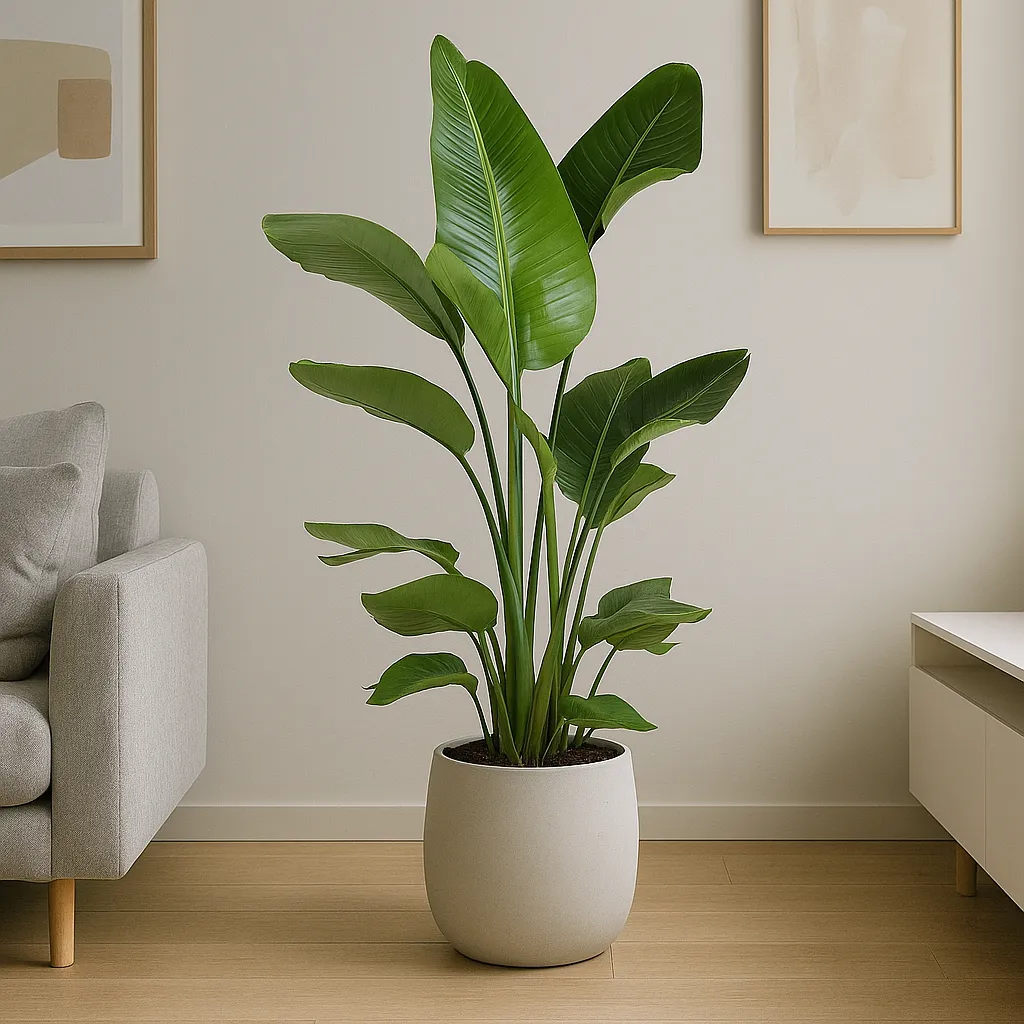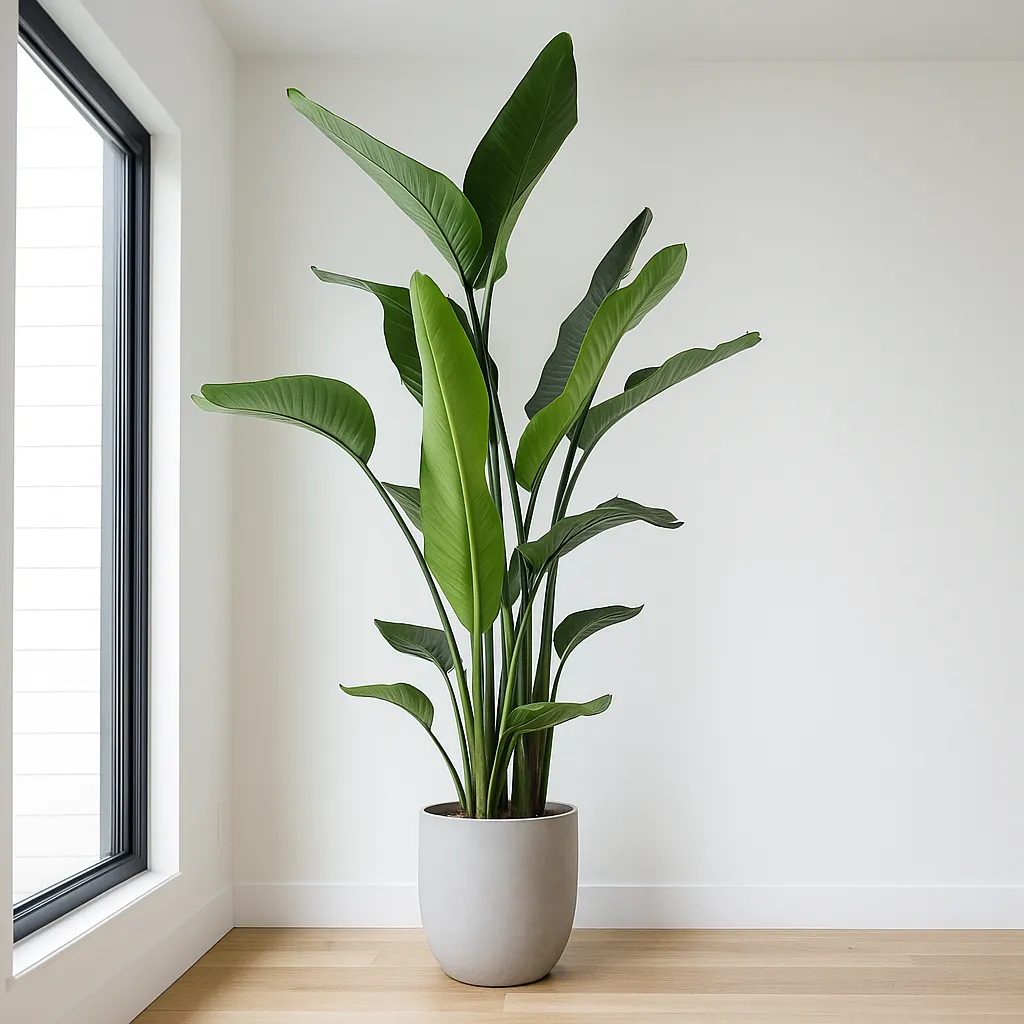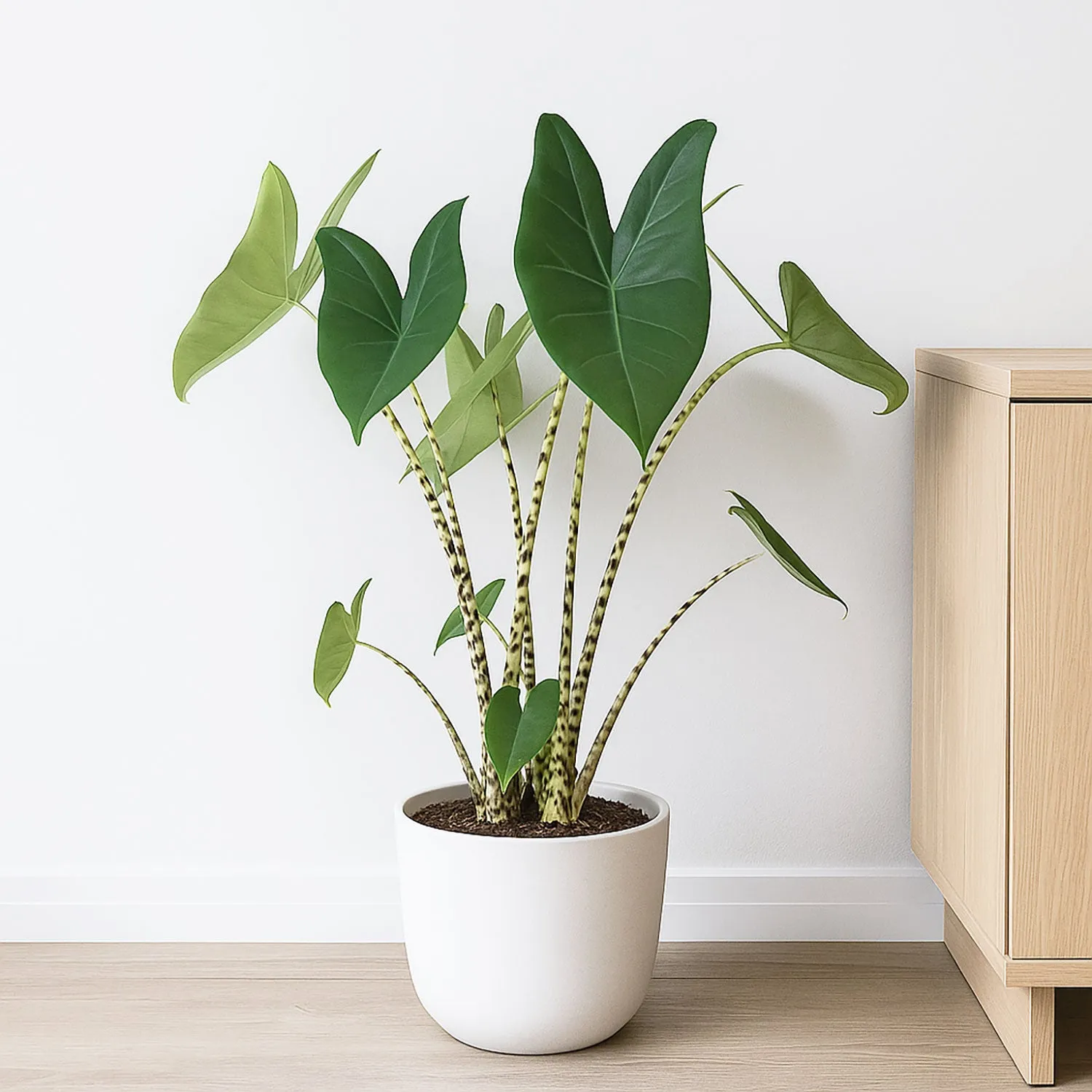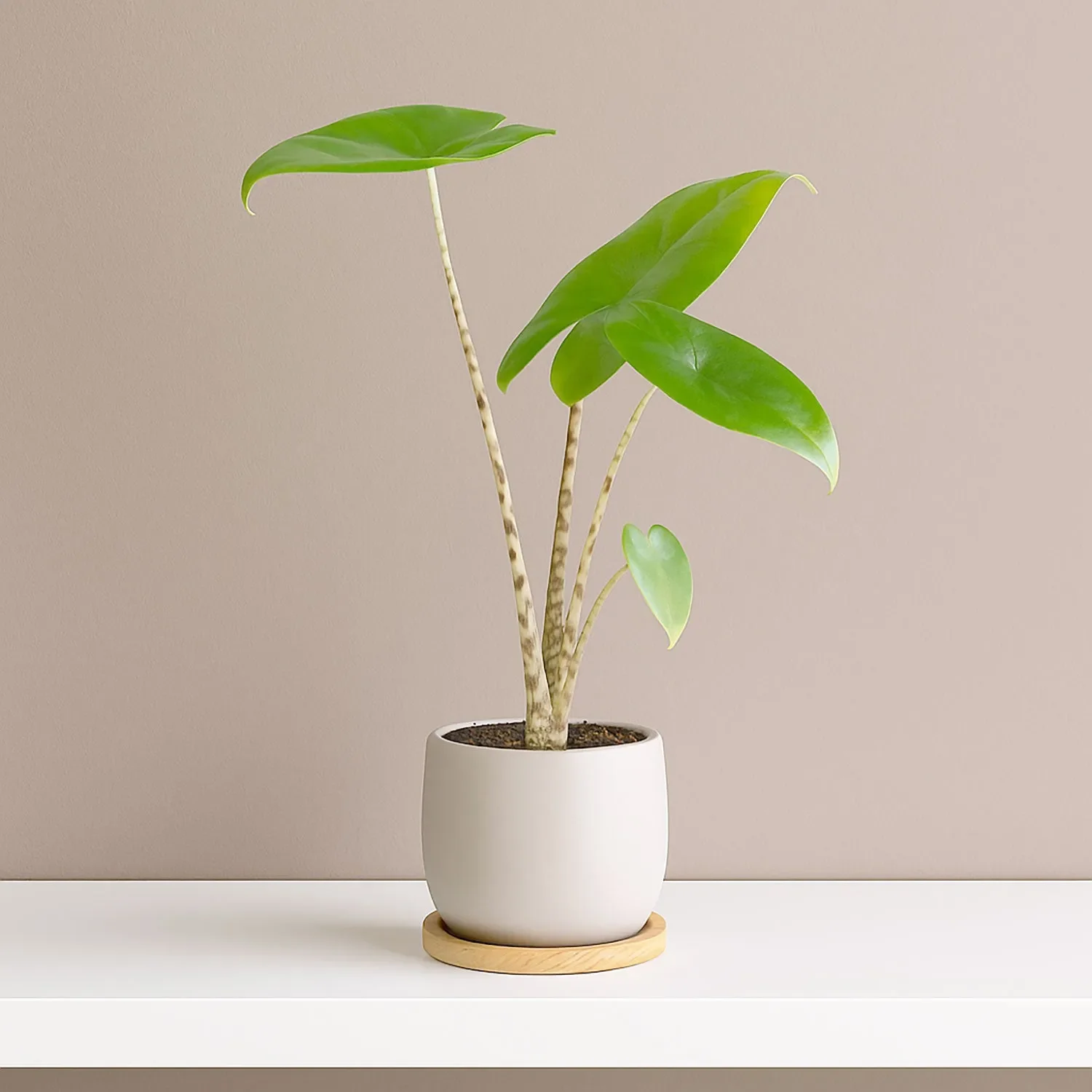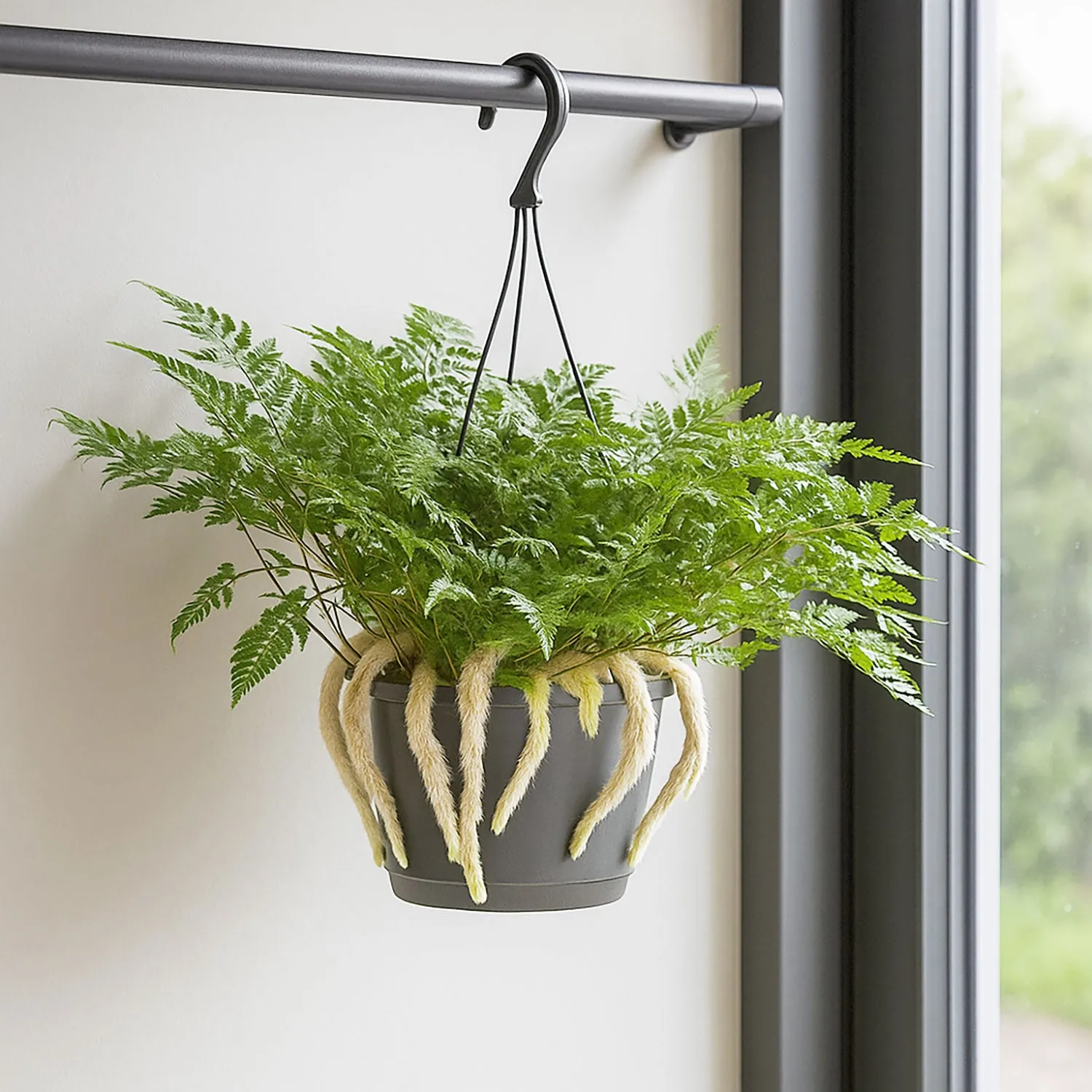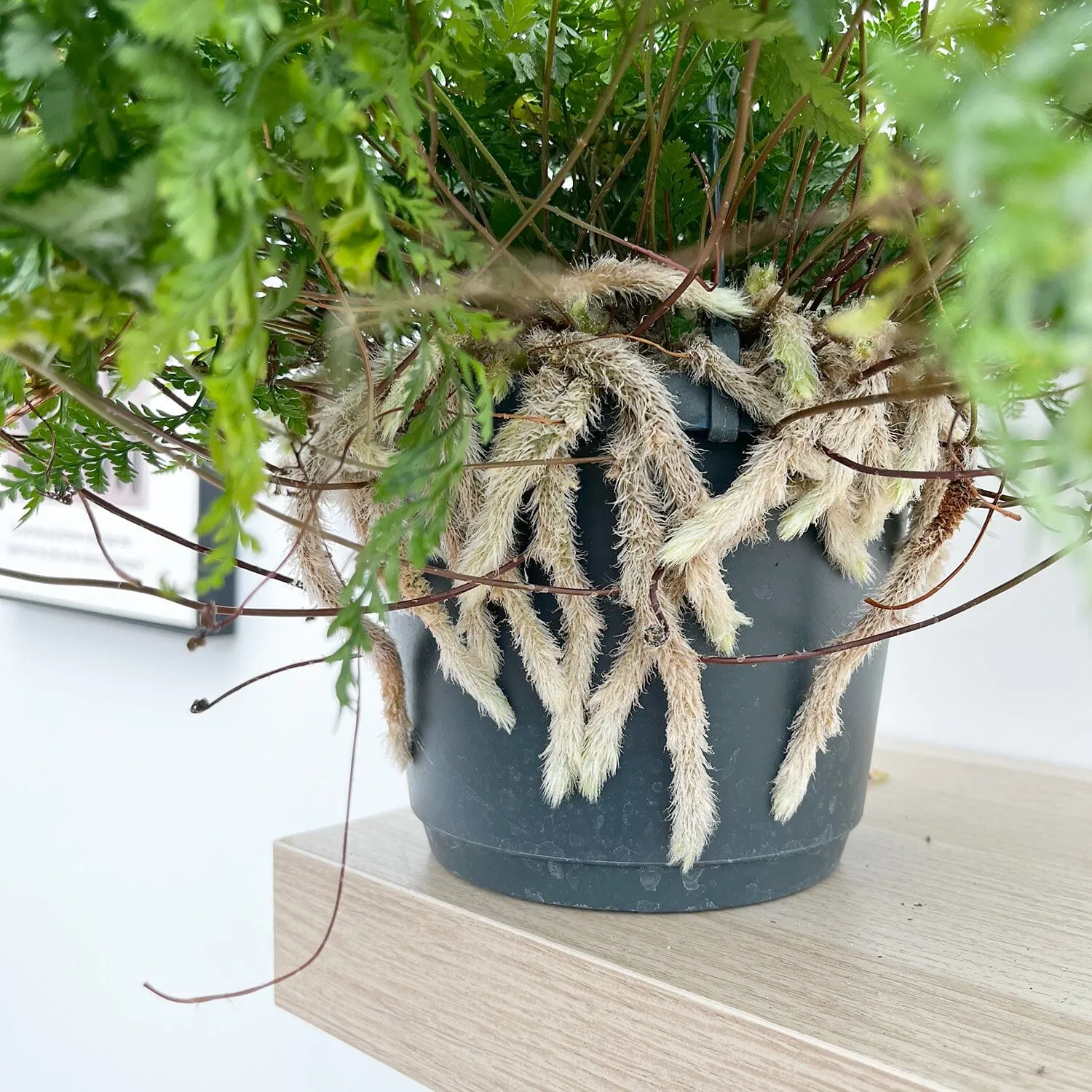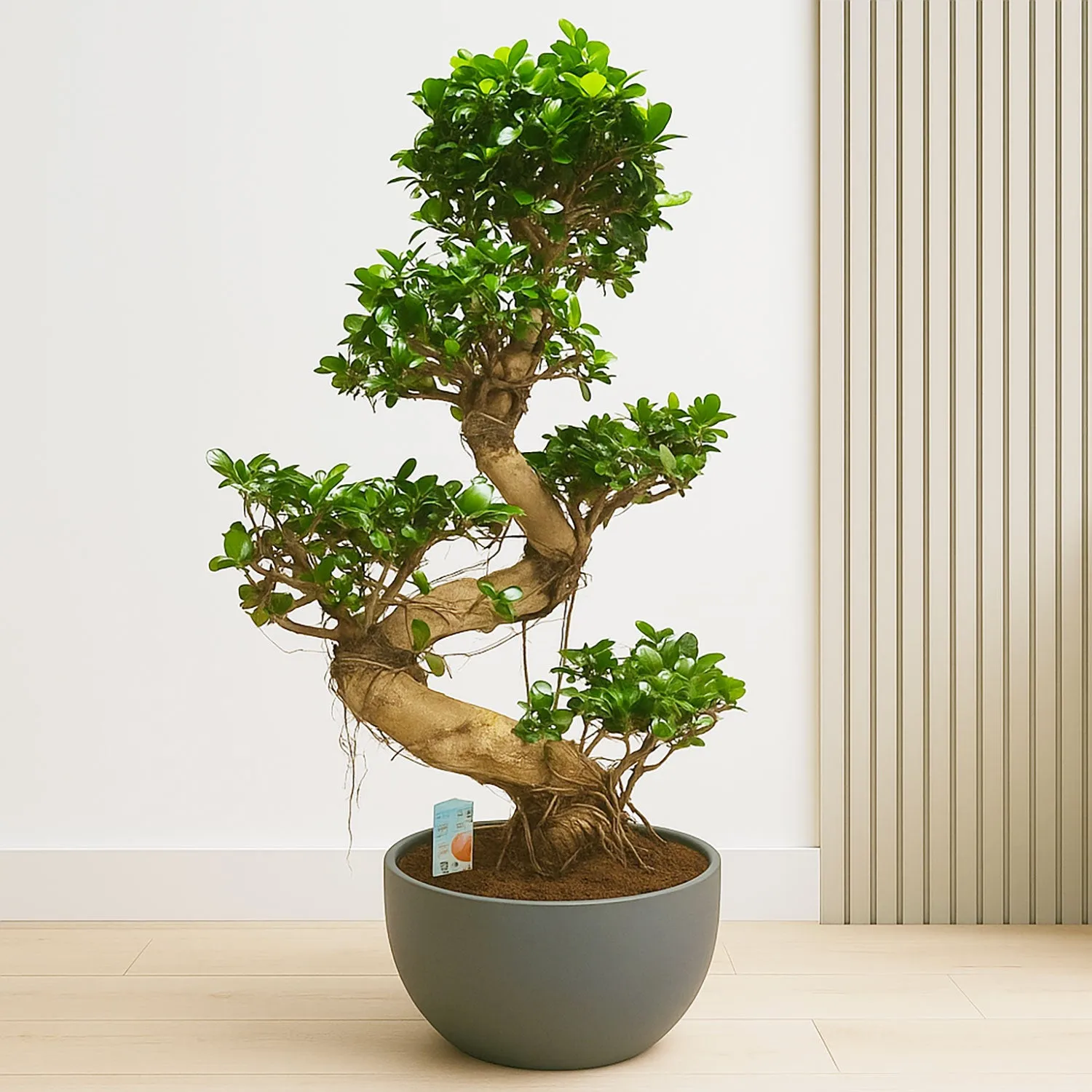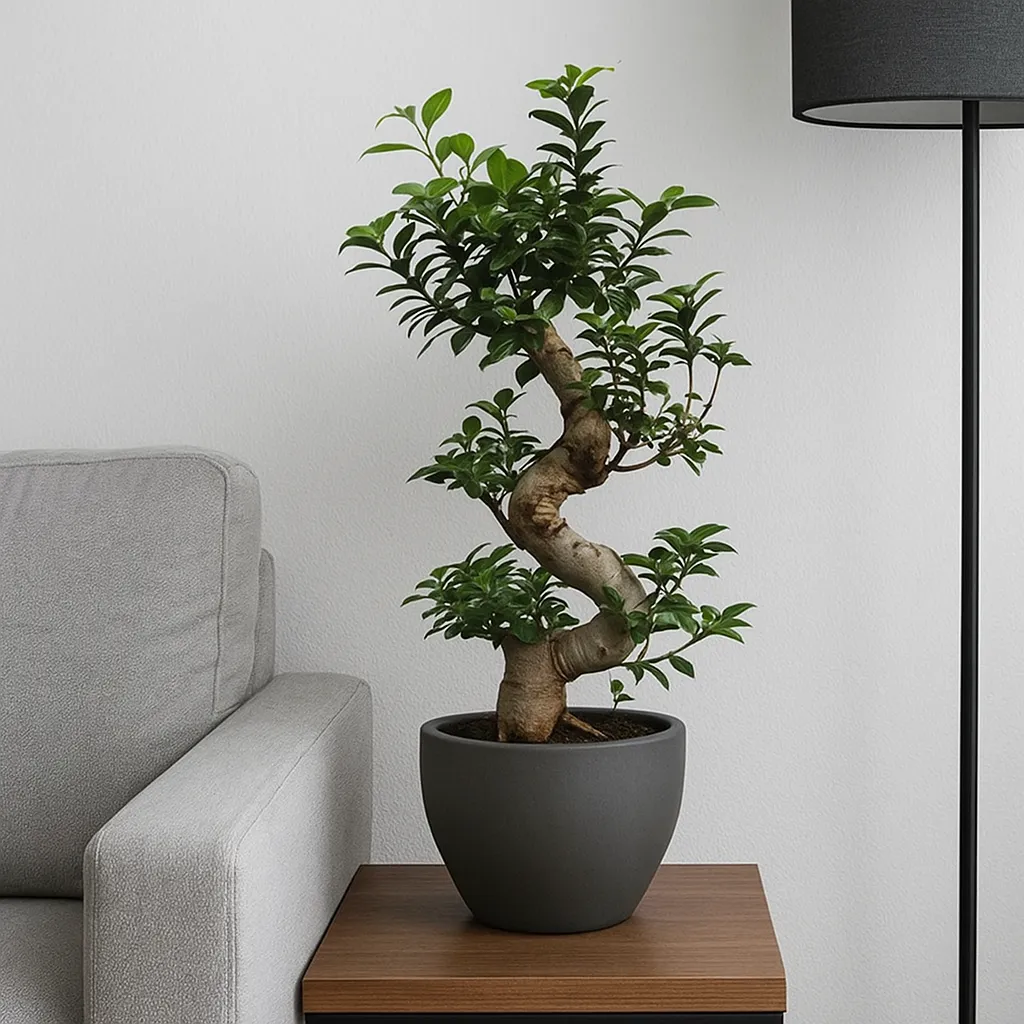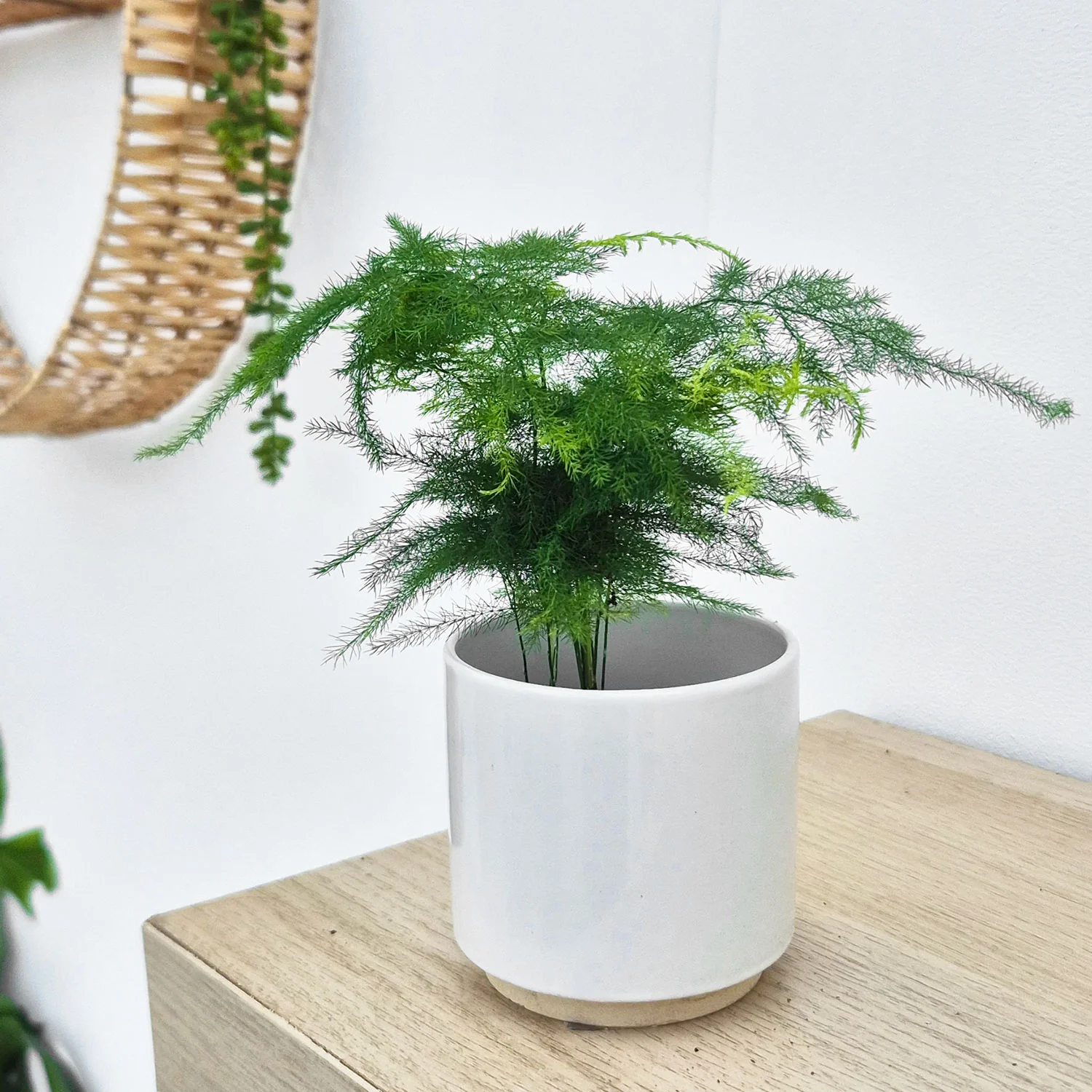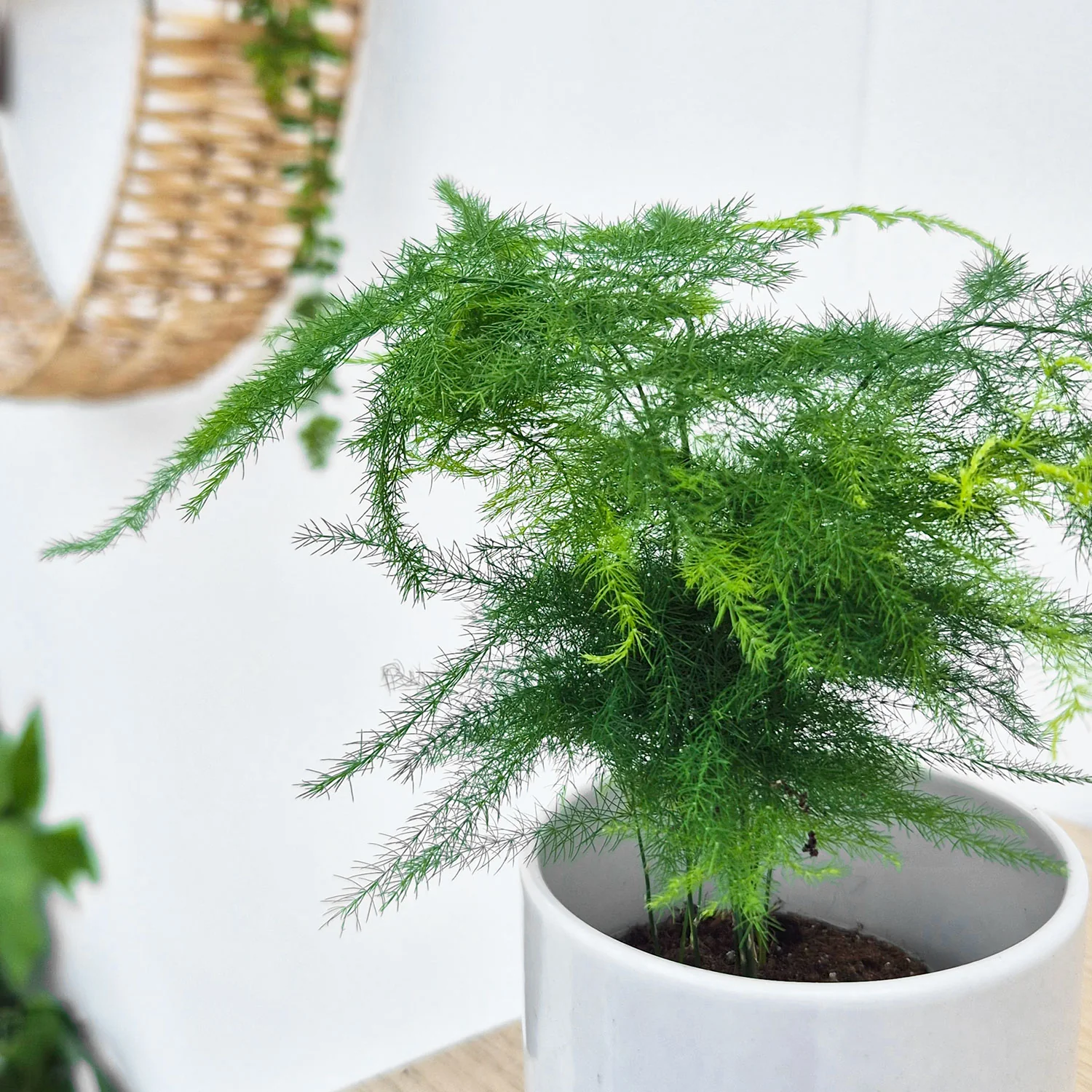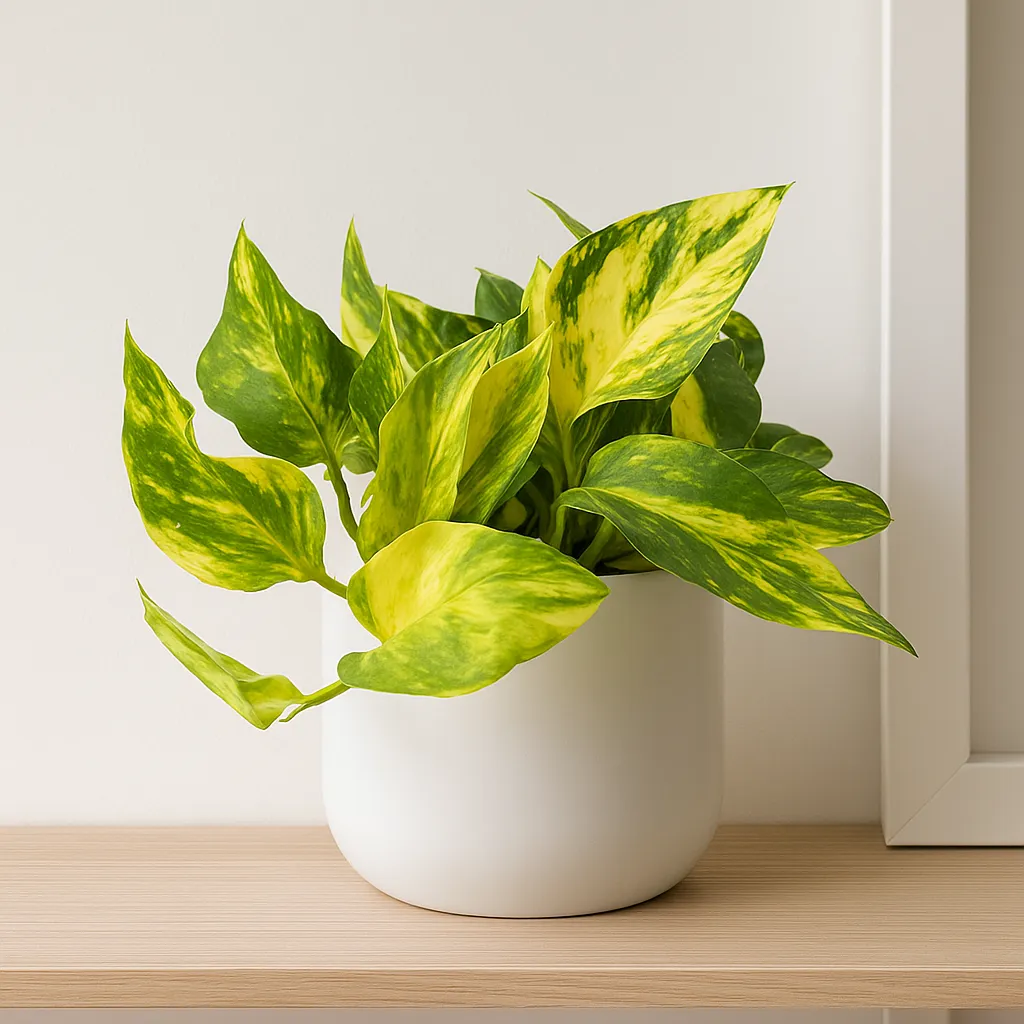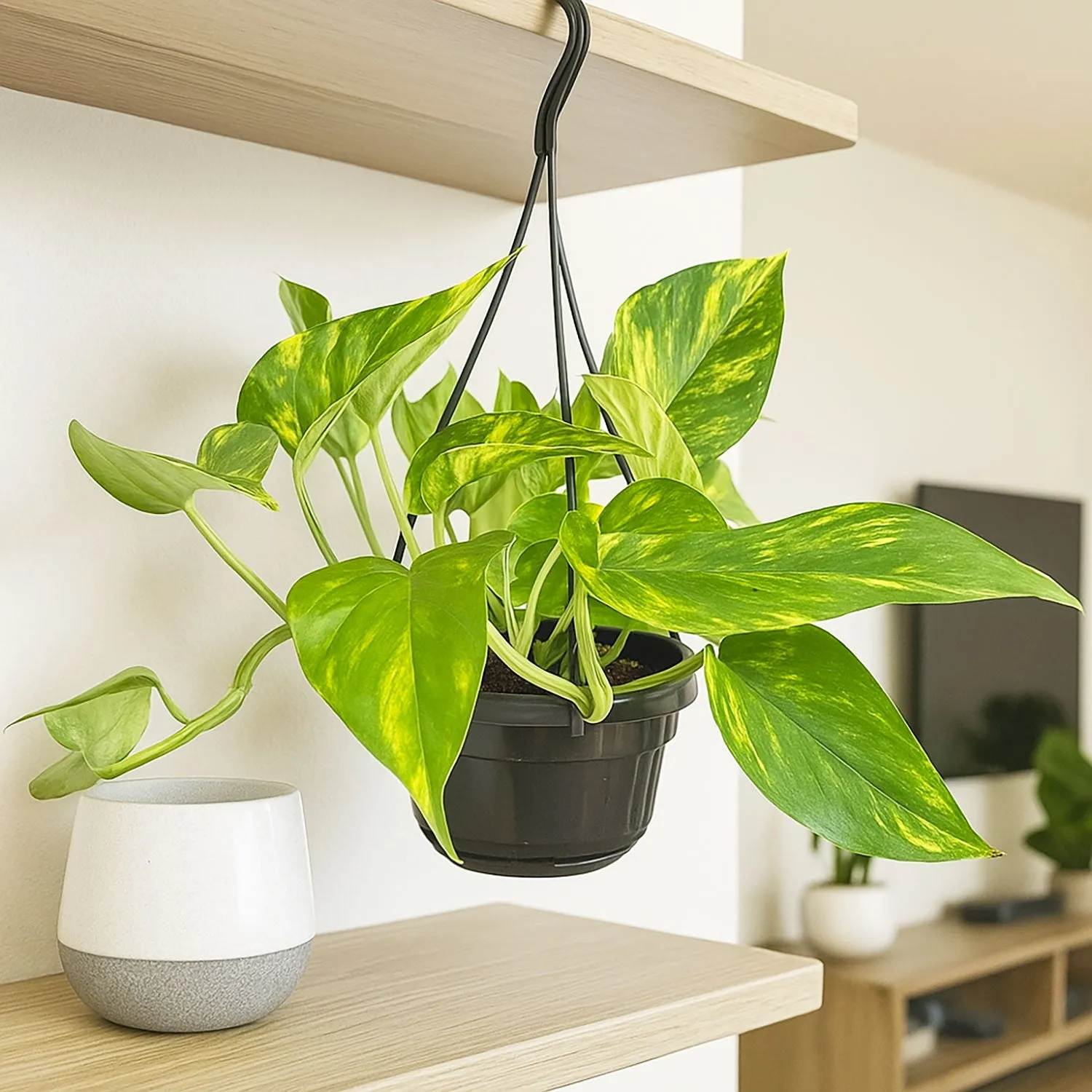
15 - 25cm Peperomia Polybotrya Raindrop 12cm Pot House Plant
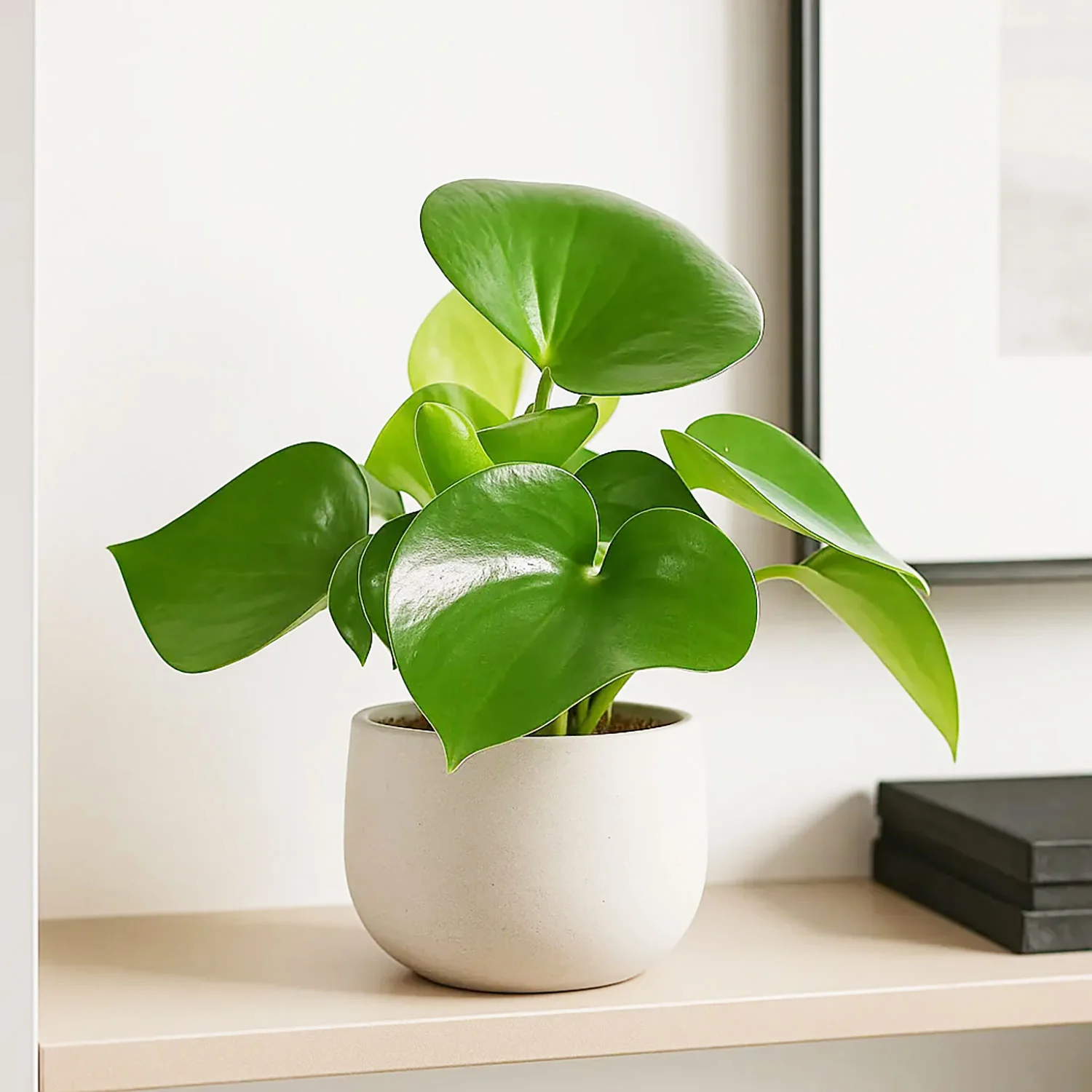
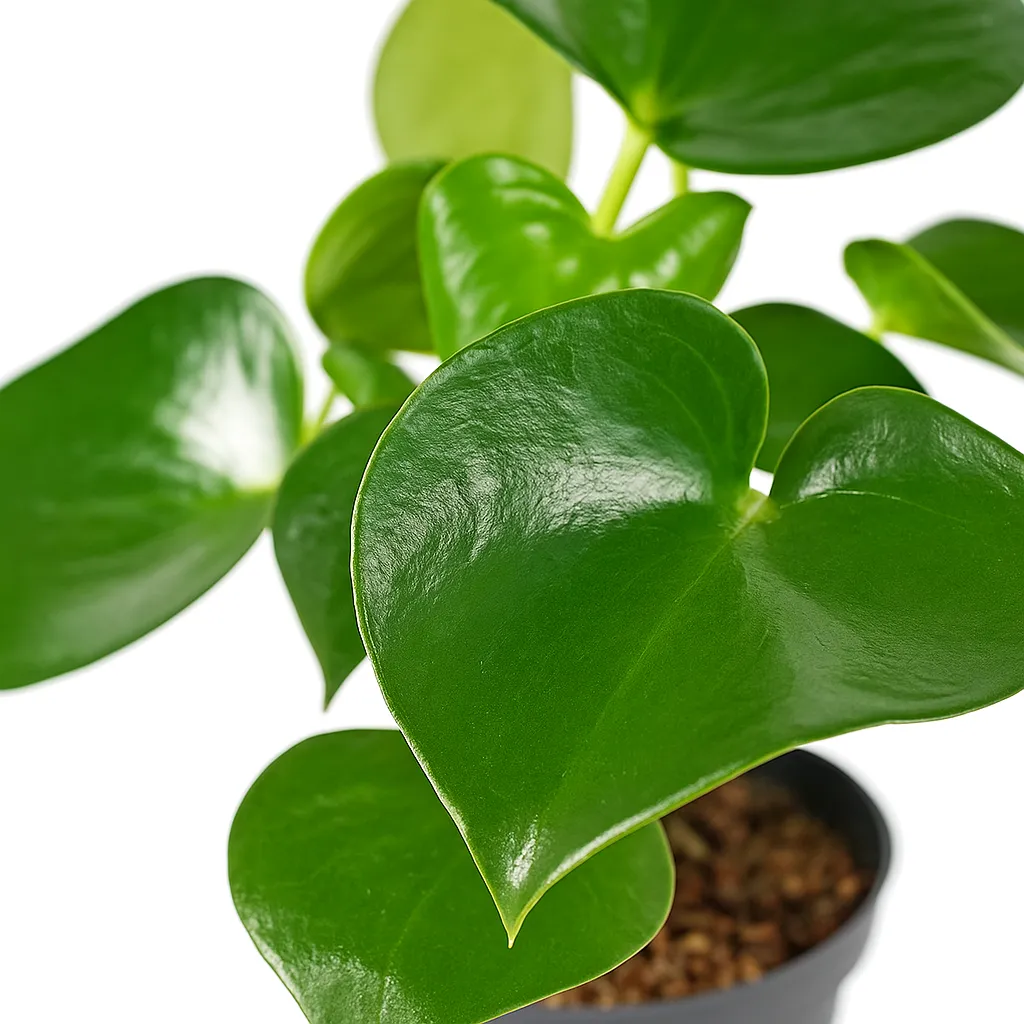
Peperomia polybotrya ‘Raindrop’, commonly known as the Raindrop Peperomia, is a graceful and compact tropical houseplant admired for its thick, glossy, heart-shaped leaves that resemble a raindrop. Native to the tropical rainforests of Colombia and Peru, this member of the Piperaceae family combines sculptural elegance with ease of care, making it a favourite among collectors and modern interior designers.
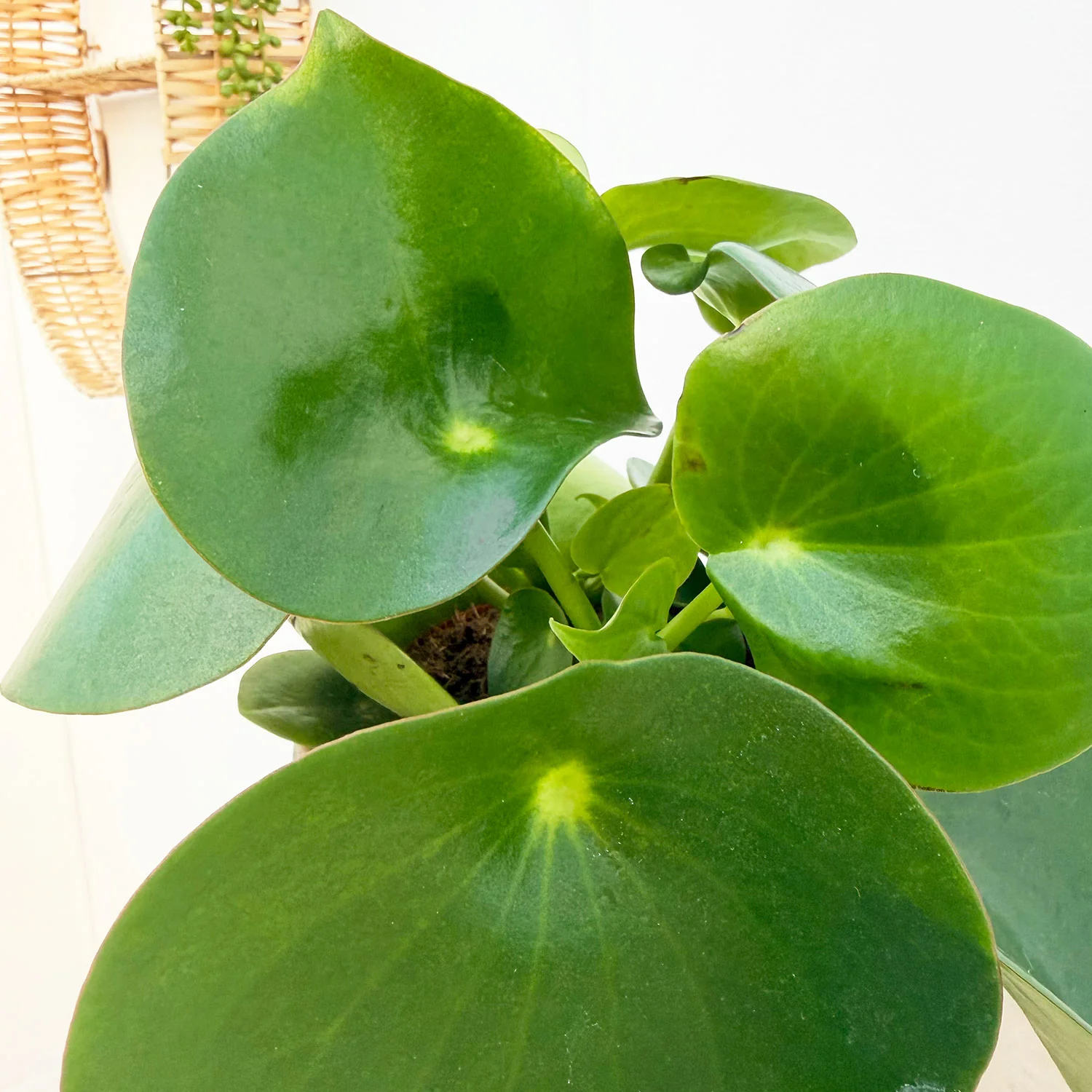
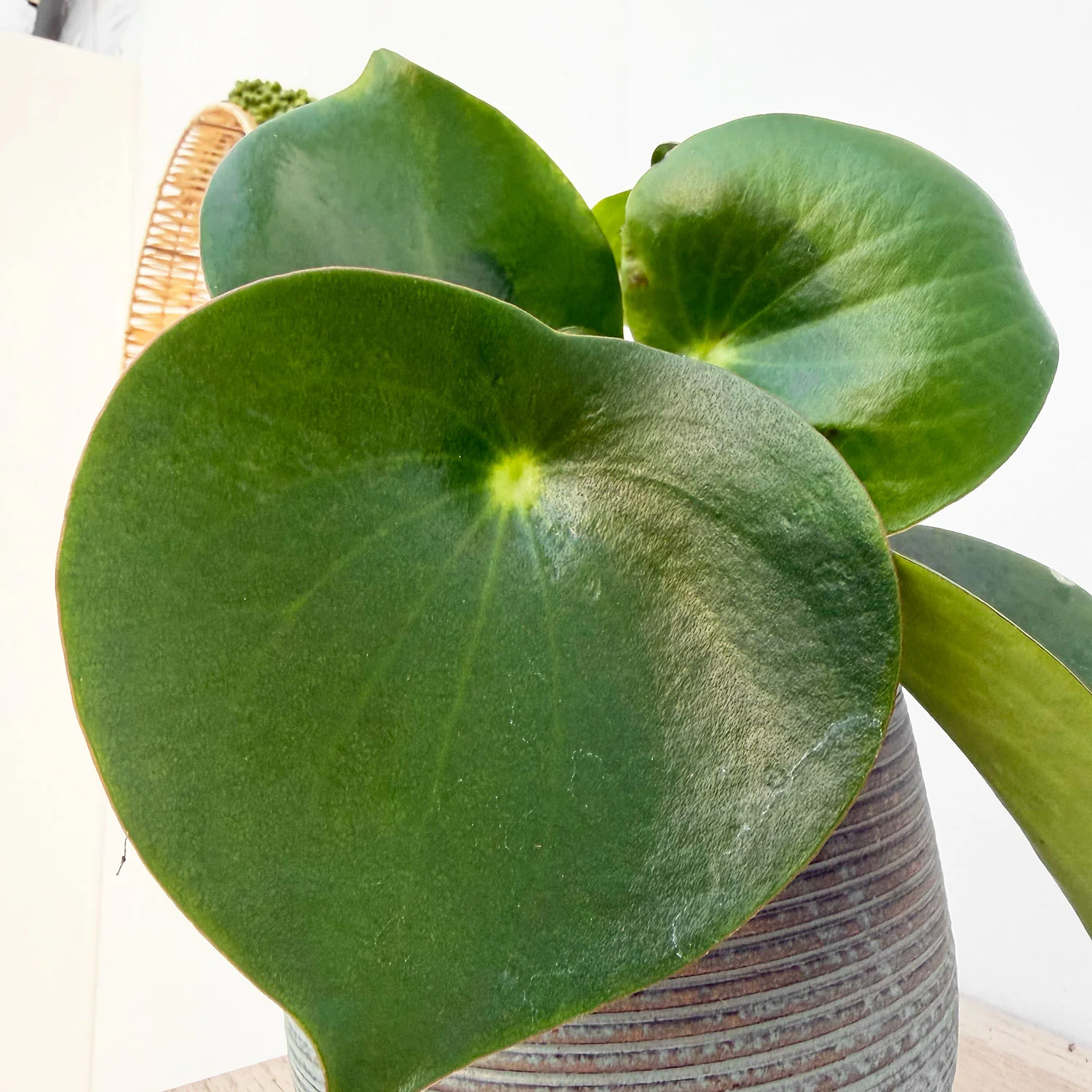
The foliage is its standout feature — each leaf is fleshy, smooth, and teardrop-shaped, with a glossy surface that reflects light beautifully. The rich, emerald-green leaves are supported by sturdy, upright stems, forming a dense, symmetrical rosette that stays compact and tidy. Occasionally, mature plants produce tall flower spikes with slender, pale-green inflorescences that add subtle interest without detracting from the leaves’ simplicity.
Stylish, structured, and refreshingly low-maintenance, Peperomia polybotrya ‘Raindrop’ brings soft geometry and lush texture to any contemporary tropical display.
Peperomia polybotrya ‘Raindrop’ – Care Guide
Light
Thrives in bright, indirect light. A few hours of gentle morning sun will enhance leaf colour and growth. Too much direct sunlight can scorch the foliage, while very low light may cause stretched stems and smaller leaves. Ideal placement is near an east- or west-facing window with filtered light.
Watering
Water when the top 3–4 cm of soil feels dry. Keep the soil lightly moist but never soggy. As a semi-succulent species, Peperomia ‘Raindrop’ stores water in its thick leaves and stems, making it more tolerant of drought than overwatering. Always allow excess water to drain freely. During winter, reduce watering frequency.
Temperature and Humidity
-
Temperature: Prefers warmth between 18–26 °C; avoid temperatures below 15 °C.
-
Humidity: Enjoys moderate humidity (40–60%). It adapts well to average indoor conditions but benefits from occasional misting in dry environments.
Soil and Potting
Use a light, free-draining mix, such as standard potting soil combined with perlite and orchid bark. This ensures airflow around the roots and prevents water retention. Repot every 2–3 years in spring, as Peperomia species prefer being slightly root-bound.
Feeding
Feed every 6–8 weeks during the growing season (spring and summer) with a diluted, balanced fertiliser formulated for foliage plants. Avoid over-fertilising, which can damage roots or cause dull foliage. Suspend feeding during autumn and winter.
Pruning and Maintenance
Minimal pruning is required. Remove any yellow or damaged leaves at the base to maintain a clean, sculptural appearance. Wipe leaves occasionally with a soft, damp cloth to keep them glossy and free from dust. Rotate the plant every few weeks for even light exposure.
Growth and Maturity
A slow to moderate grower, Peperomia polybotrya ‘Raindrop’ typically reaches 25–40 cm in height and spread. Its compact, upright form makes it perfect for desks, side tables, or windowsills. Mature plants may produce slender flower spikes in summer, adding an elegant vertical accent to their rounded foliage.
Common Issues
-
Yellowing leaves: Overwatering or compacted soil.
-
Drooping leaves: Underwatering or cold exposure.
-
Faded colour: Insufficient light.
-
Pests: Occasionally mealybugs or fungus gnats; treat with neem oil or insecticidal soap.
Background and Benefits
Native to the humid forests of Colombia and Peru, Peperomia polybotrya thrives in warm, filtered light environments beneath the rainforest canopy. It has become a popular species for indoor cultivation thanks to its succulent-like resilience and clean, architectural form.
Often mistaken for Pilea peperomioides (Chinese Money Plant), Peperomia ‘Raindrop’ can be distinguished by its thicker, teardrop-shaped leaves and more compact growth. Like other Peperomias, it is a low-maintenance, air-purifying plant, helping to improve indoor air quality while adding subtle tropical refinement to home or office spaces.
Quick Care Summary
Light: Bright, indirect light; tolerates gentle morning sun
Water: Allow top 3–4 cm of soil to dry before watering
Temperature: 18–26 °C; avoid below 15 °C
Humidity: Moderate (40–60%)
Soil: Airy, well-draining mix – potting soil, perlite, bark
Feed: Every 6–8 weeks in spring/summer
Growth: Compact upright habit, 25–40 cm; thick, glossy, heart-shaped green leaves resembling raindrops
⚠️ Toxicity note: Non-toxic to humans and pets, making it an excellent choice for pet-friendly homes.
Styling Tip
Display Peperomia polybotrya ‘Raindrop’ in a matte ceramic or minimalist concrete planter to emphasise its glossy, sculptural leaves. It pairs beautifully with textured foliage plants such as Calathea ‘Beauty Star’ or trailing species like Ceropegia woodii (String of Hearts) for contrast. Perfect for desks, bookshelves, or well-lit bathrooms, this compact tropical adds calm, structure, and an organic touch to any curated interior.
Product Information
Product Information
Shipping & Returns
Shipping & Returns
Description
Peperomia polybotrya ‘Raindrop’, commonly known as the Raindrop Peperomia, is a graceful and compact tropical houseplant admired for its thick, glossy, heart-shaped leaves that resemble a raindrop. Native to the tropical rainforests of Colombia and Peru, this member of the Piperaceae family combines sculptural elegance with ease of care, making it a favourite among collectors and modern interior designers.
The foliage is its standout feature — each leaf is fleshy, smooth, and teardrop-shaped, with a glossy surface that reflects light beautifully. The rich, emerald-green leaves are supported by sturdy, upright stems, forming a dense, symmetrical rosette that stays compact and tidy. Occasionally, mature plants produce tall flower spikes with slender, pale-green inflorescences that add subtle interest without detracting from the leaves’ simplicity.
Stylish, structured, and refreshingly low-maintenance, Peperomia polybotrya ‘Raindrop’ brings soft geometry and lush texture to any contemporary tropical display.
Peperomia polybotrya ‘Raindrop’ – Care Guide
Light
Thrives in bright, indirect light. A few hours of gentle morning sun will enhance leaf colour and growth. Too much direct sunlight can scorch the foliage, while very low light may cause stretched stems and smaller leaves. Ideal placement is near an east- or west-facing window with filtered light.
Watering
Water when the top 3–4 cm of soil feels dry. Keep the soil lightly moist but never soggy. As a semi-succulent species, Peperomia ‘Raindrop’ stores water in its thick leaves and stems, making it more tolerant of drought than overwatering. Always allow excess water to drain freely. During winter, reduce watering frequency.
Temperature and Humidity
-
Temperature: Prefers warmth between 18–26 °C; avoid temperatures below 15 °C.
-
Humidity: Enjoys moderate humidity (40–60%). It adapts well to average indoor conditions but benefits from occasional misting in dry environments.
Soil and Potting
Use a light, free-draining mix, such as standard potting soil combined with perlite and orchid bark. This ensures airflow around the roots and prevents water retention. Repot every 2–3 years in spring, as Peperomia species prefer being slightly root-bound.
Feeding
Feed every 6–8 weeks during the growing season (spring and summer) with a diluted, balanced fertiliser formulated for foliage plants. Avoid over-fertilising, which can damage roots or cause dull foliage. Suspend feeding during autumn and winter.
Pruning and Maintenance
Minimal pruning is required. Remove any yellow or damaged leaves at the base to maintain a clean, sculptural appearance. Wipe leaves occasionally with a soft, damp cloth to keep them glossy and free from dust. Rotate the plant every few weeks for even light exposure.
Growth and Maturity
A slow to moderate grower, Peperomia polybotrya ‘Raindrop’ typically reaches 25–40 cm in height and spread. Its compact, upright form makes it perfect for desks, side tables, or windowsills. Mature plants may produce slender flower spikes in summer, adding an elegant vertical accent to their rounded foliage.
Common Issues
-
Yellowing leaves: Overwatering or compacted soil.
-
Drooping leaves: Underwatering or cold exposure.
-
Faded colour: Insufficient light.
-
Pests: Occasionally mealybugs or fungus gnats; treat with neem oil or insecticidal soap.
Background and Benefits
Native to the humid forests of Colombia and Peru, Peperomia polybotrya thrives in warm, filtered light environments beneath the rainforest canopy. It has become a popular species for indoor cultivation thanks to its succulent-like resilience and clean, architectural form.
Often mistaken for Pilea peperomioides (Chinese Money Plant), Peperomia ‘Raindrop’ can be distinguished by its thicker, teardrop-shaped leaves and more compact growth. Like other Peperomias, it is a low-maintenance, air-purifying plant, helping to improve indoor air quality while adding subtle tropical refinement to home or office spaces.
Quick Care Summary
Light: Bright, indirect light; tolerates gentle morning sun
Water: Allow top 3–4 cm of soil to dry before watering
Temperature: 18–26 °C; avoid below 15 °C
Humidity: Moderate (40–60%)
Soil: Airy, well-draining mix – potting soil, perlite, bark
Feed: Every 6–8 weeks in spring/summer
Growth: Compact upright habit, 25–40 cm; thick, glossy, heart-shaped green leaves resembling raindrops
⚠️ Toxicity note: Non-toxic to humans and pets, making it an excellent choice for pet-friendly homes.
Styling Tip
Display Peperomia polybotrya ‘Raindrop’ in a matte ceramic or minimalist concrete planter to emphasise its glossy, sculptural leaves. It pairs beautifully with textured foliage plants such as Calathea ‘Beauty Star’ or trailing species like Ceropegia woodii (String of Hearts) for contrast. Perfect for desks, bookshelves, or well-lit bathrooms, this compact tropical adds calm, structure, and an organic touch to any curated interior.