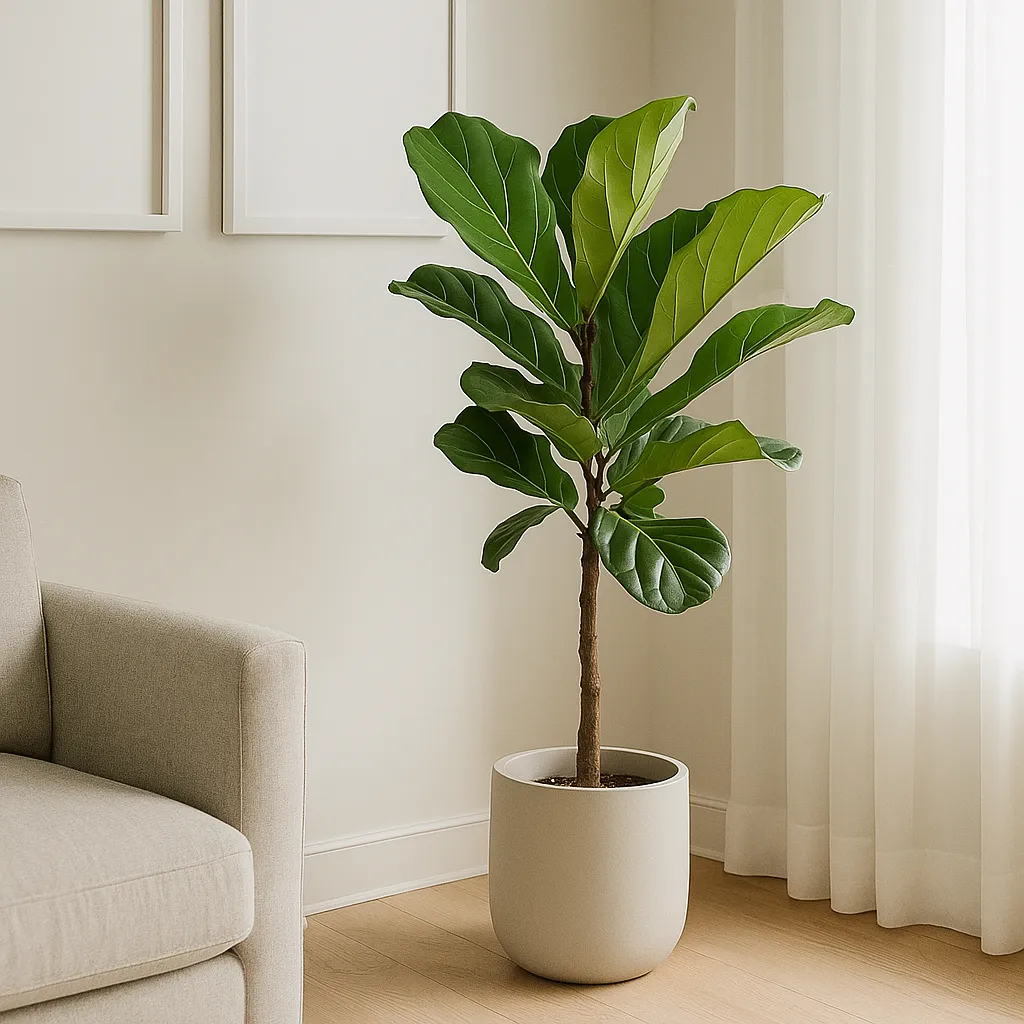
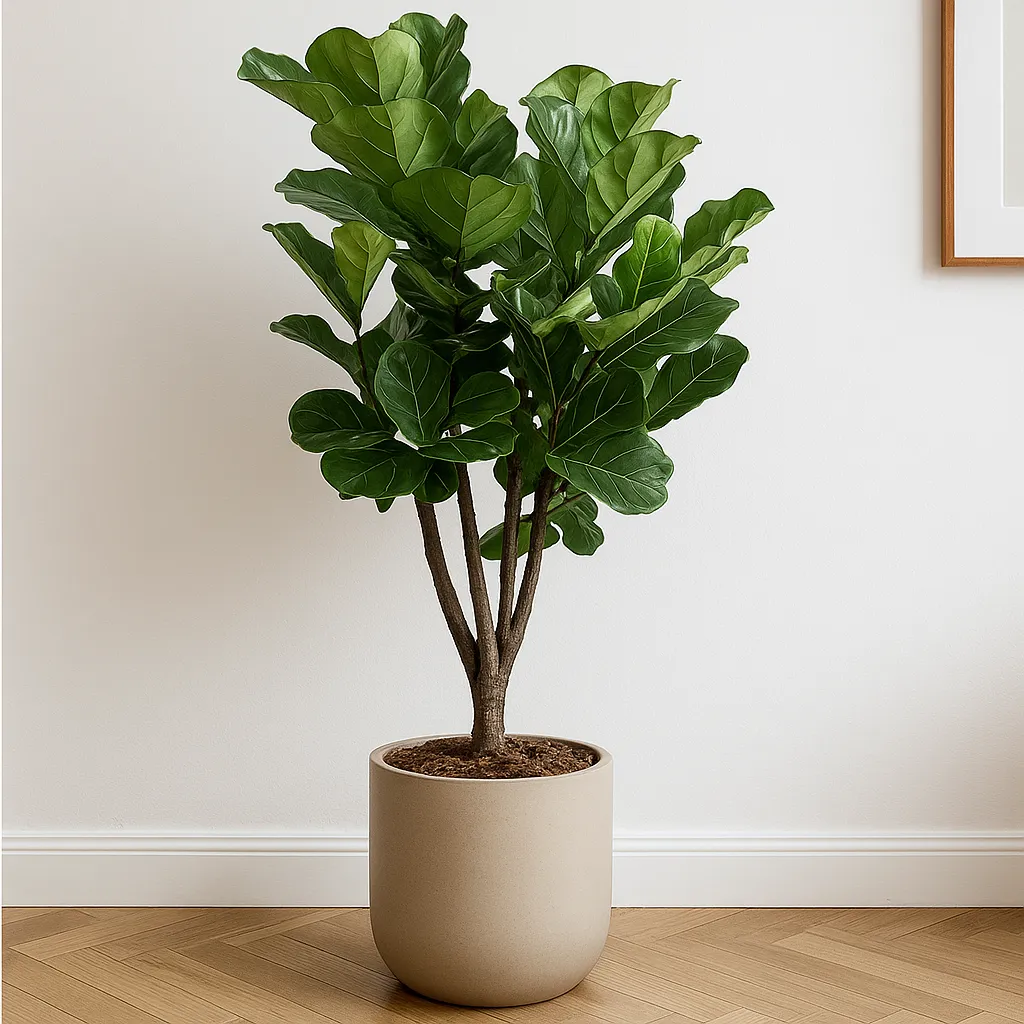
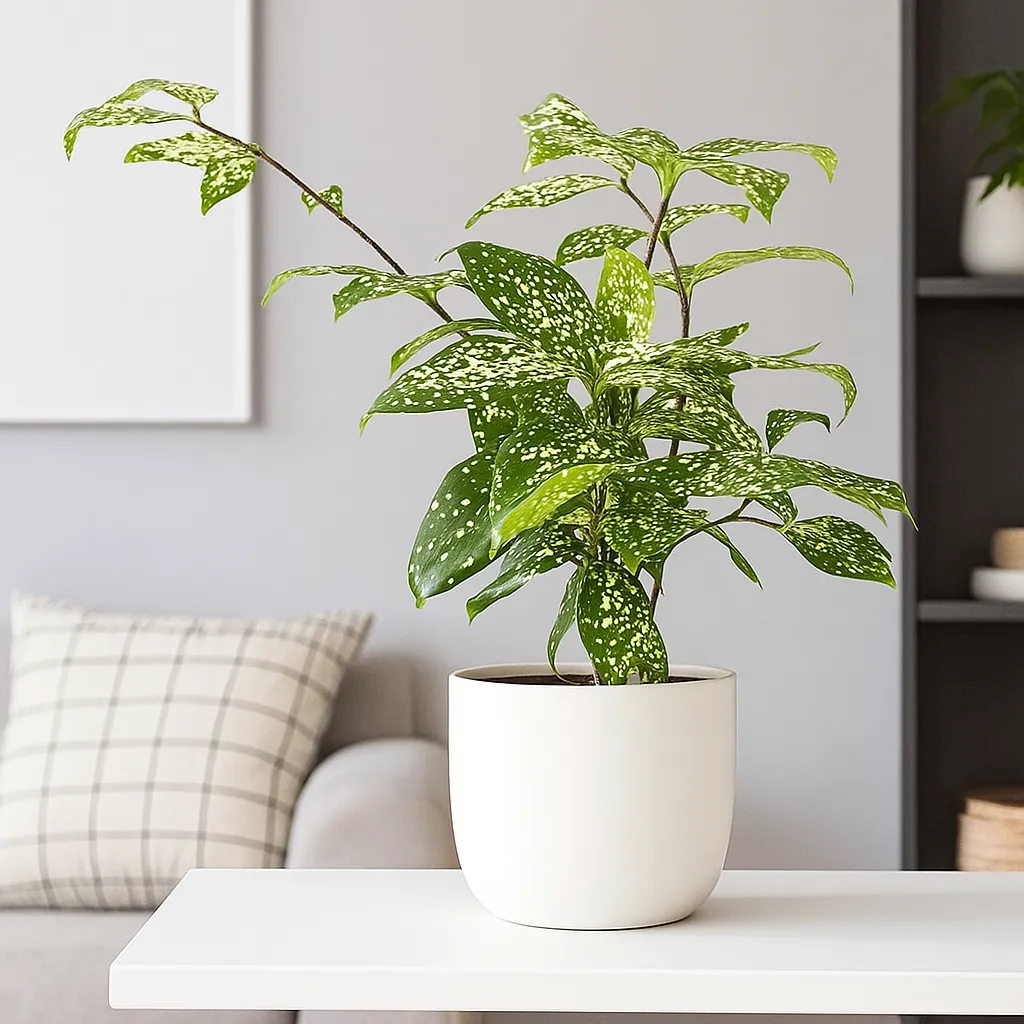
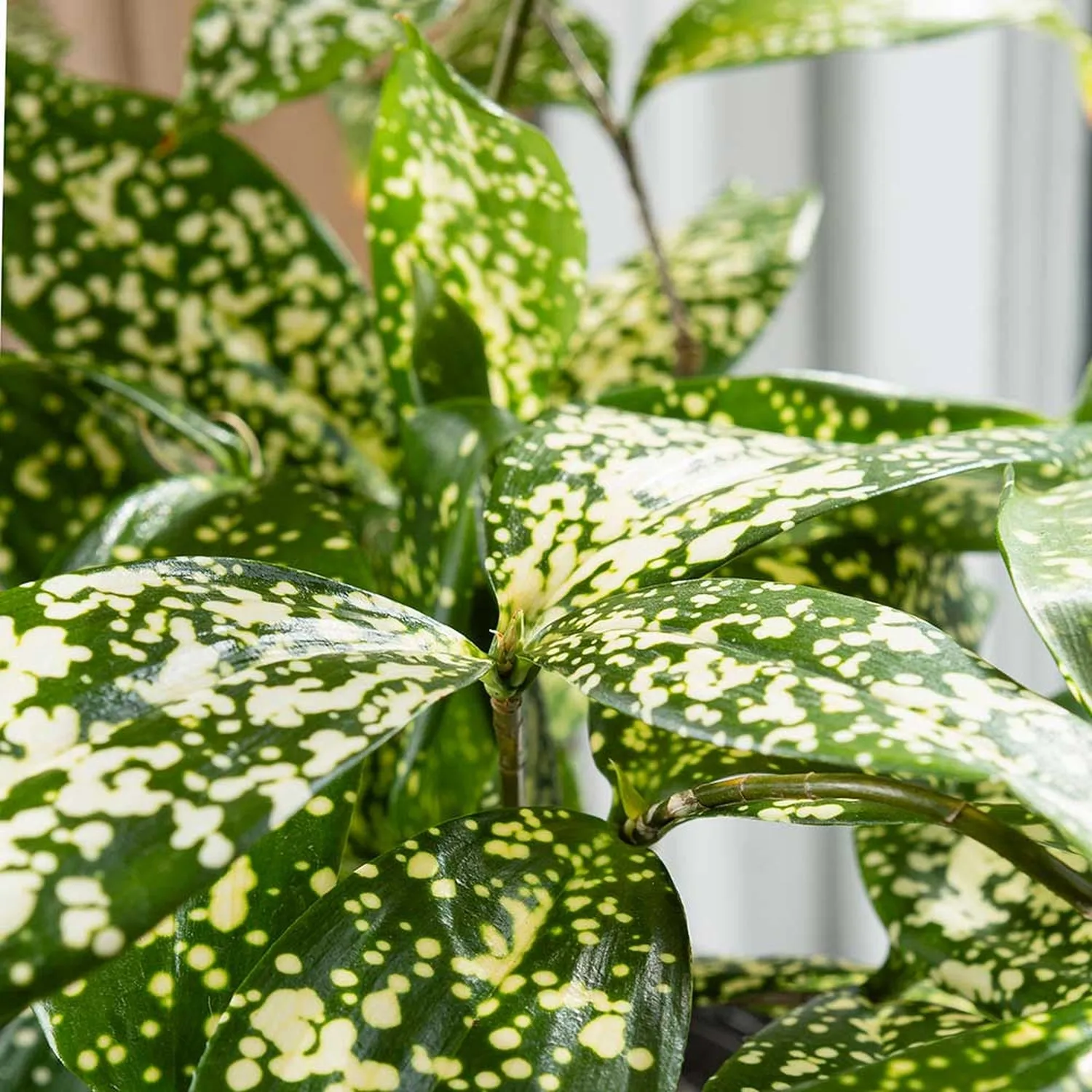
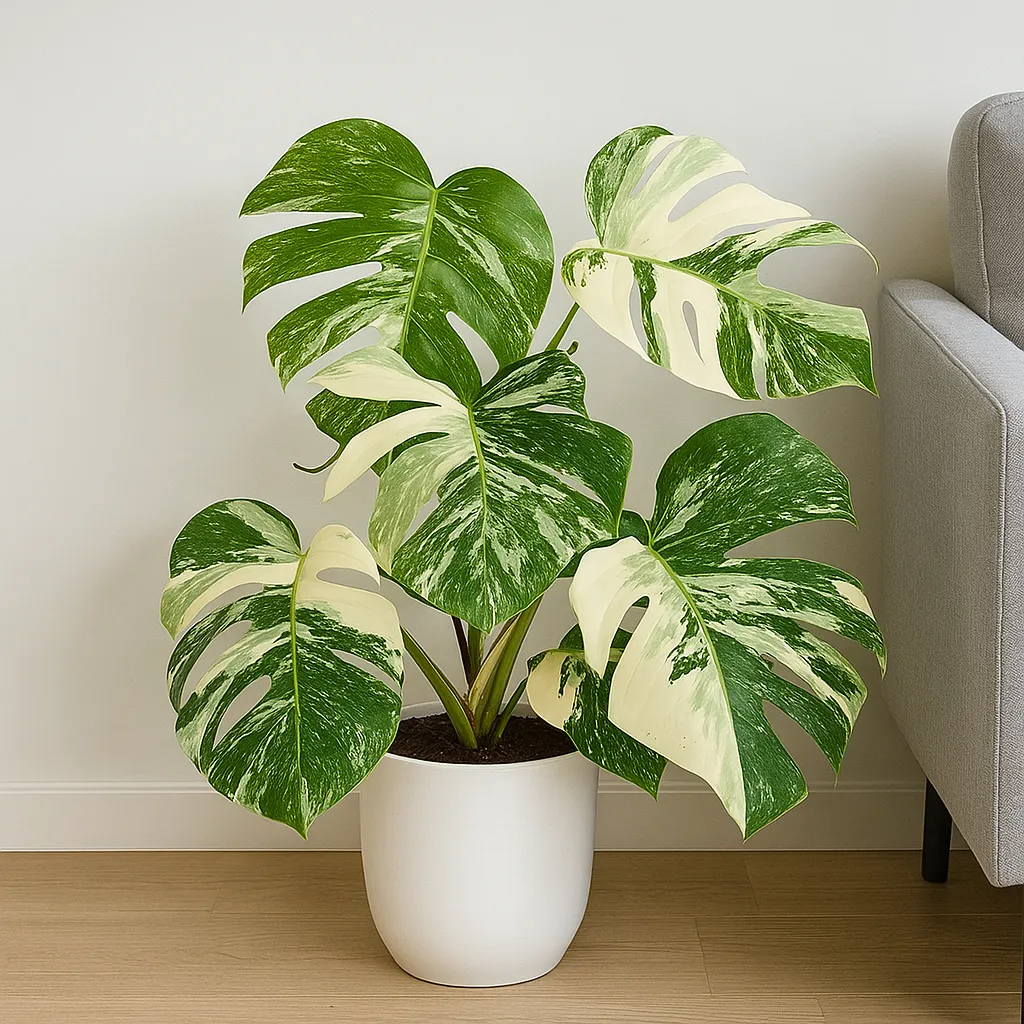
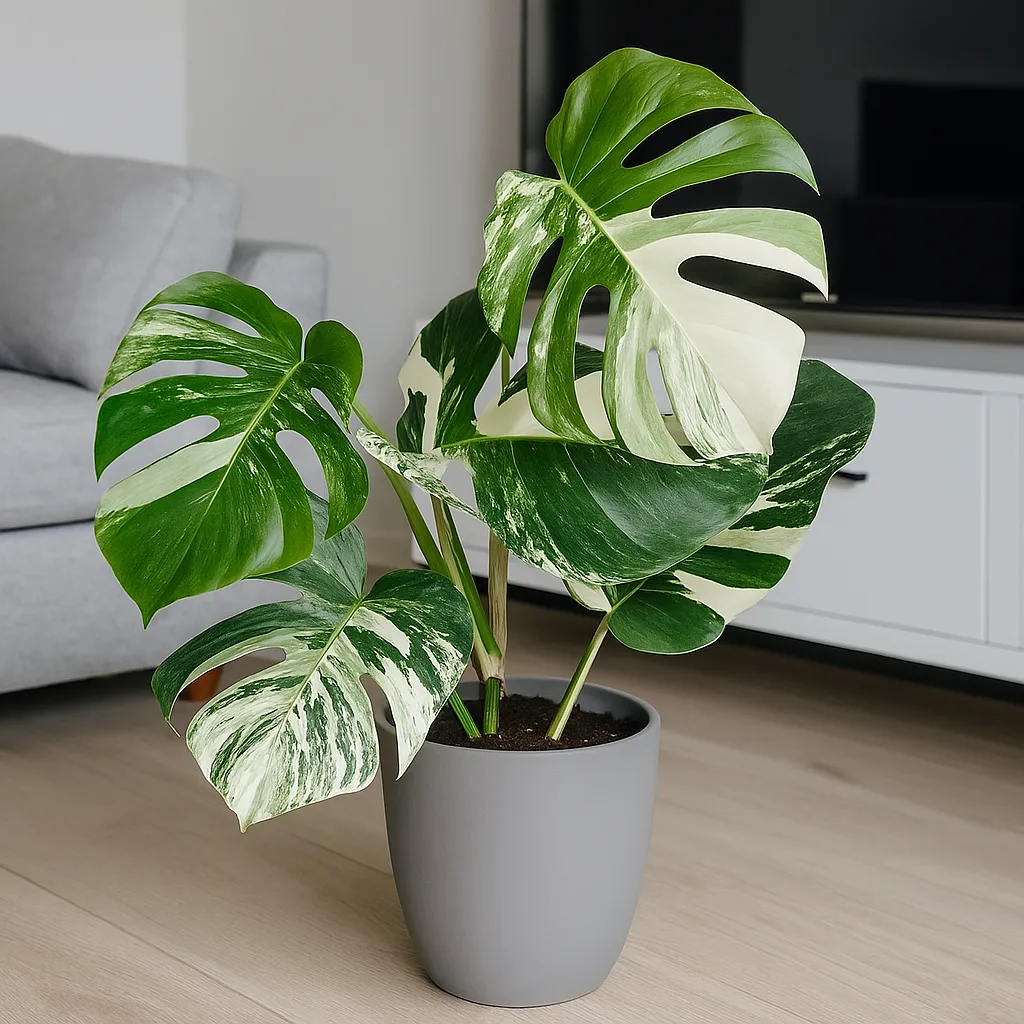
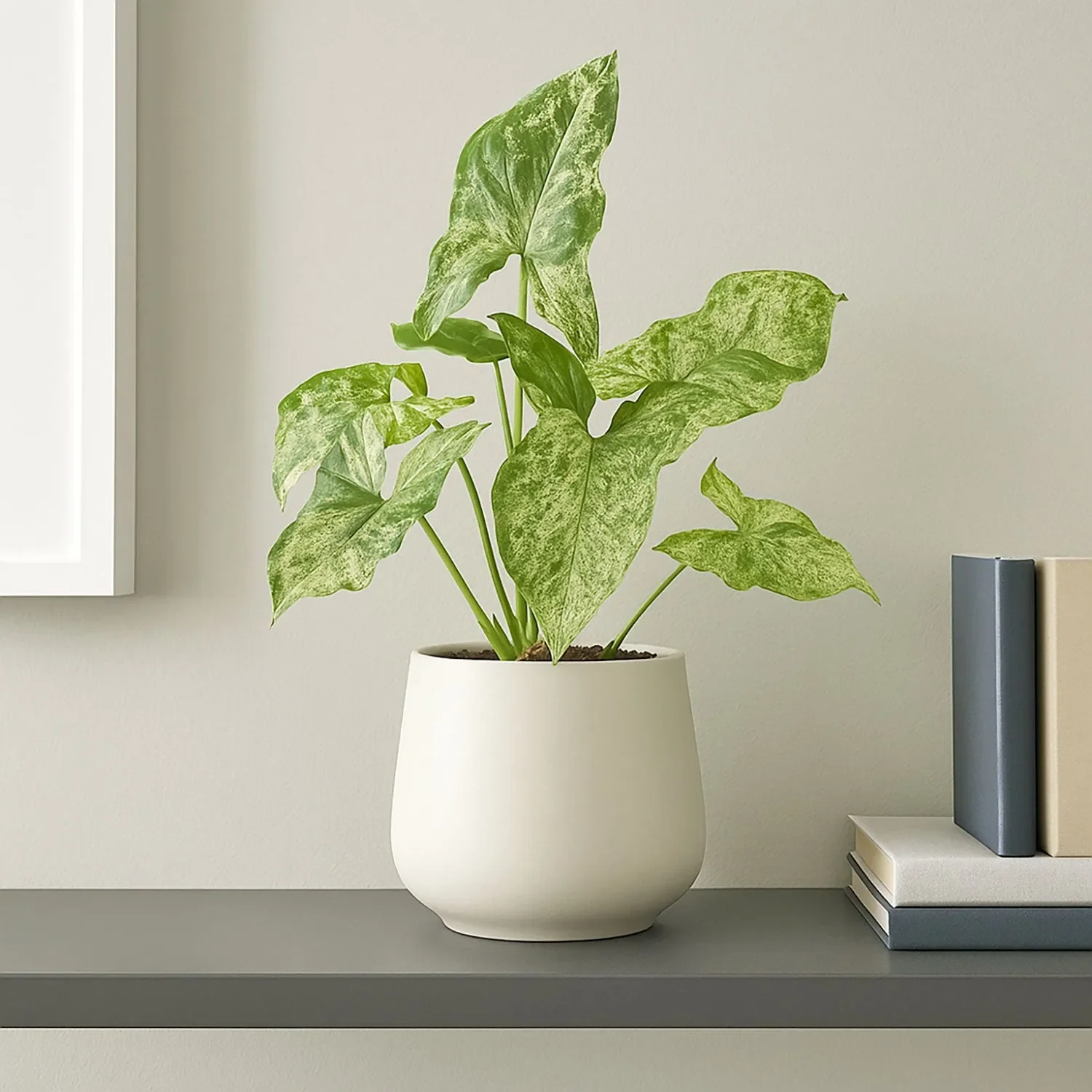
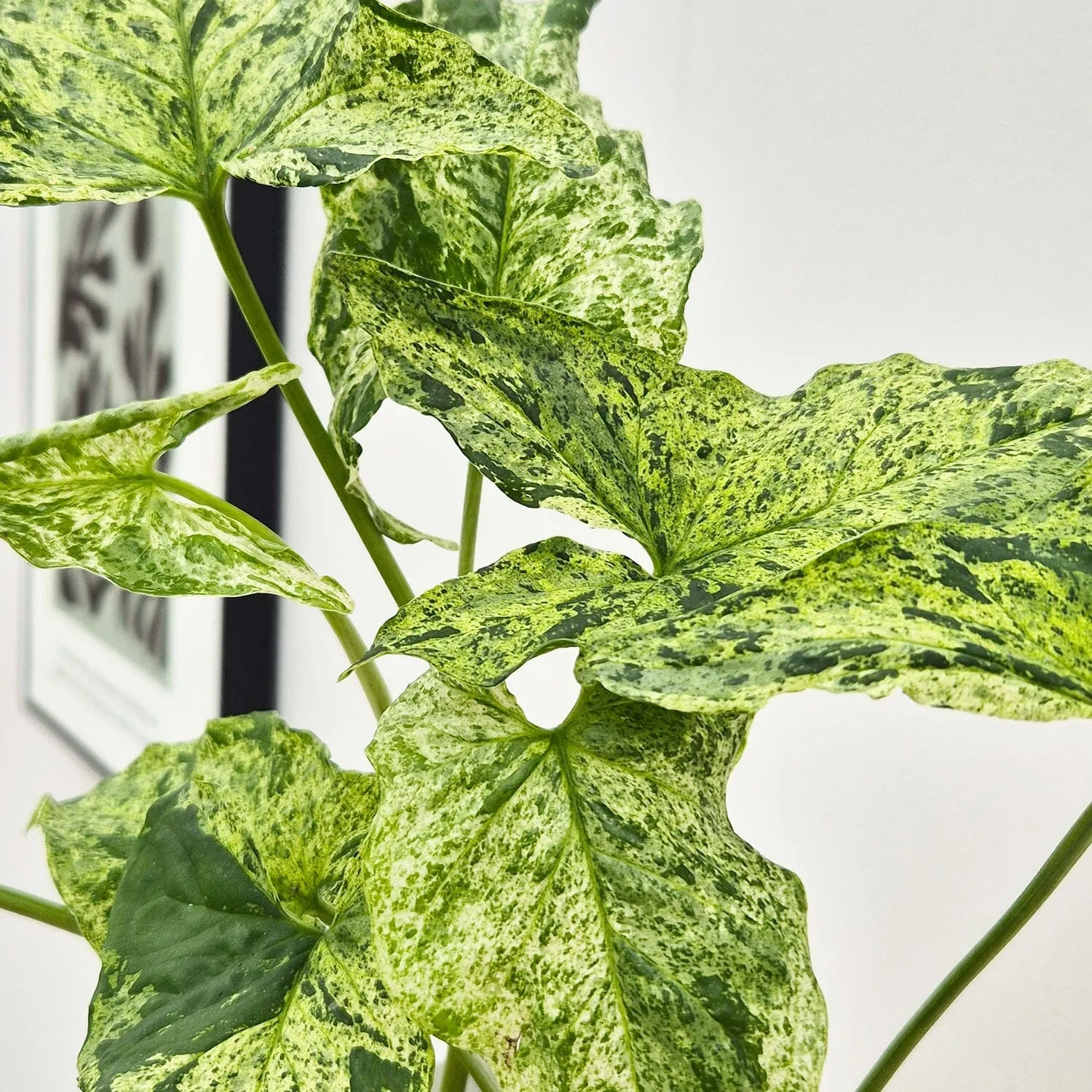
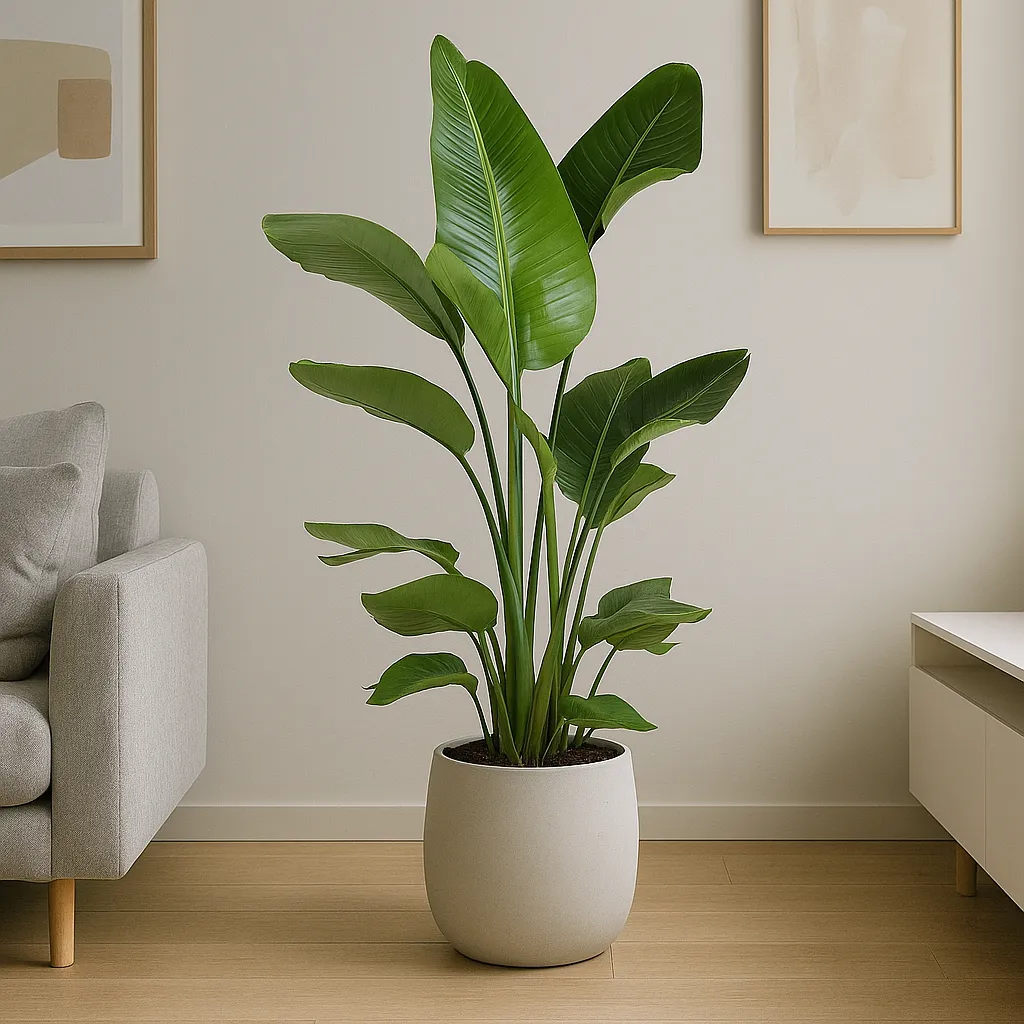
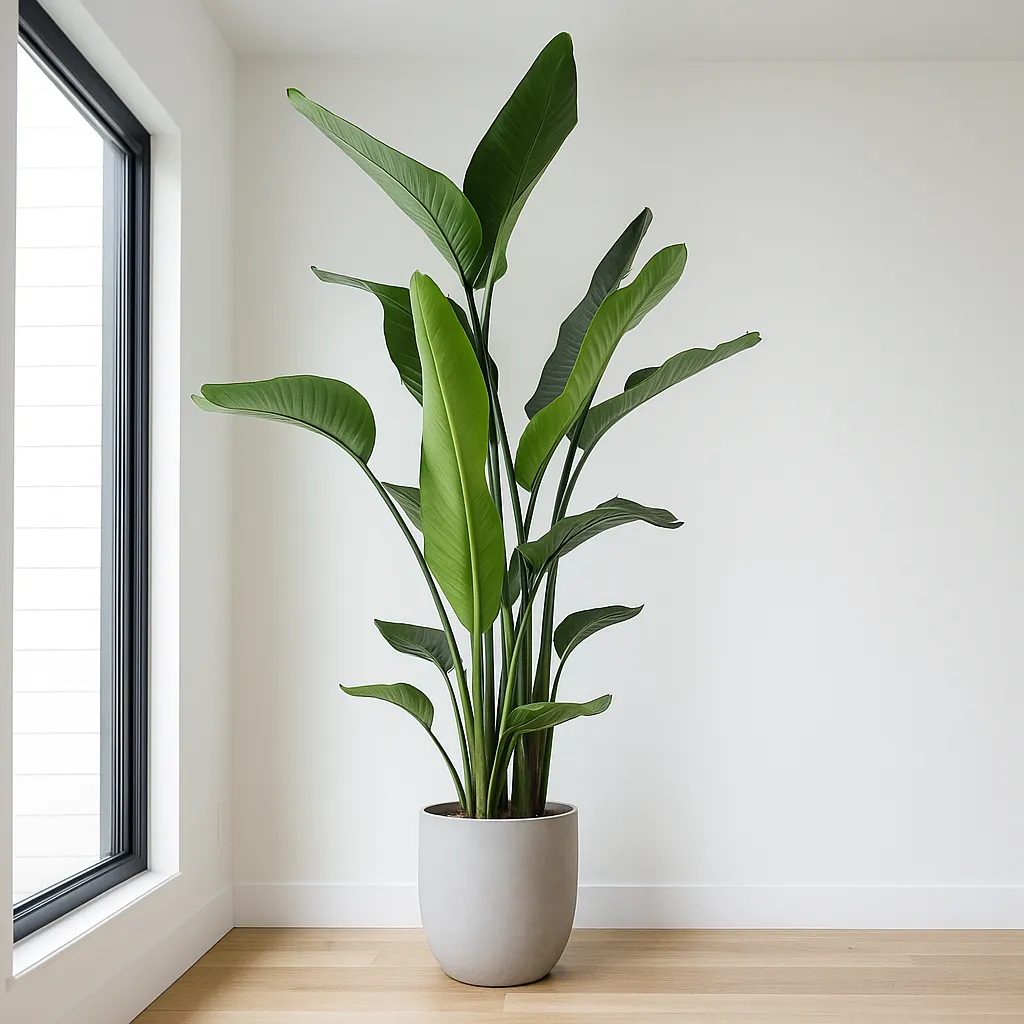
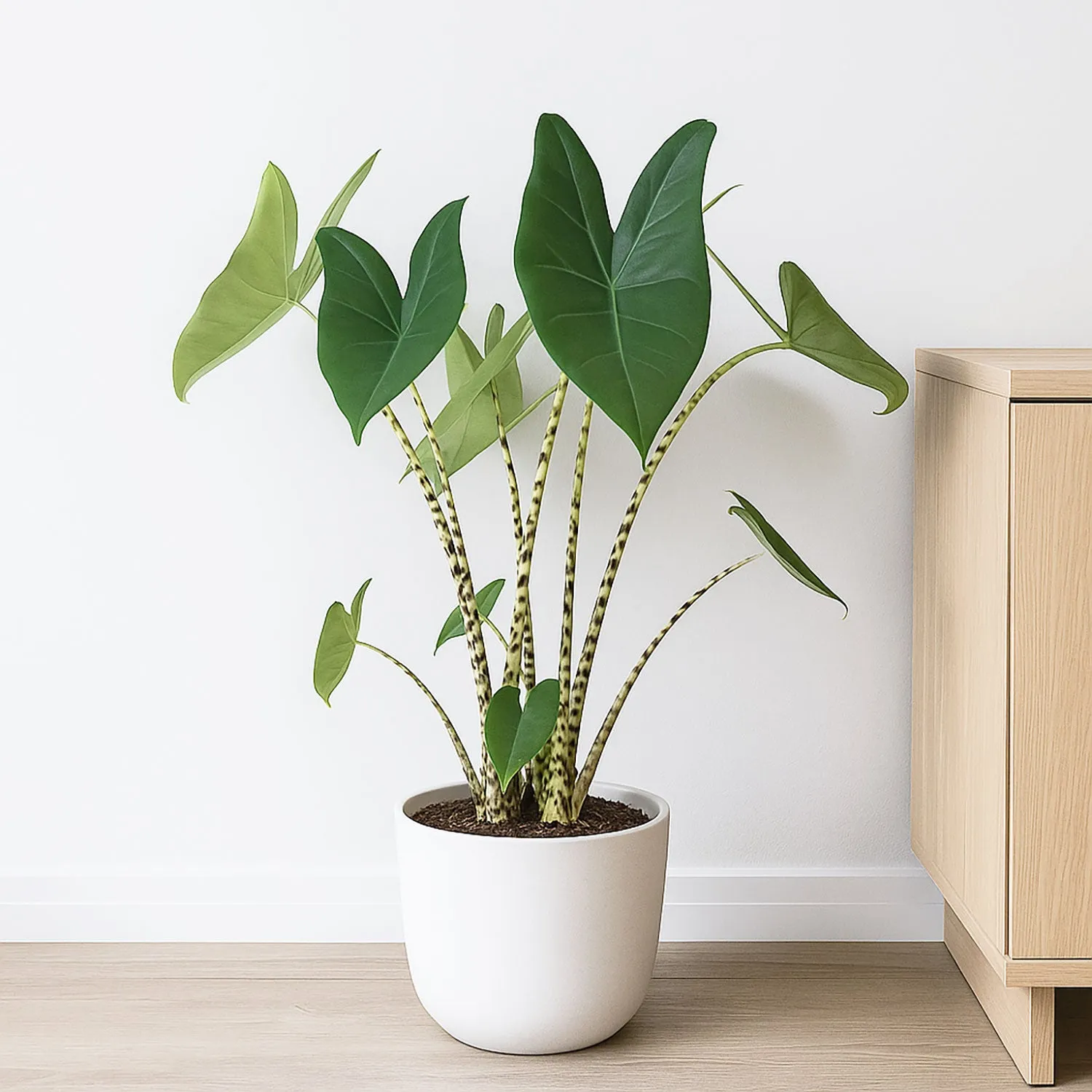
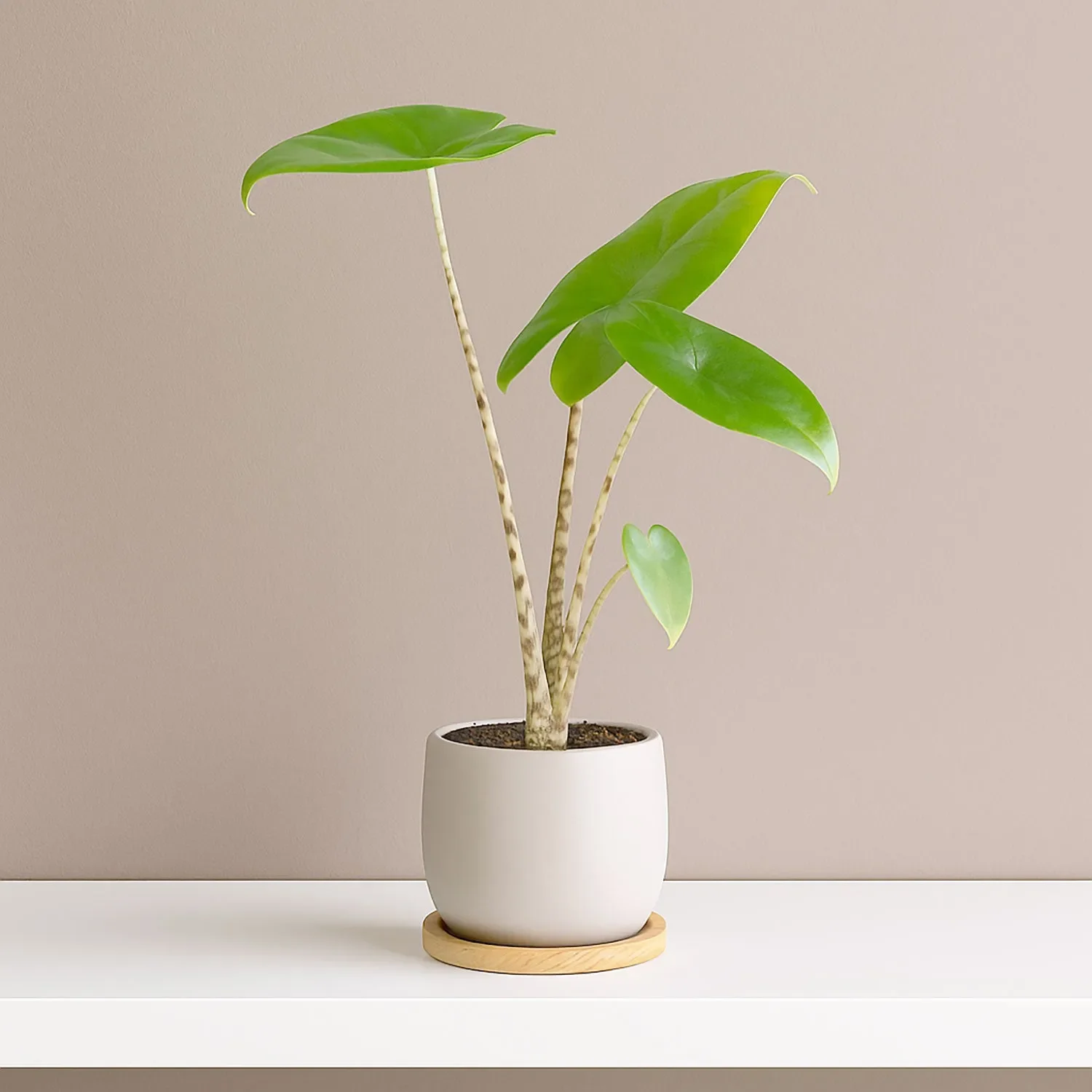
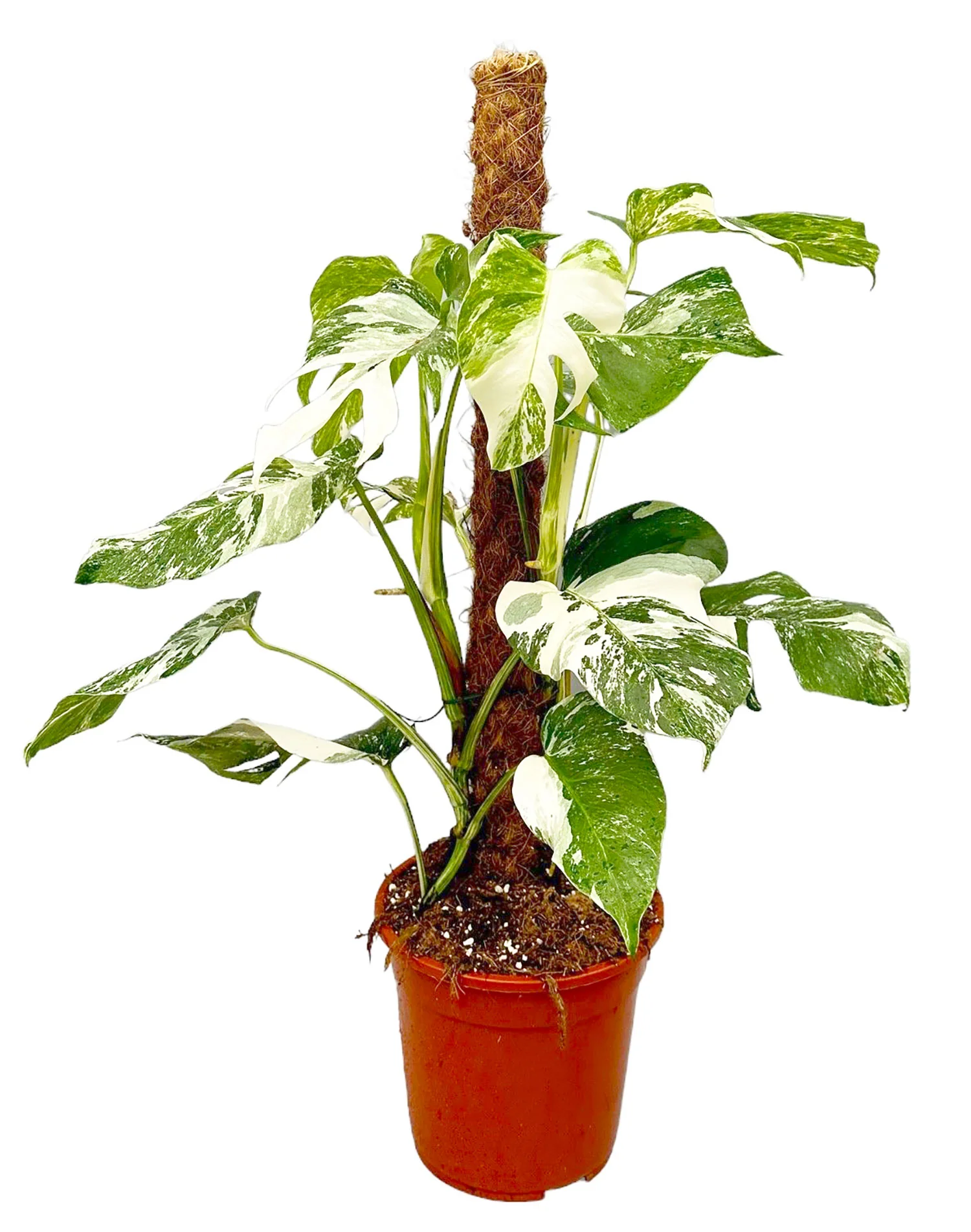
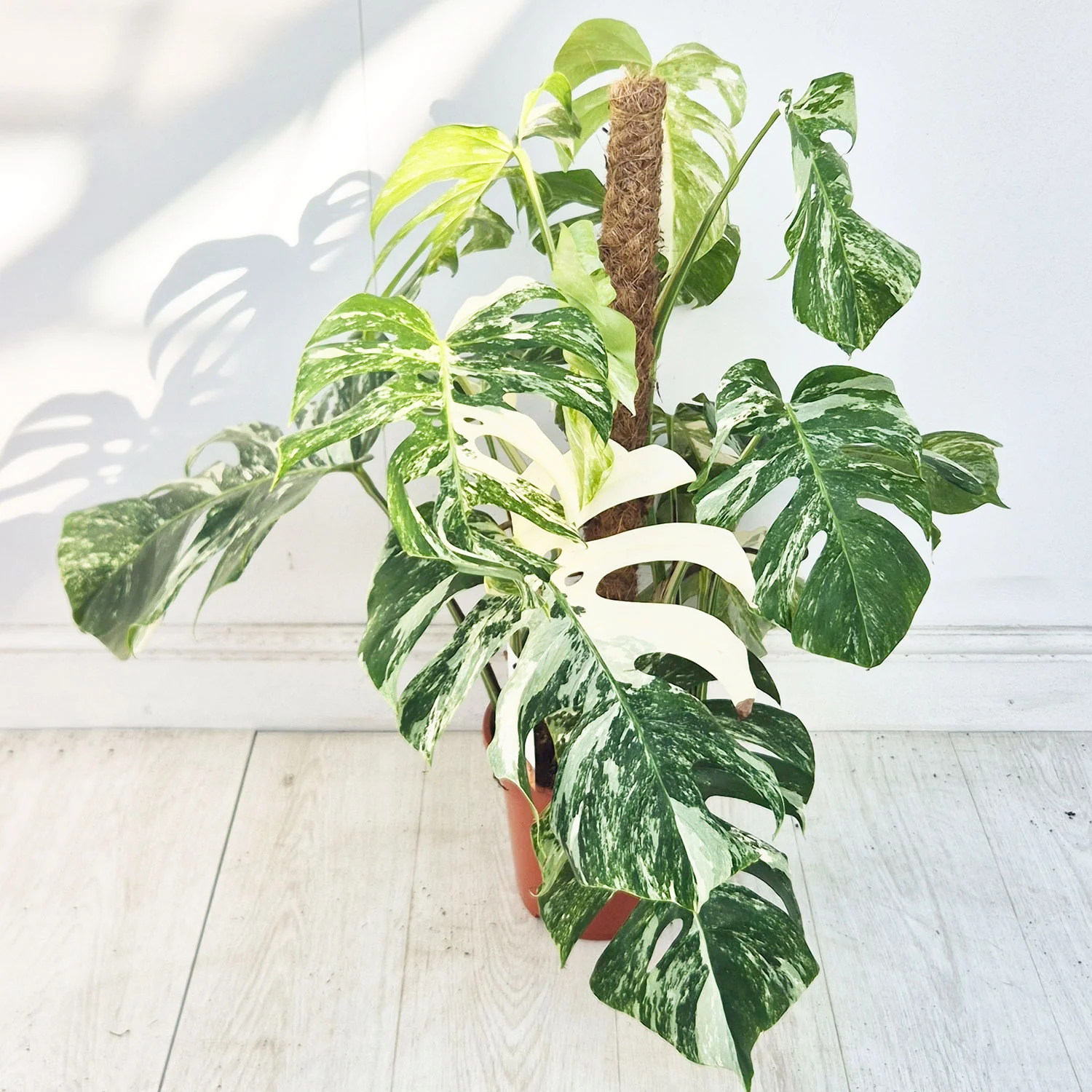
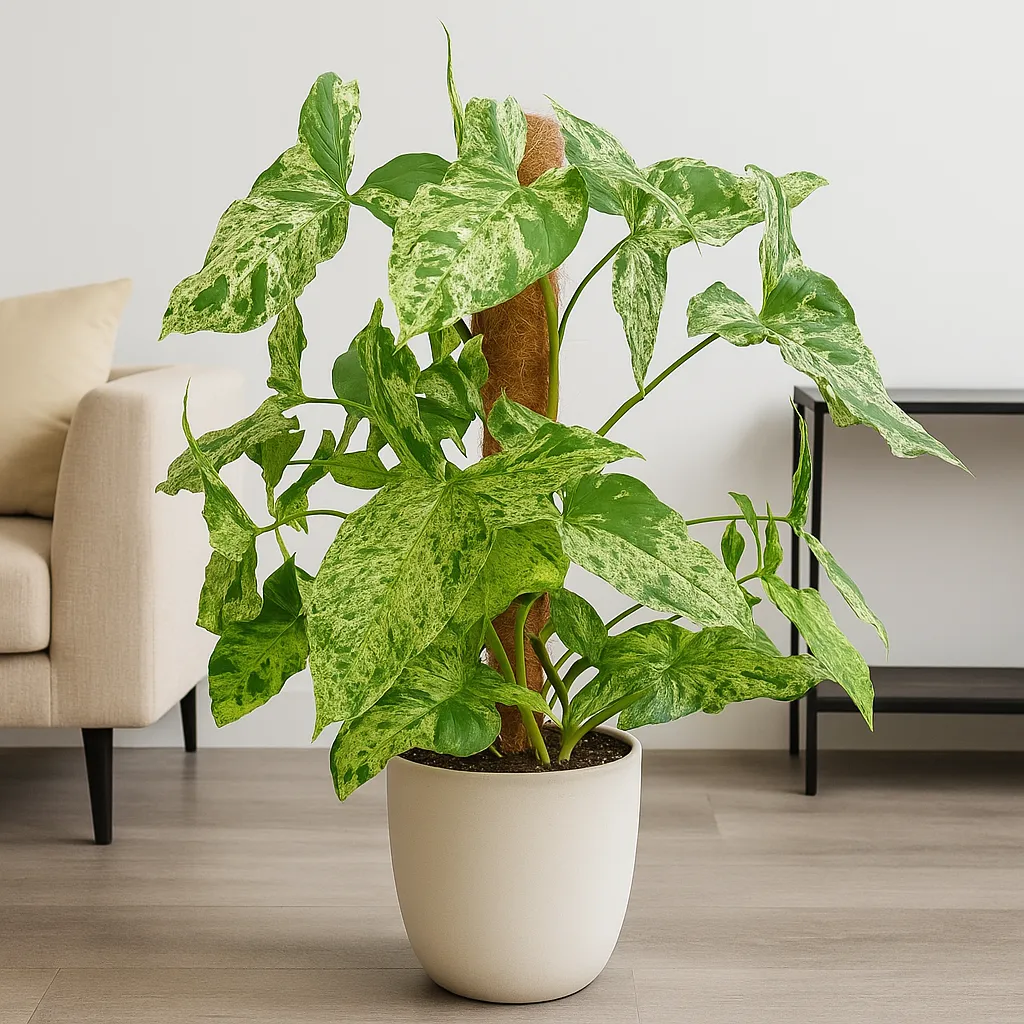
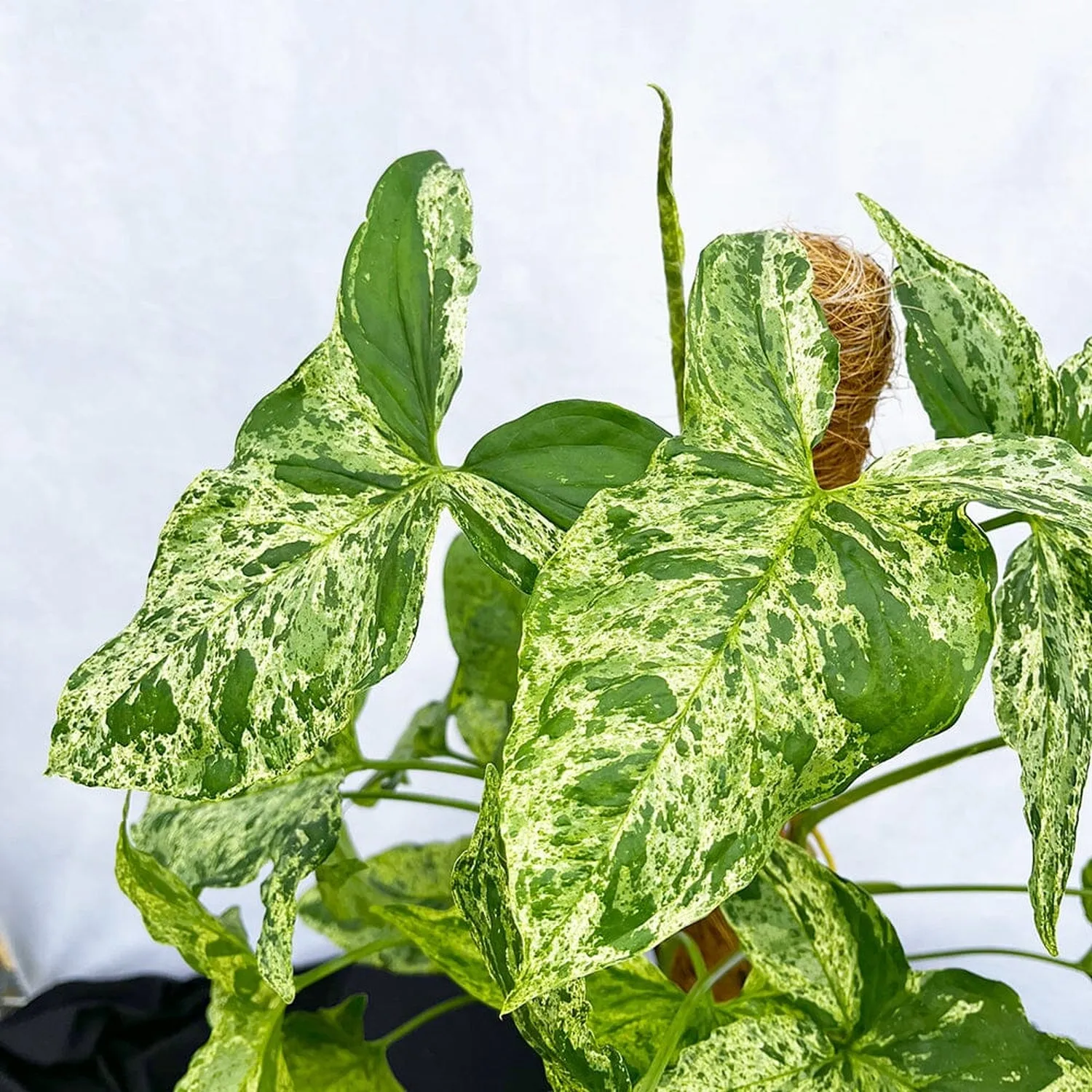
15 - 25cm Philodendron Grandipes 12cm Pot House Plant
Philodendron grandipes is a rare and elegant climbing aroid species from the tropical rainforests of South America, belonging to the Araceae family. Known for its glossy, heart-shaped foliage and graceful vining habit, this species offers understated beauty and tropical charm.
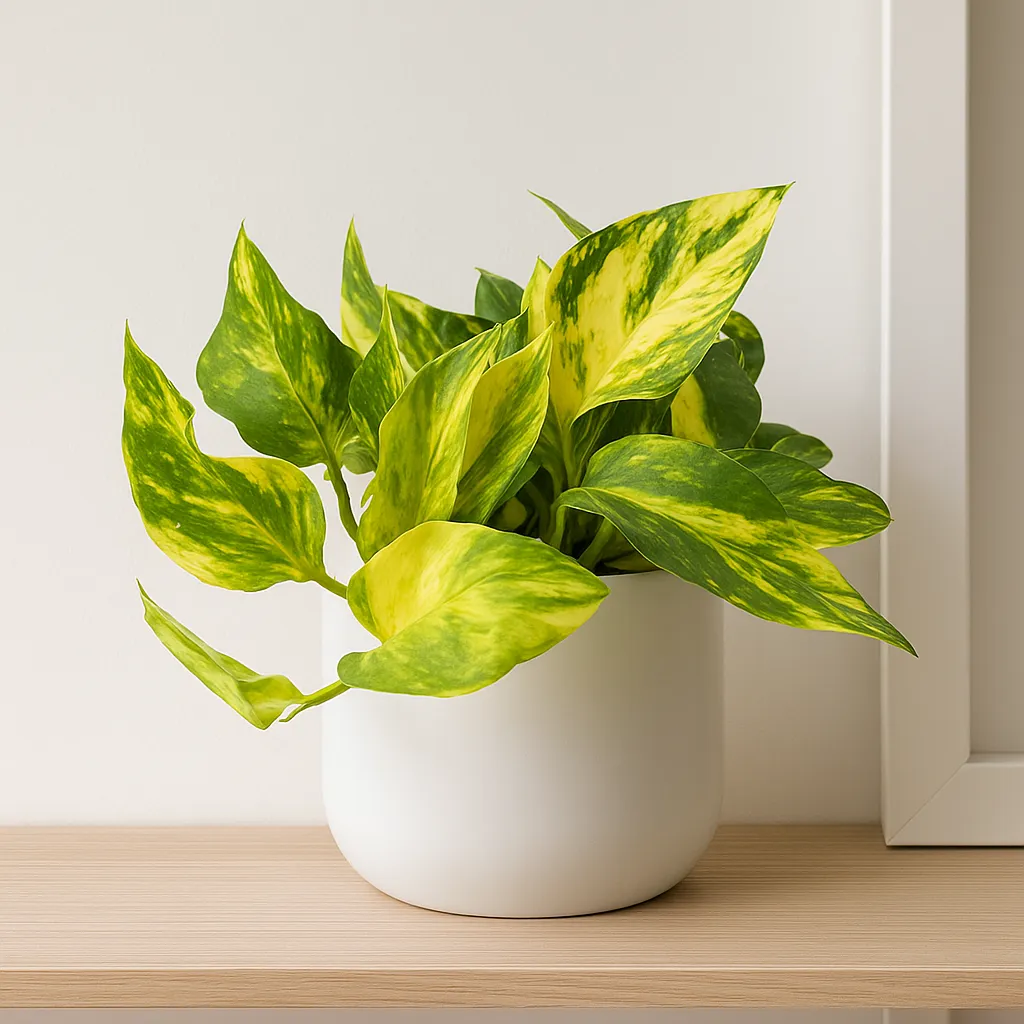
The leaves are large, leathery, and rich green with a subtle sheen, typically displaying a soft, velvety texture on the upper surface and lighter undersides. Each leaf has a classic Philodendron heart shape with slightly elongated tips, exuding a refined, natural symmetry. As the plant matures and climbs, the leaves increase in size, creating a lush, layered canopy of vibrant foliage.
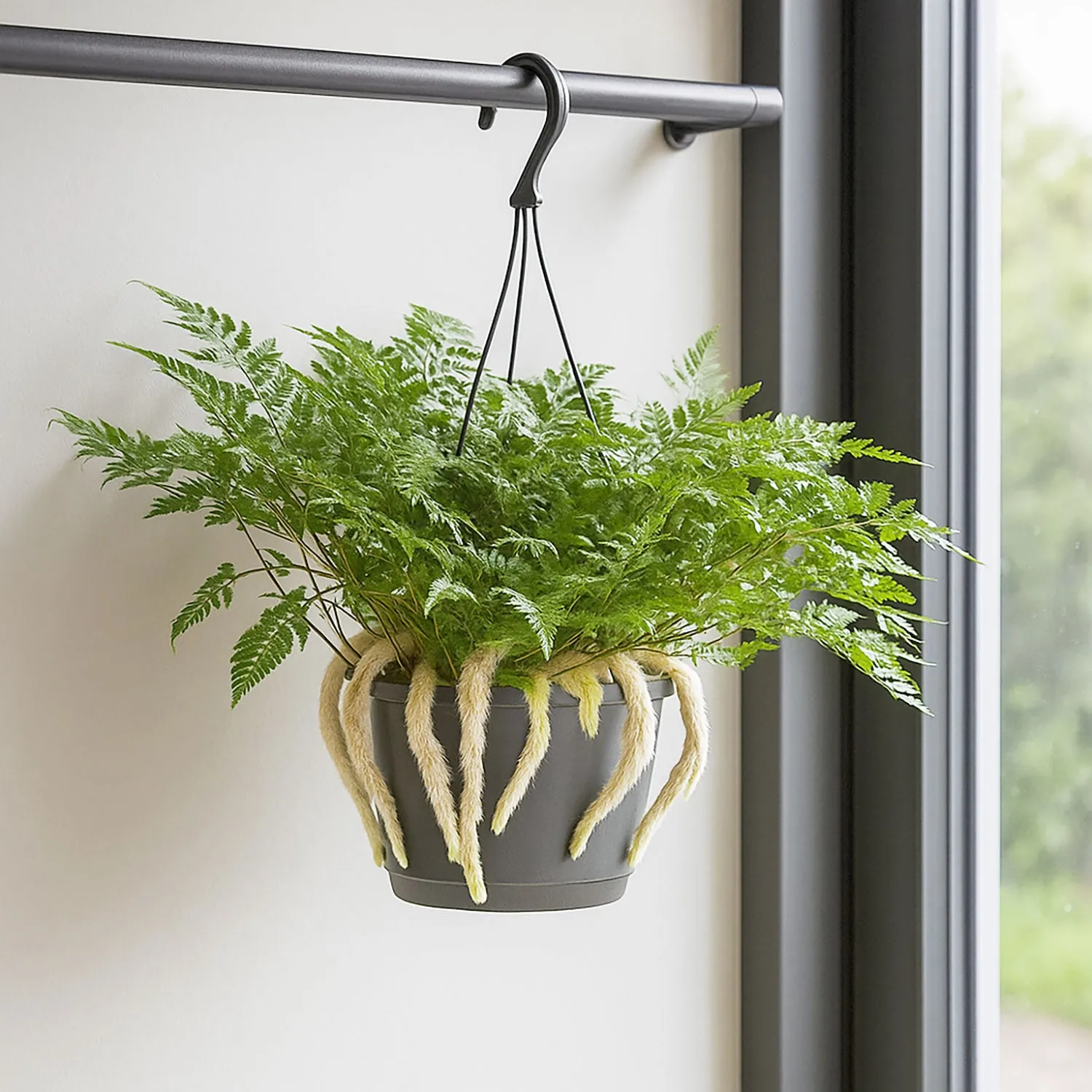
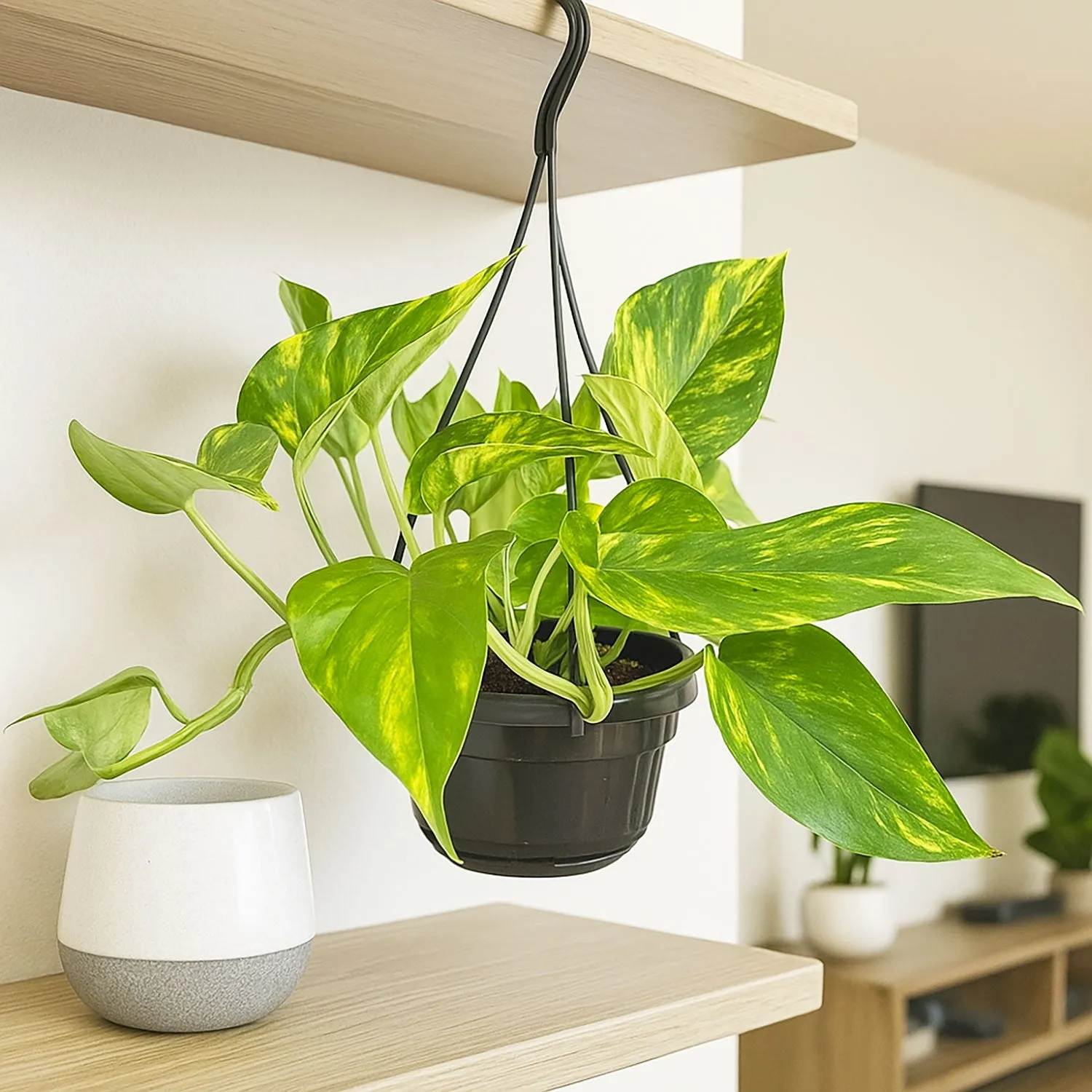
Perfect for growing indoors on a moss pole or as a trailing feature from a hanging planter, Philodendron grandipes combines easy care with quiet sophistication — a must-have for collectors seeking a rare species that embodies the timeless beauty of the Philodendron genus.
Philodendron grandipes – Care Guide
Light
Thrives in bright, indirect light. Too little light may slow growth and cause smaller leaves, while direct sunlight can scorch the glossy foliage. A bright room with filtered light is ideal.
Watering
Keep the soil lightly moist, watering when the top 2–3 cm feels dry. Do not let the plant sit in water, as this can cause root rot. Reduce watering slightly in winter, allowing the soil to dry a bit more between waterings.
Temperature and Humidity
-
Temperature: Prefers warmth, 20–28°C. Protect from draughts and temperatures below 16°C.
-
Humidity: Moderate to high humidity (60–80%) encourages lush growth and healthy leaves. Mist occasionally or place near a humidifier for best results.
Soil and Potting
Use a chunky, well-draining aroid mix — peat-free compost blended with orchid bark, perlite, and coco coir. This provides the perfect balance of moisture retention and aeration. Repot every 1–2 years in spring to refresh the substrate and accommodate root growth.
Feeding
Feed every 4–6 weeks during spring and summer with a balanced liquid fertiliser, diluted to half strength. Do not fertilise in winter when growth slows naturally.
Pruning and Maintenance
Remove any yellowing or damaged leaves at the base to encourage new growth. Wipe the foliage with a damp cloth to remove dust and enhance its natural shine. Trim vines as needed to maintain a compact shape or to encourage branching.
Growth and Maturity
A moderate to fast-growing climber, capable of reaching 1.5–2 metres indoors with proper support. Mature plants produce larger, more deeply veined leaves, developing a lush, tropical appearance as they climb.
Common Issues
-
Yellow leaves: Overwatering or poor drainage.
-
Leggy growth: Insufficient light or lack of pruning.
-
Brown tips: Low humidity or inconsistent watering.
-
Pests: Occasionally spider mites, thrips, or mealybugs — inspect regularly and wipe leaves clean.
Background and Benefits
Native to tropical regions of Brazil and neighbouring countries, Philodendron grandipes thrives in humid understories where it climbs trees using its aerial roots. Its name, “grandipes,” translates to “large foot,” likely referring to its strong petioles and climbing strength.
This rare species has gained popularity among collectors for its elegant simplicity, resilience, and classic tropical look. Like other Philodendrons, it is also an excellent air purifier, helping to remove toxins and refresh indoor air.
✅ Quick Care Summary
-
Light: Bright, indirect; tolerates medium light
-
Water: Lightly moist; allow topsoil to dry slightly
-
Temperature: 20–28°C; avoid below 16°C
-
Humidity: Moderate to high (60–80%)
-
Soil: Chunky, well-draining aroid mix
-
Feed: Every 4–6 weeks in spring/summer
-
Growth: Climbing plant, 1.5–2 m; glossy heart-shaped green leaves with a soft sheen
⚠️ Toxicity Note: Like all Philodendrons, Philodendron grandipes is toxic if ingested and may cause mild skin irritation. Keep away from pets and children.
🌿 Styling Tip:
Train Philodendron grandipes up a moss pole or trellis to encourage large, mature leaves, or let it trail from a shelf for a more relaxed look. Pair with lighter green or variegated species such as Philodendron ‘Paraiso Verde’ or Epipremnum ‘Marble Queen’ for contrast.
Original: $19.78
-70%$19.78
$5.93Product Information
Product Information
Shipping & Returns
Shipping & Returns
Description
Philodendron grandipes is a rare and elegant climbing aroid species from the tropical rainforests of South America, belonging to the Araceae family. Known for its glossy, heart-shaped foliage and graceful vining habit, this species offers understated beauty and tropical charm.
The leaves are large, leathery, and rich green with a subtle sheen, typically displaying a soft, velvety texture on the upper surface and lighter undersides. Each leaf has a classic Philodendron heart shape with slightly elongated tips, exuding a refined, natural symmetry. As the plant matures and climbs, the leaves increase in size, creating a lush, layered canopy of vibrant foliage.
Perfect for growing indoors on a moss pole or as a trailing feature from a hanging planter, Philodendron grandipes combines easy care with quiet sophistication — a must-have for collectors seeking a rare species that embodies the timeless beauty of the Philodendron genus.
Philodendron grandipes – Care Guide
Light
Thrives in bright, indirect light. Too little light may slow growth and cause smaller leaves, while direct sunlight can scorch the glossy foliage. A bright room with filtered light is ideal.
Watering
Keep the soil lightly moist, watering when the top 2–3 cm feels dry. Do not let the plant sit in water, as this can cause root rot. Reduce watering slightly in winter, allowing the soil to dry a bit more between waterings.
Temperature and Humidity
-
Temperature: Prefers warmth, 20–28°C. Protect from draughts and temperatures below 16°C.
-
Humidity: Moderate to high humidity (60–80%) encourages lush growth and healthy leaves. Mist occasionally or place near a humidifier for best results.
Soil and Potting
Use a chunky, well-draining aroid mix — peat-free compost blended with orchid bark, perlite, and coco coir. This provides the perfect balance of moisture retention and aeration. Repot every 1–2 years in spring to refresh the substrate and accommodate root growth.
Feeding
Feed every 4–6 weeks during spring and summer with a balanced liquid fertiliser, diluted to half strength. Do not fertilise in winter when growth slows naturally.
Pruning and Maintenance
Remove any yellowing or damaged leaves at the base to encourage new growth. Wipe the foliage with a damp cloth to remove dust and enhance its natural shine. Trim vines as needed to maintain a compact shape or to encourage branching.
Growth and Maturity
A moderate to fast-growing climber, capable of reaching 1.5–2 metres indoors with proper support. Mature plants produce larger, more deeply veined leaves, developing a lush, tropical appearance as they climb.
Common Issues
-
Yellow leaves: Overwatering or poor drainage.
-
Leggy growth: Insufficient light or lack of pruning.
-
Brown tips: Low humidity or inconsistent watering.
-
Pests: Occasionally spider mites, thrips, or mealybugs — inspect regularly and wipe leaves clean.
Background and Benefits
Native to tropical regions of Brazil and neighbouring countries, Philodendron grandipes thrives in humid understories where it climbs trees using its aerial roots. Its name, “grandipes,” translates to “large foot,” likely referring to its strong petioles and climbing strength.
This rare species has gained popularity among collectors for its elegant simplicity, resilience, and classic tropical look. Like other Philodendrons, it is also an excellent air purifier, helping to remove toxins and refresh indoor air.
✅ Quick Care Summary
-
Light: Bright, indirect; tolerates medium light
-
Water: Lightly moist; allow topsoil to dry slightly
-
Temperature: 20–28°C; avoid below 16°C
-
Humidity: Moderate to high (60–80%)
-
Soil: Chunky, well-draining aroid mix
-
Feed: Every 4–6 weeks in spring/summer
-
Growth: Climbing plant, 1.5–2 m; glossy heart-shaped green leaves with a soft sheen
⚠️ Toxicity Note: Like all Philodendrons, Philodendron grandipes is toxic if ingested and may cause mild skin irritation. Keep away from pets and children.
🌿 Styling Tip:
Train Philodendron grandipes up a moss pole or trellis to encourage large, mature leaves, or let it trail from a shelf for a more relaxed look. Pair with lighter green or variegated species such as Philodendron ‘Paraiso Verde’ or Epipremnum ‘Marble Queen’ for contrast.