20 - 30cm Syngonium Milk Confetti 12cm Pot House Plant
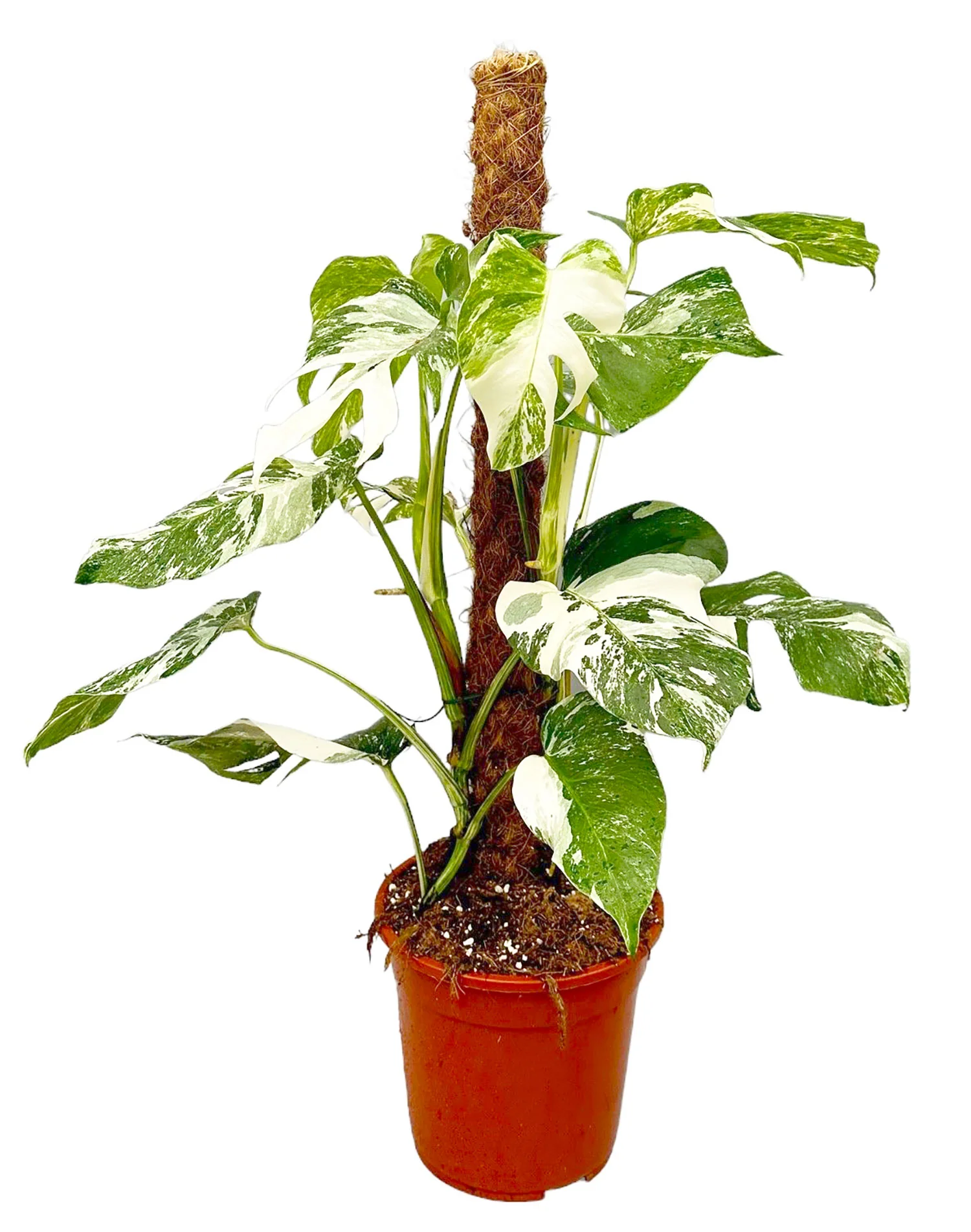
Syngonium ‘Milk Confetti’ is a soft, pastel-toned beauty celebrated for its delicate variegation and charming splashes of pink. A cultivar of Syngonium podophyllum — also known as the Arrowhead Vine — this variety is adored by collectors for its whimsical, painterly appearance and easy-care nature.
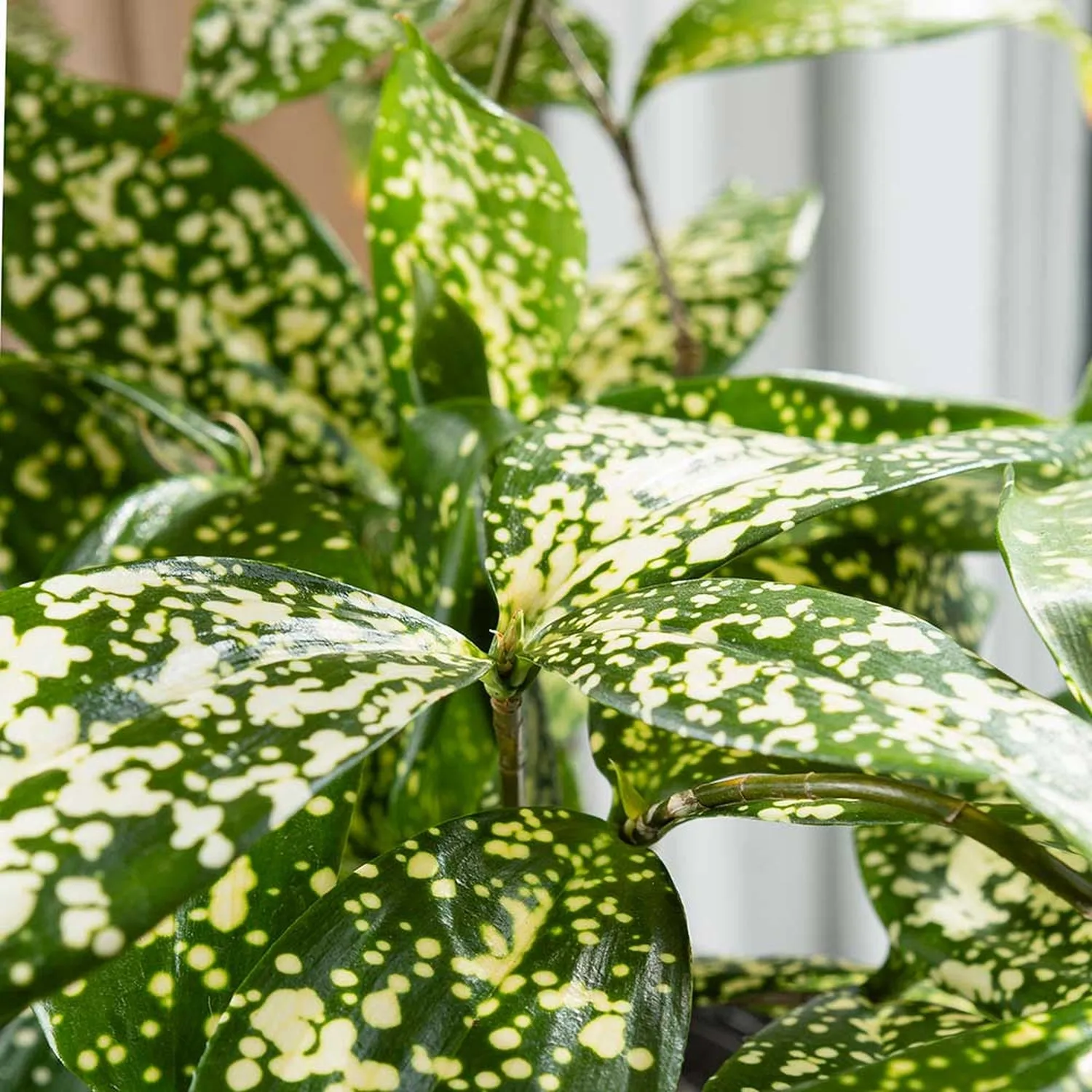
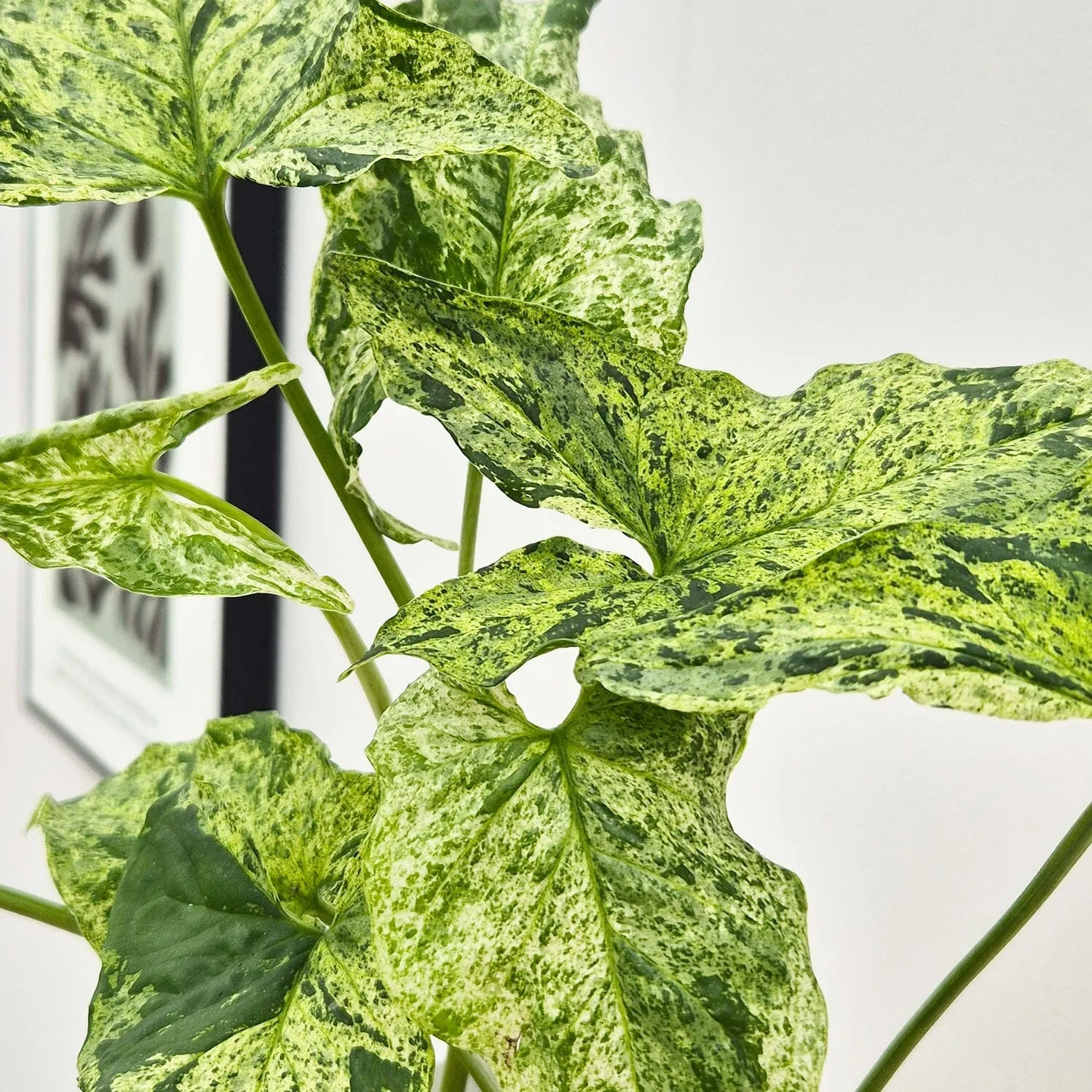
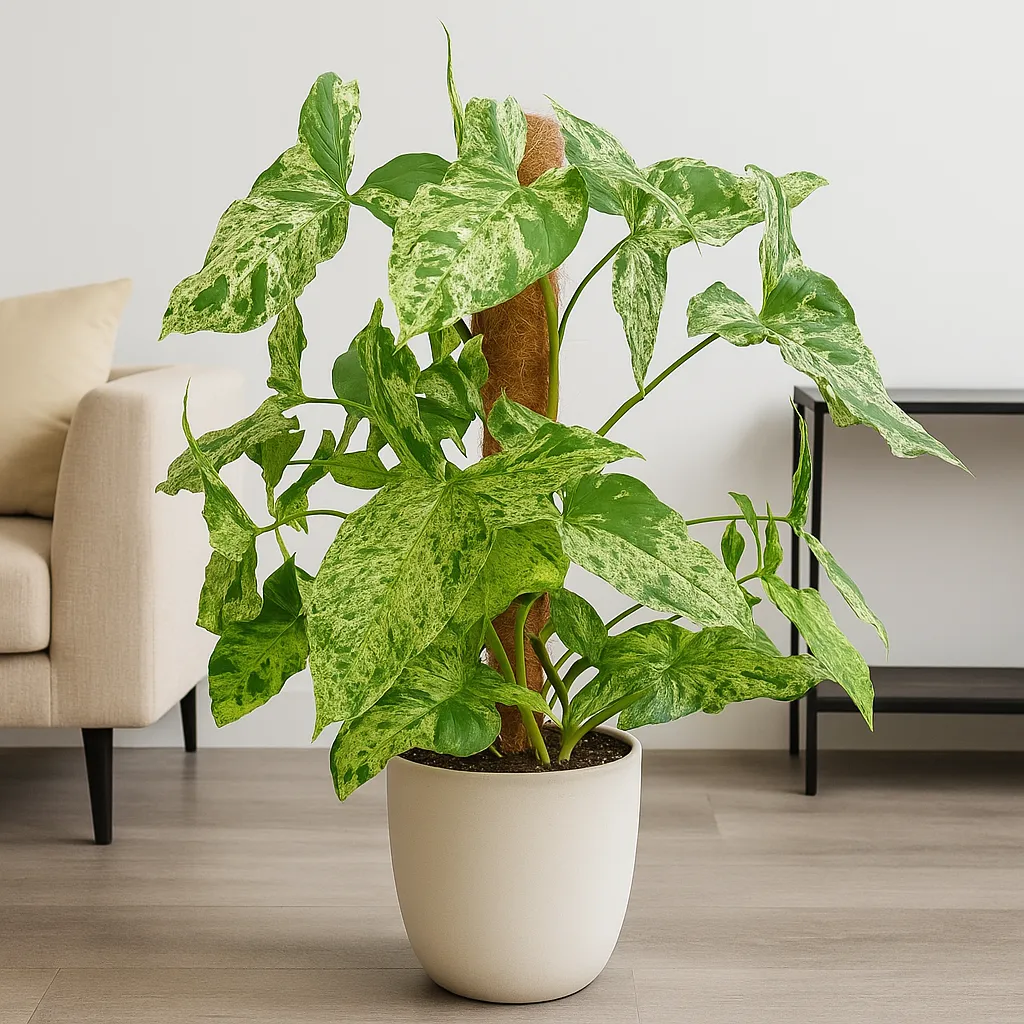
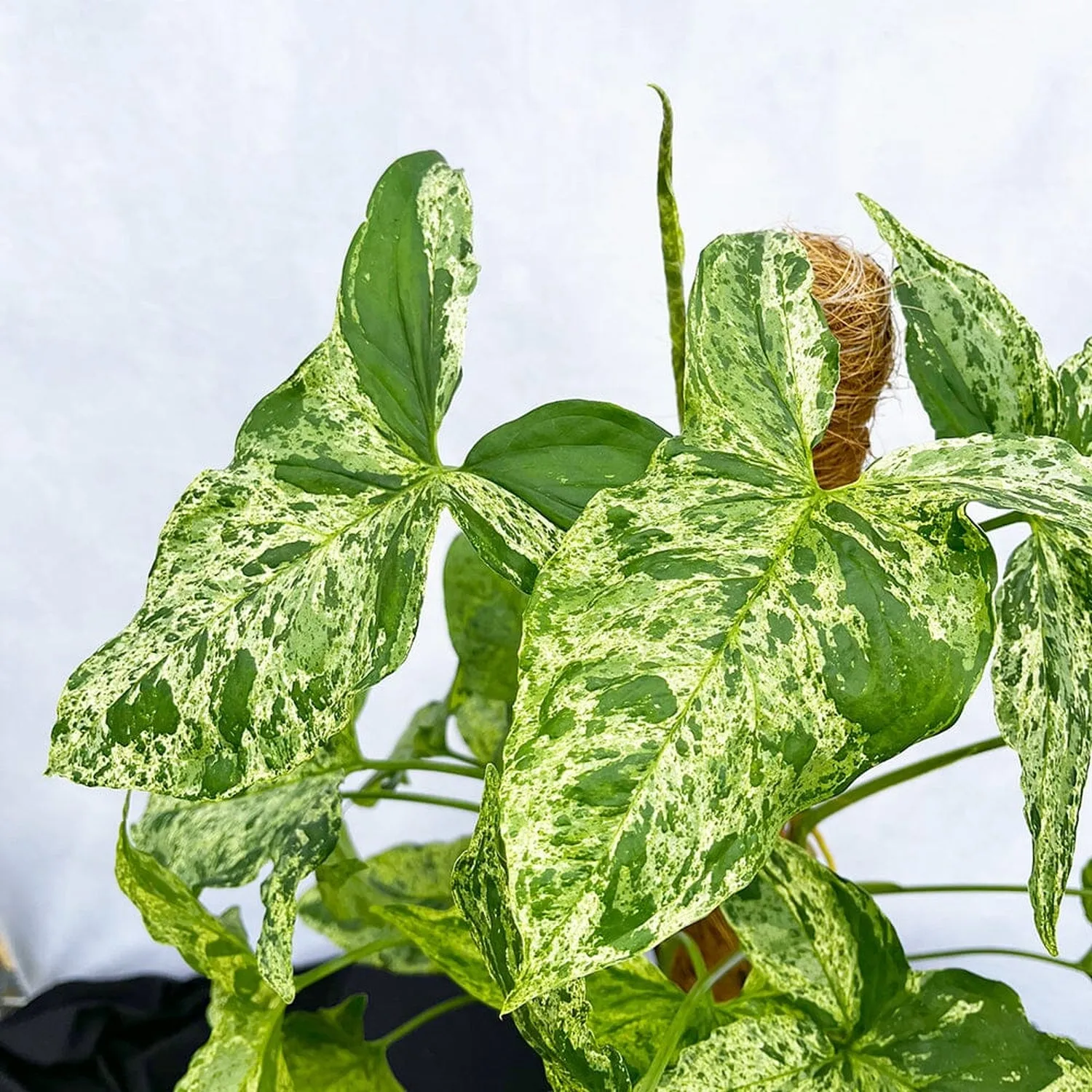
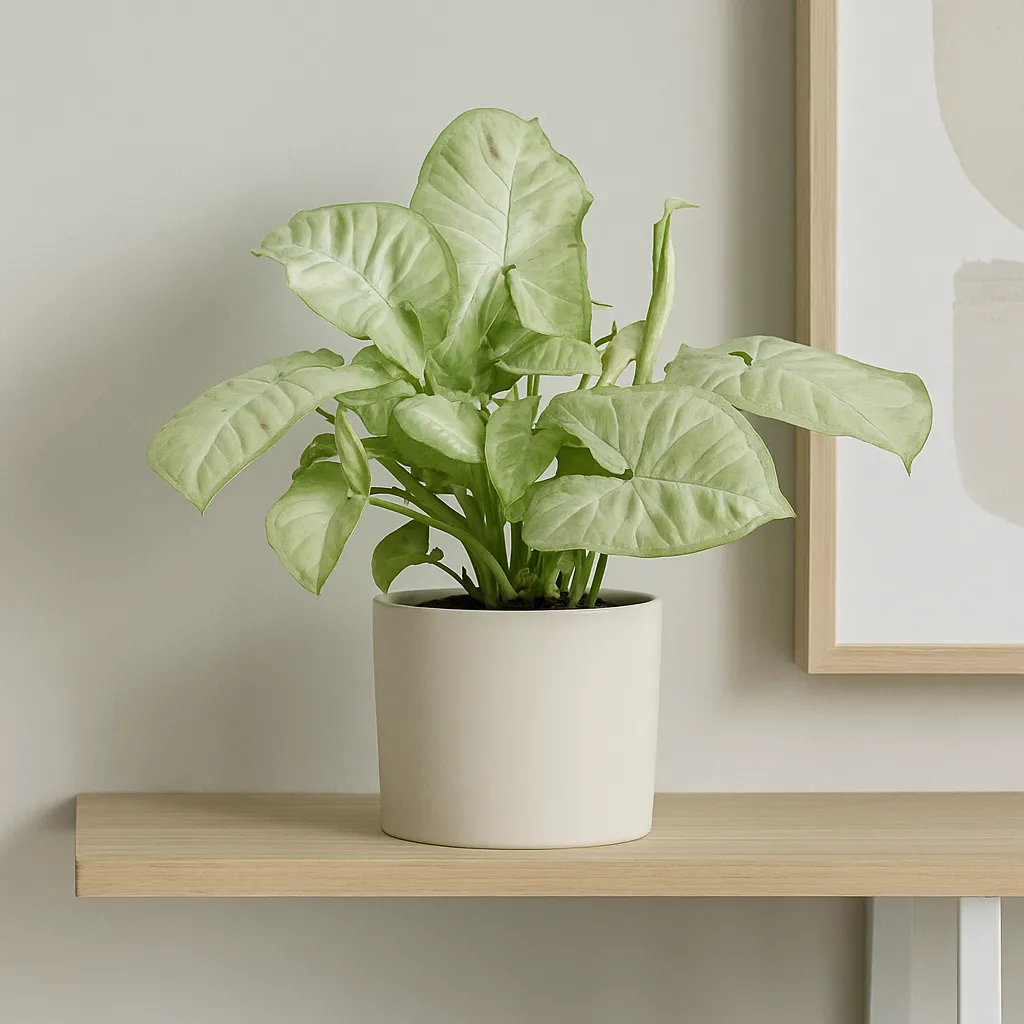
The heart- to arrow-shaped leaves are a milky, pale green to creamy white, softly mottled with blush-pink flecks and occasional mint-green marbling. Each leaf is unique, like a watercolour wash of subtle pastel tones. New growth often emerges with stronger pink hues that gradually fade to a creamy, semi-translucent green as the leaves mature.
Compact and elegant in its juvenile form, Syngonium ‘Milk Confetti’ can also climb or trail with age, offering versatile styling options for desktops, plant shelves, or hanging planters. Its gentle palette and refined texture make it a standout plant for bright, modern interiors.
Syngonium ‘Milk Confetti’ – Care Guide
Light
Thrives in bright, indirect light, which brings out its pastel variegation. Avoid harsh direct sunlight, which can scorch the pale leaves, and low light, which may reduce the intensity of its pink speckles. A position near an east-facing window or filtered light from the north or west is ideal.
Watering
Keep the soil lightly moist but not waterlogged. Water when the top 2–3 cm of soil feels dry. Overwatering may cause leaf yellowing or root rot, while allowing it to dry out too much can lead to crispy edges. In winter, reduce watering frequency but never let the soil fully dry.
Temperature and Humidity
-
Temperature: Prefers 18–28°C and should be protected from cold draughts or temperatures below 15°C.
-
Humidity: Enjoys moderate to high humidity (60–80%). Mist occasionally, use a humidifier, or place near other tropical plants to maintain lush growth and prevent brown leaf tips.
Soil and Potting
Use a well-draining, peat-free houseplant mix — ideally a blend of compost, perlite, and coco coir or orchid bark for added aeration. Syngoniums enjoy evenly moist but breathable soil. Repot every 1–2 years in spring as the plant grows, or divide mature clumps to propagate new plants.
Feeding
Feed every 4–6 weeks during spring and summer with a diluted balanced fertiliser or one designed for foliage plants. Stop feeding in autumn and winter when growth naturally slows. Avoid over-fertilising, as the variegated parts of the leaves are more sensitive to burn.
Pruning and Maintenance
Prune lightly to encourage bushier growth and prevent legginess. Remove any damaged or yellowing leaves near the base. Wipe leaves occasionally with a soft, damp cloth to remove dust and highlight the plant’s pastel tones.
Growth and Maturity
A moderate grower, reaching 30–50 cm in height and trailing up to 1 metre if supported or allowed to hang. In its juvenile form, the leaves remain arrow-shaped, while more mature plants may develop divided lobes when grown on a moss pole or trellis.
Common Issues
-
Yellow leaves: Overwatering or poor drainage.
-
Faded colour: Too little light.
-
Crispy edges: Low humidity or underwatering.
-
Pests: Occasionally attracts spider mites or thrips in dry air; treat promptly with neem oil or insecticidal soap.
Background and Benefits
Syngonium podophyllum ‘Milk Confetti’ is a variegated cultivar bred for its distinctive pastel variegation and pink speckling, making it one of the most decorative and photogenic Syngoniums available. Like other members of its genus, it originates from the tropical rainforests of Central and South America, where it thrives as a climbing understory plant.
Its light, soothing colour palette and easy-care temperament make it a favourite among both beginner and experienced plant enthusiasts. Beyond its visual appeal, Syngonium ‘Milk Confetti’ also acts as a natural air purifier, helping to remove toxins such as formaldehyde and benzene from indoor air.
✅ Quick Care Summary
Light: Bright, indirect; avoid harsh direct sun
Water: Keep soil lightly moist, not soggy
Temperature: 18–28°C; avoid below 15°C
Humidity: Moderate to high (60–80%)
Soil: Light, free-draining mix – compost, perlite, coco coir
Feed: Every 4–6 weeks in spring/summer
Growth: Compact trailing/climbing habit; pale green and cream leaves with pink speckles
⚠️ Toxicity Note: Like all Syngoniums, ‘Milk Confetti’ contains calcium oxalate crystals and is toxic if ingested. Keep away from pets and children.
🌿 Styling Tip:
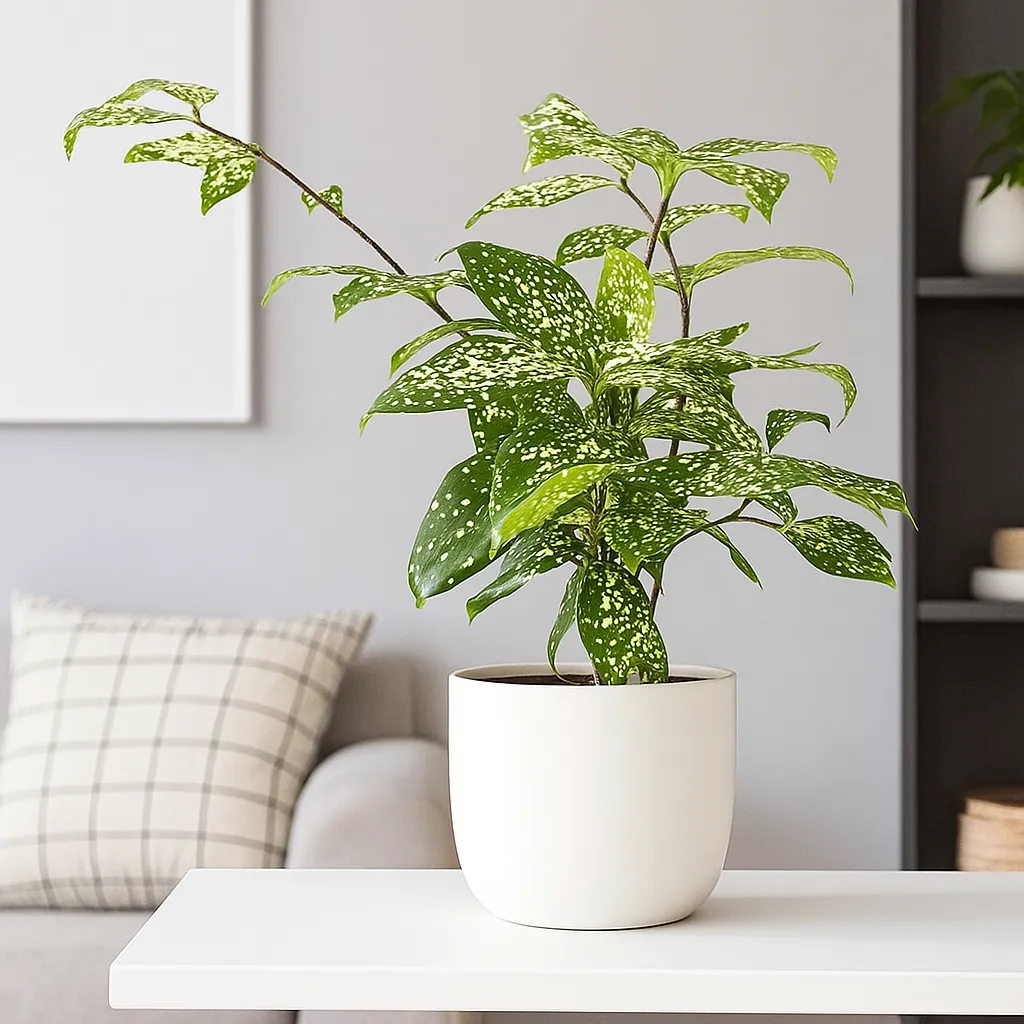
Display Syngonium ‘Milk Confetti’ in a white, blush, or pastel-toned ceramic pot to highlight its delicate pink variegation. Pair it with rich green plants such as Philodendron micans or Ficus elastica ‘Shivereana’ for a fresh, balanced look that emphasises contrast and texture.
Original: $11.86
-70%$11.86
$3.56Product Information
Product Information
Shipping & Returns
Shipping & Returns
Description
Syngonium ‘Milk Confetti’ is a soft, pastel-toned beauty celebrated for its delicate variegation and charming splashes of pink. A cultivar of Syngonium podophyllum — also known as the Arrowhead Vine — this variety is adored by collectors for its whimsical, painterly appearance and easy-care nature.
The heart- to arrow-shaped leaves are a milky, pale green to creamy white, softly mottled with blush-pink flecks and occasional mint-green marbling. Each leaf is unique, like a watercolour wash of subtle pastel tones. New growth often emerges with stronger pink hues that gradually fade to a creamy, semi-translucent green as the leaves mature.
Compact and elegant in its juvenile form, Syngonium ‘Milk Confetti’ can also climb or trail with age, offering versatile styling options for desktops, plant shelves, or hanging planters. Its gentle palette and refined texture make it a standout plant for bright, modern interiors.
Syngonium ‘Milk Confetti’ – Care Guide
Light
Thrives in bright, indirect light, which brings out its pastel variegation. Avoid harsh direct sunlight, which can scorch the pale leaves, and low light, which may reduce the intensity of its pink speckles. A position near an east-facing window or filtered light from the north or west is ideal.
Watering
Keep the soil lightly moist but not waterlogged. Water when the top 2–3 cm of soil feels dry. Overwatering may cause leaf yellowing or root rot, while allowing it to dry out too much can lead to crispy edges. In winter, reduce watering frequency but never let the soil fully dry.
Temperature and Humidity
-
Temperature: Prefers 18–28°C and should be protected from cold draughts or temperatures below 15°C.
-
Humidity: Enjoys moderate to high humidity (60–80%). Mist occasionally, use a humidifier, or place near other tropical plants to maintain lush growth and prevent brown leaf tips.
Soil and Potting
Use a well-draining, peat-free houseplant mix — ideally a blend of compost, perlite, and coco coir or orchid bark for added aeration. Syngoniums enjoy evenly moist but breathable soil. Repot every 1–2 years in spring as the plant grows, or divide mature clumps to propagate new plants.
Feeding
Feed every 4–6 weeks during spring and summer with a diluted balanced fertiliser or one designed for foliage plants. Stop feeding in autumn and winter when growth naturally slows. Avoid over-fertilising, as the variegated parts of the leaves are more sensitive to burn.
Pruning and Maintenance
Prune lightly to encourage bushier growth and prevent legginess. Remove any damaged or yellowing leaves near the base. Wipe leaves occasionally with a soft, damp cloth to remove dust and highlight the plant’s pastel tones.
Growth and Maturity
A moderate grower, reaching 30–50 cm in height and trailing up to 1 metre if supported or allowed to hang. In its juvenile form, the leaves remain arrow-shaped, while more mature plants may develop divided lobes when grown on a moss pole or trellis.
Common Issues
-
Yellow leaves: Overwatering or poor drainage.
-
Faded colour: Too little light.
-
Crispy edges: Low humidity or underwatering.
-
Pests: Occasionally attracts spider mites or thrips in dry air; treat promptly with neem oil or insecticidal soap.
Background and Benefits
Syngonium podophyllum ‘Milk Confetti’ is a variegated cultivar bred for its distinctive pastel variegation and pink speckling, making it one of the most decorative and photogenic Syngoniums available. Like other members of its genus, it originates from the tropical rainforests of Central and South America, where it thrives as a climbing understory plant.
Its light, soothing colour palette and easy-care temperament make it a favourite among both beginner and experienced plant enthusiasts. Beyond its visual appeal, Syngonium ‘Milk Confetti’ also acts as a natural air purifier, helping to remove toxins such as formaldehyde and benzene from indoor air.
✅ Quick Care Summary
Light: Bright, indirect; avoid harsh direct sun
Water: Keep soil lightly moist, not soggy
Temperature: 18–28°C; avoid below 15°C
Humidity: Moderate to high (60–80%)
Soil: Light, free-draining mix – compost, perlite, coco coir
Feed: Every 4–6 weeks in spring/summer
Growth: Compact trailing/climbing habit; pale green and cream leaves with pink speckles
⚠️ Toxicity Note: Like all Syngoniums, ‘Milk Confetti’ contains calcium oxalate crystals and is toxic if ingested. Keep away from pets and children.
🌿 Styling Tip:
Display Syngonium ‘Milk Confetti’ in a white, blush, or pastel-toned ceramic pot to highlight its delicate pink variegation. Pair it with rich green plants such as Philodendron micans or Ficus elastica ‘Shivereana’ for a fresh, balanced look that emphasises contrast and texture.