150 - 180cm Ficus Natalensis Trinova 27cm Pot House Plant
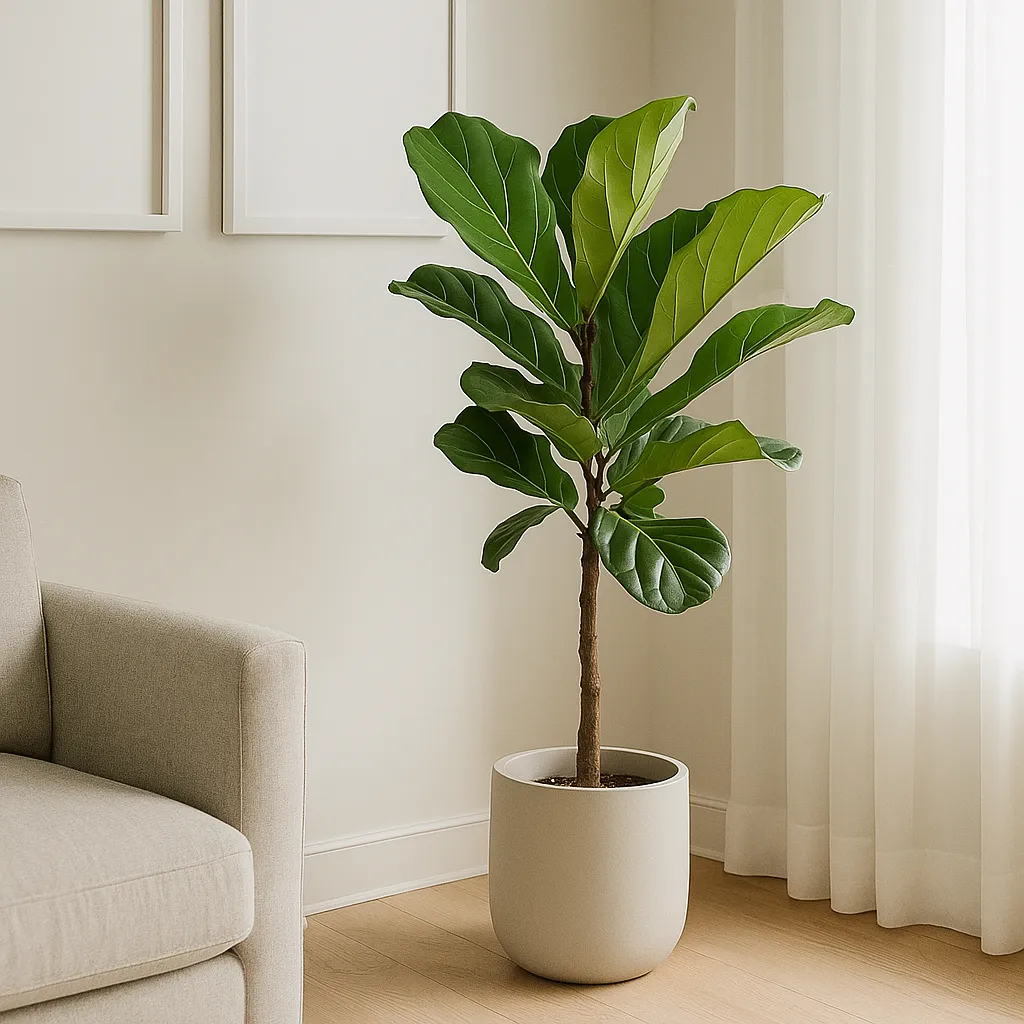
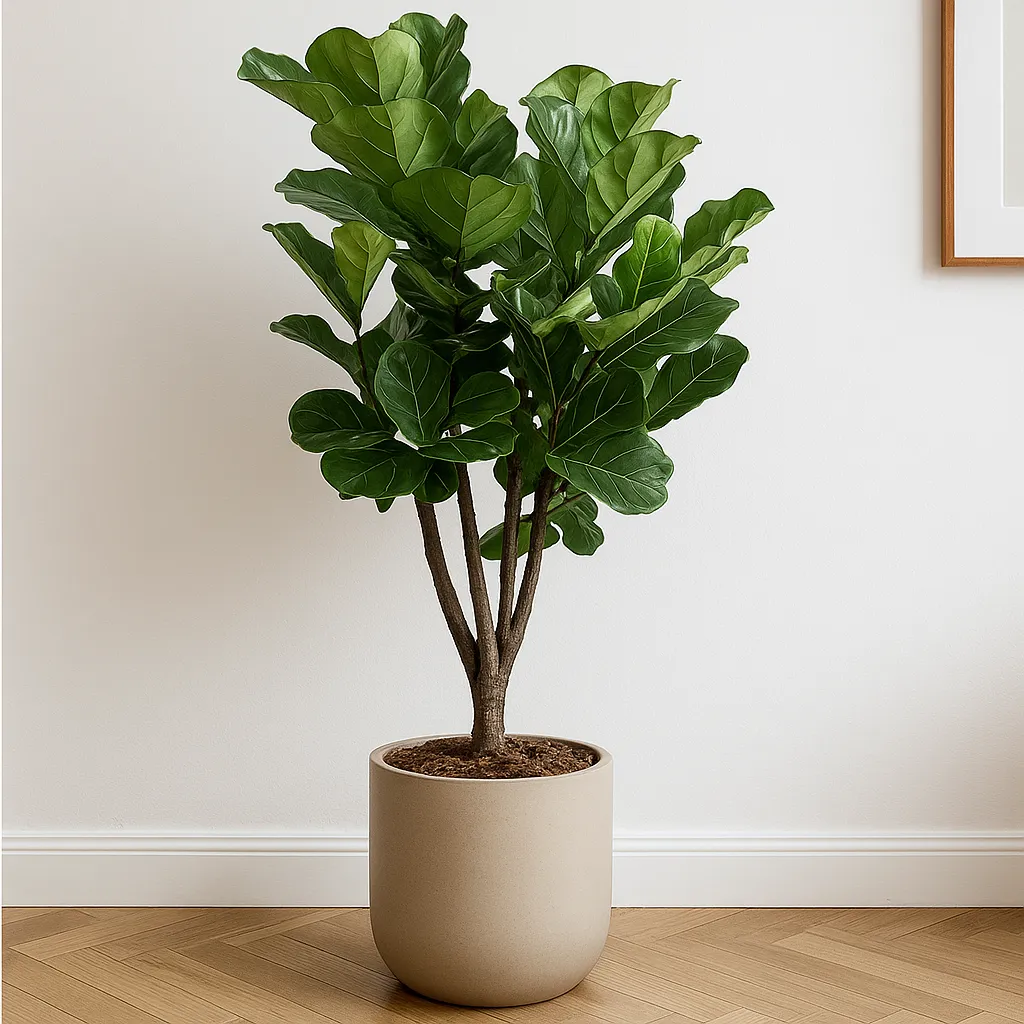
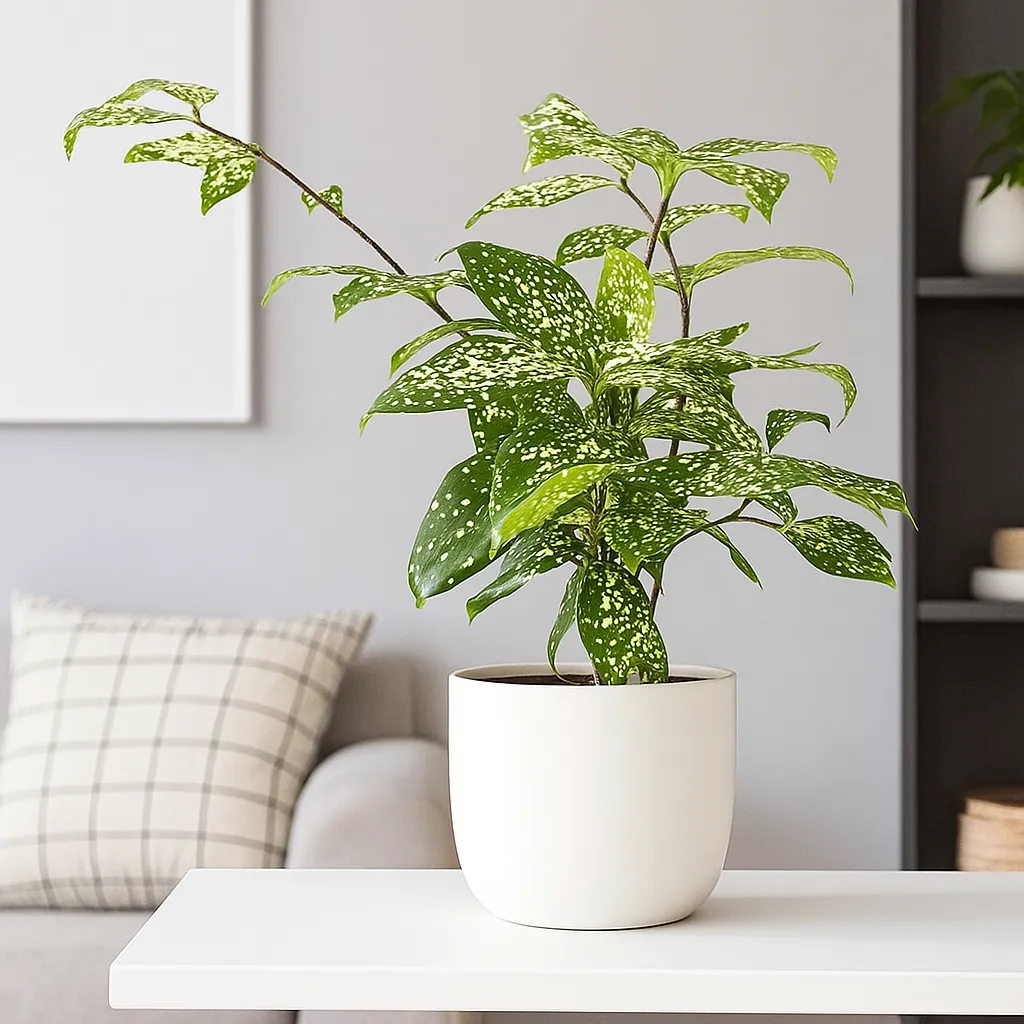
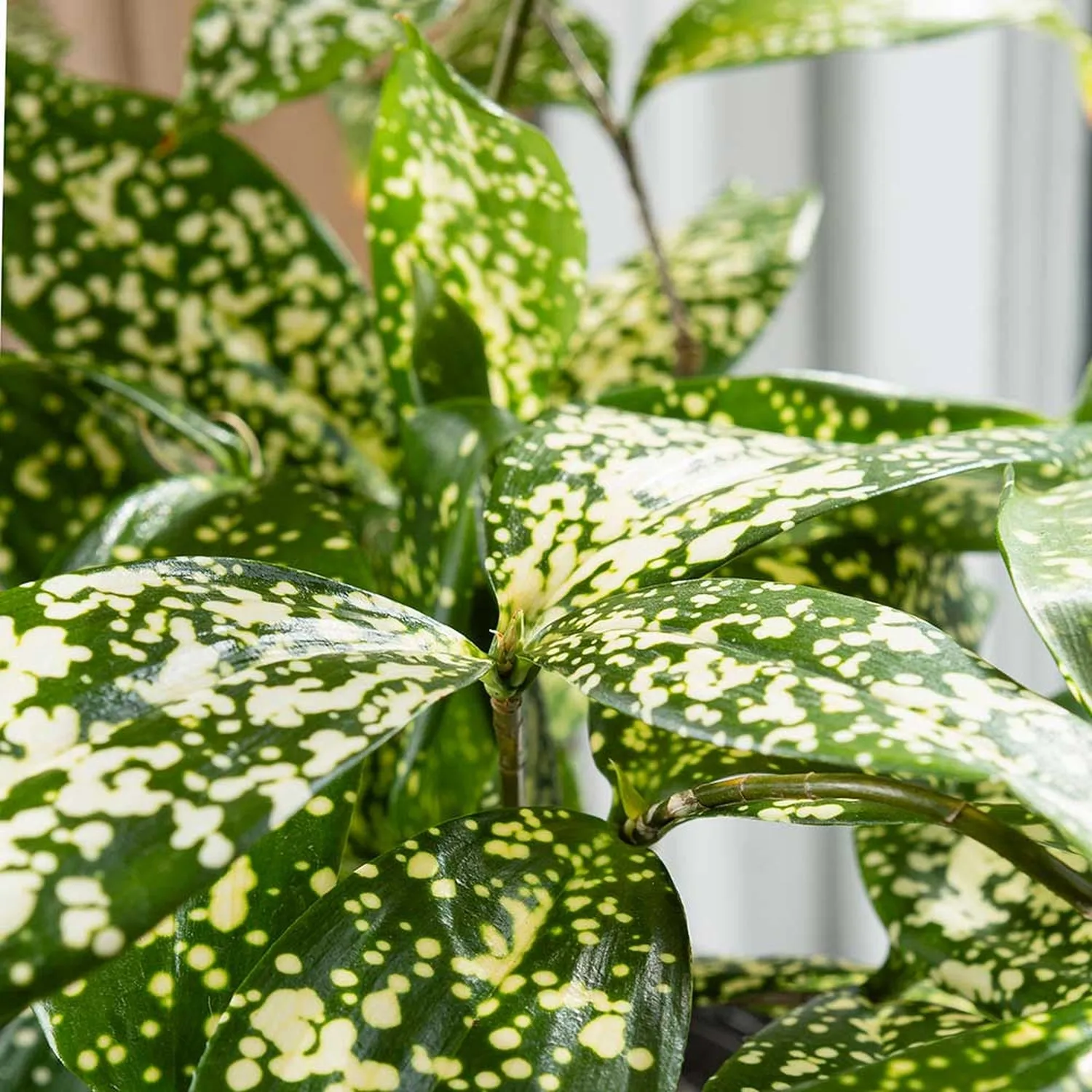
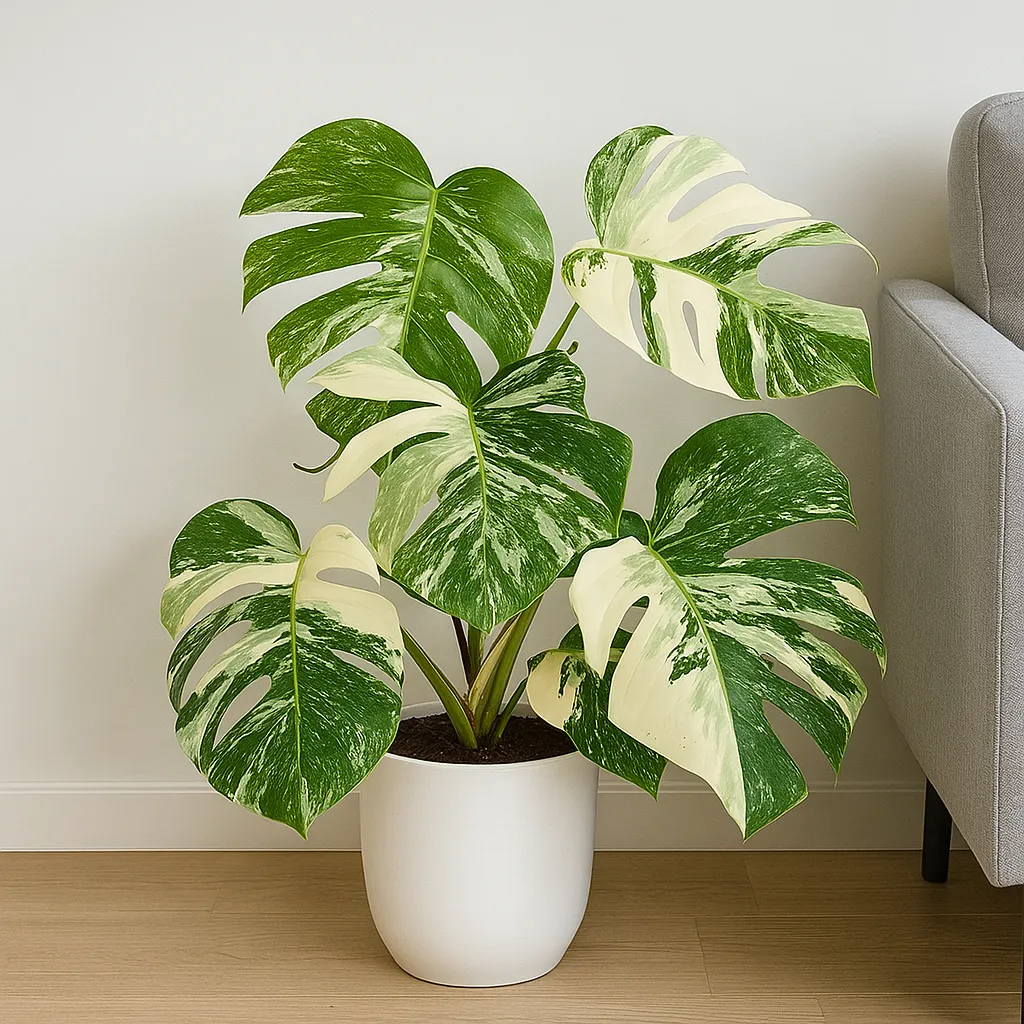
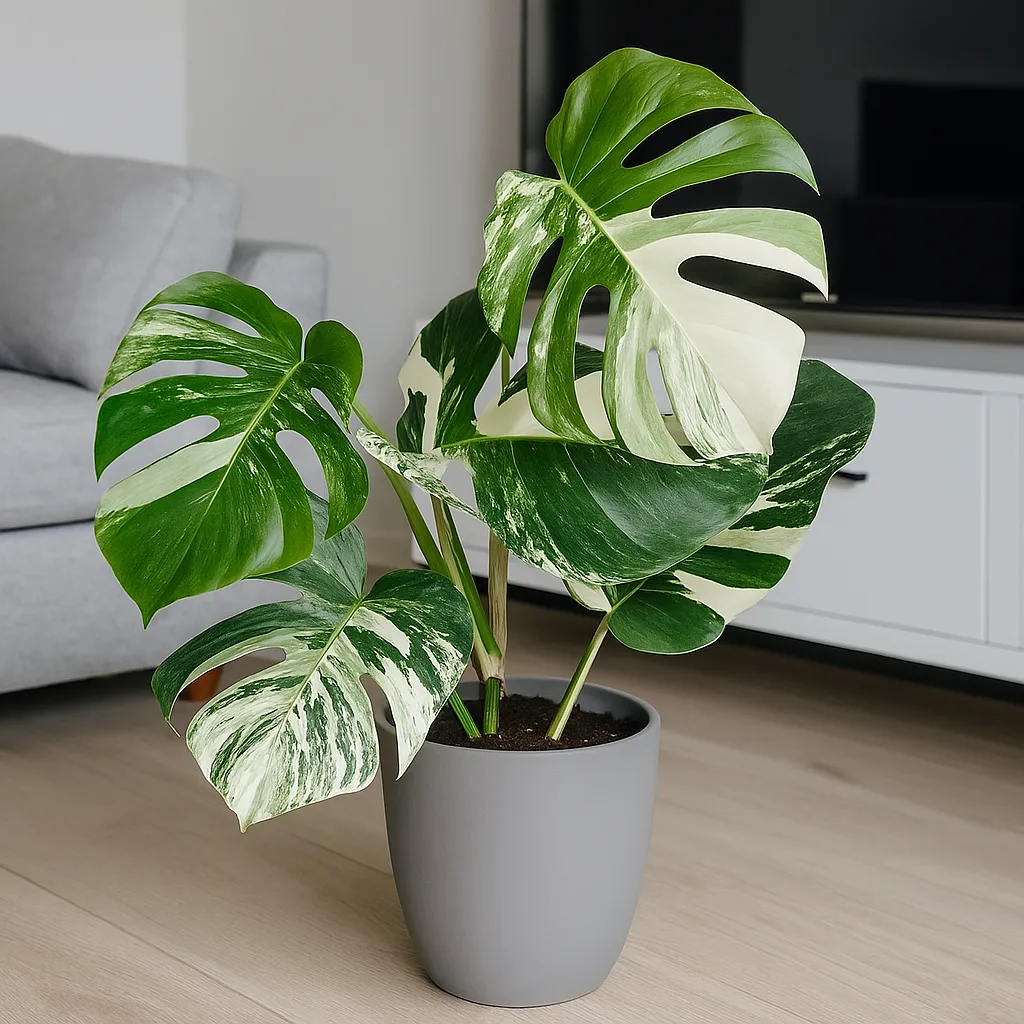
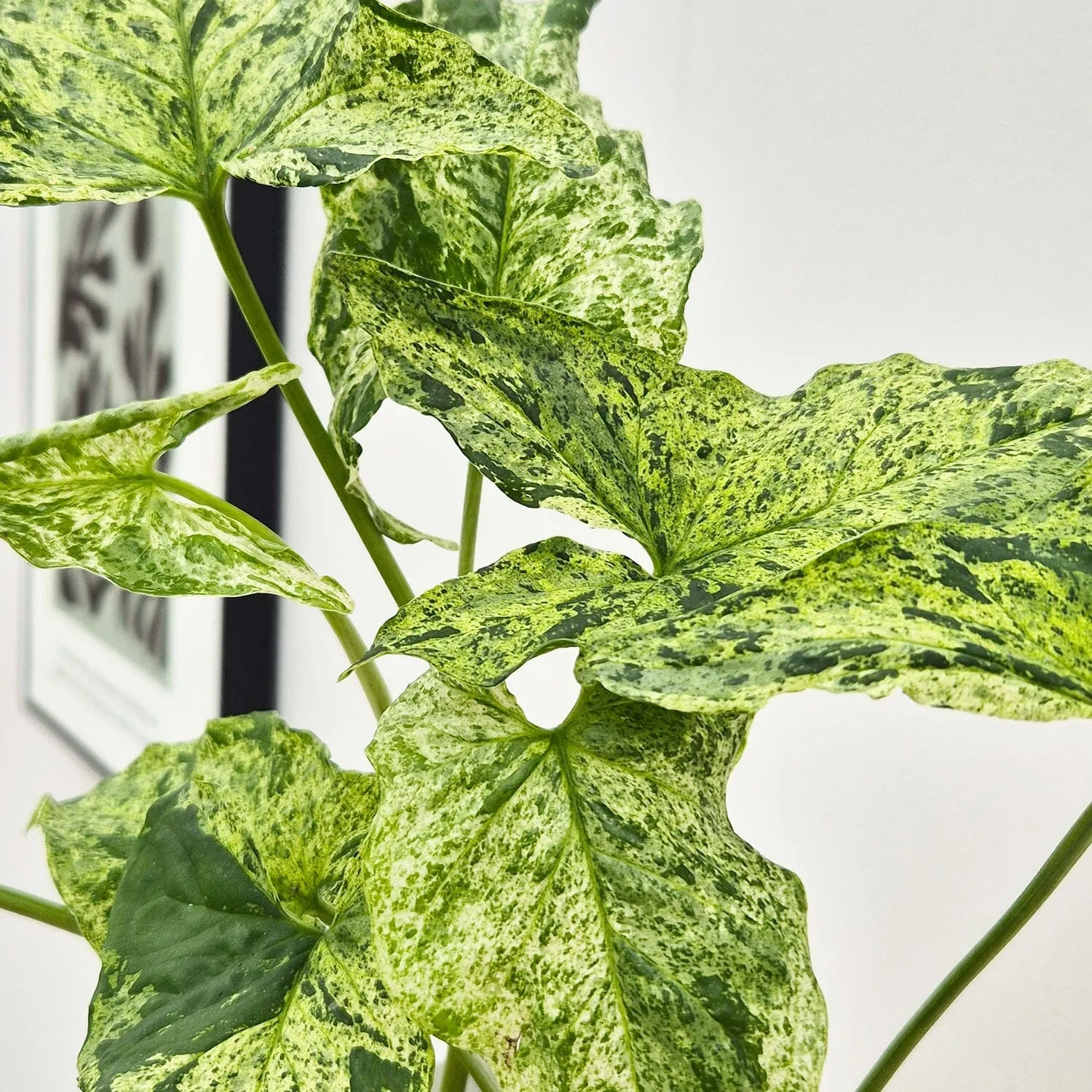
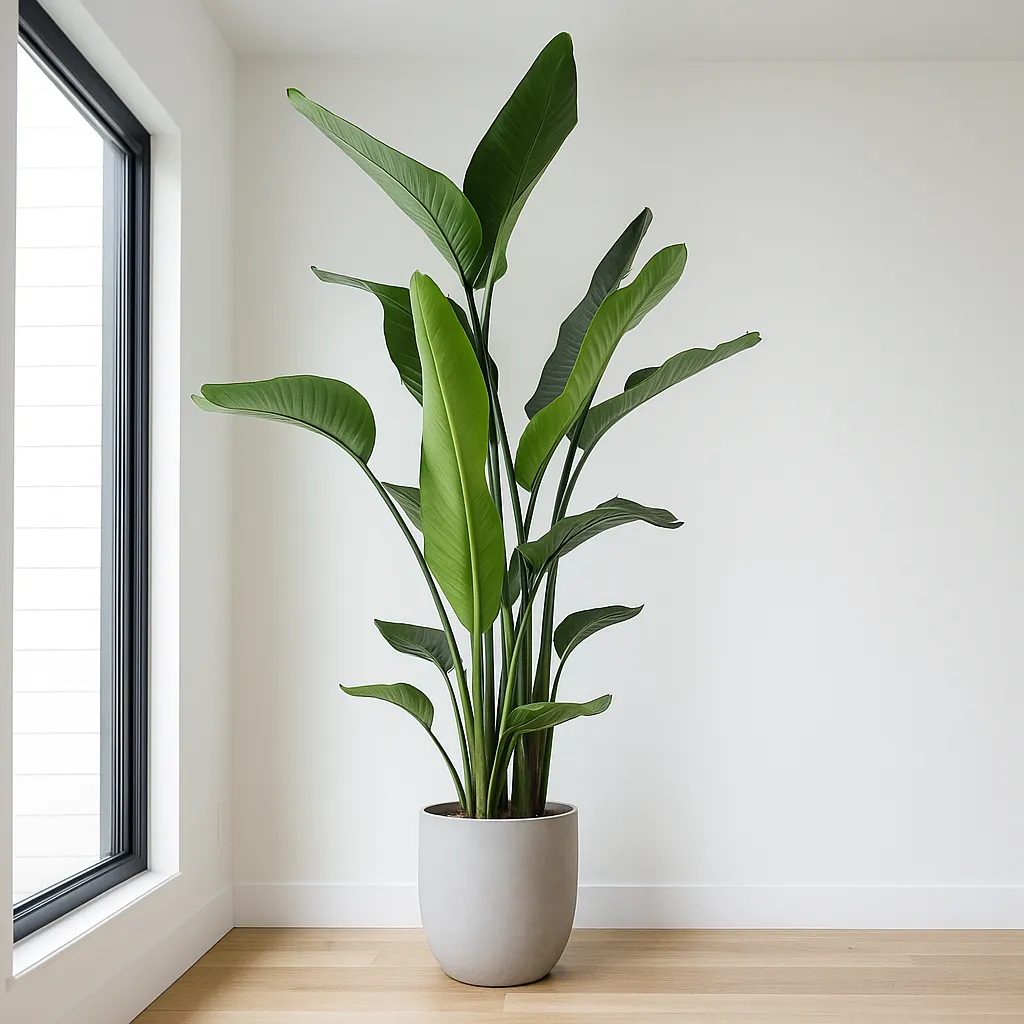
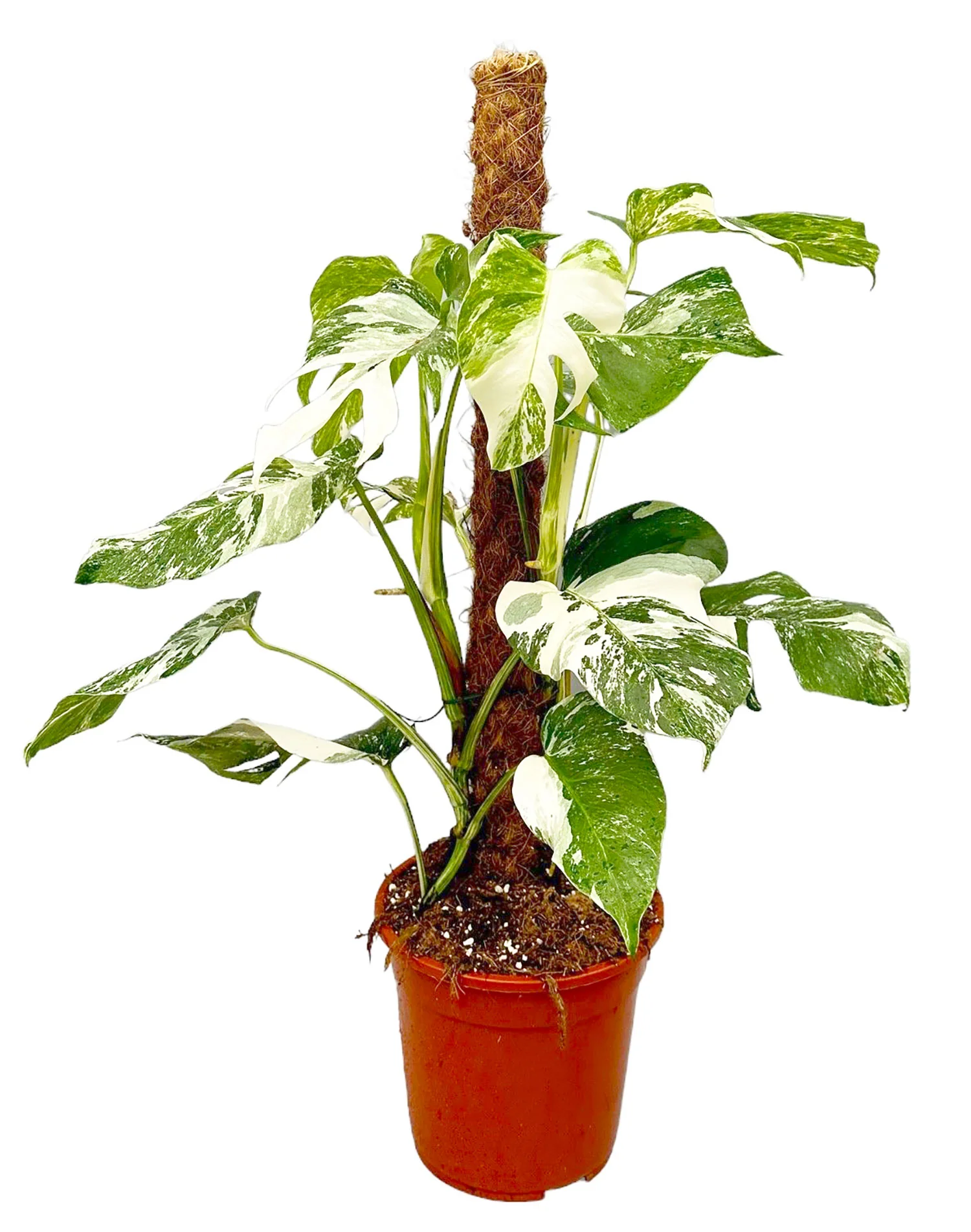
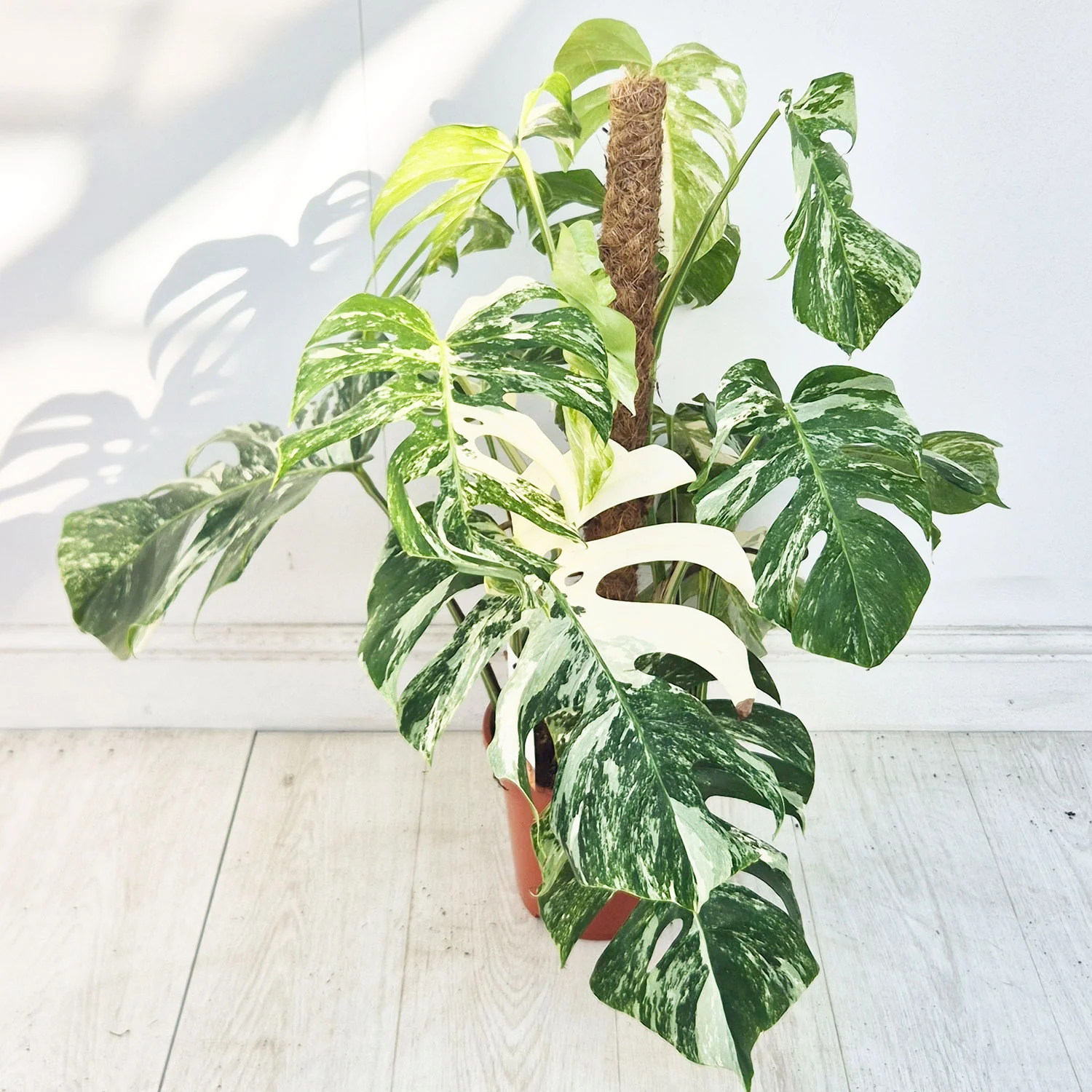
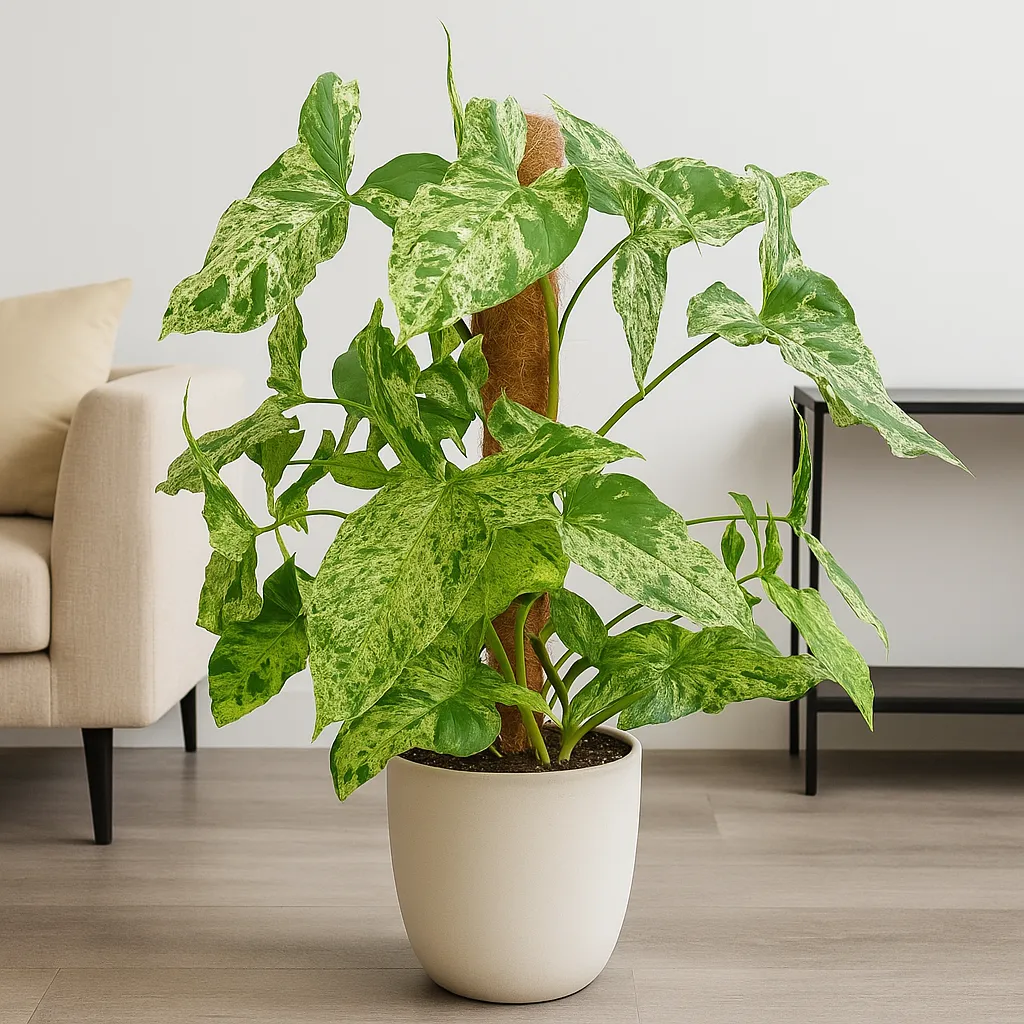
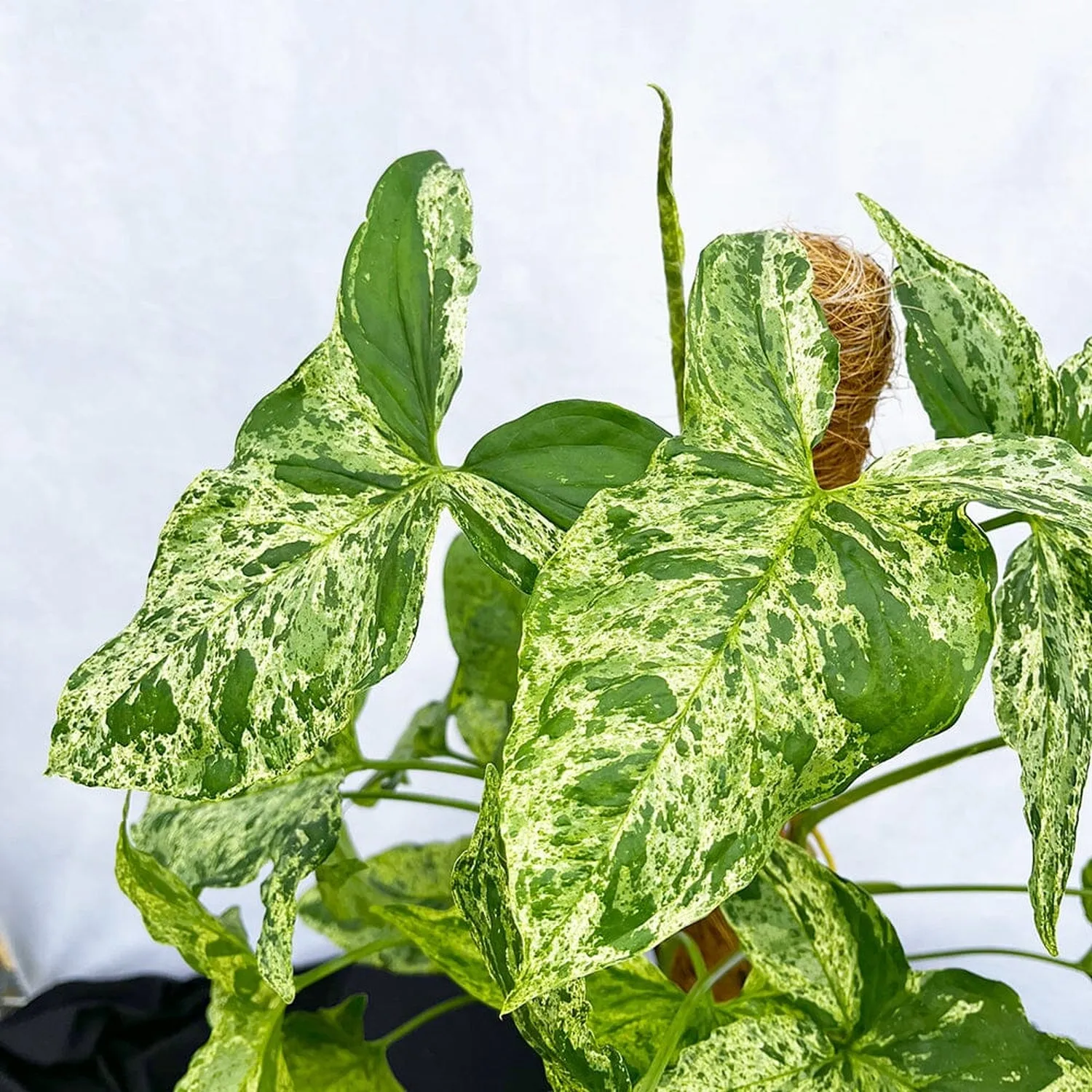
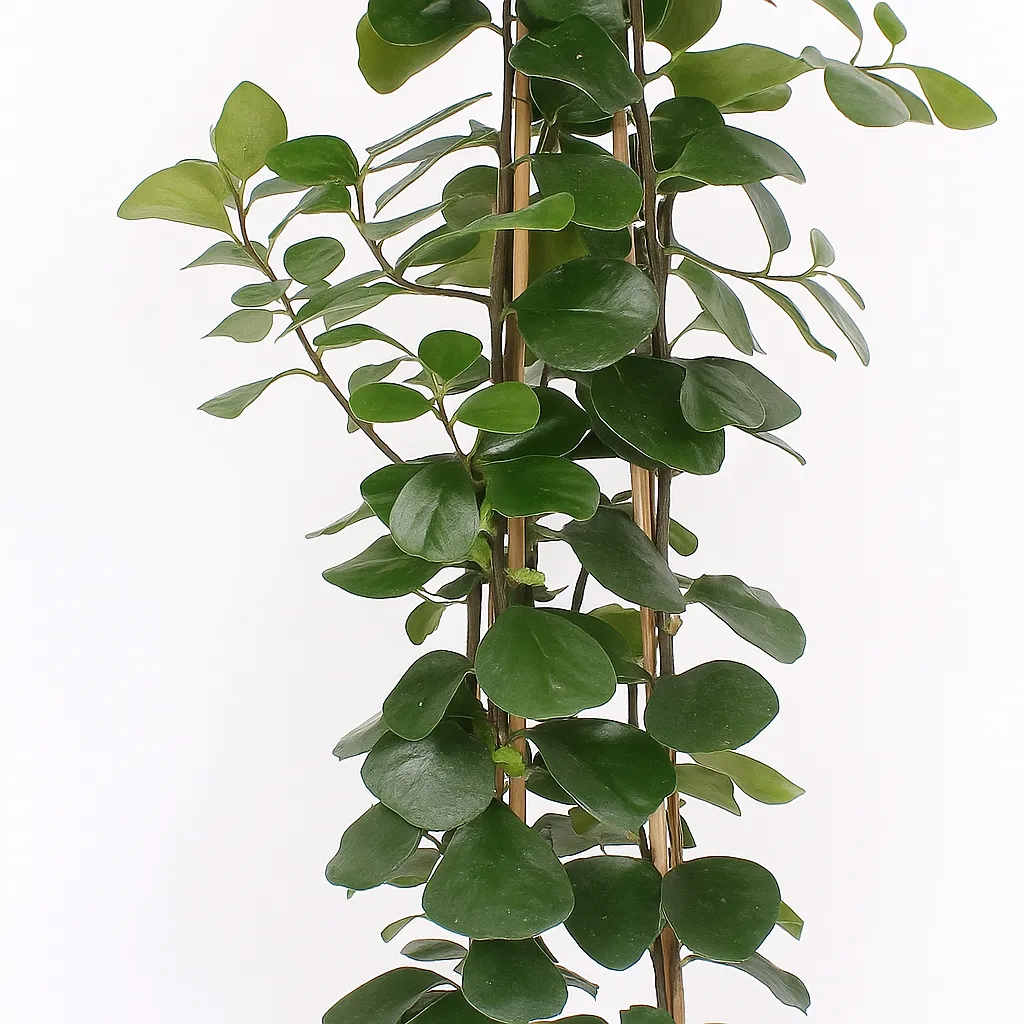
Ficus natalensis ‘Trinova’, often referred to as the Triangle Fig, is a beautiful and refined tropical houseplant from the Moraceae family, native to eastern and southern Africa. This variegated form is admired for its elegant triangular leaves edged in creamy white, creating a striking contrast that gives the plant a light, contemporary appearance.
Unlike other large-leaved Ficus species, ‘Trinova’ maintains a more compact and bushy growth habit, making it perfect for tabletops or smaller interior spaces. The glossy, thick leaves grow on woody stems and form a dense canopy that resembles a miniature ornamental tree. Its neat structure and variegated foliage make it one of the most decorative and easy-to-care-for Ficus varieties for the home or office.
Ficus natalensis ‘Trinova’ combines sophistication with resilience — offering the tropical feel of a Ficus without the demanding care of larger species such as the Fiddle Leaf Fig.
Ficus natalensis ‘Trinova’ – Care Guide
Light
Thrives in bright, indirect light. A few hours of gentle morning or late-afternoon sunlight help maintain the crisp variegation. Avoid intense midday sun, which can scorch the pale leaf edges.
Watering
Water when the top 2–4 cm of soil feels dry. Keep the soil lightly moist, but ensure good drainage to avoid root rot. Reduce watering during winter when the plant grows more slowly.
Temperature and Humidity
-
Temperature: Prefers 18–26°C. Protect from draughts and cold below 15°C.
-
Humidity: Adapts well to average indoor humidity but enjoys occasional misting in drier environments.
Soil and Potting
Use a well-draining, peat-free houseplant compost. Adding perlite or bark chips improves aeration and prevents waterlogging. Repot every 2–3 years in spring to refresh the soil and support steady growth.
Feeding
Feed every 4–6 weeks during spring and summer with a balanced, diluted liquid fertiliser. Do not feed during winter dormancy.
Pruning and Maintenance
Prune lightly to maintain the desired shape and size. Remove any damaged or yellowing leaves. Wipe the glossy leaves regularly with a damp cloth to keep them clean and healthy. Rotate the pot occasionally to ensure even light exposure and balanced growth.
Growth and Maturity
A good grower that can reach 200cm indoors. With regular pruning, it maintains a neat, compact, and bushy shape.
Common Issues
-
Leaf drop: Often caused by sudden temperature changes or relocation.
-
Brown leaf edges: Low humidity or inconsistent watering.
-
Faded variegation: Insufficient light.
-
Pests: Occasionally scale insects, spider mites, or mealybugs.
Background and Benefits
Ficus natalensis is native to southern and eastern Africa, where it grows as a large canopy tree. The ‘Trinova’ cultivar, however, is bred for indoor use, offering compact growth and ornamental variegation. Its triangular foliage gives it a modern, geometric look — perfect for minimalist and Scandinavian-inspired interiors.
As with other Ficus plants, it also contributes to improved indoor air quality by filtering pollutants, making it both beautiful and beneficial.
✅ Quick Care Summary
-
Light: Bright, indirect; tolerates some gentle sun
-
Water: Lightly moist; allow topsoil to dry slightly
-
Temperature: 18–26°C; protect below 15°C
-
Humidity: Average indoor; mist occasionally
-
Soil: Free-draining, peat-free compost
-
Feed: Every 4–6 weeks in spring/summer
-
Growth: Compact indoor tree, 60–100 cm; triangular variegated leaves edged in creamy white
⚠️ Toxicity Note: Like all Ficus species, ‘Trinova’ contains a milky sap that can irritate the skin and is toxic if ingested. Keep away from pets and children.
🌿 Styling Tip:
Place Ficus natalensis ‘Trinova’ in a decorative ceramic pot on a stand to emphasise its sculptural, variegated foliage. It pairs beautifully with neutral décor or darker green plants for contrast.
Product Information
Product Information
Shipping & Returns
Shipping & Returns
Description
Ficus natalensis ‘Trinova’, often referred to as the Triangle Fig, is a beautiful and refined tropical houseplant from the Moraceae family, native to eastern and southern Africa. This variegated form is admired for its elegant triangular leaves edged in creamy white, creating a striking contrast that gives the plant a light, contemporary appearance.
Unlike other large-leaved Ficus species, ‘Trinova’ maintains a more compact and bushy growth habit, making it perfect for tabletops or smaller interior spaces. The glossy, thick leaves grow on woody stems and form a dense canopy that resembles a miniature ornamental tree. Its neat structure and variegated foliage make it one of the most decorative and easy-to-care-for Ficus varieties for the home or office.
Ficus natalensis ‘Trinova’ combines sophistication with resilience — offering the tropical feel of a Ficus without the demanding care of larger species such as the Fiddle Leaf Fig.
Ficus natalensis ‘Trinova’ – Care Guide
Light
Thrives in bright, indirect light. A few hours of gentle morning or late-afternoon sunlight help maintain the crisp variegation. Avoid intense midday sun, which can scorch the pale leaf edges.
Watering
Water when the top 2–4 cm of soil feels dry. Keep the soil lightly moist, but ensure good drainage to avoid root rot. Reduce watering during winter when the plant grows more slowly.
Temperature and Humidity
-
Temperature: Prefers 18–26°C. Protect from draughts and cold below 15°C.
-
Humidity: Adapts well to average indoor humidity but enjoys occasional misting in drier environments.
Soil and Potting
Use a well-draining, peat-free houseplant compost. Adding perlite or bark chips improves aeration and prevents waterlogging. Repot every 2–3 years in spring to refresh the soil and support steady growth.
Feeding
Feed every 4–6 weeks during spring and summer with a balanced, diluted liquid fertiliser. Do not feed during winter dormancy.
Pruning and Maintenance
Prune lightly to maintain the desired shape and size. Remove any damaged or yellowing leaves. Wipe the glossy leaves regularly with a damp cloth to keep them clean and healthy. Rotate the pot occasionally to ensure even light exposure and balanced growth.
Growth and Maturity
A good grower that can reach 200cm indoors. With regular pruning, it maintains a neat, compact, and bushy shape.
Common Issues
-
Leaf drop: Often caused by sudden temperature changes or relocation.
-
Brown leaf edges: Low humidity or inconsistent watering.
-
Faded variegation: Insufficient light.
-
Pests: Occasionally scale insects, spider mites, or mealybugs.
Background and Benefits
Ficus natalensis is native to southern and eastern Africa, where it grows as a large canopy tree. The ‘Trinova’ cultivar, however, is bred for indoor use, offering compact growth and ornamental variegation. Its triangular foliage gives it a modern, geometric look — perfect for minimalist and Scandinavian-inspired interiors.
As with other Ficus plants, it also contributes to improved indoor air quality by filtering pollutants, making it both beautiful and beneficial.
✅ Quick Care Summary
-
Light: Bright, indirect; tolerates some gentle sun
-
Water: Lightly moist; allow topsoil to dry slightly
-
Temperature: 18–26°C; protect below 15°C
-
Humidity: Average indoor; mist occasionally
-
Soil: Free-draining, peat-free compost
-
Feed: Every 4–6 weeks in spring/summer
-
Growth: Compact indoor tree, 60–100 cm; triangular variegated leaves edged in creamy white
⚠️ Toxicity Note: Like all Ficus species, ‘Trinova’ contains a milky sap that can irritate the skin and is toxic if ingested. Keep away from pets and children.
🌿 Styling Tip:
Place Ficus natalensis ‘Trinova’ in a decorative ceramic pot on a stand to emphasise its sculptural, variegated foliage. It pairs beautifully with neutral décor or darker green plants for contrast.