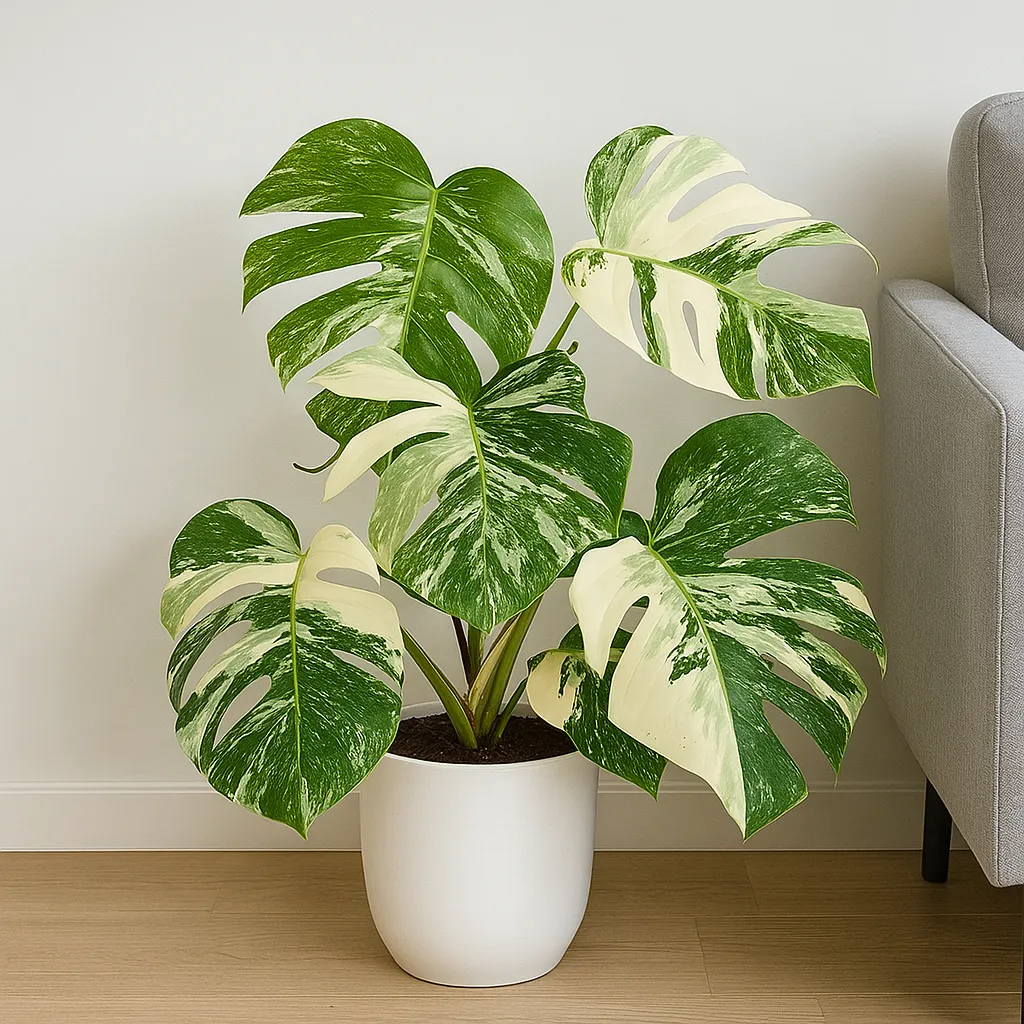
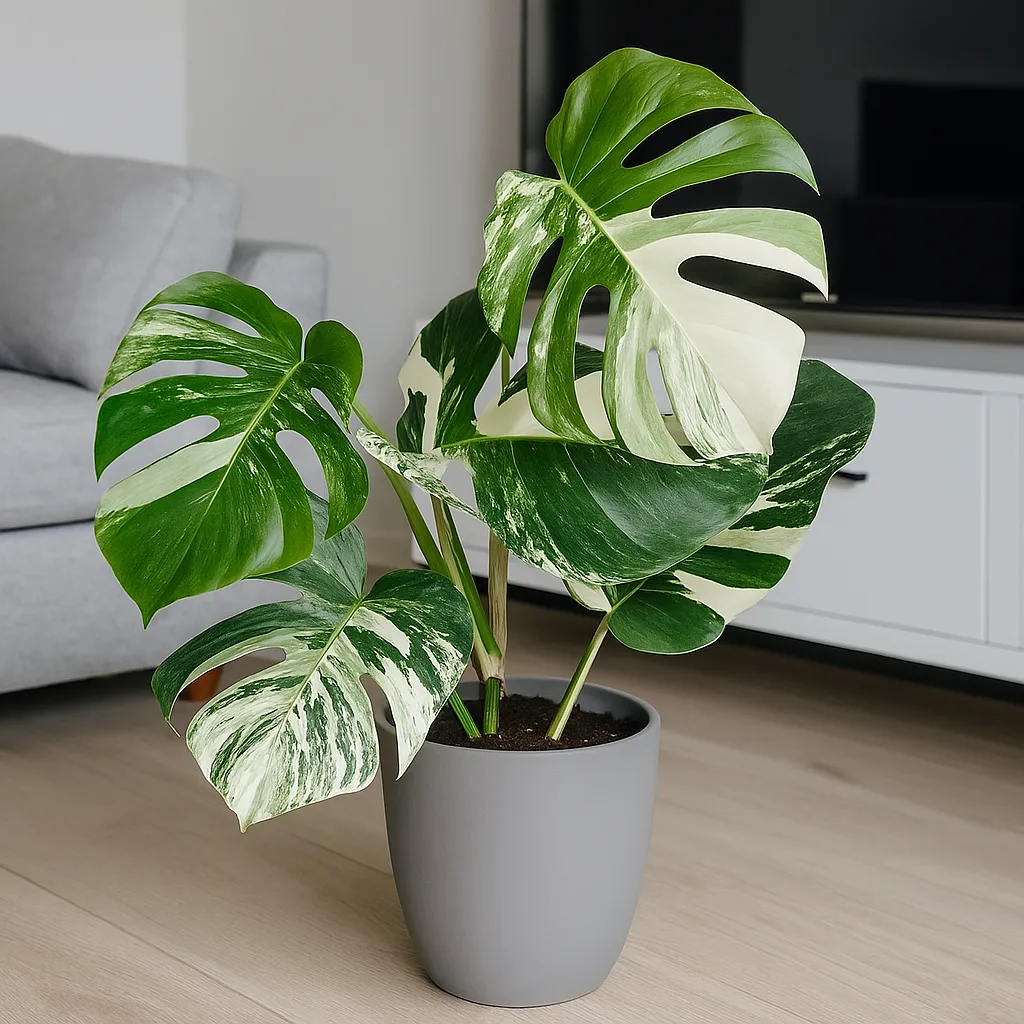
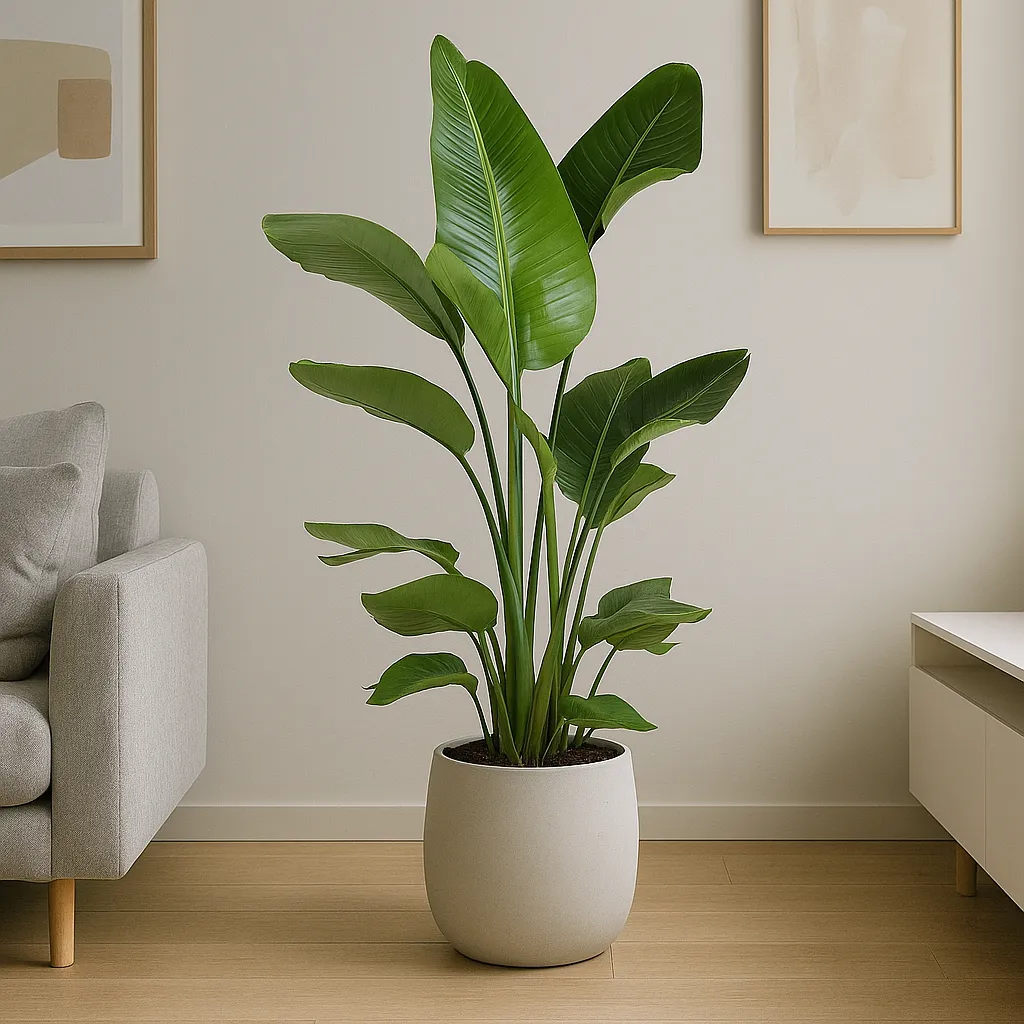
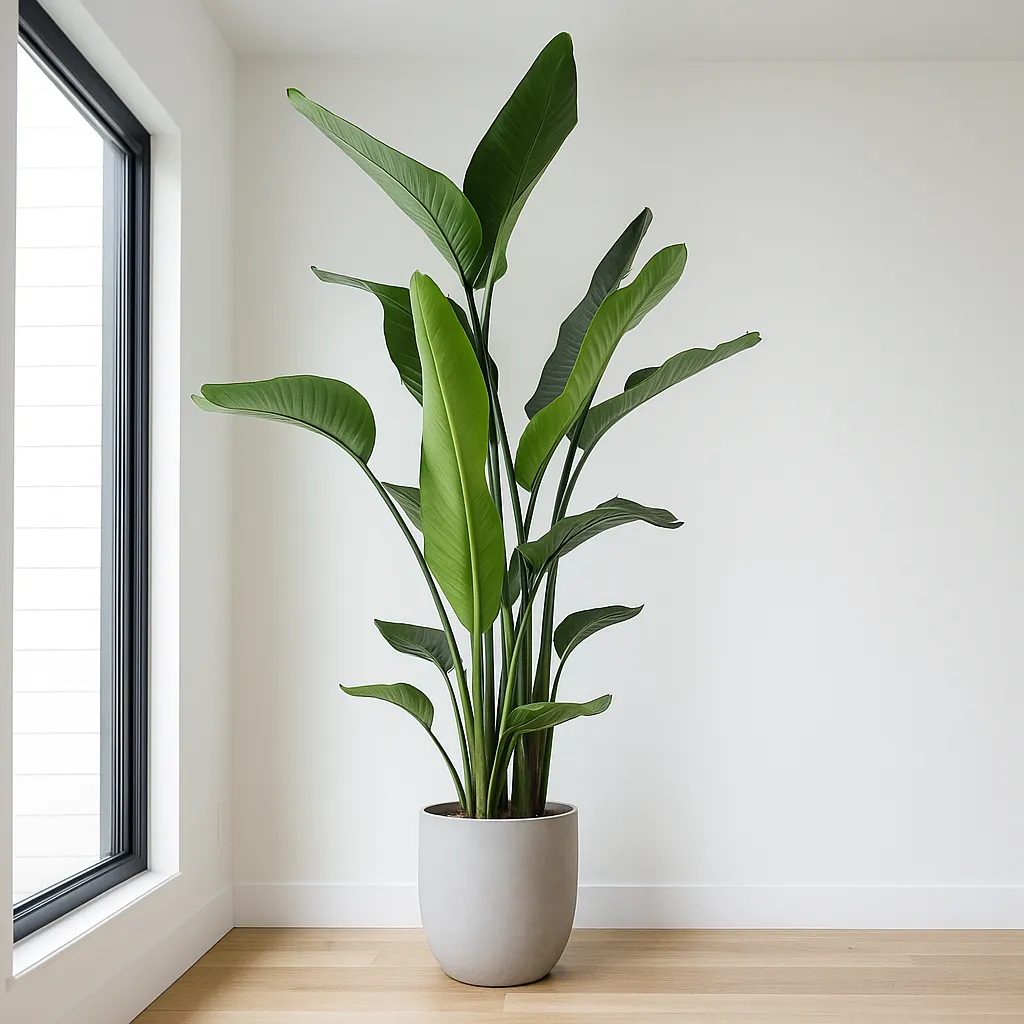
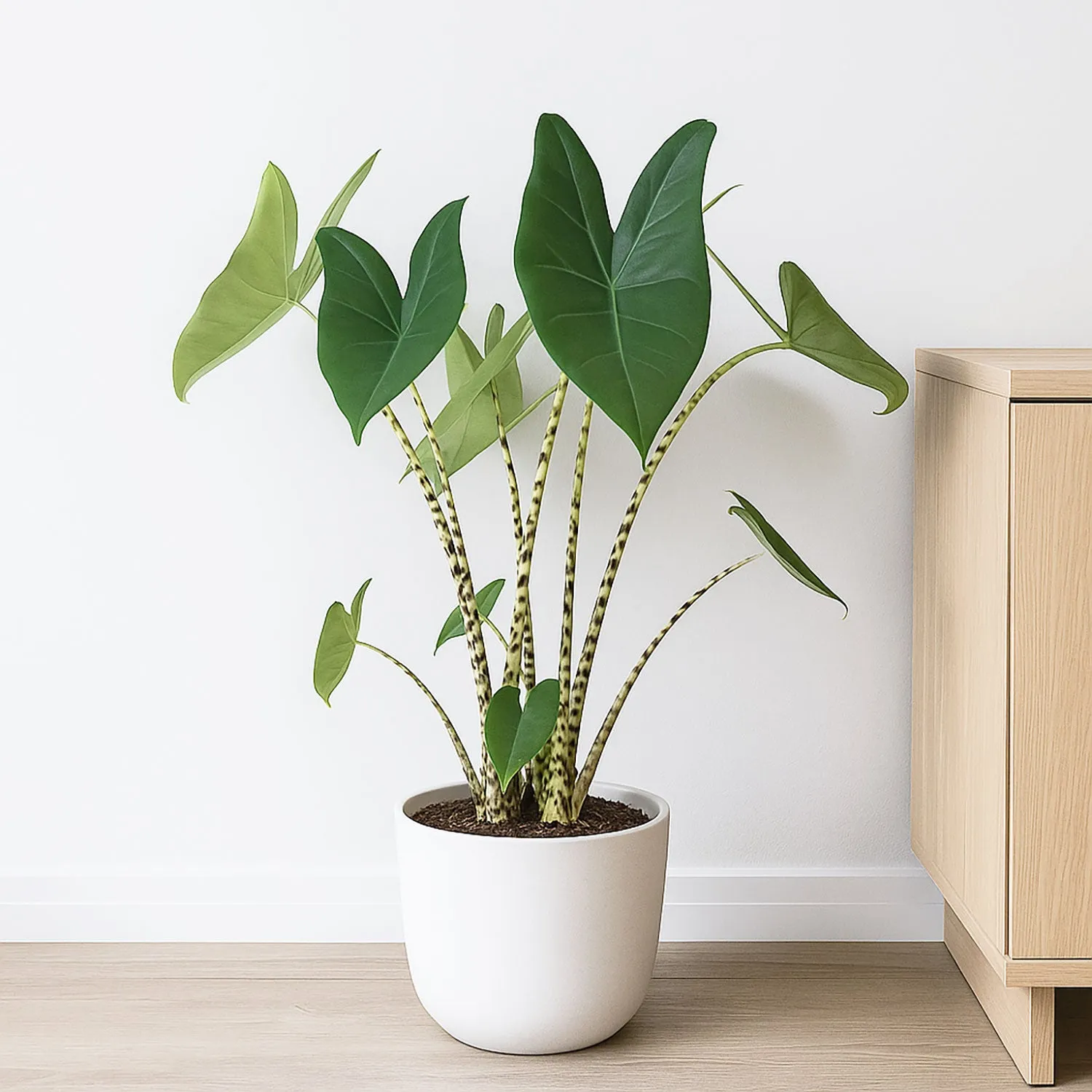
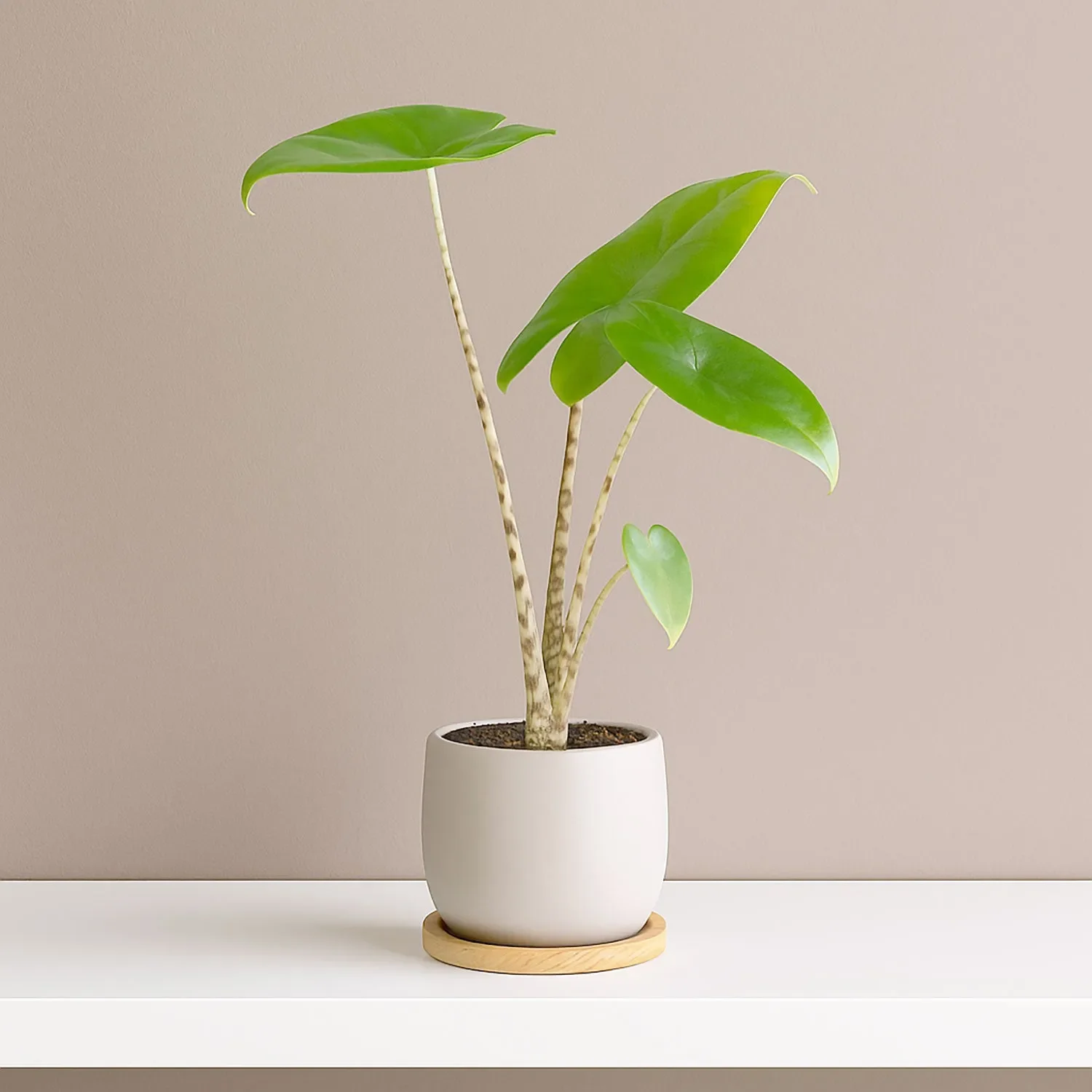
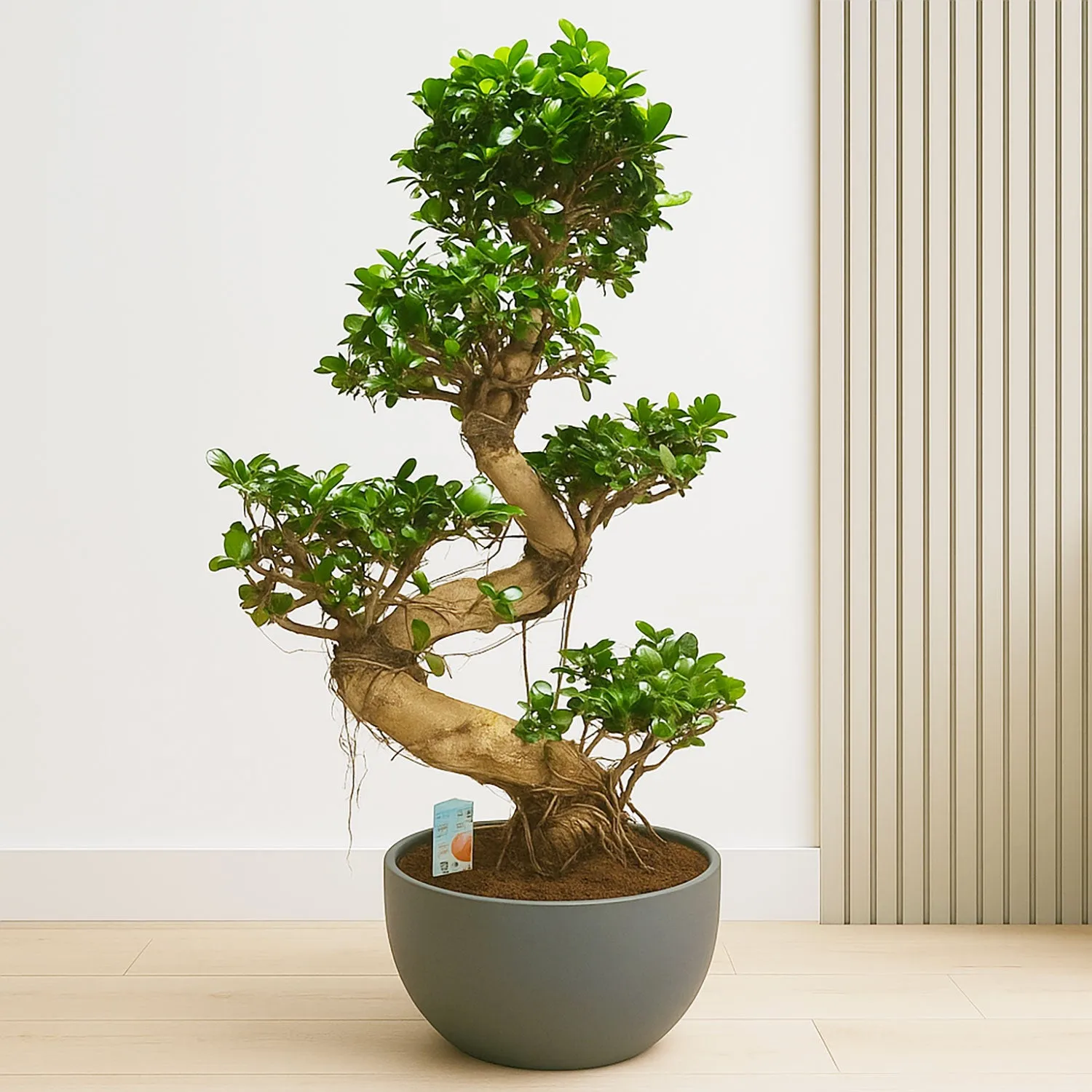
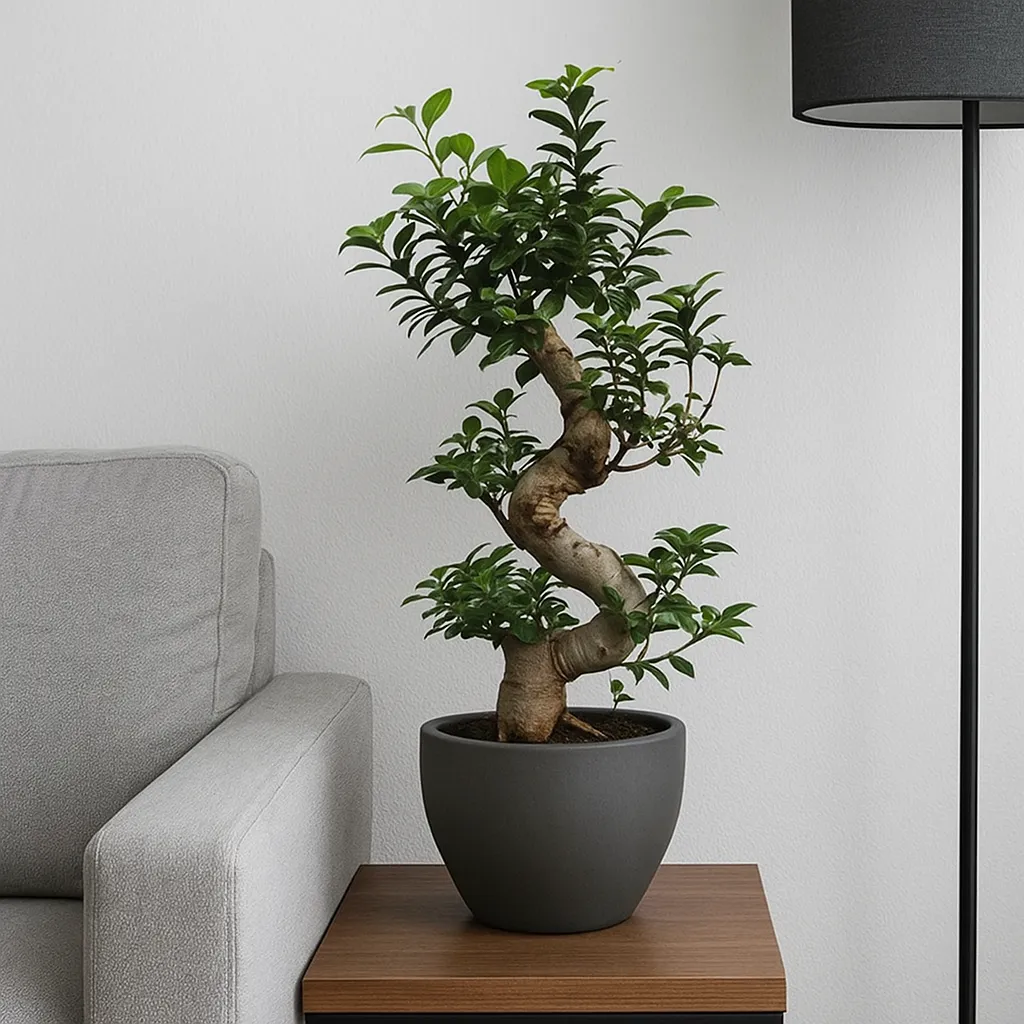
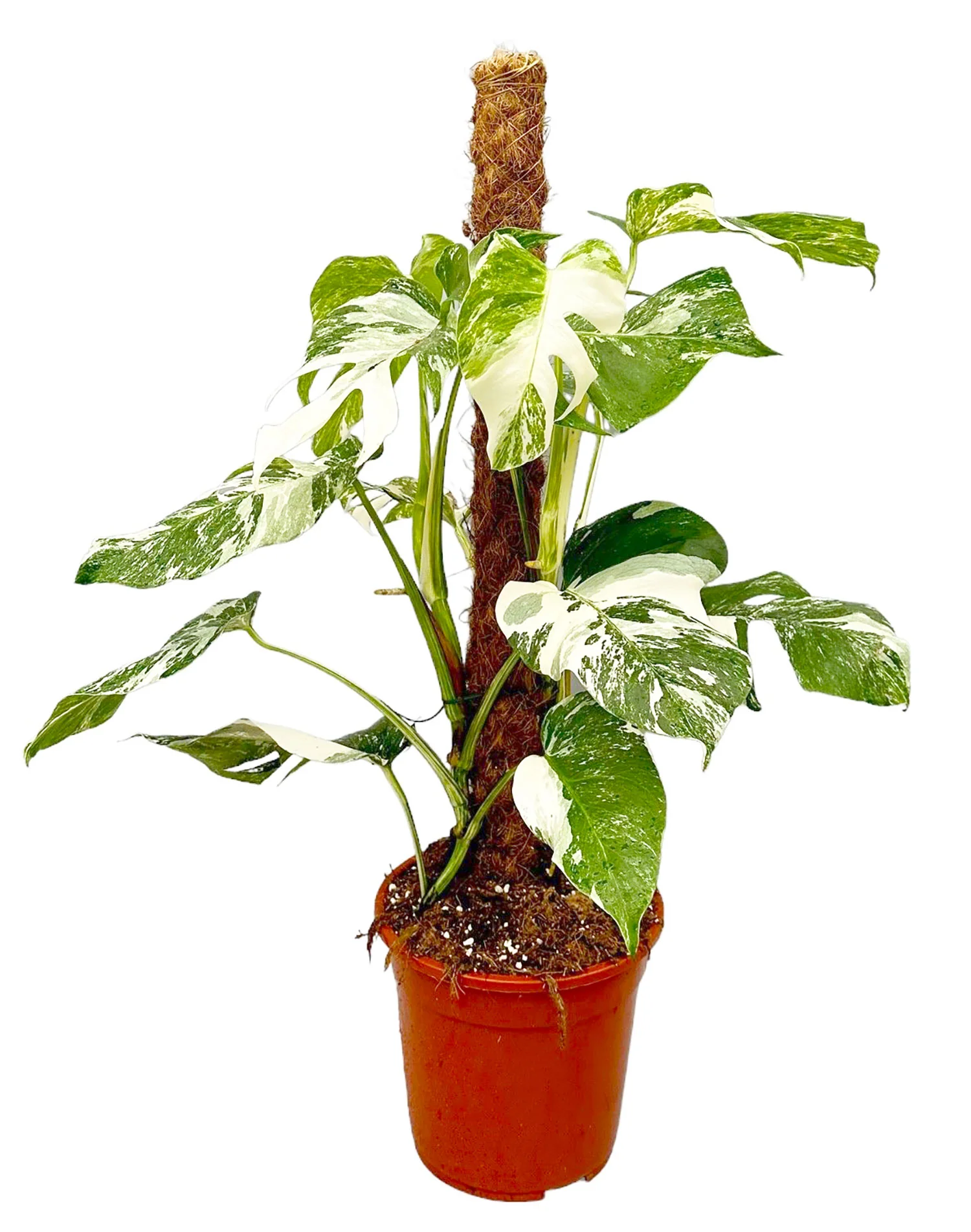
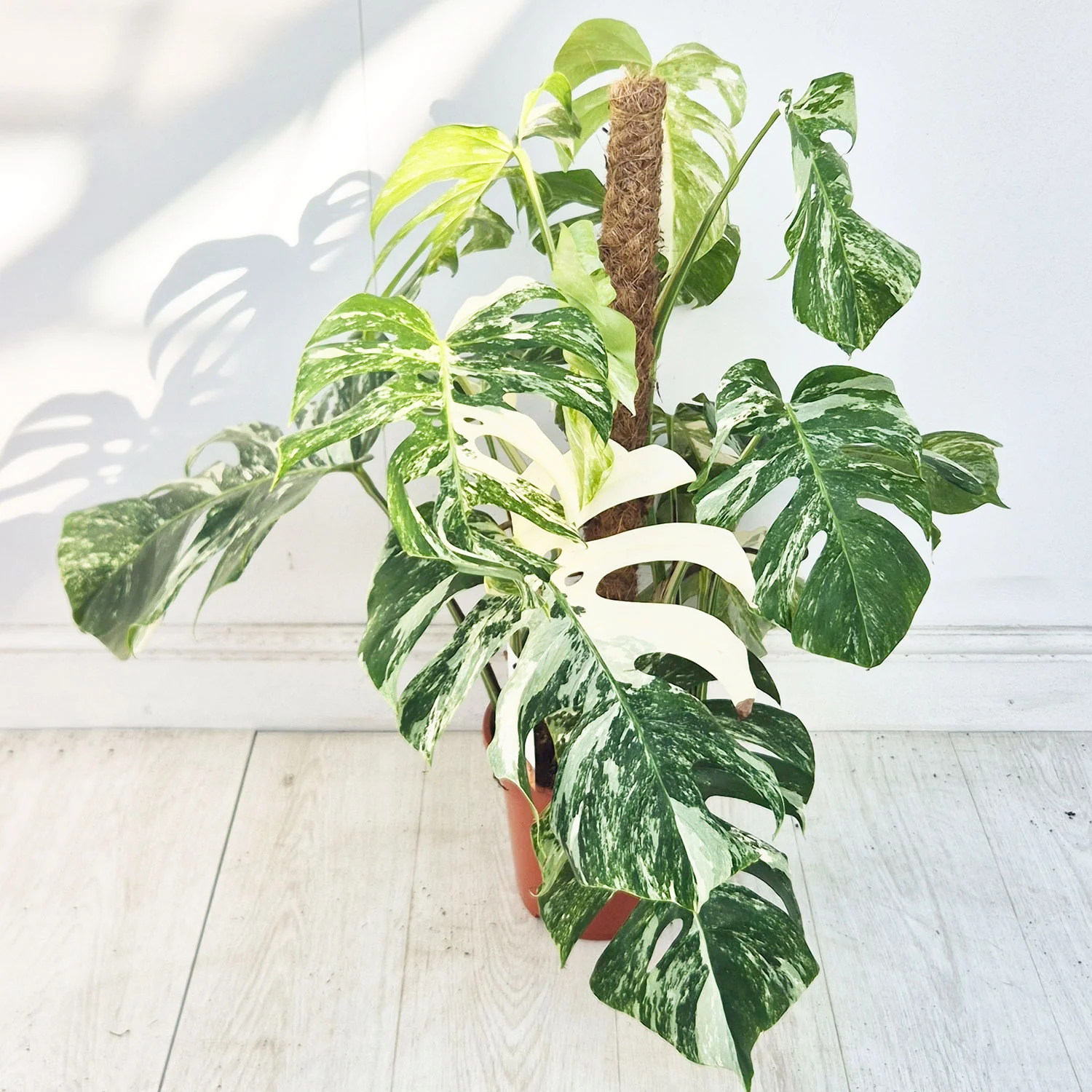
160 - 180cm XXL Monstera Deliciosa 55cm Pot House Plant
🌿 Monstera Deliciosa — Swiss Cheese Plant
Monstera deliciosa, affectionately known as the Swiss Cheese Plant, is one of the most iconic and best-loved houseplants in the world. Native to the tropical rainforests of Central America, it is prized for its large, glossy green leaves with characteristic splits and perforations that give it a dramatic, jungle-inspired look. The name deliciosa refers to the edible fruit it can produce in ideal conditions, although this is rare indoors. A natural climber, Monstera deliciosa grows by sending out aerial roots and can reach impressive sizes when supported on a moss pole or coir totem. Fast-growing, easy-going, and incredibly striking, it brings bold texture and lush greenery to any indoor space — perfect for beginners and collectors alike.
☀️ Light Requirements
-
Indoors: Prefers bright, indirect light. Will tolerate medium light but may develop fewer splits.
-
Direct sun: Avoid harsh midday sun, which can scorch the leaves.
-
Low light: Will survive, but growth will slow and new leaves may remain small or solid.
🌡️ Temperature & Humidity
-
Ideal temperature: 18–28°C (65–82°F)
-
Minimum temperature: Keep above 15°C (59°F)
-
Humidity: Thrives in moderate to high humidity, but adapts well to normal household levels. Misting or a humidifier will encourage larger leaf development.
💧 Watering Needs
-
Watering frequency: Water when the top 5 cm of soil feels dry. Water thoroughly and allow excess to drain.
-
Winter: Reduce watering as growth naturally slows.
-
Tip: Avoid letting the plant sit in soggy soil to prevent root rot.
🪴 Soil & Repotting
-
Soil type: Well-draining, aerated mix. A blend of houseplant compost, orchid bark, and perlite is ideal.
-
pH: Slightly acidic to neutral (5.5–7.0)
-
Repotting: Every 1–2 years or when rootbound. Spring is the best time to repot.
🌱 Feeding
-
Growing season (spring–summer): Feed every 4 weeks with a balanced liquid houseplant fertiliser.
-
Autumn–winter: Reduce feeding or pause during dormancy.
✂️ Pruning & Maintenance
-
Pruning: Trim leggy stems or control size as needed. Always cut just above a node.
-
Leaf care: Wipe with a damp cloth to remove dust and enhance its glossy appearance.
-
Support: Provide a moss pole or stake to encourage upright, mature growth.
🌾 Propagation
-
Stem cuttings: Take a cutting with at least one node and root it in water or moist soil.
-
Aerial roots: Can be included in the cutting for faster establishment.
🐛 Pests & Problems
-
Common pests: Mealybugs, spider mites, and scale.
-
Symptoms: Yellowing leaves, sticky residue, or webbing.
-
Treatment: Wipe down affected areas and treat with neem oil or insecticidal soap.
-
Common issues:
-
Brown leaf edges: Often caused by low humidity or inconsistent watering.
-
Yellowing lower leaves: Usually natural ageing or a sign of overwatering.
-
🧤 Toxicity & Safety
-
Toxicity: Toxic to pets and humans if ingested. Contains calcium oxalates that can cause irritation.
-
Precaution: Keep out of reach of small children and animals.
🏡 Indoor Care Highlights
-
A tropical, low-maintenance classic that makes a big visual impact with minimal fuss.
-
Perfect for living rooms, offices, and bright corners — especially in statement planters.
-
Pairs beautifully with other jungle-style plants like Philodendron, Calathea, or Ficus elastica.
-
Fast-growing and highly rewarding — ideal for both beginners and seasoned plant parents.
-
A must-have centrepiece for any indoor jungle collection.
Product Information
Product Information
Shipping & Returns
Shipping & Returns
Description
🌿 Monstera Deliciosa — Swiss Cheese Plant
Monstera deliciosa, affectionately known as the Swiss Cheese Plant, is one of the most iconic and best-loved houseplants in the world. Native to the tropical rainforests of Central America, it is prized for its large, glossy green leaves with characteristic splits and perforations that give it a dramatic, jungle-inspired look. The name deliciosa refers to the edible fruit it can produce in ideal conditions, although this is rare indoors. A natural climber, Monstera deliciosa grows by sending out aerial roots and can reach impressive sizes when supported on a moss pole or coir totem. Fast-growing, easy-going, and incredibly striking, it brings bold texture and lush greenery to any indoor space — perfect for beginners and collectors alike.
☀️ Light Requirements
-
Indoors: Prefers bright, indirect light. Will tolerate medium light but may develop fewer splits.
-
Direct sun: Avoid harsh midday sun, which can scorch the leaves.
-
Low light: Will survive, but growth will slow and new leaves may remain small or solid.
🌡️ Temperature & Humidity
-
Ideal temperature: 18–28°C (65–82°F)
-
Minimum temperature: Keep above 15°C (59°F)
-
Humidity: Thrives in moderate to high humidity, but adapts well to normal household levels. Misting or a humidifier will encourage larger leaf development.
💧 Watering Needs
-
Watering frequency: Water when the top 5 cm of soil feels dry. Water thoroughly and allow excess to drain.
-
Winter: Reduce watering as growth naturally slows.
-
Tip: Avoid letting the plant sit in soggy soil to prevent root rot.
🪴 Soil & Repotting
-
Soil type: Well-draining, aerated mix. A blend of houseplant compost, orchid bark, and perlite is ideal.
-
pH: Slightly acidic to neutral (5.5–7.0)
-
Repotting: Every 1–2 years or when rootbound. Spring is the best time to repot.
🌱 Feeding
-
Growing season (spring–summer): Feed every 4 weeks with a balanced liquid houseplant fertiliser.
-
Autumn–winter: Reduce feeding or pause during dormancy.
✂️ Pruning & Maintenance
-
Pruning: Trim leggy stems or control size as needed. Always cut just above a node.
-
Leaf care: Wipe with a damp cloth to remove dust and enhance its glossy appearance.
-
Support: Provide a moss pole or stake to encourage upright, mature growth.
🌾 Propagation
-
Stem cuttings: Take a cutting with at least one node and root it in water or moist soil.
-
Aerial roots: Can be included in the cutting for faster establishment.
🐛 Pests & Problems
-
Common pests: Mealybugs, spider mites, and scale.
-
Symptoms: Yellowing leaves, sticky residue, or webbing.
-
Treatment: Wipe down affected areas and treat with neem oil or insecticidal soap.
-
Common issues:
-
Brown leaf edges: Often caused by low humidity or inconsistent watering.
-
Yellowing lower leaves: Usually natural ageing or a sign of overwatering.
-
🧤 Toxicity & Safety
-
Toxicity: Toxic to pets and humans if ingested. Contains calcium oxalates that can cause irritation.
-
Precaution: Keep out of reach of small children and animals.
🏡 Indoor Care Highlights
-
A tropical, low-maintenance classic that makes a big visual impact with minimal fuss.
-
Perfect for living rooms, offices, and bright corners — especially in statement planters.
-
Pairs beautifully with other jungle-style plants like Philodendron, Calathea, or Ficus elastica.
-
Fast-growing and highly rewarding — ideal for both beginners and seasoned plant parents.
-
A must-have centrepiece for any indoor jungle collection.