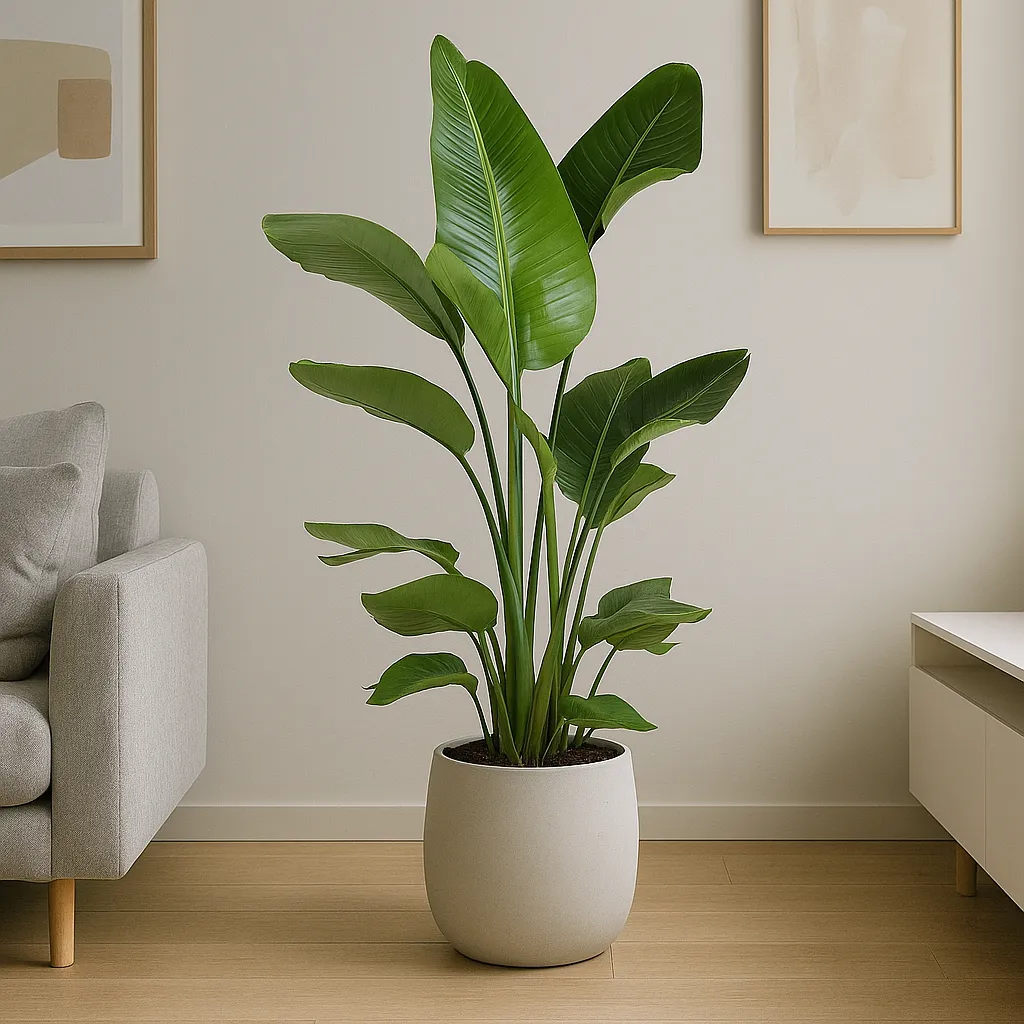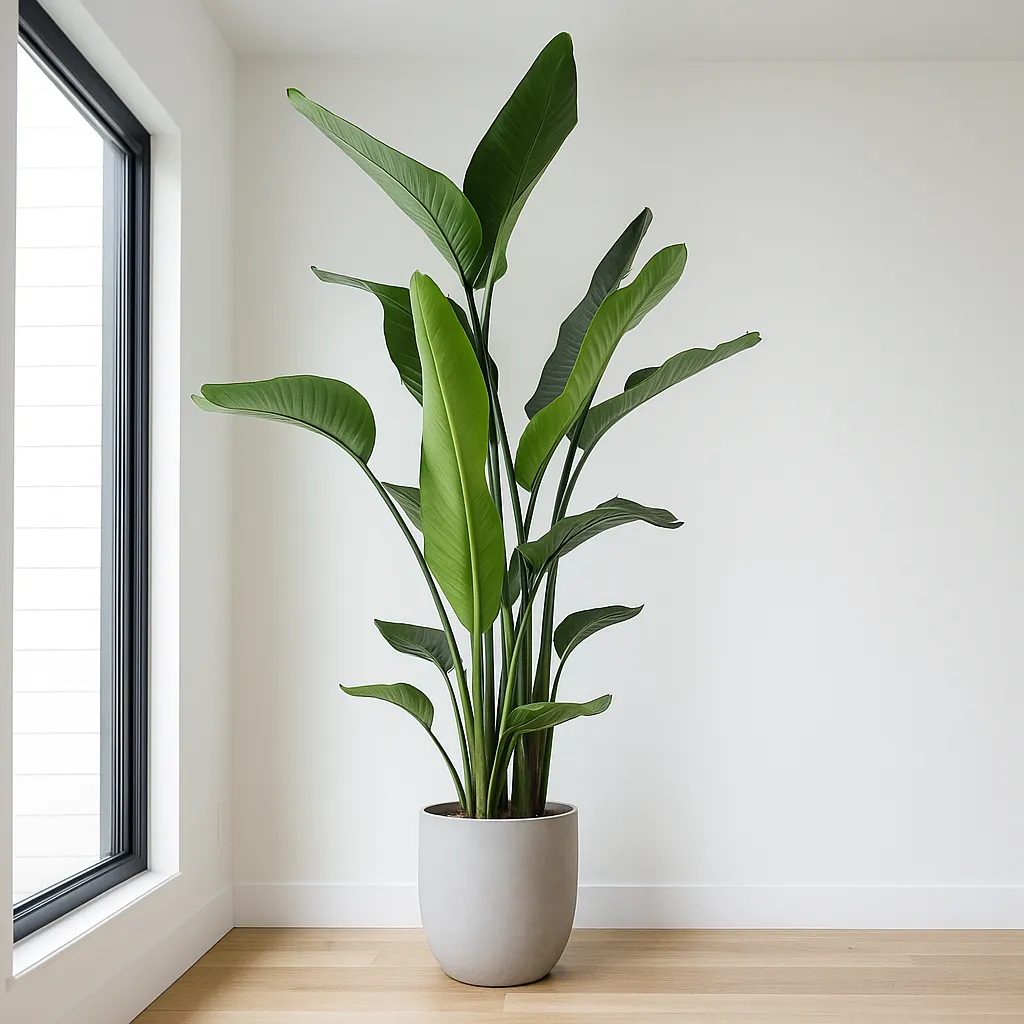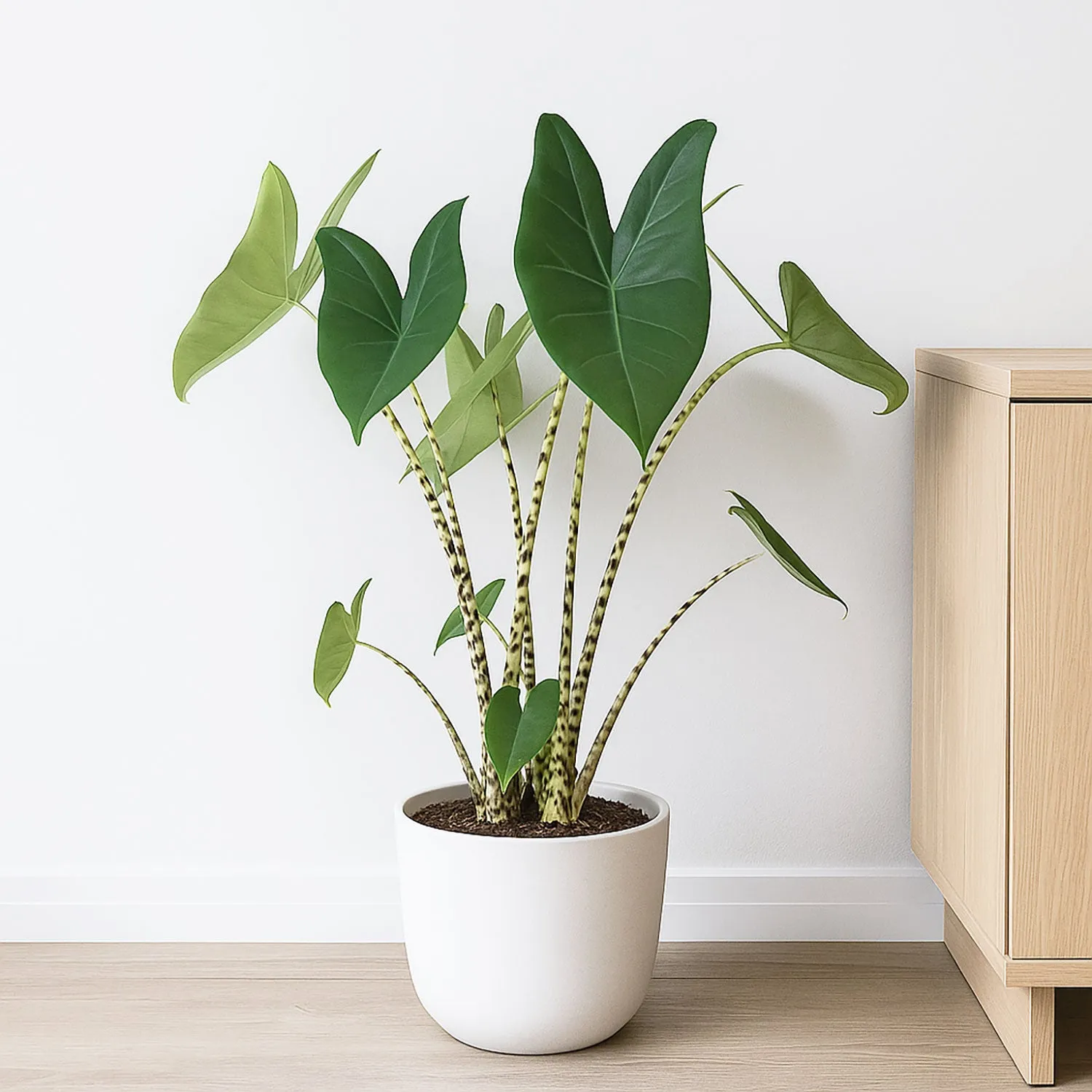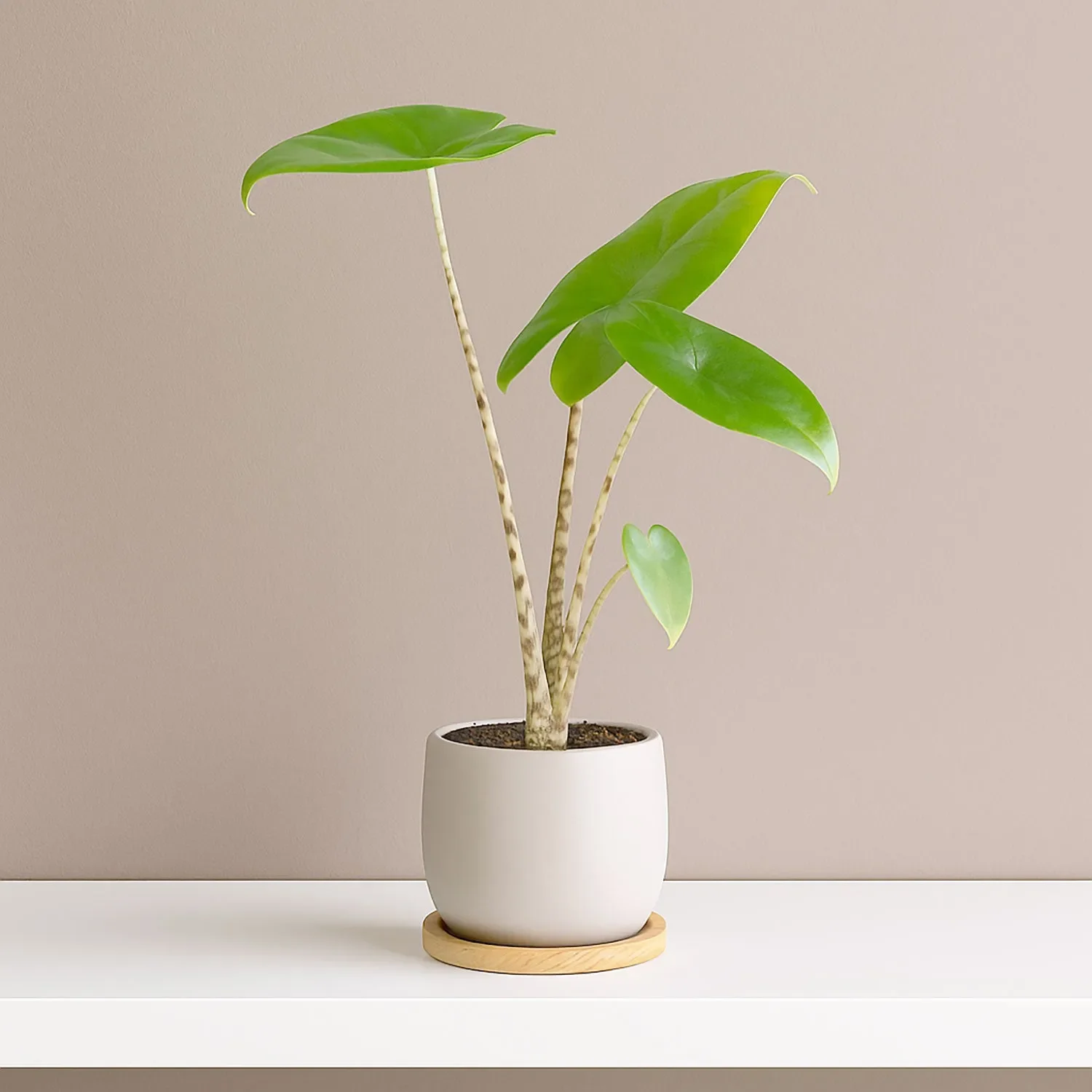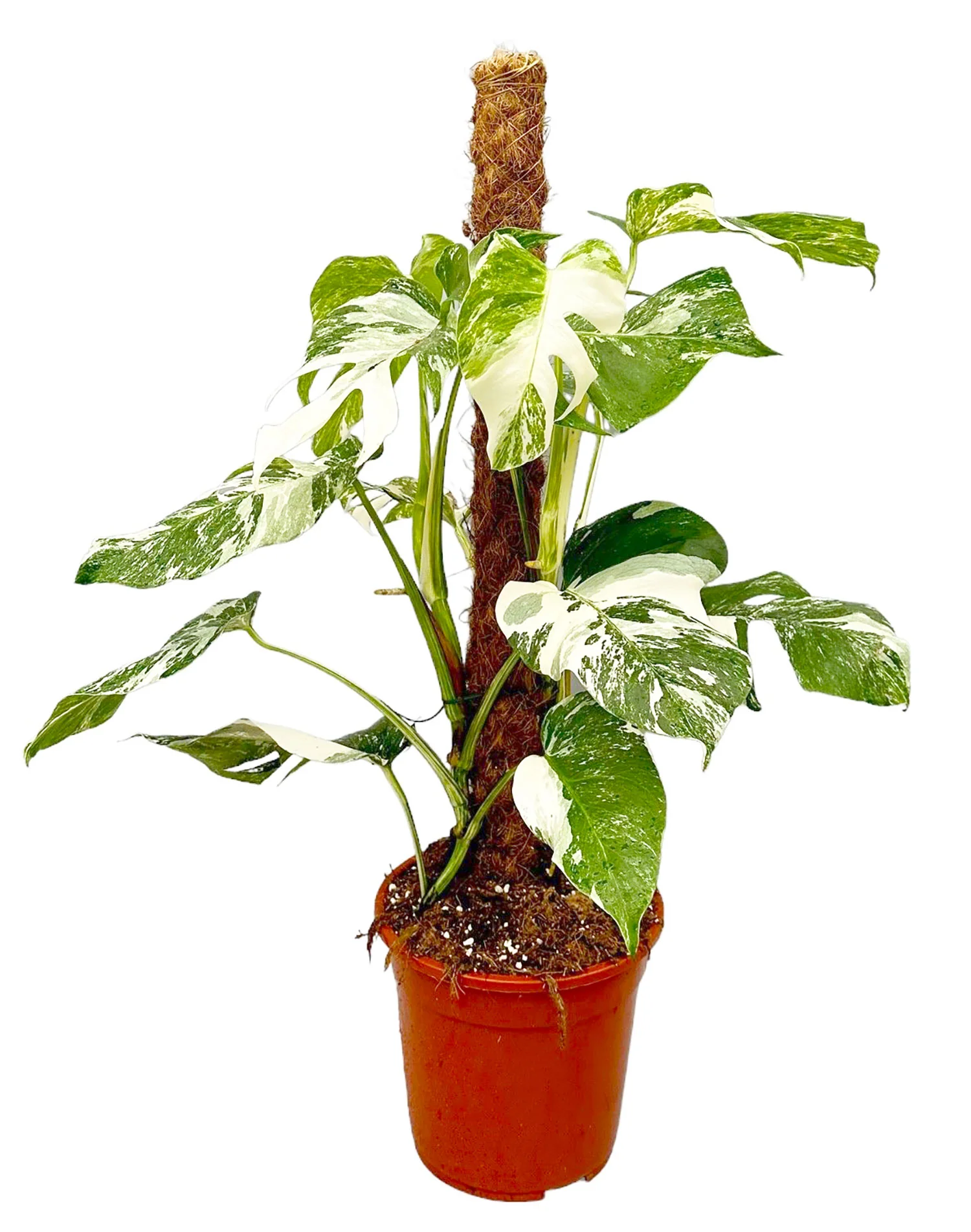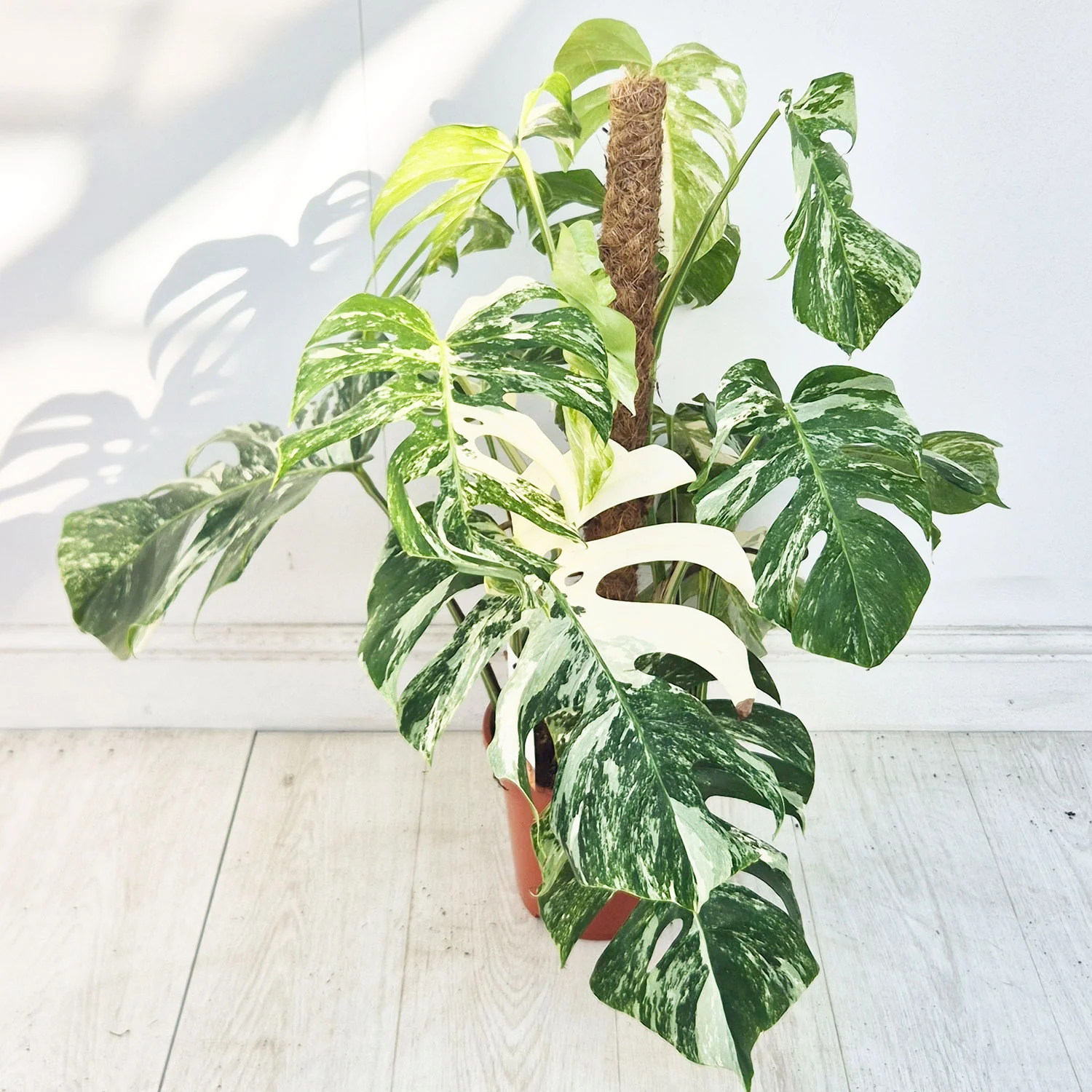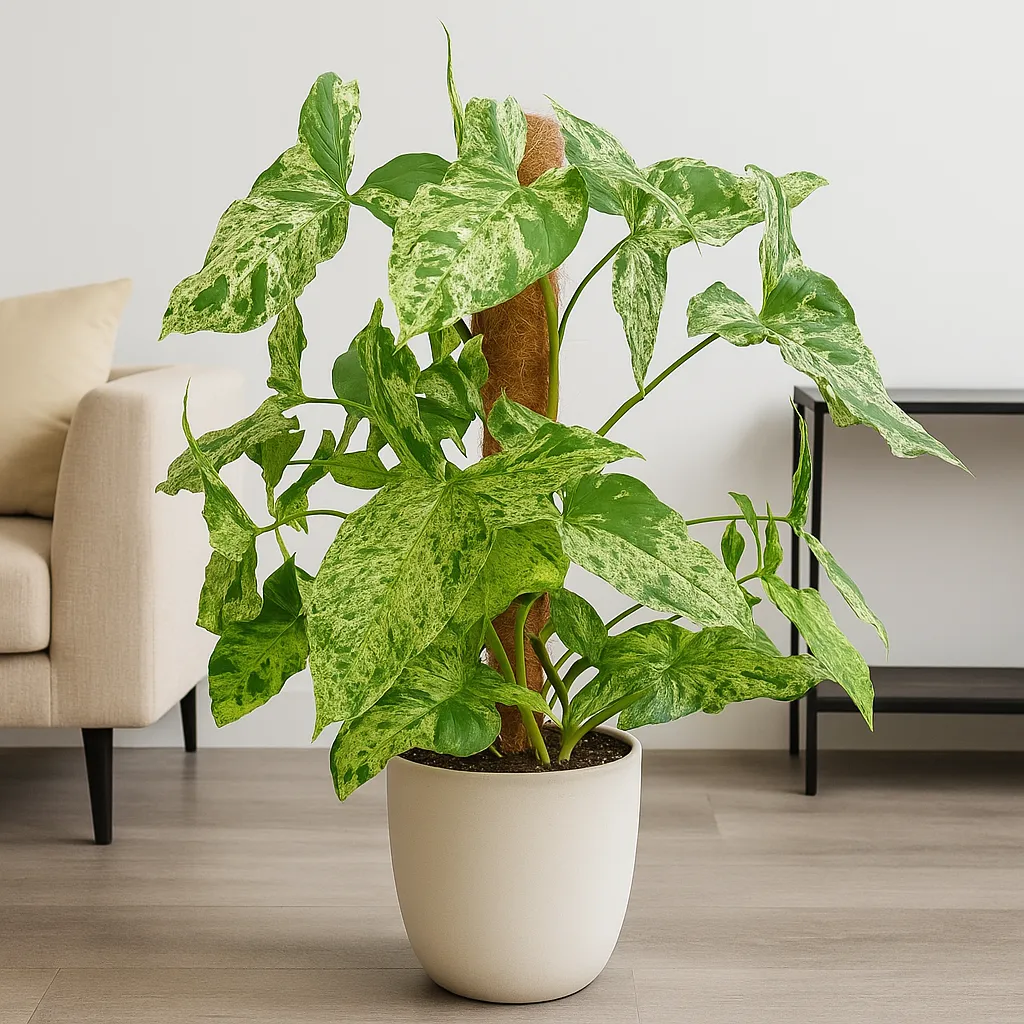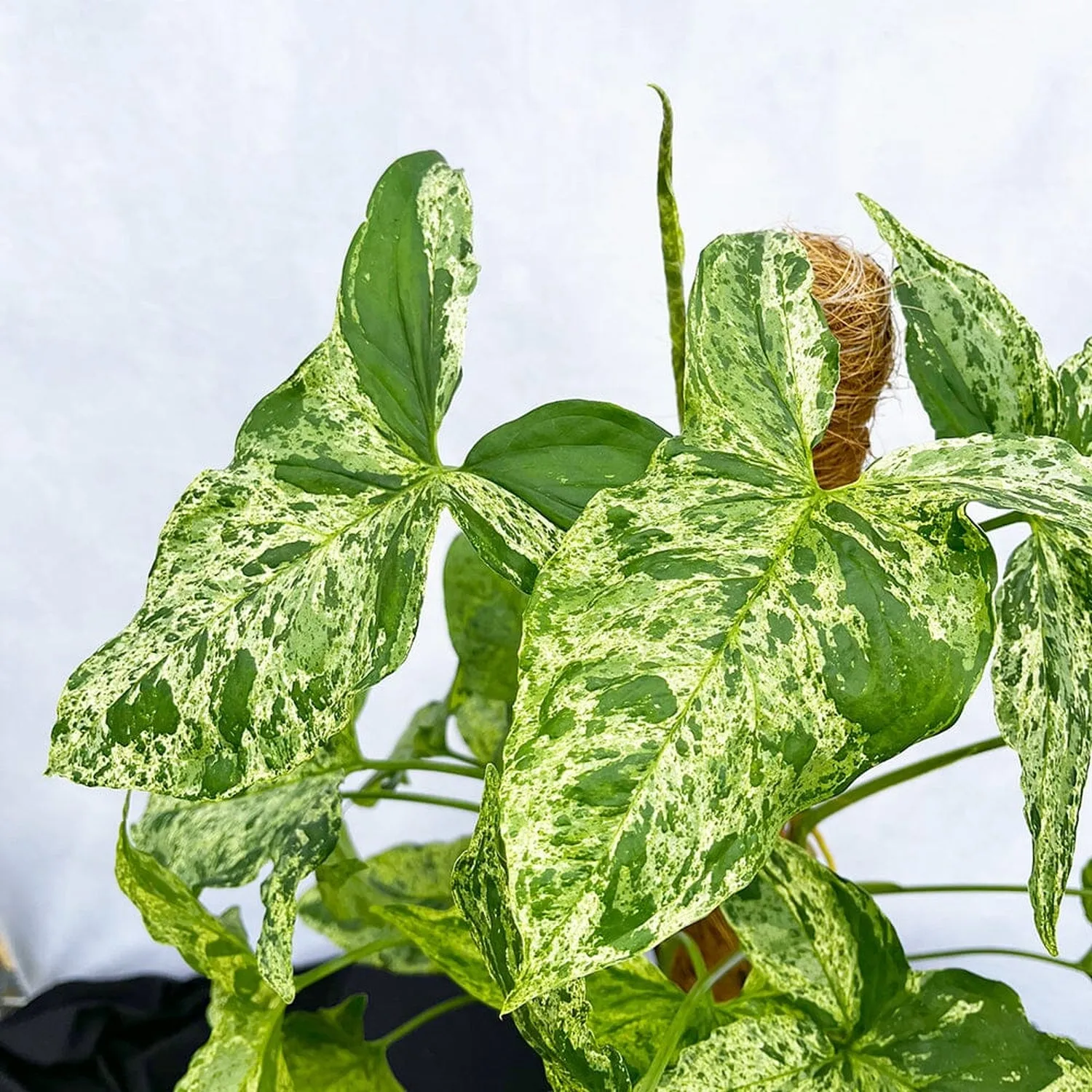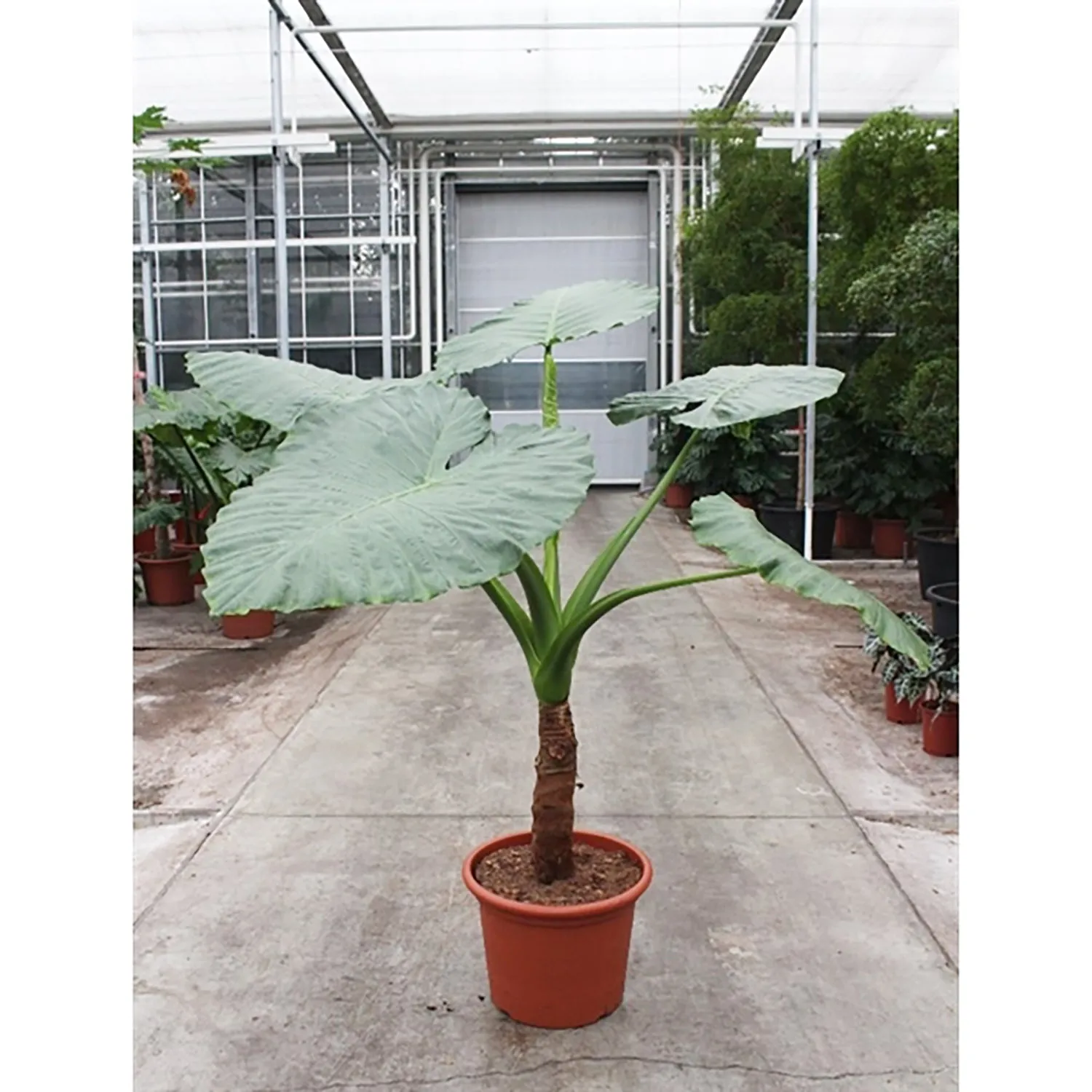
170 - 190cm XXL Alocasia Macrorrhiza 50cm Pot House Plant
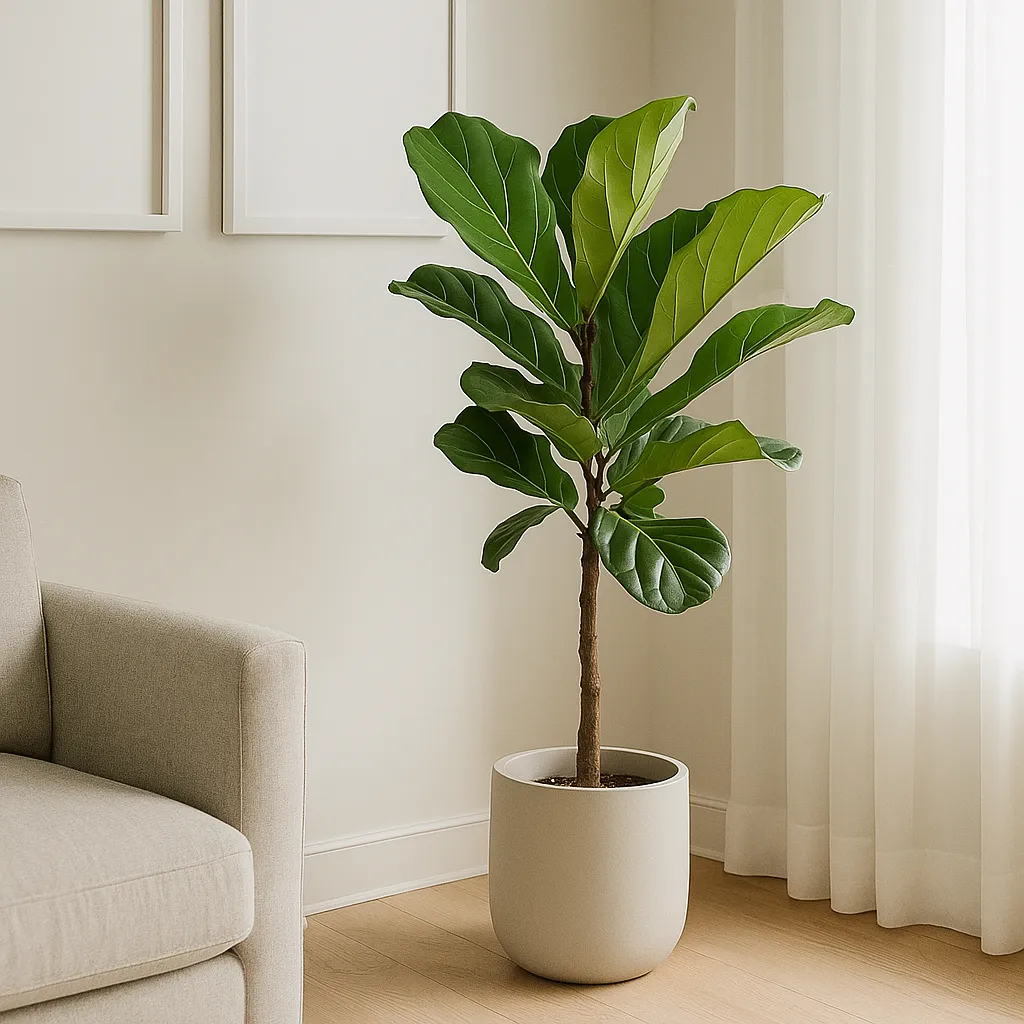
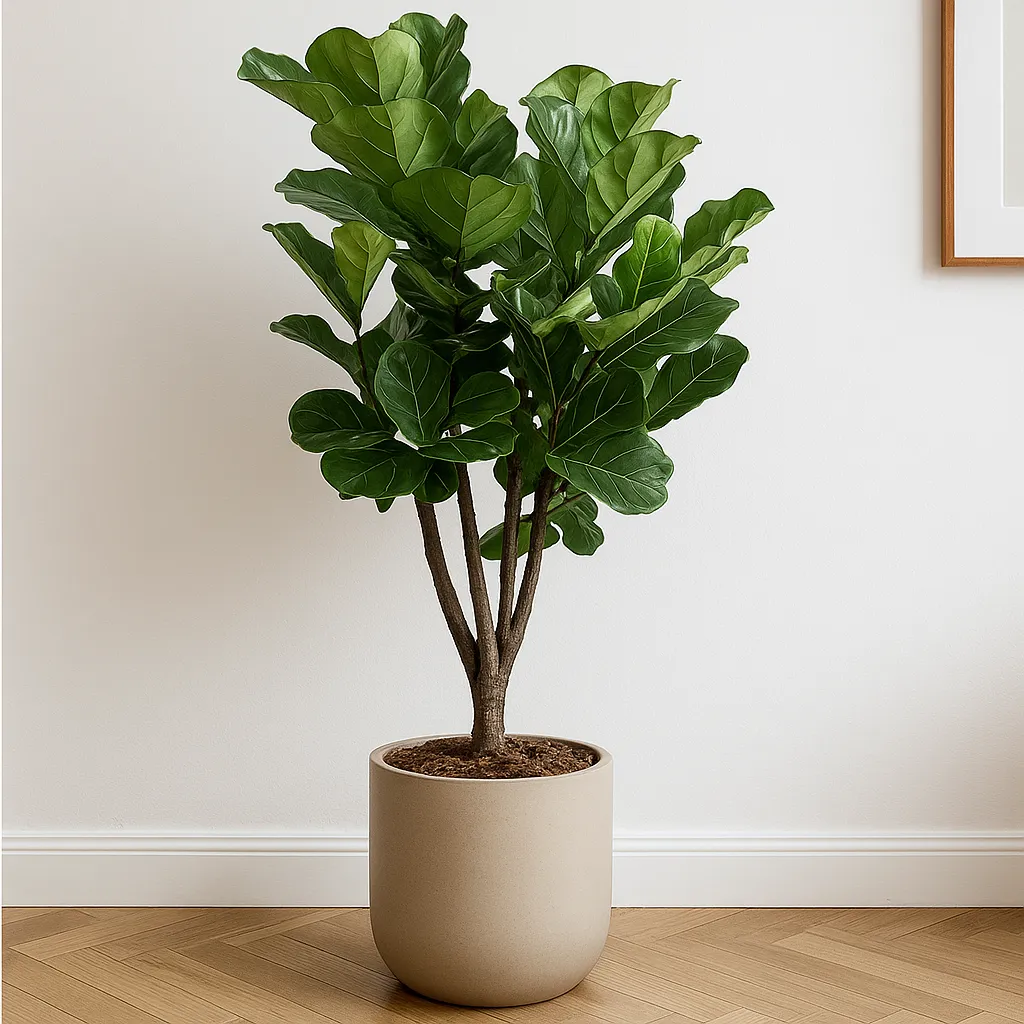
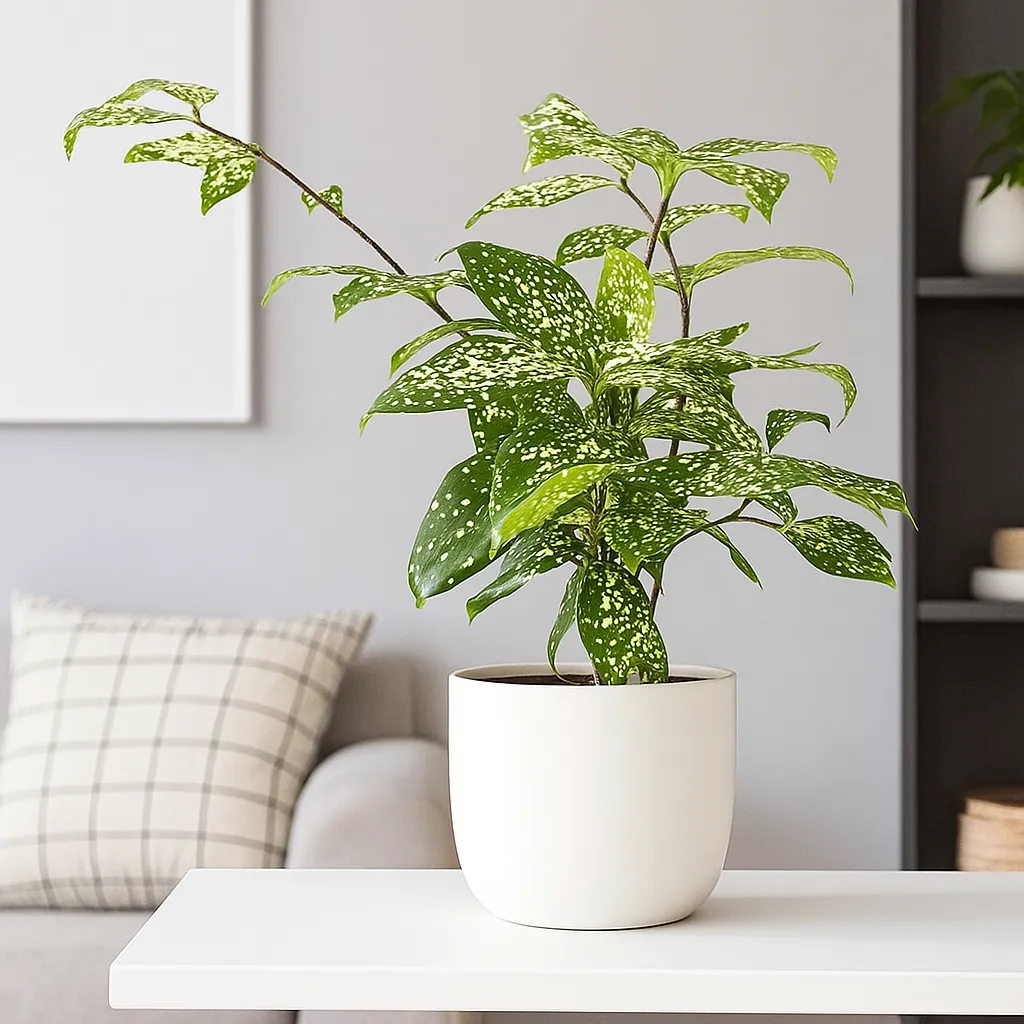
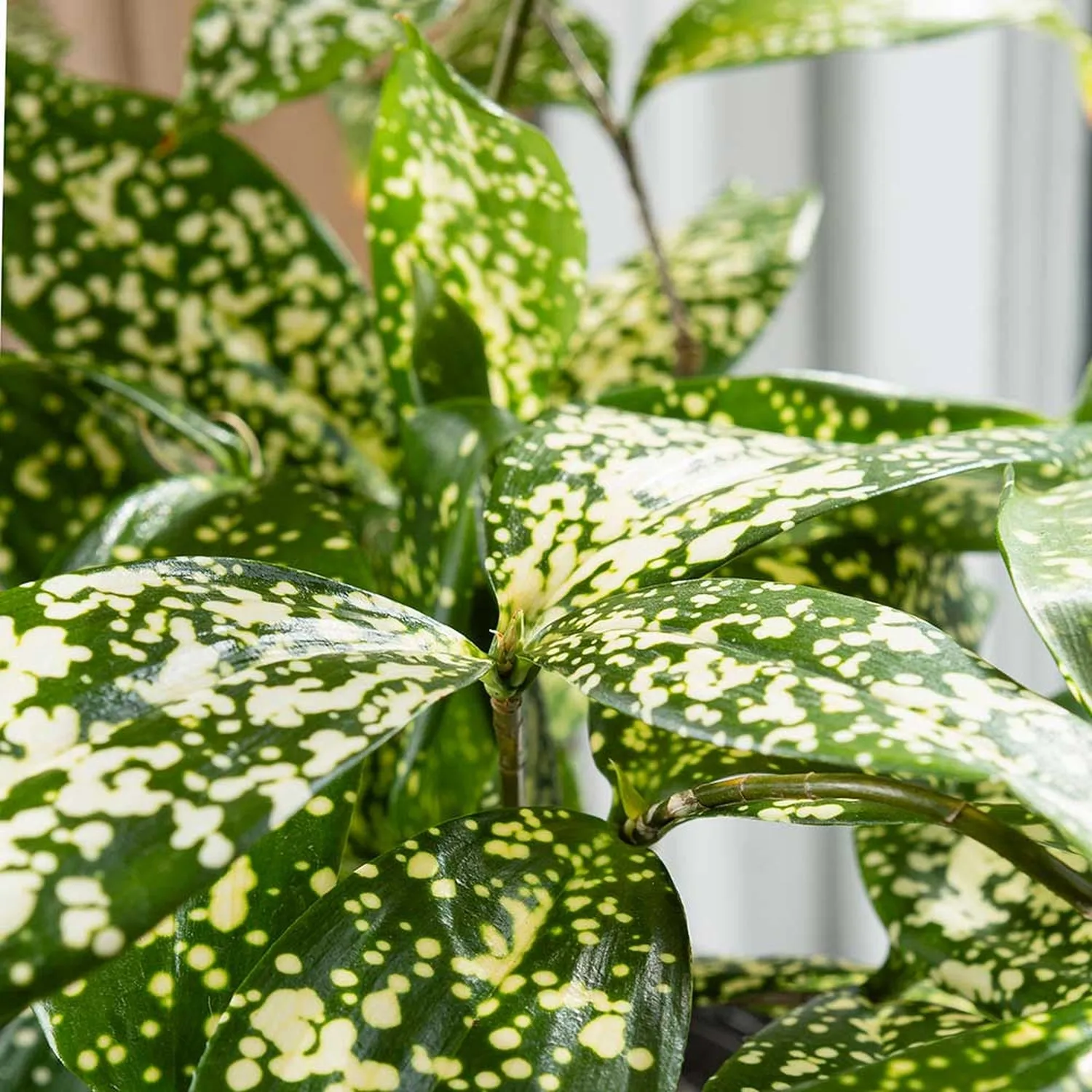
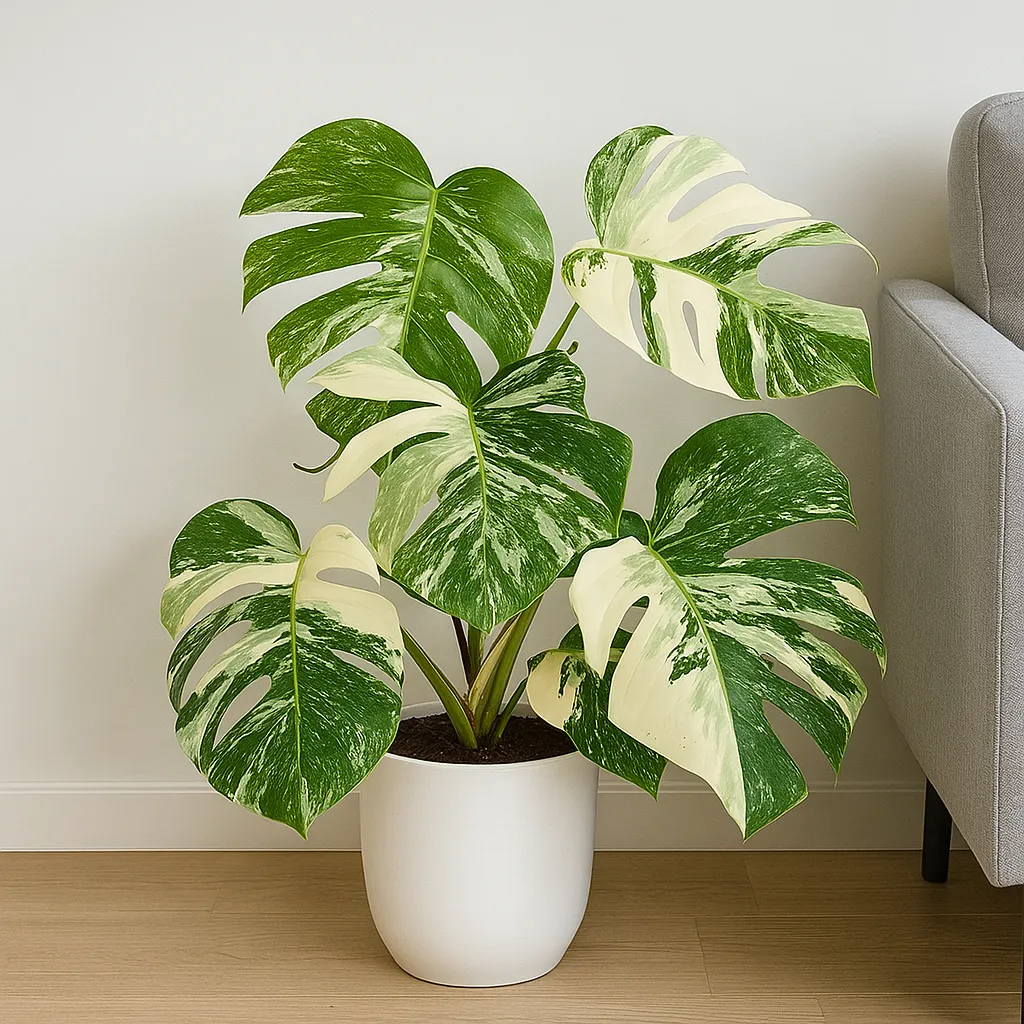
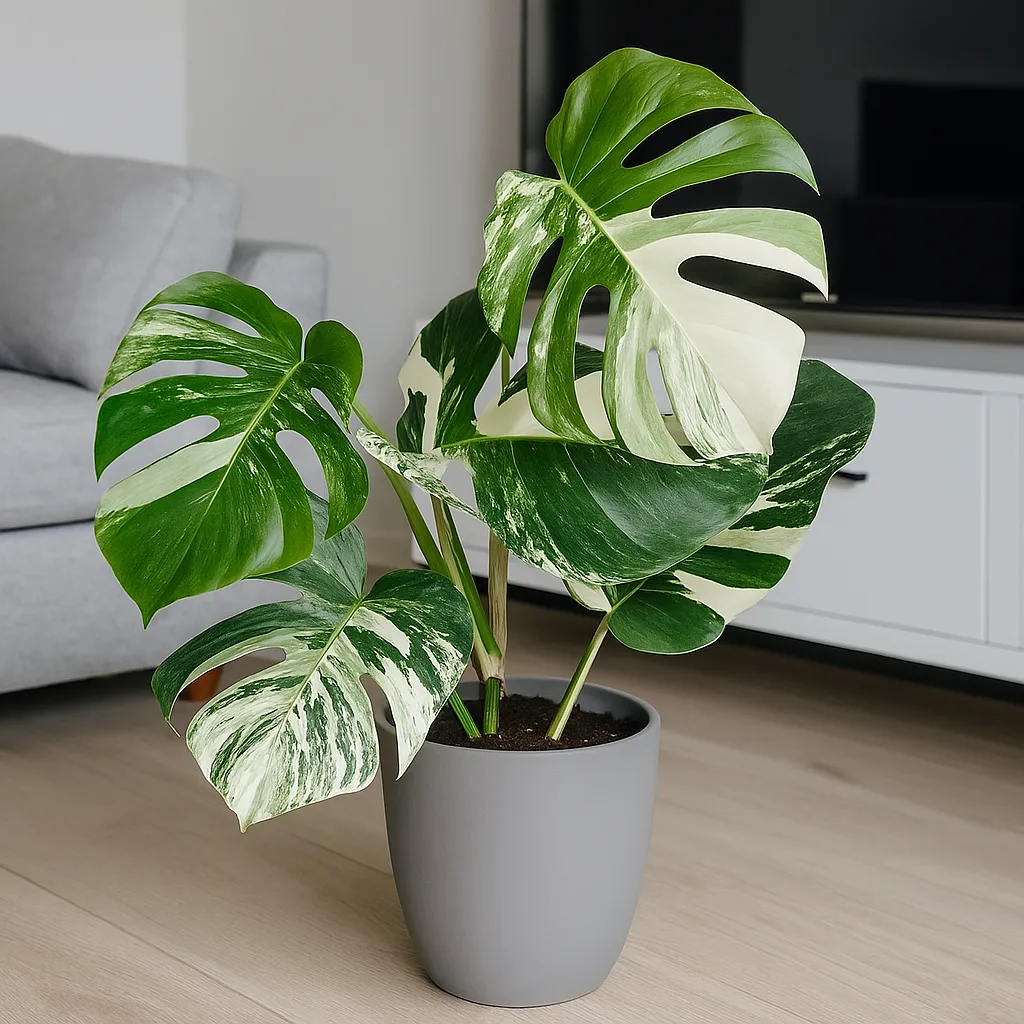
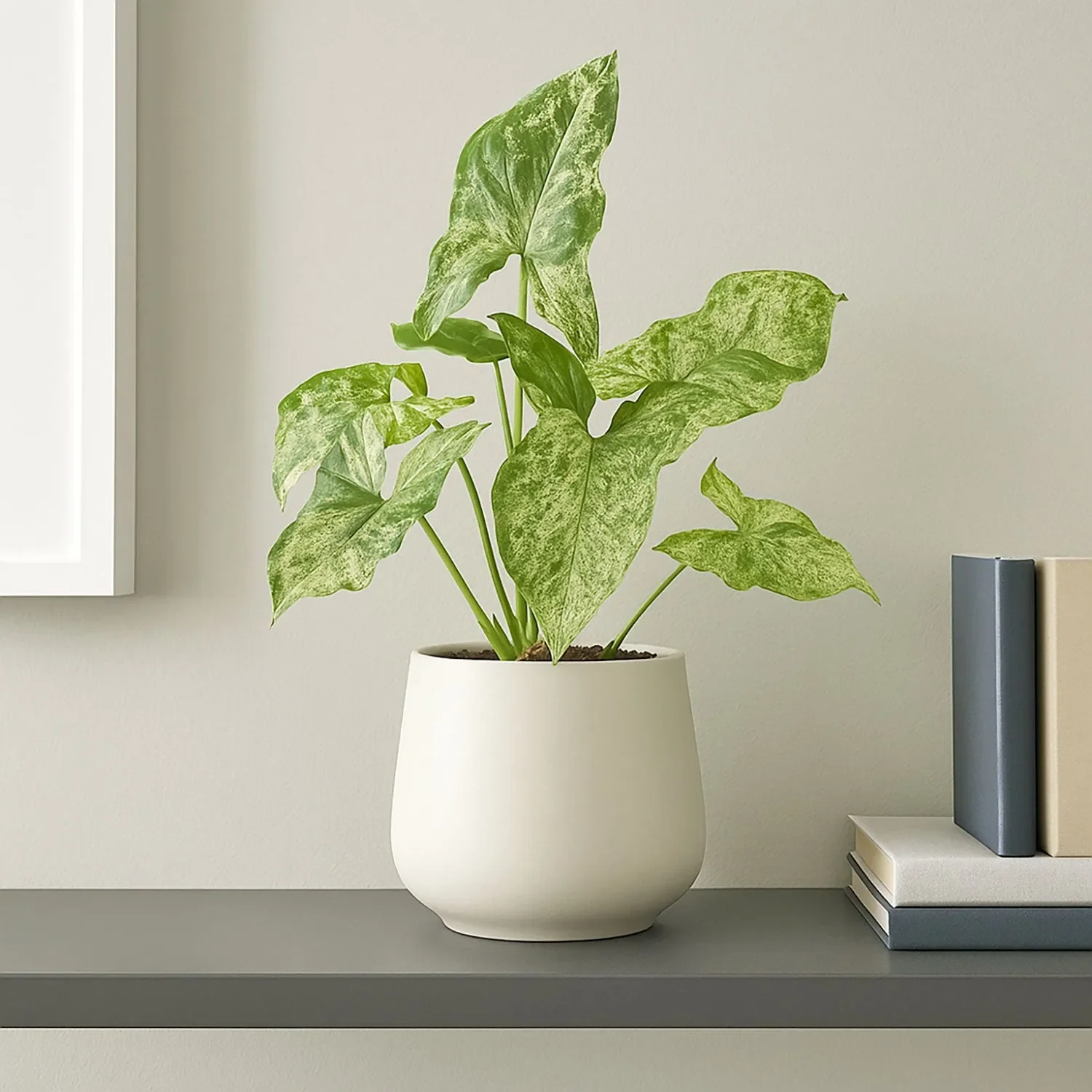
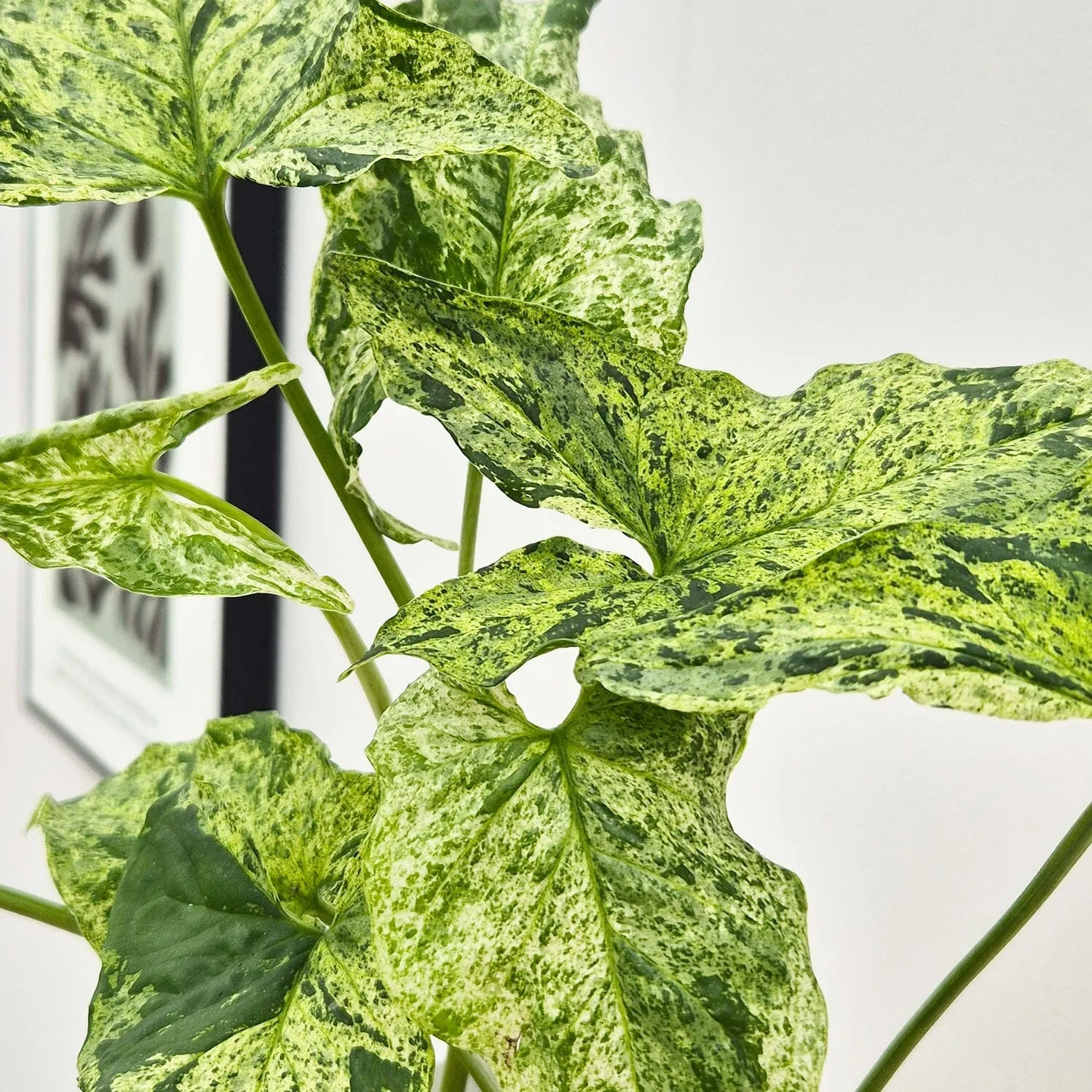
Description: Alocasia Macrorrhiza, commonly known as the Giant Taro or Elephant Ear Plant, is a striking tropical plant celebrated for its enormous, glossy, heart-shaped leaves that can grow up to 1 metre long. This XXL specimen, reaching a height of 170–190 cm in a 50 cm pot, is a dramatic statement piece ideal for large interiors, offices, or conservatories.
Native to Southeast Asia, this plant’s bold foliage and sculptural form create a lush, tropical ambience. Despite its grand appearance, Alocasia Macrorrhiza is relatively low-maintenance when its care requirements are met, making it a favourite for those looking to add an exotic flair to their indoor spaces.
Care Guide
1. Light Requirements
- Preferred: Bright, indirect sunlight for optimal growth and vibrant foliage.
- Tolerates: Partial shade, but growth may slow, and leaves may become less vibrant.
- Avoid: Direct sunlight, which can scorch the leaves, and very low light, which may lead to leggy growth.
2. Watering
- Frequency: Water when the top 2–5 cm (1–2 inches) of soil feels dry.
- Method: Water thoroughly until excess water drains out of the bottom of the pot. Always discard standing water to prevent root rot.
- Caution: Alocasia prefers consistently moist soil but is highly sensitive to overwatering. Allow the topsoil to dry out slightly between waterings.
3. Humidity
- Thrives in high humidity levels (60–80%).
- Use a humidifier, place the plant on a pebble tray with water, or mist the leaves regularly, especially in dry indoor environments or during winter.
4. Temperature
- Ideal range: 18–27°C (65–80°F).
- Protect from temperatures below 15°C (59°F), cold drafts, and sudden temperature changes, as Alocasia is sensitive to cold.
5. Soil
- Requires a well-draining, nutrient-rich potting mix.
- Use a standard houseplant mix with added perlite, peat, or coco coir for improved aeration and drainage.
6. Fertilising
- Feed with a balanced liquid fertiliser every 4–6 weeks during the growing season (spring and summer).
- Reduce feeding in autumn and stop during winter when the plant enters dormancy.
7. Pruning
- Remove any yellowing, brown, or damaged leaves at the base to keep the plant healthy and encourage new growth.
- Wipe the large leaves regularly with a damp cloth to keep them clean and dust-free.
8. Repotting
- Repot every 1–2 years or when the plant becomes root-bound, using a slightly larger pot.
- Refresh the soil with a rich, well-draining mix to support healthy growth.
9. Propagation
- Propagate Alocasia Macrorrhiza through division during repotting.
- Gently separate offsets (pups) from the main plant, ensuring each has roots attached, and plant them in individual pots.
10. Common Problems
- Yellowing Leaves: Often a sign of overwatering or poor drainage. Allow the soil to dry slightly between waterings.
- Brown Leaf Tips: Typically caused by low humidity or underwatering. Increase humidity and ensure consistent watering.
- Drooping Leaves: Can result from insufficient light, irregular watering, or natural ageing of older leaves.
11. Pests
- Susceptible to spider mites, mealybugs, and scale.
- Inspect leaves regularly and treat infestations with neem oil or insecticidal soap. Wiping leaves with a damp cloth can help prevent pest issues.
Styling Tips
- Position the XXL Alocasia Macrorrhiza in a prominent spot, such as a bright corner or beside a seating area, to showcase its dramatic foliage.
- Use the included 50 cm pot or place it in a decorative planter with natural or metallic tones to enhance its tropical aesthetic.
- Pair it with smaller tropical plants like Calathea or Monstera for a layered, jungle-inspired look.
- Its oversized leaves make it an excellent backdrop for other decorative elements or a focal point in minimalist interiors.
Benefits of Alocasia Macrorrhiza
- Tropical Appeal: Its large, sculptural leaves bring a sense of luxury and exoticism to any space.
- Air-Purifying: Helps improve indoor air quality by filtering toxins.
- Statement Plant: Makes an eye-catching focal point in large interiors with its grand height and bold foliage.
The XXL Alocasia Macrorrhiza is a stunning choice for plant enthusiasts seeking a dramatic, tropical centrepiece that combines beauty and low-maintenance care. Its majestic size and lush greenery create an unparalleled indoor atmosphere.
Original: $659.88
-70%$659.88
$197.96Product Information
Product Information
Shipping & Returns
Shipping & Returns
Description
Description: Alocasia Macrorrhiza, commonly known as the Giant Taro or Elephant Ear Plant, is a striking tropical plant celebrated for its enormous, glossy, heart-shaped leaves that can grow up to 1 metre long. This XXL specimen, reaching a height of 170–190 cm in a 50 cm pot, is a dramatic statement piece ideal for large interiors, offices, or conservatories.
Native to Southeast Asia, this plant’s bold foliage and sculptural form create a lush, tropical ambience. Despite its grand appearance, Alocasia Macrorrhiza is relatively low-maintenance when its care requirements are met, making it a favourite for those looking to add an exotic flair to their indoor spaces.
Care Guide
1. Light Requirements
- Preferred: Bright, indirect sunlight for optimal growth and vibrant foliage.
- Tolerates: Partial shade, but growth may slow, and leaves may become less vibrant.
- Avoid: Direct sunlight, which can scorch the leaves, and very low light, which may lead to leggy growth.
2. Watering
- Frequency: Water when the top 2–5 cm (1–2 inches) of soil feels dry.
- Method: Water thoroughly until excess water drains out of the bottom of the pot. Always discard standing water to prevent root rot.
- Caution: Alocasia prefers consistently moist soil but is highly sensitive to overwatering. Allow the topsoil to dry out slightly between waterings.
3. Humidity
- Thrives in high humidity levels (60–80%).
- Use a humidifier, place the plant on a pebble tray with water, or mist the leaves regularly, especially in dry indoor environments or during winter.
4. Temperature
- Ideal range: 18–27°C (65–80°F).
- Protect from temperatures below 15°C (59°F), cold drafts, and sudden temperature changes, as Alocasia is sensitive to cold.
5. Soil
- Requires a well-draining, nutrient-rich potting mix.
- Use a standard houseplant mix with added perlite, peat, or coco coir for improved aeration and drainage.
6. Fertilising
- Feed with a balanced liquid fertiliser every 4–6 weeks during the growing season (spring and summer).
- Reduce feeding in autumn and stop during winter when the plant enters dormancy.
7. Pruning
- Remove any yellowing, brown, or damaged leaves at the base to keep the plant healthy and encourage new growth.
- Wipe the large leaves regularly with a damp cloth to keep them clean and dust-free.
8. Repotting
- Repot every 1–2 years or when the plant becomes root-bound, using a slightly larger pot.
- Refresh the soil with a rich, well-draining mix to support healthy growth.
9. Propagation
- Propagate Alocasia Macrorrhiza through division during repotting.
- Gently separate offsets (pups) from the main plant, ensuring each has roots attached, and plant them in individual pots.
10. Common Problems
- Yellowing Leaves: Often a sign of overwatering or poor drainage. Allow the soil to dry slightly between waterings.
- Brown Leaf Tips: Typically caused by low humidity or underwatering. Increase humidity and ensure consistent watering.
- Drooping Leaves: Can result from insufficient light, irregular watering, or natural ageing of older leaves.
11. Pests
- Susceptible to spider mites, mealybugs, and scale.
- Inspect leaves regularly and treat infestations with neem oil or insecticidal soap. Wiping leaves with a damp cloth can help prevent pest issues.
Styling Tips
- Position the XXL Alocasia Macrorrhiza in a prominent spot, such as a bright corner or beside a seating area, to showcase its dramatic foliage.
- Use the included 50 cm pot or place it in a decorative planter with natural or metallic tones to enhance its tropical aesthetic.
- Pair it with smaller tropical plants like Calathea or Monstera for a layered, jungle-inspired look.
- Its oversized leaves make it an excellent backdrop for other decorative elements or a focal point in minimalist interiors.
Benefits of Alocasia Macrorrhiza
- Tropical Appeal: Its large, sculptural leaves bring a sense of luxury and exoticism to any space.
- Air-Purifying: Helps improve indoor air quality by filtering toxins.
- Statement Plant: Makes an eye-catching focal point in large interiors with its grand height and bold foliage.
The XXL Alocasia Macrorrhiza is a stunning choice for plant enthusiasts seeking a dramatic, tropical centrepiece that combines beauty and low-maintenance care. Its majestic size and lush greenery create an unparalleled indoor atmosphere.