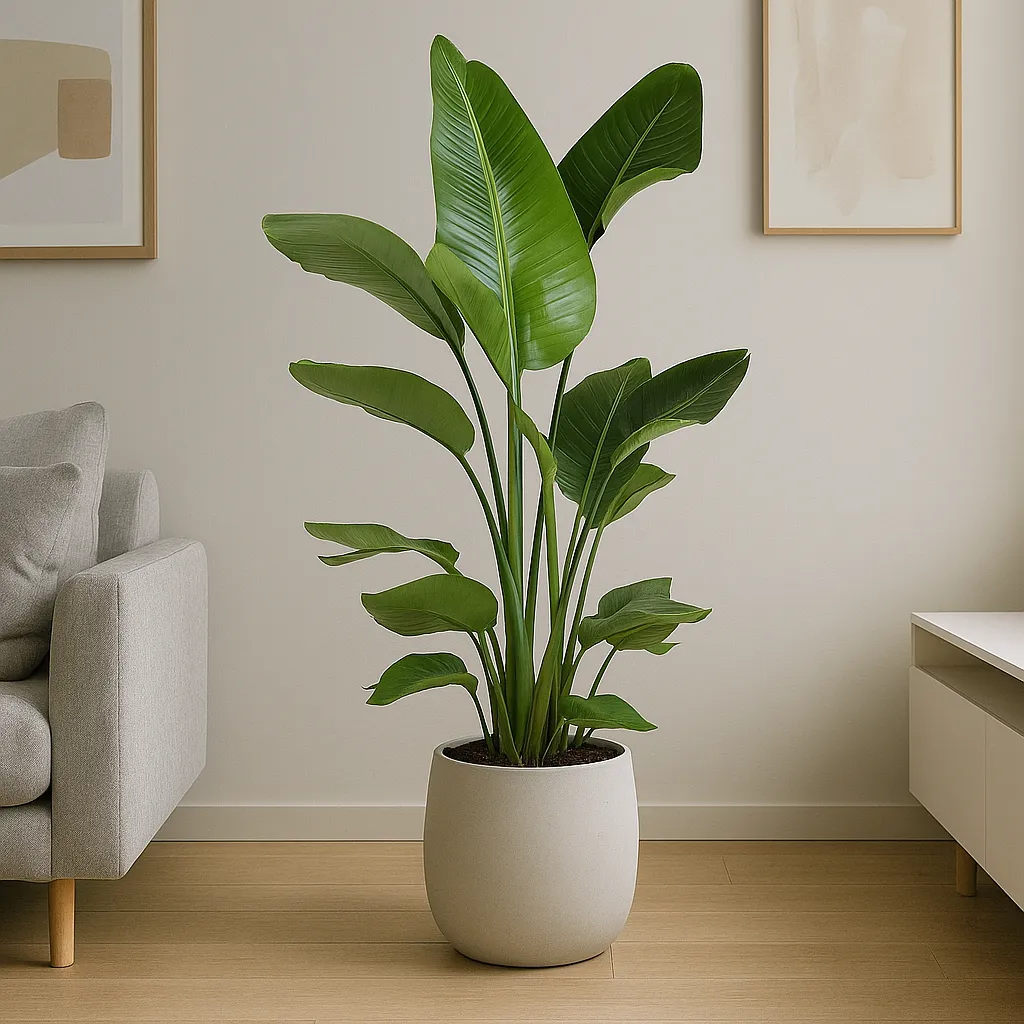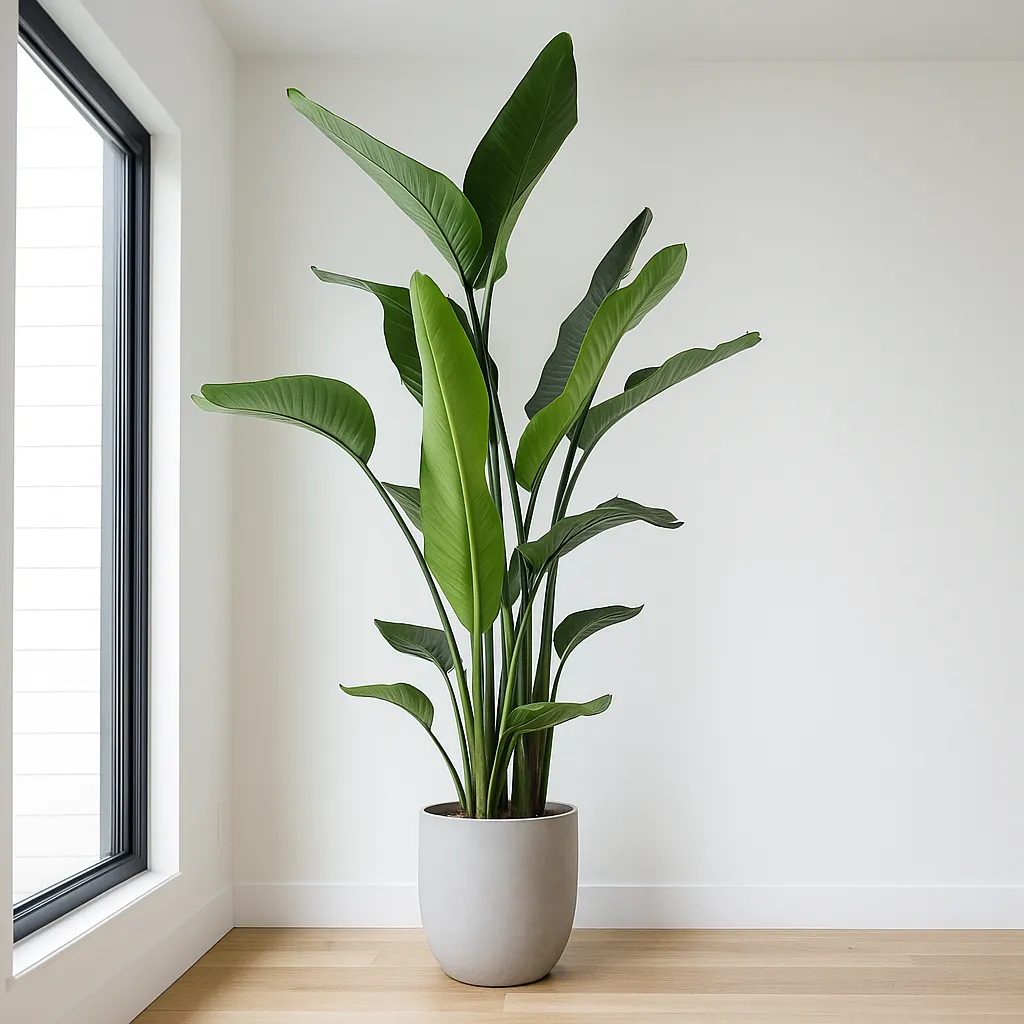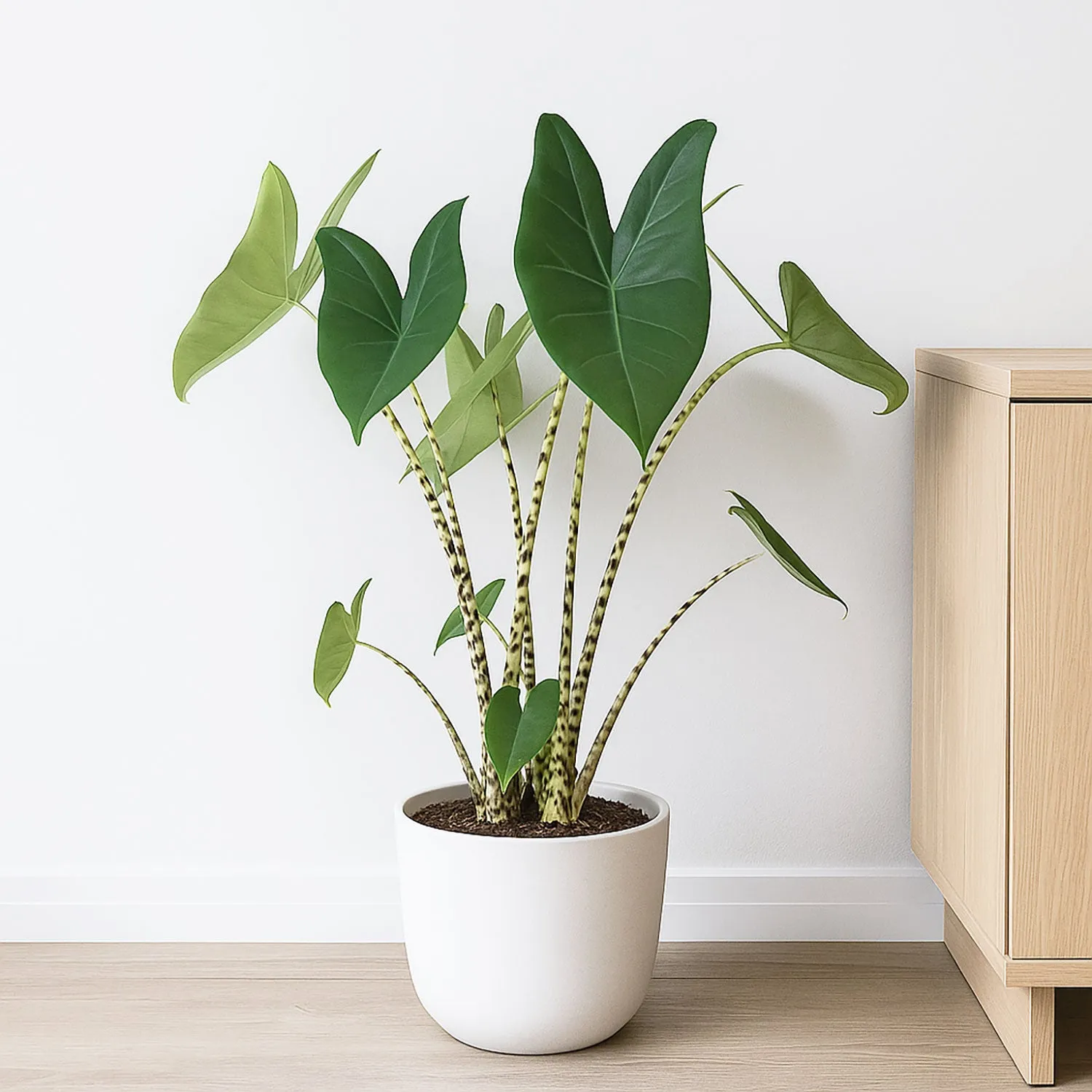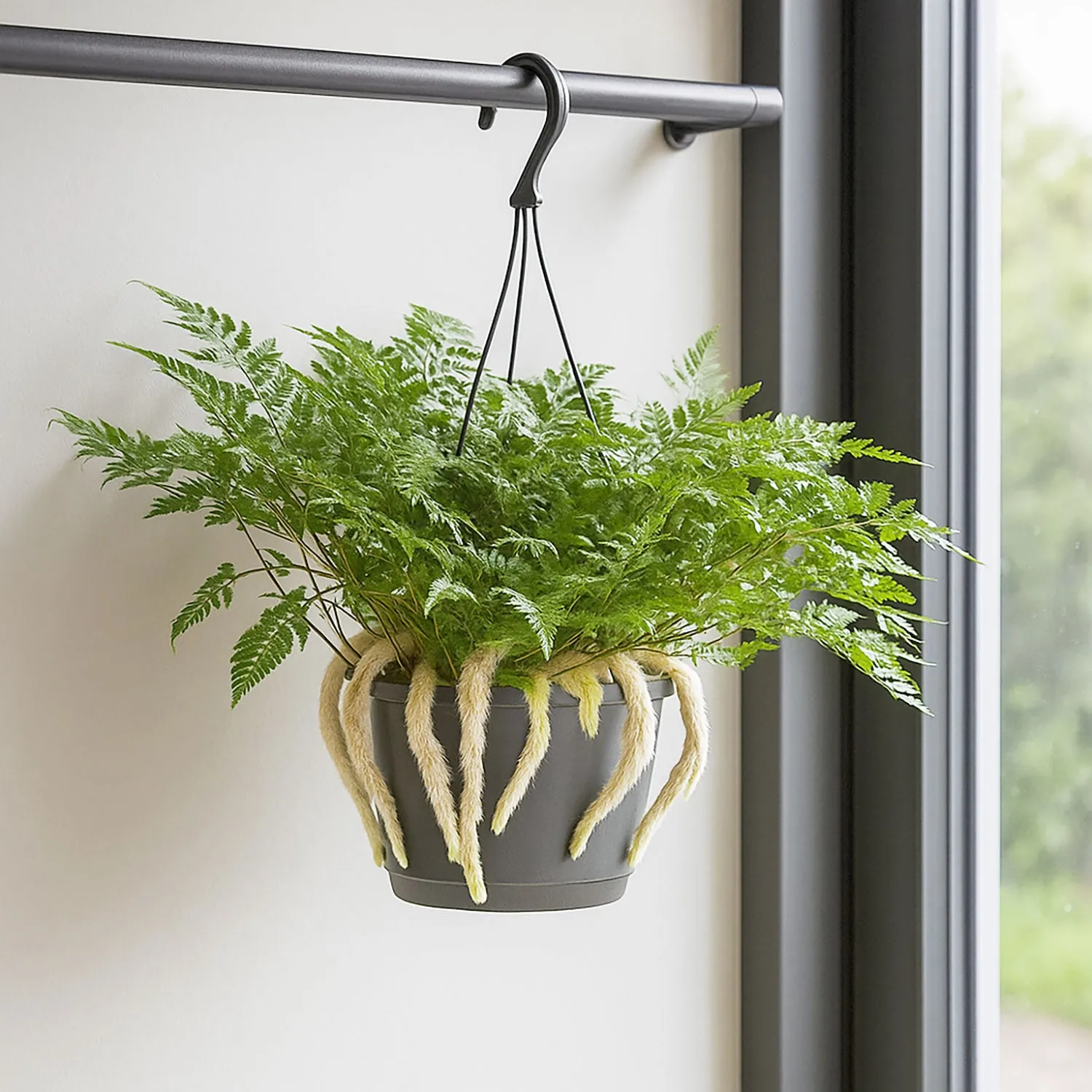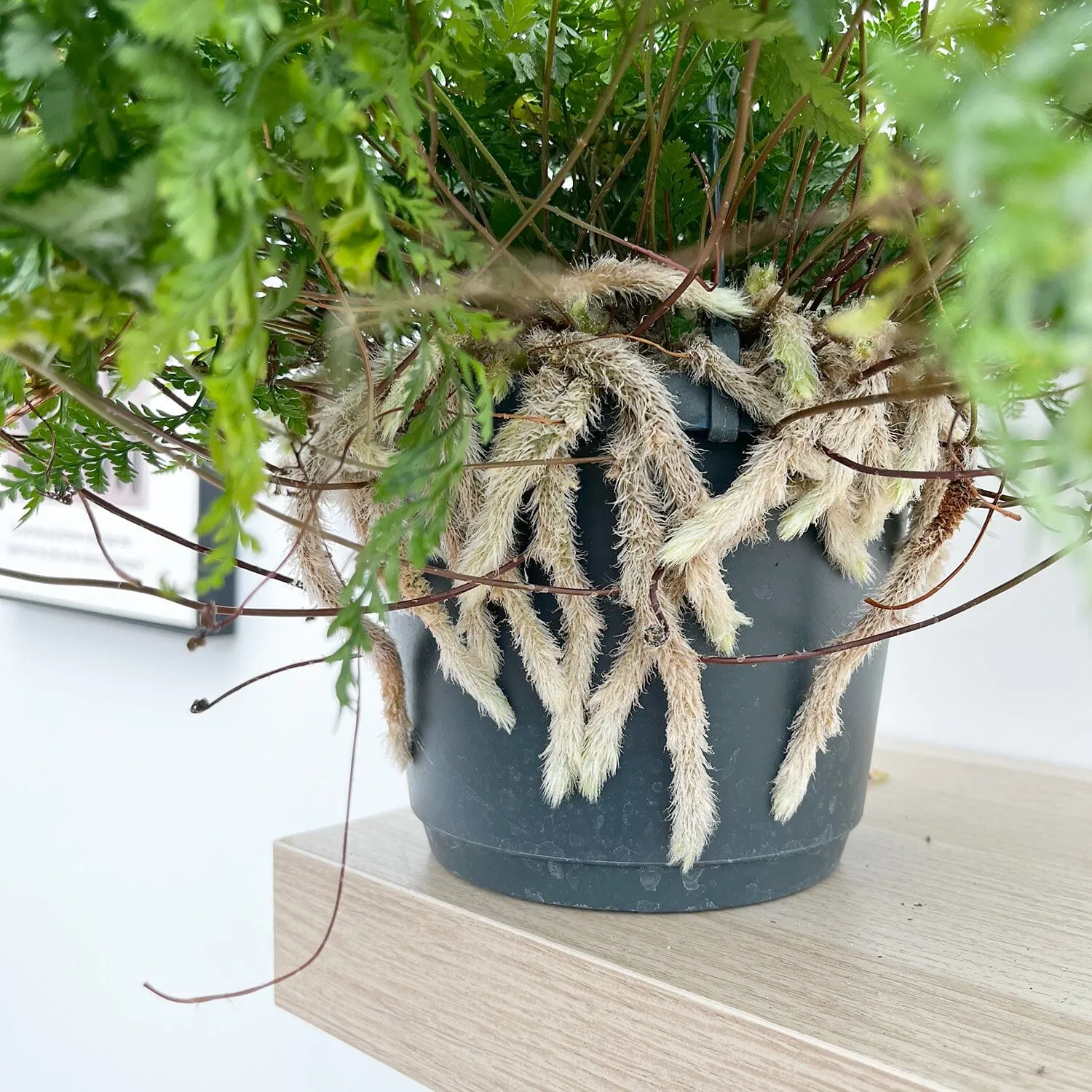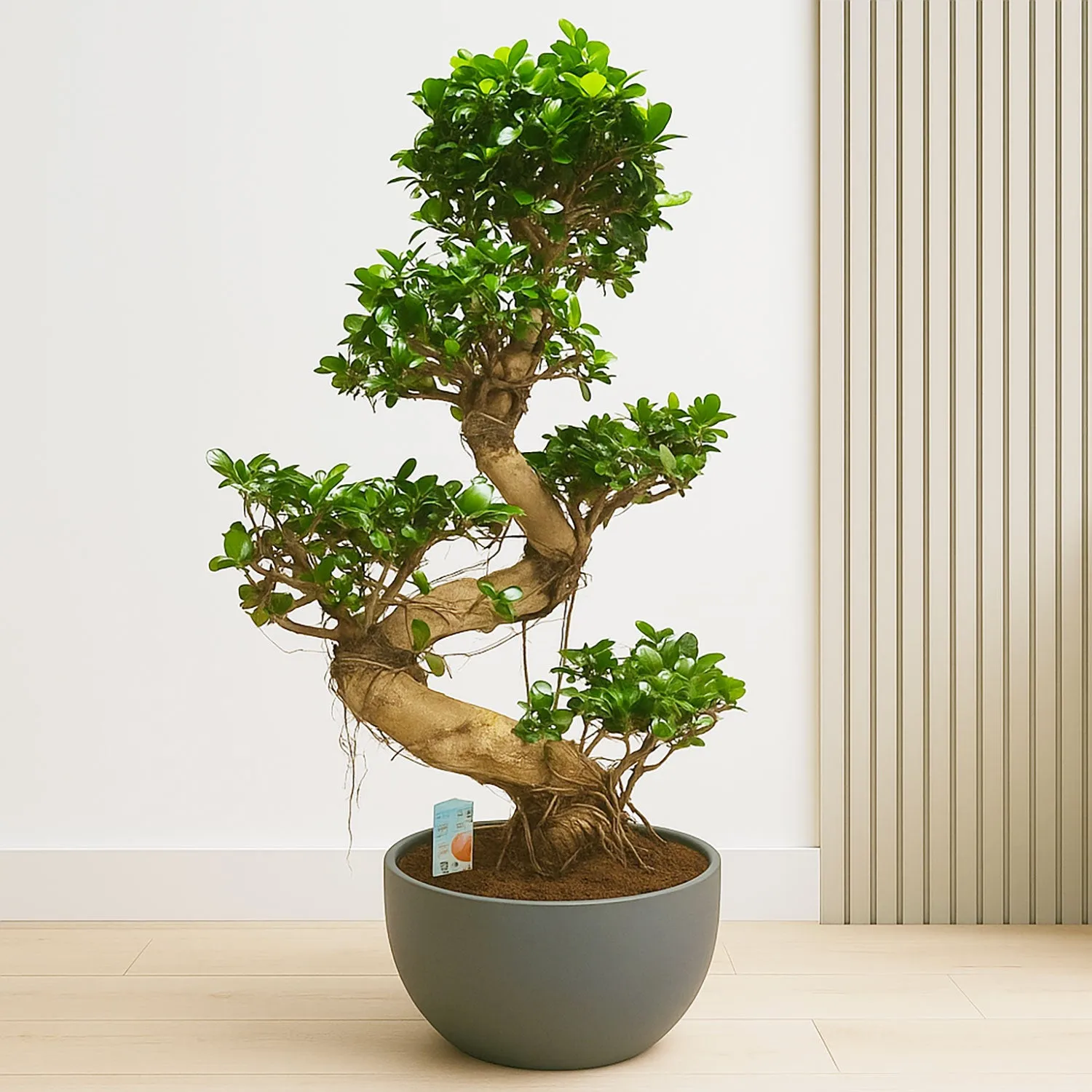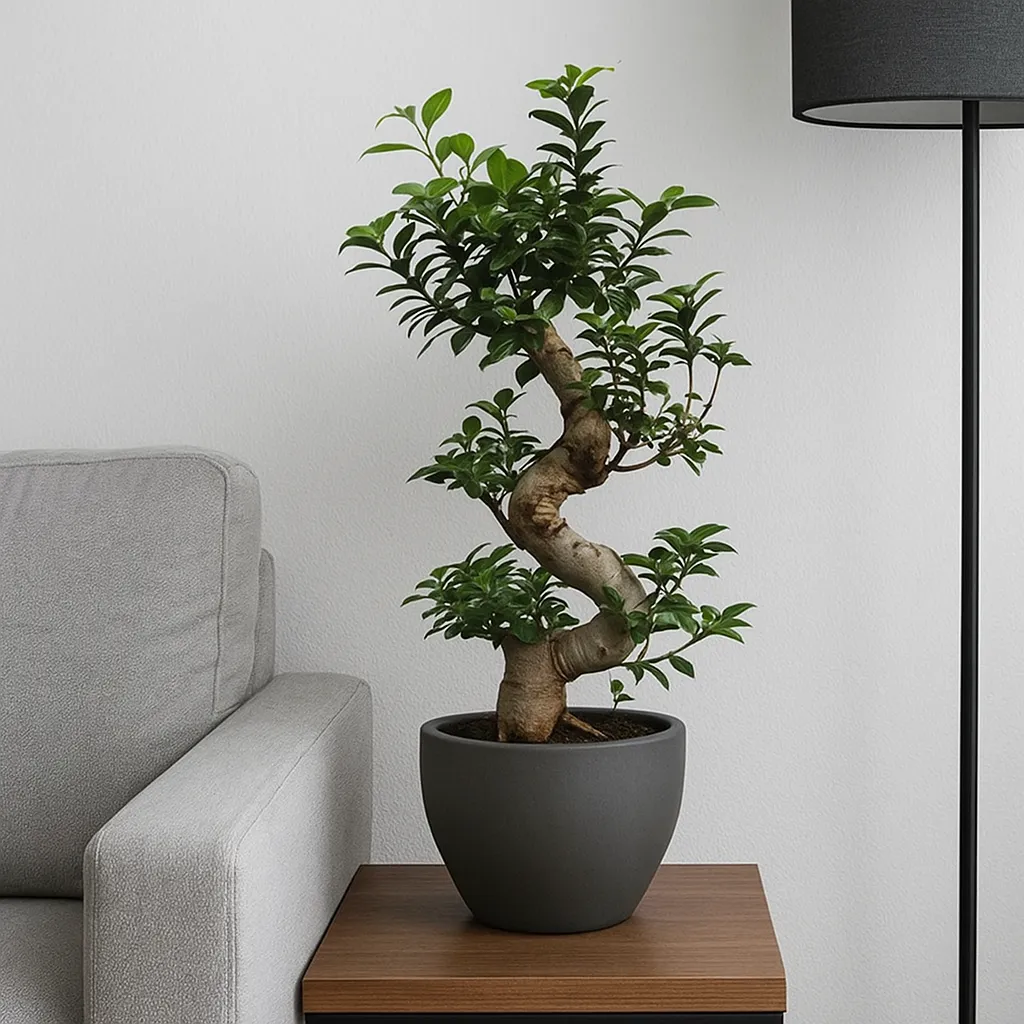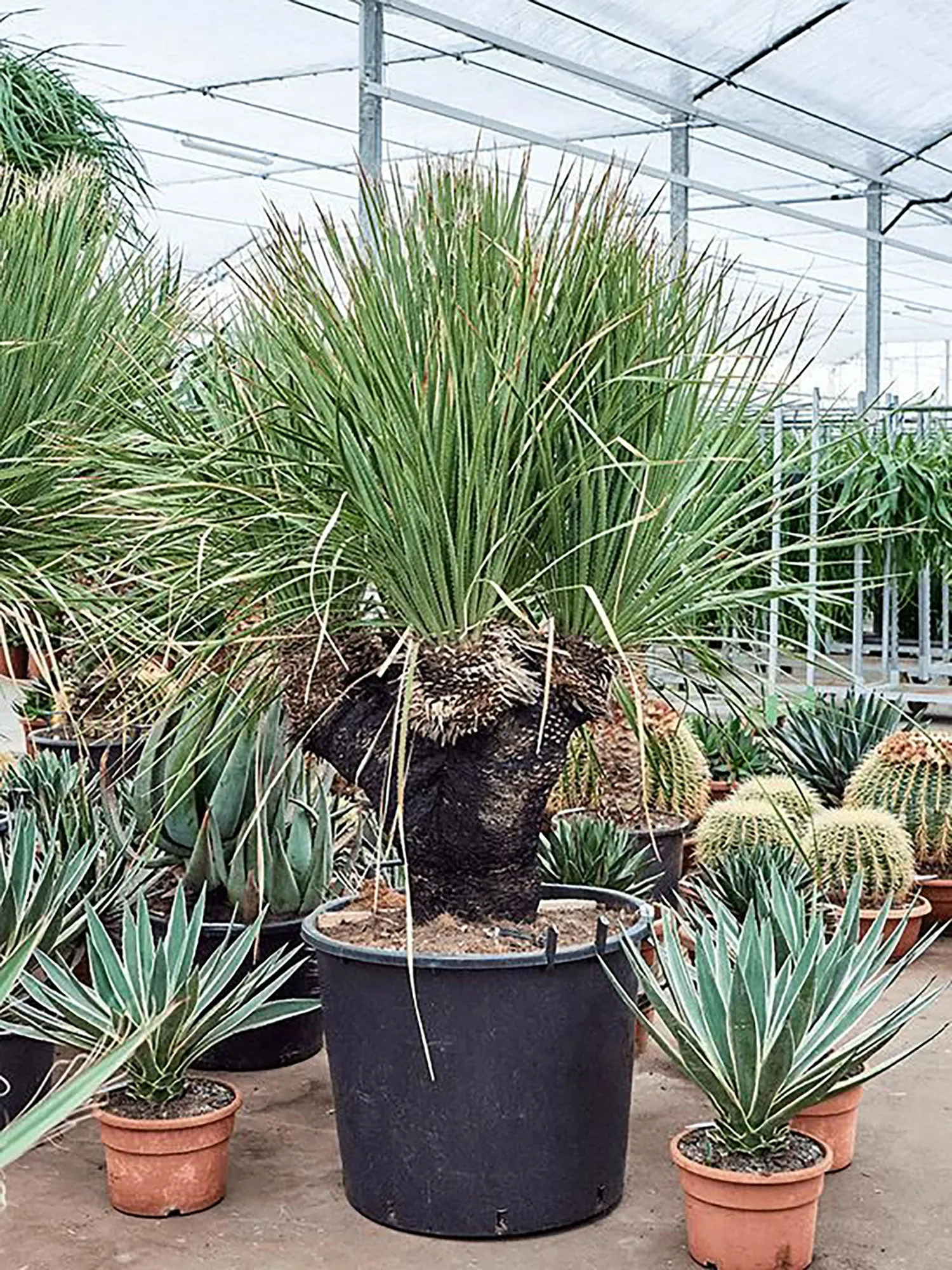
180 - 200cm Dasylirion Serratifoliumx XXL 80cm Pot House Plant
🌵 Dasylirion serratifolium
Dasylirion serratifolium, commonly known as the Serrated Desert Spoon or Toothed Sotol, is a striking, drought-tolerant architectural plant native to the arid regions of Mexico. This slow-growing succulent shrub forms a symmetrical rosette of narrow, arching, blue-green leaves edged with fine, sharp serrations – hence the name serratifolium. The long, leathery foliage gives it a spiky, fountain-like appearance, making it a bold centrepiece for dry gardens or xeriscapes.
Each leaf is rigid, highly textured, and can develop a graceful twist, enhancing its sculptural, desert aesthetic. Over time, mature plants can produce a tall, dramatic flower spike (up to 2–4 metres) from the centre of the rosette, bearing small cream or yellowish blooms – though this can take many years.
Perfect for containers, gravel gardens, conservatories, or sunny indoor atriums, Dasylirion serratifolium is both tough and visually arresting. It's also highly wind- and sun-tolerant, making it suitable for exposed spots.
🛠️ Dasylirion serratifolium – Comprehensive Care Guide
🌞 Light Requirements
-
Requires full sun to thrive – at least 6 hours daily.
-
Outdoors: perfect for south-facing gardens, gravel beds, or pots on sunny patios.
-
Indoors: place in the brightest possible location, such as a south-facing window or conservatory.
-
Insufficient light will result in stunted growth and floppy foliage.
💧 Watering
-
Very drought-tolerant once established.
-
Water sparingly – allow the soil to fully dry out between waterings.
-
During summer: water every 2–3 weeks (more frequently if in pots or heatwaves).
-
Winter: water very infrequently – as little as once every 4–6 weeks indoors.
-
Always ensure excellent drainage to avoid rot.
🌫️ Humidity
-
Naturally adapted to dry air – no misting required.
-
Performs well in arid environments and centrally heated homes.
🌡️ Temperature
-
Hardy to around -6°C if kept dry, making it suitable for mild UK gardens or with protection in winter.
-
Ideal temperature range: 10–30°C.
-
In colder areas, grow in containers and move to a frost-free spot during winter.
-
Avoid excess moisture in cold weather – damp combined with freezing conditions is the biggest risk.
🌱 Soil
-
Requires very well-draining soil.
-
Ideal mix: cactus compost, or a blend of loam, horticultural grit, and sand.
-
For outdoor planting, amend heavy soils with coarse sand and grit to prevent winter rot.
🍽️ Feeding
-
Not heavy feeders.
-
Apply a balanced slow-release fertiliser once in spring, or feed with cactus fertiliser every 6–8 weeks during the growing season.
-
Do not fertilise in winter.
✂️ Pruning & Maintenance
-
Low maintenance.
-
Remove any dead or damaged lower leaves with sharp, thick gloves – leaf edges are serrated.
-
Use caution when pruning near the crown; avoid cutting into healthy growth.
🪴 Repotting
-
Repot every 3–5 years or when rootbound.
-
Use a large, heavy pot to support the weight of the foliage and avoid tipping.
-
Terracotta pots are ideal for evaporation and root health.
🐛 Pests & Problems
-
Very pest-resistant. Occasionally susceptible to:
-
Mealybugs or scale insects in dry indoor conditions.
-
-
Root rot is the primary issue – always prioritise drainage and avoid overwatering.
☠️ Toxicity
-
Not known to be toxic to pets or humans.
-
However, leaf edges are sharply serrated, so handle with care and keep out of reach of children and pets to prevent scratches.
🌟 Top Tips for Success
-
Great for forgetful waterers – less is more.
-
Looks stunning in modern, minimalist pots or planted in gravel beds.
-
Can be left outdoors in mild UK coastal climates, but needs sharp drainage and frost protection elsewhere.
Original: $3,299.49
-70%$3,299.49
$989.85Product Information
Product Information
Shipping & Returns
Shipping & Returns
Description
🌵 Dasylirion serratifolium
Dasylirion serratifolium, commonly known as the Serrated Desert Spoon or Toothed Sotol, is a striking, drought-tolerant architectural plant native to the arid regions of Mexico. This slow-growing succulent shrub forms a symmetrical rosette of narrow, arching, blue-green leaves edged with fine, sharp serrations – hence the name serratifolium. The long, leathery foliage gives it a spiky, fountain-like appearance, making it a bold centrepiece for dry gardens or xeriscapes.
Each leaf is rigid, highly textured, and can develop a graceful twist, enhancing its sculptural, desert aesthetic. Over time, mature plants can produce a tall, dramatic flower spike (up to 2–4 metres) from the centre of the rosette, bearing small cream or yellowish blooms – though this can take many years.
Perfect for containers, gravel gardens, conservatories, or sunny indoor atriums, Dasylirion serratifolium is both tough and visually arresting. It's also highly wind- and sun-tolerant, making it suitable for exposed spots.
🛠️ Dasylirion serratifolium – Comprehensive Care Guide
🌞 Light Requirements
-
Requires full sun to thrive – at least 6 hours daily.
-
Outdoors: perfect for south-facing gardens, gravel beds, or pots on sunny patios.
-
Indoors: place in the brightest possible location, such as a south-facing window or conservatory.
-
Insufficient light will result in stunted growth and floppy foliage.
💧 Watering
-
Very drought-tolerant once established.
-
Water sparingly – allow the soil to fully dry out between waterings.
-
During summer: water every 2–3 weeks (more frequently if in pots or heatwaves).
-
Winter: water very infrequently – as little as once every 4–6 weeks indoors.
-
Always ensure excellent drainage to avoid rot.
🌫️ Humidity
-
Naturally adapted to dry air – no misting required.
-
Performs well in arid environments and centrally heated homes.
🌡️ Temperature
-
Hardy to around -6°C if kept dry, making it suitable for mild UK gardens or with protection in winter.
-
Ideal temperature range: 10–30°C.
-
In colder areas, grow in containers and move to a frost-free spot during winter.
-
Avoid excess moisture in cold weather – damp combined with freezing conditions is the biggest risk.
🌱 Soil
-
Requires very well-draining soil.
-
Ideal mix: cactus compost, or a blend of loam, horticultural grit, and sand.
-
For outdoor planting, amend heavy soils with coarse sand and grit to prevent winter rot.
🍽️ Feeding
-
Not heavy feeders.
-
Apply a balanced slow-release fertiliser once in spring, or feed with cactus fertiliser every 6–8 weeks during the growing season.
-
Do not fertilise in winter.
✂️ Pruning & Maintenance
-
Low maintenance.
-
Remove any dead or damaged lower leaves with sharp, thick gloves – leaf edges are serrated.
-
Use caution when pruning near the crown; avoid cutting into healthy growth.
🪴 Repotting
-
Repot every 3–5 years or when rootbound.
-
Use a large, heavy pot to support the weight of the foliage and avoid tipping.
-
Terracotta pots are ideal for evaporation and root health.
🐛 Pests & Problems
-
Very pest-resistant. Occasionally susceptible to:
-
Mealybugs or scale insects in dry indoor conditions.
-
-
Root rot is the primary issue – always prioritise drainage and avoid overwatering.
☠️ Toxicity
-
Not known to be toxic to pets or humans.
-
However, leaf edges are sharply serrated, so handle with care and keep out of reach of children and pets to prevent scratches.
🌟 Top Tips for Success
-
Great for forgetful waterers – less is more.
-
Looks stunning in modern, minimalist pots or planted in gravel beds.
-
Can be left outdoors in mild UK coastal climates, but needs sharp drainage and frost protection elsewhere.