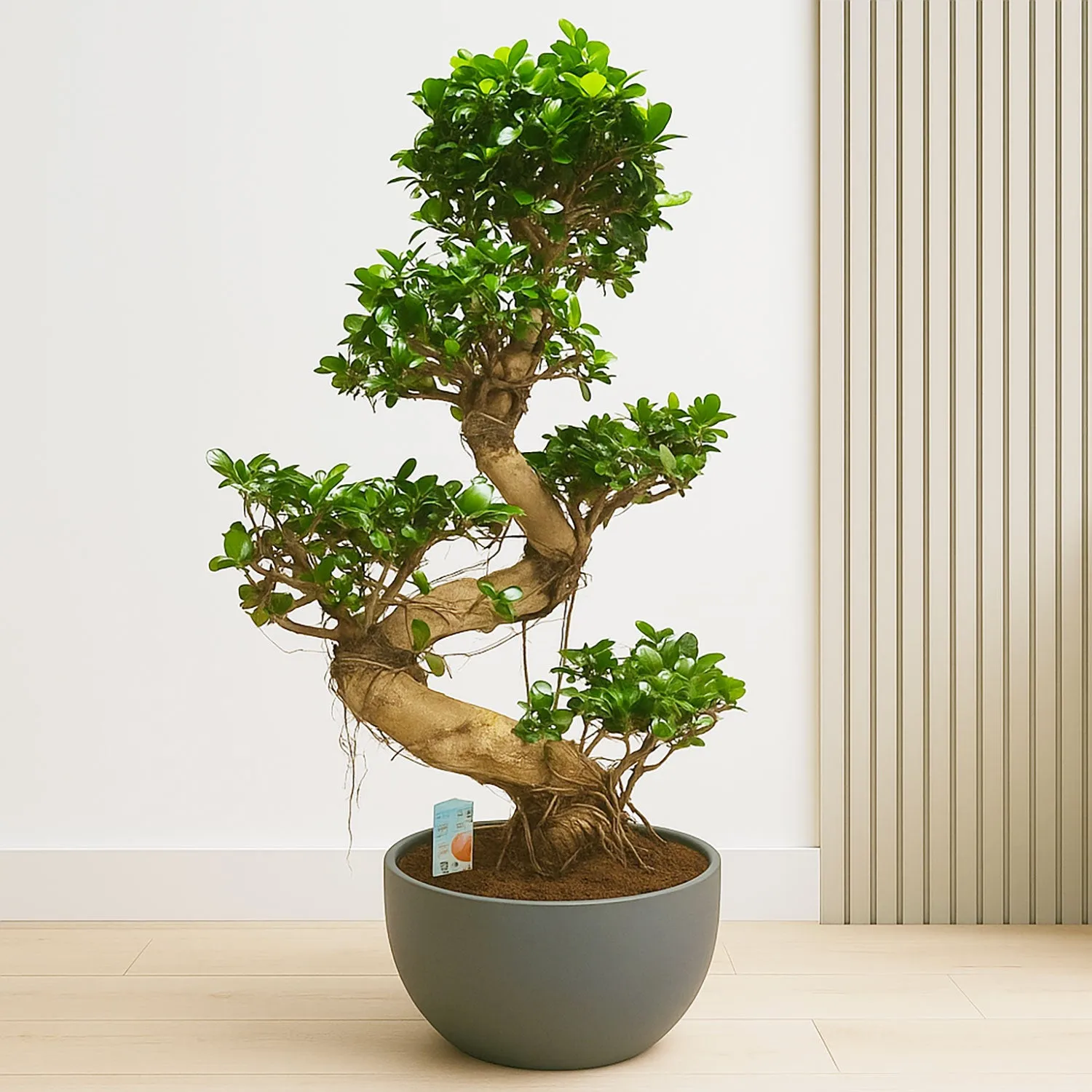
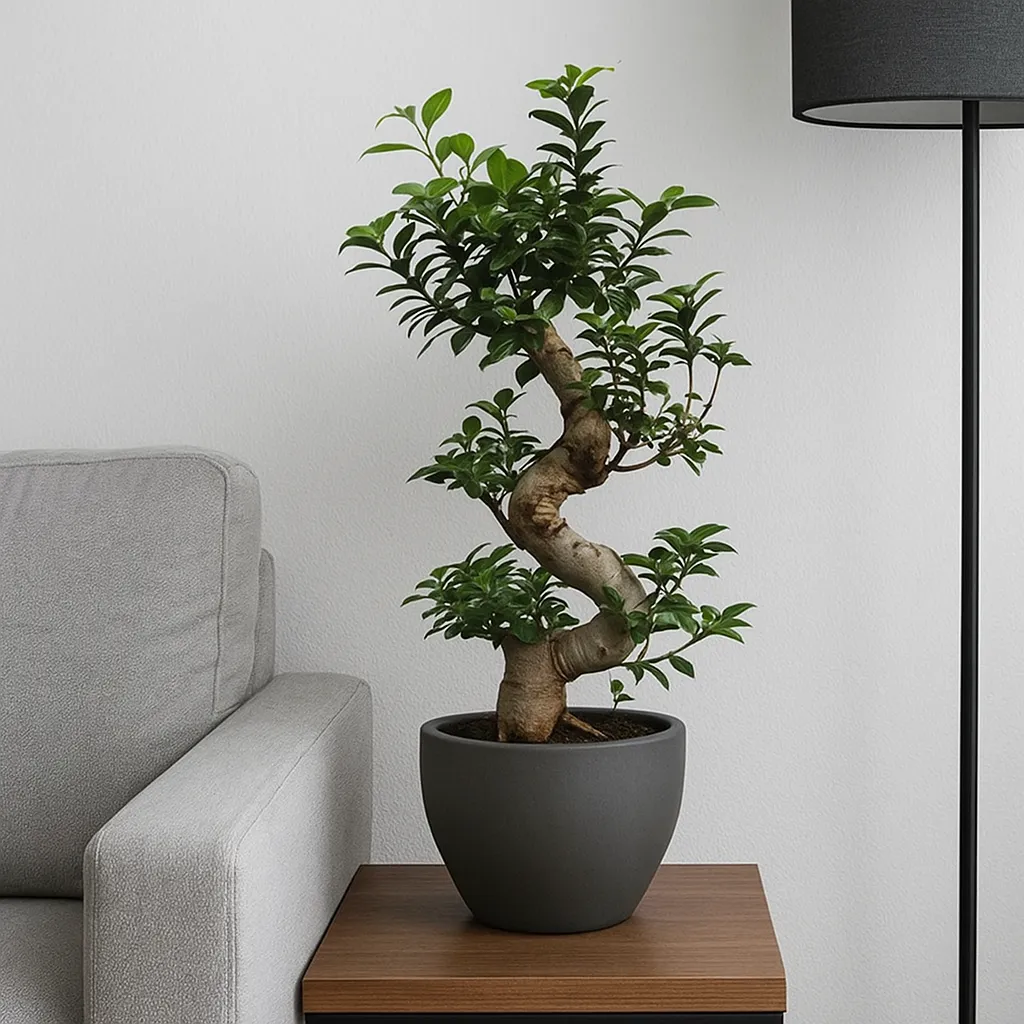
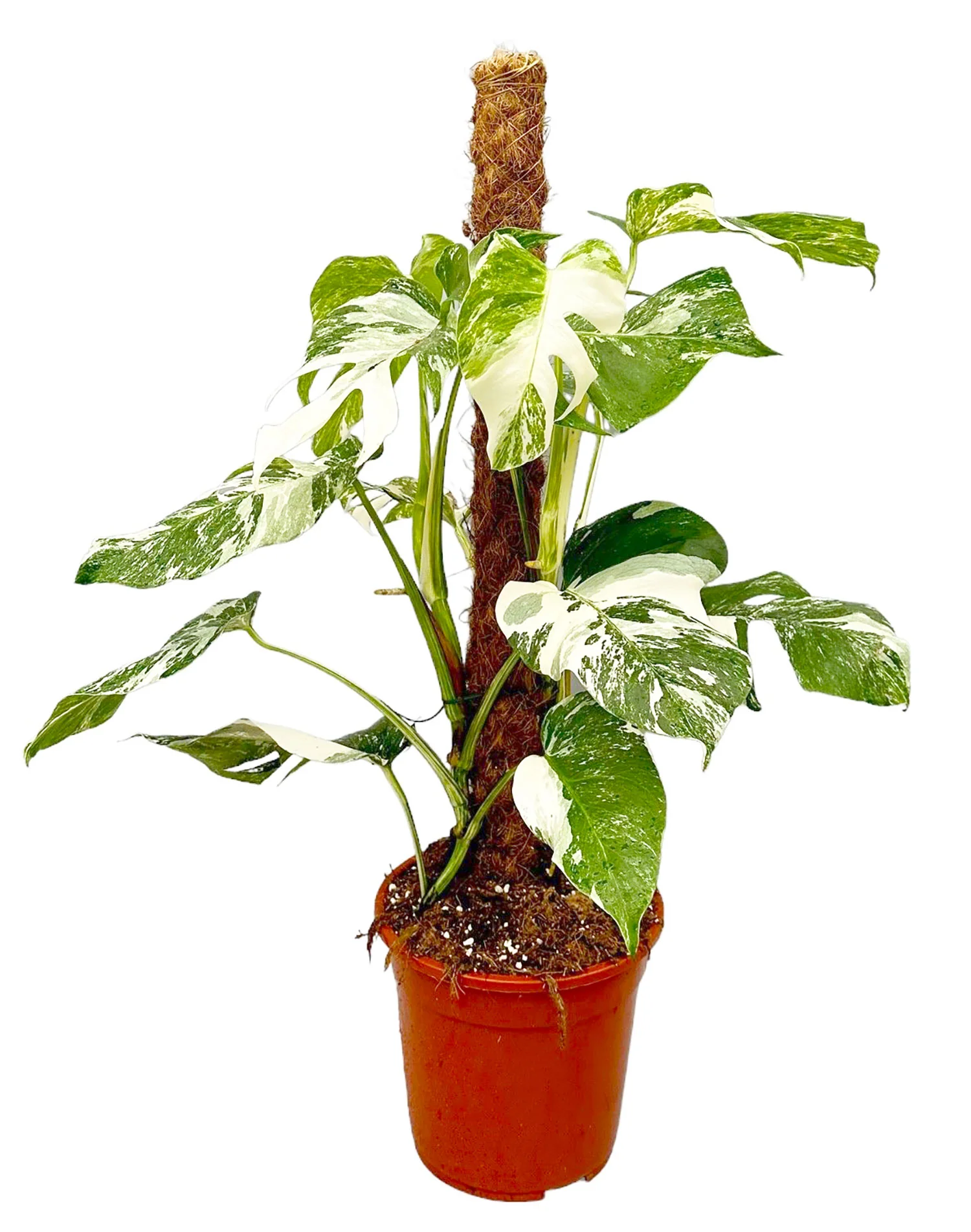
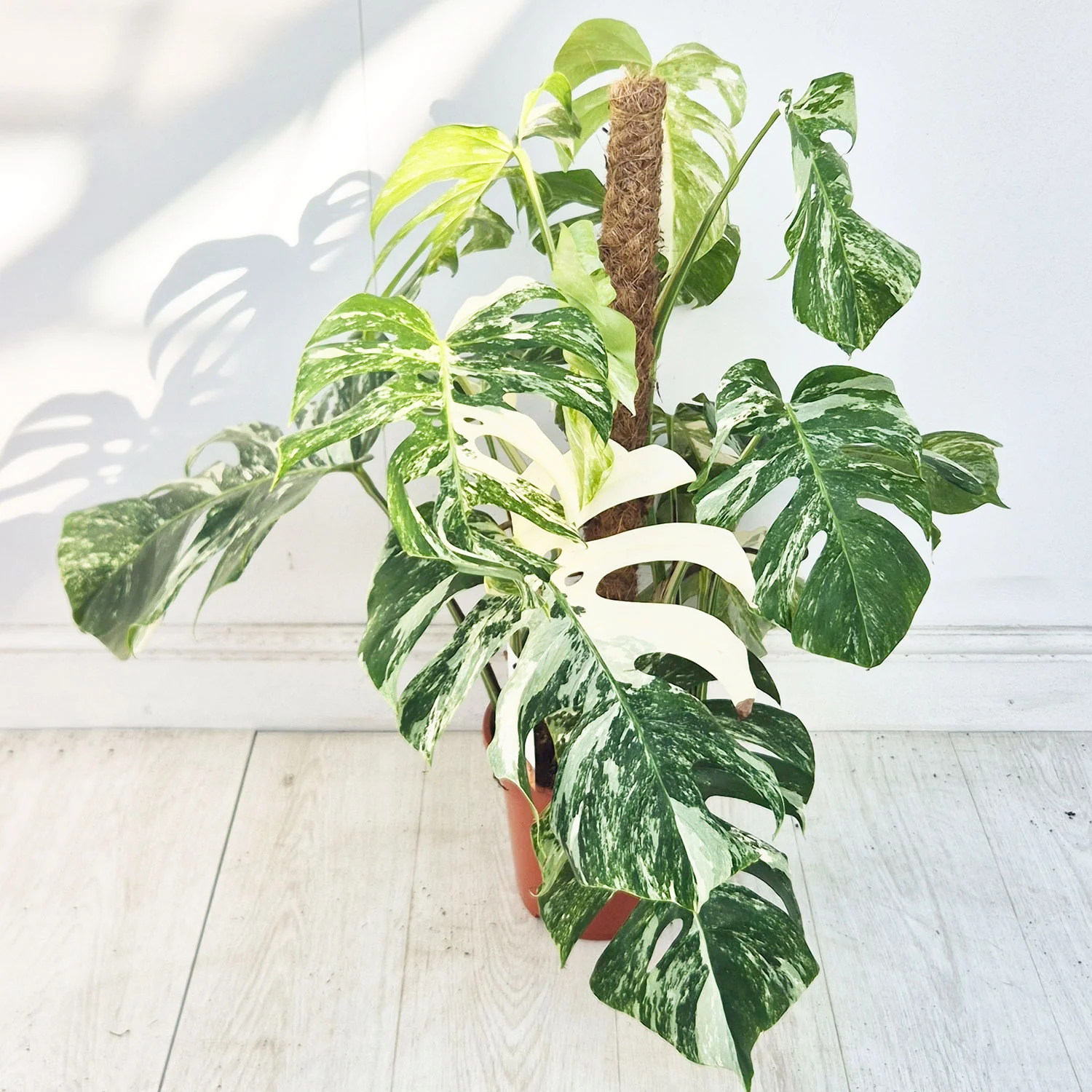
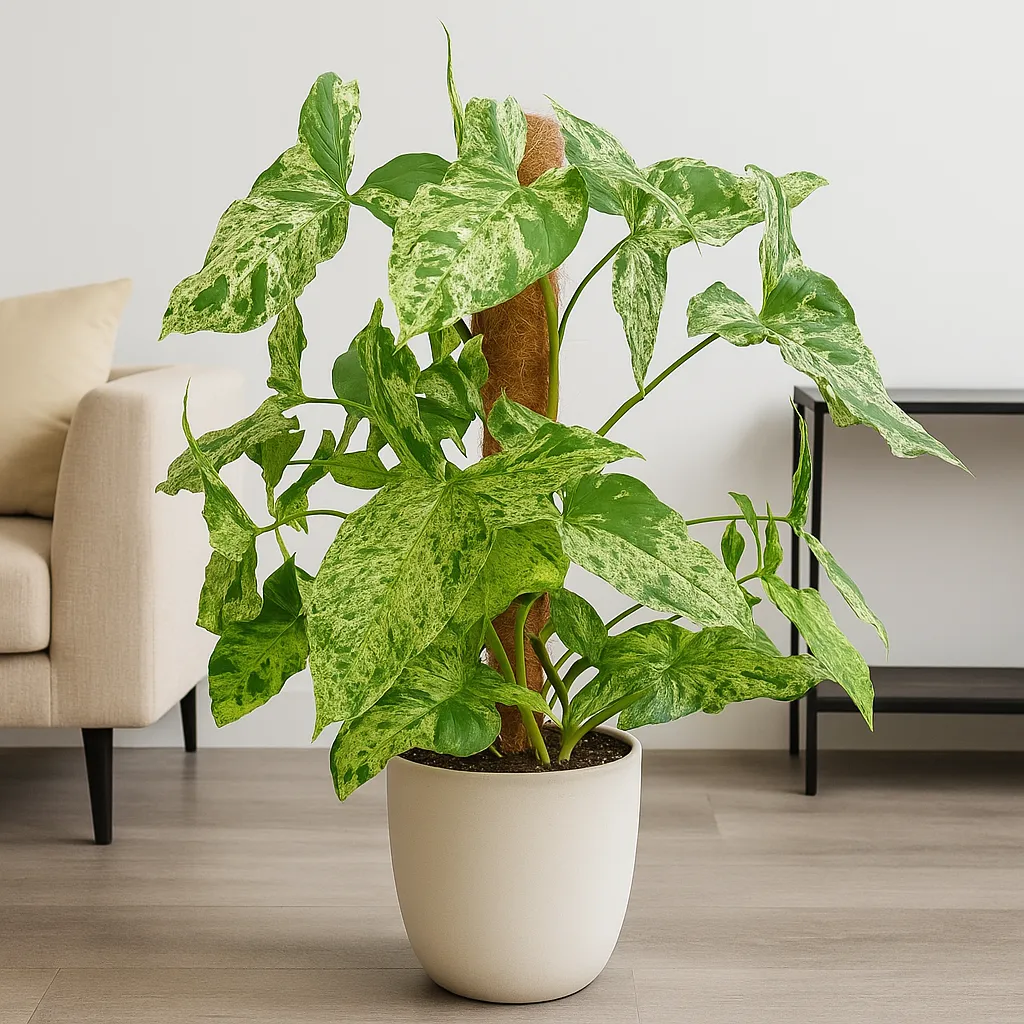
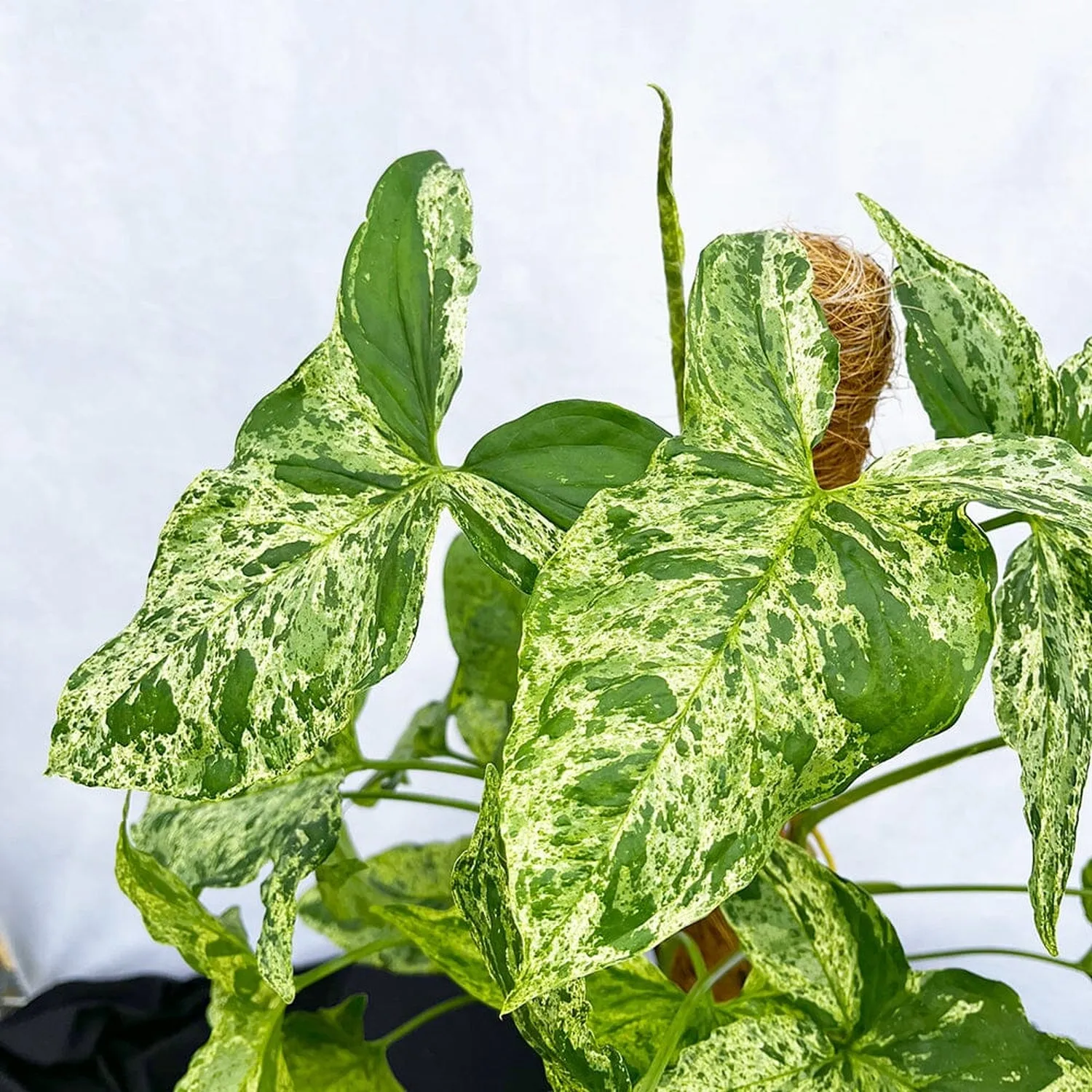
180 - 220cm XXL Ficus Lyrata 50cm Pot House Plant
🌿 Ficus lyrata — Fiddle Leaf Fig
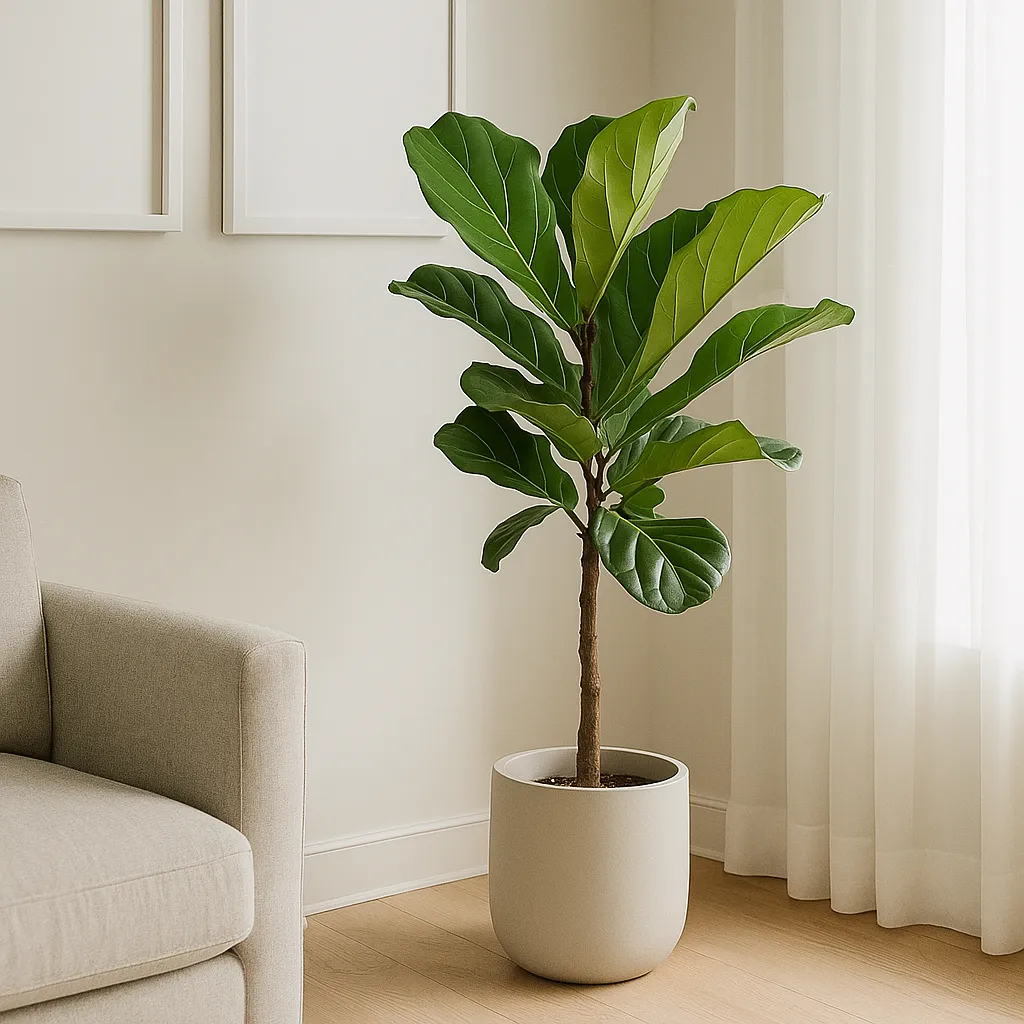
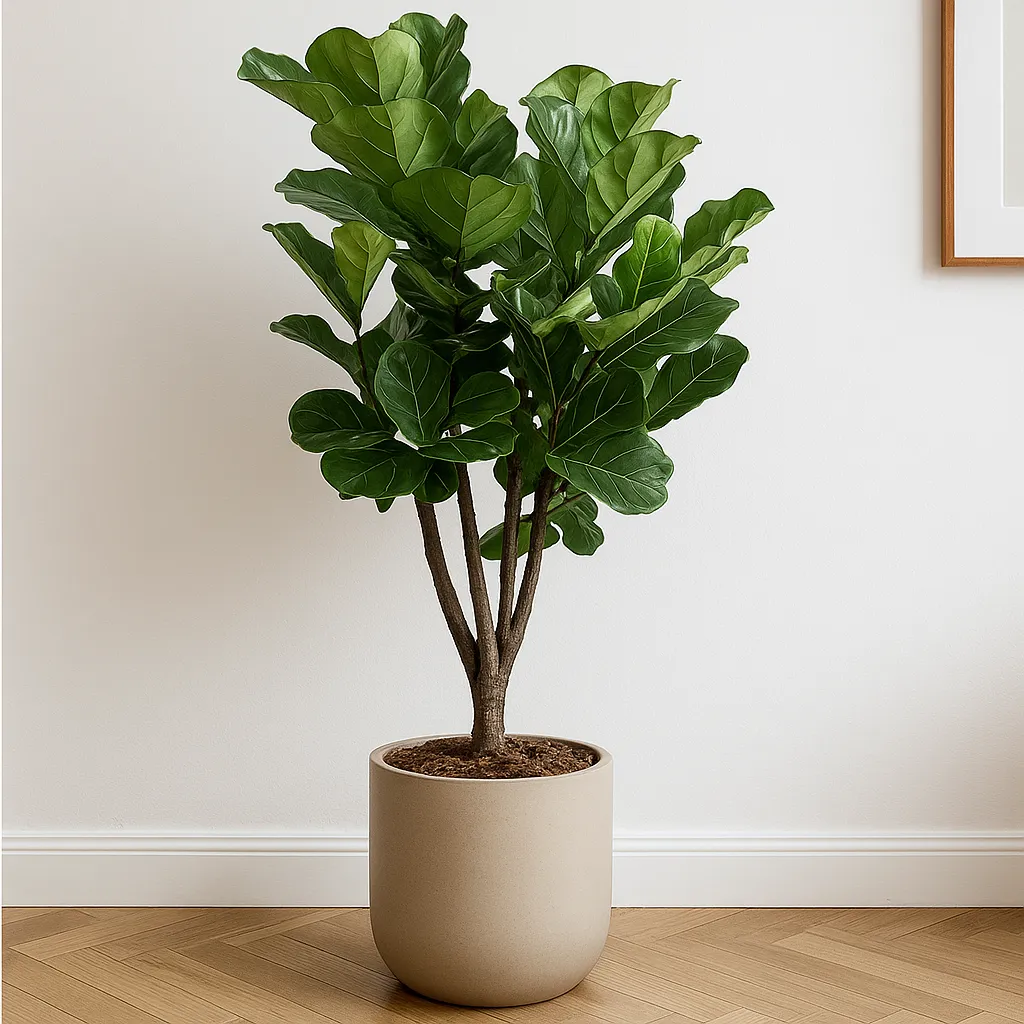
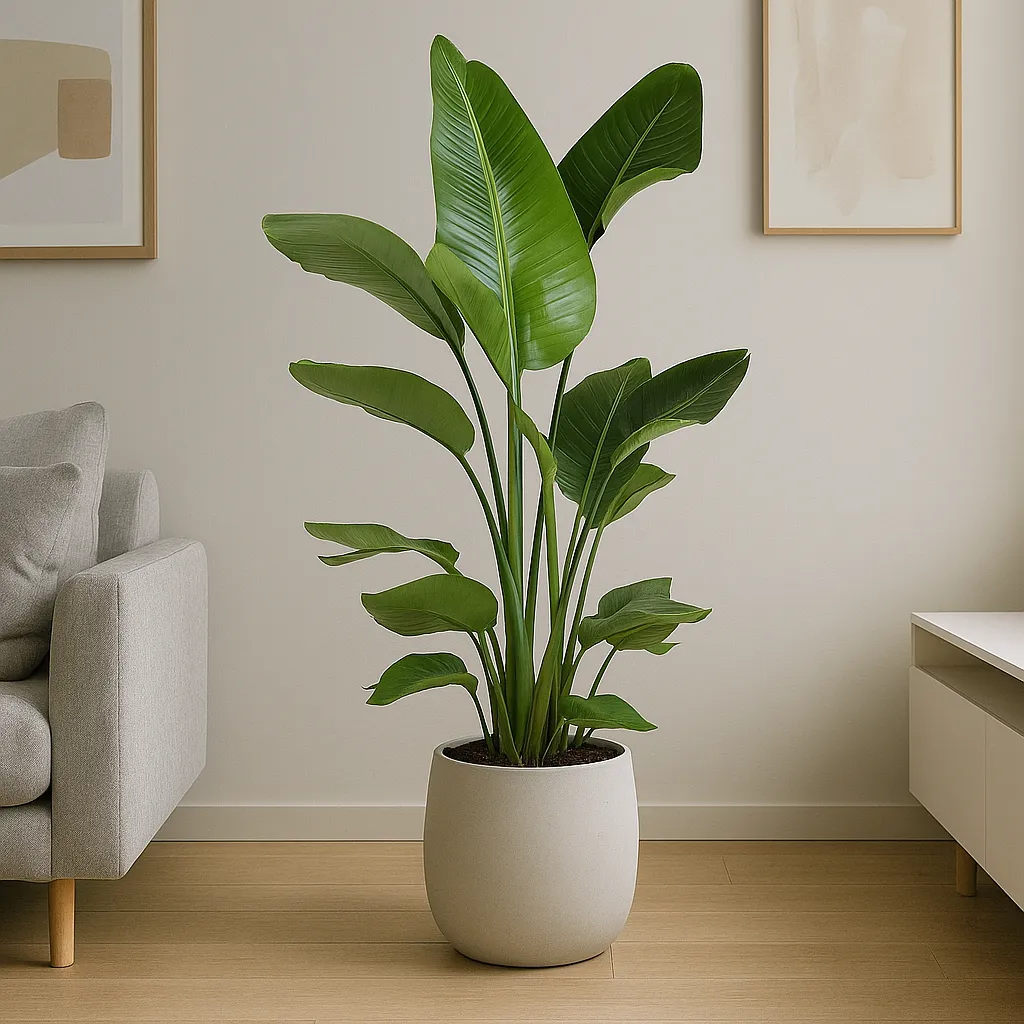
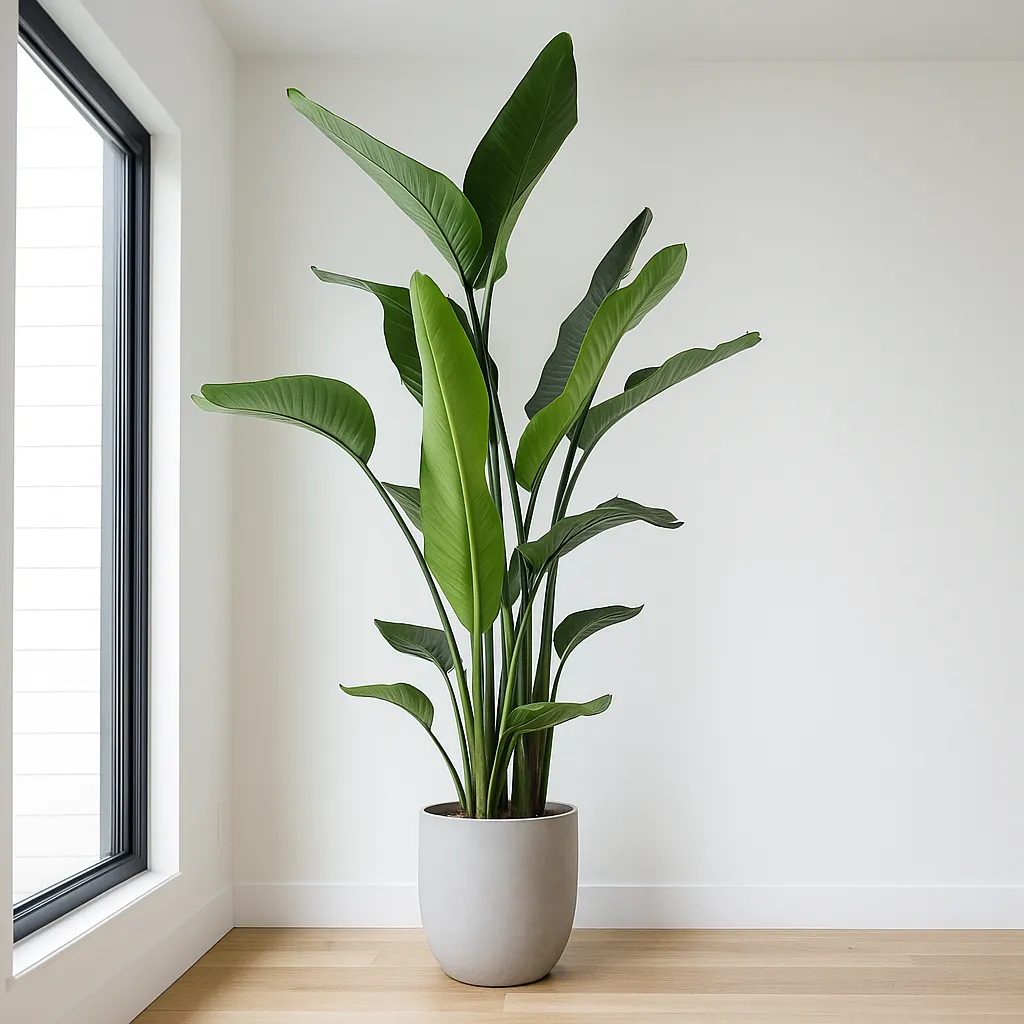
Ficus lyrata, more commonly known as the Fiddle Leaf Fig, is one of the most popular statement plants in modern interior design, celebrated for its bold, sculptural form and dramatic foliage. Native to the tropical rainforests of western and central Africa, this evergreen tree is named for its distinctive, fiddle-shaped leaves — large, leathery, and prominently veined — which can grow up to 30 cm long. Each glossy, upright leaf creates a bold visual impact, while the plant’s natural vertical growth habit makes it ideal for high-ceilinged rooms and open-plan interiors. When grown indoors, Ficus lyrata can reach over 2–3 metres tall if given proper care, though it can also be pruned into a bushier, compact form. While slightly more particular than some houseplants, it rewards consistent light, watering, and a stable environment with strong growth and lasting beauty. It’s the perfect choice for design-conscious plant lovers seeking a dramatic focal point.
☀️ Light Requirements
-
Indoors: Prefers bright, indirect light. Best placed near an east- or west-facing window.
-
Direct sun: Tolerates some gentle morning or late afternoon sun but avoid harsh midday rays, which may scorch the leaves.
-
Low light: Causes leaf drop, leggy growth, and poor overall performance.
🌡️ Temperature & Humidity
-
Ideal temperature: 18–25°C (65–77°F)
-
Minimum temperature: Keep above 12°C (54°F) and avoid draughts or sudden temperature changes.
-
Humidity: Prefers moderate to high humidity. Misting or using a humidifier is helpful in dry indoor conditions, especially in winter.
💧 Watering Needs
-
Watering frequency: Water when the top 5–7 cm of soil feels dry. Ensure thorough watering and allow excess to drain.
-
Avoid: Overwatering or allowing the roots to sit in water — root rot is a common issue.
-
Seasonal note: Reduce watering frequency slightly during winter when growth slows.
🪴 Soil & Repotting
-
Soil type: Well-draining, aerated compost. A mix of houseplant compost with perlite and bark chips works well.
-
pH: Neutral to slightly acidic (6.0–7.0)
-
Repotting: Every 1–2 years or when rootbound. Use a pot just one size up to avoid excess moisture retention.
🌱 Feeding
-
Growing season (spring–summer): Feed every 4–6 weeks with a balanced liquid fertiliser.
-
Autumn–winter: Pause or reduce feeding unless the plant is actively growing under lights.
✂️ Pruning & Maintenance
-
Pruning: Prune to control height or shape. Cut just above a leaf node to encourage branching.
-
Leaf care: Wipe leaves gently with a damp cloth to remove dust and help maintain their glossy appearance.
-
Rotation: Rotate the plant every few weeks to ensure even growth and avoid leaning.
🌾 Propagation
-
Stem cuttings: Take healthy tip cuttings, allow the ends to callous, then root in water or compost.
-
Air layering: Effective for mature plants — ideal if the plant becomes too tall or leggy.
🐛 Pests & Problems
-
Common pests: Spider mites, scale, mealybugs, and fungus gnats.
-
Symptoms: Yellowing leaves, webbing, or sticky residue may indicate a pest issue.
-
Treatment: Wipe down foliage, isolate the plant, and treat with neem oil or insecticidal soap if needed.
-
Common issues:
-
Brown spots or edges: Usually caused by inconsistent watering, low humidity, or poor drainage.
-
Sudden leaf drop: Often triggered by a change in environment, temperature shock, or overwatering.
-
🧤 Toxicity & Safety
-
Toxicity: Toxic to cats, dogs, and humans if ingested. Can cause oral irritation and digestive upset.
-
Handling tip: Sap may irritate skin — wear gloves when pruning or repotting.
🏡 Indoor Care Highlights
-
A bold and stylish plant ideal for living rooms, hallways, and office spaces.
-
Excellent for creating vertical interest in corners or near large windows.
-
Works beautifully as a standalone statement or in combination with other tropical foliage.
-
Available in tree form or as a bushier shrub — both equally impactful.
-
Perfect for plant lovers seeking a design-forward, sculptural centrepiece.
Product Information
Product Information
Shipping & Returns
Shipping & Returns
Description
🌿 Ficus lyrata — Fiddle Leaf Fig
Ficus lyrata, more commonly known as the Fiddle Leaf Fig, is one of the most popular statement plants in modern interior design, celebrated for its bold, sculptural form and dramatic foliage. Native to the tropical rainforests of western and central Africa, this evergreen tree is named for its distinctive, fiddle-shaped leaves — large, leathery, and prominently veined — which can grow up to 30 cm long. Each glossy, upright leaf creates a bold visual impact, while the plant’s natural vertical growth habit makes it ideal for high-ceilinged rooms and open-plan interiors. When grown indoors, Ficus lyrata can reach over 2–3 metres tall if given proper care, though it can also be pruned into a bushier, compact form. While slightly more particular than some houseplants, it rewards consistent light, watering, and a stable environment with strong growth and lasting beauty. It’s the perfect choice for design-conscious plant lovers seeking a dramatic focal point.
☀️ Light Requirements
-
Indoors: Prefers bright, indirect light. Best placed near an east- or west-facing window.
-
Direct sun: Tolerates some gentle morning or late afternoon sun but avoid harsh midday rays, which may scorch the leaves.
-
Low light: Causes leaf drop, leggy growth, and poor overall performance.
🌡️ Temperature & Humidity
-
Ideal temperature: 18–25°C (65–77°F)
-
Minimum temperature: Keep above 12°C (54°F) and avoid draughts or sudden temperature changes.
-
Humidity: Prefers moderate to high humidity. Misting or using a humidifier is helpful in dry indoor conditions, especially in winter.
💧 Watering Needs
-
Watering frequency: Water when the top 5–7 cm of soil feels dry. Ensure thorough watering and allow excess to drain.
-
Avoid: Overwatering or allowing the roots to sit in water — root rot is a common issue.
-
Seasonal note: Reduce watering frequency slightly during winter when growth slows.
🪴 Soil & Repotting
-
Soil type: Well-draining, aerated compost. A mix of houseplant compost with perlite and bark chips works well.
-
pH: Neutral to slightly acidic (6.0–7.0)
-
Repotting: Every 1–2 years or when rootbound. Use a pot just one size up to avoid excess moisture retention.
🌱 Feeding
-
Growing season (spring–summer): Feed every 4–6 weeks with a balanced liquid fertiliser.
-
Autumn–winter: Pause or reduce feeding unless the plant is actively growing under lights.
✂️ Pruning & Maintenance
-
Pruning: Prune to control height or shape. Cut just above a leaf node to encourage branching.
-
Leaf care: Wipe leaves gently with a damp cloth to remove dust and help maintain their glossy appearance.
-
Rotation: Rotate the plant every few weeks to ensure even growth and avoid leaning.
🌾 Propagation
-
Stem cuttings: Take healthy tip cuttings, allow the ends to callous, then root in water or compost.
-
Air layering: Effective for mature plants — ideal if the plant becomes too tall or leggy.
🐛 Pests & Problems
-
Common pests: Spider mites, scale, mealybugs, and fungus gnats.
-
Symptoms: Yellowing leaves, webbing, or sticky residue may indicate a pest issue.
-
Treatment: Wipe down foliage, isolate the plant, and treat with neem oil or insecticidal soap if needed.
-
Common issues:
-
Brown spots or edges: Usually caused by inconsistent watering, low humidity, or poor drainage.
-
Sudden leaf drop: Often triggered by a change in environment, temperature shock, or overwatering.
-
🧤 Toxicity & Safety
-
Toxicity: Toxic to cats, dogs, and humans if ingested. Can cause oral irritation and digestive upset.
-
Handling tip: Sap may irritate skin — wear gloves when pruning or repotting.
🏡 Indoor Care Highlights
-
A bold and stylish plant ideal for living rooms, hallways, and office spaces.
-
Excellent for creating vertical interest in corners or near large windows.
-
Works beautifully as a standalone statement or in combination with other tropical foliage.
-
Available in tree form or as a bushier shrub — both equally impactful.
-
Perfect for plant lovers seeking a design-forward, sculptural centrepiece.