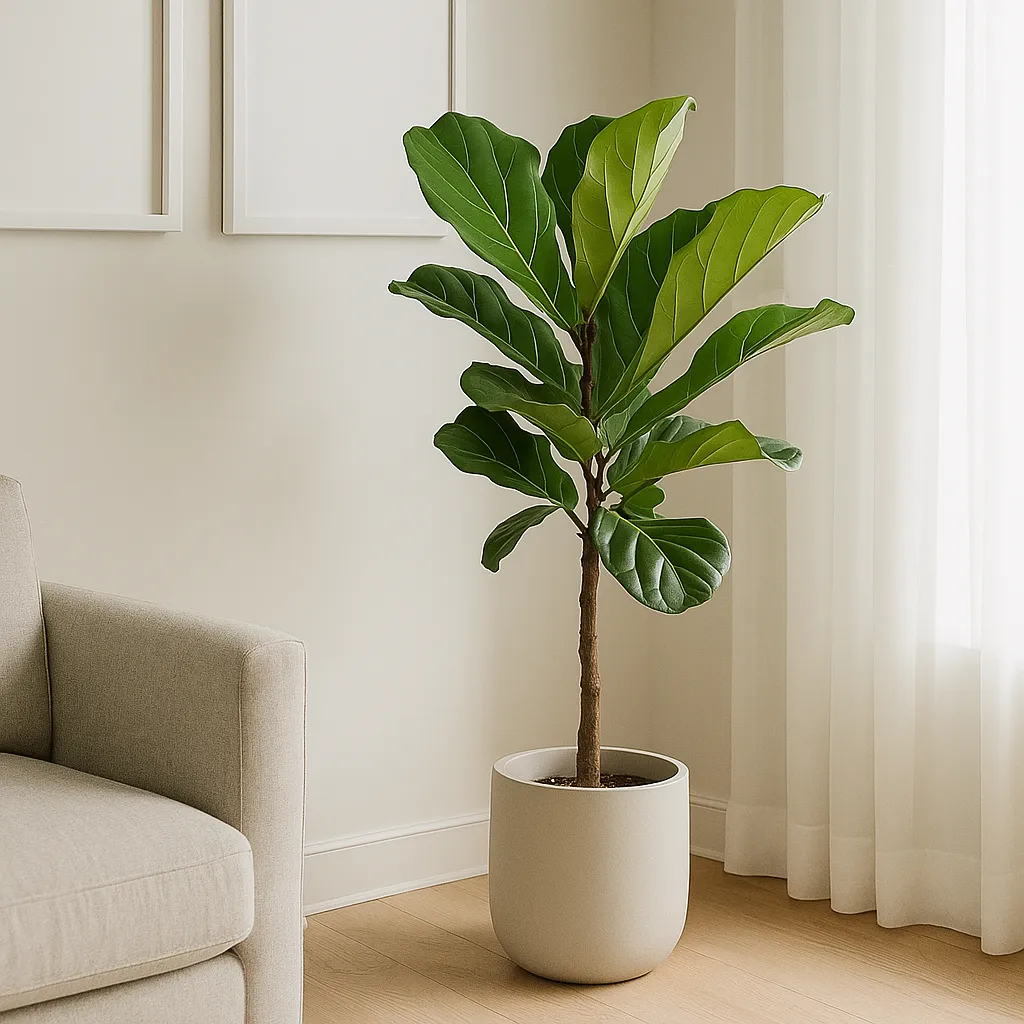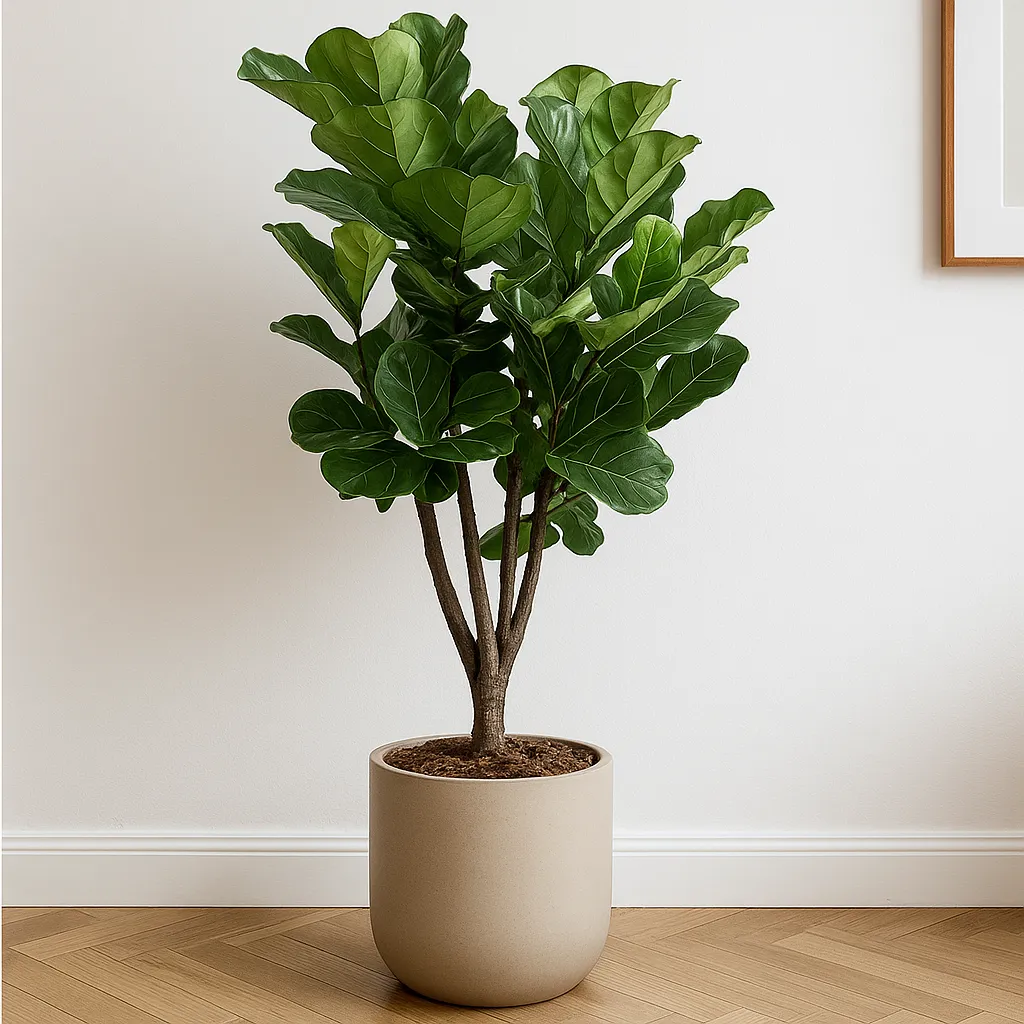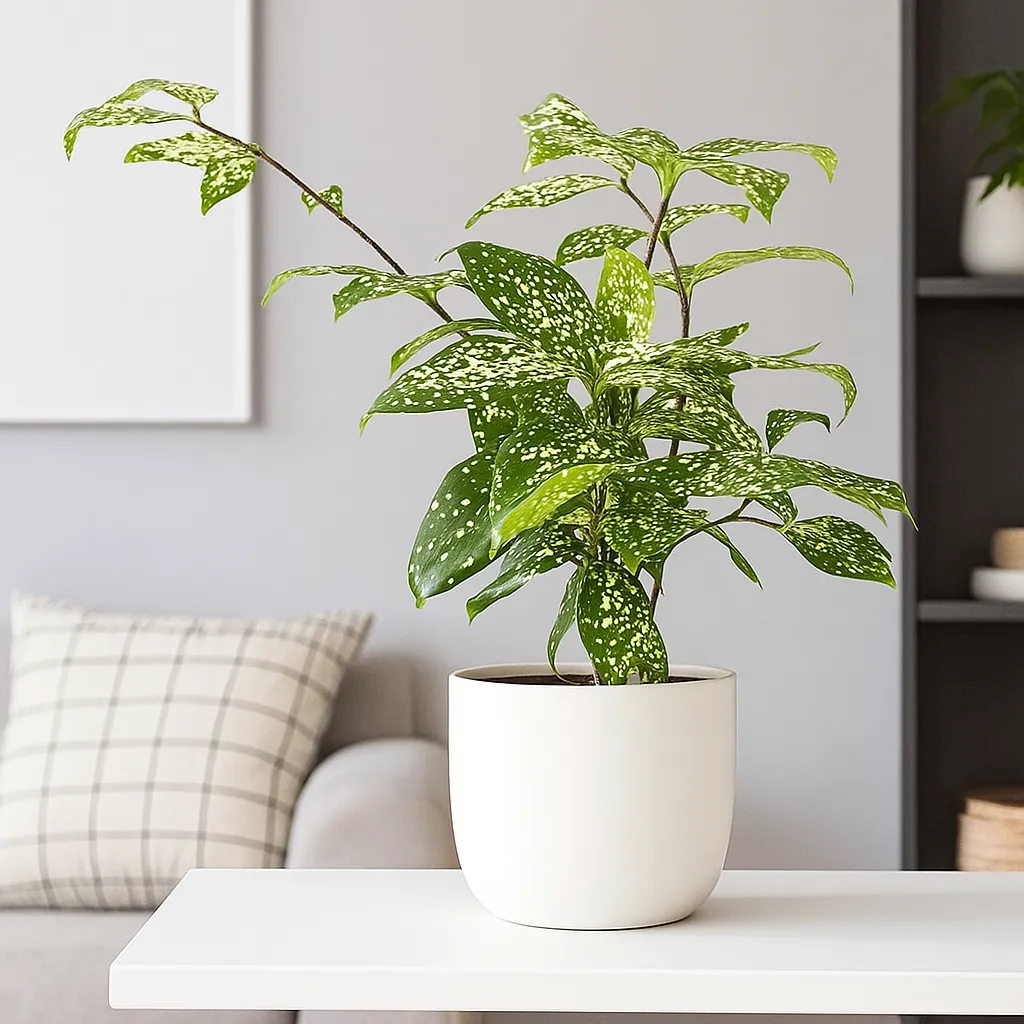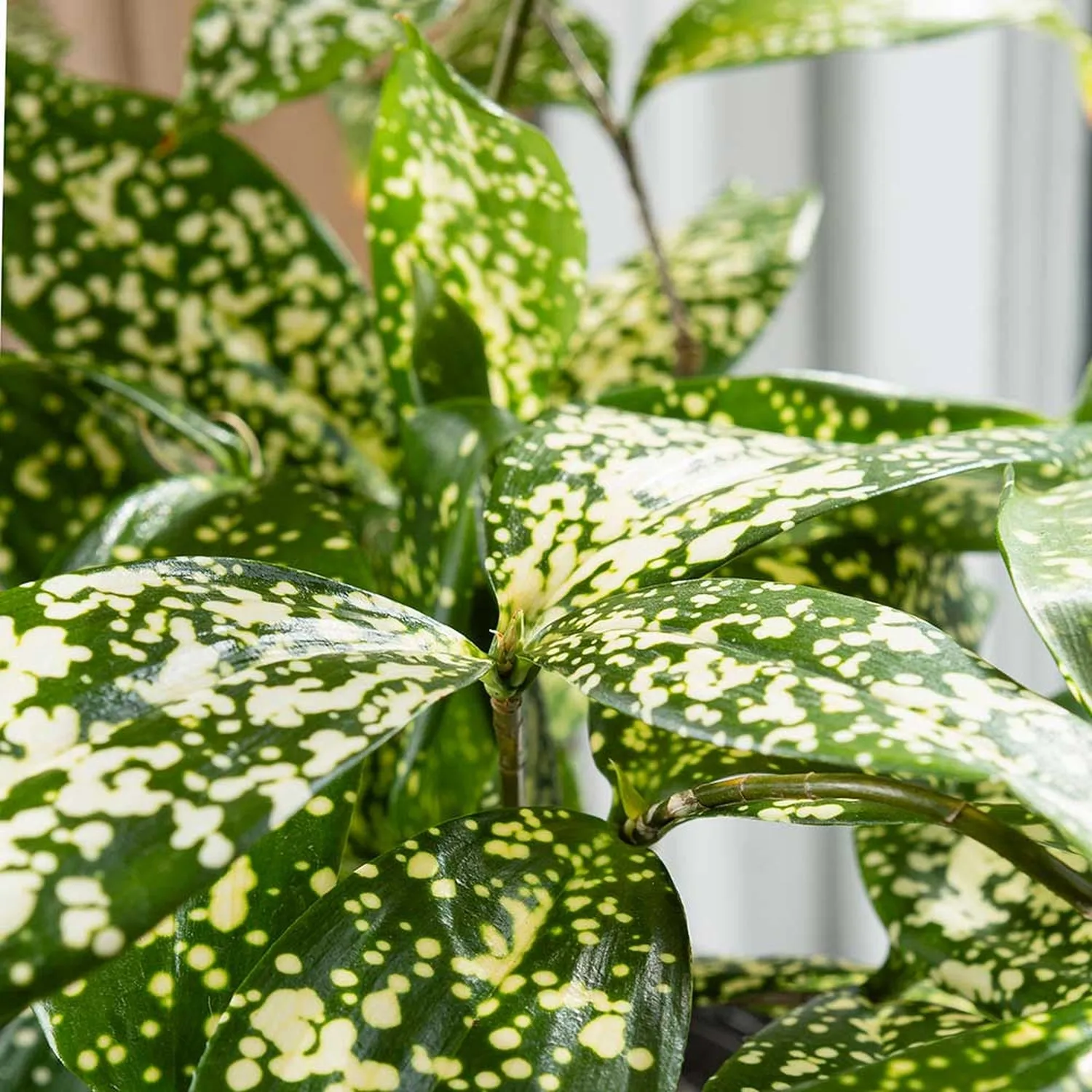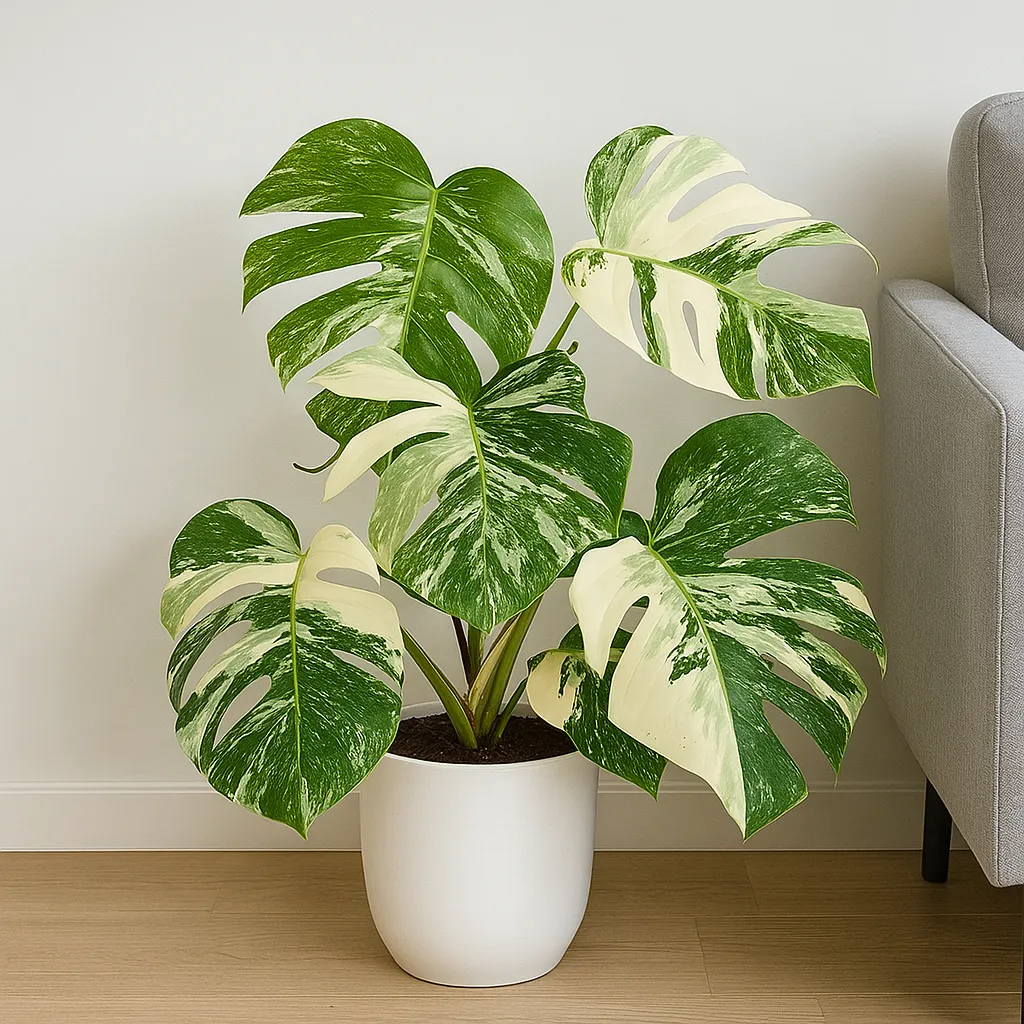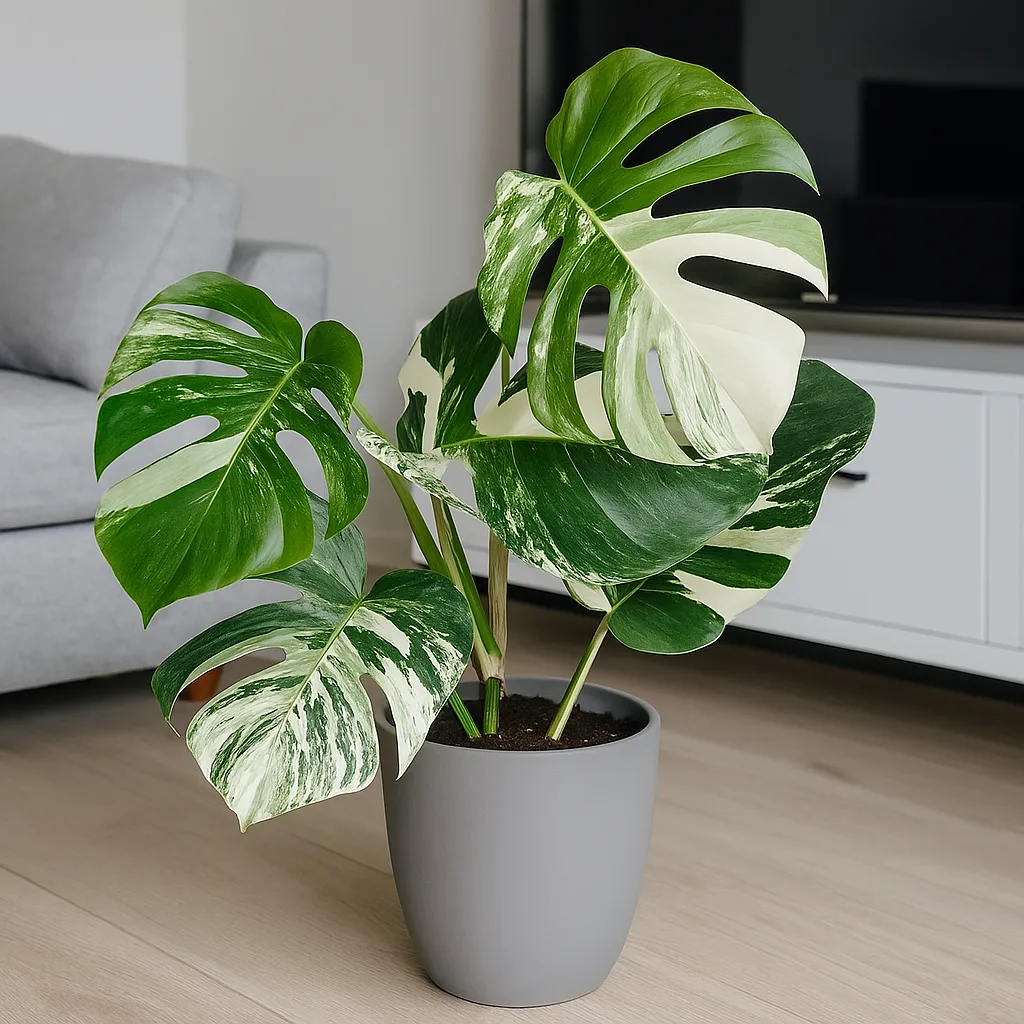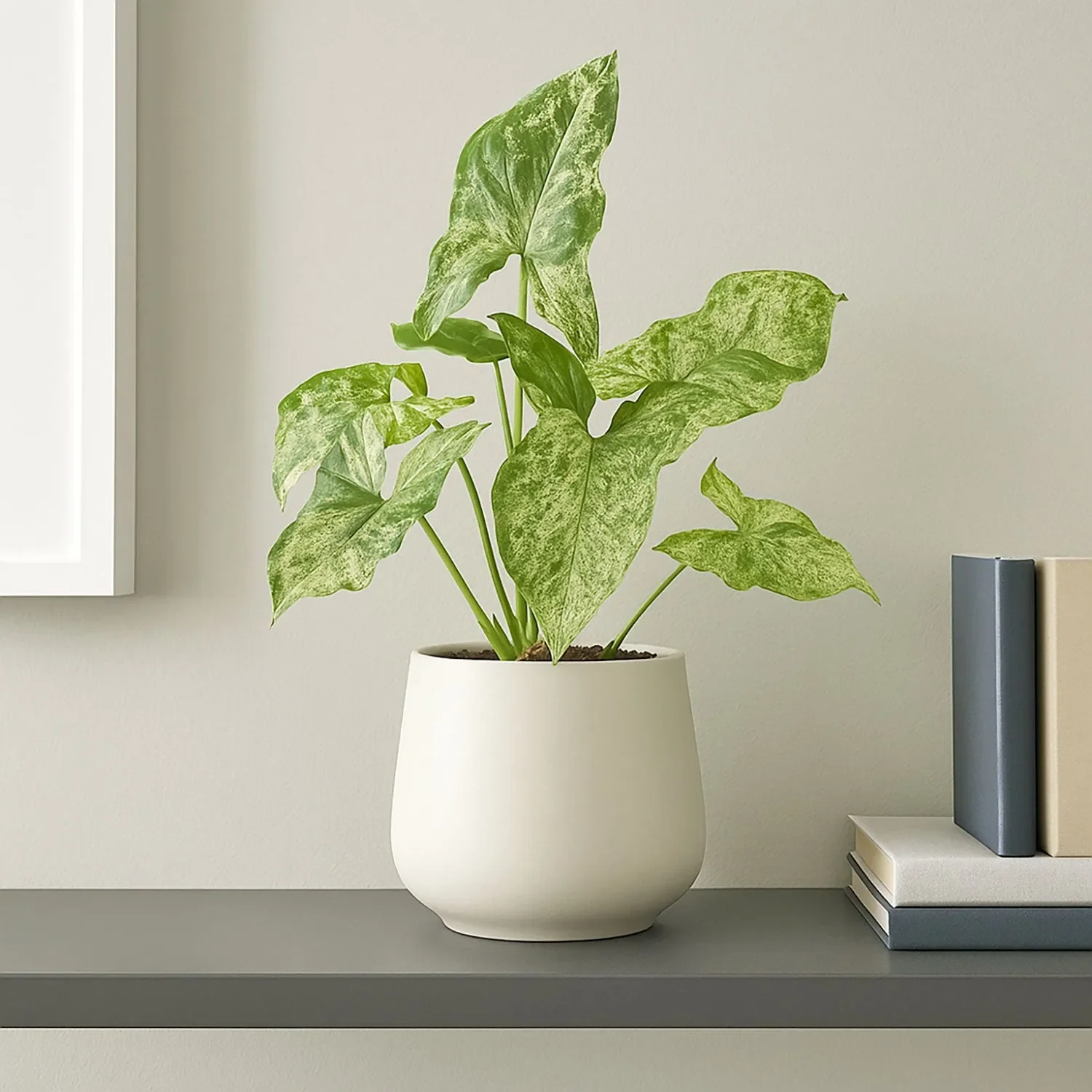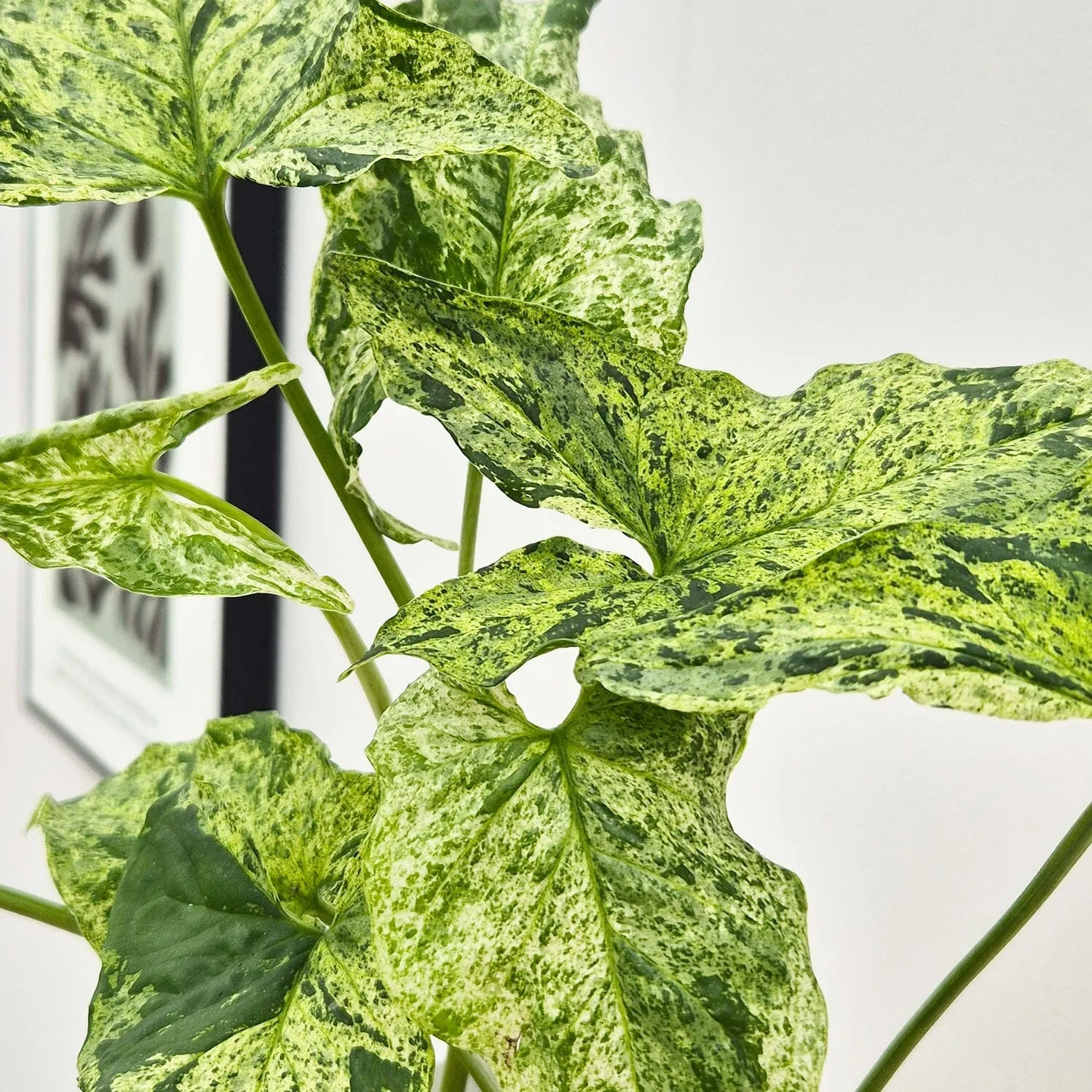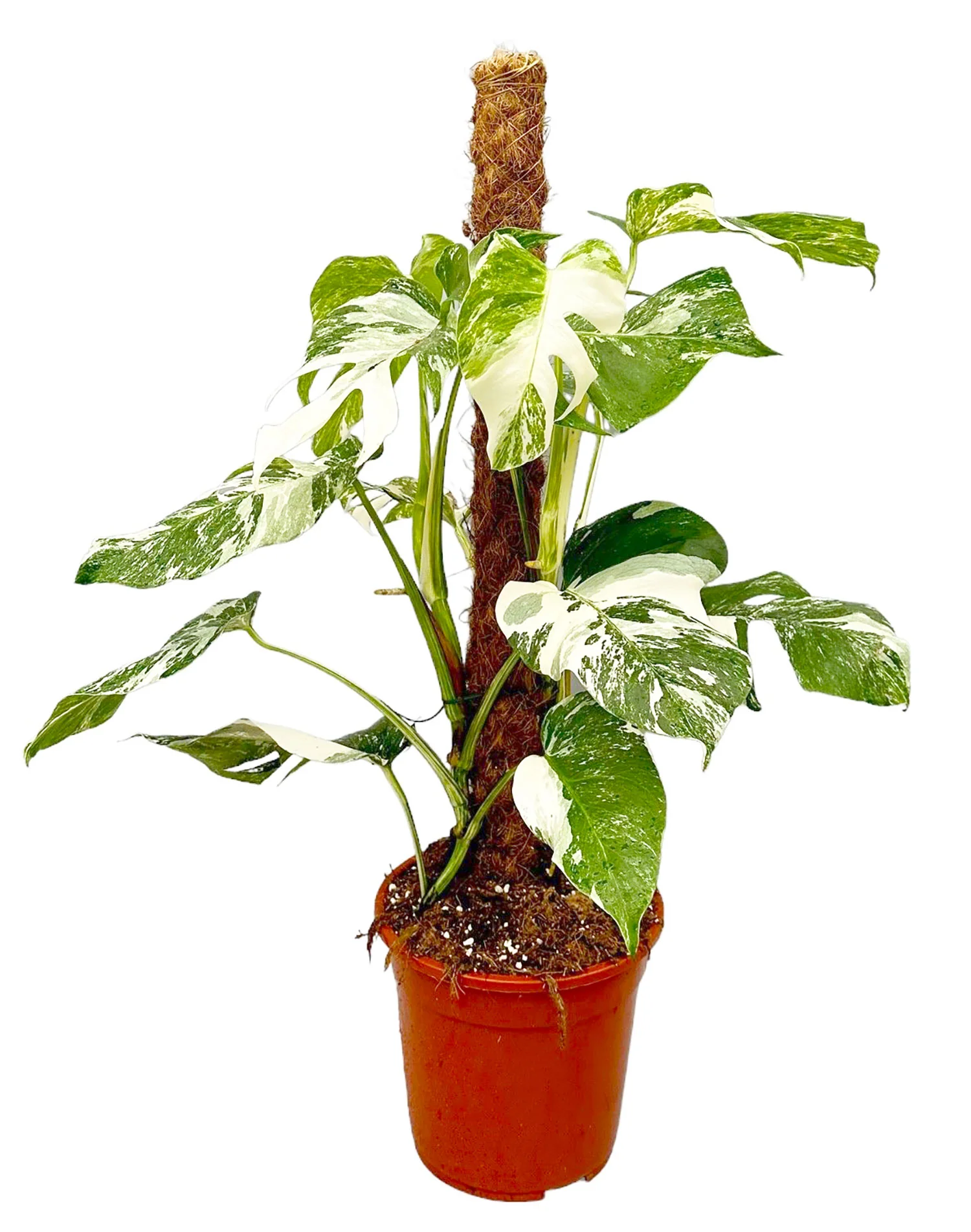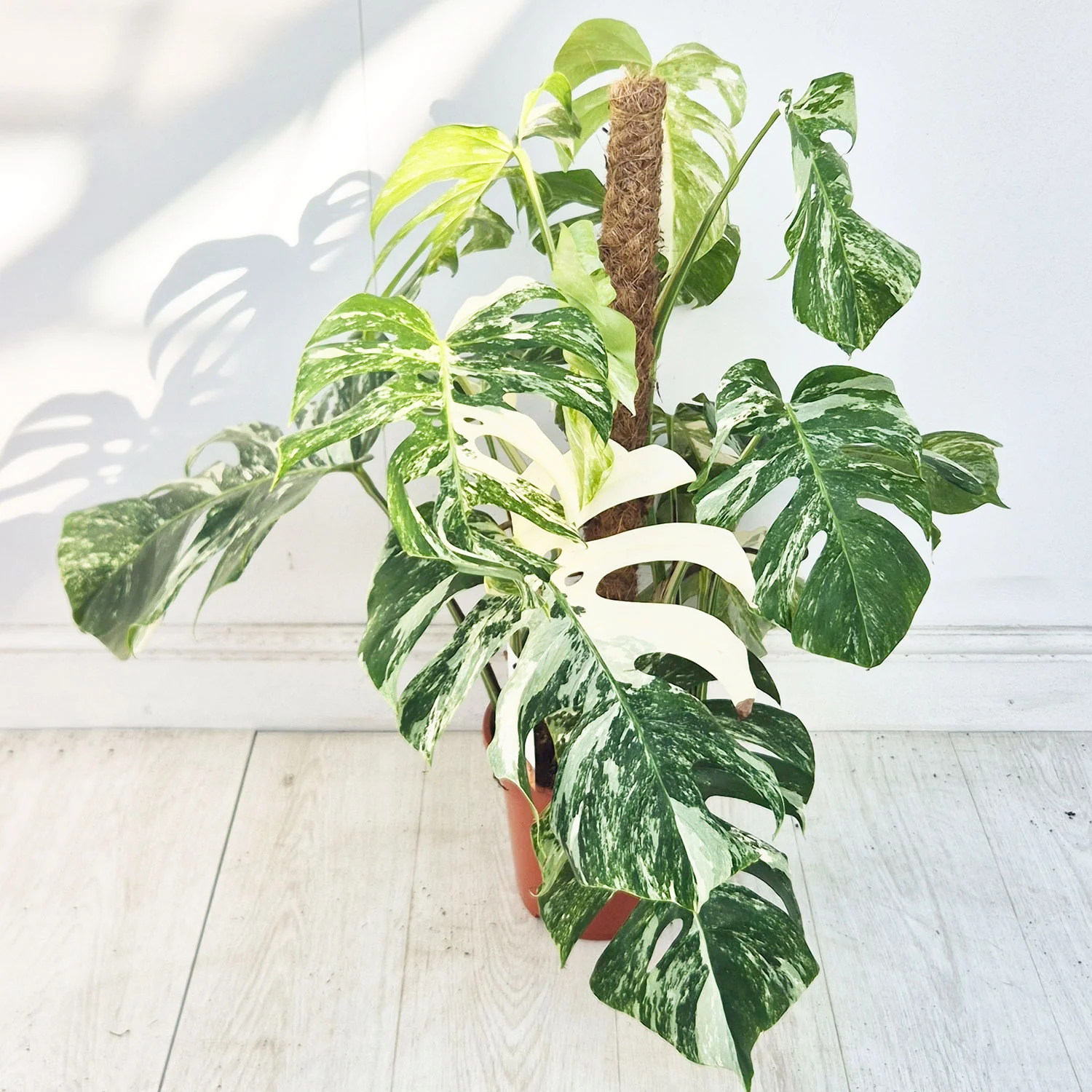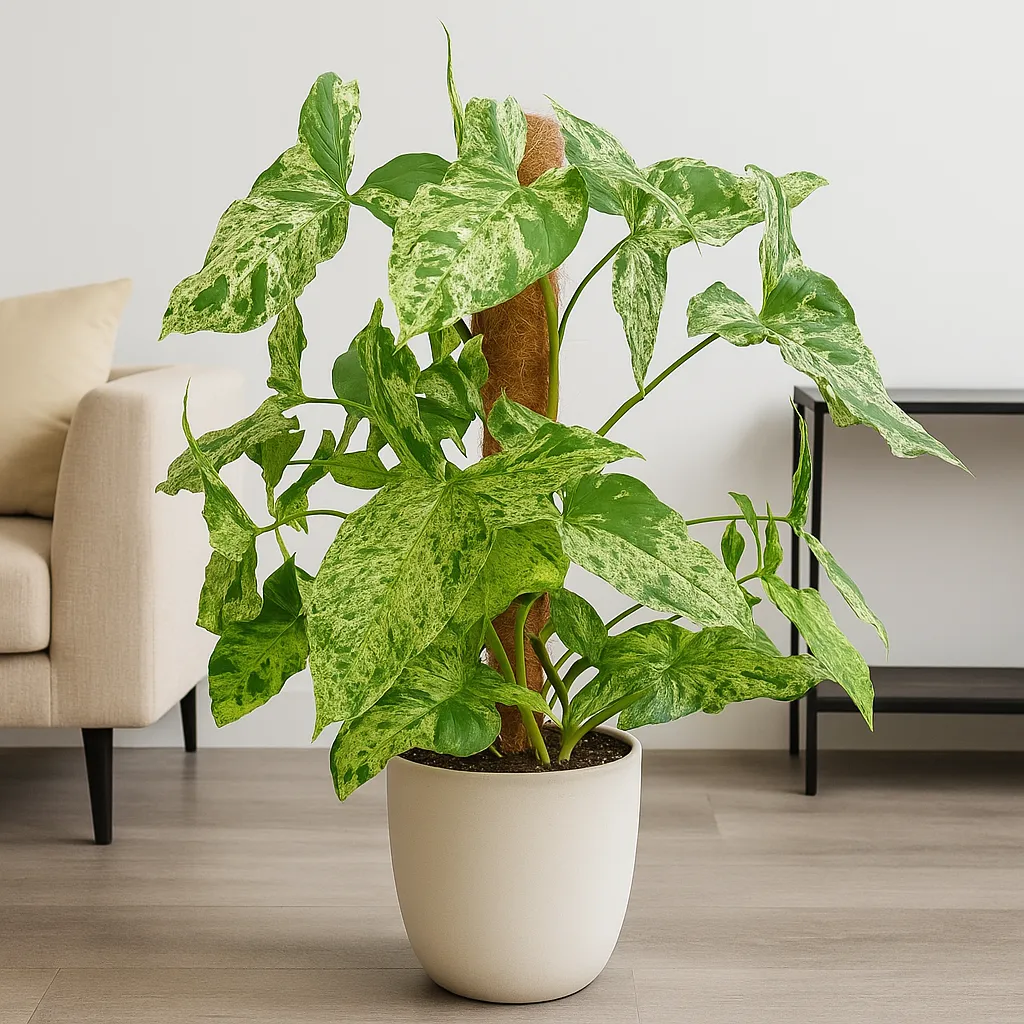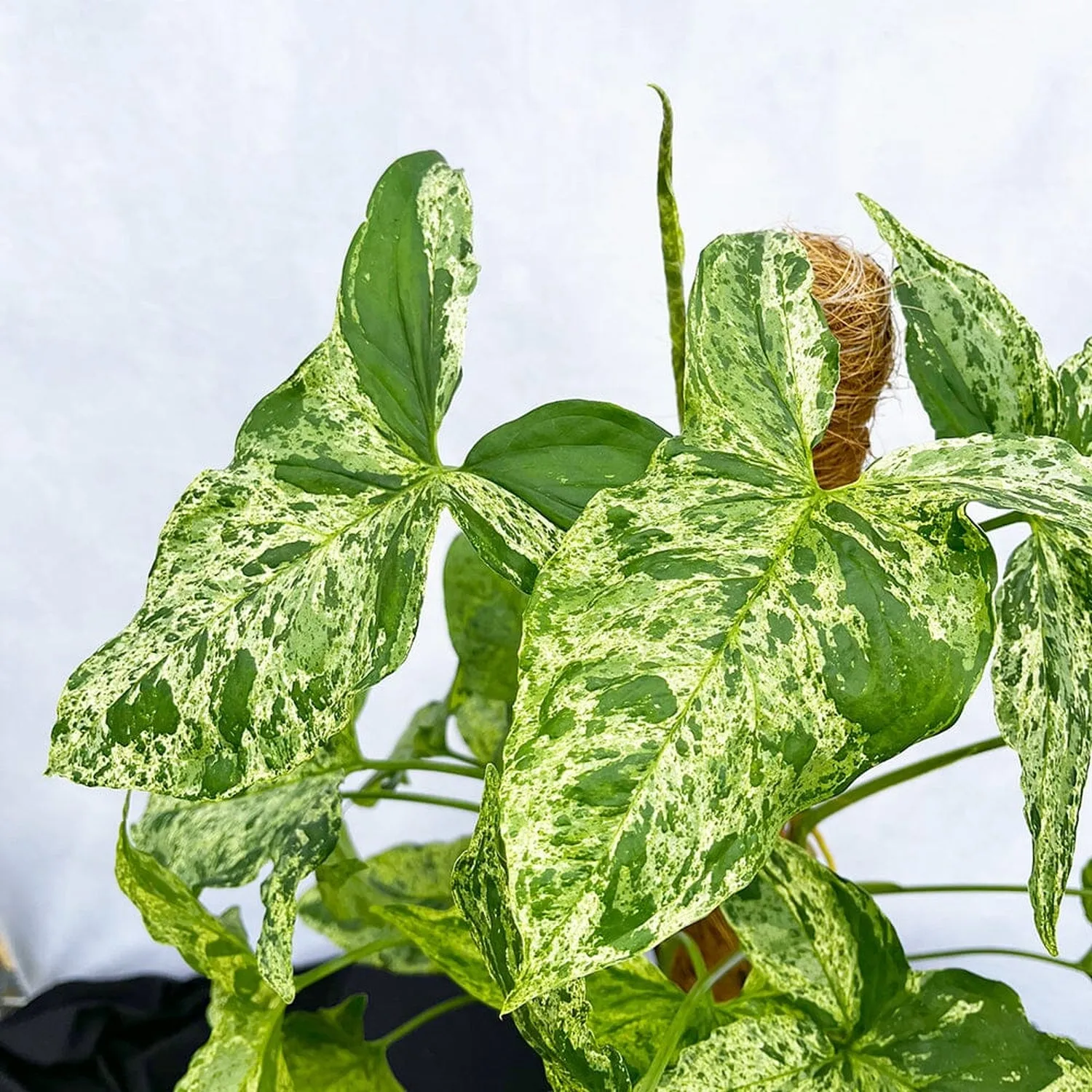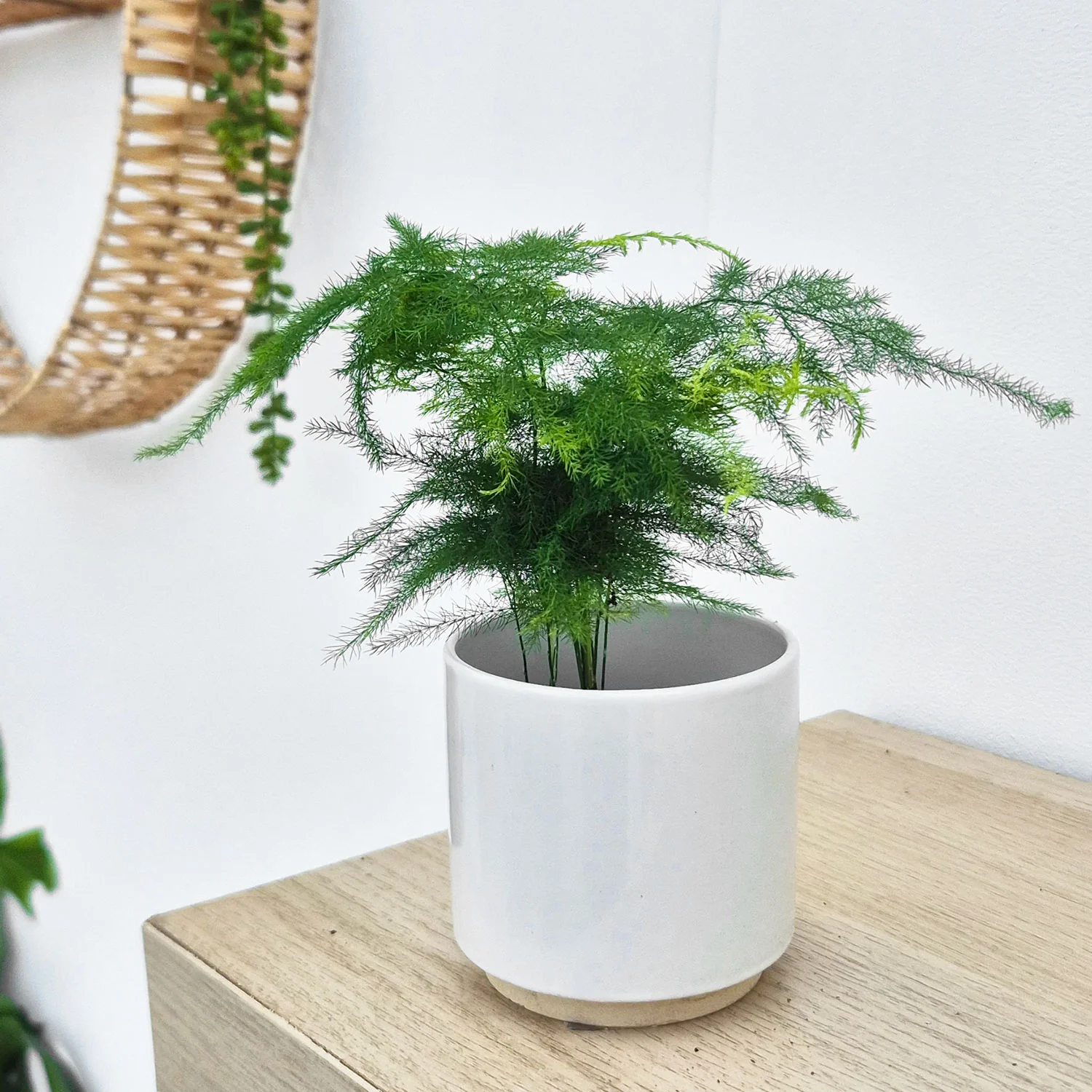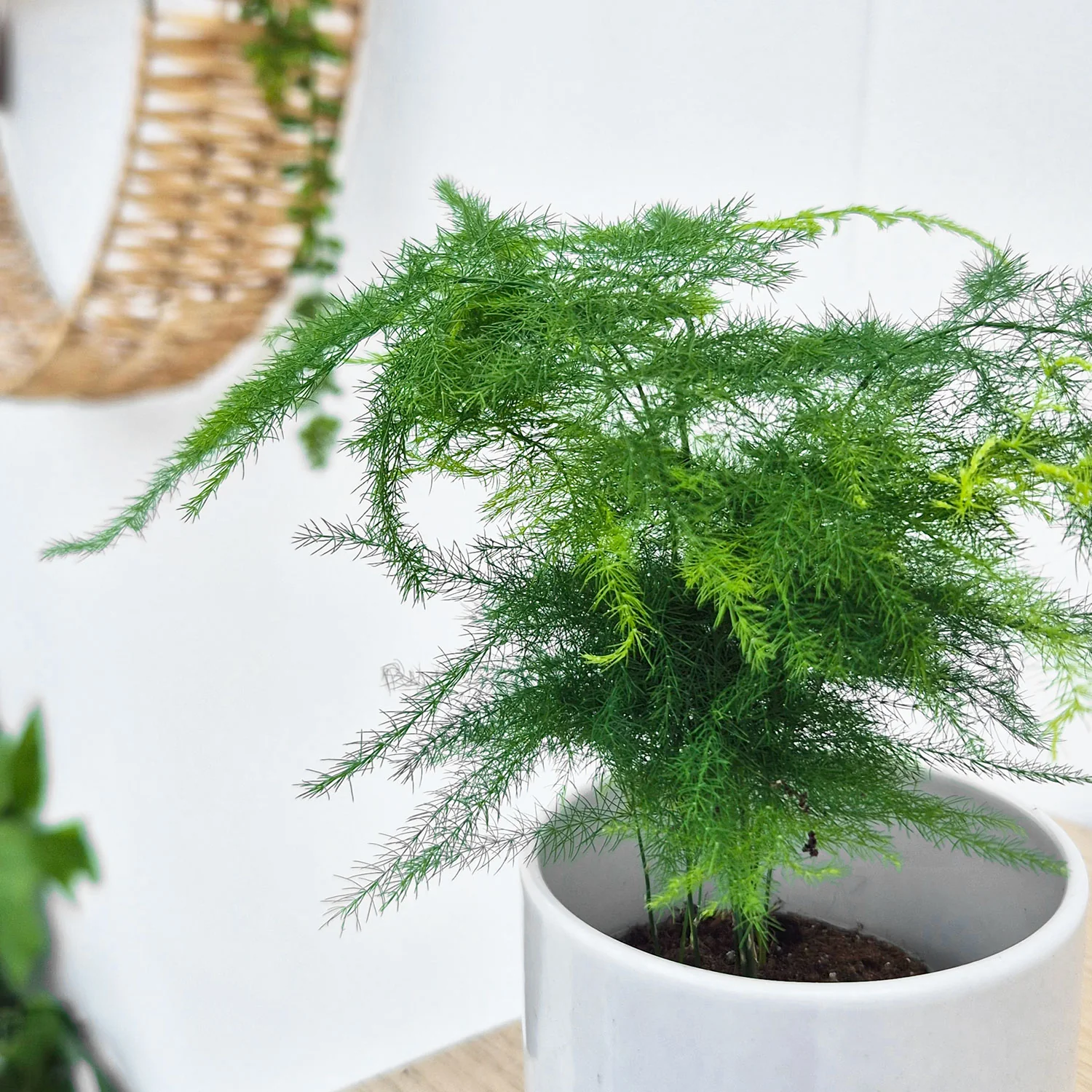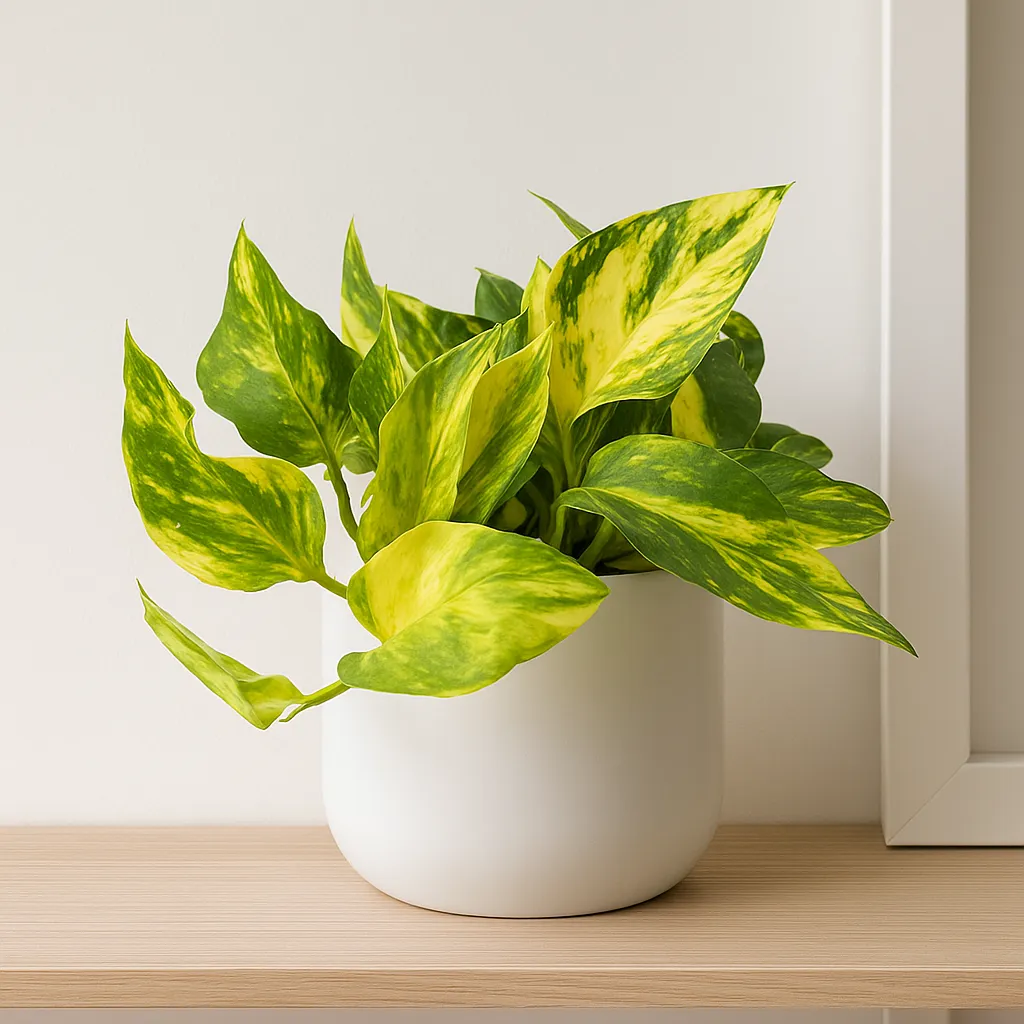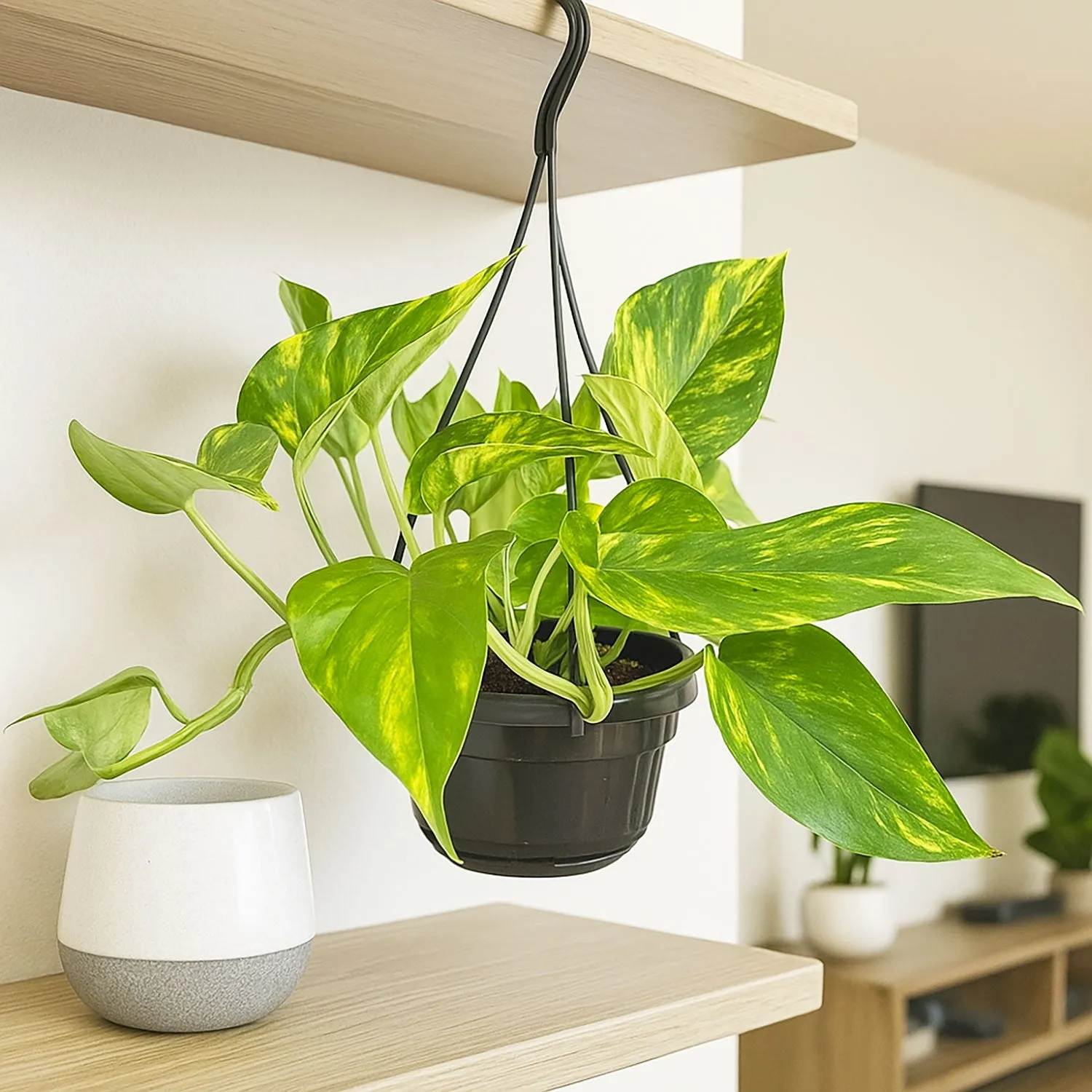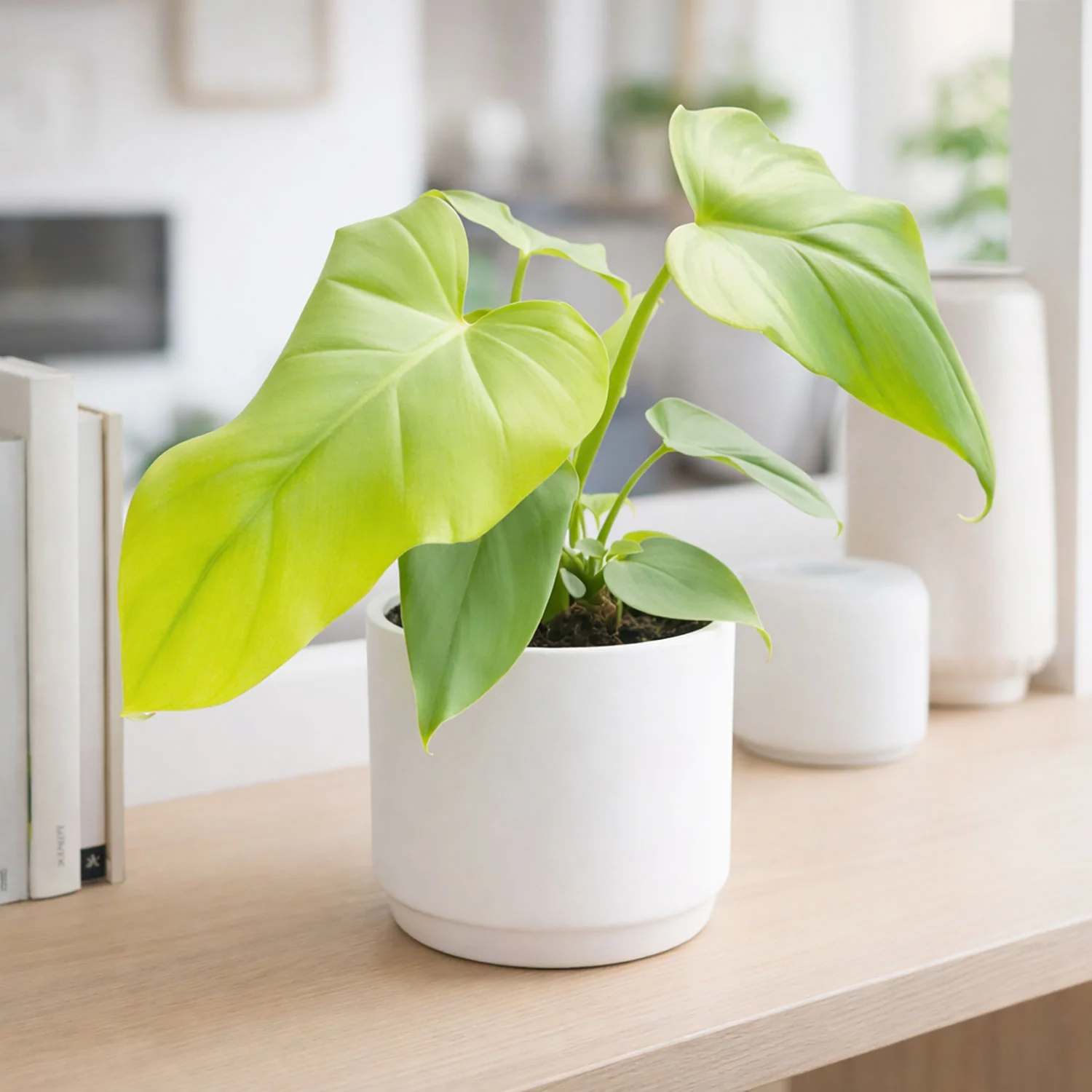
20 - 25cm Philodendron Golden Violin Plant House Plant 12cm Pot
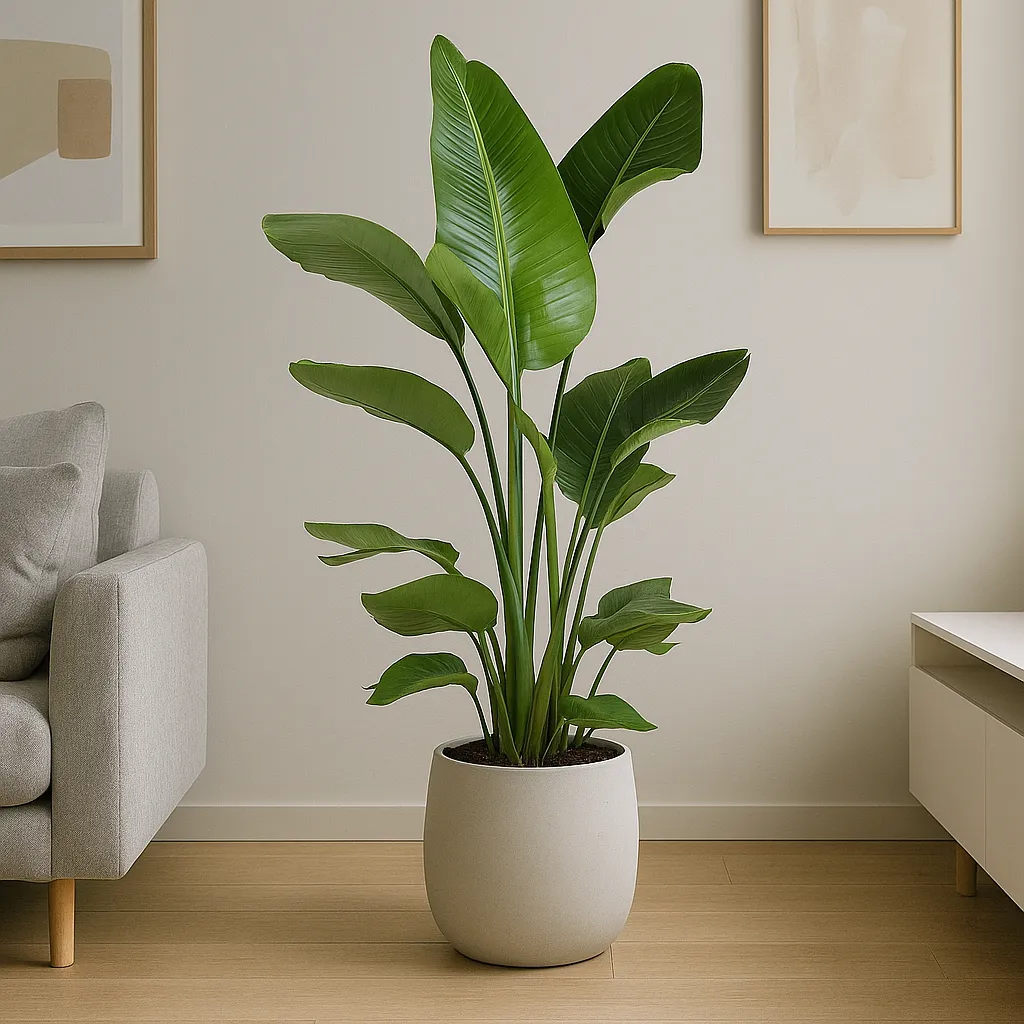
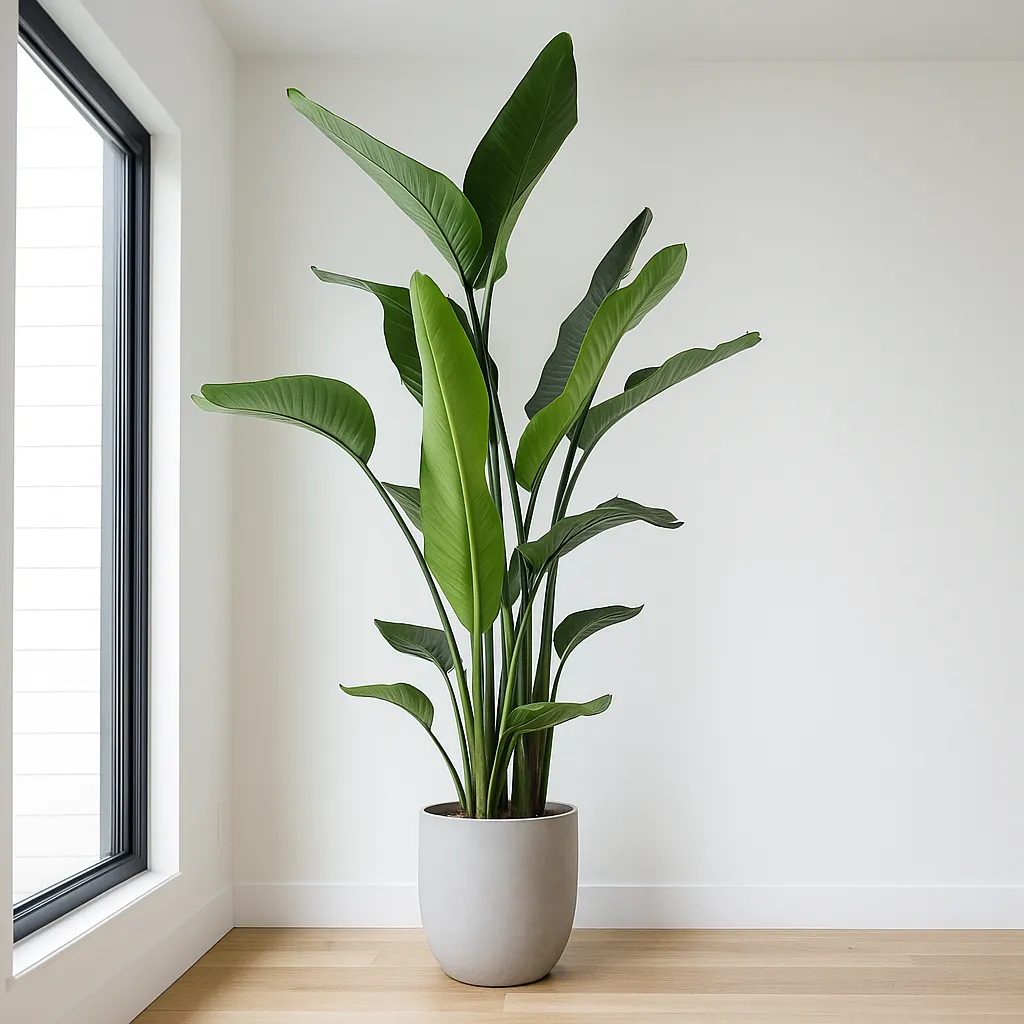
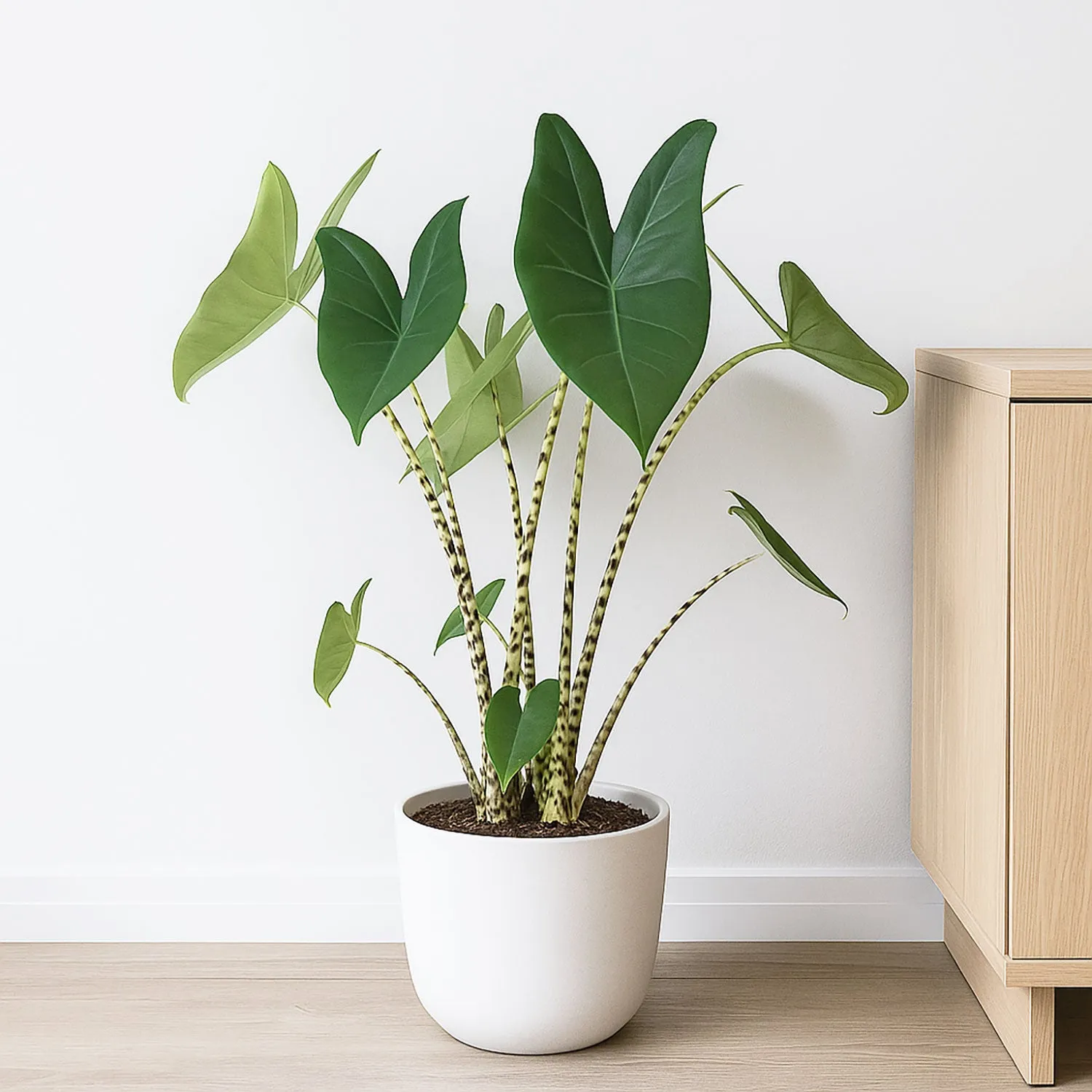
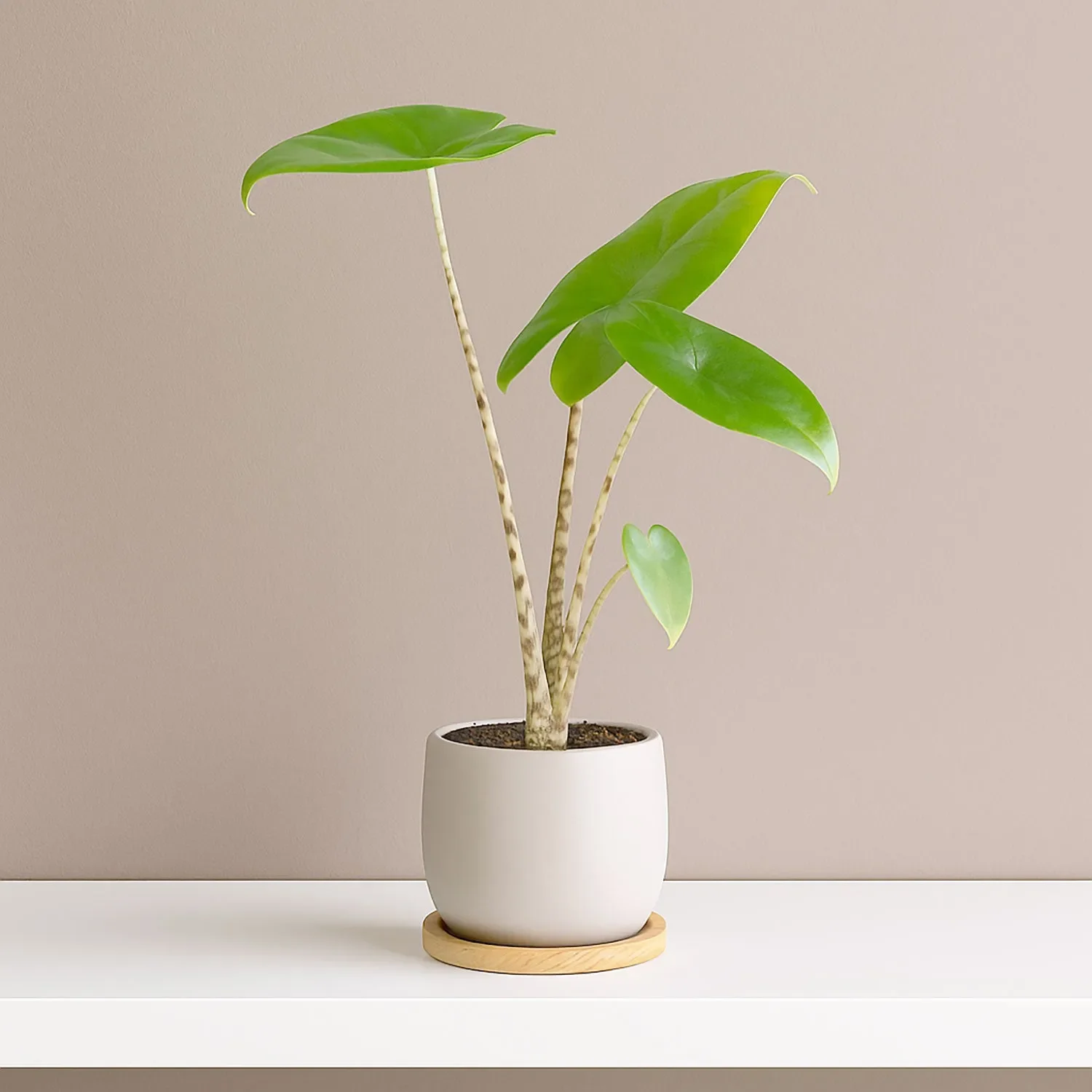
Philodendron ‘Golden Violin’ is a striking and unusual cultivar admired for its distinctive violin-shaped leaves and luminous golden-lime foliage. The leaves begin as a bright chartreuse tone and mature into a deeper golden green, creating a vibrant tropical look that stands out in any indoor plant collection.
The name “Golden Violin” refers to the elegant fiddle or violin-like leaf shape, which develops more clearly as the plant matures. Younger plants tend to have slightly elongated or lobed leaves, while mature specimens display more defined curves and lobes reminiscent of a violin silhouette.
This Philodendron typically grows as a climbing or scrambling plant, producing elongated stems that benefit from support such as a moss pole or trellis. When allowed to climb, the leaves often become larger and more dramatically shaped, enhancing the plant’s architectural presence.
With its glowing foliage and tropical character, Philodendron Golden Violin makes a beautiful statement plant for shelves, plant walls, or climbing displays, and pairs well with darker foliage plants that highlight its bright colour.
Key Features
-
Leaf colour: Bright golden-lime to chartreuse green
-
Leaf shape: Distinctive violin or fiddle-shaped foliage
-
Growth habit: Climbing or trailing aroid
-
Growth rate: Moderate to fast in good conditions
-
Mature height: Can exceed 1–2 metres indoors when supported
Philodendron Golden Violin Care Guide
Light
Philodendron Golden Violin thrives in bright, indirect light.
Ideal placement:
-
Near an east or north-facing window
-
A few feet back from south or west windows
Avoid:
-
Direct midday sun (may scorch the leaves)
-
Very low light, which can slow growth and dull the vibrant colour.
The brighter the indirect light, the more vivid the golden foliage will appear.
Watering
Water when the top 2–3 cm of soil feels dry.
General rule:
-
Spring & summer: Water regularly but avoid soggy soil
-
Autumn & winter: Reduce watering slightly
Signs to watch:
-
Drooping leaves: Usually indicates thirst
-
Yellowing leaves: Often caused by overwatering
Always ensure the pot has good drainage.
Humidity
As a tropical plant, Golden Violin appreciates moderate to high humidity.
Ideal humidity:
-
50–70%
Ways to increase humidity:
-
Use a humidifier
-
Group plants together
-
Place the pot on a pebble tray
While it tolerates normal household humidity, higher humidity encourages larger leaves and stronger growth.
Temperature
Best kept in temperatures between:
18°C – 27°C
Avoid:
-
Cold drafts
-
Temperatures below 12°C
Sudden temperature drops can cause stress or slowed growth.
Soil
Use a well-draining aroid soil mix.
Ideal mix:
-
Houseplant compost
-
Perlite or pumice
-
Orchid bark
This type of soil allows airflow around the roots and prevents waterlogging.
Feeding
Feed during the growing season:
-
Spring and summer: Every 2–4 weeks
-
Use a balanced liquid houseplant fertiliser
Reduce feeding during autumn and winter when growth slows.
Growth Support
Golden Violin benefits greatly from climbing support.
Recommended supports:
-
Moss pole
-
Coco pole
-
Trellis
Climbing encourages:
-
Larger leaves
-
Stronger stems
-
More dramatic foliage shape
Pruning
Pruning helps maintain shape and encourages bushier growth.
You can:
-
Trim leggy stems
-
Remove older leaves
-
Take cuttings for propagation
Always cut just above a node.
Propagation
Philodendron Golden Violin can be propagated through stem cuttings.
Steps:
-
Cut below a node with at least one leaf and node
-
Root in water, sphagnum moss, or soil
-
Place in warm, bright indirect light
Roots typically appear within 2–4 weeks.
Toxicity
Like most philodendrons, Golden Violin contains calcium oxalate crystals.
It is toxic if ingested by:
-
Pets
-
Children
Keep out of reach of curious animals.
Common Problems
Yellow leaves
-
Usually caused by overwatering
Small leaves
-
Often due to low light or lack of climbing support
Brown leaf edges
-
Low humidity or inconsistent watering
Leggy growth
-
Plant needs brighter light
✅ Summary
Philodendron Golden Violin is a beautiful climbing aroid known for its vibrant golden foliage and distinctive violin-shaped leaves. With bright indirect light, well-draining soil, and occasional feeding, it grows quickly and becomes a striking feature in any indoor plant collection.
Original: $11.86
-70%$11.86
$3.56Product Information
Product Information
Shipping & Returns
Shipping & Returns
Description
Philodendron ‘Golden Violin’ is a striking and unusual cultivar admired for its distinctive violin-shaped leaves and luminous golden-lime foliage. The leaves begin as a bright chartreuse tone and mature into a deeper golden green, creating a vibrant tropical look that stands out in any indoor plant collection.
The name “Golden Violin” refers to the elegant fiddle or violin-like leaf shape, which develops more clearly as the plant matures. Younger plants tend to have slightly elongated or lobed leaves, while mature specimens display more defined curves and lobes reminiscent of a violin silhouette.
This Philodendron typically grows as a climbing or scrambling plant, producing elongated stems that benefit from support such as a moss pole or trellis. When allowed to climb, the leaves often become larger and more dramatically shaped, enhancing the plant’s architectural presence.
With its glowing foliage and tropical character, Philodendron Golden Violin makes a beautiful statement plant for shelves, plant walls, or climbing displays, and pairs well with darker foliage plants that highlight its bright colour.
Key Features
-
Leaf colour: Bright golden-lime to chartreuse green
-
Leaf shape: Distinctive violin or fiddle-shaped foliage
-
Growth habit: Climbing or trailing aroid
-
Growth rate: Moderate to fast in good conditions
-
Mature height: Can exceed 1–2 metres indoors when supported
Philodendron Golden Violin Care Guide
Light
Philodendron Golden Violin thrives in bright, indirect light.
Ideal placement:
-
Near an east or north-facing window
-
A few feet back from south or west windows
Avoid:
-
Direct midday sun (may scorch the leaves)
-
Very low light, which can slow growth and dull the vibrant colour.
The brighter the indirect light, the more vivid the golden foliage will appear.
Watering
Water when the top 2–3 cm of soil feels dry.
General rule:
-
Spring & summer: Water regularly but avoid soggy soil
-
Autumn & winter: Reduce watering slightly
Signs to watch:
-
Drooping leaves: Usually indicates thirst
-
Yellowing leaves: Often caused by overwatering
Always ensure the pot has good drainage.
Humidity
As a tropical plant, Golden Violin appreciates moderate to high humidity.
Ideal humidity:
-
50–70%
Ways to increase humidity:
-
Use a humidifier
-
Group plants together
-
Place the pot on a pebble tray
While it tolerates normal household humidity, higher humidity encourages larger leaves and stronger growth.
Temperature
Best kept in temperatures between:
18°C – 27°C
Avoid:
-
Cold drafts
-
Temperatures below 12°C
Sudden temperature drops can cause stress or slowed growth.
Soil
Use a well-draining aroid soil mix.
Ideal mix:
-
Houseplant compost
-
Perlite or pumice
-
Orchid bark
This type of soil allows airflow around the roots and prevents waterlogging.
Feeding
Feed during the growing season:
-
Spring and summer: Every 2–4 weeks
-
Use a balanced liquid houseplant fertiliser
Reduce feeding during autumn and winter when growth slows.
Growth Support
Golden Violin benefits greatly from climbing support.
Recommended supports:
-
Moss pole
-
Coco pole
-
Trellis
Climbing encourages:
-
Larger leaves
-
Stronger stems
-
More dramatic foliage shape
Pruning
Pruning helps maintain shape and encourages bushier growth.
You can:
-
Trim leggy stems
-
Remove older leaves
-
Take cuttings for propagation
Always cut just above a node.
Propagation
Philodendron Golden Violin can be propagated through stem cuttings.
Steps:
-
Cut below a node with at least one leaf and node
-
Root in water, sphagnum moss, or soil
-
Place in warm, bright indirect light
Roots typically appear within 2–4 weeks.
Toxicity
Like most philodendrons, Golden Violin contains calcium oxalate crystals.
It is toxic if ingested by:
-
Pets
-
Children
Keep out of reach of curious animals.
Common Problems
Yellow leaves
-
Usually caused by overwatering
Small leaves
-
Often due to low light or lack of climbing support
Brown leaf edges
-
Low humidity or inconsistent watering
Leggy growth
-
Plant needs brighter light
✅ Summary
Philodendron Golden Violin is a beautiful climbing aroid known for its vibrant golden foliage and distinctive violin-shaped leaves. With bright indirect light, well-draining soil, and occasional feeding, it grows quickly and becomes a striking feature in any indoor plant collection.