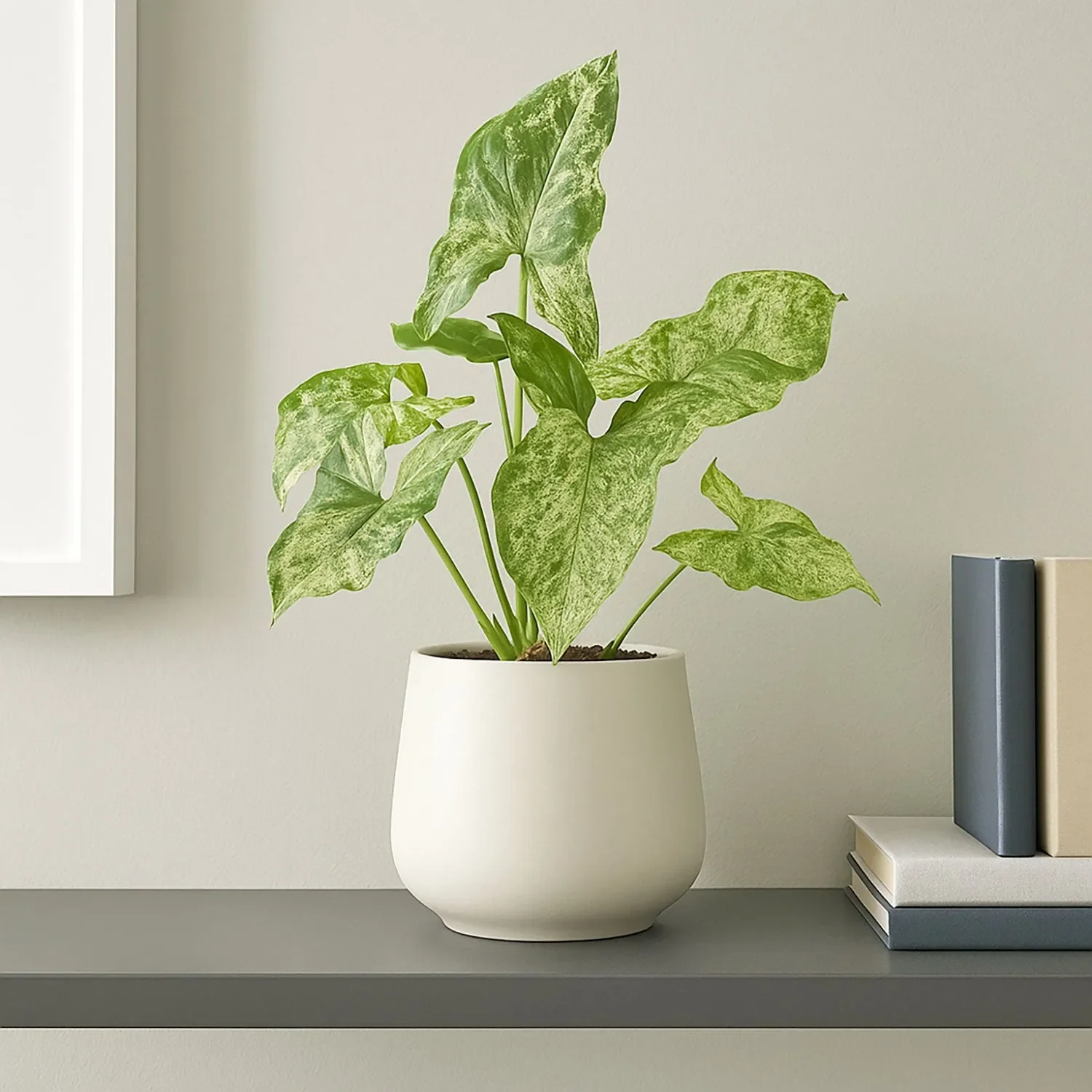
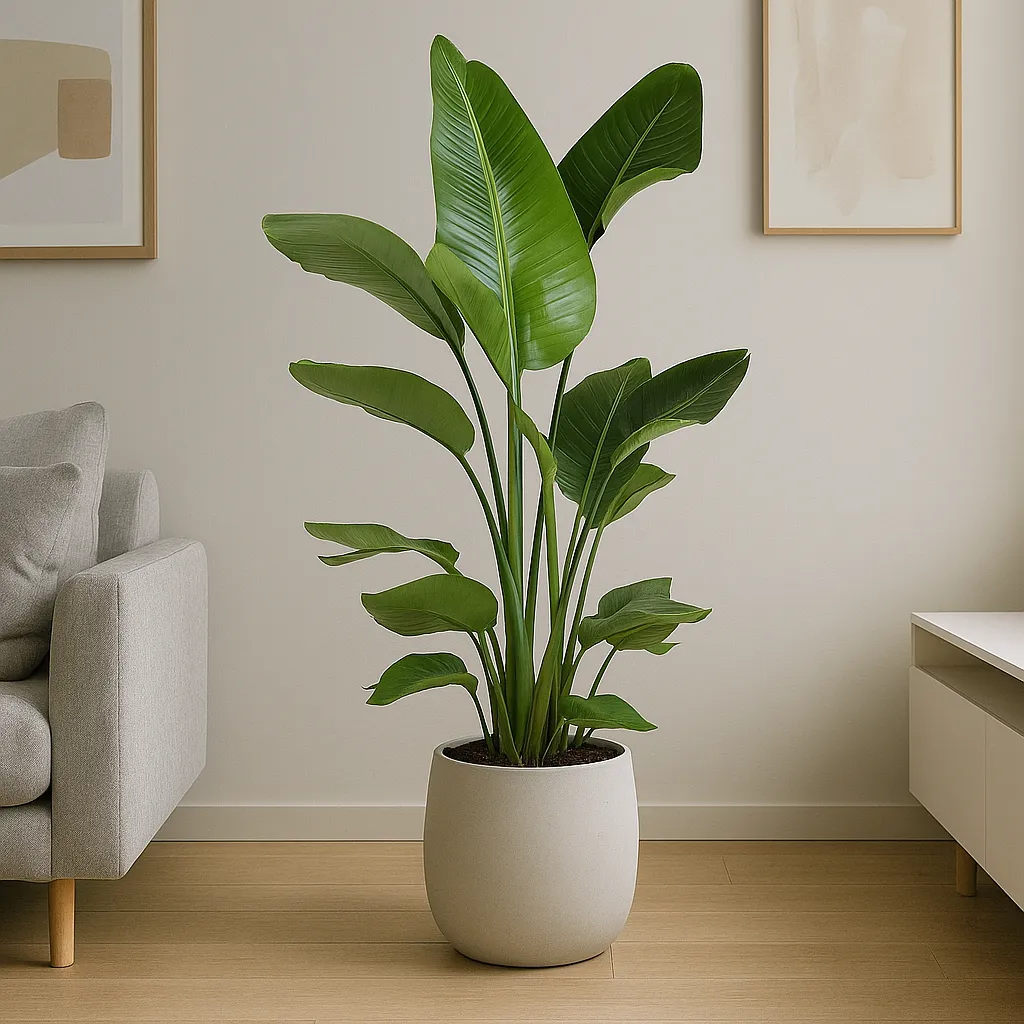
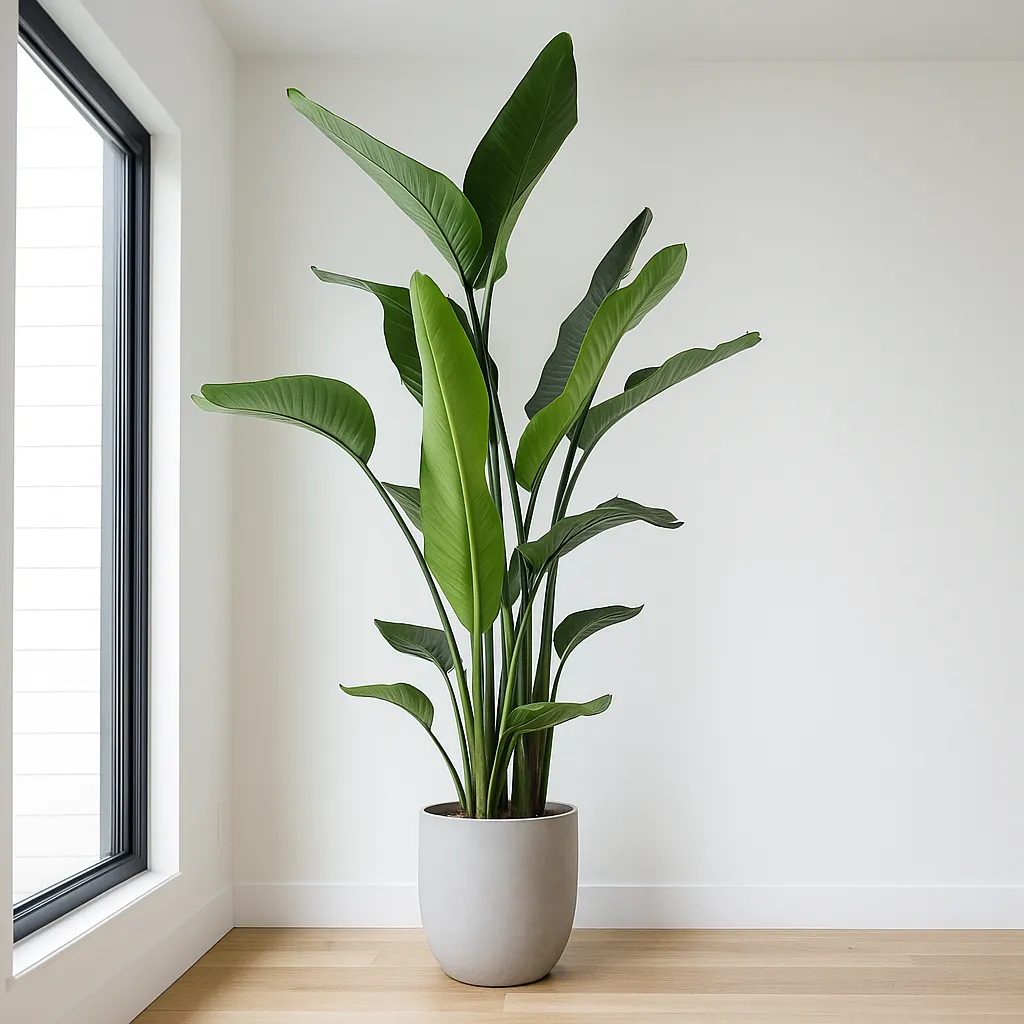
20 - 30cm Alocasia Stingray House Plant 12 cm Pot
Alocasia ‘Stingray’ is one of the most striking and unusual members of the Araceae family, instantly recognisable by its dramatic foliage. Native to Southeast Asia, this hybrid cultivar is admired for its bold, tropical appearance and uniquely shaped leaves that resemble the graceful body and tail of a stingray.
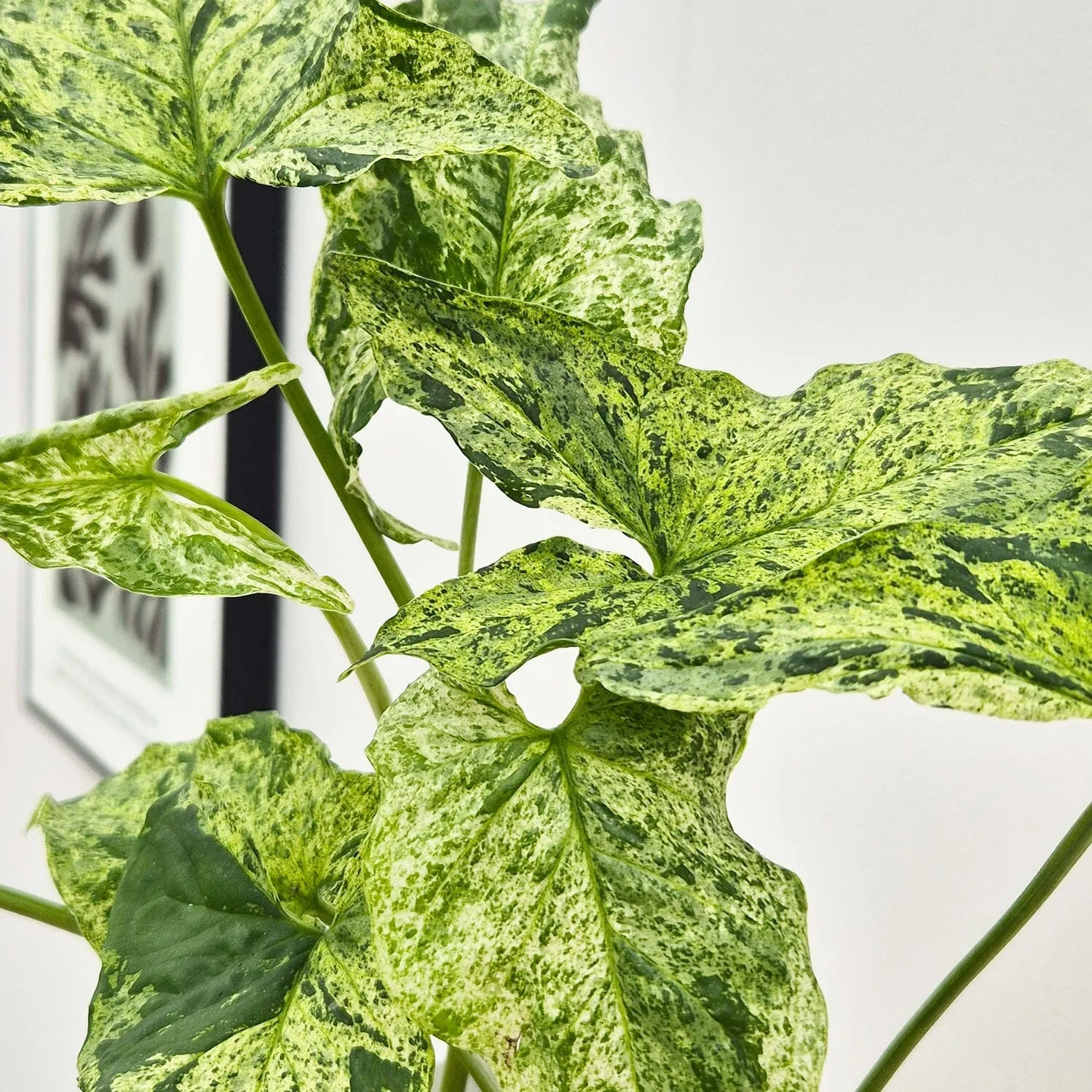
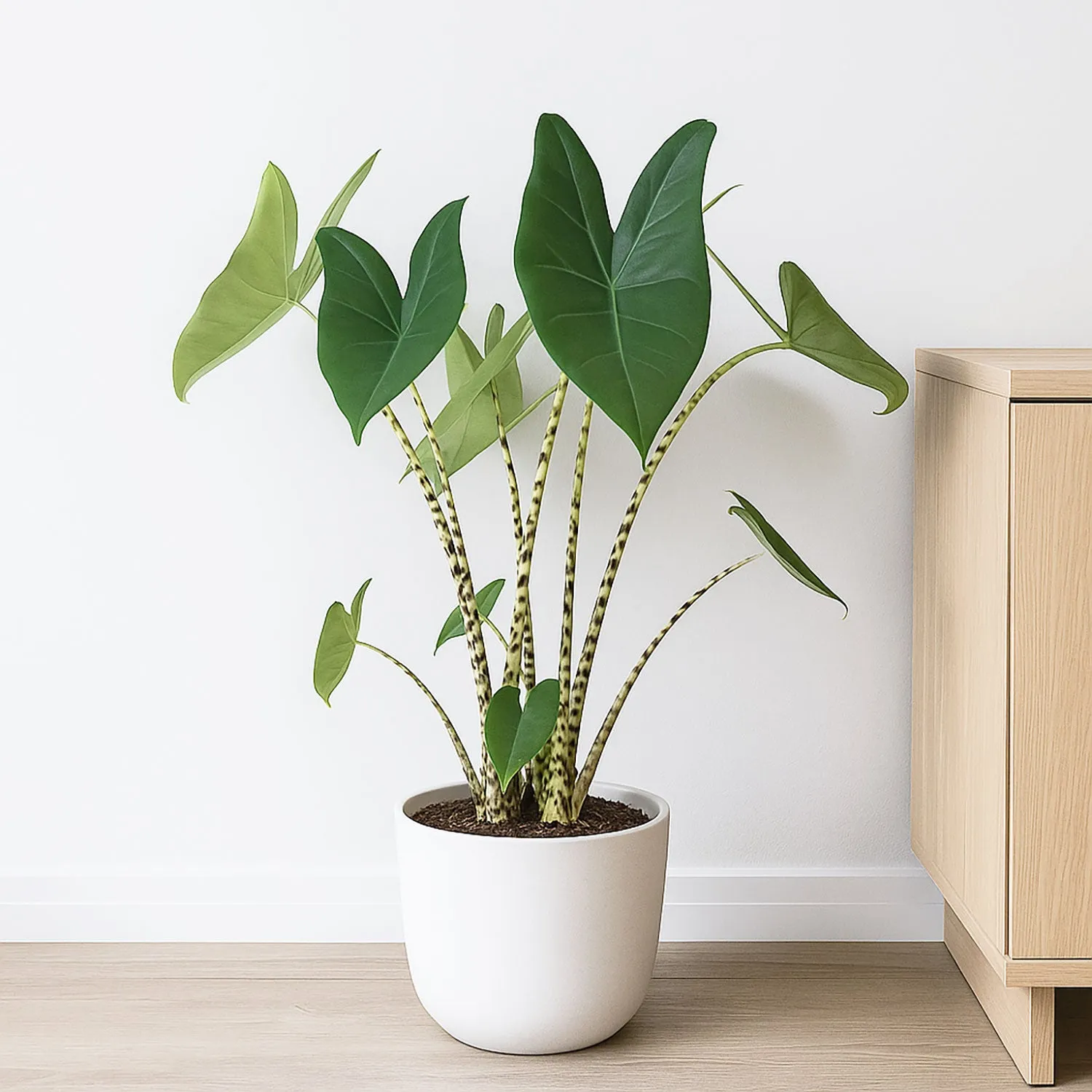
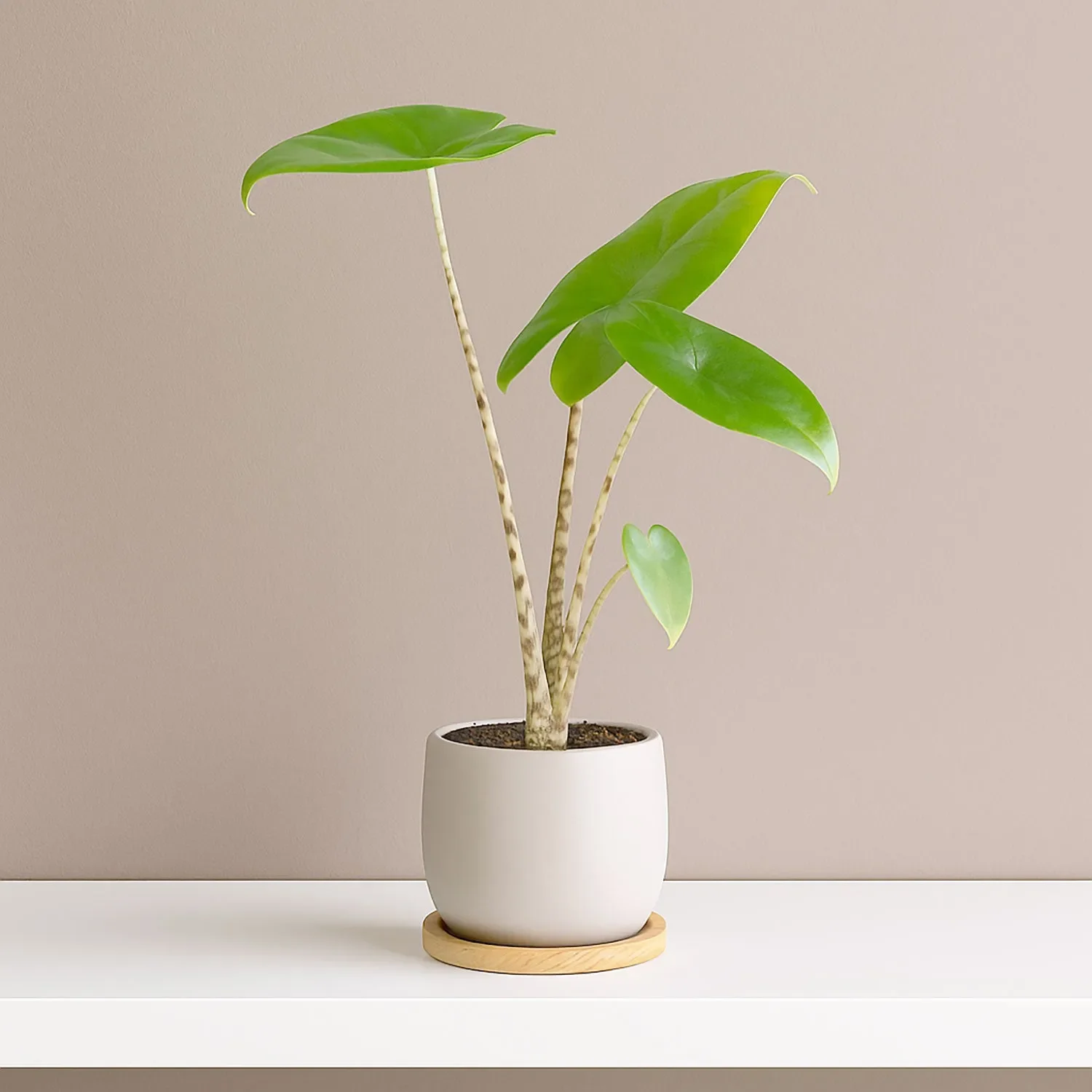
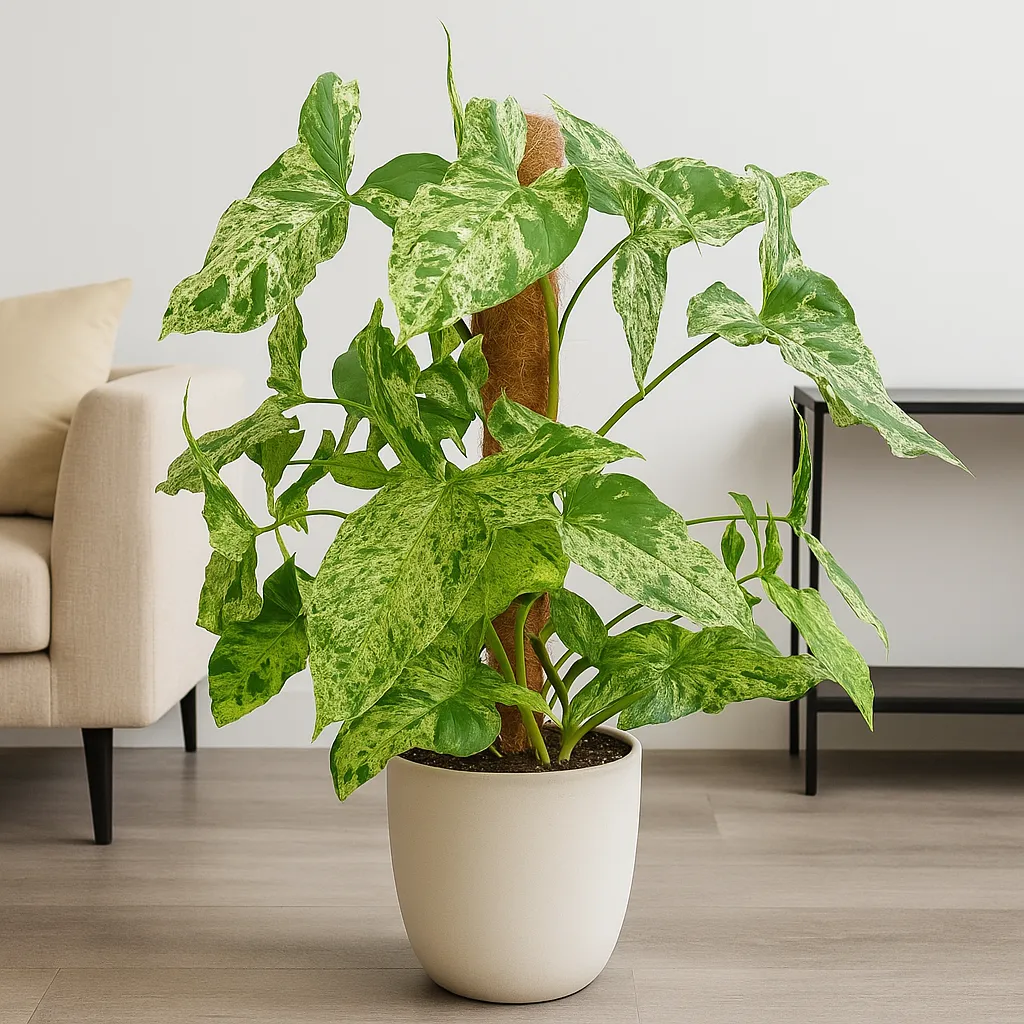
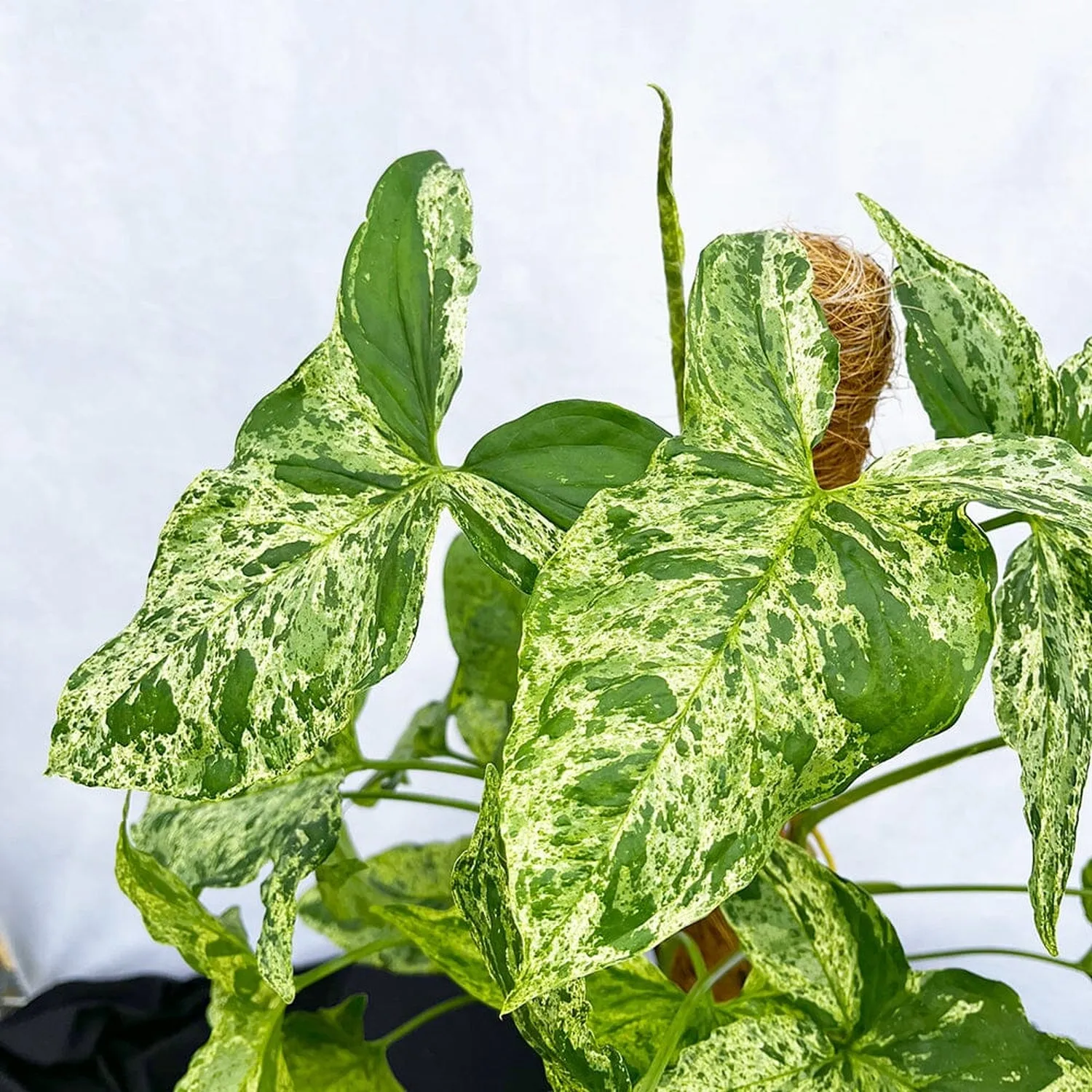
The glossy green leaves are arrow-shaped with curved, wing-like lobes and an elongated, whip-like tip that mimics a stingray’s tail. Each leaf is held upright on tall, speckled stems, giving the plant an exotic, architectural presence. Mature specimens can reach 1–1.5 metres in height, making it an impressive statement plant for homes, offices, and conservatories.
With its combination of elegance and quirkiness, Alocasia ‘Stingray’ has become a favourite among collectors and tropical plant enthusiasts.
Alocasia ‘Stingray’ – Care Guide
Light
Thrives in bright, indirect light. Can tolerate medium light but will grow slower with smaller leaves. Avoid harsh direct sun, which can scorch foliage.
Watering
Keep soil lightly and evenly moist during the growing season. Water when the top 2–3 cm of soil feels dry. Reduce watering in winter when growth slows or dormancy begins. Never allow the plant to sit in water.
Temperature and Humidity
-
Temperature: Prefers warmth, 18–28°C. Protect from draughts and never let it fall below 15°C.
-
Humidity: High humidity (60–80%) is ideal. Mist leaves, place near a humidifier, or use a pebble tray to replicate tropical conditions.
Soil and Potting
Use a chunky, free-draining aroid mix – peat-free compost with orchid bark, perlite, and coco coir is ideal. Repot every 1–2 years in spring to refresh the mix and give roots space.
Feeding
Apply a balanced liquid fertiliser every 2–3 weeks during spring and summer. Stop feeding in autumn and winter.
Pruning and Maintenance
Remove yellow or damaged leaves at the base to maintain appearance. Clean leaves with a damp cloth to highlight their shine and unusual shape.
Growth and Dormancy
A moderately fast grower during spring and summer, reaching up to 1–1.5 m tall indoors. Like many Alocasias, it may enter dormancy in cooler months, with leaves dying back before re-sprouting in spring.
Common Issues
-
Yellowing leaves: Overwatering or poor drainage.
-
Brown tips: Low humidity.
-
Drooping foliage: Underwatering, shock, or low light.
-
Pests: Can be susceptible to spider mites, thrips, and mealybugs.
Background and Benefits
The unusual stingray-shaped leaves make Alocasia ‘Stingray’ a living piece of sculpture. Its exotic form creates a dramatic jungle atmosphere, and with the right care, it becomes a long-lived and ever-evolving centrepiece in any tropical collection.
✅ Quick Care Summary
-
Light: Bright, indirect; tolerates medium
-
Water: Lightly moist; reduce in dormancy
-
Temperature: 18–28°C; avoid below 15°C
-
Humidity: High (60–80%)
-
Soil: Chunky, free-draining aroid mix
-
Feed: Every 2–3 weeks in spring/summer
-
Growth: Upright clump, 1–1.5 m tall; glossy green leaves shaped like stingrays
Original: $22.42
-70%$22.42
$6.73Product Information
Product Information
Shipping & Returns
Shipping & Returns
Description
Alocasia ‘Stingray’ is one of the most striking and unusual members of the Araceae family, instantly recognisable by its dramatic foliage. Native to Southeast Asia, this hybrid cultivar is admired for its bold, tropical appearance and uniquely shaped leaves that resemble the graceful body and tail of a stingray.
The glossy green leaves are arrow-shaped with curved, wing-like lobes and an elongated, whip-like tip that mimics a stingray’s tail. Each leaf is held upright on tall, speckled stems, giving the plant an exotic, architectural presence. Mature specimens can reach 1–1.5 metres in height, making it an impressive statement plant for homes, offices, and conservatories.
With its combination of elegance and quirkiness, Alocasia ‘Stingray’ has become a favourite among collectors and tropical plant enthusiasts.
Alocasia ‘Stingray’ – Care Guide
Light
Thrives in bright, indirect light. Can tolerate medium light but will grow slower with smaller leaves. Avoid harsh direct sun, which can scorch foliage.
Watering
Keep soil lightly and evenly moist during the growing season. Water when the top 2–3 cm of soil feels dry. Reduce watering in winter when growth slows or dormancy begins. Never allow the plant to sit in water.
Temperature and Humidity
-
Temperature: Prefers warmth, 18–28°C. Protect from draughts and never let it fall below 15°C.
-
Humidity: High humidity (60–80%) is ideal. Mist leaves, place near a humidifier, or use a pebble tray to replicate tropical conditions.
Soil and Potting
Use a chunky, free-draining aroid mix – peat-free compost with orchid bark, perlite, and coco coir is ideal. Repot every 1–2 years in spring to refresh the mix and give roots space.
Feeding
Apply a balanced liquid fertiliser every 2–3 weeks during spring and summer. Stop feeding in autumn and winter.
Pruning and Maintenance
Remove yellow or damaged leaves at the base to maintain appearance. Clean leaves with a damp cloth to highlight their shine and unusual shape.
Growth and Dormancy
A moderately fast grower during spring and summer, reaching up to 1–1.5 m tall indoors. Like many Alocasias, it may enter dormancy in cooler months, with leaves dying back before re-sprouting in spring.
Common Issues
-
Yellowing leaves: Overwatering or poor drainage.
-
Brown tips: Low humidity.
-
Drooping foliage: Underwatering, shock, or low light.
-
Pests: Can be susceptible to spider mites, thrips, and mealybugs.
Background and Benefits
The unusual stingray-shaped leaves make Alocasia ‘Stingray’ a living piece of sculpture. Its exotic form creates a dramatic jungle atmosphere, and with the right care, it becomes a long-lived and ever-evolving centrepiece in any tropical collection.
✅ Quick Care Summary
-
Light: Bright, indirect; tolerates medium
-
Water: Lightly moist; reduce in dormancy
-
Temperature: 18–28°C; avoid below 15°C
-
Humidity: High (60–80%)
-
Soil: Chunky, free-draining aroid mix
-
Feed: Every 2–3 weeks in spring/summer
-
Growth: Upright clump, 1–1.5 m tall; glossy green leaves shaped like stingrays