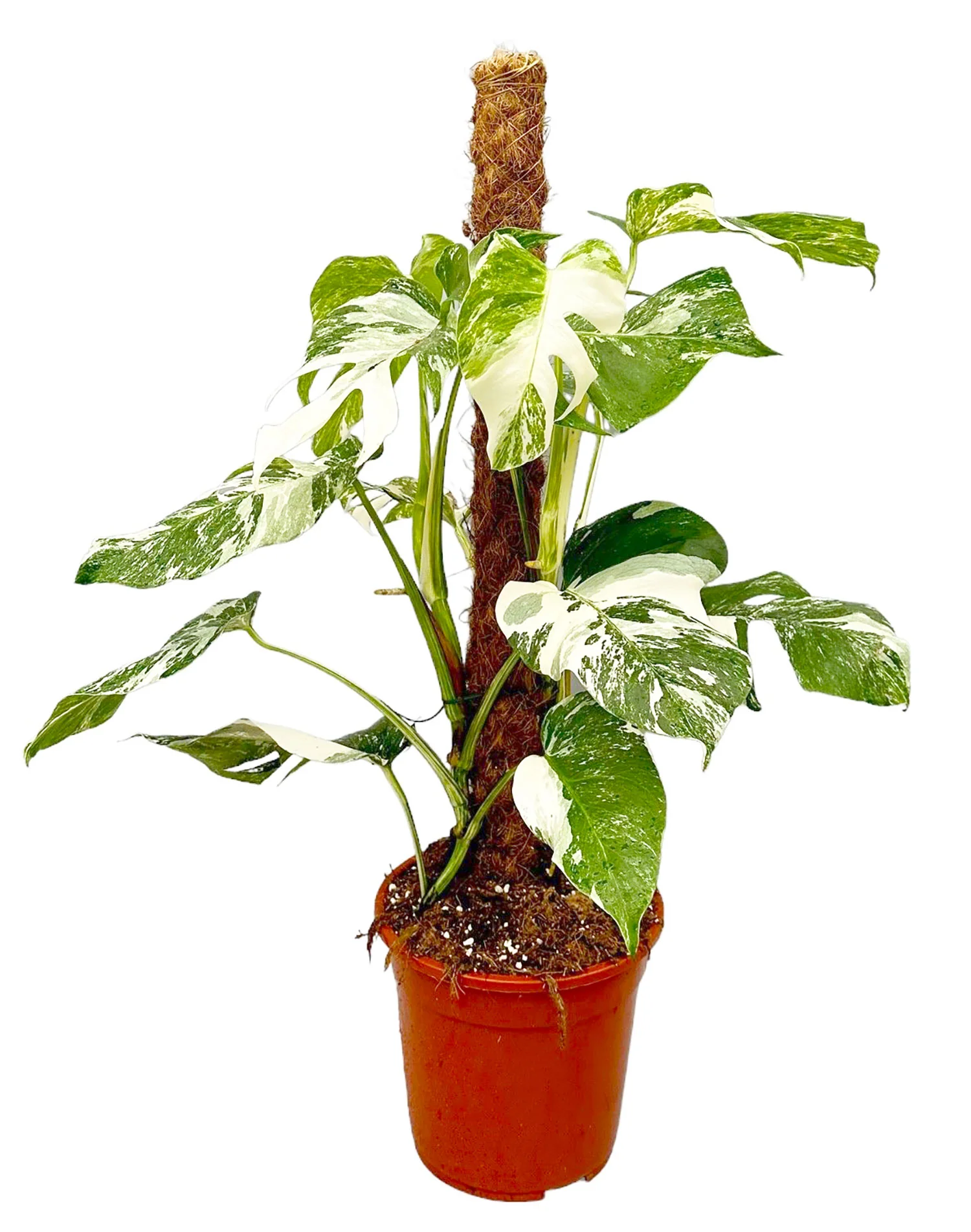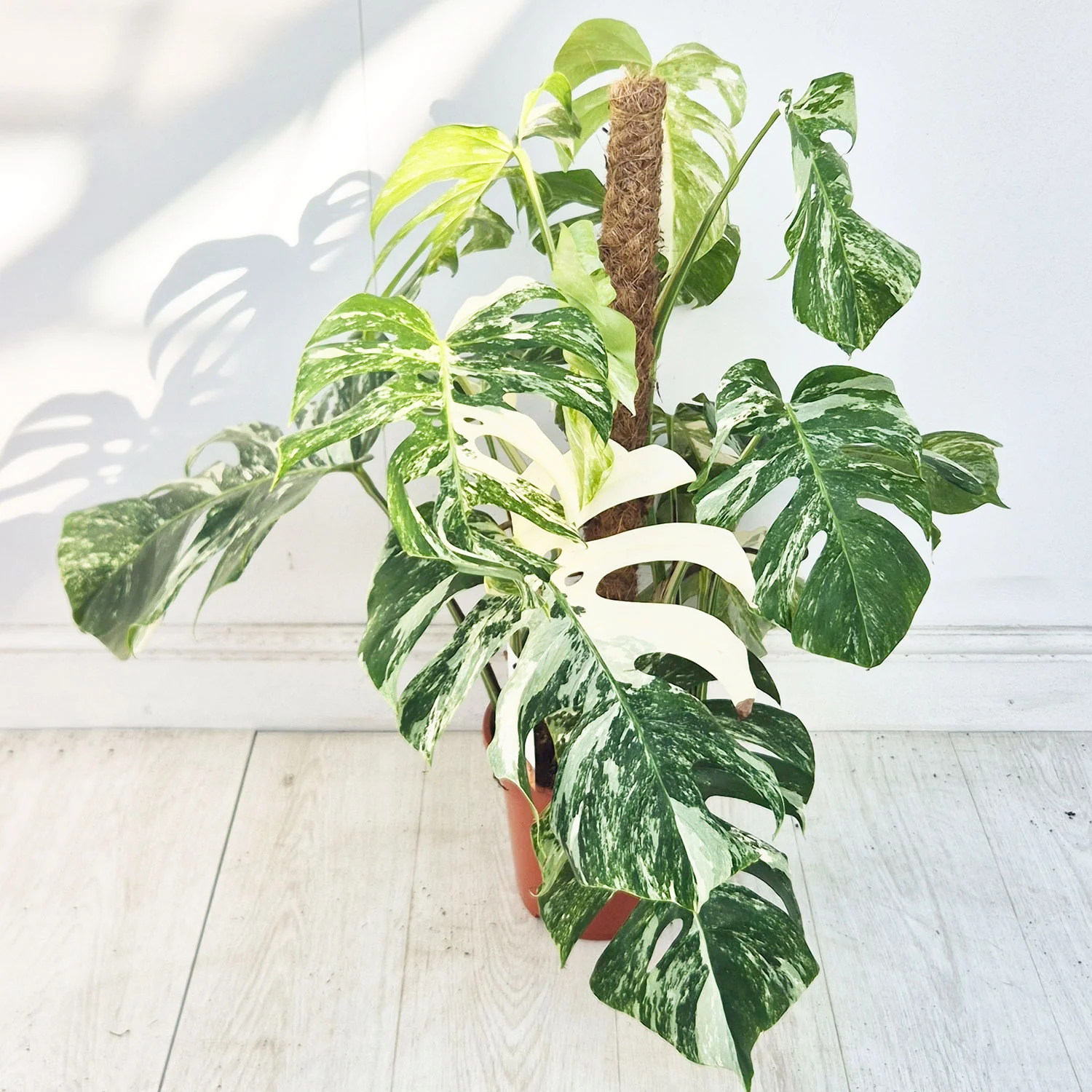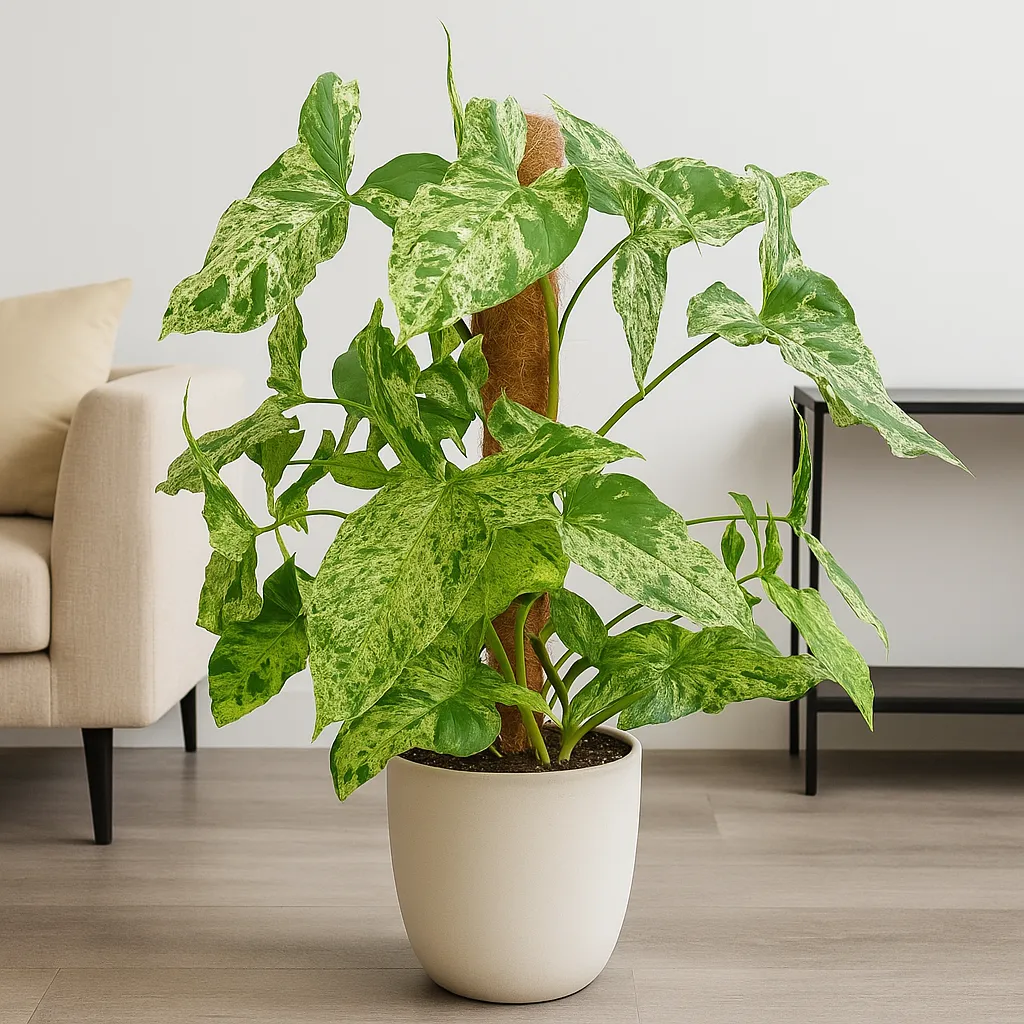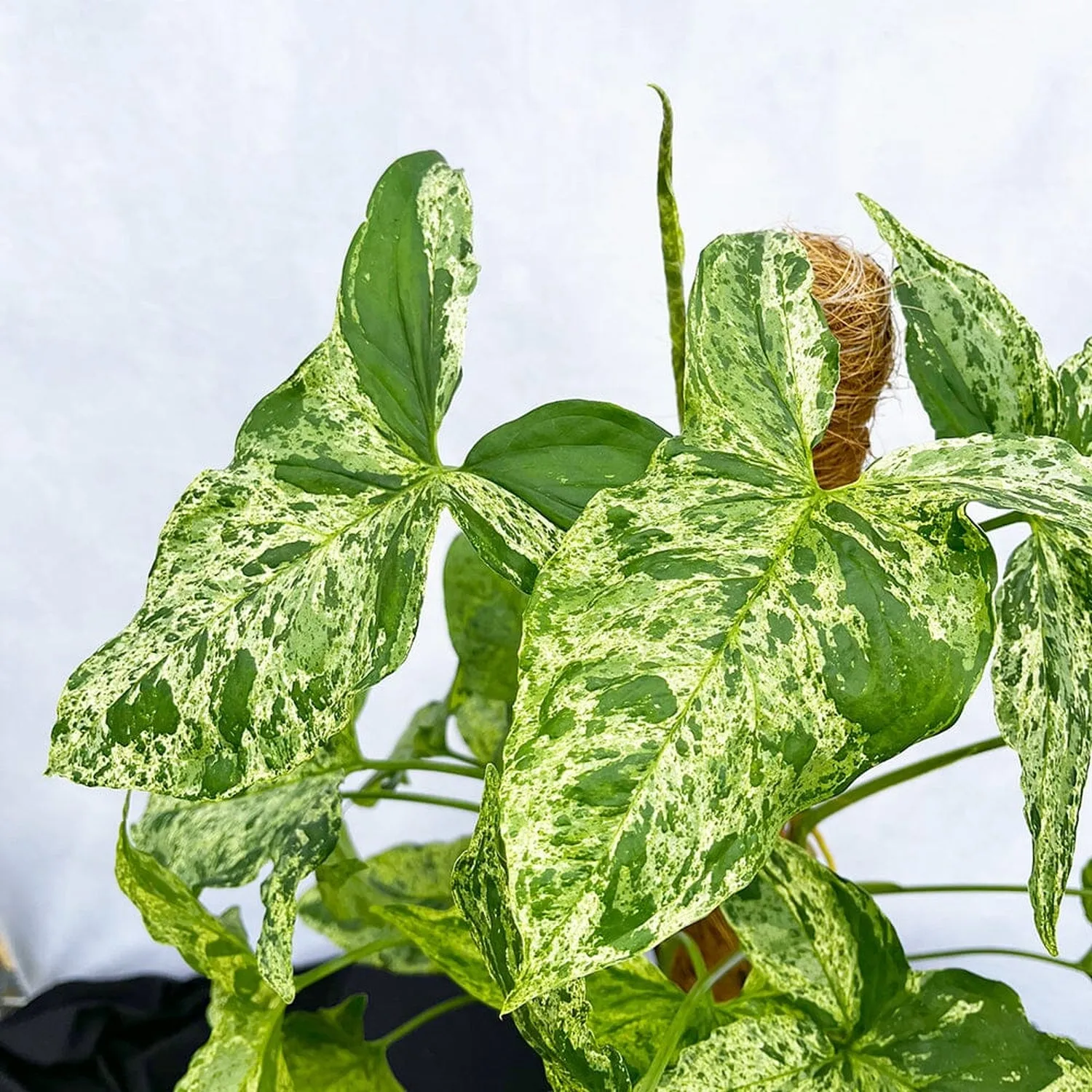
20 - 30cm Epiphyllum Chrysocardium Fern Leaf Cactus 11cm Pot House Plant
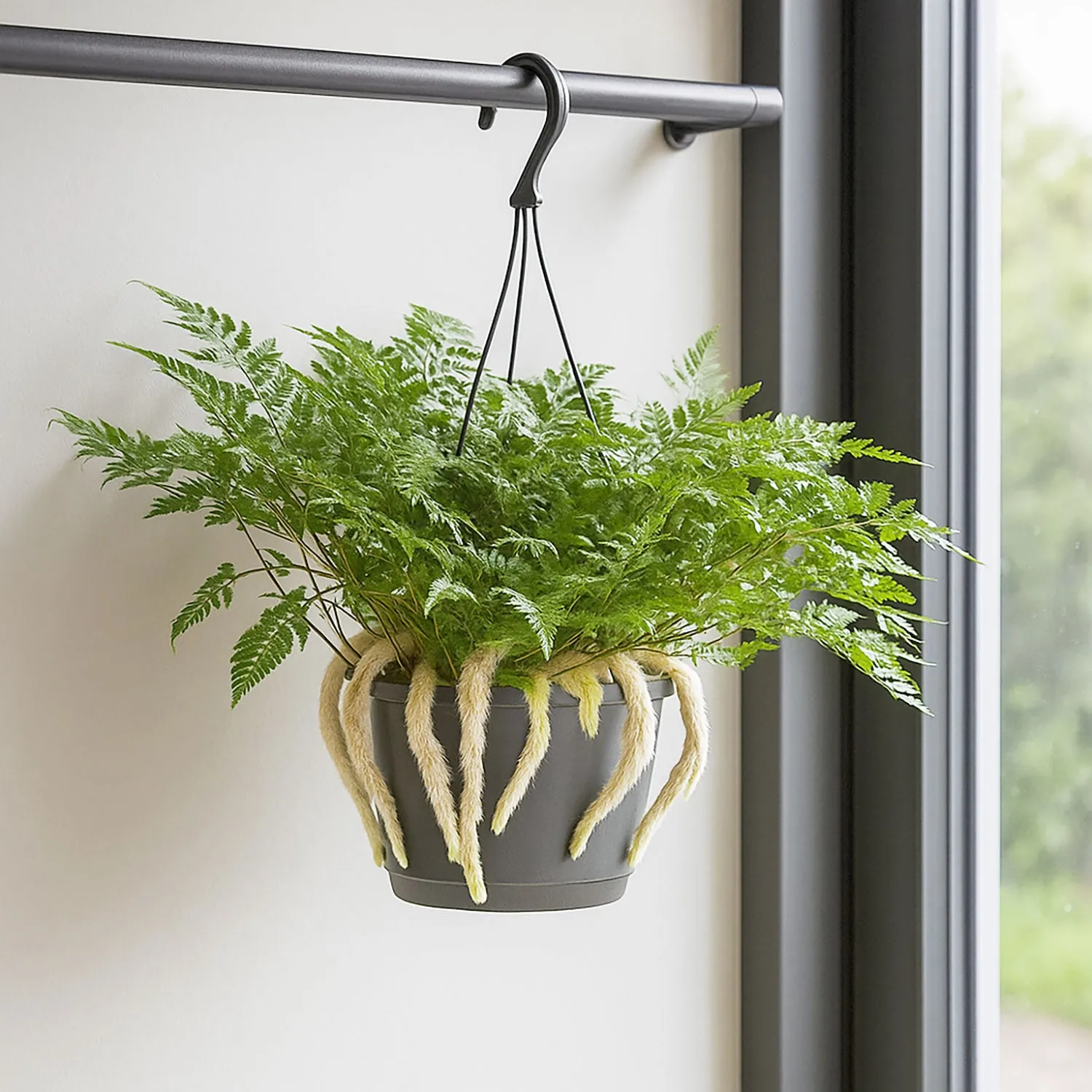
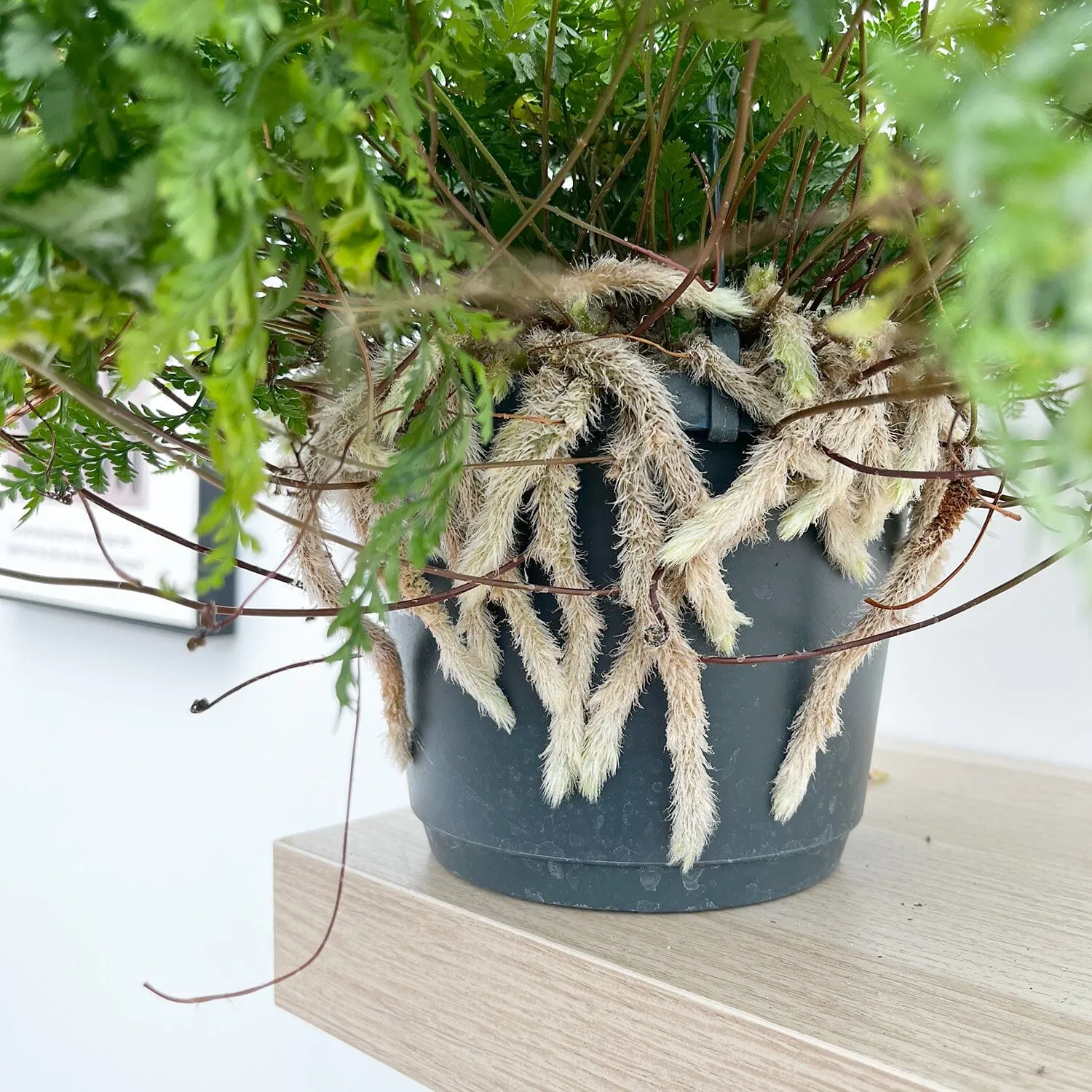
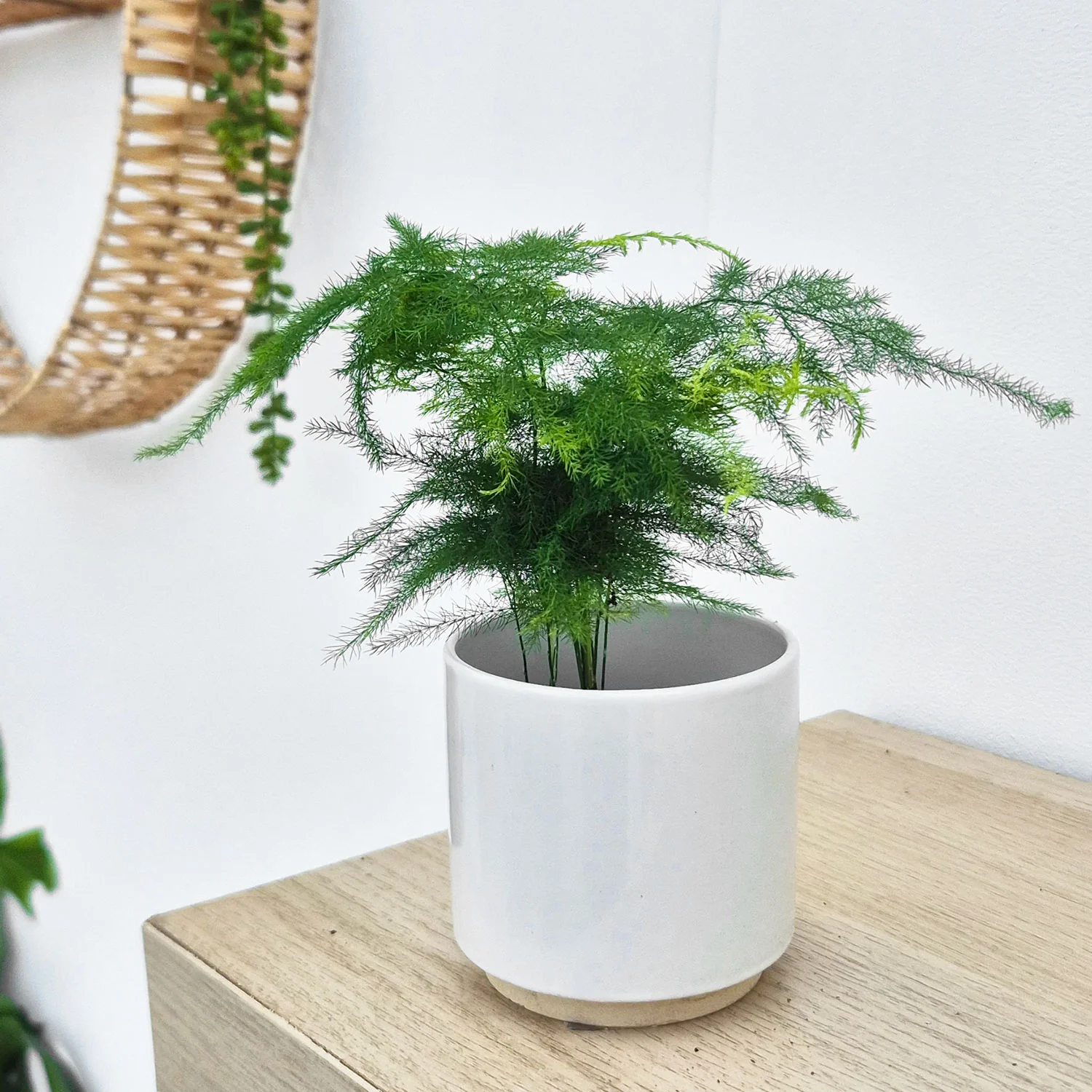
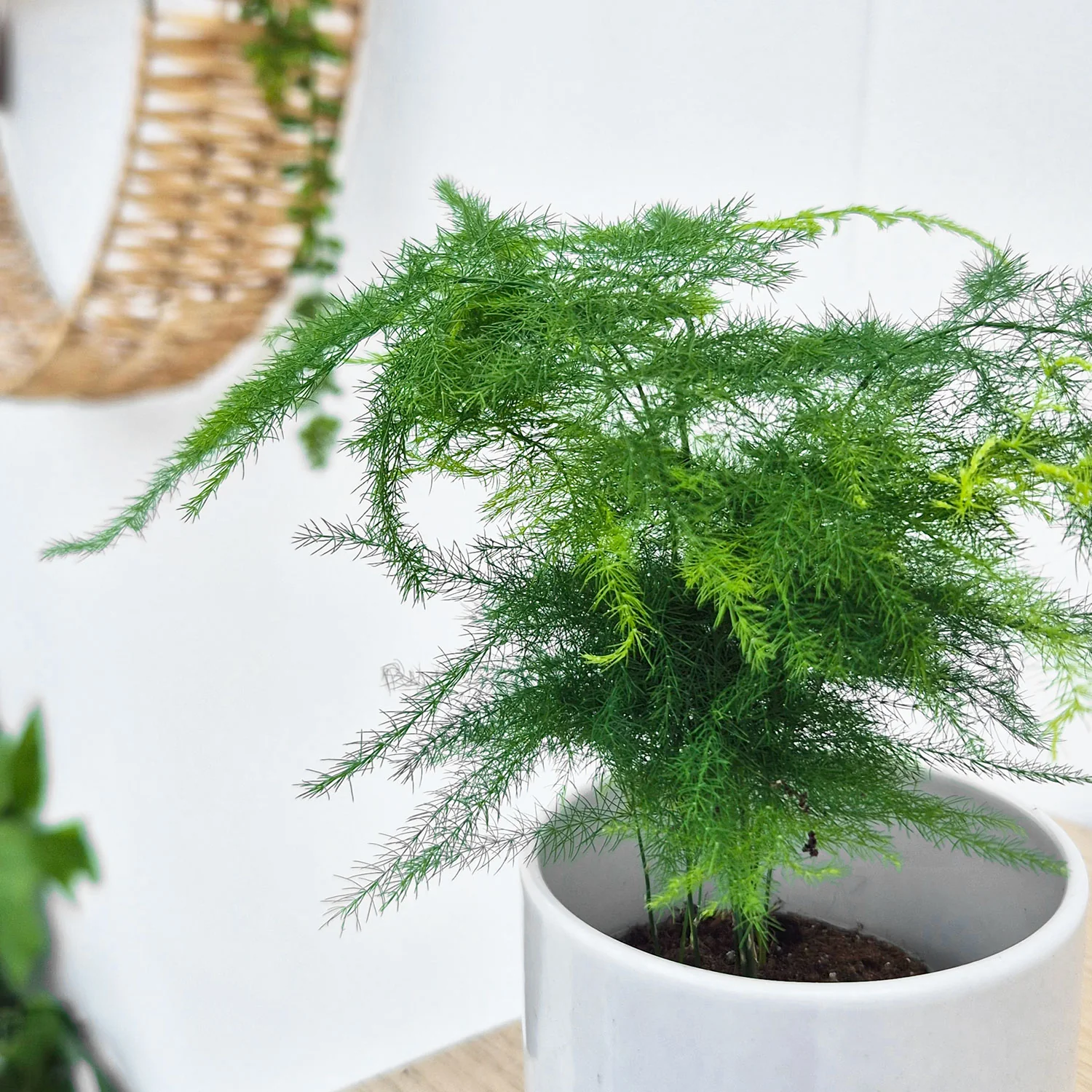
Epiphyllum chrysocardium, often called the Fern Leaf Cactus or Shark Tooth Cactus, is a rare and highly decorative epiphytic cactus native to the tropical forests of southern Mexico. Unlike desert cacti, this species grows naturally in the humid understory, clinging to trees where it receives dappled light and abundant moisture.
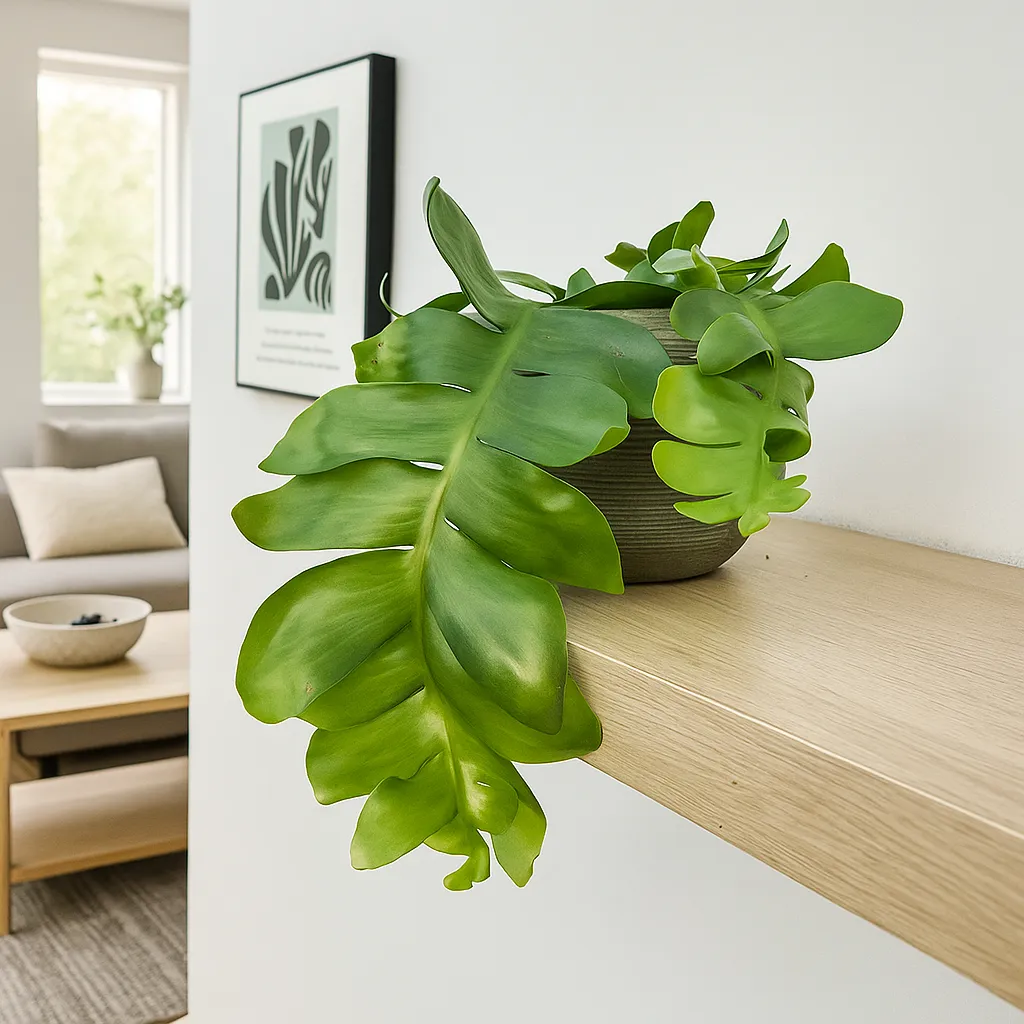
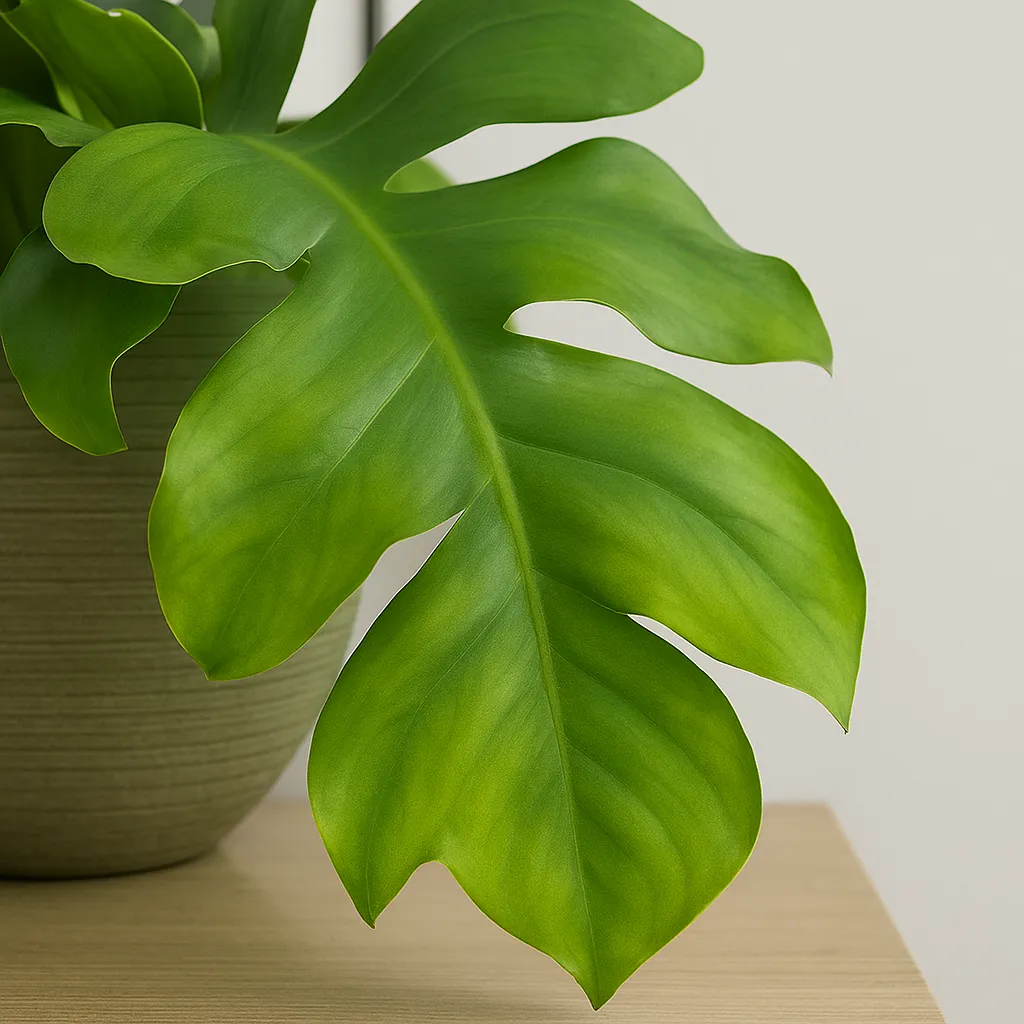
Its most distinctive feature is its unusual foliage. Instead of typical cylindrical cactus stems, Epiphyllum chrysocardium produces long, flattened, and deeply lobed stems that resemble fern fronds or shark fins. The segmented stems are bright green with gently toothed or scalloped edges, creating a lush, cascading effect. As the plant matures, it forms an impressive trailing or arching specimen ideal for hanging baskets, large containers, or as a focal point in tropical-themed interiors.
When mature, this cactus is capable of producing spectacular night-blooming flowers. The blooms are large, showy, and typically white or pale with golden centres, filling the air with a light fragrance. They open only for a short period, adding to their allure and making flowering a highly anticipated event for collectors.
This plant combines the rugged resilience of a cactus with the tropical elegance of a fern, making it both unusual and highly sought after among houseplant enthusiasts.
Epiphyllum chrysocardium – Care Guide
Light
Prefers bright, indirect light. It thrives in a position near an east- or west-facing window, or filtered sunlight in a south-facing room. Avoid harsh midday sun, which can scorch the stems, but ensure it has enough light to encourage strong growth and eventual flowering.
Watering
Water thoroughly when the top 3–5 cm of soil feels dry. Being an epiphytic cactus, it requires more moisture than desert cacti but should never sit in water. During the growing season (spring to autumn), water regularly to keep the soil evenly moist but not soggy. In winter, reduce watering slightly to allow the plant to rest.
Temperature and Humidity
-
Temperature: Thrives in 18–26°C. It is not frost-hardy and should be kept above 12°C at all times.
-
Humidity: Prefers moderate to high humidity. Mist the plant occasionally or place it near a humidifier in drier homes, especially in centrally heated environments.
Soil and Potting
Use a loose, free-draining potting mix. A blend of orchid bark, perlite, and peat-free compost works well, mimicking its natural epiphytic environment. Repot every 2–3 years in spring to refresh the soil and accommodate growth.
Feeding
Feed monthly during the growing season with a diluted, balanced liquid fertiliser or one formulated for orchids and epiphytic cacti. Reduce feeding in autumn and stop altogether in winter.
Pruning and Training
Remove damaged or aged stems with clean scissors to keep the plant tidy and encourage new growth. Its sprawling nature makes it ideal for training onto supports, or it can be left to cascade naturally over the sides of a pot or hanging basket.
Flowering
Flowers usually appear on mature plants (several years old) in late spring or summer. The large, night-blooming flowers are short-lived but striking. To encourage flowering, provide consistent bright light, balanced feeding, and cooler night temperatures in winter.
Common Issues
-
Brown or crispy stems: Usually caused by too much direct sun or prolonged dryness.
-
Yellowing stems: Often due to overwatering or poor drainage.
-
Pests: Can occasionally suffer from mealybugs or spider mites; wipe stems regularly and check for early signs.
Background and Benefits
Epiphyllum chrysocardium is a member of the cactus family but adapts to life in humid tropical forests rather than deserts. Its fern-like stems and dramatic flowers make it a collector’s plant, cherished for its sculptural form and rarity. Its unusual appearance often makes it a conversation piece, bridging the gap between cactus lovers and tropical plant collectors.
✅ Quick Care Summary
-
Light: Bright, indirect
-
Water: Keep evenly moist in growth season, reduce in winter
-
Temperature: 18–26°C; avoid below 12°C
-
Humidity: Moderate to high
-
Soil: Loose, free-draining epiphytic mix
-
Feed: Monthly in spring and summer
-
Growth: Trailing, arching stems; potential for large, fragrant flowers
Original: $30.34
-70%$30.34
$9.10Product Information
Product Information
Shipping & Returns
Shipping & Returns
Description
Epiphyllum chrysocardium, often called the Fern Leaf Cactus or Shark Tooth Cactus, is a rare and highly decorative epiphytic cactus native to the tropical forests of southern Mexico. Unlike desert cacti, this species grows naturally in the humid understory, clinging to trees where it receives dappled light and abundant moisture.
Its most distinctive feature is its unusual foliage. Instead of typical cylindrical cactus stems, Epiphyllum chrysocardium produces long, flattened, and deeply lobed stems that resemble fern fronds or shark fins. The segmented stems are bright green with gently toothed or scalloped edges, creating a lush, cascading effect. As the plant matures, it forms an impressive trailing or arching specimen ideal for hanging baskets, large containers, or as a focal point in tropical-themed interiors.
When mature, this cactus is capable of producing spectacular night-blooming flowers. The blooms are large, showy, and typically white or pale with golden centres, filling the air with a light fragrance. They open only for a short period, adding to their allure and making flowering a highly anticipated event for collectors.
This plant combines the rugged resilience of a cactus with the tropical elegance of a fern, making it both unusual and highly sought after among houseplant enthusiasts.
Epiphyllum chrysocardium – Care Guide
Light
Prefers bright, indirect light. It thrives in a position near an east- or west-facing window, or filtered sunlight in a south-facing room. Avoid harsh midday sun, which can scorch the stems, but ensure it has enough light to encourage strong growth and eventual flowering.
Watering
Water thoroughly when the top 3–5 cm of soil feels dry. Being an epiphytic cactus, it requires more moisture than desert cacti but should never sit in water. During the growing season (spring to autumn), water regularly to keep the soil evenly moist but not soggy. In winter, reduce watering slightly to allow the plant to rest.
Temperature and Humidity
-
Temperature: Thrives in 18–26°C. It is not frost-hardy and should be kept above 12°C at all times.
-
Humidity: Prefers moderate to high humidity. Mist the plant occasionally or place it near a humidifier in drier homes, especially in centrally heated environments.
Soil and Potting
Use a loose, free-draining potting mix. A blend of orchid bark, perlite, and peat-free compost works well, mimicking its natural epiphytic environment. Repot every 2–3 years in spring to refresh the soil and accommodate growth.
Feeding
Feed monthly during the growing season with a diluted, balanced liquid fertiliser or one formulated for orchids and epiphytic cacti. Reduce feeding in autumn and stop altogether in winter.
Pruning and Training
Remove damaged or aged stems with clean scissors to keep the plant tidy and encourage new growth. Its sprawling nature makes it ideal for training onto supports, or it can be left to cascade naturally over the sides of a pot or hanging basket.
Flowering
Flowers usually appear on mature plants (several years old) in late spring or summer. The large, night-blooming flowers are short-lived but striking. To encourage flowering, provide consistent bright light, balanced feeding, and cooler night temperatures in winter.
Common Issues
-
Brown or crispy stems: Usually caused by too much direct sun or prolonged dryness.
-
Yellowing stems: Often due to overwatering or poor drainage.
-
Pests: Can occasionally suffer from mealybugs or spider mites; wipe stems regularly and check for early signs.
Background and Benefits
Epiphyllum chrysocardium is a member of the cactus family but adapts to life in humid tropical forests rather than deserts. Its fern-like stems and dramatic flowers make it a collector’s plant, cherished for its sculptural form and rarity. Its unusual appearance often makes it a conversation piece, bridging the gap between cactus lovers and tropical plant collectors.
✅ Quick Care Summary
-
Light: Bright, indirect
-
Water: Keep evenly moist in growth season, reduce in winter
-
Temperature: 18–26°C; avoid below 12°C
-
Humidity: Moderate to high
-
Soil: Loose, free-draining epiphytic mix
-
Feed: Monthly in spring and summer
-
Growth: Trailing, arching stems; potential for large, fragrant flowers