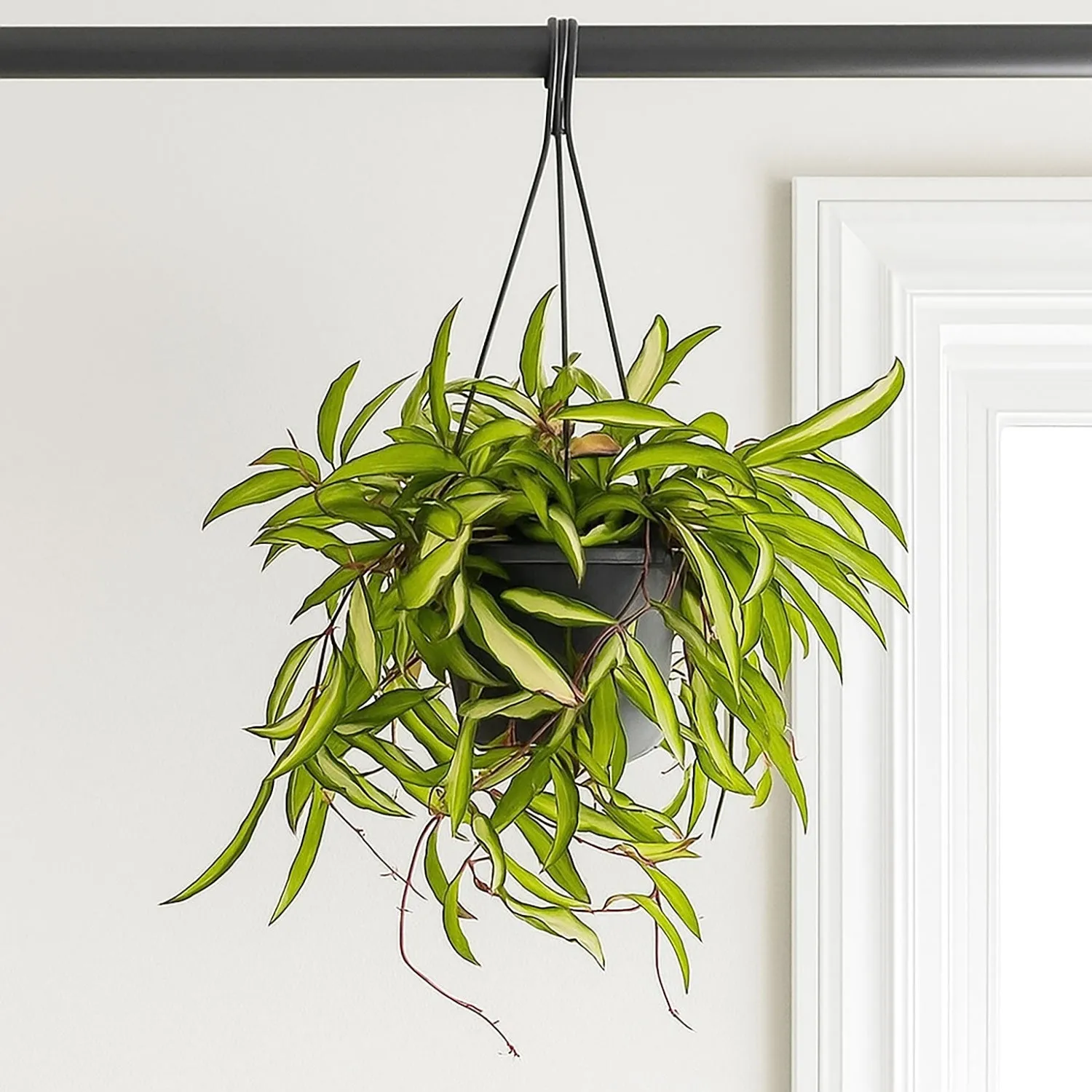
20 - 30cm Hoya Wayetti Variegated Wax House Plant in 14cm Hanging Pot
Hoya wayetii ‘Variegata’ is a captivating tropical plant prized for its trailing vines and beautifully variegated, waxy leaves. A member of the Apocynaceae family, this semi-succulent species originates from the Philippines and is part of the beloved “wax plant” group known for their elegant foliage and clusters of fragrant, star-shaped flowers.
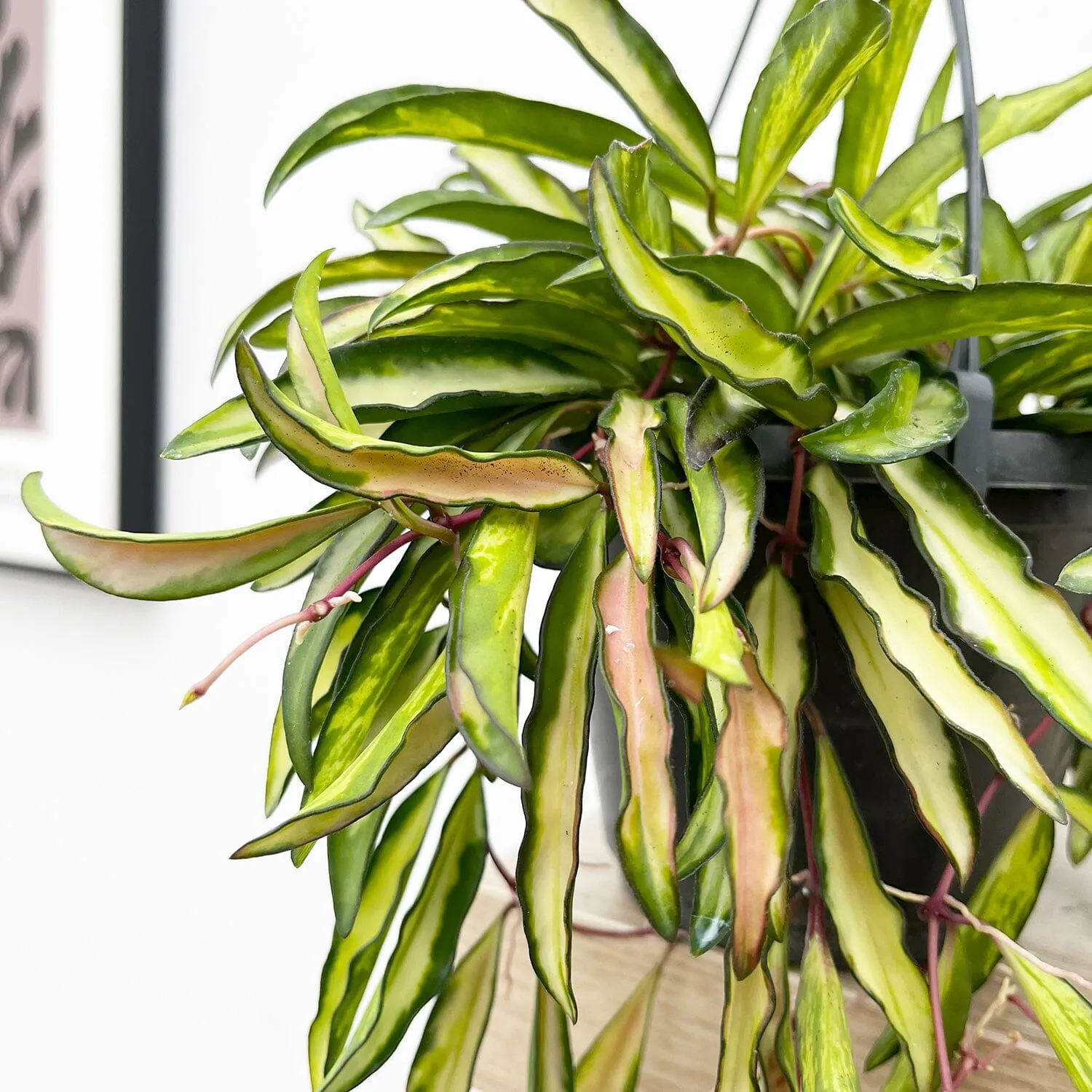
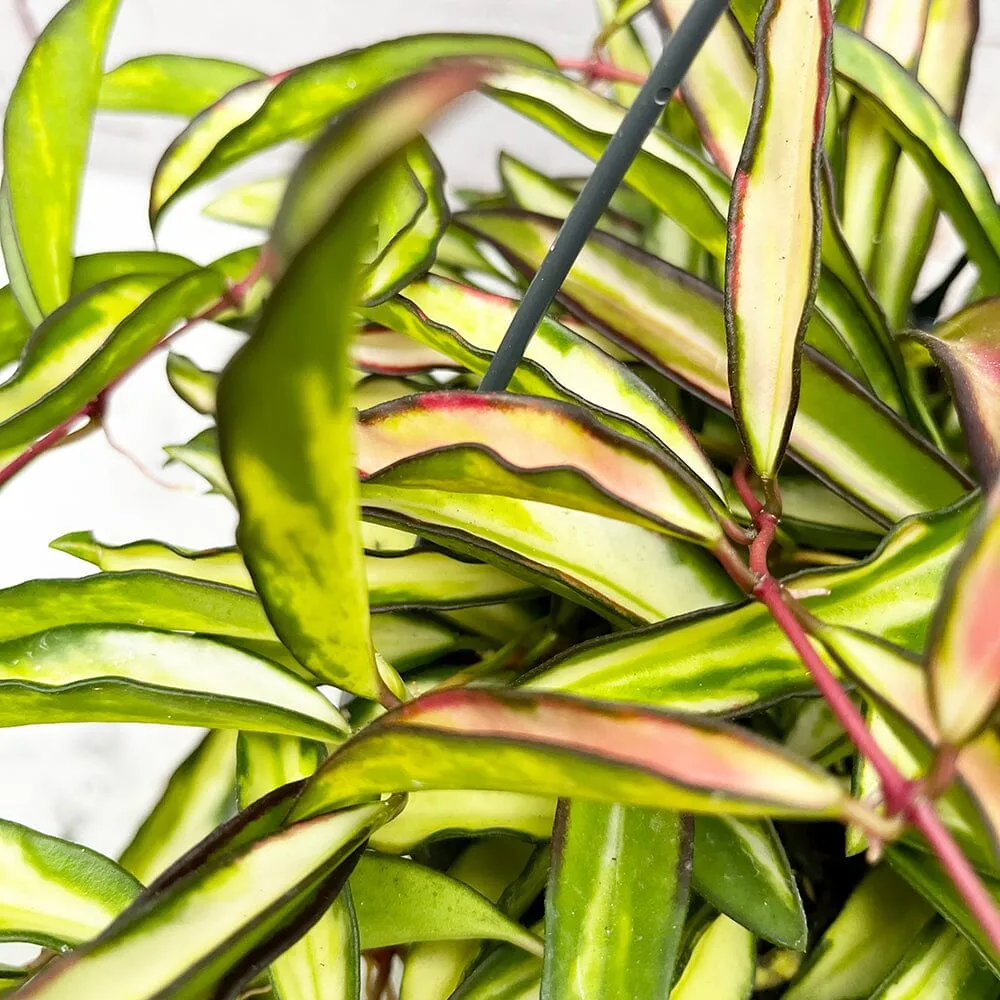
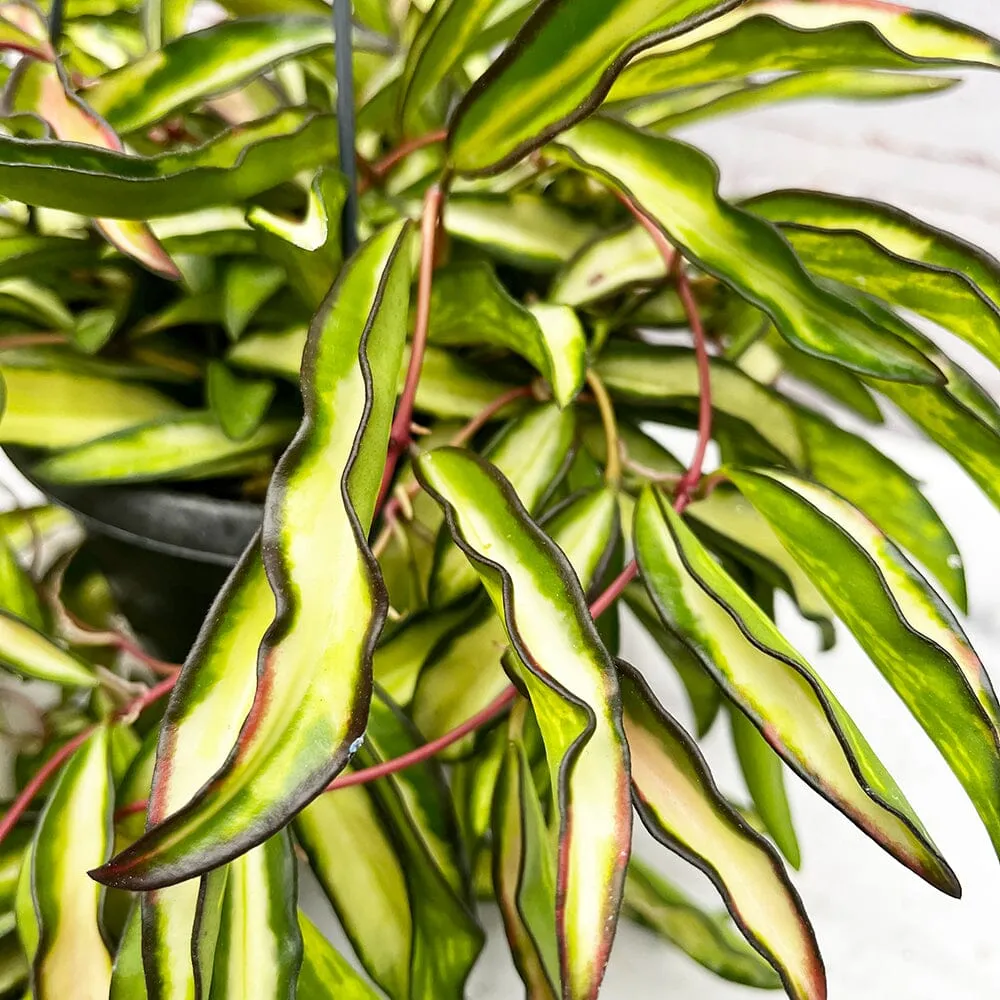
The narrow, elongated leaves of Hoya wayetii ‘Variegata’ display creamy-pink and soft green margins, with the variegation intensifying to shades of rose and crimson under bright light. The leaves have a thick, leathery texture with a subtle gloss, and as the plant matures, it produces cascading vines that can reach up to a metre in length. During spring and summer, it rewards patient growers with small, waxy clusters of pinkish-white, sweetly scented blooms.
Graceful, colourful, and easy to care for, Hoya wayetii ‘Variegata’ is a collector’s dream — combining the charm of a flowering plant with the resilience of a low-maintenance tropical vine.
Hoya wayetii ‘Variegata’ – Care Guide
Light
Thrives in bright, indirect light. Variegated Hoyas need good light to maintain their creamy-pink tones — too little light results in greener leaves, while direct sun can scorch or fade the variegation. A bright, east- or west-facing window with filtered sunlight is ideal.
Watering
Allow the top half of the soil to dry between waterings. Hoya wayetii ‘Variegata’ stores moisture in its thick leaves and prefers a “soak and dry” cycle. During the growing season (spring to summer), water thoroughly and let excess drain away. Reduce watering in winter. Avoid overwatering, which can lead to root rot.
Temperature and Humidity
Temperature: Prefers warmth between 18–28 °C. Protect from cold drafts and avoid temperatures below 15 °C.
Humidity: Moderate humidity (50–70%) is ideal. It will tolerate average household humidity but appreciates occasional misting or placement near other tropical plants.
Soil and Potting
Use a loose, airy, and free-draining mix — ideally orchid bark, perlite, and coco coir or peat-free compost. Hoyas dislike compacted soil and thrive in slightly snug pots. Repot every 2–3 years in spring, only when the roots fill the pot.
Feeding
Feed every 4–6 weeks during the growing season with a diluted, balanced fertiliser, or one formulated for epiphytic or flowering houseplants. Reduce feeding in autumn and winter when growth slows.
Pruning and Maintenance
Trim long or leggy vines to encourage branching and fuller growth. Avoid removing the old flower spurs (“peduncles”), as new blooms emerge from the same spot year after year. Wipe the leaves occasionally with a damp cloth to remove dust and enhance their shine.
Growth and Maturity
A moderately fast-growing trailing vine, Hoya wayetii ‘Variegata’ can reach 60–100 cm in length indoors. When mature and grown in bright conditions, it produces clusters of small, star-shaped flowers with a sweet, honey-like fragrance.
Common Issues
-
Yellowing leaves: Overwatering or poor drainage.
-
Shrivelling leaves: Underwatering or excessive sun.
-
Loss of variegation: Insufficient light.
-
Pests: Occasionally affected by mealybugs or spider mites; treat with neem oil or insecticidal soap.
Background and Benefits
Native to the Philippines, Hoya wayetii grows as an epiphyte in tropical forests, where it attaches to trees and absorbs moisture from the air. The variegated form, ‘Variegata’, was selectively cultivated for its striking leaf margins and enhanced colouration.
Hoyas are long-lived, low-maintenance houseplants that reward patient care with exquisite blooms. They’re also known for improving air quality and bringing a calming, tropical feel to indoor spaces. Symbolically, Hoyas represent friendship, love, and enduring connection — making them a thoughtful gift as well as a collector’s favourite.
Quick Care Summary
-
Light: Bright, indirect light; avoid harsh direct sun
-
Water: Allow top half of soil to dry between waterings
-
Temperature: 18–28 °C; avoid below 15 °C
-
Humidity: Moderate (50–70%)
-
Soil: Free-draining mix – orchid bark, perlite, coco coir
-
Feed: Every 4–6 weeks in spring/summer
-
Growth: Trailing vine up to 1 m; creamy-pink variegated leaves, fragrant star-shaped blooms
⚠️ Toxicity note: Non-toxic to humans and pets, making it safe for households with animals.
Styling Tip
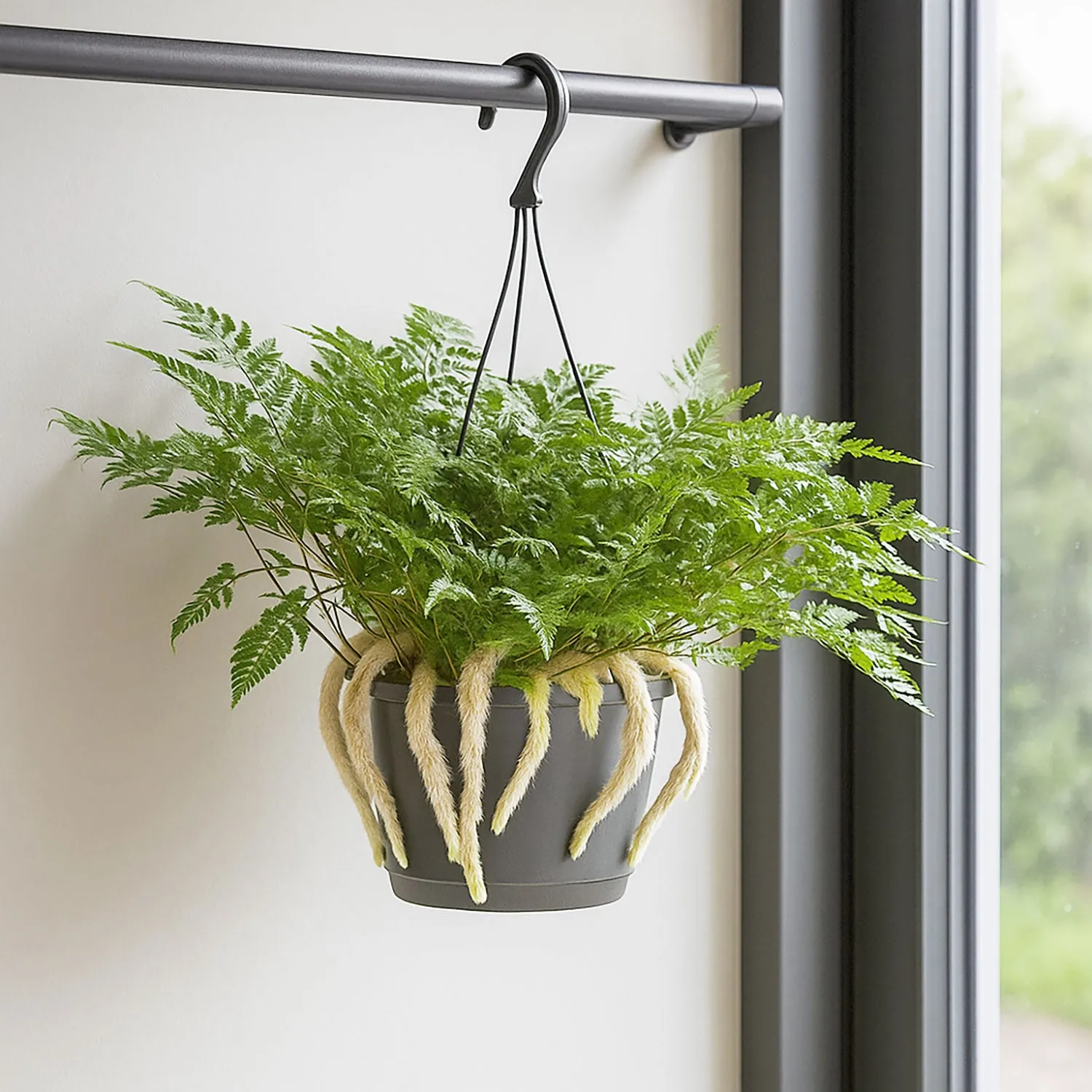
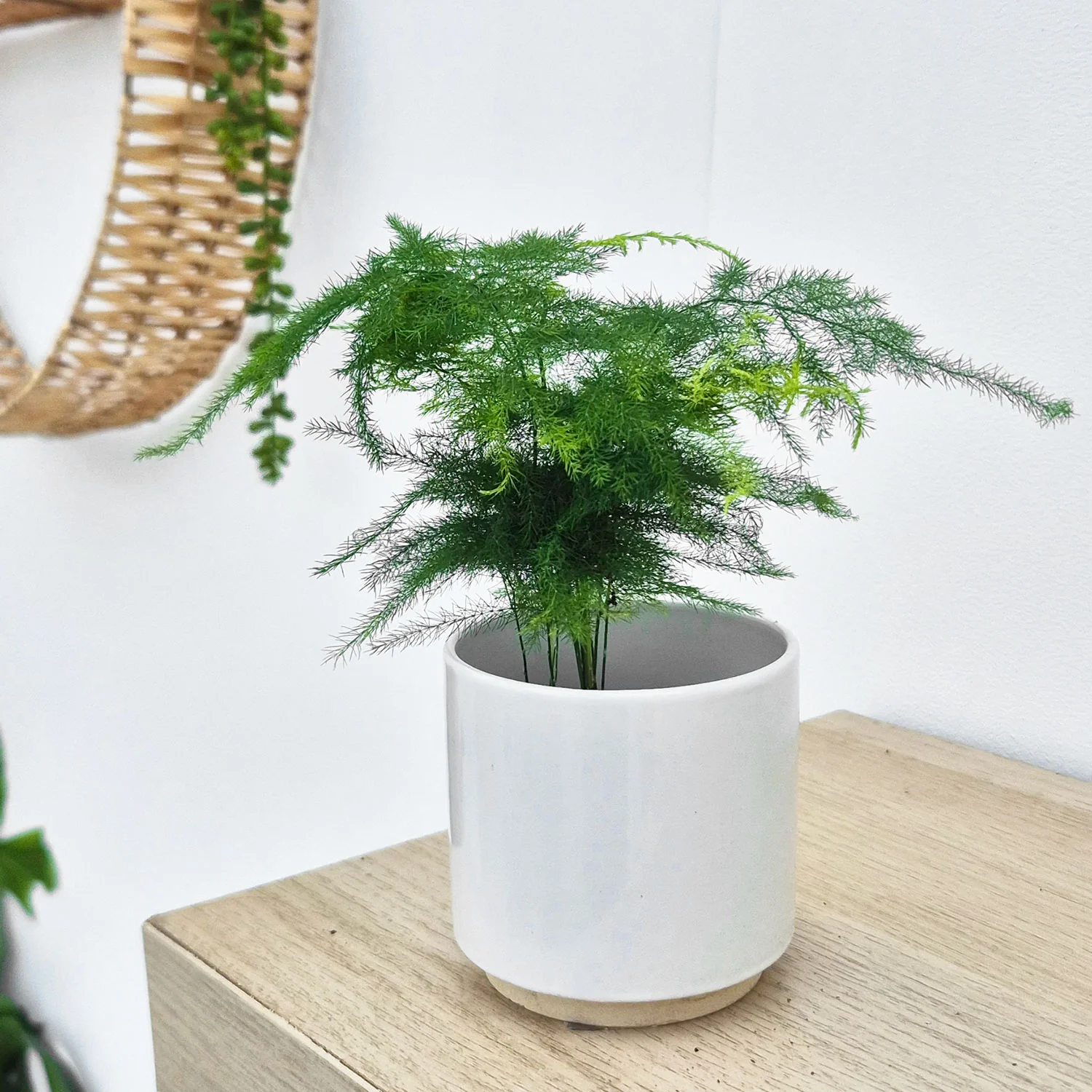
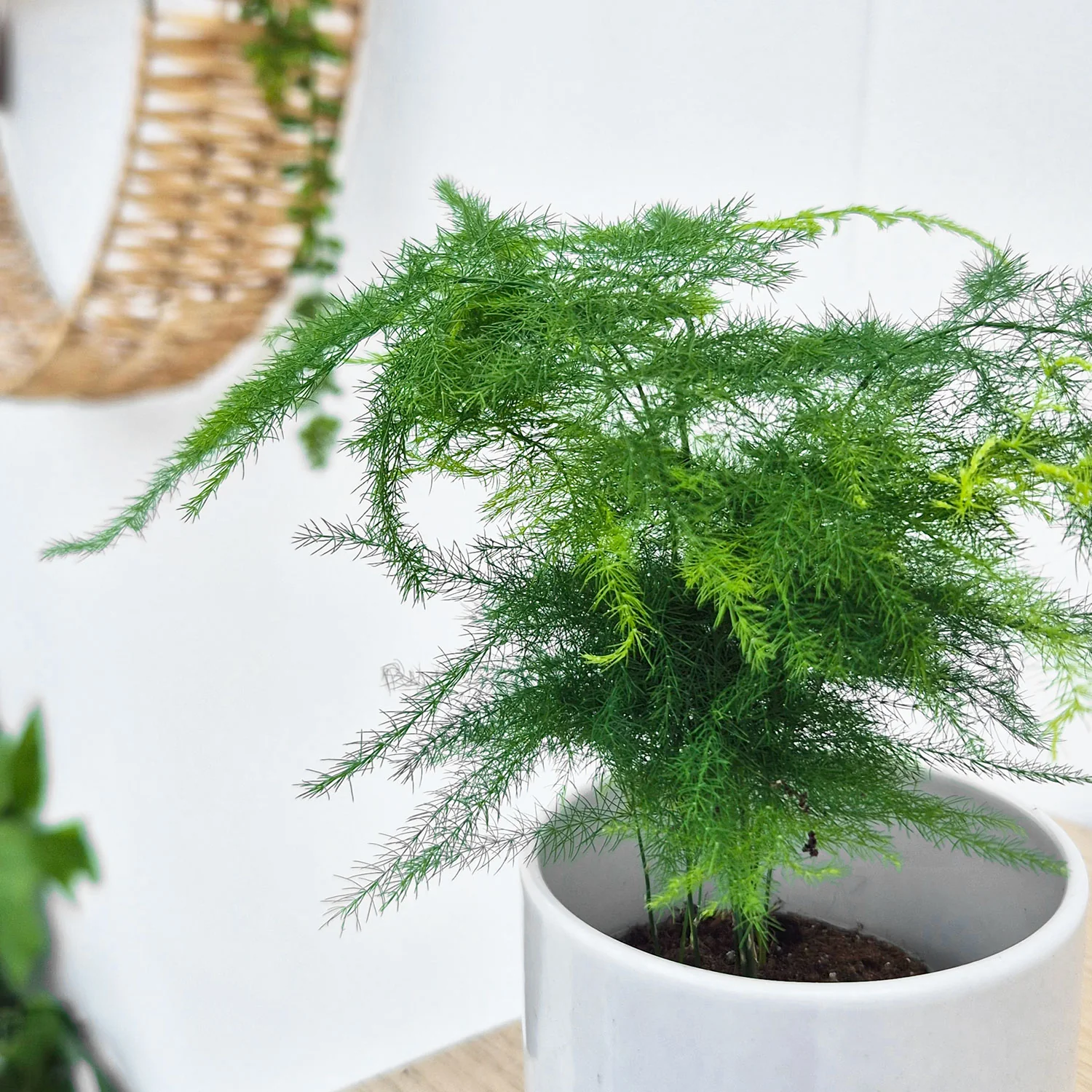
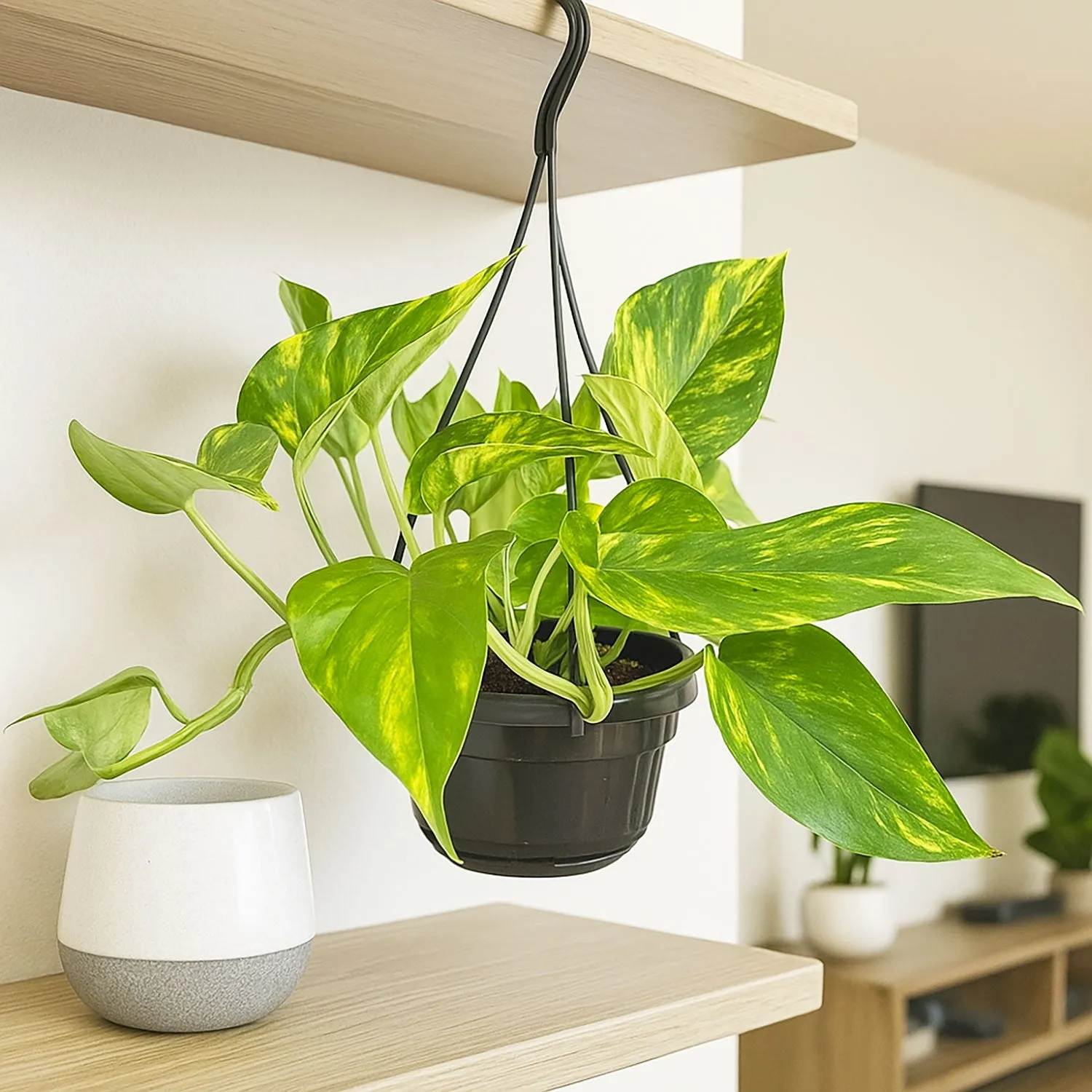
Display Hoya wayetii ‘Variegata’ in a hanging planter or on a high shelf where its trailing vines can cascade gracefully. It pairs beautifully with plants of contrasting textures, such as Philodendron micans or Asparagus plumosus. For a more architectural look, train the vines around a wire hoop or trellis. In bright rooms, its variegation develops rosy pink tones that add warmth and colour — making it the perfect plant for contemporary interiors with a tropical twist.
Original: $32.98
-70%$32.98
$9.89Product Information
Product Information
Shipping & Returns
Shipping & Returns
Description
Hoya wayetii ‘Variegata’ is a captivating tropical plant prized for its trailing vines and beautifully variegated, waxy leaves. A member of the Apocynaceae family, this semi-succulent species originates from the Philippines and is part of the beloved “wax plant” group known for their elegant foliage and clusters of fragrant, star-shaped flowers.
The narrow, elongated leaves of Hoya wayetii ‘Variegata’ display creamy-pink and soft green margins, with the variegation intensifying to shades of rose and crimson under bright light. The leaves have a thick, leathery texture with a subtle gloss, and as the plant matures, it produces cascading vines that can reach up to a metre in length. During spring and summer, it rewards patient growers with small, waxy clusters of pinkish-white, sweetly scented blooms.
Graceful, colourful, and easy to care for, Hoya wayetii ‘Variegata’ is a collector’s dream — combining the charm of a flowering plant with the resilience of a low-maintenance tropical vine.
Hoya wayetii ‘Variegata’ – Care Guide
Light
Thrives in bright, indirect light. Variegated Hoyas need good light to maintain their creamy-pink tones — too little light results in greener leaves, while direct sun can scorch or fade the variegation. A bright, east- or west-facing window with filtered sunlight is ideal.
Watering
Allow the top half of the soil to dry between waterings. Hoya wayetii ‘Variegata’ stores moisture in its thick leaves and prefers a “soak and dry” cycle. During the growing season (spring to summer), water thoroughly and let excess drain away. Reduce watering in winter. Avoid overwatering, which can lead to root rot.
Temperature and Humidity
Temperature: Prefers warmth between 18–28 °C. Protect from cold drafts and avoid temperatures below 15 °C.
Humidity: Moderate humidity (50–70%) is ideal. It will tolerate average household humidity but appreciates occasional misting or placement near other tropical plants.
Soil and Potting
Use a loose, airy, and free-draining mix — ideally orchid bark, perlite, and coco coir or peat-free compost. Hoyas dislike compacted soil and thrive in slightly snug pots. Repot every 2–3 years in spring, only when the roots fill the pot.
Feeding
Feed every 4–6 weeks during the growing season with a diluted, balanced fertiliser, or one formulated for epiphytic or flowering houseplants. Reduce feeding in autumn and winter when growth slows.
Pruning and Maintenance
Trim long or leggy vines to encourage branching and fuller growth. Avoid removing the old flower spurs (“peduncles”), as new blooms emerge from the same spot year after year. Wipe the leaves occasionally with a damp cloth to remove dust and enhance their shine.
Growth and Maturity
A moderately fast-growing trailing vine, Hoya wayetii ‘Variegata’ can reach 60–100 cm in length indoors. When mature and grown in bright conditions, it produces clusters of small, star-shaped flowers with a sweet, honey-like fragrance.
Common Issues
-
Yellowing leaves: Overwatering or poor drainage.
-
Shrivelling leaves: Underwatering or excessive sun.
-
Loss of variegation: Insufficient light.
-
Pests: Occasionally affected by mealybugs or spider mites; treat with neem oil or insecticidal soap.
Background and Benefits
Native to the Philippines, Hoya wayetii grows as an epiphyte in tropical forests, where it attaches to trees and absorbs moisture from the air. The variegated form, ‘Variegata’, was selectively cultivated for its striking leaf margins and enhanced colouration.
Hoyas are long-lived, low-maintenance houseplants that reward patient care with exquisite blooms. They’re also known for improving air quality and bringing a calming, tropical feel to indoor spaces. Symbolically, Hoyas represent friendship, love, and enduring connection — making them a thoughtful gift as well as a collector’s favourite.
Quick Care Summary
-
Light: Bright, indirect light; avoid harsh direct sun
-
Water: Allow top half of soil to dry between waterings
-
Temperature: 18–28 °C; avoid below 15 °C
-
Humidity: Moderate (50–70%)
-
Soil: Free-draining mix – orchid bark, perlite, coco coir
-
Feed: Every 4–6 weeks in spring/summer
-
Growth: Trailing vine up to 1 m; creamy-pink variegated leaves, fragrant star-shaped blooms
⚠️ Toxicity note: Non-toxic to humans and pets, making it safe for households with animals.
Styling Tip
Display Hoya wayetii ‘Variegata’ in a hanging planter or on a high shelf where its trailing vines can cascade gracefully. It pairs beautifully with plants of contrasting textures, such as Philodendron micans or Asparagus plumosus. For a more architectural look, train the vines around a wire hoop or trellis. In bright rooms, its variegation develops rosy pink tones that add warmth and colour — making it the perfect plant for contemporary interiors with a tropical twist.