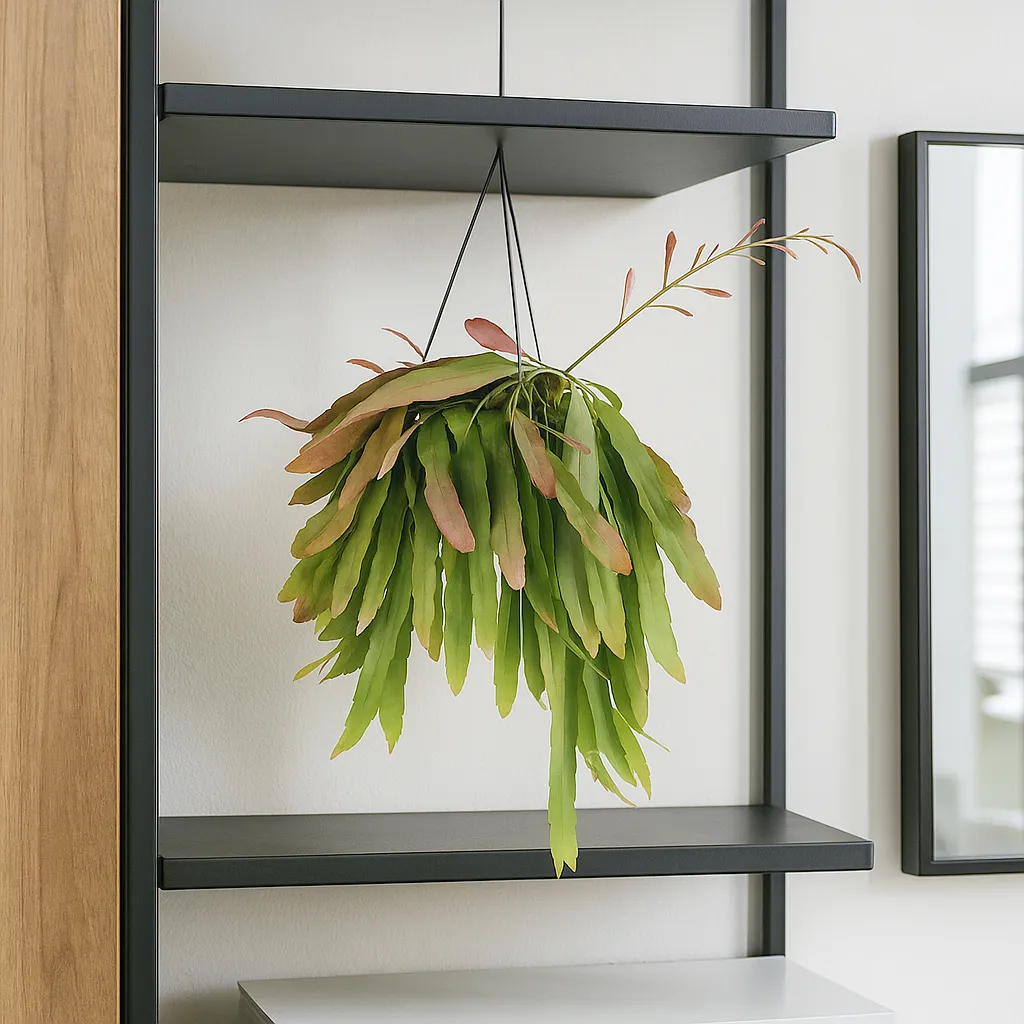

20 - 30cm Rhipsalis Red Coral in Hanging Pot 15cm Pot House Plant
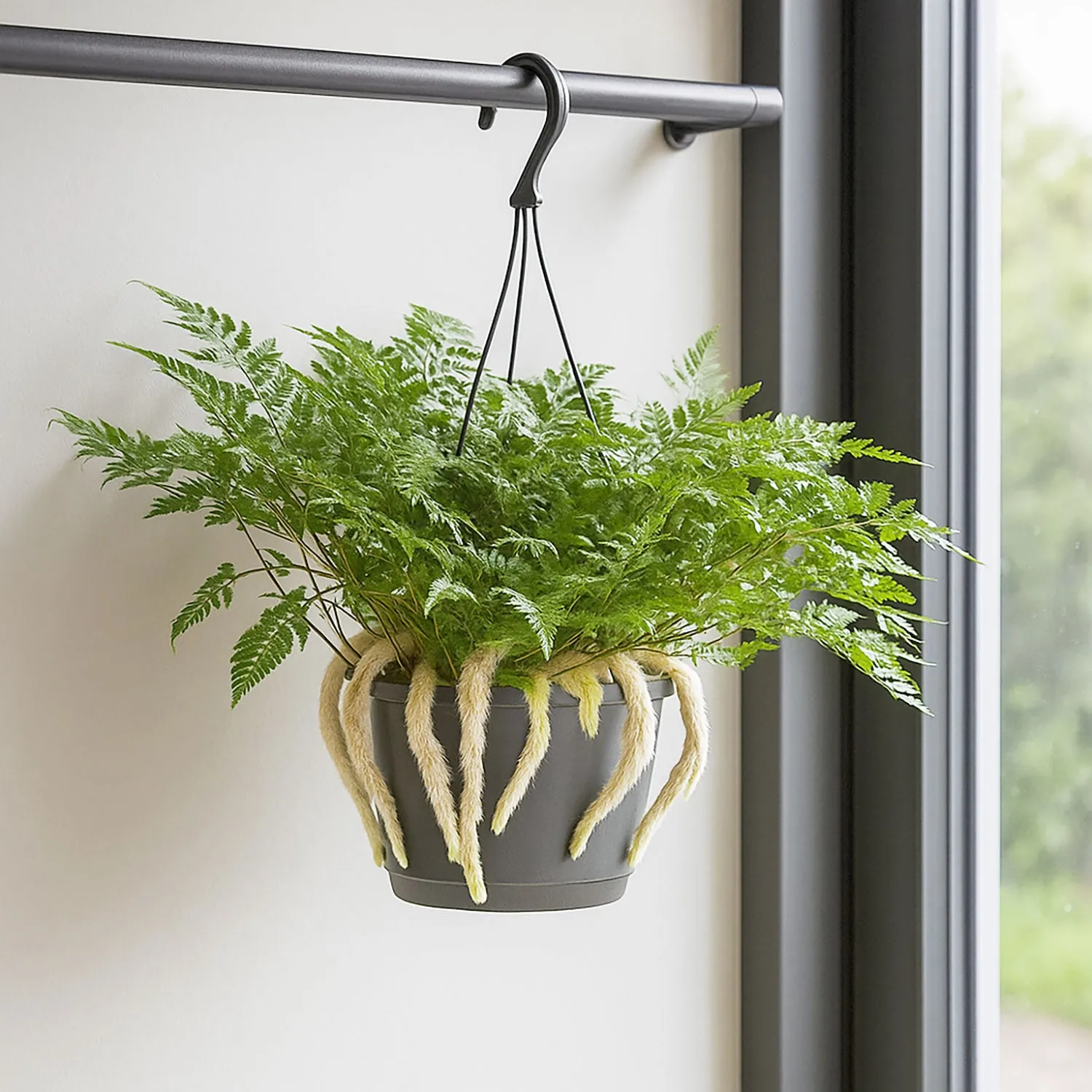
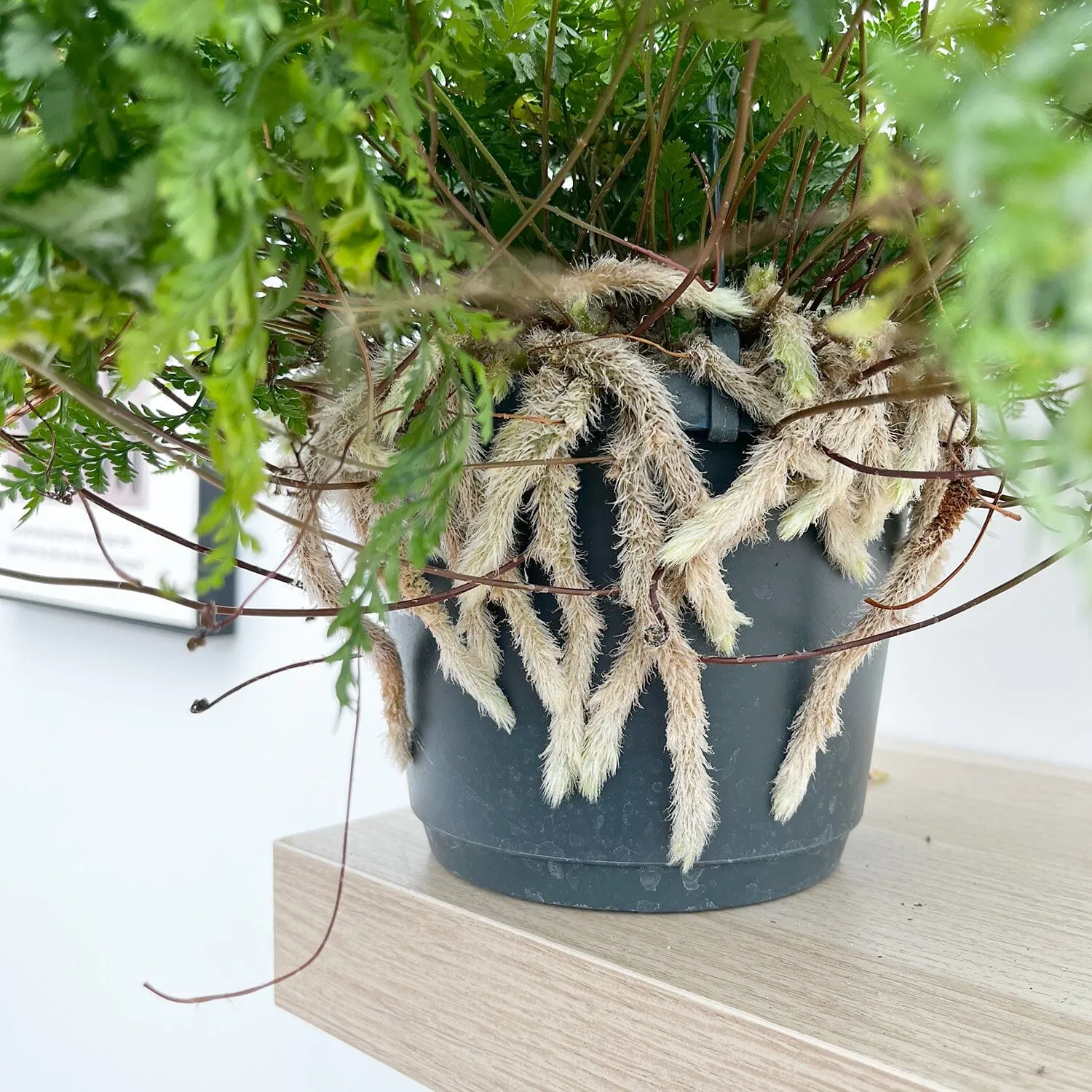
Rhipsalis ramulosa ‘Red Coral’, commonly known as the Red Coral Cactus, is a rare and beautiful epiphytic cactus from the tropical forests of Central and South America. Unlike typical desert cacti, this species thrives in warm, humid, and shaded environments, where it grows naturally in the canopy of trees.
The ‘Red Coral’ variety is particularly admired for its long, flat, ribbon-like stems, which turn brilliant shades of red, pink, or coral when exposed to bright light. In lower light, the stems remain green with a soft blush along the edges. The cascading growth habit gives it a delicate, coral-like appearance, making it ideal for hanging planters or high shelves where its vibrant trails can be appreciated.
In spring and summer, mature plants produce clusters of small, white flowers along the stem edges, followed by tiny, translucent berries — adding even more charm to this tropical cactus.
Rhipsalis ramulosa ‘Red Coral’ – Care Guide
Light
Thrives in bright, indirect light. For deeper red tones, provide a few hours of gentle morning or late-afternoon sun. Avoid harsh midday sunlight, which can scorch the stems.
Watering
Keep the soil lightly moist, allowing the top 2–3 cm to dry out between waterings. As an epiphytic cactus, Rhipsalis ‘Red Coral’ prefers more humidity and moisture than desert cacti but dislikes waterlogged soil. In winter, water sparingly.
Temperature and Humidity
-
Temperature: Prefers 18–28°C. Protect from cold draughts and temperatures below 12°C.
-
Humidity: Enjoys moderate to high humidity (50–80%). Mist occasionally or place near other tropical plants to replicate its natural environment.
Soil and Potting
Use a free-draining epiphytic mix, such as cactus compost combined with orchid bark and perlite. This ensures good aeration and prevents soggy roots. Repot every 2–3 years in spring to refresh the substrate.
Feeding
Feed every 4–6 weeks in spring and summer with a diluted cactus or epiphytic fertiliser. Avoid feeding during winter dormancy.
Pruning and Maintenance
Trim back overly long or leggy stems to maintain a compact shape. Cuttings can be easily propagated by allowing the ends to callus, then planting in damp cactus mix or sphagnum moss.
Growth and Maturity
A moderately fast-growing cactus that develops long, cascading stems up to 60–80 cm in length. The red pigmentation intensifies under bright light and warm conditions.
Common Issues
-
Shrivelled stems: Underwatering or prolonged dryness.
-
Pale stems: Insufficient light.
-
Brown patches: Sunburn or overwatering.
-
Pests: Occasionally mealybugs or scale; wipe stems regularly to keep them clean.
Background and Benefits
Rhipsalis ramulosa is one of the few truly tropical cacti, growing as an epiphyte (tree-dwelling plant) rather than in the desert. The ‘Red Coral’ form is prized for its colour-shifting foliage and sculptural appeal. It’s easy to grow, pet-friendly, and a stunning alternative to more common hanging plants — perfect for bright bathrooms, kitchens, or conservatories.
✅ Quick Care Summary
-
Light: Bright, indirect; tolerates gentle sun
-
Water: Lightly moist; allow topsoil to dry slightly
-
Temperature: 18–28°C; protect below 12°C
-
Humidity: Moderate to high (50–80%)
-
Soil: Free-draining, airy epiphytic mix
-
Feed: Every 4–6 weeks in spring/summer
-
Growth: Trailing cactus, 60–80 cm; flat green stems that flush coral-red in bright light
🌿 Pet-Friendly Note: Rhipsalis ramulosa ‘Red Coral’ is non-toxic to cats, dogs, and humans — a colourful and safe choice for pet-friendly homes.
Original: $39.58
-70%$39.58
$11.87Product Information
Product Information
Shipping & Returns
Shipping & Returns
Description
Rhipsalis ramulosa ‘Red Coral’, commonly known as the Red Coral Cactus, is a rare and beautiful epiphytic cactus from the tropical forests of Central and South America. Unlike typical desert cacti, this species thrives in warm, humid, and shaded environments, where it grows naturally in the canopy of trees.
The ‘Red Coral’ variety is particularly admired for its long, flat, ribbon-like stems, which turn brilliant shades of red, pink, or coral when exposed to bright light. In lower light, the stems remain green with a soft blush along the edges. The cascading growth habit gives it a delicate, coral-like appearance, making it ideal for hanging planters or high shelves where its vibrant trails can be appreciated.
In spring and summer, mature plants produce clusters of small, white flowers along the stem edges, followed by tiny, translucent berries — adding even more charm to this tropical cactus.
Rhipsalis ramulosa ‘Red Coral’ – Care Guide
Light
Thrives in bright, indirect light. For deeper red tones, provide a few hours of gentle morning or late-afternoon sun. Avoid harsh midday sunlight, which can scorch the stems.
Watering
Keep the soil lightly moist, allowing the top 2–3 cm to dry out between waterings. As an epiphytic cactus, Rhipsalis ‘Red Coral’ prefers more humidity and moisture than desert cacti but dislikes waterlogged soil. In winter, water sparingly.
Temperature and Humidity
-
Temperature: Prefers 18–28°C. Protect from cold draughts and temperatures below 12°C.
-
Humidity: Enjoys moderate to high humidity (50–80%). Mist occasionally or place near other tropical plants to replicate its natural environment.
Soil and Potting
Use a free-draining epiphytic mix, such as cactus compost combined with orchid bark and perlite. This ensures good aeration and prevents soggy roots. Repot every 2–3 years in spring to refresh the substrate.
Feeding
Feed every 4–6 weeks in spring and summer with a diluted cactus or epiphytic fertiliser. Avoid feeding during winter dormancy.
Pruning and Maintenance
Trim back overly long or leggy stems to maintain a compact shape. Cuttings can be easily propagated by allowing the ends to callus, then planting in damp cactus mix or sphagnum moss.
Growth and Maturity
A moderately fast-growing cactus that develops long, cascading stems up to 60–80 cm in length. The red pigmentation intensifies under bright light and warm conditions.
Common Issues
-
Shrivelled stems: Underwatering or prolonged dryness.
-
Pale stems: Insufficient light.
-
Brown patches: Sunburn or overwatering.
-
Pests: Occasionally mealybugs or scale; wipe stems regularly to keep them clean.
Background and Benefits
Rhipsalis ramulosa is one of the few truly tropical cacti, growing as an epiphyte (tree-dwelling plant) rather than in the desert. The ‘Red Coral’ form is prized for its colour-shifting foliage and sculptural appeal. It’s easy to grow, pet-friendly, and a stunning alternative to more common hanging plants — perfect for bright bathrooms, kitchens, or conservatories.
✅ Quick Care Summary
-
Light: Bright, indirect; tolerates gentle sun
-
Water: Lightly moist; allow topsoil to dry slightly
-
Temperature: 18–28°C; protect below 12°C
-
Humidity: Moderate to high (50–80%)
-
Soil: Free-draining, airy epiphytic mix
-
Feed: Every 4–6 weeks in spring/summer
-
Growth: Trailing cactus, 60–80 cm; flat green stems that flush coral-red in bright light
🌿 Pet-Friendly Note: Rhipsalis ramulosa ‘Red Coral’ is non-toxic to cats, dogs, and humans — a colourful and safe choice for pet-friendly homes.