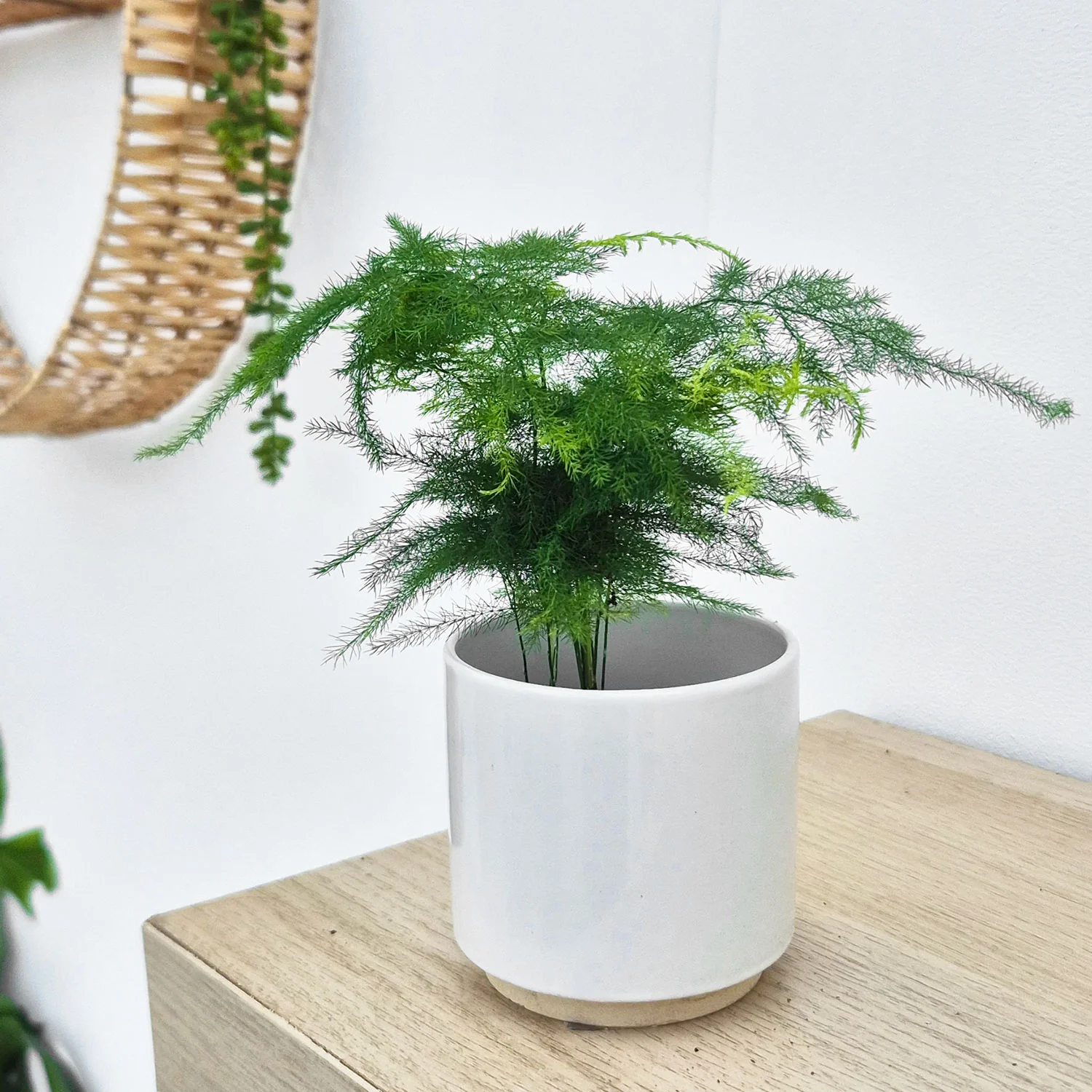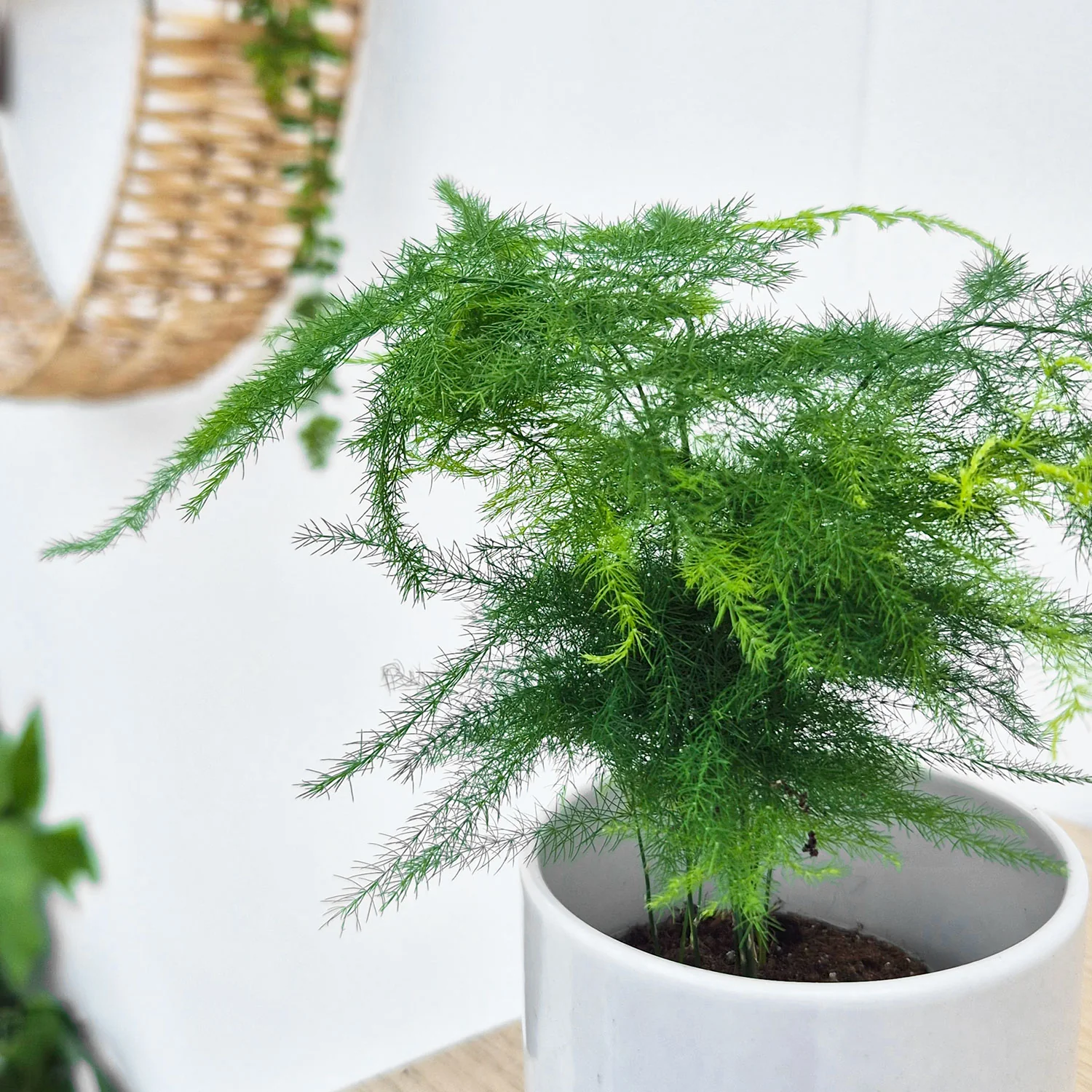
20 - 30cm Sansevieria Spaghetti House Plant in 12cm Pot
Sansevieria cylindrica ‘Spaghetti’, often referred to as the Spaghetti Snake Plant, is a rare and highly ornamental cultivar of the cylindrical snake plant family. Native to Angola, Sansevieria cylindrica species are admired for their bold, architectural form, and this variety is particularly distinctive for its slender, pencil-like leaves.
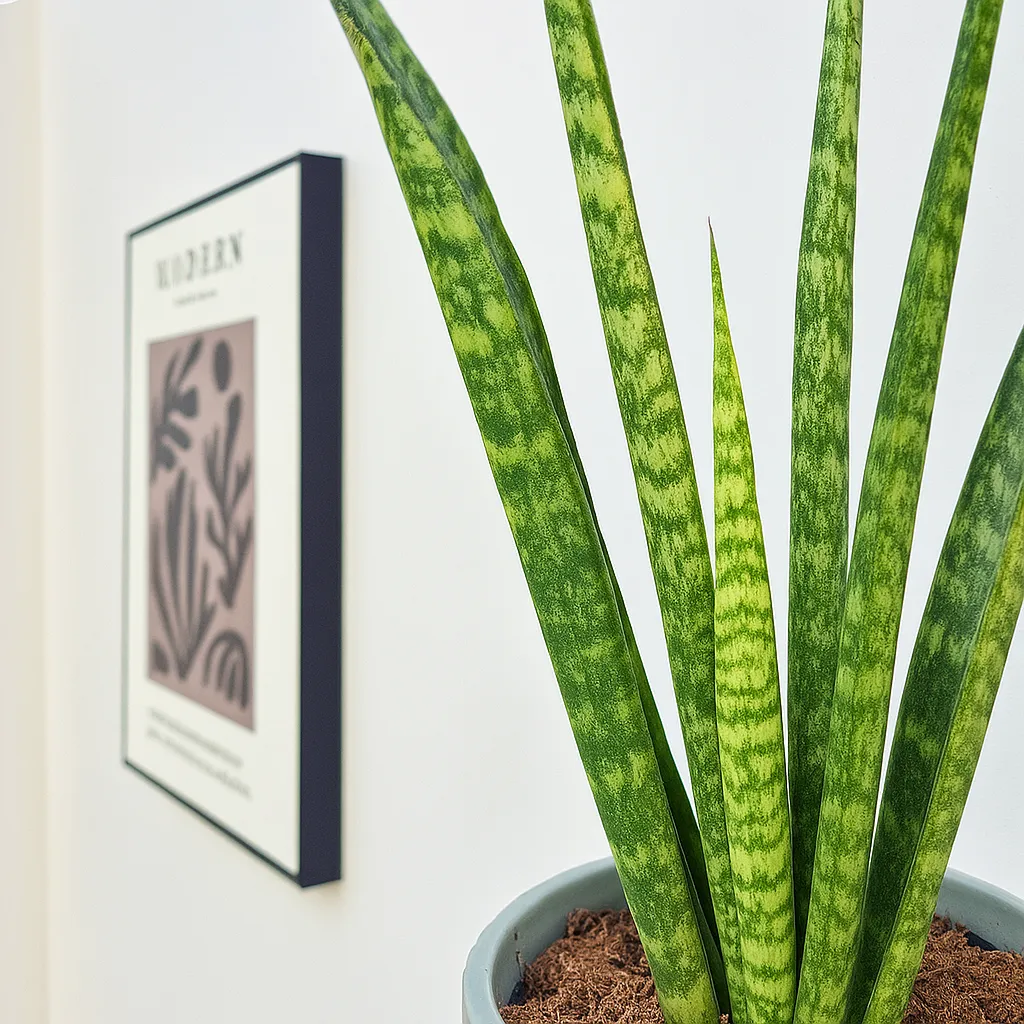
The plant produces tall, narrow, cylindrical leaves that are much thinner than the standard cylindrica, resembling strands of spaghetti. The leaves are a grey-green tone with subtle darker banding and a smooth, leathery surface. Their upright, radiating habit gives the plant a sculptural look, perfect for modern or minimalist interiors.
Typically, Sansevieria ‘Spaghetti’ grows to around 30–50 cm tall, forming neat clumps over time. Its tough, drought-tolerant nature and quirky shape make it both an easy-care and conversation-starting plant.
Sansevieria cylindrica ‘Spaghetti’ – Care Guide
Light
Thrives in bright, indirect light but tolerates medium and low-light conditions, making it one of the most versatile houseplants. Avoid prolonged harsh sunlight, which may cause yellowing.
Watering
Extremely drought tolerant. Water sparingly, allowing the soil to dry out completely between waterings. In summer, water every 2–3 weeks; in winter, once a month or less. Overwatering is the main risk.
Temperature and Humidity
-
Temperature: Prefers warmth, ideally 18–28°C. Can survive brief dips to 10°C but should not be exposed to frost.
-
Humidity: Perfectly adapted to dry indoor air; no additional humidity is required.
Soil and Potting
Use a gritty, free-draining succulent or cactus compost. Heavy or tall pots are recommended to balance the upright leaves. Repot every 2–3 years in spring as clumps expand.
Feeding
Feed once a month in spring and summer with a diluted cactus fertiliser. Stop feeding in autumn and winter.
Pruning and Maintenance
Remove any damaged or yellowing leaves at the base. Wipe leaves occasionally with a damp cloth to highlight their smooth, cylindrical form.
Growth and Maturity
A slow grower, usually reaching 30–50 cm tall. Produces offsets (pups) over time, which can be separated and repotted. Mature plants may produce tall flower spikes with clusters of fragrant white-green blossoms.
Common Issues
-
Mushy/yellow leaves: Overwatering.
-
Wrinkled leaves: Prolonged underwatering – revive with a deep soak.
-
Pests: Rare, but mealybugs or spider mites may appear.
Background and Benefits
Sansevierias are among the most resilient and popular indoor plants. The ‘Spaghetti’ form is especially desirable for its unusual, pencil-thin leaves that add texture and height to displays. Like all snake plants, it also acts as a natural air purifier, filtering toxins and releasing oxygen at night.
✅ Quick Care Summary
-
Light: Bright, indirect to low light
-
Water: Sparingly; allow soil to dry fully
-
Temperature: 18–28°C; avoid frost
-
Humidity: Dry air tolerant
-
Soil: Free-draining succulent compost
-
Feed: Monthly in spring/summer
-
Growth: Upright clump, 30–50 cm; thin cylindrical grey-green leaves with faint banding
Original: $26.38
-70%$26.38
$7.91Product Information
Product Information
Shipping & Returns
Shipping & Returns
Description
Sansevieria cylindrica ‘Spaghetti’, often referred to as the Spaghetti Snake Plant, is a rare and highly ornamental cultivar of the cylindrical snake plant family. Native to Angola, Sansevieria cylindrica species are admired for their bold, architectural form, and this variety is particularly distinctive for its slender, pencil-like leaves.
The plant produces tall, narrow, cylindrical leaves that are much thinner than the standard cylindrica, resembling strands of spaghetti. The leaves are a grey-green tone with subtle darker banding and a smooth, leathery surface. Their upright, radiating habit gives the plant a sculptural look, perfect for modern or minimalist interiors.
Typically, Sansevieria ‘Spaghetti’ grows to around 30–50 cm tall, forming neat clumps over time. Its tough, drought-tolerant nature and quirky shape make it both an easy-care and conversation-starting plant.
Sansevieria cylindrica ‘Spaghetti’ – Care Guide
Light
Thrives in bright, indirect light but tolerates medium and low-light conditions, making it one of the most versatile houseplants. Avoid prolonged harsh sunlight, which may cause yellowing.
Watering
Extremely drought tolerant. Water sparingly, allowing the soil to dry out completely between waterings. In summer, water every 2–3 weeks; in winter, once a month or less. Overwatering is the main risk.
Temperature and Humidity
-
Temperature: Prefers warmth, ideally 18–28°C. Can survive brief dips to 10°C but should not be exposed to frost.
-
Humidity: Perfectly adapted to dry indoor air; no additional humidity is required.
Soil and Potting
Use a gritty, free-draining succulent or cactus compost. Heavy or tall pots are recommended to balance the upright leaves. Repot every 2–3 years in spring as clumps expand.
Feeding
Feed once a month in spring and summer with a diluted cactus fertiliser. Stop feeding in autumn and winter.
Pruning and Maintenance
Remove any damaged or yellowing leaves at the base. Wipe leaves occasionally with a damp cloth to highlight their smooth, cylindrical form.
Growth and Maturity
A slow grower, usually reaching 30–50 cm tall. Produces offsets (pups) over time, which can be separated and repotted. Mature plants may produce tall flower spikes with clusters of fragrant white-green blossoms.
Common Issues
-
Mushy/yellow leaves: Overwatering.
-
Wrinkled leaves: Prolonged underwatering – revive with a deep soak.
-
Pests: Rare, but mealybugs or spider mites may appear.
Background and Benefits
Sansevierias are among the most resilient and popular indoor plants. The ‘Spaghetti’ form is especially desirable for its unusual, pencil-thin leaves that add texture and height to displays. Like all snake plants, it also acts as a natural air purifier, filtering toxins and releasing oxygen at night.
✅ Quick Care Summary
-
Light: Bright, indirect to low light
-
Water: Sparingly; allow soil to dry fully
-
Temperature: 18–28°C; avoid frost
-
Humidity: Dry air tolerant
-
Soil: Free-draining succulent compost
-
Feed: Monthly in spring/summer
-
Growth: Upright clump, 30–50 cm; thin cylindrical grey-green leaves with faint banding