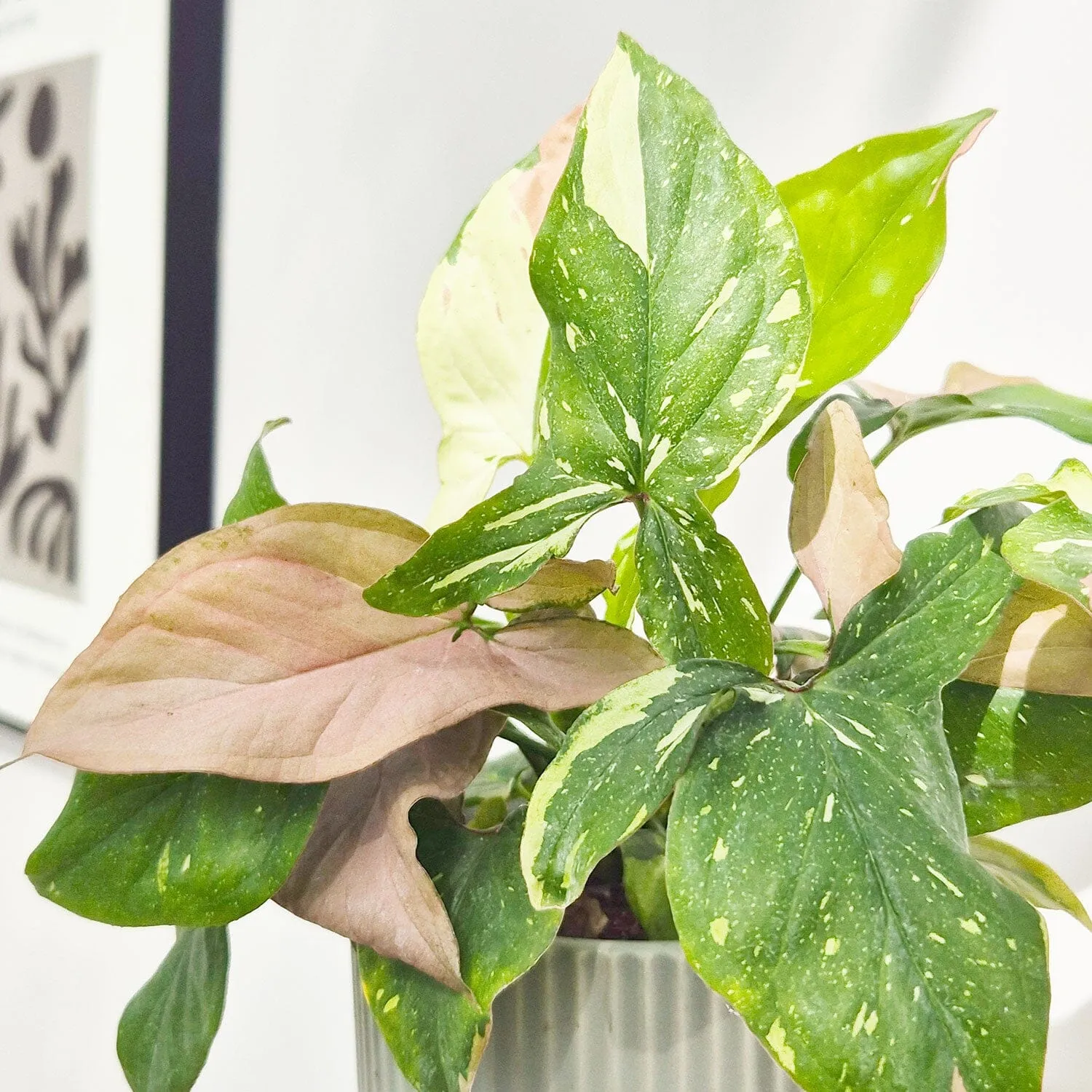

20 - 25cm Syngonium Tricolour Red Spot Arrowhead Plant 12cm Pot House Plant
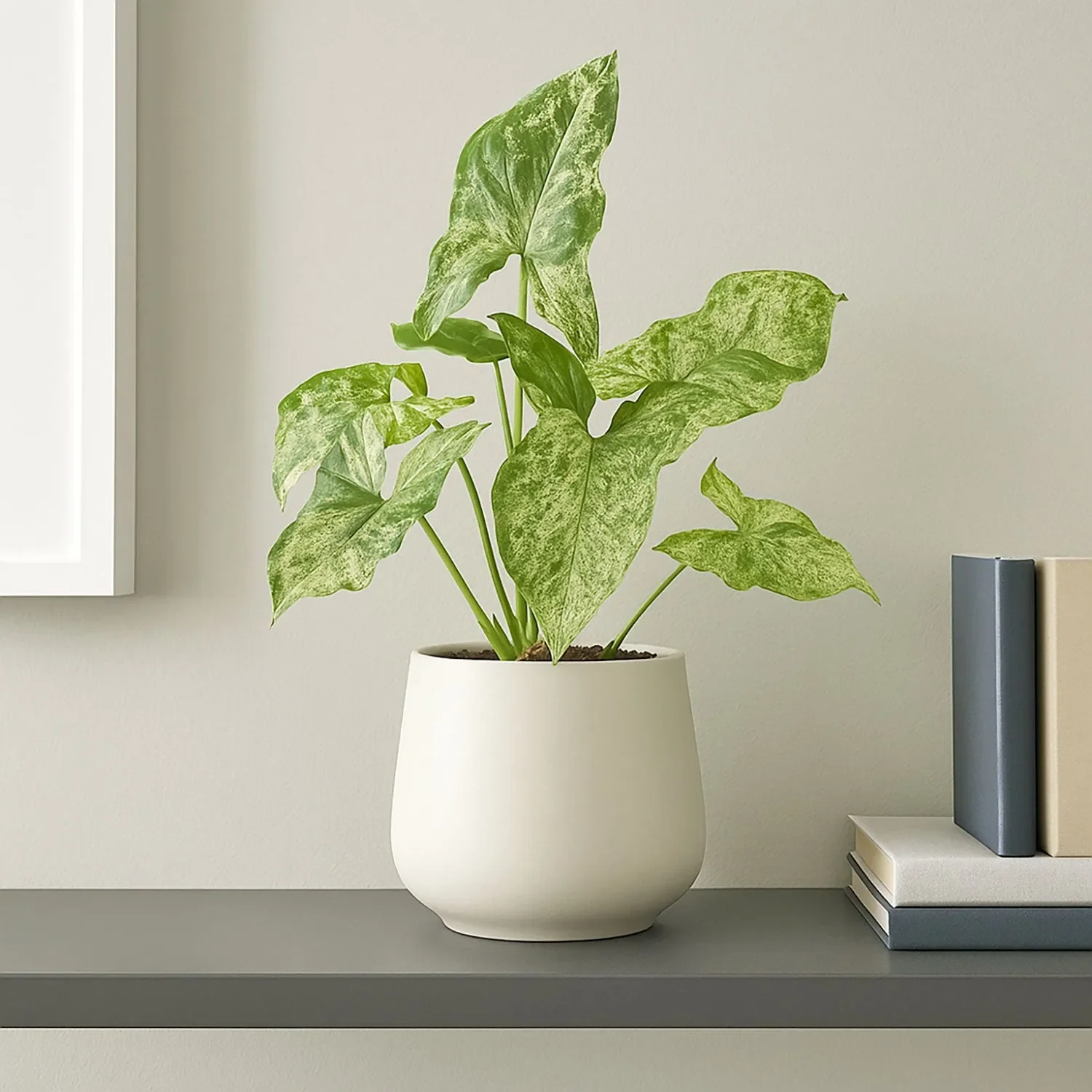
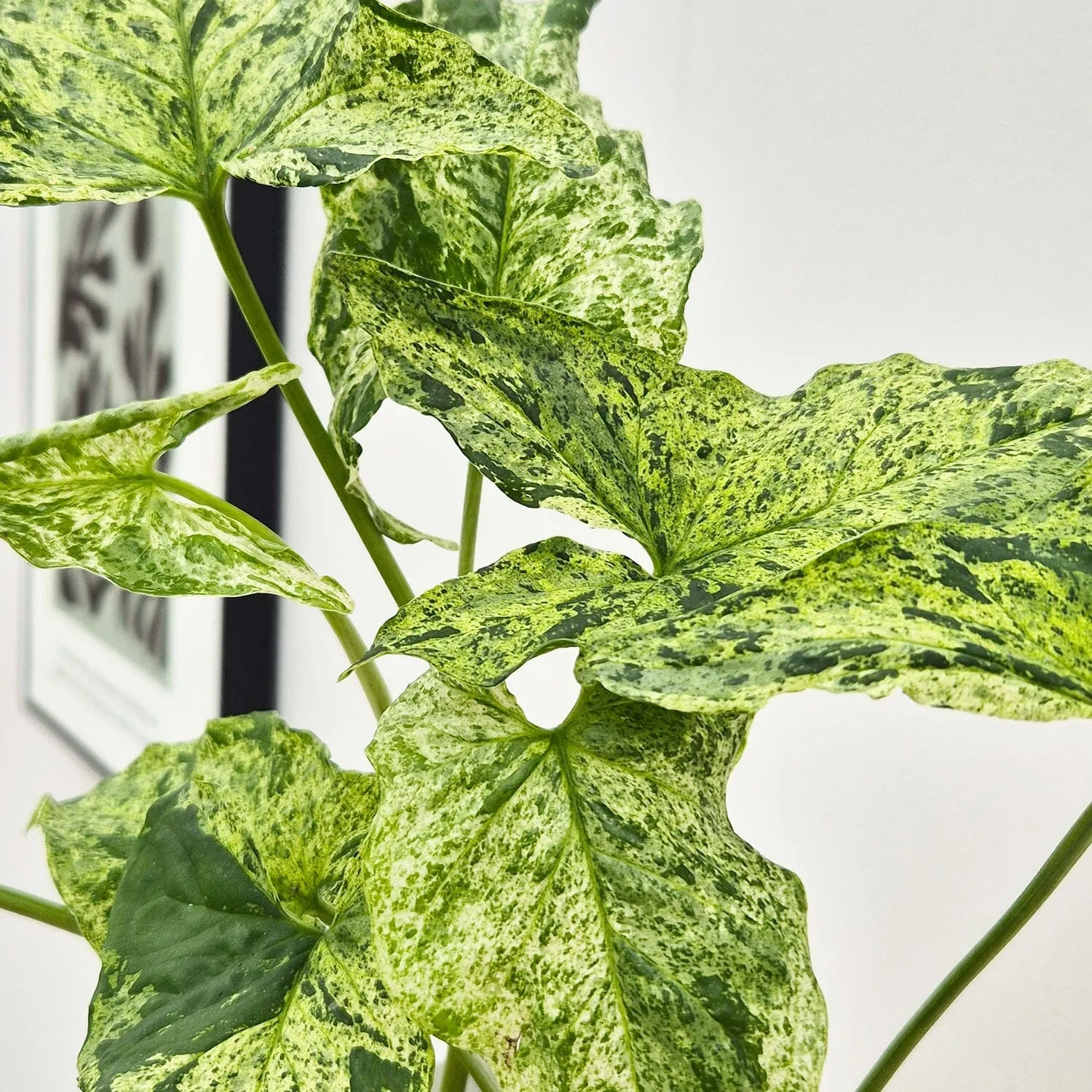
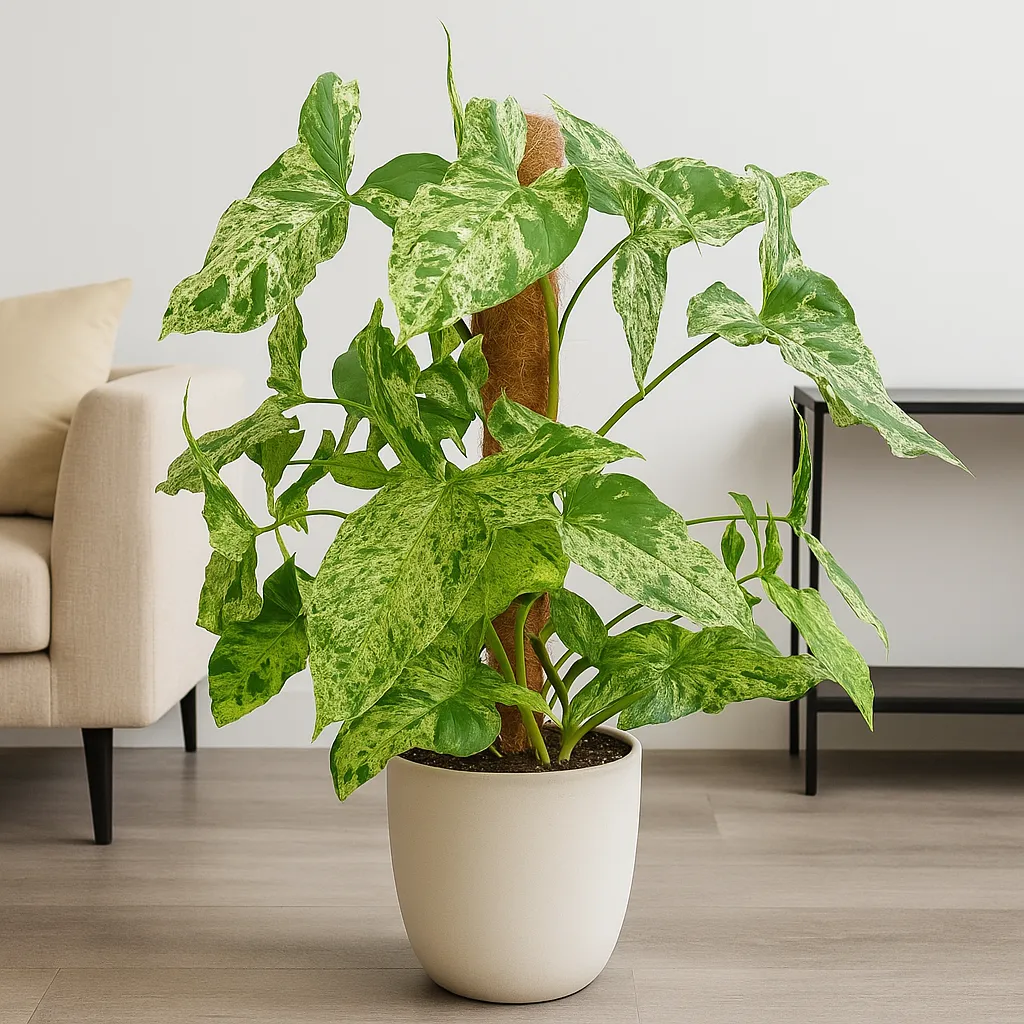
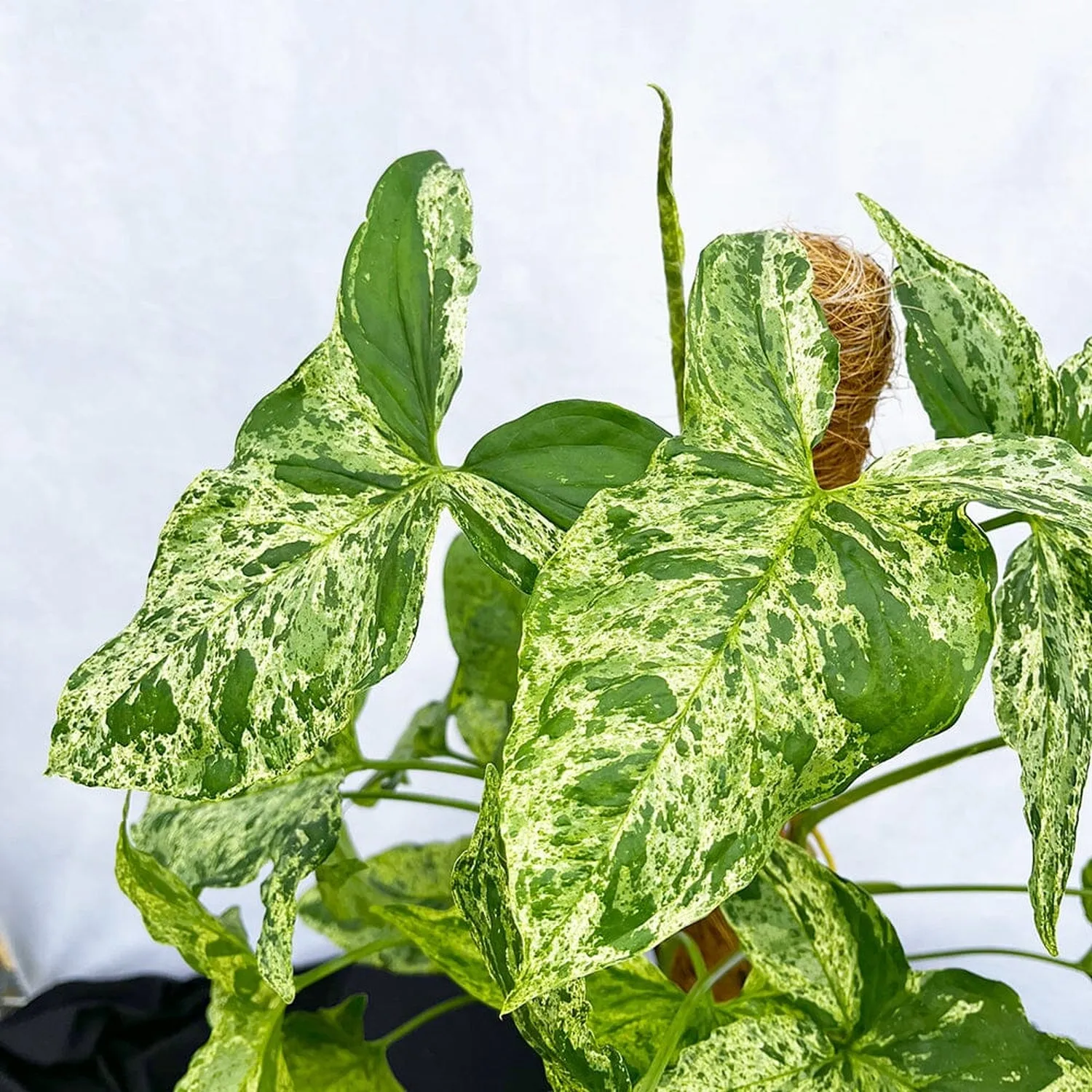
Syngonium podophyllum ‘Tricolour’ is a rare and highly decorative tropical houseplant known for its beautifully variegated foliage. A member of the Araceae family and native to Central and South America, this variety of Arrowhead Plant stands out for its vibrant mix of green, white, and pink marbling — a stunning, painterly effect that makes every leaf completely unique.
The arrow-shaped leaves display soft transitions of emerald green, creamy white, and blush pink, often flecked and splashed in random patterns that look almost hand-painted. As the plant matures, its vines can climb or trail, allowing it to be trained up a moss pole for a lush vertical display or left to cascade elegantly from a pot or hanging basket.
Compact, colourful, and easy to care for, Syngonium ‘Tricolour’ is an excellent choice for collectors and anyone looking to bring warmth and brightness to their home or workspace.
Syngonium podophyllum ‘Tricolour’ – Care Guide
Light
Thrives in bright, indirect light, which brings out the pink and cream tones. Too little light may cause the variegation to fade, while strong direct sunlight can scorch the delicate leaves. A bright east- or north-facing window is ideal.
Watering
Keep the soil lightly moist but not soggy. Water when the top 2–3 cm of soil feels dry, allowing excess to drain away. In winter, water less frequently but do not allow the soil to dry out completely.
Temperature and Humidity
-
Temperature: Prefers 18–28°C. Avoid cold draughts and temperatures below 15°C.
-
Humidity: Moderate to high humidity (50–80%) keeps the foliage vibrant and prevents crisping. Mist regularly or place near a humidifier.
Soil and Potting
Use a light, well-draining, peat-free potting mix — a blend of compost, orchid bark, perlite, and coco coir is ideal. Repot every 1–2 years in spring to refresh nutrients and support healthy root growth.
Feeding
Feed every 4–6 weeks in spring and summer with a balanced liquid fertiliser, diluted to half strength. Avoid overfeeding, as excess salts can mark the leaves.
Pruning and Maintenance
Prune to maintain shape or control size, especially if the plant becomes leggy. Trim just above a node to encourage bushier growth. Wipe leaves occasionally with a damp cloth to remove dust and highlight the variegation.
Growth and Maturity
A moderate to fast-growing climber or trailer, capable of reaching 60–90 cm indoors. As it matures, it can be trained vertically for larger, arrow-shaped leaves or left to trail naturally for a softer look.
Common Issues
-
Loss of variegation: Too little light.
-
Yellow leaves: Overwatering or poor drainage.
-
Brown tips: Low humidity or water with high fluoride — use filtered or rainwater.
-
Pests: Occasionally spider mites, mealybugs, or thrips.
Background and Benefits
Syngonium podophyllum is native to tropical forests where it climbs trees under the canopy. The ‘Tricolour’ cultivar is especially admired for its artistic variegation and pastel colour palette. Easy to grow and propagate, it’s a perfect introduction to variegated tropicals for beginners and a must-have for collectors.
In addition to its beauty, it also serves as an air-purifying plant, helping to filter toxins and improve indoor air quality.
✅ Quick Care Summary
-
Light: Bright, indirect; avoid harsh sun
-
Water: Keep lightly moist; allow topsoil to dry slightly
-
Temperature: 18–28°C; protect below 15°C
-
Humidity: Moderate to high (50–80%)
-
Soil: Well-draining aroid mix
-
Feed: Every 4–6 weeks in spring/summer
-
Growth: Climbing/trailing plant, 60–90 cm; arrow-shaped green leaves marbled with pink and cream variegation
⚠️ Toxicity Note: Like most Syngonium species, ‘Tricolour’ is toxic if ingested and may cause irritation to skin or mouth. Keep out of reach of pets and children.
🌿 Styling Tip:
Place Syngonium ‘Tricolour’ in a white or pastel pot to complement its pink tones, or mix it with darker green foliage plants like Philodendron ‘Micans’ or Ficus ‘Melany’ for visual contrast. It looks particularly striking trailing from a hanging planter in bright, filtered light.
Product Information
Product Information
Shipping & Returns
Shipping & Returns
Description
Syngonium podophyllum ‘Tricolour’ is a rare and highly decorative tropical houseplant known for its beautifully variegated foliage. A member of the Araceae family and native to Central and South America, this variety of Arrowhead Plant stands out for its vibrant mix of green, white, and pink marbling — a stunning, painterly effect that makes every leaf completely unique.
The arrow-shaped leaves display soft transitions of emerald green, creamy white, and blush pink, often flecked and splashed in random patterns that look almost hand-painted. As the plant matures, its vines can climb or trail, allowing it to be trained up a moss pole for a lush vertical display or left to cascade elegantly from a pot or hanging basket.
Compact, colourful, and easy to care for, Syngonium ‘Tricolour’ is an excellent choice for collectors and anyone looking to bring warmth and brightness to their home or workspace.
Syngonium podophyllum ‘Tricolour’ – Care Guide
Light
Thrives in bright, indirect light, which brings out the pink and cream tones. Too little light may cause the variegation to fade, while strong direct sunlight can scorch the delicate leaves. A bright east- or north-facing window is ideal.
Watering
Keep the soil lightly moist but not soggy. Water when the top 2–3 cm of soil feels dry, allowing excess to drain away. In winter, water less frequently but do not allow the soil to dry out completely.
Temperature and Humidity
-
Temperature: Prefers 18–28°C. Avoid cold draughts and temperatures below 15°C.
-
Humidity: Moderate to high humidity (50–80%) keeps the foliage vibrant and prevents crisping. Mist regularly or place near a humidifier.
Soil and Potting
Use a light, well-draining, peat-free potting mix — a blend of compost, orchid bark, perlite, and coco coir is ideal. Repot every 1–2 years in spring to refresh nutrients and support healthy root growth.
Feeding
Feed every 4–6 weeks in spring and summer with a balanced liquid fertiliser, diluted to half strength. Avoid overfeeding, as excess salts can mark the leaves.
Pruning and Maintenance
Prune to maintain shape or control size, especially if the plant becomes leggy. Trim just above a node to encourage bushier growth. Wipe leaves occasionally with a damp cloth to remove dust and highlight the variegation.
Growth and Maturity
A moderate to fast-growing climber or trailer, capable of reaching 60–90 cm indoors. As it matures, it can be trained vertically for larger, arrow-shaped leaves or left to trail naturally for a softer look.
Common Issues
-
Loss of variegation: Too little light.
-
Yellow leaves: Overwatering or poor drainage.
-
Brown tips: Low humidity or water with high fluoride — use filtered or rainwater.
-
Pests: Occasionally spider mites, mealybugs, or thrips.
Background and Benefits
Syngonium podophyllum is native to tropical forests where it climbs trees under the canopy. The ‘Tricolour’ cultivar is especially admired for its artistic variegation and pastel colour palette. Easy to grow and propagate, it’s a perfect introduction to variegated tropicals for beginners and a must-have for collectors.
In addition to its beauty, it also serves as an air-purifying plant, helping to filter toxins and improve indoor air quality.
✅ Quick Care Summary
-
Light: Bright, indirect; avoid harsh sun
-
Water: Keep lightly moist; allow topsoil to dry slightly
-
Temperature: 18–28°C; protect below 15°C
-
Humidity: Moderate to high (50–80%)
-
Soil: Well-draining aroid mix
-
Feed: Every 4–6 weeks in spring/summer
-
Growth: Climbing/trailing plant, 60–90 cm; arrow-shaped green leaves marbled with pink and cream variegation
⚠️ Toxicity Note: Like most Syngonium species, ‘Tricolour’ is toxic if ingested and may cause irritation to skin or mouth. Keep out of reach of pets and children.
🌿 Styling Tip:
Place Syngonium ‘Tricolour’ in a white or pastel pot to complement its pink tones, or mix it with darker green foliage plants like Philodendron ‘Micans’ or Ficus ‘Melany’ for visual contrast. It looks particularly striking trailing from a hanging planter in bright, filtered light.