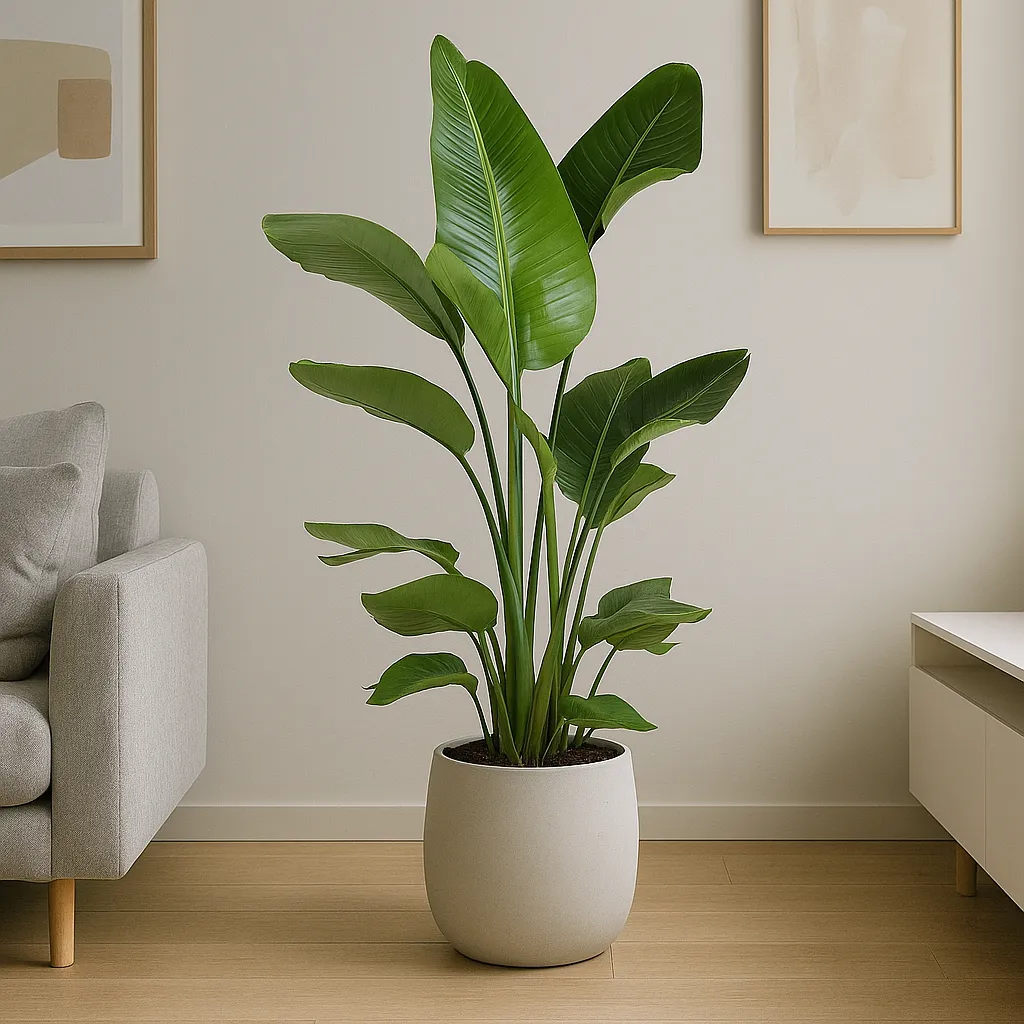
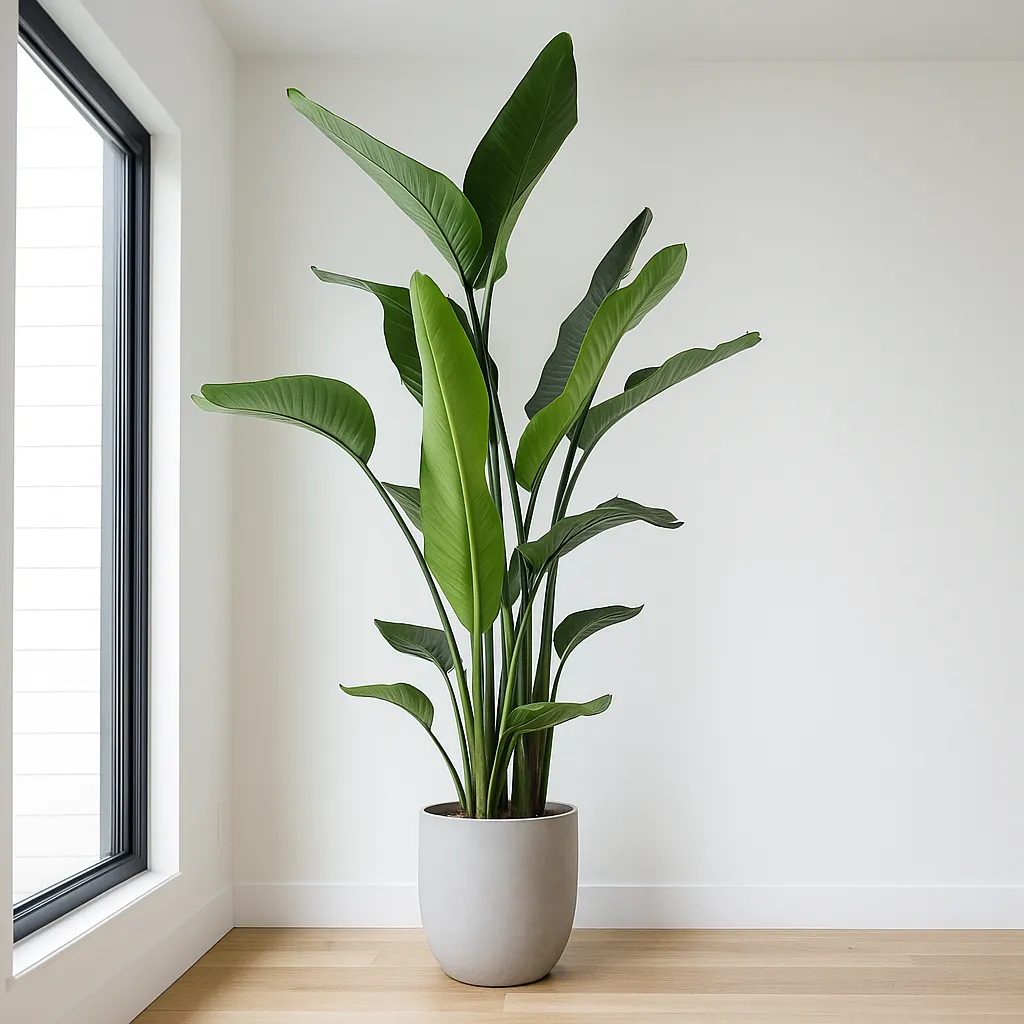
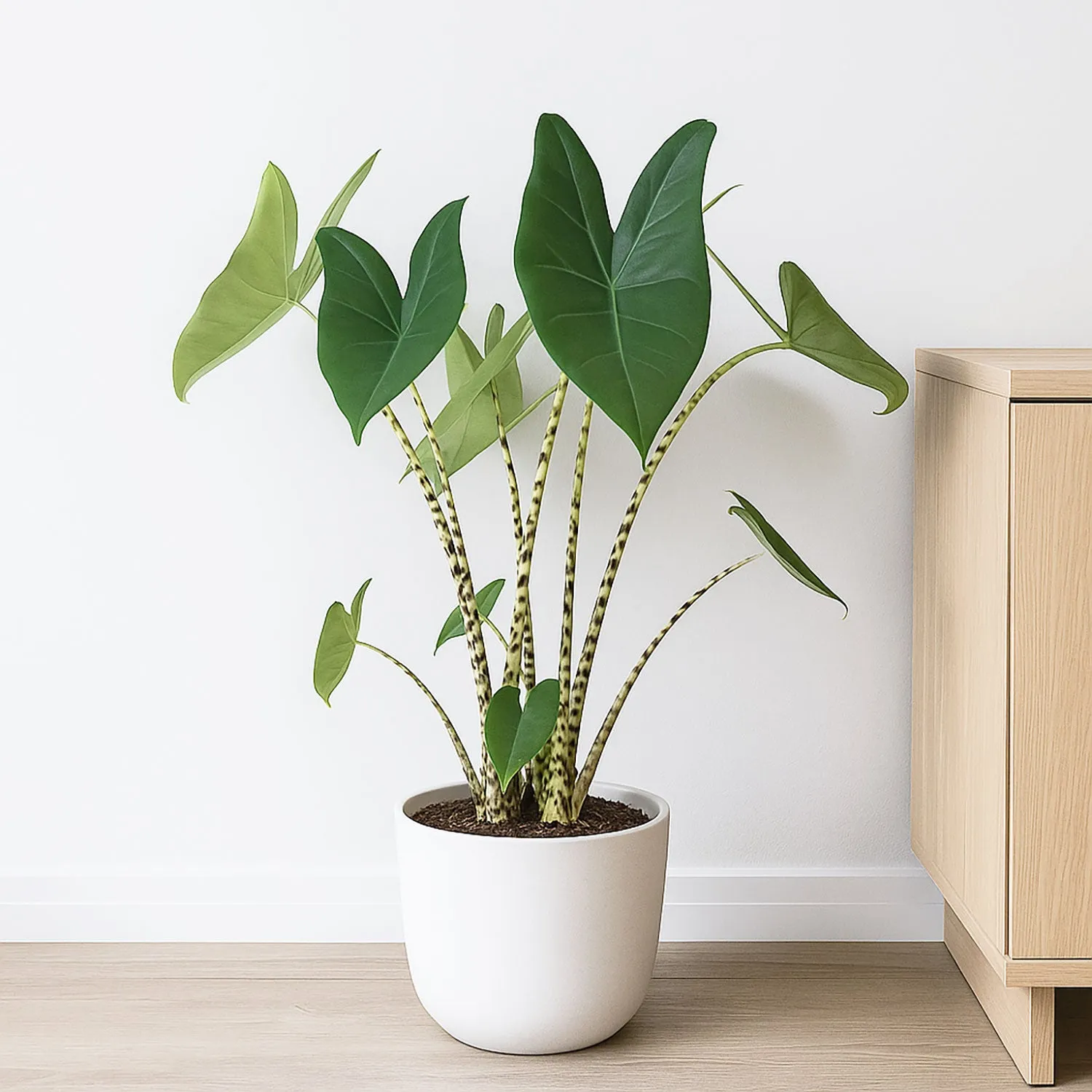
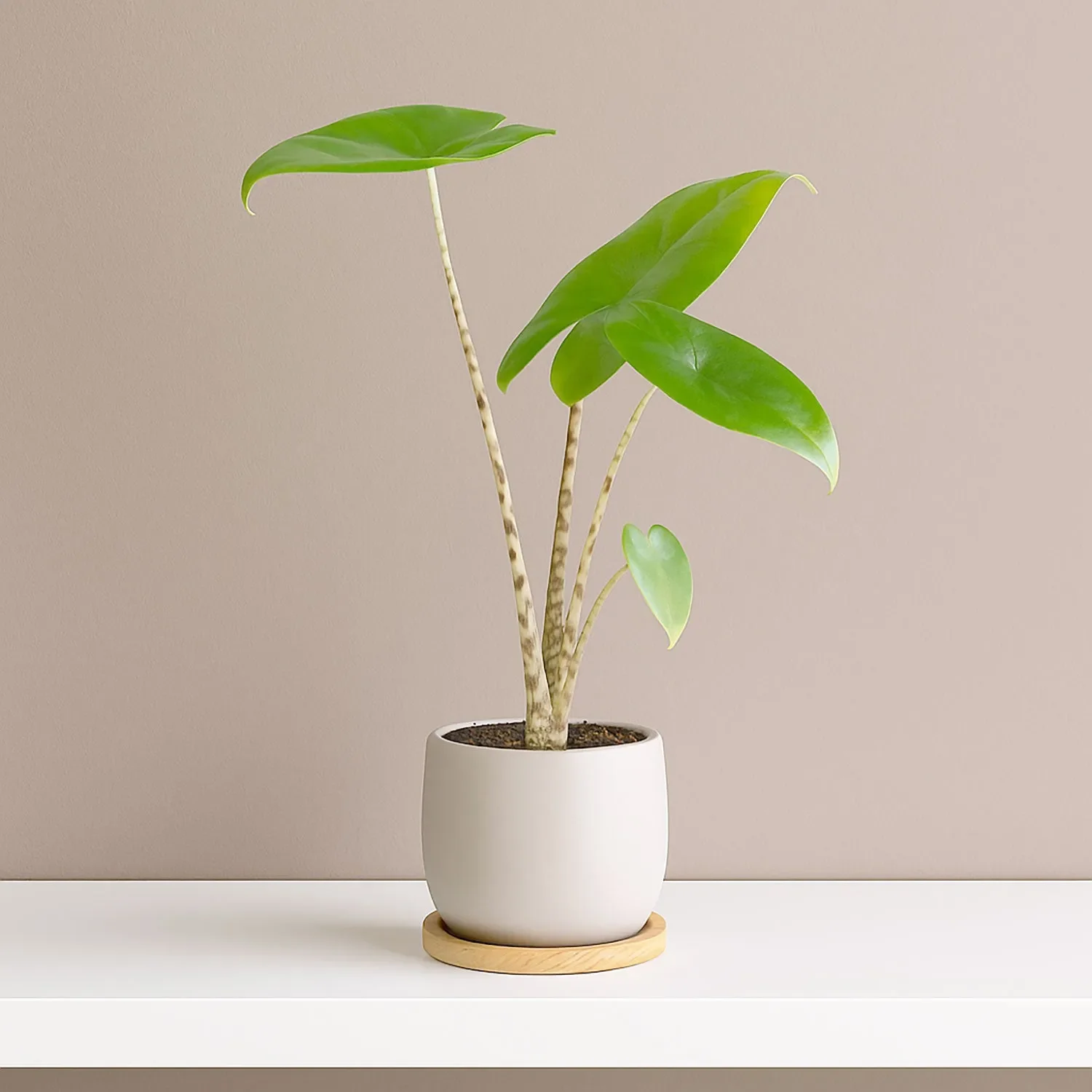
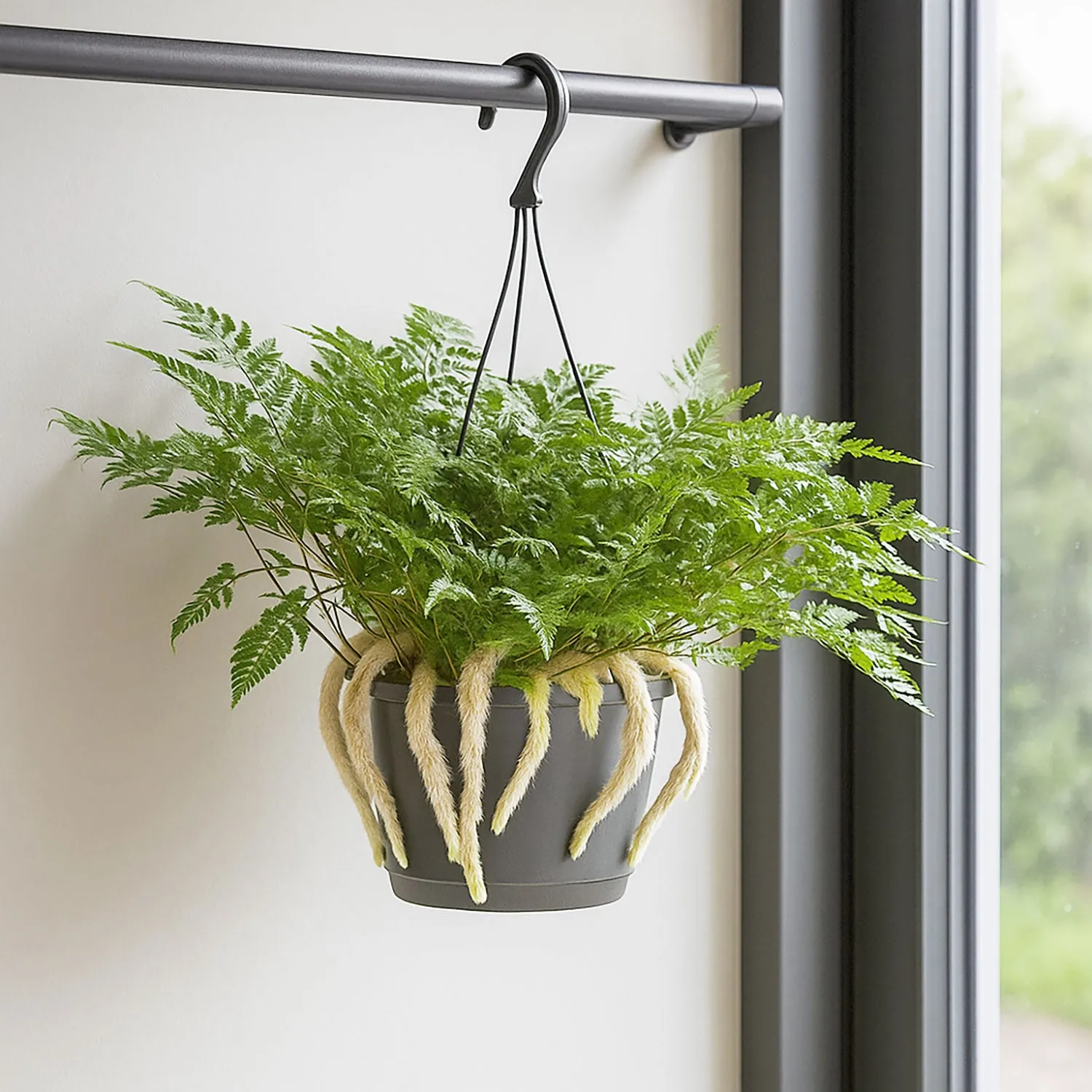
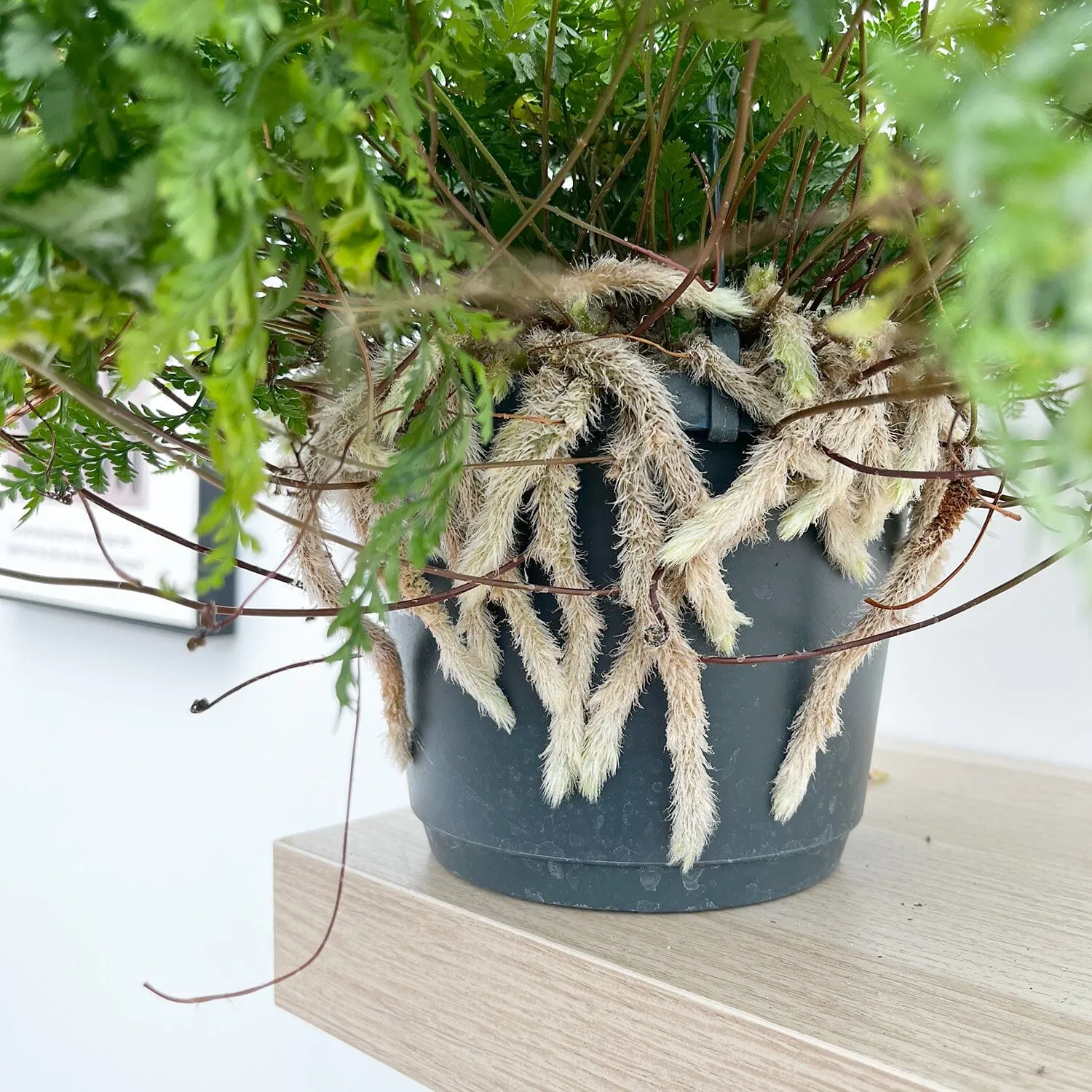
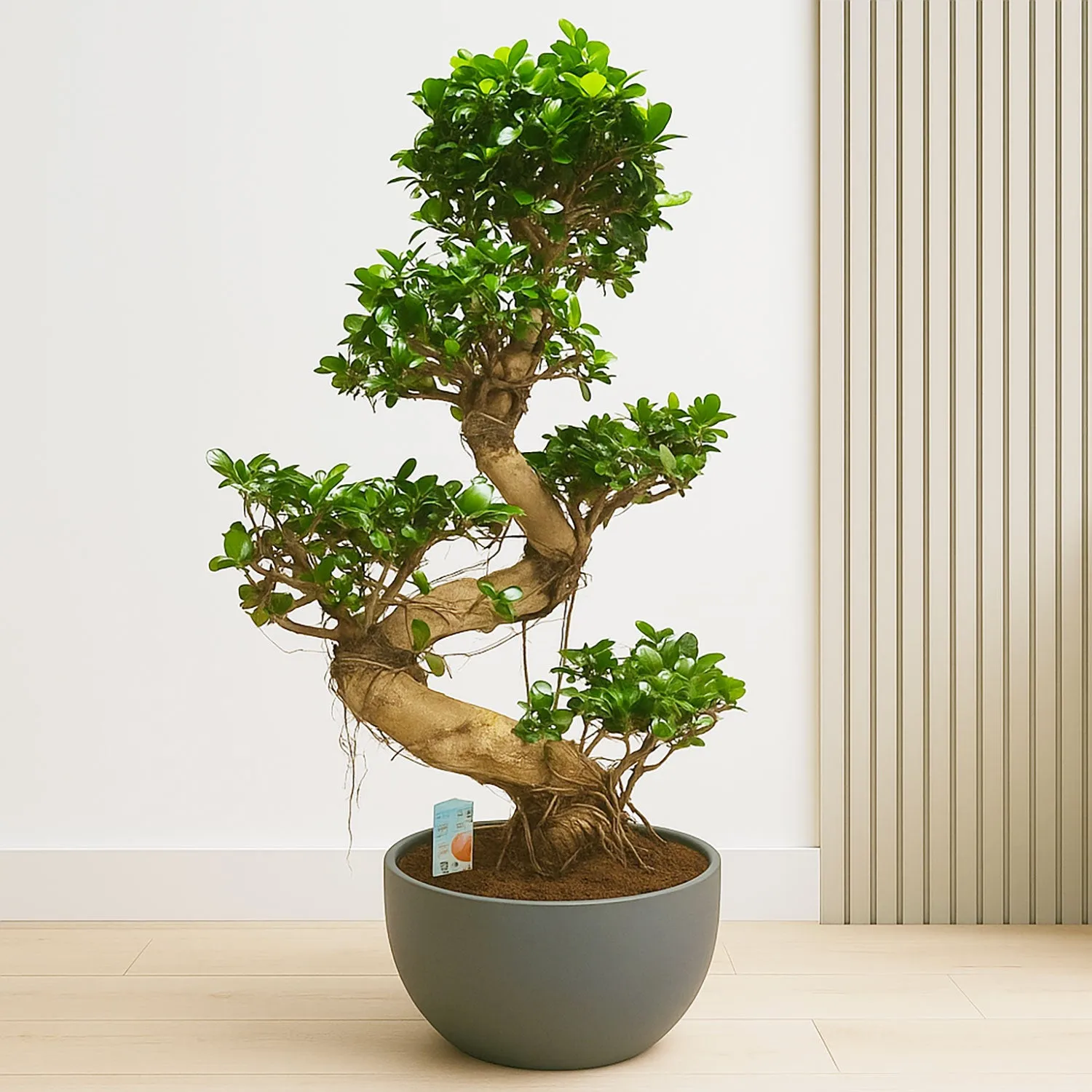
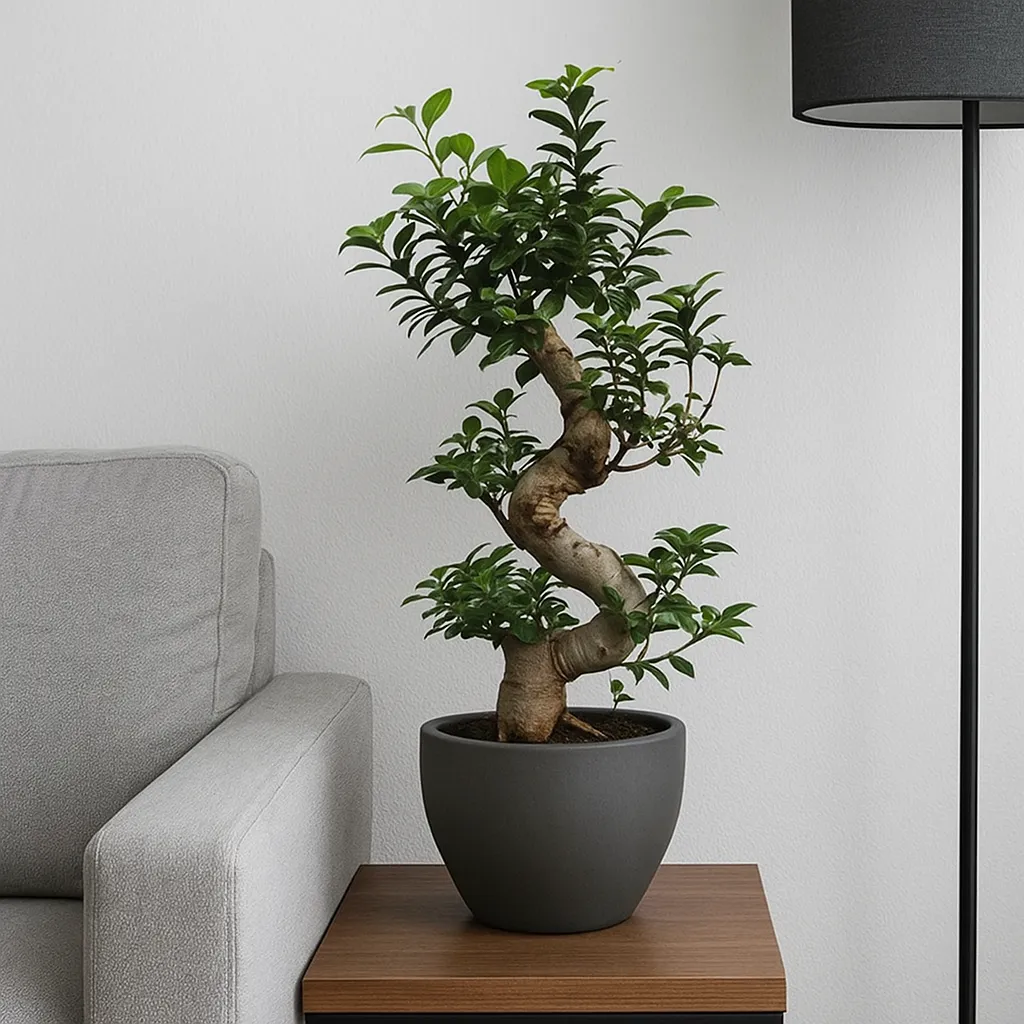
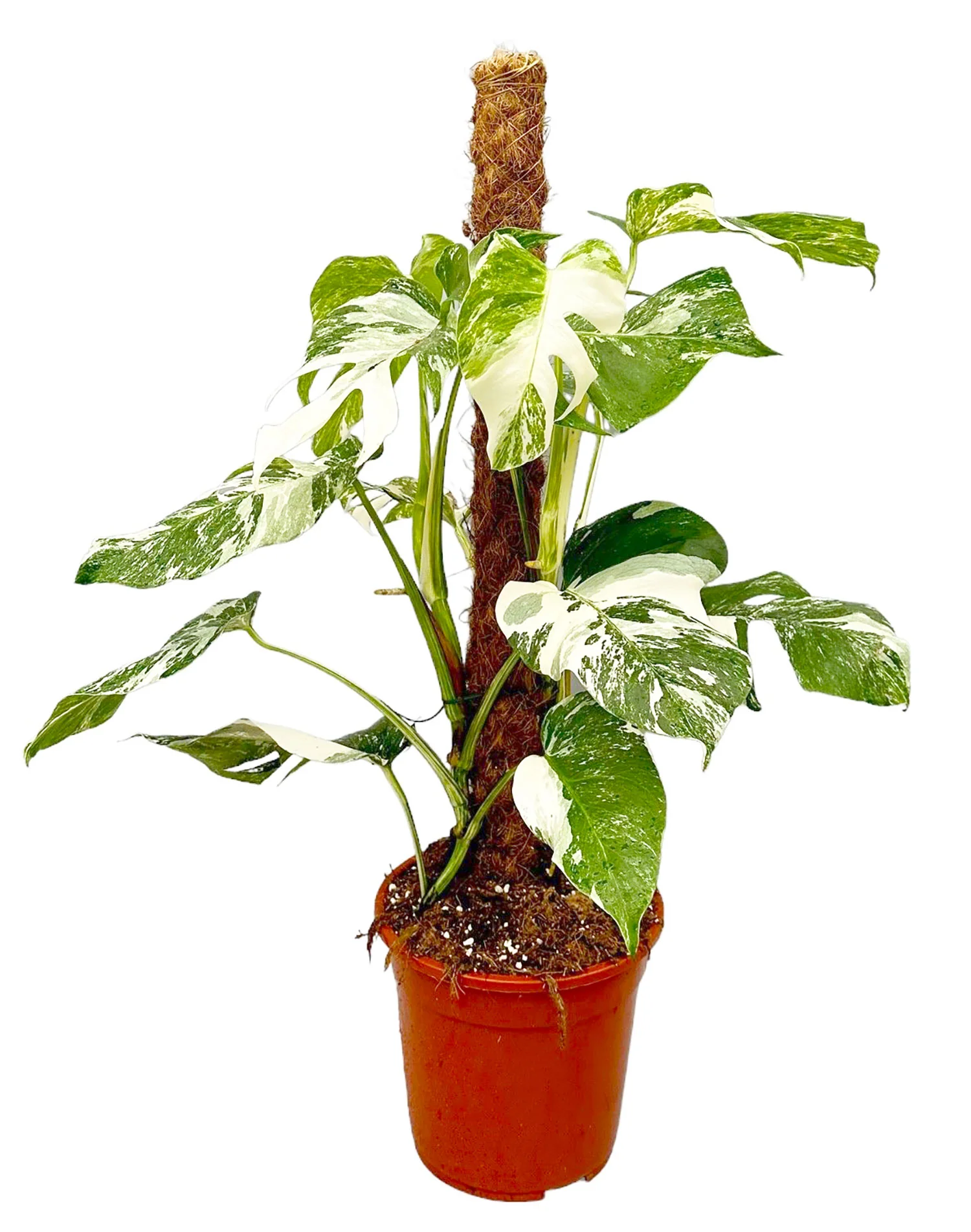
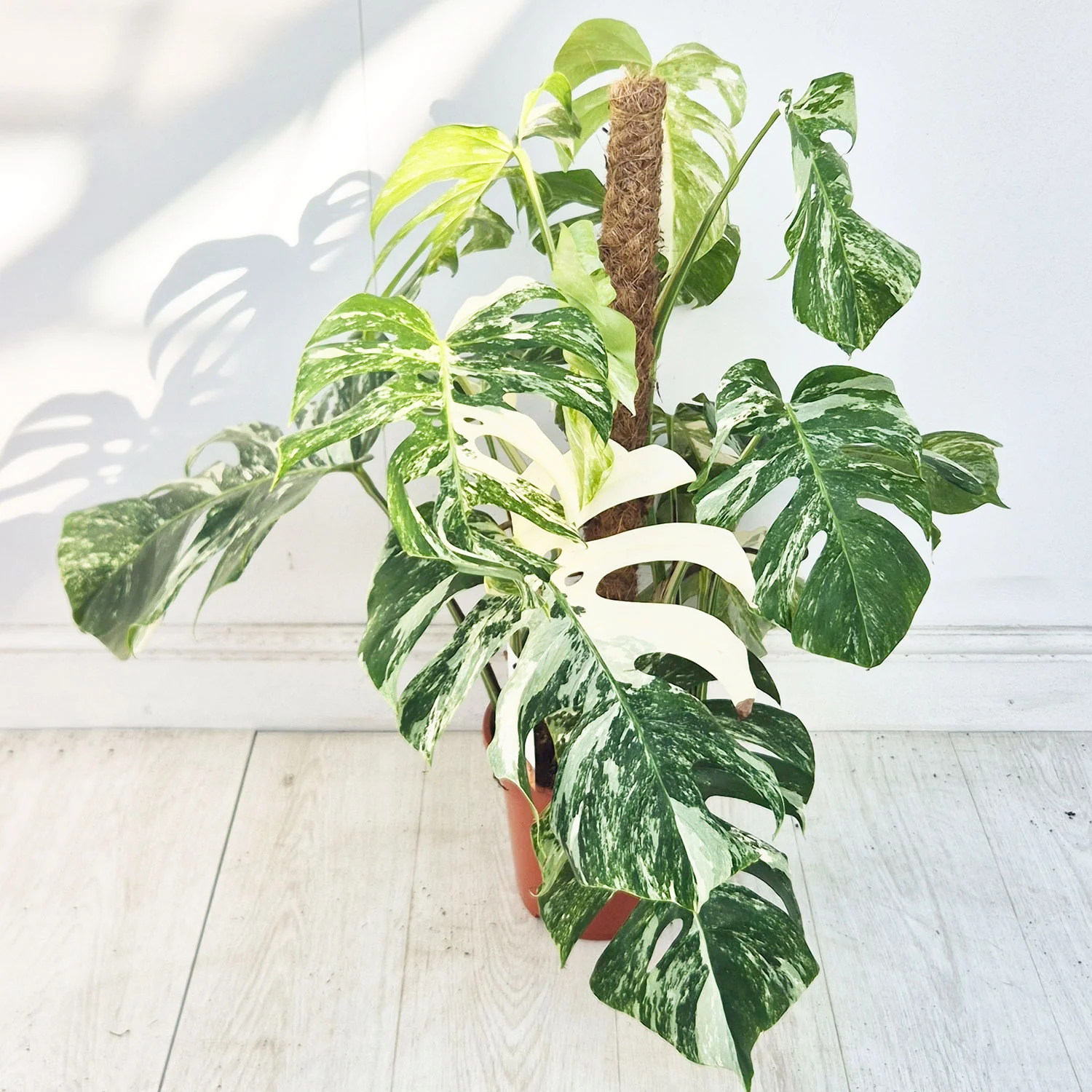
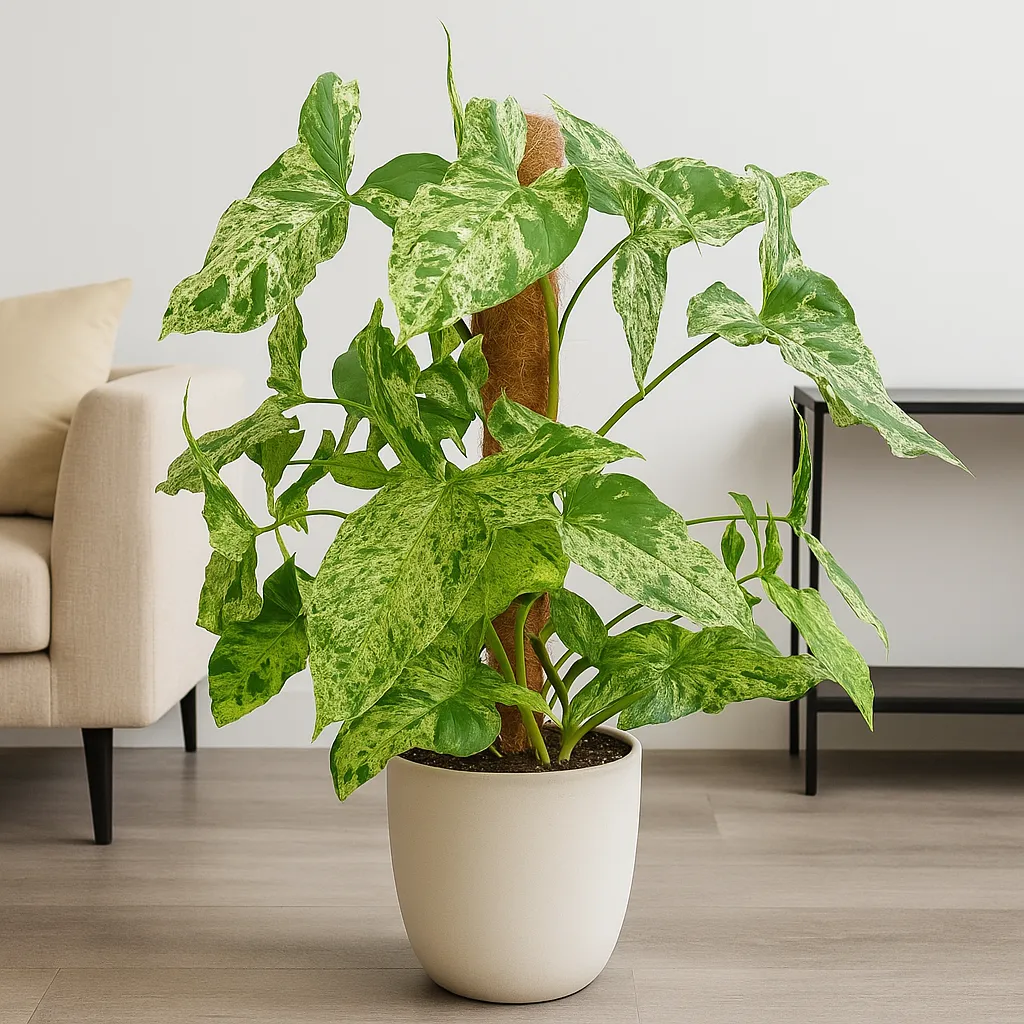
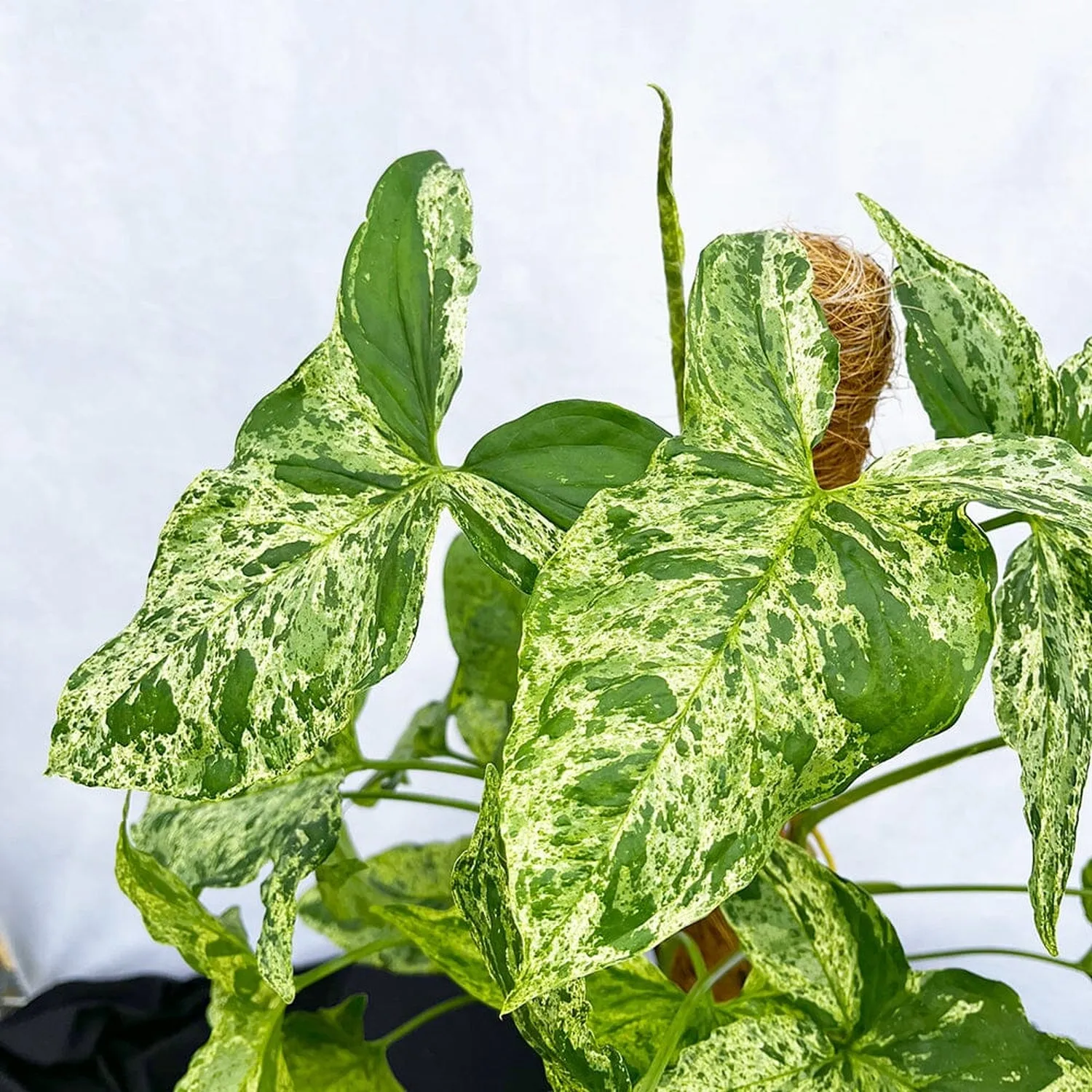
200 - 220cm Sesamothamnus Lugardii XXL 55cm Pot House Plant
🌳 Sesamothamnus lugardii
Sesamothamnus lugardii, also known as the Transvaal Sesame Tree, is a rare, caudiciform shrub native to the arid regions of southern Africa, particularly Botswana, Namibia, and South Africa’s Limpopo province. It belongs to the sesame family (Pedaliaceae) and is highly prized by collectors for its thick, swollen trunk (caudex) and gnarled, sculptural growth habit.
This unique succulent forms a bottle-shaped base that stores water, topped with twisted, woody branches that may bear small, pale green leaves during the growing season. Its bizarre yet elegant silhouette makes it a natural centrepiece in xeric collections, dry gardens, or indoor succulent displays.
In optimal conditions, Sesamothamnus may produce small, tubular white flowers, but it is primarily grown for its bizarre bonsai-like appearance and extremely slow, ancient character.
🛠️ Sesamothamnus lugardii – Comprehensive Care Guide
🌞 Light Requirements
-
Requires full sun to very bright light.
-
Outdoors: place in a sunny, sheltered spot – ideal for greenhouses or alpine houses.
-
Indoors: position in the brightest possible location, such as a south-facing windowsill or under grow lights.
-
Insufficient light leads to weak, leggy growth and a loss of caudex definition.
💧 Watering
-
Extremely drought-tolerant – less is more.
-
Water sparingly during the growing season (spring–summer) when leaves are present.
-
Let the soil completely dry out between waterings.
-
-
In autumn and winter (dormant phase), reduce watering to once every 4–6 weeks or stop entirely until new growth resumes.
-
Overwatering is the most common killer – signs include caudex rot or splitting.
🌡️ Temperature
-
Prefers warm conditions: 18–30°C during active growth.
-
Keep above 10°C at all times – not frost hardy.
-
Must be overwintered indoors or under glass in the UK.
-
In colder months, move to a dry, sheltered, frost-free environment.
🌱 Soil
-
Requires extremely free-draining soil.
-
Use a specialised cactus or caudiciform mix, ideally:
-
60–70% mineral content (pumice, perlite, grit, or coarse sand),
-
30–40% organic matter (compost or coco coir).
-
-
Ensure pot has large drainage holes – never allow standing water.
🍽️ Feeding
-
Feed only during the growing season, once leaves emerge.
-
Apply a diluted cactus or succulent fertiliser once every 4–6 weeks in spring and summer.
-
Do not feed during dormancy.
🌿 Growth Habit & Dormancy
-
Grows slowly, forming a woody trunk with sparse foliage.
-
Leaves typically appear in spring and are deciduous, dropping in autumn as the plant enters dormancy.
-
The bare trunk and branches remain decorative year-round.
✂️ Pruning & Maintenance
-
Minimal pruning required.
-
Remove any dead twigs during dormancy to maintain shape.
-
Clean the caudex gently with a soft brush to highlight texture.
🪴 Repotting
-
Repot every 3–4 years, ideally in late winter before new growth begins.
-
Pot only slightly larger than the root ball to avoid water retention.
-
Lift the caudex slightly above the soil line for best visual effect and air circulation.
🐛 Pests & Problems
-
Very resilient, but may occasionally attract:
-
Mealybugs or spider mites in dry indoor environments.
-
-
Root or caudex rot from overwatering is the primary risk.
☠️ Toxicity
-
Toxic if ingested – keep away from pets and children.
-
Sap may irritate skin – handle with gloves if pruning.
🌟 Top Tips for Success
-
Treat like a caudiciform bonsai – the more stress-tolerant it is, the more character it develops.
-
Ideal for glasshouse benches, collector shelves, or succulent bonsai trays.
-
Combine with rocks or top-dressing gravel to emphasise the caudex shape.
Original: $6,598.98
-70%$6,598.98
$1,979.69Product Information
Product Information
Shipping & Returns
Shipping & Returns
Description
🌳 Sesamothamnus lugardii
Sesamothamnus lugardii, also known as the Transvaal Sesame Tree, is a rare, caudiciform shrub native to the arid regions of southern Africa, particularly Botswana, Namibia, and South Africa’s Limpopo province. It belongs to the sesame family (Pedaliaceae) and is highly prized by collectors for its thick, swollen trunk (caudex) and gnarled, sculptural growth habit.
This unique succulent forms a bottle-shaped base that stores water, topped with twisted, woody branches that may bear small, pale green leaves during the growing season. Its bizarre yet elegant silhouette makes it a natural centrepiece in xeric collections, dry gardens, or indoor succulent displays.
In optimal conditions, Sesamothamnus may produce small, tubular white flowers, but it is primarily grown for its bizarre bonsai-like appearance and extremely slow, ancient character.
🛠️ Sesamothamnus lugardii – Comprehensive Care Guide
🌞 Light Requirements
-
Requires full sun to very bright light.
-
Outdoors: place in a sunny, sheltered spot – ideal for greenhouses or alpine houses.
-
Indoors: position in the brightest possible location, such as a south-facing windowsill or under grow lights.
-
Insufficient light leads to weak, leggy growth and a loss of caudex definition.
💧 Watering
-
Extremely drought-tolerant – less is more.
-
Water sparingly during the growing season (spring–summer) when leaves are present.
-
Let the soil completely dry out between waterings.
-
-
In autumn and winter (dormant phase), reduce watering to once every 4–6 weeks or stop entirely until new growth resumes.
-
Overwatering is the most common killer – signs include caudex rot or splitting.
🌡️ Temperature
-
Prefers warm conditions: 18–30°C during active growth.
-
Keep above 10°C at all times – not frost hardy.
-
Must be overwintered indoors or under glass in the UK.
-
In colder months, move to a dry, sheltered, frost-free environment.
🌱 Soil
-
Requires extremely free-draining soil.
-
Use a specialised cactus or caudiciform mix, ideally:
-
60–70% mineral content (pumice, perlite, grit, or coarse sand),
-
30–40% organic matter (compost or coco coir).
-
-
Ensure pot has large drainage holes – never allow standing water.
🍽️ Feeding
-
Feed only during the growing season, once leaves emerge.
-
Apply a diluted cactus or succulent fertiliser once every 4–6 weeks in spring and summer.
-
Do not feed during dormancy.
🌿 Growth Habit & Dormancy
-
Grows slowly, forming a woody trunk with sparse foliage.
-
Leaves typically appear in spring and are deciduous, dropping in autumn as the plant enters dormancy.
-
The bare trunk and branches remain decorative year-round.
✂️ Pruning & Maintenance
-
Minimal pruning required.
-
Remove any dead twigs during dormancy to maintain shape.
-
Clean the caudex gently with a soft brush to highlight texture.
🪴 Repotting
-
Repot every 3–4 years, ideally in late winter before new growth begins.
-
Pot only slightly larger than the root ball to avoid water retention.
-
Lift the caudex slightly above the soil line for best visual effect and air circulation.
🐛 Pests & Problems
-
Very resilient, but may occasionally attract:
-
Mealybugs or spider mites in dry indoor environments.
-
-
Root or caudex rot from overwatering is the primary risk.
☠️ Toxicity
-
Toxic if ingested – keep away from pets and children.
-
Sap may irritate skin – handle with gloves if pruning.
🌟 Top Tips for Success
-
Treat like a caudiciform bonsai – the more stress-tolerant it is, the more character it develops.
-
Ideal for glasshouse benches, collector shelves, or succulent bonsai trays.
-
Combine with rocks or top-dressing gravel to emphasise the caudex shape.