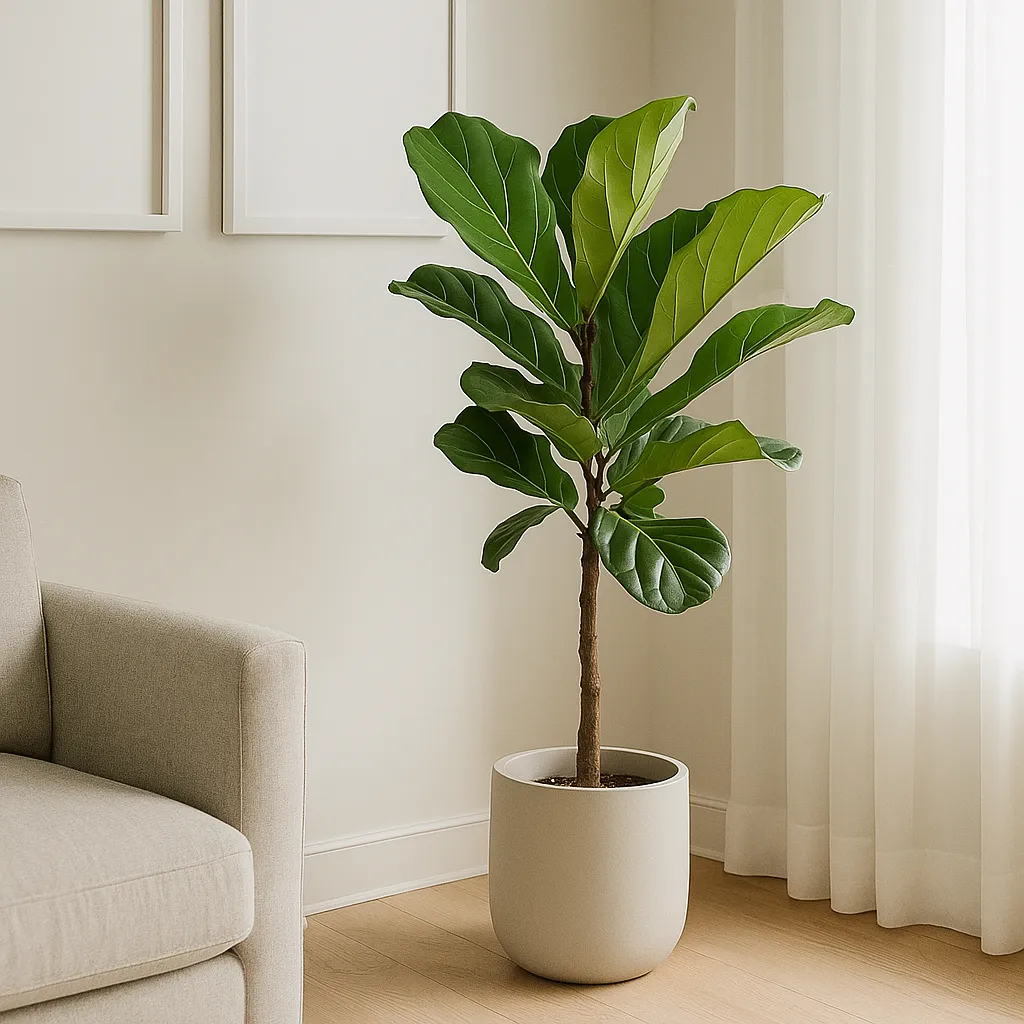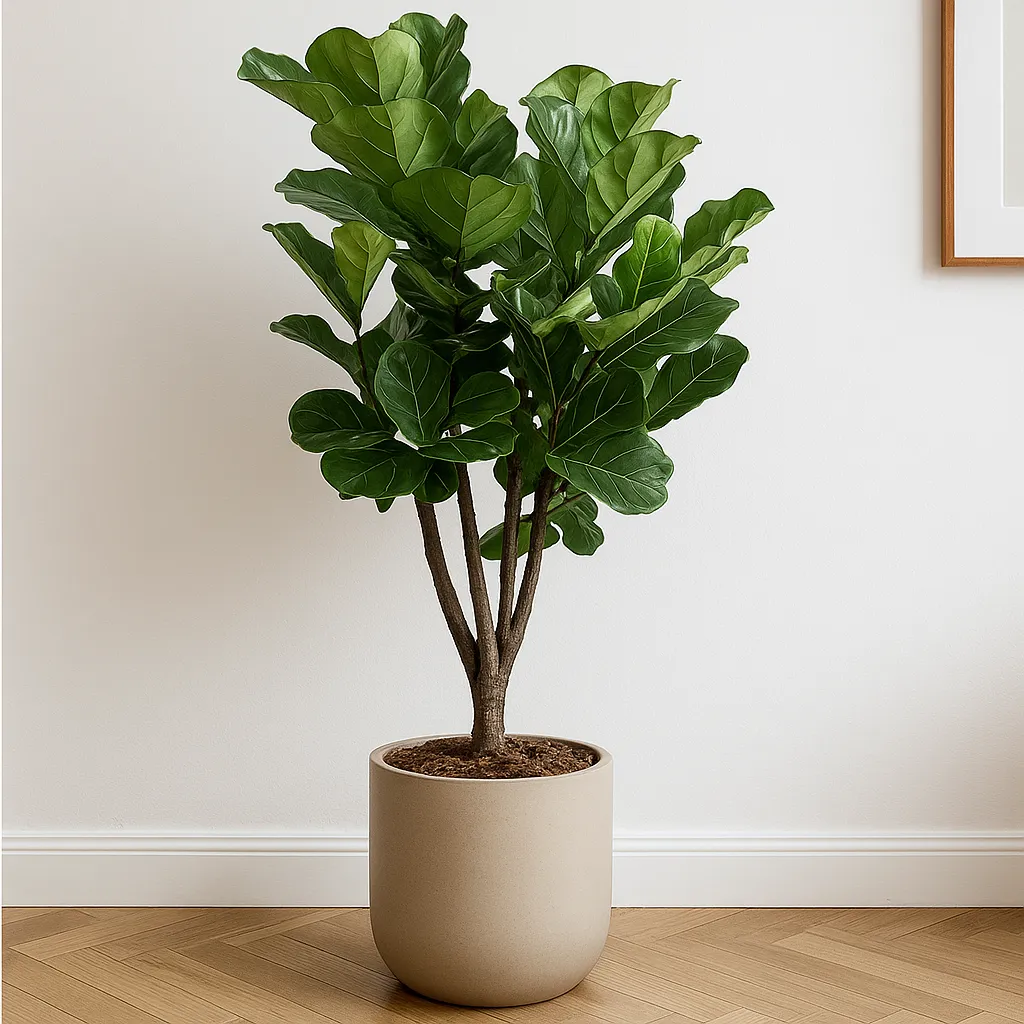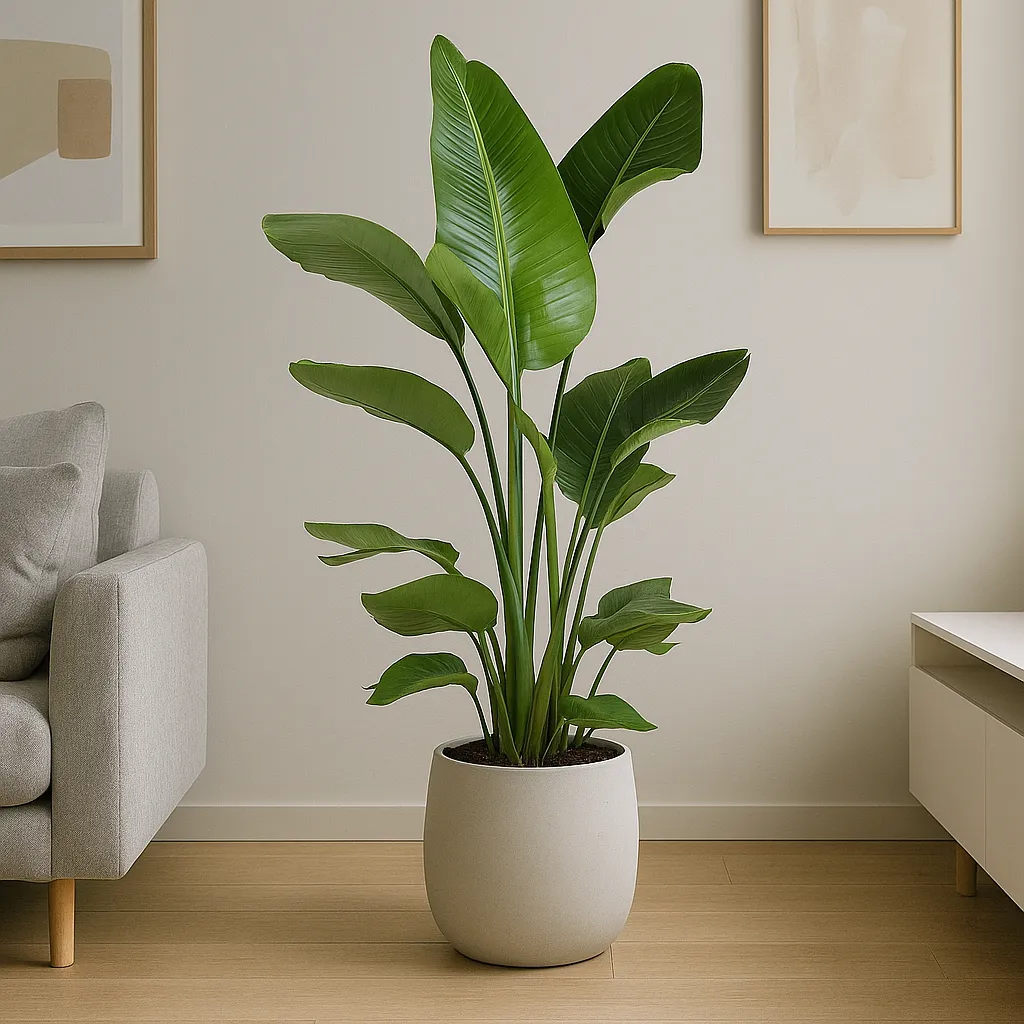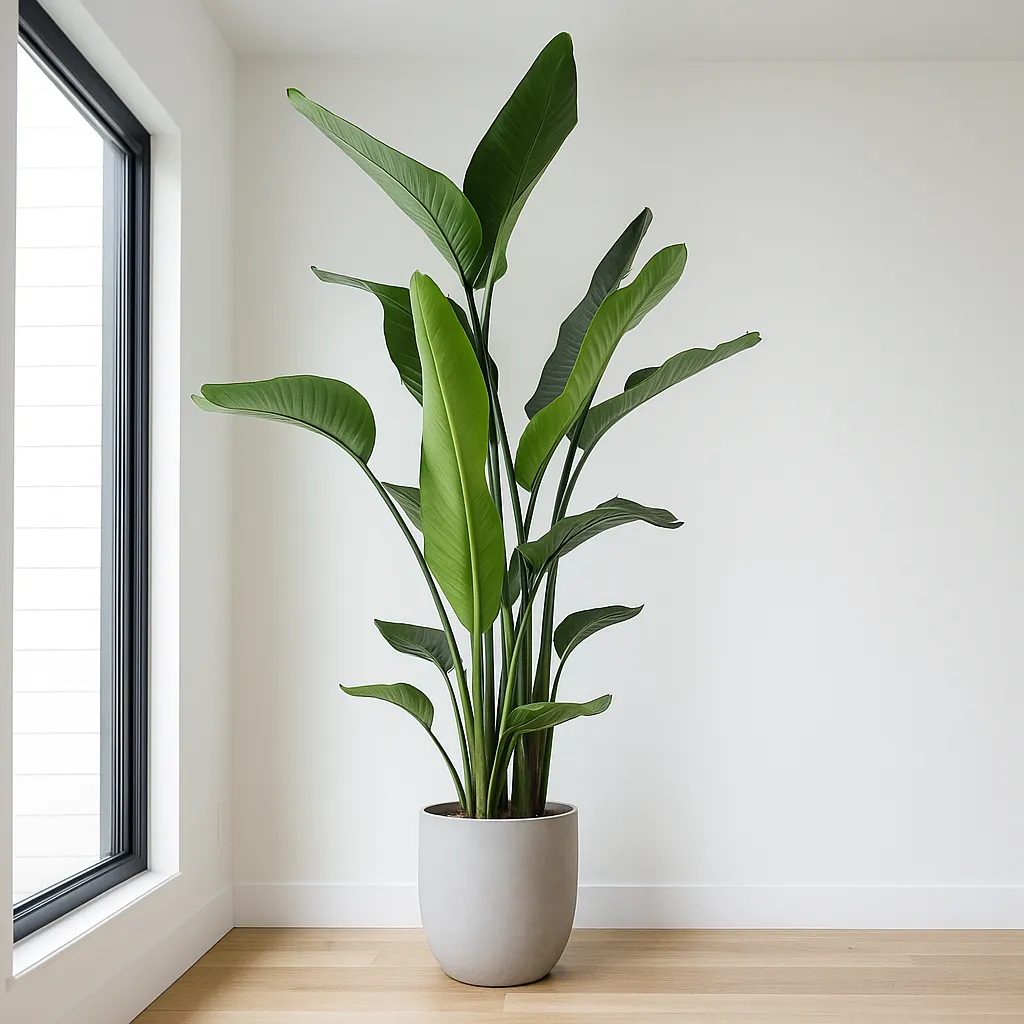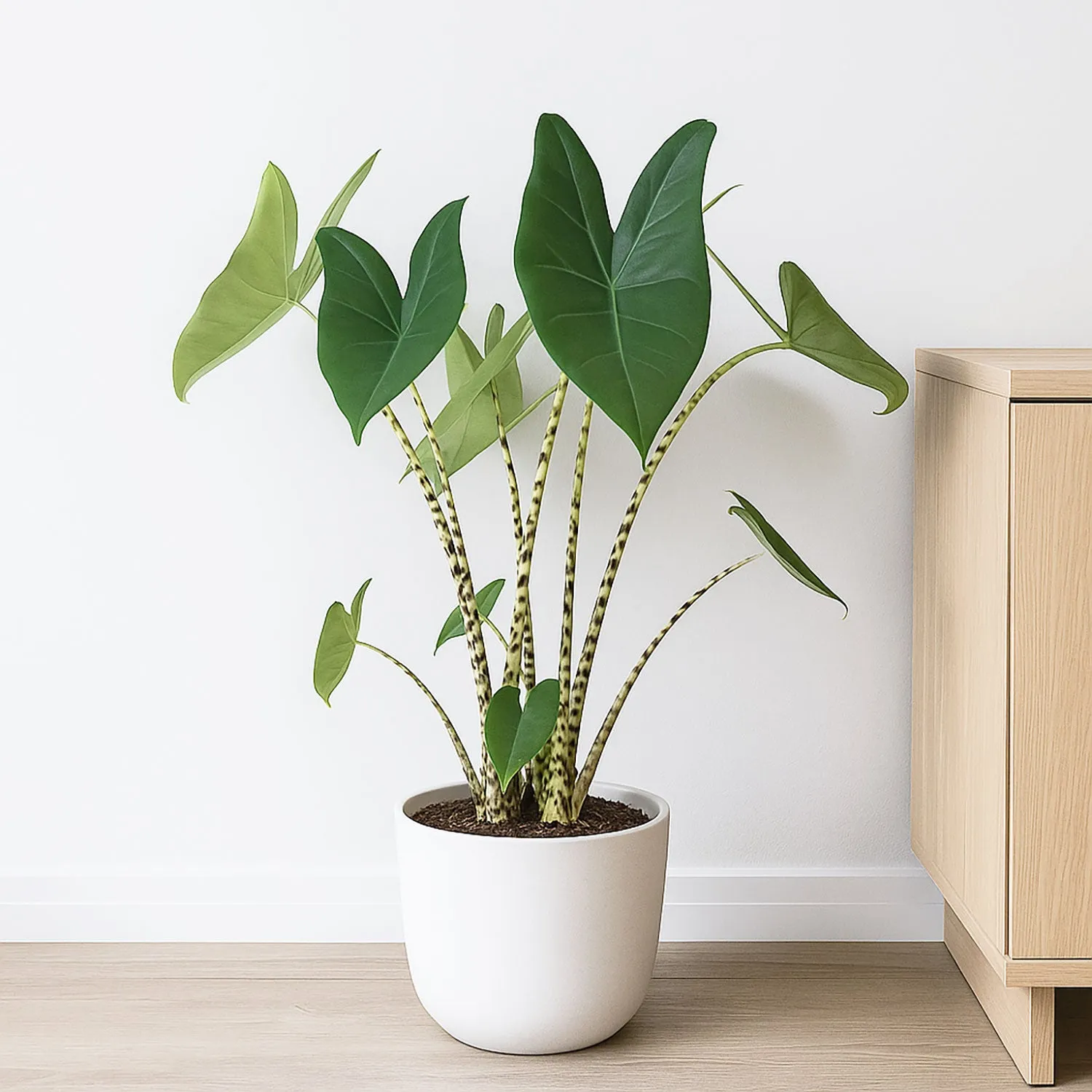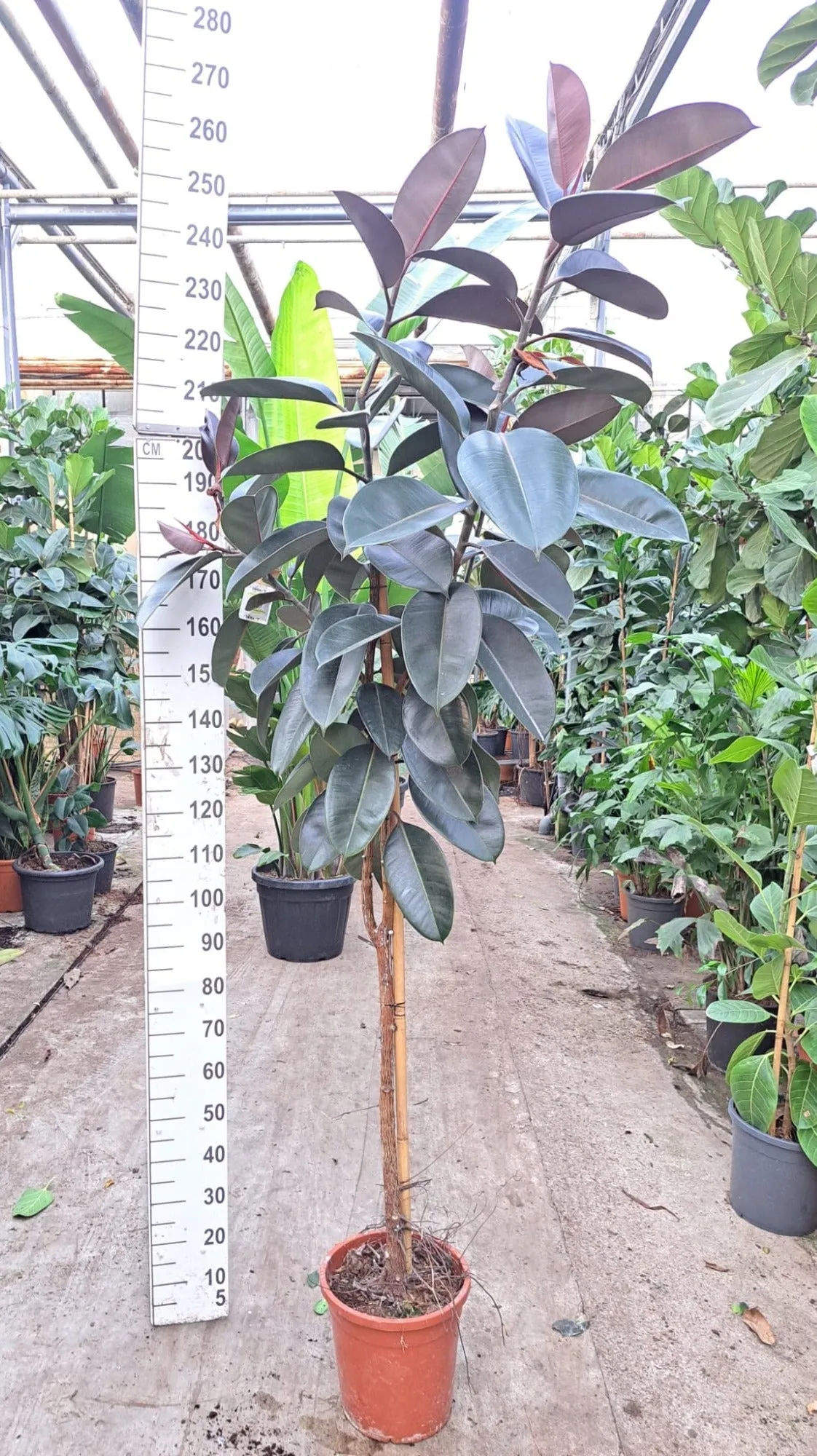
240 - 260cm XXL Ficus Elastica Abidjan 30cm Pot House Plant
🌿 Ficus elastica ‘Abidjan’ — Burgundy Rubber Plant
Ficus elastica ‘Abidjan’, often referred to as the Burgundy Rubber Plant, is a bold and handsome cultivar of Ficus elastica, known for its deep, glossy, dark burgundy foliage and strong upright form. Native to Southeast Asia, this evergreen tropical species has been a classic indoor favourite for generations — and the ‘Abidjan’ variety stands out with its dramatic colour and rich, moody tones. Each thick, leathery leaf emerges with a red sheath (cataphyll) before unfurling into a broad oval leaf with a near-black appearance under certain lighting. Ideal for modern interiors, this easy-care houseplant brings height, structure, and colour contrast, and can be trained into a tall indoor tree or kept compact with regular pruning. With the right conditions, Ficus ‘Abidjan’ offers reliable growth, air-purifying benefits, and timeless elegance.
☀️ Light Requirements
-
Indoors: Prefers bright, indirect light. Can tolerate moderate light but grows best near a bright window.
-
Direct sun: Tolerates early morning or late afternoon sun once acclimatised. Avoid harsh midday exposure.
-
Low light: Will survive, but with slower growth and more spaced-out leaves.
🌡️ Temperature & Humidity
-
Ideal temperature: 18–26°C (65–79°F)
-
Minimum temperature: Keep above 13°C (55°F); protect from cold draughts and sudden drops in temperature.
-
Humidity: Adaptable to average indoor humidity. Occasional misting in dry months can help.
💧 Watering Needs
-
Watering frequency: Allow the top 5–7 cm of soil to dry out before watering. Water thoroughly, then let excess drain.
-
Winter: Reduce watering as the plant enters a slower growth period.
-
Tip: Overwatering is the most common issue — always check the soil first.
🪴 Soil & Repotting
-
Soil type: Well-draining houseplant compost with added perlite or bark for aeration.
-
pH: Slightly acidic to neutral (6.0–7.0)
-
Repotting: Every 1–2 years, or when rootbound. Choose a heavy pot to stabilise taller plants.
🌱 Feeding
-
Growing season (spring–summer): Feed monthly with a balanced liquid fertiliser.
-
Autumn–winter: Feed less often or pause during periods of minimal growth.
✂️ Pruning & Maintenance
-
Pruning: Responds well to pruning. Cut back stems to shape or promote bushier growth.
-
Leaf care: Wipe leaves regularly with a damp cloth to remove dust and highlight the rich colour.
-
Growth habit: Naturally upright — can be grown as a multi-stemmed shrub or trained as a single-stem indoor tree.
🌾 Propagation
-
Stem cuttings: Propagate using semi-hardwood stem cuttings with a node. Root in water or a moist, airy substrate.
-
Air layering: Ideal for larger plants if propagation is desired without cutting the stem completely.
🐛 Pests & Problems
-
Common pests: Mealybugs, spider mites, scale, and thrips.
-
Symptoms: Sticky leaves, yellowing foliage, or webbing on stems.
-
Treatment: Isolate and treat with neem oil or insecticidal soap. Maintain airflow and consistent care.
-
Common issues:
-
Leaf drop: Caused by overwatering or sudden environmental changes.
-
Stunted growth: Usually due to insufficient light or compacted soil.
-
🧤 Toxicity & Safety
-
Toxicity: Toxic to pets and humans if ingested. The milky sap can irritate skin.
-
Precaution: Keep out of reach of children and animals. Wear gloves when pruning.
🏡 Indoor Care Highlights
-
A dramatic, low-maintenance houseplant perfect for homes, offices, and minimal interiors.
-
Offers deep colour and bold texture — especially effective against light or neutral backdrops.
-
Great for styling in large pots or as part of a vertical greenery scheme.
-
Pairs beautifully with variegated foliage or pale-toned ceramics for contrast.
-
A timeless choice that adds height, structure, and presence to any indoor space.
Product Information
Product Information
Shipping & Returns
Shipping & Returns
Description
🌿 Ficus elastica ‘Abidjan’ — Burgundy Rubber Plant
Ficus elastica ‘Abidjan’, often referred to as the Burgundy Rubber Plant, is a bold and handsome cultivar of Ficus elastica, known for its deep, glossy, dark burgundy foliage and strong upright form. Native to Southeast Asia, this evergreen tropical species has been a classic indoor favourite for generations — and the ‘Abidjan’ variety stands out with its dramatic colour and rich, moody tones. Each thick, leathery leaf emerges with a red sheath (cataphyll) before unfurling into a broad oval leaf with a near-black appearance under certain lighting. Ideal for modern interiors, this easy-care houseplant brings height, structure, and colour contrast, and can be trained into a tall indoor tree or kept compact with regular pruning. With the right conditions, Ficus ‘Abidjan’ offers reliable growth, air-purifying benefits, and timeless elegance.
☀️ Light Requirements
-
Indoors: Prefers bright, indirect light. Can tolerate moderate light but grows best near a bright window.
-
Direct sun: Tolerates early morning or late afternoon sun once acclimatised. Avoid harsh midday exposure.
-
Low light: Will survive, but with slower growth and more spaced-out leaves.
🌡️ Temperature & Humidity
-
Ideal temperature: 18–26°C (65–79°F)
-
Minimum temperature: Keep above 13°C (55°F); protect from cold draughts and sudden drops in temperature.
-
Humidity: Adaptable to average indoor humidity. Occasional misting in dry months can help.
💧 Watering Needs
-
Watering frequency: Allow the top 5–7 cm of soil to dry out before watering. Water thoroughly, then let excess drain.
-
Winter: Reduce watering as the plant enters a slower growth period.
-
Tip: Overwatering is the most common issue — always check the soil first.
🪴 Soil & Repotting
-
Soil type: Well-draining houseplant compost with added perlite or bark for aeration.
-
pH: Slightly acidic to neutral (6.0–7.0)
-
Repotting: Every 1–2 years, or when rootbound. Choose a heavy pot to stabilise taller plants.
🌱 Feeding
-
Growing season (spring–summer): Feed monthly with a balanced liquid fertiliser.
-
Autumn–winter: Feed less often or pause during periods of minimal growth.
✂️ Pruning & Maintenance
-
Pruning: Responds well to pruning. Cut back stems to shape or promote bushier growth.
-
Leaf care: Wipe leaves regularly with a damp cloth to remove dust and highlight the rich colour.
-
Growth habit: Naturally upright — can be grown as a multi-stemmed shrub or trained as a single-stem indoor tree.
🌾 Propagation
-
Stem cuttings: Propagate using semi-hardwood stem cuttings with a node. Root in water or a moist, airy substrate.
-
Air layering: Ideal for larger plants if propagation is desired without cutting the stem completely.
🐛 Pests & Problems
-
Common pests: Mealybugs, spider mites, scale, and thrips.
-
Symptoms: Sticky leaves, yellowing foliage, or webbing on stems.
-
Treatment: Isolate and treat with neem oil or insecticidal soap. Maintain airflow and consistent care.
-
Common issues:
-
Leaf drop: Caused by overwatering or sudden environmental changes.
-
Stunted growth: Usually due to insufficient light or compacted soil.
-
🧤 Toxicity & Safety
-
Toxicity: Toxic to pets and humans if ingested. The milky sap can irritate skin.
-
Precaution: Keep out of reach of children and animals. Wear gloves when pruning.
🏡 Indoor Care Highlights
-
A dramatic, low-maintenance houseplant perfect for homes, offices, and minimal interiors.
-
Offers deep colour and bold texture — especially effective against light or neutral backdrops.
-
Great for styling in large pots or as part of a vertical greenery scheme.
-
Pairs beautifully with variegated foliage or pale-toned ceramics for contrast.
-
A timeless choice that adds height, structure, and presence to any indoor space.