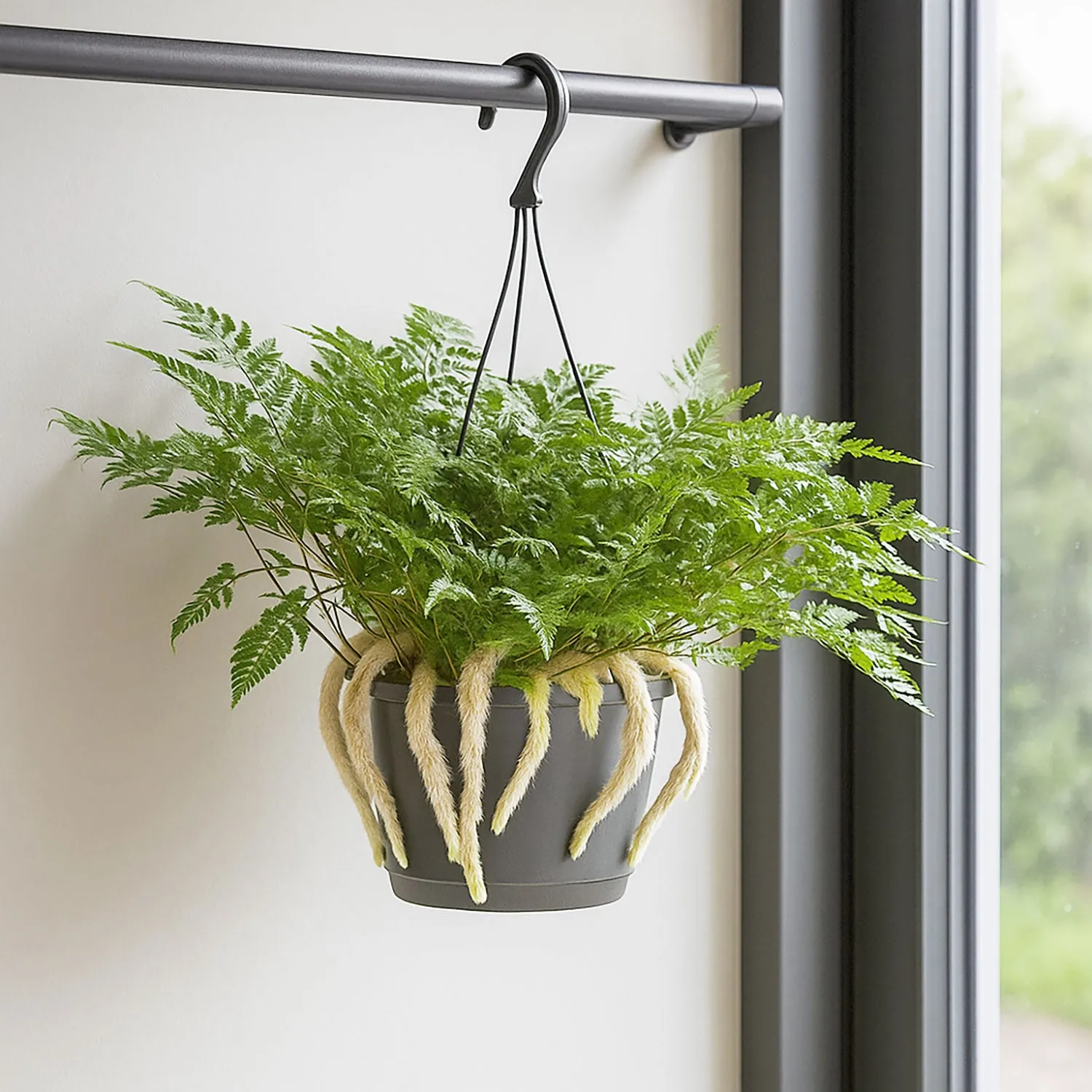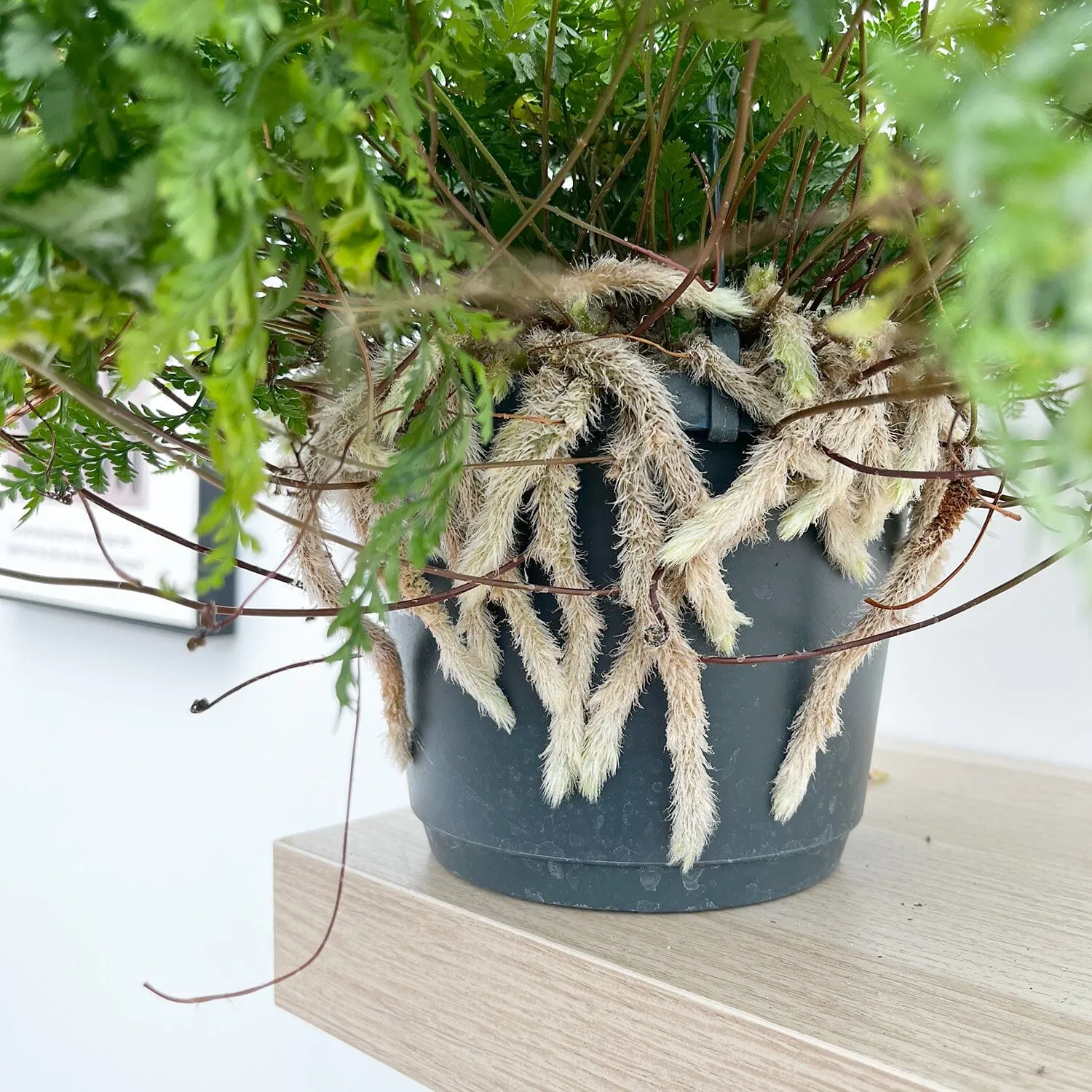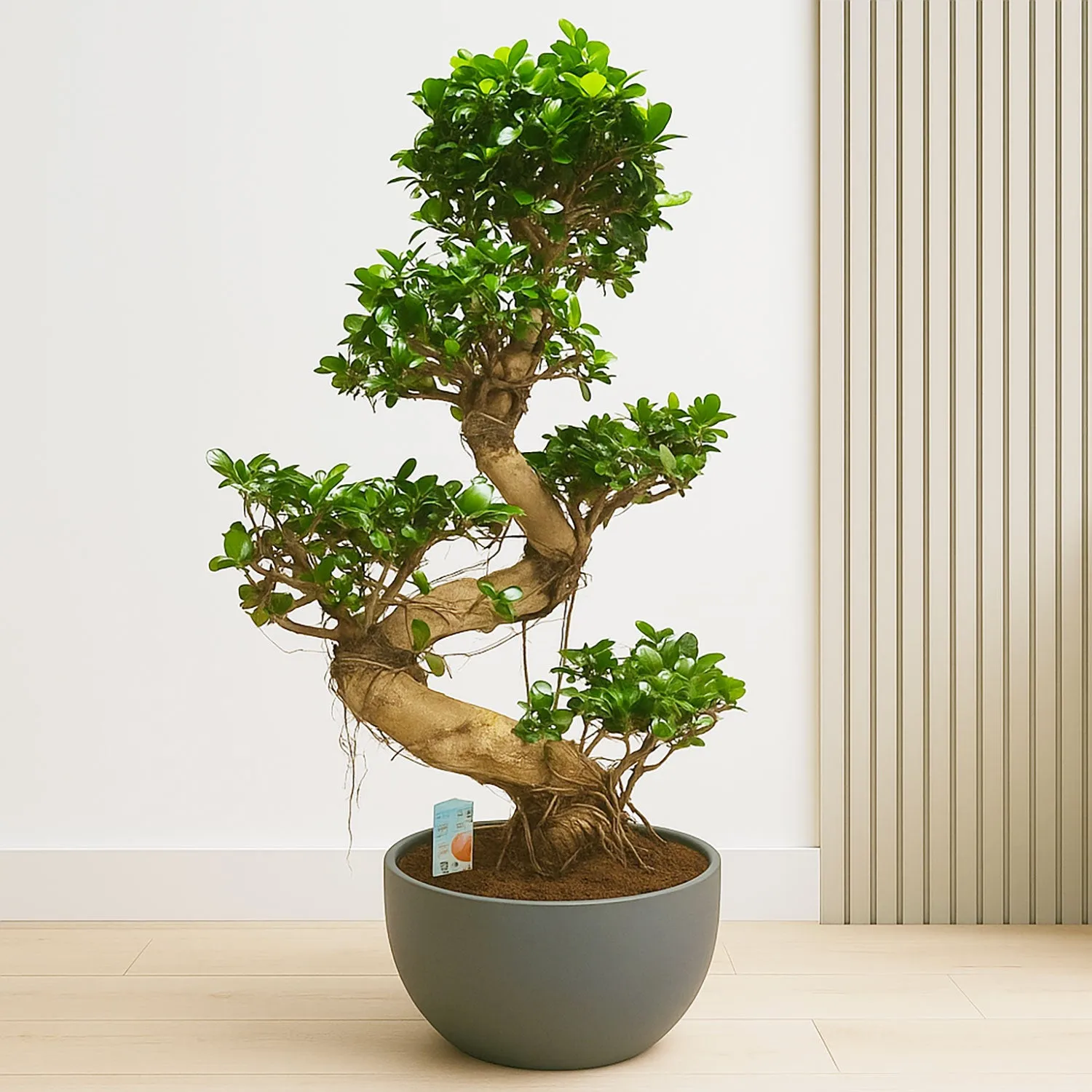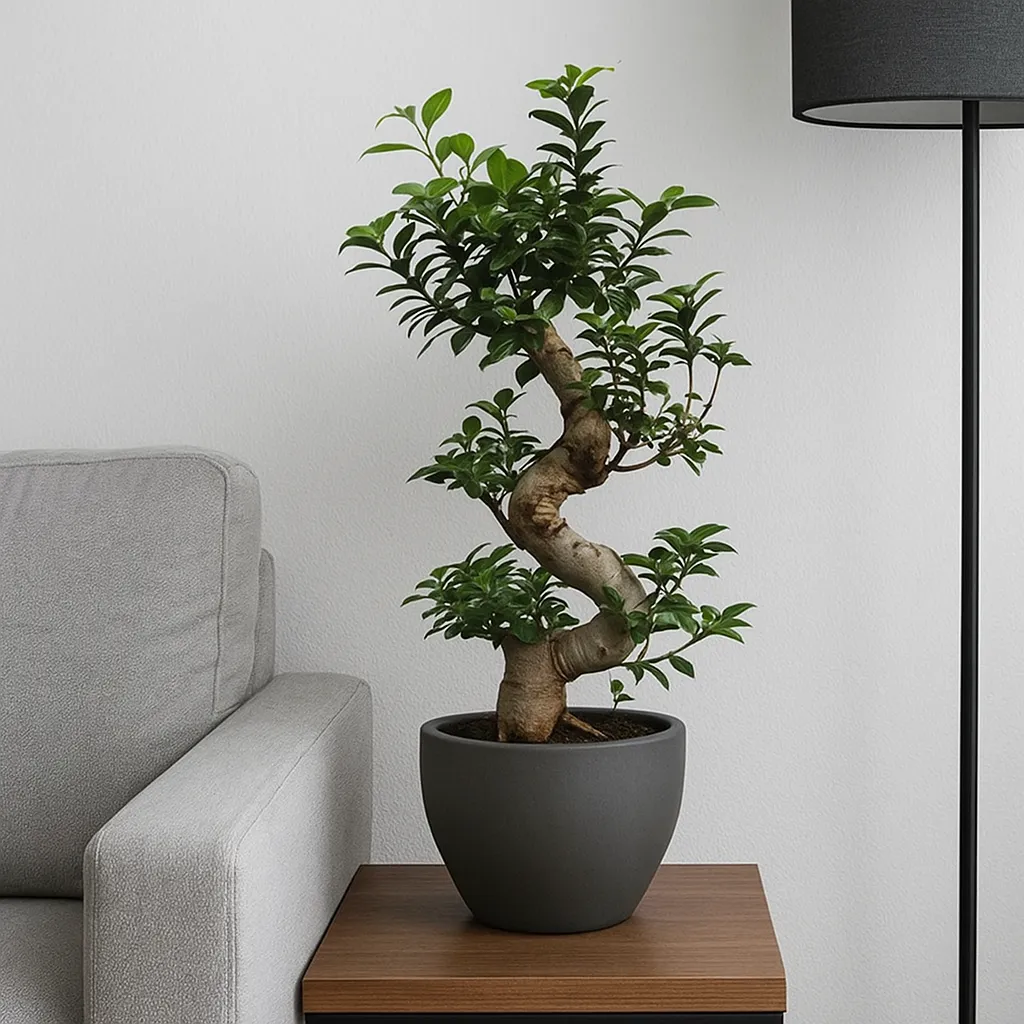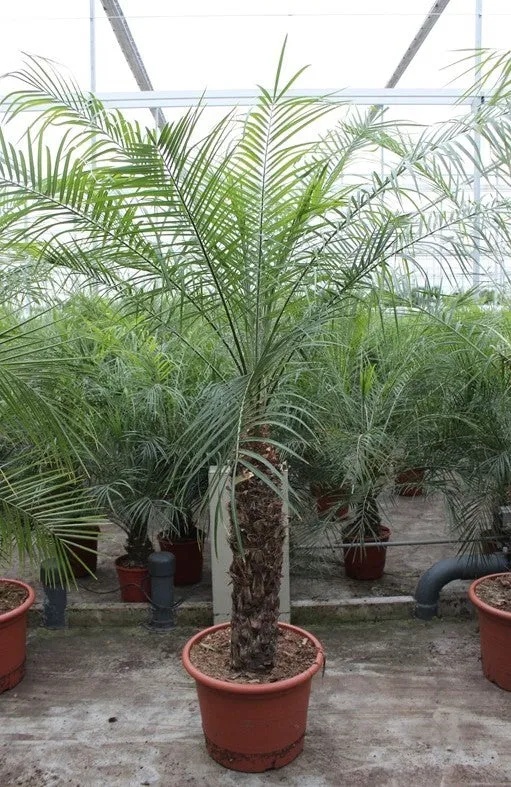
240 - 260cm XXL Phoenix Roebelinii 45cm Pot House Plant
🌴 Phoenix roebelenii — Pygmy Date Palm
Phoenix roebelenii, commonly known as the Pygmy Date Palm, is a graceful and compact palm tree prized for its feathery fronds, arching habit, and manageable size. Native to Southeast Asia, particularly Laos and Vietnam, this elegant palm has a naturally dwarf growth habit, typically reaching only 1.5 to 2.5 metres in height when grown in containers. It features a slender, textured trunk topped with a dense crown of soft, finely divided fronds that create a lush, fountain-like effect. The foliage is a rich green and slightly curved, offering a soft, tropical look that complements both interior and exterior spaces. Phoenix roebelenii is a popular choice for bright conservatories, patios, atriums, and indoor corners where vertical greenery is desired without overwhelming the space. It is slow-growing, relatively low-maintenance, and one of the most adaptable indoor palms — making it a perfect choice for homes, offices, and tropical garden schemes.
☀️ Light Requirements
-
Indoors: Prefers bright, indirect light. Tolerates some light shade but grows best near a bright window.
-
Outdoors: Thrives in dappled sun or partial shade. Avoid harsh, direct midday sun in very hot climates.
-
Low light: May result in reduced growth and sparse fronds.
🌡️ Temperature & Hardiness
-
Ideal temperature: 20–28°C (68–82°F)
-
Minimum temperature: Not frost-hardy — protect from temperatures below 8°C (46°F)
-
Hardiness rating: RHS H1b (minimum 10–15°C); suitable for outdoor placement in summer in the UK
-
Humidity: Enjoys moderate humidity but copes well with typical indoor levels. Occasional misting is beneficial.
💧 Watering Needs
-
Watering frequency: Water when the top 3–5 cm of compost is dry. Keep soil evenly moist but not soggy.
-
Tip: Water less frequently in cooler months, allowing the plant to rest.
-
Drainage: Ensure pots have drainage holes and never allow the plant to sit in standing water.
🪴 Soil & Repotting
-
Soil type: Well-draining, loamy compost. A palm mix or a blend of peat, sand, and perlite is ideal.
-
pH: Slightly acidic to neutral (6.0–7.0)
-
Repotting: Every 2–3 years or when rootbound. Use a heavy pot to support the plant’s top-heavy form.
🌱 Feeding
-
Growing season (spring–summer): Feed every 4–6 weeks with a balanced palm fertiliser or liquid feed containing micronutrients.
-
Autumn–winter: Pause feeding while the plant is semi-dormant.
✂️ Pruning & Maintenance
-
Frond care: Remove old, yellowing, or damaged fronds by cutting close to the trunk. Avoid cutting green fronds.
-
Trunk maintenance: Mature plants develop a textured, fibrous trunk that adds to their ornamental appeal.
-
Dusting: Gently wipe fronds or mist regularly to prevent dust buildup and promote healthy photosynthesis.
🌾 Propagation
-
From seed: The primary method, though slow and best left to specialist growers.
-
Division: Not applicable — this species does not naturally clump.
🐛 Pests & Problems
-
Common pests: Spider mites, scale insects, mealybugs, especially in dry or indoor air.
-
Symptoms: Yellowing fronds, webbing, sticky residue on leaves.
-
Treatment: Increase humidity, wipe leaves clean, and treat with neem oil or insecticidal soap if needed.
-
Common issues:
-
Brown leaf tips: Often caused by low humidity or inconsistent watering.
-
Slow growth or sparse foliage: Usually due to low light or poor nutrition.
-
🧤 Toxicity & Safety
-
Toxicity: Non-toxic to humans and pets.
-
Caution: The leaflets are soft, but the base of mature fronds may have small spines — take care when pruning.
🏡 Indoor & Outdoor Care Highlights
-
A refined, compact palm ideal for bright rooms, conservatories, hallways, and sheltered patios.
-
Perfect for Mediterranean, tropical, or modern garden styles.
-
Adds a soft, flowing texture to interiors without overwhelming the space.
-
Works beautifully in combination with bold foliage plants like Monstera, Ficus lyrata, and Calatheas.
-
Low-maintenance and highly rewarding with proper care.
Product Information
Product Information
Shipping & Returns
Shipping & Returns
Description
🌴 Phoenix roebelenii — Pygmy Date Palm
Phoenix roebelenii, commonly known as the Pygmy Date Palm, is a graceful and compact palm tree prized for its feathery fronds, arching habit, and manageable size. Native to Southeast Asia, particularly Laos and Vietnam, this elegant palm has a naturally dwarf growth habit, typically reaching only 1.5 to 2.5 metres in height when grown in containers. It features a slender, textured trunk topped with a dense crown of soft, finely divided fronds that create a lush, fountain-like effect. The foliage is a rich green and slightly curved, offering a soft, tropical look that complements both interior and exterior spaces. Phoenix roebelenii is a popular choice for bright conservatories, patios, atriums, and indoor corners where vertical greenery is desired without overwhelming the space. It is slow-growing, relatively low-maintenance, and one of the most adaptable indoor palms — making it a perfect choice for homes, offices, and tropical garden schemes.
☀️ Light Requirements
-
Indoors: Prefers bright, indirect light. Tolerates some light shade but grows best near a bright window.
-
Outdoors: Thrives in dappled sun or partial shade. Avoid harsh, direct midday sun in very hot climates.
-
Low light: May result in reduced growth and sparse fronds.
🌡️ Temperature & Hardiness
-
Ideal temperature: 20–28°C (68–82°F)
-
Minimum temperature: Not frost-hardy — protect from temperatures below 8°C (46°F)
-
Hardiness rating: RHS H1b (minimum 10–15°C); suitable for outdoor placement in summer in the UK
-
Humidity: Enjoys moderate humidity but copes well with typical indoor levels. Occasional misting is beneficial.
💧 Watering Needs
-
Watering frequency: Water when the top 3–5 cm of compost is dry. Keep soil evenly moist but not soggy.
-
Tip: Water less frequently in cooler months, allowing the plant to rest.
-
Drainage: Ensure pots have drainage holes and never allow the plant to sit in standing water.
🪴 Soil & Repotting
-
Soil type: Well-draining, loamy compost. A palm mix or a blend of peat, sand, and perlite is ideal.
-
pH: Slightly acidic to neutral (6.0–7.0)
-
Repotting: Every 2–3 years or when rootbound. Use a heavy pot to support the plant’s top-heavy form.
🌱 Feeding
-
Growing season (spring–summer): Feed every 4–6 weeks with a balanced palm fertiliser or liquid feed containing micronutrients.
-
Autumn–winter: Pause feeding while the plant is semi-dormant.
✂️ Pruning & Maintenance
-
Frond care: Remove old, yellowing, or damaged fronds by cutting close to the trunk. Avoid cutting green fronds.
-
Trunk maintenance: Mature plants develop a textured, fibrous trunk that adds to their ornamental appeal.
-
Dusting: Gently wipe fronds or mist regularly to prevent dust buildup and promote healthy photosynthesis.
🌾 Propagation
-
From seed: The primary method, though slow and best left to specialist growers.
-
Division: Not applicable — this species does not naturally clump.
🐛 Pests & Problems
-
Common pests: Spider mites, scale insects, mealybugs, especially in dry or indoor air.
-
Symptoms: Yellowing fronds, webbing, sticky residue on leaves.
-
Treatment: Increase humidity, wipe leaves clean, and treat with neem oil or insecticidal soap if needed.
-
Common issues:
-
Brown leaf tips: Often caused by low humidity or inconsistent watering.
-
Slow growth or sparse foliage: Usually due to low light or poor nutrition.
-
🧤 Toxicity & Safety
-
Toxicity: Non-toxic to humans and pets.
-
Caution: The leaflets are soft, but the base of mature fronds may have small spines — take care when pruning.
🏡 Indoor & Outdoor Care Highlights
-
A refined, compact palm ideal for bright rooms, conservatories, hallways, and sheltered patios.
-
Perfect for Mediterranean, tropical, or modern garden styles.
-
Adds a soft, flowing texture to interiors without overwhelming the space.
-
Works beautifully in combination with bold foliage plants like Monstera, Ficus lyrata, and Calatheas.
-
Low-maintenance and highly rewarding with proper care.