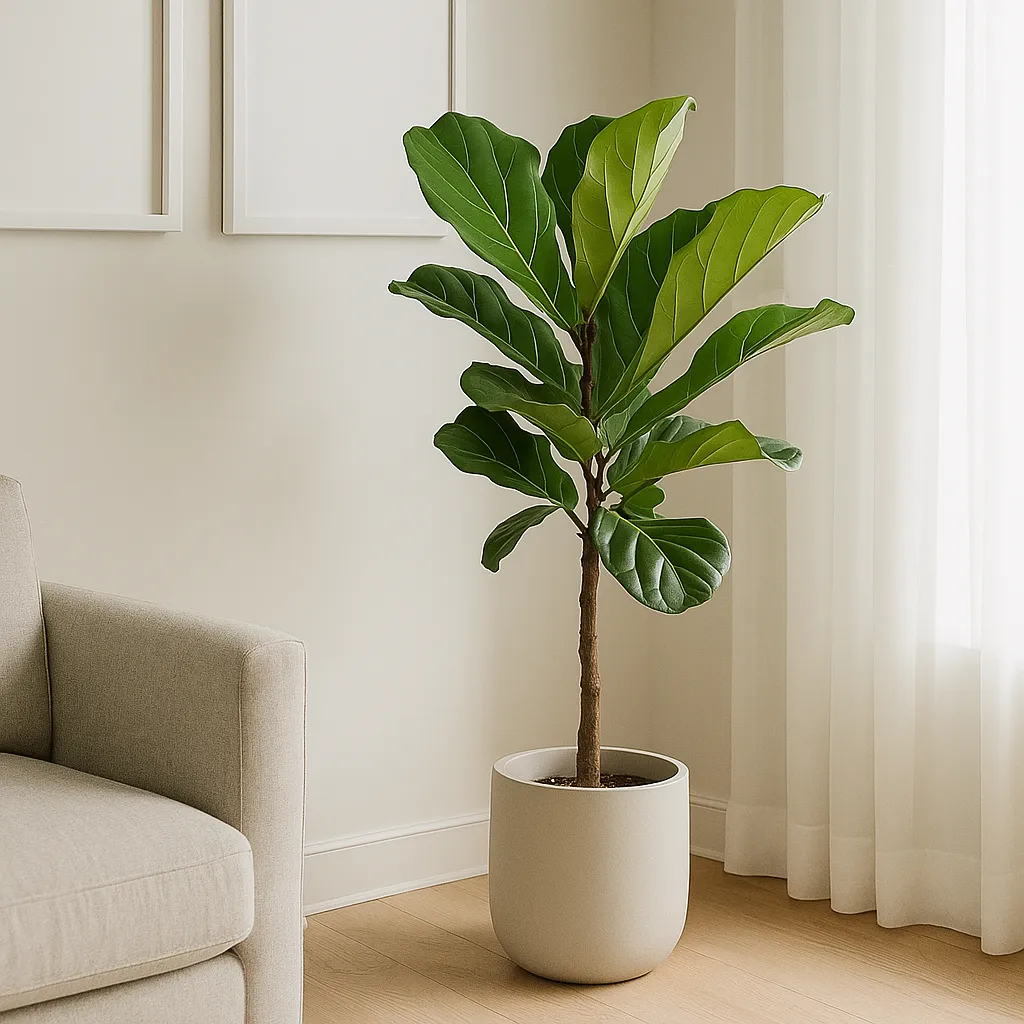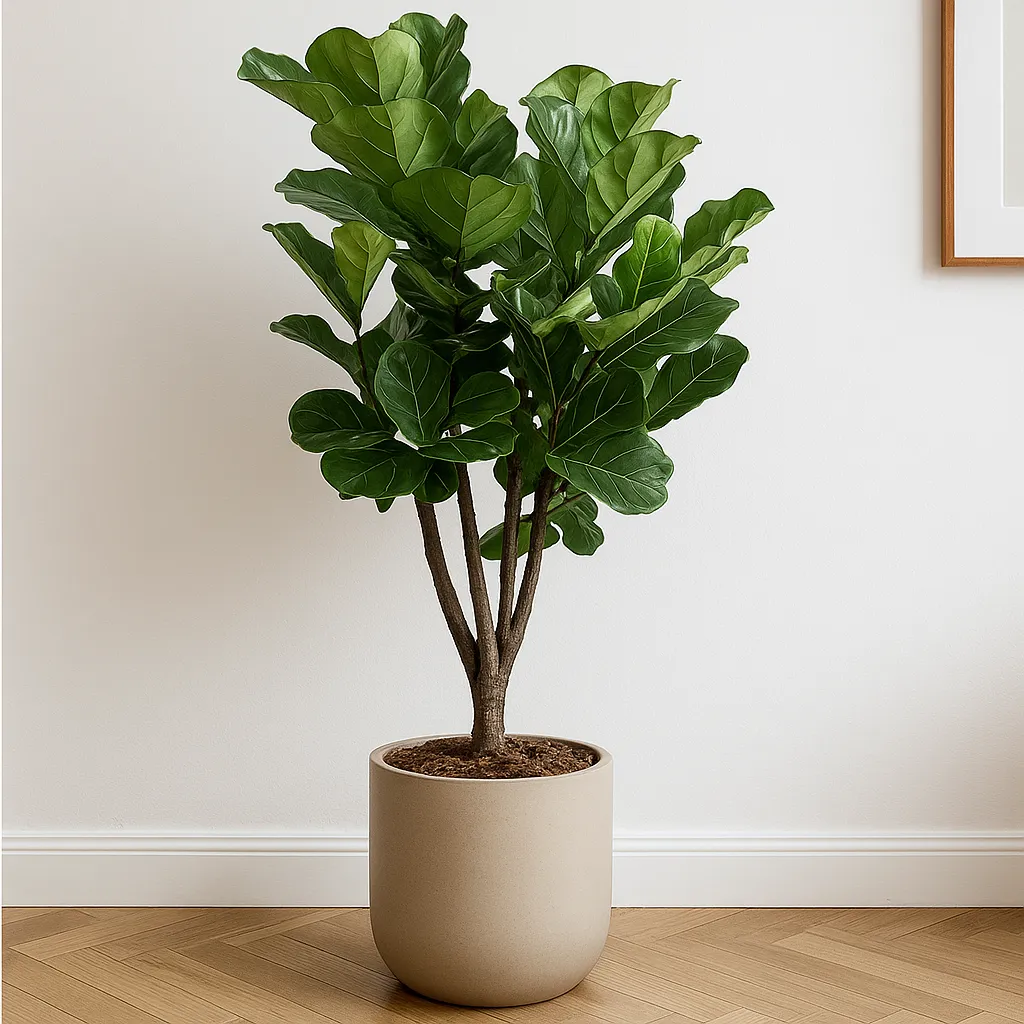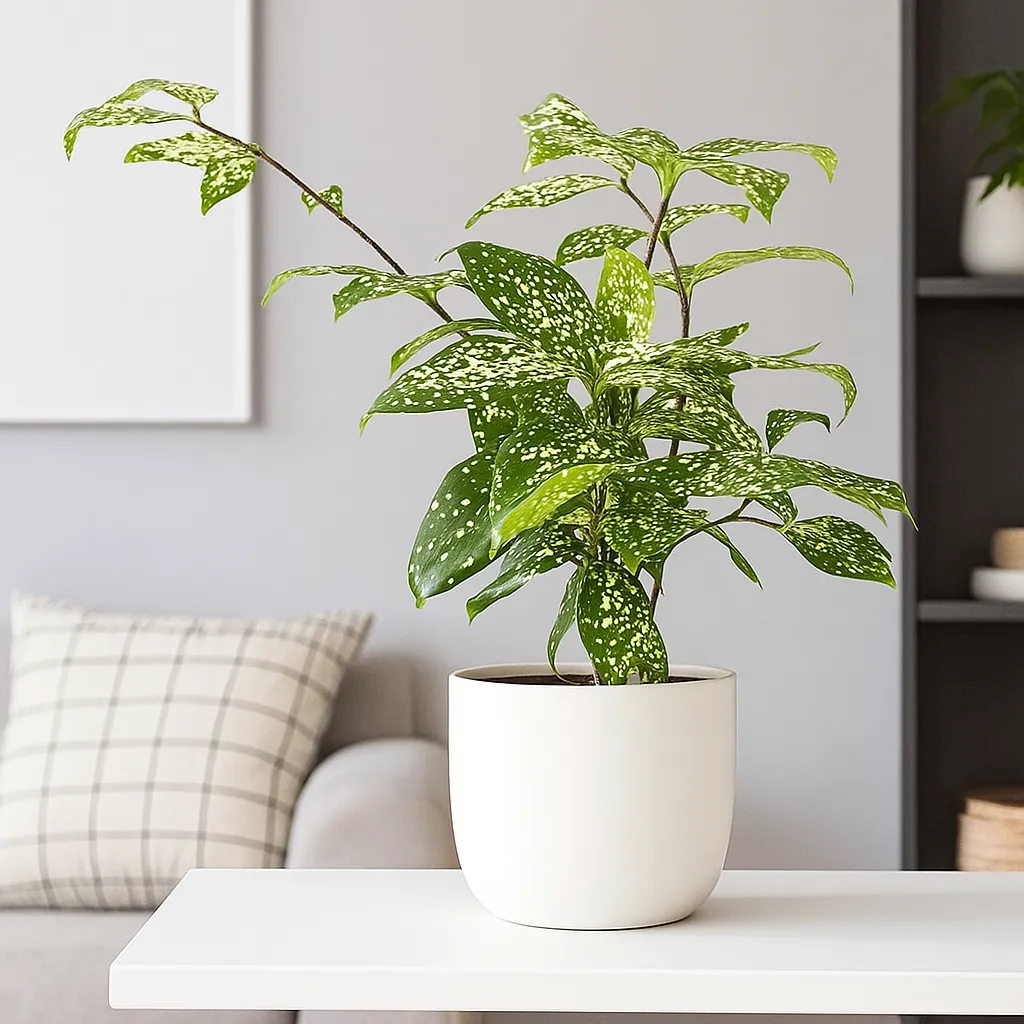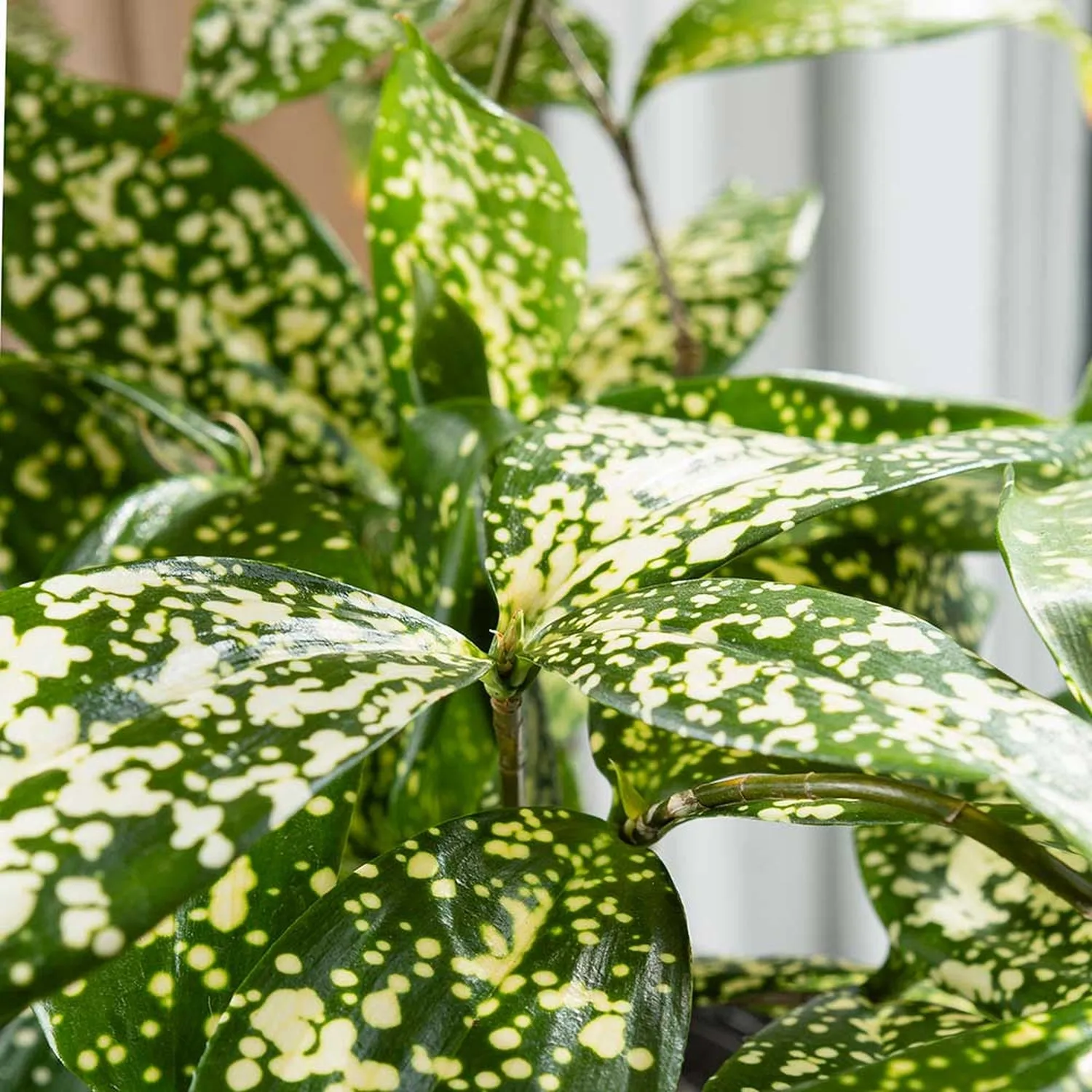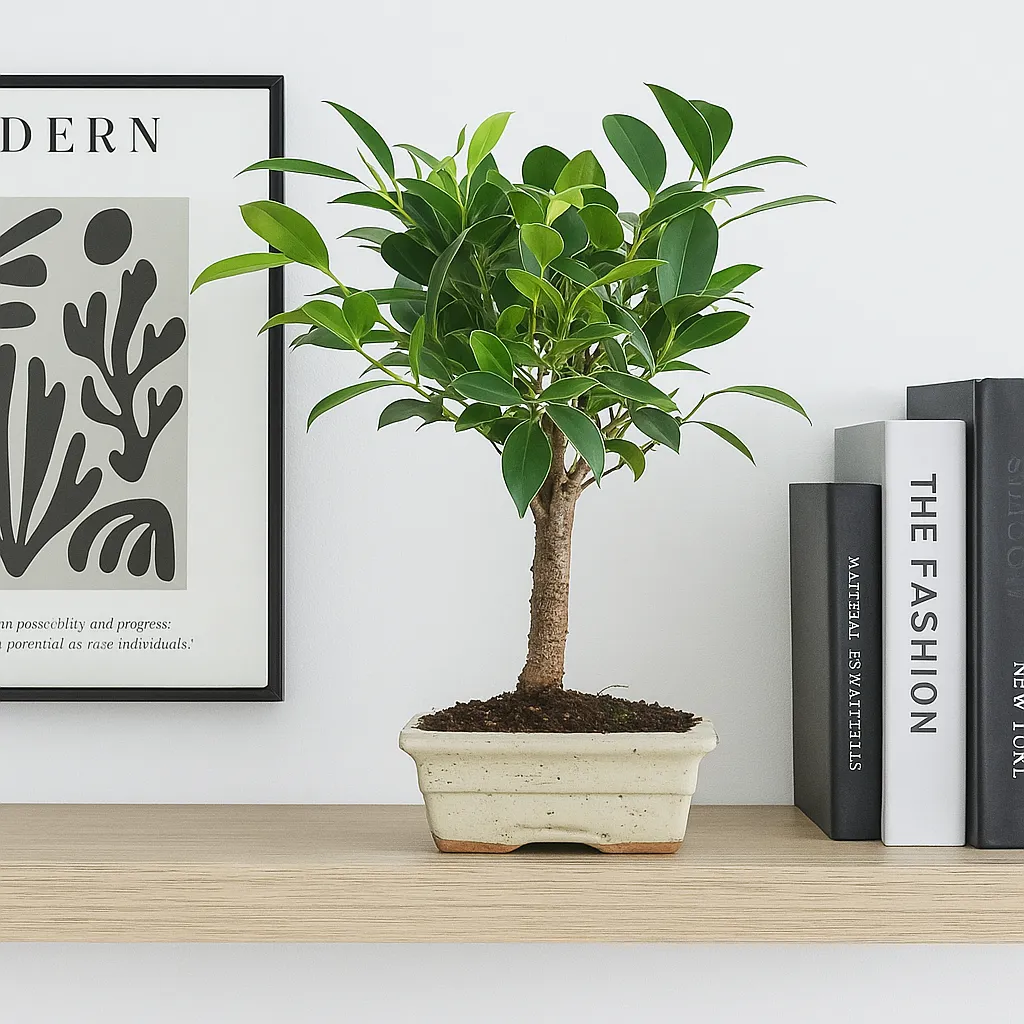

25 - 35cm Ficus Microcarpa Retusa Bonsai Tree in pot 15cm Ceramic Pot House Plant
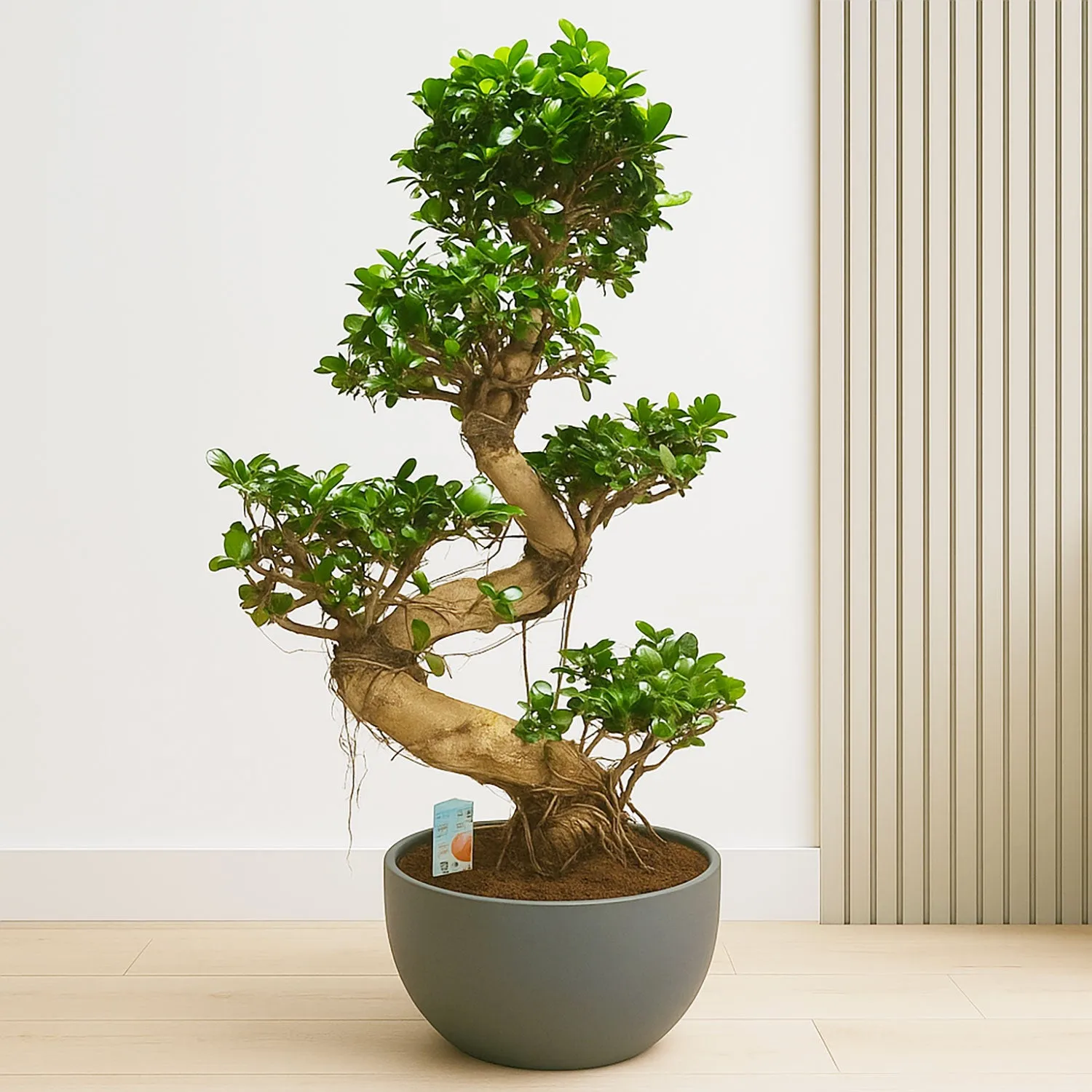
Ficus microcarpa var. retusa, commonly known as Retusa Fig, Banyan Fig, or Indian Laurel Fig, is one of the most popular species for bonsai cultivation. Native to Southeast Asia, this tropical evergreen belongs to the Moraceae family and is especially admired for its smooth, grey bark and distinctive trunk shapes.
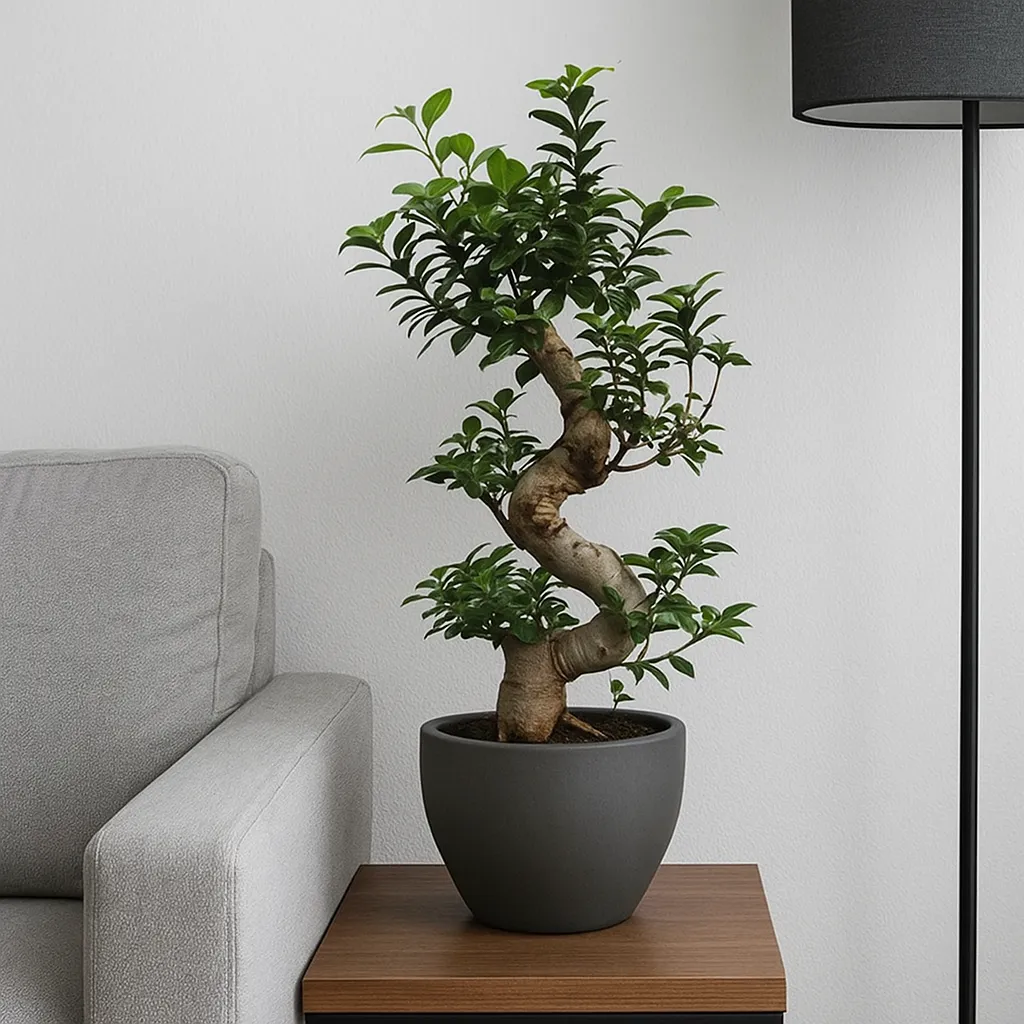
The Retusa variety is characterised by its thick, bulbous roots and S-shaped trunk, often displayed prominently in bonsai training. Its glossy, oval leaves are small and neat, making them easy to miniaturise and perfectly suited to bonsai aesthetics. Over time, aerial roots may also form, adding character and a natural banyan-tree effect.
As a bonsai, Ficus retusa is highly adaptable, forgiving of minor care mistakes, and easy to style into a variety of traditional forms such as informal upright, root-over-rock, or banyan style. With proper care, it creates a living sculpture that can last for decades.
Ficus microcarpa ‘Retusa’ Bonsai – Care Guide
Light
Thrives in bright, indirect light. Outdoors in summer, it enjoys dappled sunlight, but protect from harsh midday rays. Indoors, place near a bright south- or west-facing window.
Watering
Water thoroughly when the top 2–3 cm of soil is dry. Ensure free drainage and never allow the plant to sit in standing water. More frequent watering is needed in summer, while in winter it requires less but should not dry out completely.
Temperature and Humidity
-
Temperature: Prefers 18–28°C. It is a tropical species and should not be exposed to temperatures below 12–15°C.
-
Humidity: Benefits from moderate to high humidity. Misting occasionally or placing near a humidity tray helps in centrally heated rooms.
Soil and Potting
Use a free-draining bonsai soil mix, ideally akadama with added pumice and lava rock. Repot every 2–3 years in spring to refresh the soil and prune roots.
Feeding
Feed every 2–3 weeks during spring and summer with a balanced bonsai fertiliser. Reduce to monthly in autumn and stop in winter.
Pruning and Training
-
Pruning: Regularly pinch back new shoots to maintain a compact shape. Larger branches can be pruned in spring.
-
Wiring: Responds well to wiring and shaping, but monitor closely as wires can mark the smooth bark quickly.
-
Defoliation: Partial defoliation in summer encourages smaller leaves and denser branching.
Growth and Maturity
A vigorous grower, allowing rapid refinement and shaping. Over time, it develops a characterful trunk and attractive aerial roots.
Common Issues
-
Leaf drop: Often stress-related, caused by overwatering, sudden moves, or temperature changes.
-
Yellow leaves: Usually from too much water.
-
Pests: May attract scale, mealybugs, or spider mites indoors.
Background and Benefits
The Retusa Fig is one of the most popular bonsai species worldwide thanks to its resilience, beauty, and versatility. It symbolises strength, wisdom, and longevity in many cultures. Unlike outdoor bonsai like maples, Ficus retusa can be grown year-round indoors, making it perfect for beginners and enthusiasts alike.
✅ Quick Care Summary
-
Light: Bright, indirect indoors; partial sun outdoors in summer
-
Water: Keep evenly moist; reduce in winter
-
Temperature: 18–28°C; avoid below 12°C
-
Humidity: Moderate to high; mist occasionally
-
Soil: Free-draining bonsai soil mix
-
Feed: Every 2–3 weeks in spring/summer
-
Growth: Indoor tropical bonsai; glossy oval leaves, bulbous roots, and S-shaped trunk
Original: $32.98
-70%$32.98
$9.89Product Information
Product Information
Shipping & Returns
Shipping & Returns
Description
Ficus microcarpa var. retusa, commonly known as Retusa Fig, Banyan Fig, or Indian Laurel Fig, is one of the most popular species for bonsai cultivation. Native to Southeast Asia, this tropical evergreen belongs to the Moraceae family and is especially admired for its smooth, grey bark and distinctive trunk shapes.
The Retusa variety is characterised by its thick, bulbous roots and S-shaped trunk, often displayed prominently in bonsai training. Its glossy, oval leaves are small and neat, making them easy to miniaturise and perfectly suited to bonsai aesthetics. Over time, aerial roots may also form, adding character and a natural banyan-tree effect.
As a bonsai, Ficus retusa is highly adaptable, forgiving of minor care mistakes, and easy to style into a variety of traditional forms such as informal upright, root-over-rock, or banyan style. With proper care, it creates a living sculpture that can last for decades.
Ficus microcarpa ‘Retusa’ Bonsai – Care Guide
Light
Thrives in bright, indirect light. Outdoors in summer, it enjoys dappled sunlight, but protect from harsh midday rays. Indoors, place near a bright south- or west-facing window.
Watering
Water thoroughly when the top 2–3 cm of soil is dry. Ensure free drainage and never allow the plant to sit in standing water. More frequent watering is needed in summer, while in winter it requires less but should not dry out completely.
Temperature and Humidity
-
Temperature: Prefers 18–28°C. It is a tropical species and should not be exposed to temperatures below 12–15°C.
-
Humidity: Benefits from moderate to high humidity. Misting occasionally or placing near a humidity tray helps in centrally heated rooms.
Soil and Potting
Use a free-draining bonsai soil mix, ideally akadama with added pumice and lava rock. Repot every 2–3 years in spring to refresh the soil and prune roots.
Feeding
Feed every 2–3 weeks during spring and summer with a balanced bonsai fertiliser. Reduce to monthly in autumn and stop in winter.
Pruning and Training
-
Pruning: Regularly pinch back new shoots to maintain a compact shape. Larger branches can be pruned in spring.
-
Wiring: Responds well to wiring and shaping, but monitor closely as wires can mark the smooth bark quickly.
-
Defoliation: Partial defoliation in summer encourages smaller leaves and denser branching.
Growth and Maturity
A vigorous grower, allowing rapid refinement and shaping. Over time, it develops a characterful trunk and attractive aerial roots.
Common Issues
-
Leaf drop: Often stress-related, caused by overwatering, sudden moves, or temperature changes.
-
Yellow leaves: Usually from too much water.
-
Pests: May attract scale, mealybugs, or spider mites indoors.
Background and Benefits
The Retusa Fig is one of the most popular bonsai species worldwide thanks to its resilience, beauty, and versatility. It symbolises strength, wisdom, and longevity in many cultures. Unlike outdoor bonsai like maples, Ficus retusa can be grown year-round indoors, making it perfect for beginners and enthusiasts alike.
✅ Quick Care Summary
-
Light: Bright, indirect indoors; partial sun outdoors in summer
-
Water: Keep evenly moist; reduce in winter
-
Temperature: 18–28°C; avoid below 12°C
-
Humidity: Moderate to high; mist occasionally
-
Soil: Free-draining bonsai soil mix
-
Feed: Every 2–3 weeks in spring/summer
-
Growth: Indoor tropical bonsai; glossy oval leaves, bulbous roots, and S-shaped trunk