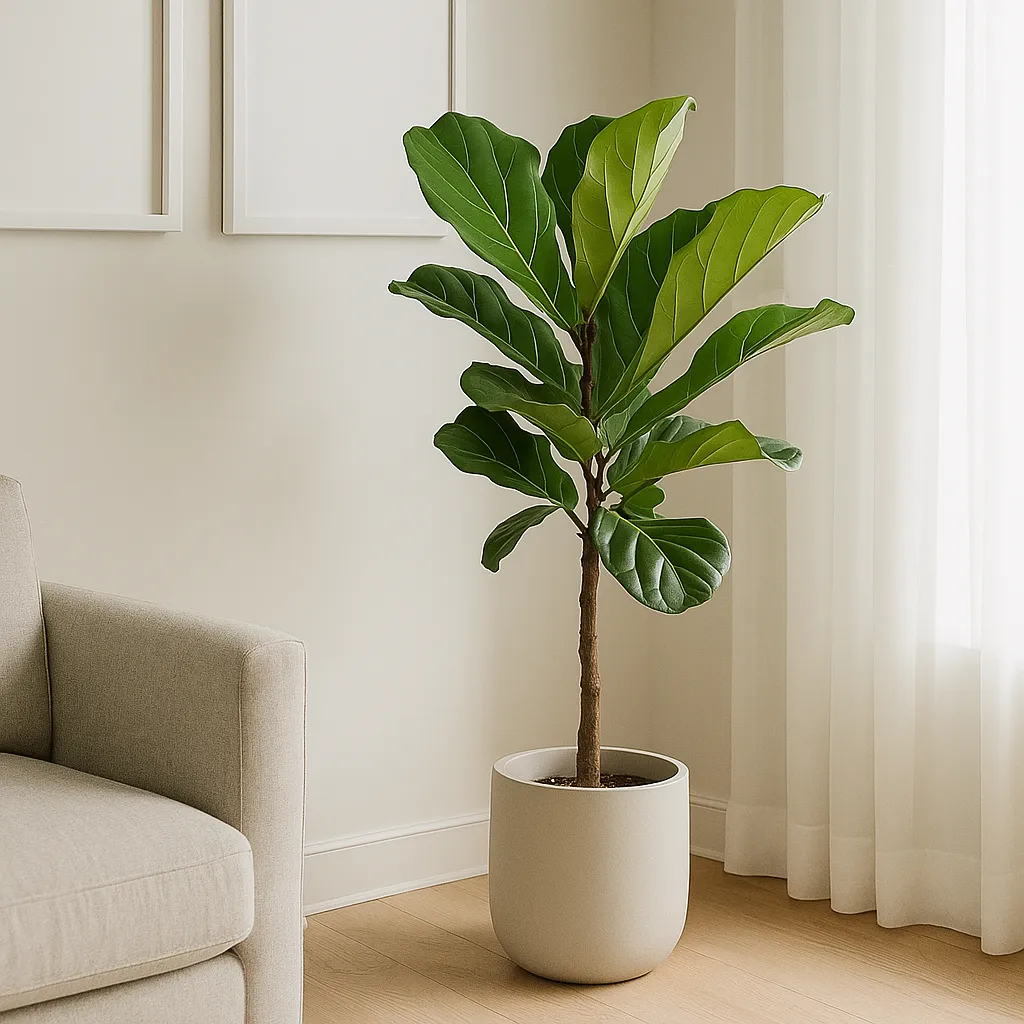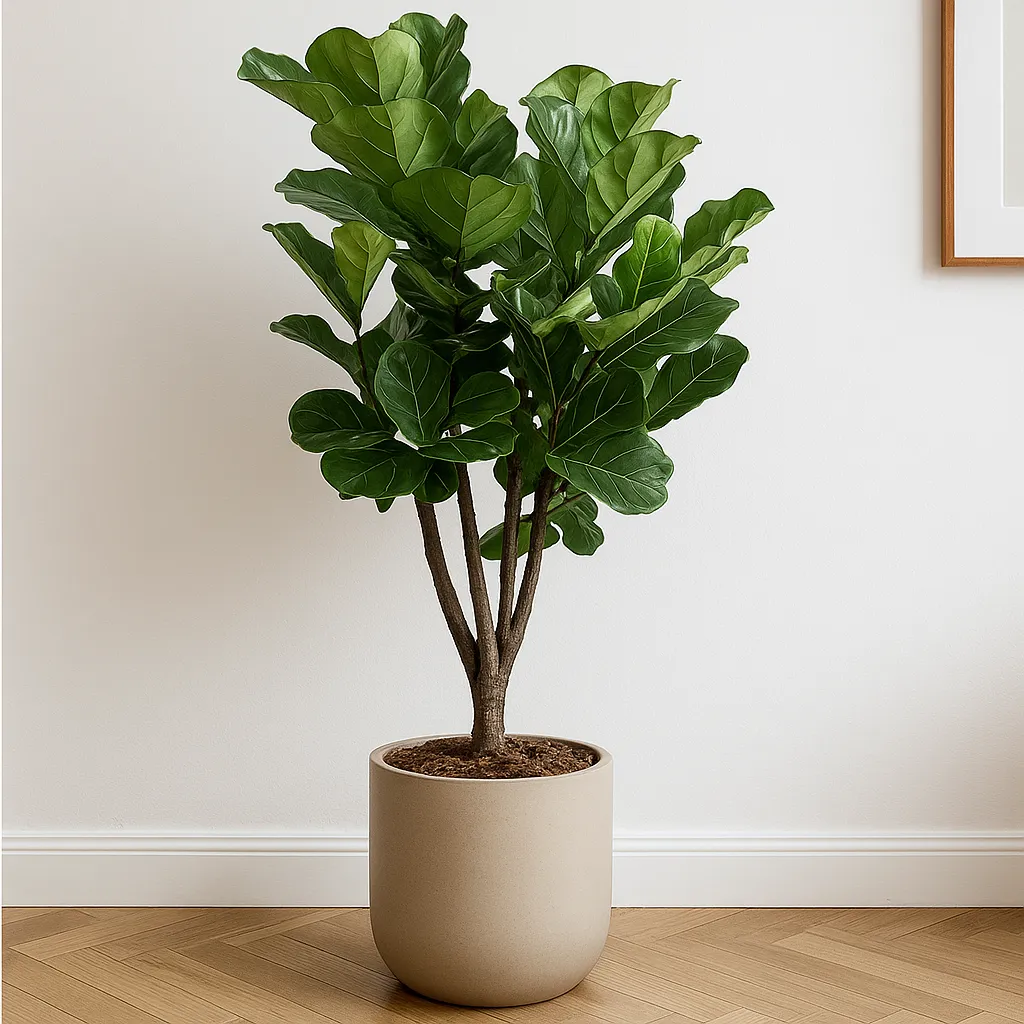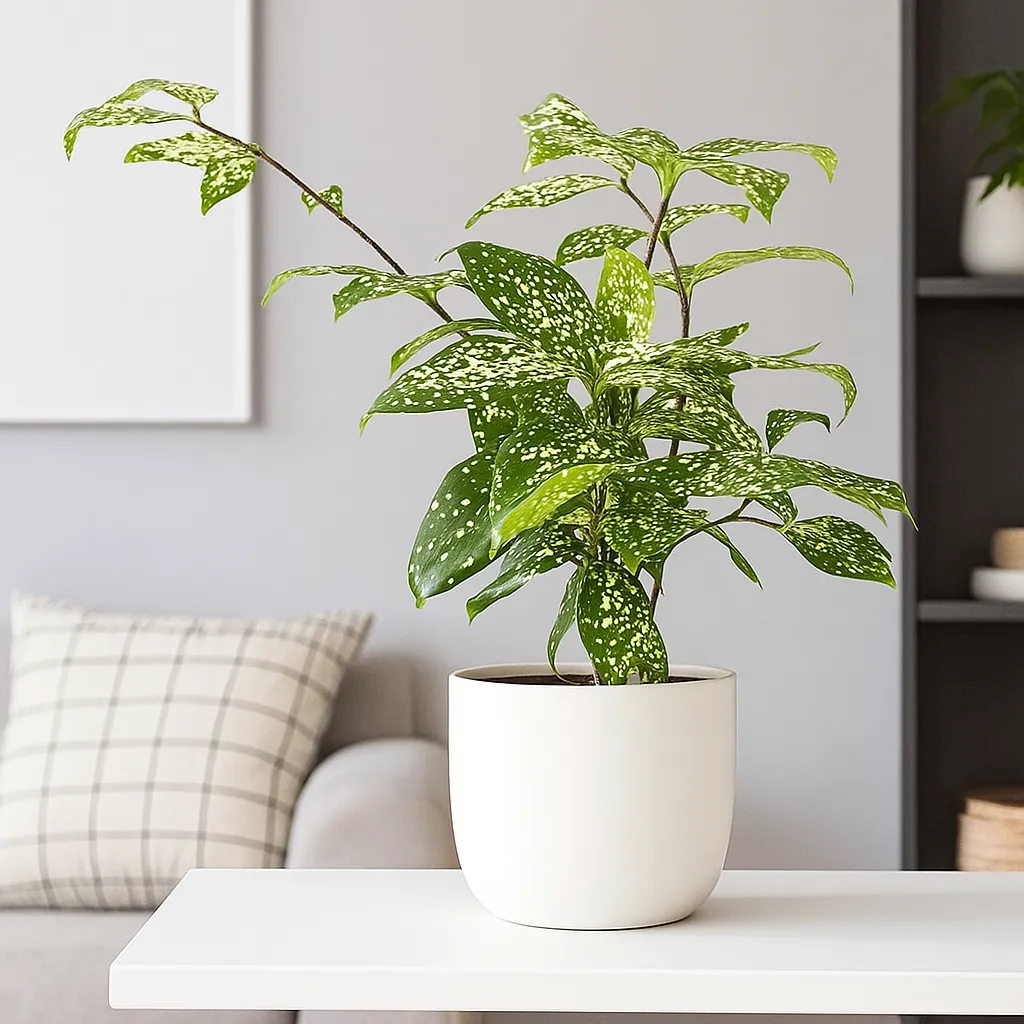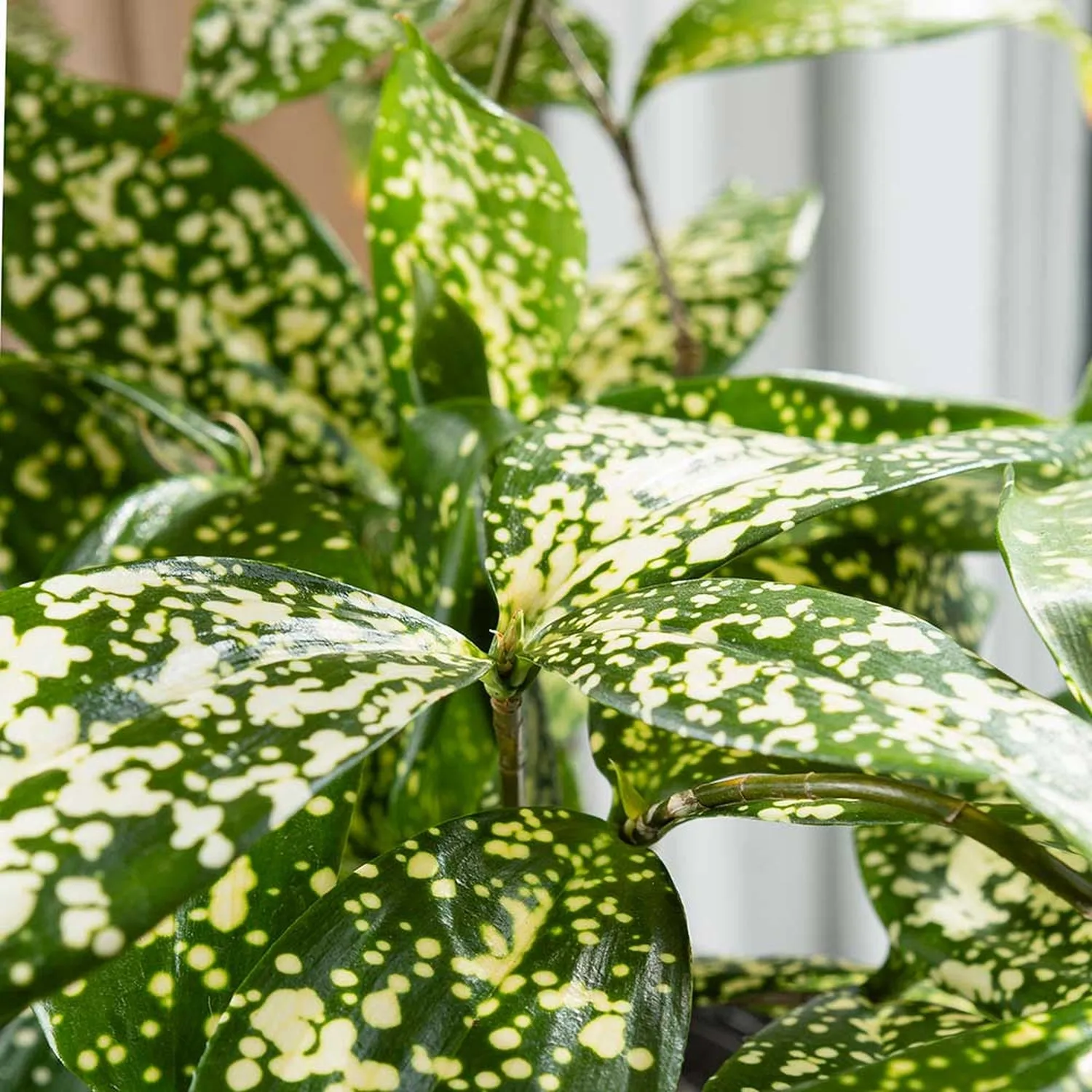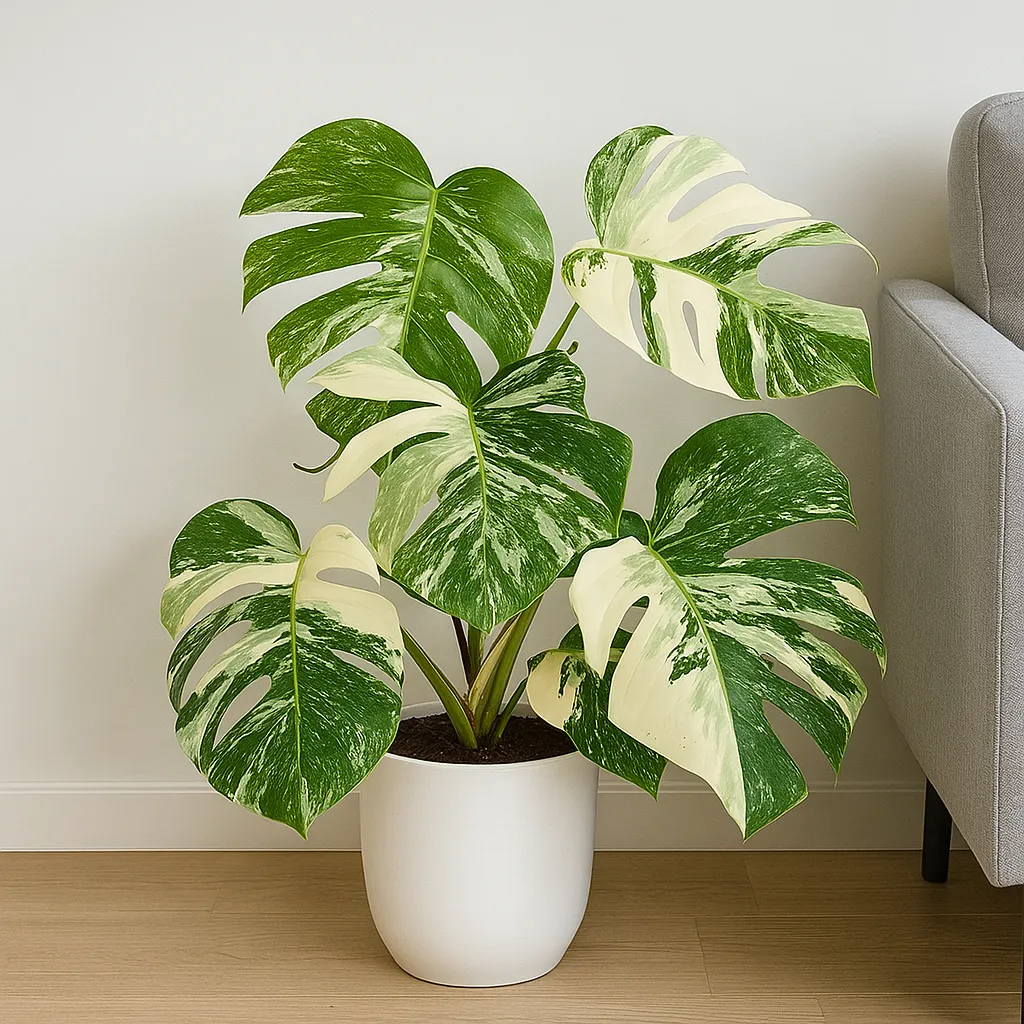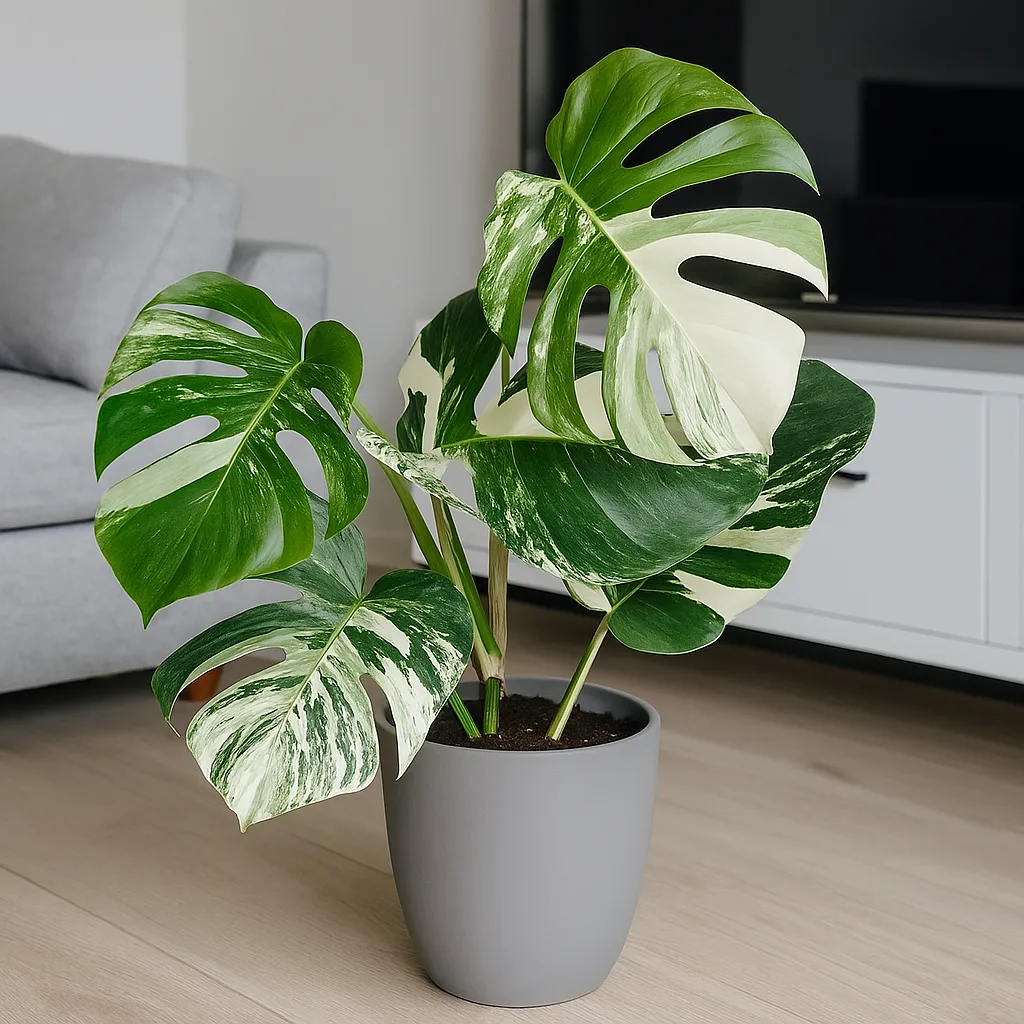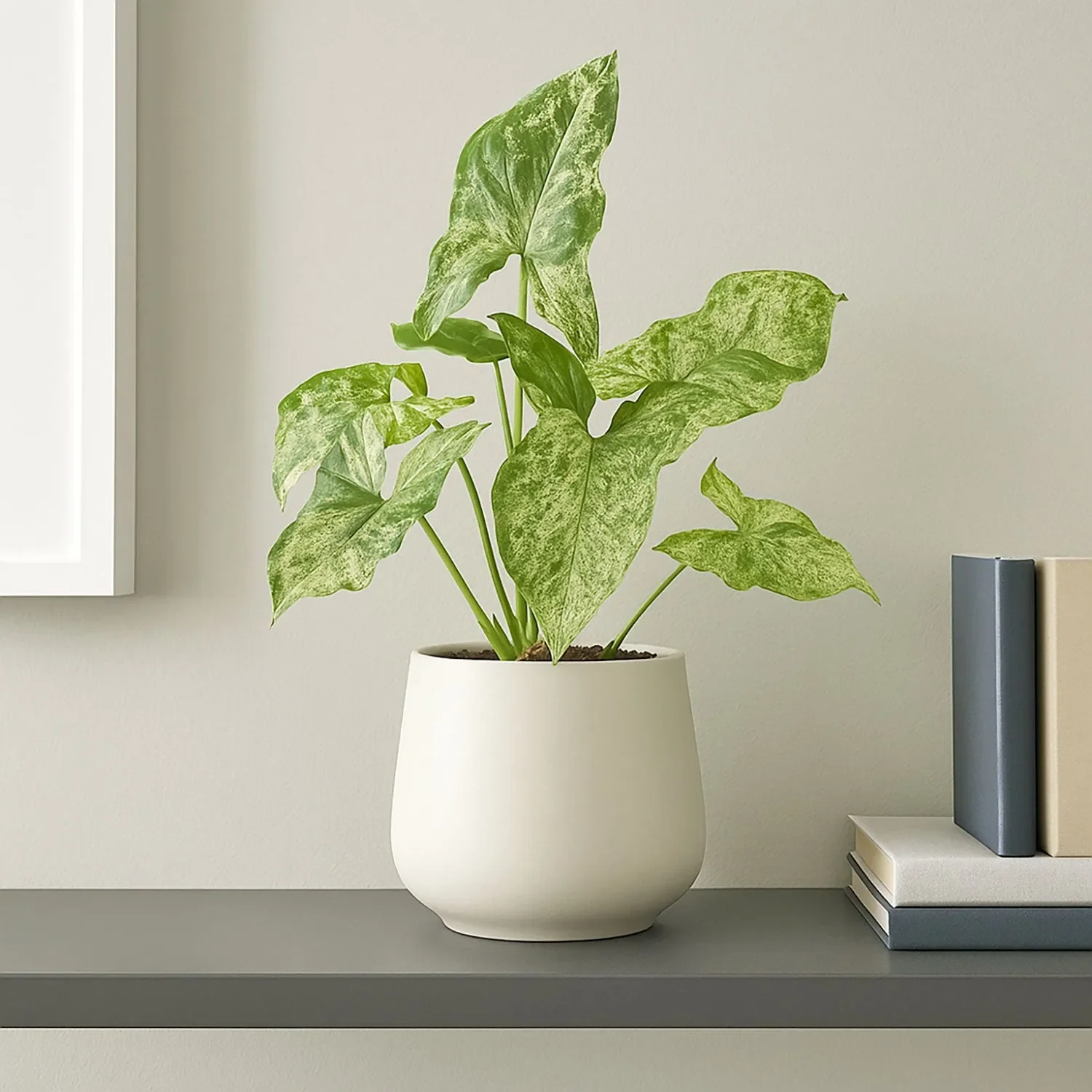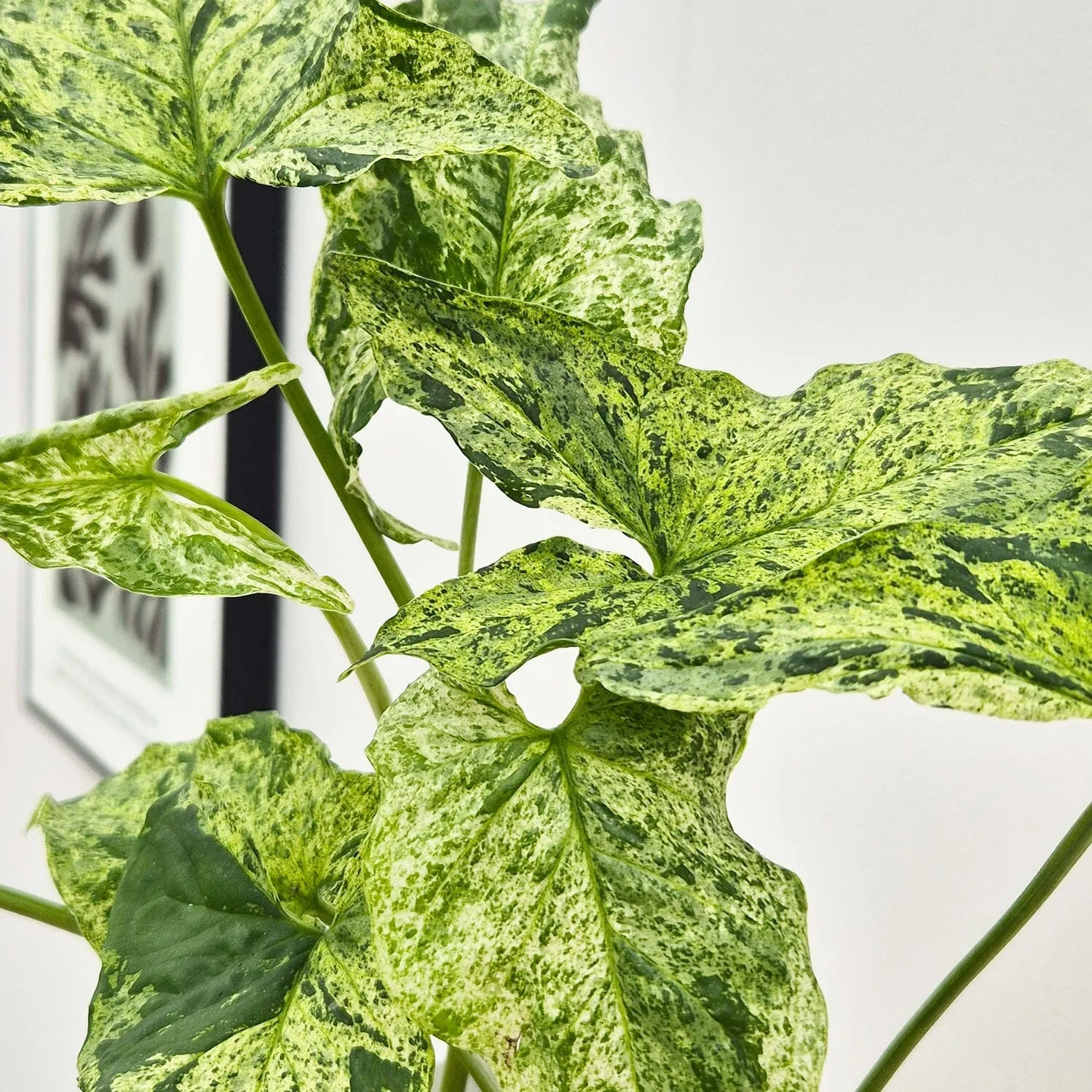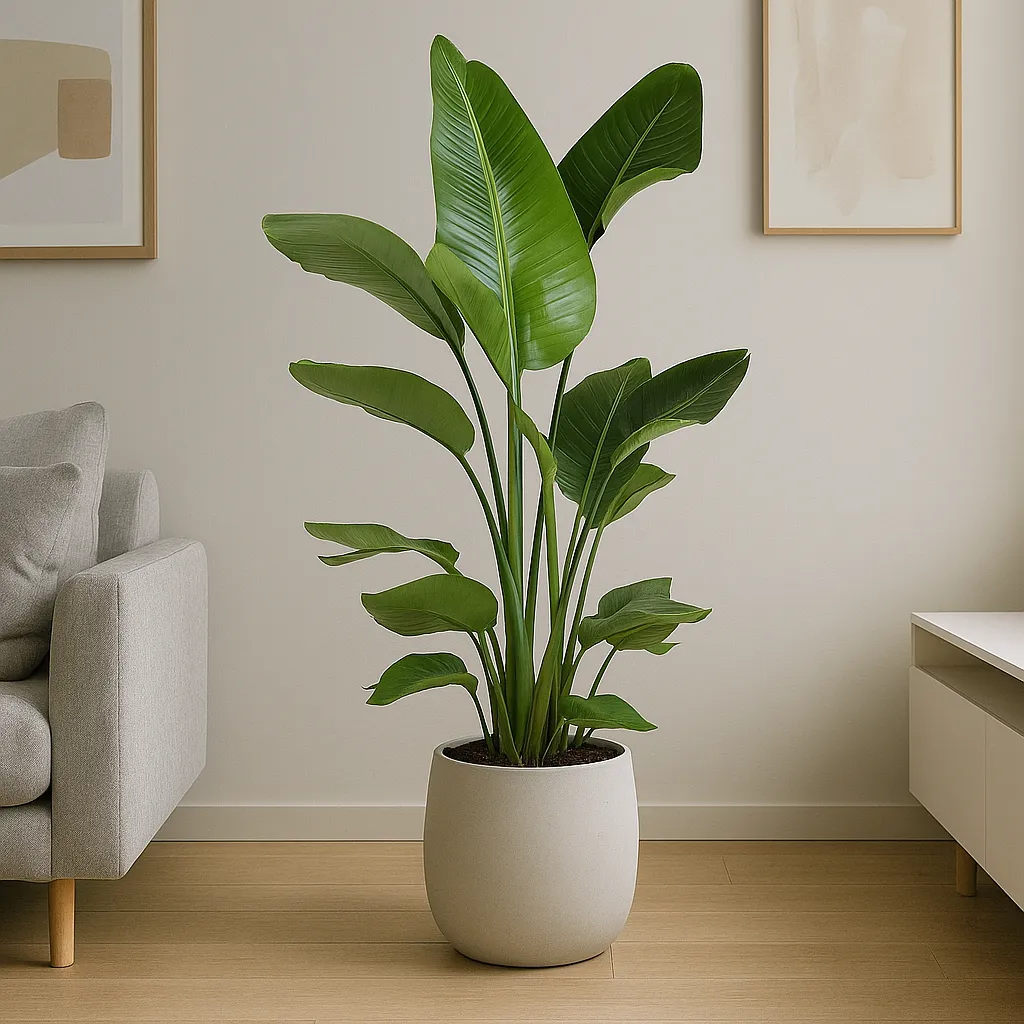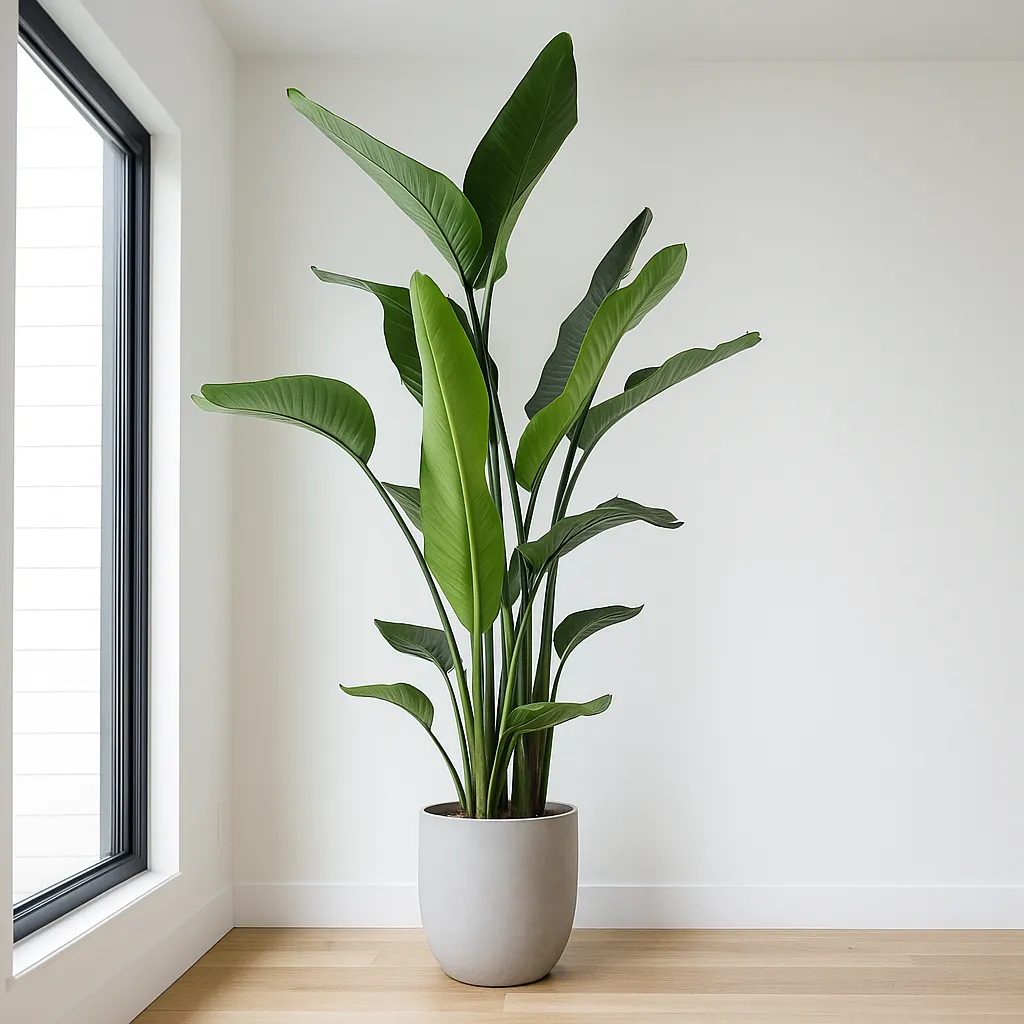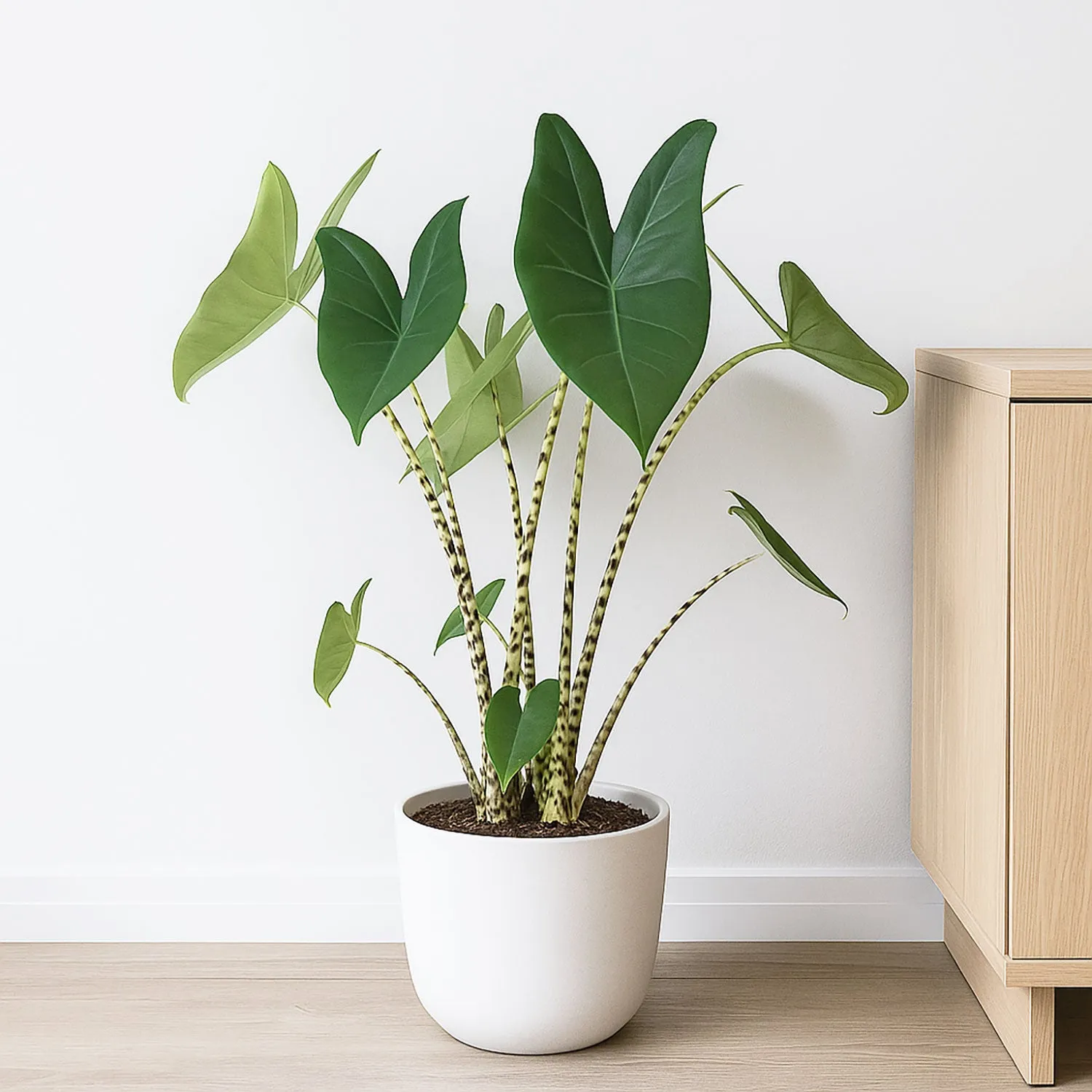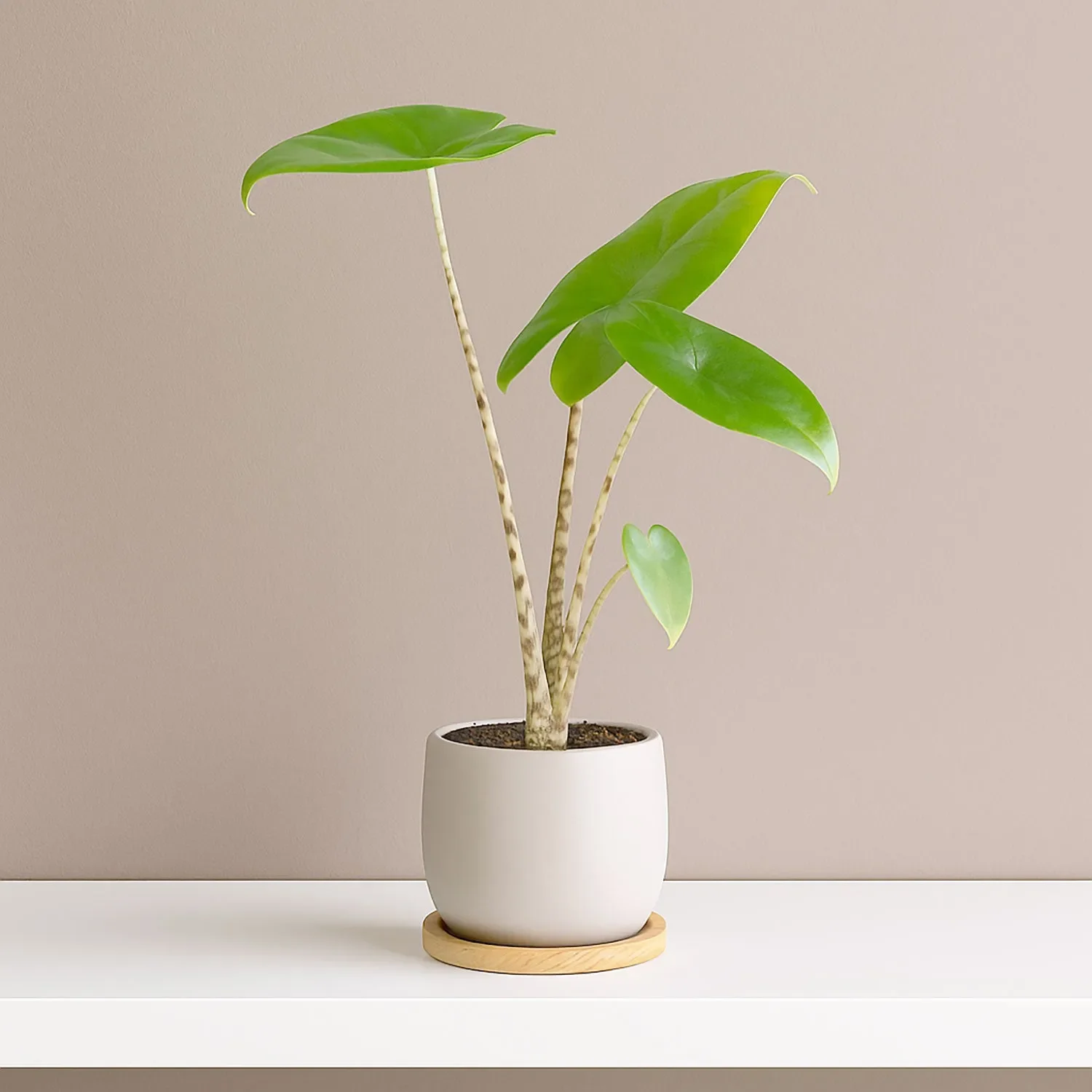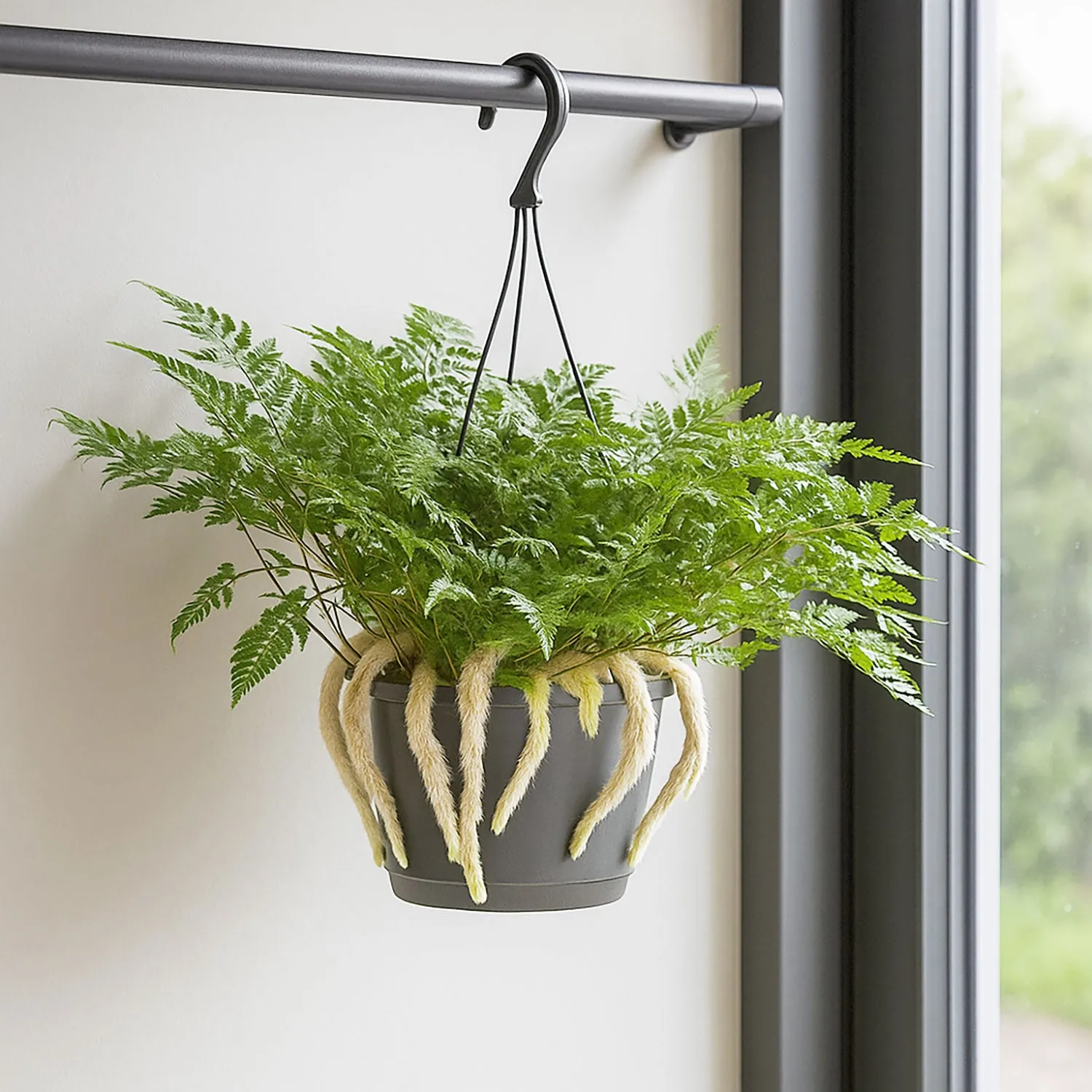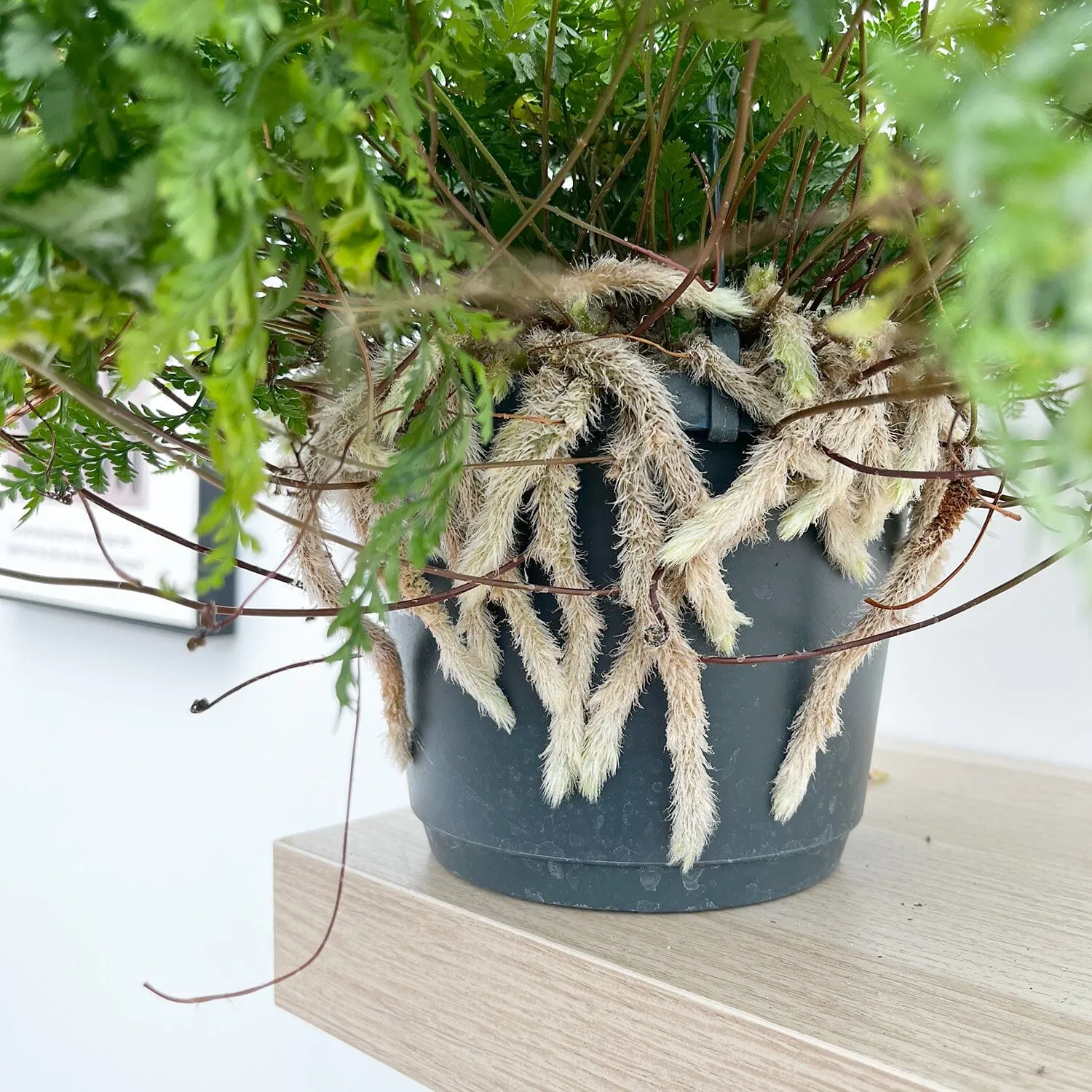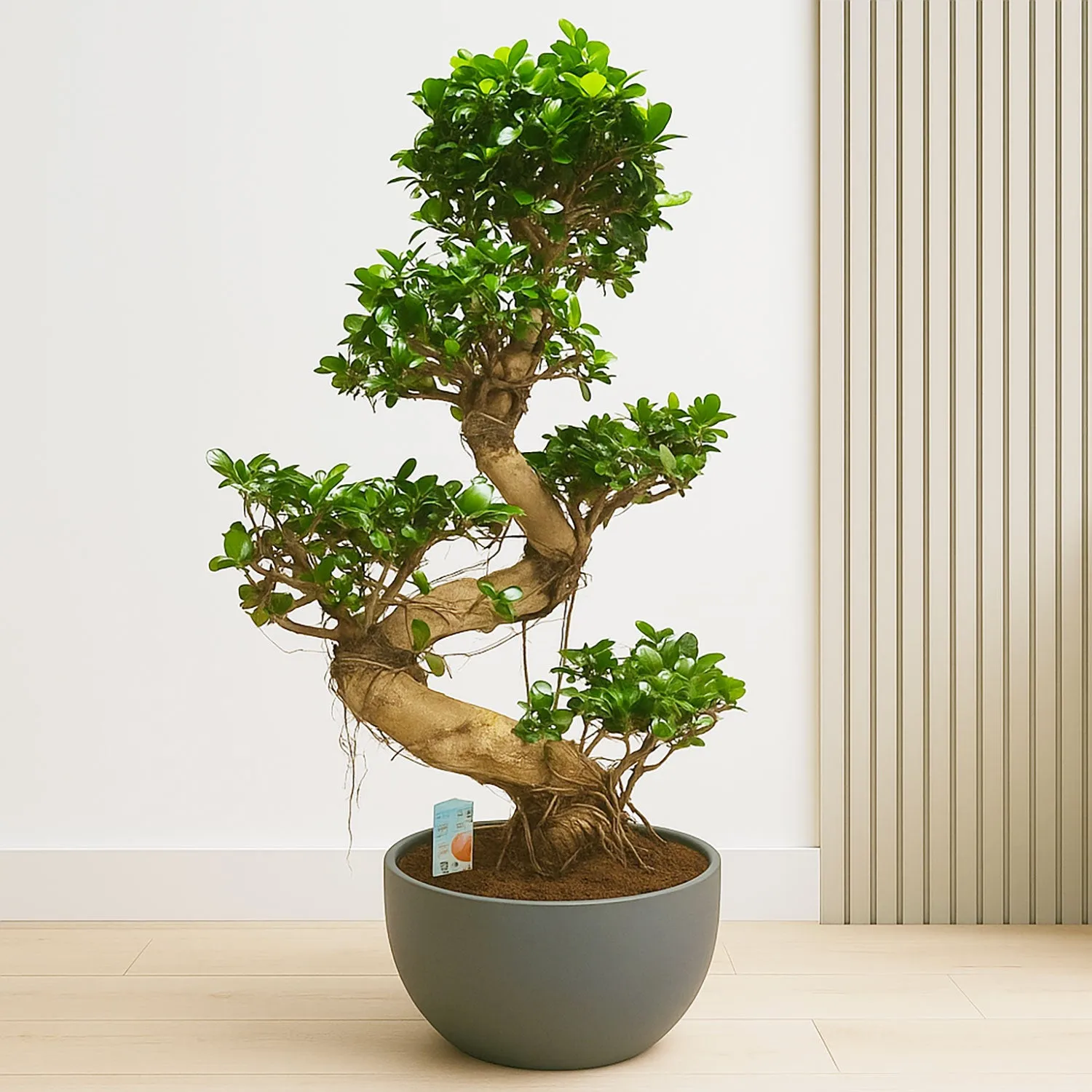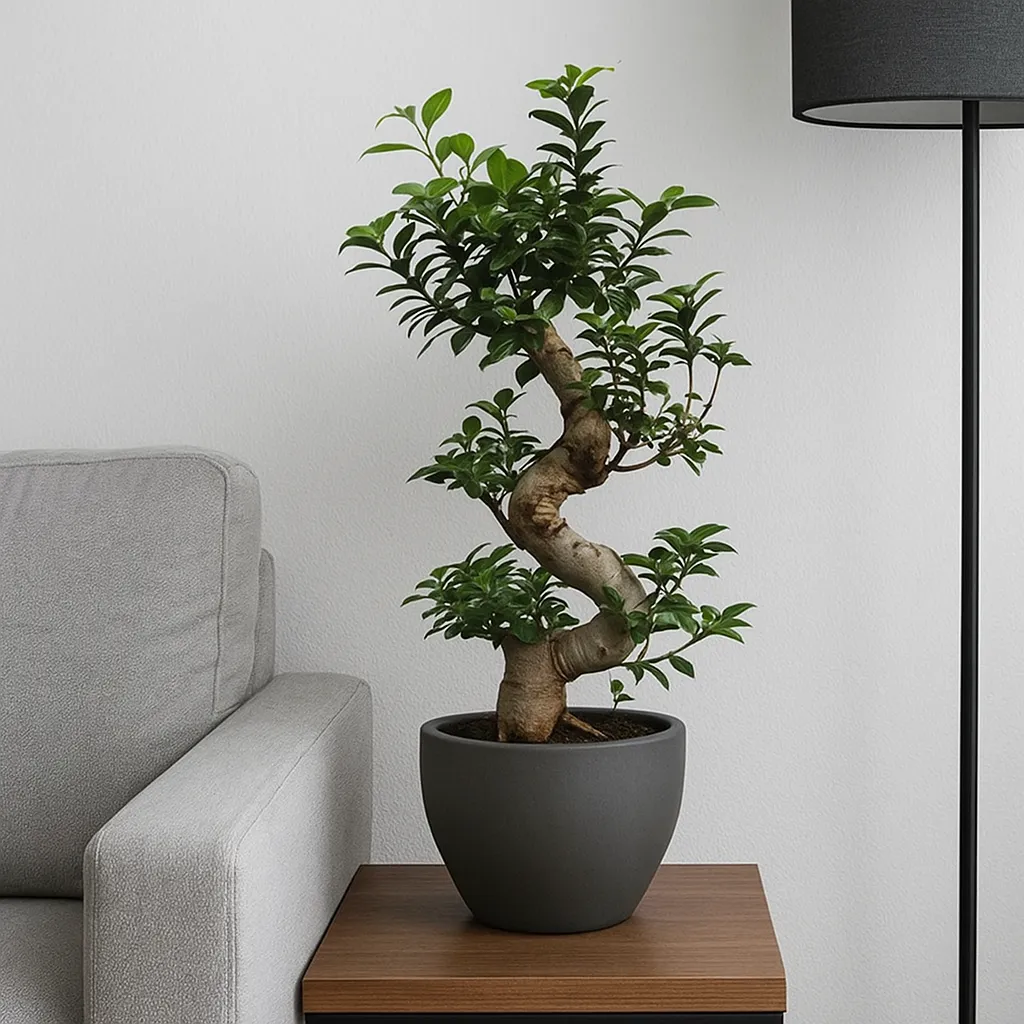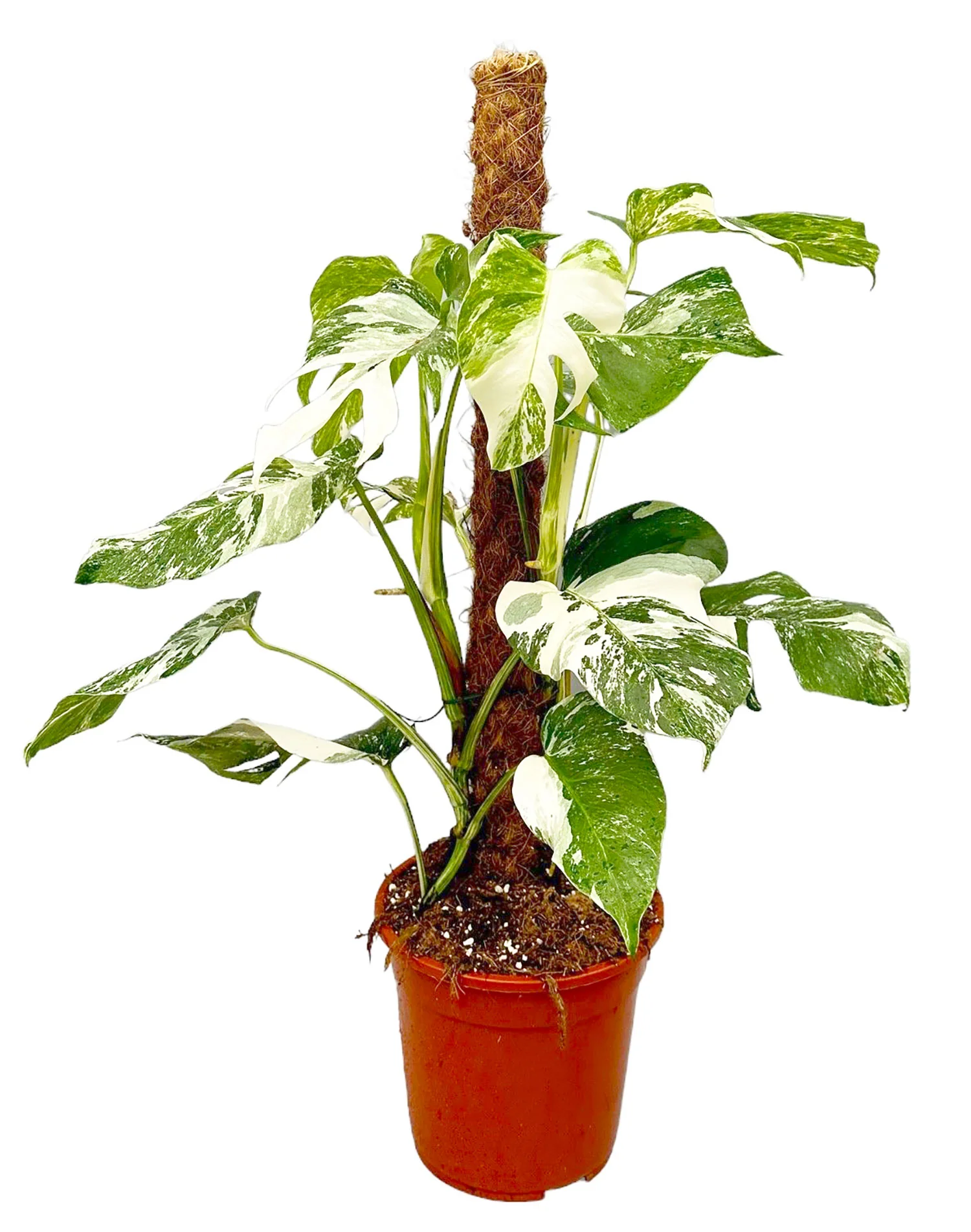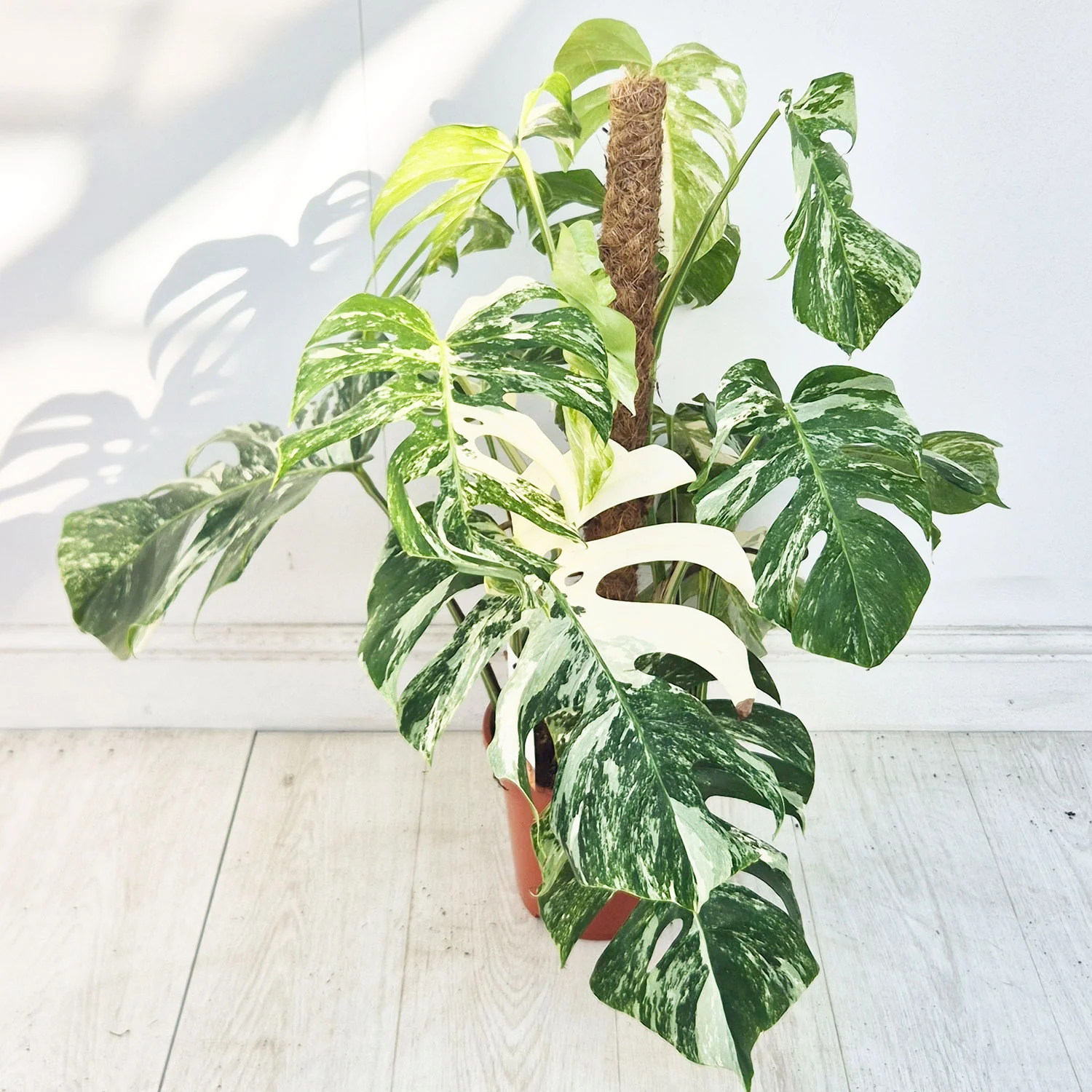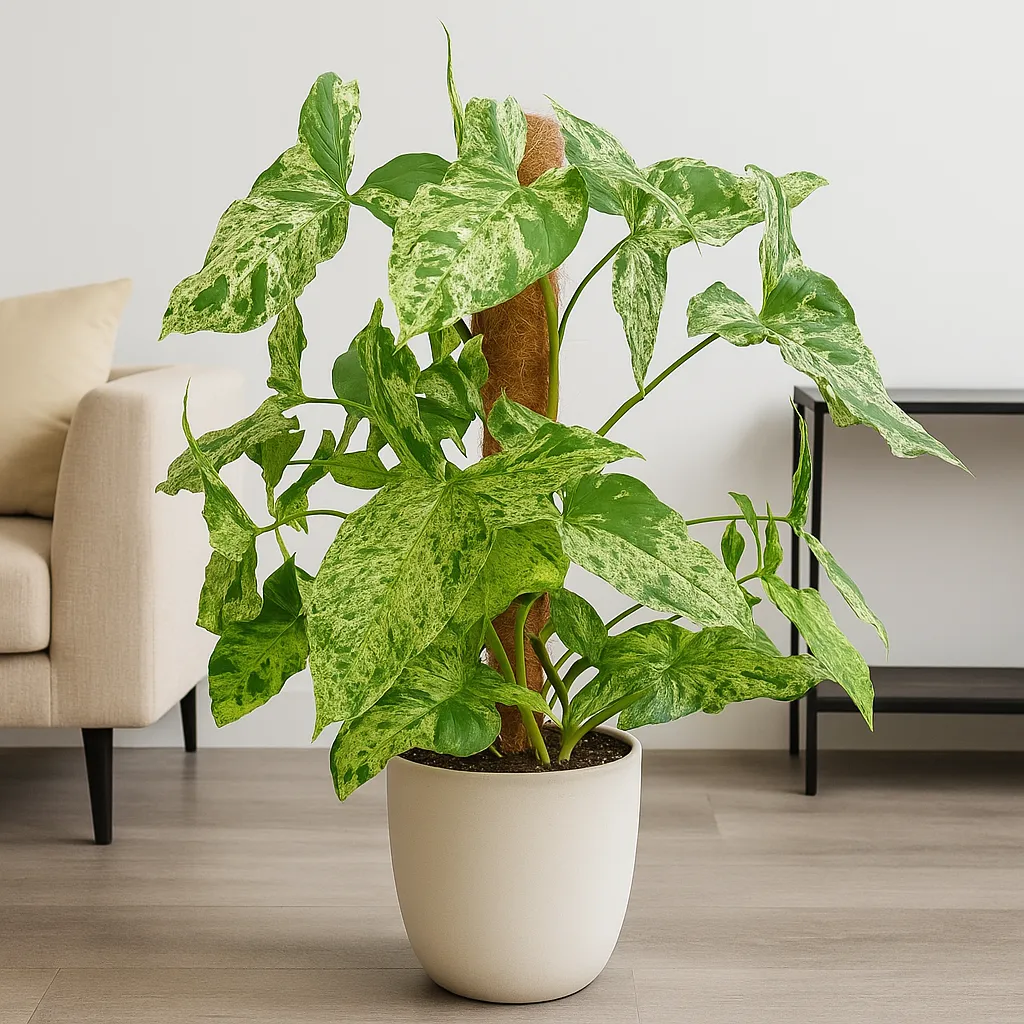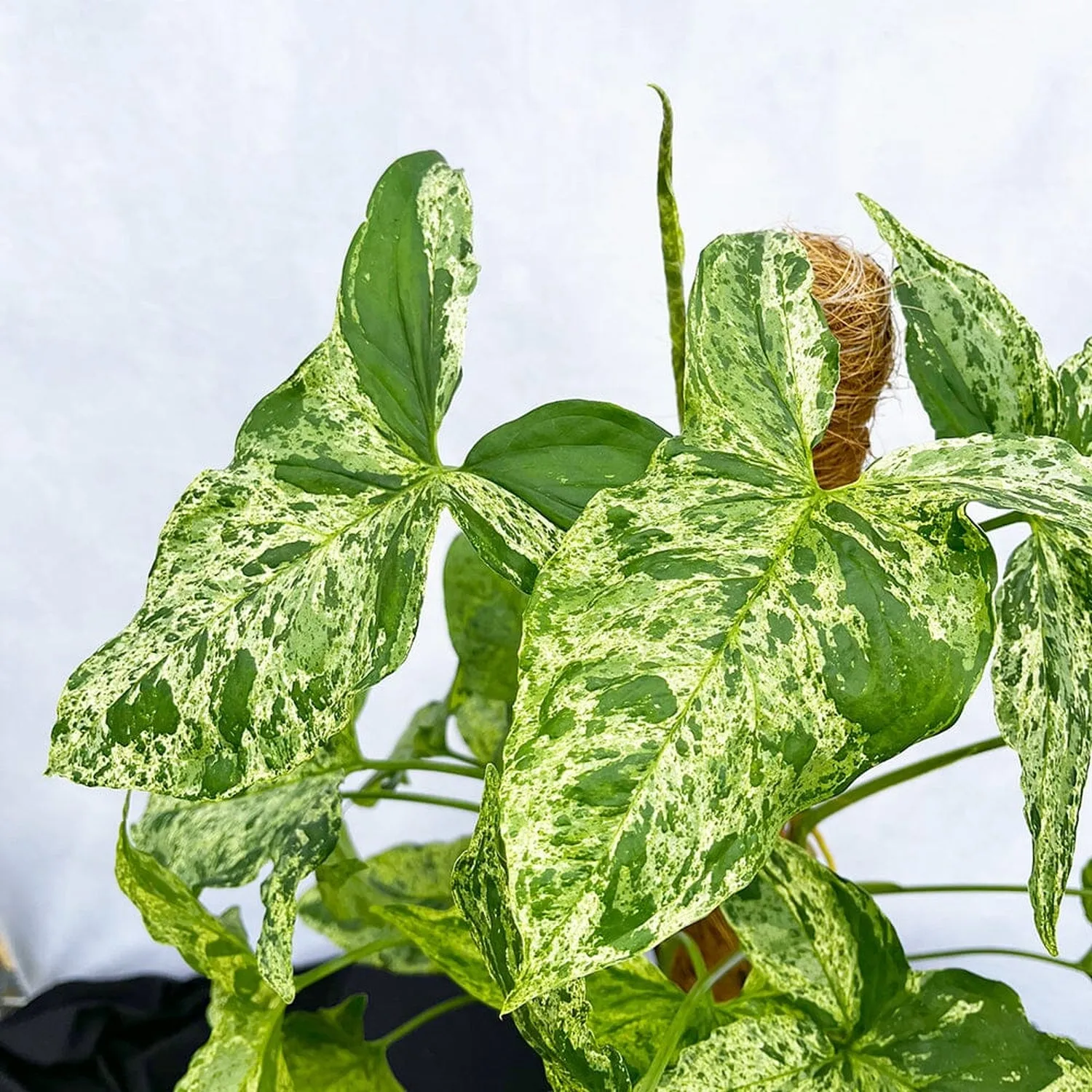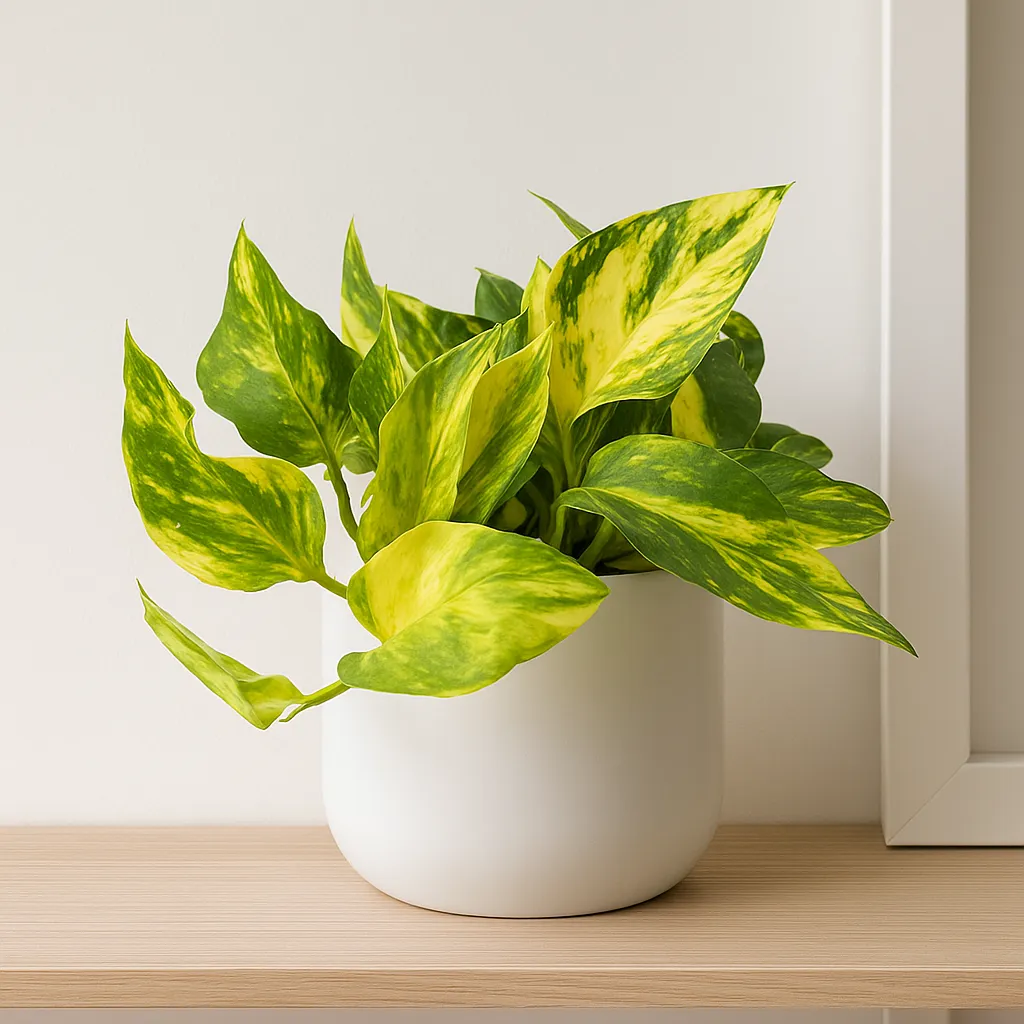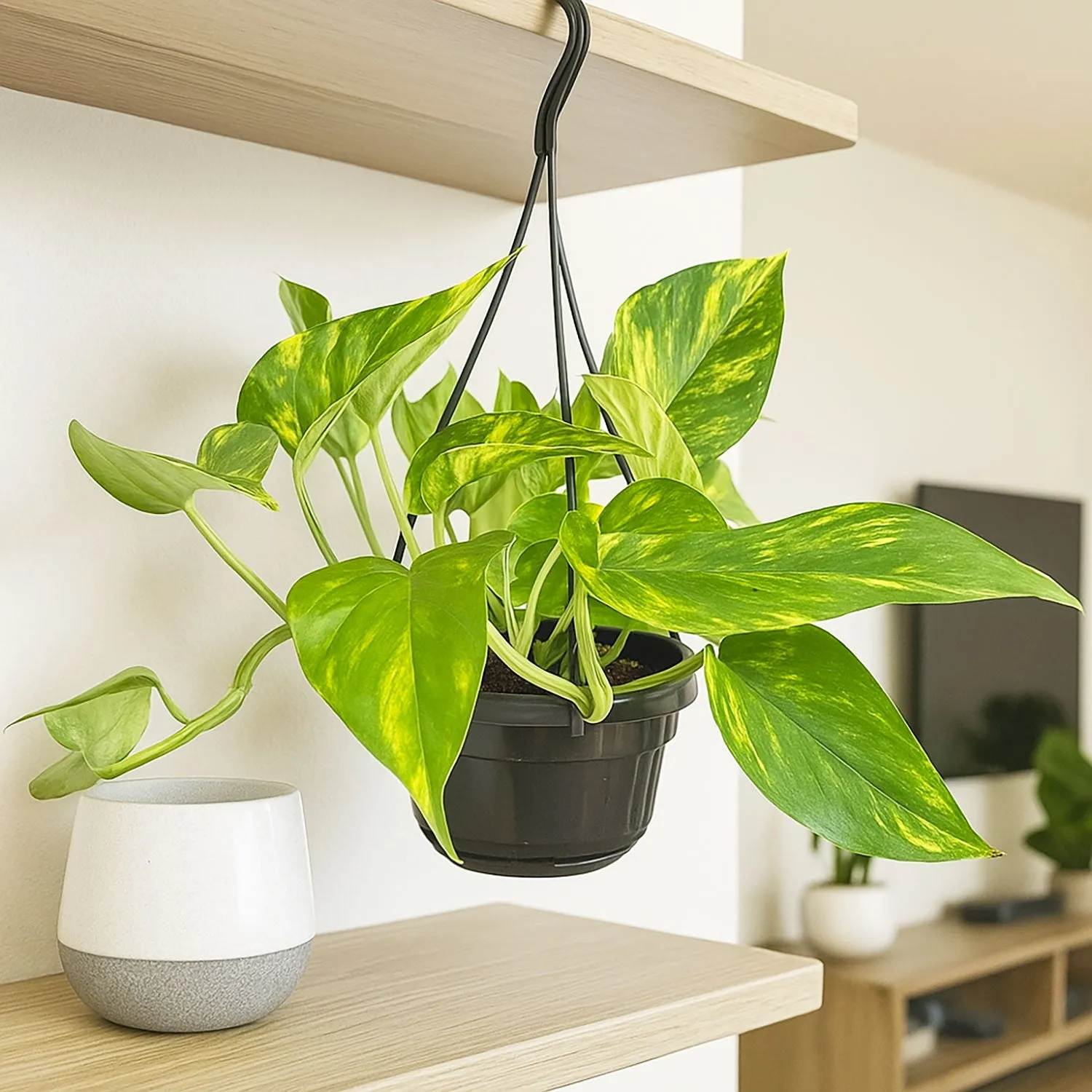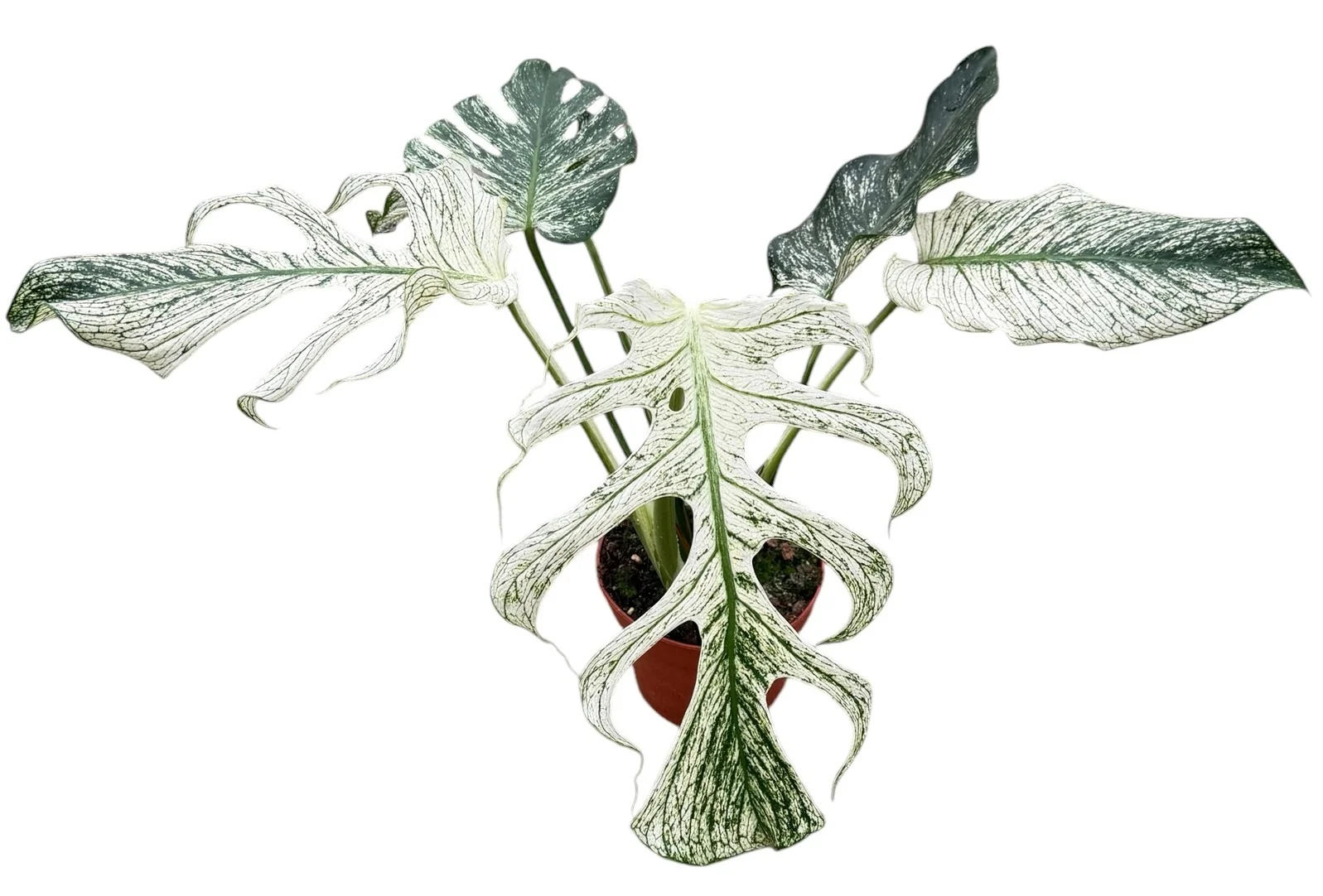
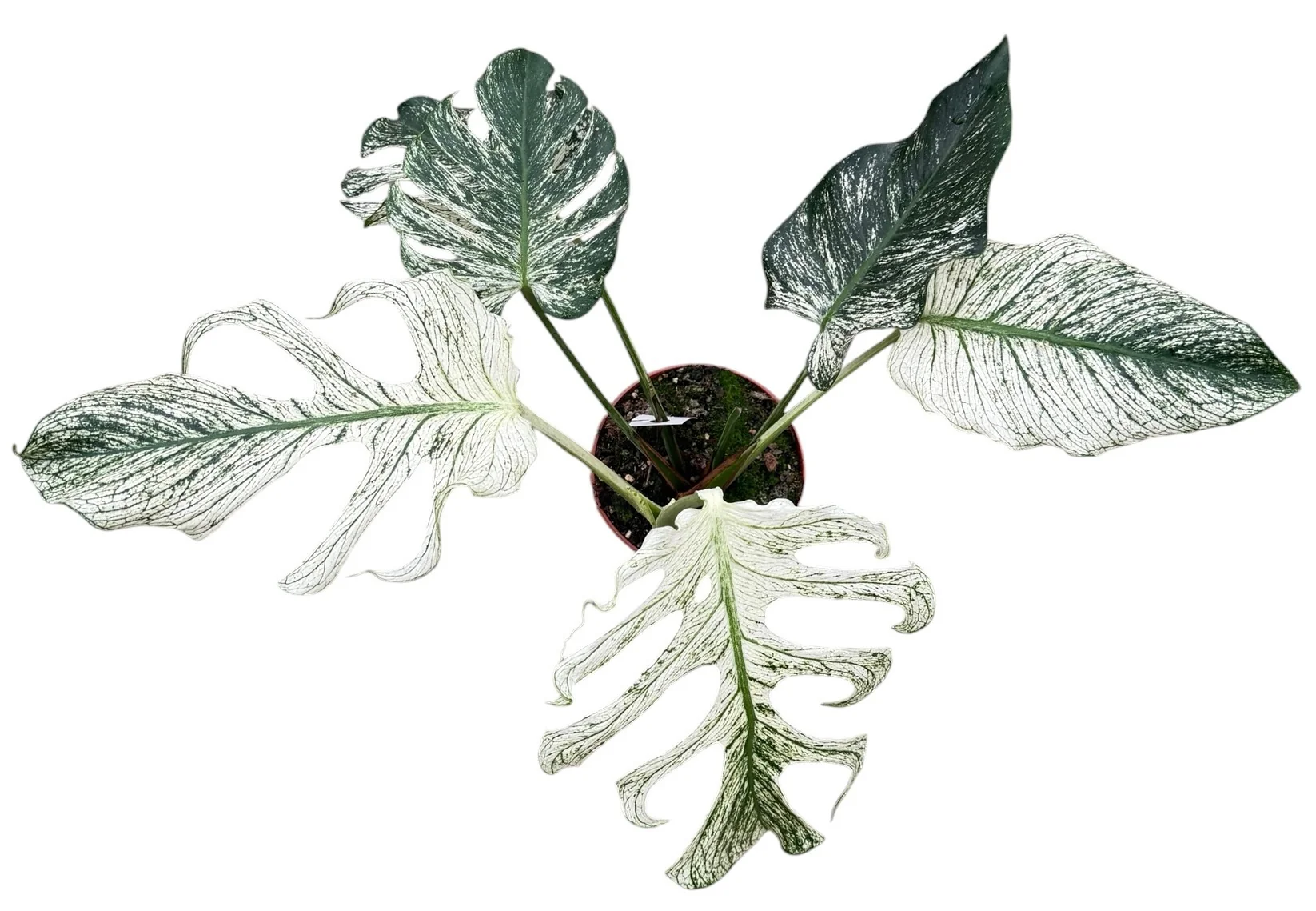
Monstera Devil Monster 17cm Pot House Plant
🌿 Care Guide
Variegated Monsteras require slightly more attention than green forms.
☀️ Light
-
Bright, indirect light is essential
-
Avoid harsh direct sun (can scorch yellow areas)
-
Too little light = reduced variegation & smaller leaves
Because variegated sections lack chlorophyll, the plant has less energy production capacity and needs good light to thrive.
💧 Watering
-
Allow top 3–5cm of soil to dry before watering
-
Ensure excellent drainage
-
Reduce watering in winter
Overwatering is particularly risky for variegated plants, as they can be slightly more sensitive.
🌱 Soil
Use a chunky, well-draining aroid mix:
-
Houseplant compost
-
Orchid bark
-
Perlite or pumice
This prevents root rot and encourages strong root development.
🌡 Temperature & Humidity
-
Ideal: 18–27°C
-
Keep above 15°C
-
Prefers 50–70% humidity
Higher humidity helps prevent browning on variegated (yellow) sections.
🌿 Feeding
-
Feed every 2–4 weeks in spring and summer
-
Use a balanced fertiliser
-
Avoid overfeeding — can cause stress to variegated tissue
🪴 Support
Highly recommended:
-
Moss pole or coir pole
-
Secure stems as they climb
-
Keep pole lightly moist
Supported plants produce:
-
Larger leaves
-
Better fenestration
-
Stronger overall growth
✂️ Pruning & Variegation Control
If the plant:
-
Reverts to mostly green → prune back to a variegated node
-
Produces heavily yellow leaves → monitor as too much variegation can weaken growth
Balance is key.
⚠️ Common Issues
Browning on yellow sections
→ Often low humidity or light scorch
Slow growth
→ Normal for variegated forms
Reversion to green
→ Increase light and prune strategically
Drooping leaves
→ Check watering and root health
🐾 Toxicity
Like all Monstera deliciosa varieties, ‘Devil Monster’ is toxic if ingested by pets due to calcium oxalate crystals.
Original: $7,918.76
-70%$7,918.76
$2,375.63Product Information
Product Information
Shipping & Returns
Shipping & Returns
Description
🌿 Care Guide
Variegated Monsteras require slightly more attention than green forms.
☀️ Light
-
Bright, indirect light is essential
-
Avoid harsh direct sun (can scorch yellow areas)
-
Too little light = reduced variegation & smaller leaves
Because variegated sections lack chlorophyll, the plant has less energy production capacity and needs good light to thrive.
💧 Watering
-
Allow top 3–5cm of soil to dry before watering
-
Ensure excellent drainage
-
Reduce watering in winter
Overwatering is particularly risky for variegated plants, as they can be slightly more sensitive.
🌱 Soil
Use a chunky, well-draining aroid mix:
-
Houseplant compost
-
Orchid bark
-
Perlite or pumice
This prevents root rot and encourages strong root development.
🌡 Temperature & Humidity
-
Ideal: 18–27°C
-
Keep above 15°C
-
Prefers 50–70% humidity
Higher humidity helps prevent browning on variegated (yellow) sections.
🌿 Feeding
-
Feed every 2–4 weeks in spring and summer
-
Use a balanced fertiliser
-
Avoid overfeeding — can cause stress to variegated tissue
🪴 Support
Highly recommended:
-
Moss pole or coir pole
-
Secure stems as they climb
-
Keep pole lightly moist
Supported plants produce:
-
Larger leaves
-
Better fenestration
-
Stronger overall growth
✂️ Pruning & Variegation Control
If the plant:
-
Reverts to mostly green → prune back to a variegated node
-
Produces heavily yellow leaves → monitor as too much variegation can weaken growth
Balance is key.
⚠️ Common Issues
Browning on yellow sections
→ Often low humidity or light scorch
Slow growth
→ Normal for variegated forms
Reversion to green
→ Increase light and prune strategically
Drooping leaves
→ Check watering and root health
🐾 Toxicity
Like all Monstera deliciosa varieties, ‘Devil Monster’ is toxic if ingested by pets due to calcium oxalate crystals.