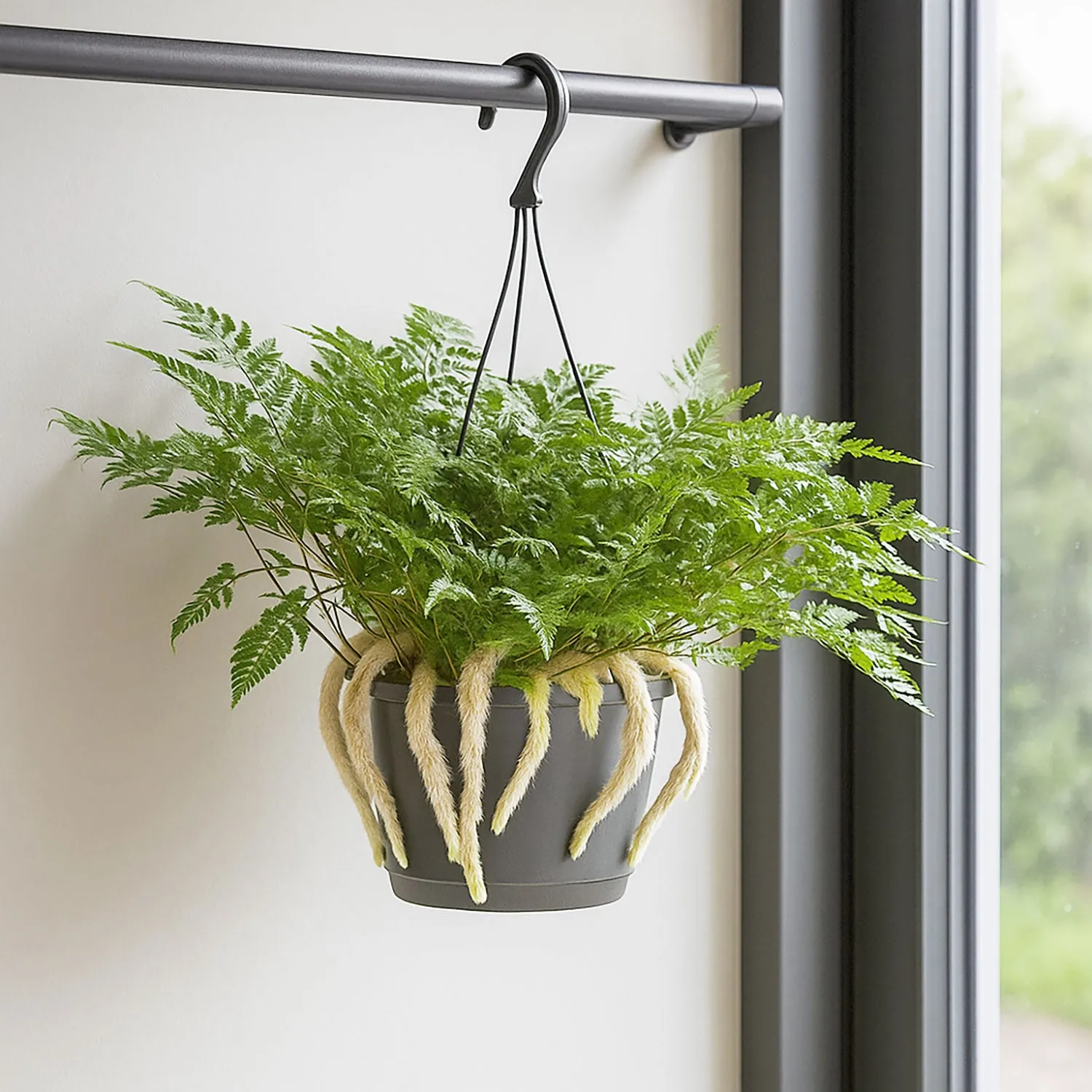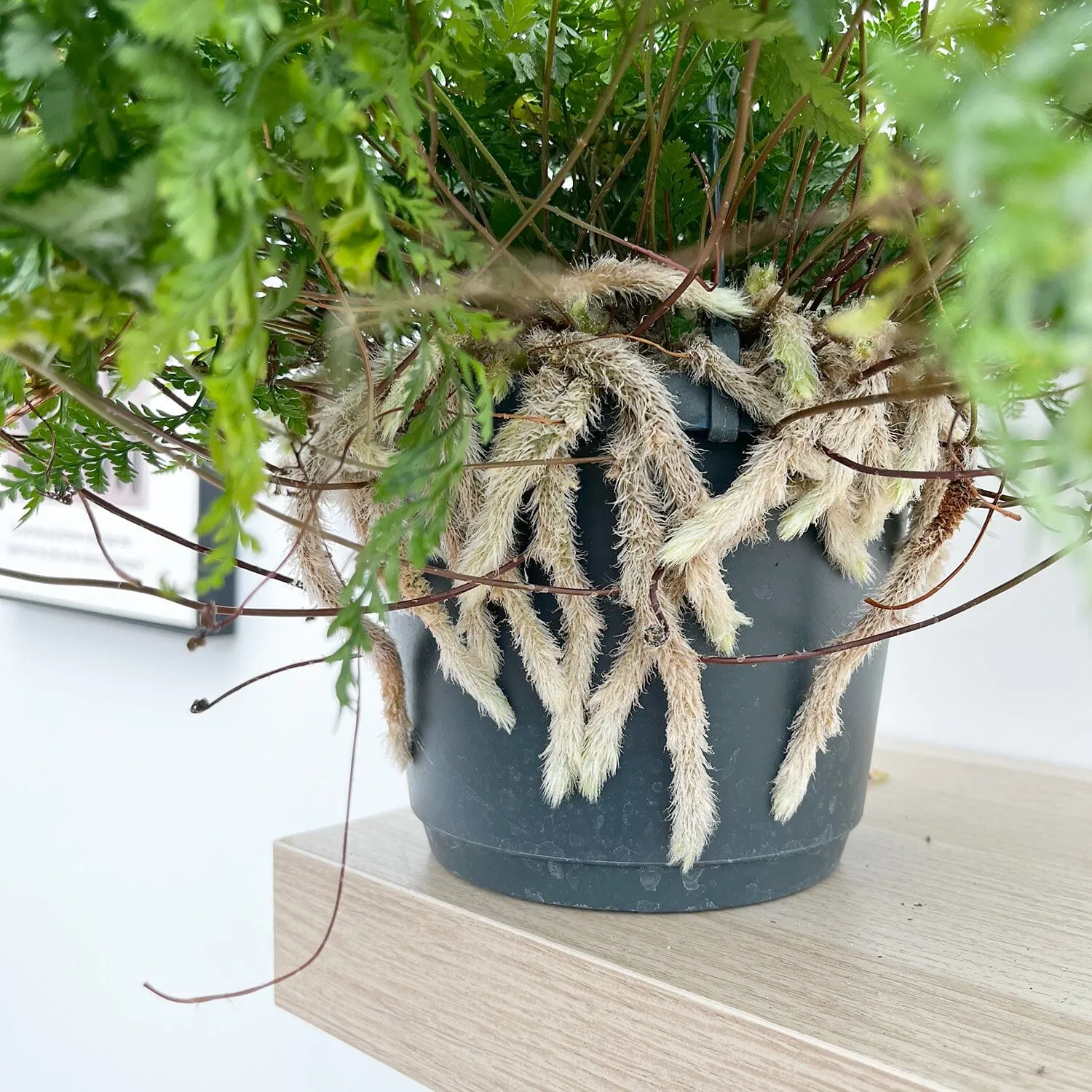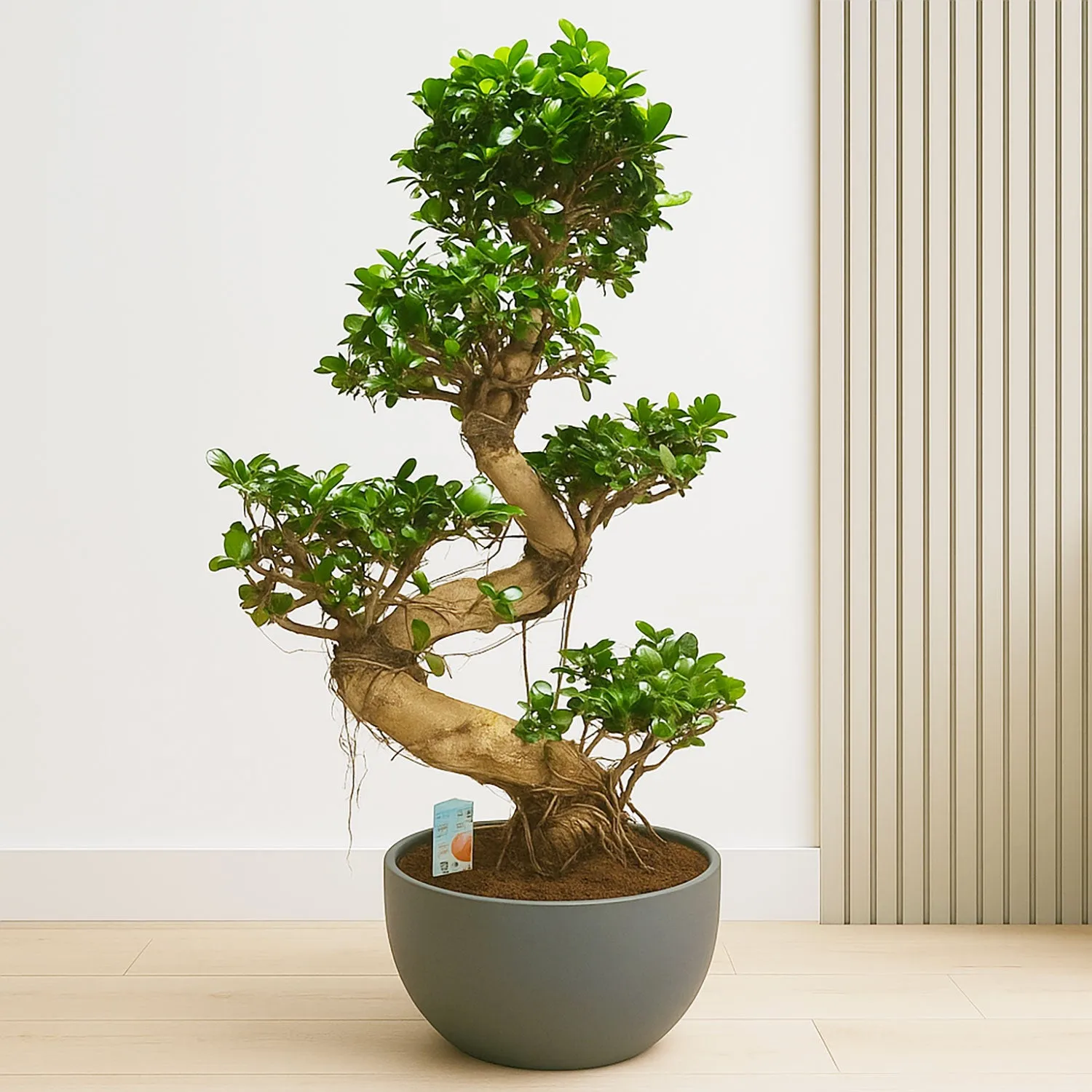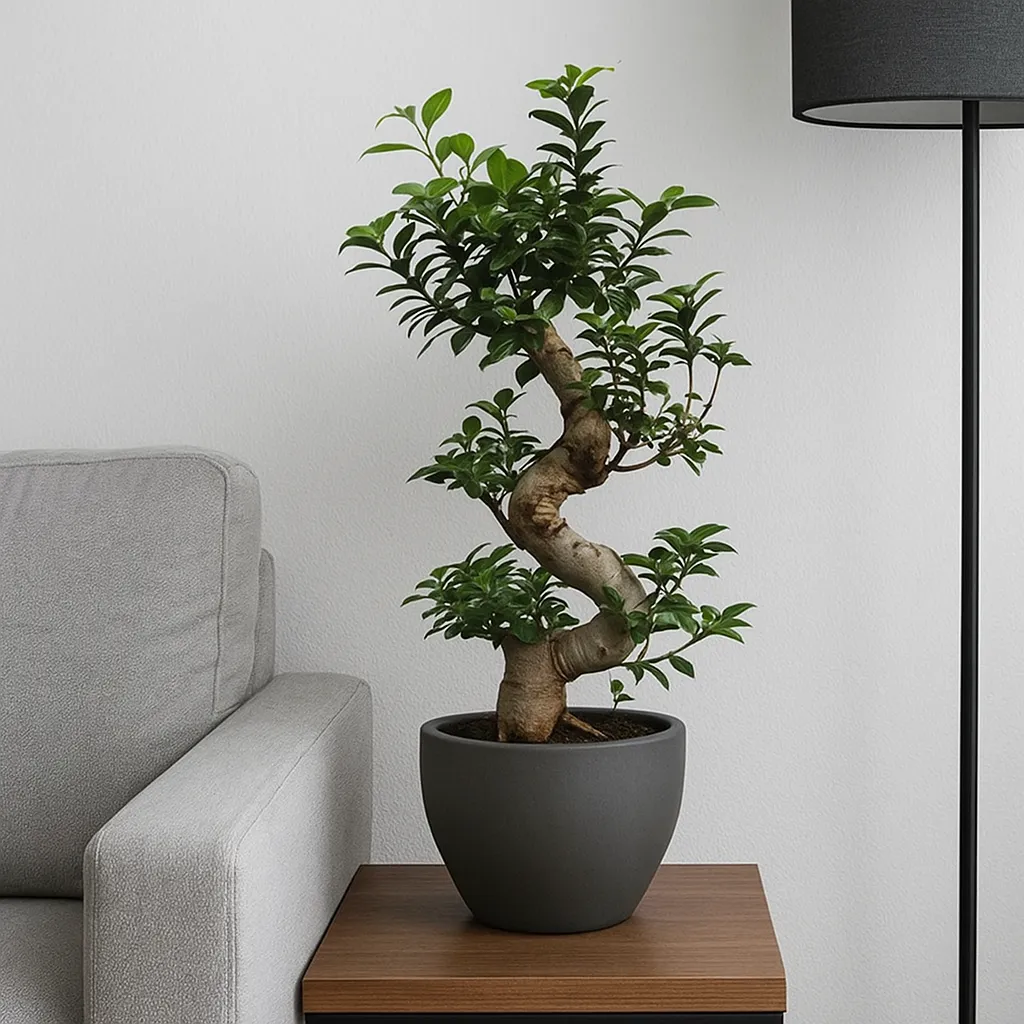
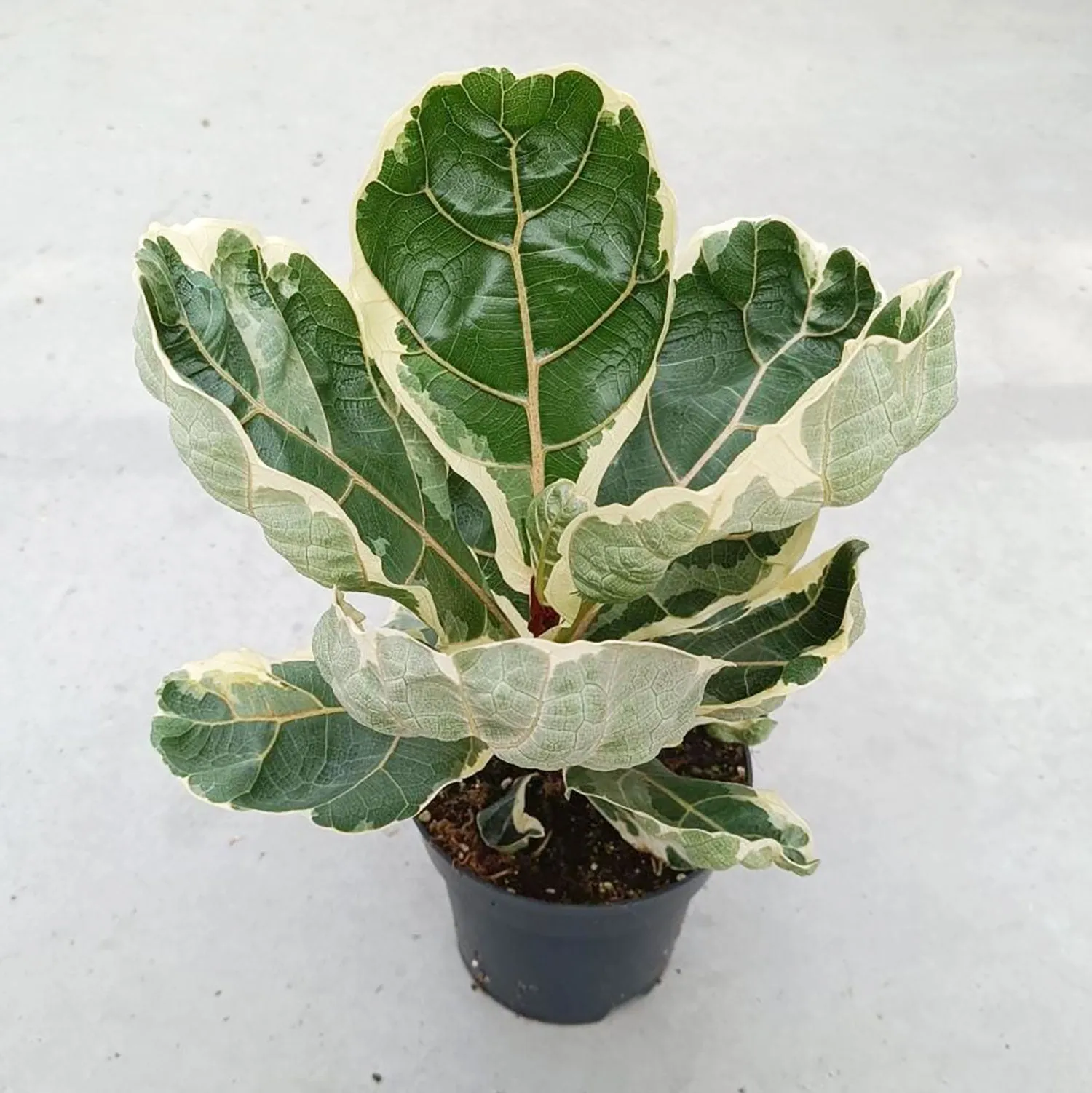
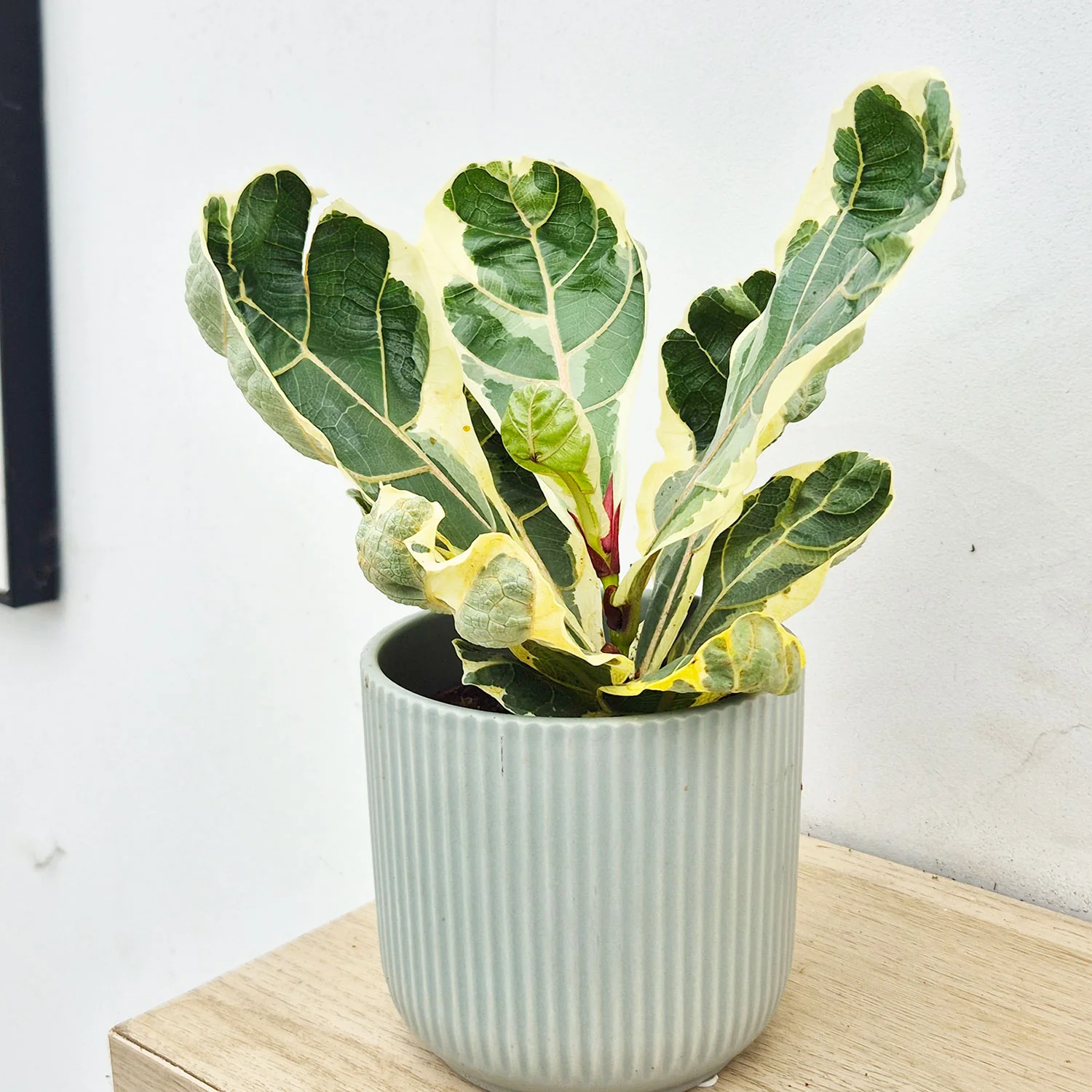
Variegated Ficus Lyrata House Plant 12cm Pot
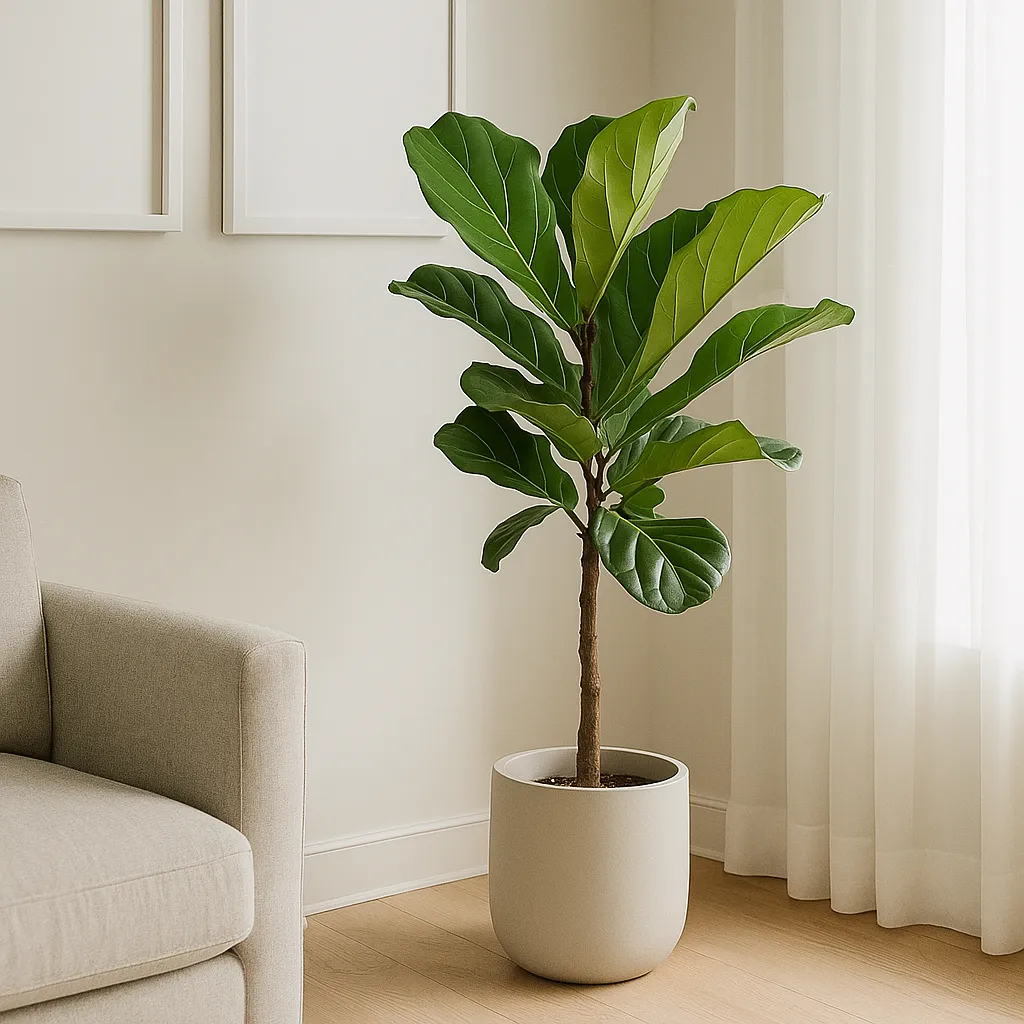
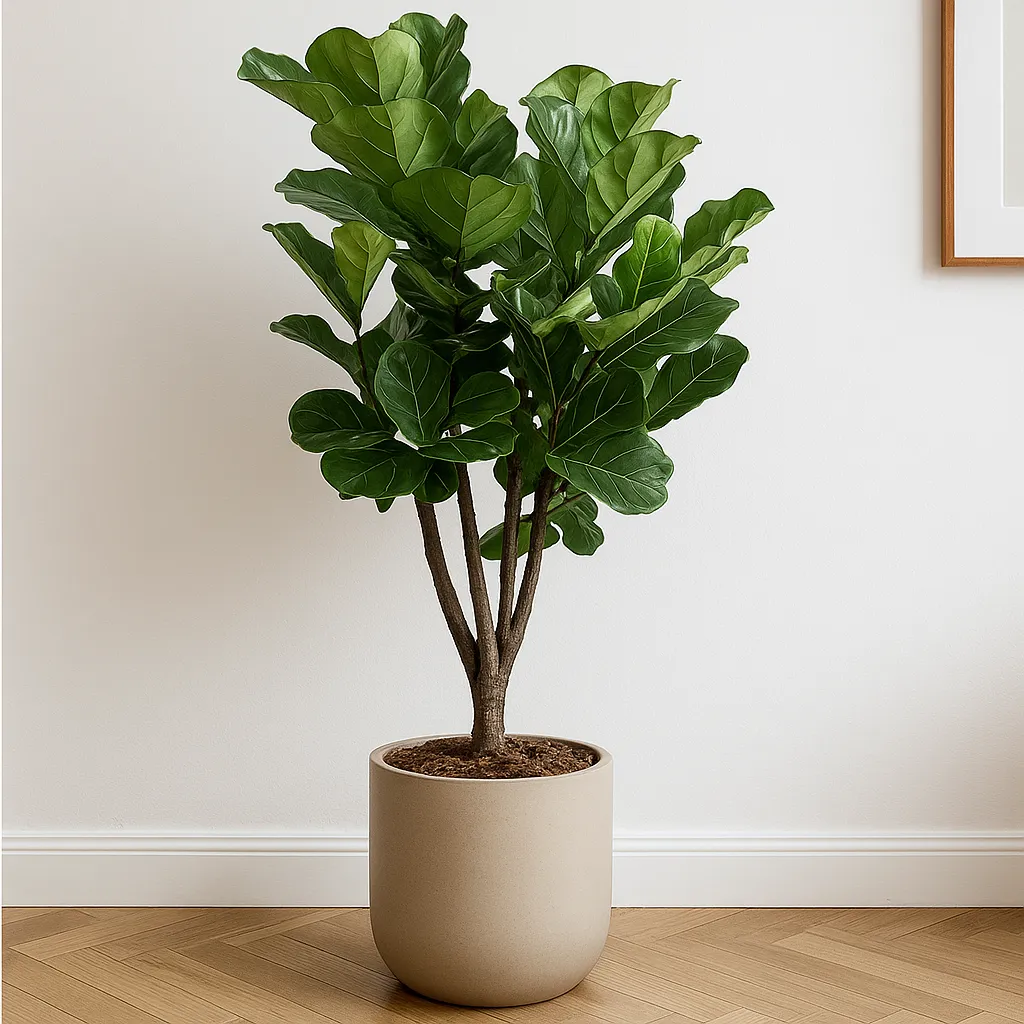
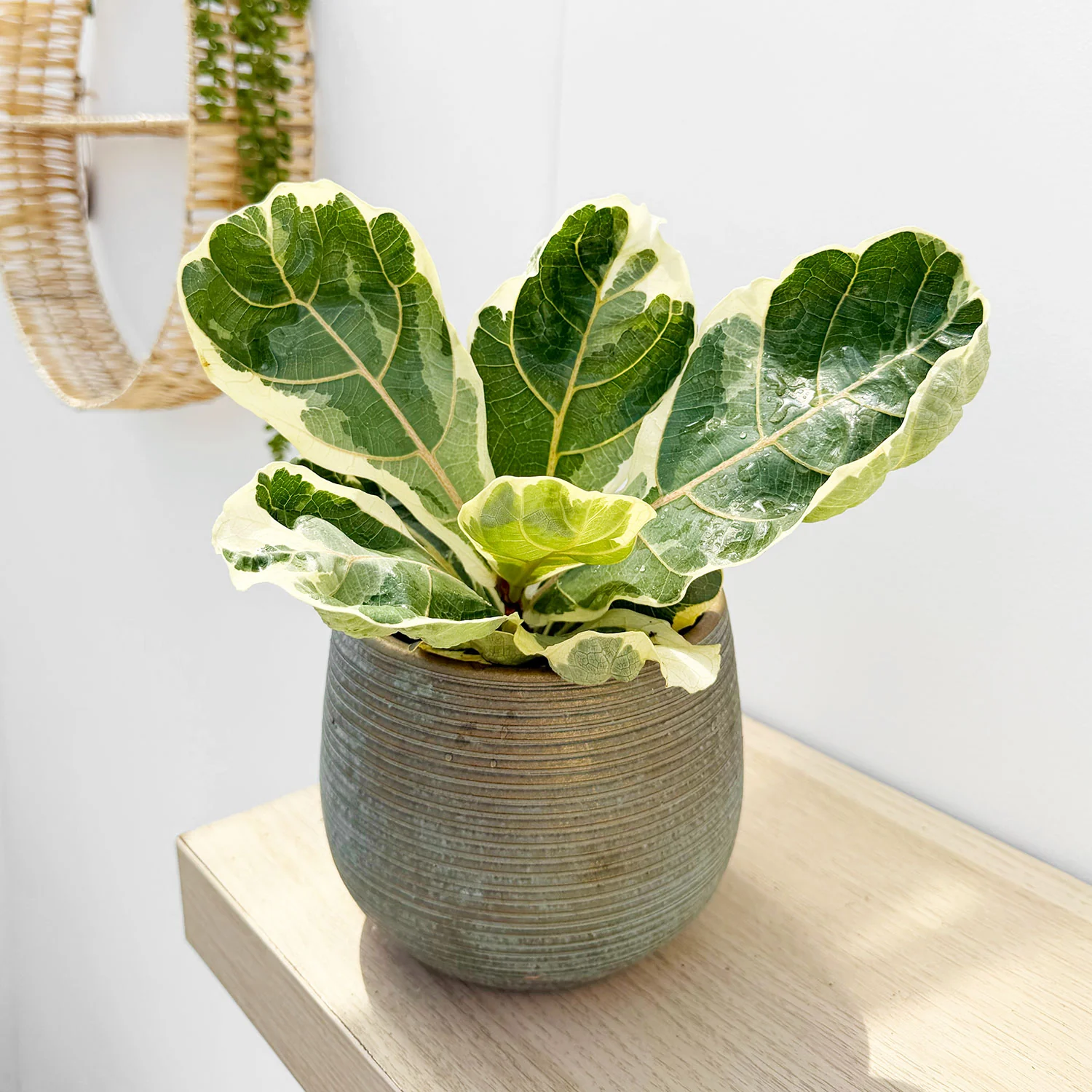
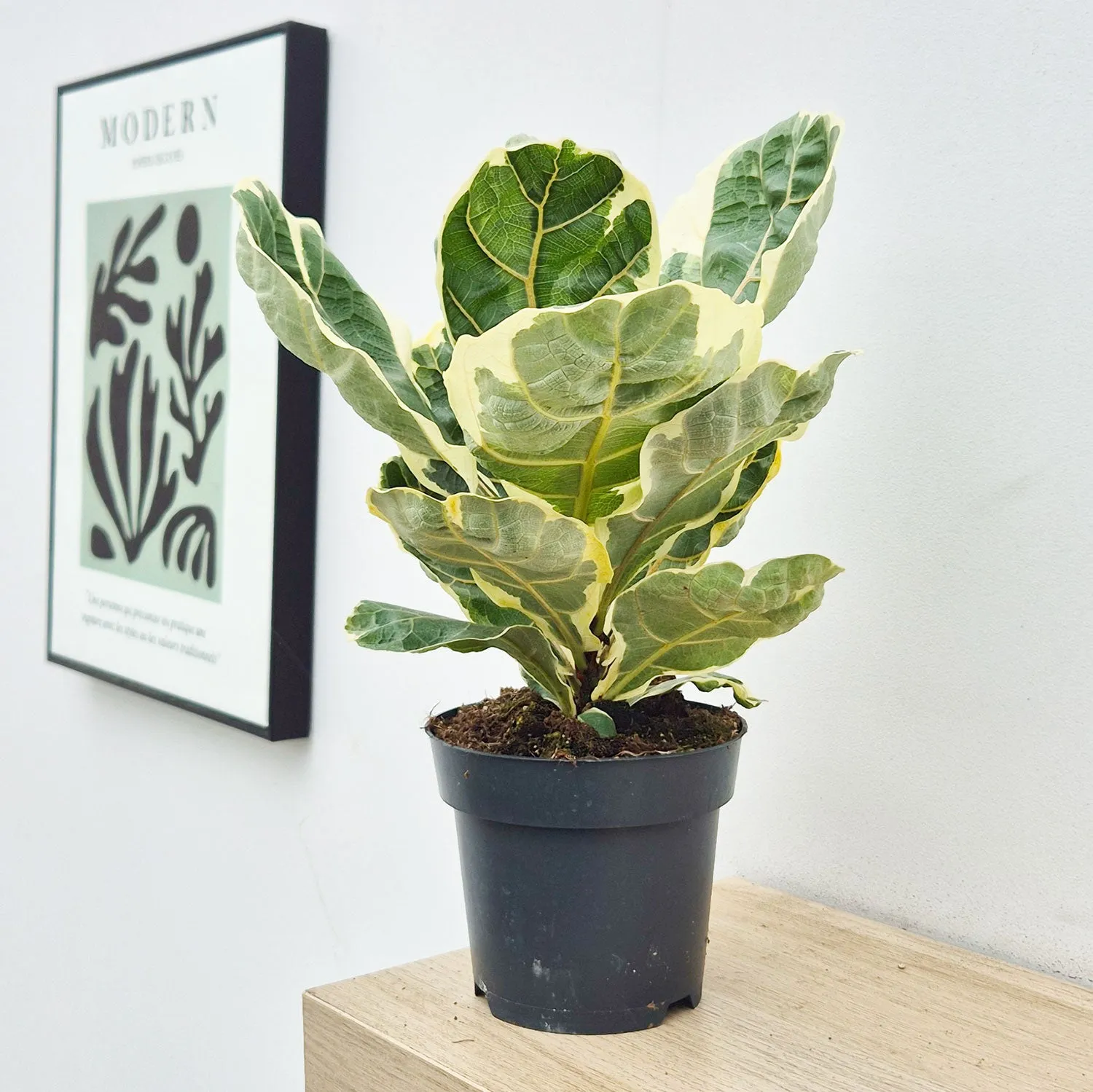
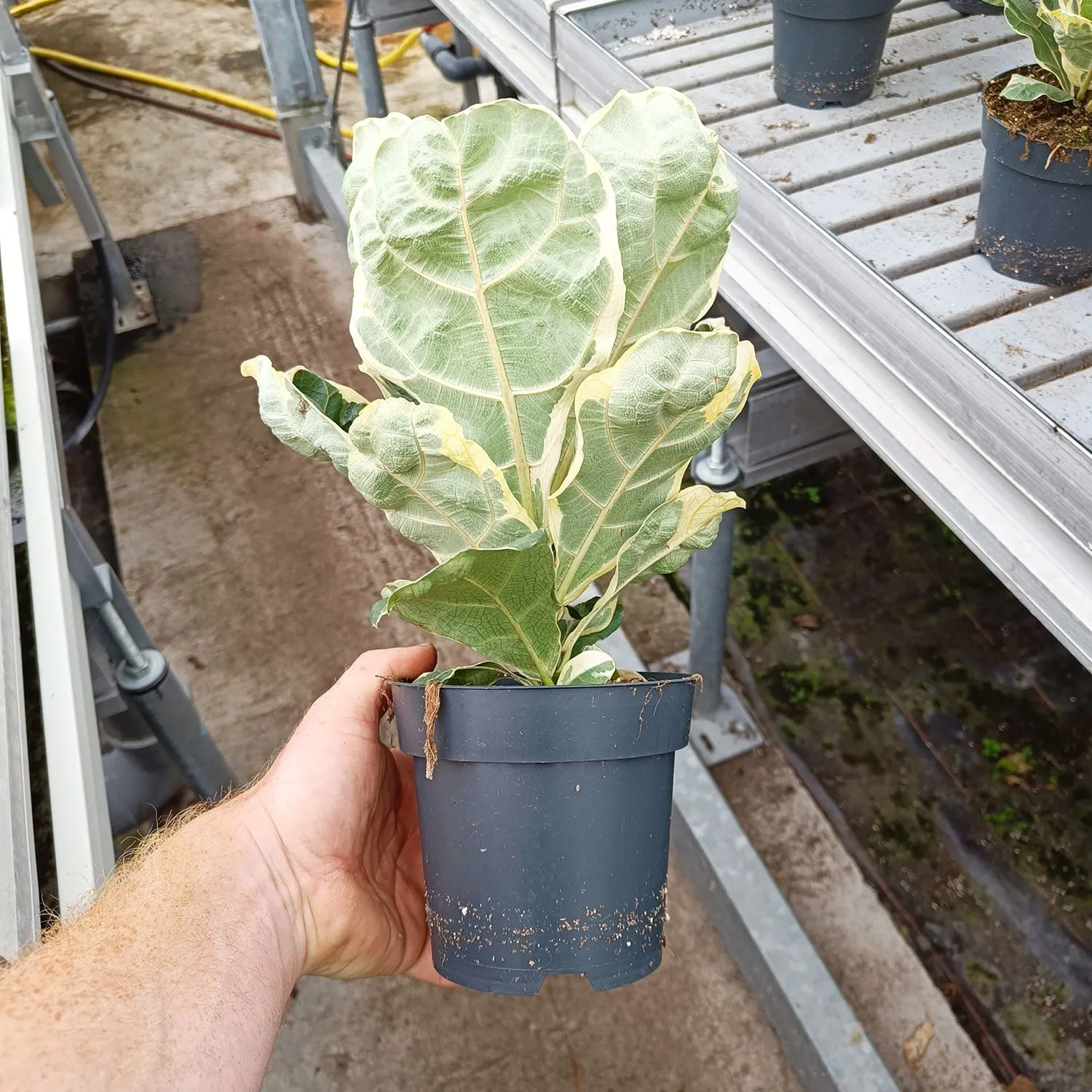
Ficus lyrata variegata, commonly known as the Variegated Fiddle Leaf Fig, is a rare and highly sought-after cultivar of the classic Ficus lyrata. Native to the tropical rainforests of West Africa, the species belongs to the Moraceae family and is famed for its bold, violin-shaped leaves. The variegated form takes this beauty to new heights with its striking patterns of cream, yellow, and green.
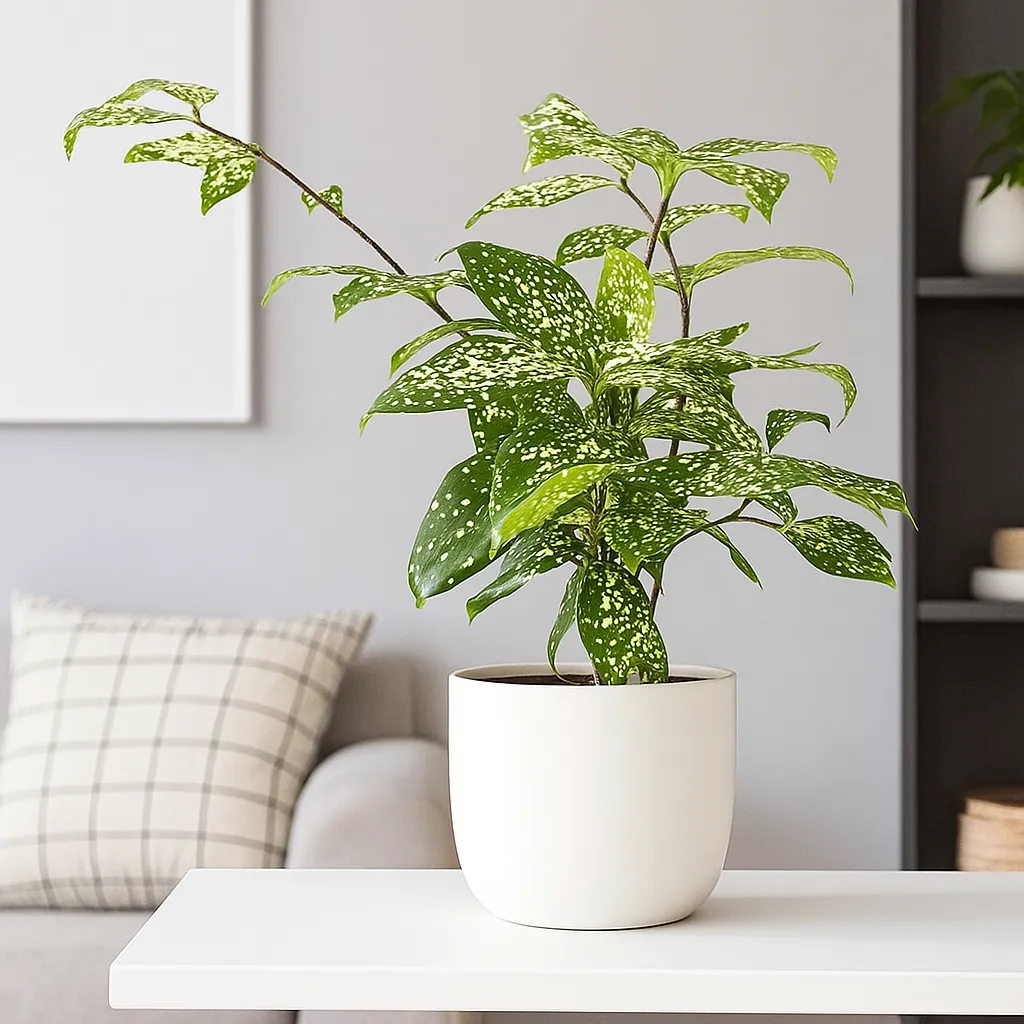
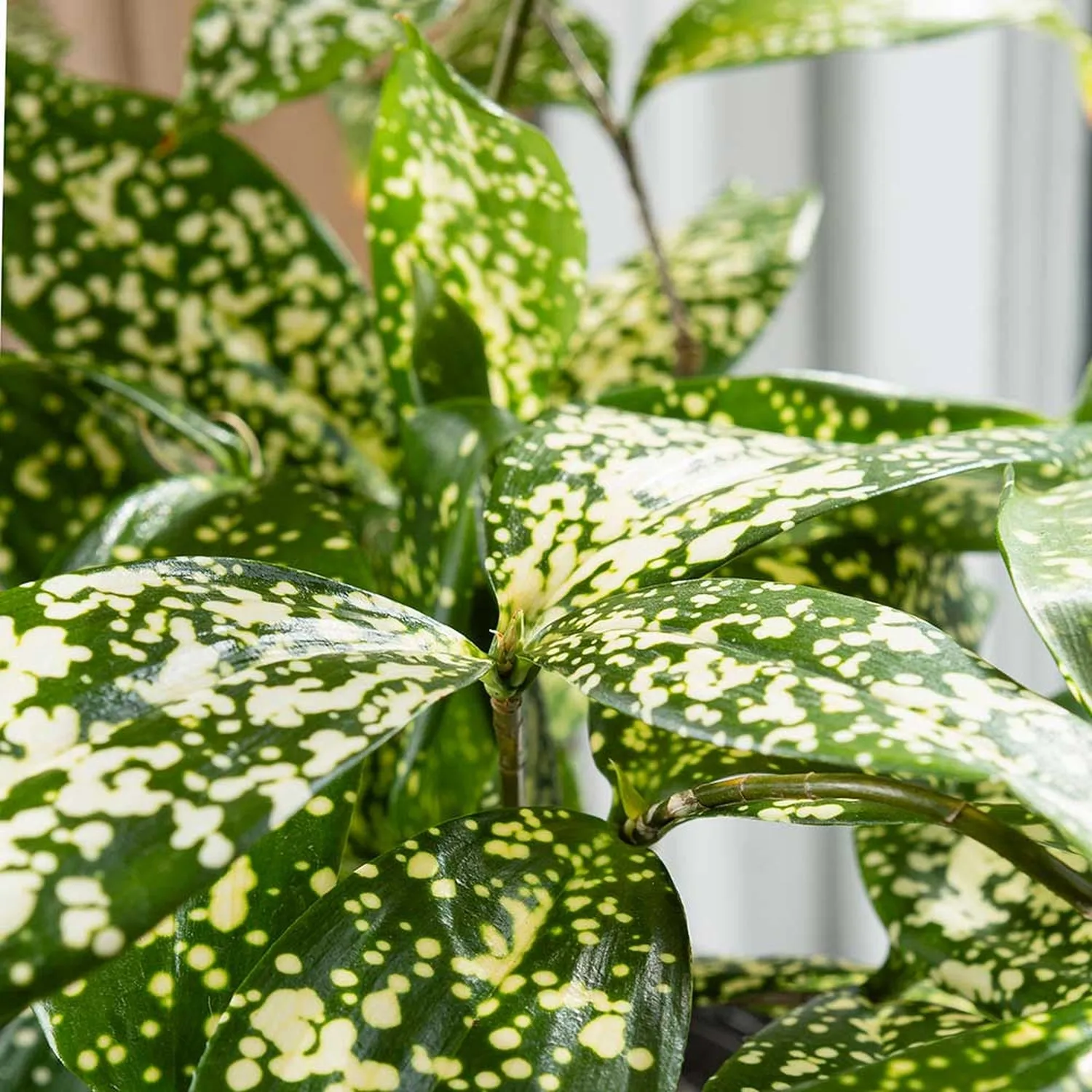
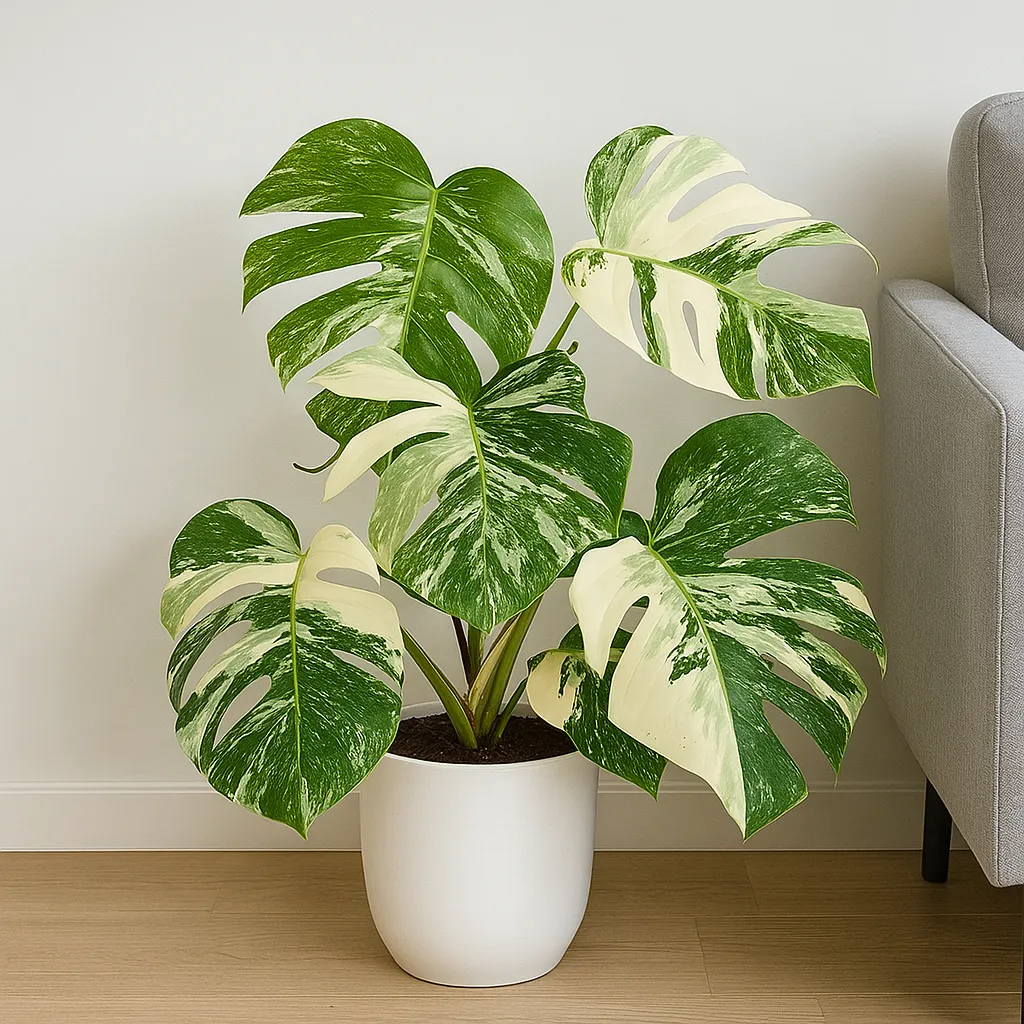
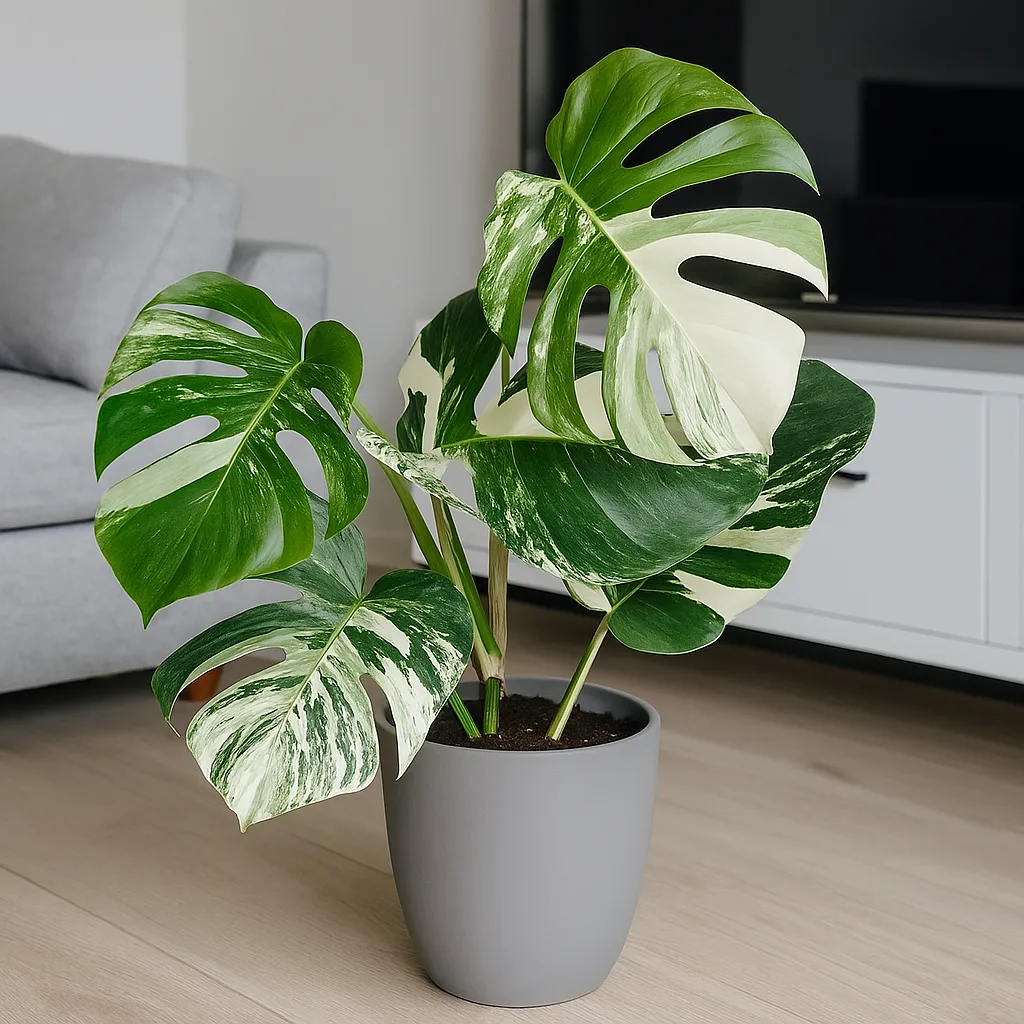
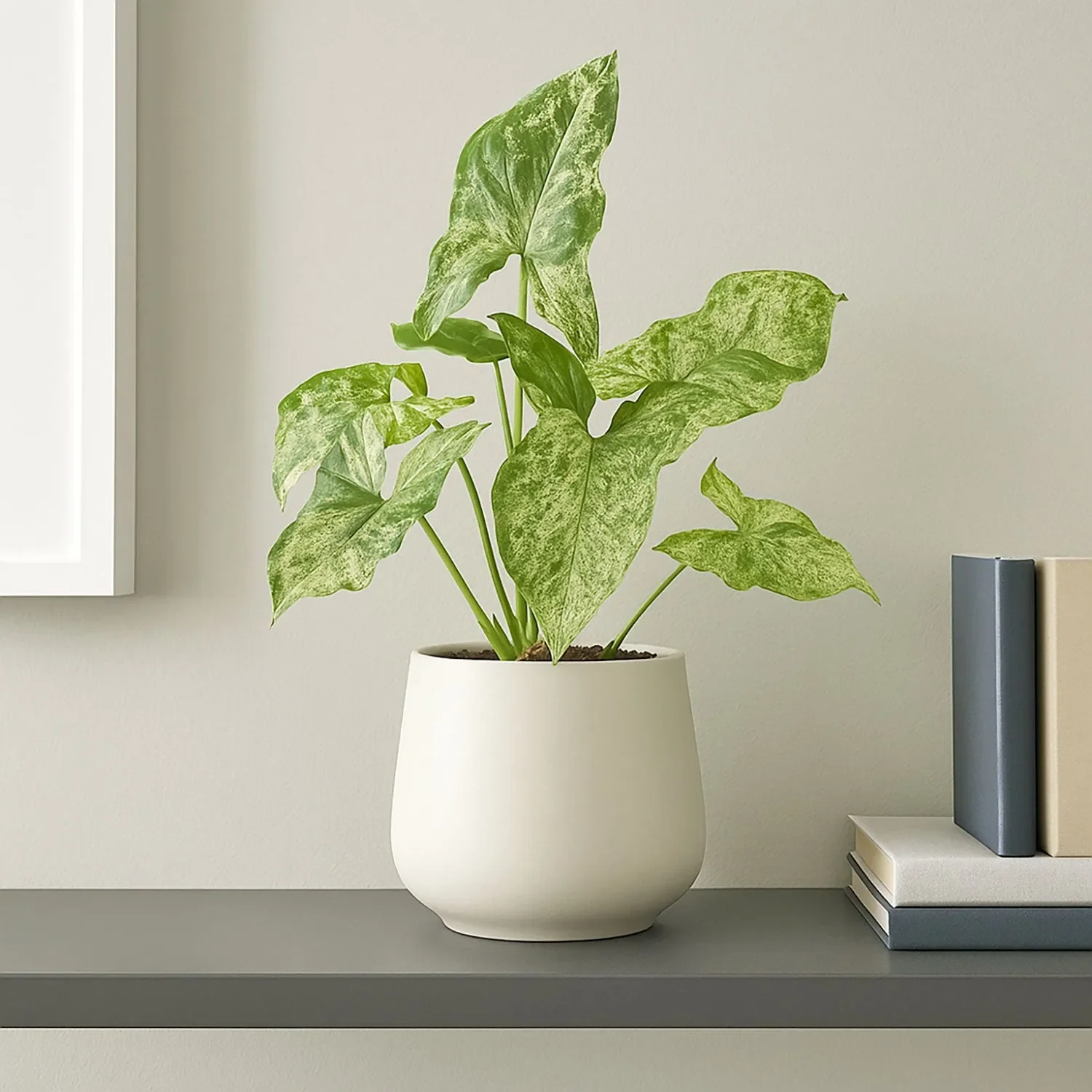
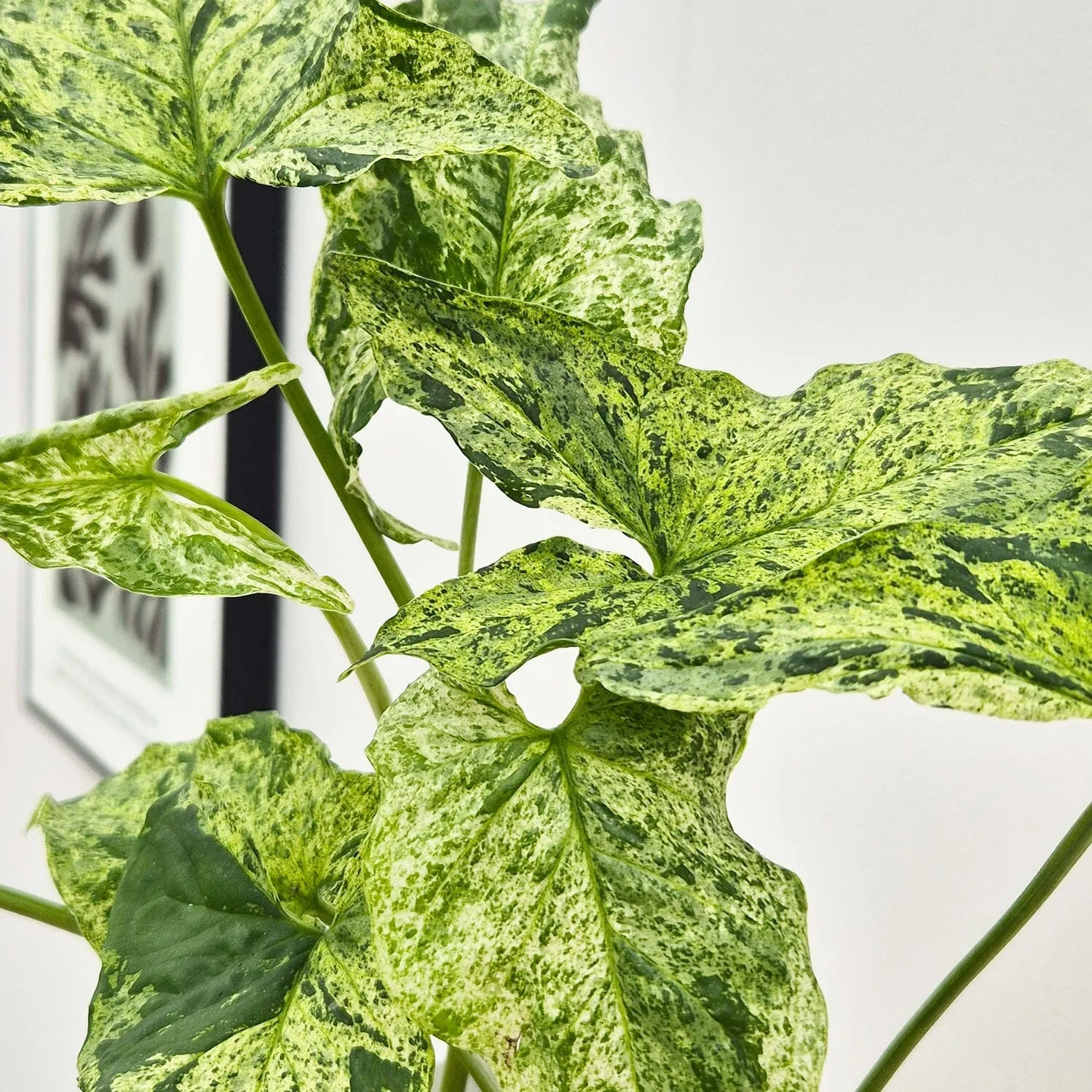
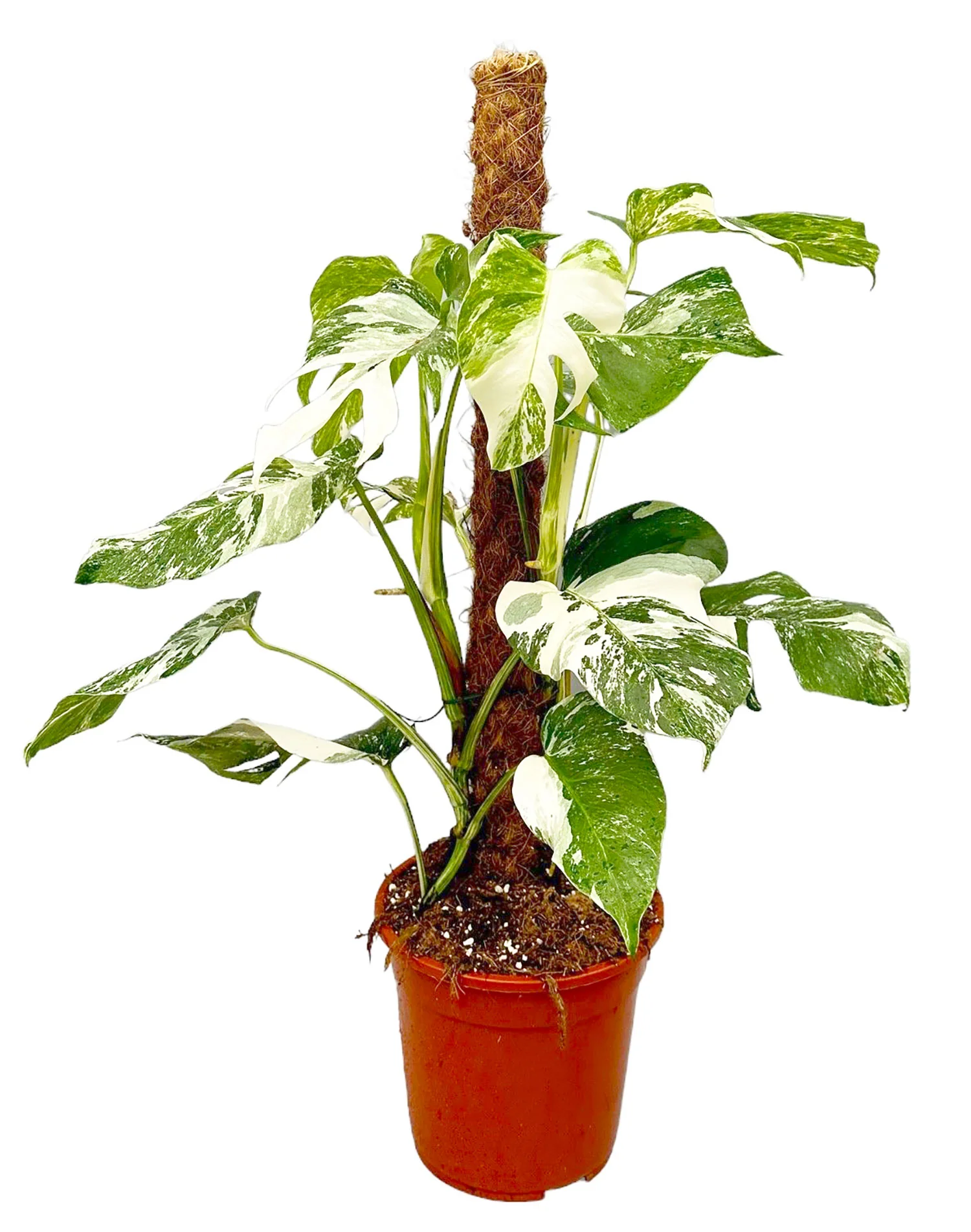
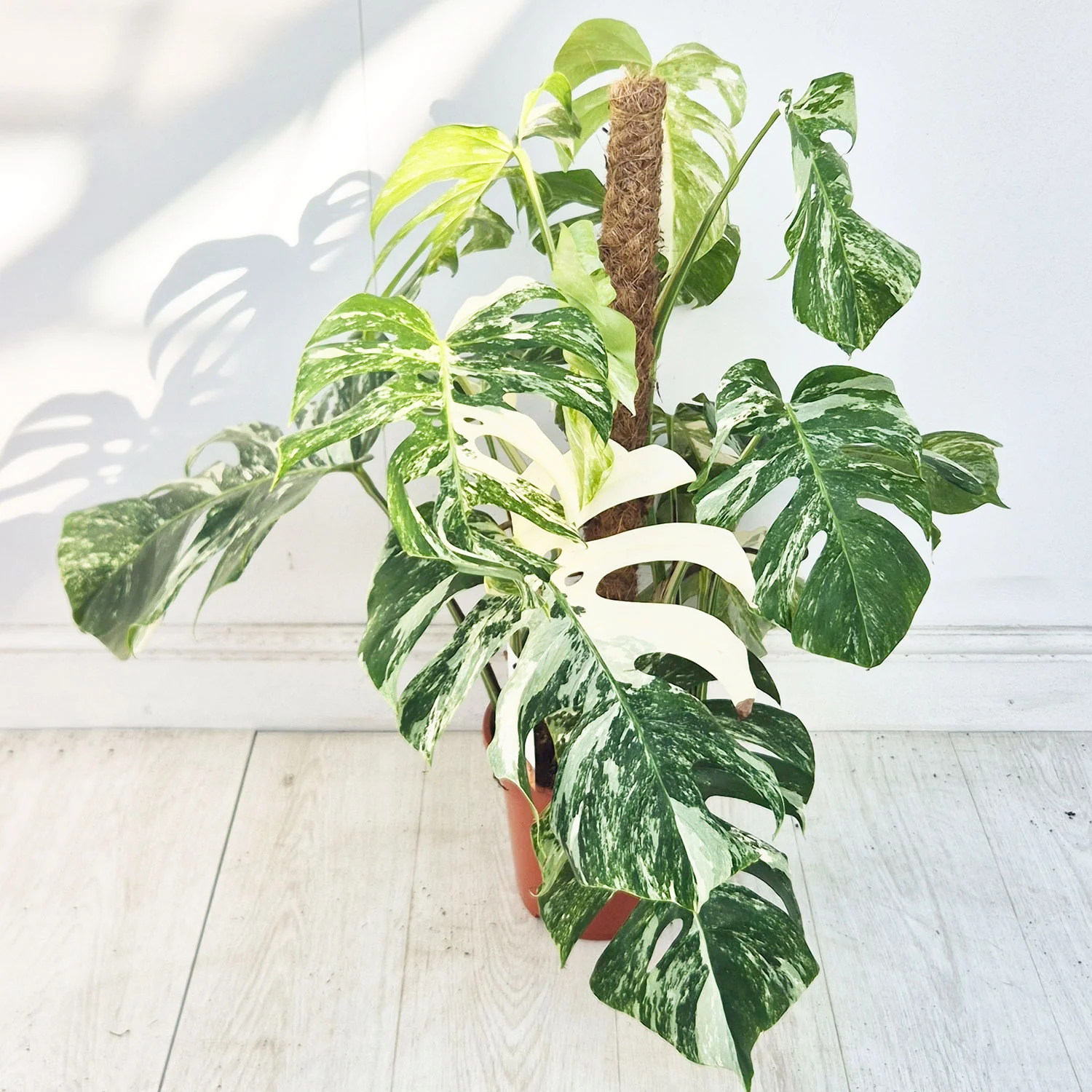
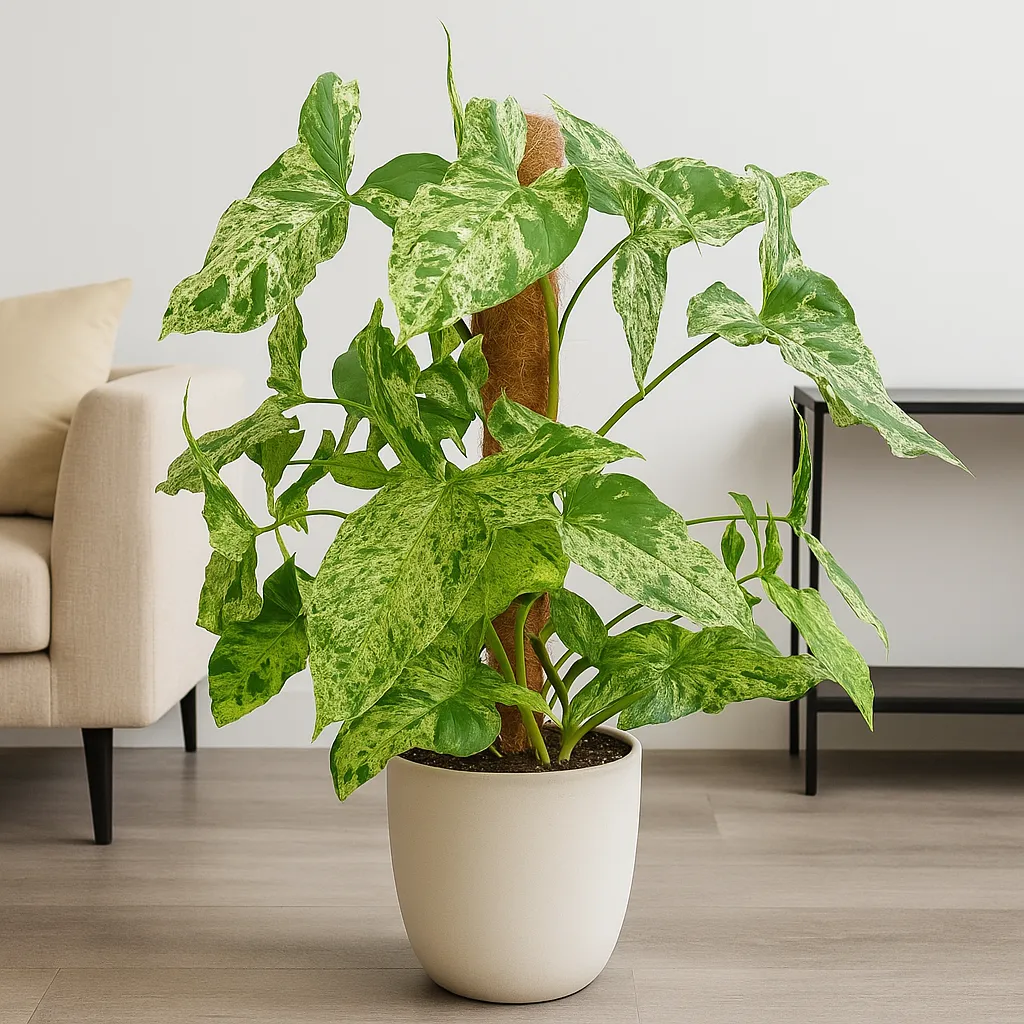
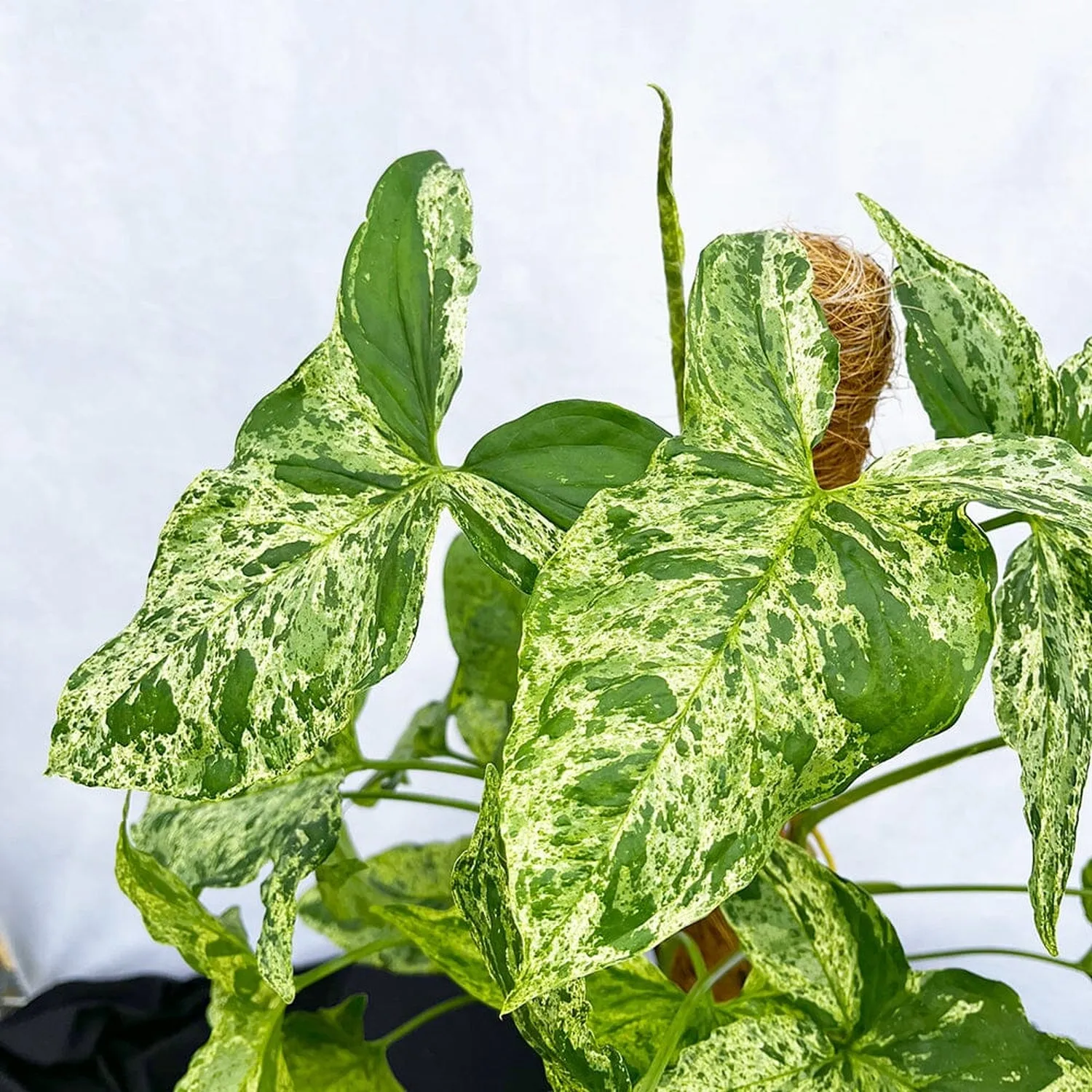
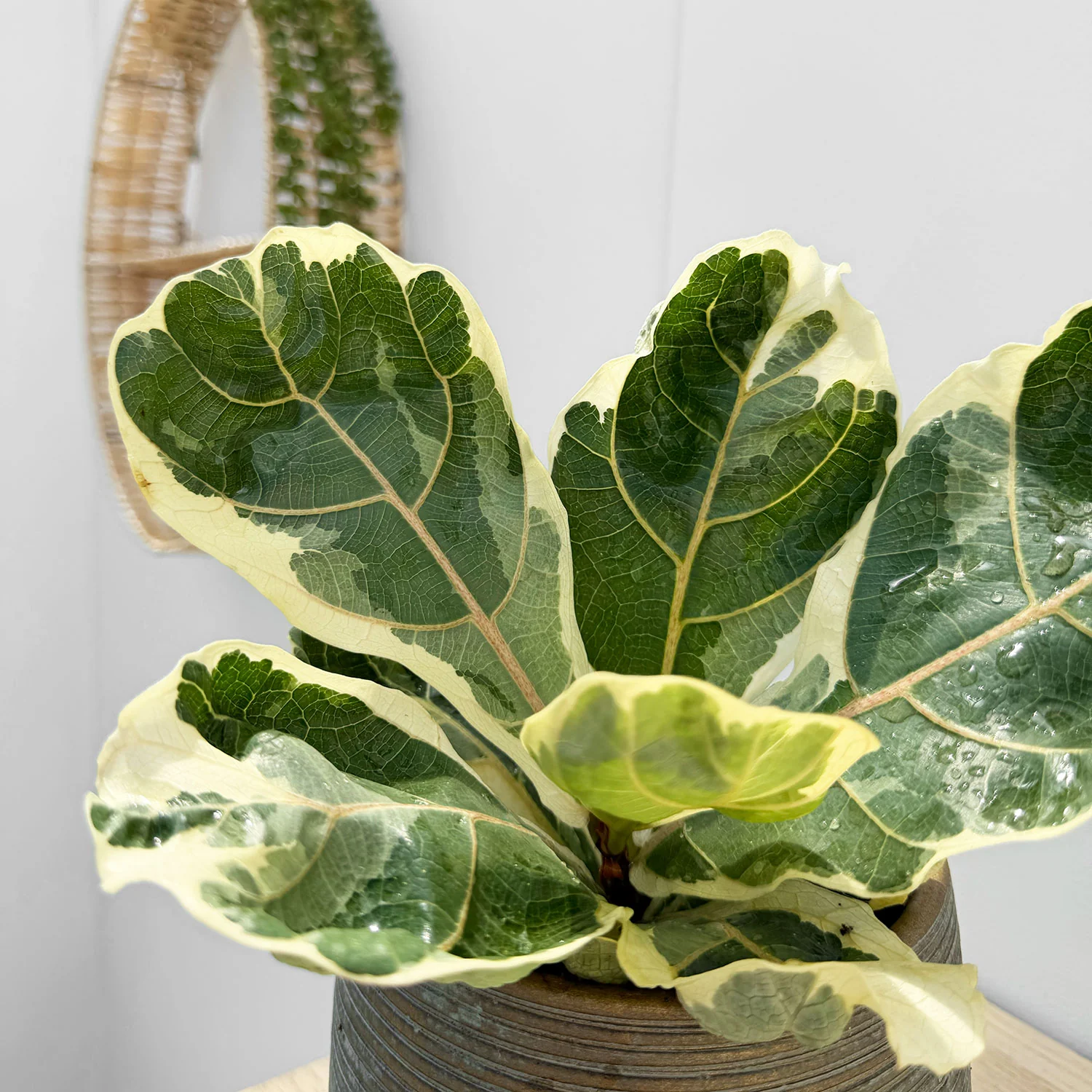
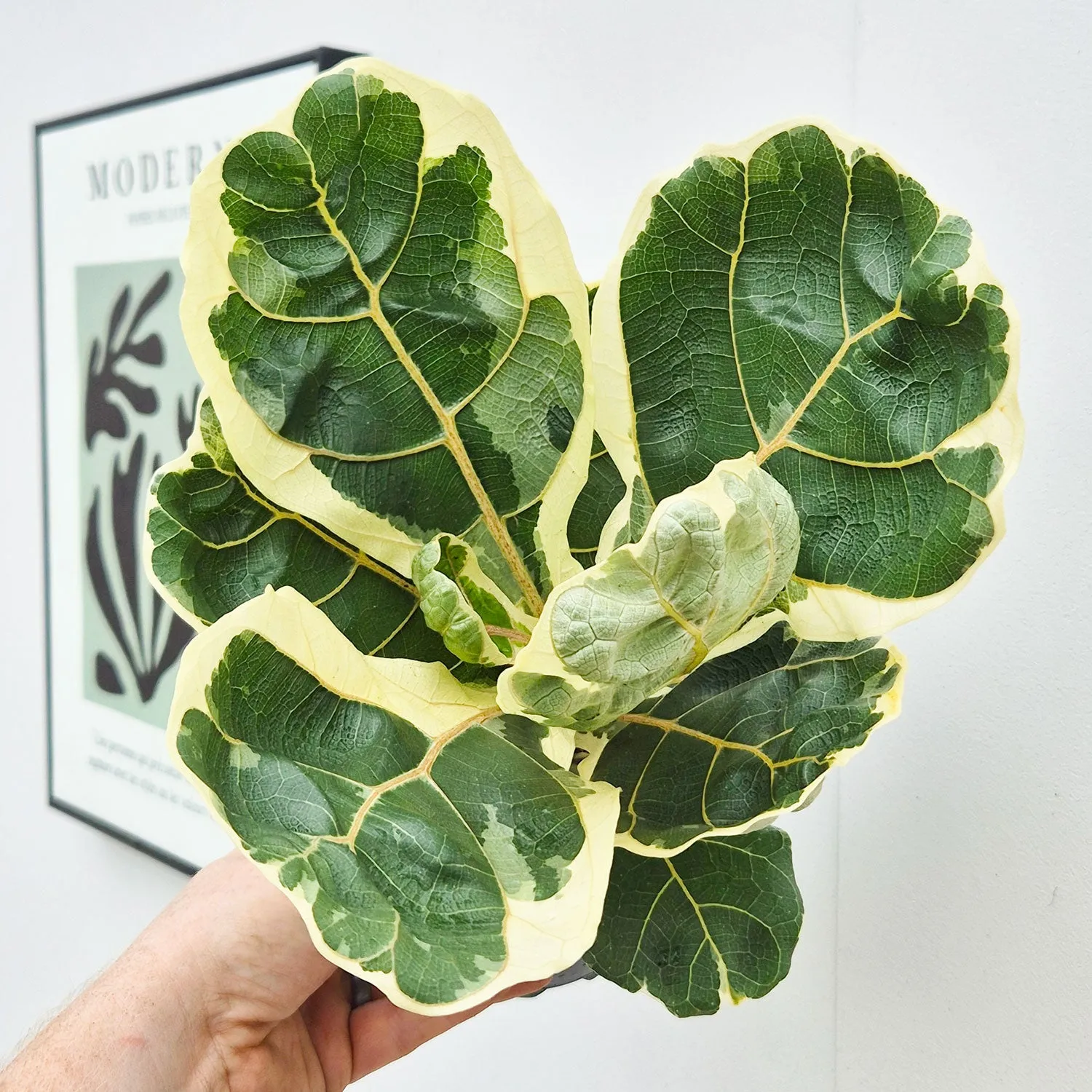
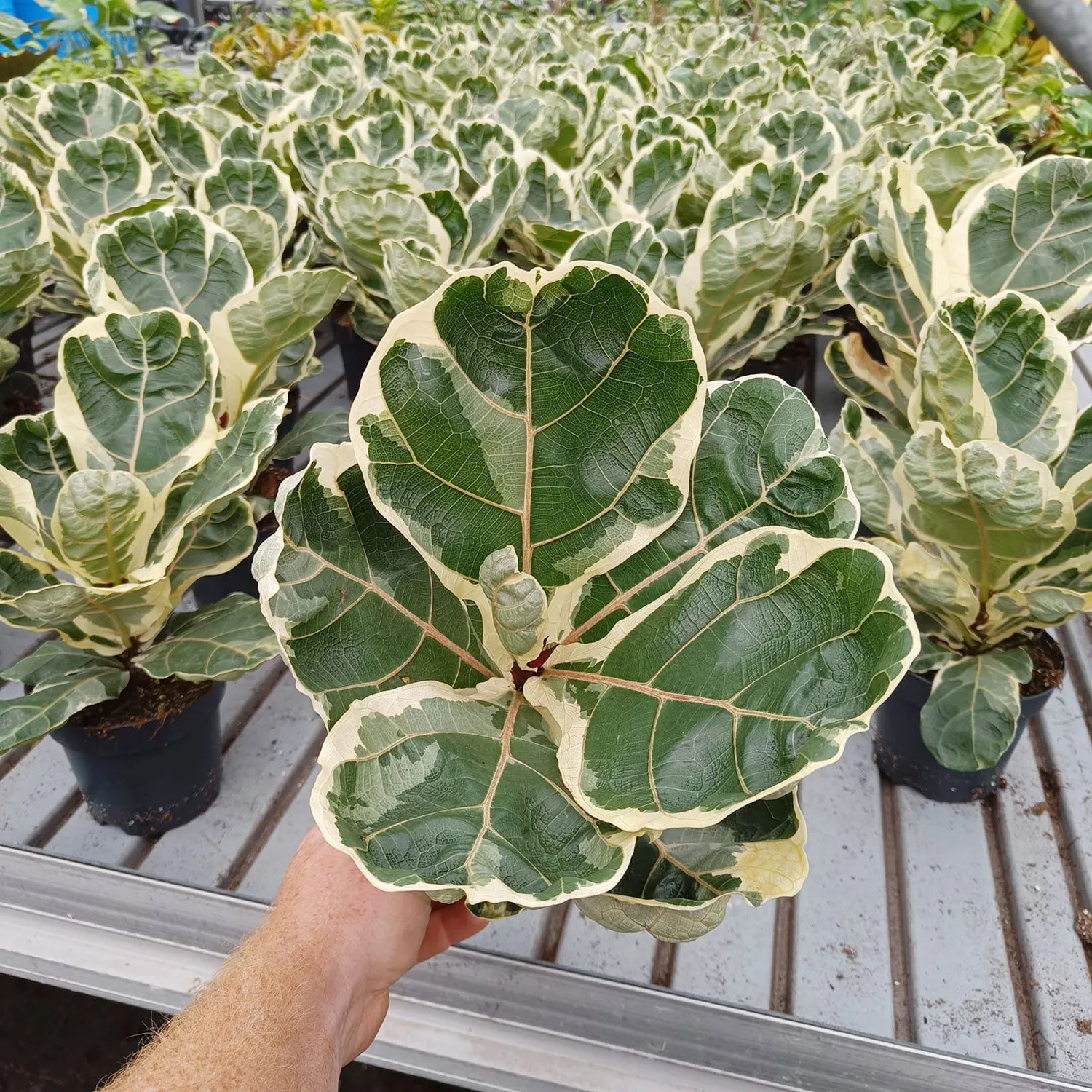
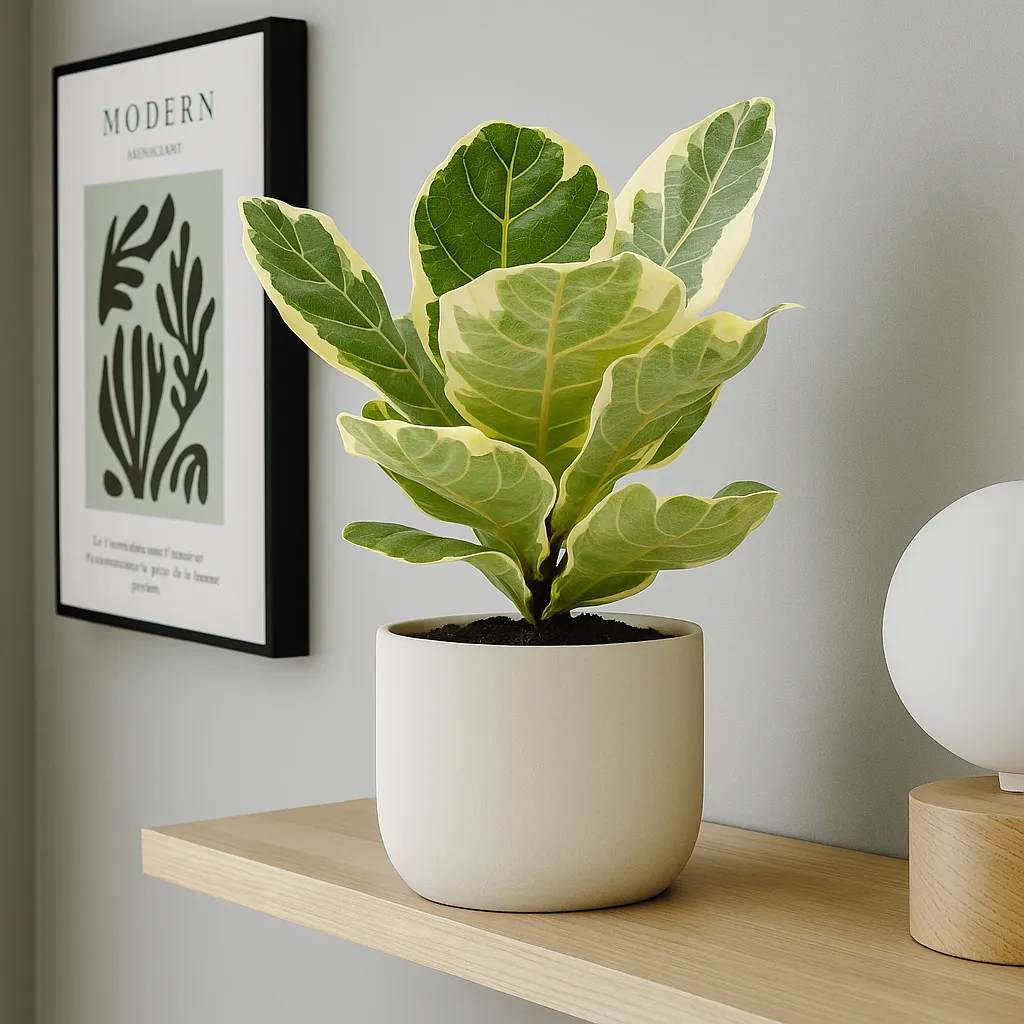
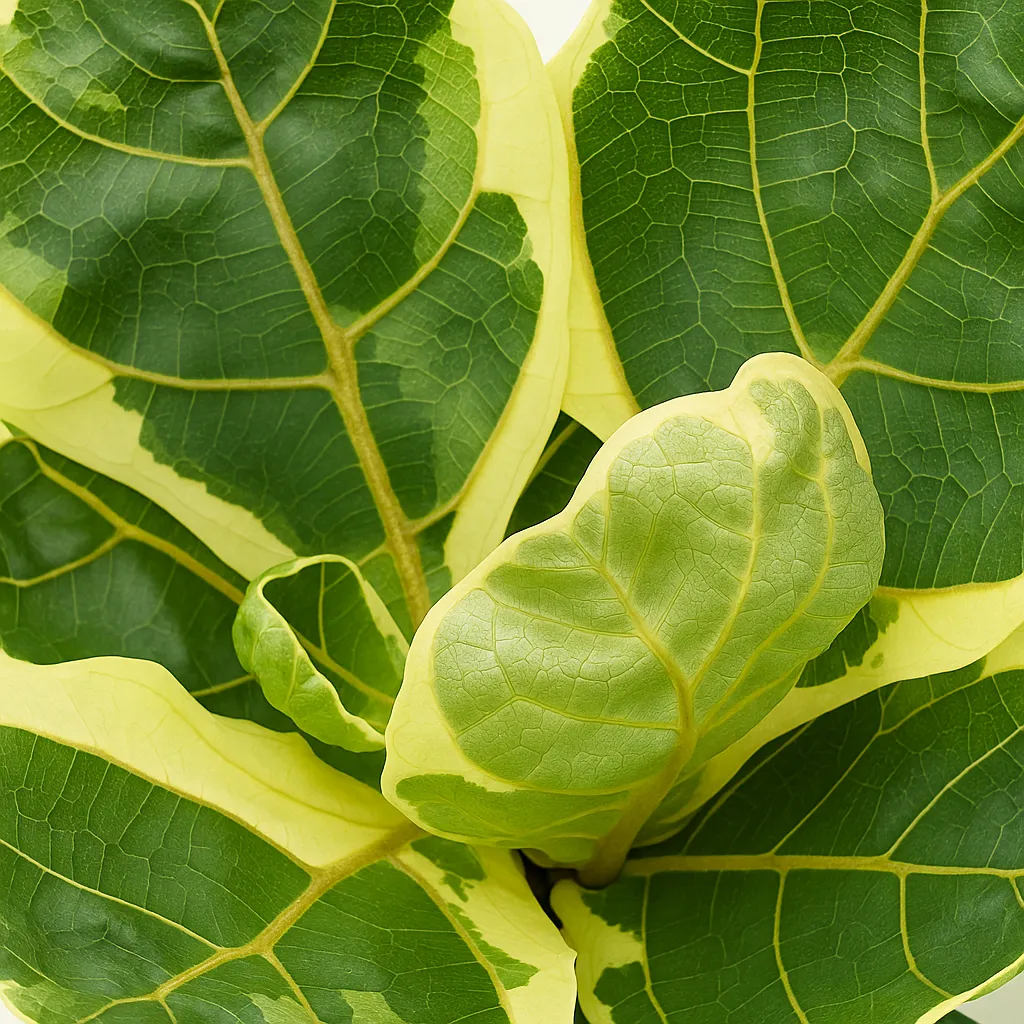
The large, leathery leaves are broad and violin-shaped, typically reaching 30–45 cm long. Each leaf is splashed with irregular patches of creamy white, pale yellow, or mint green, contrasting with the deep green base. Some leaves display sectoral variegation, while others are more marbled or speckled, ensuring that every plant is unique. The variegated margins and patterns soften the plant’s bold structure, giving it a fresh, contemporary aesthetic.
Mature plants can reach 1.5–3 metres indoors, making them statement pieces in modern interiors. Like its green-leaved counterpart, the Variegated Fiddle Leaf Fig is upright and architectural, but with an added layer of rarity and elegance thanks to its variegated foliage.
Variegated Ficus lyrata – Care Guide
Light
Requires bright, indirect light to maintain variegation. Too little light can cause the cream and yellow areas to fade, while harsh direct sun may scorch the leaves. A bright east- or west-facing window with filtered light is ideal.
Watering
Water when the top 5 cm of soil feels dry. Allow excess water to drain freely and never let the plant sit in standing water. Overwatering can cause root rot, while underwatering may lead to leaf drop.
Temperature and Humidity
-
Temperature: Thrives in 18–26°C. Protect from draughts and sudden changes in temperature.
-
Humidity: Prefers moderate to high humidity. Mist occasionally, group with other plants, or use a humidifier to prevent browning leaf edges.
Soil and Potting
Use a chunky, free-draining houseplant mix with perlite and bark for aeration. Repot every 1–2 years in spring if root-bound, but avoid oversized pots.
Feeding
Feed every 4–6 weeks in spring and summer with a balanced liquid fertiliser. Reduce or stop feeding in autumn and winter when growth slows.
Pruning and Training
Prune lightly to shape and encourage branching. Clean the large leaves regularly with a damp cloth to remove dust and enhance photosynthesis. Rotate the plant occasionally to ensure even growth.
Growth and Maturity
A slow to moderate grower. Indoors, it can reach 1.5–3 metres over several years. With proper care, its large variegated leaves become even more striking as the plant matures.
Common Issues
-
Leaf drop: Often caused by overwatering, low light, or environmental stress.
-
Brown patches: Can result from inconsistent watering or low humidity.
-
Pests: Susceptible to scale insects, spider mites, and mealybugs. Inspect regularly.
Background and Benefits
The Fiddle Leaf Fig has become a design icon in modern interiors for its bold form. The variegated cultivar is far rarer, adding a layer of exclusivity and artistic appeal. Beyond its ornamental beauty, like other ficus plants, it also helps improve indoor air quality.
✅ Quick Care Summary
-
Light: Bright, indirect light; avoid harsh direct sun
-
Water: When topsoil dries; avoid waterlogging
-
Temperature: 18–26°C; avoid draughts
-
Humidity: Moderate to high
-
Soil: Chunky, free-draining mix with perlite/bark
-
Feed: Monthly in spring/summer
-
Growth: Upright tree, 1.5–3 m indoors; large cream, yellow, and green variegated leaves
Product Information
Product Information
Shipping & Returns
Shipping & Returns
Description
Ficus lyrata variegata, commonly known as the Variegated Fiddle Leaf Fig, is a rare and highly sought-after cultivar of the classic Ficus lyrata. Native to the tropical rainforests of West Africa, the species belongs to the Moraceae family and is famed for its bold, violin-shaped leaves. The variegated form takes this beauty to new heights with its striking patterns of cream, yellow, and green.
The large, leathery leaves are broad and violin-shaped, typically reaching 30–45 cm long. Each leaf is splashed with irregular patches of creamy white, pale yellow, or mint green, contrasting with the deep green base. Some leaves display sectoral variegation, while others are more marbled or speckled, ensuring that every plant is unique. The variegated margins and patterns soften the plant’s bold structure, giving it a fresh, contemporary aesthetic.
Mature plants can reach 1.5–3 metres indoors, making them statement pieces in modern interiors. Like its green-leaved counterpart, the Variegated Fiddle Leaf Fig is upright and architectural, but with an added layer of rarity and elegance thanks to its variegated foliage.
Variegated Ficus lyrata – Care Guide
Light
Requires bright, indirect light to maintain variegation. Too little light can cause the cream and yellow areas to fade, while harsh direct sun may scorch the leaves. A bright east- or west-facing window with filtered light is ideal.
Watering
Water when the top 5 cm of soil feels dry. Allow excess water to drain freely and never let the plant sit in standing water. Overwatering can cause root rot, while underwatering may lead to leaf drop.
Temperature and Humidity
-
Temperature: Thrives in 18–26°C. Protect from draughts and sudden changes in temperature.
-
Humidity: Prefers moderate to high humidity. Mist occasionally, group with other plants, or use a humidifier to prevent browning leaf edges.
Soil and Potting
Use a chunky, free-draining houseplant mix with perlite and bark for aeration. Repot every 1–2 years in spring if root-bound, but avoid oversized pots.
Feeding
Feed every 4–6 weeks in spring and summer with a balanced liquid fertiliser. Reduce or stop feeding in autumn and winter when growth slows.
Pruning and Training
Prune lightly to shape and encourage branching. Clean the large leaves regularly with a damp cloth to remove dust and enhance photosynthesis. Rotate the plant occasionally to ensure even growth.
Growth and Maturity
A slow to moderate grower. Indoors, it can reach 1.5–3 metres over several years. With proper care, its large variegated leaves become even more striking as the plant matures.
Common Issues
-
Leaf drop: Often caused by overwatering, low light, or environmental stress.
-
Brown patches: Can result from inconsistent watering or low humidity.
-
Pests: Susceptible to scale insects, spider mites, and mealybugs. Inspect regularly.
Background and Benefits
The Fiddle Leaf Fig has become a design icon in modern interiors for its bold form. The variegated cultivar is far rarer, adding a layer of exclusivity and artistic appeal. Beyond its ornamental beauty, like other ficus plants, it also helps improve indoor air quality.
✅ Quick Care Summary
-
Light: Bright, indirect light; avoid harsh direct sun
-
Water: When topsoil dries; avoid waterlogging
-
Temperature: 18–26°C; avoid draughts
-
Humidity: Moderate to high
-
Soil: Chunky, free-draining mix with perlite/bark
-
Feed: Monthly in spring/summer
-
Growth: Upright tree, 1.5–3 m indoors; large cream, yellow, and green variegated leaves