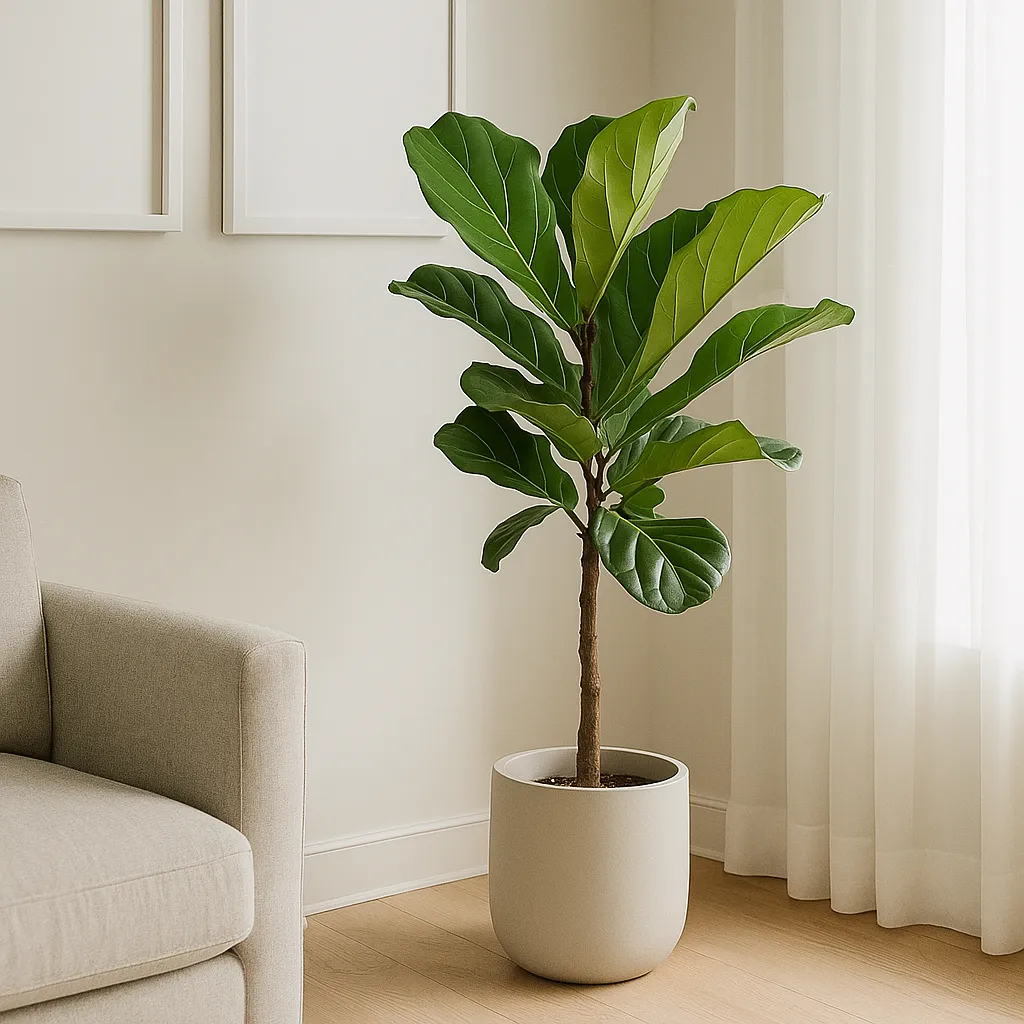
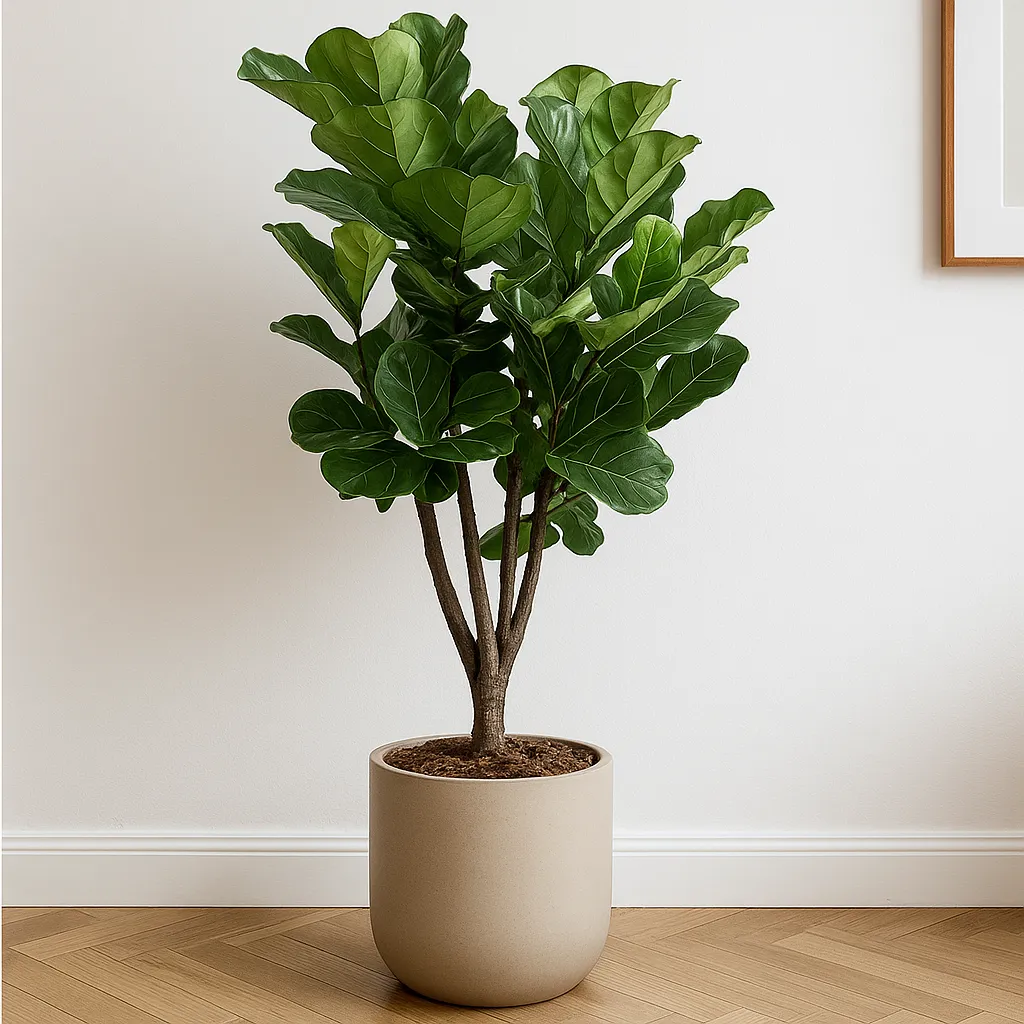
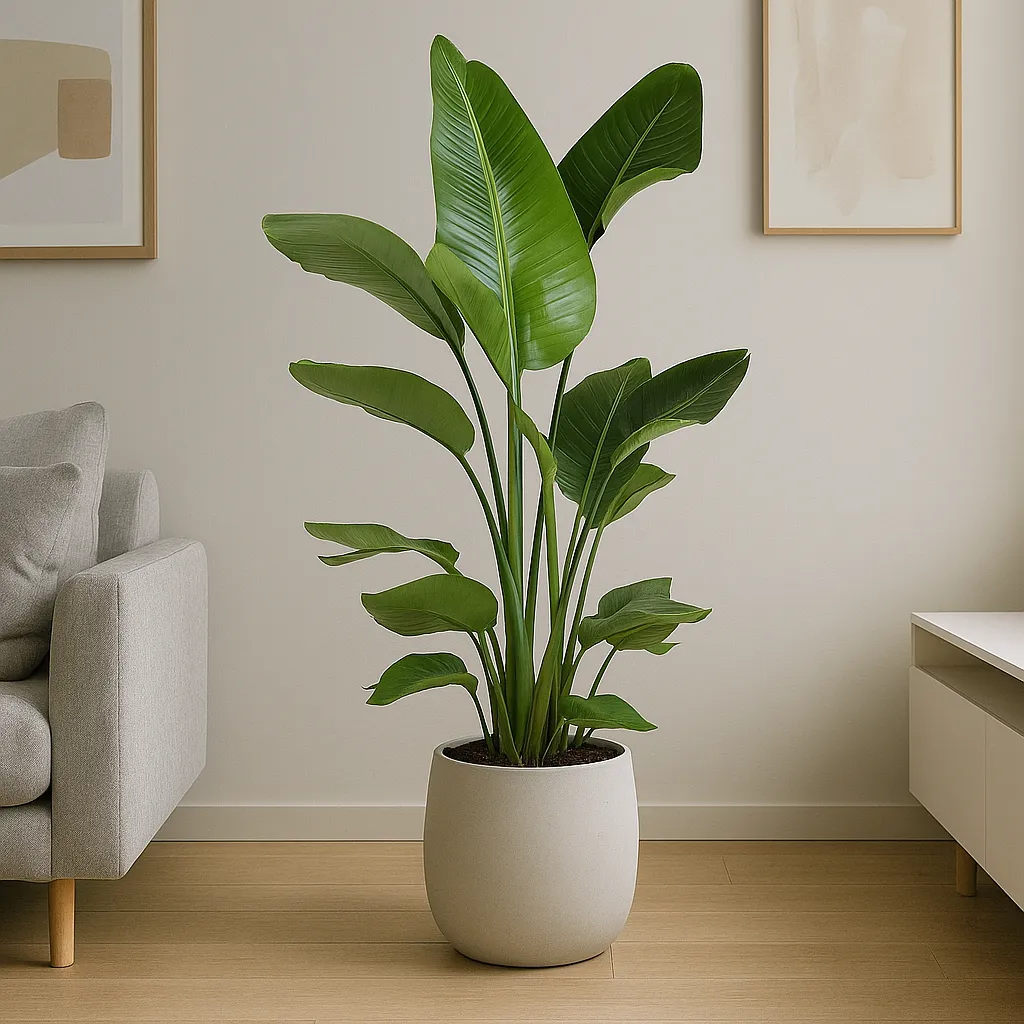
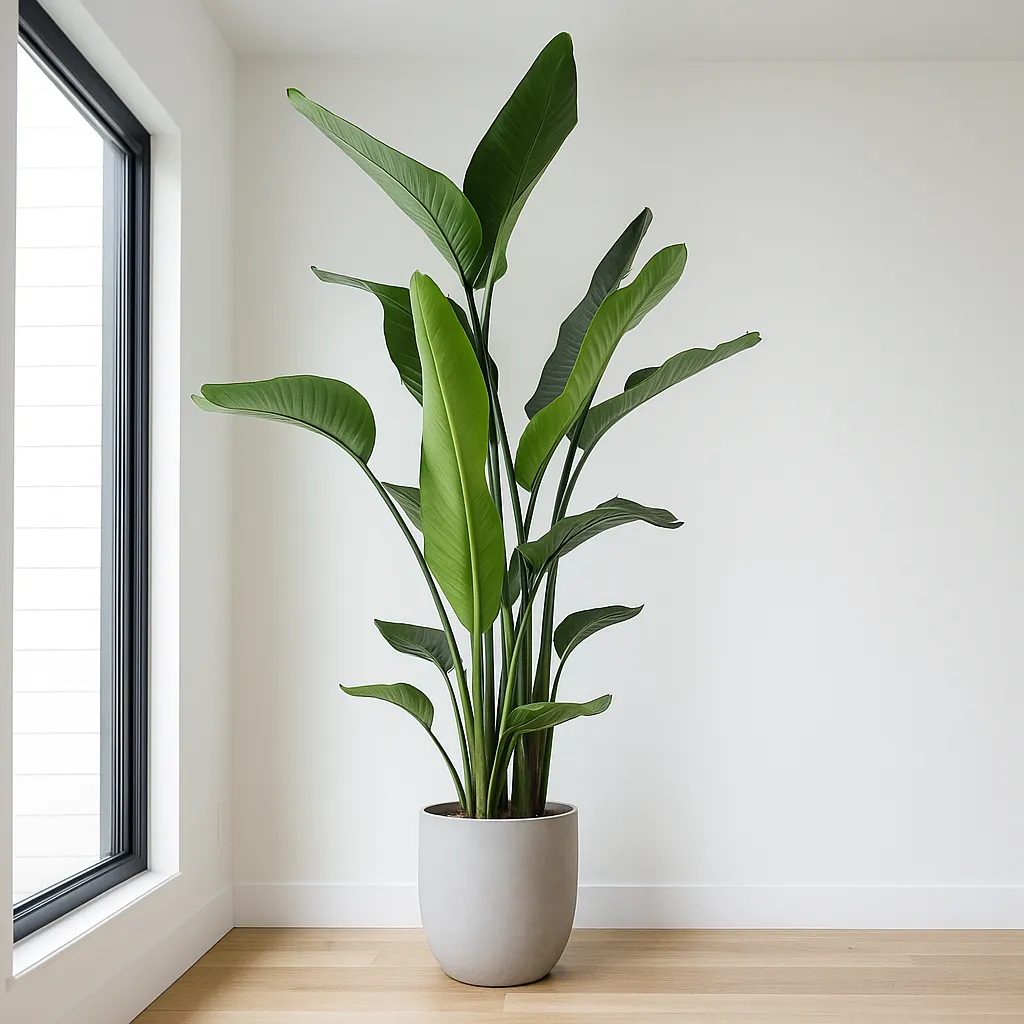
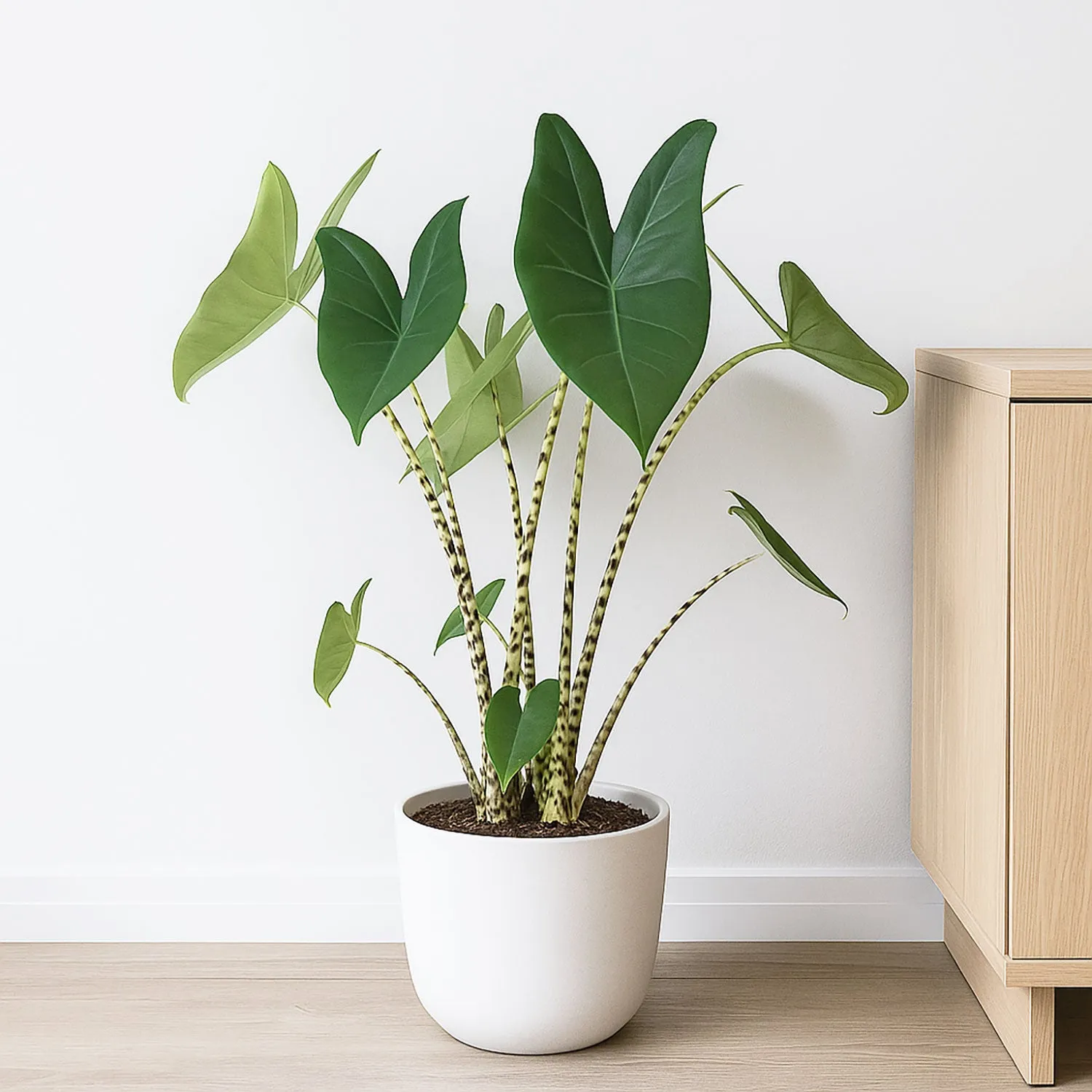
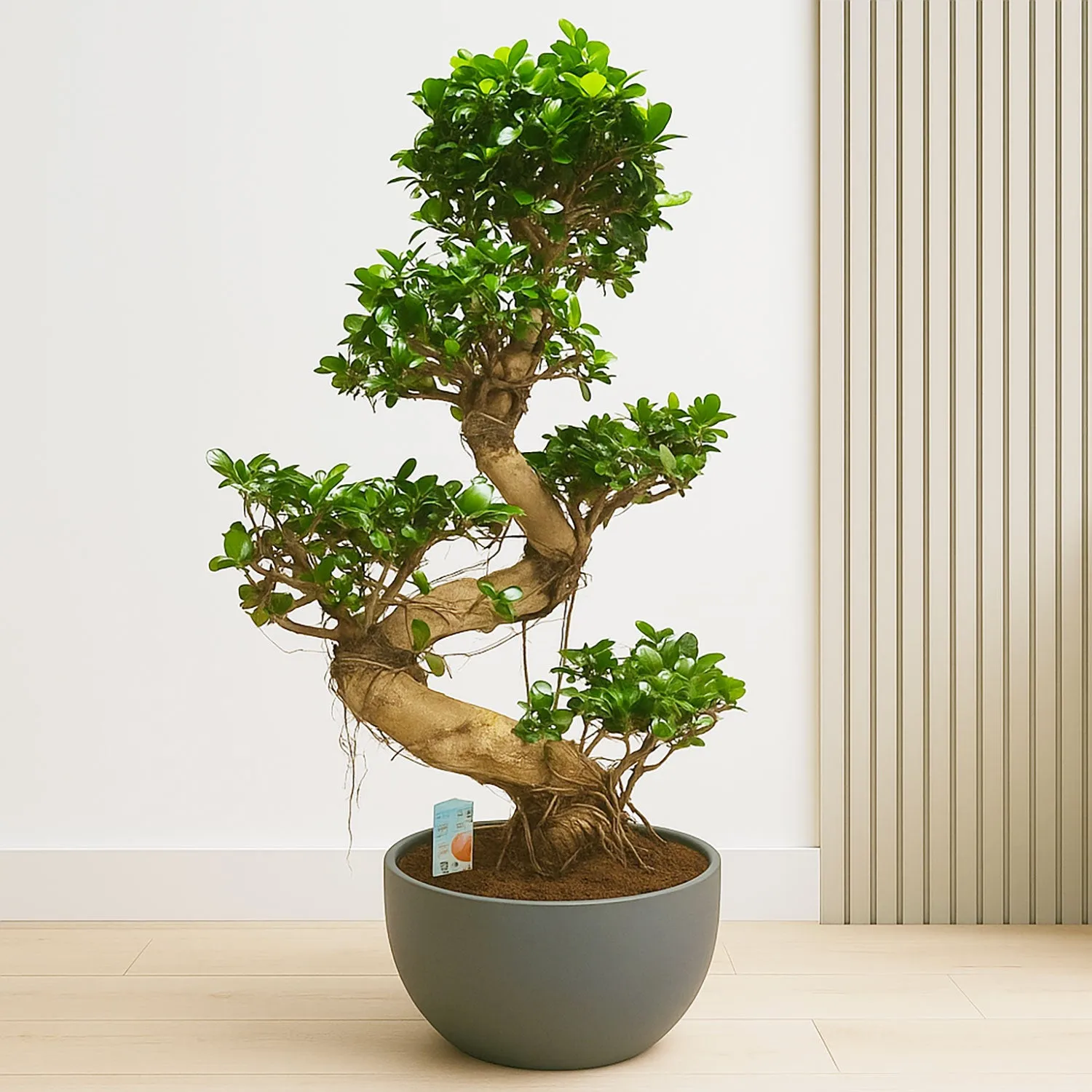
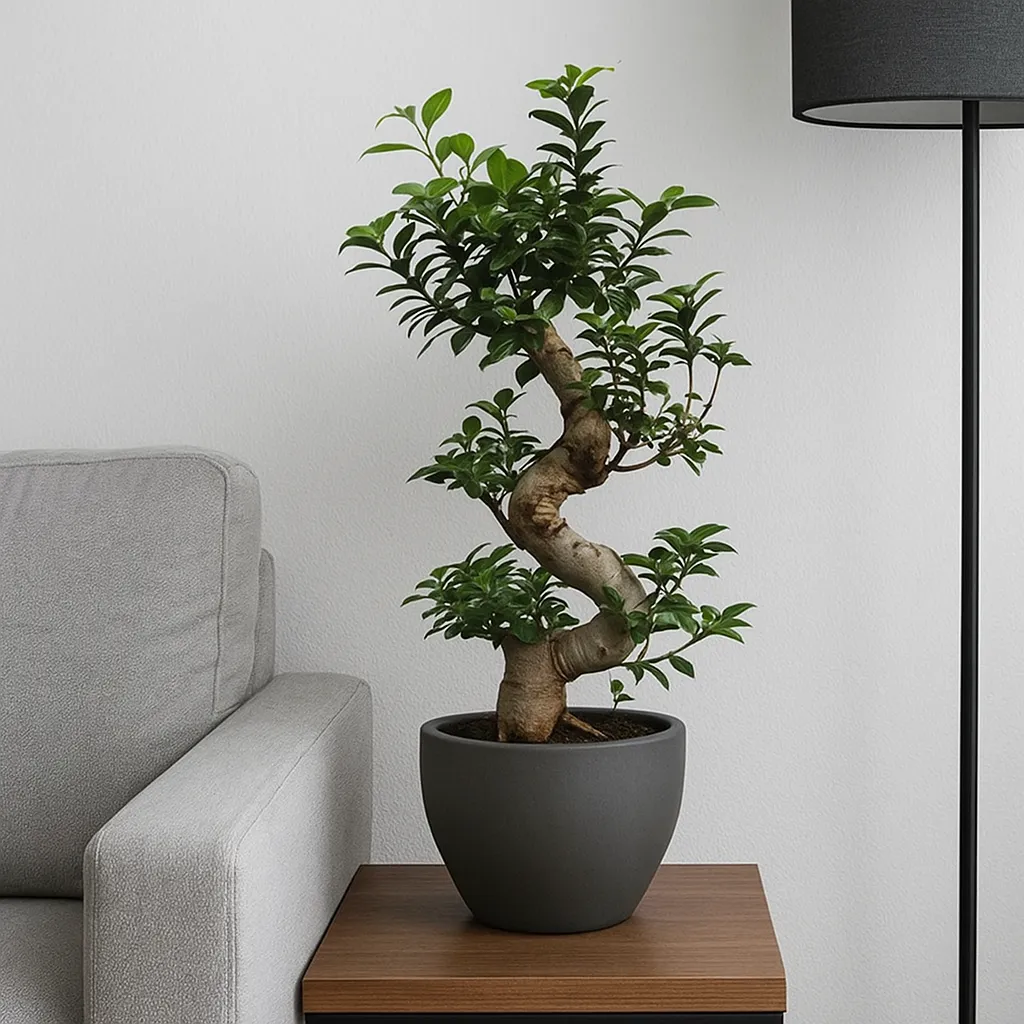
260 - 300cm XXL Coccoloba Uvifera 55cm Pot House Plant
🌿 Coccoloba uvifera — Sea Grape
Coccoloba uvifera, commonly known as the Sea Grape, is a bold, tropical evergreen native to coastal areas of the Caribbean, Florida, and Central America. Its name comes from the clusters of round, purple-red fruits it produces, which resemble bunches of grapes and are edible, though mildly sweet. With its large, leathery, round leaves — often tinged with red veins and coppery tones when young — Coccoloba uvifera makes a dramatic foliage plant both indoors and out. The leaves can grow up to 25 cm (10 in) across, creating a lush, textural effect. Outdoors, the plant can grow into a small tree or large shrub, tolerant of coastal winds, salt spray, and sandy soil. Indoors or in containers, it remains compact and manageable, thriving in bright light and bringing a tropical, beachside feel to the space. Its sculptural form, ease of pruning, and striking foliage make it a standout in conservatories, patios, and sunny rooms.
☀️ Light Requirements
-
Outdoors: Prefers full sun for best growth and fruiting; tolerates partial shade.
-
Indoors: Needs bright, direct or very strong indirect light. A south-facing window is ideal.
-
Low light: Will result in sparse foliage and leggy growth.
🌡️ Temperature & Humidity
-
Ideal temperature: 21–30°C (70–86°F)
-
Minimum temperature: Protect from temperatures below 10°C (50°F); not frost hardy
-
Humidity: Prefers moderate to high humidity. Misting helps in dry environments.
💧 Watering Needs
-
Watering frequency: Allow the top 3–5 cm of soil to dry between waterings.
-
Tip: Water more frequently during the growing season, and reduce in cooler months.
-
Drought tolerance: Mature outdoor plants are drought-tolerant, but container-grown or indoor plants prefer consistent moisture.
🪴 Soil & Repotting
-
Soil type: Well-draining soil; a sandy loam or standard compost with added grit works well.
-
pH: Slightly acidic to neutral (6.0–7.5)
-
Repotting: Every 2–3 years or when rootbound. Repot in spring if possible.
🌱 Feeding
-
Growing season (spring–summer): Feed monthly with a balanced liquid fertiliser.
-
Autumn–winter: Reduce or pause feeding unless under strong grow lights.
✂️ Pruning & Maintenance
-
Pruning: Responds well to pruning. Can be shaped as a small tree, shrub, or kept bushy and compact.
-
Maintenance: Remove dead or damaged leaves to maintain appearance and airflow.
-
Leaf care: Large leaves can be wiped gently with a damp cloth to keep them clean and healthy.
🌾 Propagation
-
From seed: Seeds are viable and will germinate, but slow to establish.
-
Stem cuttings: Can be rooted with warmth and humidity but less commonly used than seed propagation.
🐛 Pests & Problems
-
Common pests: Scale insects, mealybugs, and spider mites — especially indoors.
-
Diseases: Generally disease-resistant when given good airflow and proper watering.
-
Common issues:
-
Leaf drop or spotting: Often due to cold temperatures or inconsistent watering.
-
Brown leaf edges: Typically a sign of low humidity.
-
🧤 Toxicity & Safety
-
Toxicity: Non-toxic to humans and pets.
-
Fruit: Edible and can be used to make jellies or preserves. Only fruit on mature outdoor plants in suitable climates.
🏡 Indoor & Outdoor Care Highlights
-
A fantastic plant for tropical gardens, large pots, or indoor statement foliage.
-
Brings a beachy, Caribbean feel to terraces, conservatories, or sunrooms.
-
Excellent choice for seaside gardens due to salt and wind tolerance.
-
Combines well with palms, philodendrons, and other broad-leaved tropicals.
-
Suitable for shaping into a small ornamental tree for patios or entrances.
Original: $2,639.58
-70%$2,639.58
$791.87Product Information
Product Information
Shipping & Returns
Shipping & Returns
Description
🌿 Coccoloba uvifera — Sea Grape
Coccoloba uvifera, commonly known as the Sea Grape, is a bold, tropical evergreen native to coastal areas of the Caribbean, Florida, and Central America. Its name comes from the clusters of round, purple-red fruits it produces, which resemble bunches of grapes and are edible, though mildly sweet. With its large, leathery, round leaves — often tinged with red veins and coppery tones when young — Coccoloba uvifera makes a dramatic foliage plant both indoors and out. The leaves can grow up to 25 cm (10 in) across, creating a lush, textural effect. Outdoors, the plant can grow into a small tree or large shrub, tolerant of coastal winds, salt spray, and sandy soil. Indoors or in containers, it remains compact and manageable, thriving in bright light and bringing a tropical, beachside feel to the space. Its sculptural form, ease of pruning, and striking foliage make it a standout in conservatories, patios, and sunny rooms.
☀️ Light Requirements
-
Outdoors: Prefers full sun for best growth and fruiting; tolerates partial shade.
-
Indoors: Needs bright, direct or very strong indirect light. A south-facing window is ideal.
-
Low light: Will result in sparse foliage and leggy growth.
🌡️ Temperature & Humidity
-
Ideal temperature: 21–30°C (70–86°F)
-
Minimum temperature: Protect from temperatures below 10°C (50°F); not frost hardy
-
Humidity: Prefers moderate to high humidity. Misting helps in dry environments.
💧 Watering Needs
-
Watering frequency: Allow the top 3–5 cm of soil to dry between waterings.
-
Tip: Water more frequently during the growing season, and reduce in cooler months.
-
Drought tolerance: Mature outdoor plants are drought-tolerant, but container-grown or indoor plants prefer consistent moisture.
🪴 Soil & Repotting
-
Soil type: Well-draining soil; a sandy loam or standard compost with added grit works well.
-
pH: Slightly acidic to neutral (6.0–7.5)
-
Repotting: Every 2–3 years or when rootbound. Repot in spring if possible.
🌱 Feeding
-
Growing season (spring–summer): Feed monthly with a balanced liquid fertiliser.
-
Autumn–winter: Reduce or pause feeding unless under strong grow lights.
✂️ Pruning & Maintenance
-
Pruning: Responds well to pruning. Can be shaped as a small tree, shrub, or kept bushy and compact.
-
Maintenance: Remove dead or damaged leaves to maintain appearance and airflow.
-
Leaf care: Large leaves can be wiped gently with a damp cloth to keep them clean and healthy.
🌾 Propagation
-
From seed: Seeds are viable and will germinate, but slow to establish.
-
Stem cuttings: Can be rooted with warmth and humidity but less commonly used than seed propagation.
🐛 Pests & Problems
-
Common pests: Scale insects, mealybugs, and spider mites — especially indoors.
-
Diseases: Generally disease-resistant when given good airflow and proper watering.
-
Common issues:
-
Leaf drop or spotting: Often due to cold temperatures or inconsistent watering.
-
Brown leaf edges: Typically a sign of low humidity.
-
🧤 Toxicity & Safety
-
Toxicity: Non-toxic to humans and pets.
-
Fruit: Edible and can be used to make jellies or preserves. Only fruit on mature outdoor plants in suitable climates.
🏡 Indoor & Outdoor Care Highlights
-
A fantastic plant for tropical gardens, large pots, or indoor statement foliage.
-
Brings a beachy, Caribbean feel to terraces, conservatories, or sunrooms.
-
Excellent choice for seaside gardens due to salt and wind tolerance.
-
Combines well with palms, philodendrons, and other broad-leaved tropicals.
-
Suitable for shaping into a small ornamental tree for patios or entrances.