30 - 40cm Alocasia Pink Dragon House Plant 12cm Pot
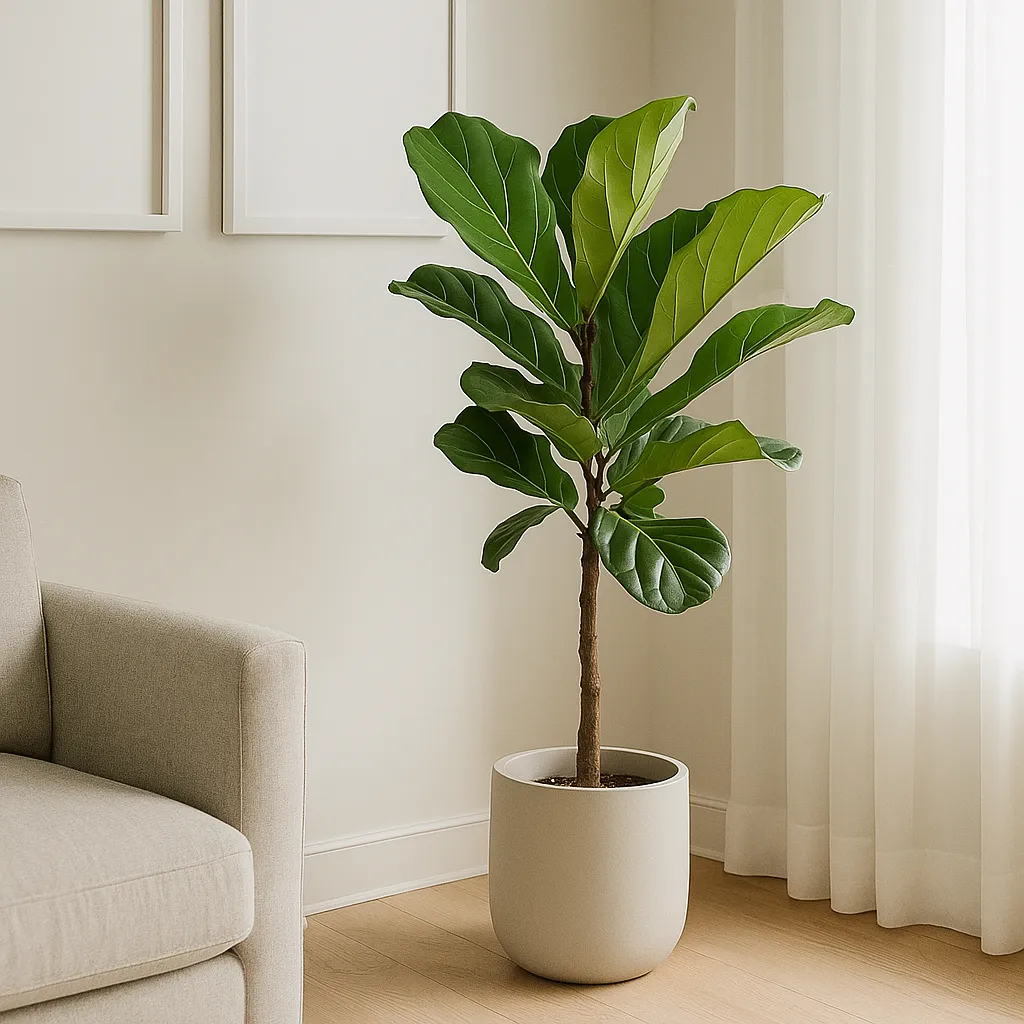
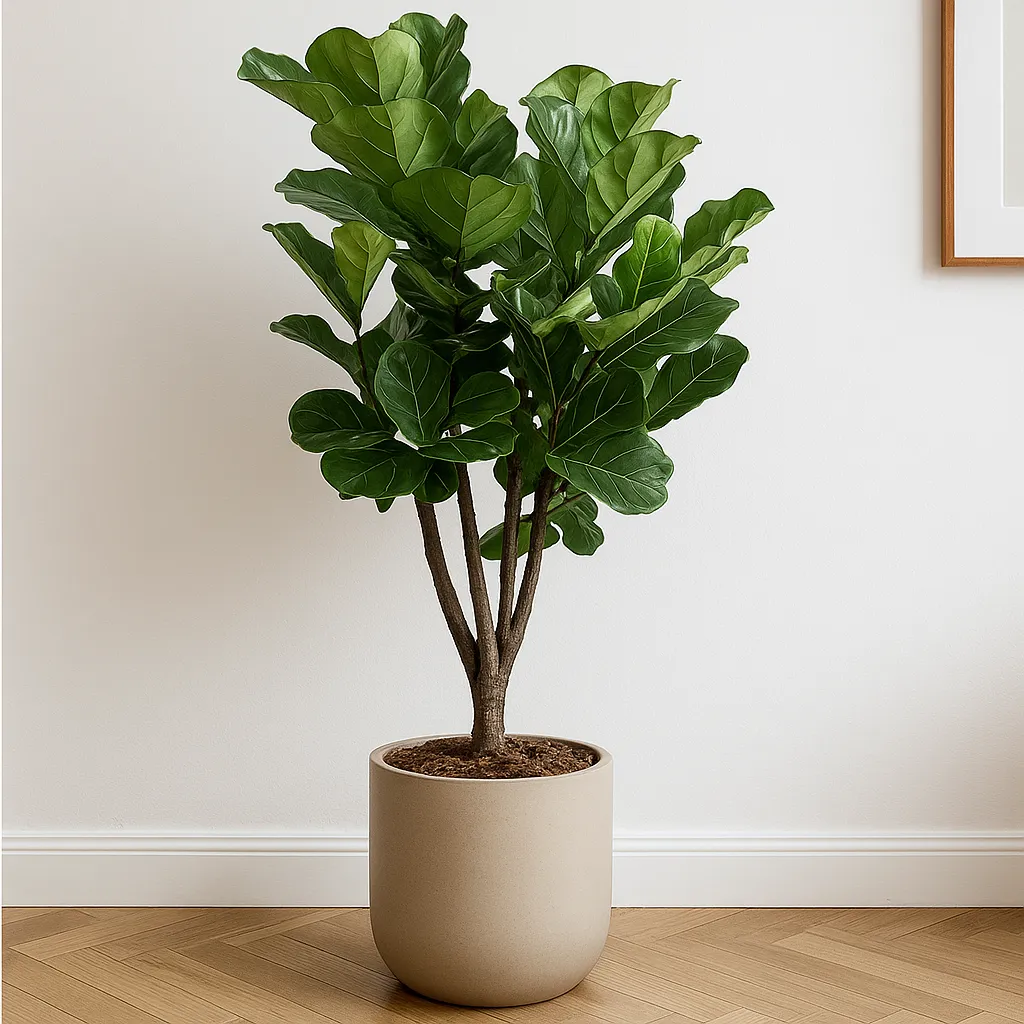
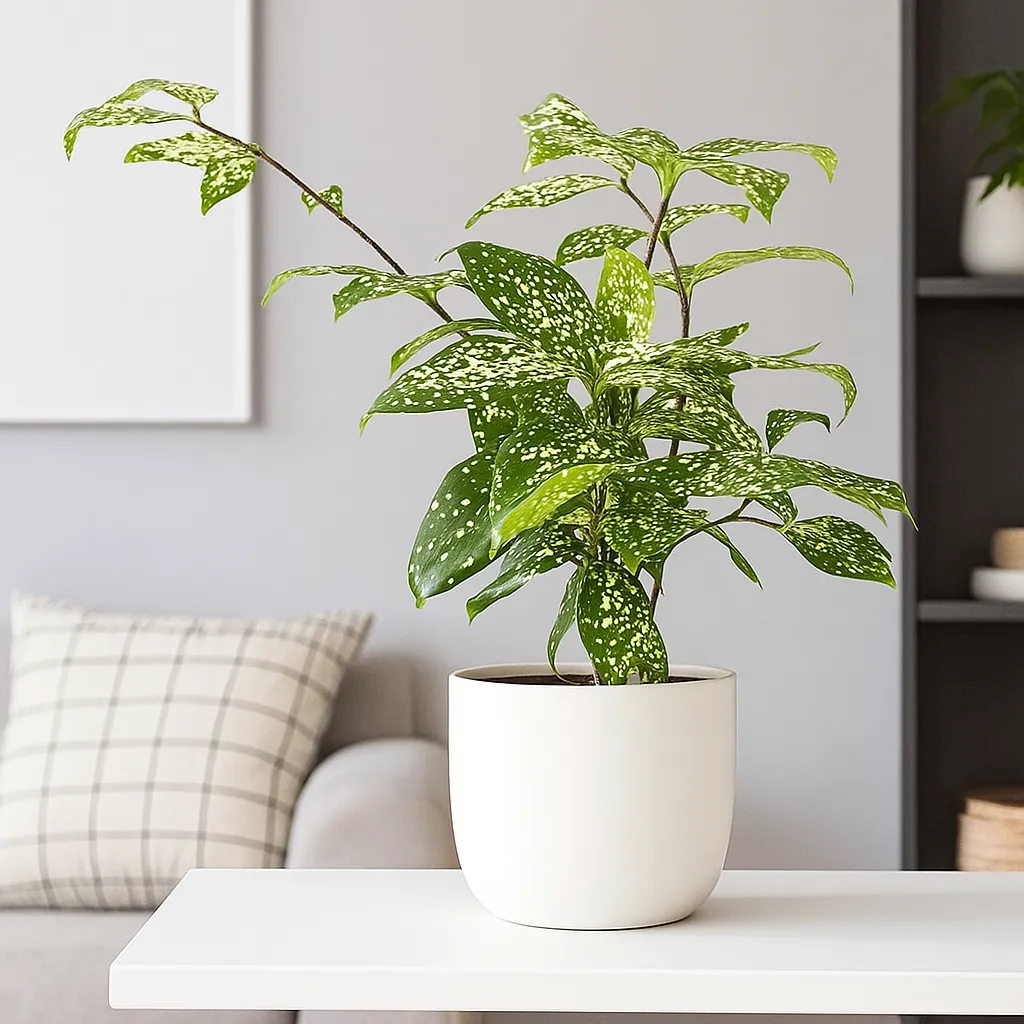
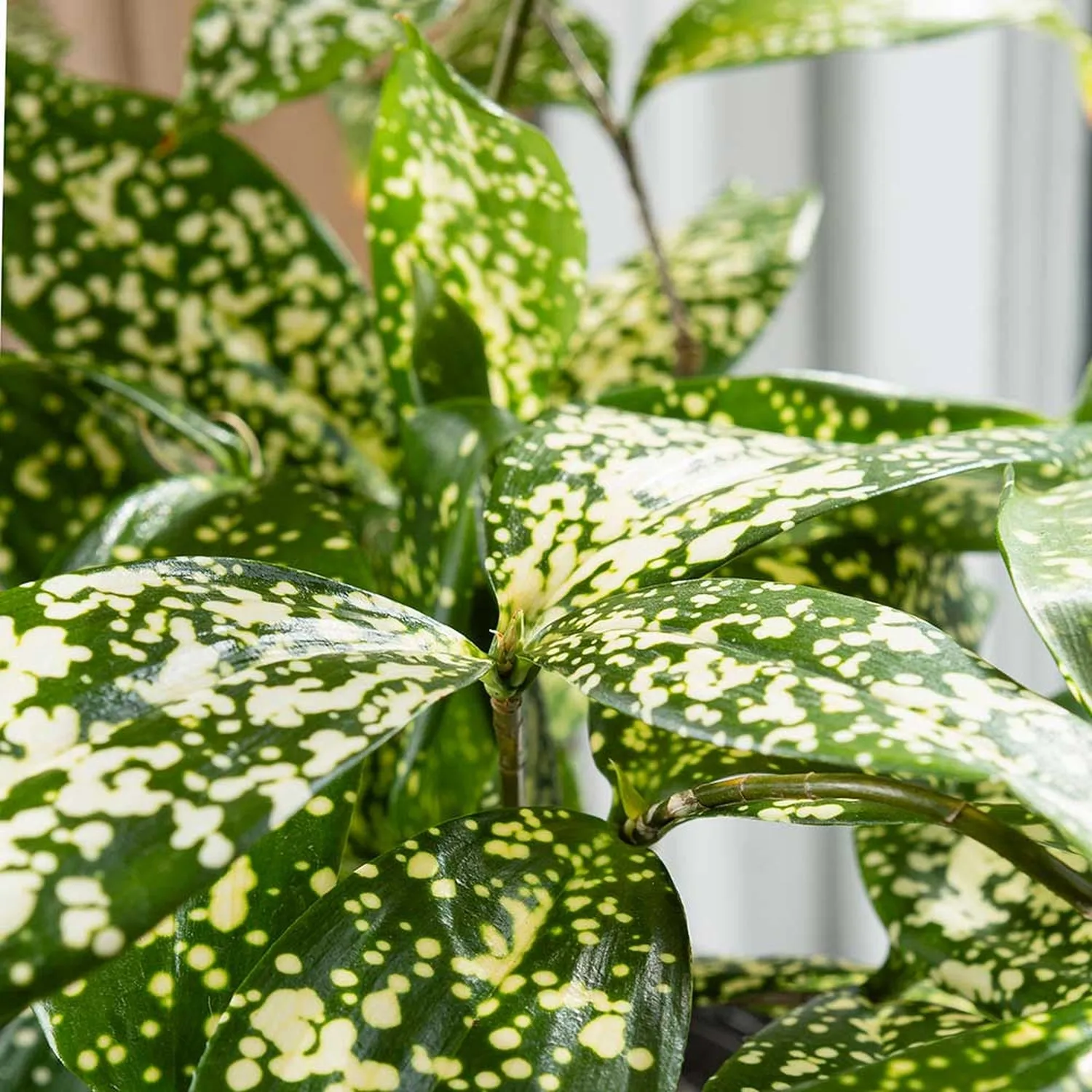
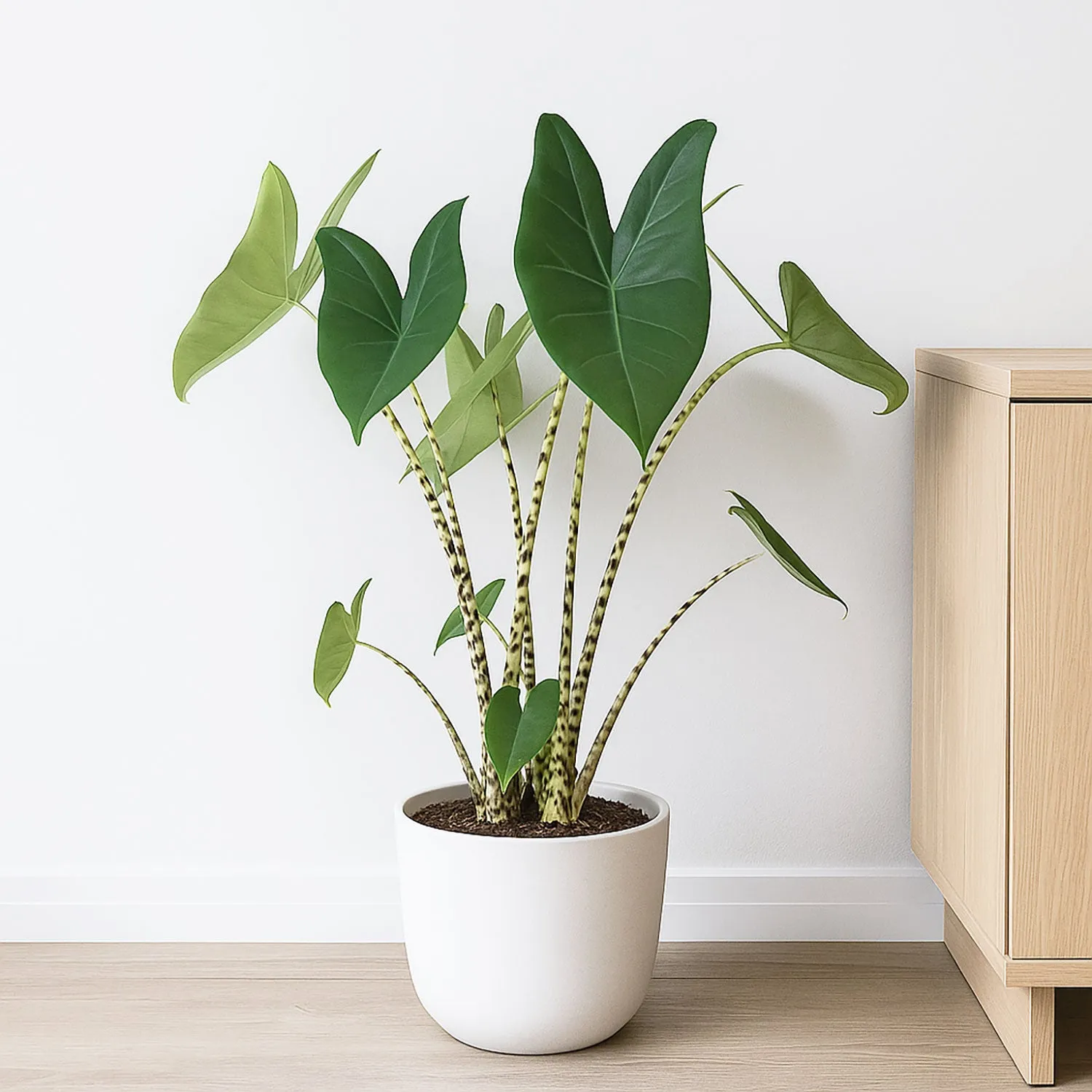
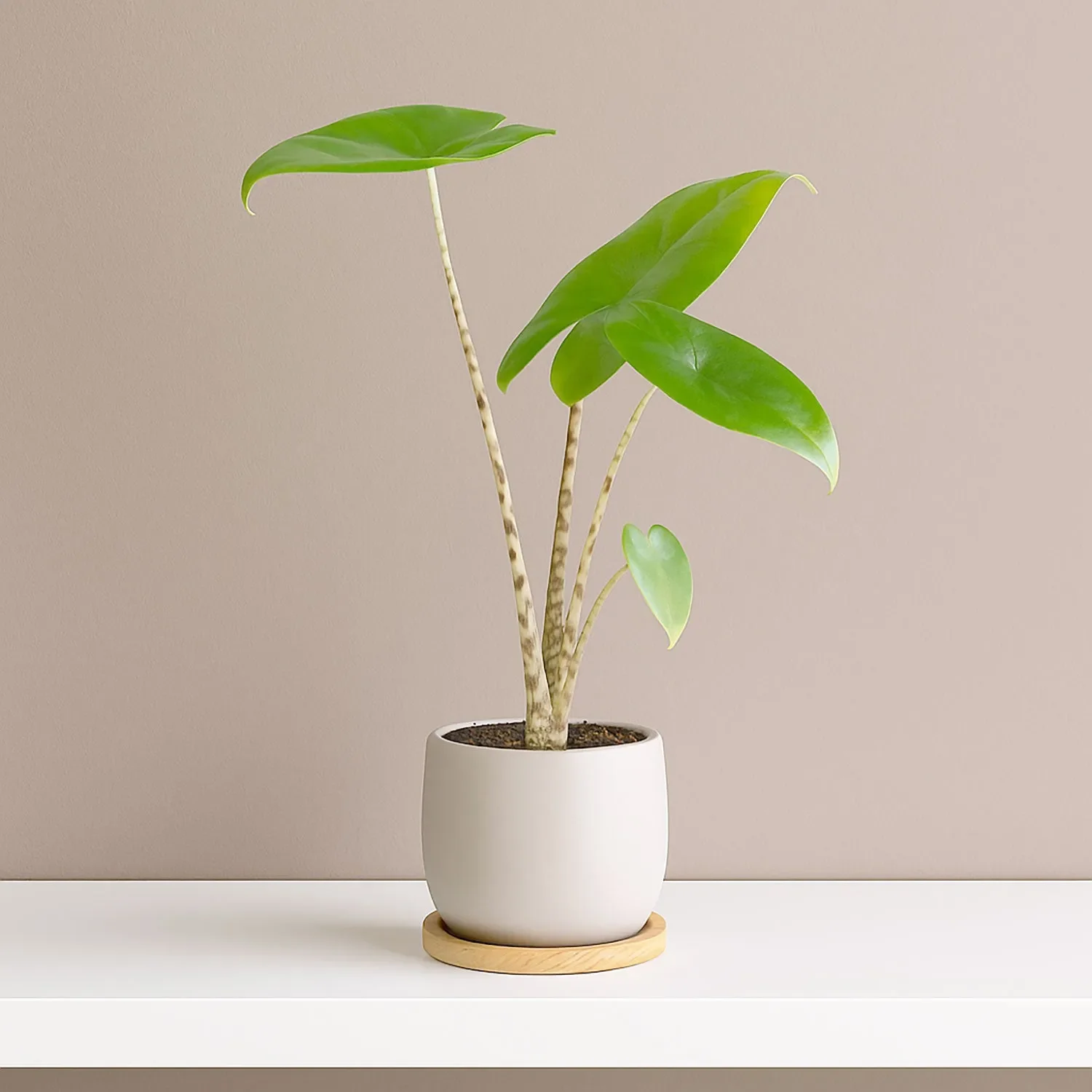
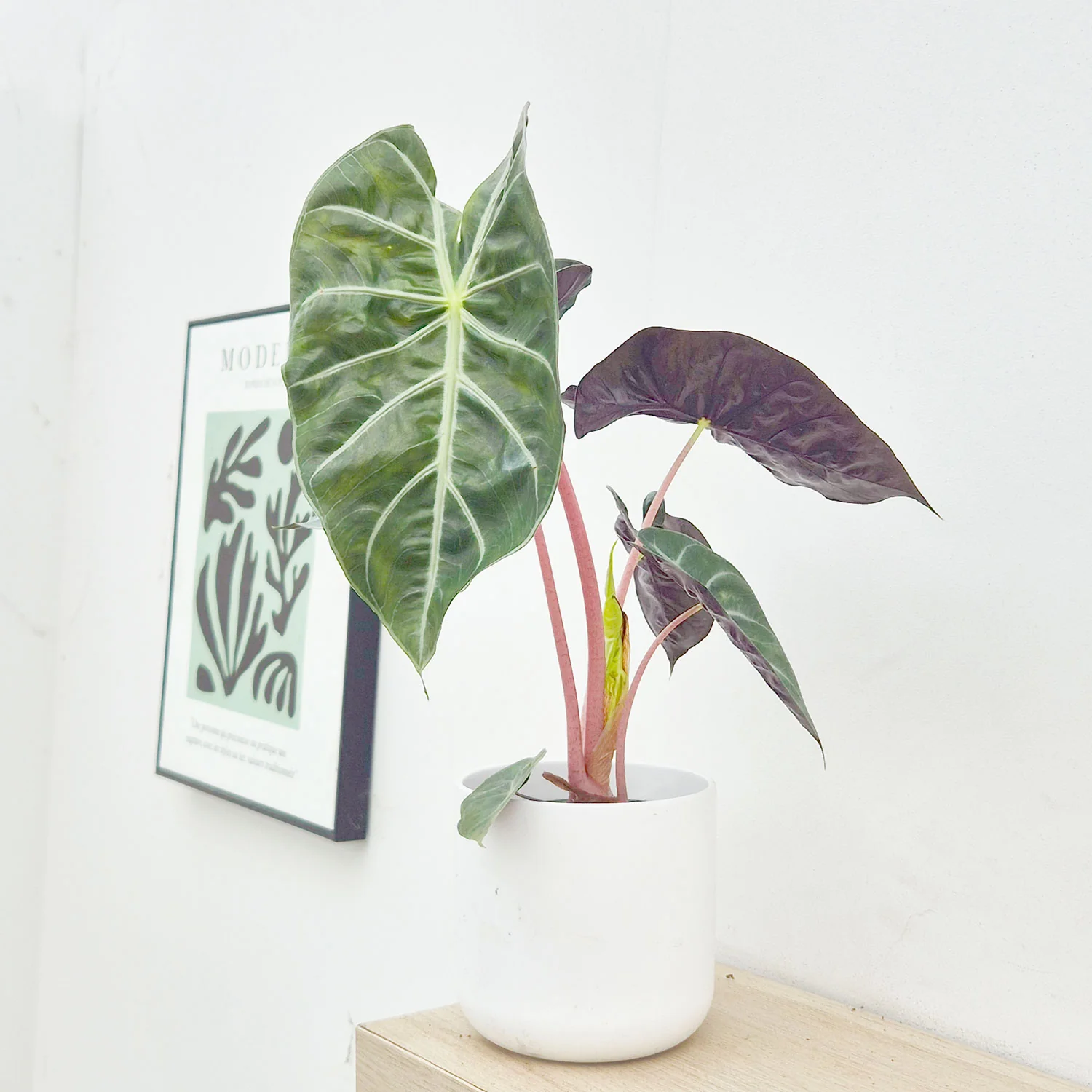
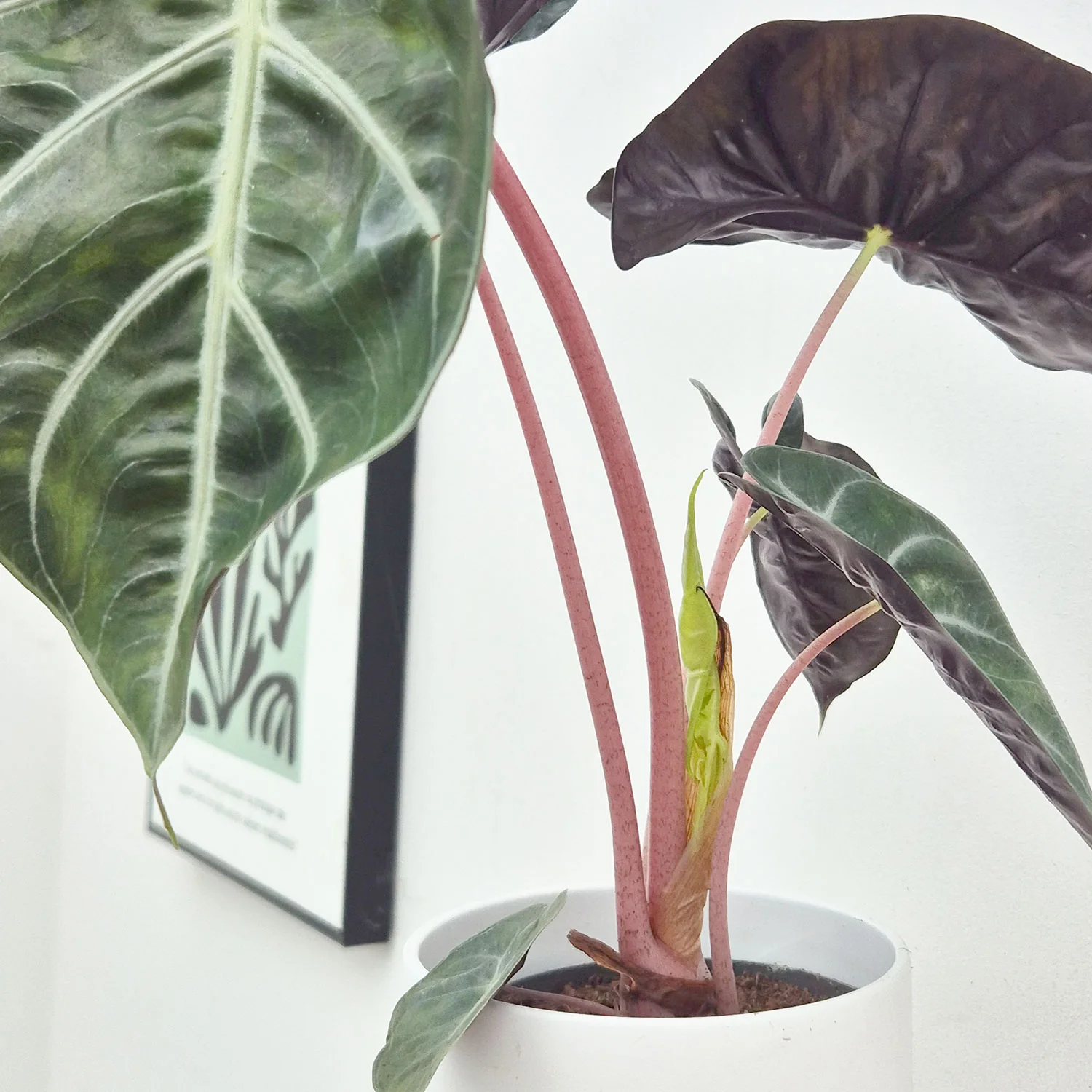
Alocasia 'Pink Dragon' is a striking tropical houseplant known for its dramatic contrast between dark green leaves and vivid pink stems. The large, arrow-shaped leaves are a deep glossy green with prominent pale veins running across the surface, whilst the undersides often have a slight reddish-purple tint.
What makes Alocasia ‘Pink Dragon’ especially distinctive are its thick, blush-pink petioles and stems, which give the plant its name. The combination of bold foliage and soft pink colouring creates a sculptural, almost exotic appearance.
It grows upright and compact compared with some larger Alocasias, usually reaching around 40–70cm tall indoors. As it matures, the leaves become larger and more dramatic, making it an excellent statement plant.
The pink stems make it a natural fit for your Pink Hues collection alongside Syngonium ‘Pink Robusta’, Aglaonema ‘Pink Star’ and Ficus ‘Belize’. Its bold foliage also complements the tropical feel of your Tropical Houseplant Collection.
Detailed Care Guide
Light
Alocasia ‘Pink Dragon’ prefers bright, indirect light.
Place it close to a bright window with filtered light, such as an east-facing window or slightly back from a south or west-facing window.
Too much direct sun can scorch the leaves, whilst too little light may lead to slower growth and smaller leaves.
Watering
Keep the compost evenly moist but not soggy.
- Water when the top 2–3cm of compost feels dry
- Water thoroughly, then allow excess to drain away
- Reduce watering slightly during winter
Alocasias dislike both drying out completely and sitting in wet compost. If the soil becomes too dry, the leaves may droop or crisp at the edges. If it stays too wet, the roots can rot quickly.
Humidity
Alocasia ‘Pink Dragon’ enjoys high humidity, ideally around 60–80%.
It grows best:
- Near a humidifier
- In a bathroom with good light
- Grouped with other tropical plants
Low humidity can cause brown leaf edges and make new leaves struggle to unfurl.
Temperature
Keep Alocasia ‘Pink Dragon’ warm, ideally between 18–27°C.
Avoid:
- Temperatures below 15°C
- Cold draughts
- Open windows in winter
- Sudden temperature changes
Compost
Use a chunky, free-draining compost that still holds some moisture.
A good mix is:
- 2 parts houseplant compost or coco coir
- 1 part perlite
- 1 part orchid bark
This allows the roots to stay moist without becoming waterlogged.
Feeding
Feed every 2–3 weeks during spring and summer with a balanced liquid houseplant fertiliser at half strength.
Alocasias are fairly hungry plants during active growth, but avoid feeding in winter when growth slows.
Dormancy
During autumn and winter, Alocasia ‘Pink Dragon’ may slow down considerably or lose one or more leaves. This is normal.
If this happens:
- Water less often
- Stop feeding until new growth appears
- Keep the plant warm and bright
New leaves should return in spring.
Repotting
Repot every 1–2 years in spring when:
- Roots are filling the pot
- The plant dries out very quickly
- Growth slows
Only move up one pot size at a time.
Common Problems
- Brown leaf edges: Low humidity or underwatering
- Yellow leaves: Overwatering or natural ageing of older leaves
- Drooping leaves: Cold temperatures, dry soil or root problems
- Leaves curling: Low humidity or too much direct sun
- Spider mites: Alocasias can be prone to these in dry conditions
Pet Safety
Alocasia ‘Pink Dragon’ is toxic if eaten and should be kept away from pets and children. The leaves and stems contain calcium oxalate crystals which can cause irritation and stomach upset if consumed.
Original: $26.38
-70%$26.38
$7.91Product Information
Product Information
Shipping & Returns
Shipping & Returns
Description
Alocasia 'Pink Dragon' is a striking tropical houseplant known for its dramatic contrast between dark green leaves and vivid pink stems. The large, arrow-shaped leaves are a deep glossy green with prominent pale veins running across the surface, whilst the undersides often have a slight reddish-purple tint.
What makes Alocasia ‘Pink Dragon’ especially distinctive are its thick, blush-pink petioles and stems, which give the plant its name. The combination of bold foliage and soft pink colouring creates a sculptural, almost exotic appearance.
It grows upright and compact compared with some larger Alocasias, usually reaching around 40–70cm tall indoors. As it matures, the leaves become larger and more dramatic, making it an excellent statement plant.
The pink stems make it a natural fit for your Pink Hues collection alongside Syngonium ‘Pink Robusta’, Aglaonema ‘Pink Star’ and Ficus ‘Belize’. Its bold foliage also complements the tropical feel of your Tropical Houseplant Collection.
Detailed Care Guide
Light
Alocasia ‘Pink Dragon’ prefers bright, indirect light.
Place it close to a bright window with filtered light, such as an east-facing window or slightly back from a south or west-facing window.
Too much direct sun can scorch the leaves, whilst too little light may lead to slower growth and smaller leaves.
Watering
Keep the compost evenly moist but not soggy.
- Water when the top 2–3cm of compost feels dry
- Water thoroughly, then allow excess to drain away
- Reduce watering slightly during winter
Alocasias dislike both drying out completely and sitting in wet compost. If the soil becomes too dry, the leaves may droop or crisp at the edges. If it stays too wet, the roots can rot quickly.
Humidity
Alocasia ‘Pink Dragon’ enjoys high humidity, ideally around 60–80%.
It grows best:
- Near a humidifier
- In a bathroom with good light
- Grouped with other tropical plants
Low humidity can cause brown leaf edges and make new leaves struggle to unfurl.
Temperature
Keep Alocasia ‘Pink Dragon’ warm, ideally between 18–27°C.
Avoid:
- Temperatures below 15°C
- Cold draughts
- Open windows in winter
- Sudden temperature changes
Compost
Use a chunky, free-draining compost that still holds some moisture.
A good mix is:
- 2 parts houseplant compost or coco coir
- 1 part perlite
- 1 part orchid bark
This allows the roots to stay moist without becoming waterlogged.
Feeding
Feed every 2–3 weeks during spring and summer with a balanced liquid houseplant fertiliser at half strength.
Alocasias are fairly hungry plants during active growth, but avoid feeding in winter when growth slows.
Dormancy
During autumn and winter, Alocasia ‘Pink Dragon’ may slow down considerably or lose one or more leaves. This is normal.
If this happens:
- Water less often
- Stop feeding until new growth appears
- Keep the plant warm and bright
New leaves should return in spring.
Repotting
Repot every 1–2 years in spring when:
- Roots are filling the pot
- The plant dries out very quickly
- Growth slows
Only move up one pot size at a time.
Common Problems
- Brown leaf edges: Low humidity or underwatering
- Yellow leaves: Overwatering or natural ageing of older leaves
- Drooping leaves: Cold temperatures, dry soil or root problems
- Leaves curling: Low humidity or too much direct sun
- Spider mites: Alocasias can be prone to these in dry conditions
Pet Safety
Alocasia ‘Pink Dragon’ is toxic if eaten and should be kept away from pets and children. The leaves and stems contain calcium oxalate crystals which can cause irritation and stomach upset if consumed.