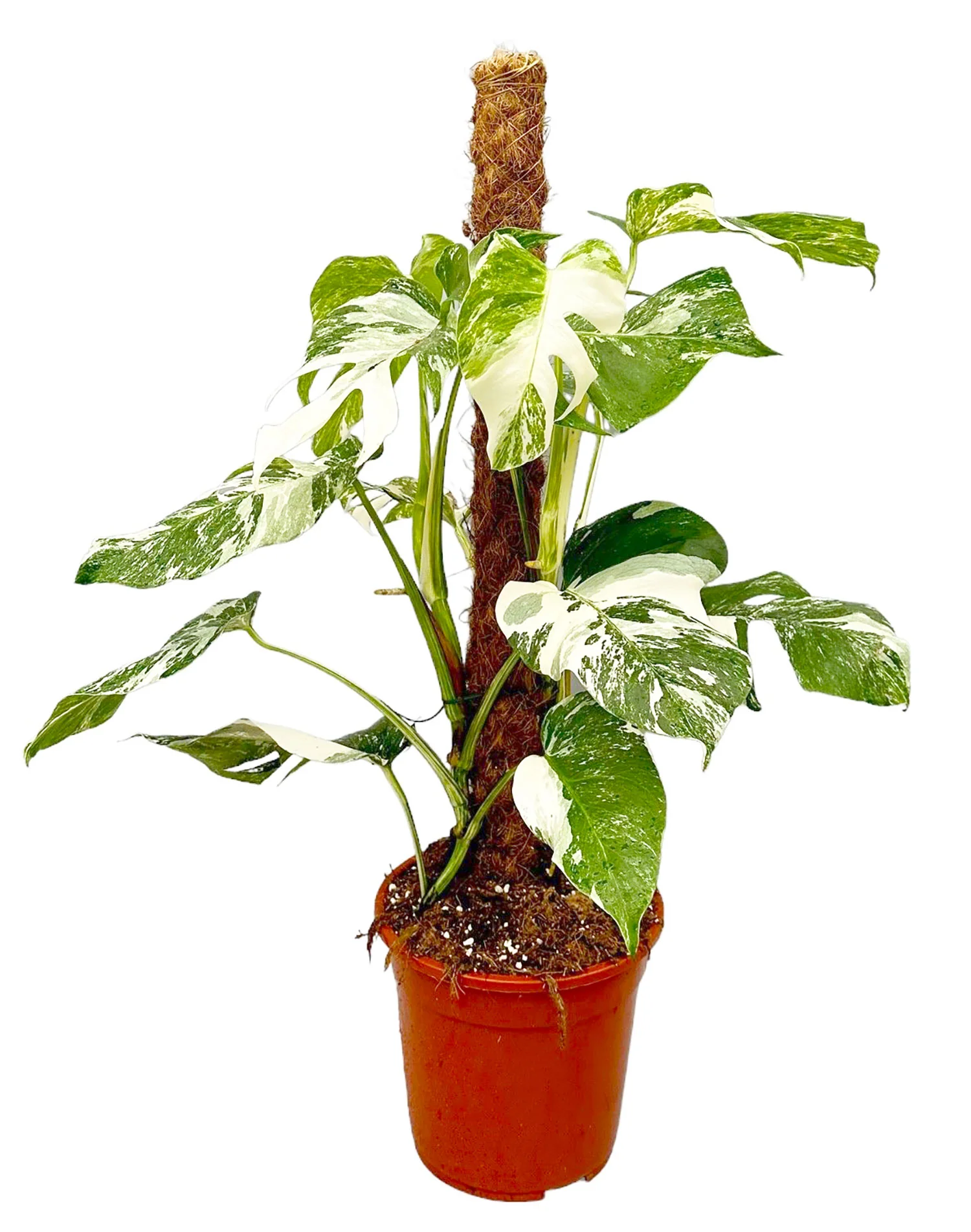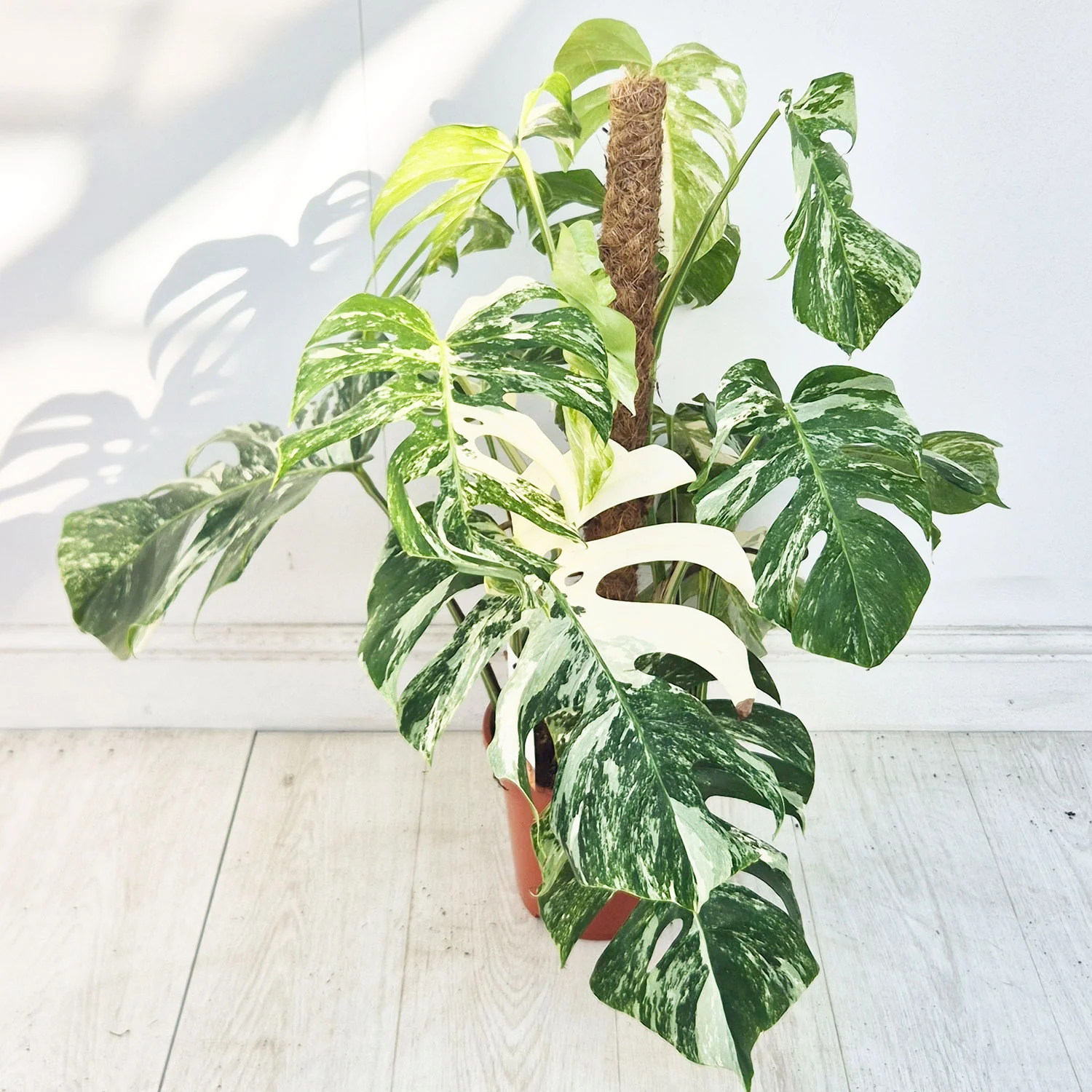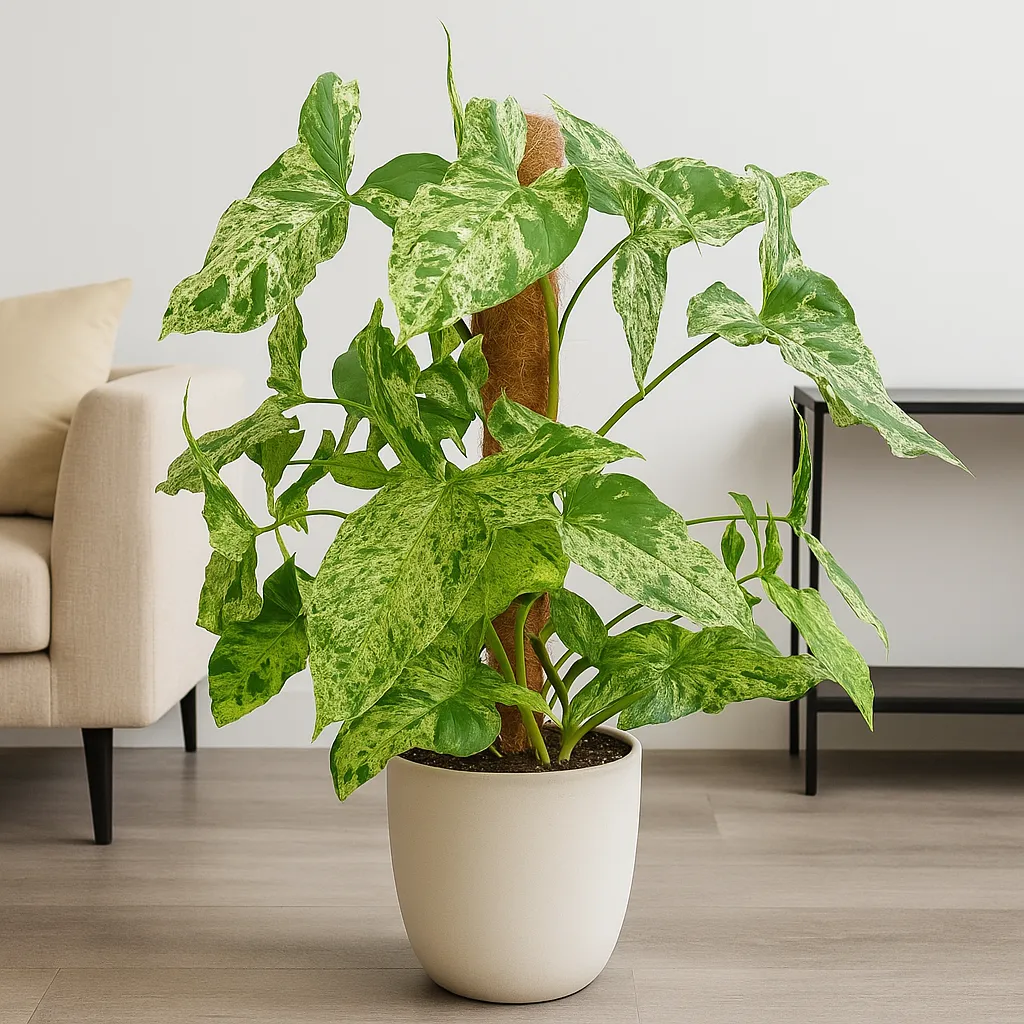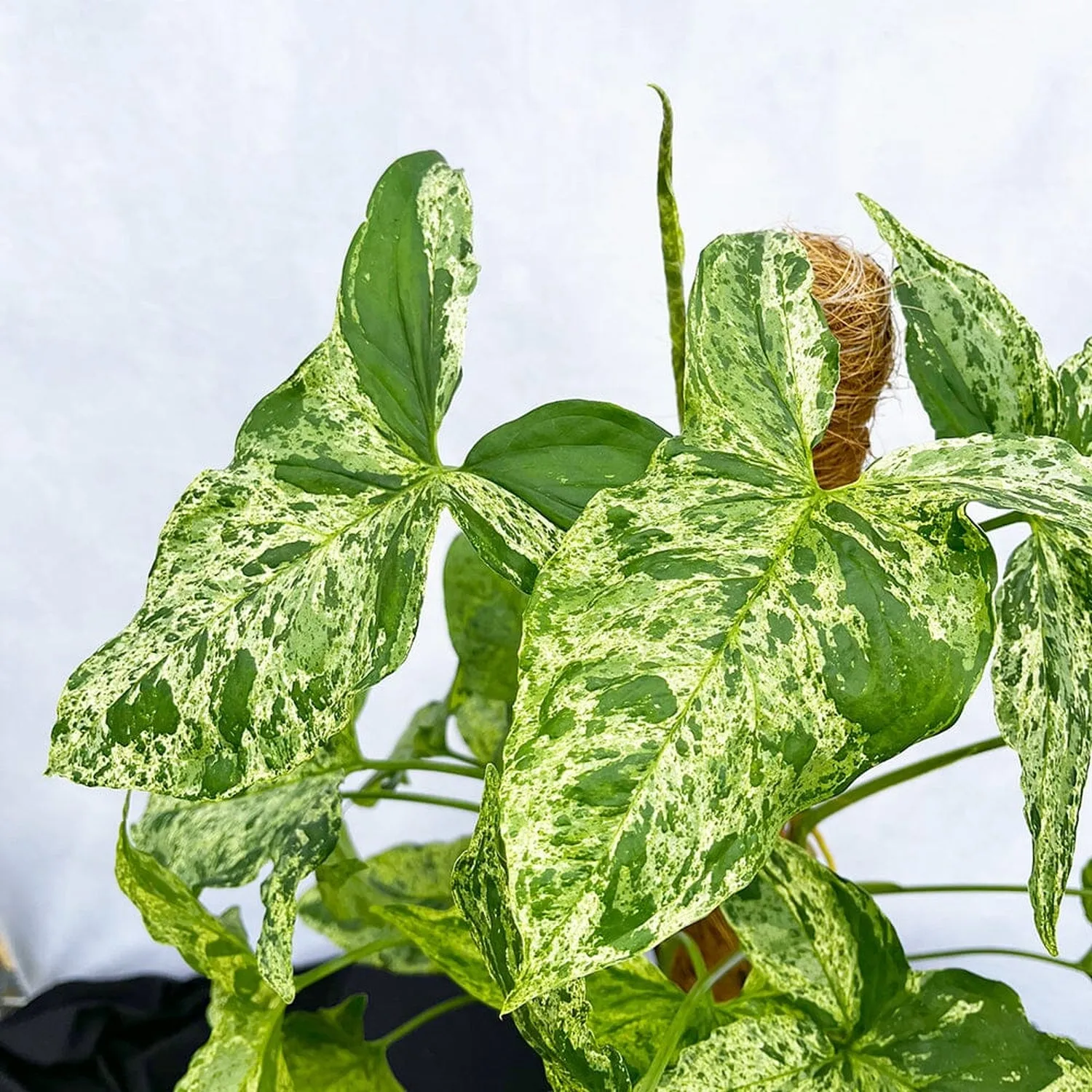
25 - 35cm Begonia Maculata Black Forest 14cm Pot House Plant
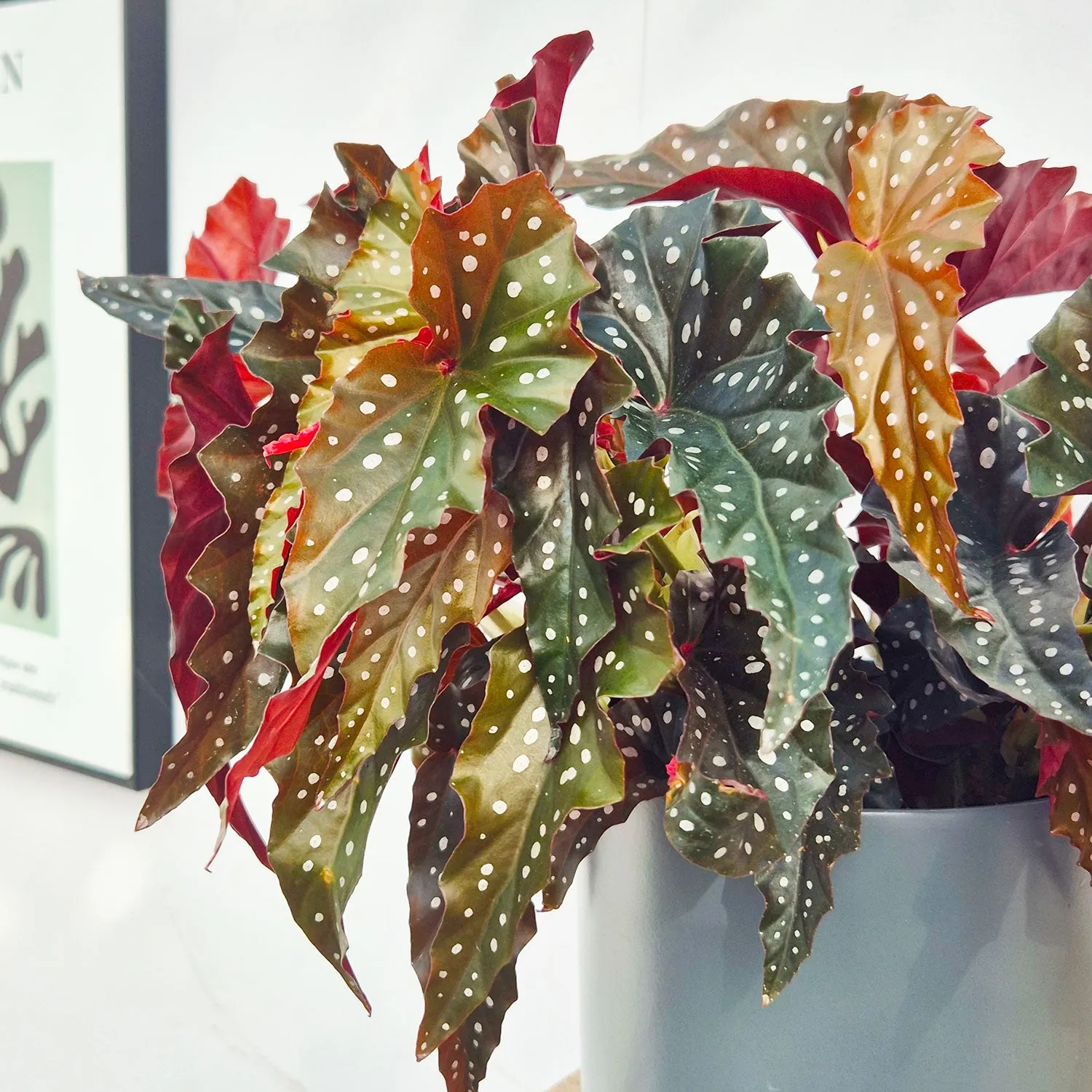
Begonia maculata ‘Black Forest’ is a rare and striking cultivar of the Polka Dot Begonia, part of the Begoniaceae family and native to the tropical forests of Brazil. While the classic Begonia maculata is admired for its olive-green leaves with white polka dots, the ‘Black Forest’ variety intensifies the drama with darker foliage and bolder contrast.
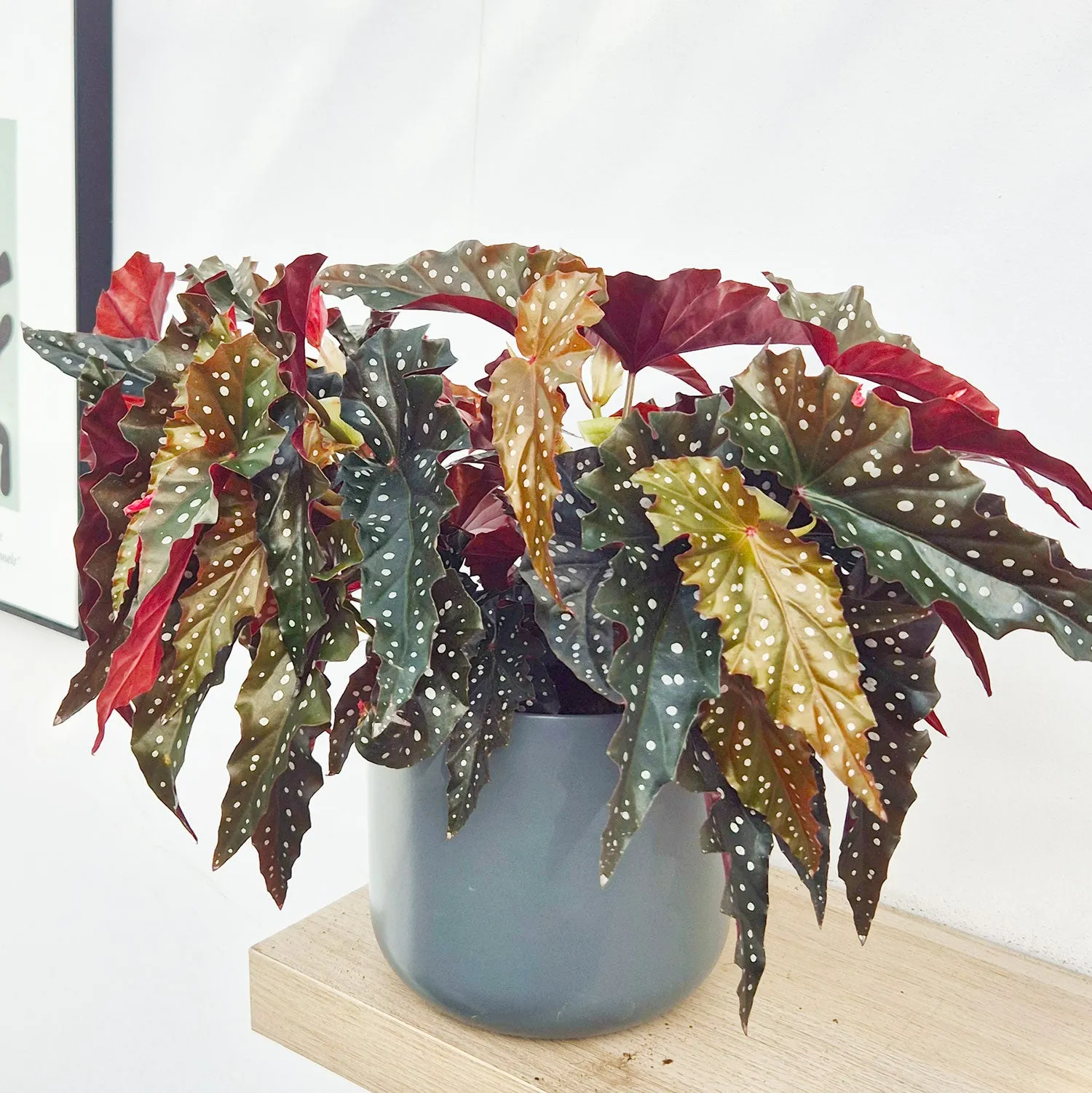
The leaves are long, asymmetrical, and wing-shaped, with an upper surface in deep green to nearly black, decorated with prominent silver-white spots. The undersides are a rich burgundy red, creating a striking two-tone effect that stands out in any plant display. When mature, clusters of delicate white flowers with yellow centres appear, contrasting beautifully with the dramatic leaves.
Growing to around 60–100 cm tall indoors, Begonia maculata ‘Black Forest’ is an upright cane begonia, forming a bushy, architectural plant with stems that resemble bamboo canes. Its combination of unusual foliage and seasonal flowers makes it both exotic and elegant – a true showpiece houseplant.
Begonia maculata ‘Black Forest’ – Care Guide
Light
Thrives in bright, indirect light. Too much direct sunlight may scorch the dark foliage, while too little light will reduce spotting and slow growth.
Watering
Water when the top 2–3 cm of soil feels dry. Keep the soil evenly moist but never waterlogged. Allow excess water to drain freely, as begonias are prone to root rot if kept in soggy soil. In winter, reduce watering slightly.
Temperature and Humidity
-
Temperature: Best in 18–26°C. Protect from cold draughts and avoid prolonged exposure below 15°C.
-
Humidity: Prefers high humidity (60%+). Mist occasionally, use a pebble tray, or place near a humidifier. In dry air, leaf edges may crisp.
Soil and Potting
Use a light, free-draining peat-free compost. A mix with added perlite or orchid bark works well. Repot every 1–2 years in spring, being careful with delicate roots and stems.
Feeding
Apply a balanced liquid fertiliser every 2–3 weeks during spring and summer. Stop feeding in winter when growth slows.
Pruning and Maintenance
Pinch back stems to encourage bushier growth. Remove any dead or damaged leaves promptly. Older canes may be cut back to promote new growth from the base.
Growth and Maturity
A moderate to fast grower in the right conditions, reaching 60–100 cm tall with an upright, cane-like habit. Produces clusters of white flowers in spring or summer.
Common Issues
-
Crispy leaf edges: Low humidity.
-
Yellowing leaves: Overwatering or poor drainage.
-
Pale foliage/loss of spots: Insufficient light.
-
Pests: Susceptible to spider mites, mealybugs, or aphids.
Background and Benefits
Cane begonias like Begonia maculata ‘Black Forest’ have long been admired for their ornamental foliage and upright form. This cultivar is particularly desirable for its darker leaves, dramatic contrast, and seasonal blooms. As an indoor feature plant, it adds instant exotic appeal to modern and tropical-inspired interiors.
✅ Quick Care Summary
-
Light: Bright, indirect
-
Water: Evenly moist; reduce in winter
-
Temperature: 18–26°C; avoid below 15°C
-
Humidity: High (60%+)
-
Soil: Light, well-draining mix with perlite/bark
-
Feed: Every 2–3 weeks in spring/summer
-
Growth: Upright, cane-like habit; 60–100 cm tall; dark leaves with silver spots and red undersides
Original: $38.26
-70%$38.26
$11.48Product Information
Product Information
Shipping & Returns
Shipping & Returns
Description
Begonia maculata ‘Black Forest’ is a rare and striking cultivar of the Polka Dot Begonia, part of the Begoniaceae family and native to the tropical forests of Brazil. While the classic Begonia maculata is admired for its olive-green leaves with white polka dots, the ‘Black Forest’ variety intensifies the drama with darker foliage and bolder contrast.
The leaves are long, asymmetrical, and wing-shaped, with an upper surface in deep green to nearly black, decorated with prominent silver-white spots. The undersides are a rich burgundy red, creating a striking two-tone effect that stands out in any plant display. When mature, clusters of delicate white flowers with yellow centres appear, contrasting beautifully with the dramatic leaves.
Growing to around 60–100 cm tall indoors, Begonia maculata ‘Black Forest’ is an upright cane begonia, forming a bushy, architectural plant with stems that resemble bamboo canes. Its combination of unusual foliage and seasonal flowers makes it both exotic and elegant – a true showpiece houseplant.
Begonia maculata ‘Black Forest’ – Care Guide
Light
Thrives in bright, indirect light. Too much direct sunlight may scorch the dark foliage, while too little light will reduce spotting and slow growth.
Watering
Water when the top 2–3 cm of soil feels dry. Keep the soil evenly moist but never waterlogged. Allow excess water to drain freely, as begonias are prone to root rot if kept in soggy soil. In winter, reduce watering slightly.
Temperature and Humidity
-
Temperature: Best in 18–26°C. Protect from cold draughts and avoid prolonged exposure below 15°C.
-
Humidity: Prefers high humidity (60%+). Mist occasionally, use a pebble tray, or place near a humidifier. In dry air, leaf edges may crisp.
Soil and Potting
Use a light, free-draining peat-free compost. A mix with added perlite or orchid bark works well. Repot every 1–2 years in spring, being careful with delicate roots and stems.
Feeding
Apply a balanced liquid fertiliser every 2–3 weeks during spring and summer. Stop feeding in winter when growth slows.
Pruning and Maintenance
Pinch back stems to encourage bushier growth. Remove any dead or damaged leaves promptly. Older canes may be cut back to promote new growth from the base.
Growth and Maturity
A moderate to fast grower in the right conditions, reaching 60–100 cm tall with an upright, cane-like habit. Produces clusters of white flowers in spring or summer.
Common Issues
-
Crispy leaf edges: Low humidity.
-
Yellowing leaves: Overwatering or poor drainage.
-
Pale foliage/loss of spots: Insufficient light.
-
Pests: Susceptible to spider mites, mealybugs, or aphids.
Background and Benefits
Cane begonias like Begonia maculata ‘Black Forest’ have long been admired for their ornamental foliage and upright form. This cultivar is particularly desirable for its darker leaves, dramatic contrast, and seasonal blooms. As an indoor feature plant, it adds instant exotic appeal to modern and tropical-inspired interiors.
✅ Quick Care Summary
-
Light: Bright, indirect
-
Water: Evenly moist; reduce in winter
-
Temperature: 18–26°C; avoid below 15°C
-
Humidity: High (60%+)
-
Soil: Light, well-draining mix with perlite/bark
-
Feed: Every 2–3 weeks in spring/summer
-
Growth: Upright, cane-like habit; 60–100 cm tall; dark leaves with silver spots and red undersides