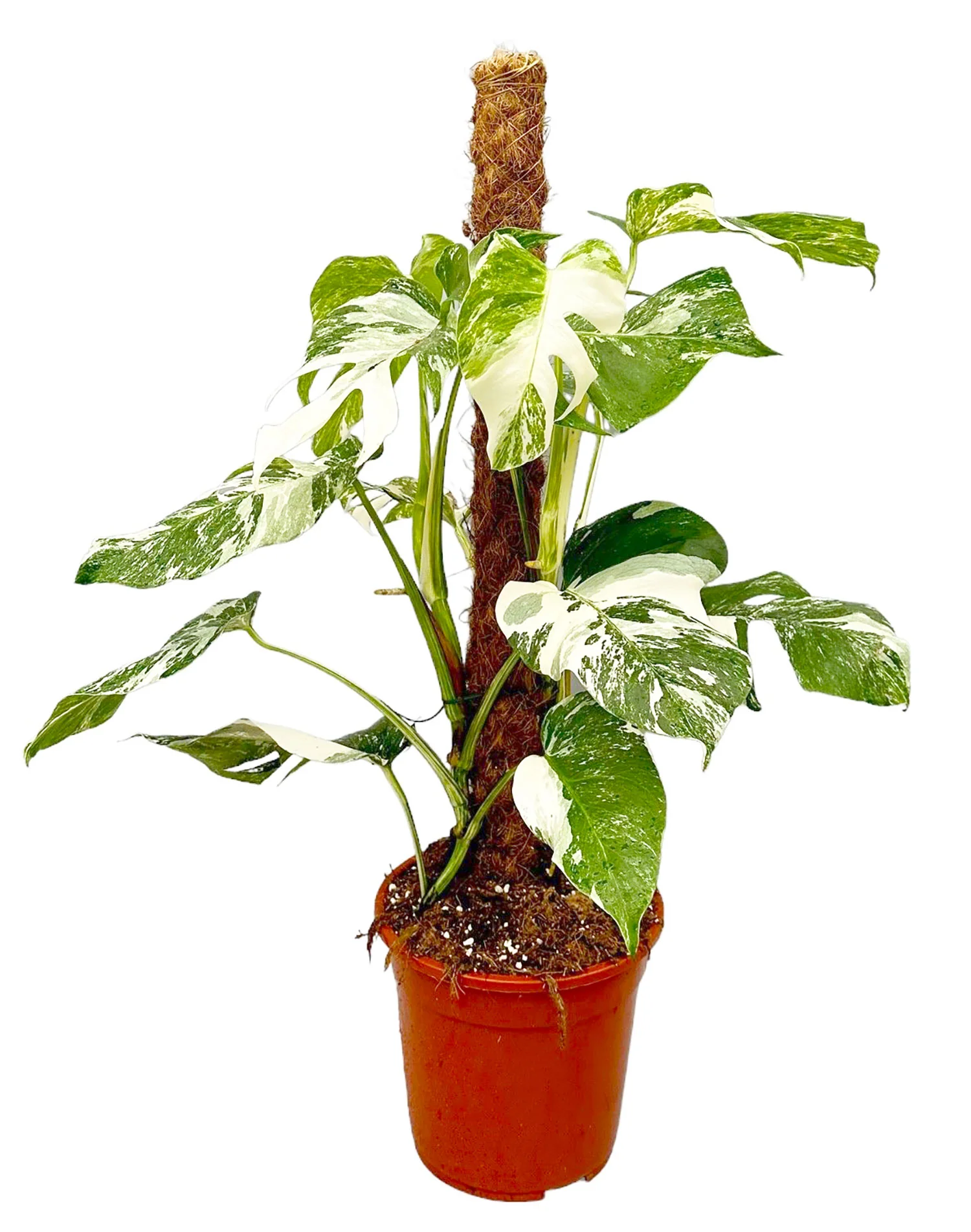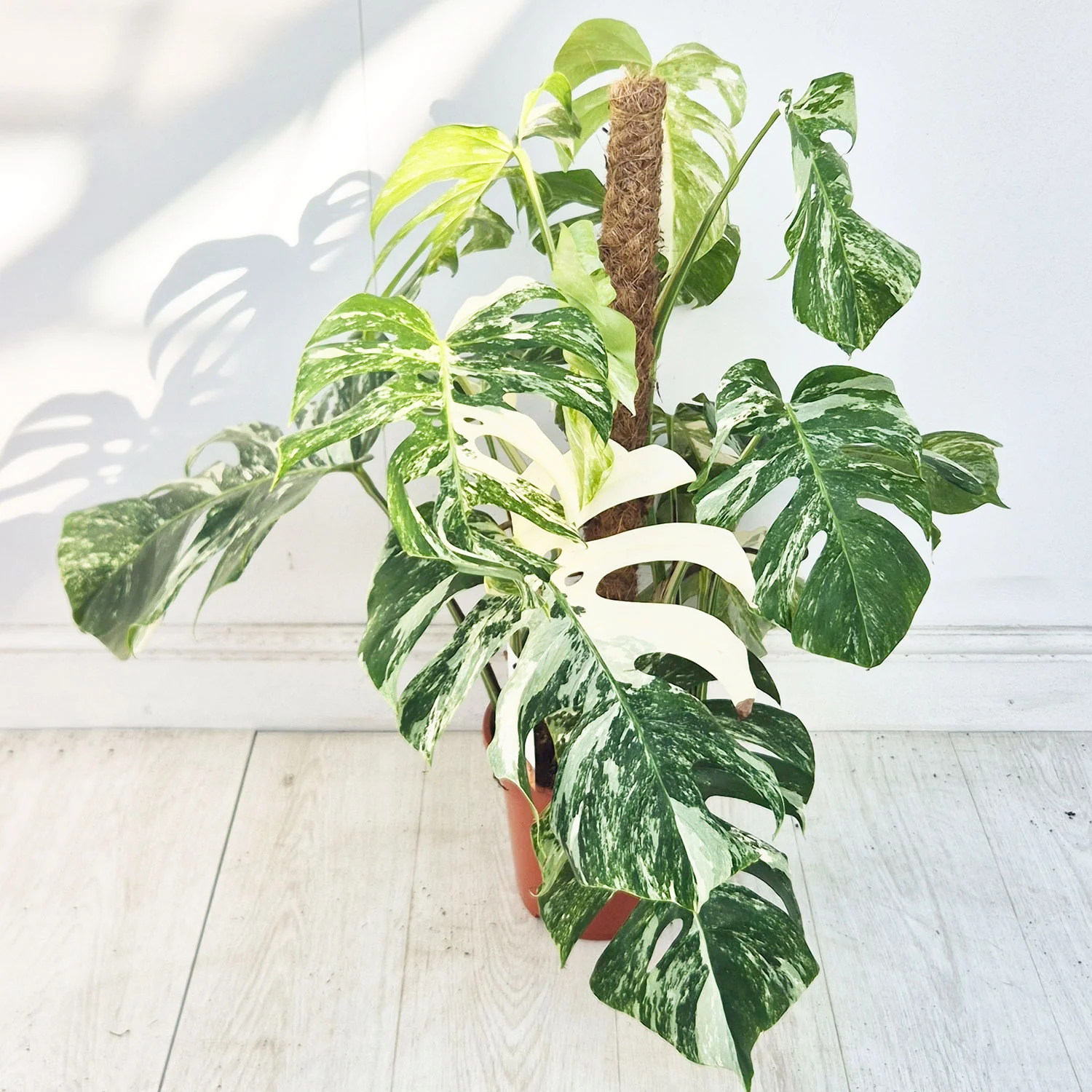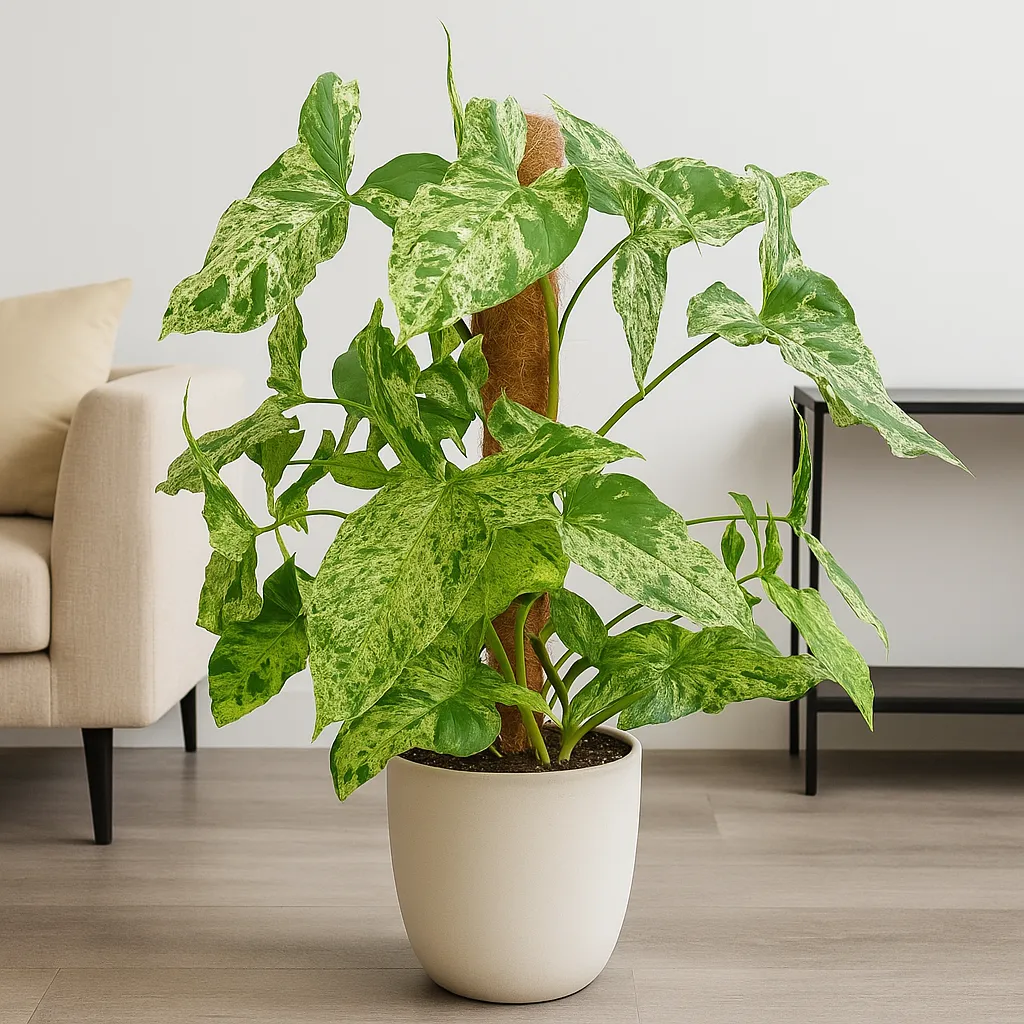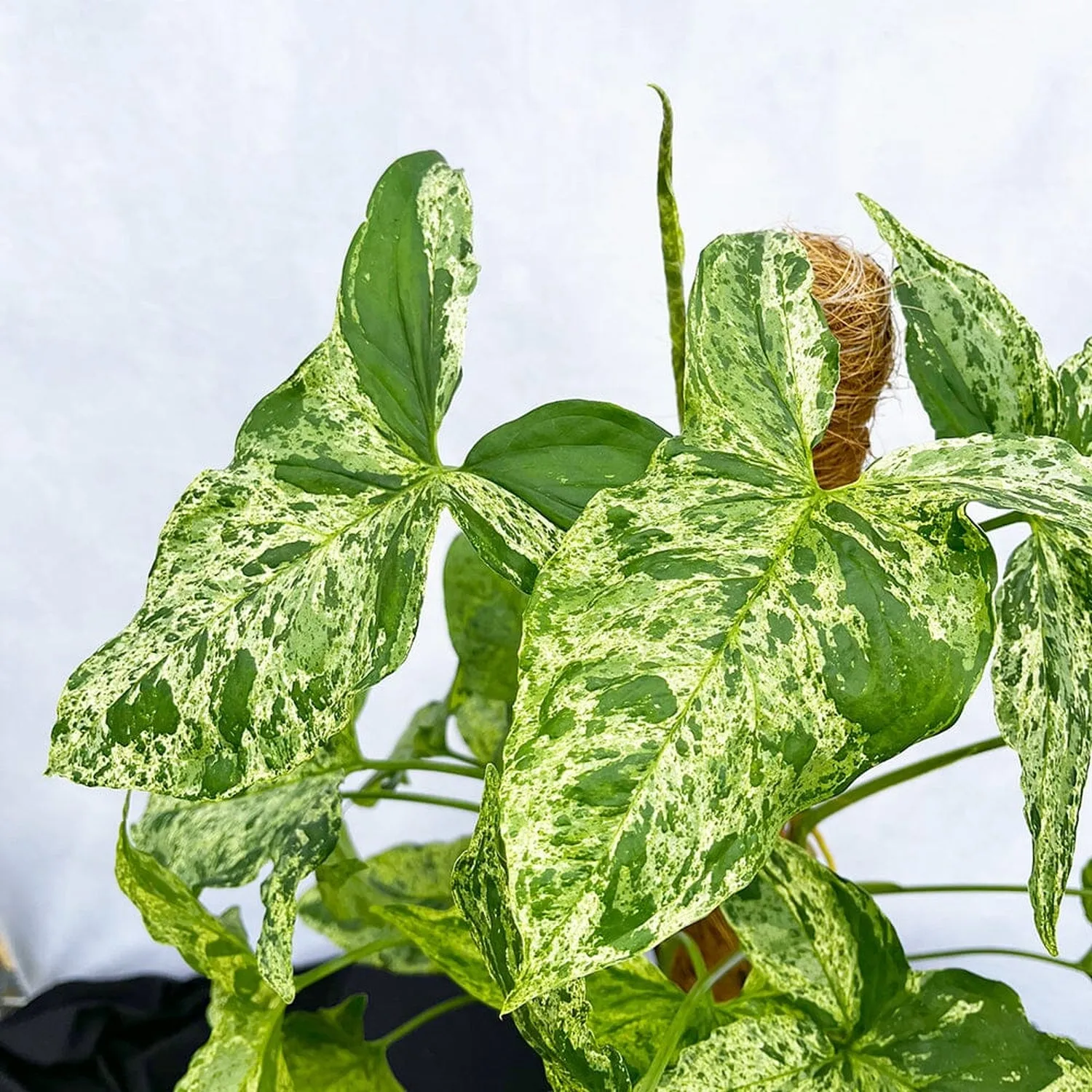


30 - 40cm Begonia Rex Fireworks 17cm Pot House Plant
Begonia rex ‘Fireworks’ is one of the most dramatic foliage begonias, celebrated for its vivid, almost explosive colour contrasts. A member of the Rex Begonia group (Begonia rex-cultorum), it originates from hybrids of tropical species native to India and surrounding regions, bred specifically for their extraordinary ornamental leaves.
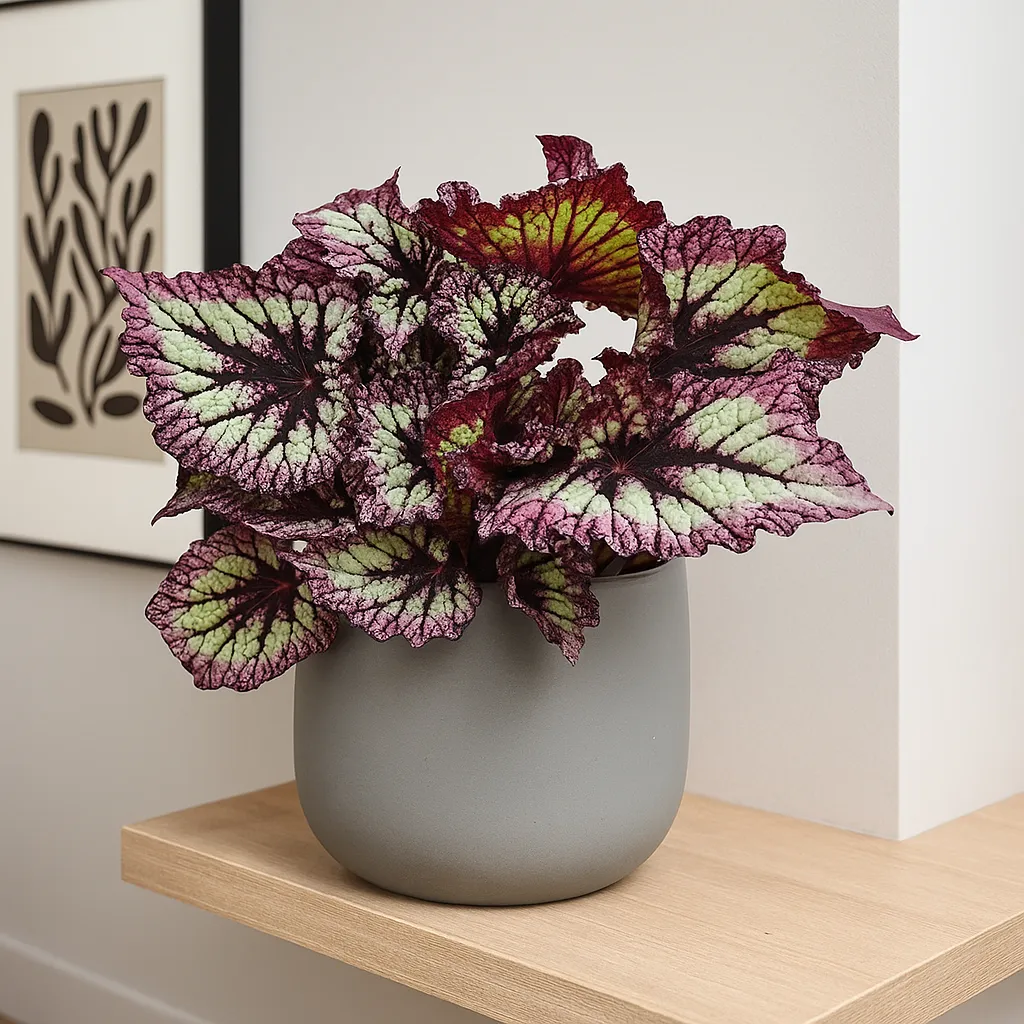
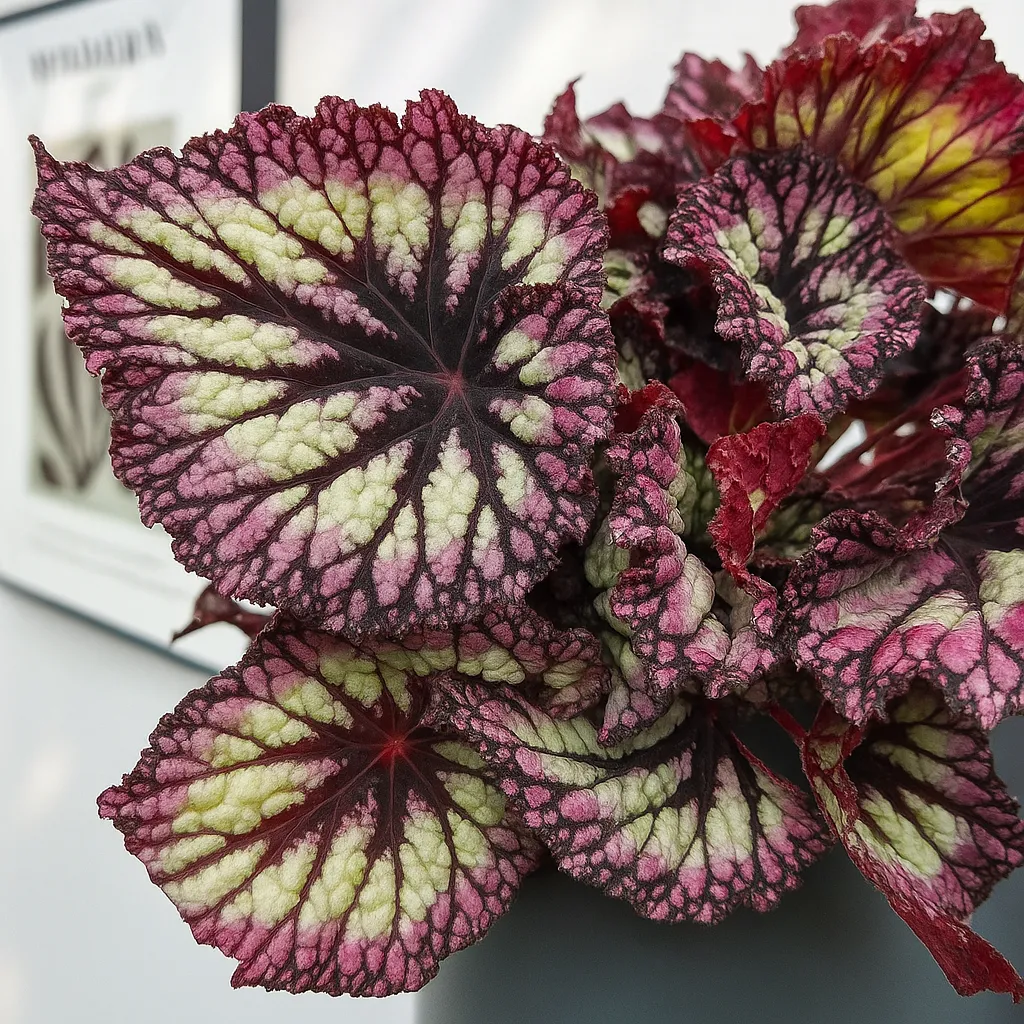
The leaves of ‘Fireworks’ are broad, asymmetrical, and spiralled at the base, with a deeply textured surface. Their colouring is nothing short of spectacular: a central starburst of rich purple, surrounded by rings of silver, black, and bright green, radiating outward in a fireworks-like display. Each leaf is unique, and under bright, indirect light the metallic sheen of the silver bands creates a dazzling effect.
Compact yet bold, Begonia rex ‘Fireworks’ usually reaches 25–35 cm tall, forming a dense clump of colourful foliage. While it may produce small pink blooms, it is primarily grown for its leaves, which remain a year-round focal point indoors.
Begonia rex ‘Fireworks’ – Care Guide
Light
Best in bright, indirect light to maintain strong colouring. Too much direct sun can scorch the delicate foliage, while too little light may cause colours to fade.
Watering
Keep the soil lightly moist, watering when the top 2–3 cm feels dry. Do not allow the soil to stay soggy, as begonias are prone to root rot. Reduce watering slightly in winter. Always water at the base to avoid splashing the leaves, which can cause spotting.
Temperature and Humidity
-
Temperature: Thrives in 18–24°C. Avoid draughts and protect from temperatures below 15°C.
-
Humidity: Requires high humidity (60%+). Mist lightly, place on a pebble tray, or use a humidifier to prevent crisping leaf edges.
Soil and Potting
Use a light, airy, peat-free compost mixed with perlite or orchid bark to ensure drainage. Rex begonias prefer shallow pots. Repot every 1–2 years in spring.
Feeding
Apply a diluted balanced liquid fertiliser every 2–3 weeks during spring and summer. No feeding is needed in autumn and winter.
Pruning and Maintenance
Remove old or damaged leaves to keep the plant tidy and redirect energy into new growth. Pinching back younger growth encourages a fuller clump.
Growth and Maturity
A compact grower, typically 25–35 cm tall and wide. Produces highly ornamental foliage all year round when given the right conditions.
Common Issues
-
Faded colours: Insufficient light.
-
Crispy edges: Low humidity.
-
Yellowing leaves: Overwatering or poor drainage.
-
Pests: Occasionally attracts spider mites, mealybugs, or aphids.
Background and Benefits
Rex begonias are often referred to as “painted-leaf begonias,” and ‘Fireworks’ is one of the most dazzling examples. Its starburst patterns and metallic tones make it a living piece of art, perfect for collectors or anyone wanting to brighten a shaded space indoors.
✅ Quick Care Summary
-
Light: Bright, indirect light
-
Water: Lightly moist; reduce in winter
-
Temperature: 18–24°C; avoid below 15°C
-
Humidity: High (60%+)
-
Soil: Light, airy, well-draining compost with perlite
-
Feed: Every 2–3 weeks in spring/summer
-
Growth: Compact clump, 25–35 cm; leaves patterned in purple, silver, green, and black
Original: $32.98
-70%$32.98
$9.89Product Information
Product Information
Shipping & Returns
Shipping & Returns
Description
Begonia rex ‘Fireworks’ is one of the most dramatic foliage begonias, celebrated for its vivid, almost explosive colour contrasts. A member of the Rex Begonia group (Begonia rex-cultorum), it originates from hybrids of tropical species native to India and surrounding regions, bred specifically for their extraordinary ornamental leaves.
The leaves of ‘Fireworks’ are broad, asymmetrical, and spiralled at the base, with a deeply textured surface. Their colouring is nothing short of spectacular: a central starburst of rich purple, surrounded by rings of silver, black, and bright green, radiating outward in a fireworks-like display. Each leaf is unique, and under bright, indirect light the metallic sheen of the silver bands creates a dazzling effect.
Compact yet bold, Begonia rex ‘Fireworks’ usually reaches 25–35 cm tall, forming a dense clump of colourful foliage. While it may produce small pink blooms, it is primarily grown for its leaves, which remain a year-round focal point indoors.
Begonia rex ‘Fireworks’ – Care Guide
Light
Best in bright, indirect light to maintain strong colouring. Too much direct sun can scorch the delicate foliage, while too little light may cause colours to fade.
Watering
Keep the soil lightly moist, watering when the top 2–3 cm feels dry. Do not allow the soil to stay soggy, as begonias are prone to root rot. Reduce watering slightly in winter. Always water at the base to avoid splashing the leaves, which can cause spotting.
Temperature and Humidity
-
Temperature: Thrives in 18–24°C. Avoid draughts and protect from temperatures below 15°C.
-
Humidity: Requires high humidity (60%+). Mist lightly, place on a pebble tray, or use a humidifier to prevent crisping leaf edges.
Soil and Potting
Use a light, airy, peat-free compost mixed with perlite or orchid bark to ensure drainage. Rex begonias prefer shallow pots. Repot every 1–2 years in spring.
Feeding
Apply a diluted balanced liquid fertiliser every 2–3 weeks during spring and summer. No feeding is needed in autumn and winter.
Pruning and Maintenance
Remove old or damaged leaves to keep the plant tidy and redirect energy into new growth. Pinching back younger growth encourages a fuller clump.
Growth and Maturity
A compact grower, typically 25–35 cm tall and wide. Produces highly ornamental foliage all year round when given the right conditions.
Common Issues
-
Faded colours: Insufficient light.
-
Crispy edges: Low humidity.
-
Yellowing leaves: Overwatering or poor drainage.
-
Pests: Occasionally attracts spider mites, mealybugs, or aphids.
Background and Benefits
Rex begonias are often referred to as “painted-leaf begonias,” and ‘Fireworks’ is one of the most dazzling examples. Its starburst patterns and metallic tones make it a living piece of art, perfect for collectors or anyone wanting to brighten a shaded space indoors.
✅ Quick Care Summary
-
Light: Bright, indirect light
-
Water: Lightly moist; reduce in winter
-
Temperature: 18–24°C; avoid below 15°C
-
Humidity: High (60%+)
-
Soil: Light, airy, well-draining compost with perlite
-
Feed: Every 2–3 weeks in spring/summer
-
Growth: Compact clump, 25–35 cm; leaves patterned in purple, silver, green, and black