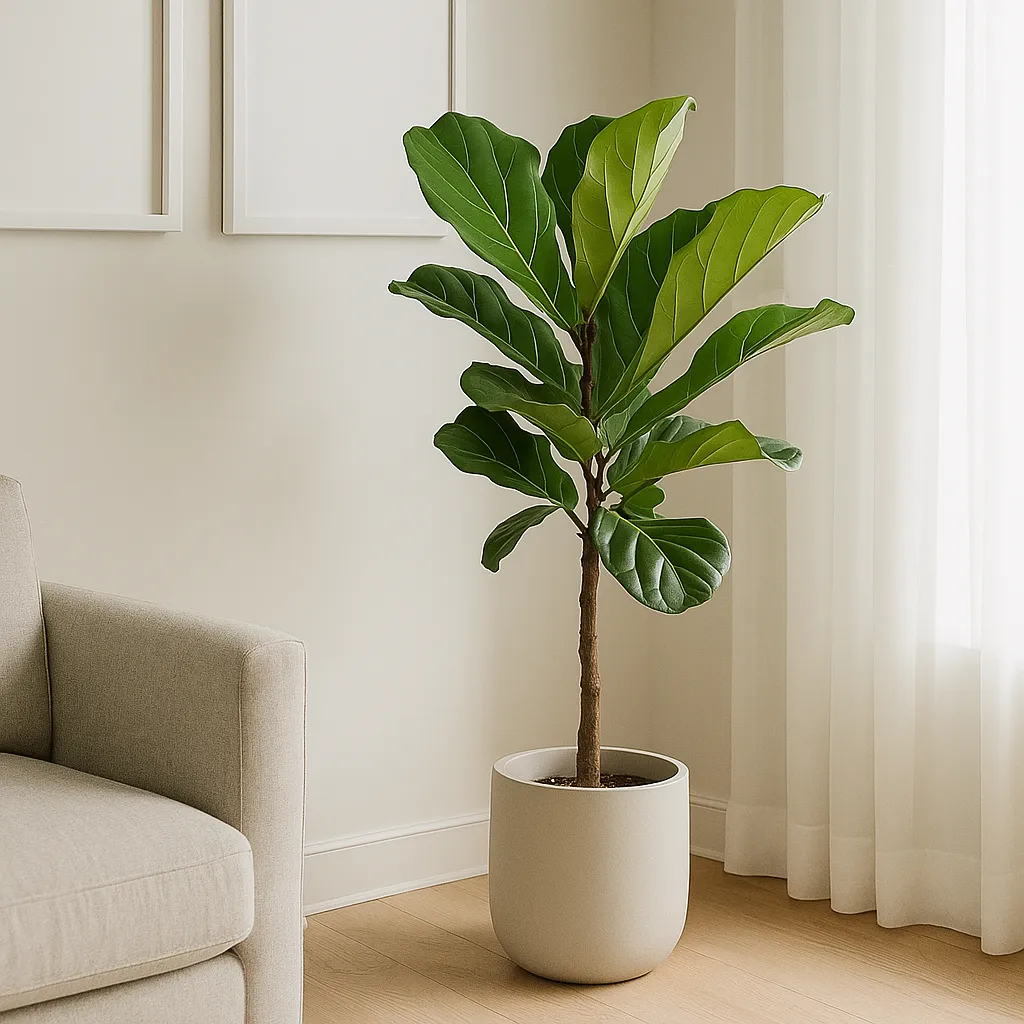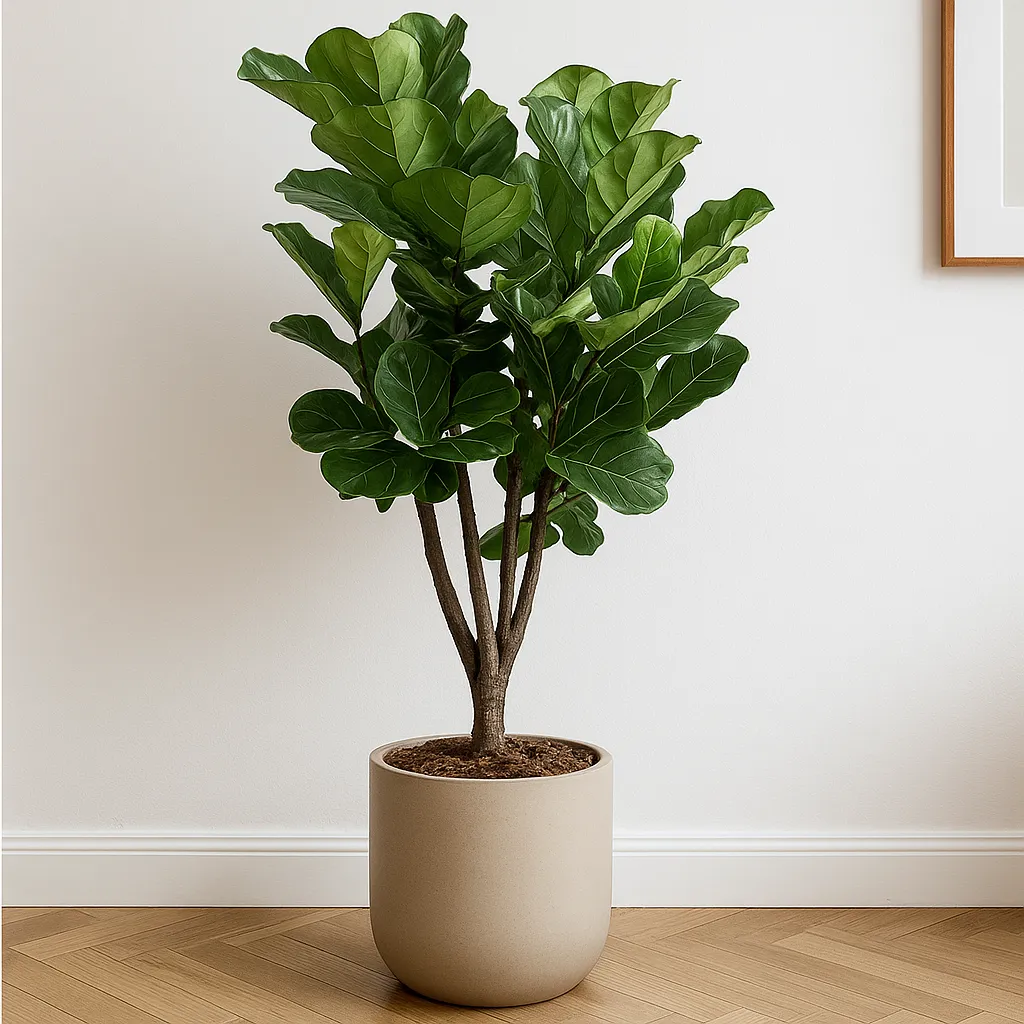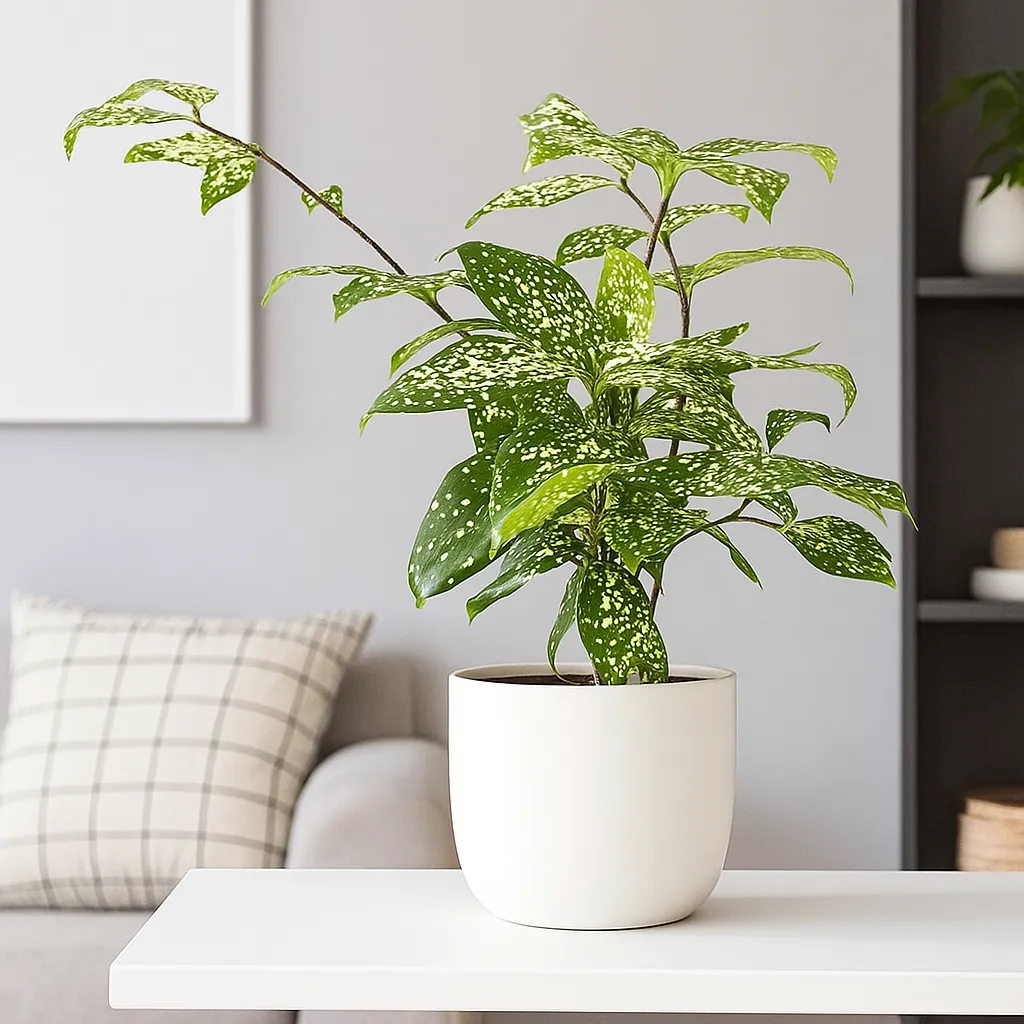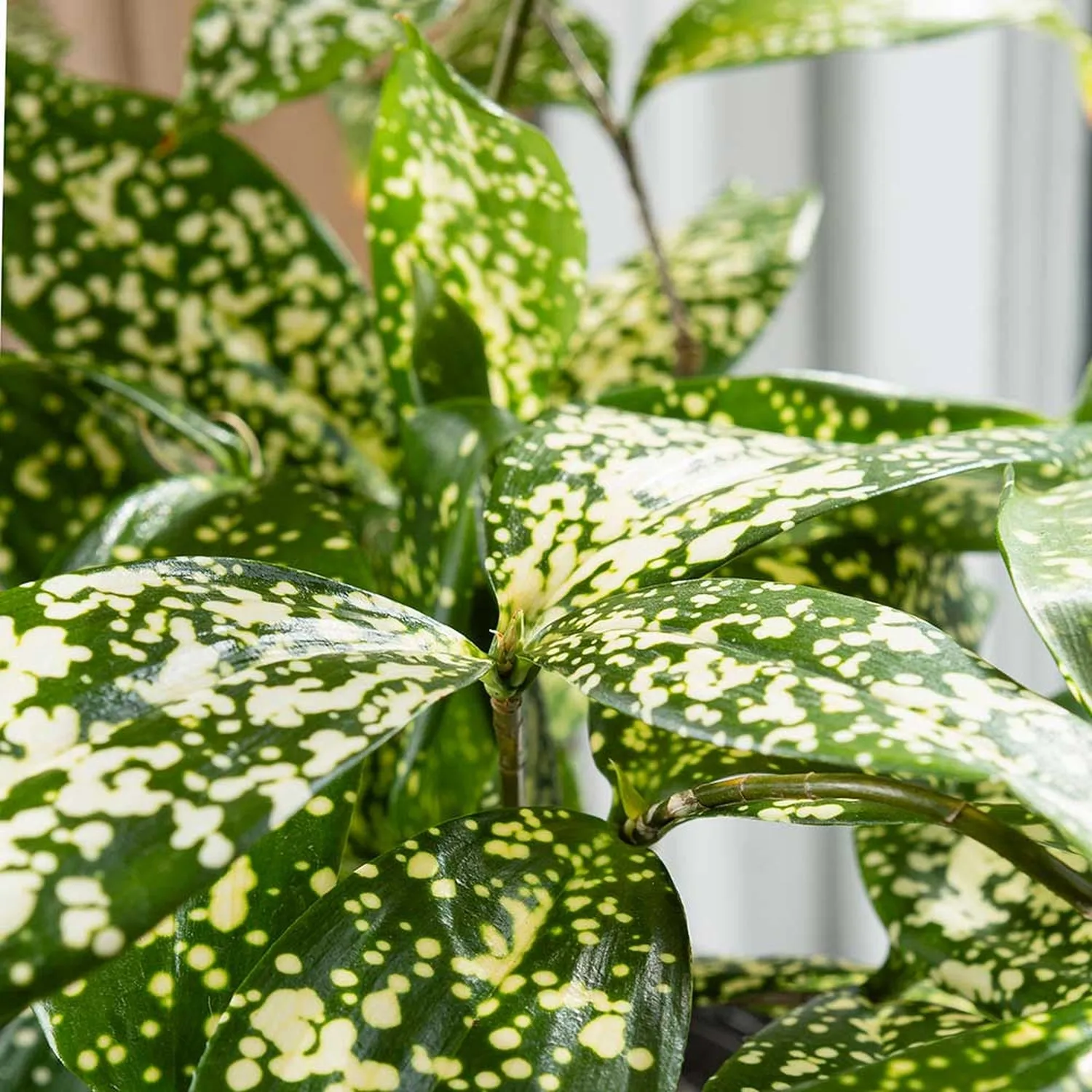
30 - 45cm Bonsai Ficus Carica Tree 25cm Ceramic Pot House Plant
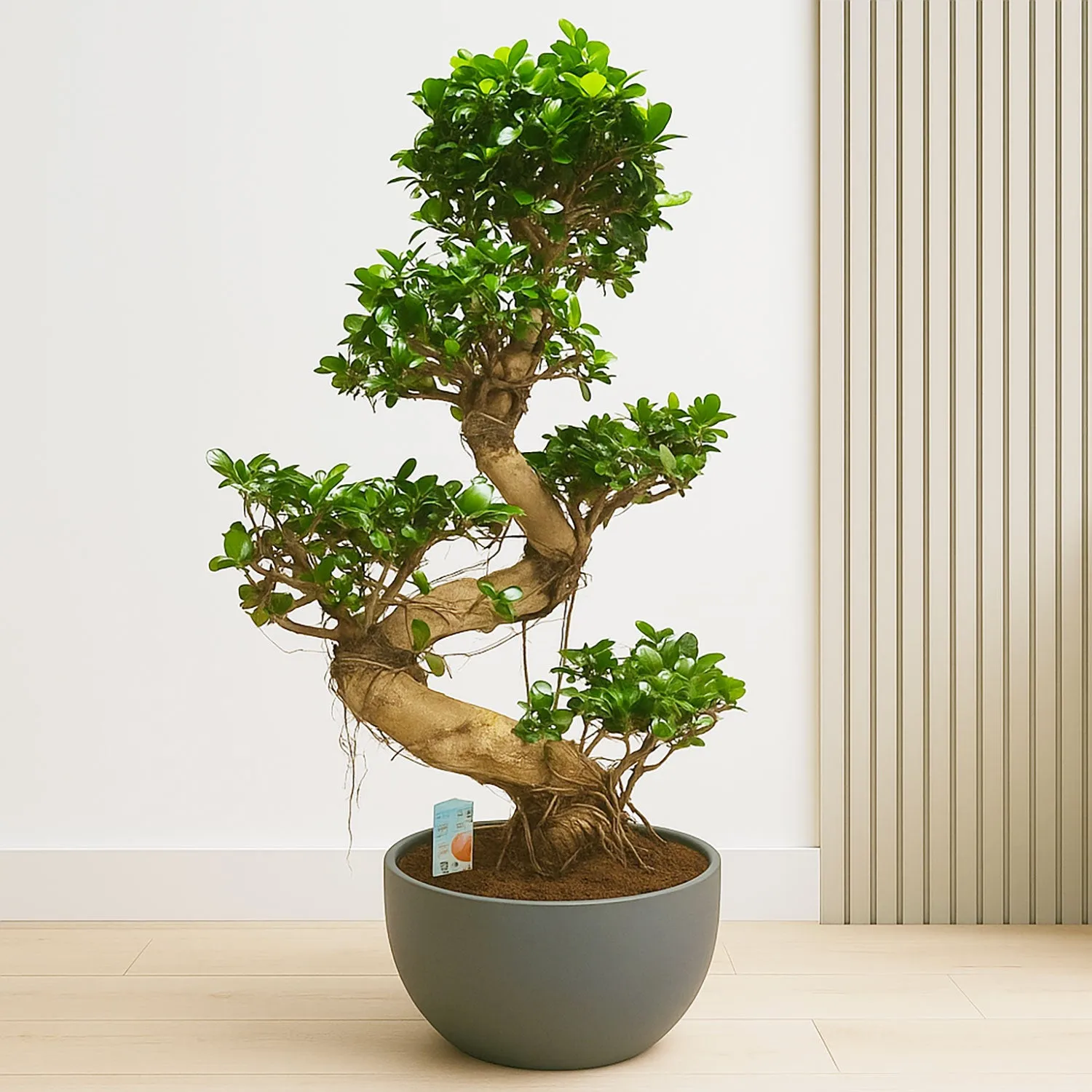
Ficus carica, commonly known as the Common Fig, is a deciduous fruit tree from the Moraceae family, native to the Mediterranean and Western Asia. While usually grown for its sweet, edible figs, it can also be trained into a striking and unusual bonsai tree.
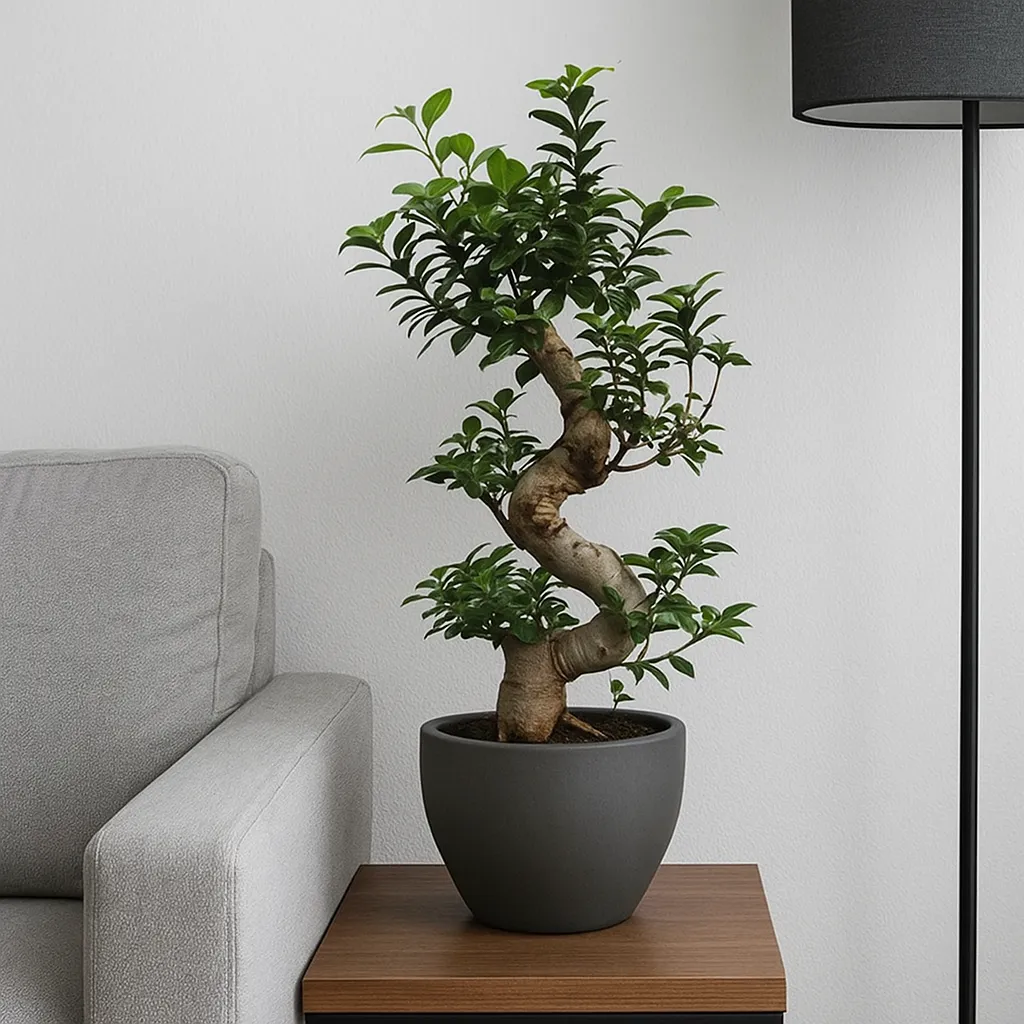
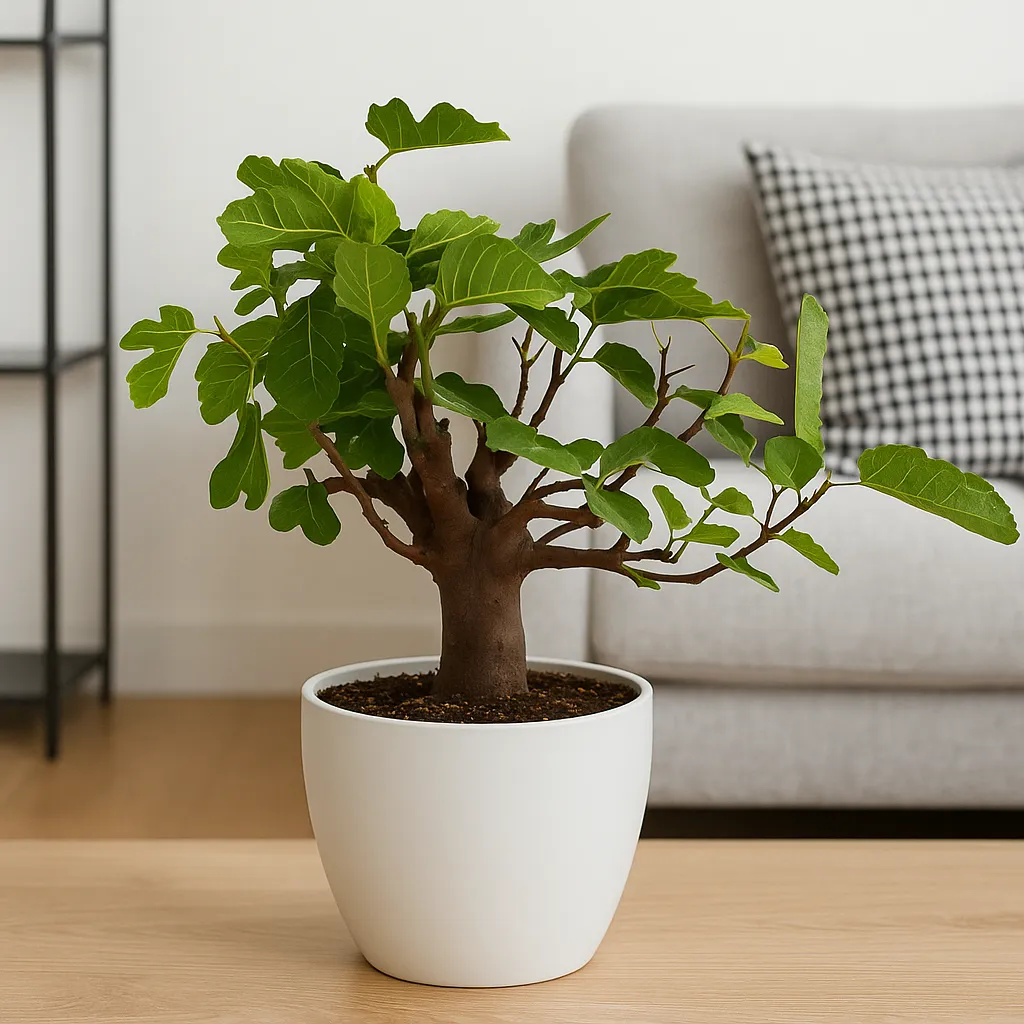
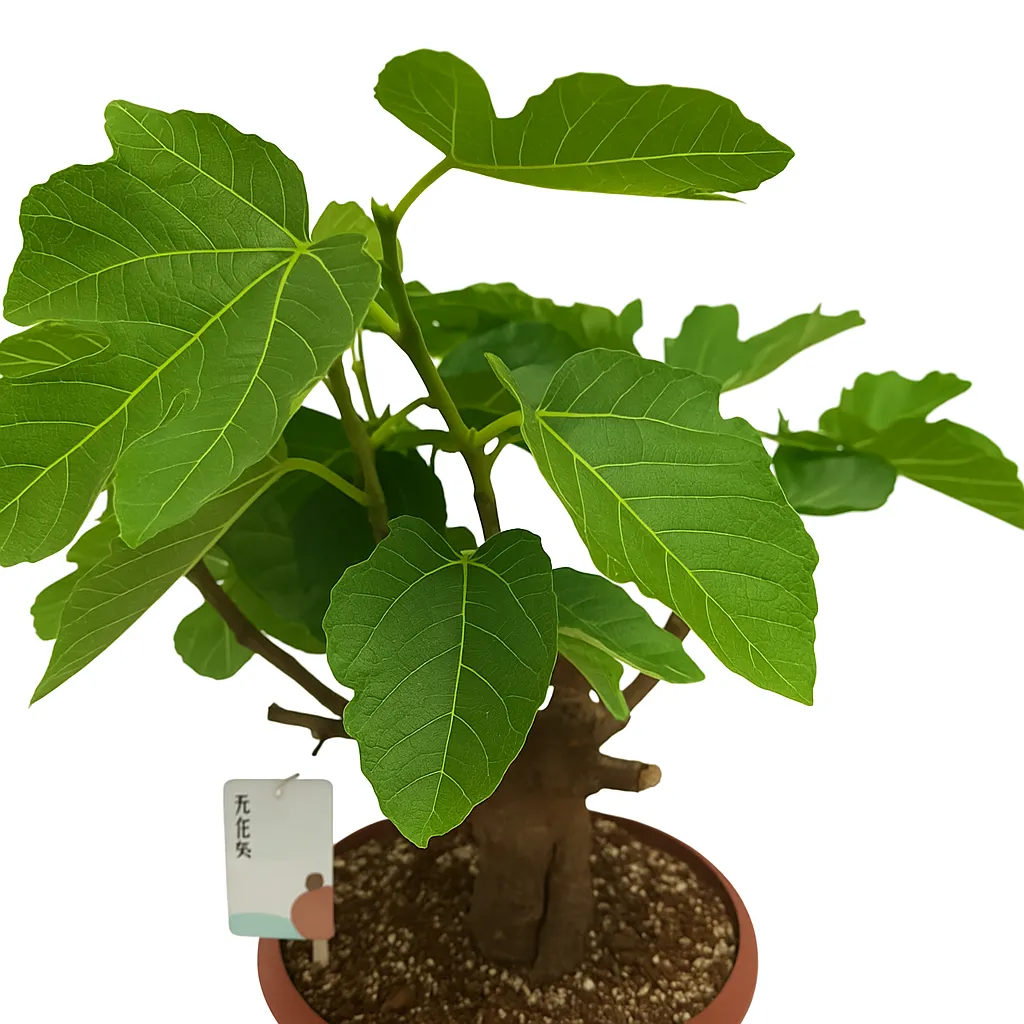
The fig bonsai combines a rugged, characterful trunk with broad, lobed leaves, creating a miniature tree with a distinctly Mediterranean feel. Over time, the bark develops a weathered texture, adding to its appeal as a bonsai subject. Unlike tropical ficus bonsai (such as Ficus retusa or Ficus benjamina), Ficus carica is hardy and deciduous – dropping its leaves in autumn and entering dormancy in winter.
When grown as bonsai, it typically reaches 30–60 cm in height, with careful pruning creating compact branching and smaller leaves. In the right conditions, it may even produce miniature figs, adding further charm and authenticity to this living artwork.
Bonsai Ficus carica – Care Guide
Light
Requires full sun to bright outdoor conditions. Place in a sunny position outdoors during spring and summer. Indoors, it does not thrive long-term – this species is best as an outdoor bonsai.
Watering
Water thoroughly when the topsoil begins to dry. During summer, daily watering may be required. Reduce watering in autumn and winter when the tree is dormant, but do not let the soil dry out completely.
Temperature and Hardiness
-
Temperature: Hardy in the UK down to around –5°C. Protect roots from prolonged frost and provide winter shelter in very cold areas.
-
Seasonality: Loses its leaves in late autumn and regrows in spring.
Soil and Potting
Plant in a free-draining bonsai soil mix, ideally akadama blended with pumice and lava rock. Repot every 2–3 years in early spring before new leaves emerge.
Feeding
Feed every 2–3 weeks in spring and summer with a balanced bonsai fertiliser. Reduce feeding in autumn and stop during winter dormancy.
Pruning and Training
-
Pruning: Pinch back new shoots to 2–3 leaves during summer to encourage ramification and smaller leaves.
-
Structural pruning: Best carried out in late winter or early spring before growth resumes.
-
Wiring: Can be wired, but branches are brittle – take care to avoid snapping.
Growth and Maturity
A fast grower in summer. With consistent pruning, it develops a dense canopy and elegant branching. May produce small figs in warm, sunny conditions, which adds ornamental value.
Common Issues
-
Large leaves: Can be reduced with defoliation and pruning techniques.
-
Leaf drop: Normal in autumn; premature drop may indicate overwatering or stress.
-
Pests: Occasionally aphids, scale, or red spider mites.
Background and Benefits
The fig tree has been cultivated for thousands of years, symbolising fertility, abundance, and wisdom in many cultures. As a bonsai, Ficus carica is unusual because of its deciduous habit and edible fruit, making it both a conversation piece and a rewarding specimen for outdoor bonsai enthusiasts.
✅ Quick Care Summary
-
Light: Full sun outdoors; not suited to permanent indoor growing
-
Water: Keep moist in summer; reduce in winter dormancy
-
Temperature: Hardy to around –5°C; protect roots in frost
-
Soil: Free-draining bonsai soil mix
-
Feed: Every 2–3 weeks in spring/summer
-
Growth: Outdoor deciduous bonsai; lobed leaves, rugged trunk, potential miniature figs
Original: $263.95
-70%$263.95
$79.18Product Information
Product Information
Shipping & Returns
Shipping & Returns
Description
Ficus carica, commonly known as the Common Fig, is a deciduous fruit tree from the Moraceae family, native to the Mediterranean and Western Asia. While usually grown for its sweet, edible figs, it can also be trained into a striking and unusual bonsai tree.
The fig bonsai combines a rugged, characterful trunk with broad, lobed leaves, creating a miniature tree with a distinctly Mediterranean feel. Over time, the bark develops a weathered texture, adding to its appeal as a bonsai subject. Unlike tropical ficus bonsai (such as Ficus retusa or Ficus benjamina), Ficus carica is hardy and deciduous – dropping its leaves in autumn and entering dormancy in winter.
When grown as bonsai, it typically reaches 30–60 cm in height, with careful pruning creating compact branching and smaller leaves. In the right conditions, it may even produce miniature figs, adding further charm and authenticity to this living artwork.
Bonsai Ficus carica – Care Guide
Light
Requires full sun to bright outdoor conditions. Place in a sunny position outdoors during spring and summer. Indoors, it does not thrive long-term – this species is best as an outdoor bonsai.
Watering
Water thoroughly when the topsoil begins to dry. During summer, daily watering may be required. Reduce watering in autumn and winter when the tree is dormant, but do not let the soil dry out completely.
Temperature and Hardiness
-
Temperature: Hardy in the UK down to around –5°C. Protect roots from prolonged frost and provide winter shelter in very cold areas.
-
Seasonality: Loses its leaves in late autumn and regrows in spring.
Soil and Potting
Plant in a free-draining bonsai soil mix, ideally akadama blended with pumice and lava rock. Repot every 2–3 years in early spring before new leaves emerge.
Feeding
Feed every 2–3 weeks in spring and summer with a balanced bonsai fertiliser. Reduce feeding in autumn and stop during winter dormancy.
Pruning and Training
-
Pruning: Pinch back new shoots to 2–3 leaves during summer to encourage ramification and smaller leaves.
-
Structural pruning: Best carried out in late winter or early spring before growth resumes.
-
Wiring: Can be wired, but branches are brittle – take care to avoid snapping.
Growth and Maturity
A fast grower in summer. With consistent pruning, it develops a dense canopy and elegant branching. May produce small figs in warm, sunny conditions, which adds ornamental value.
Common Issues
-
Large leaves: Can be reduced with defoliation and pruning techniques.
-
Leaf drop: Normal in autumn; premature drop may indicate overwatering or stress.
-
Pests: Occasionally aphids, scale, or red spider mites.
Background and Benefits
The fig tree has been cultivated for thousands of years, symbolising fertility, abundance, and wisdom in many cultures. As a bonsai, Ficus carica is unusual because of its deciduous habit and edible fruit, making it both a conversation piece and a rewarding specimen for outdoor bonsai enthusiasts.
✅ Quick Care Summary
-
Light: Full sun outdoors; not suited to permanent indoor growing
-
Water: Keep moist in summer; reduce in winter dormancy
-
Temperature: Hardy to around –5°C; protect roots in frost
-
Soil: Free-draining bonsai soil mix
-
Feed: Every 2–3 weeks in spring/summer
-
Growth: Outdoor deciduous bonsai; lobed leaves, rugged trunk, potential miniature figs