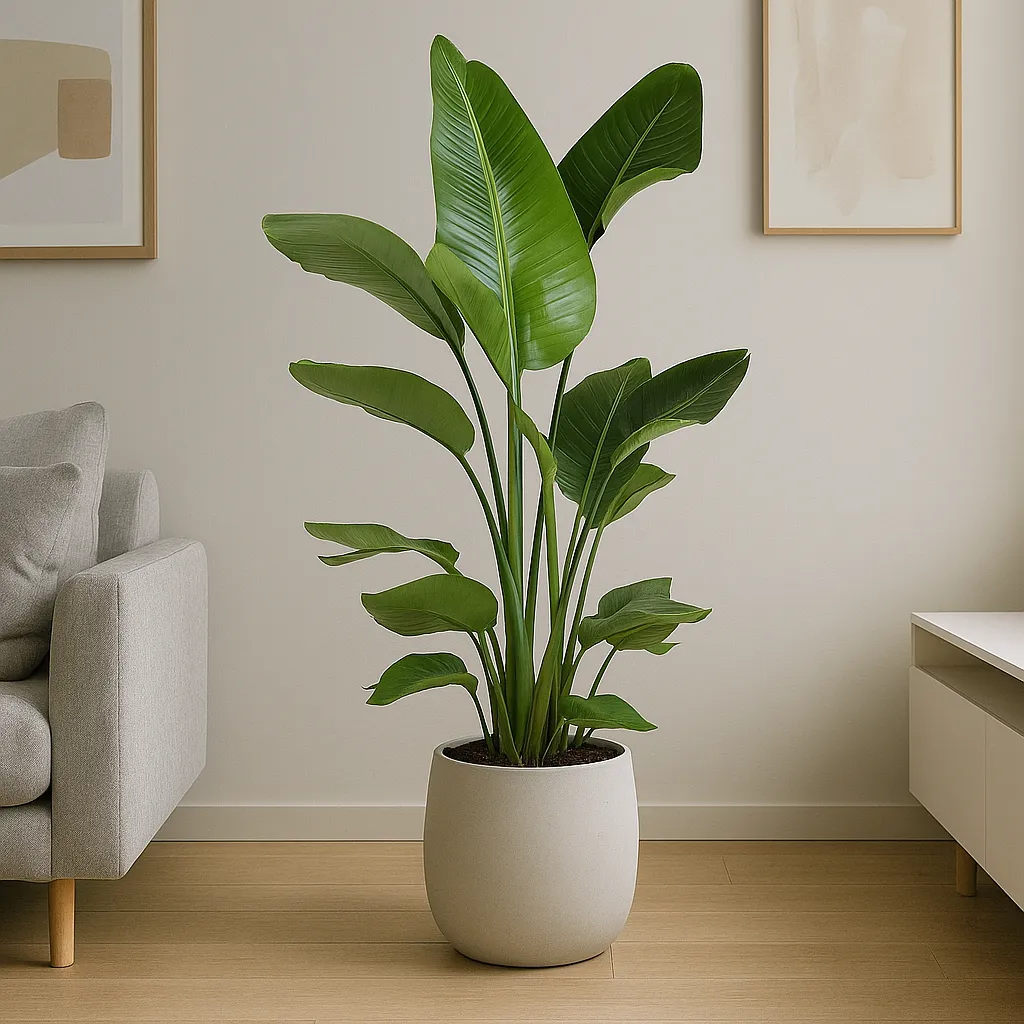
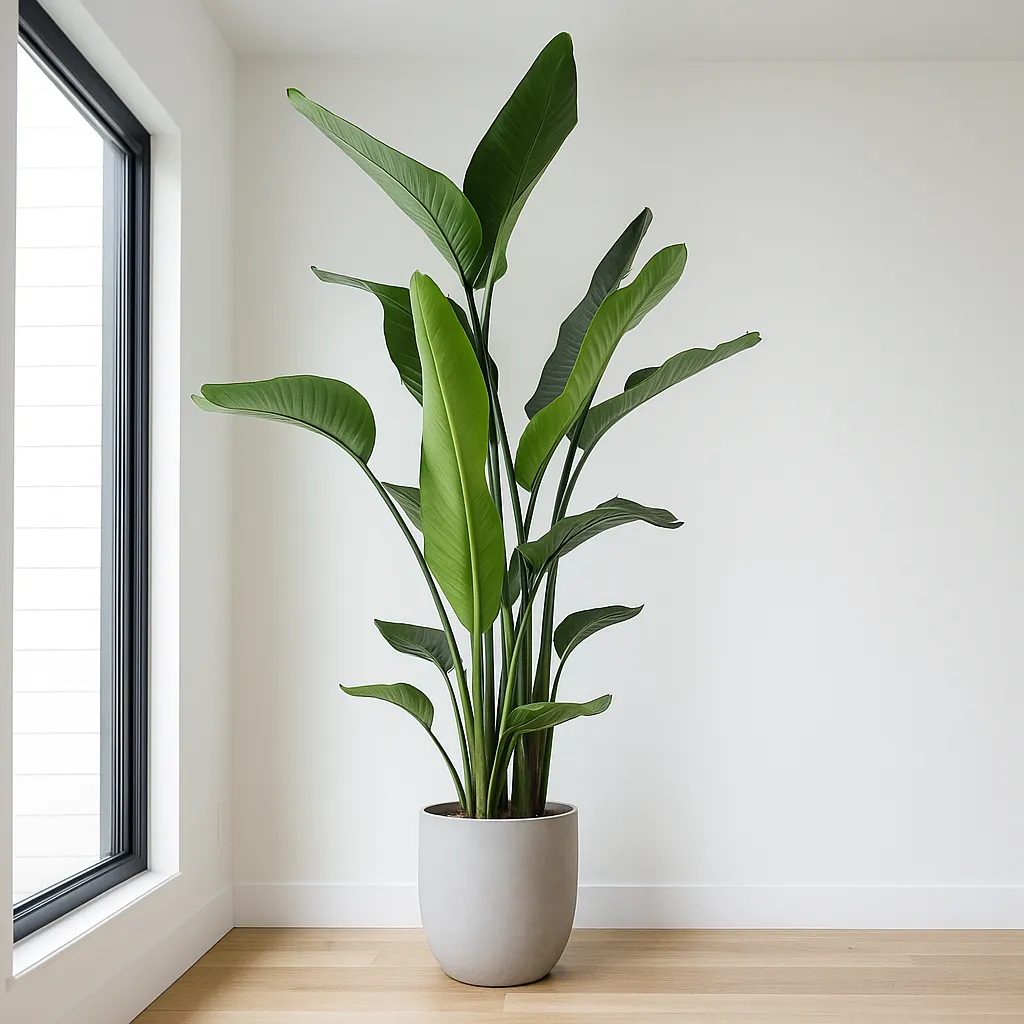
200 - 220cm XXL Cycas Revoluta 50cm Pot House Plant
🌴 Cycas Revoluta — Sago Palm
Cycas revoluta, commonly referred to as the Sago Palm, is an ancient and highly architectural plant with a bold, symmetrical rosette of feathery fronds that emerge from a thick, woody trunk. Despite the name, it is not a true palm, but a cycad — one of the oldest plant groups on Earth, dating back to prehistoric times. Native to southern Japan, this slow-growing evergreen is renowned for its sculptural appearance, compact form, and resilience. It can be grown both indoors and outdoors (in mild climates), making it a popular choice for modern interiors, conservatories, terraces, and Mediterranean-style gardens. With minimal care and patience, Cycas revoluta offers year-round structure and an unmistakable tropical aesthetic.
☀️ Light Requirements
-
Indoors: Prefers bright, indirect light. Will tolerate some direct morning or evening sun.
-
Outdoors: Thrives in full sun to part shade. Protect from scorching heat when young.
-
Too little light: Can cause leggy growth and pale or yellowing fronds.
🌡️ Temperature & Humidity
-
Ideal temperature: 18–27°C (65–80°F)
-
Minimum temperature: Keep above 10°C (50°F); hardy to approx. 0°C for short periods if kept dry.
-
Humidity: Tolerant of low to moderate humidity. Misting not required but beneficial in dry air.
💧 Watering Needs
-
Watering frequency: Water when the top half of the soil has dried out. Allow soil to dry between waterings.
-
Winter: Water very sparingly — the plant enters dormancy in cooler months.
-
Overwatering warning: Highly susceptible to root rot — always err on the dry side.
🪴 Soil & Repotting
-
Soil type: Well-draining cactus or palm mix. A blend of loam, sand, and perlite is ideal.
-
pH: Slightly acidic to neutral (6.0–7.0)
-
Repotting: Every 3–4 years or when rootbound. Choose a deep, stable container.
🌱 Feeding
-
Growing season (spring–summer): Feed every 4–6 weeks with a balanced palm or slow-release fertiliser.
-
Autumn–winter: No feeding needed during dormancy.
✂️ Pruning & Maintenance
-
Pruning: Only remove fully yellow or dead fronds at the base. Avoid cutting healthy foliage.
-
Leaf care: Gently wipe or rinse fronds to remove dust and allow photosynthesis.
-
Growth rate: Very slow — produces only a few new fronds each year.
🌾 Propagation
-
Offsets (pups): Remove and replant basal pups in spring or early summer once they develop their own roots.
-
Seed: Possible but slow and unpredictable in indoor cultivation.
🐛 Pests & Problems
-
Common pests: Scale, mealybugs, spider mites, especially in dry or stagnant air.
-
Symptoms: Yellowing fronds, sticky residue, or visible pests.
-
Treatment: Treat with neem oil or insecticidal soap. Improve airflow and monitor closely.
-
Common issues:
-
Root rot: Caused by overwatering or poor drainage — ensure soil dries thoroughly.
-
Yellowing leaves: May indicate overwatering, poor light, or nutrient deficiency.
-
🧤 Toxicity & Safety
-
Toxicity: Highly toxic to pets and humans if ingested. All parts, especially seeds, are poisonous.
-
Precaution: Keep out of reach of children and animals.
🏡 Indoor & Outdoor Care Highlights
-
A timeless, sculptural plant that suits both modern and classical interiors or gardens.
-
Ideal for adding bold texture and prehistoric charm to living spaces, patios, or conservatories.
-
Works beautifully in terracotta or concrete containers for a Mediterranean look.
-
Low-maintenance and drought-tolerant once established — perfect for collectors and design-conscious plant lovers.
-
Can live for decades with proper care — a true legacy plant.
Product Information
Product Information
Shipping & Returns
Shipping & Returns
Description
🌴 Cycas Revoluta — Sago Palm
Cycas revoluta, commonly referred to as the Sago Palm, is an ancient and highly architectural plant with a bold, symmetrical rosette of feathery fronds that emerge from a thick, woody trunk. Despite the name, it is not a true palm, but a cycad — one of the oldest plant groups on Earth, dating back to prehistoric times. Native to southern Japan, this slow-growing evergreen is renowned for its sculptural appearance, compact form, and resilience. It can be grown both indoors and outdoors (in mild climates), making it a popular choice for modern interiors, conservatories, terraces, and Mediterranean-style gardens. With minimal care and patience, Cycas revoluta offers year-round structure and an unmistakable tropical aesthetic.
☀️ Light Requirements
-
Indoors: Prefers bright, indirect light. Will tolerate some direct morning or evening sun.
-
Outdoors: Thrives in full sun to part shade. Protect from scorching heat when young.
-
Too little light: Can cause leggy growth and pale or yellowing fronds.
🌡️ Temperature & Humidity
-
Ideal temperature: 18–27°C (65–80°F)
-
Minimum temperature: Keep above 10°C (50°F); hardy to approx. 0°C for short periods if kept dry.
-
Humidity: Tolerant of low to moderate humidity. Misting not required but beneficial in dry air.
💧 Watering Needs
-
Watering frequency: Water when the top half of the soil has dried out. Allow soil to dry between waterings.
-
Winter: Water very sparingly — the plant enters dormancy in cooler months.
-
Overwatering warning: Highly susceptible to root rot — always err on the dry side.
🪴 Soil & Repotting
-
Soil type: Well-draining cactus or palm mix. A blend of loam, sand, and perlite is ideal.
-
pH: Slightly acidic to neutral (6.0–7.0)
-
Repotting: Every 3–4 years or when rootbound. Choose a deep, stable container.
🌱 Feeding
-
Growing season (spring–summer): Feed every 4–6 weeks with a balanced palm or slow-release fertiliser.
-
Autumn–winter: No feeding needed during dormancy.
✂️ Pruning & Maintenance
-
Pruning: Only remove fully yellow or dead fronds at the base. Avoid cutting healthy foliage.
-
Leaf care: Gently wipe or rinse fronds to remove dust and allow photosynthesis.
-
Growth rate: Very slow — produces only a few new fronds each year.
🌾 Propagation
-
Offsets (pups): Remove and replant basal pups in spring or early summer once they develop their own roots.
-
Seed: Possible but slow and unpredictable in indoor cultivation.
🐛 Pests & Problems
-
Common pests: Scale, mealybugs, spider mites, especially in dry or stagnant air.
-
Symptoms: Yellowing fronds, sticky residue, or visible pests.
-
Treatment: Treat with neem oil or insecticidal soap. Improve airflow and monitor closely.
-
Common issues:
-
Root rot: Caused by overwatering or poor drainage — ensure soil dries thoroughly.
-
Yellowing leaves: May indicate overwatering, poor light, or nutrient deficiency.
-
🧤 Toxicity & Safety
-
Toxicity: Highly toxic to pets and humans if ingested. All parts, especially seeds, are poisonous.
-
Precaution: Keep out of reach of children and animals.
🏡 Indoor & Outdoor Care Highlights
-
A timeless, sculptural plant that suits both modern and classical interiors or gardens.
-
Ideal for adding bold texture and prehistoric charm to living spaces, patios, or conservatories.
-
Works beautifully in terracotta or concrete containers for a Mediterranean look.
-
Low-maintenance and drought-tolerant once established — perfect for collectors and design-conscious plant lovers.
-
Can live for decades with proper care — a true legacy plant.